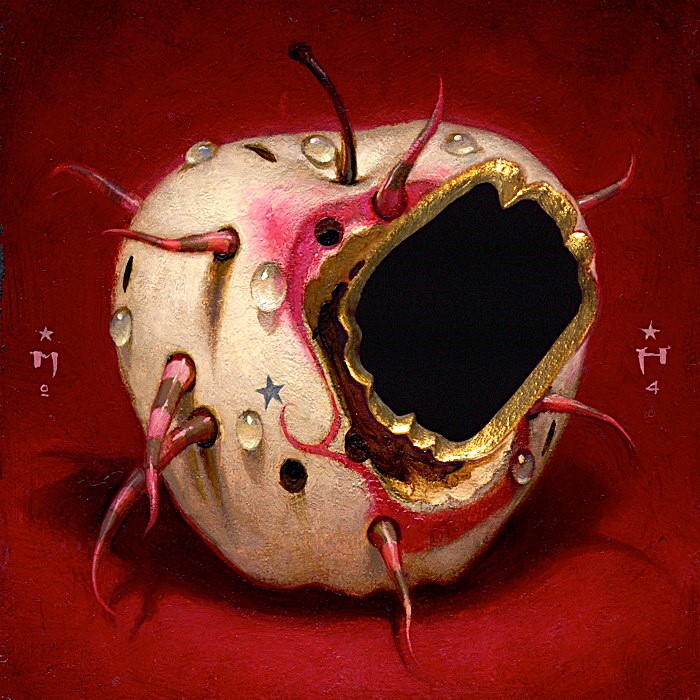
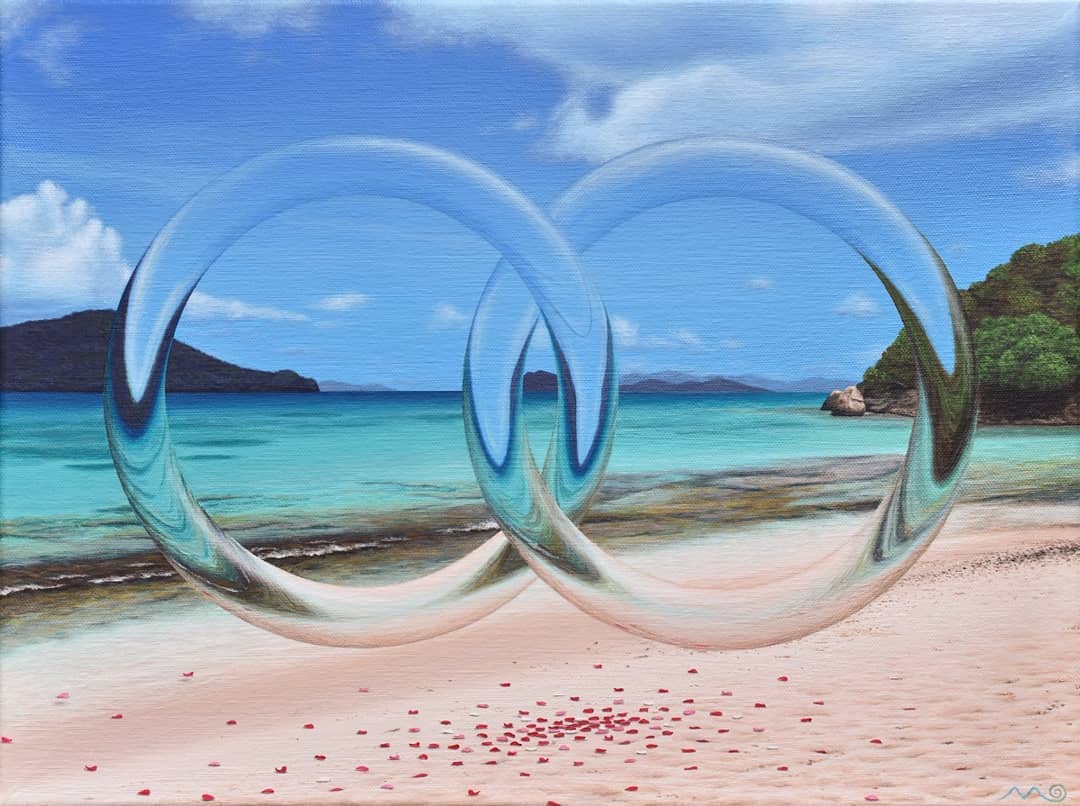
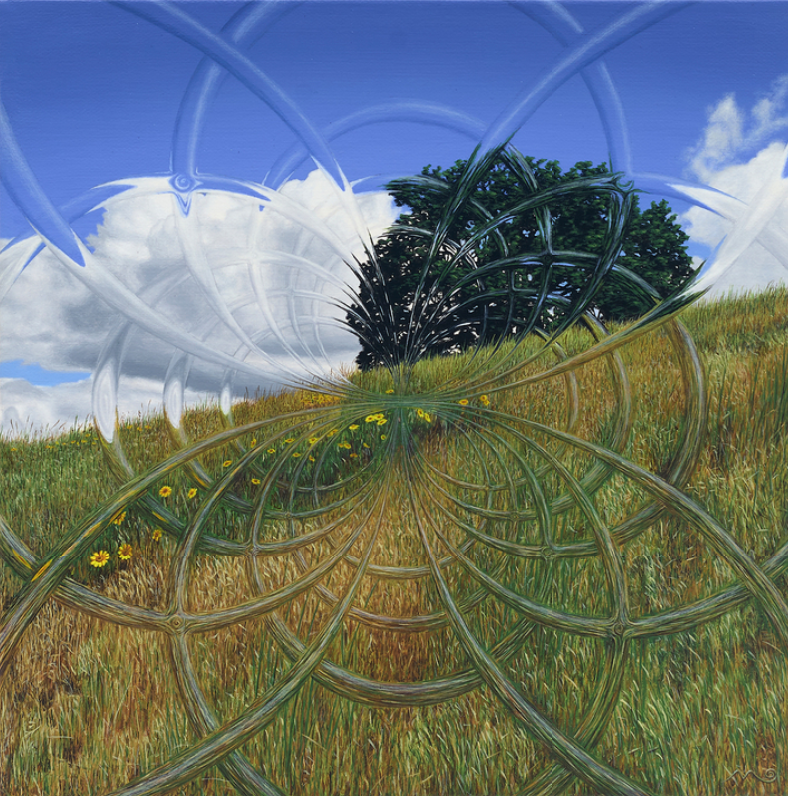
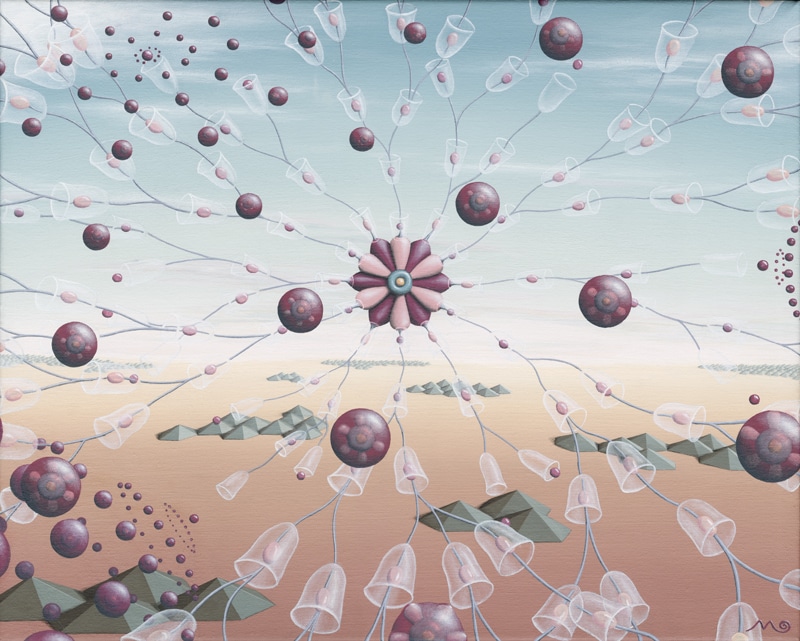
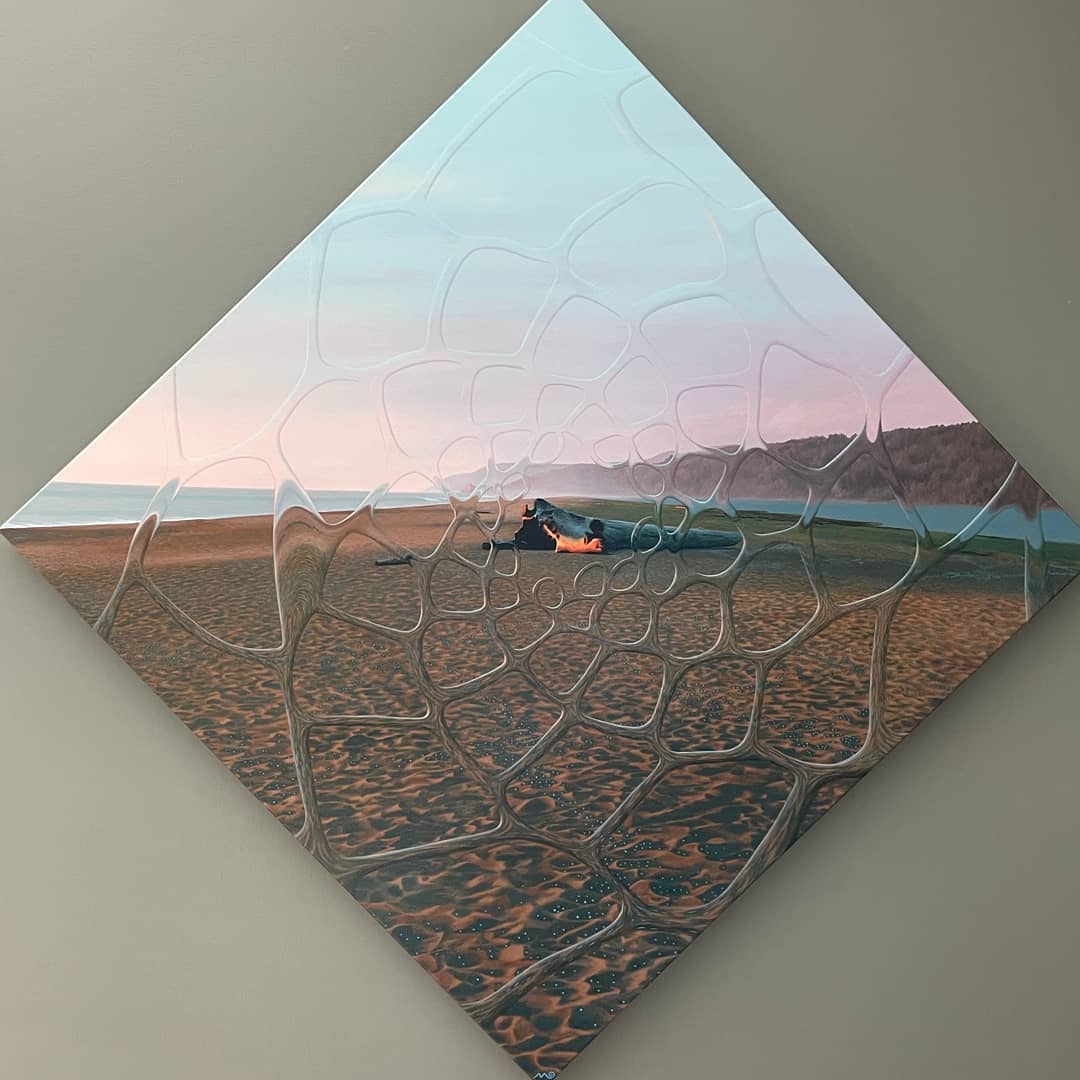
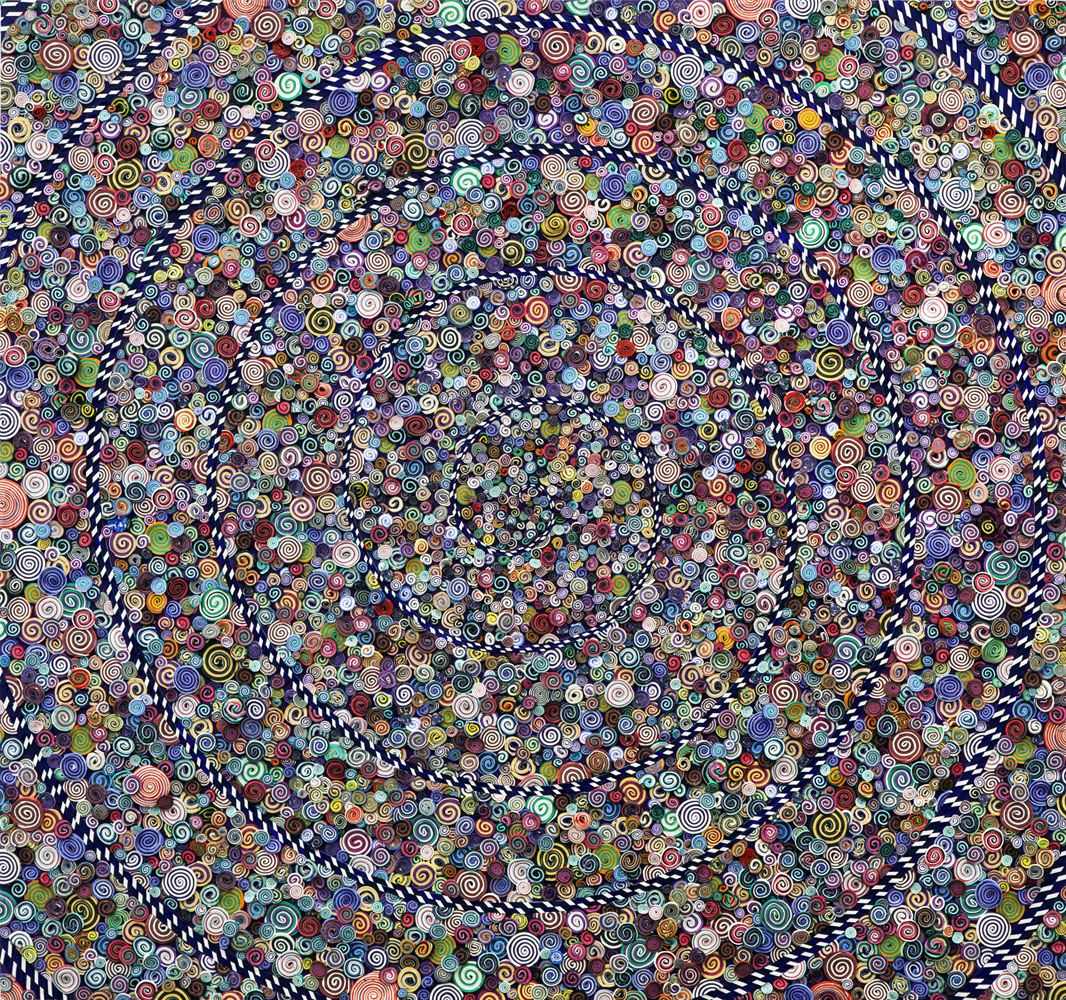
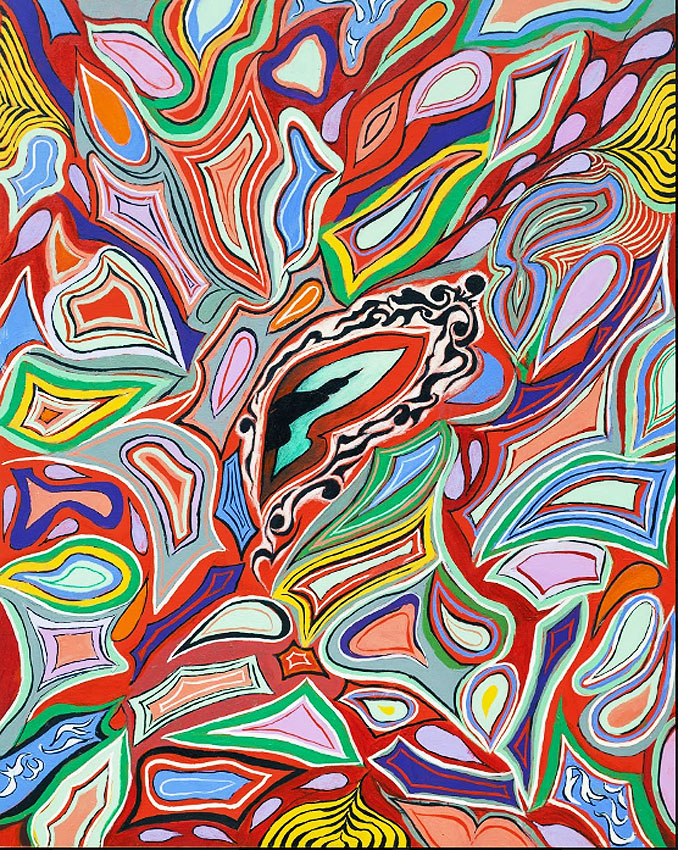
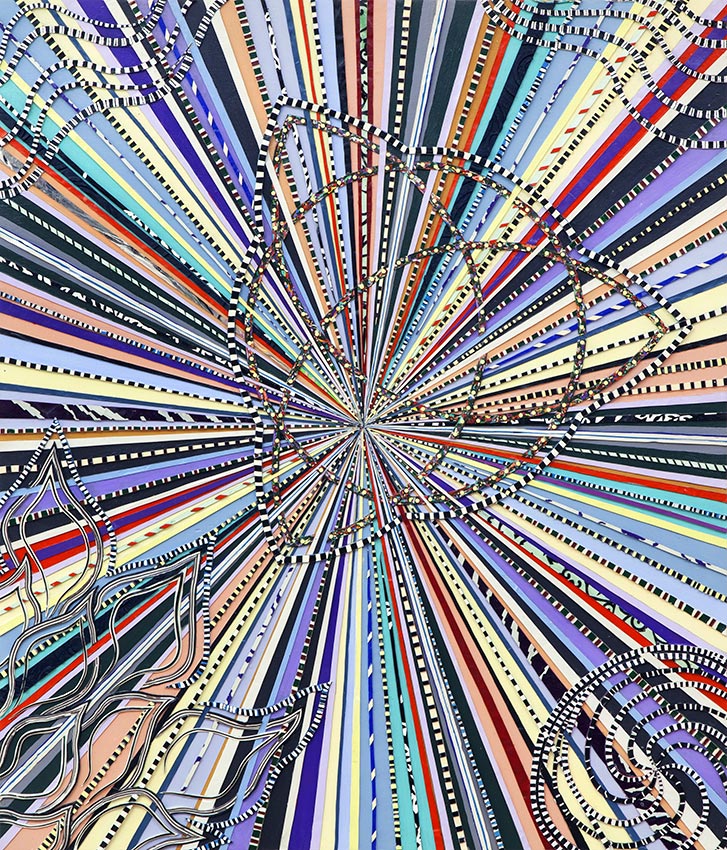
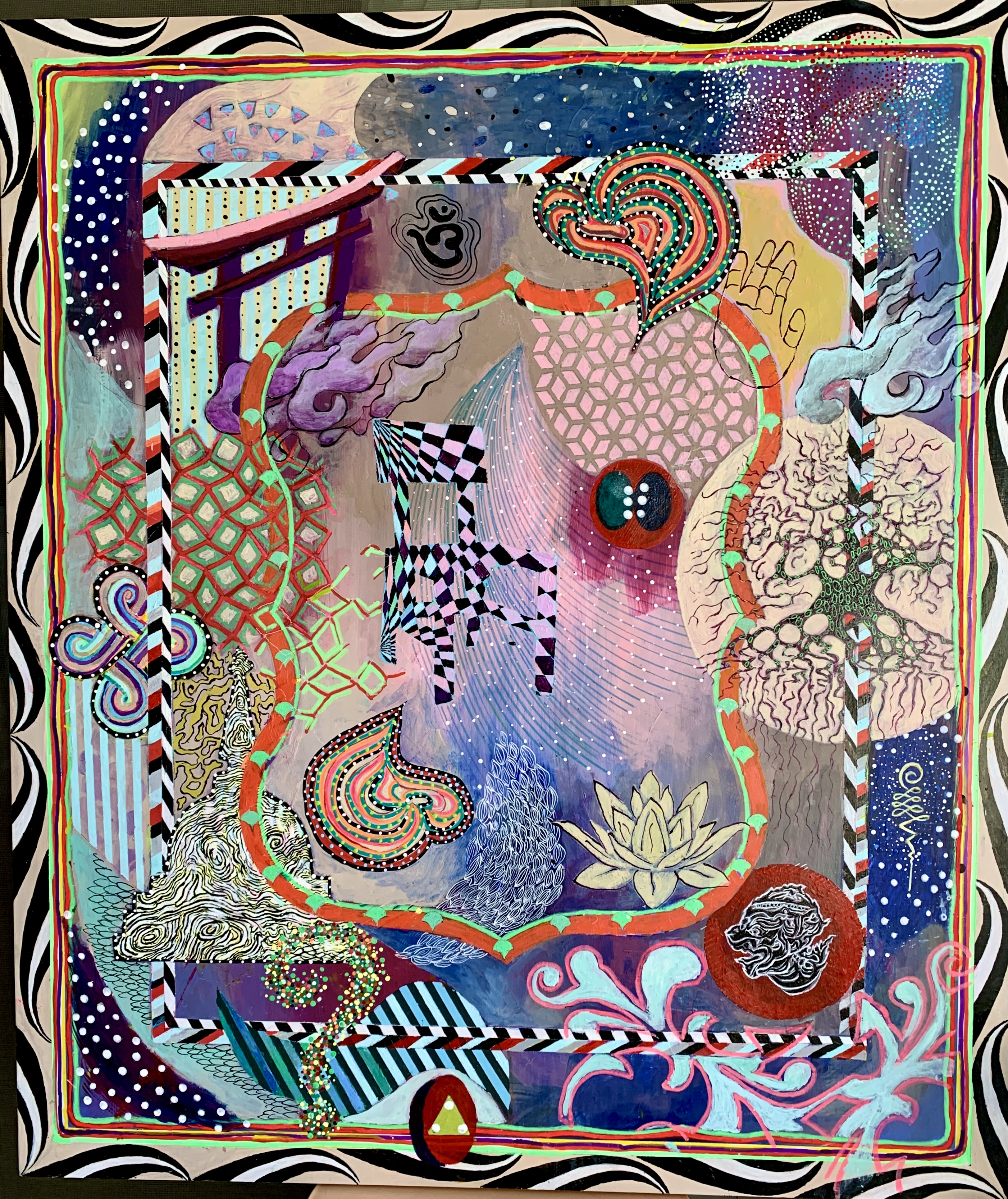
Sunday Evening Art Gallery — Matt Underwood

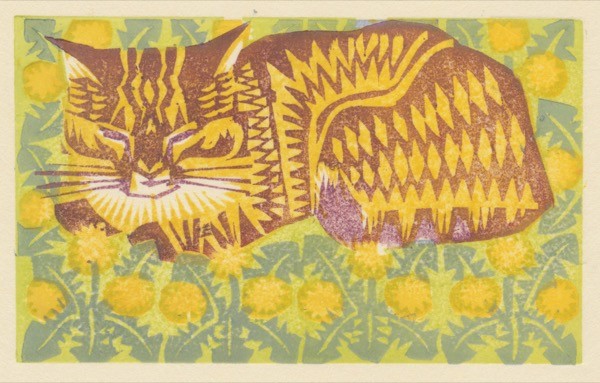
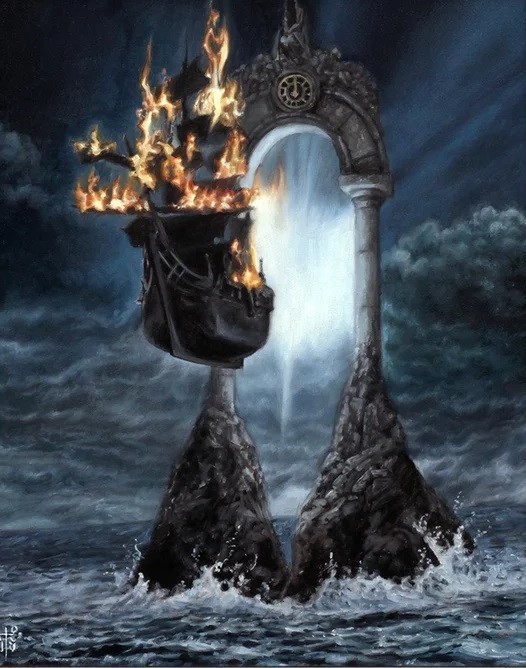
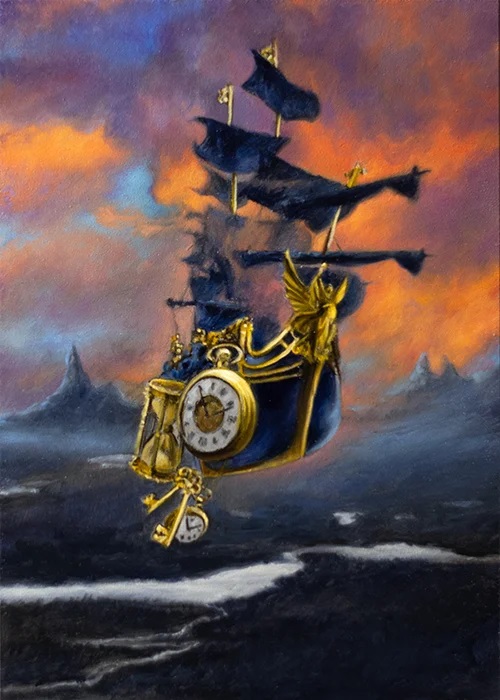
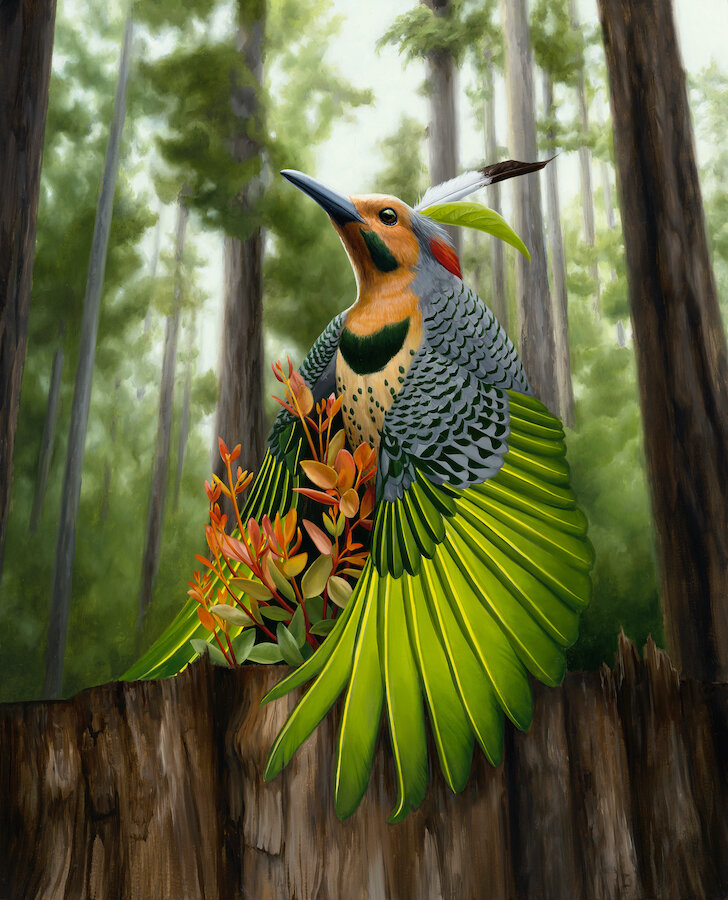
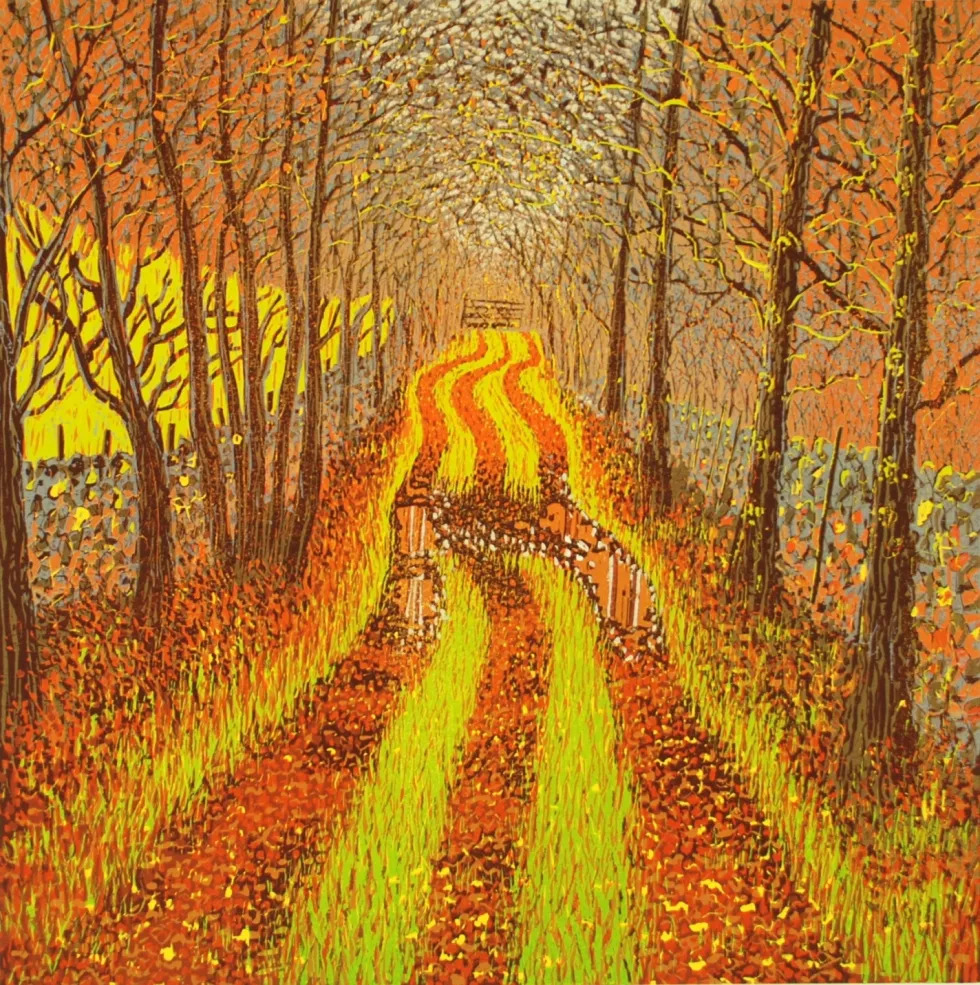
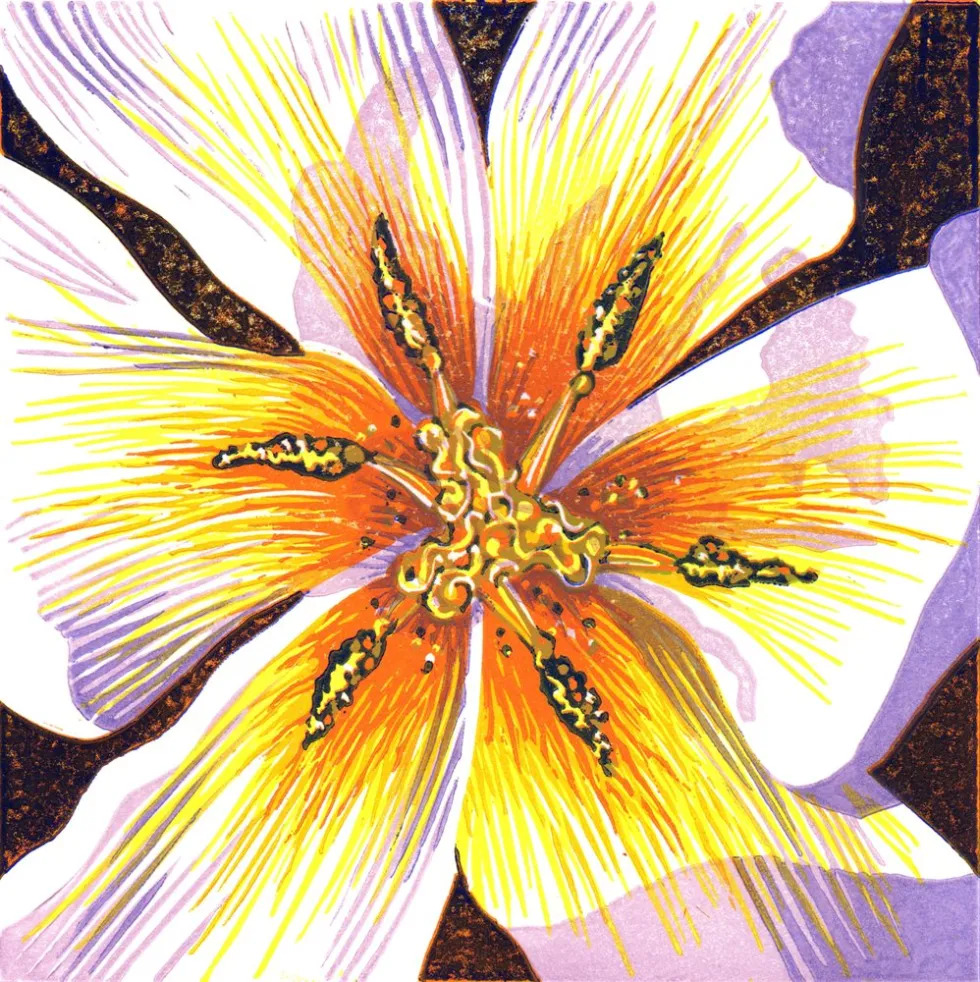
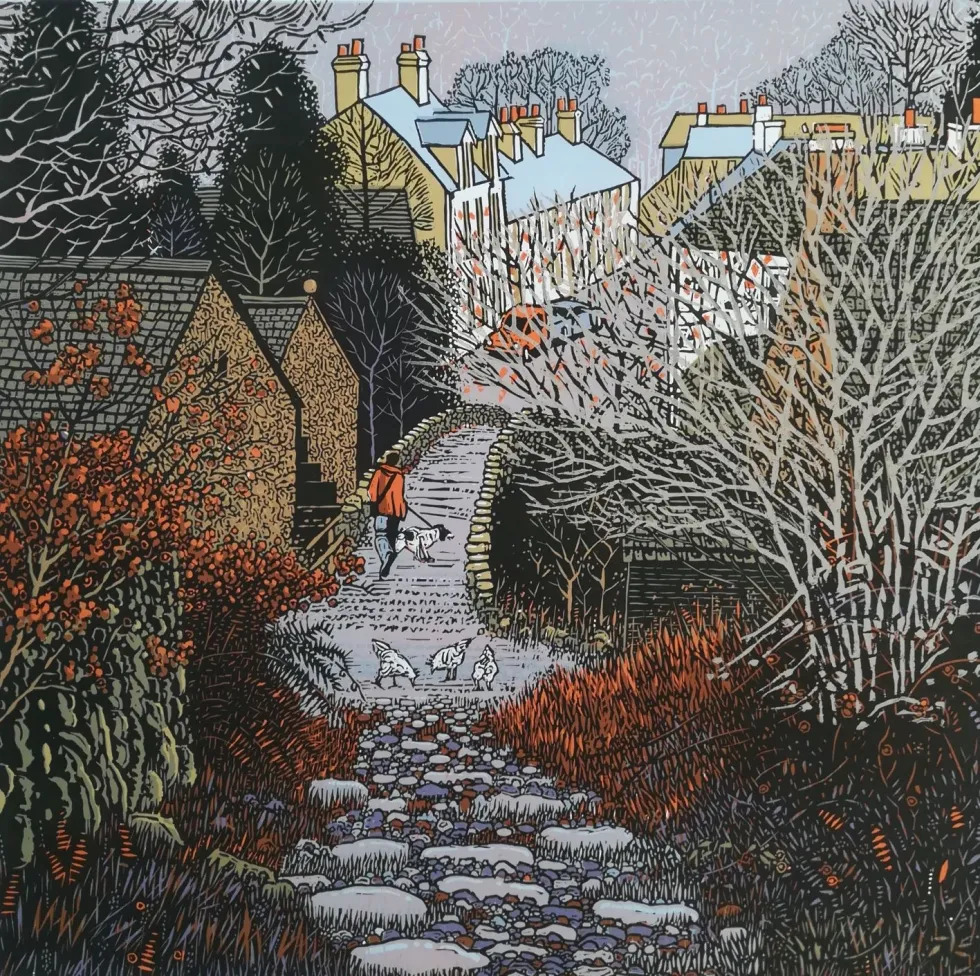
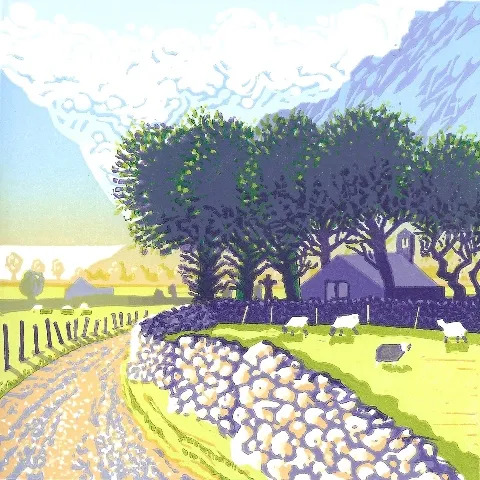
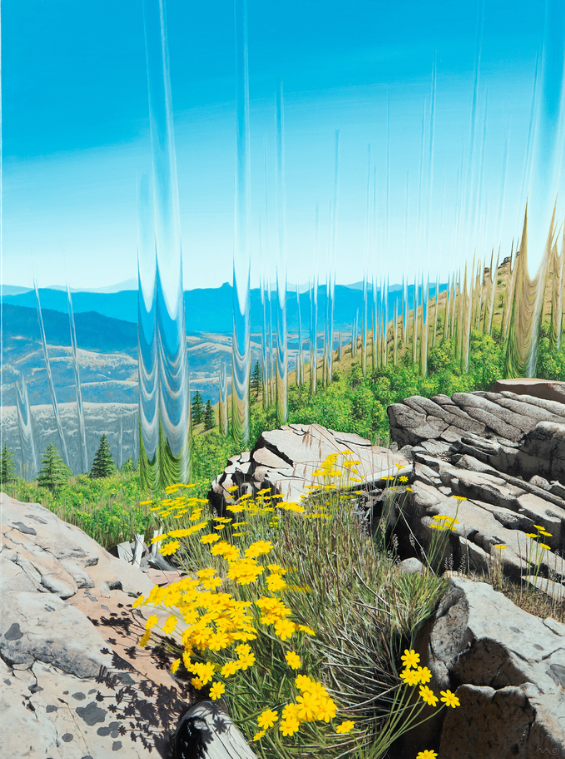
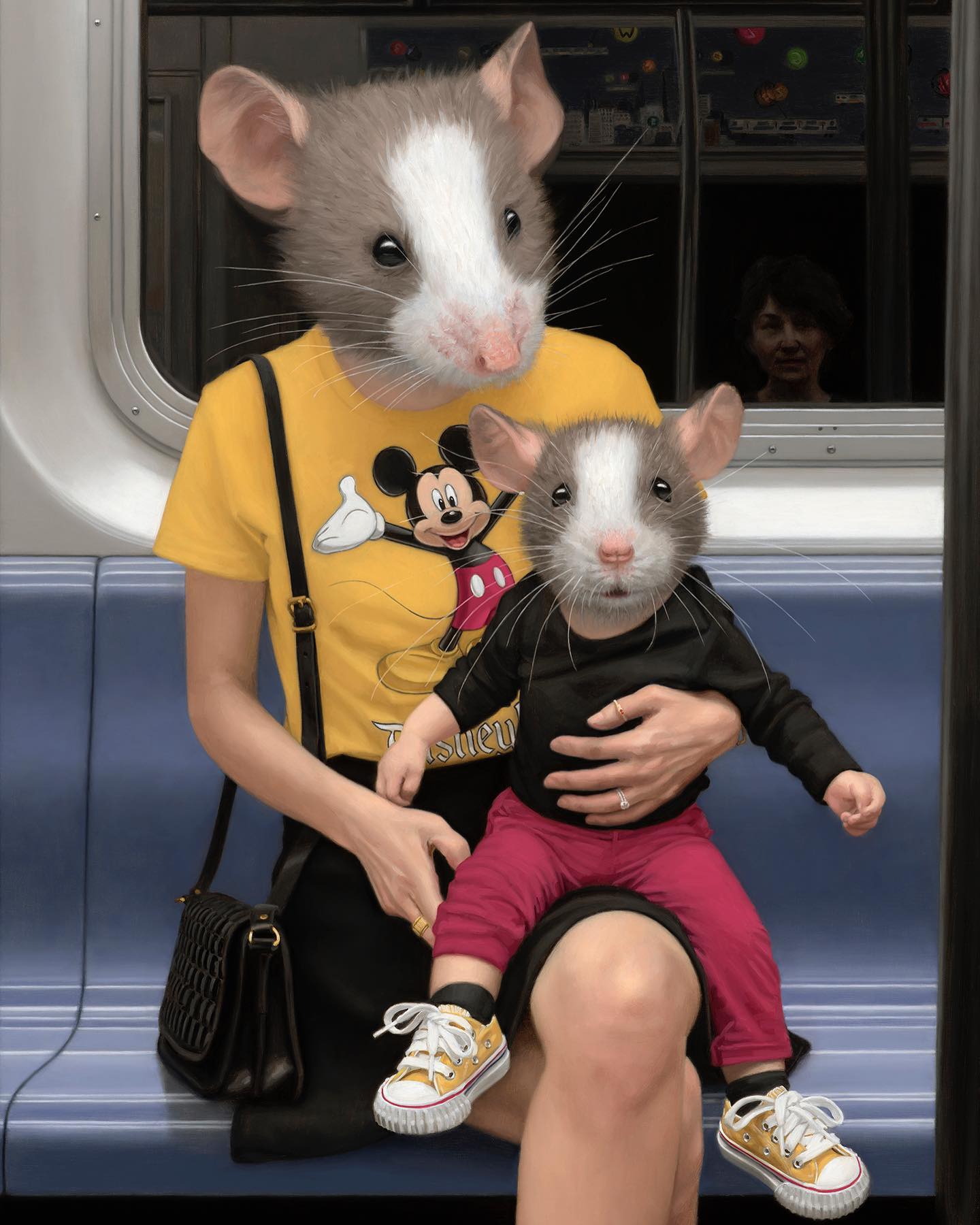
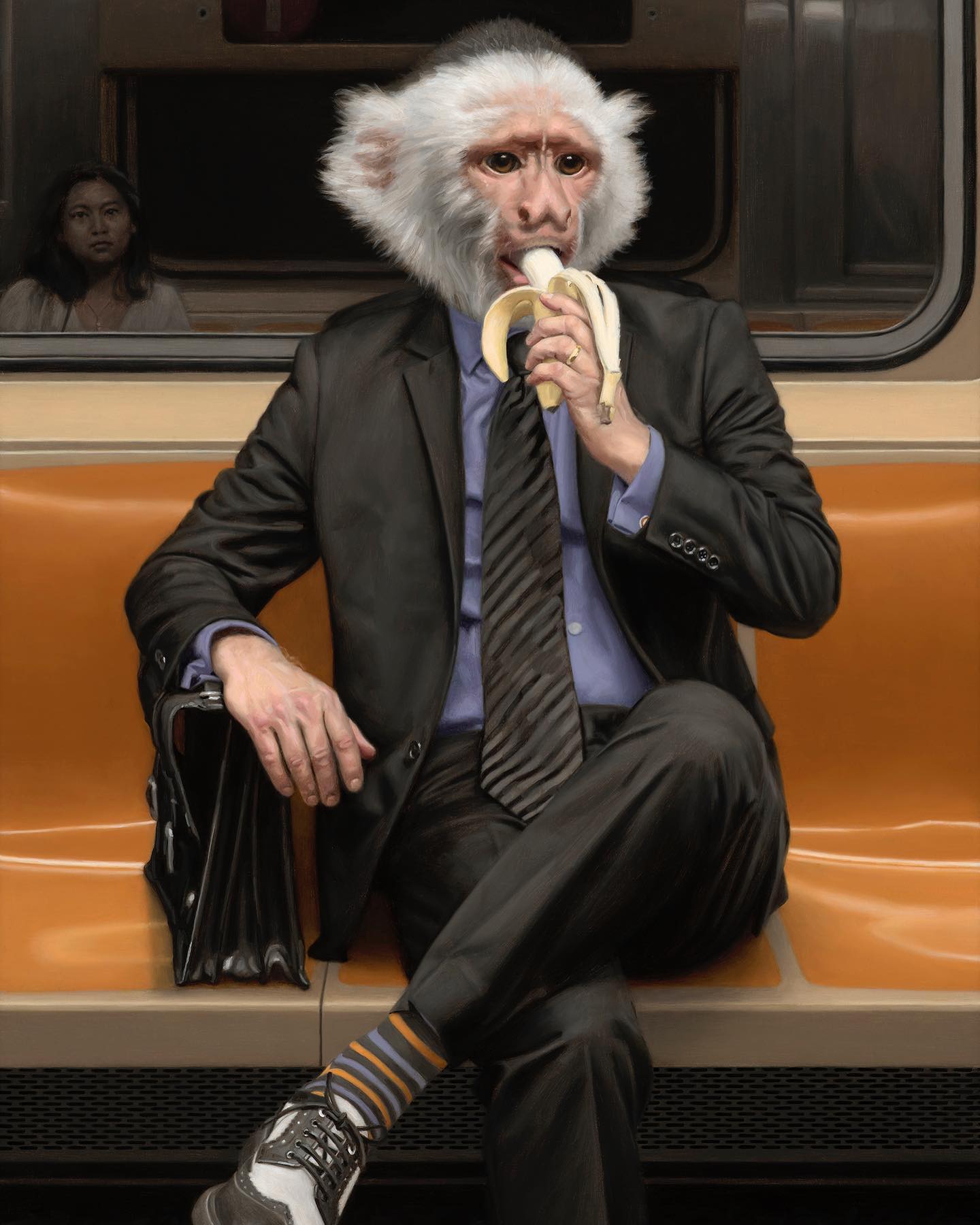
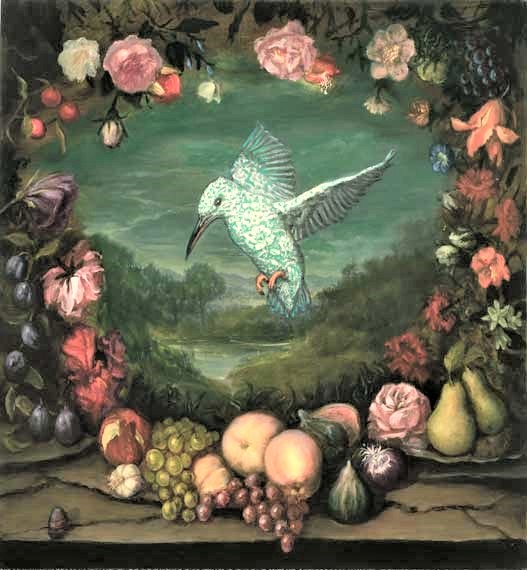
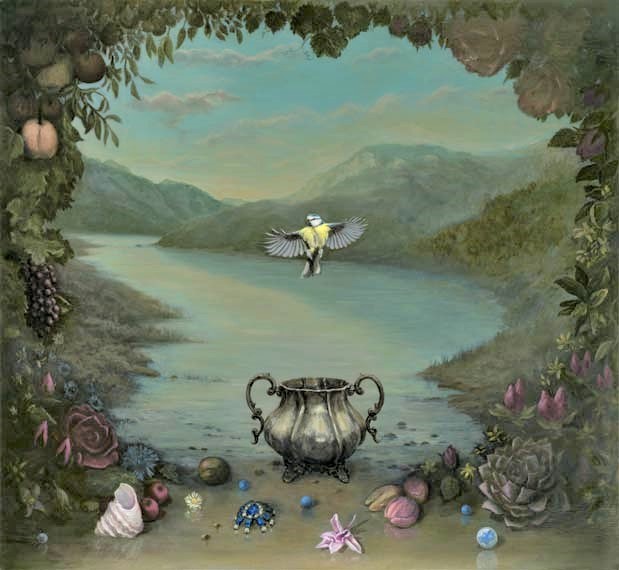
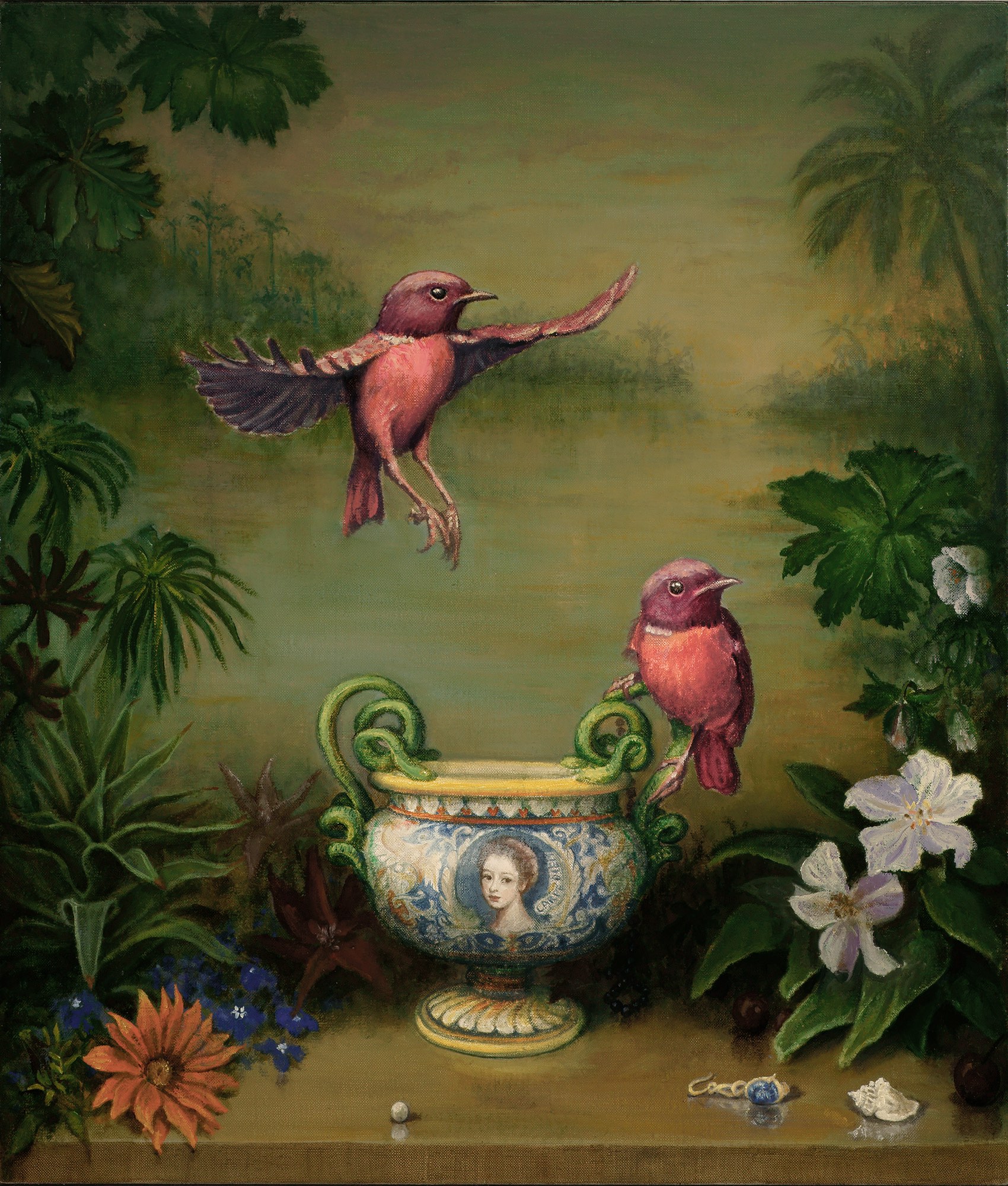
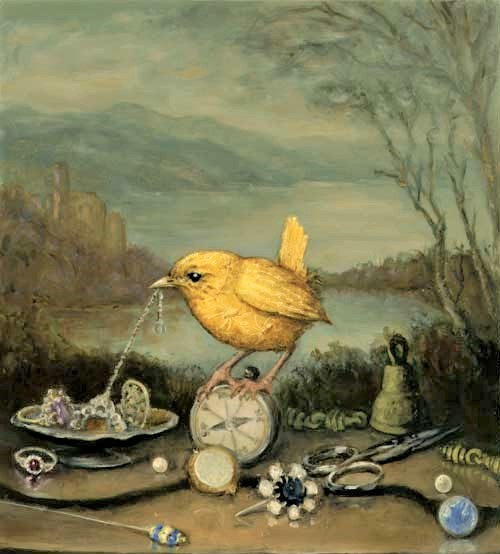
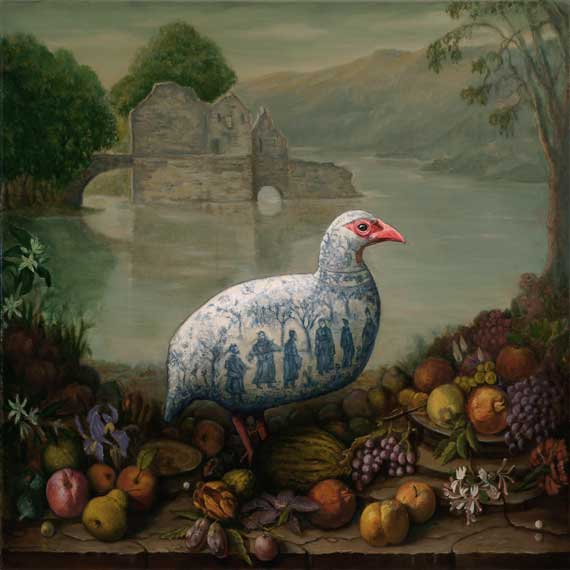
Matt Underwood (1971 -) is both painter and printmaker working in woodblock. He studied art and art history at Salisbury College of Art completed his HND in illustration with a distinction at Carmarthenshire College of Art.Wood block is a relief matrix, which means the areas to show ‘white’ are cut away, leaving the image to show in ‘black’ at the original surface level.The block is cut along the grain of the wood, then inked and brought into firm and even contact with paper to achieve an acceptable print.For his color prints, multiple blocks are used, each for one color, overprinting with may producing further colors on the print.In recent years he has returned to his interest in natural history, producing eye-catching works in collage, mixed media and oil.

More of Matt Underwood’s woodblock paintings can be found at mattunderwood.info.com.


Sunday Evening Art Gallery — Maggie Vandewalle

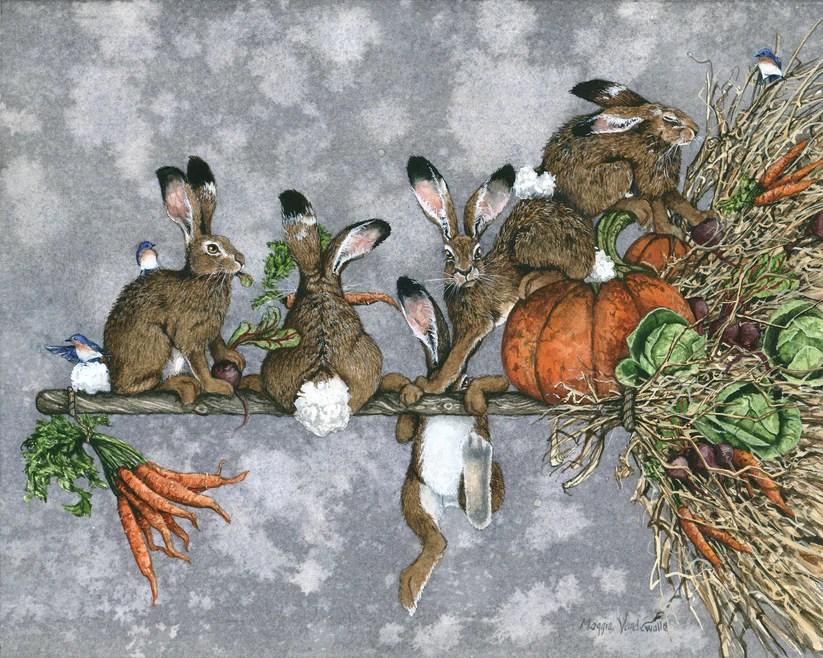
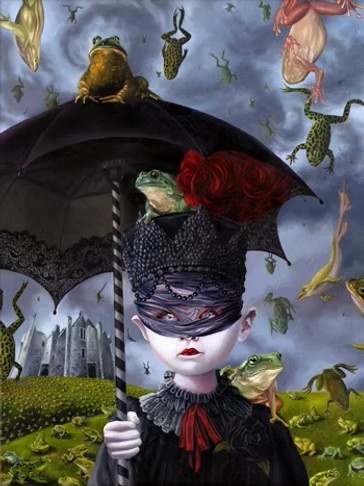
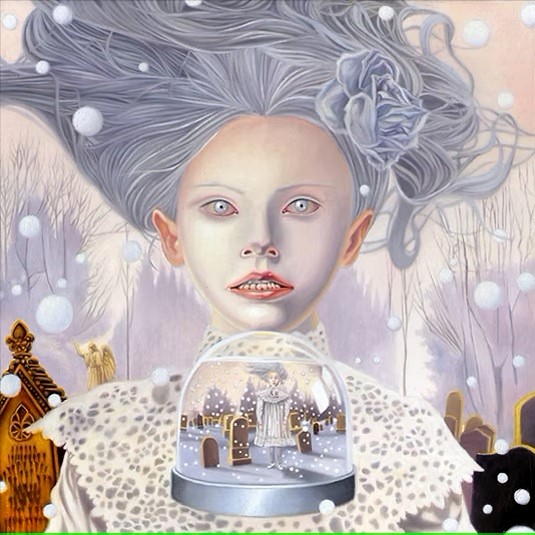
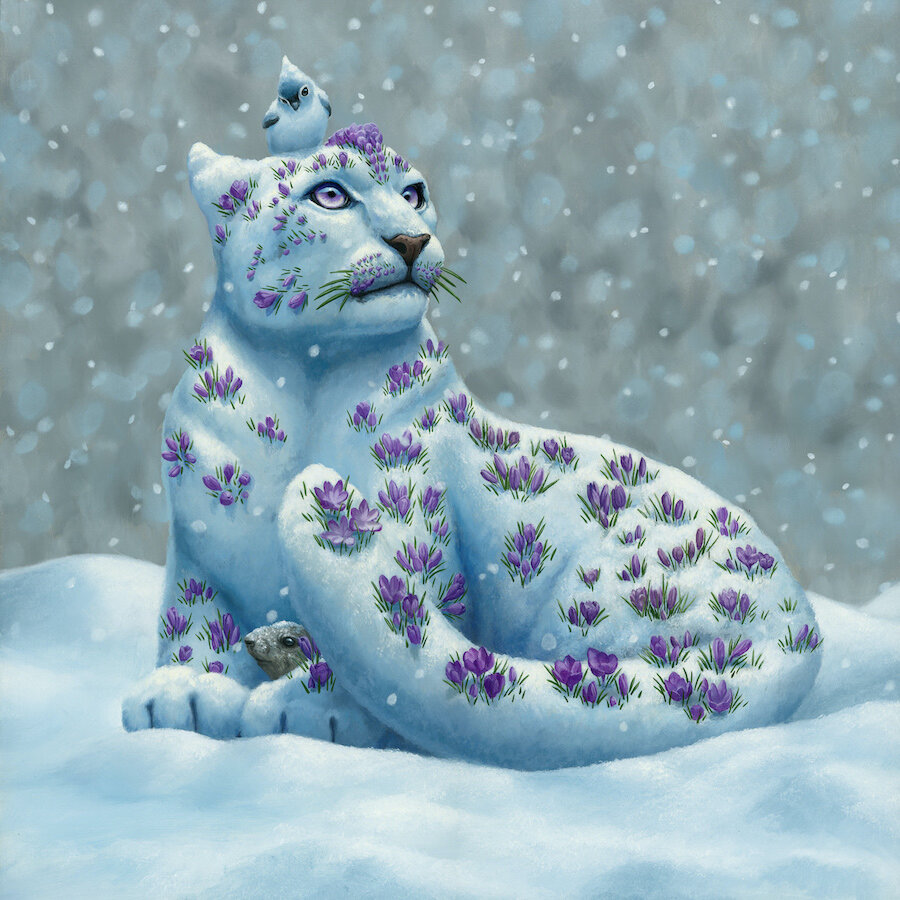
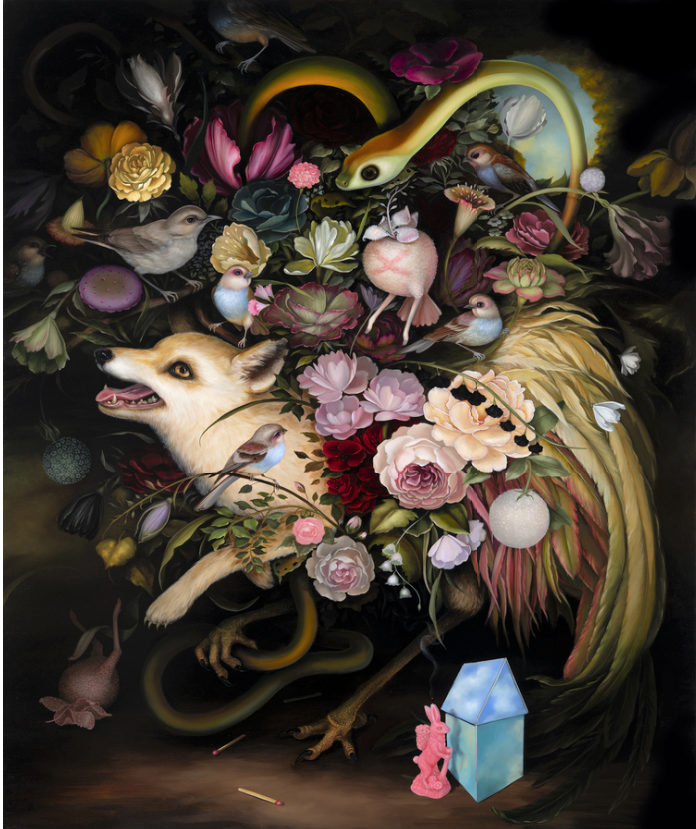
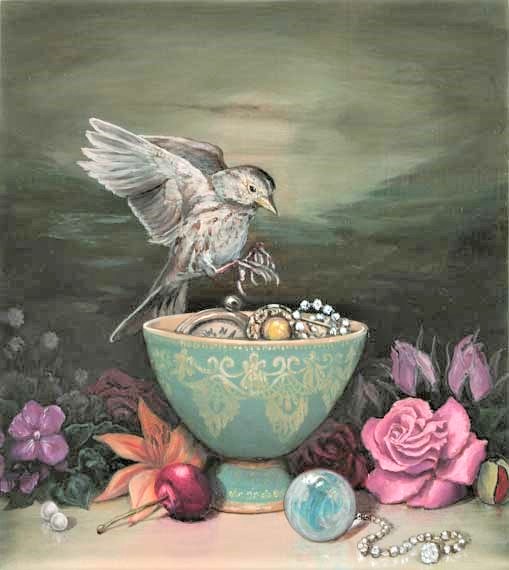
Maggie Vandewalle was born and raised just outside of Iowa City, Iowa, in a rural setting.She received an art scholarship to the University of Iowa, where she worked towards a BFA in printmaking.After several years she took a break from college to explore life,  determined that art most definitely would in the form of drawing.Vandewalle’s drawings are whimsical and precise, showing a wonderful talent for detail.She is a master of watercolor whimsy whose paintings transport us to a world where the ordinary becomes extraordinary, and the impossible seems just within reach.Vandewalle’s clever composition transforms our interpretation from aesthetic appreciation to ecological observation, reminding us with a wink that beauty in nature often serves a practical purpose.

More of Maggie Vandewalle’s amazing art can be found at https://maggievandewalle.com/.


Instant Connection

Last night I went through the blogs I follow and came across my friend’s gallery Tiffany Arp-Daleo Artwork. I have showcased her work in both Humoring the Goddess and Sunday Evening Art Gallery. 


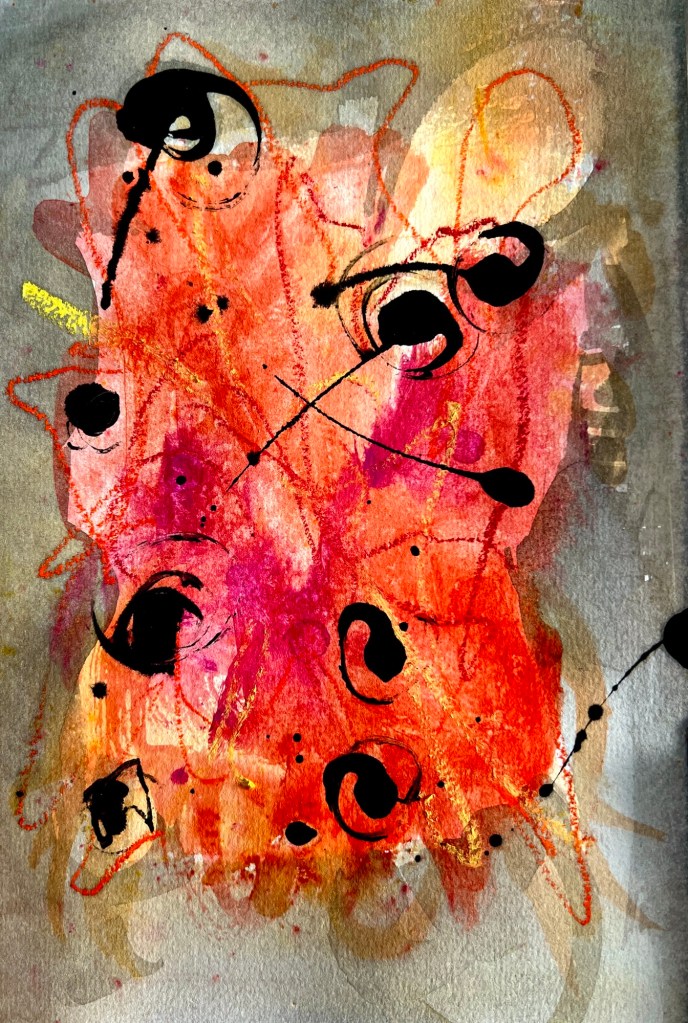
Tiffany has a unique way of creating abstract paintings — I love them..

This was Tiffany’s post yesterday:

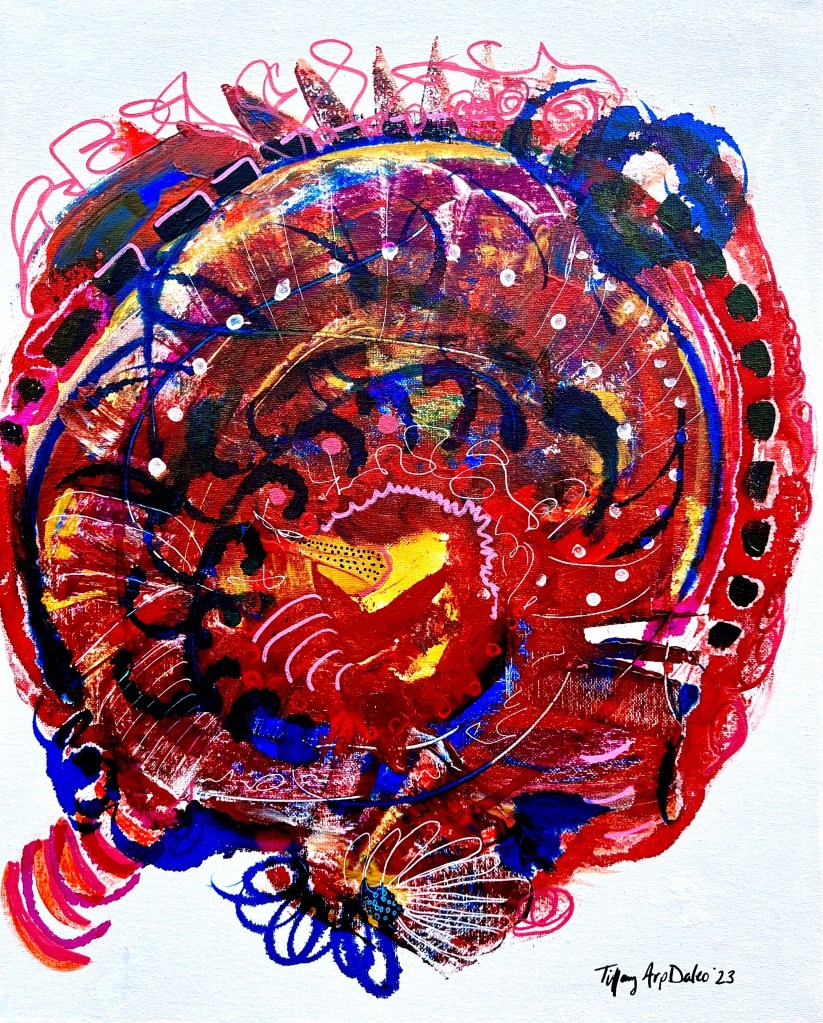
Shadows Within

6/9” Mixed media on paper

Now I don’t spend a lot of time looking closely at contemporary art. I usually love a painting because of the colors or the shapes or a compilation that somehow attracts me.

The first thing I thought when I looked at this pic is: Is that my body? Are those the black spots of hell showing up throughout my torso?

I then wondered if this was a message from Tiffany. Why did she called it Shadows Within? Was this an attempt to tell her readers something?  A Cosmic Message? Or if it was just painting of orange and pink and black?

Even though I love all sorts of Art, I rarely have an emotional connection with them. There are billions of paintings or quilts or ceramics that are worth a second look, but rarely does one shoot out a bolt of connection between human and object.

I’m tickled to pieces.

This is why I keep encouraging you to open up to the Creative Magic that’s everywhere around you. Not every creation is for you — that’s why there’s such diversity in Arts and Crafts. But sooner or later something is going to resonate with you and it will be extraordinary.

Thanks for the unexpected zap, Tiffany!


Sunday Evening Art Gallery — Volker Hermes

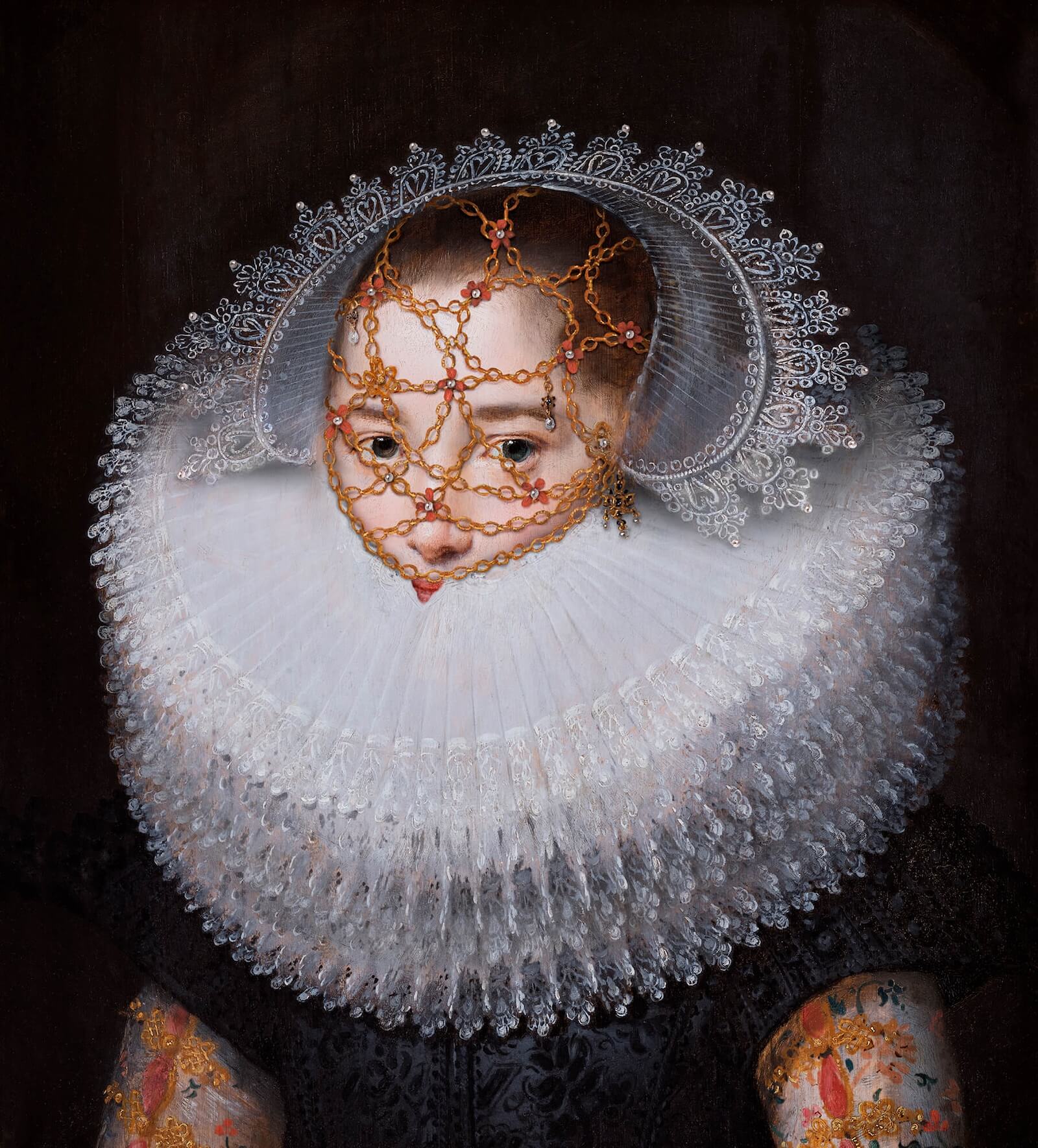
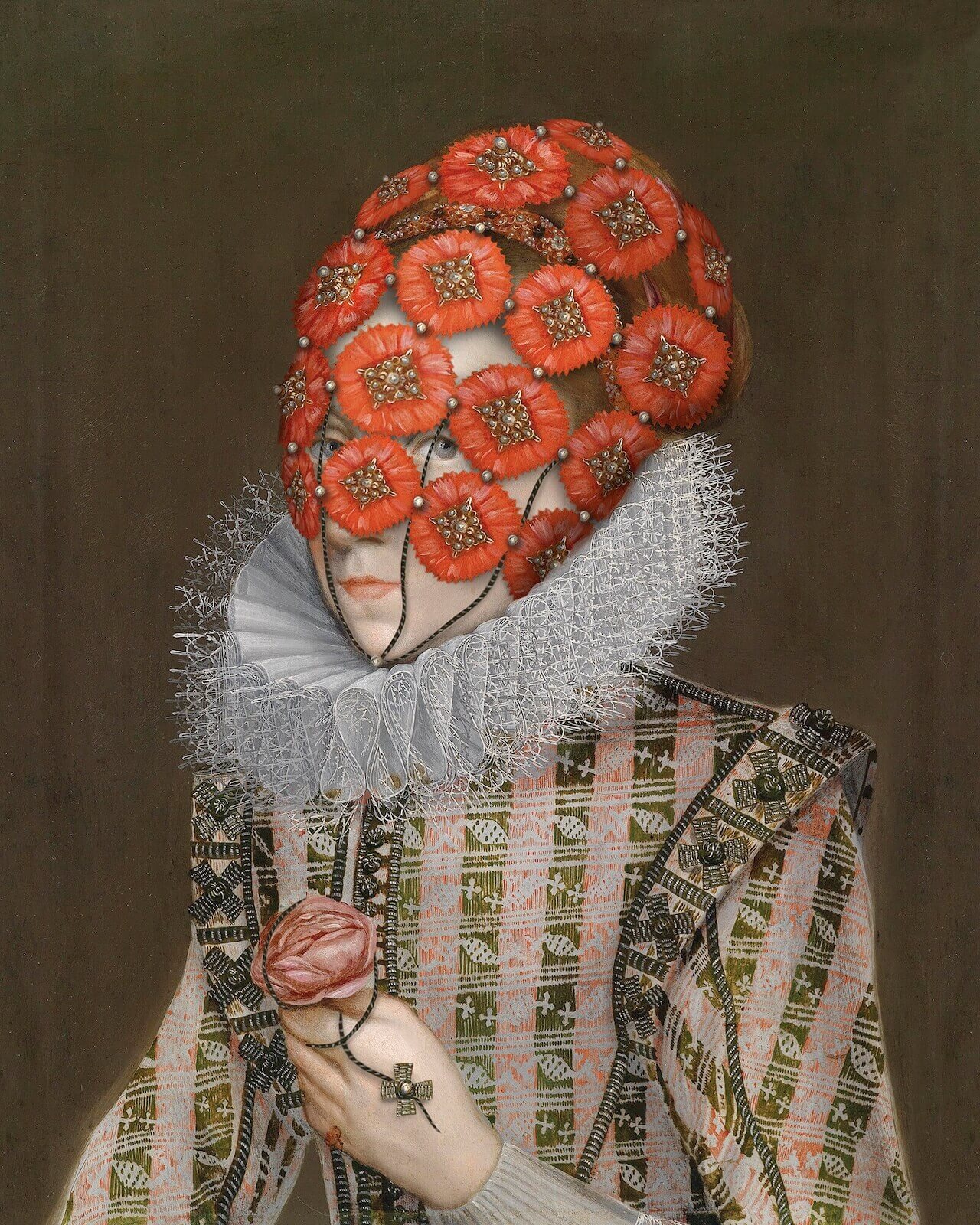
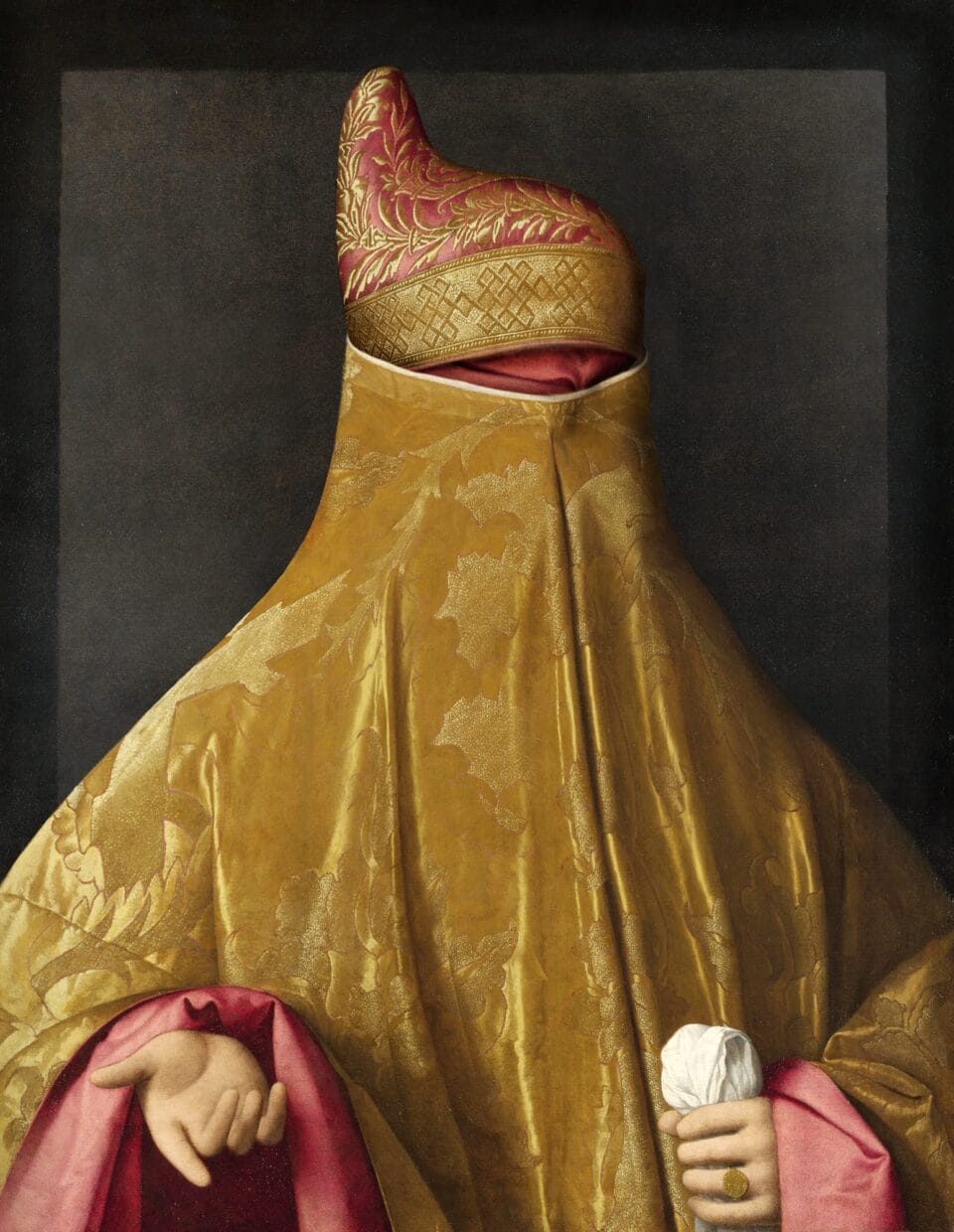
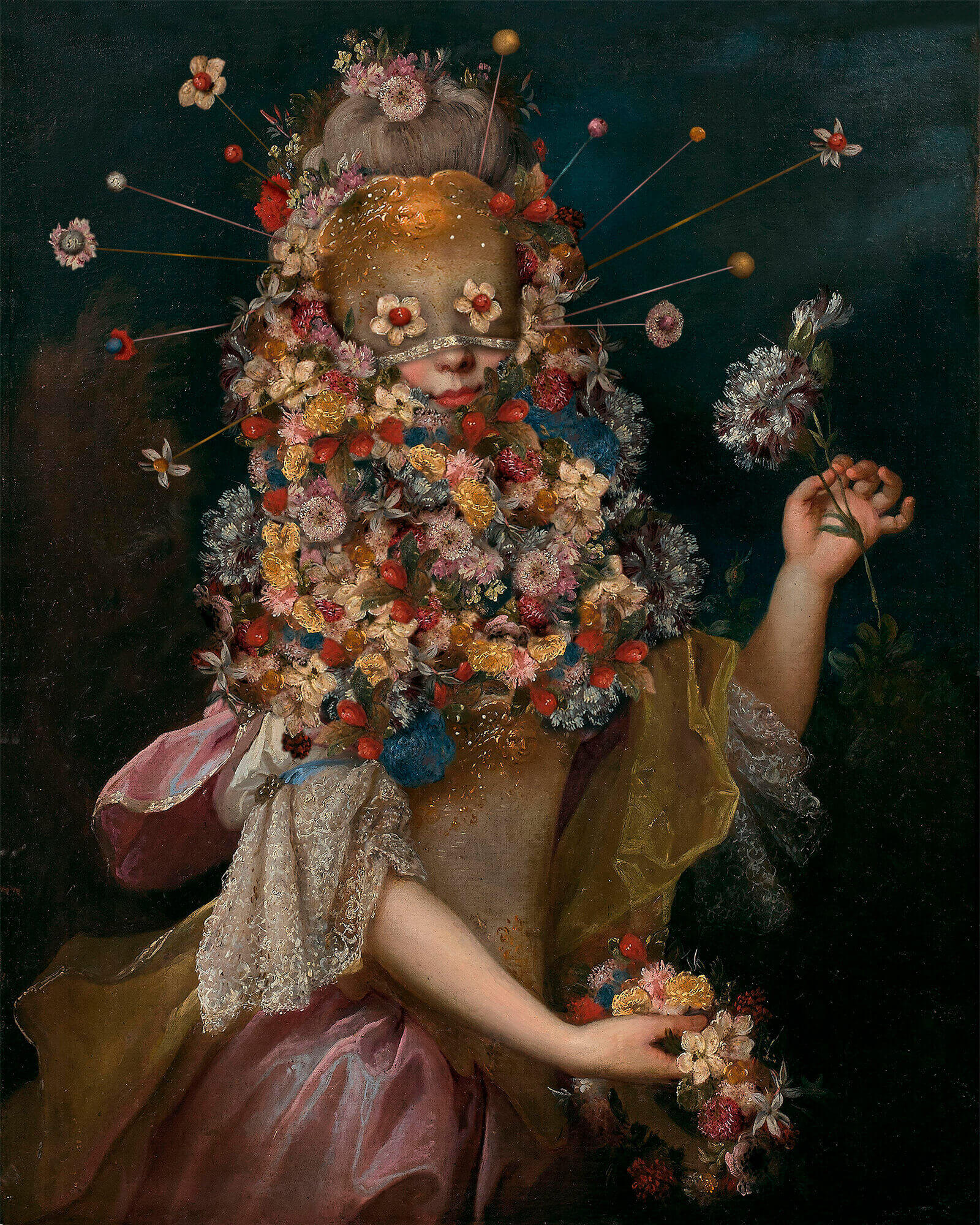
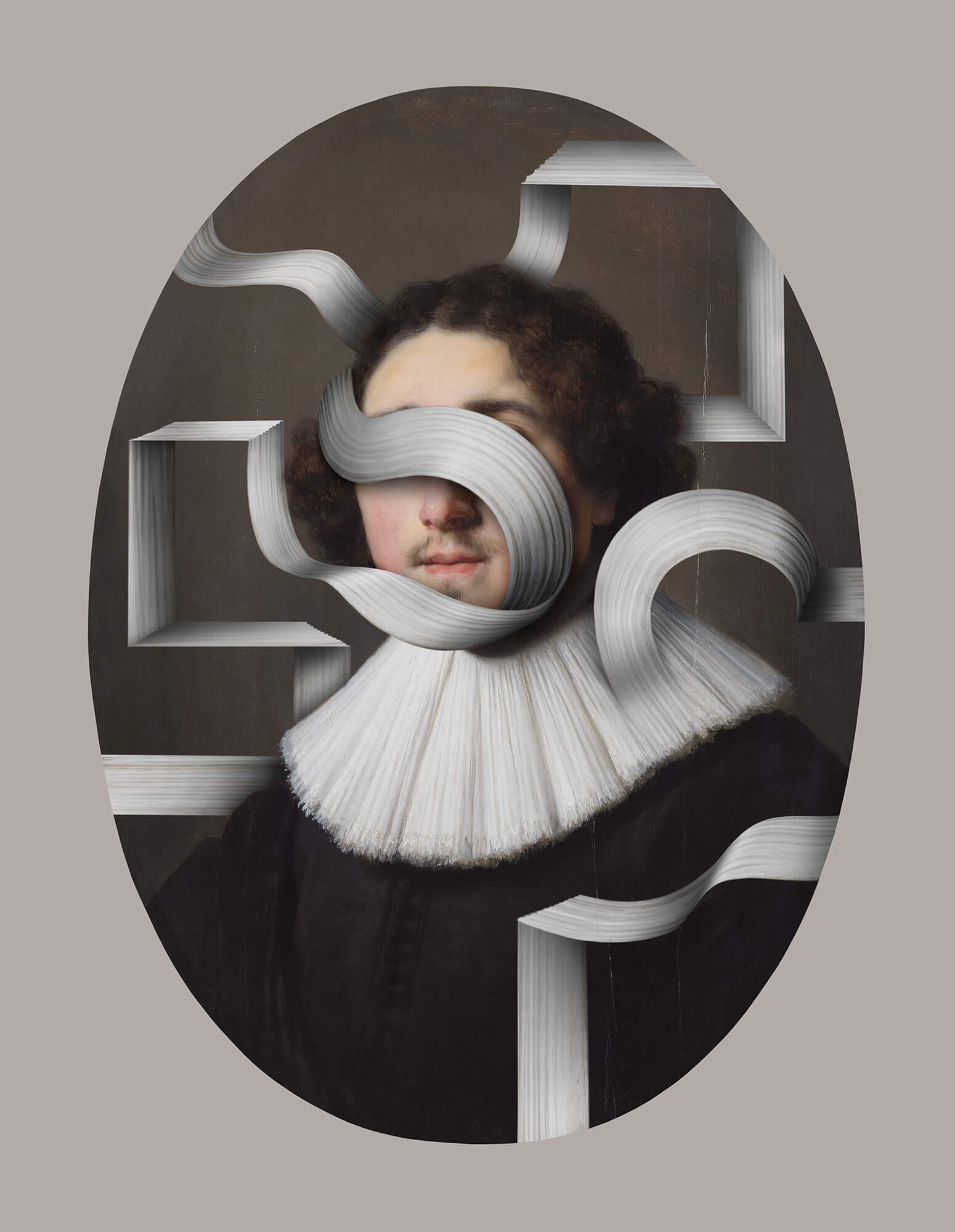
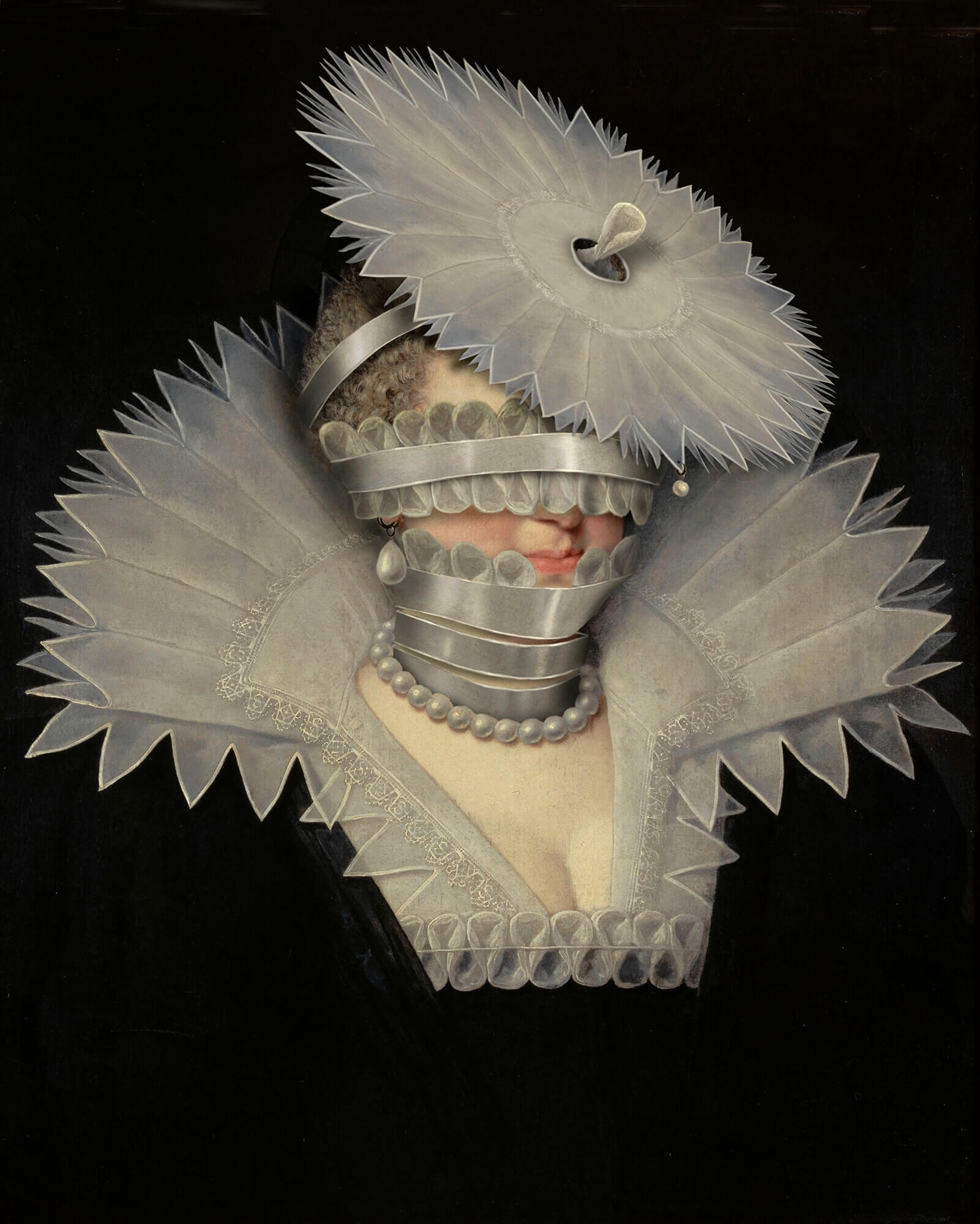
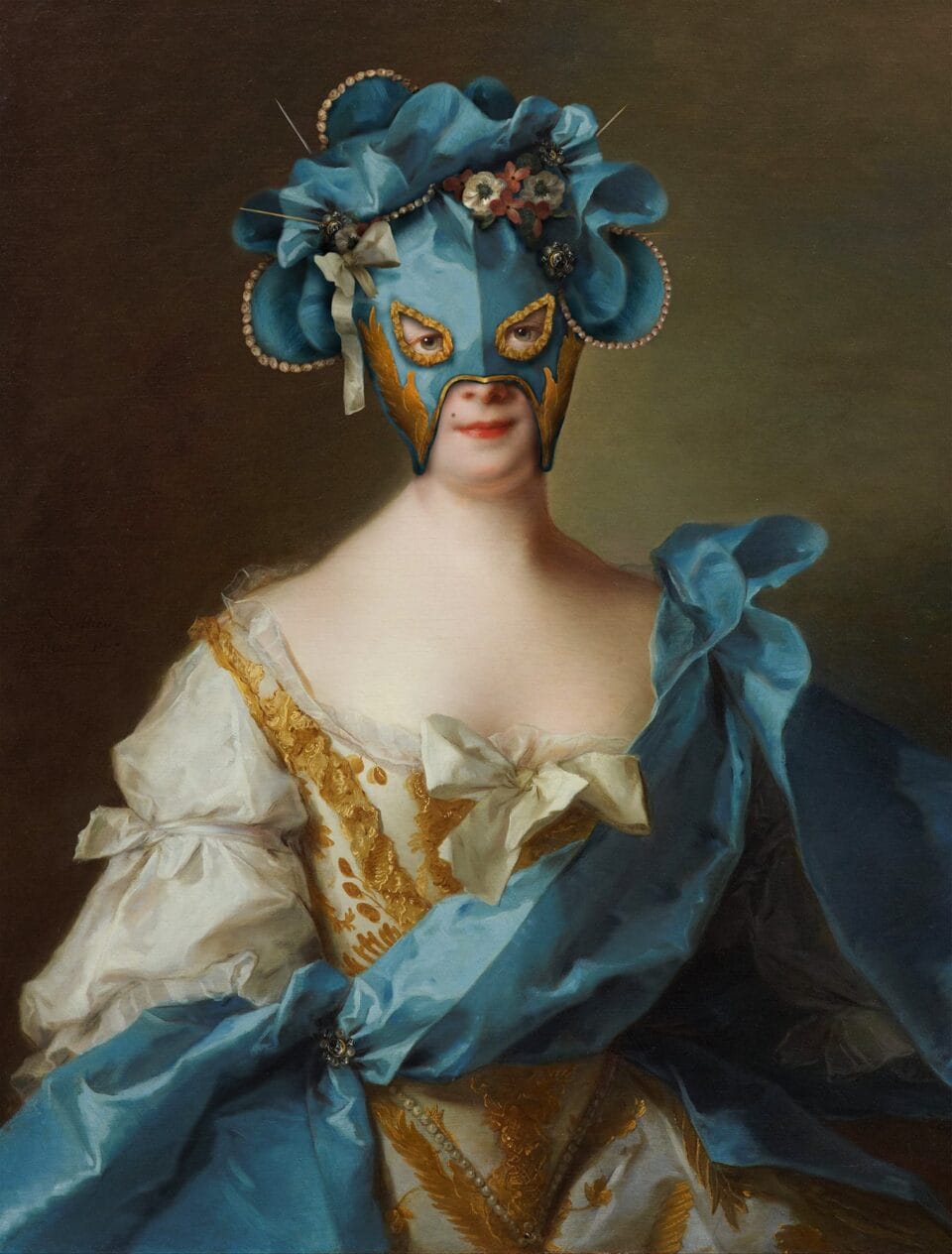
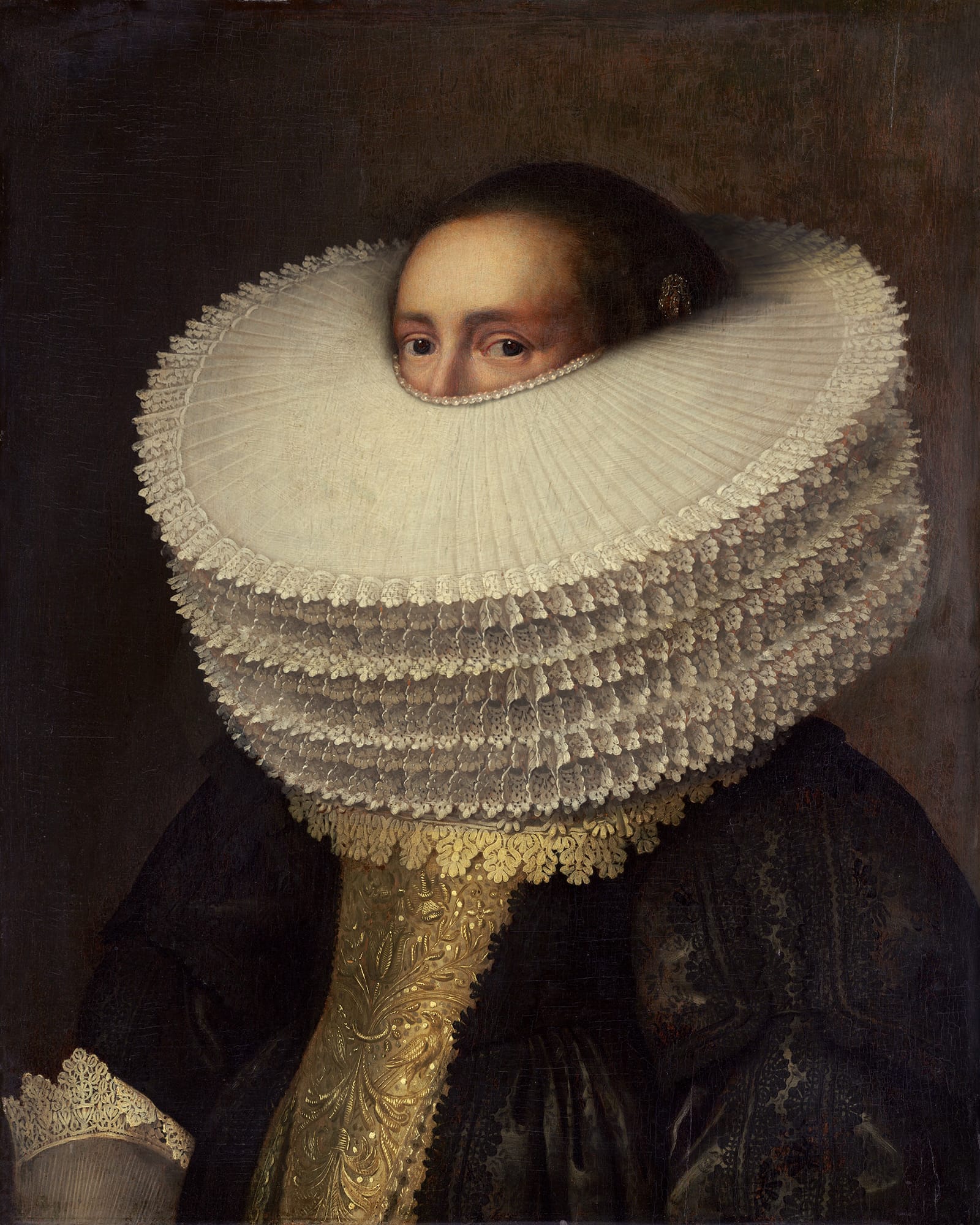
Volker Hermes (-1972) is internationally artist renowned for his ‘Hidden Portraits’ that make digital interventions into historical portrait paintings.Hermes revisits historical portraits by incorporating diverted ornaments inspired by costumes from the 16th to the 19th century, which invade the picture.Taking textures and patterns from within the antique image, he creates masks and new adornments that obscure the sitters’ faces and in the process sheds new insight on how fashion functions in historical imagery.Volker’s ‘Hidden Portraits’ are playful and mischievous; they delight in the sensory exuberance of historical dress.For the last decade, Hermes has used digital-imaging software to manipulate classic portraits from museum collections around the world.The entire face is covered by an absurd mask, piled-up fabric or a ceremonial wig. But nothing is added to the paintings. All the changes come from within the original itself.Hermes’s meticulously described collages pay homage to their sources while gently ribbing the social pretensions and ambitions of the courtly classes.His practice plays with the limits of perception and tenderly mocks human folly, whether it’s the desire to capture and tame the natural world or to flaunt the latest fashions.More of Volker Hermes surreal paintings can be found at https://www.hermes.art/.


Sunday Evening Art Gallery — Callen Schaub

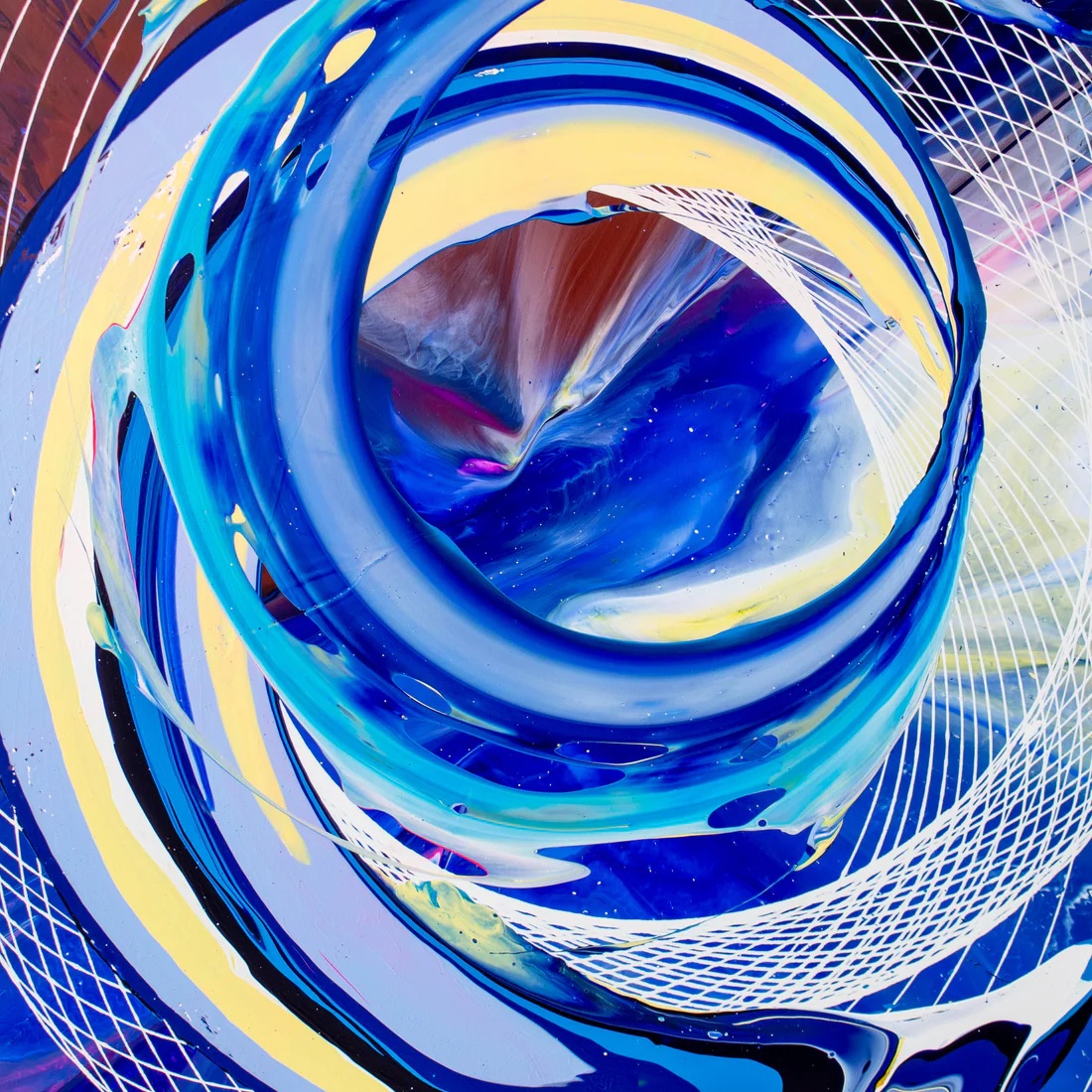
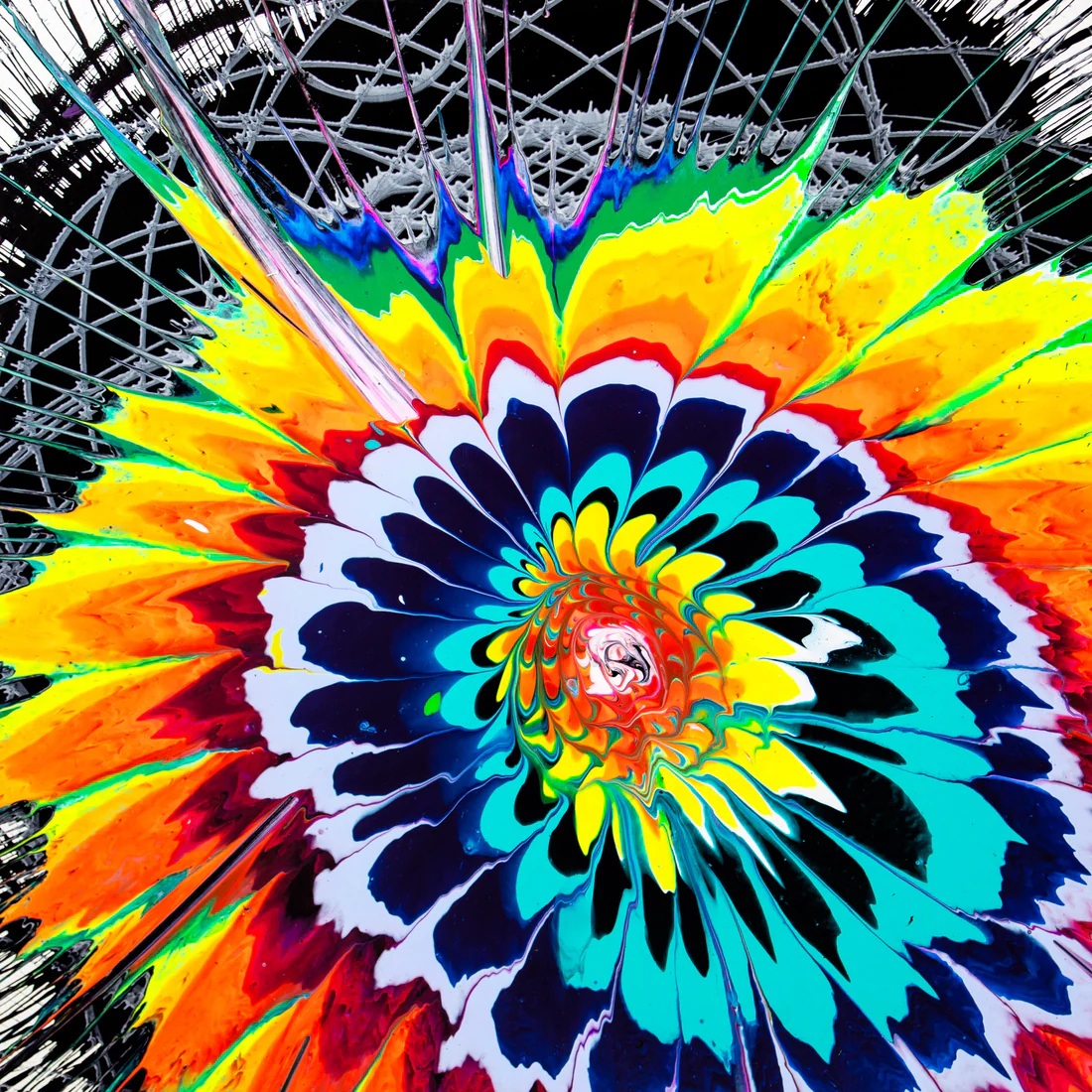
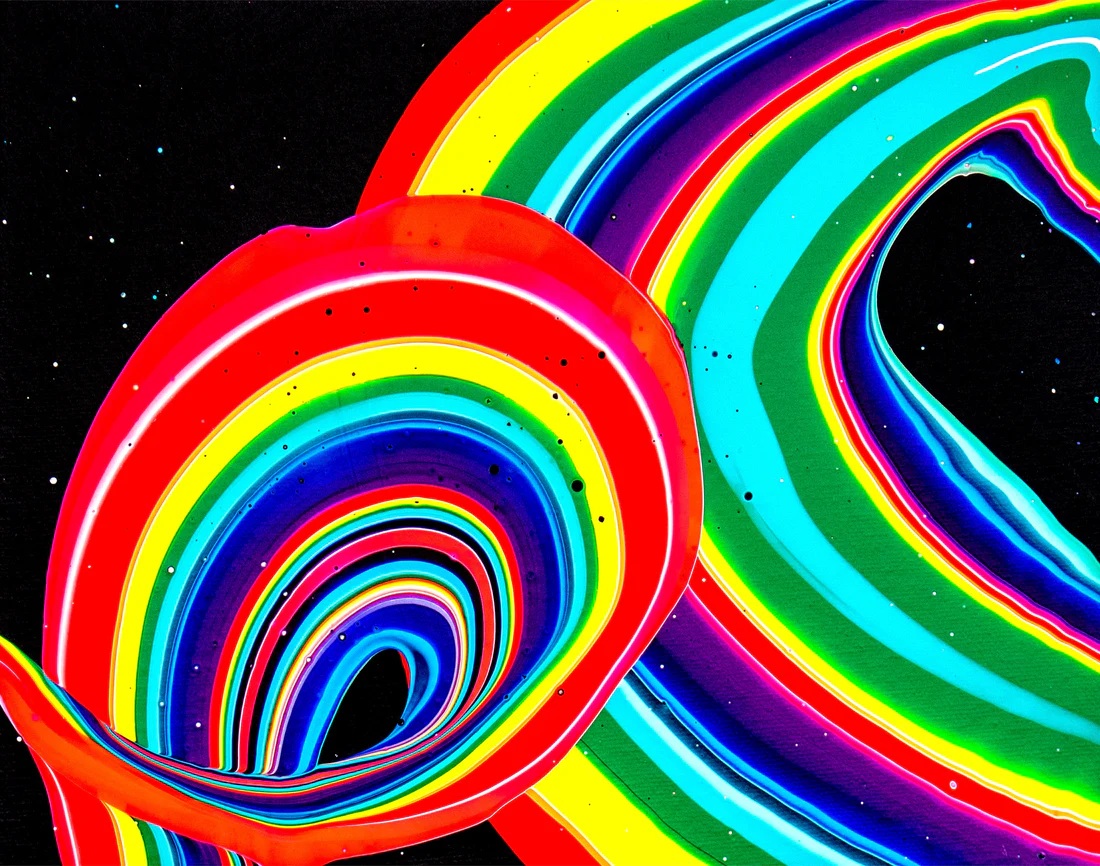
Callen Schaub is an abstract artist based in Montreal, Canada. Schaub’s vivid, illusionistic abstract paintings feature sweeping patterns in colorful hues on rectangular and round surfaces.The artist forgoes paint brushes, instead using tools like pendulums, trapezes, and spinning machines to produce the freeform splatters of paint seen throughout his work.After creating the base, Schaub layered paint into a bucket destined to pass above the canvas while being suspended by a rope.Taking it into his arms, he released a plug on the bottom, allowing paint to flow through two large holes, then sends the bucket swinging over the canvas.The resulting swirls and blends makes for the most magical in-motion artwork.With over a decade of live performances and exhibitions under his belt, Callen transforms movement into mesmerizing color, exploring what it means to make and experience art.More of Callen Schaub’s exciting artwork can be found at https://callenschaub.com.


Let’s Do Life Together!

I am finally back from a long weekend of running around with my family up North. I love my family and I hope they love me but I’m so glad to be home and quiet and retired.
As if those two things go together.

I worked all my life to be able to sit on the deck and have coffee  at the same time others are turning on their computers and making their first phone calls of the day.

Now that peace and quiet is always at the back door I find I can’t let it in for too long. It’s like my mind has turned A.D.D. on me. 

If you’ve kept up with me on my blog you see me rewriting a novel, making sun catchers, drawing and sketching abstract emotions, opening an Etsy shop — I make myself tired.

Yet I have a new idea. 

Bear with me.

Soon the craft show circa will be over. I accompany a group of typical male bonding fishermen up North for over a week so they can fish and tell fish stories and fish some more before we close the cabin. To take advantage of that down time, I have picked out several of last year’s drawings that I’d like to convert to watercolor paintings, resplendent with texture and 3D-ishment. 

Once I finish all these paintings I’d like to have an open house gallery show with all these marvelous (insert roll of eyes here) creations and, along with purse charms and sun catchers, donate the proceeds to charity.

Where did this idea come from??? Should I even consider such nonsense?

Of course, all depends on the quality of the paintings, something I haven’t done in a long time. And how long this keeps my interest.

I am already finding new artists for my Gallery that blow my socks off and sharing my crafts with local consignment shops and getting ready for one more craft shows and football games and grandkids’ soccer games. 

I should be satisfied with the crazy pace my life is already.  But peace and quiet goes hand in hand with crazy and busy.

I hope your life is full of all four.

Let’s do this together!!


Sunday Evening Art Gallery — Dominick Labino

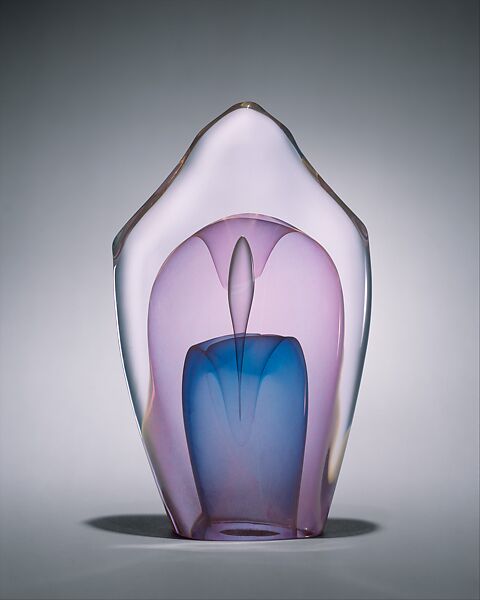
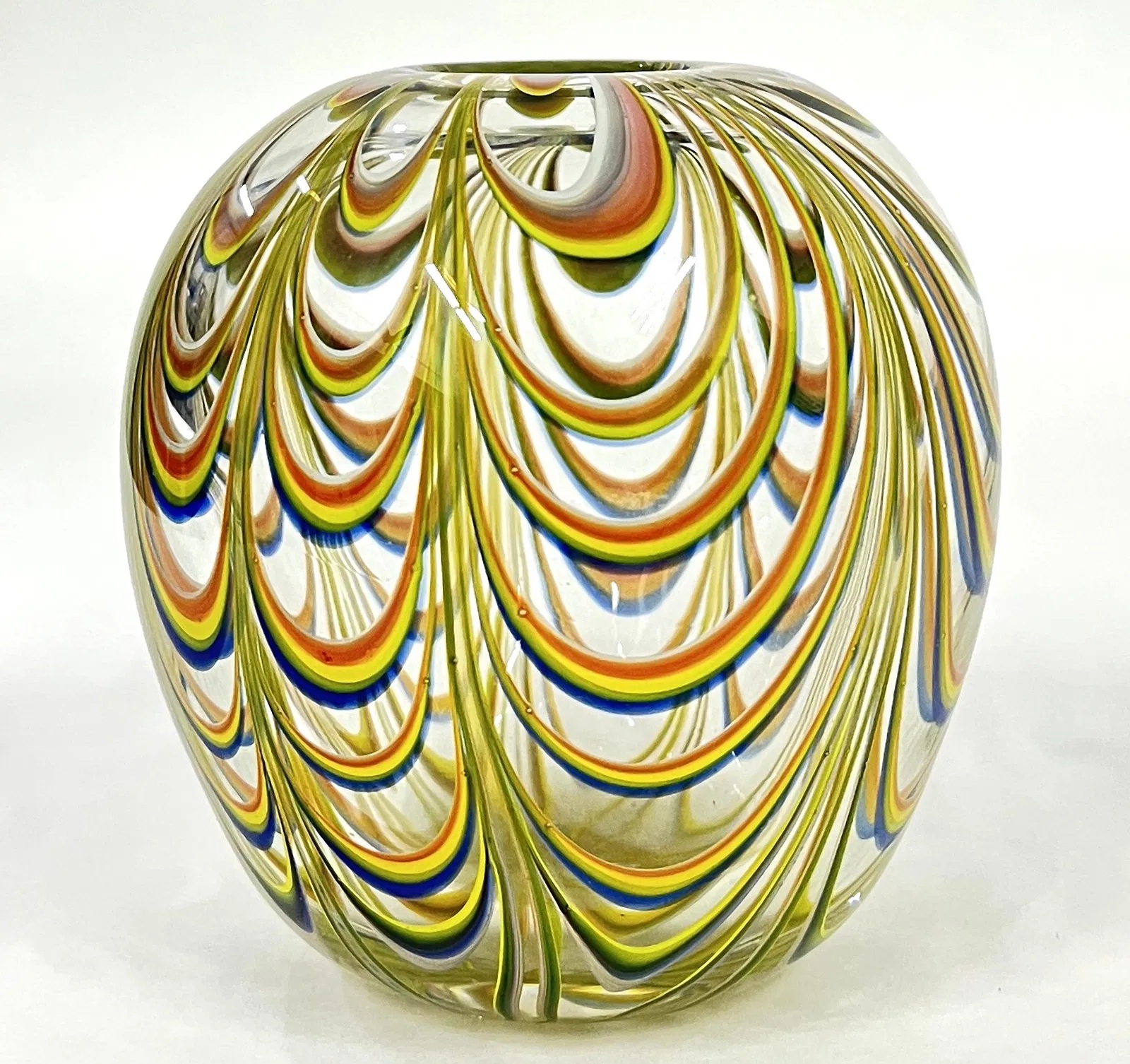
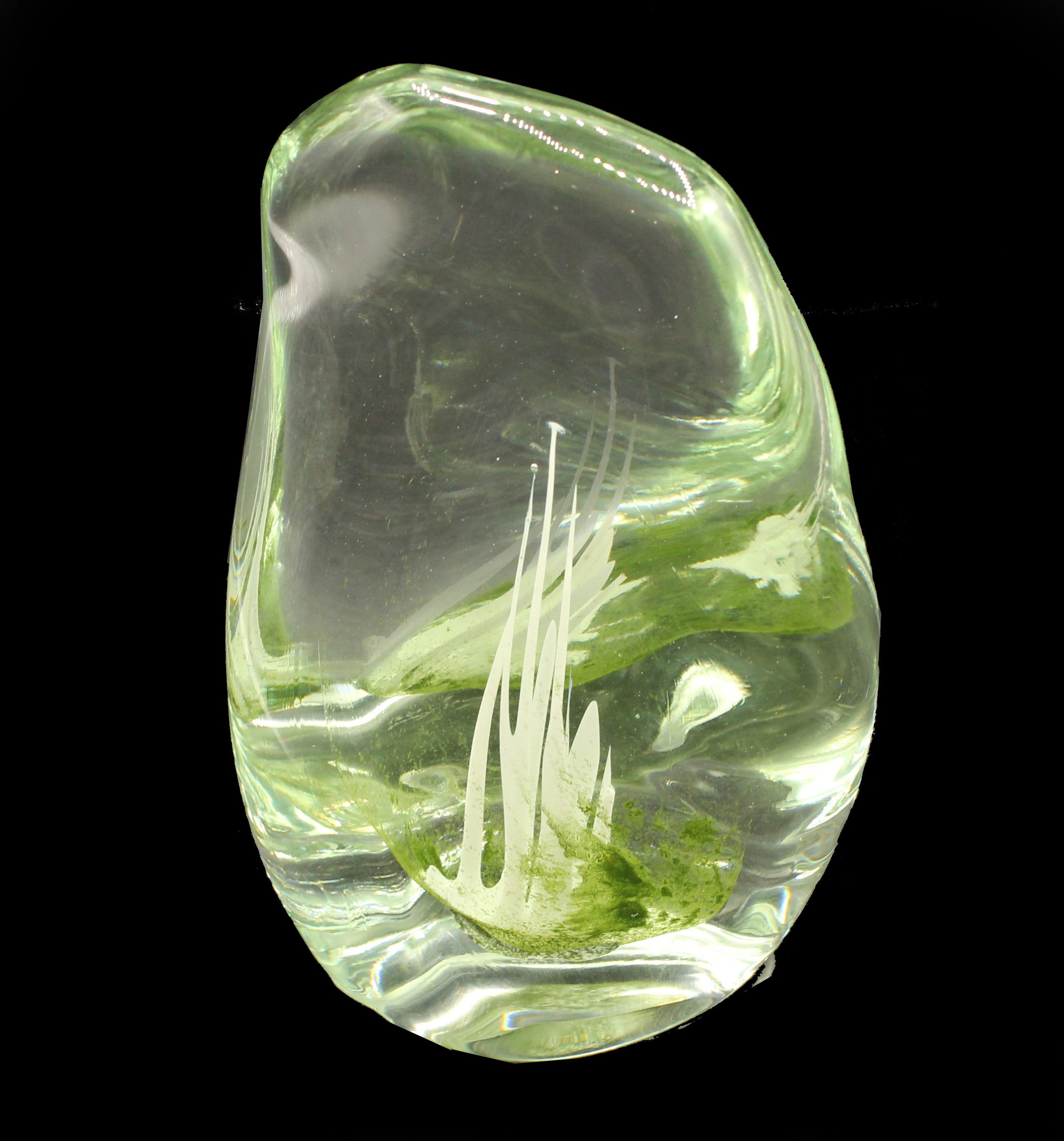
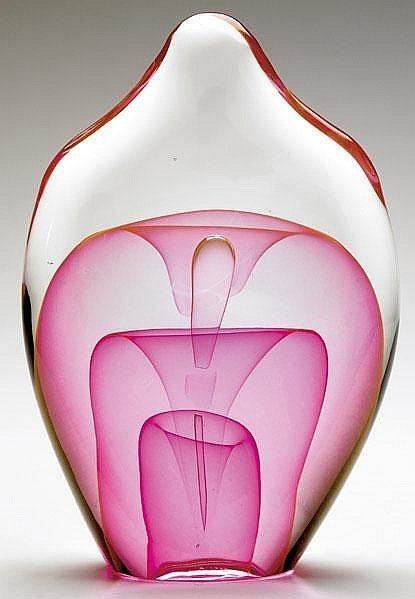
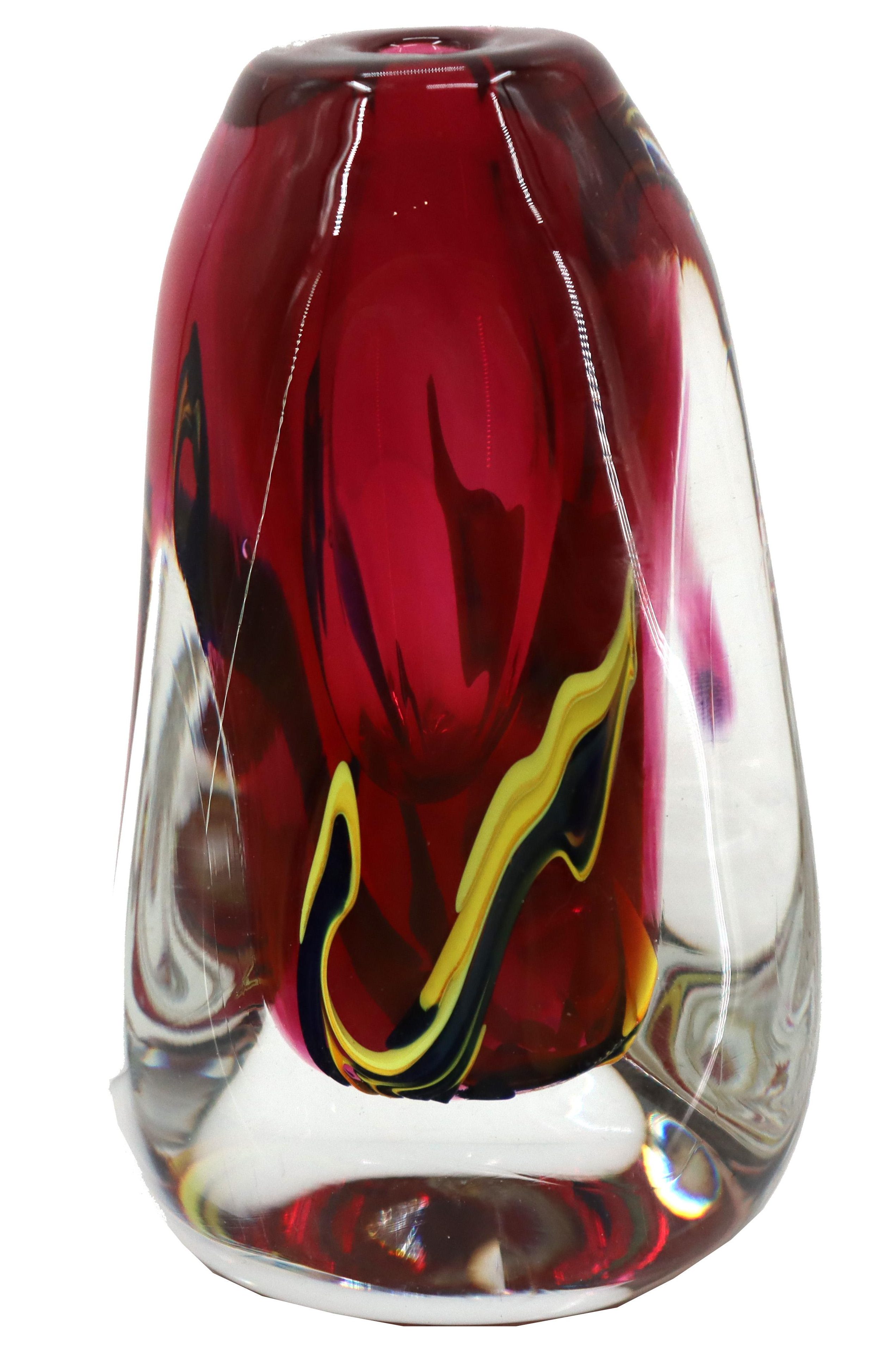
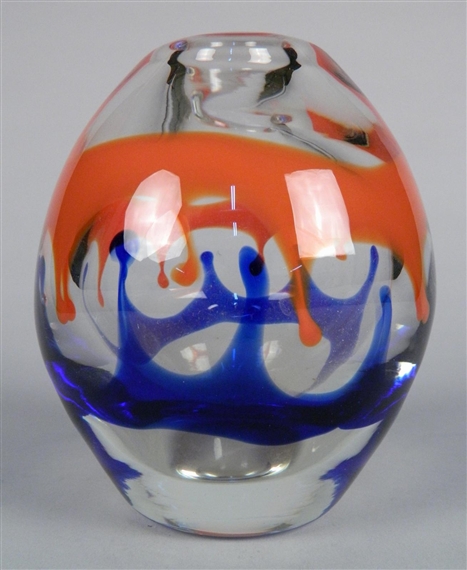
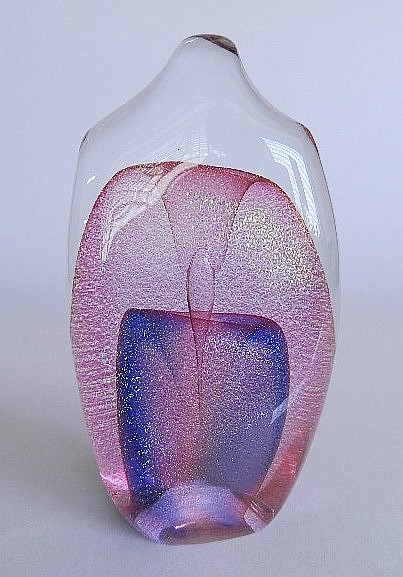
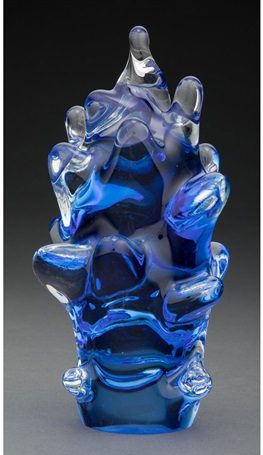
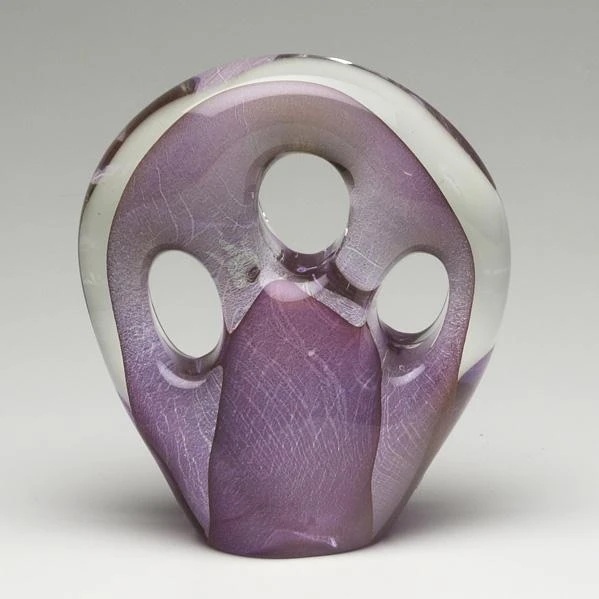
Dominick Labino (1910 – 1987) was an American internationally known scientist, inventor, artist and master craftsman in glass.He is responsible for sixty patents in the U.S. and hundreds in foreign countries, and is particularly remembered for his development of glass fibers, glass papers, and furnace designs.He invented a formula that allowed glass to melt at low temperatures in small furnaces suitable for the needs of individual glassblowers, and thus, the international studio glass movement was begun.Labino was trained as an engineer at the Carnegie Institute of Technology and began his professional career at Owens-Illinois, Inc., a glass manufacturing plant in Clarion, Pennsylvania.Labino’s technical training facilitated his work as a glass innovator.The unique combination of scientific knowledge and aesthetic inventiveness give the artist the ability to create extraordinary shapes, which give flashing light to his pieces.

The range of intensities of color in his fused multicolored forms, often contained in clear glass casing, along with the varied surface qualities, create broken reflective lights or light-absorbing matte textures.Although an innovator in form, Labino is probably best known for his use of color.The colorless glass encases interior veils of “dichroic” color, causing the hues to change as light strikes the piece from different angles.


The graceful, fluid form of Labino’s sculpture complements the special nature of the material, but it is his extraordinary sense of color and his ability to create color relationships through technical expertise that made him a master of twentieth-century glassmaking.More of Dominick Labrino’s amazing glasswork can be found at https://hudsongallery.net/artist/dominick-labino/ and https://www.artnet.com/artists/dominick-labino/.


Pumpkin (repost)

A wonderfully warm and bright start to a Saturday morning!

Thank you Tiffany Arp-Daleo!!


Pumpkin


Rock Therapy

Just returned from a few days camping with the grandkids and their other magical grandparents. It was excellent on one end of the scale, and exhausting on the other.
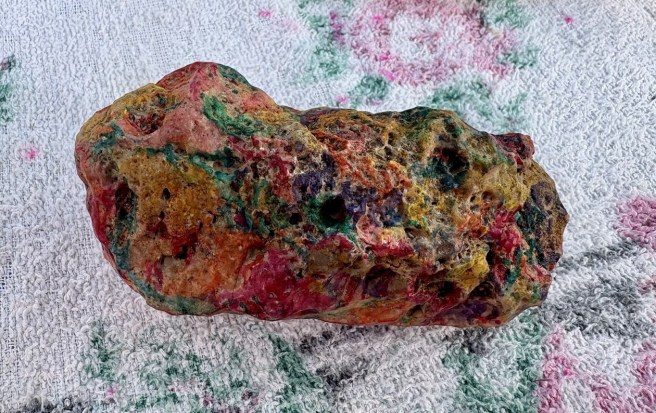
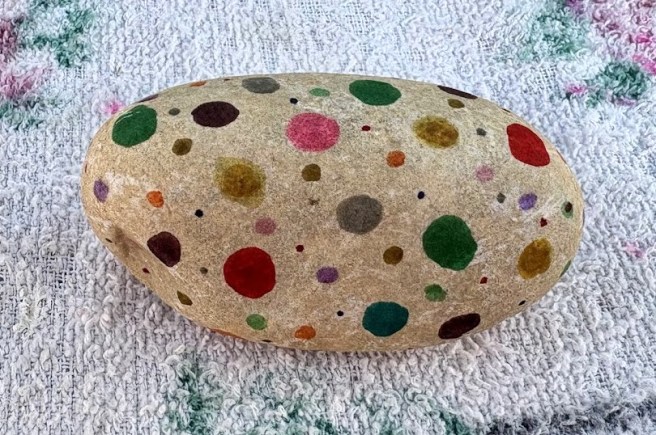
I now now why God and nature decided that 72 was too old to have babies …

But I digress.

I find I’m hooked on Creativity/Art. All the time. I mean, I don’t eat and drink art (I leave that for smores and morning camp coffee), but I do find it follows me along wherever I go.

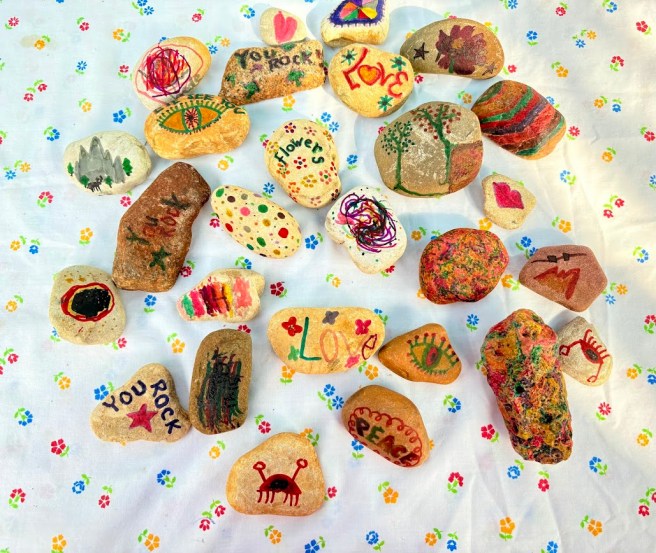
Lake and pool swimming over for the most part, my two youngest grandkids and I had a rock painting party one hot late afternoon.

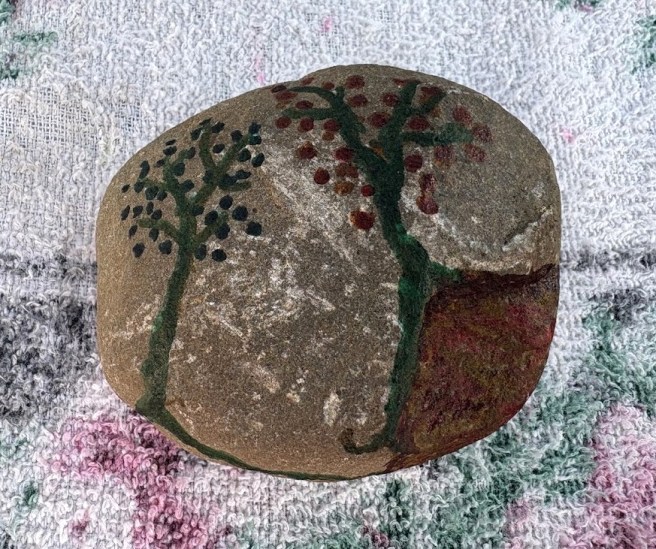
This is our second year of “sharing the art.” We find suitable-sized rocks (preferably light and smooth), bring them back to the campground, paint positive words and/or scenes on them, then place them at various spots around the campground, hoping someone else will find them and take them home.

In reality it’s a karma  kind of thing. It feels good.

So here is a pic of our final batch, and along with a couple of the ones I contributed….


You can do this too! Around the campground, around the park, around the neighborhood. Do it! It feels GREAT!!


Sunday Evening Art Gallery — David Stoupakis

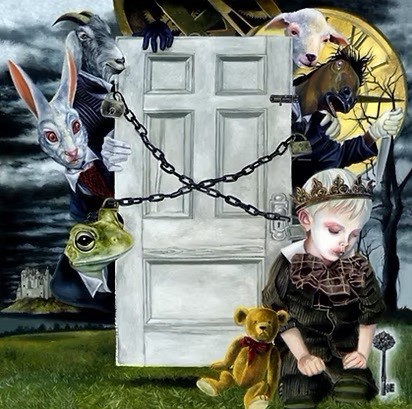
David Stoupakis is an American artist known for his captivating and introspective artworks that blend elements of surrealism, dark fantasy, and emotional narrative.Stoupakis’ artistic journey began with formal training at the Art institute of Boston, where he honed his skills in traditional techniques while developing a distinctive style characterized by haunting imagery and intricate details.His paintings often feature ethereal figures, frequently children, infused with a sense of melancholy and mystery.Stoupakis’ works explore themes of innocence, loss, and transformation, drawing viewers into poignant narratives that resonate on both personal and universal levels.With a meticulous approach to composition and of light and shadow, Stoupakis creates atmospheric pieces that evoke a profound emotional response.Emerging during the Lowbrow art movement, the artist quickly garnered attention for his unique blend of beauty and darkness.His works explore themes of innocence, loss, and transformation, drawing viewers into poignant narratives that resonate on both personal and universal levels.More of David Stoupakis’ beautiful and dark art can be found at https://davidstoupakis.bigcartel.com/.


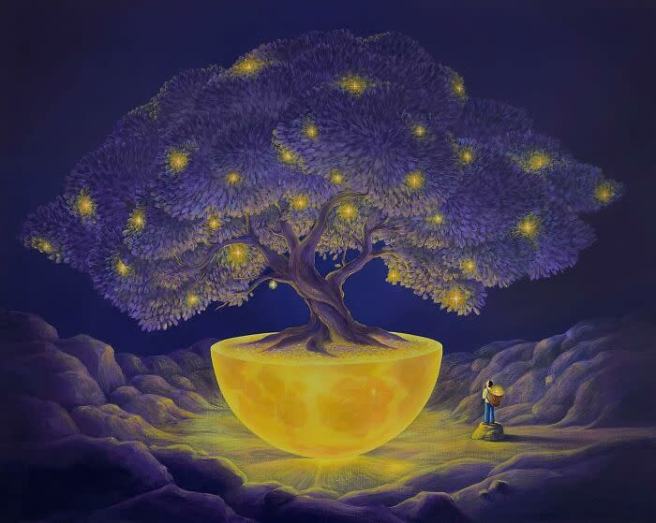
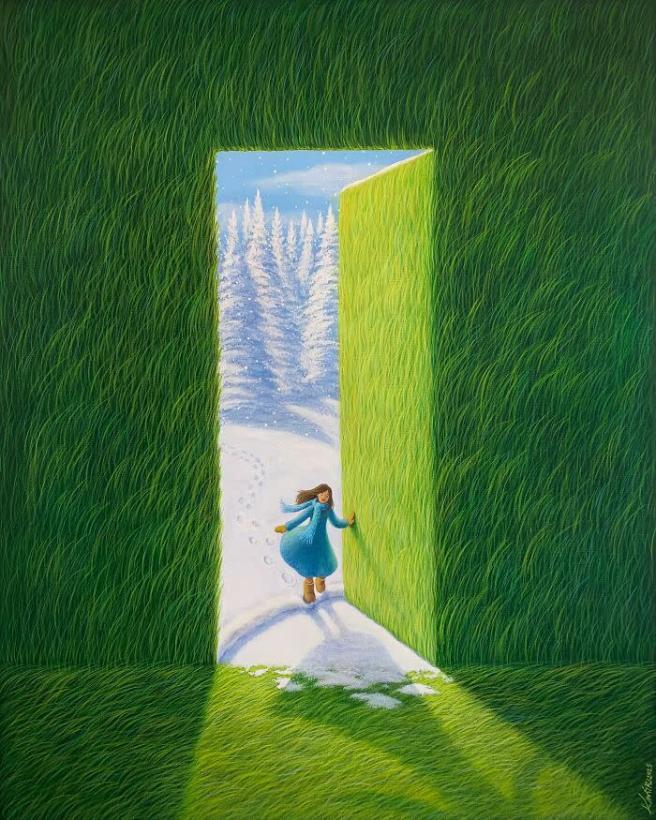
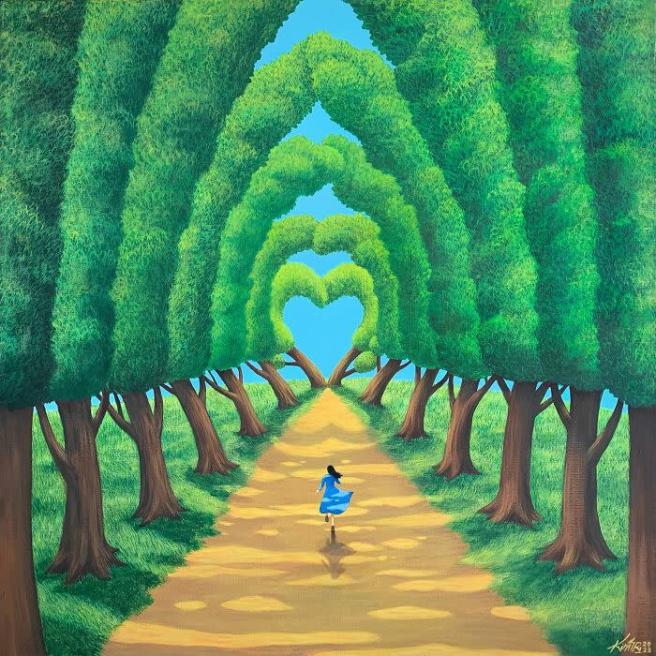
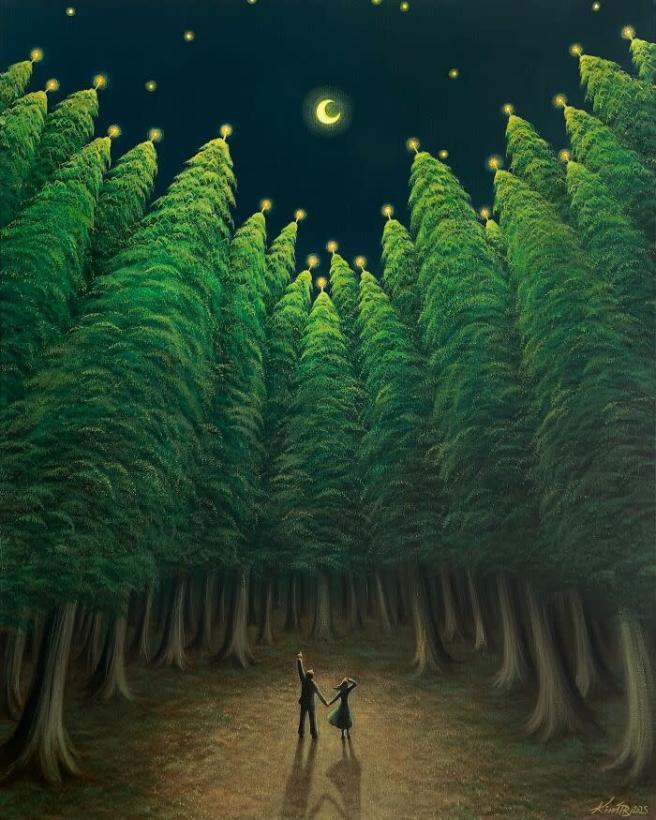
Sunday Evening Art Gallery — Mulgil Kim

Mulgil Kim (b. 1988) is a South Korean artist whose work explores emotional landscapes through serene, nature-inspired imagery.She is an artist known for her ability to capture the world’s beauty through the ‘Art Road’ project.This ambitious initiative involved a 673-day journey across five continents and 46 countries, during which she created over 400 artworks, reflecting her daily impressions, thoughts, and discoveries.After returning to Korea, Kim continued the project on a national scale, renaming it ‘National Art Road‘ and exploring Korea’s landscapes, seasons, and communities.Kim’s vibrant and expressive works offer a window into the places she visited, preserving their essence.Through her art, she captures the changing seasons and the beauty of human interactions, highlighting Korea’s natural and cultural diversity.“Ultimately, my art is about connection — to nature, to imagination, to memory, and to the softer parts of ourselves that are often left behind in the rush of daily life,” Kim shares.“At the heart of my work is an invitation to pause — to create a quiet space where viewers can breathe, reflect, and gently reconnect with their own emotions.”

More of Mulgil Kim’s lovely work can be found at https://www.kimmulgil.com/.


Sunday Evening Art Gallery — Bruce A. Wilson

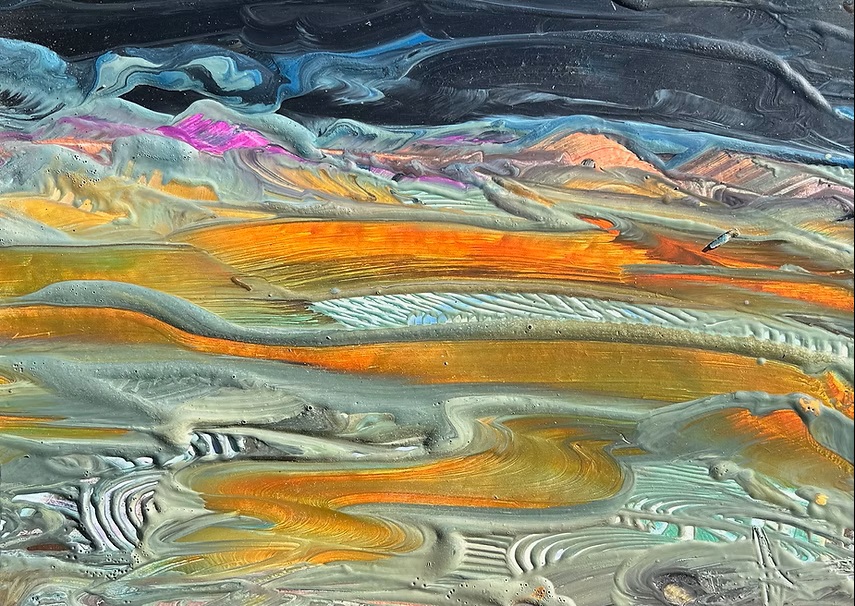
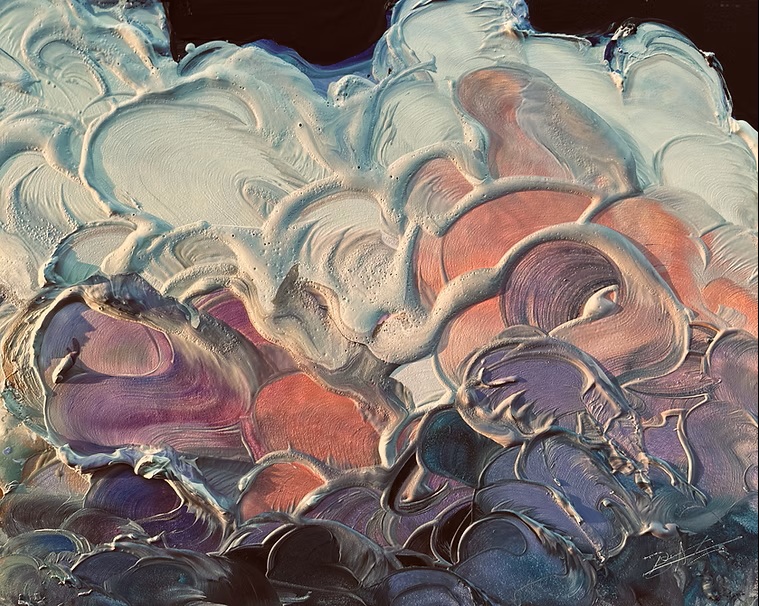
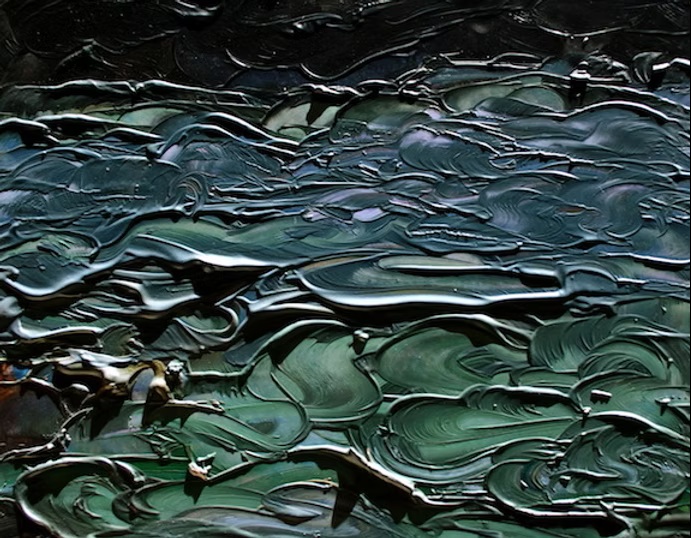
Bruce A. Wilson is a painter, designer, and illustrator raised in California and now a full-time resident of Orcas Island.Wilson studied fine art at Art Center College of Design, specializing in figure drawings, portraiture and painting. Changing his major to Advertising Design, it wasn’t until he retired from his advertising agency in 2005 that he retired and turned his attentions back to painting.

He began using a heated environment in 1998 while in Puerto Vallarta Mexico.

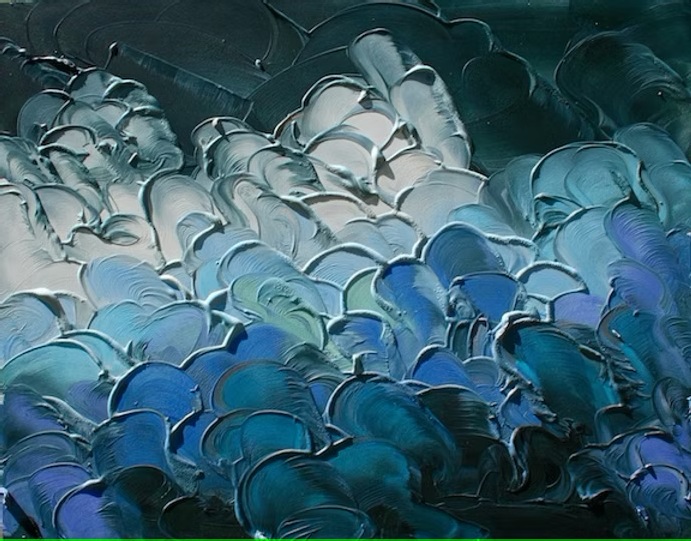
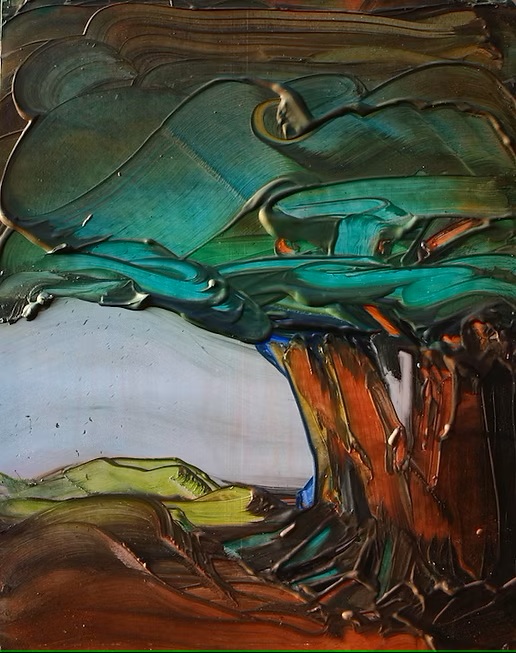
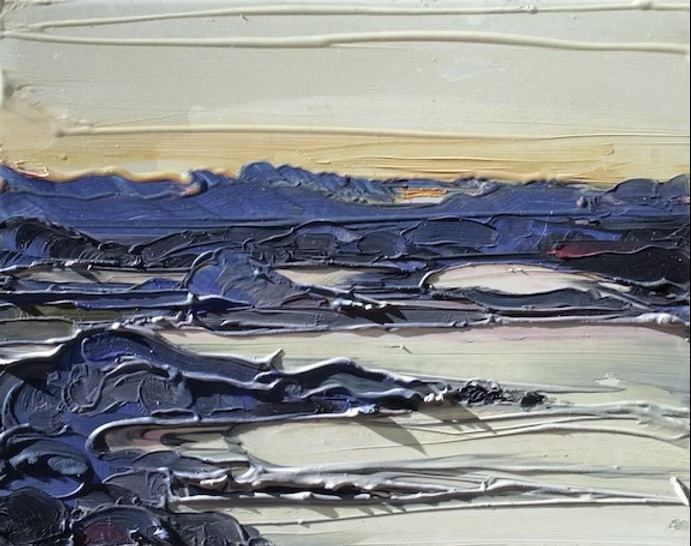
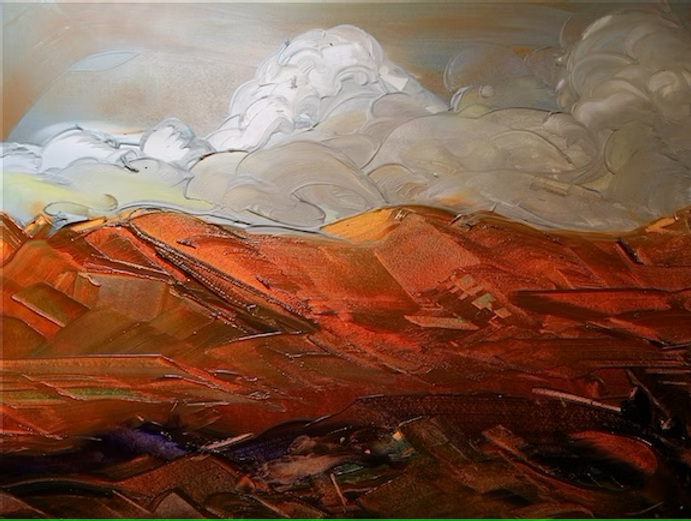
His painting strokes were fairly uniform wavy lines to achieve an impression of the beaches and water around him, eventually moving on to hills, plants, clouds, trees and now other worlds.As his interest in this medium continued, Wilson learned to control the heat which would give him thinner and thicker strokes which adds a little more personality to his impressions.

Wilson mixes his own pigments with oil pastels and oils to creamy consistency and applies them to ultra smooth gessoed boards, a technique he calls Thermal Oil and Wax.

The varied thicknesses in his work enables his works to take on a textured  abstract/surrealist feel.

More of Bruce A. Wilson’s wonderful textured paintings can be found at https://www.brucewilsonpaint.com/.


Sunday Evening Art Gallery — David Gentleman

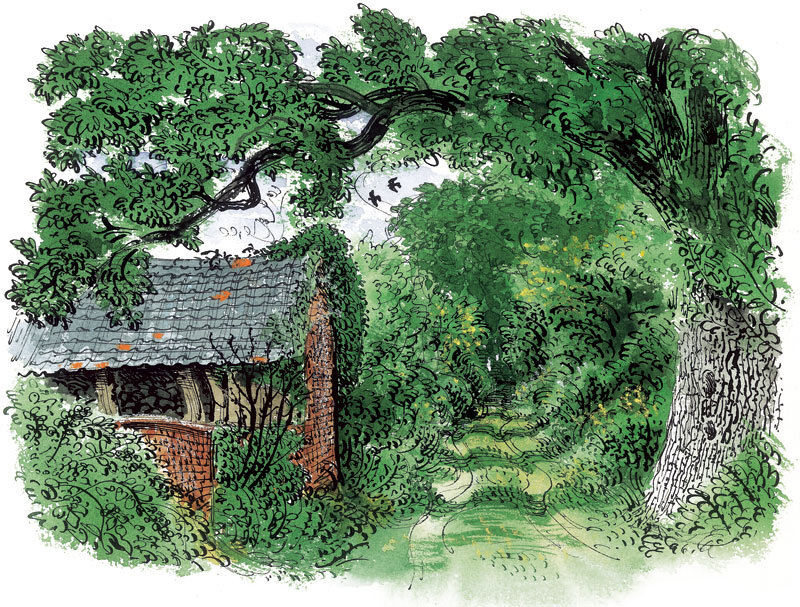
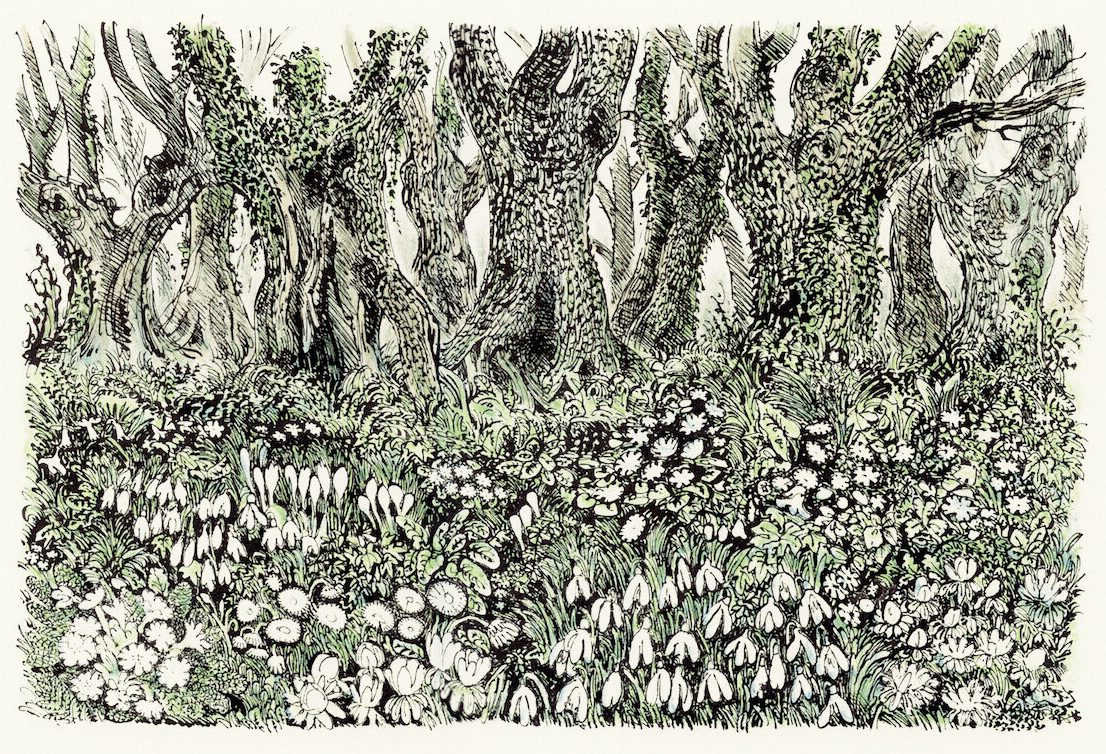
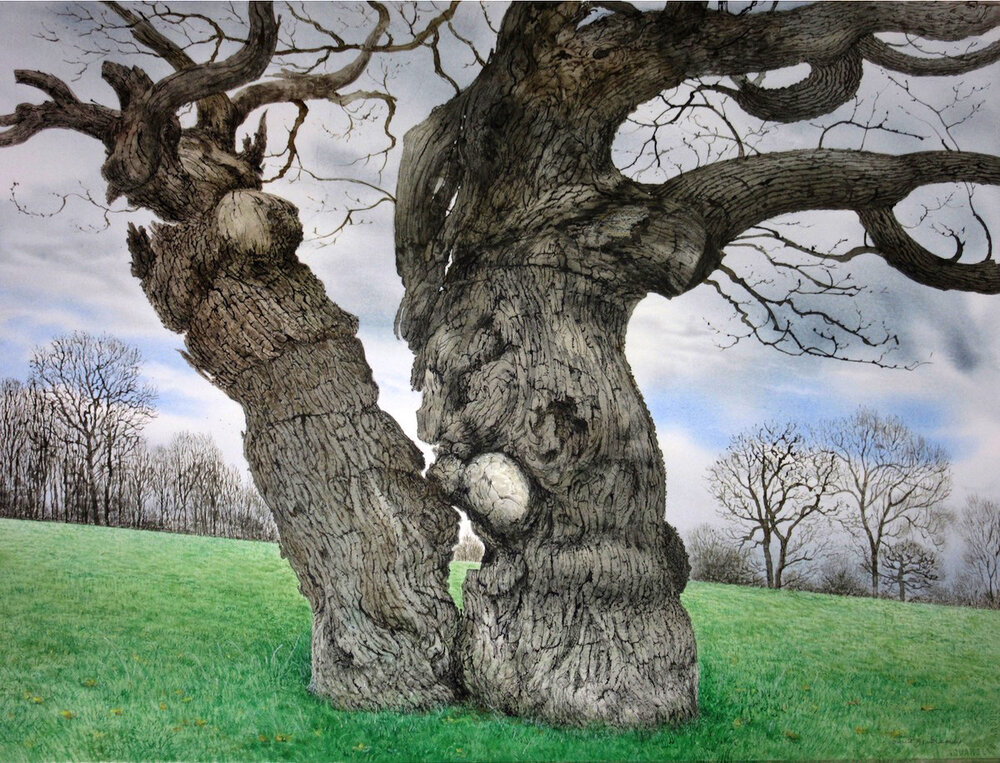
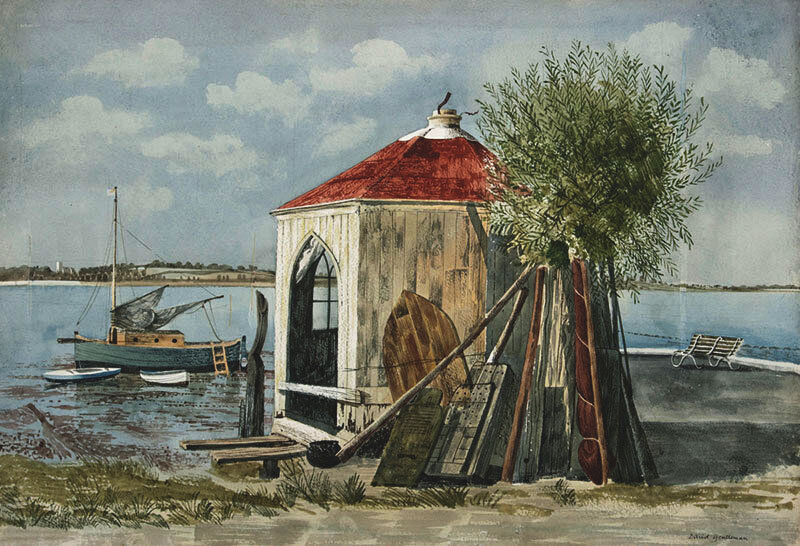
David Gentleman is an English artist, illustrator, designer and author.He was born in 1930 of artist parents, studied at the Royal College of Art and has lived in London ever since. Gentleman’s artistic style is characterized by its simplicity, elegance, and attention to detail.He often works in pen and ink, using delicate lines and cross-hatching techniques to create intricate and highly detailed illustrations.Gentleman’s use of color is restrained yet impactful, with carefully chosen hues that enhance the overall composition.The artist has a deep appreciation for nature and often incorporates elements of the natural world into his work.His illustrations of landscapes, flora, and fauna are highly regarded for their accuracy and ability to evoke a sense of place.More of David Gentleman’s intriguing art can be found at https://davidgentleman.com/.


Sunday Evening Art Gallery — John Pusateri

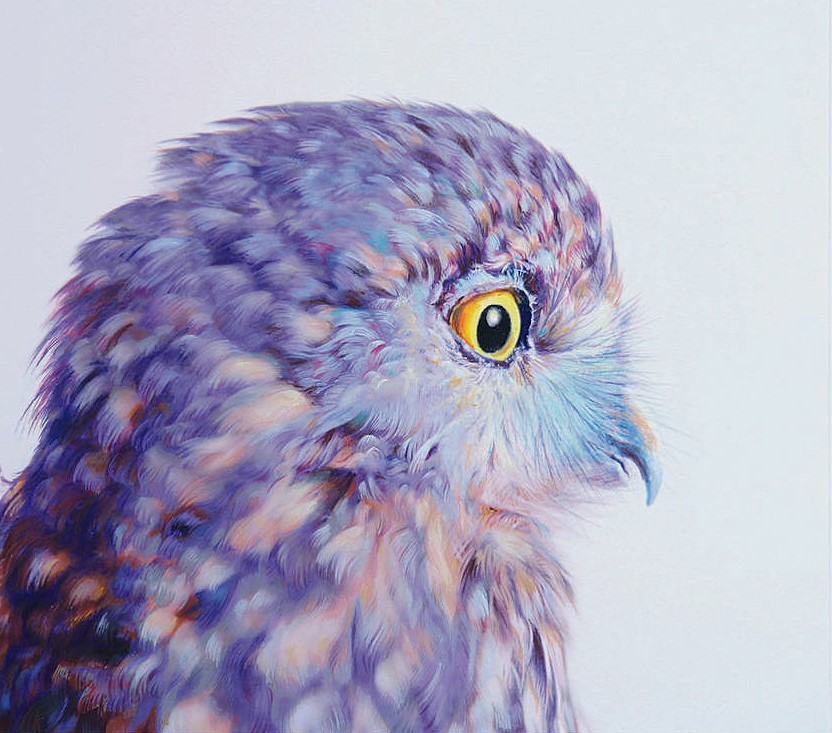
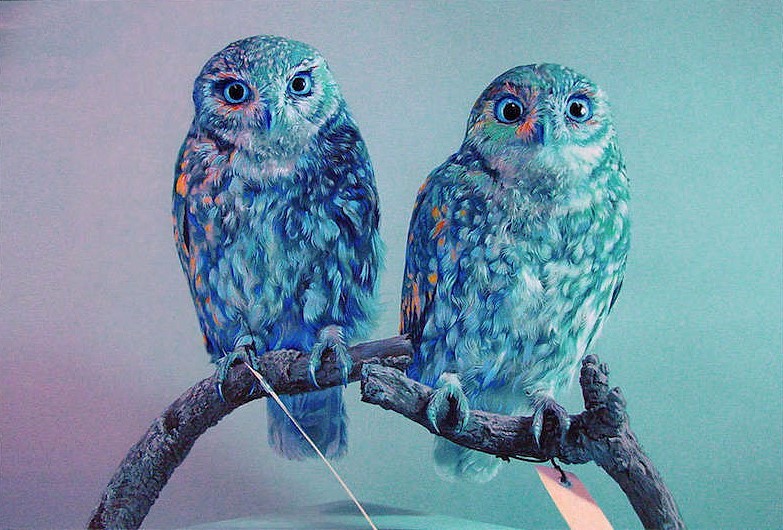
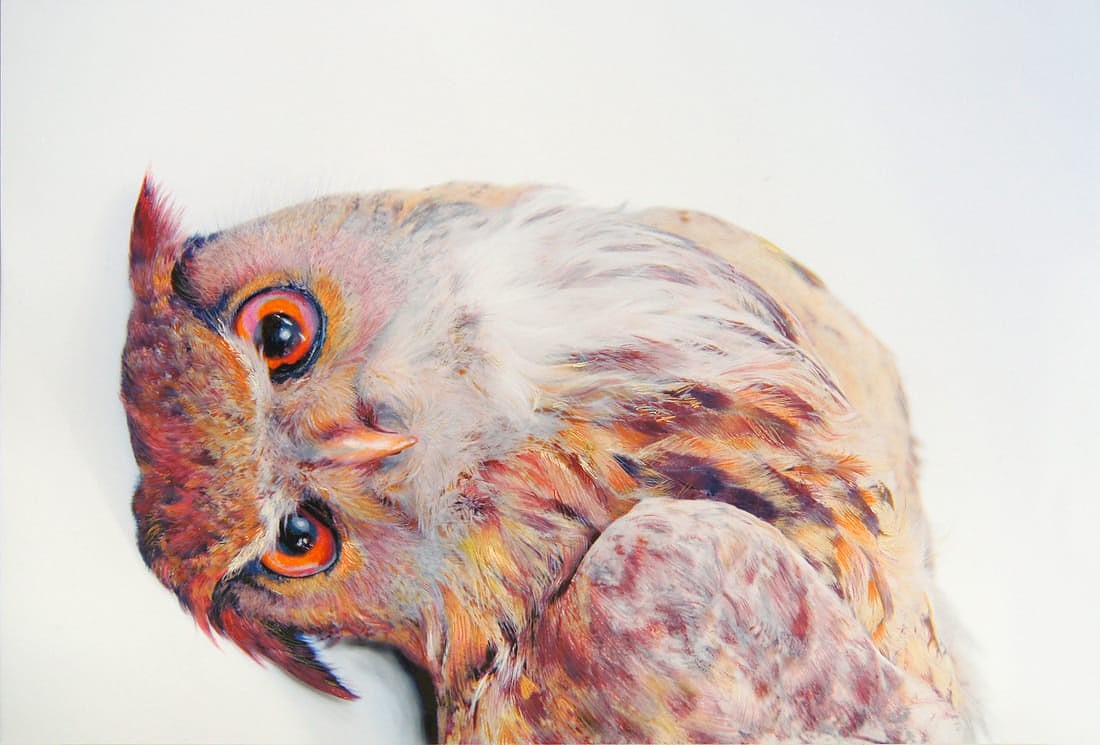
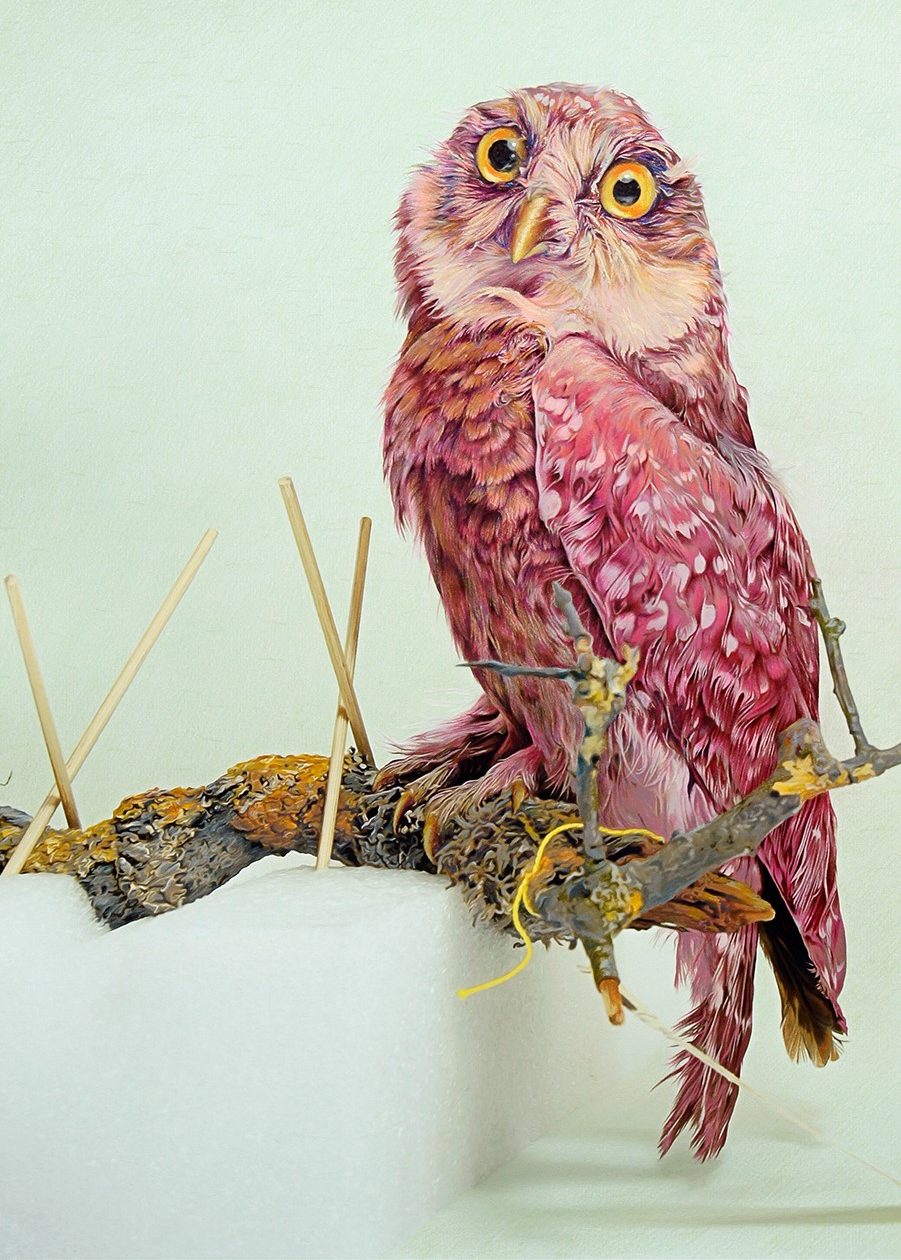
Artist John Pusateri creates near photo-realistic drawings of beautifully colored owls using pencils, charcoal, and pastels.After moving to New Zealand to pursue a Master’s degree in Fine Arts, Pusateri grew to appreciate the country’s culture and ecology and he decided to stay.His owls are highly detailed and display individual feathers as well as crevices on their beaks and between their feet.Sometimes, it’s hard to tell whether the birds are photos or paintings because they appear so realistic.Pusateri achieves this effect by layering the different media which creates a richly-colored and complex picture.His work reflects a deep love and respect for the world and animals around him.More of John Pusateri ‘s magnificent owls can be found at https://www.johnpusateri.com/portfolio.html and https://www.behance.net/pusateri


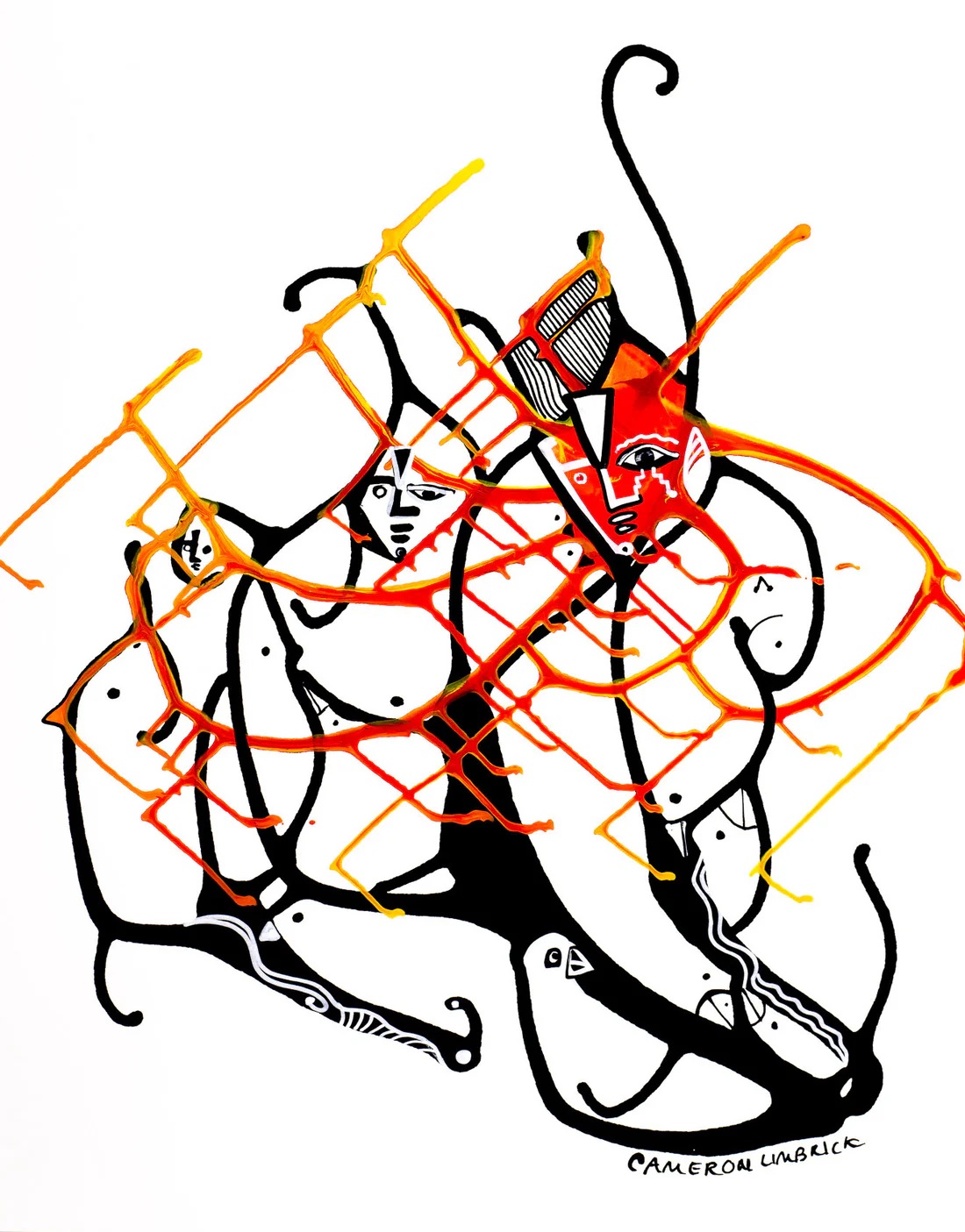
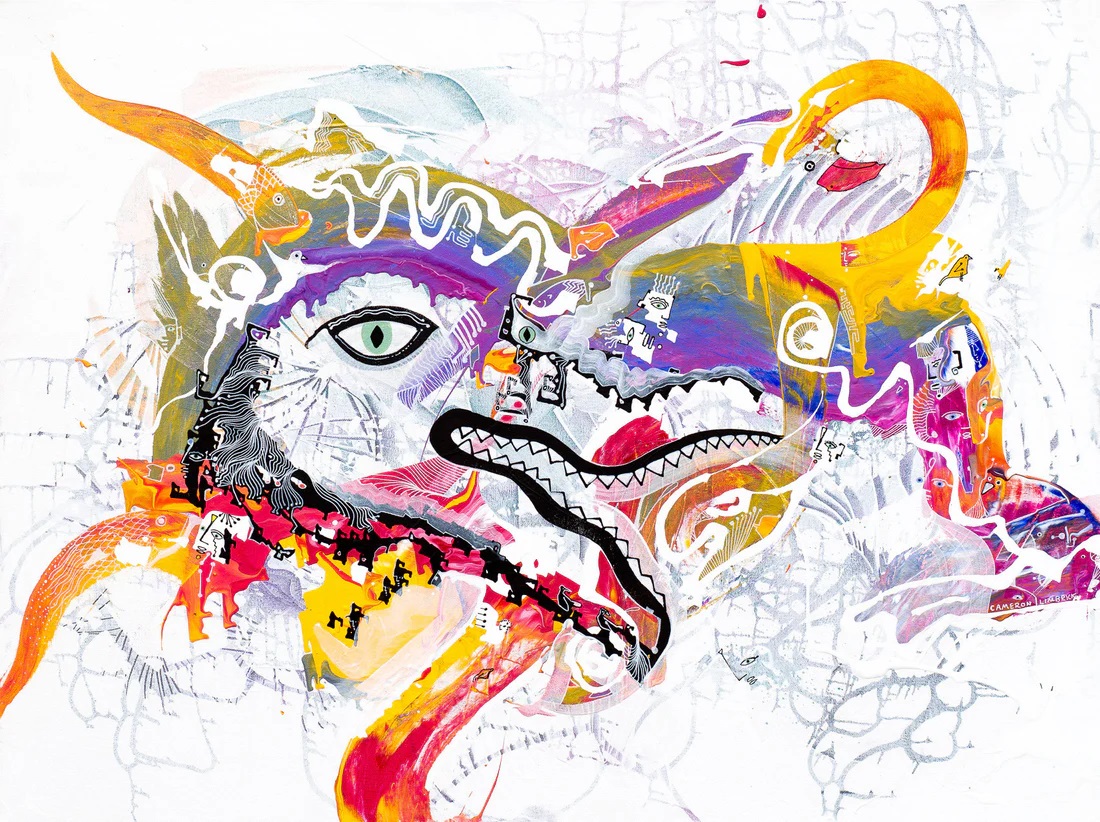
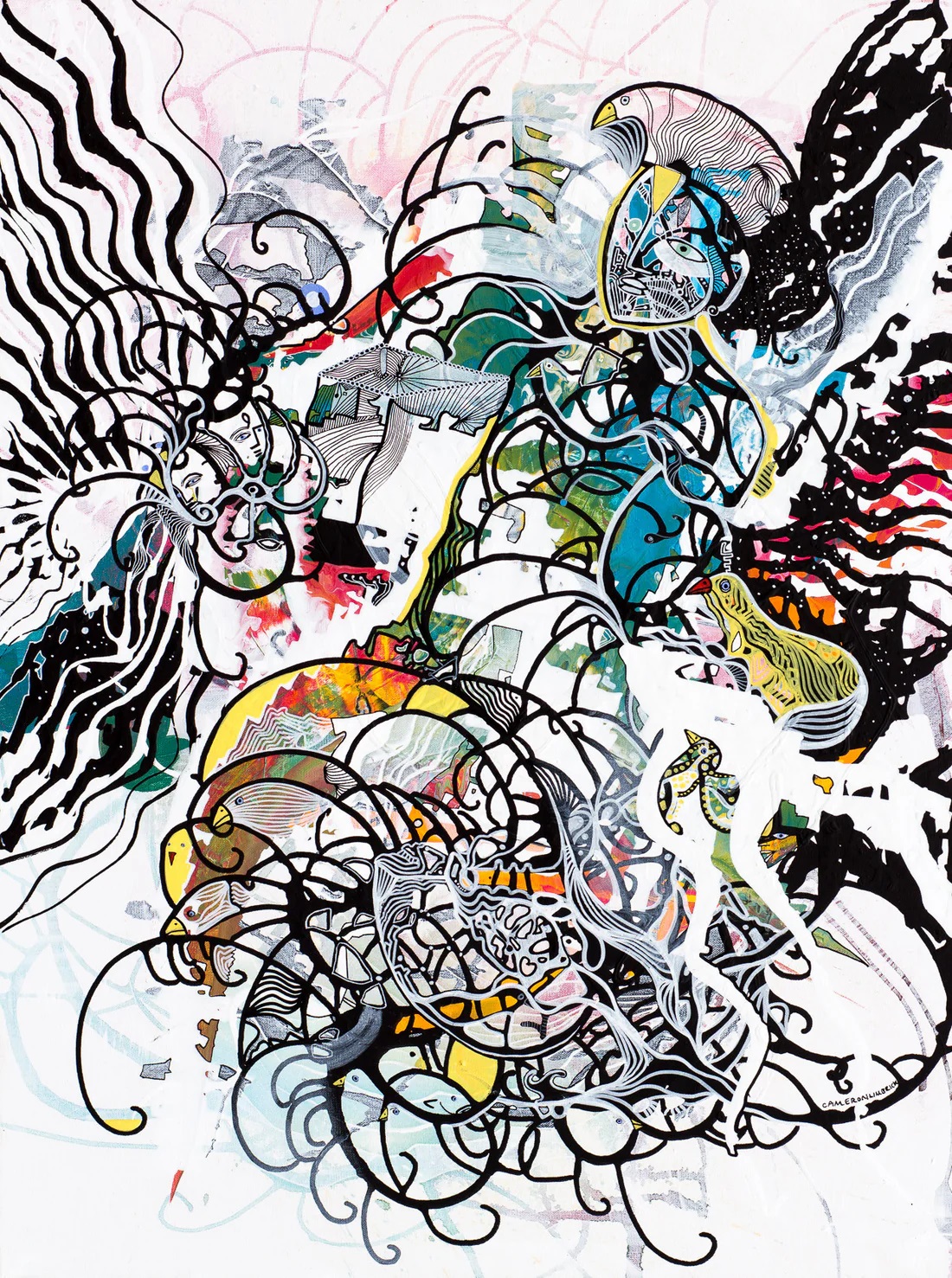
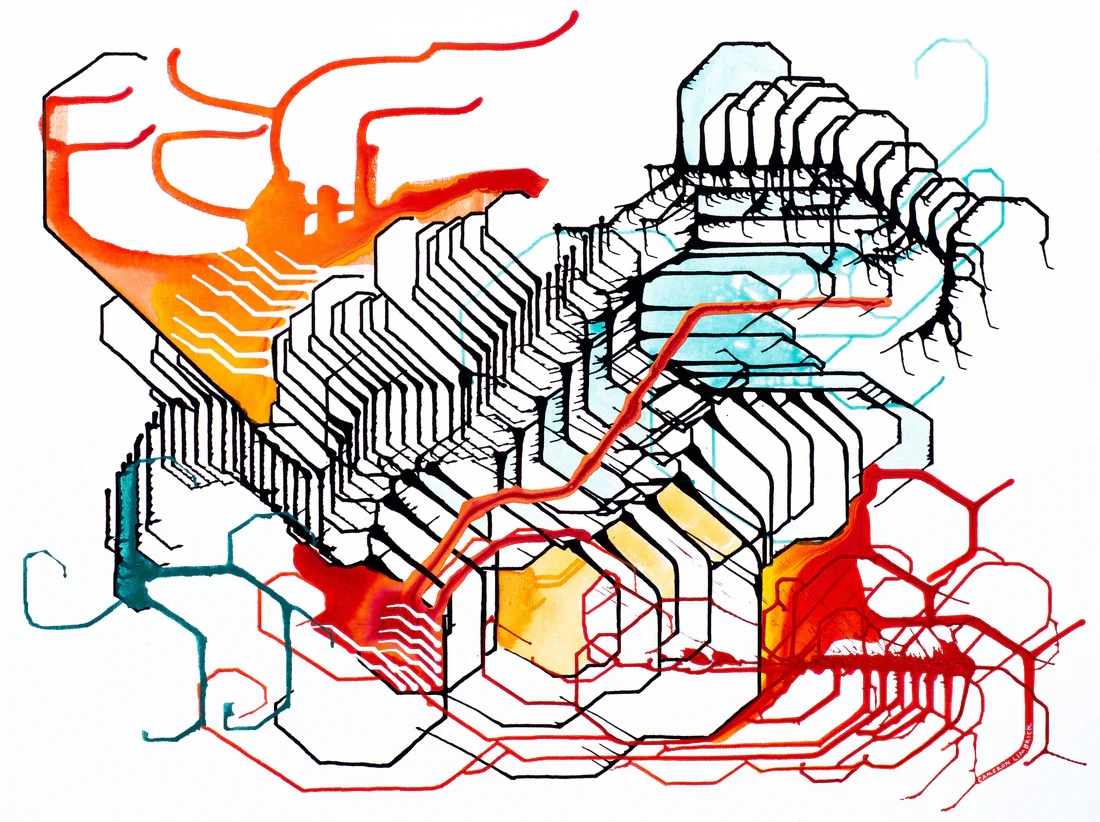
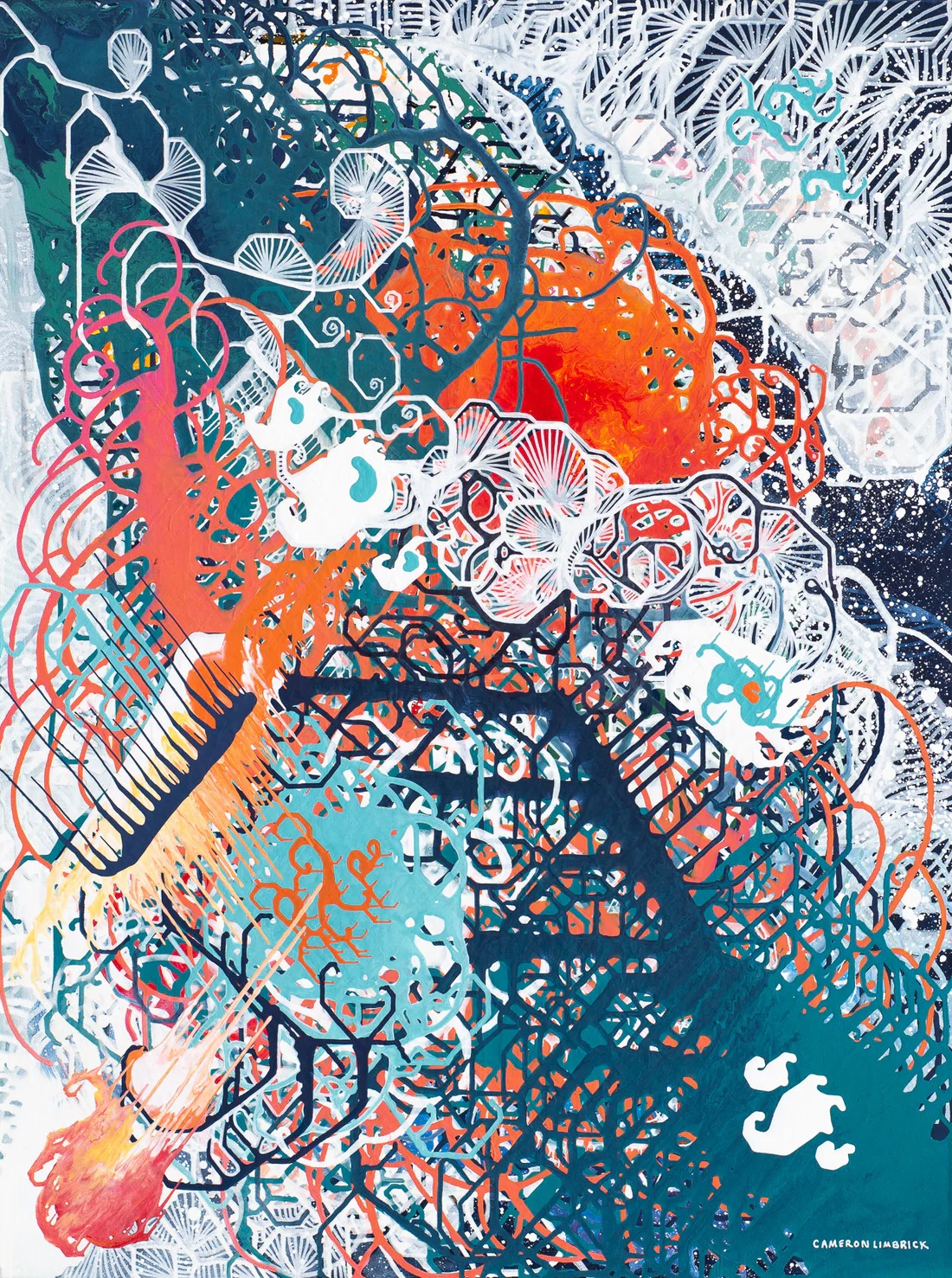
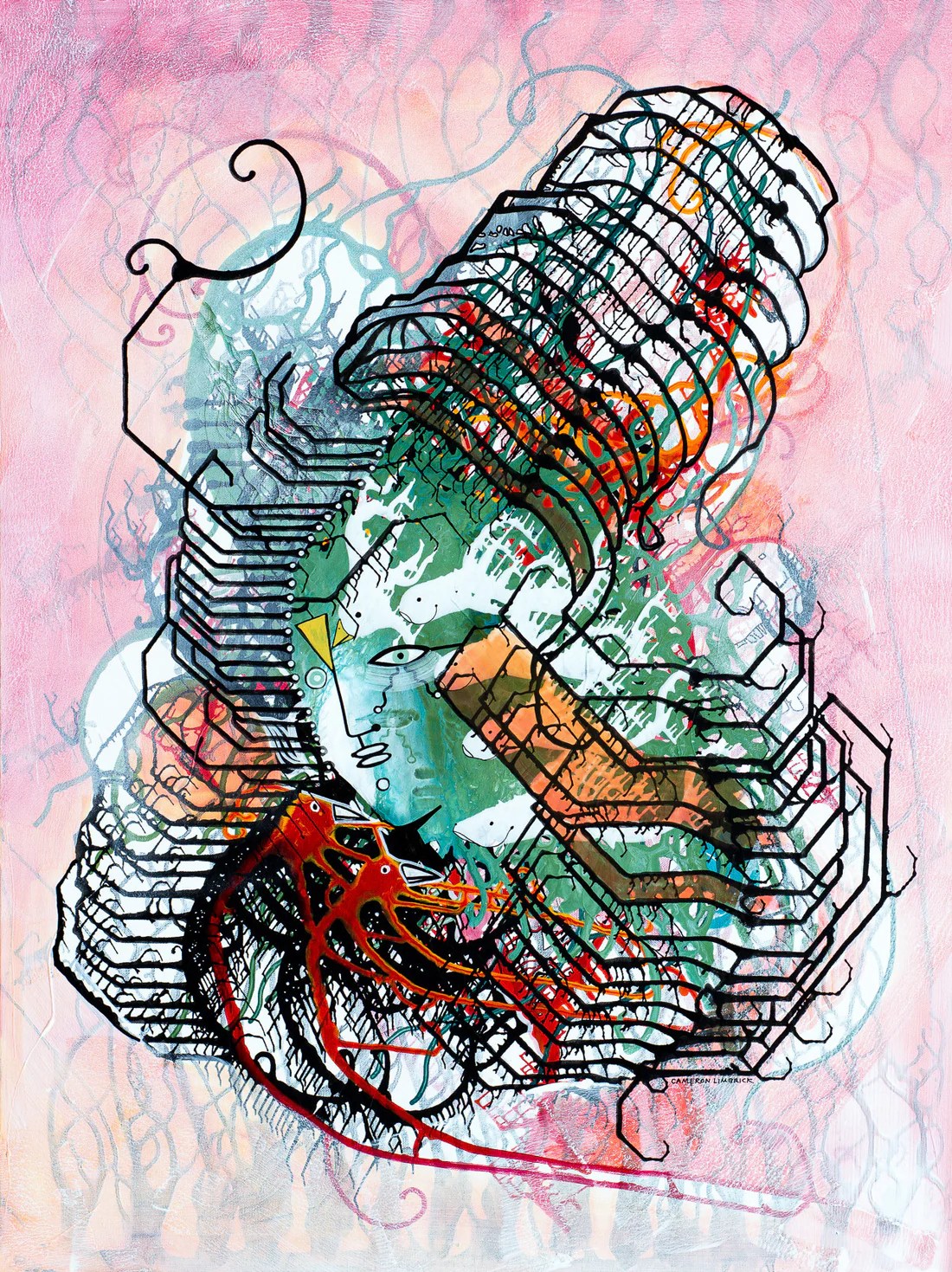
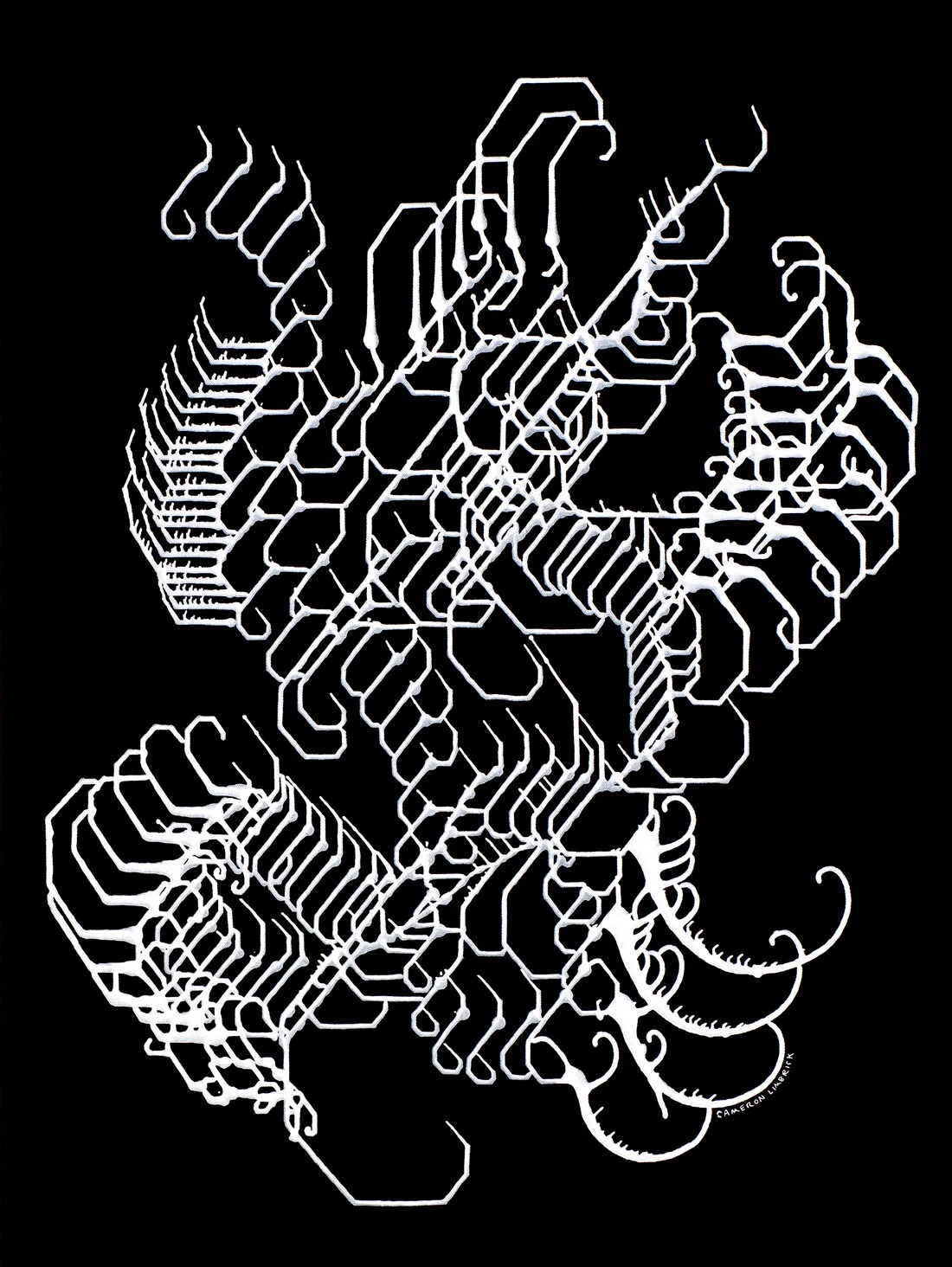
Sunday Evening Art Gallery — Cameron Limbrick

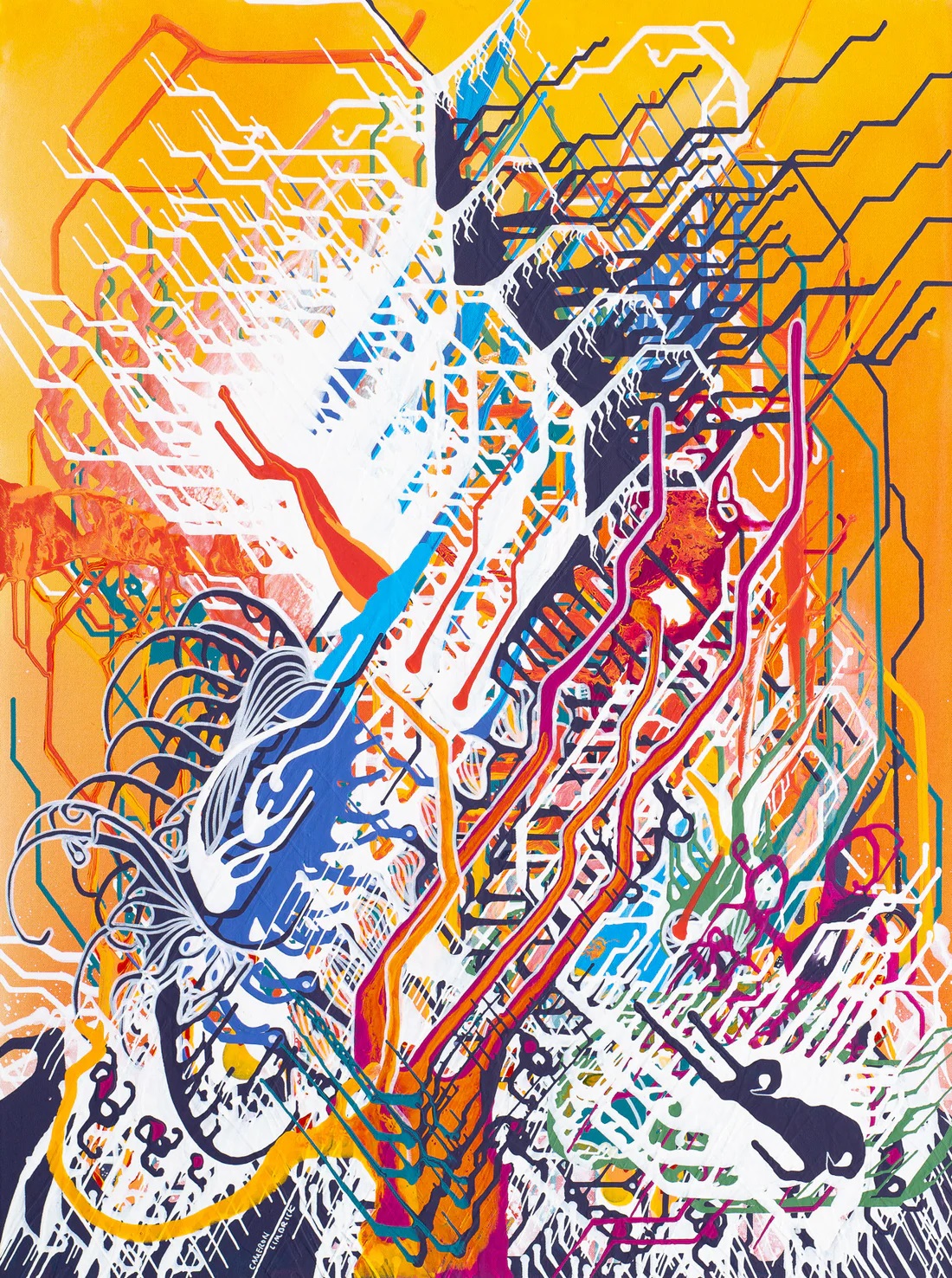
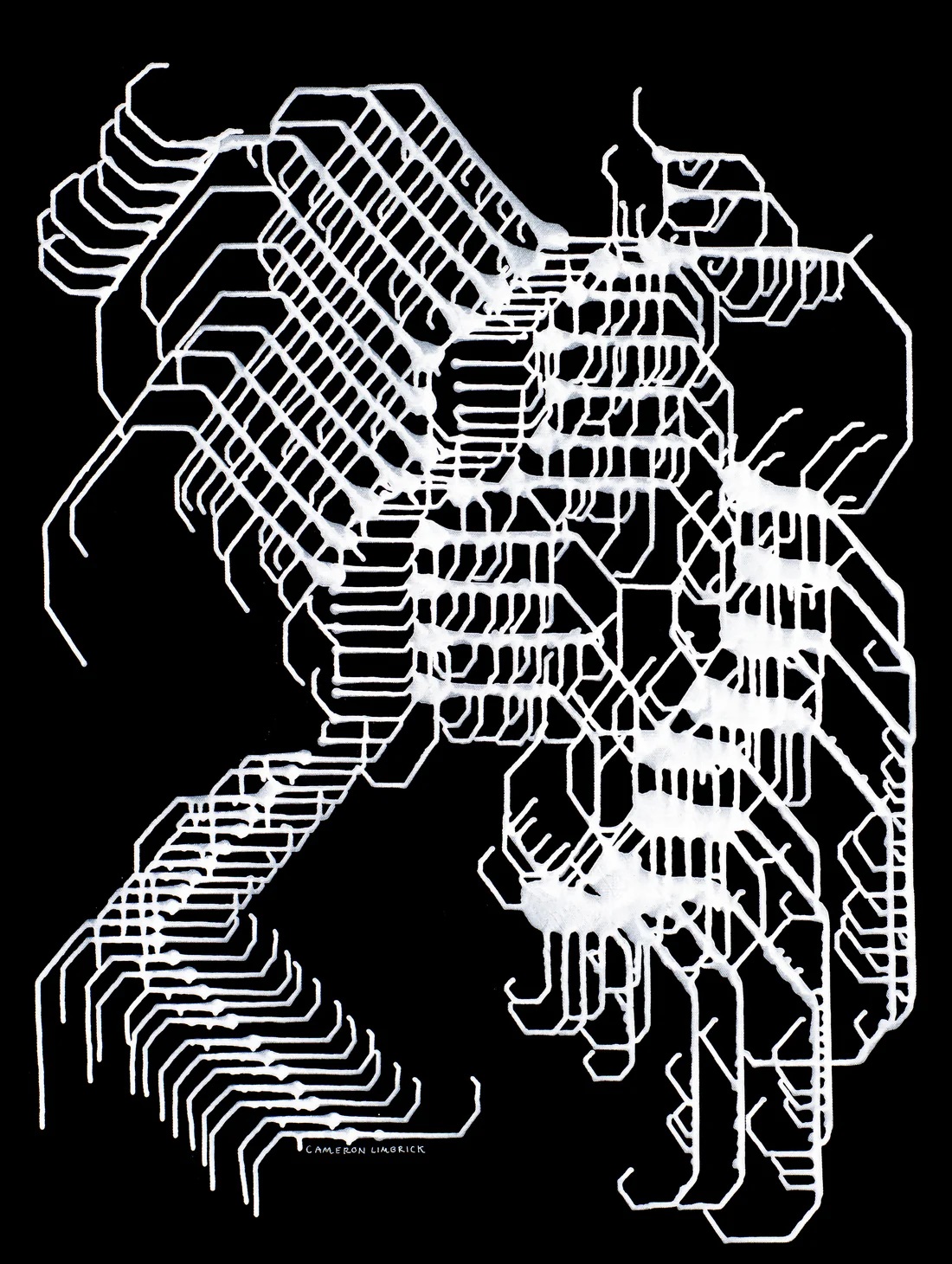
Cameron Limbrick is a self taught American artist who has spent his entire life creating in a wide variety of media.

From traditional painting and graphic design to video and music production, Limbrick’s diverse artistic background ties together a solid foundation for his calling as a full-time visual artist and music producer.

Limbrick went to art school with the goal of becoming a commercial graphic designer and practiced the medium on his own.  

 Many years later Limbrick’s passion for painting resurfaced and revealed itself as his favorite way of artistic self-expression.

The method Limbrick has developed allows him to be spontaneous.

He approaches each piece with the curiosity of an adventurer, following lines like roads around bends and textures like rocky canyons, wondering what is around the corner.

With every painting’s inception, the artist has no idea what the final piece will look like.

The deep mysterious subconscious is revealed to him throughout the entire process, shapeshifting as it advances towards its final frame.

The result is a riddle, its meaning dependent on the viewer.

More of Cameron Limbrick‘s artwork can be found at https://www.cameronlimbrick.com/.


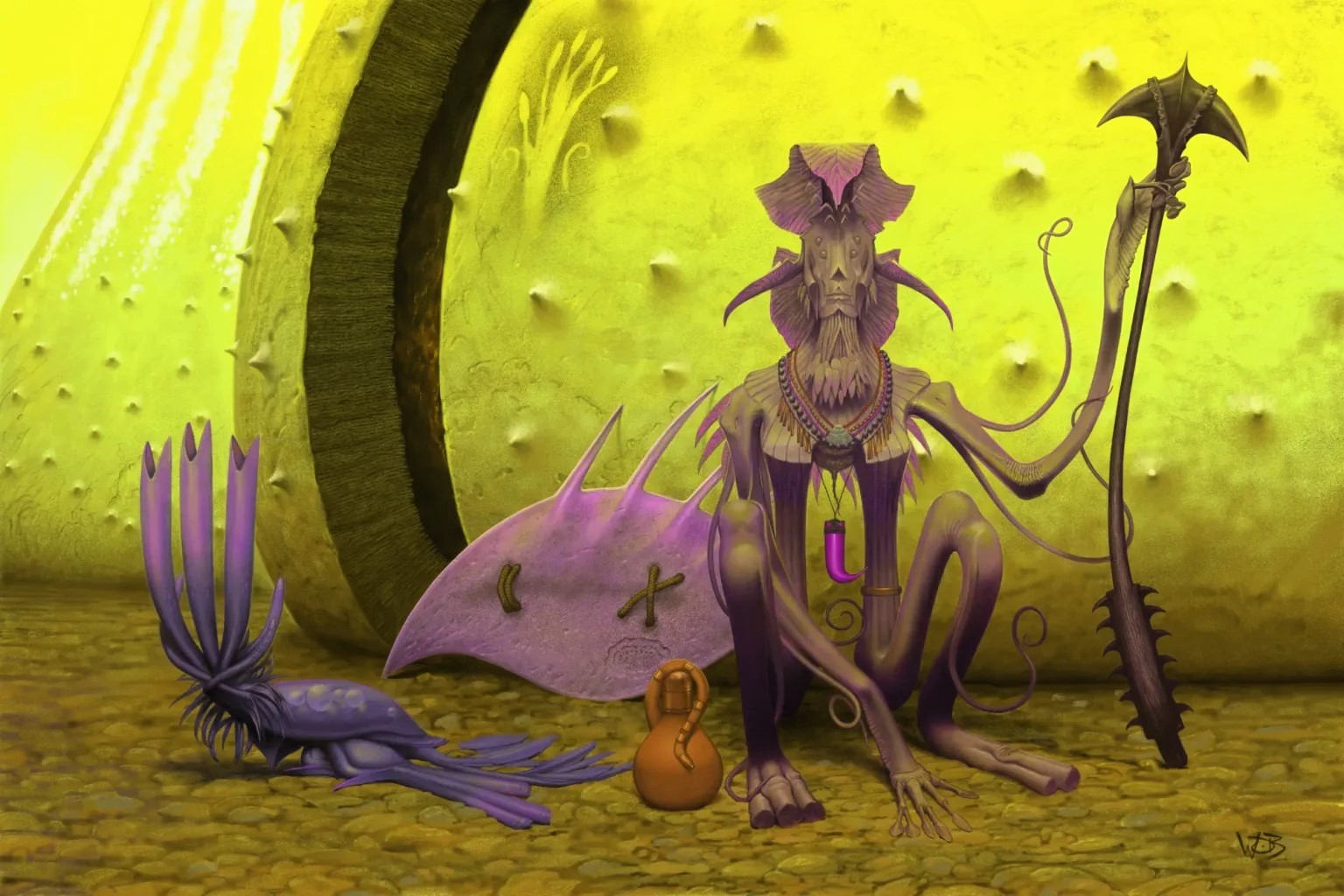
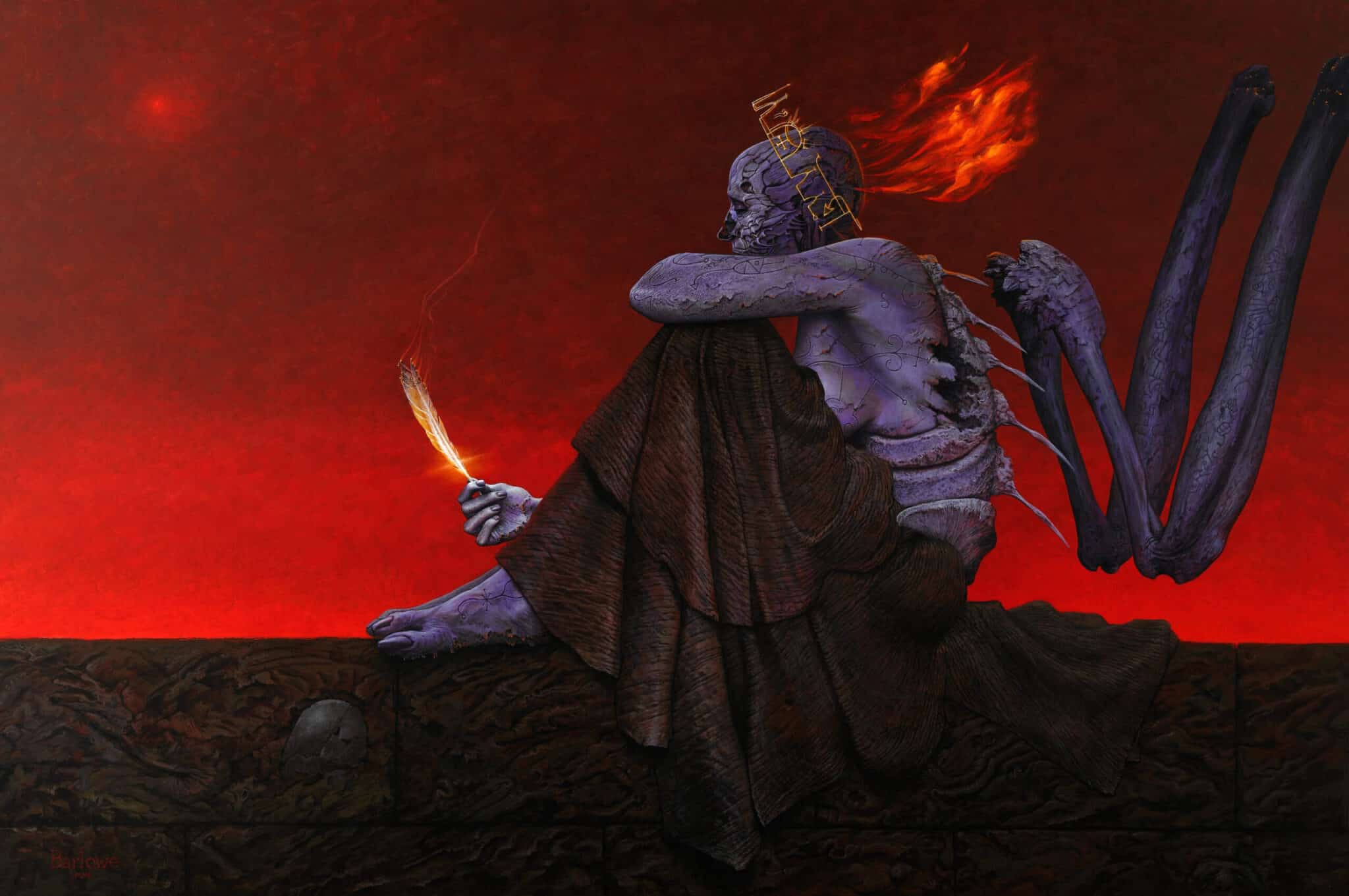
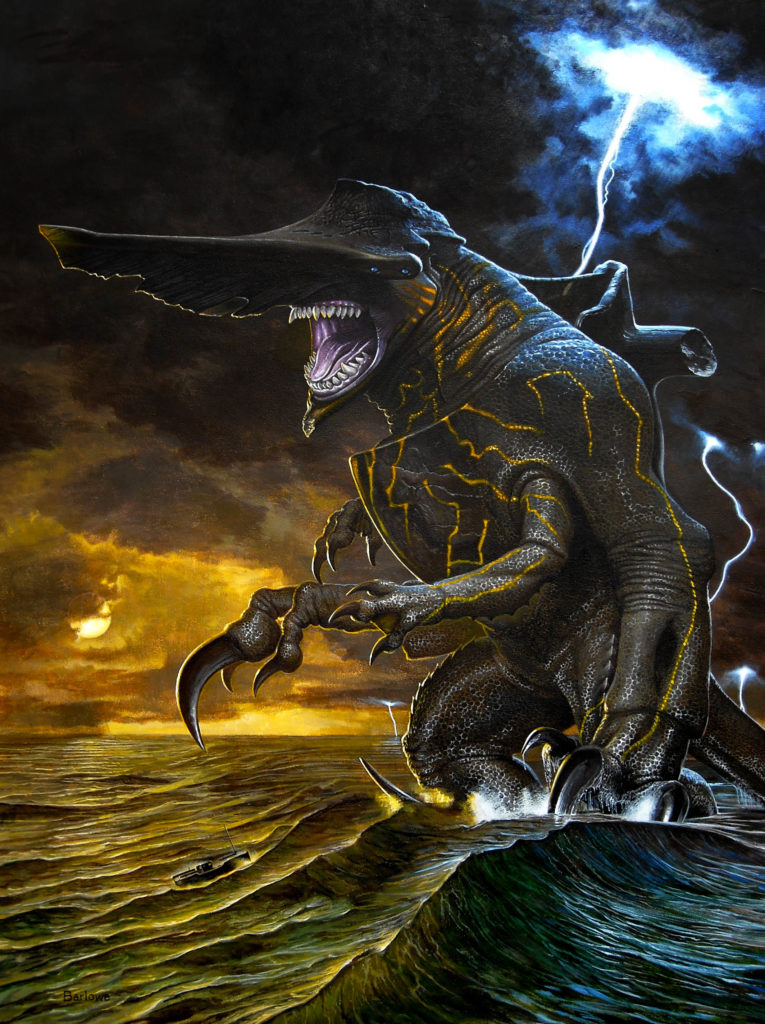
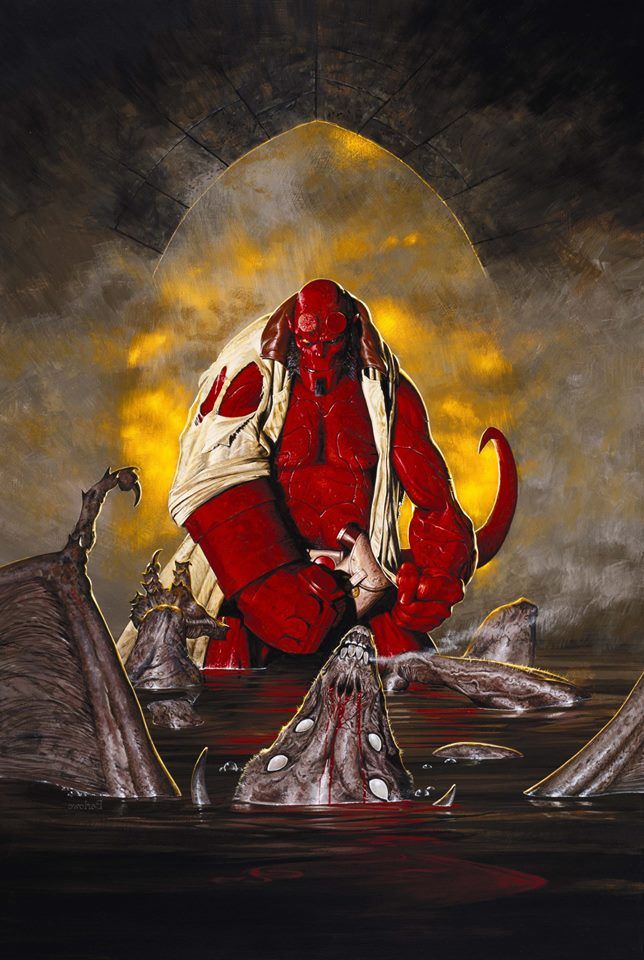
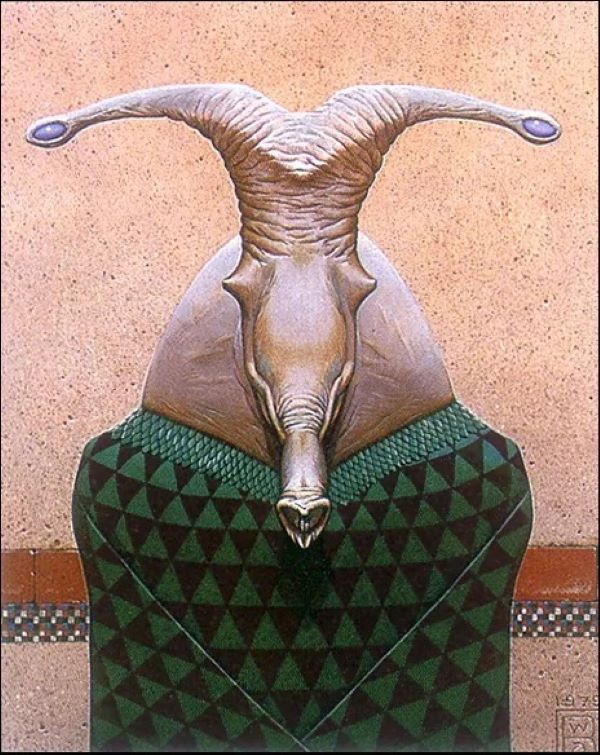
Sunday Evening Art Gallery — Wayne Barlowe

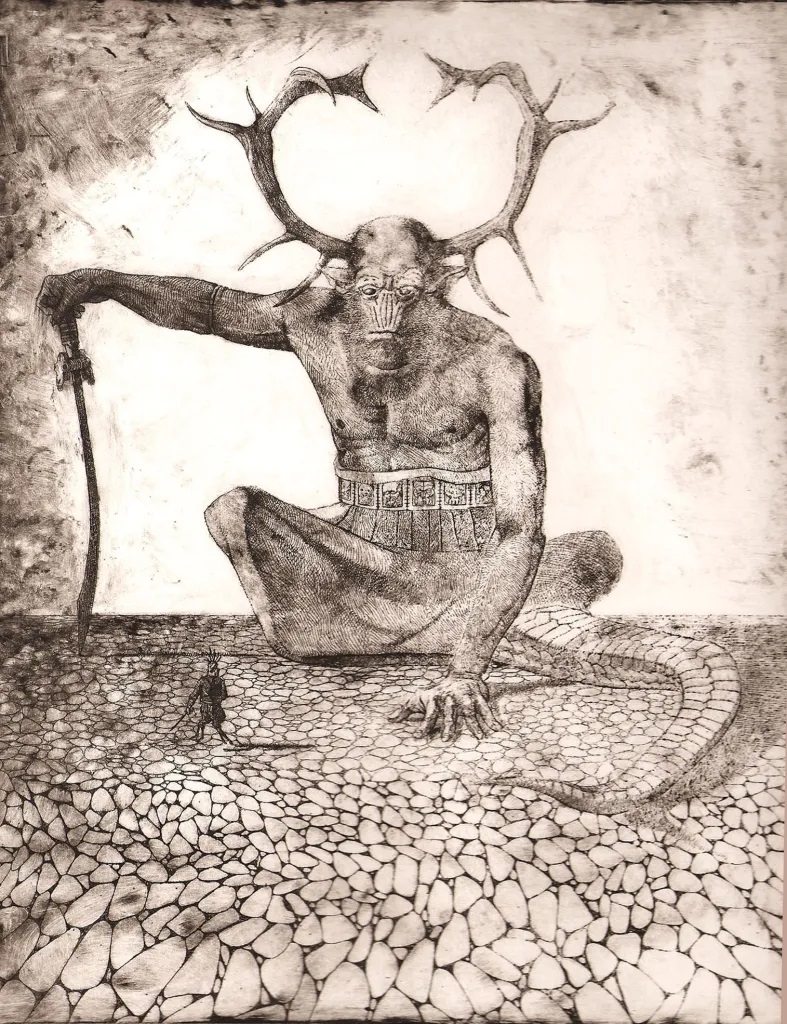
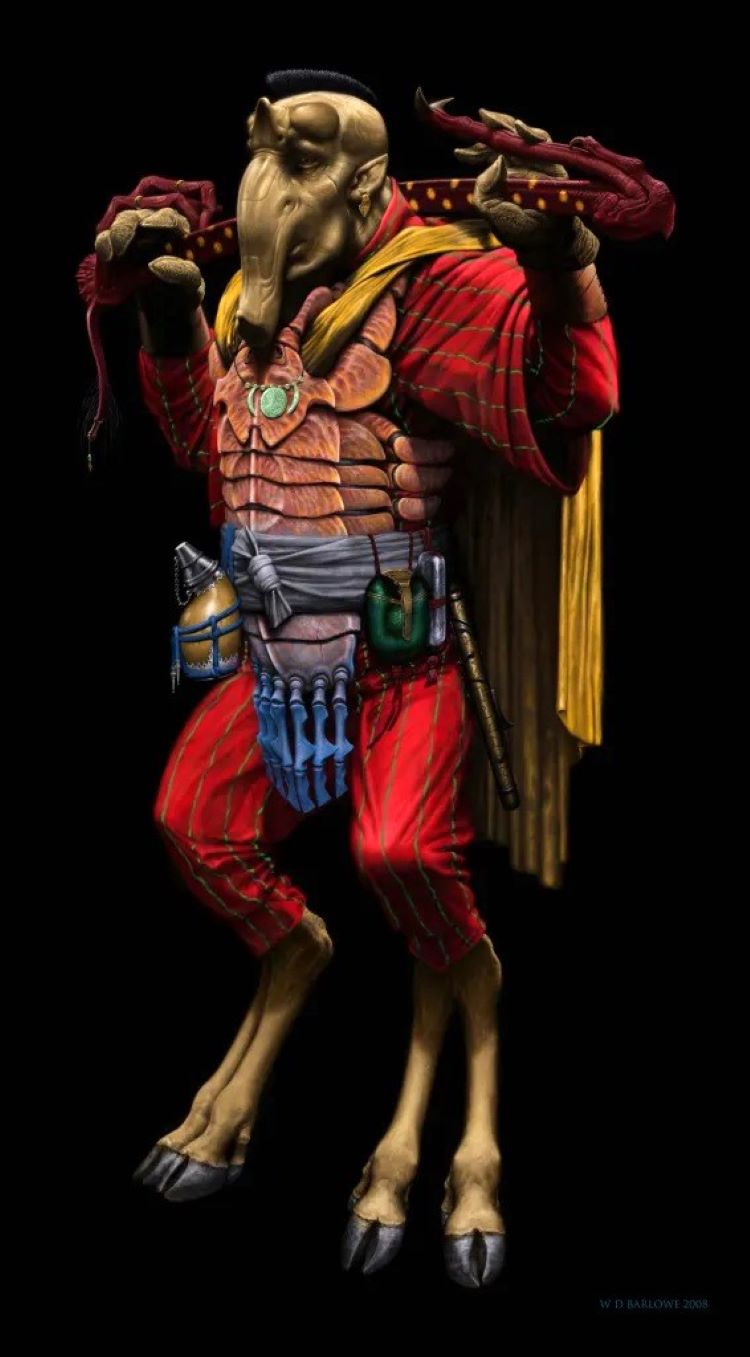
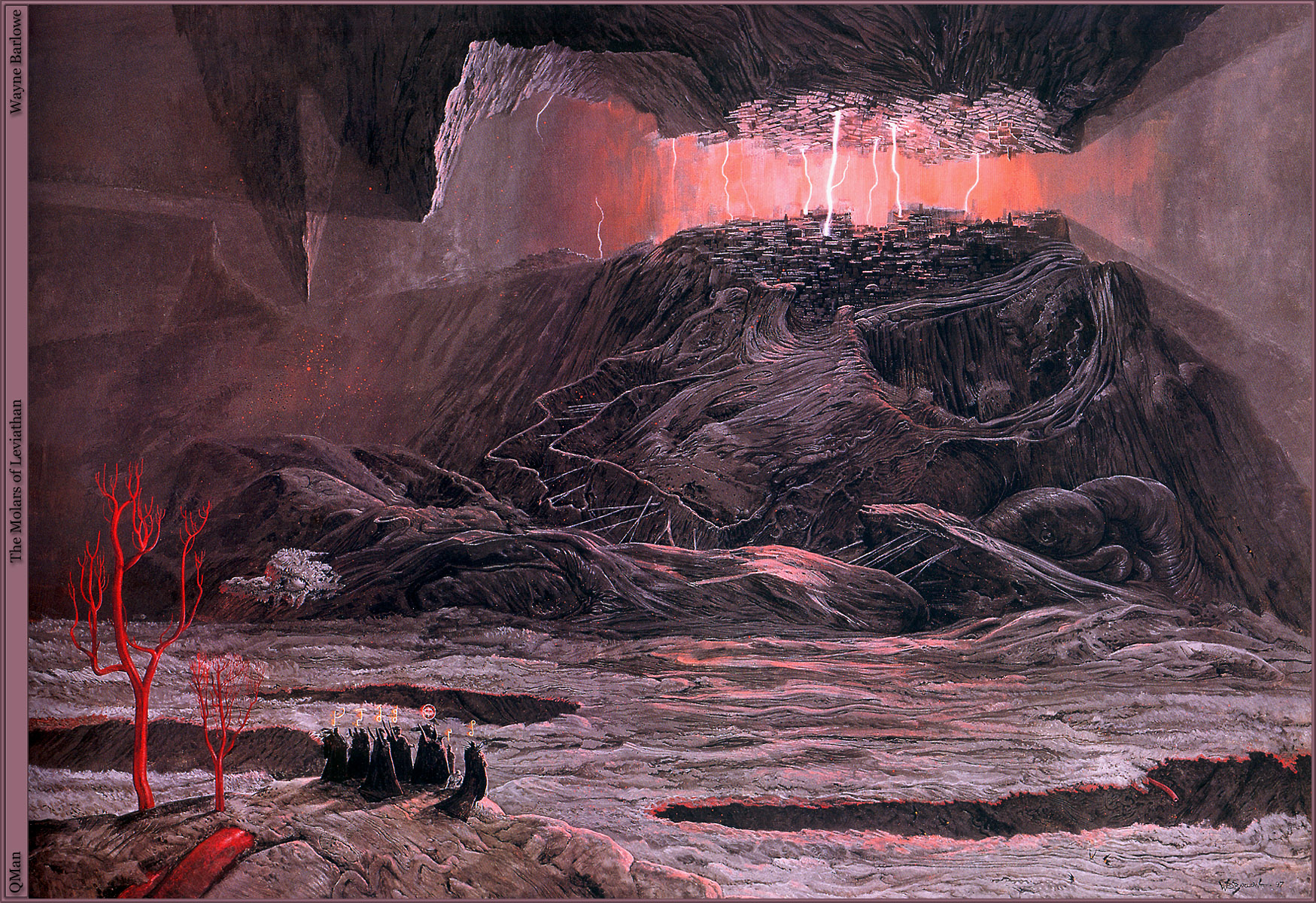
Wayne Barlowe (-1958)  is a world-renowned science fiction and fantasy author and artist who has created images for books, film and galleries and written novels, screenplays and a number of art books.Barlowe is best known for realistic paintings of surreal alien life, hellish landscapes, and esoteric landscapes,  as well as paleoart.He has painted over 300 books, magazine covers and illustrations for many major book publishers, as well as Life and Time Magazine.Barlowe has also created concept art and creature design for films such as Avatar, Harry Potter, Hellboy, and Pacific Rim. His first solo work, Barlowe’s Guide to Extraterrestrials, appeared in 1979. It was filled with 150 full-color paintings depicting fifty of the most famous aliens of science fiction literature.His artwork is often done in acrylics, although he is also well known for his pencil sketches.  Barlowe has a talent for creating believable surface textures, important in creating everything from aliens to space heroes.His art spans alien worlds, alien creatures, and the realms of hell. His work portrays his imagination in painstaking detail. 

More of Wayne Barlowe’s amazing artworks can be found at https://waynebarlowe.com/.


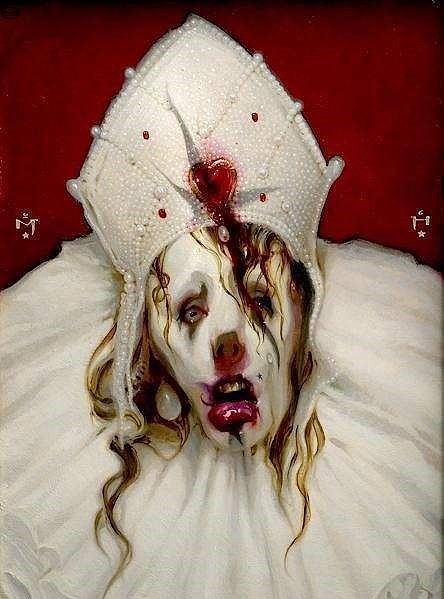
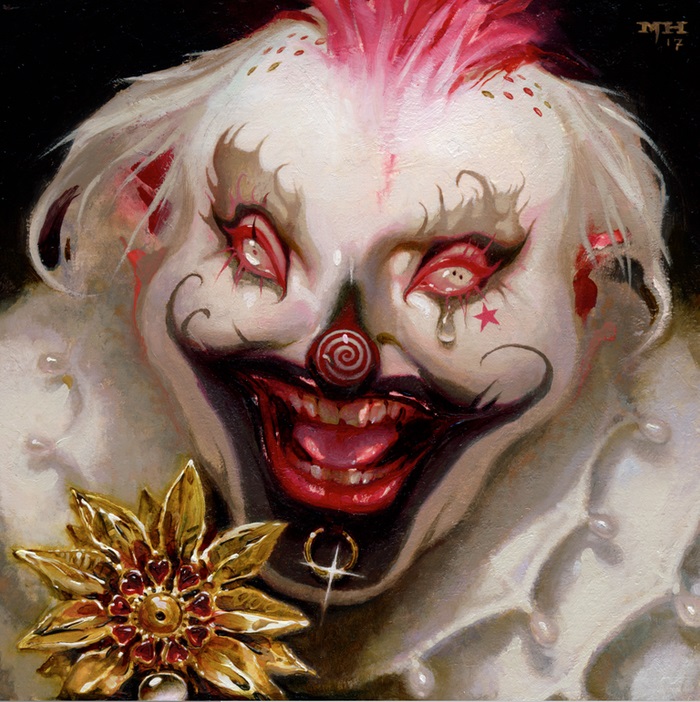
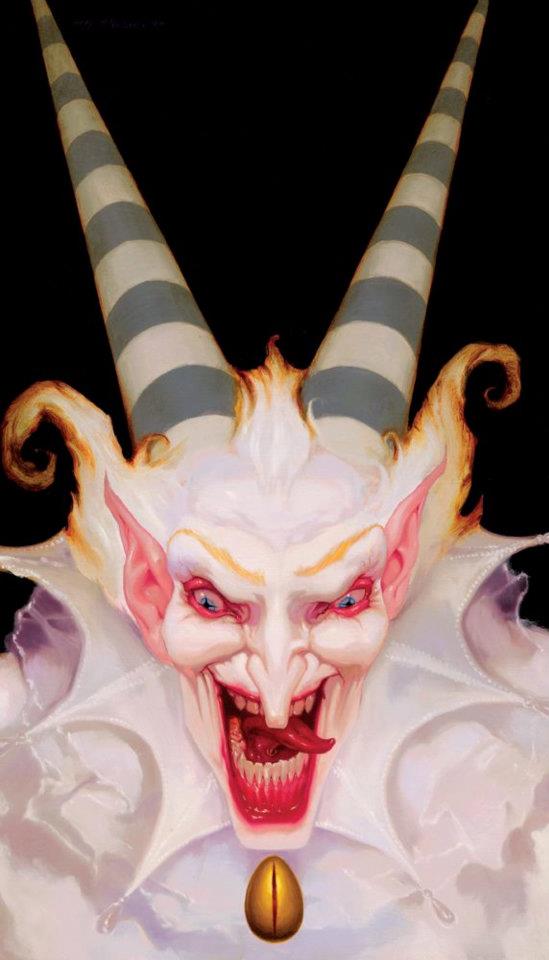
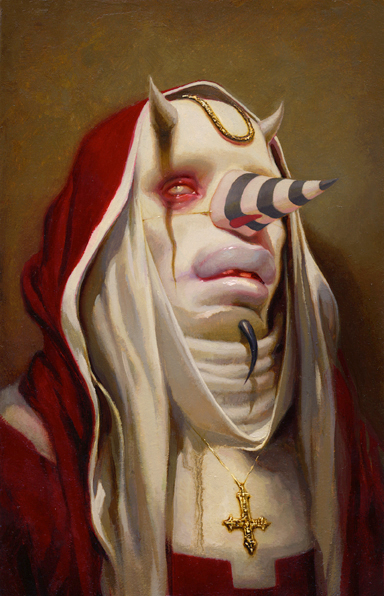
Sunday Evening Art Gallery — Michael Hussar

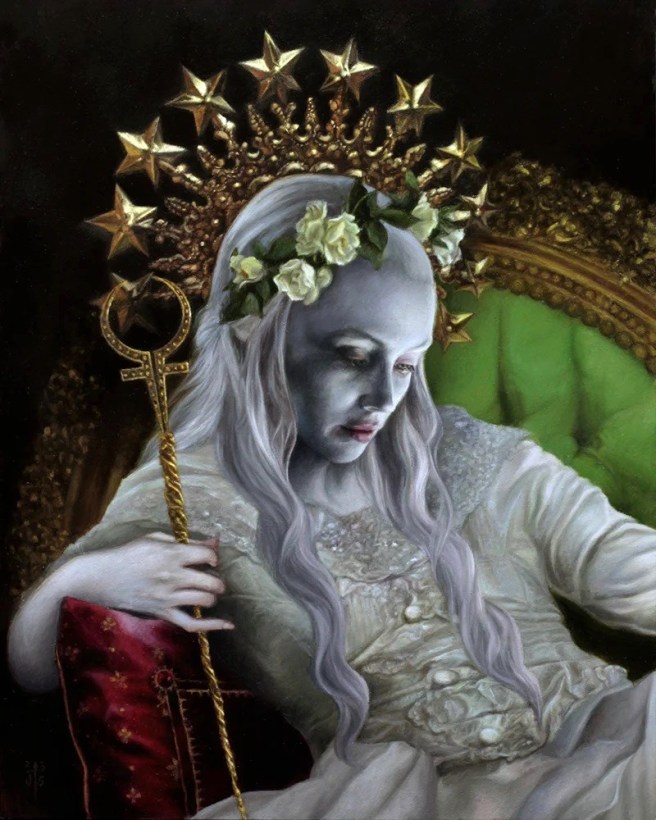
Michael Hussar (-1964) is an American Painter who attended the Art Center in Art Center College of Design in Pasadena, California.He taught Portraiture-Head Painting for almost 10 years at the same Art Center College of Design, and continues to teach portrait painting workshops in the United States and Europe.Hussar uses a combination of rococo, baroque and other classical styles combined with contemporary subject matter to create intense oil portraits.His paintings are provocative and shocking from certain angles, playing around with religious codes in a universe combining the fantastic and the horrific.Instead of canvas, Hussar prefers to work on gessoed wood panels to create paintings, as opposed to a surface mixing technique.There is an incredible beauty in the harsh colors and nightmarish realities of Hussar’s paintings, dark yet bright at the same time.Hussar describes his work as a voyeuristic snapshot of perceived humanity,  complete with “freaks and fakery; a gothic wonderland illuminating the gray area between truth and lies.”Hussar’s attachment to his paintings runs deep; each piece is a journal of sorts, allowing him to come face to face with his demons and exorcising them with each new stroke of the brush.

More of Michael Hussar’s striking paintings can be found at https://hussar.bigcartel.com/.


Being Bored is Never a Problem — 24 Hours Is

For the last 20-25 years, being bored has never been a problem for me.

I was always writing something, sewing beads on something, reading something — the twirly list goes on and on. A lot of the time the craft that busied me one week got left behind the next, but Art in general and Creativity specifically has never really left me.

To be honest, I don’t have it in me anymore to write a 300 page novel; the research and discipline needed just isn’t as crack high as it used to be. But I am still reproofing (and rewriting) a couple of novel series that I may attempt to get published one day. 

I’m also trying to read the Autobiography of Alice B. Toklas (Gertrude Stein) and the Godfather (Mario Puzo).

I’ve also want to take up drawing again.

Being in a house/cabin with full time fishermen can drive a Creative Sprite like me crazy if I didn’t have something to do. Supplies (both brought and left behind up here) have taken me to a new creative place.

ARTIST FRIENDS: Maybe you can give me an idea as to what to call it.

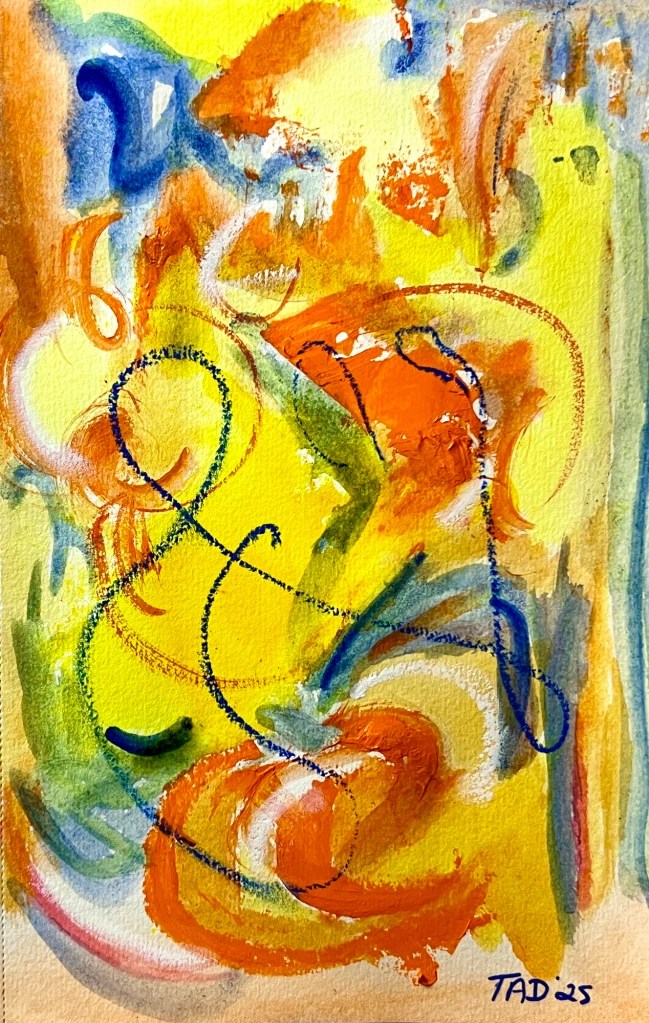
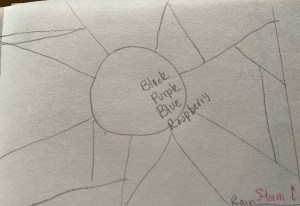
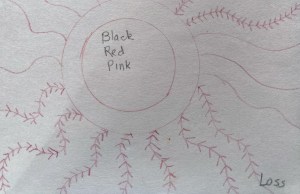
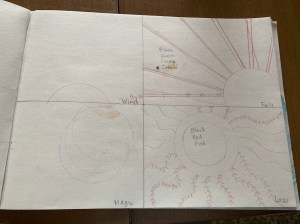
I’m sketching abstract designs (see Look Out Wassily Kandisky — Here I Come!), all with a common denominator (or two). Otherwise they are their own interpretation of the name of the work. Storm, Saturday, Loss.

I do find the more I work on them, the more coherent they become. Thoughts and ideas that did not appear at first sketch have worked their way onto the paper. And what I thought was a challenge (colored pencils vs. watercolor paints) has turned out to be a gift in its own medium.

I know I preach Creativity in Life ad nauseum, but I encourage you to listen to that little fluttering in the depths of your mind and/or soul and go for it. You will find whatever craft and whatever medium you choose to be addicting, along with frustrating, cerebral, and exciting. What more could you ask for?

Which makes me wish there were more than 24 hours in a day.

Some preliminary sketches:


Add some spice to your life! And be sure to share your excitement with me!


Sunday Evening Art Gallery — Levina Teerlinc

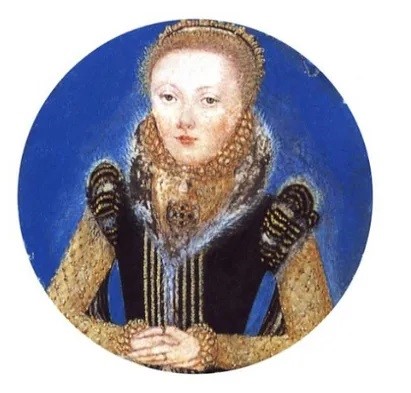
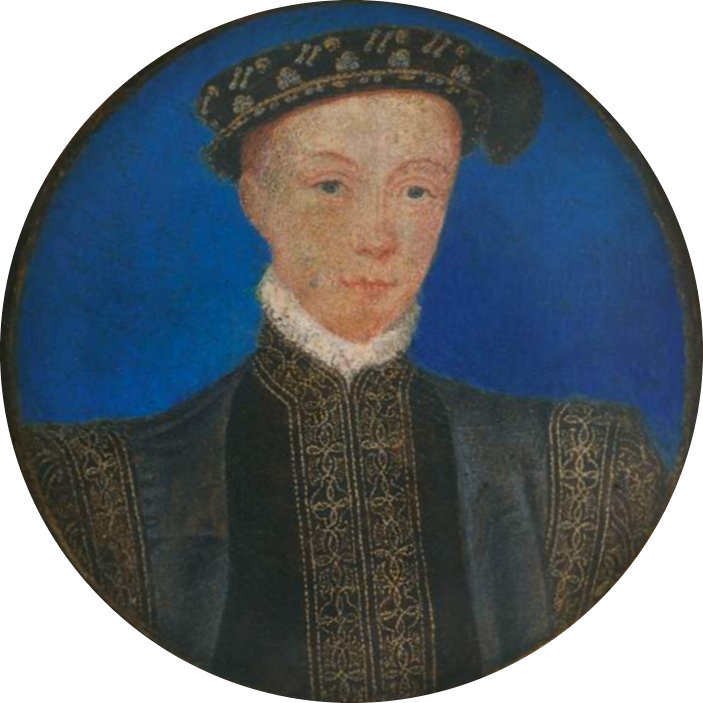
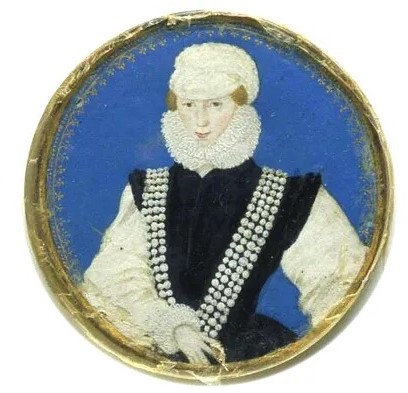
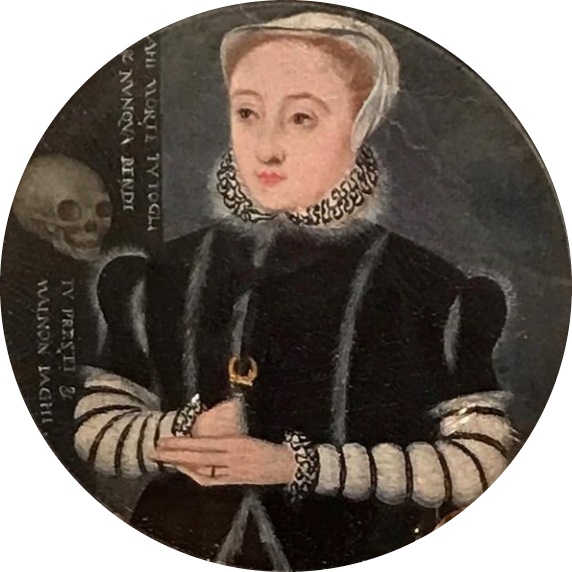
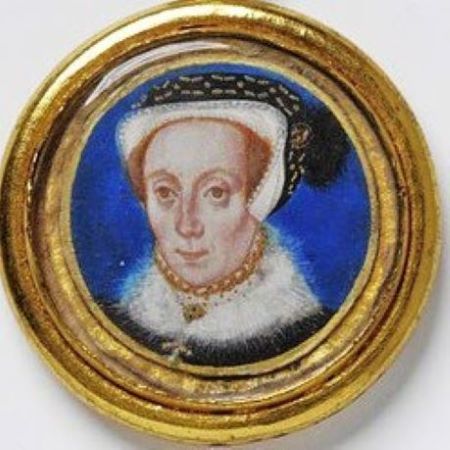
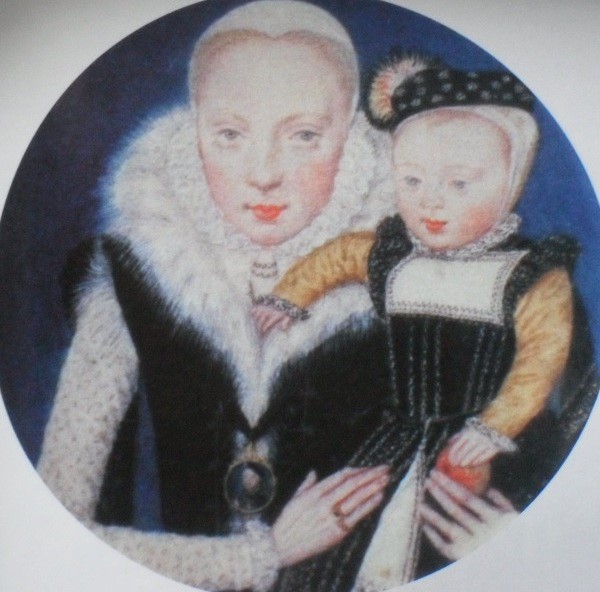
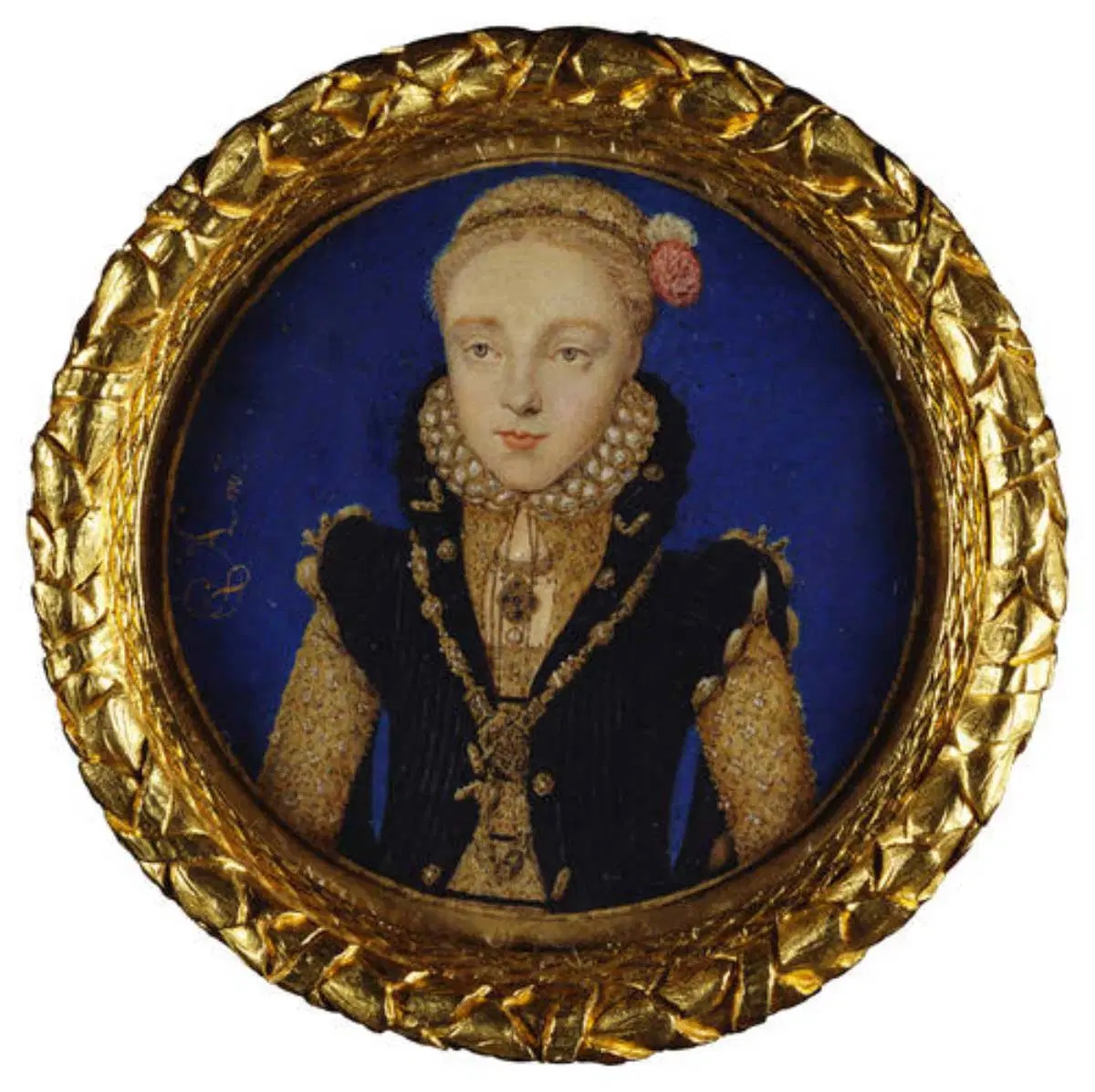
Levina Teerlinc (1510 – 1576) was a Flemish Renaissance miniaturist who served as a painter to the English court of Henry VIII, Edward VI, Mary I and Elizabeth I.Teerlinc played an essential role in the artistic history of the Tudor court, yet she is rarely mentioned compared to other Tudor artists.Not only was it easy for a woman artist to be overlooked throughout history, but the circumstances surrounding her work made it incredibly hard for art historians to attribute her work correctly.She was one of the most well-documented artists at court in miniature painting, providing at least eight portraits of Elizabeth I in the years between 1559 and 1575.Though much of her work is lost, she must have been a highly prominent artist to receive an invitation from the King of England and become one of the highest-paid artists of the English court throughout the reigns of Mary I and Elizabeth I.Unfortunately, no surviving work has been firmly attributed to Teerlinc. A great deal of effort has gone into identifying surviving miniatures with those described in the New Year’s gift lists, but there are no certainties.Nonetheless, there is nothing wrong with bringing out the fine art of miniatures in the Tudor dynasty, Teerlinc being one of its largest contributors.

More of Levina Teerlinc’s miniatures and story can be found at https://www.thecollector.com/levina-teerlinc-tudor-woman-artist/ and https://artherstory.net/levina-teerlinc/.


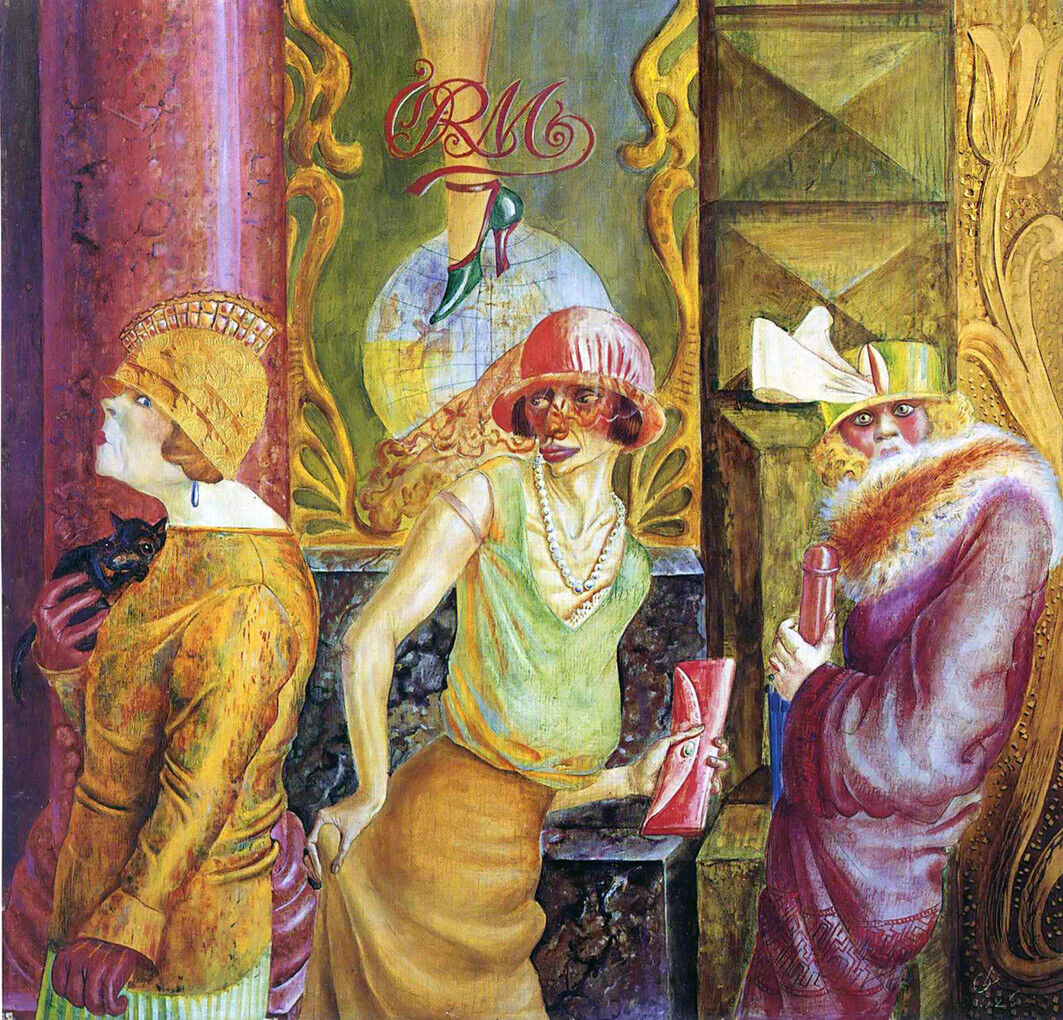
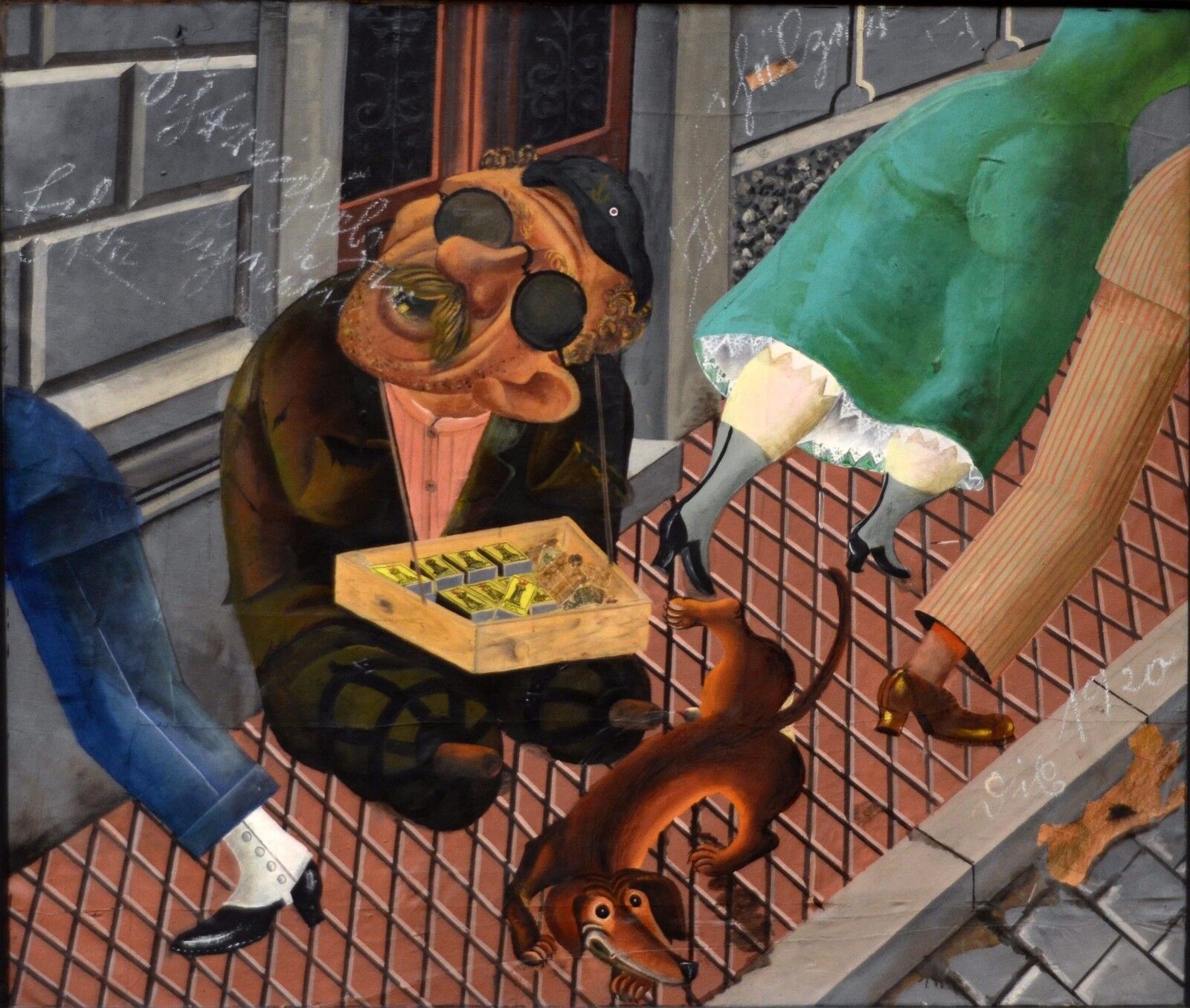
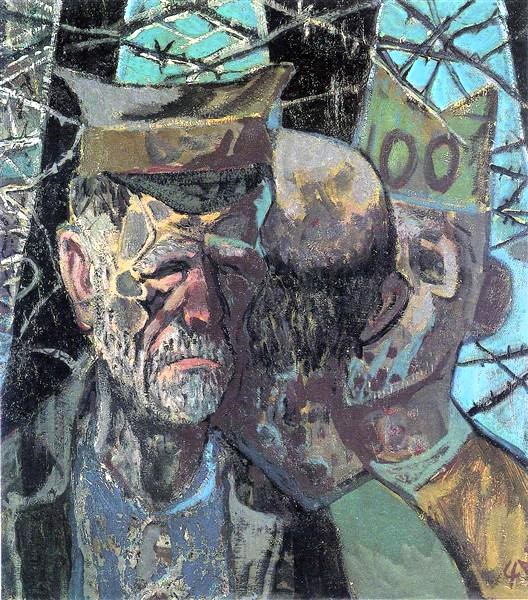
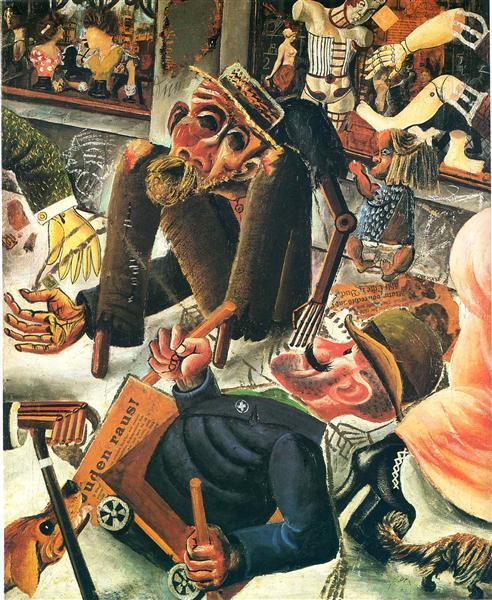
Sunday Evening Art Gallery — Otto Dix

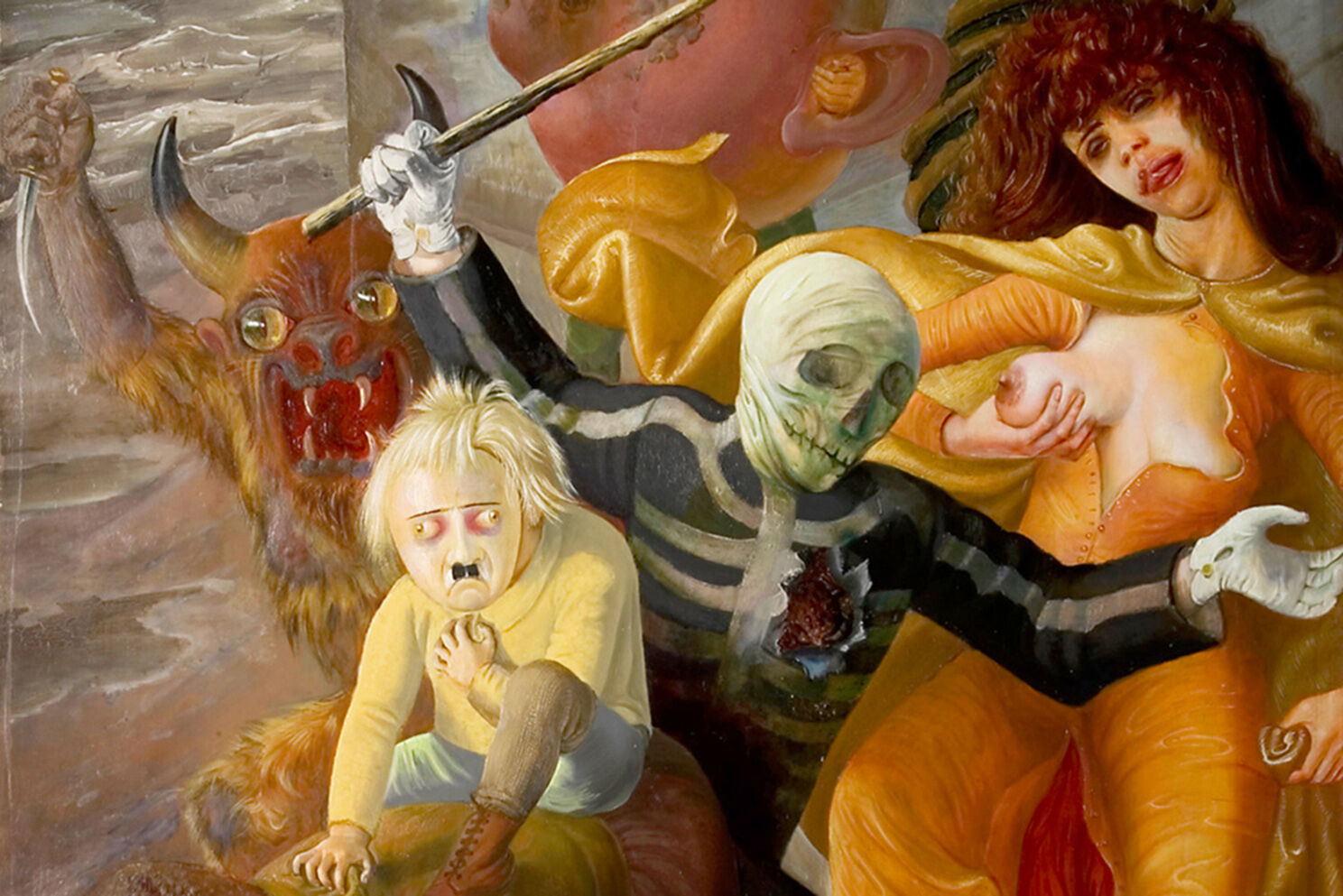
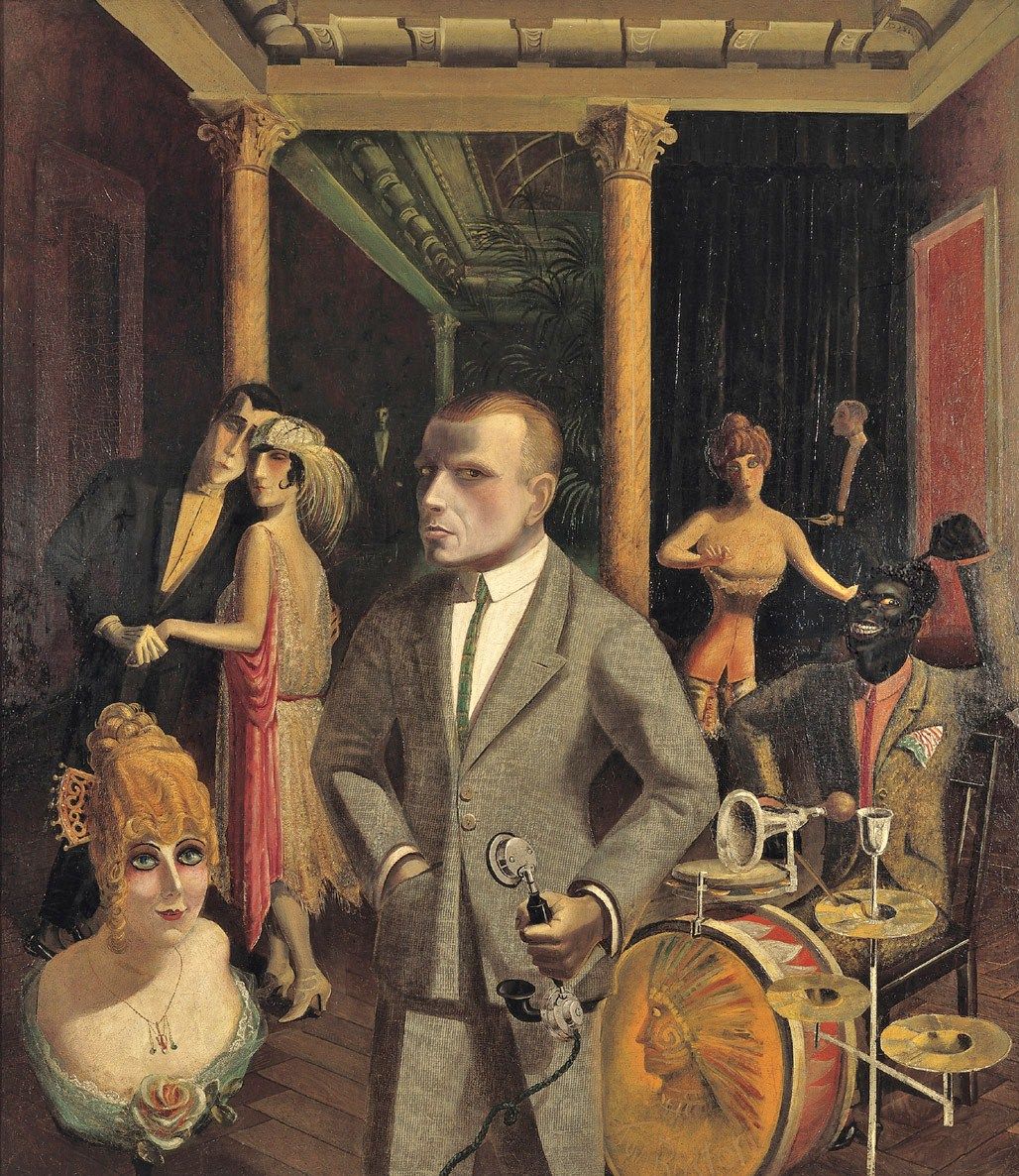
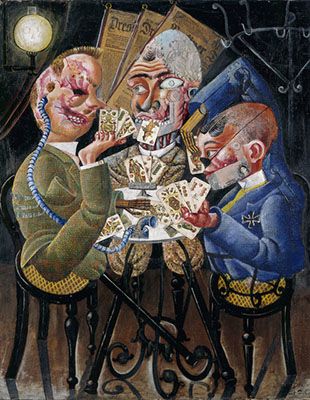
Wilhelm Heinrich Otto Dix (1891 – 1969) was a German painter and printmaker noted for his ruthless and harshly realistic depictions of German society during the Weimar Republic and the brutality of war.Dix has been perhaps more influential than any other German painter in shaping the popular image of the Weimar Republic of the 1920s.A veteran haunted by his experiences of WWI, his first great subjects were crippled soldiers, but during the height of his career he also painted nudes, prostitutes, and often savagely satirical portraits of celebrities from Germany’s intellectual circles.His work became even darker and more allegorical in the early 1930s, where he became a target of the Nazis.No fewer than 200 of his works were seized by the Nazis, and eight of his paintings were in the “Degenerate Art” show in Munich in 1937.His views were at odds with the regime but he chose to remain in Germany after 1933, so in order to avoid confrontation, he conformed outwardly with the regime.When the Third Reich fell at the end of the Second World War, Dix was freed from the Nazi’s artistic oppression yet his style never regained its Interwar edge.After the war most of his paintings became religious allegories or depictions of post-war suffering.

More of Otto Dix‘s inspirational paintings can be found at https://www.ottodix.org/ and  https://www.theartstory.org/artist/dix-otto/.


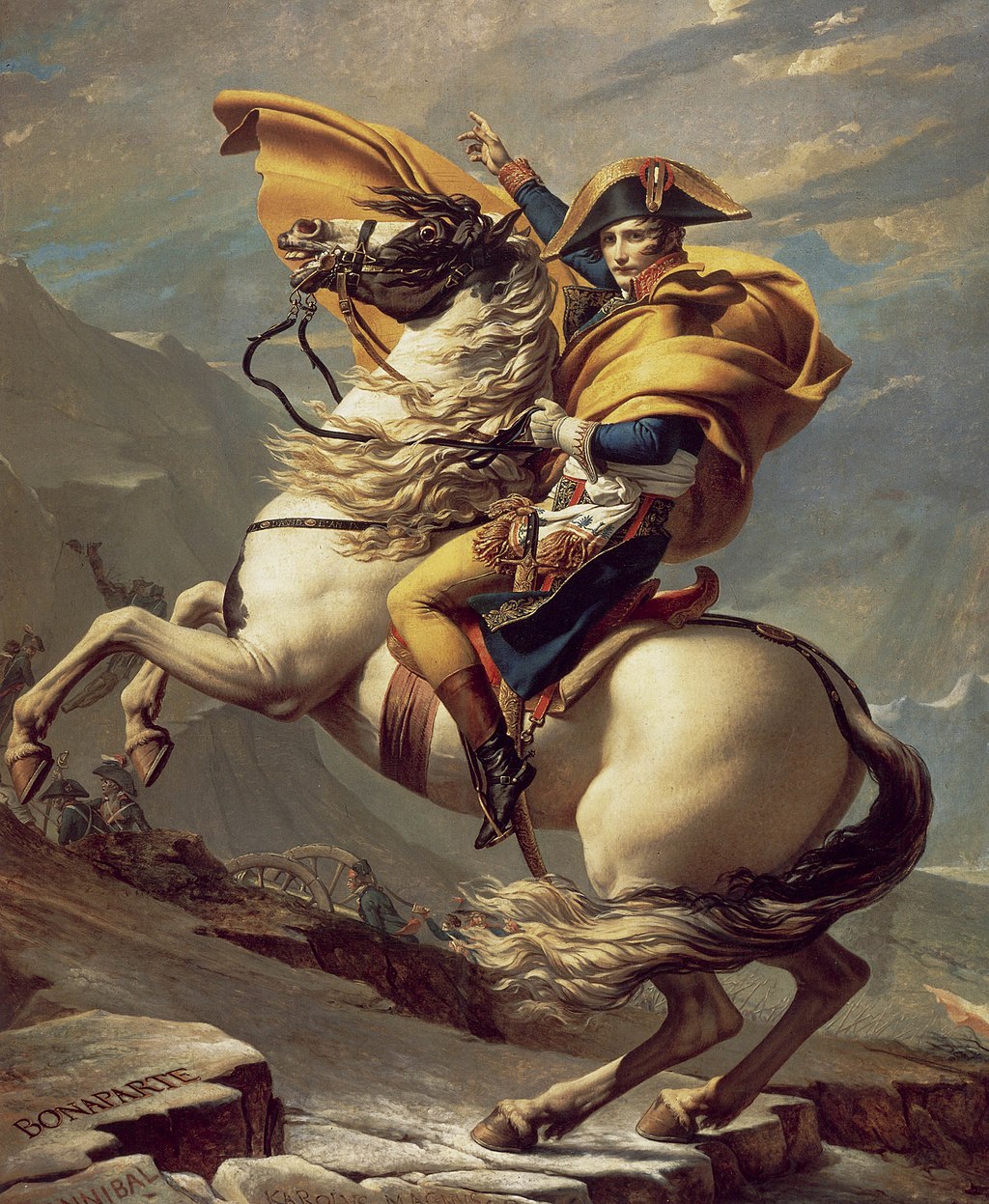
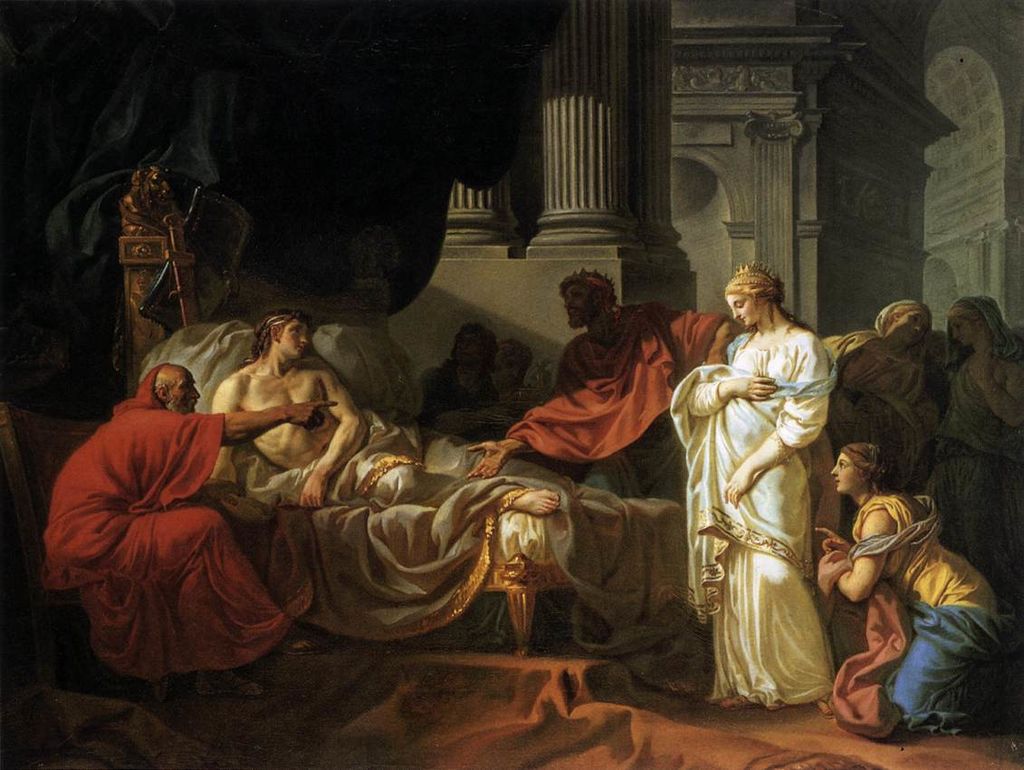
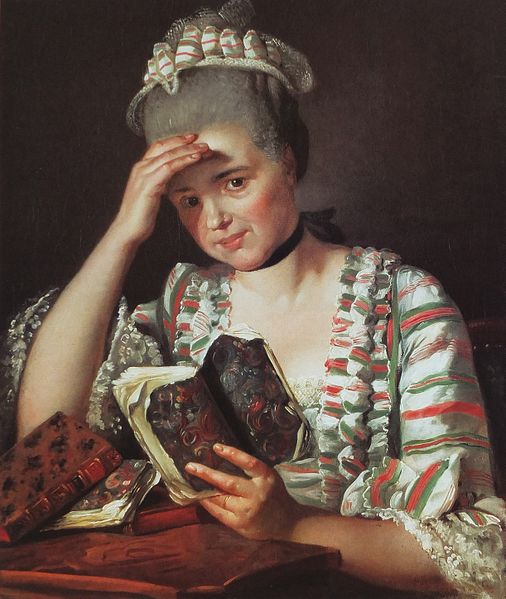
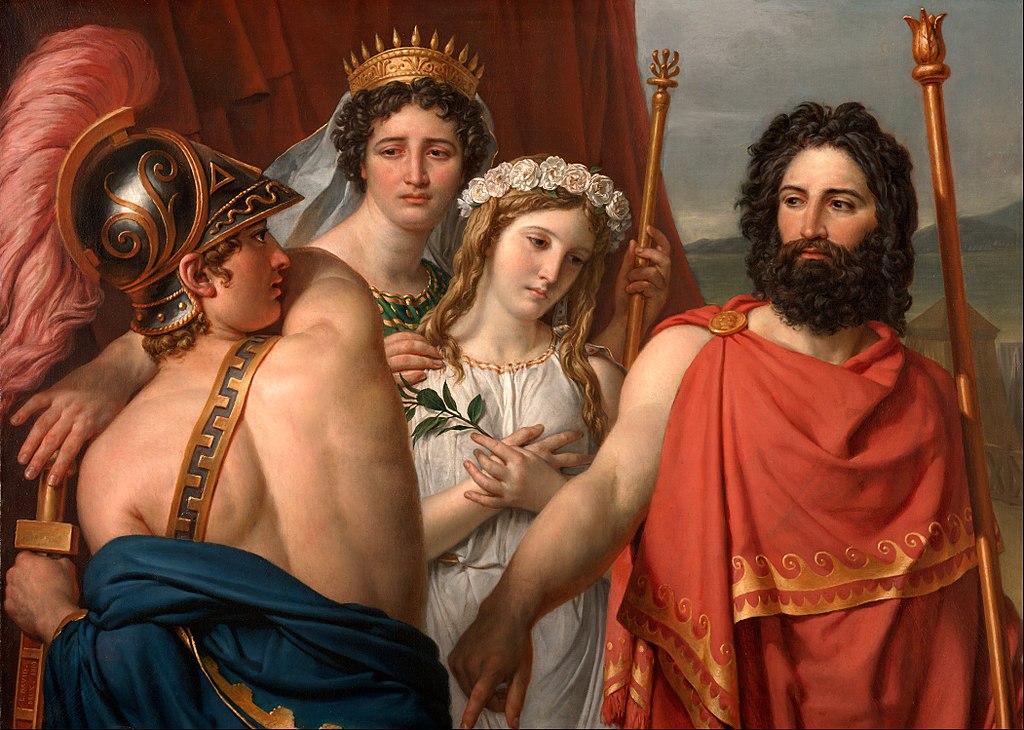
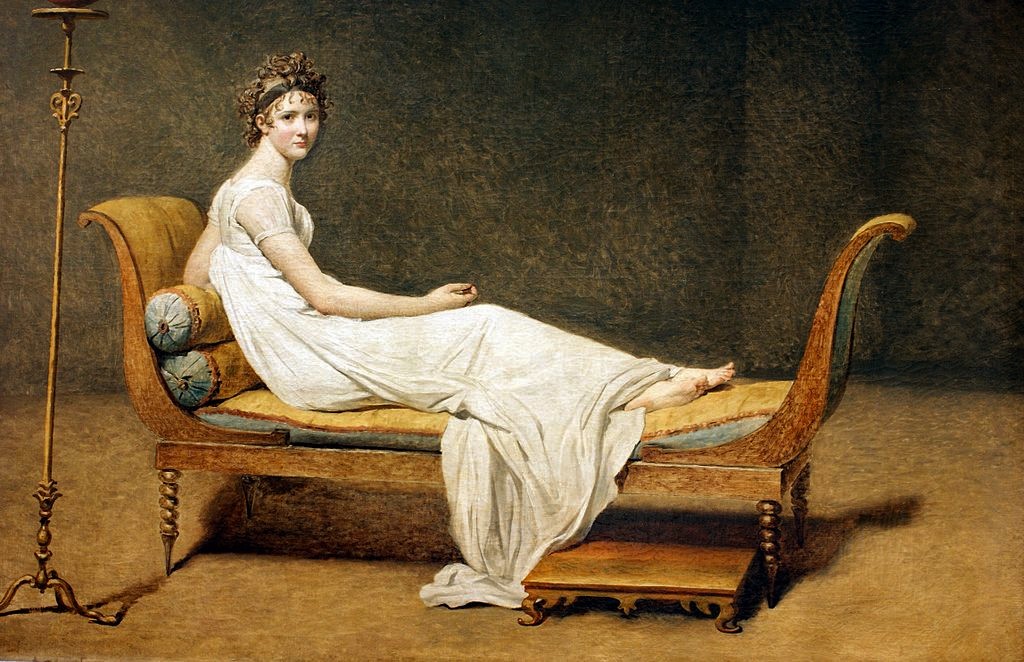
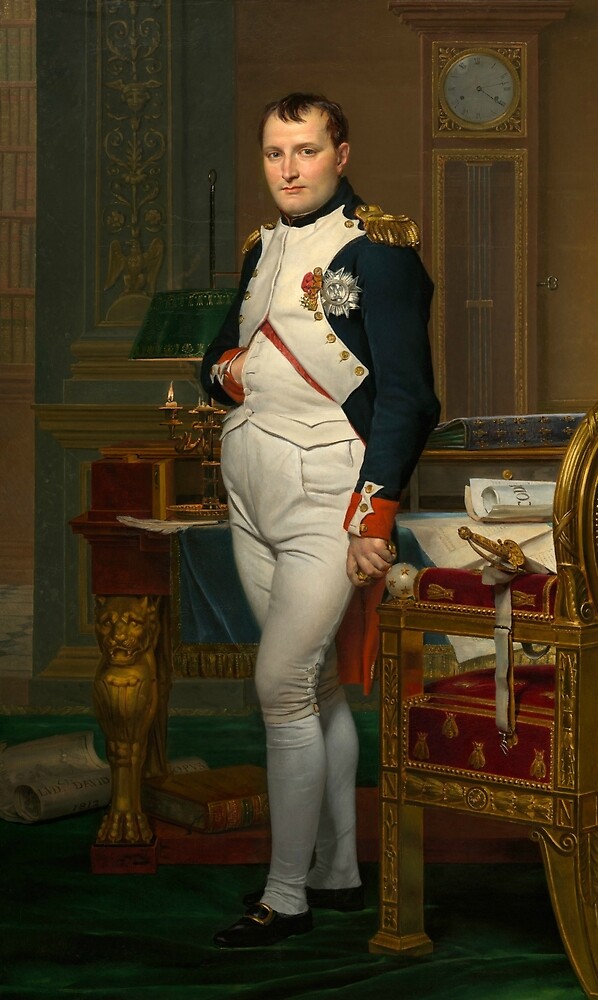
Sunday Evening Art Gallery — Jacques-Louis David

Jacques-Louis David  (1748 – 1825), considered to be the preeminent painter of the era, was a French painter in the Neoclassical style.

Napoleon Crossing the Alps


As the premier painter of his day, David served the monarchy of Louis XVI, the post-revolutionary government, and the Emperor Napoleon Bonaparte, despite the radical differences in these ruling regimes.

Antiochus and Stratonica


David’s style of historical painting helped end the frivolity of the Rococo period, moving art back to the realm of classical austerity.

Portrait de Marie-Joséphine Buron


Adopting the fashionable Greco-Roman style, the artist blended antique subjects with Enlightenment philosophy to create moral exemplars.

The Anger of Achilles


His linear forms dramatically illustrated narratives that often mirrored contemporary politics.

David Self-Portrait


David’s earliest successes were iconic images of valor and noble deeds, commissioned by royal and aristocratic patrons, who adopted the classical style as the latest trend. 

Madame Récamier


He also ran an important studio where his students would later rebel against his example, sowing the seeds of modernism.

Napoleon Bonaparte in his Study at the Tuileries


The quintessential Neoclassical painter, David’s monumental canvases were perhaps the final triumph of traditional history painting.

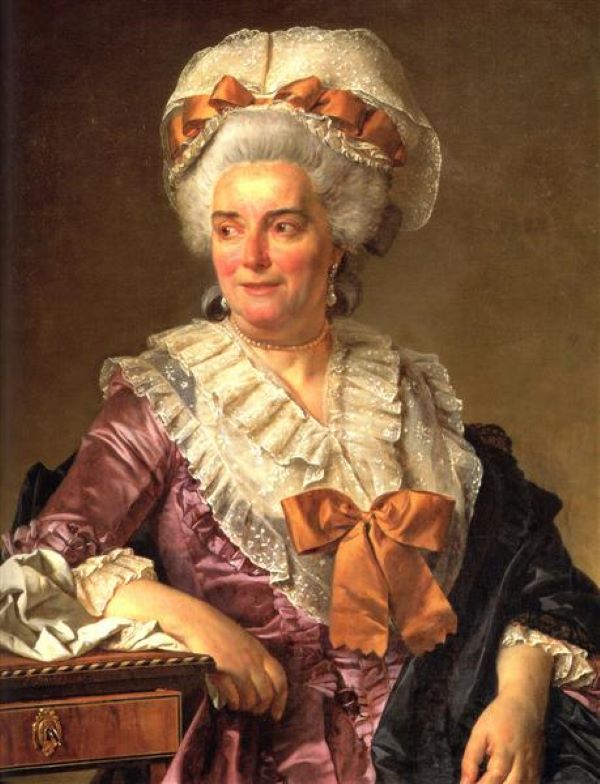
Portrait of Madame Charles-Pierre Pecoul, nee Potain


More of  Jacques-Louis David‘s exquisite paintings   can be found at https://www.nga.gov/collection/artist-info.1212.html and https://www.biography.com/artist/jacques-louis-david.


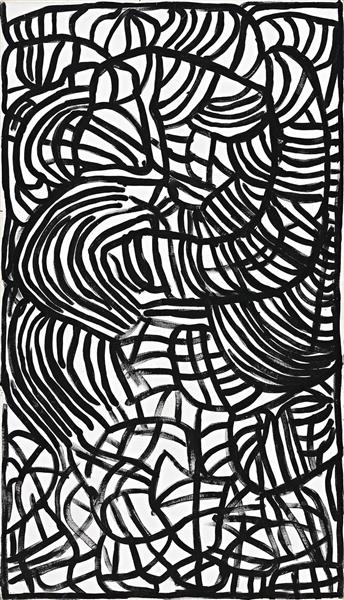
Sunday Evening Art Gallery — Jean Dubuffet

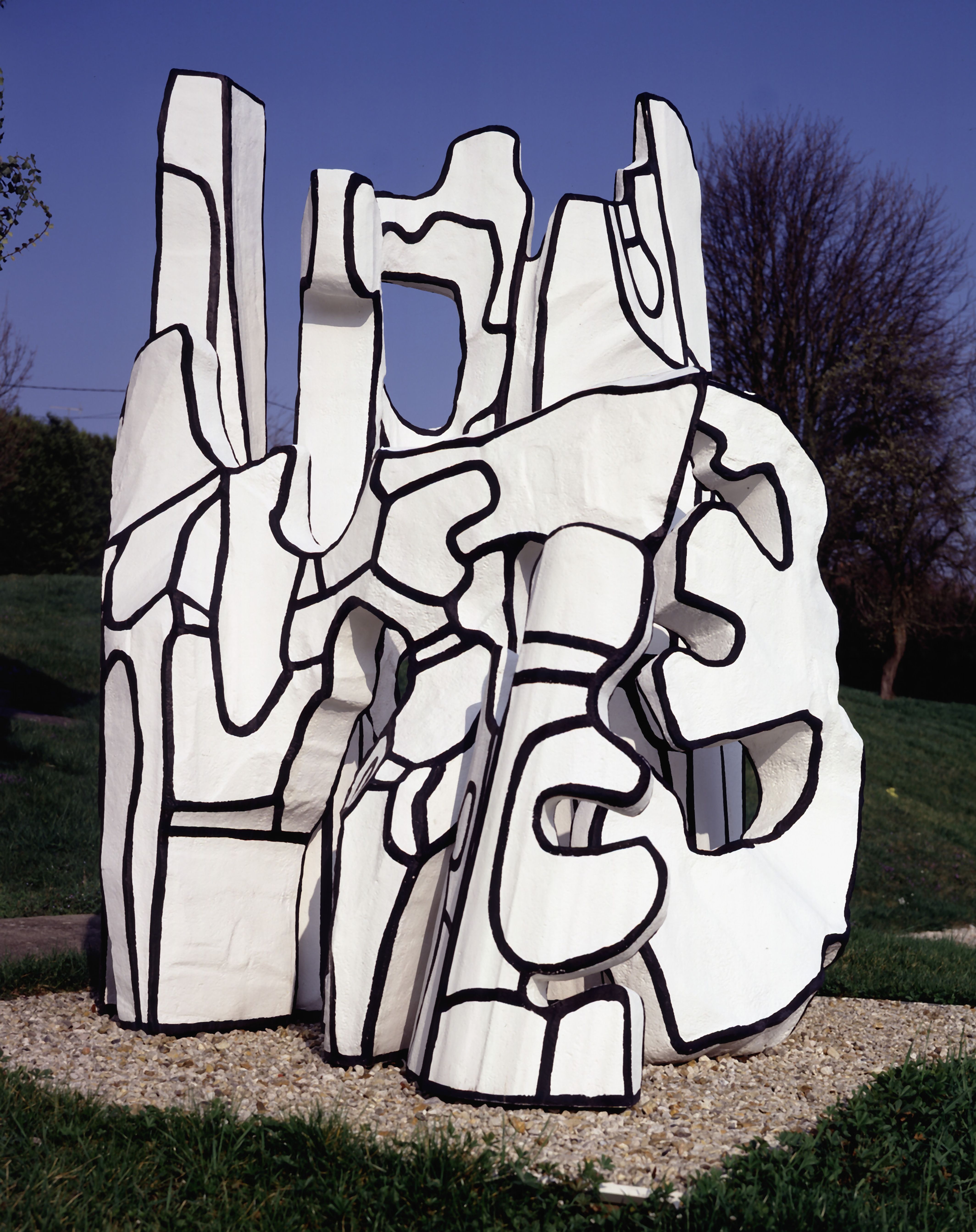
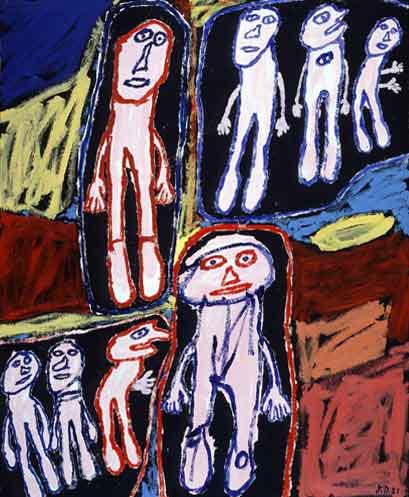
Jean Philippe Arthur Dubuffet (1901 -1985) was a French painter and sculptor.Born in Le Havre, France, the artist did not dedicate himself to his art practice until age 41, having been dismissed from the French meteorological corps and subsequently working as a wine merchant.Dubuffet is perhaps best known for founding the art movement Art Brut (Raw Art), and for the collection of works — Collection de l’art brut — that this movement spawned.Dubuffet looked to the margins of the everyday—the art of prisoners, psychics, the uneducated, and the institutionalized—to liberate his own creativity, coining the term “Art Brut” as a reflection of the creative possibilities outside the conventions of the day.

Dubuffet may be best known for his large-scale sculptures, which resemble masses of white organic forms sharply outlined in black.This artistic period was full of creative triumphs for the artist, who began work on his famed “Hourloupe” cycle, which comprises paintings, drawings, panels, and sculptural and architectural installations featuring undulating black lines and shapes atop white sculptural forms.More of Jean Philippe Arthur Dubuffet‘s unique works can be found at https://www.wikiart.org/en/jean-dubuffet and  https://www.artnews.com/feature/jean-dubuffet-who-is-he-famous-works-1234569877.


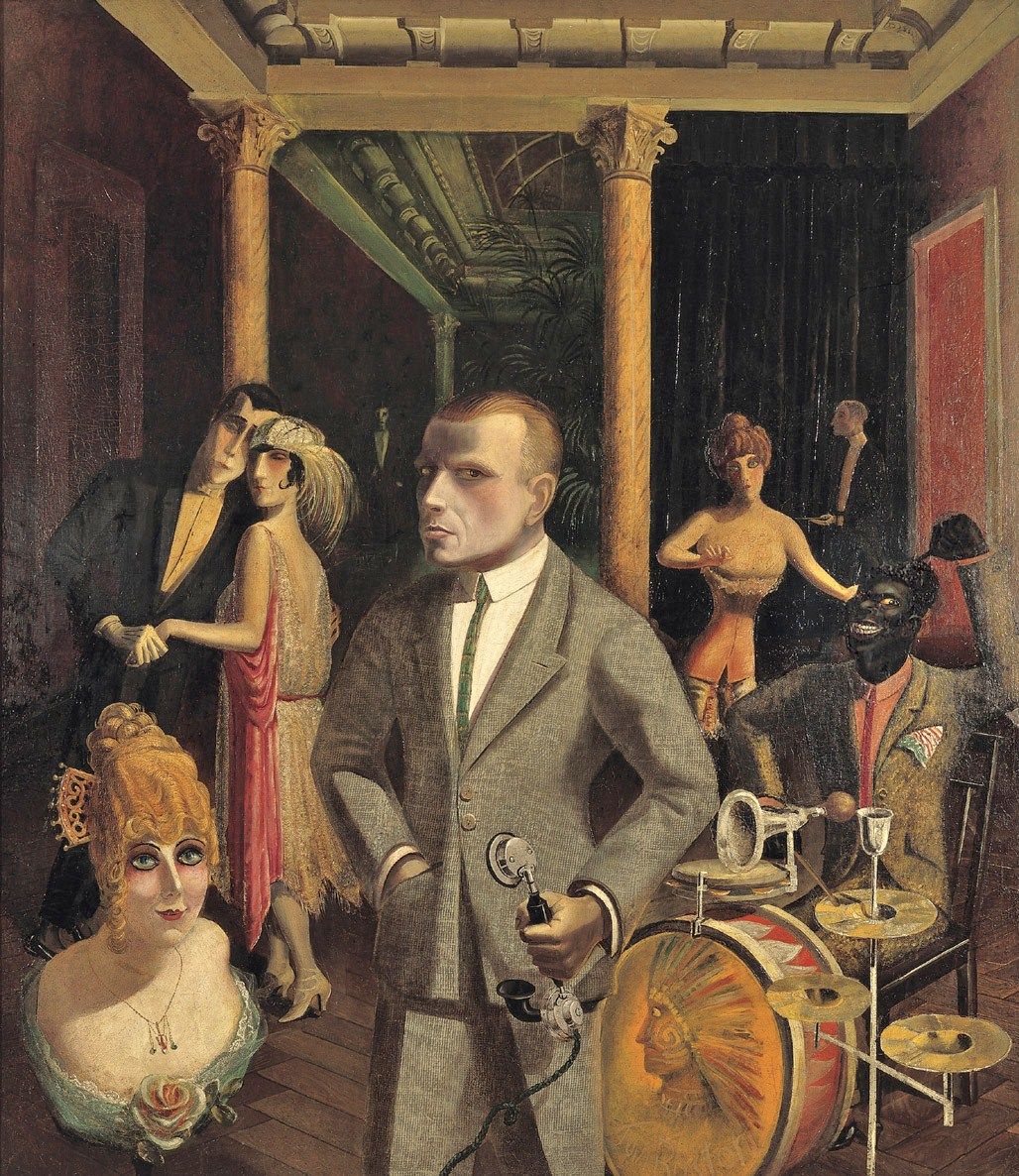
Sunday Evening Art Gallery — Otto Dix

Wilhelm Heinrich Otto Dix  (1891 – 1969) was a German painter and printmaker noted for his ruthless and harshly realistic depictions of German society during the Weimar Republic and the brutality of war.The majority of Dix’s early works concentrated on landscapes and portraits which were done in a stylized realism that later shifted to expressionism.He occupied a lead position in the New Objectivity movement, turning away from the ideas of Romanticism and Expressionism toward a more acidic and non-sentimental perspective to reflect the harsh realities of the interwar German society.Though being a representative of the anti-expressionist movement, Dix incorporated numerous styles into his paintings and etchings.

Although frequently recognized as a painter, Dix drew self-portraits and portraits of others using the medium of silverpoint on prepared paper.As the dark days of the Nazis coming to power grew closer,  his artworks were stripped of value and censored by the regime.He was removed from his position of university professor at Dresden Academy of Fine Arts, and his work was included in Hitler’s EntarteteKunst (degenerate art) show, where all artworks that were not within the lines of the Nazi standards were displayed.After he was stripped of his professorship the Dix family moved to the shores of Lake Constance where he painted mostly inoffensive landscapes.Dix is regarded as a pivotal figure for the New Objectivity movement in Germany, who had the courage to portray the uncensored versions of two harsh wars and a bleak, depraved society in between, using his satirical and grotesque characters and themes to make a direct statement through his artwork.More of Otto Dix’s work can be found at https://www.moma.org/artists/1559 and https://www.theartstory.org/artist/dix-otto/.

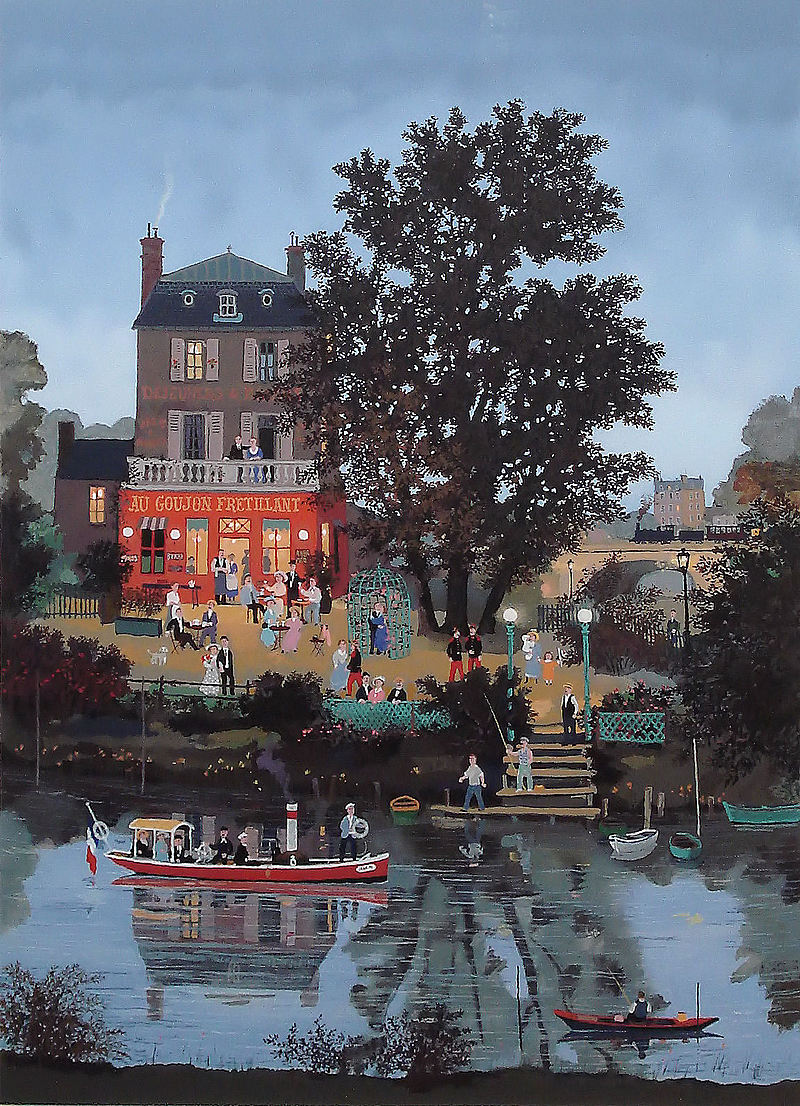
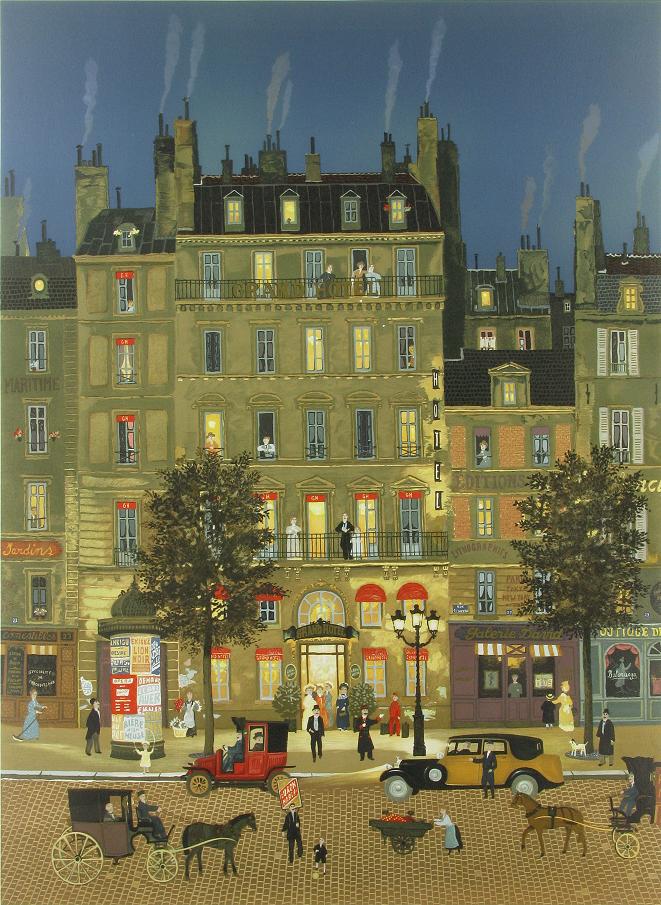
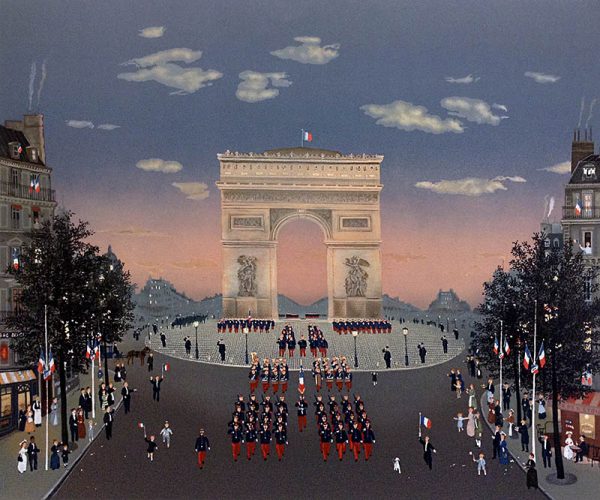
Sunday Evening Art Gallery — Michel Delacroix

Born in 1933 in Paris, Michel Delacroix is a prominent French painter known for his naïf art style (art created by a person who lacks formal education and training), often depicting scenes of Paris in a whimsical and childlike manner.Delacroix’s subjects include street scenes of Paris and other nearby areas of France set during his childhood during the Nazi occupation.

Delacroix began his artistic career by studying at the Ecole des Beaux-Arts in Paris.Later, he worked in various artistic fields including graphic design before dedicating himself fully to painting. Delacroix has created a Paris full of magic and atmosphere that holds one’s imagination as it travels back in time.
The works are renowned for their graceful balance of the earthy and the urban, the cosmic and the ordinary.

In 1994, Delacroix was named an Official Artist of the Atlanta Committee for the Olympic Games and commissioned to celebrate the 1996 Games in an oil painting Titled “Atlanta 1886-1996.”

More of Michel Delacroix’s lovely paintings can be found at https://www.artlex.com/artists/michel-delacroix/ and https://www.artnet.com/artists/michel-delacroix/.


Making Art Has Not Always Been Free

On my way to something else….

In tying up my Gallery blog on Degenerate Art, I came across a biography of Elfriede Lohse-Wächtler, a German Expressionist:


Living on her own from the age of 17, hers was a stressful life in a society still judgmental of female independence. In her early 30s, she was hospitalized for what has been described as a nervous breakdown. While hospitalized, she was diagnosed as having schizophrenia, although the basis of this diagnosis remains unclear.
During her hospital stay, she drew portraits of fellow patients and herself in a series later referred to as “Friedrichsberg Heads”.
With the diagnosis of schizophrenia, Elfriede Lohse-Wächtler fell under the National Socialist “Hereditary Health Act”. After her divorce in 1935, she was incapacitated and forcibly sterilized, regardless of her protests and requests from her family.
The National Socialists branded her work with the stigma of “degenerate.”  Nine of her works were represented at the “Degenerate Art” exhibition in 1937. 
On July 31, 1940 Elfriede Lohse-Wächtler was gassed at the age of 40 in the Pirna-Sonnenstein killing center as part of the “T4” euthanasia program.

Can you imagine — an artist of high caliber, suffering already from a mental illness, being gassed because a government deemed her “not worthy”?

Hope this makes you stop and think. I know my heart is still hurting.


Sharing Gallery Art — Tiffany Arp-Daleo

A bright beautiful Saturday! Hope you are enjoying yours!

Today is my “Creativity” Day,” I wanted to share one of my favorite “modern day” (today!) artists — Tiffany Arp-Daleo.

Her art is modern, bright, and full of half-hidden delights in her paintings. I just went through her blog and caught up on what I’ve missed, and found this one.

Do pop over and check her out!


Being November


Sunday Evening Art Gallery — Fabio Gomes Trindade

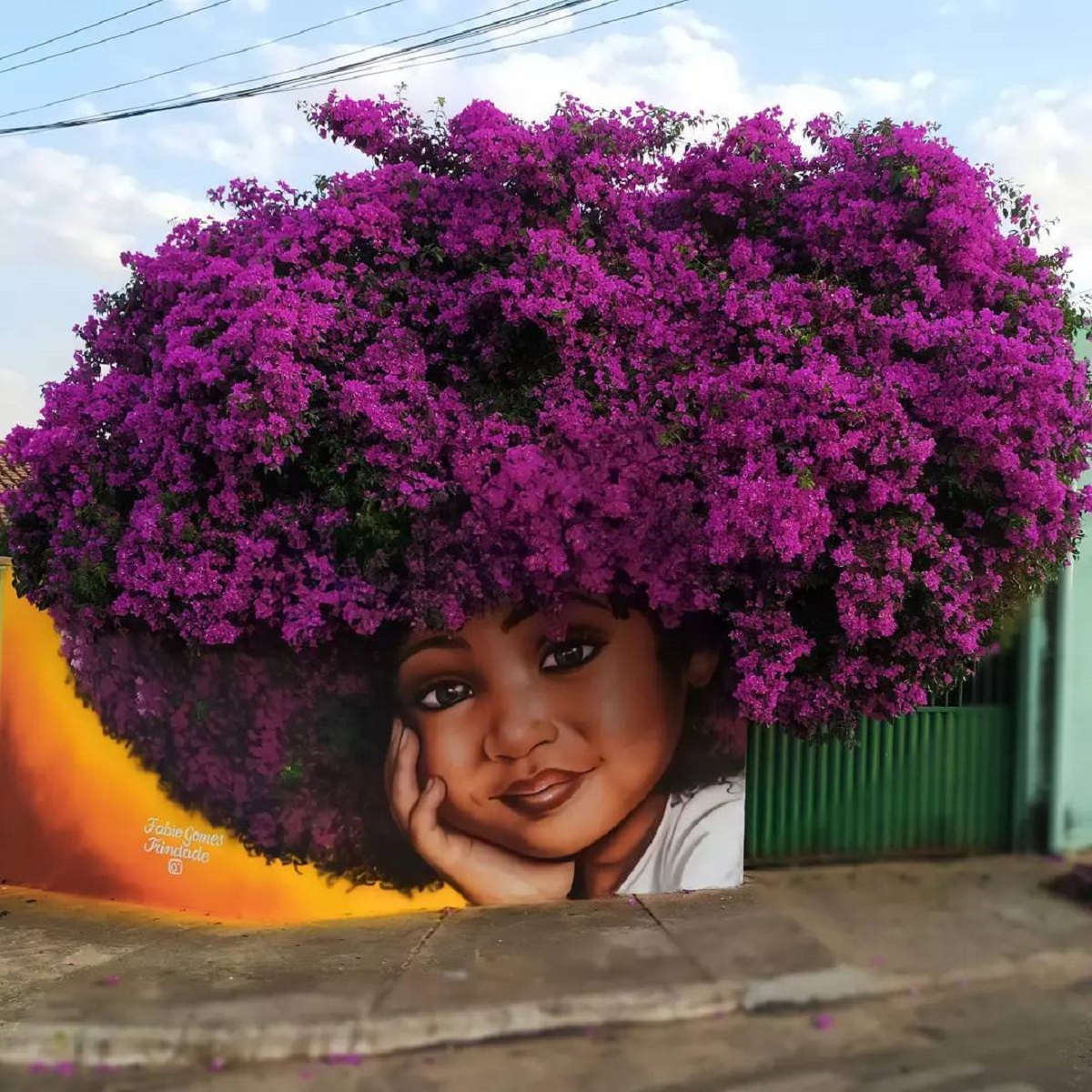
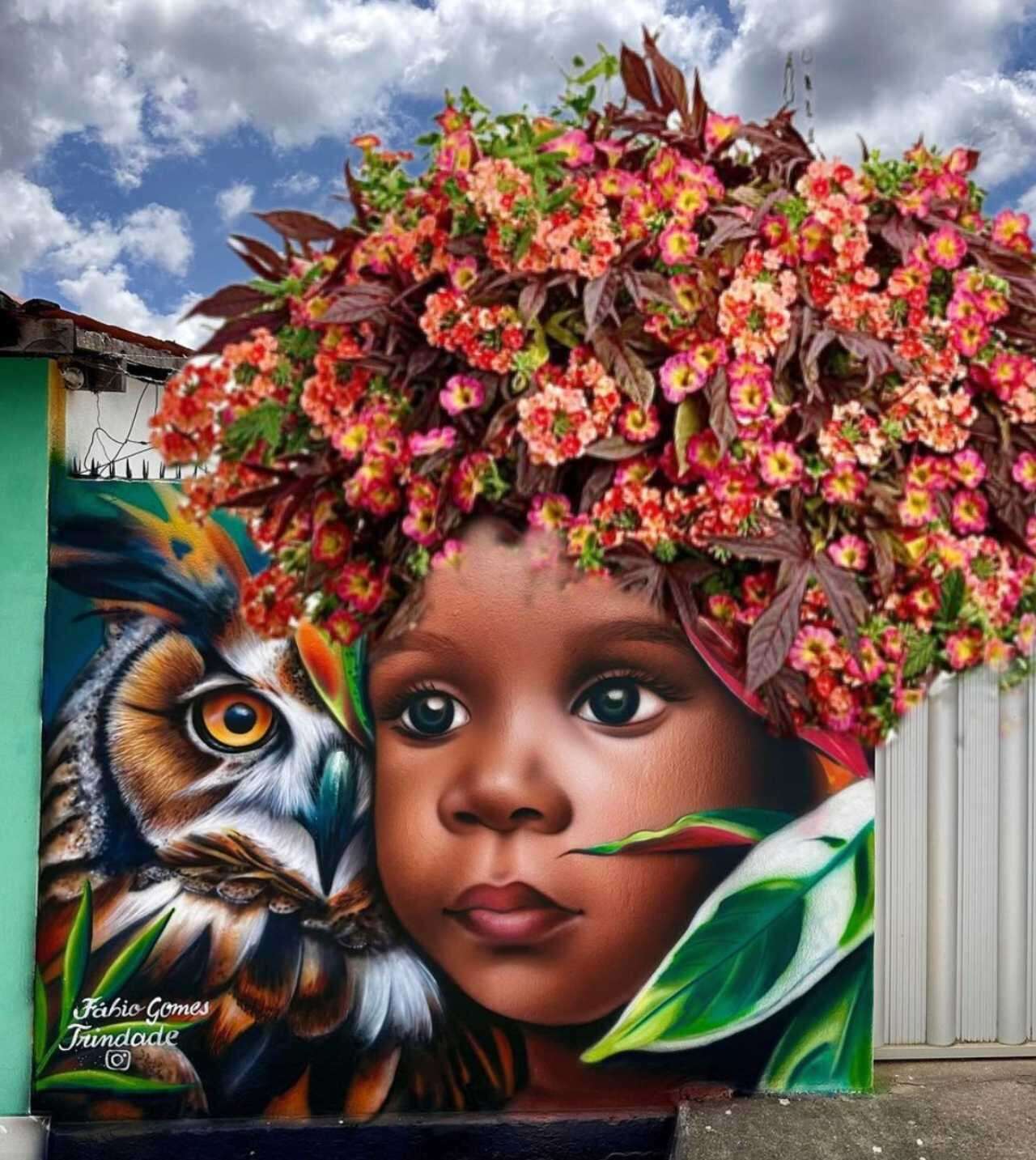
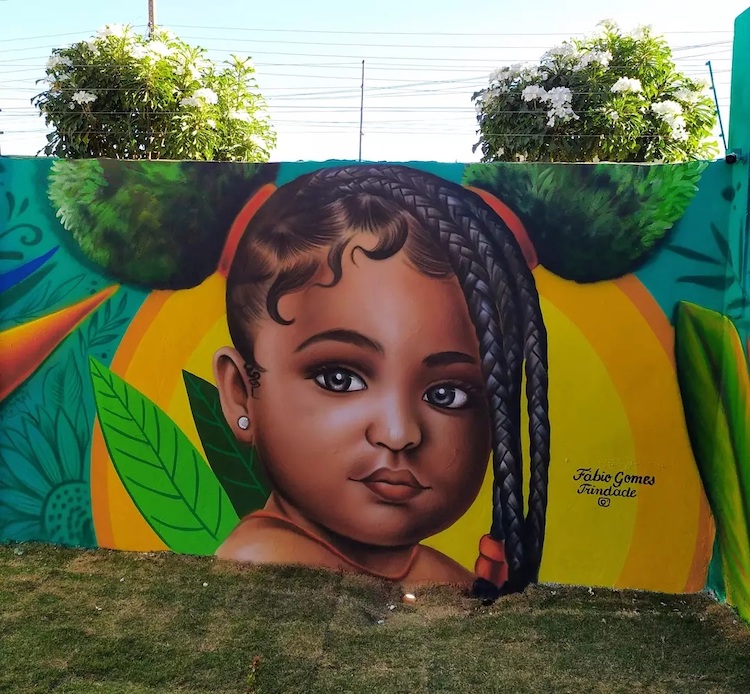
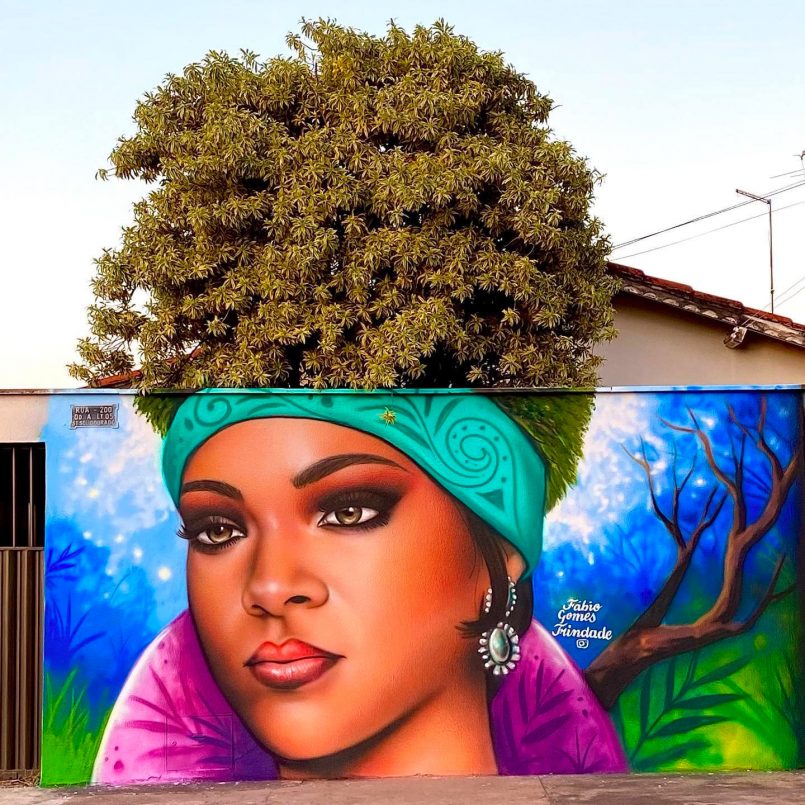
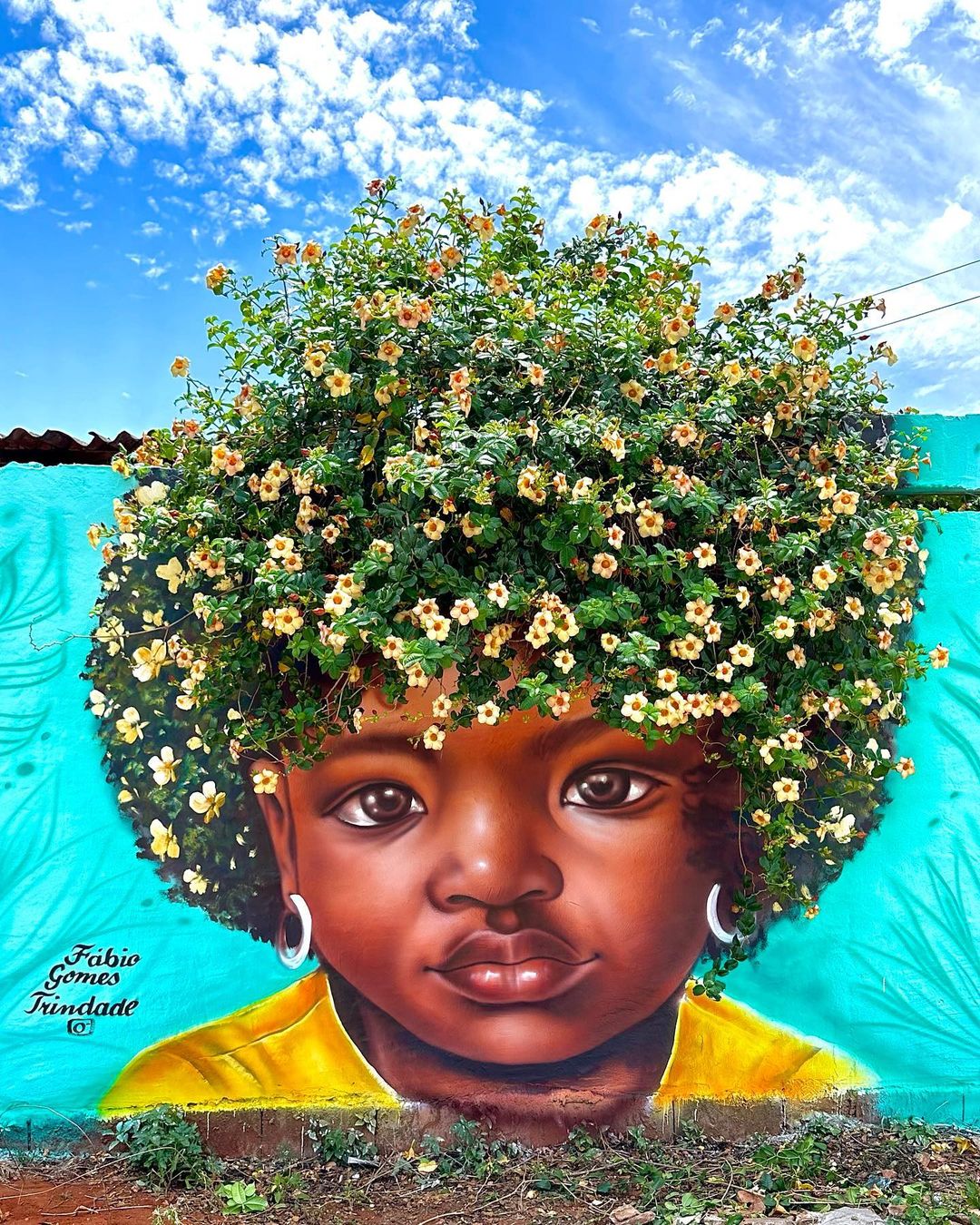
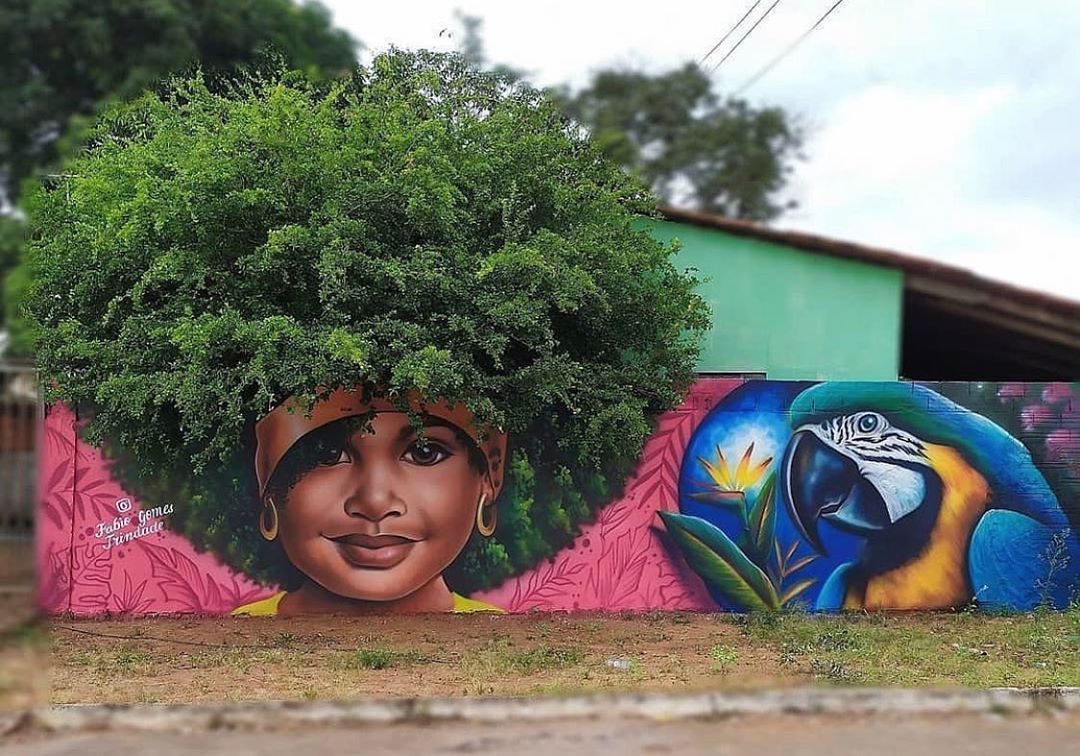
Fabio Gomes Trindade, a talented Brazilian street artist, creates stunning graffiti masterpieces by combining his detailed portraits with branches of trees and flowering bushes.The artist reportedly came up with the idea for this blend of street art and nature 10 years ago when he saw an acerola tree planted in the backyard of a humble house in the city. Interestingly, that same tree eventually became part of one of his most popular artworks.Whenever he starts work on a new project, Trindade first chooses the location of the artwork.The presence of lunch trees or flowering bushes is critical, as they basically make up about half  of the mural.The Brazilian artist uses graffiti to depict the faces and part of the hair of the portraits he creates, letting nature take care of the rest.When paired with colorful flowering trees and green leaves, the portrait has a full, beautiful coif. It’s a clever and charming way to combine elements of the urban environment with the natural one.More of Fabio Gomes Trindade’s marvelous wall murals can be found at https://www.instagram.com/fabiogomestrindade/.


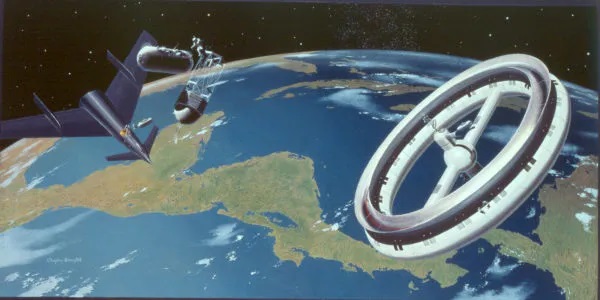
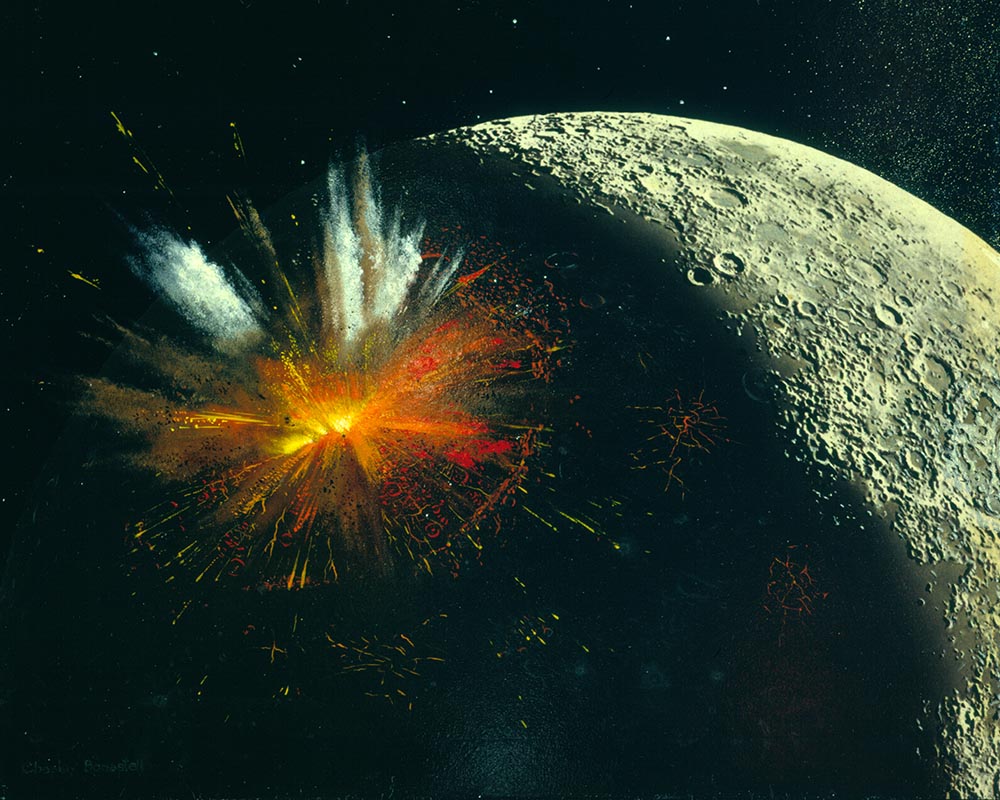
Sunday Evening Art Gallery — Chesley Bonestell

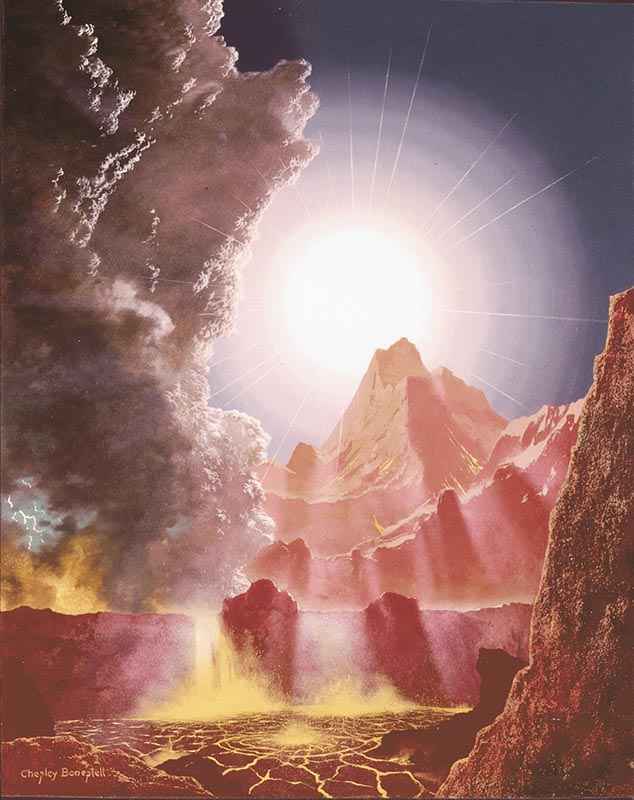
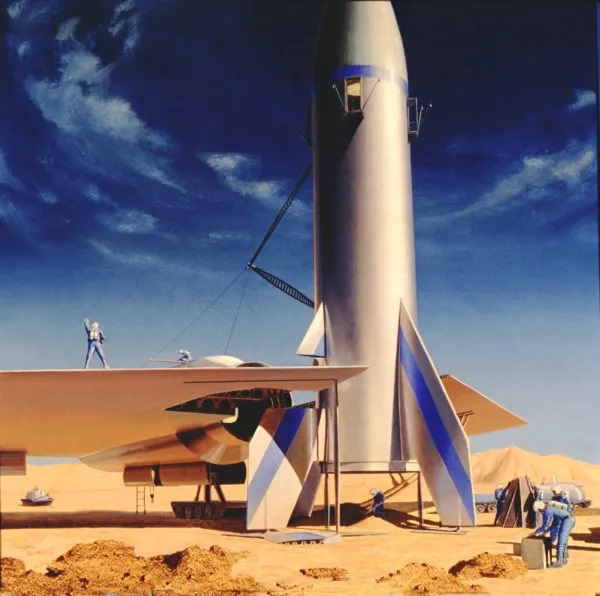
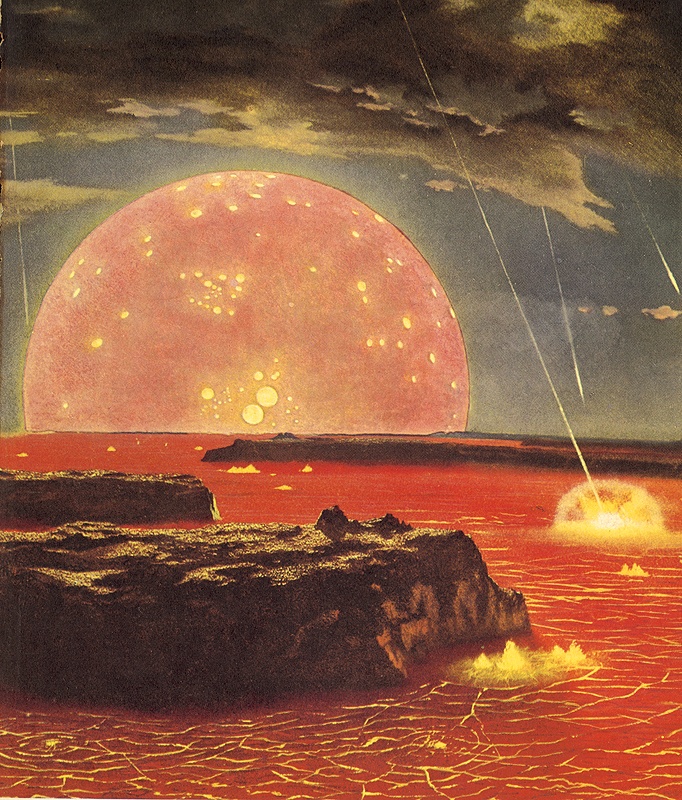
Chesley Knight Bonestell Jr. (1888 –1986) was an American painter, designer, and illustrator.His paintings inspired the American space program, and they have been (and remain) influential in science fiction art and illustration.Bonestell was born in San Francisco in 1888, and as a teenager survived the 1906 earthquake that leveled the city.A pioneering creator of astronomical art, along with the French astronomer-artist Lucien Rudaux, Bonestell has been dubbed the “Father of Modern Space Art”.His first astronomical painting was done in 1905. After seeing Saturn through the 12-inch (300 mm) telescope at San Jose’s Lick Observatory, he rushed home to paint what he had seen.Bonestell created paintings depicting astronomical scenes and space flight explorations decades before the first manned missions.His paintings electrified generations of space enthusiasts: aspiring writers, astronomers, physicists, artists, engineers, and others.For his realistic portrayals of space exploration, the solar system, and the far off galaxies, Chesley Bonestell became known as the “Dean of Astronomical Artists.”

More of Chesley Bonestell’s fantastic art can be found at https://bonestell.org/.


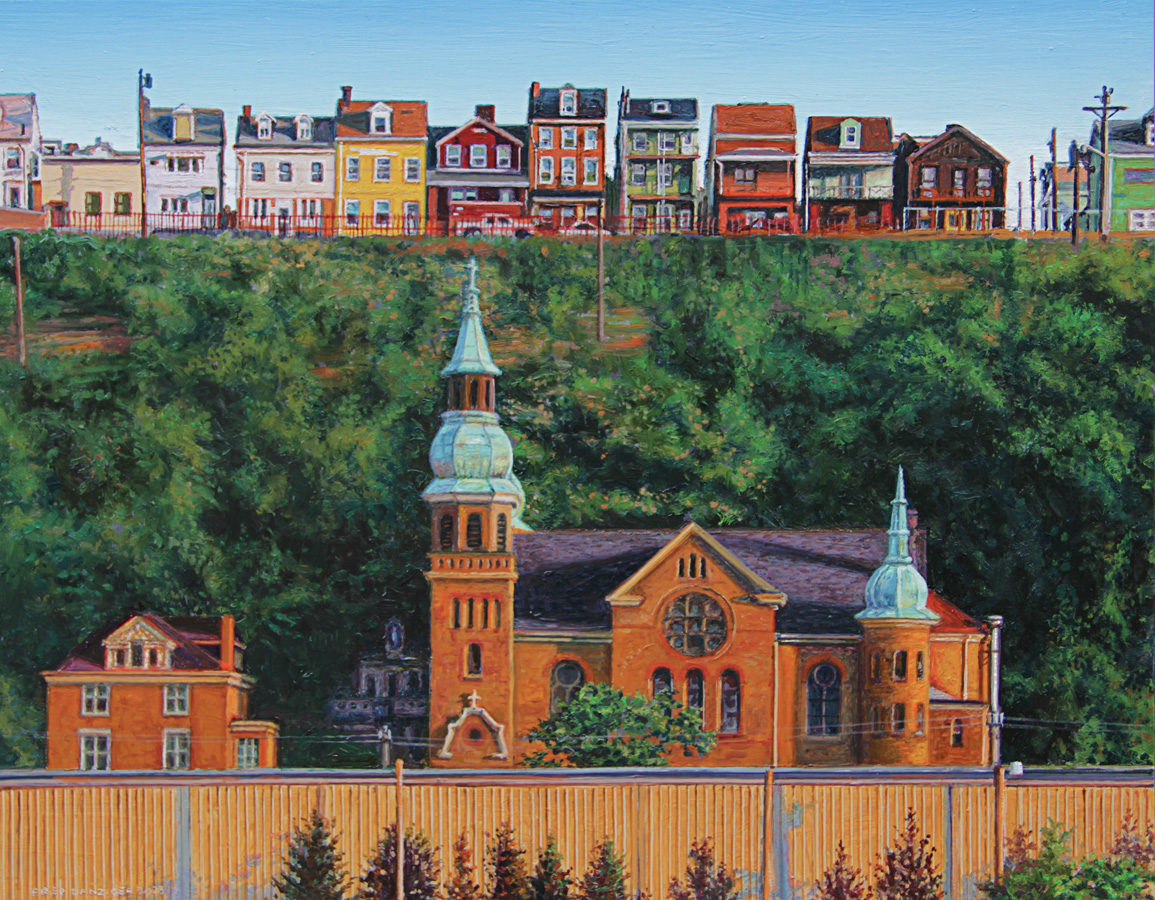
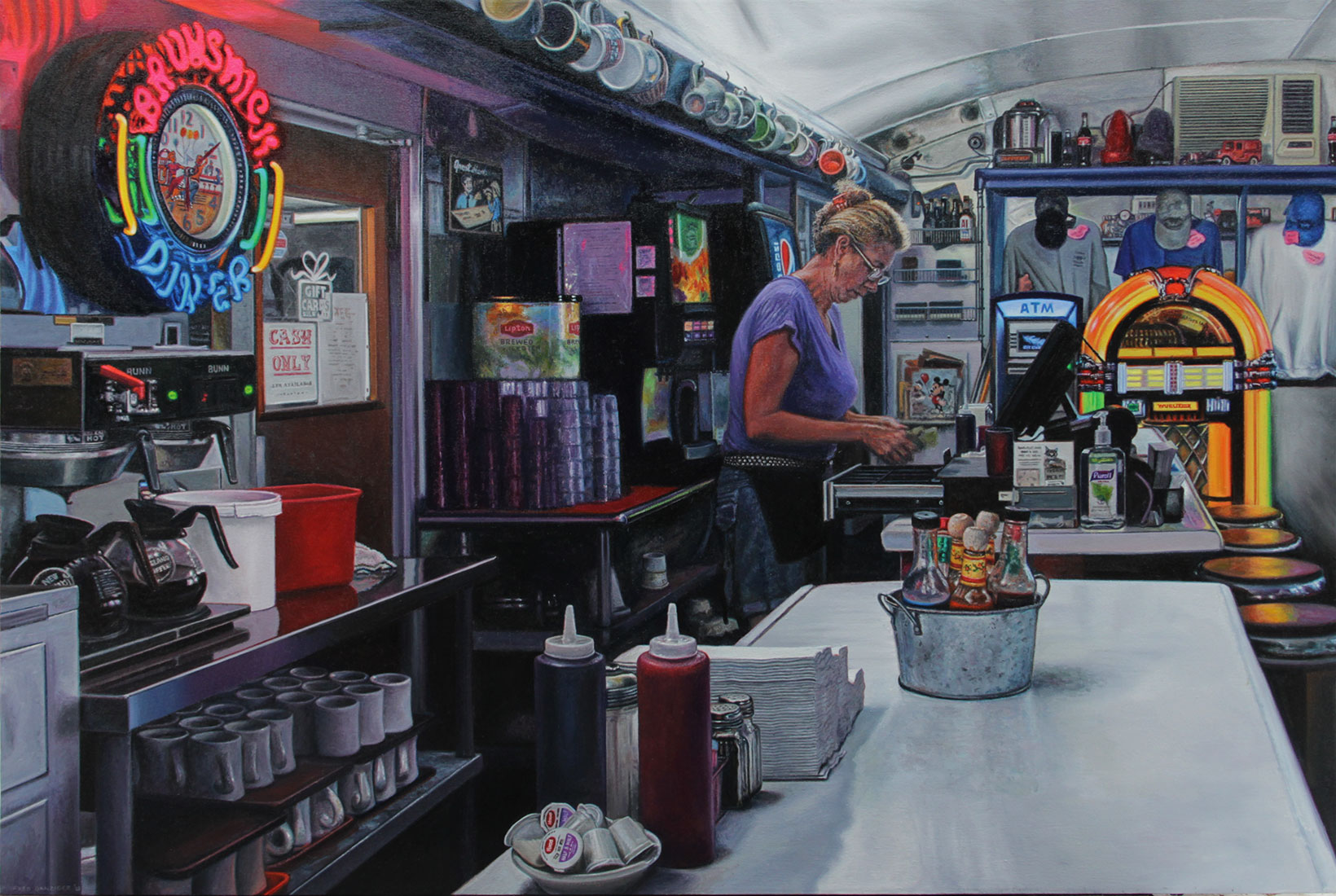
Sunday Evening Art Gallery — Fred Danziger

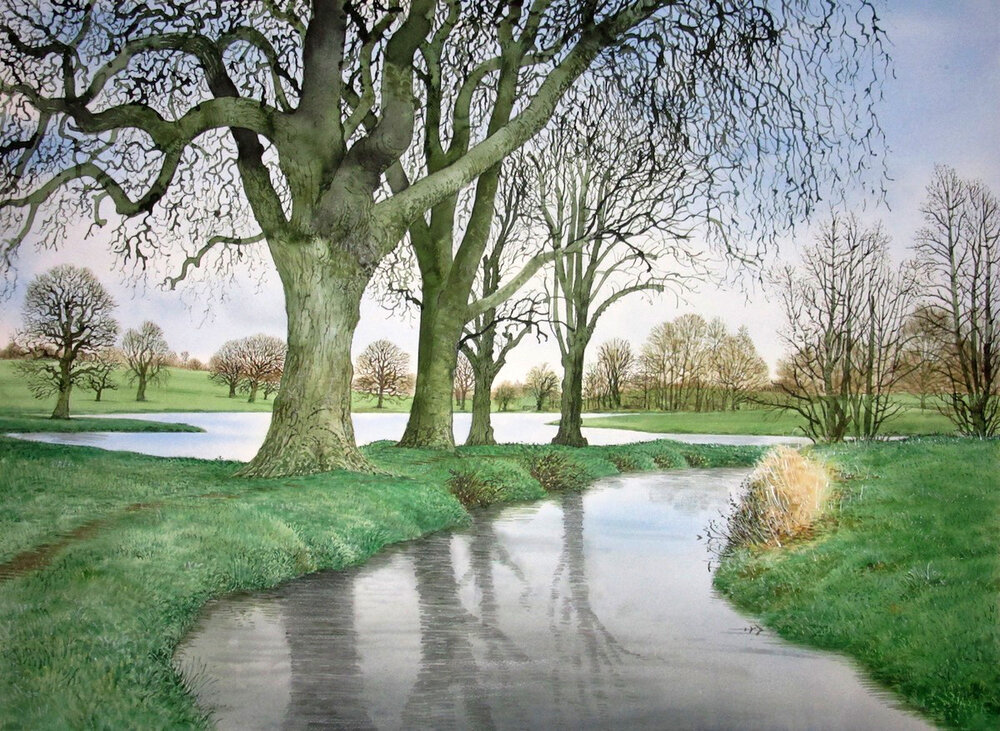
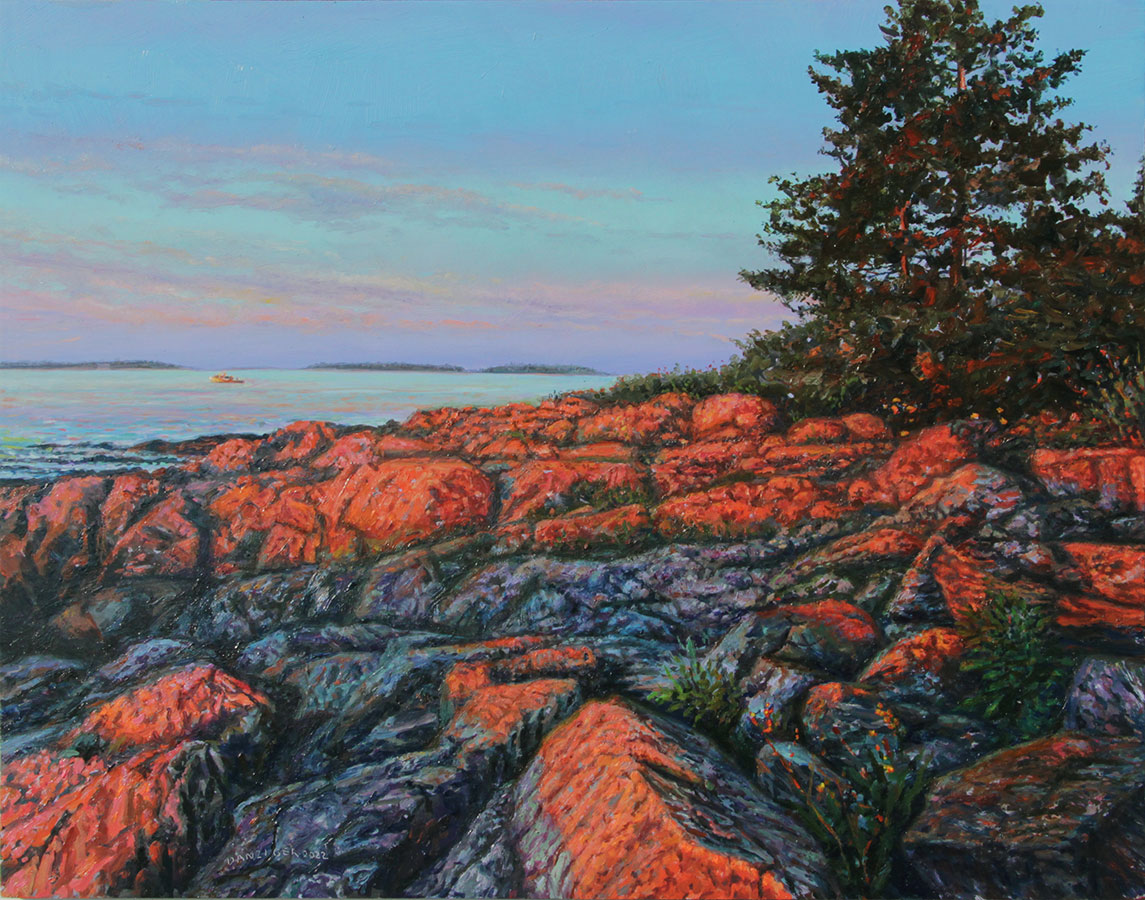
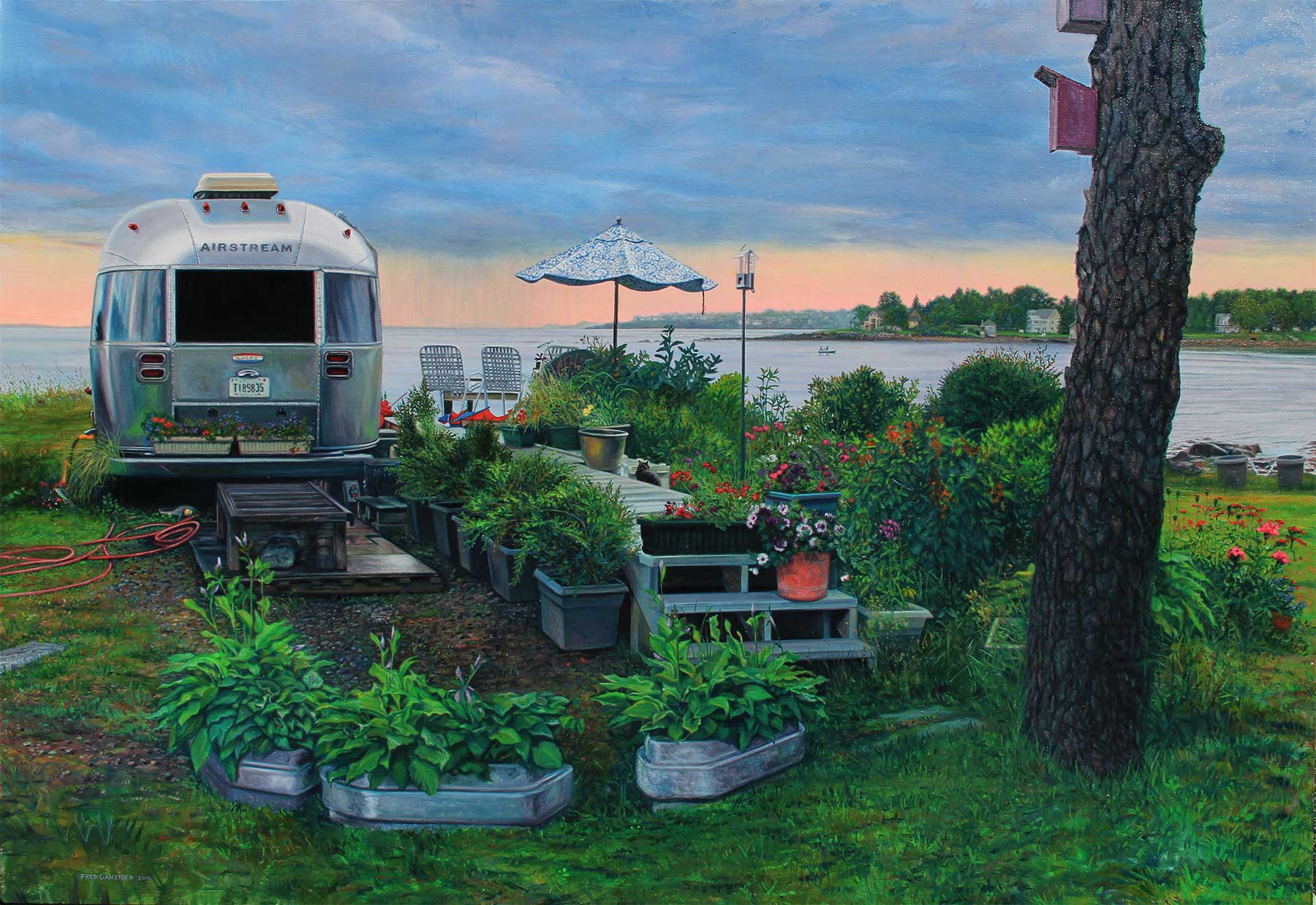
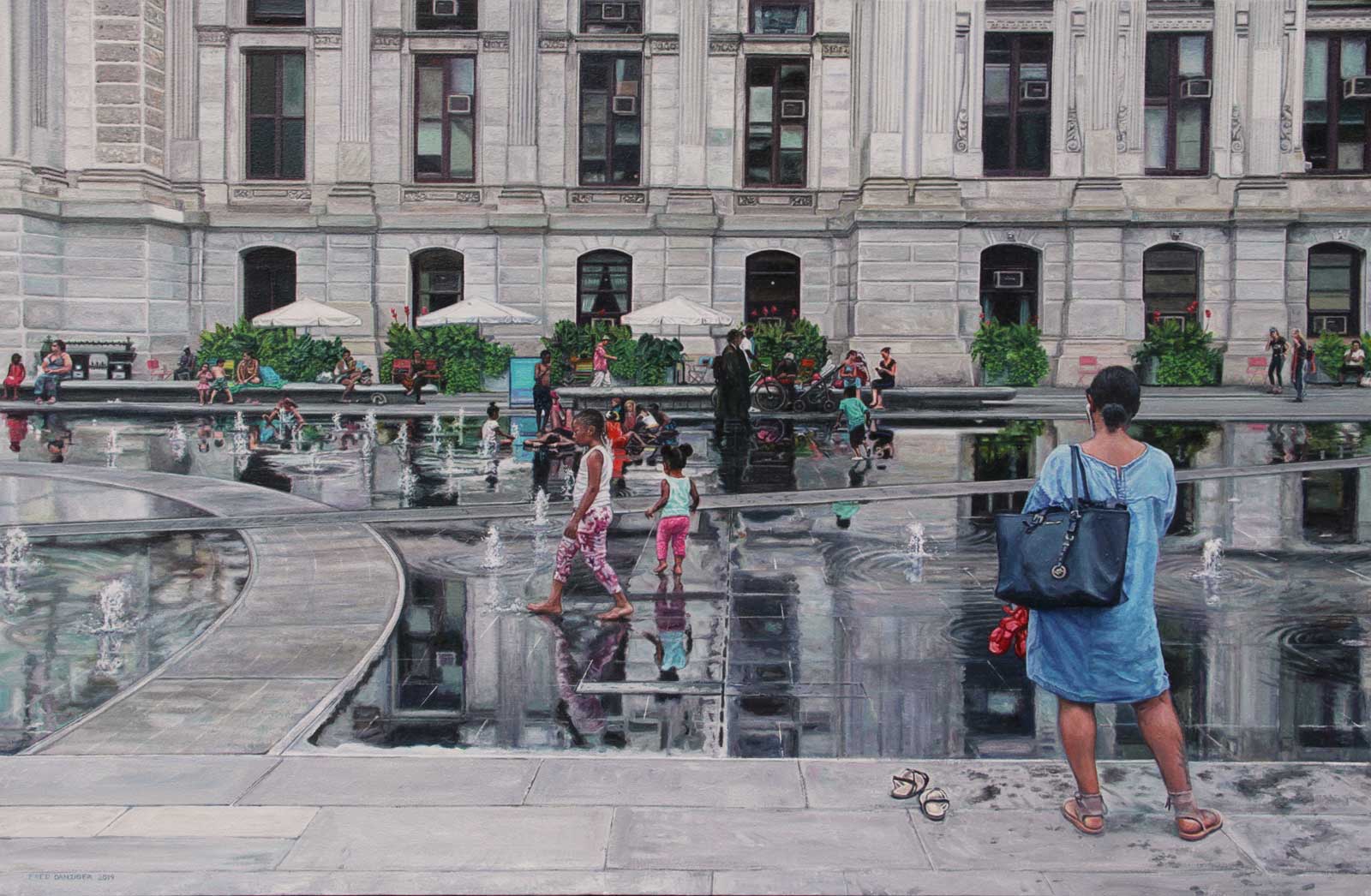
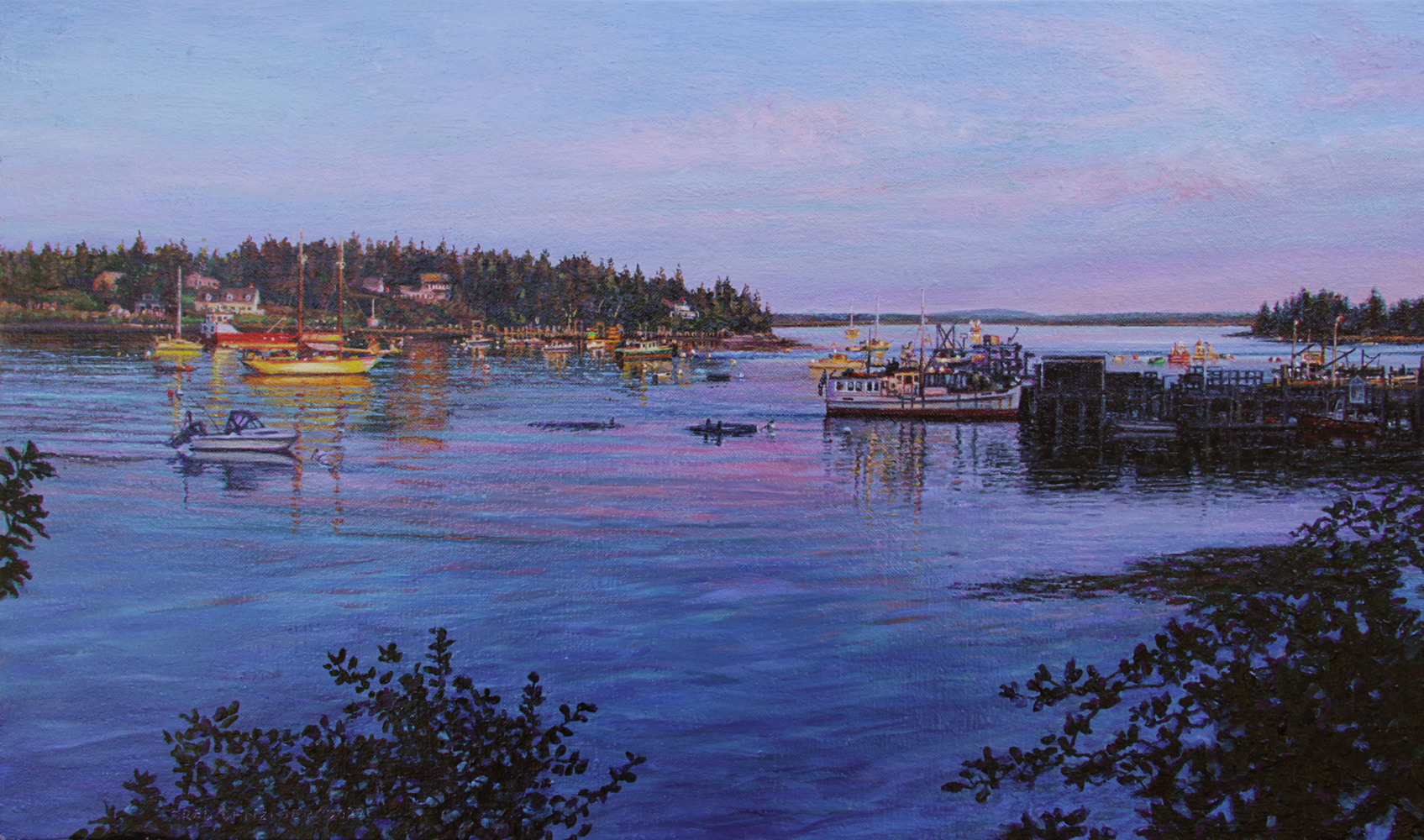
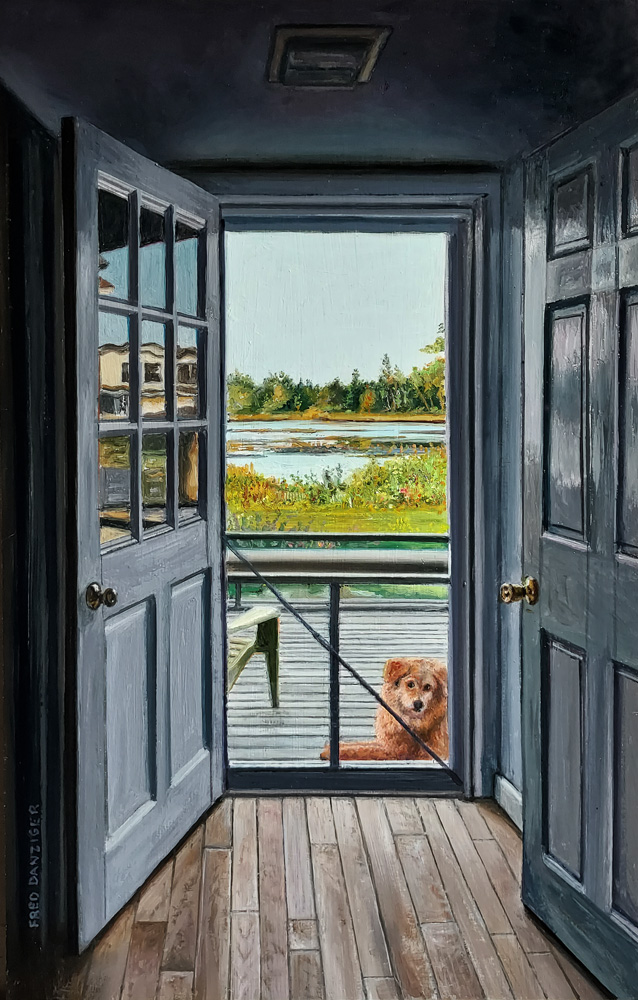
Fred Danziger is a painter, art collector, and at times, instructor at the Pennsylvania Academy of the Fine Arts.At first glance, his intricately detailed paintings look more like landscape photographs.They bring a photorealistic quality, intensified with brilliant tones and lifelike depth of color, to the forefront.Upon closer examination, you see the work of a master.Danziger paints with infinite detail, capturing color, light, and texture to express his love of peaceful moments — often streamside or surrounded by environments that speak to the beauty of Pennsylvania woodlands.He also  draws inspiration from walks in the woods, working to depict three-dimensional form as accurately as possible and achieving near photorealism with broad landscapes and up-close depictions of the natural environment.A master of details, his paintings of leaves, water — even dew-dappled blades of grass — become almost abstract compositions that combine nuances of light, texture and color to give the sense of being present in the scene.“I don’t try to emulate photography in my paintings; I try to go way beyond what a camera sees,” Danziger shares.“A lot of it is just a feeling you get. You’re trying to express that sense of air and light and sunlight, just letting nature wash over you.”

More of Fred Danziger‘s amazingly realistic paintings can be found at https://freddanziger.com/.


Sunday Evening Art Gallery — Jon Ching

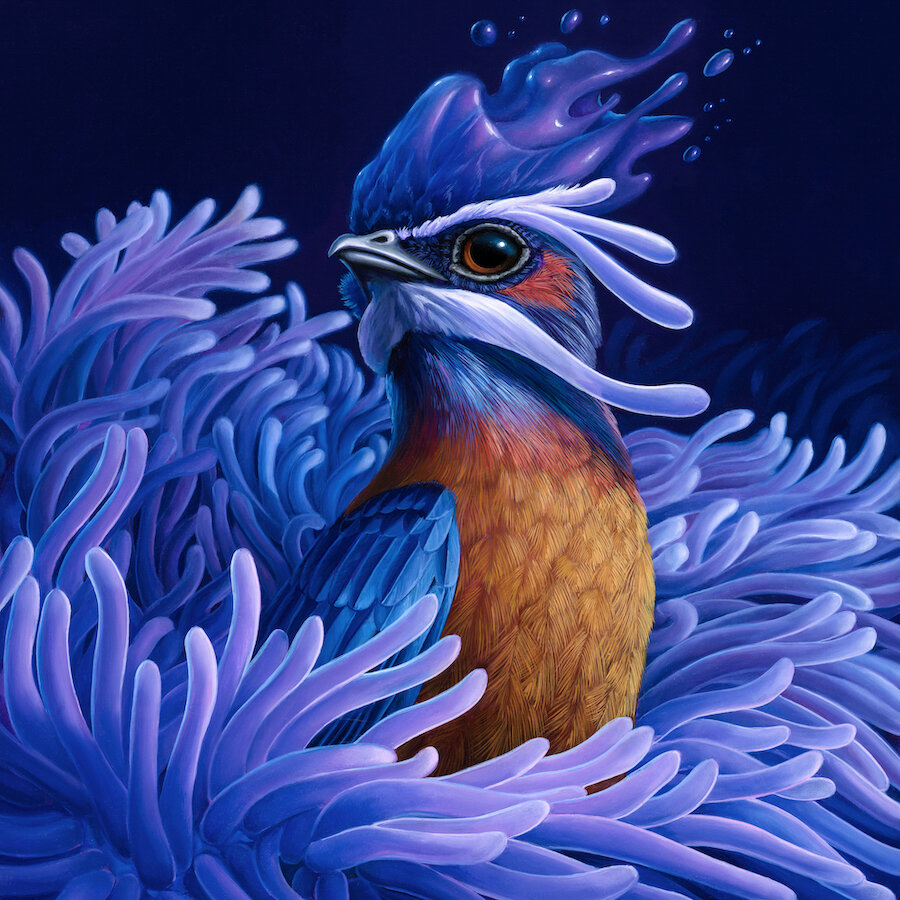
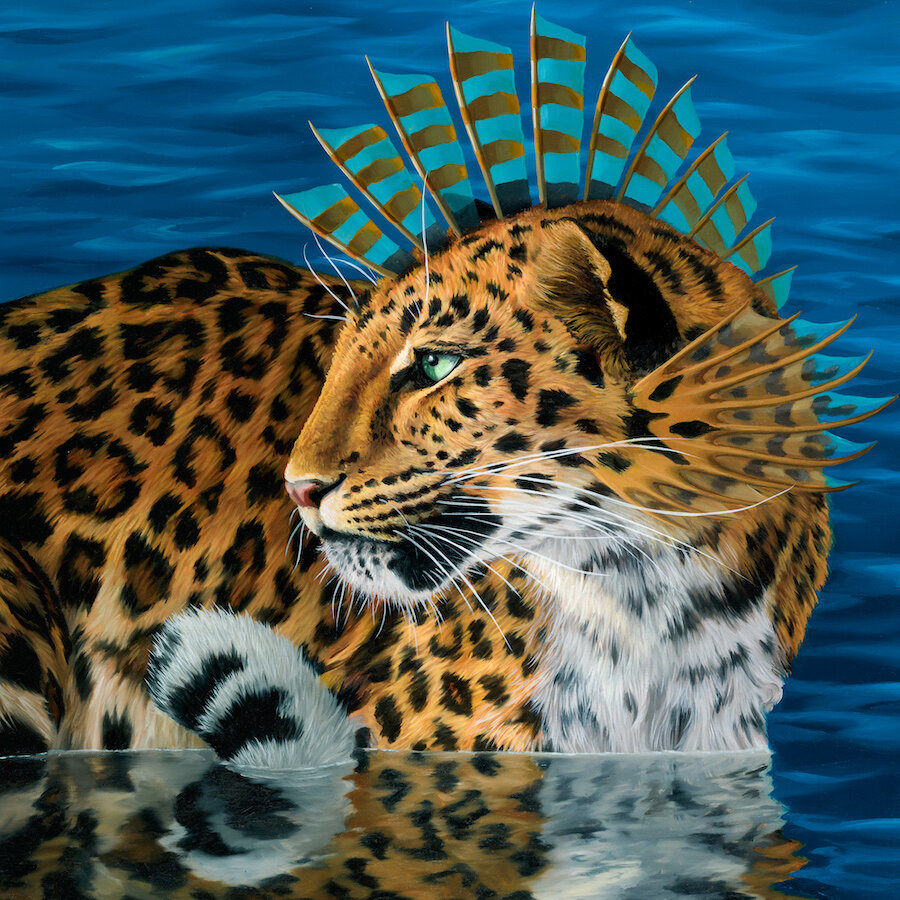
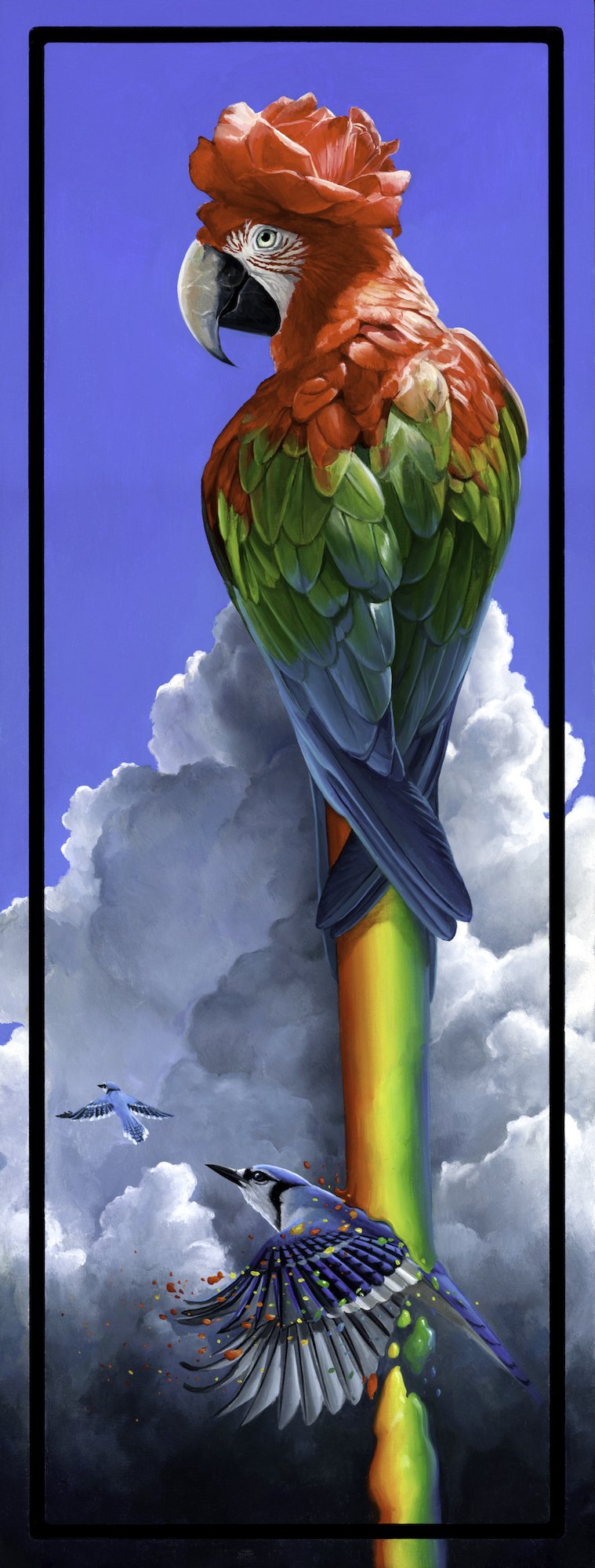
Jon Ching is a self-trained artist originally from Kaneohe, Hawaii and currently lives and works in Los Angeles, California.Steeped in the natural beauty of O’ahu, Hawai’i, his island upbringing instilled in him indigenous lessons of appreciation and respect for nature, forming the foundation of his fascination with the natural and wild world, which deeply influences and drives his work.Jon’s devoted art practice and detailed realism is inspired by the interconnectedness of nature.His work is a surreal imagining of what limitless wonders and combinations nature can produce.New creatures and symbioses emerge in his meticulously rendered oil paintings, exemplifying the endless potential of life on Earth through metaphor and allegory.Filled with vibrant images of flora and wildlife merging together to create new imaginary figures, Ching’s work invites us to recognize the “unseen magic” of nature..Jon’s ultimate hope is to inspire love and admiration for the universally unique beauty and intrigue of our planet.“One major concept I’m always trying to express in my work is the interconnectedness of everything.

“I think that seeing similarities in shapes and patterns across the natural world is a way to explore our connectedness, and once I started looking at things that way, I started to see it everywhere.”

More of Jon Ching’s enchanting art can be found at https://jonchingart.com/.


Sunday Evening Art Gallery — David Hockney

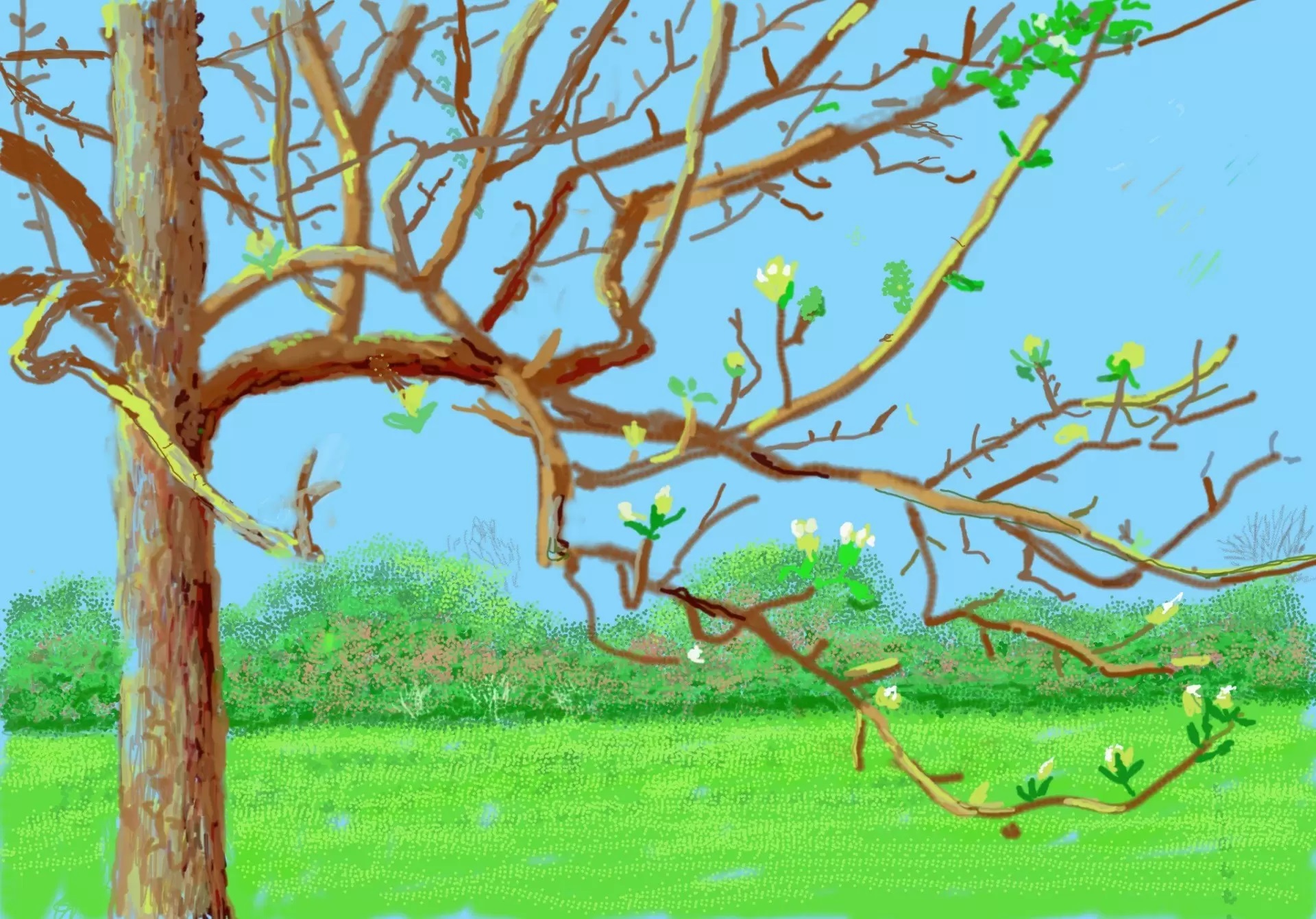
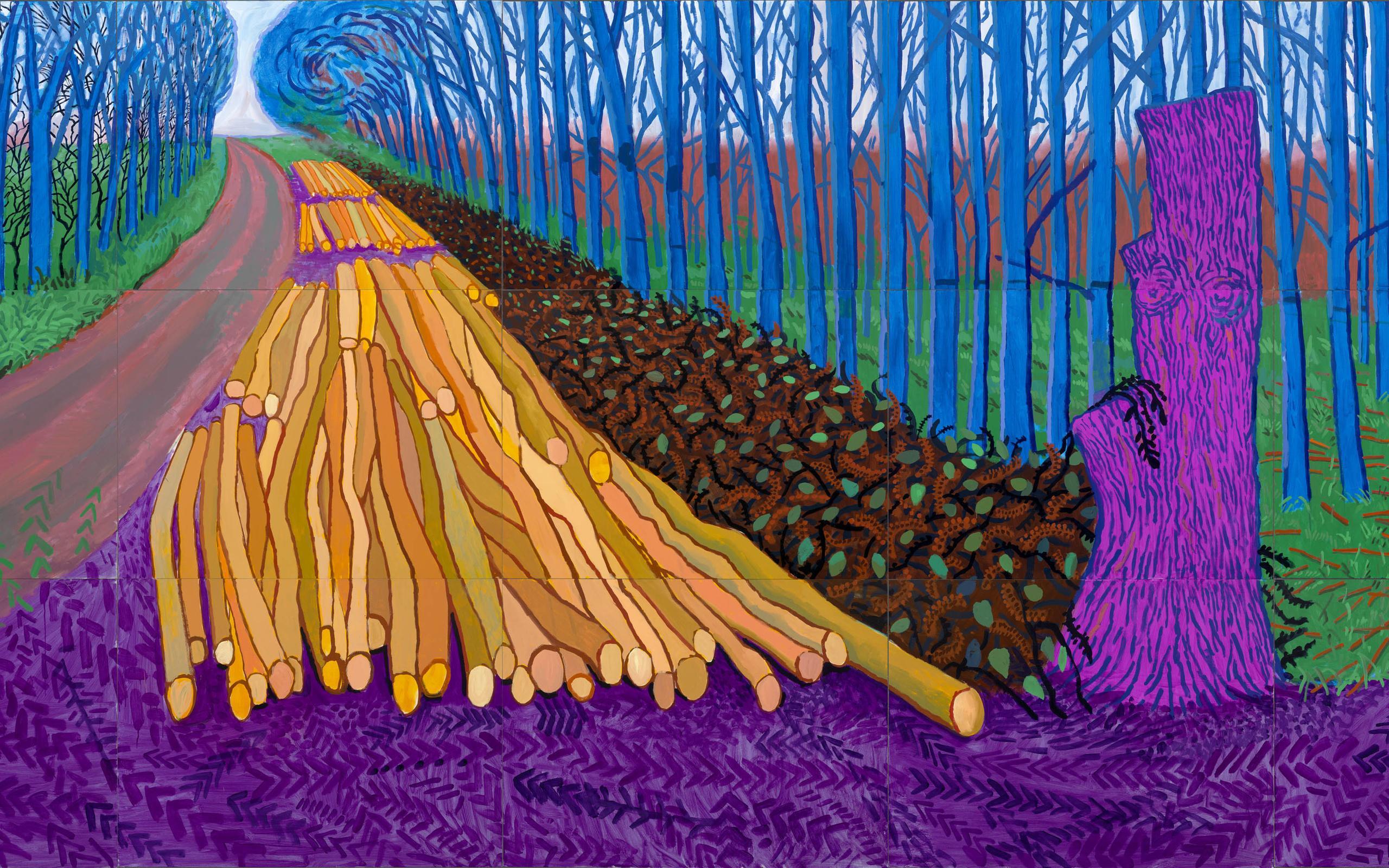
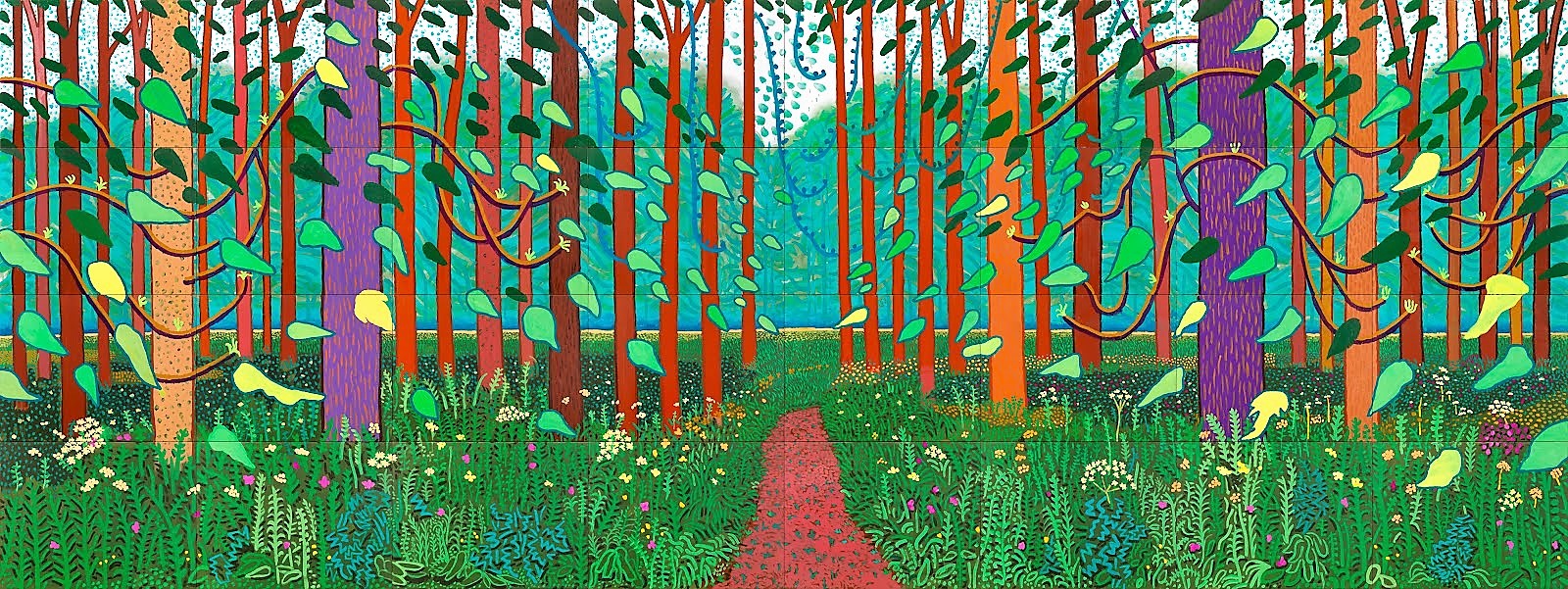
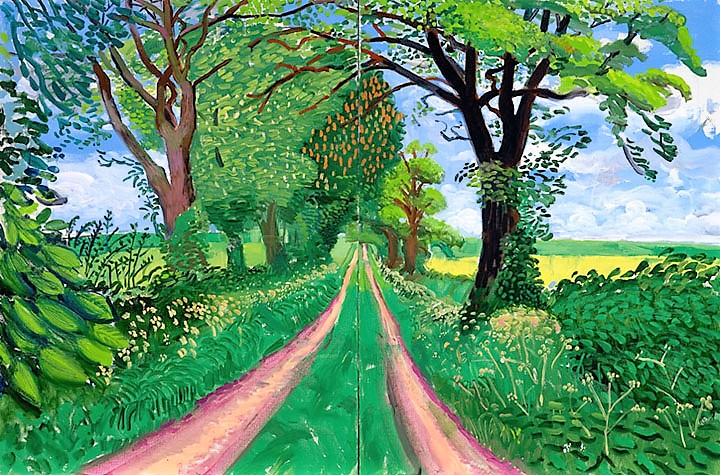
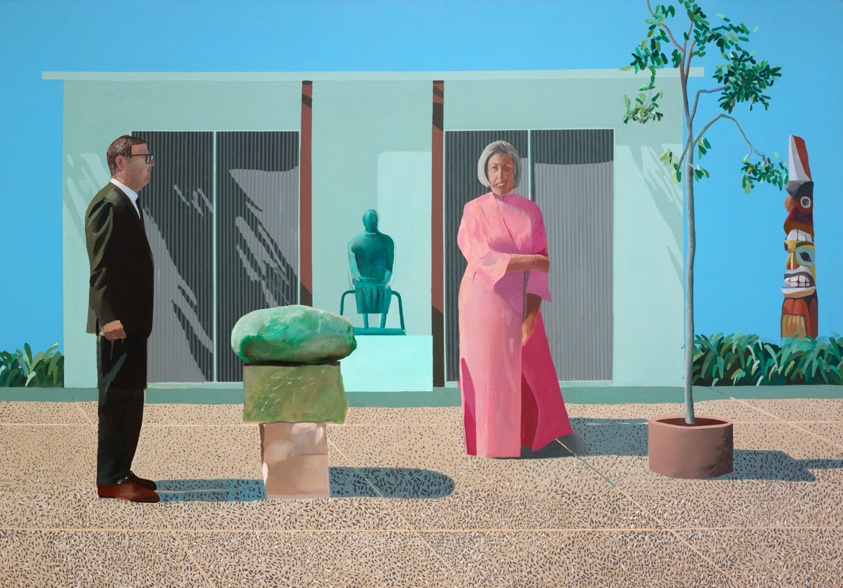
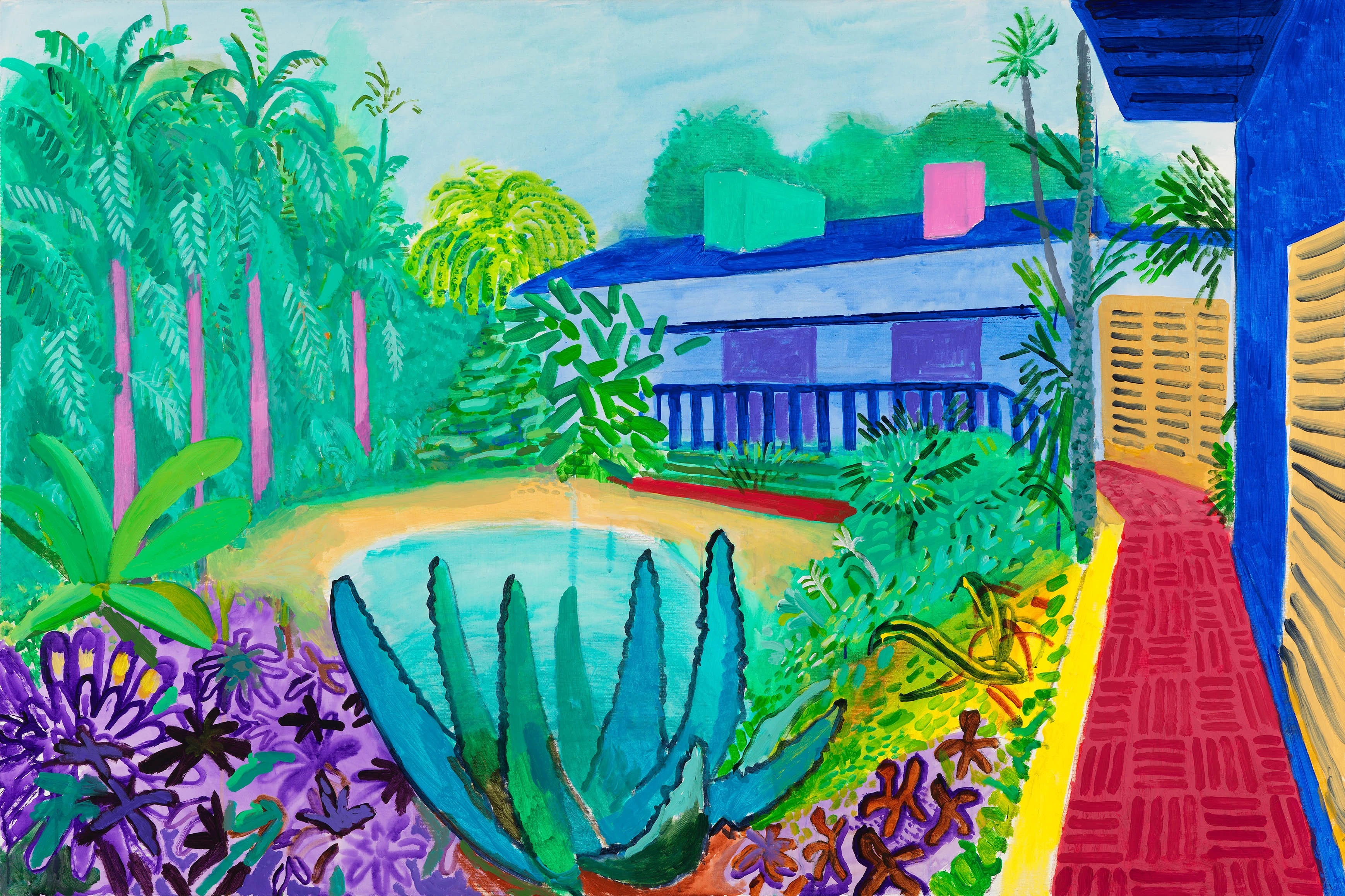
David Hockney (1937- ) is an English painter, draftsman, printmaker, stage designer, and photographer.The artist studied at the Bradford College of Art (1953–57) and the Royal College of Art, London (1959–62), where he received a gold medal in the graduate competition. As an important contributor to the pop art movement of the 1960s, Hockney is considered one of the most influential British artists of the 20th century.His unmistakable style incorporates a broad range of sources from Baroque to Cubism and, most recently, computer graphics.Perhaps best known for his serial paintings of swimming pools, portraits of friends, and verdant landscapes, the artist’s oeuvre ranges from collaged photography and opera posters to Cubist-inspired abstractions and plein-air paintings of the English countryside.In the spirit of the Cubists, Hockney combines several scenes to create a composite view, choosing tricky spaces, like split-level homes in California and the Grand Canyon, where depth perception is already a challenge.In actively seeking to imitate photographic effects in his work, Hockney is a forerunner of the Photorealists.Hockney’s work transcends expressionism, modernism, and even pop art aesthetics.His colors, subjects, and expressive nature have contributed works that have continued to evolve and expand to this day.More of David Hockney‘s bright art can be found at https://www.hockney.com/ and the culture trip.


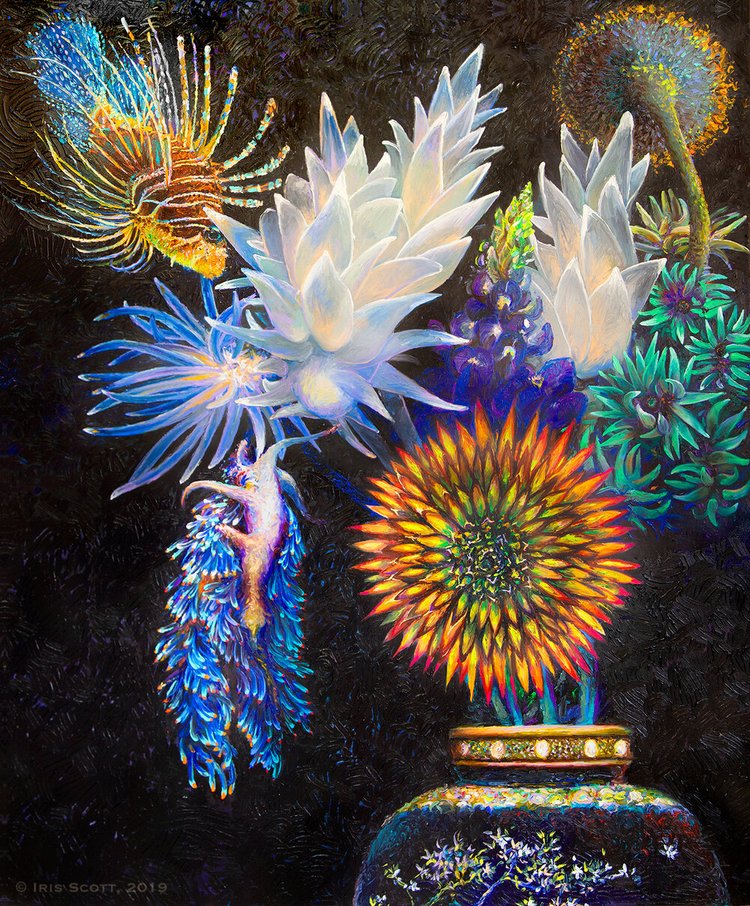
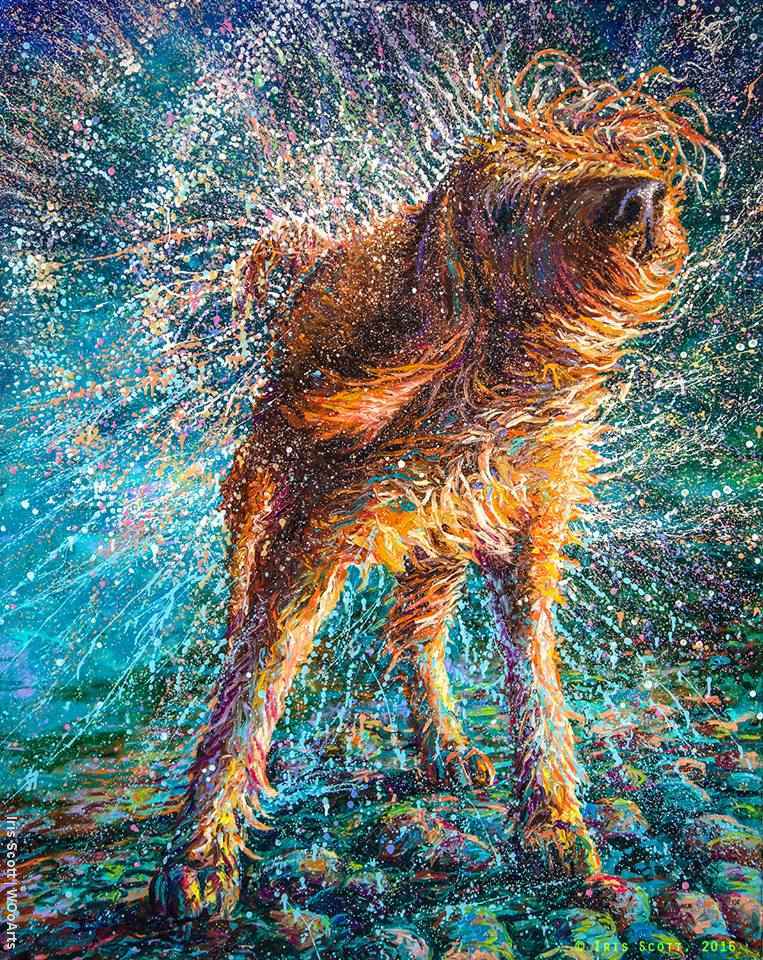
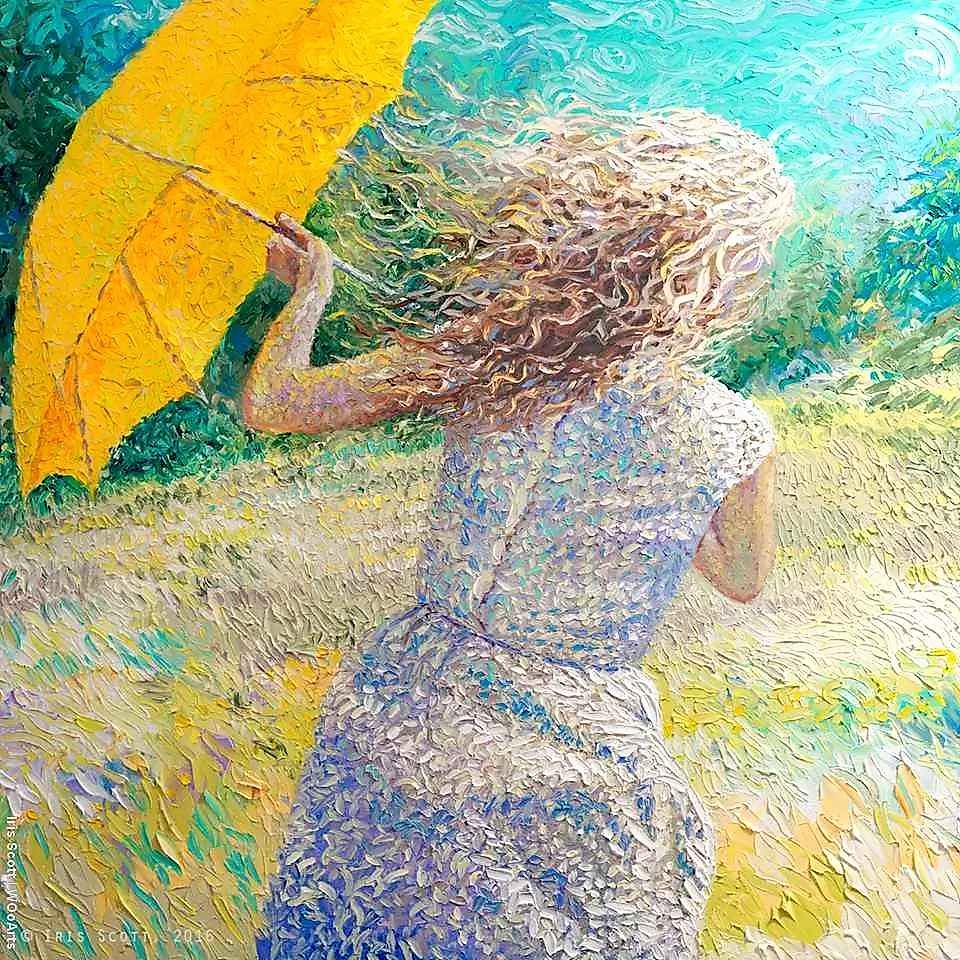
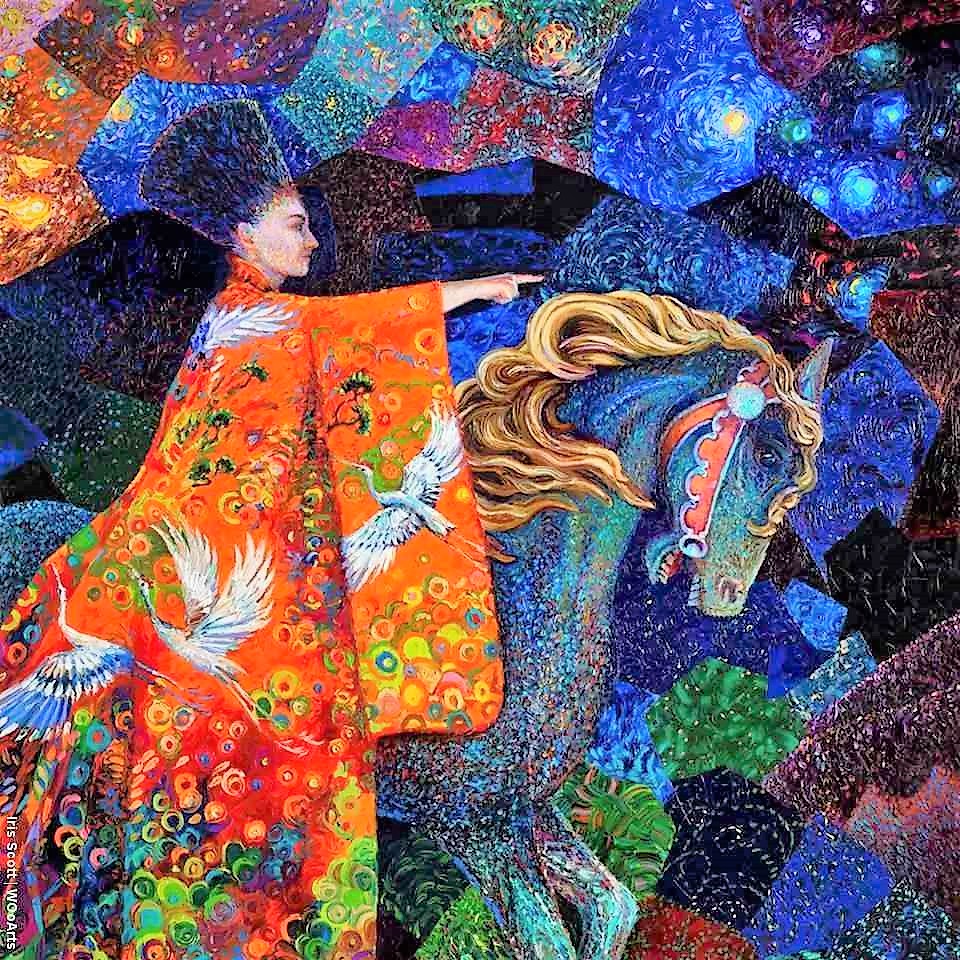
Sunday Evening Art Gallery — Iris Scott

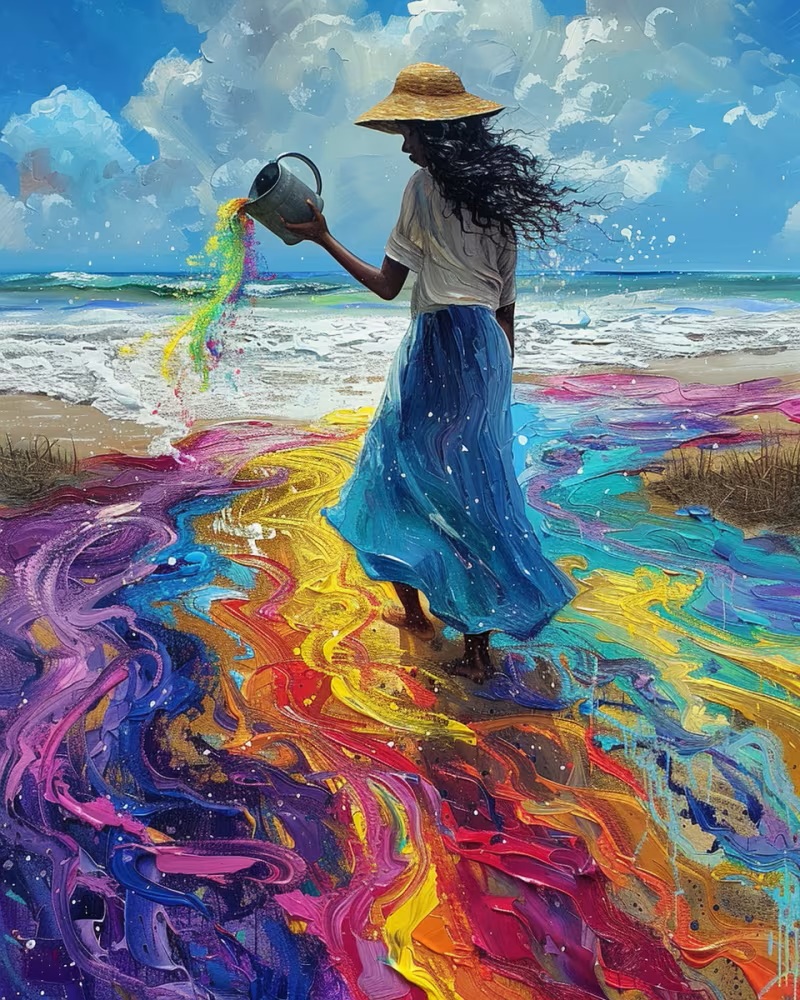
Iris Scott is an American professional contemporary finger painting artist based in Brooklyn, New York.Graduating from Washington State University in 2006 with a degree in art, Scott was a pioneer in the field of finger painting.Using just gloved fingertips, Scott works with paint like a malleable, nearly clay-like medium.Her vibrant rainbow palette depicts a parallel, but familiar universe, emitting an energetic optimism and a respect for the natural world.Scott stumbled upon finger painting when a serendipitous lack of clean brushes prompted her to finish a painting with her fingertips.In that moment she recognized how fingers could scoop oil paint better than brushes, and overnight she committed to leaving her brushes behind.“I was excited to force myself to stop using brushes because I was learning to ‘survive’ in uncharted territories,” Scott explains.“I recognized that although finger painting couldn’t do some things that brushes could, there were important advantages finger painting actually did have over brushes—and I am still discovering new ones every day!”More of Iris Scott’s marvelous finger paintings can be found at https://www.irisscottfineart.com/.


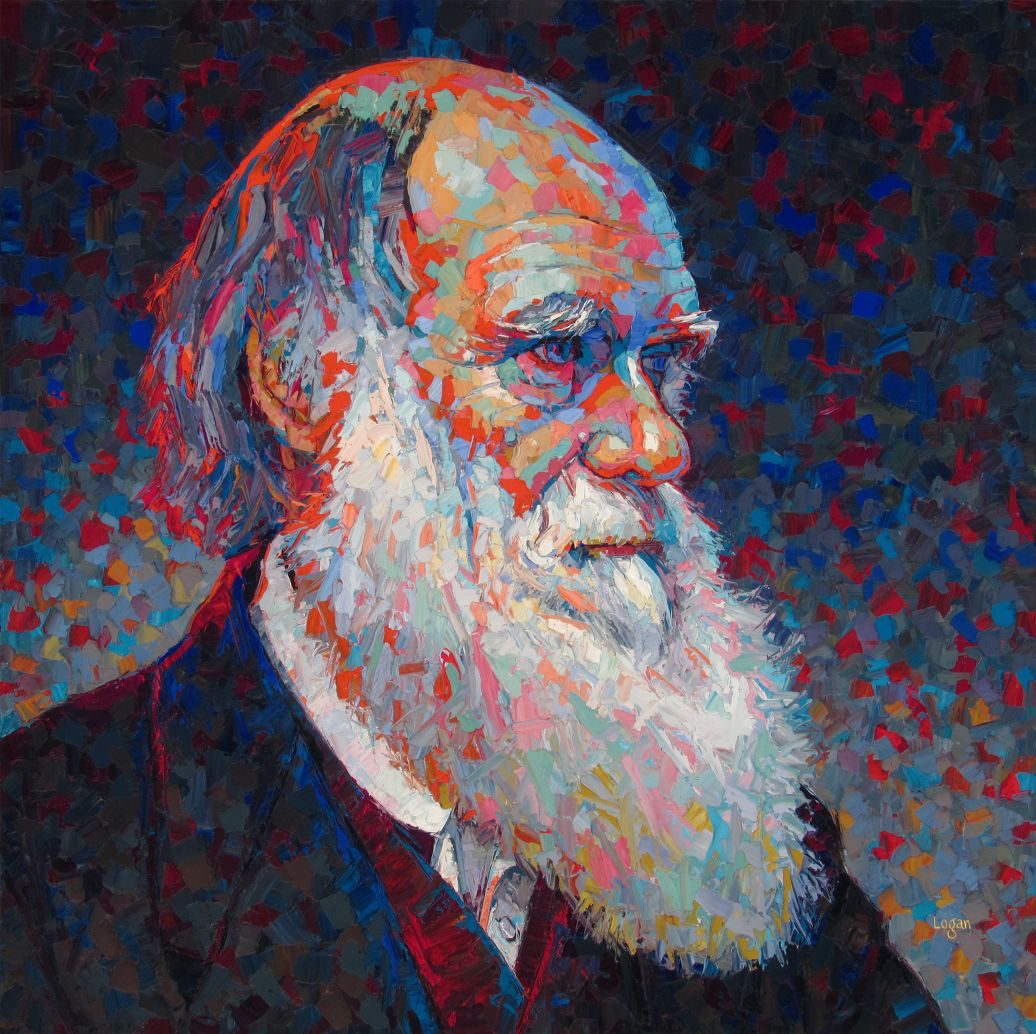
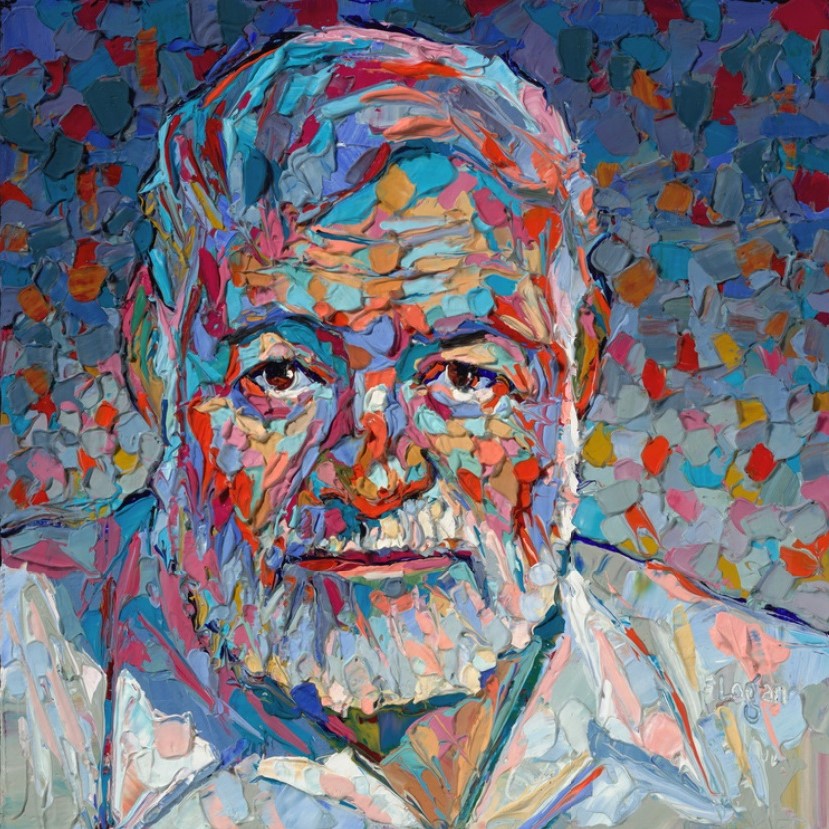
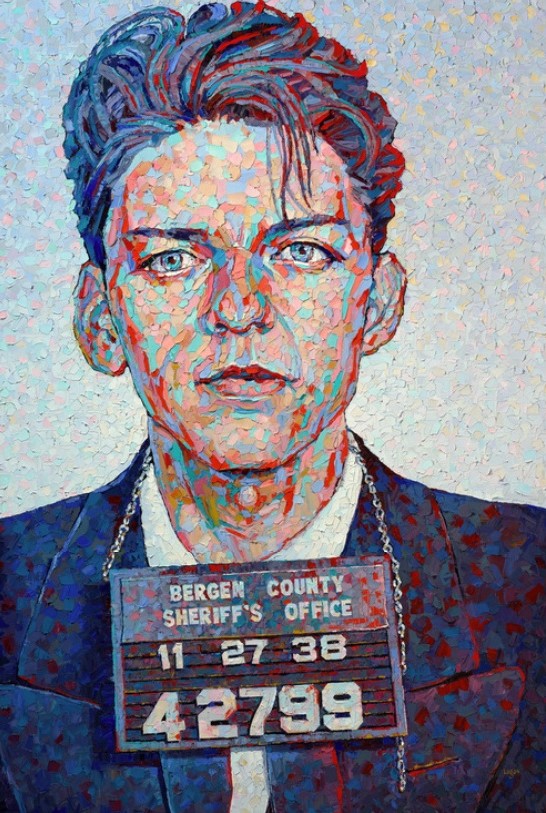
Sunday Evening Art Gallery — Raymond Logan

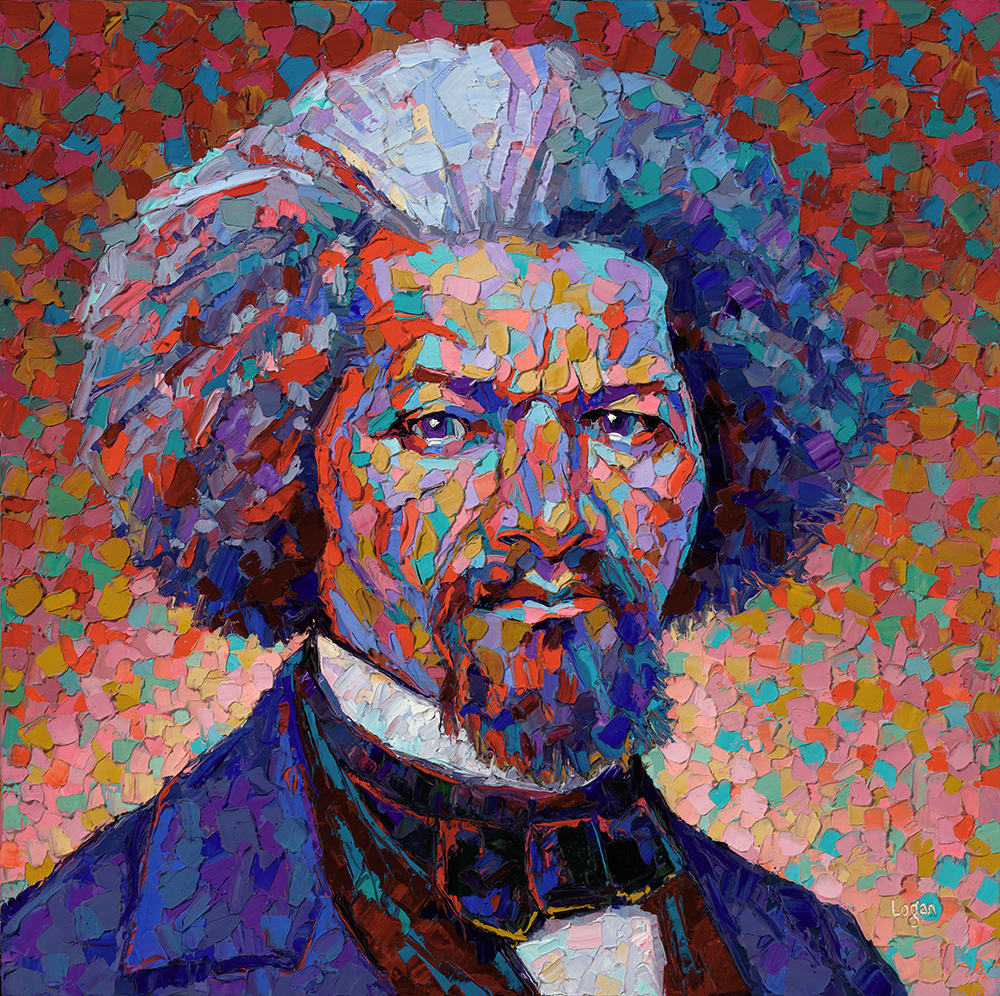
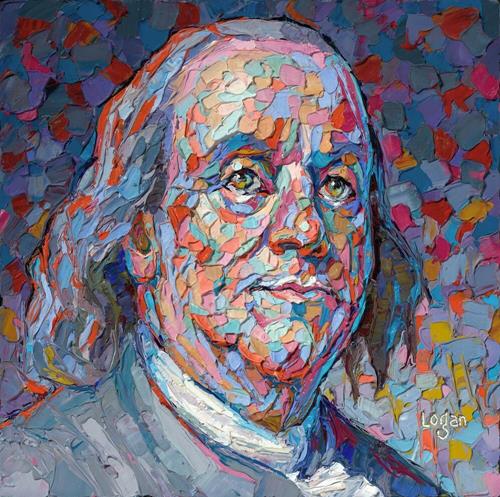
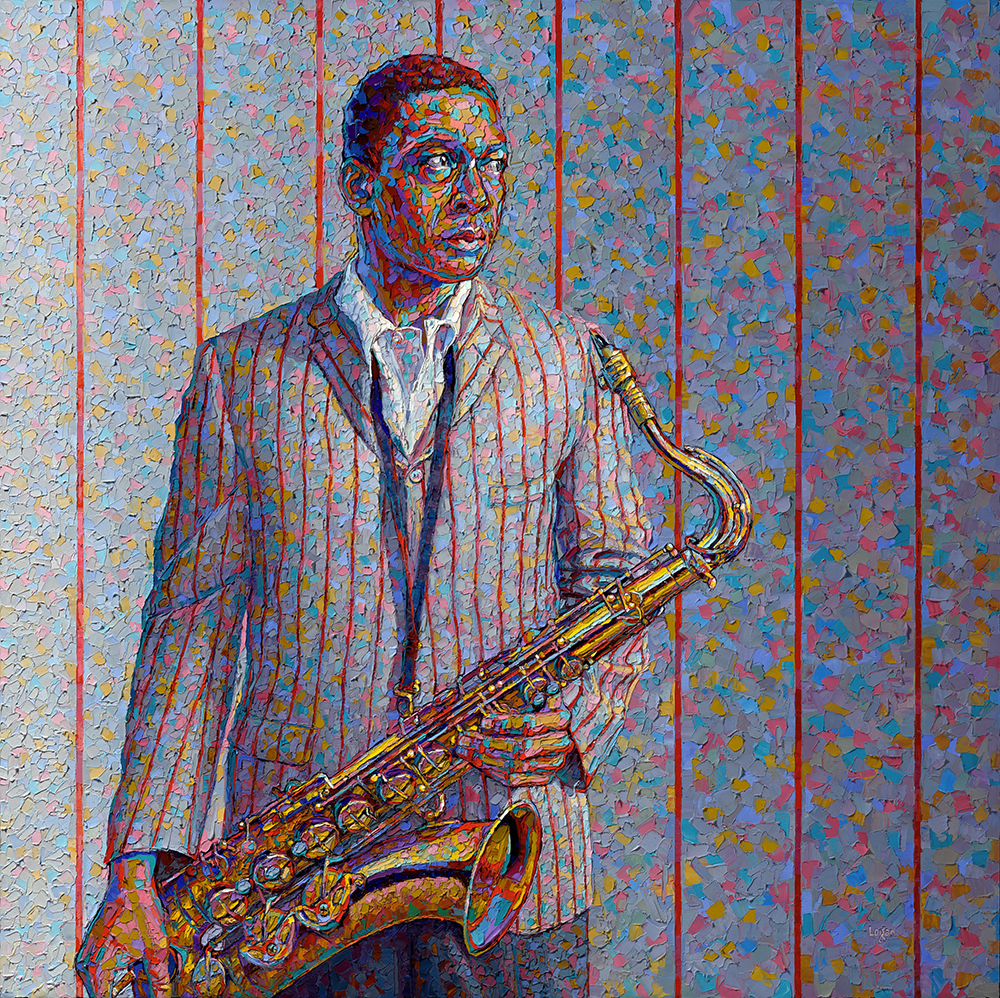
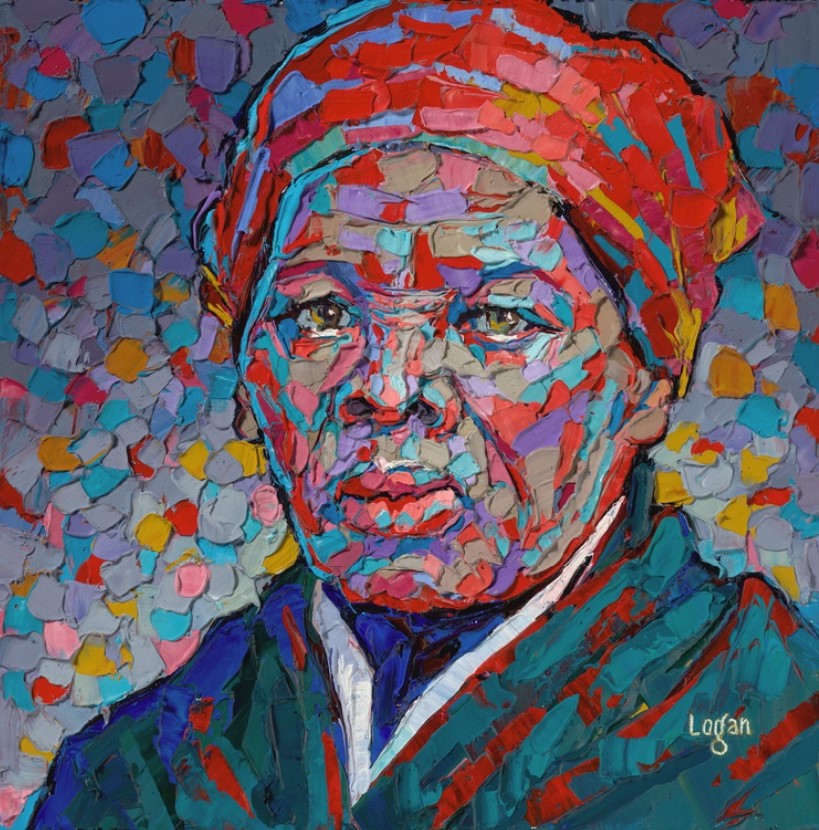
Artist Raymond Logan paints a wide range of subjects with exquisite depth and color. His layered palette resembles sculpture, crafted of hue and shadow.

Frederick Douglass

The works have reverence and gravitas, coupled with a lively playfulness, born of both the artist’s execution and the connections he evokes between the viewer and the subject.

Benjamin Franklin

While each portrait is often recognizable, they are not realistic in the truest sense of the word.

John Coltrane

It is as if an explosion of colored confetti had descended from the sky and reshaped itself into the personification of a human being.

Harriet Tubman

Created in oil paint, using both palette knife and brush, all the elements are there, but it is those many disparate pieces that form a realistic whole.

Charlie

“My work is born through solid draftsmanship plus a liberal application of paint via a brush or a knife or anything I can get my hands on, plus plenty of color experimentation and the carving of my medium,” Logan explains.

Charles Darwin

“It is truly gratifying when a viewer, while being up close to my work, stares in wonder at the surface, then, while backing away, witnesses all that texture and color (that an art textbook tells them shouldn’t work) and abstraction somehow mysteriously develop into a recognizable subject.”

Ernest Hemingway

“That ‘somehow’ is me.”

Frank Sinatra

More of Raymond Logan’s wonderful paintings can be found at http://www.raymondlogan.com/.


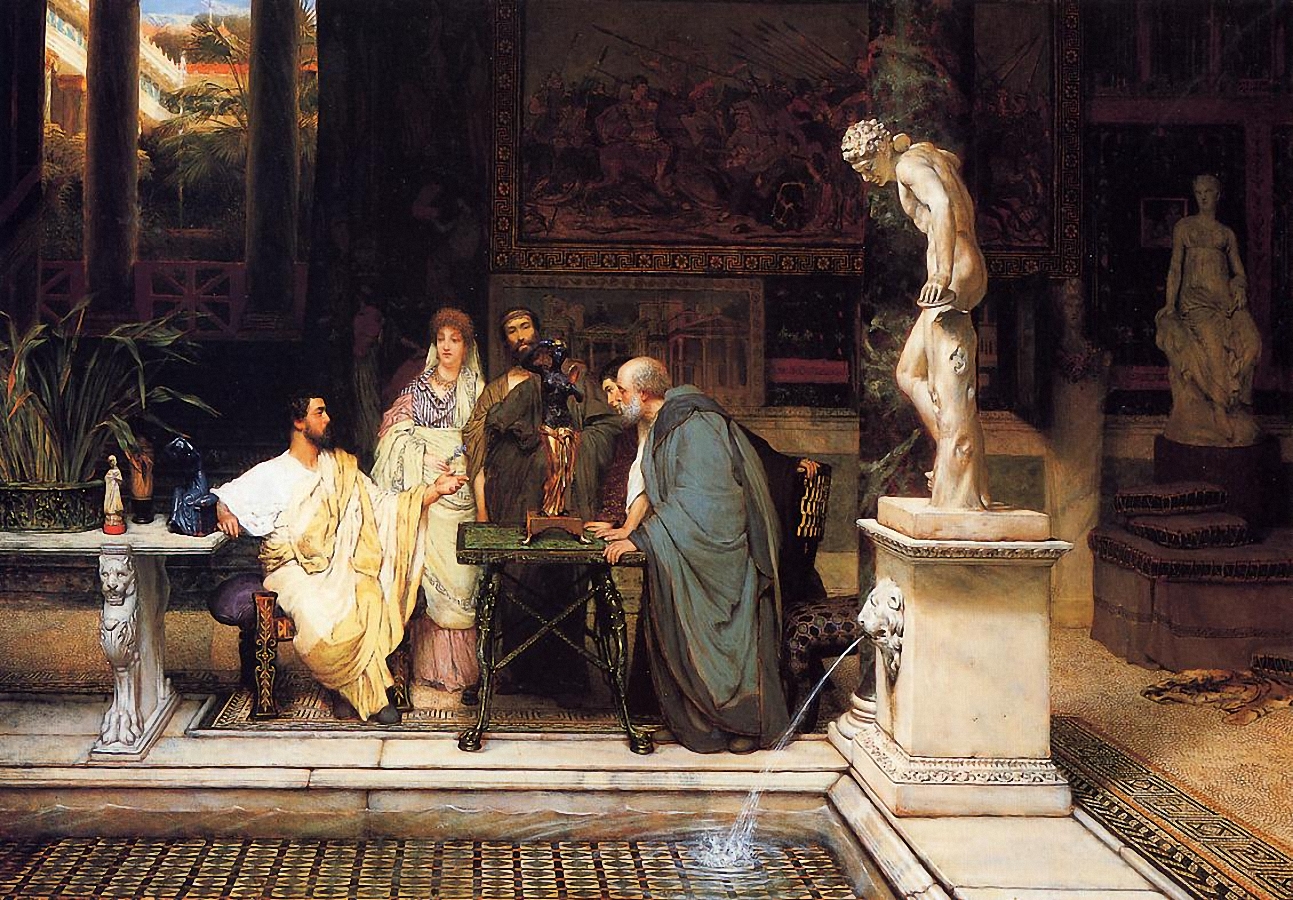
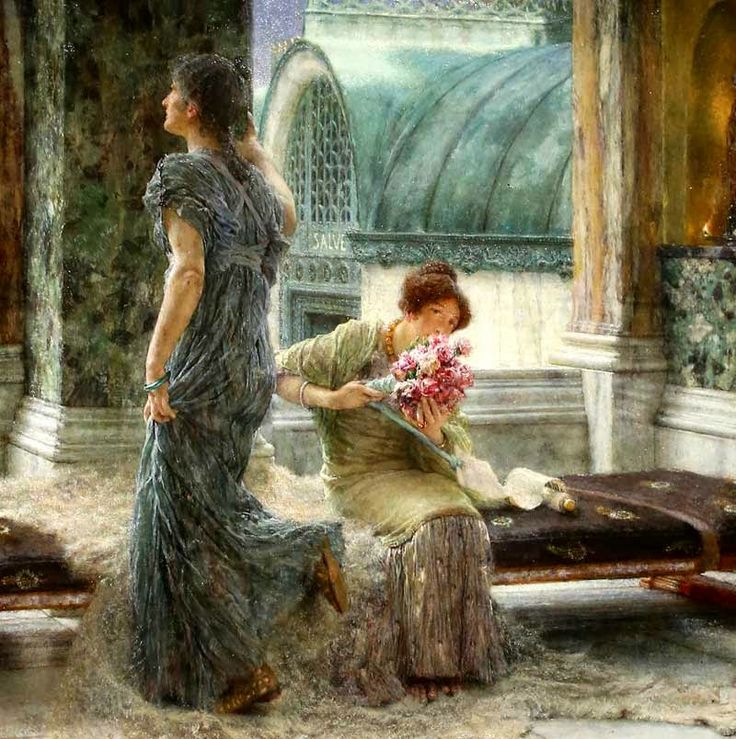
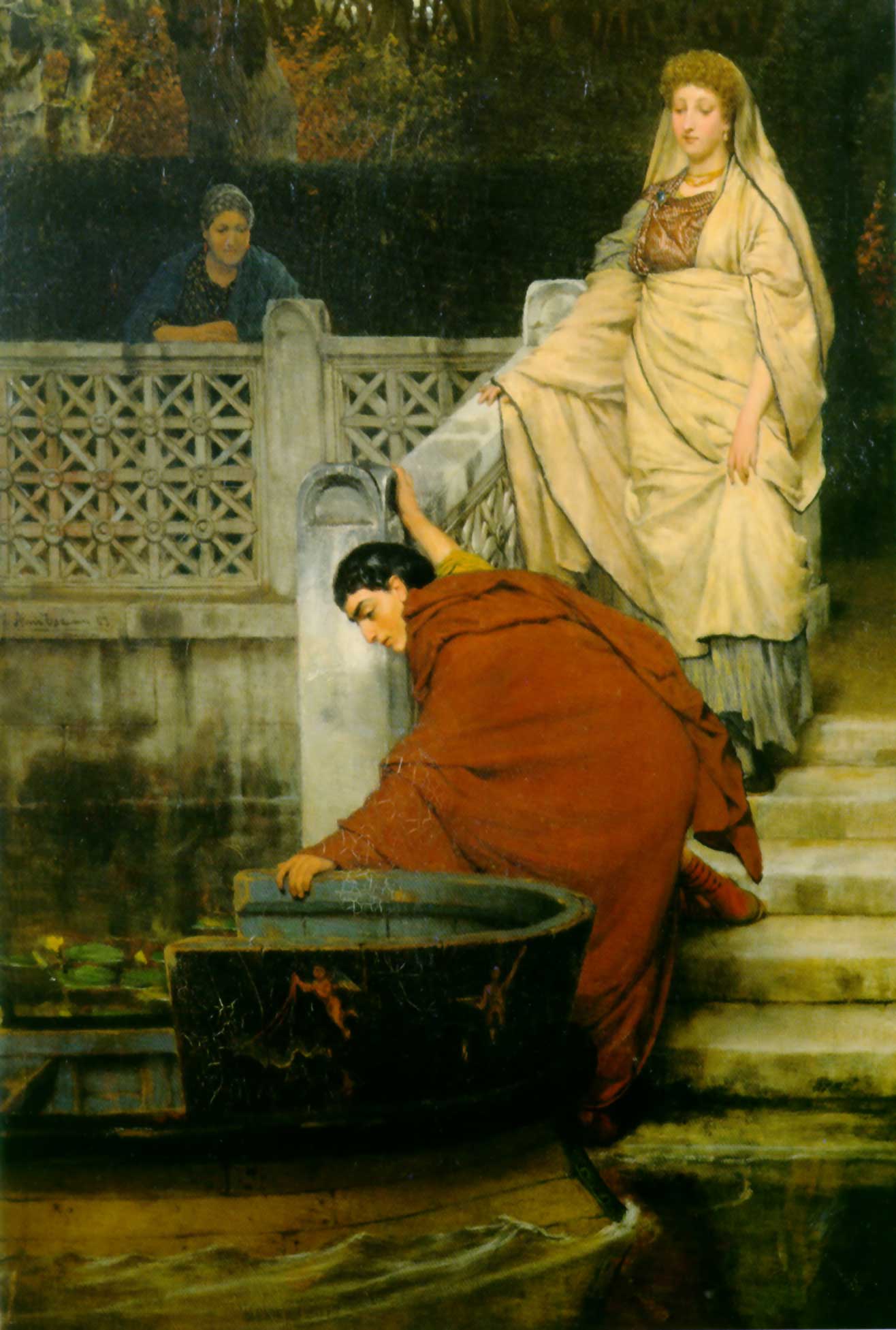
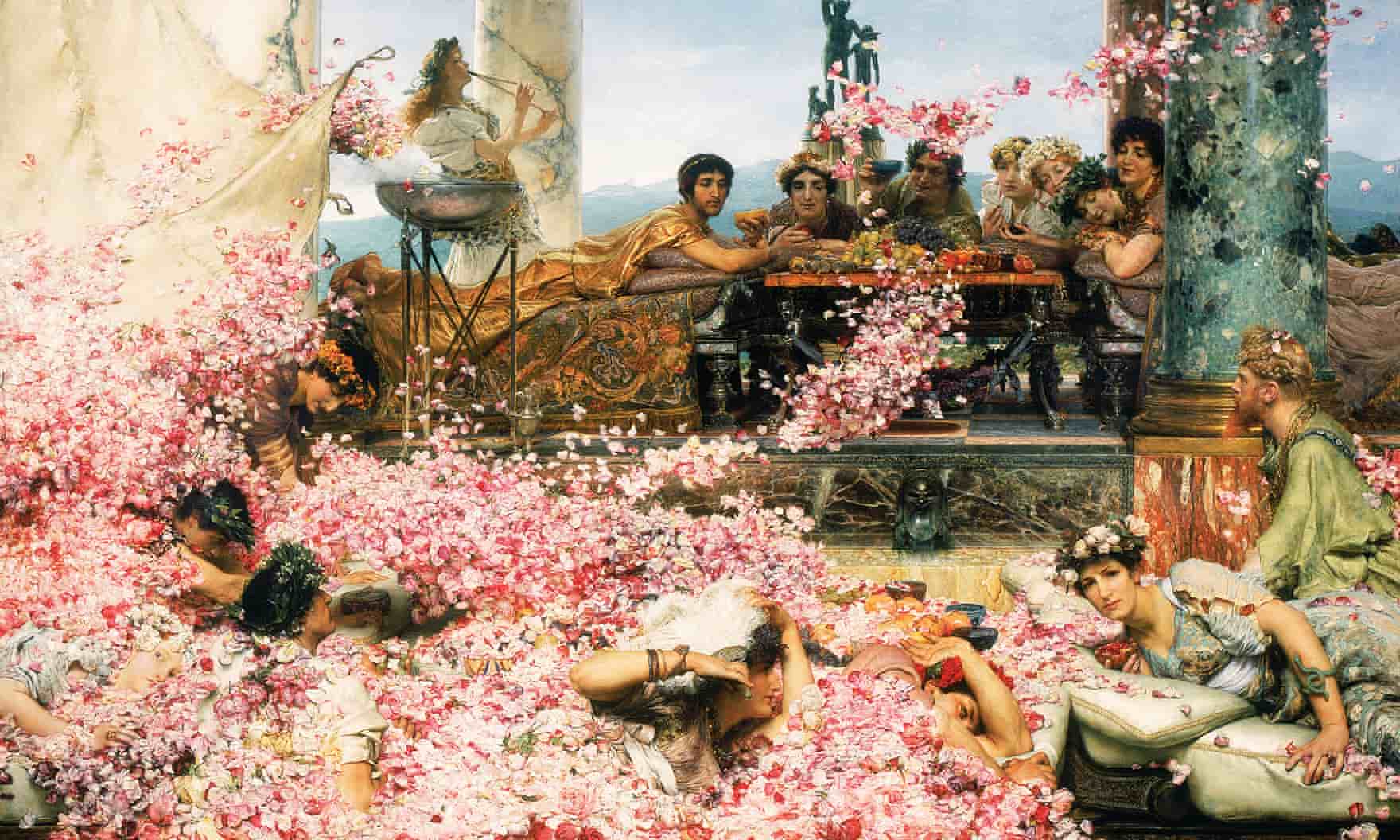
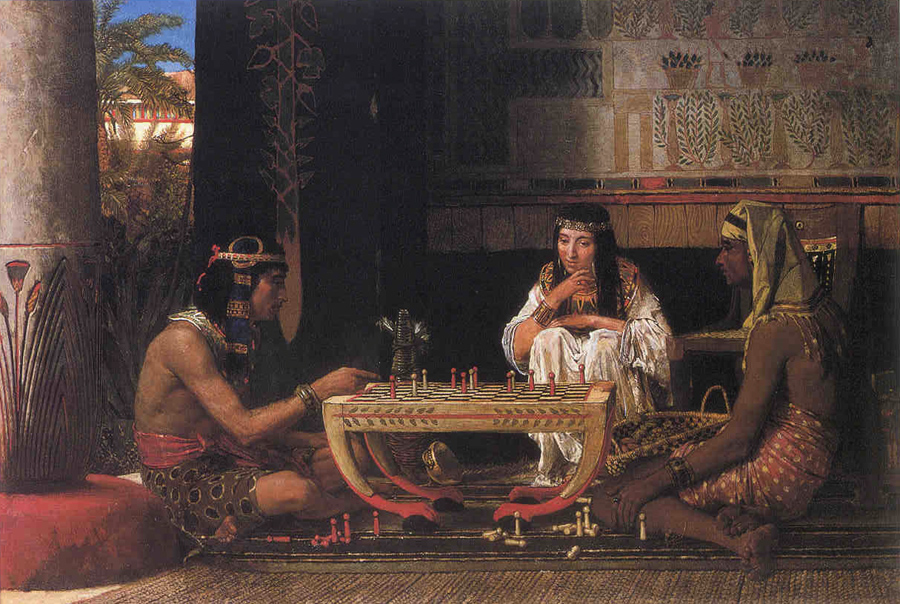
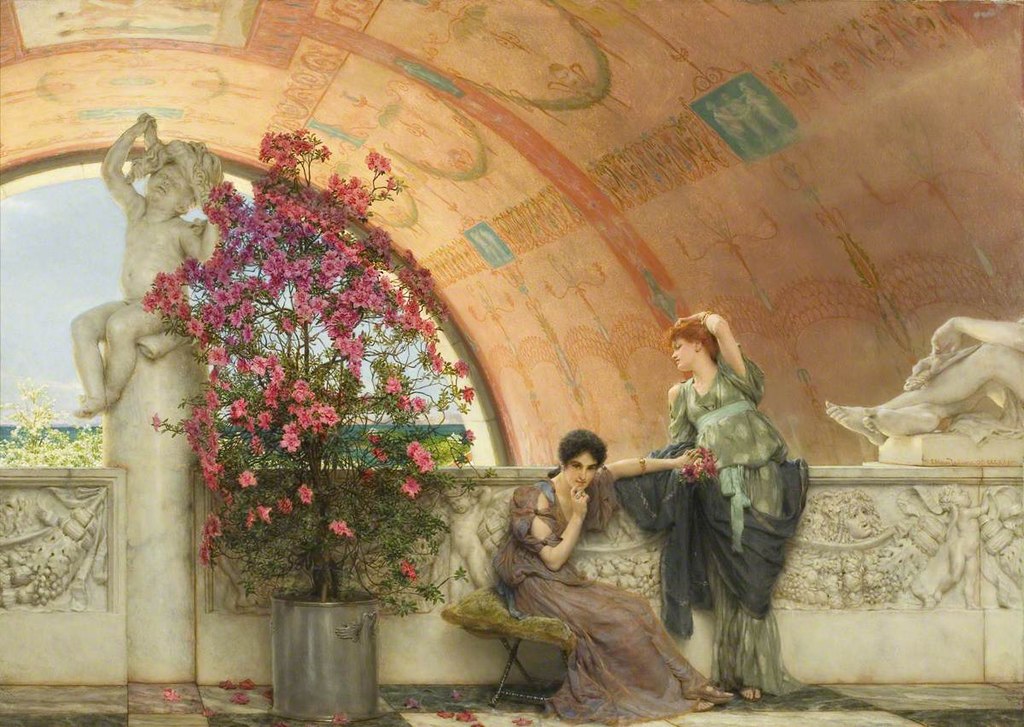
Sunday Evening Art Gallery — Sir Lawrence Alma-Tadema

Sir Lawrence Alma-Tadema (1836-1912) was a Dutch-born painter whose scenes from everyday life in the ancient world were immensely popular in its time.Alma-Tadema, the son of a Dutch notary, studied art at the Antwerp Academy (1852–58) under the Belgian historical painter Hendrik Leys.During a visit to Italy in 1863, Alma-Tadema became interested in Greek and Roman antiquity and Egyptian archaeology, and afterward he depicted imagery almost exclusively from those sources.Moving to England, he became a naturalized British subject in 1873 and was elected a member of the Royal Academy in 1879. He was knighted in 1899.Alma-Tadema excelled at the accurate recreation of ancient architecture and costumes and the precise depiction of textures of marble, bronze, and silk.His expert rendering of settings provides a backdrop for anecdotal scenes set in the ancient world.His paintings are marked by clarity of color, exactness, and smooth finish; he imagined a Rome of splendor, sunlight, and gentle sentiment.Though admired during his lifetime for his draftsmanship and depictions of Classical antiquity, his work fell into disrepute after his death, and only since the 1960s has it been re-evaluated for its importance within nineteenth-century British art.More of Sir Lawrence Alma-Tadema‘s classical paintings can be found at https://www.wikiart.org/en/sir-lawrence-alma-tadema and https://artrenewal.org/artists/lawrence-alma-tadema/8.


Still Trying To Figure It Out. Literally.

This is one of those late Sunday night I’m-overtired-and-starting -to-get-a-wee-headache-but-this-is-such-a-great-confusing-idea-I-need-to -ask-my- friends-about-it blog.

In the future I am going to feature Anna Berezovksya and what she sees as bringing together techniques unique to realism, abstraction and surrealism. Her paintings are colorful, imaginative, and a delight to the sensibilities of us all. Here is one of her pictures:


Okay. If you can get past the initial shock of weirdness about it, it’s really finely done: the faces, the detail, the texture. 

If you want to take a bit and “study” the picture, what is it saying? People following each other to the edge of the cliff (that’s my first thought). Okay. Different personalities are reacting differently. One has a movie camera, one is dangling their feet, one is a sailor, one is a king.

What does the seagull have to do with it? The fish skeleton? The apple? Why is the crescent moon hiding in those long braids? What is the book the king is holding? Why is the sailor wearing a hoop earring?

Okay Okay. Those questions are neither here nor there. We can interpret this painting however we wish. I’m sure Miss Berezovksya has her own explanation, too.

Here comes the spacey thoughts.

I am a writer. We are taught to be thorough (though not lengthy) in our explanations and descriptions. We have to create mood, atmosphere, and rhythm in our writings. 

How would I explain this picture? Or the story of this picture?

This is in the same stratosphere as describing a Jackson Pollack or a Juan Gris painting.

I believe there is an explanation for everything. A reason for everything. From why cacti have needles for spines to why a spider has so many eyes. So there is an explanation for Abstract Art, Abstract Expressionism, Cubism, Conceptualism.

Some paintings are crystal clear. A portrait. A landscape. A Still Life. And many modern styles need no explanation — they are more of a tool to elicit response and emotion rather than make sense.

But I wonder if some are not meant to be understood.

Writing always has to make sense. Otherwise you will follow the rabbit down the rabbit hole never come out the same. You would be like “what did I just read??” Your brain would scramble to make sense of sentences and tenses and made up words.

So the question of the day is — how do you describe the indescribable? The nonsensical? The busy and the confusing?

As you can see, it’s way past my bedtime…..


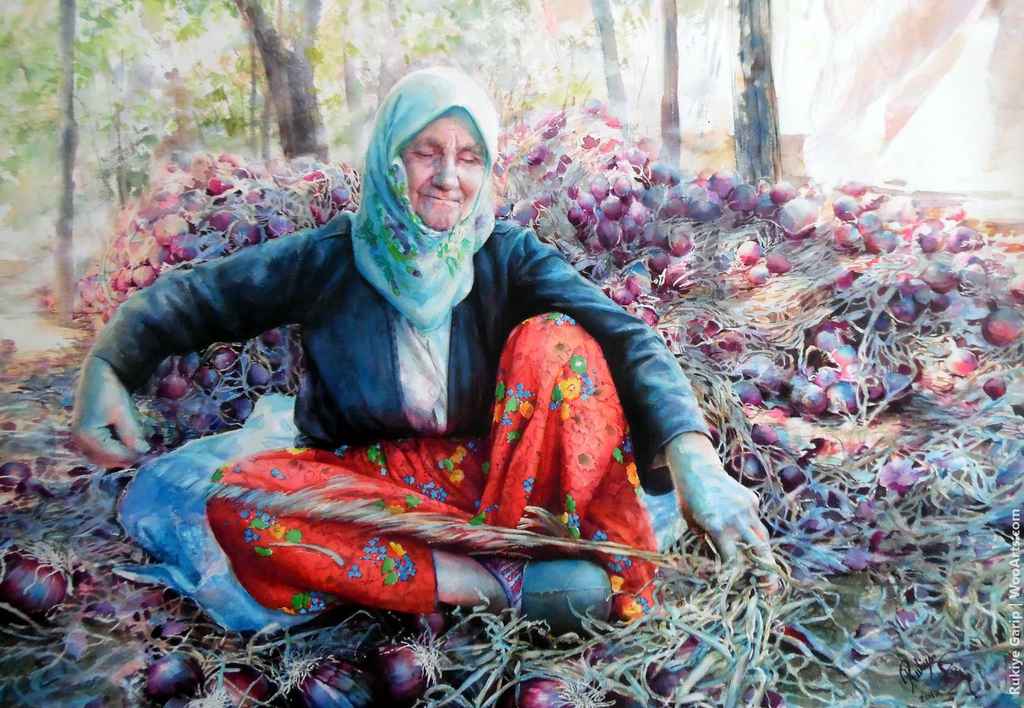
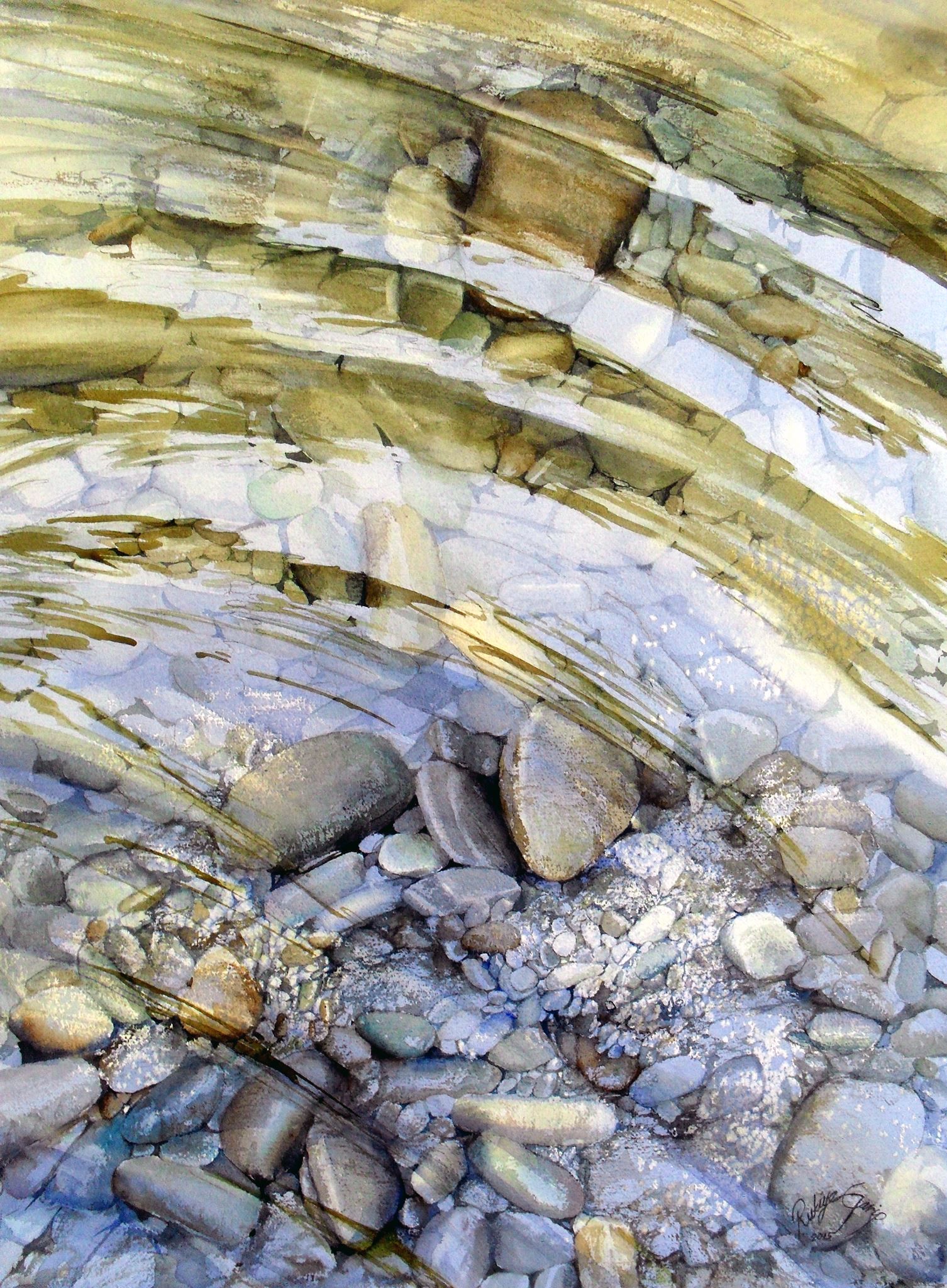
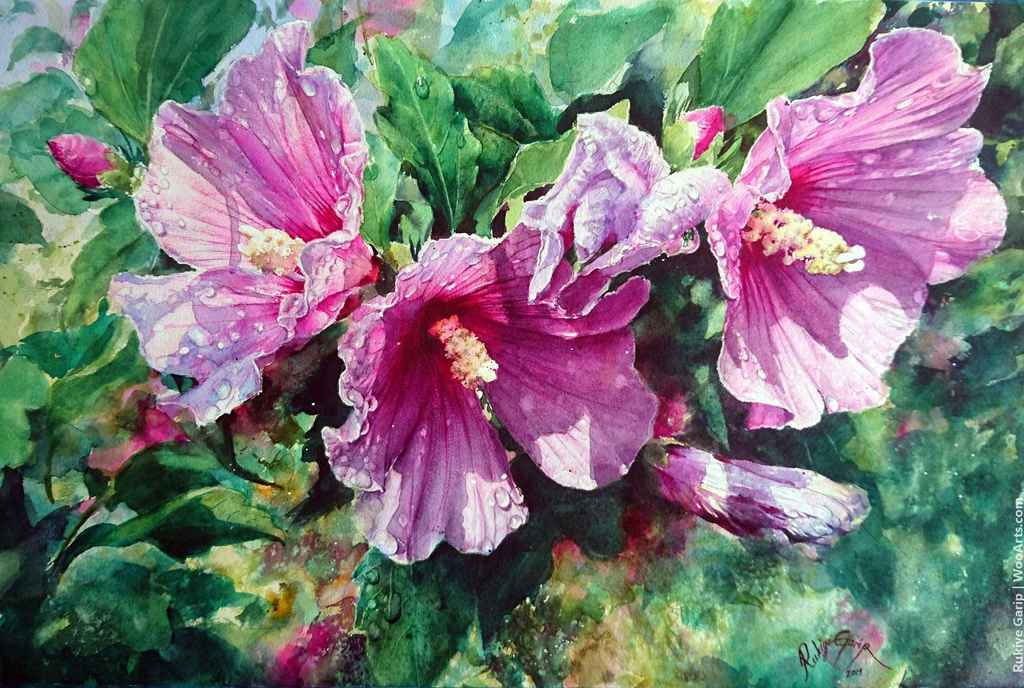
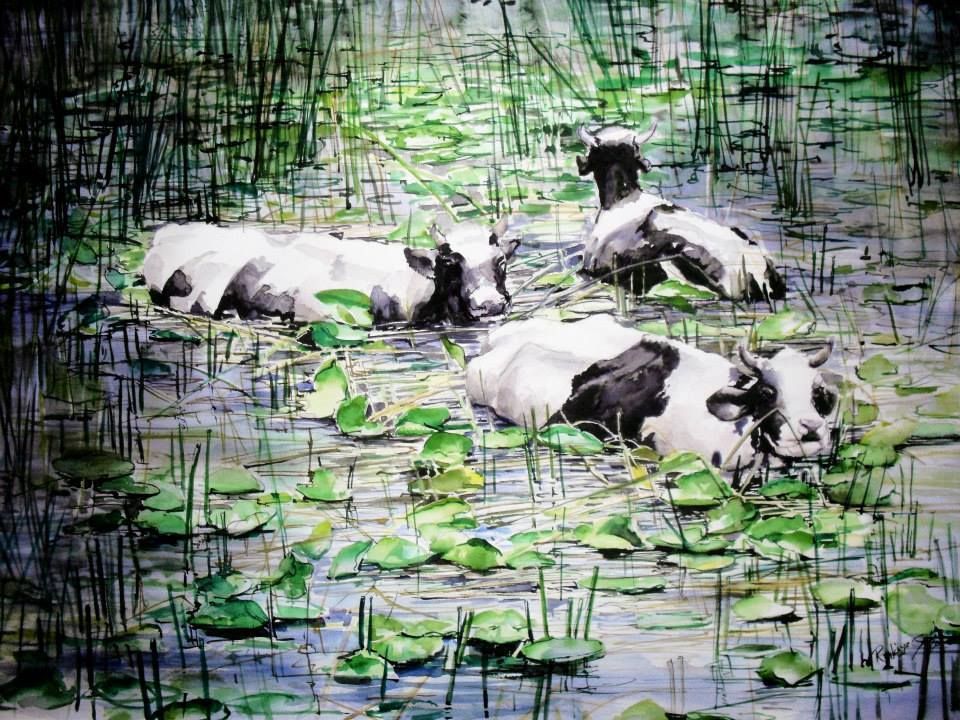
Sunday Evening Art Gallery — Rukiye Garip

Rukiye Garip was born in 1964 in Bartin, Turkey.She graduated from Gazi University Vocational Education Faculty in 1985.

After her graduation she lived in Ankara, working as a graphic designer.

Garip went to a ceramic workshop in 1987 with a group of friends, and in 1989, started working as an art teacher.

After working in different provinces and schools for 20 years, Garip retired and opened up her own workshop in Balıkesi.

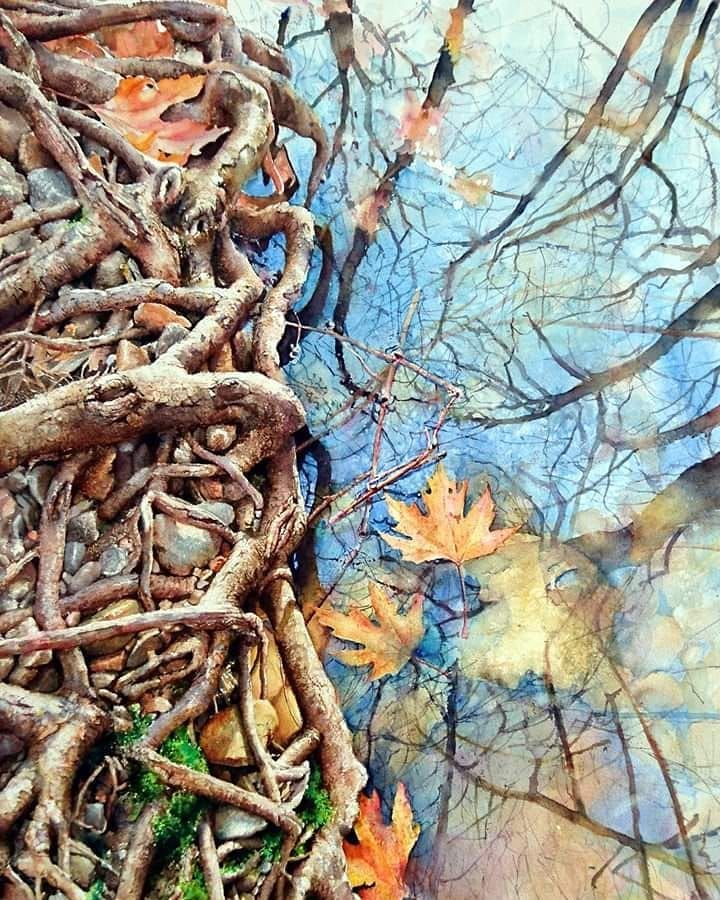
The main distinguishing feature in Garip’s artwork are hidden in the details. She enjoys the peaceful effect of blue and green in her pictures.“Everything that looks good to me in nature can be the subject of my pictures,” Garip explains.

“I want to illustrate as much as possible natural beauties that disappear rapidly and cannot be returned. Not getting rid of the details — I want my work to be noticed for the tiny, beautiful, happy details.”More of Rukiye Garip‘s enchanting paintings can be found at https://www.instagram.com/rukiyegarip/ and https://wooarts.com/rukiye-garip/.


Sunday Evening Art Gallery — Mark A. Pearce

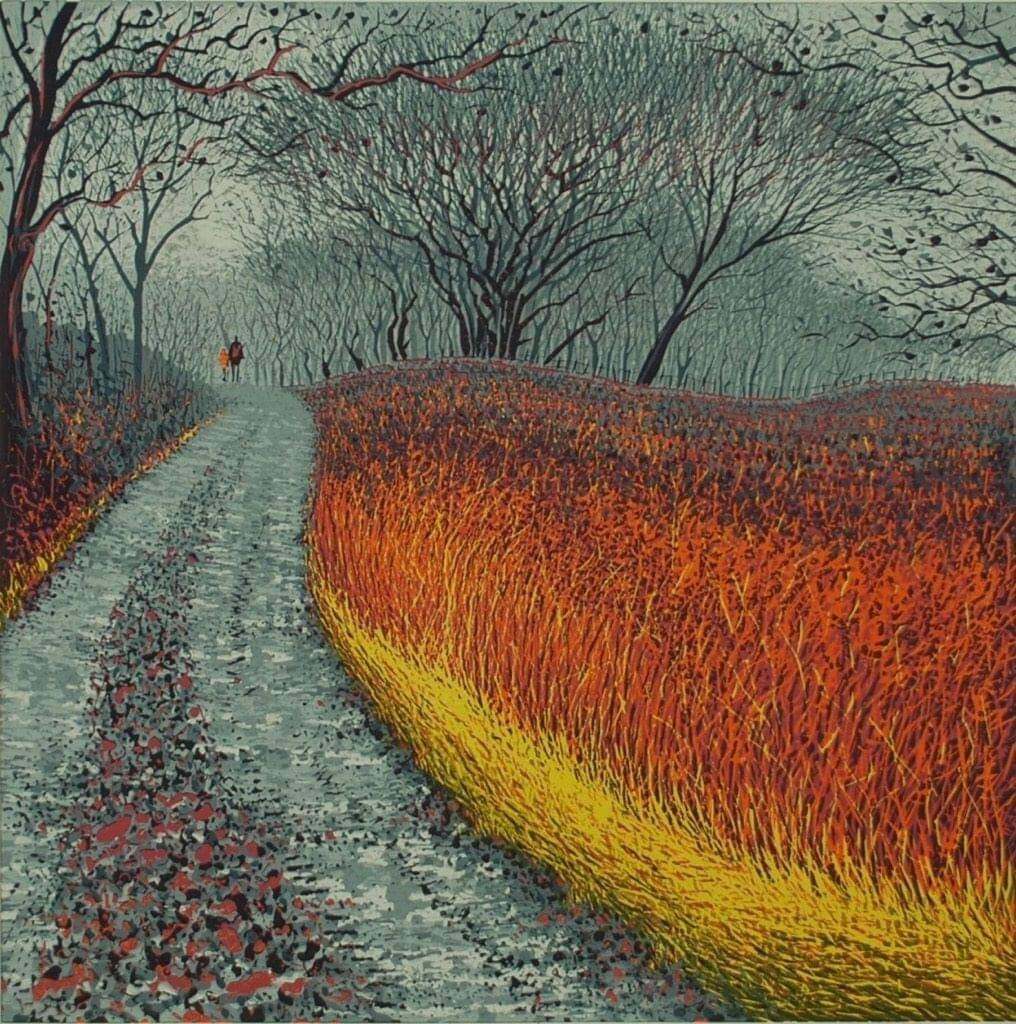
Mark A. Pearce is like many of the artists showcased in the Sunday Evening Art Gallery – there are so many fascinating facets of his craft (painting, print making, linocuts) that showcase his marvelous eye for nature.Pearce learned the art of printmaking at Carlisle College of Art, then continued his studies at the Norwich School of Art in England.A professional printmaker and landscape artist living and working in the coastal village of Ravenglass, the local landscape provides much of the inspiration for his work.Of all his many creative talents, Pearce is his well known for his vibrant multi-colored reduction linocuts.A design is meticulously cut into a linoleum surface with a sharp knife, V-shaped chisel or gouge, with the raised (uncarved) areas representing a reversal (mirror image) of the parts to be printed.

The linoleum sheet is inked with a roller and then impressed onto paper or fabric.Pearce’s work shares the colors and serenity of his world with a steady hand and precise determination. More of Mark Pearce‘s paintings and linocuts can be found at https://markapearce.co.uk/.


Sunday Evening Art Gallery — Maria Prymachenko

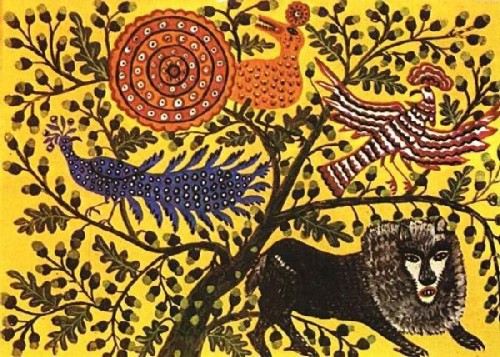
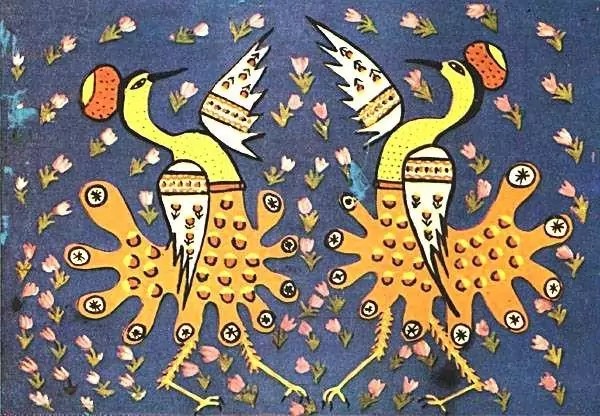
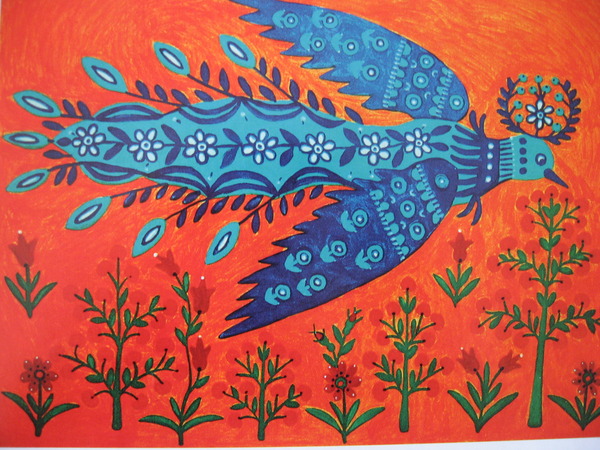
Maria Oksentiyivna Prymachenko (1908-1997) was a Ukrainian village self-taught folk art painter who worked in the naïve art style with drawing, embroidery and painting on ceramics.A peasant woman, Prymachenko was born in the village of Bolotnya in the north of the modern Kiev region of Ukraine.Born to humble means, Prymachenko earned fame in her lifetime for dazzlingly colorful and wildly inventive scenes of animals — lions, birds, horses, and other beasts — covered in riotously hued, almost psychedelic patterns.Born to a peasant family near Chernobyl, the artist suffered from polio as a child, an illness that left her confined to bed for much of her childhood (a later surgery would enable her to walk independently).Her illness instilled a great sense of empathy for the suffering of others, and her caring for all living creatures was to become an important element in her art.Prymachenko found her sources and themes in the decorative wall paintings that were prominent features in Ukraine, in lullabies, folk legends, and fairy tales, and in the nature that surrounded her.In her pieces, the artist unites her marvelous internal world with the age-old tradition of folk  and pagan culture.In 1966, Prymachenko was awarded the Taras Shevchenko National Prize of Ukraine, one of the country’s highest honors, and in the last decades of her life admirers supplied Prymachenko with materials to create larger format works.More of Maria Prymachenko’s inspirational ethic art can be found at ArtNet and WikiArt.

Two Fun Creative Blogs to Check Out!

Happy Friday Friends!

Today I read two fun, amazing, creative people and their blogs that I follow that  you must check out!

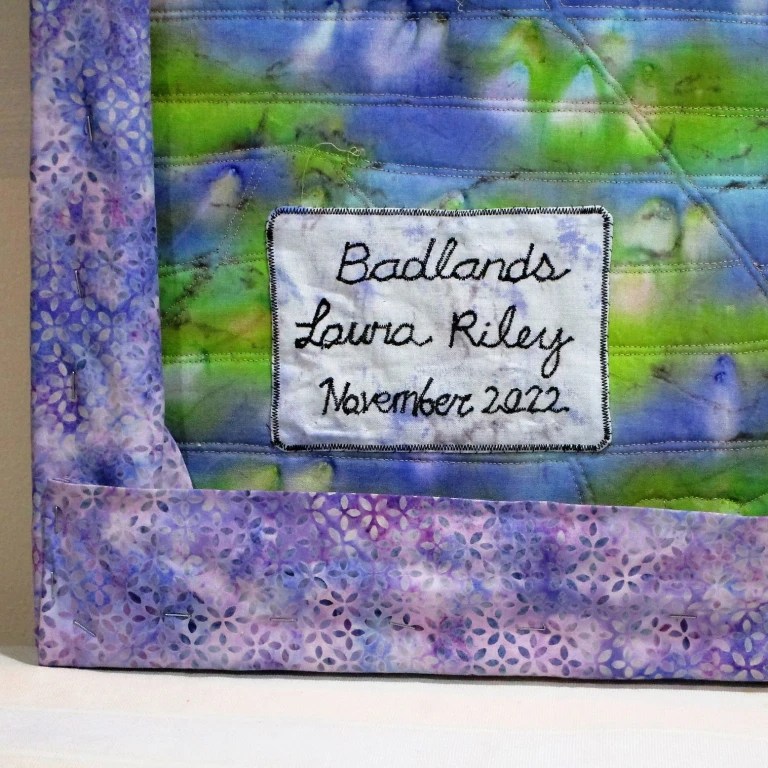
One you have already heard me talk about — Daily Fiber with Laura Kate. This quilt is just amazing. And so different.


Friday Finish: Badlands

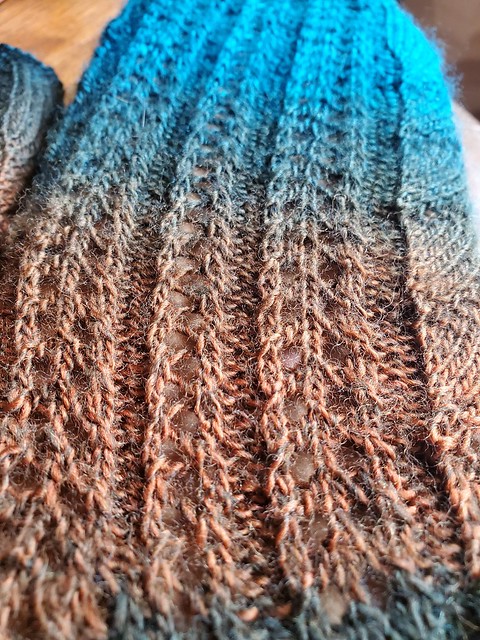
The second is from a blog I just started following — jingersnaps …by Jinger. Her knitting is fun and amazing and different — as is her enthusiasm!

Zau. Ber. Ball.

Posted on 
I love Creativity in ALL its forms!  Any referrals?
.
.

Sunday Evening Art Gallery — Matthias Jung

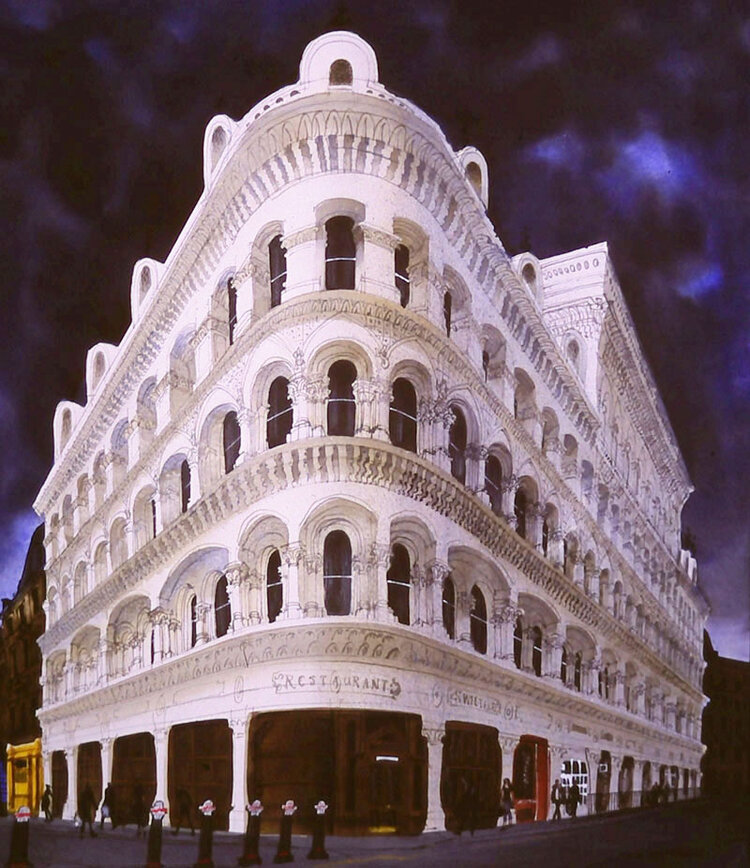
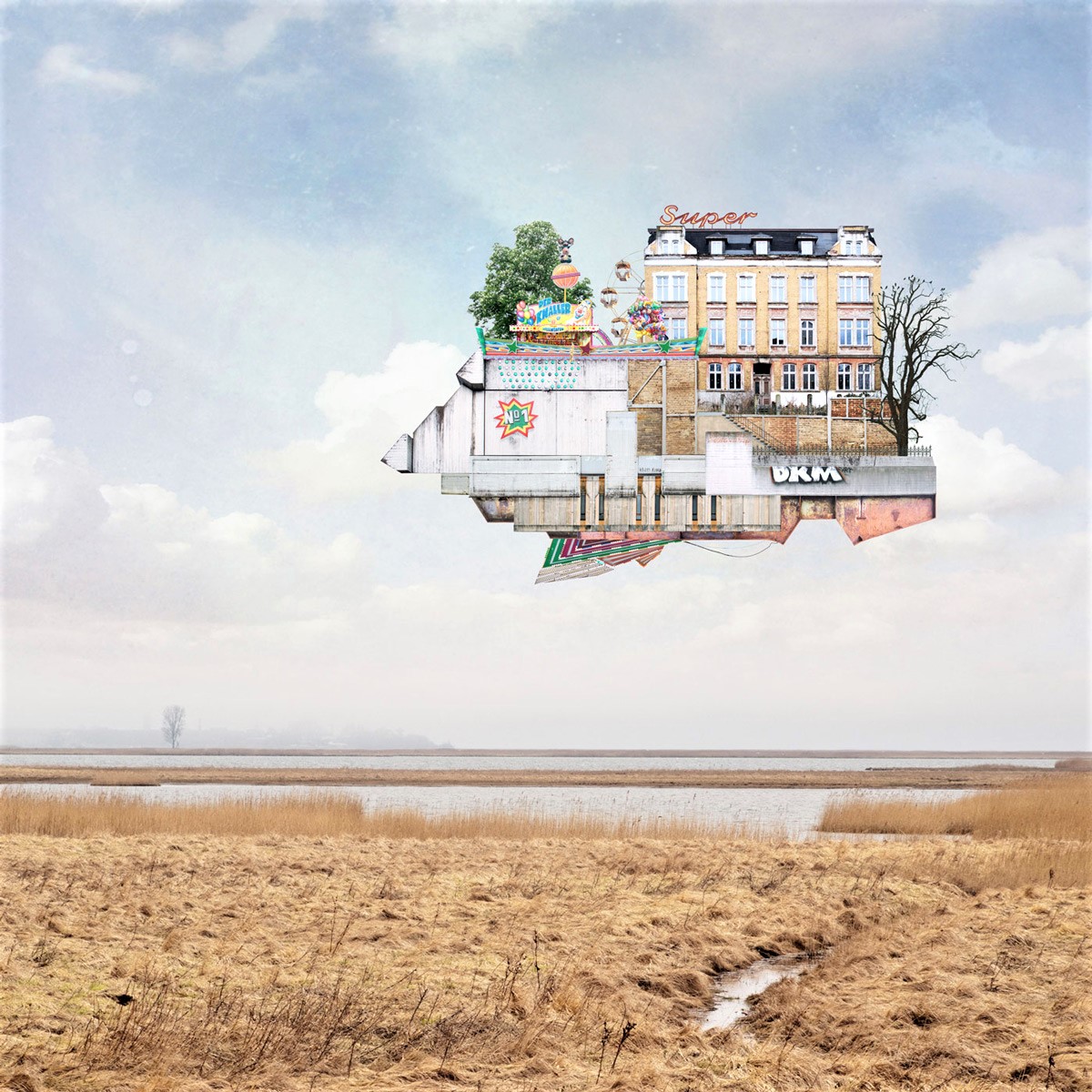
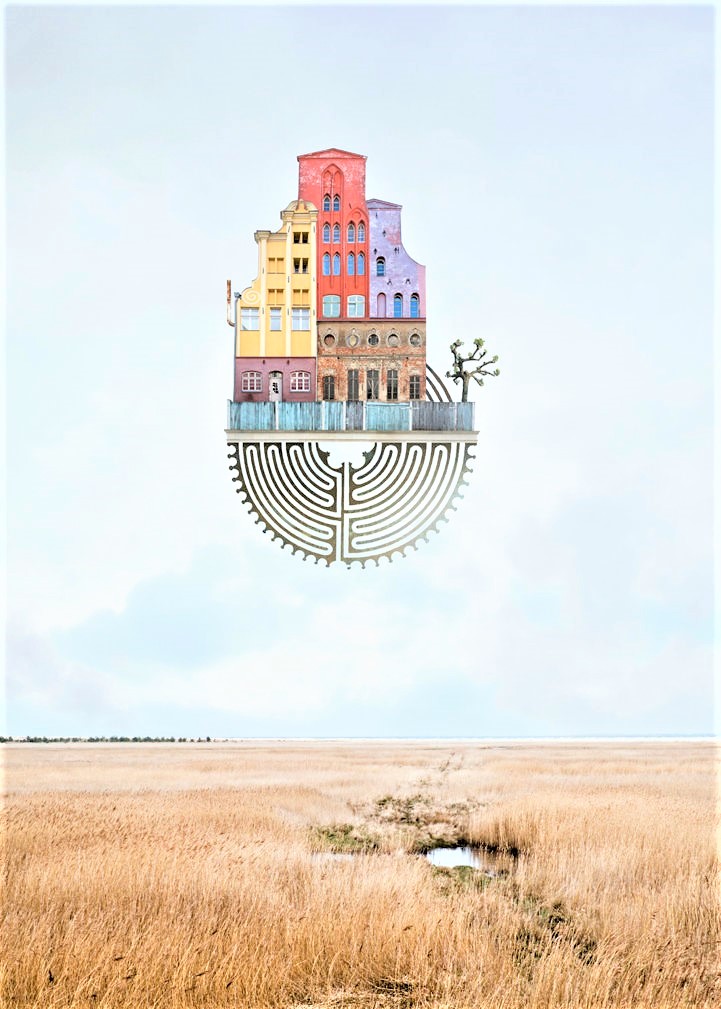
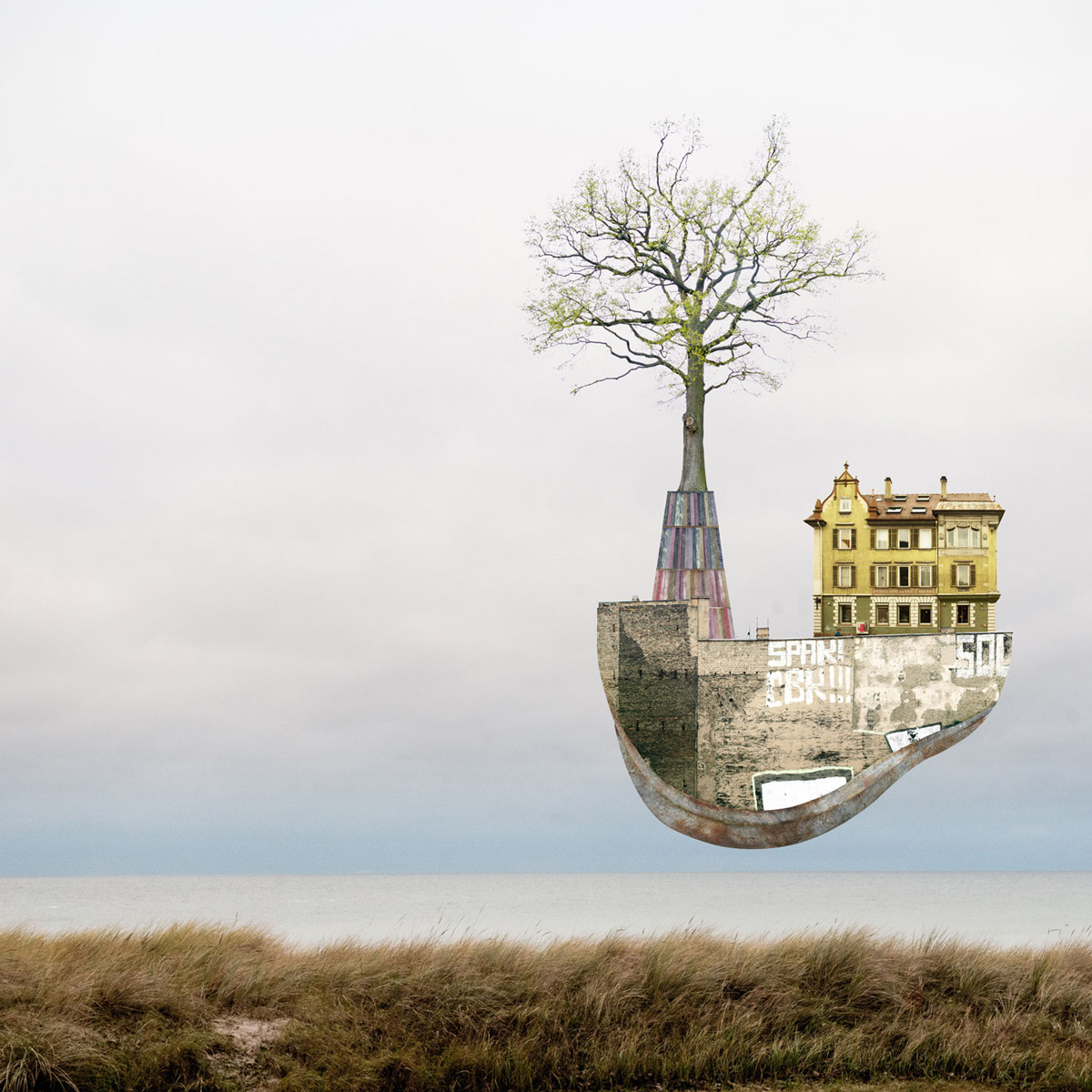
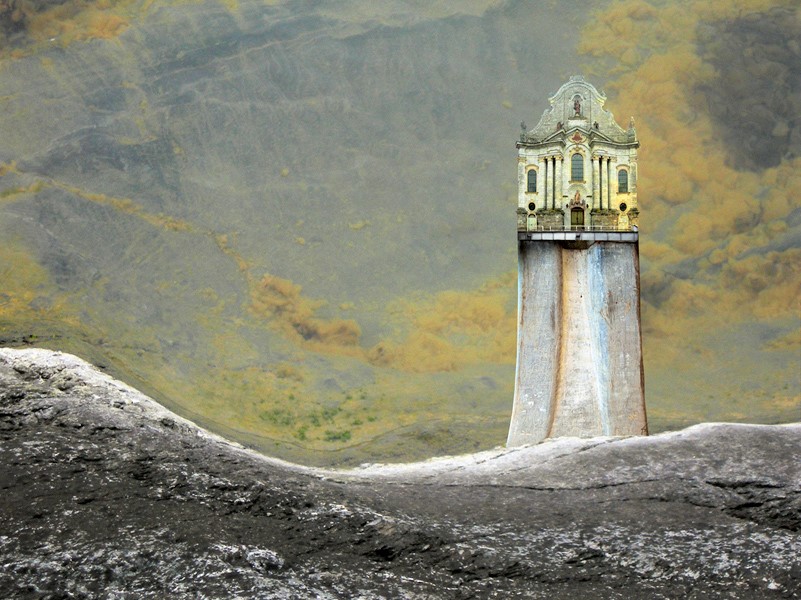
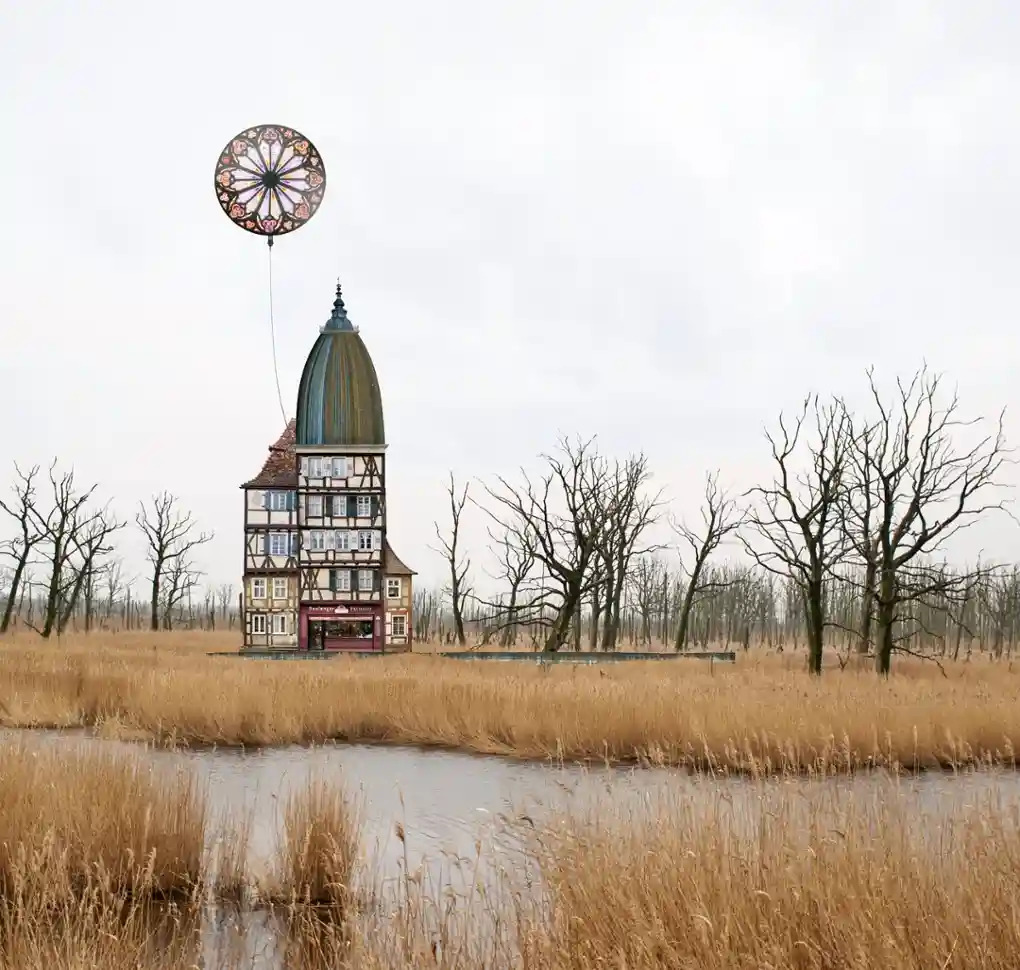
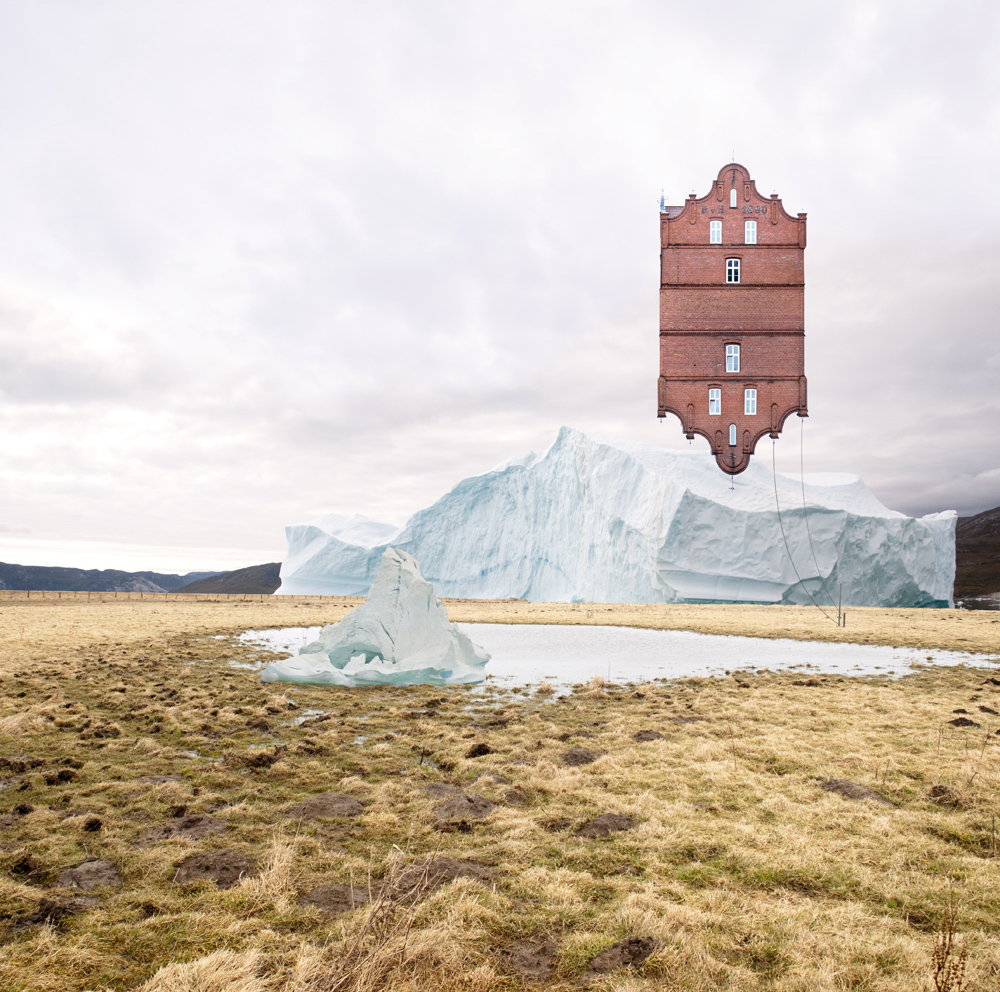
Matthias Jung is an artist and graphic designer based in Germany,  known internationally for his surrealist collages.Jung worked as an illustrator before making his way to painting, developing an unmistakable collage style.The artist takes individual photographs in different locations, mostly in northern Germany, before carefully assembling them into one cohesive piece, abstaining from sensational effects and superficiality.By artistically arranging scraps of reality, Jung intensifies the picture in a way the human eye can only partially detect – and it is through our own associations that his constructions come alive.Jung often sets fantastic building facades afloat amidst vast landscapes,  their pointy domes and tall arching windows reflecting a possible surrealistic yet realistic world.Jung calls his surreal works “short, architectural poems”, incongruous images that are intended to challenge perceptions of space and architecture.According to the artist, the individual elements of the image tend to generate an electric tension with each other.  This tension leads to new worlds in which the entire beauty of his art is revealed.“Collages are like dreams,” Jung reflects.  “Or maybe dreams are like collages.”More of Matthias Jung‘s surrealistic artwork can be found at https://www.lumas.com/artist/matthias_jung/ and https://www.singulart.com/en/artist/matthias-jung-12125.


Sunday Evening Art Gallery — Micah Ofstedahl

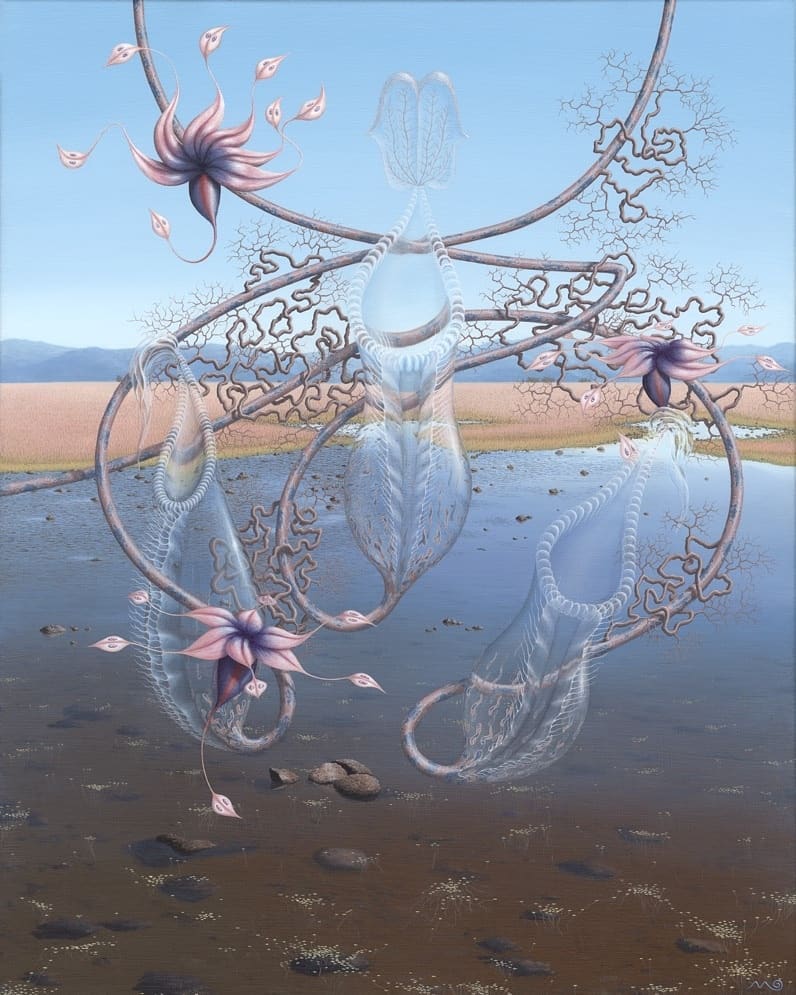
Micah Ofstedahl is an artist from Austin, Minnesota who enjoys creating what some have called abstract surrealism.Inspired at a young age by the art of Salvador Dali, Ofstedahl went on to study sculpture in college before focusing on surrealist painting.Ofstedahl’s paintings are semi-representational, and in creating his abstract art he is drawing on the rich diversity of forms found in nature.He explores in his work the hidden sides of reality, his focus often on such things as microscopic patterns in nature and the composition of the cells in our own bodies.These are subjects that biology and microbiology continue to explore, from the neurons in our brains to the fabric of the universe.Upon immersing observers within the acrylic painter’s inspirational environments,  the artist’s glassy, shimmering spectrum ripples are finally visible.“In my quest for inspiration I am constantly being amazed by the hidden beauty and complexity of the world and this is largely what I hope to convey to my audience,” Ofsterdahl explains.More of Micah Ofstedahl‘s unusual paintings can be found at https://www.micahofstedahl.com/ and https://www.instagram.com/micahofstedahl/.


Sunday Evening Art Gallery — Jennybird Alcantara

Jennybird Alcantara is a Contemporary Surrealist painter from Oakland, California.

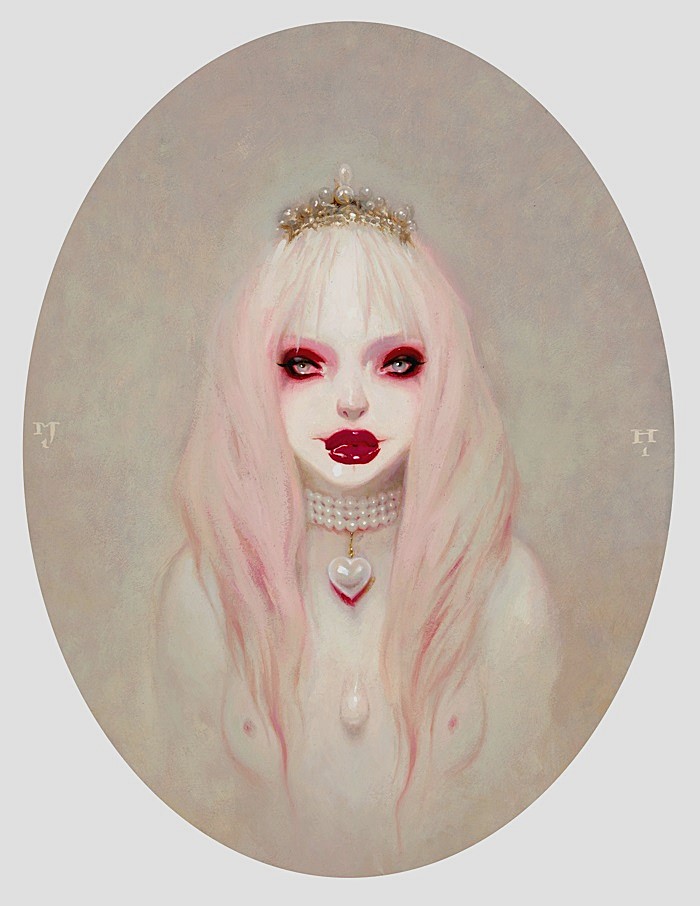
Deeply inspired by mythology, transformation, and the logic of liminal, dreamlike states, Alcantara is celebrated for her oil paintings of fantastic worlds populated by whimsical creatures and symbols.Characterized by ornate forms painted in luminous colors including pinks and reds, Alcantara’s style appears to be influenced by both academic realism and popular Surrealists.

Her art has been described as morbidly romantic, with a dreamlike narrative at its core, reflecting the connections between living beings and their environments.

Some works combine human and animal forms as well as flowers and decorative objects in a single composition that resembles a portrait or silhouette.Alcantara combines these motifs to create a symbol of the universal connection between all beings.She claims that she takes an intuitive approach to creating her brilliantly hued paintings.Alcantara’s art uses the symbolism of duality to explore the connection of life and death and the veil in between, as well as the relationship between the beauty and cruelness of nature, that of the natural world as well as human and animal nature.

More of Jennybird Alcantara’s wonderful art can be found at https://www.jennybirdart.com/.


Faded Memories — Tiffany Arp-Daleo Art (repost)

I love the colors, I love the thought of Asemic writing. Tiffany always seems to capture my mood through her paintings. Especially on this Saturday night.

Maybe her colors and her style will capture your mood, too….

There’s something mysterious about Asemic writing. What does it say? What does it mean? What language is it?? The answer is nothing. Asemic writing is just scribbles, marks, and nonsense. It adds whimsy and character to abstract art. It can suggest a love letter, a dear John letter, all kinds of scenarios! I’m constantly reminded […]

Faded Memories — Tiffany Arp-Daleo Art


Sunday Evening Art Gallery — The Art of Food

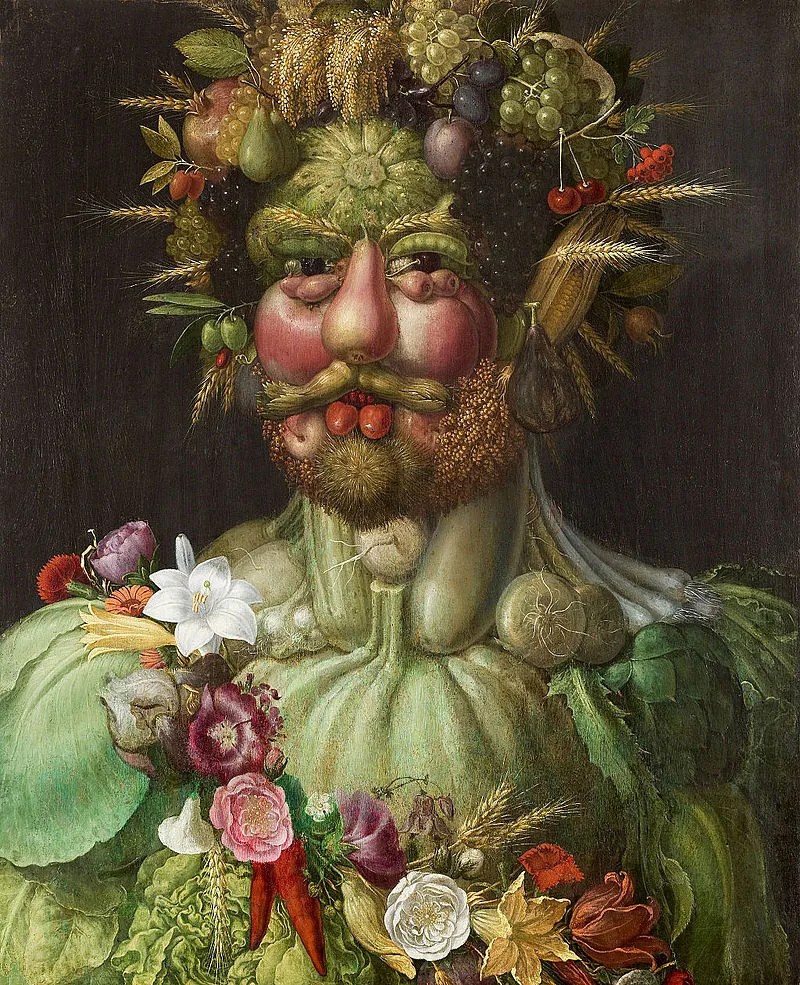
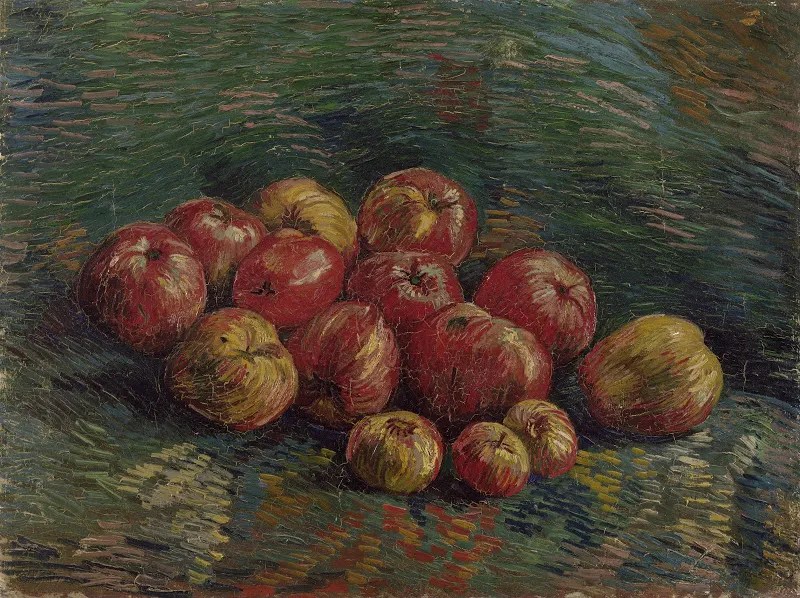
The articleThe Fascination with Food in Art History” by Elena Martinique at Whitewalls states that, as a cornerstone of our very existence, food has always played a significant part in our social and cultural lifestyles. Thus, it is no wonder that the depiction of food in art spans across cultures and all of recorded human history.

Just as majestic as any portrait or landscape, the depiction of food through painting is an arduous and creative talent.

As we sit and enjoy our Sunday dinners, let us wander through the world of food artistry and enjoy some of the more famous interpretations of the sight and taste of food.


Apples and Oranges, Paul Cézanne, 1895


Vertumnus, Giuseppe Arcimboldo, 1590


Mound of Butter, Antoine Vollon, 1875-1885


Still Life with Apples, Vincent van Gogh, 1887


Viva la Vida, Watermelons, Frida Kahlo, 1954


Eucharistic Still Life, Salvador Dalí, 1952


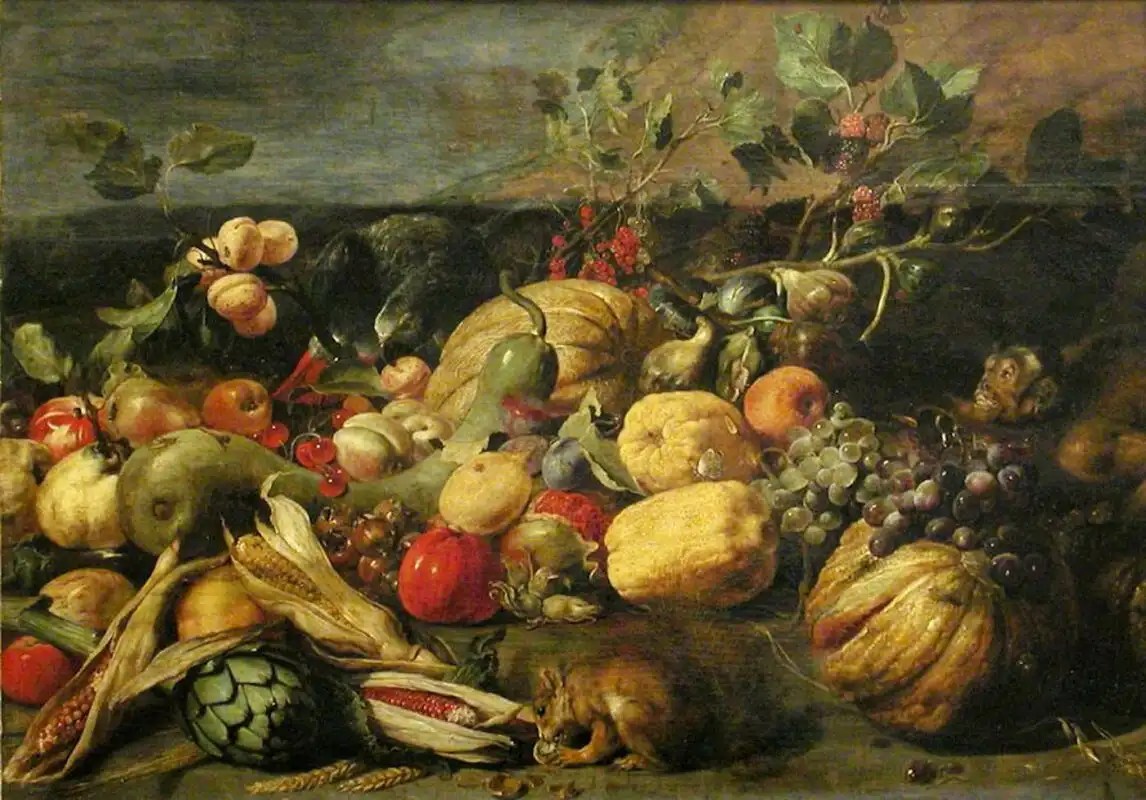
Fruit and Vegetables with a Monkey, a Parrot, and a Squirrel, Frans Snyders, 1620


Still-Life with Cheeses, Almonds and Pretzels, Clara Peeters, 1615


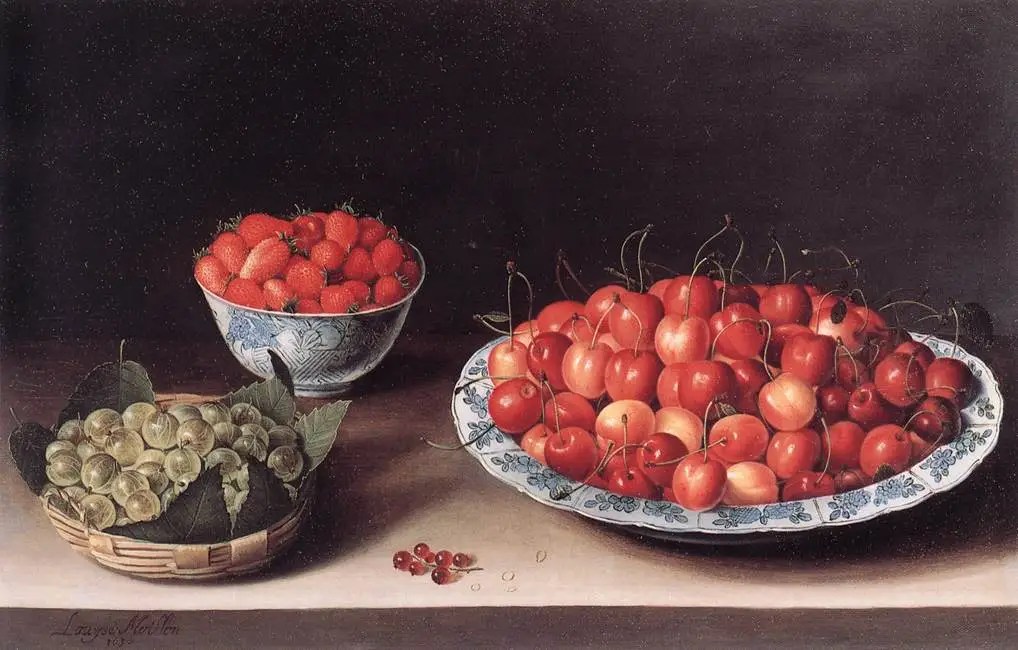
Still Life with Cherries, Strawberries, and Gooseberries, Louise Moillon, 1630


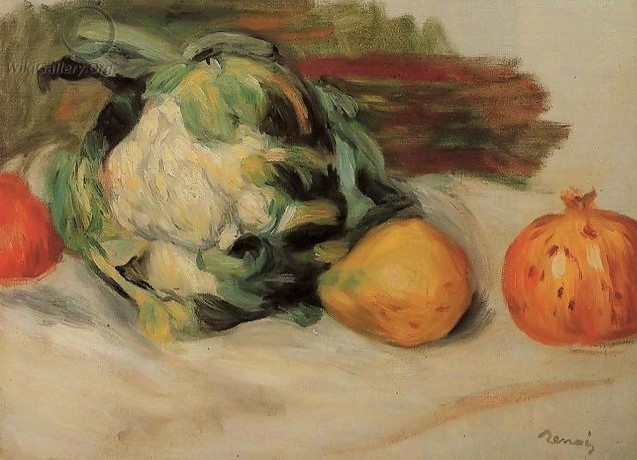
Cauliflower And Pomegranates, Pierre Auguste Renoir, 1890


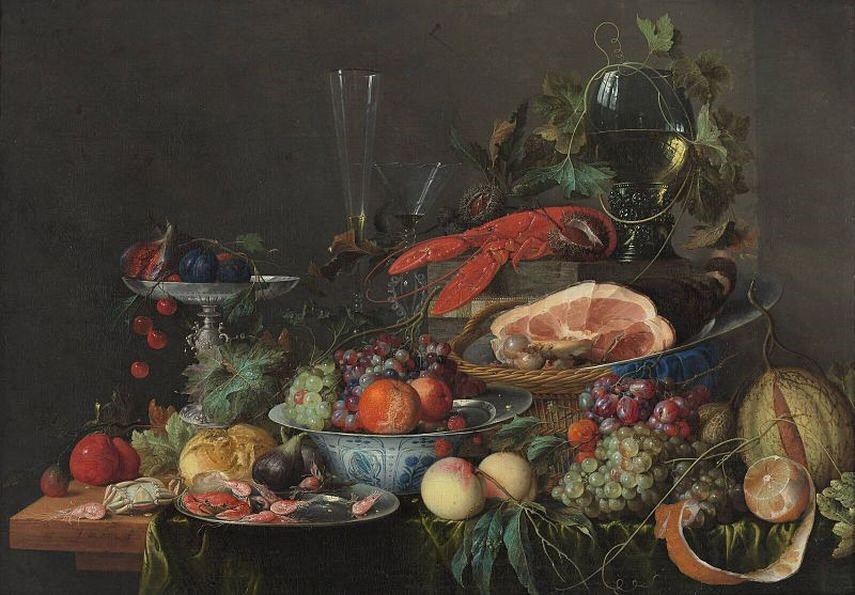
Still-Life with Ham, Lobster, and-Fruit, Jan-Davidsz de Heem, 1652


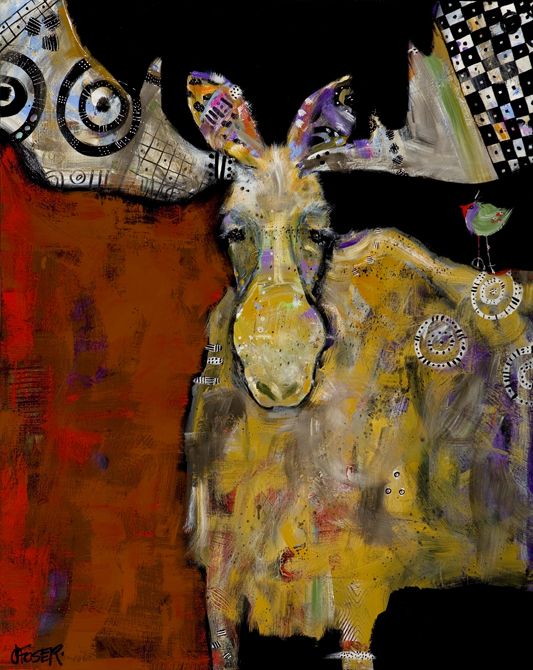
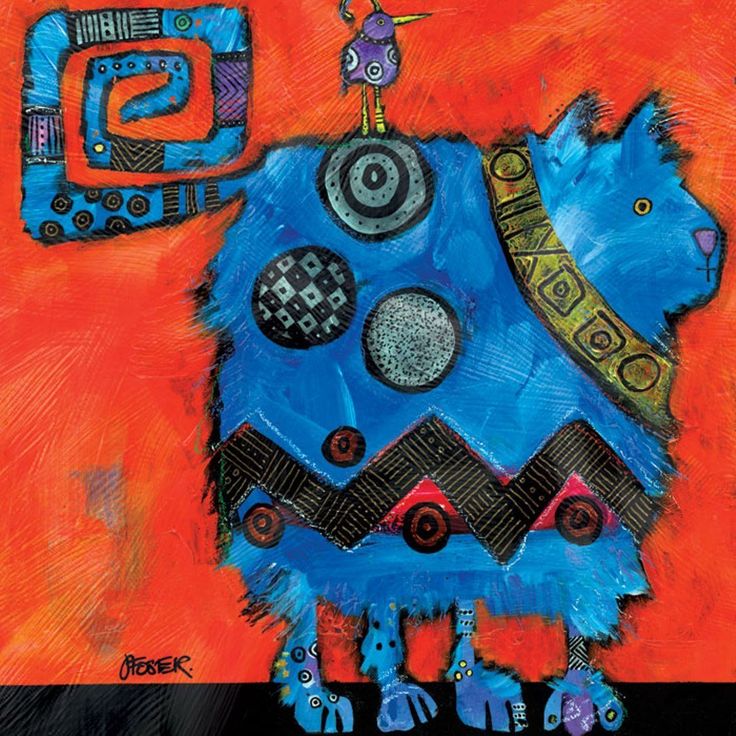
Sunday Evening Art Gallery — Jenny Foster

Growing up in a small town on the Colorado River in Arizona, Jenny Foster gravitated toward art at an early age.Foster studied fine art at Arizona State University and graduated with a degree in graphic design.Her style is both primitive and contemporary, and she delivers it with a combination of abstract shapes and happy colors and symbols.To many artists, it is a great challenge to express feelings of personality in their art without injecting some realism.But Foster has mastered the art enough to do this through symbols and abstract forms.Foster’s works are inspired by her appreciation of nature, happy colors, and the spirit of life.The artist lets her palette and brush express her imagination.She prefers to achieve quality without adding too much detail or sophistication, keeping everything simple and fresh.

More of Jenny Foster’s inspirational artwork can be found at  http://jennyfoster.com/.


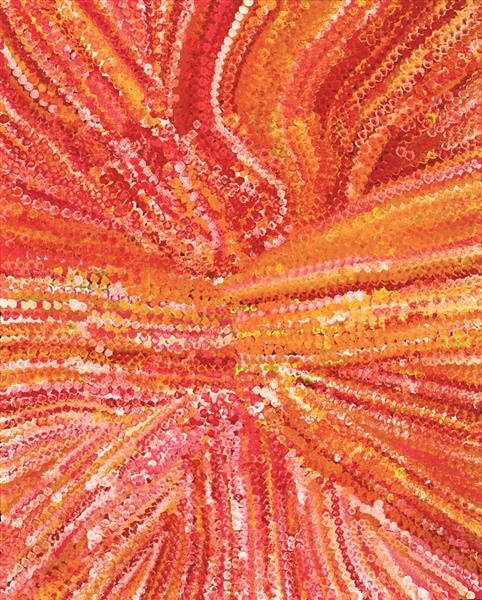
Sunday Evening Art Gallery — Emily Kame Kngwarreye

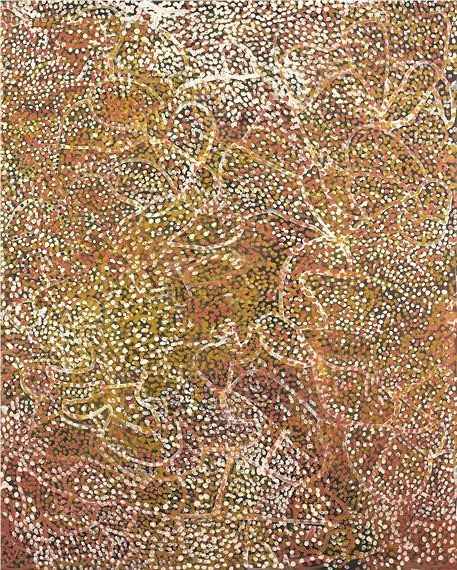
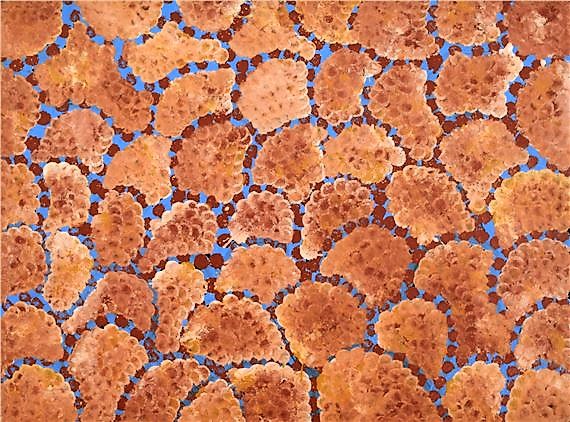
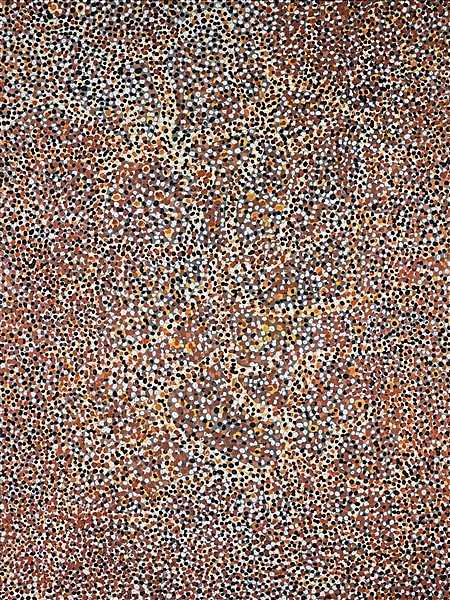
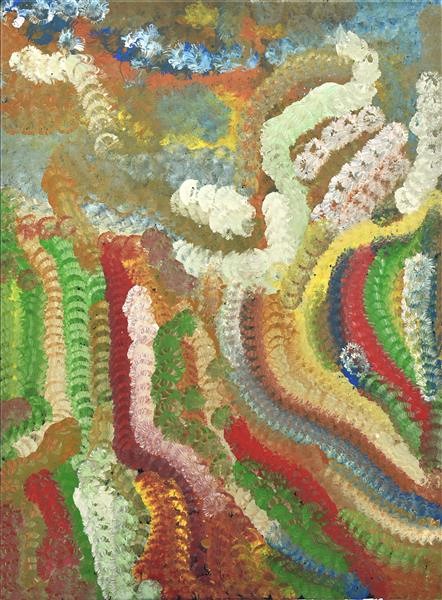
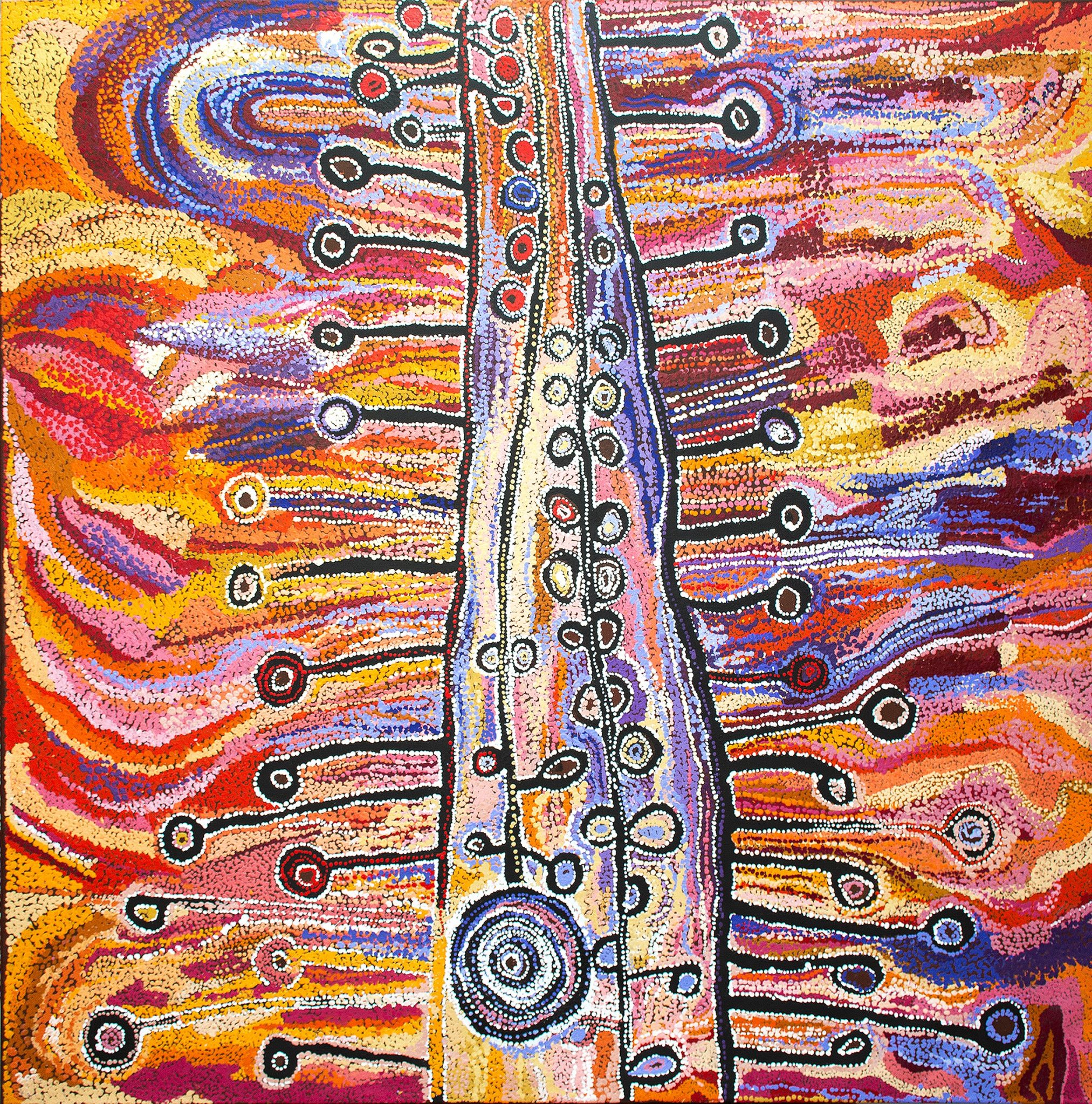
Emily Kame Kngwarreye (or Emily Kam Ngwarray) (1910 – 1996) was an Aboriginal Australian artist from the Utopia community in the Northern Territory of Australia.She is one of the most prominent and successful artists in the history of Australian art.Her remarkable work was inspired by her cultural life as an Anmatyerre elder, and her lifelong custodianship of the women’s Dreaming sites in her clan Country, Alhalkere.Kngwarreye began painting on canvas in her late seventies after decades of ritual artistic activity and batik fabric painting.Unlike most desert painters at the time, Kngwarreye did not use stylized representations of animal tracks or concentric circles in her designs.Instead, she employed richly layered brushstrokes or dabs throughout her abstract compositions.Her free handling of paint using various implements, keen sense of color, and dynamic compositions earned her international fame.It was in Alhalkere that the essence of her being resided, and it was her Dreaming that was the source of the creative power, of her knowledge.So profound was her identification with Alhalkere that it infused her life and her belief system, and governed her kinship relations and connections with other people.More of  Emily Kame Kngwarreye‘s  amazing original works can be found at https://www.wikiart.org/en/emily-kame-kngwarreye and https://artguide.com.au/art-plus/emily-kame-kngwarreye/.


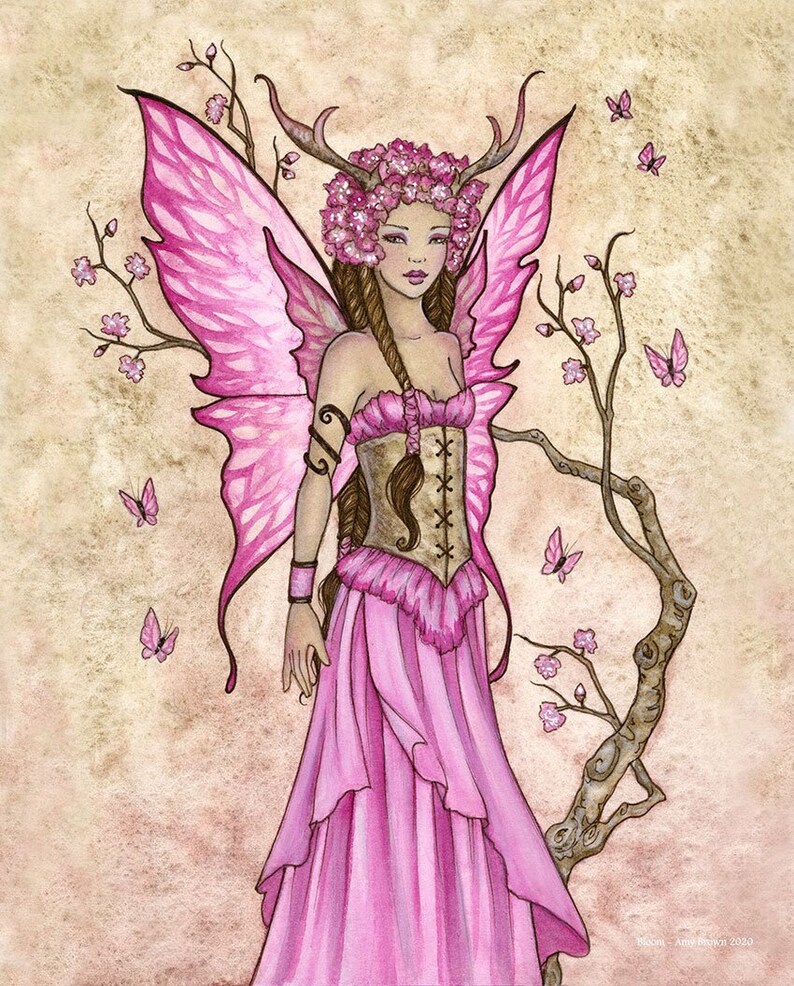
Sunday Evening Art Gallery — Amy Brown

Amy Brown is one of my all-time favorite artists. I’ve loved her work since I role-played a faerie woman 20 years ago.

Brown has always been interested in fairies, but never considered painting them as a career option until one day her boss asked her to paint something to fill an empty frame that had been sitting around the art gallery where she worked.Brown  asked what she should paint and her boss said,  “I don’t know, paint a fairy or something.”  So she did.It was like the faeries were pushing her to paint their portraits.After selling prints and originals at street fairs and in local shops for a few years, Brown  opened a website and began selling her work online worldwide.The business has since take on a life of its own.Using colors, designs, and background, Brown has truly captured the world and the imagination of the faerie world. Each faerie glows with a personality all their own. “My passion to paint is like a living creature inside me,” Brown said.

“All the ideas in my head churn and beg to get out. I’m driven to get them onto paper and out of my head as soon as possible.” “Once I’ve conjured one creature, another is waiting impatiently for its turn.”

More of Amy Brown‘s magical art can be found at https://amybrownart.com/.


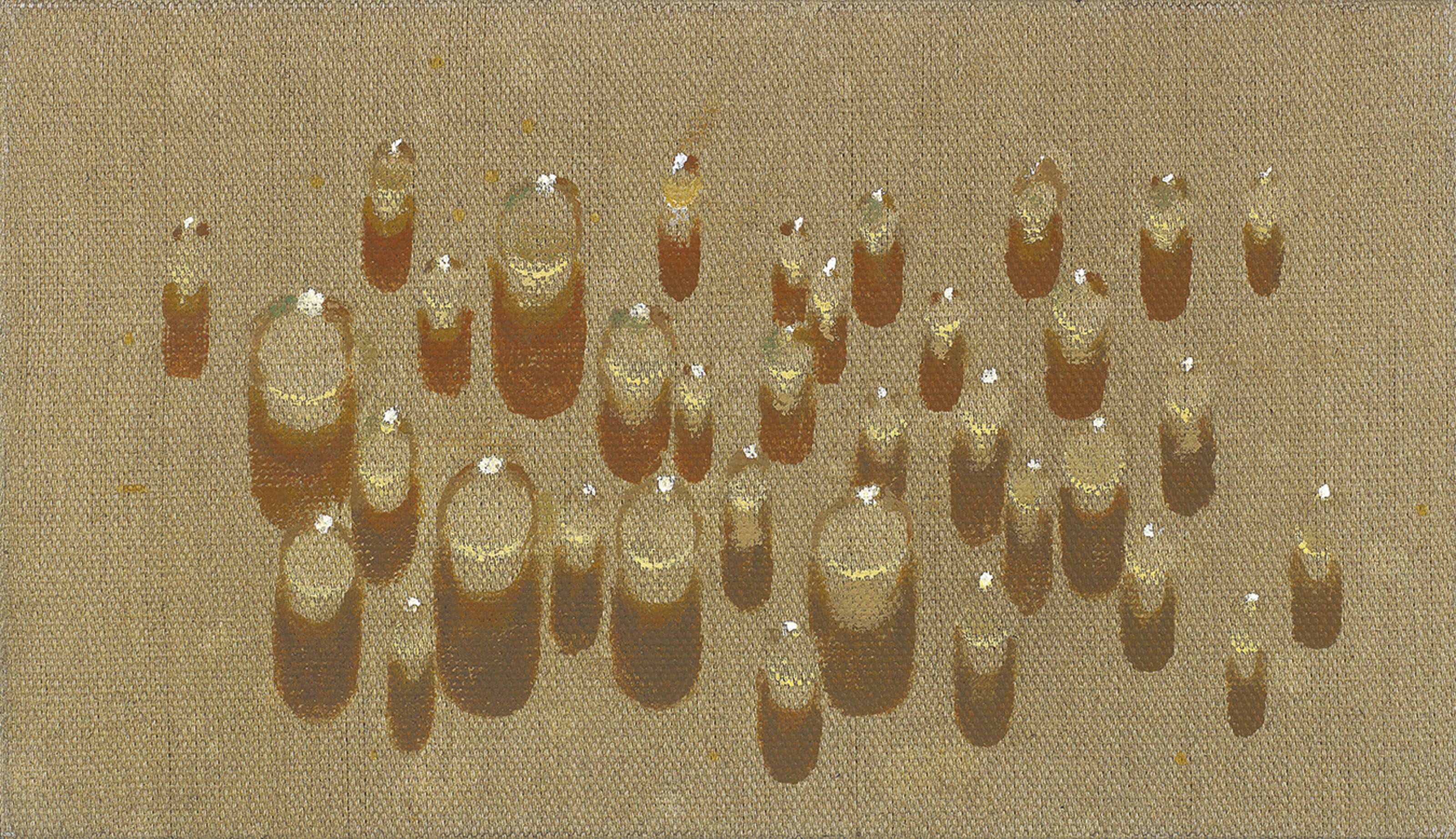
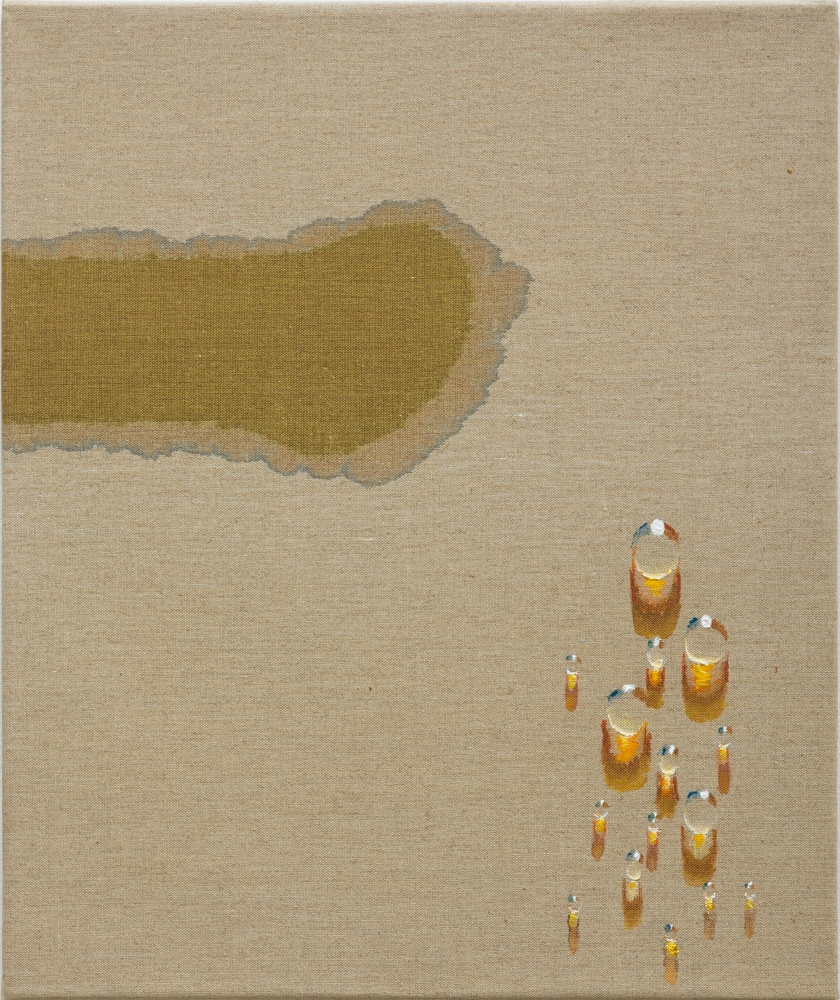
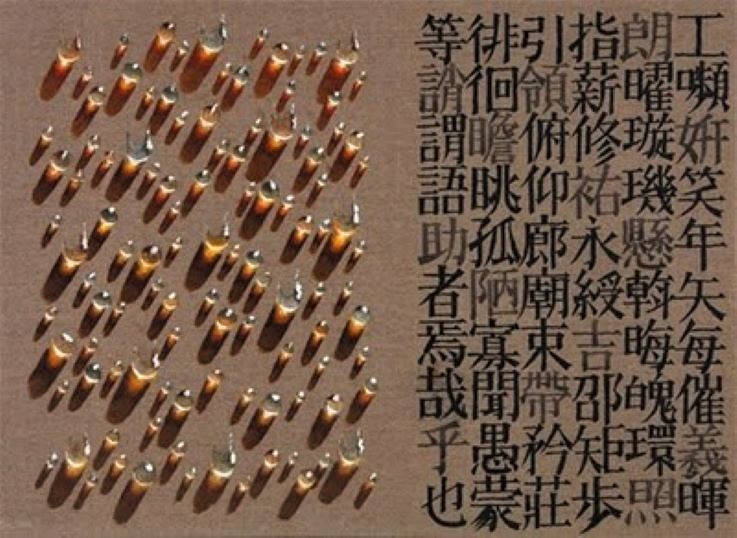
Sunday Evening Art Gallery — Kim Tschang-Yeul

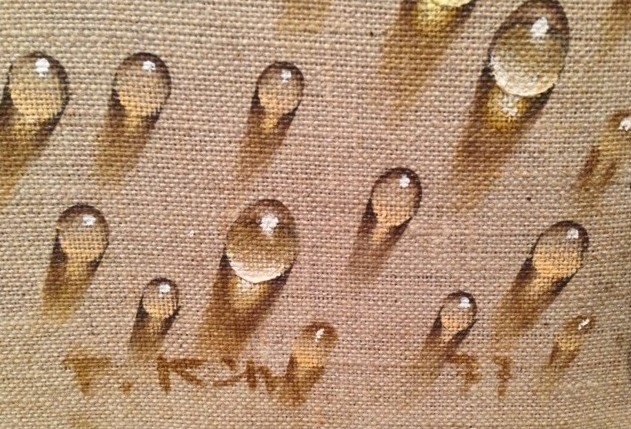
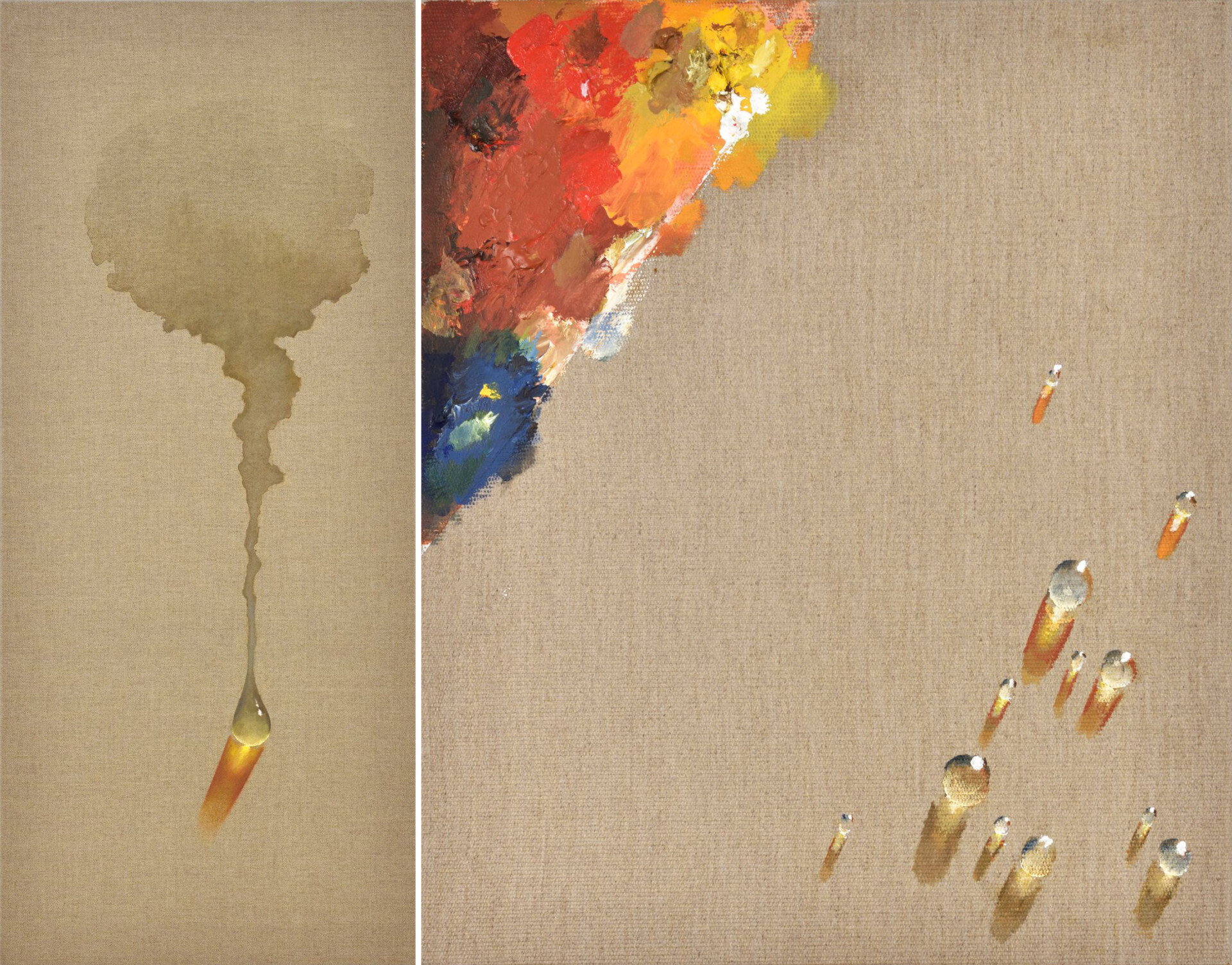
 Kim Tschang-Yeul’s most well-known paintings, in which droplets of water appear to protrude from monochromatic canvases, are in fact optical illusions, melding abstraction and figuration. Born in 1929 in the north of the then unified Korea, Tschang-Yeul migrated to the south to escape the communist regime.He subsequently left for New York to pursue his artistic dreams before finally settling in Paris in 1969.There, he began to nurture, over a period of forty years, a unique motif: the drop of water.This motif stems from traditions of Eastern philosophy, acting both as a therapy for the artist’s traumatic memories and a meditation on eternity.“My water drop paintings are accomplished under the encounters of my life experiences and my plasticizing experiences,” Tschang-Yeul explains.“Each clear, impeccable water drop is in its initial state since purification, as if it is a recurrence of absolute nothingness; the water drop is also what it finally returns to.” More of Kim Tschang-Yeul’s  wonderfully unique paintings can be found at Tina Kim Gallery and Artnet. 


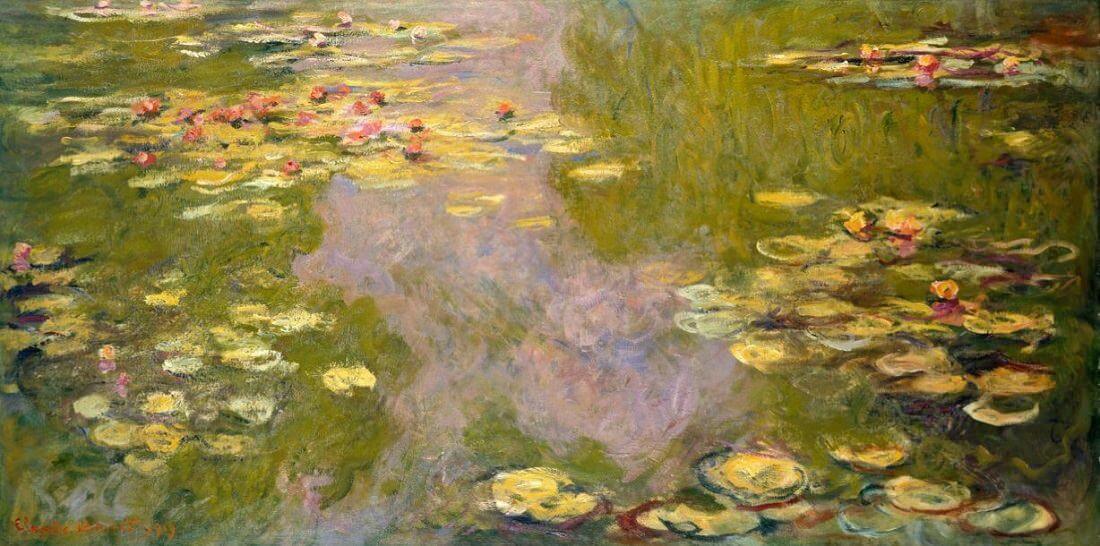
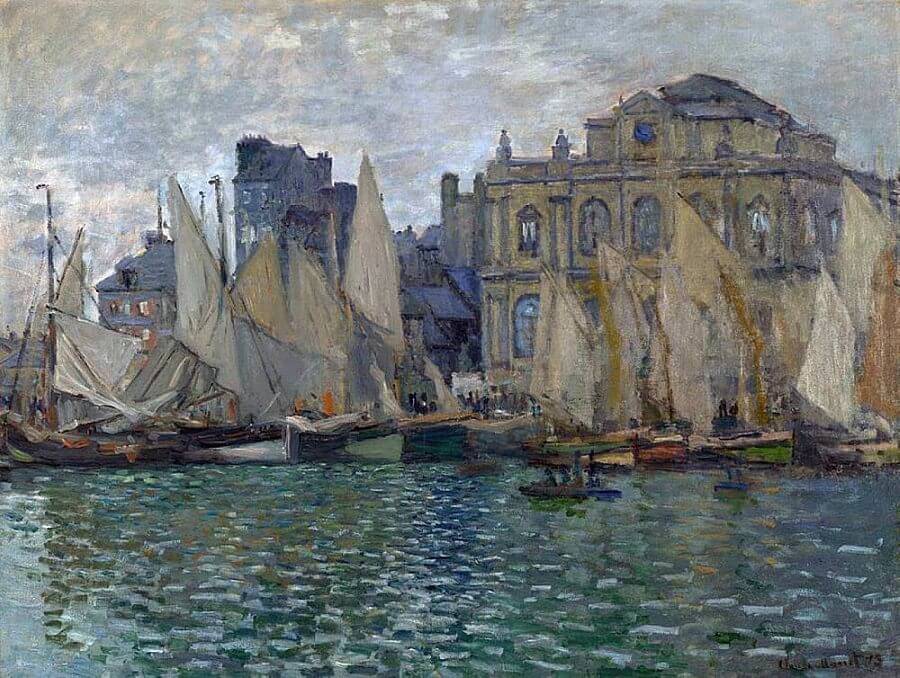
Sunday Evening Art Gallery — Oscar-Claude Monet

Oscar-Claude Monet (1840-1926), born in Paris, was raised on the Normandy coast in Le Havre, where his father sold ships’ provisions.Banks of the Seine, Vétheuil

He gained a local reputation as a caricaturist while still a teenager, and landscape painter Eugène Boudin invited the budding artist to accompany him as he painted scenes at the local beaches.Chrysanthemums

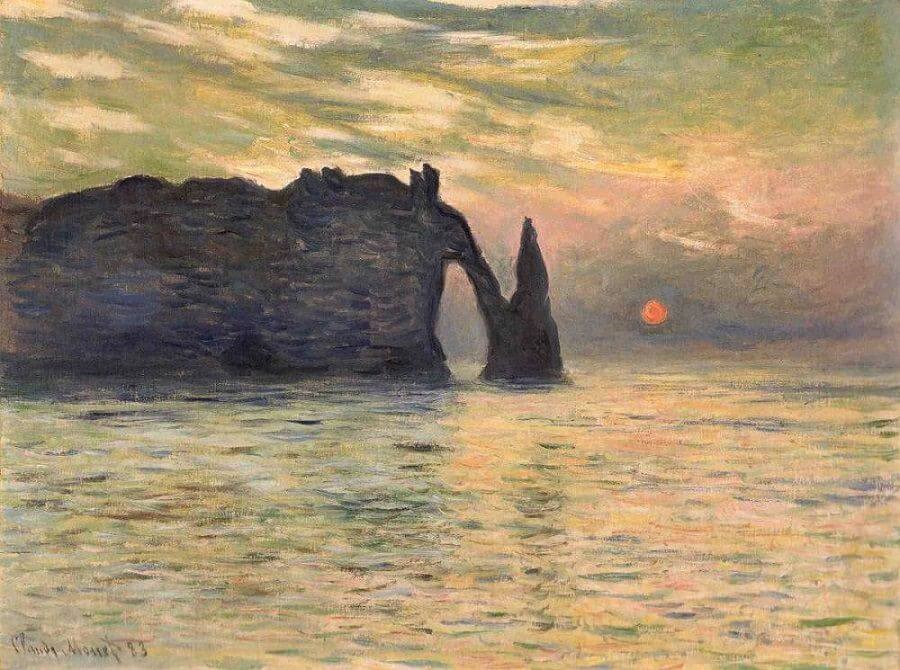
Monet went to Paris in 1862 to study painting and there befriended fellow students Auguste Renoir, Alfred Sisley, and Frédéric Bazille, who would later form the core group of the original impressionists.The Cliff-at Etretat Sunset

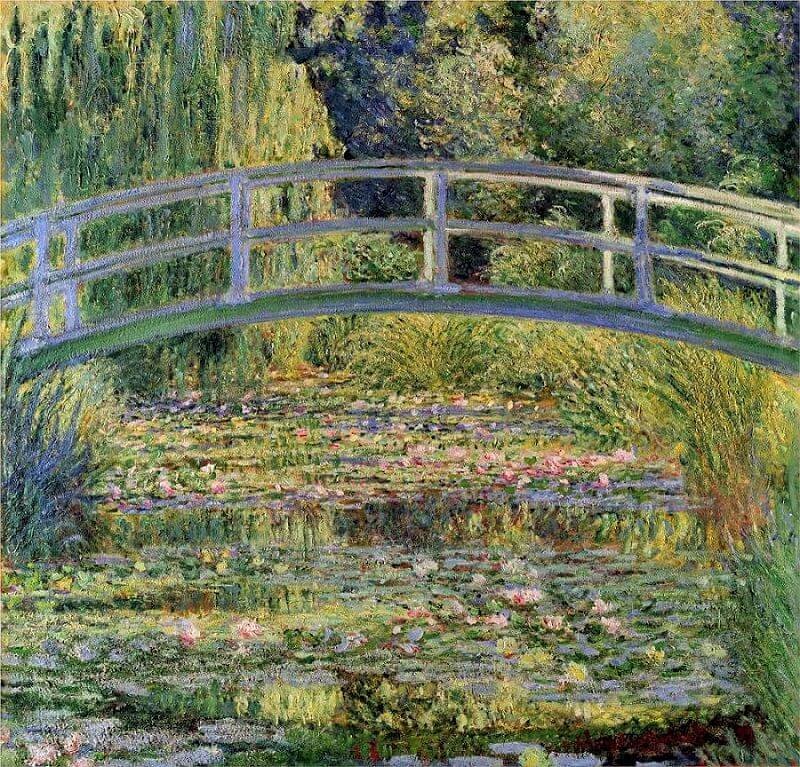
By the end of the 1860s Monet had largely abandoned ambitious, large-scale figurative painting in favor of smaller, spontaneous landscape works executed en plein air.The Water Lily Pond

Monet fled to London during the Franco-Prussian War, and in late 1871 settled at Argenteuil, a suburb just west of Paris, which soon became known as the hub of impressionist painting.Boats on the Beach at Etretat

Financial difficulties forced Monet to relocate to Vétheuil in 1878, and a few years later, in 1883, he settled in Giverny, where he would live for the rest of his life.Water Lilies

Executed outdoors, he employed seemingly spontaneous brushstrokes to capture the ever-changing effects of light and atmosphere.Woman with a Parasol

In the 1880s Monet expanded his motifs, turning his attention both to the Mediterranean and to the rugged vistas along the Normandy coast.View of Le Havre

In the 1890s he undertook a number of paintings produced in series, including pictures of poplars, grainstacks, and Rouen Cathedral; each work captured a specific atmospheric effect and time of day..Haystack

More of Claude Monet‘s magical paintings can be found at https://www.claudemonetgallery.org/ and https://www.claude-monet.com/.


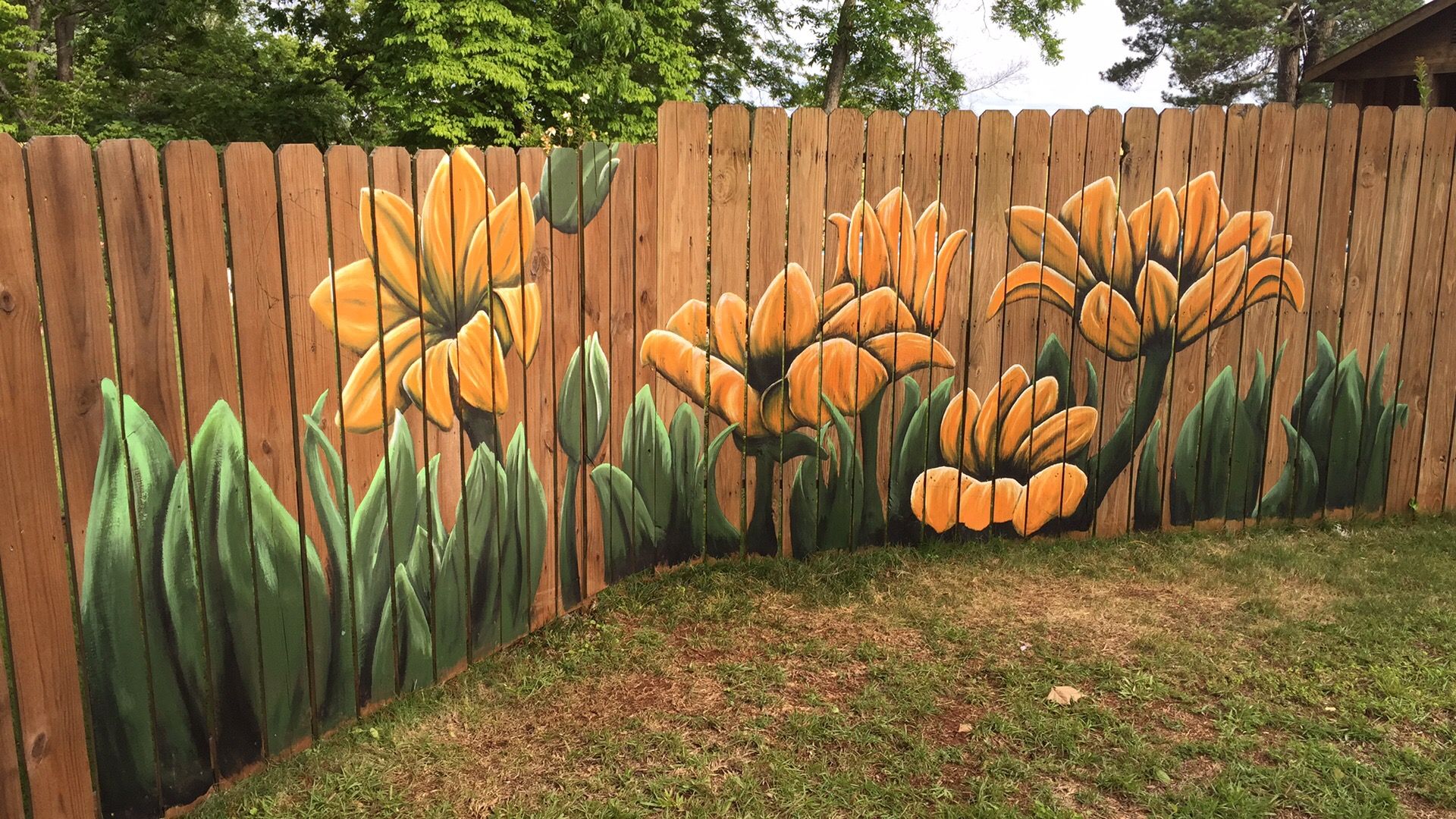
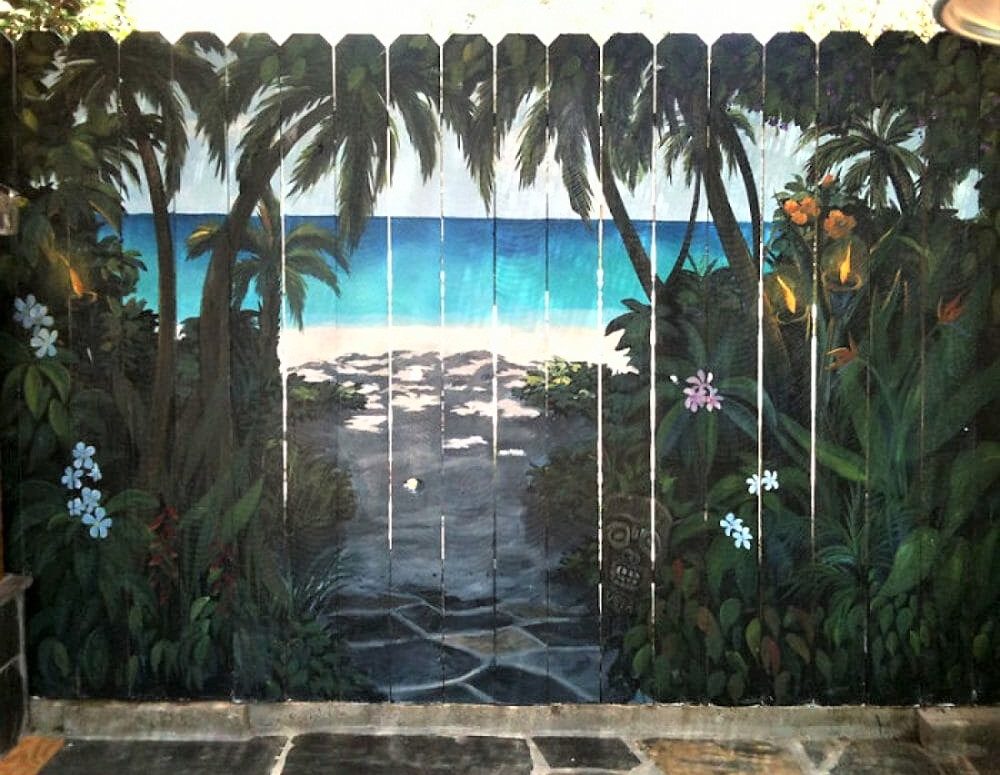
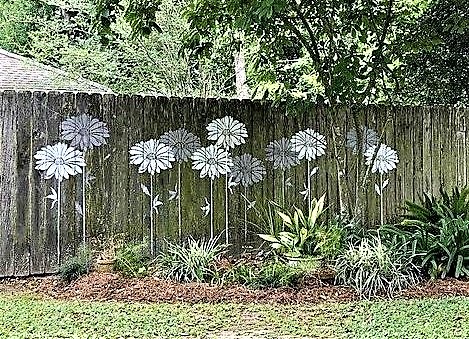
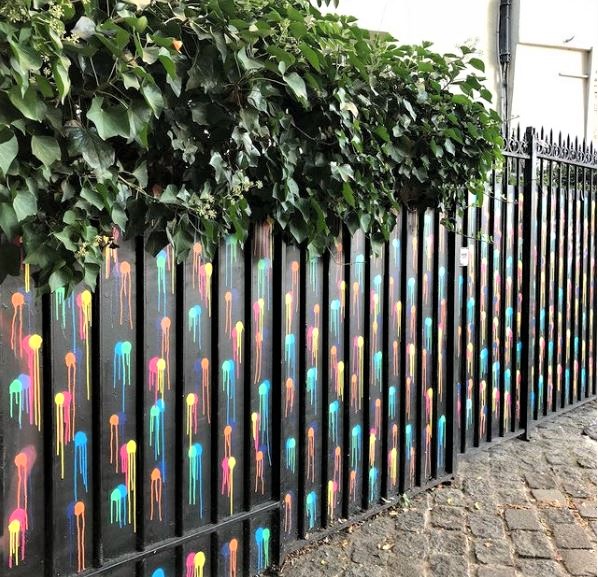
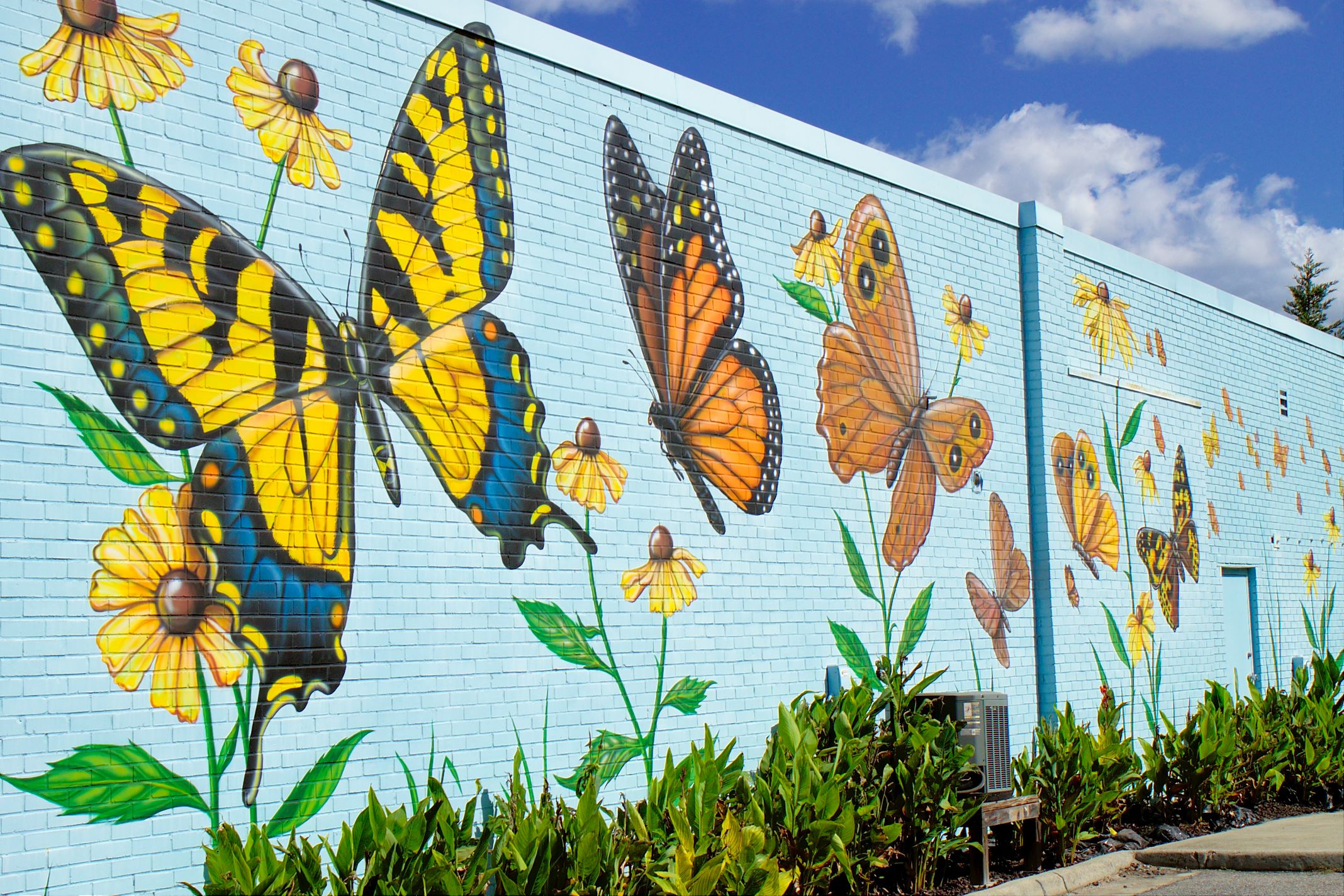
Sunday Evening Art Gallery — Fence Murals

Without atmosphere a painting is nothing.
~ Rembrandt Harmenszoon Van Rijn


Sunday Evening Art Gallery — Salman Khoshroo

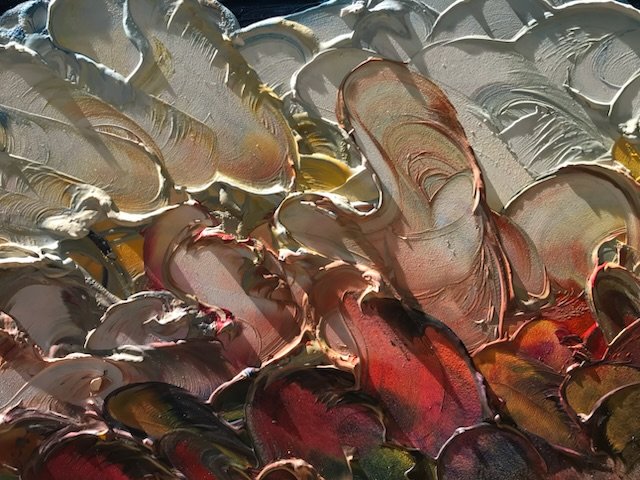
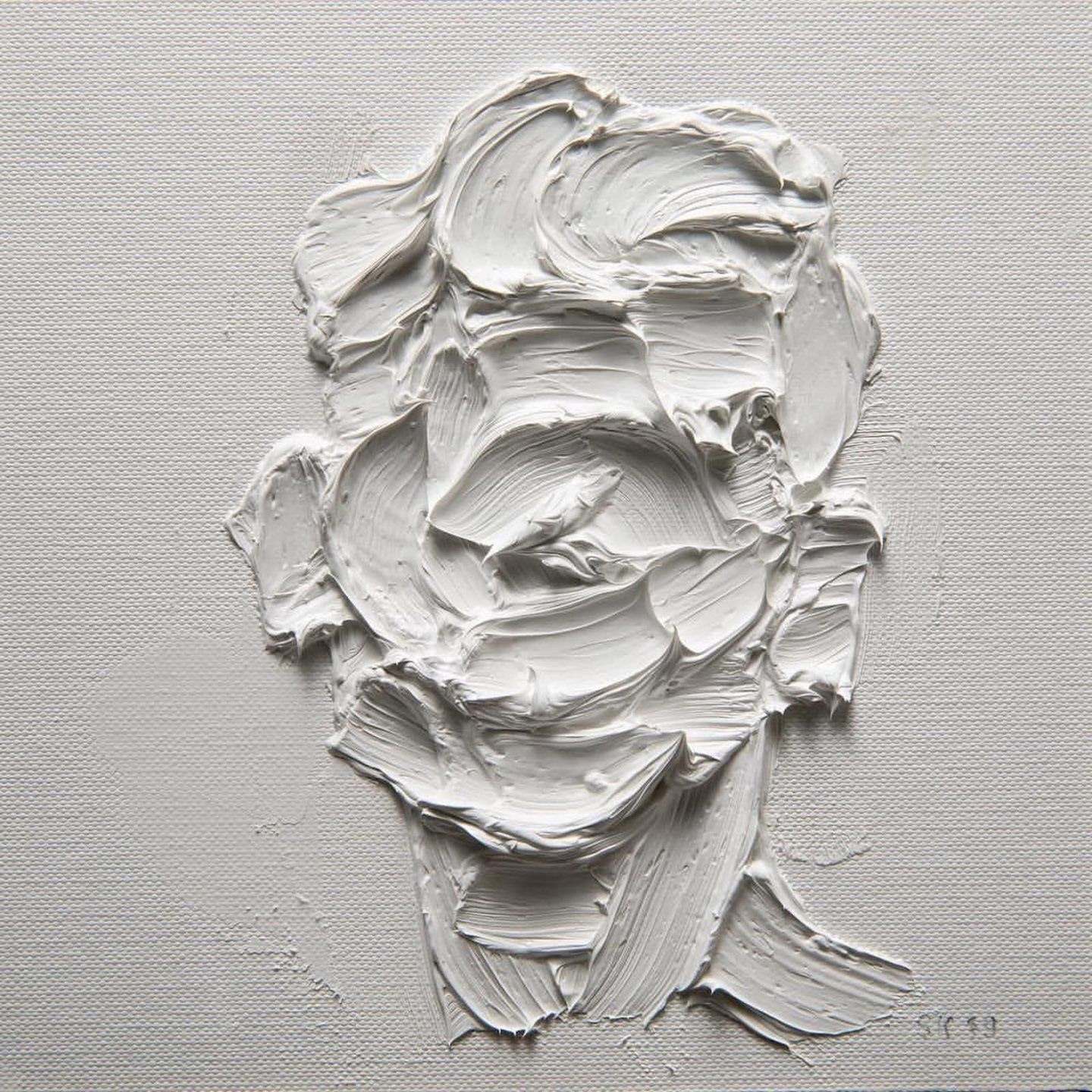
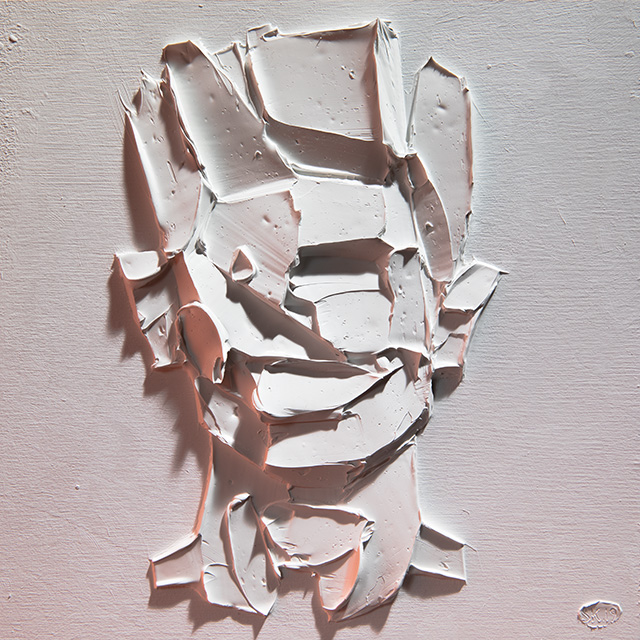
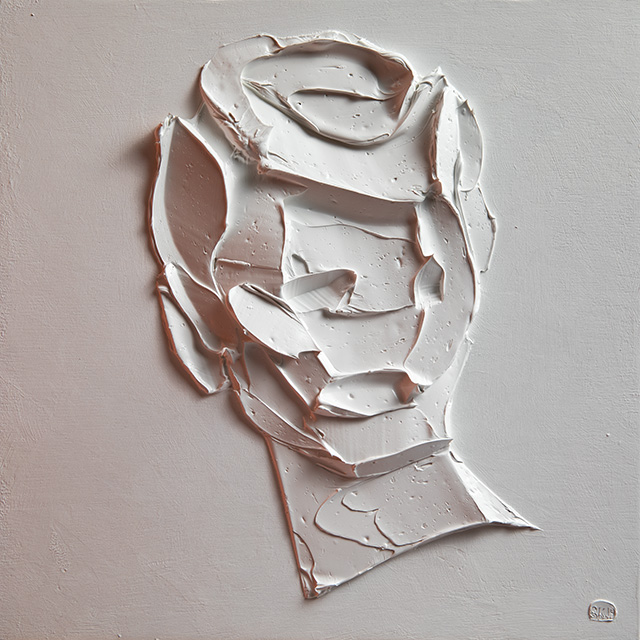
Iranian painter Salman Khoshroo uses a palette knife and sizable layers of paint to create the emotive portraits in his recent series, “White on White.”In contrast to his previous work that relied on swirling reds, blues, and yellows, Khoshroo’s latest impasto pieces are monochromatic.Starting with a hunk of paint, the artist then forms the portrait’s outline before shaping the rest of the face that lacks distinct physical features.Viewers can follow his creative process step-by-step by looking at the edges of each stroke.Khoshroo hopes to capture a human spark with minimal intervention and create portraits of people that make you feel something, people you didn’t even know you were looking for.Painted with a single pigment in a sandbox method, these faces are the result of taking a chunk of paint and molding it.It is amazing that one can see so many features in such few movements.

More of Salman Khoshroo‘s diverse art can be found at http://salmankhoshroo.com/ and https://www.ignant.com/2019/12/30/a-portrait-of-anonymity-salman-khoshroo-molds-emotive-faces-from-smeared-paint/


Sunday Evening Art Gallery — Viktor Mikhailovich Zundalev


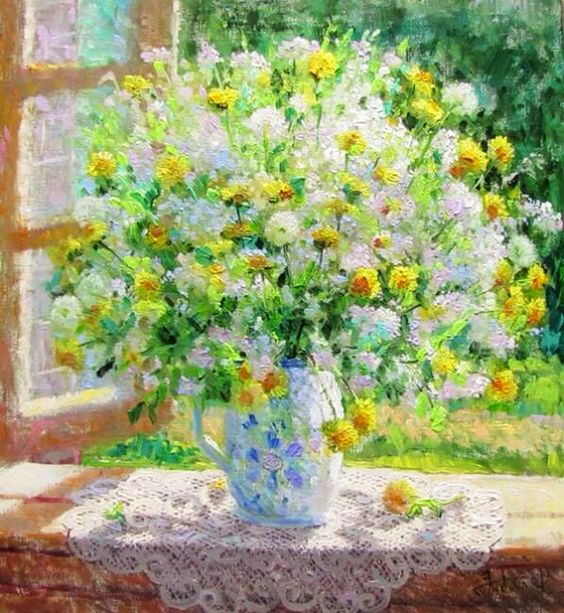
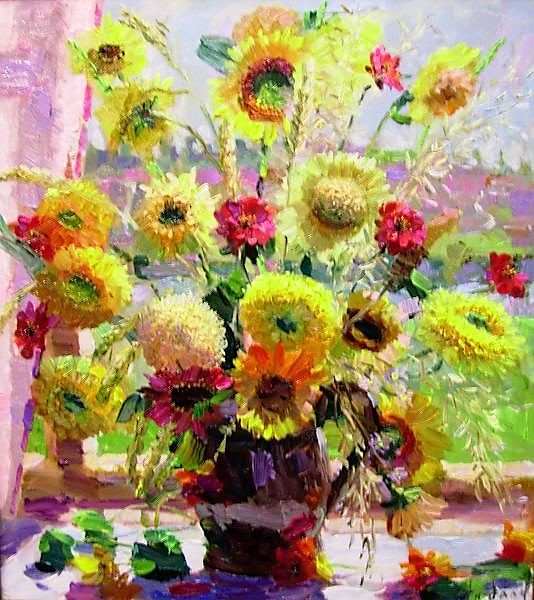
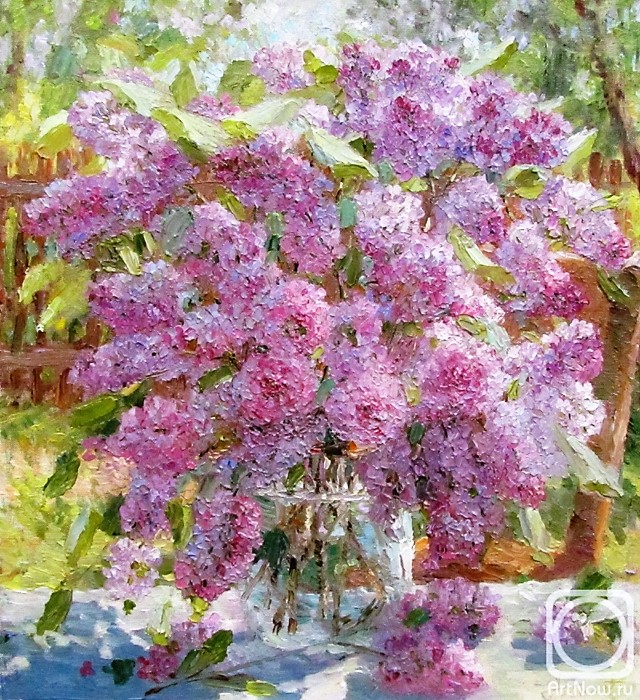
Mikhailovich Zundalev is one of those artists that have very little personal information online, yet whose paintings bring a warm, fresh feeling to the heart.Zundalev was born in 1953 in Ryzan, Russia.After graduating from the Art School named after G. K. Wagner, Zundalev began painting colorful flower arrangements. According to his scant biography, he paints, participates in exhibitions,  and at the same time works as an artist for many years in the Art Fund of the city of Kaluga.In 1989, he was admitted to the Union of Artists of the USSR.His paintings are textured, colorful, and full of life. One can only dream of having one of his vased bouquets  in the center of their table.

Zundalev may or not be an actual painter, but his works reflect the beauty of light and scent and nature.

Viktor Mikhailovich Zundalev‘s lovely paintings can be found scattered throughout the Internet, including ArtNow .


Sunday Evening Art Gallery — Lady Pink

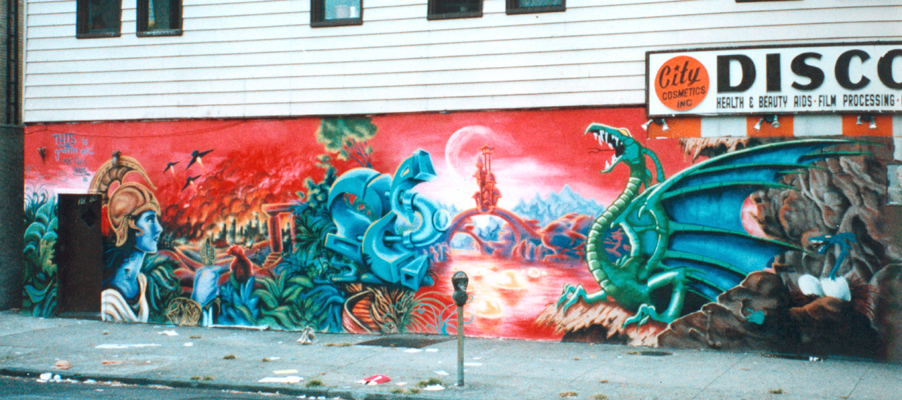
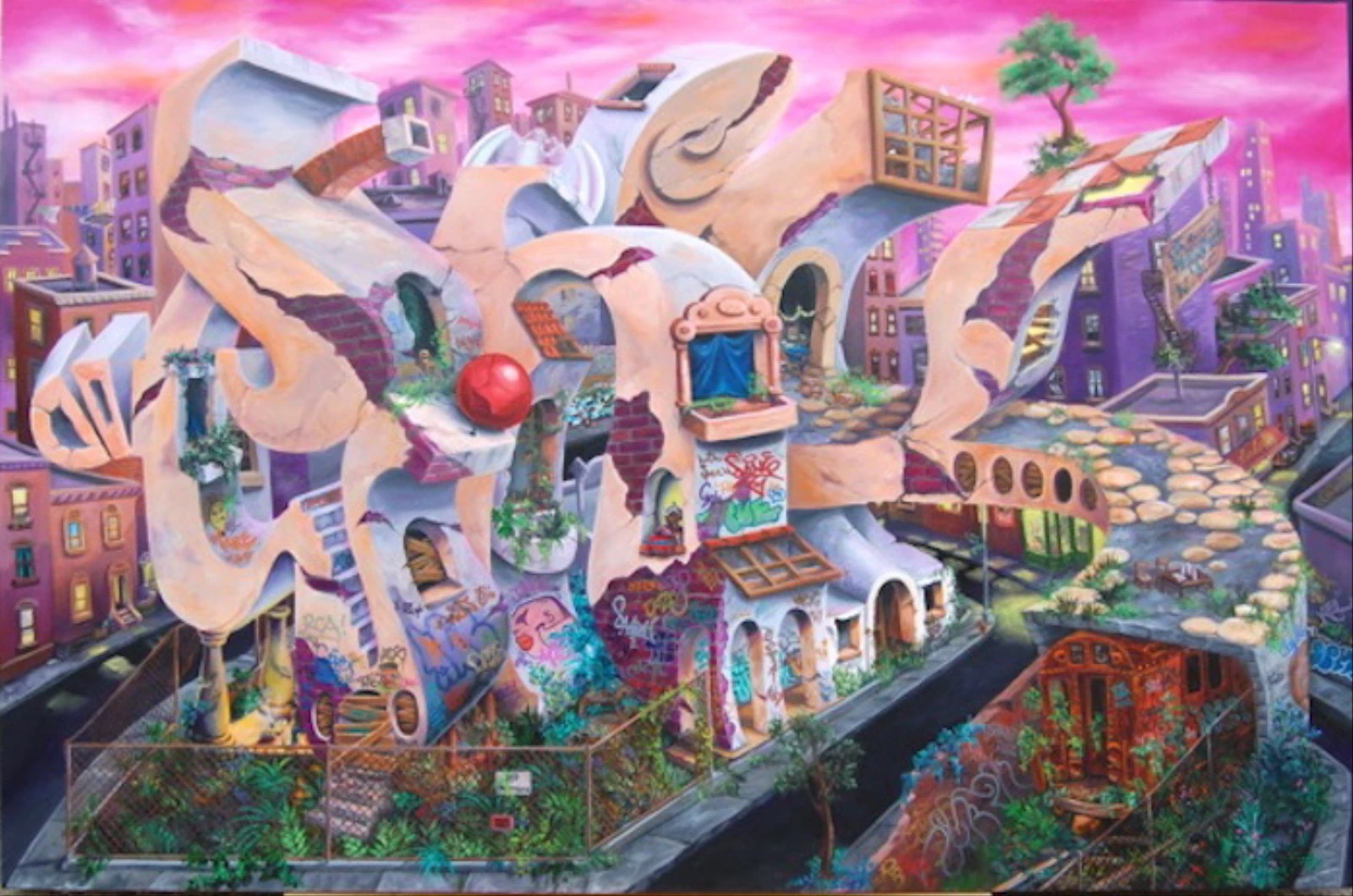
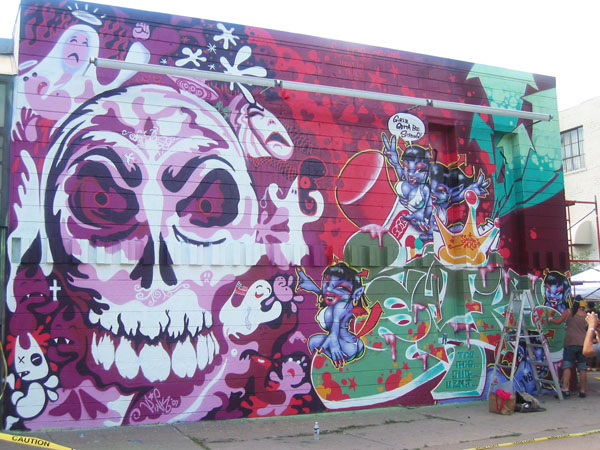
Whether portraying women as provocative street warriors in the concrete jungle or as mythical goddesses placed in surrealist environments, Lady Pink, the long-reigning queen of graffiti, consistently elevates the female figure through her murals and paintings by incorporating themes of fantasy, spiritualism, her South American heritage, and indigenous iconography.Lady Pink was born Sandra Fabara in Ecuador in 1964 and raised in New York City.She started making graffiti at the age of 15 and quickly became well known as the only prominent female in the graffiti subculture.Pink’s beginning focus was on painting subway trains.She had first solo exhibition at 21 and her paintings are included in important collections like the MET, The Whitney Museum, The Museum of the City of N.Y. and others.Pink has gone great lengths to fight for equality, justice, and women’s rights.She expresses her private opinion to public work, without any censors, although she never reveals the idea in fullness.She cleverly states out what is important, and warmly put her artwork open to interpretation.Pink’s  tradition is to practice mindfulness and to be as sensible as possible to the community.“Art is about a binary relationship, and the audience is free to make assumptions and interpretations as they like,” she says about her work.More of Lady Pink‘s murals and paintings can be found at https://www.ladypinknyc.com/.


Sunday Evening Art Gallery — Robert Walker


Color Color Color is the first thing you notice in Robert Walker’s paintings.

Wizard Power


Bright, bursting, symmetrical color.

Osebac


Robert Walker is a Los Angeles based artist and art historian.

Ten Speeder


Walker taught art history at the college level for 25 years and has lectured at universities in both the US, Japan and Thailand and numerous museums in Southern California.

E-maze II


During his 45 year practice he has fabricated paintings and sculpture that reveal his deep interest in Eastern religions and practices.

Rachguine


A common theme is the bold use of color and patterns, inspired by the Buddhist mandala tradition; the effect is colorful, expressive and almost hypnotic.

Awiroh


Walker’s paintings often have a sculptural element, using the materiality of paint to create bas-relief areas across the canvas.

Captcha III


You can feel the Eastern influence in all of his work if you only look.

Maieutic


More of Robert Walker‘s colorful art can be found at http://www.robertwalkerstudio.com/.


Sunday Evening Art Gallery — Erin Hanson


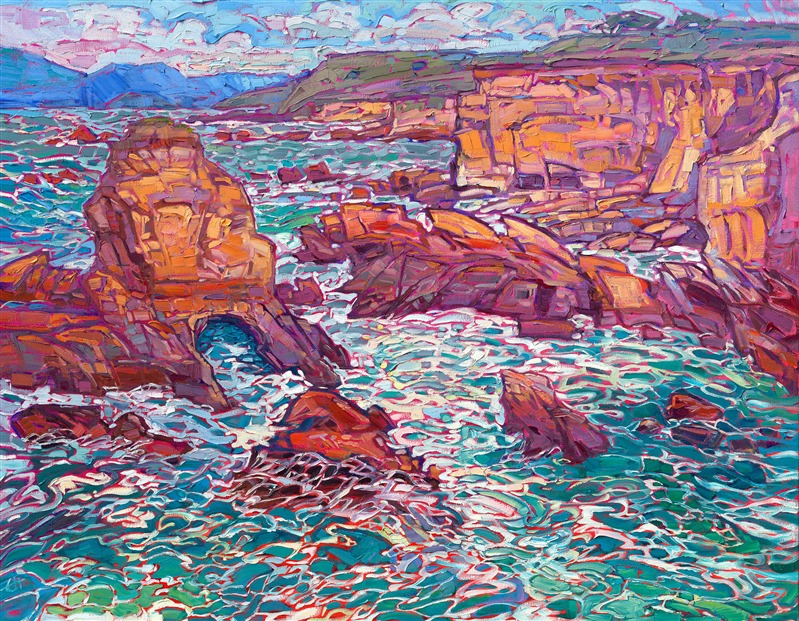
Combining the emotional resonance of 19th-century Impressionists with the lavish color palette of Expressionism, Erin Hanson’s unique style has come to be known as “Open Impressionism.”Erin Hanson began painting as a young girl, voraciously learning oils, acrylics, watercolor, pen and ink, pastels, and life drawing from accomplished art instructors. She began commissioning paintings at age ten, and by age twelve, she was employed after school by a mural studio, learning the techniques of acrylics on the grand scale of forty-foot canvases. Graduating high school at age sixteen and once again demonstrating that she was a child prodigy, Hanson next attended UC Berkeley, excelling further in her studies and creative development and attaining a degree in Bioengineering.Two years later, a high school scholarship took her to Otis College of Art, where she immersed herself in figure drawing.After graduating from college, Hanson entered the art trade as a professional, inspired by landscapes and vantage points only beheld by the most adventurous.For the past decade Hanson has been developing a unique, minimalist technique of placing impasto paint strokes without layering, which has become known as “Open-Impressionism.”Her passion for natural beauty is seen in her work as she transforms vistas familiar and rare into stunning interpretations of bold color, playful rhythms and raw emotional impact. “I am not trying to re-create a photograph, I am trying to get my viewers to open their eyes and see their world a little differently,” Hanson said.More of Erin Hanson’s imaginative paintings can be found at https://www.erinhanson.com/.


Sunday Evening Art Gallery — Wawiriya Burton

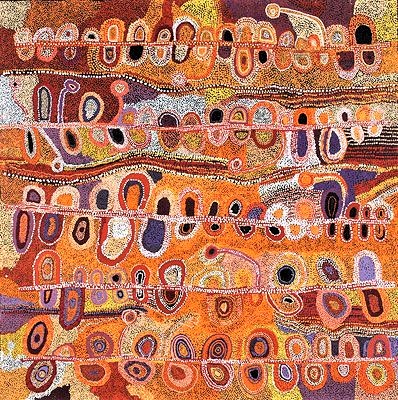
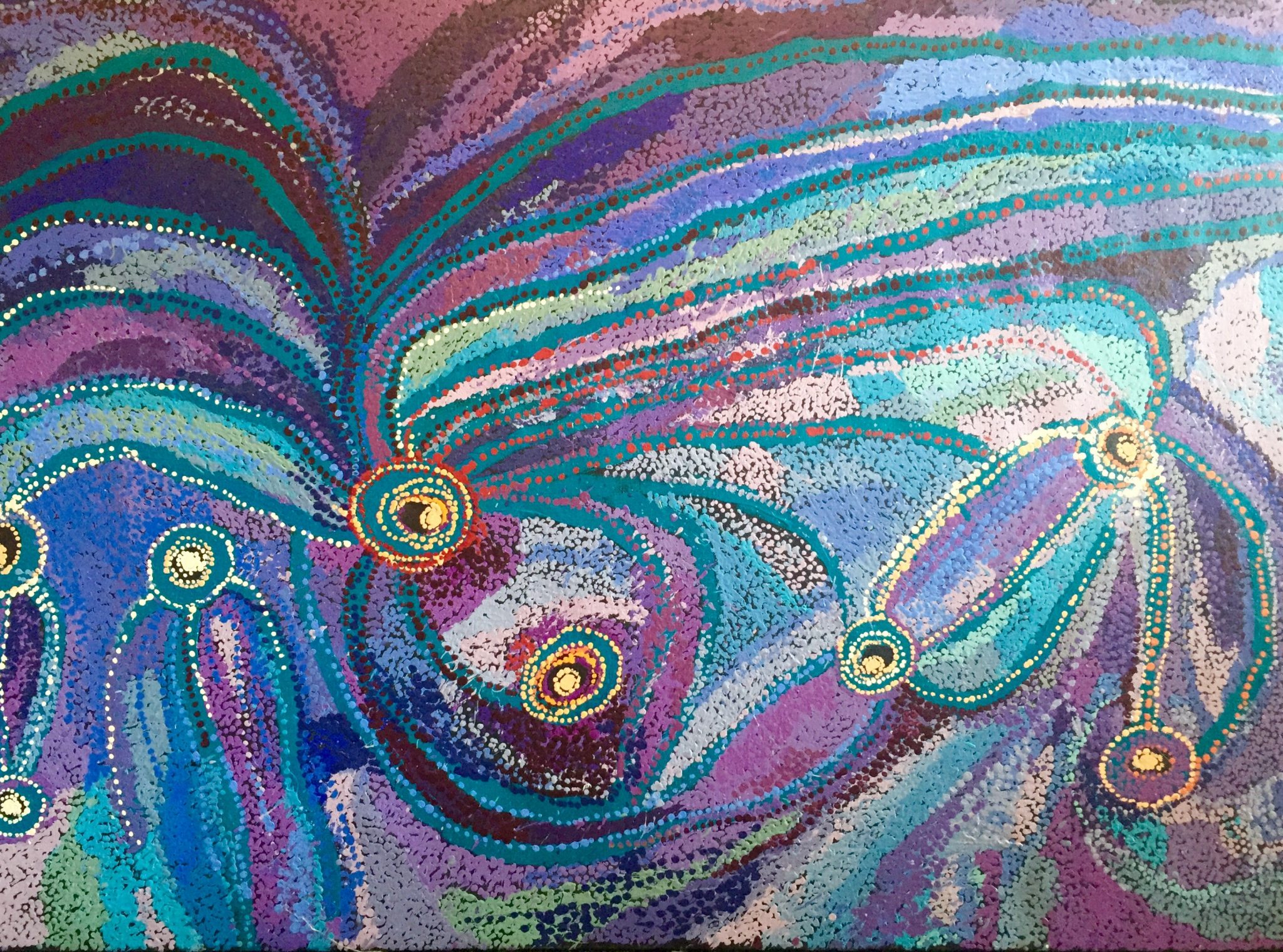
Wawiriya Burton is an Australian Aboriginal artist known for her acrylic paintings.

Burton belongs to the Pitjantjatjara, an Aboringinal people of the Central Australian desert near Uluru.She was born in outback central Australia sometime during the 1920s, and grew up living a traditional, nomadic way of life.

She originally specialized in baskets and punu (wood carvings) from spinifex (a  perennial coastal plant) at the Tjala Arts Centre in Southern Australia in 2008, but later learned to paint from other women.

Her paintings are representations of sacred stories from the Dreamtime.Like other Aboriginal artists, the representations are blurred (or encrypted) for cultural reasons.The full meaning of her artworks can only be understood or deciphered by people who have been initiated.Burton is a ngangkaṟi (traditional healer), so she has more knowledge about sacred traditions than most in her community.

More of Wawiriya Burton‘s soul filled paintings can be found at Wikipedia and Aboriginal Signature.


Repost — The Endeavourers’ Reveal Day, August 2021 — Opposite Day — Deep in the Heart of Textiles

Another amazingly creative Artist! I love her work! Go check out how she did this!


Once a quarter I make an art quilt for an online group, The Endeavourers.  This time the theme was “Opposites Attract.” I had a very hard time coming up with anything, but finally I remembered the fun of having “Opposite Day” when my kids were little — eating dinner for breakfast (starting with dessert), wearing […]

The Endeavourers’ Reveal Day, August 2021 — Opposite Day — Deep in the Heart of Textiles


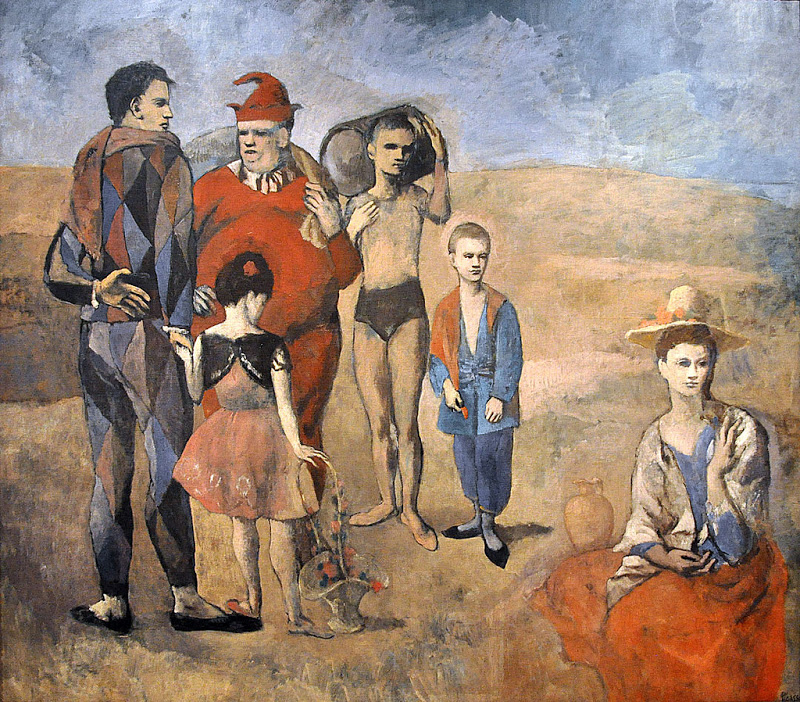
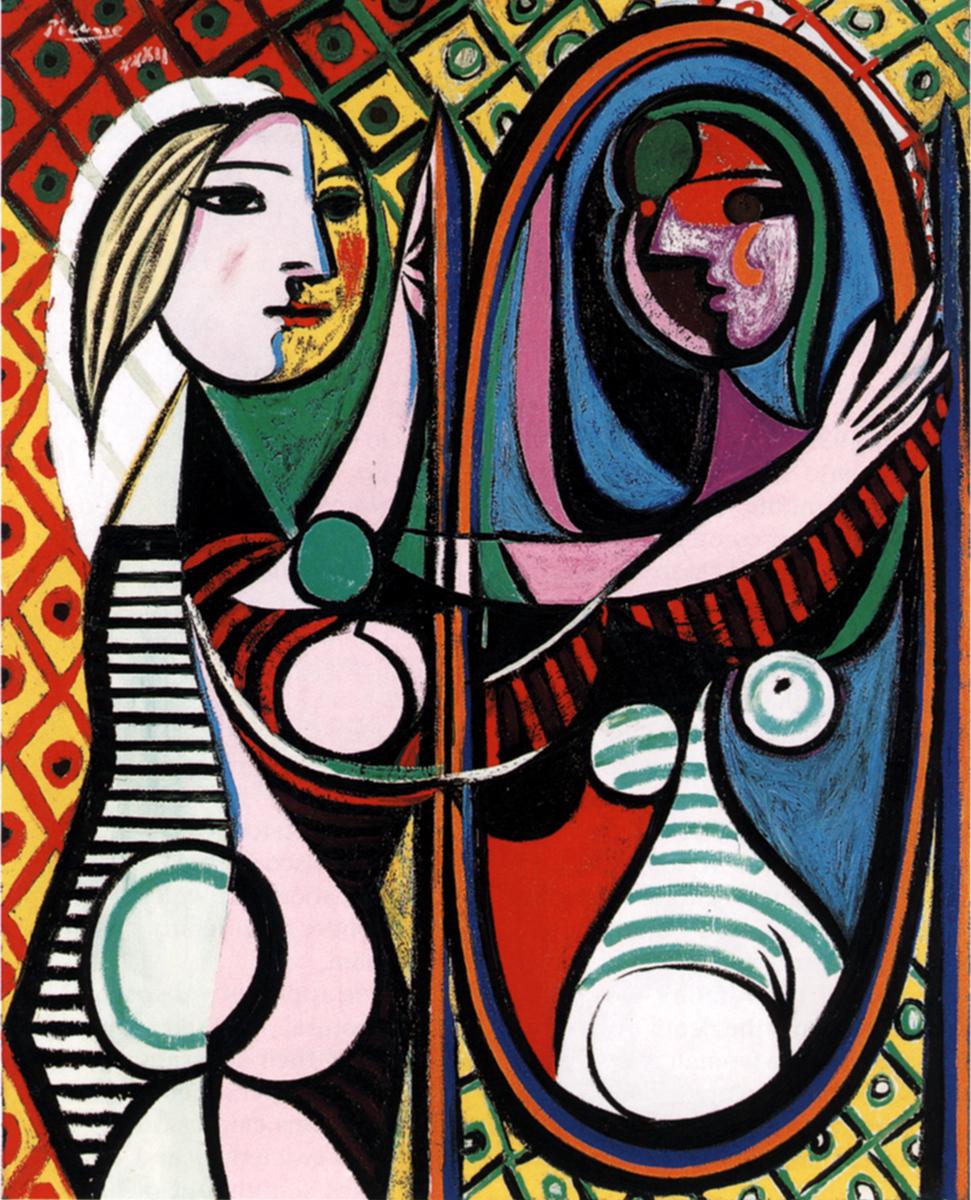
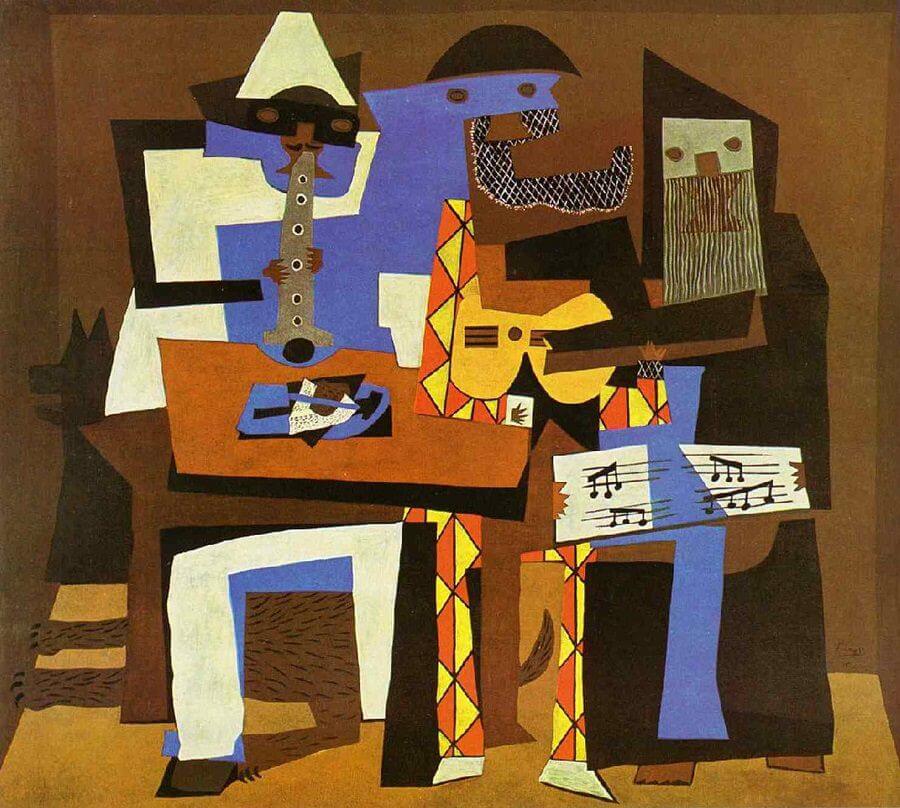
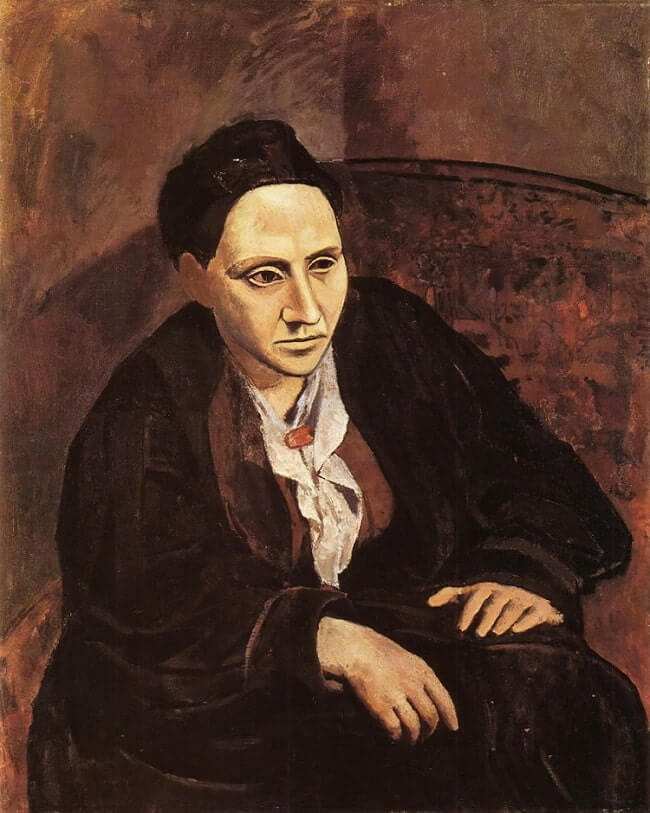
Sunday Evening Art Gallery — Pablo Picasso

Pablo Ruiz Picasso (1881 – 1973) was a Spanish painter, sculptor, printmaker, ceramicist, and theatre designer who spent most of his adult life in France.

The Old Guitarist


Regarded as one of the most influential artists of the 20th century, he is known for co-founding the Cubist movement, the invention of constructed sculpture, the co-invention of collage, and for the wide variety of styles that he helped develop and explore.

Guernica


Picasso demonstrated extraordinary artistic talent in his early years, painting in a naturalistic manner through his childhood and adolescence.

Family of Saltimbanques


During the first decade of the 20th century, his style changed as he experimented with different theories, techniques, and ideas.

Girl before a Mirror


After 1906, the Fauvist work of the slightly older artist Henri Matisse motivated Picasso to explore more radical styles, beginning a fruitful rivalry between the two artists, who subsequently were often paired by critics as the leaders of modern art.

Three Musicians


Much of Picasso’s work of the late 1910s and early 1920s is in a neoclassical style, and his work in the mid-1920s often has characteristics of Surrealism.

Gertrude Stein


His later work often combines elements of his earlier styles.

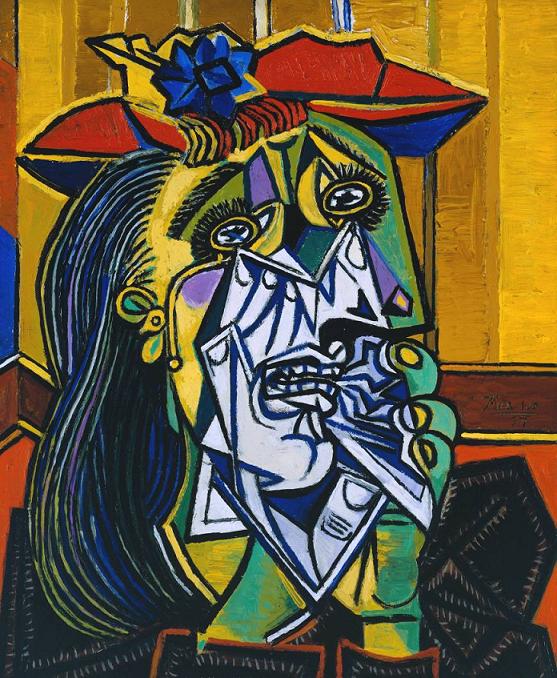
The Weeping Woman


Exceptionally prolific throughout the course of his long life, Picasso achieved universal renown and immense fortune for his revolutionary artistic accomplishments, and became one of the best-known figures in 20th-century art.

Picasso Statue, Chicago


More of Pablo Picasso’s wonderful art can be found at https://www.pablopicasso.org/ and http://www.picasso.com/.

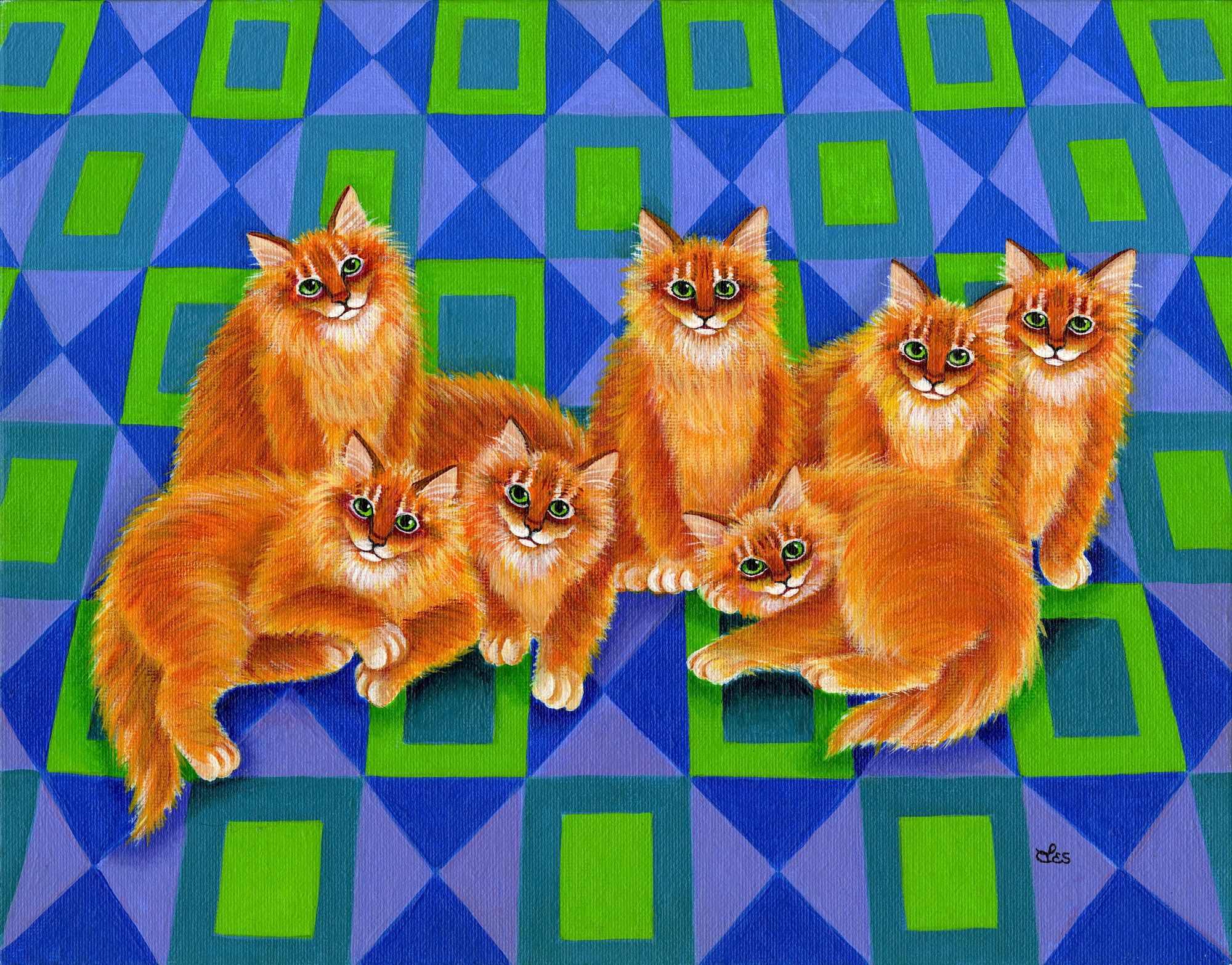
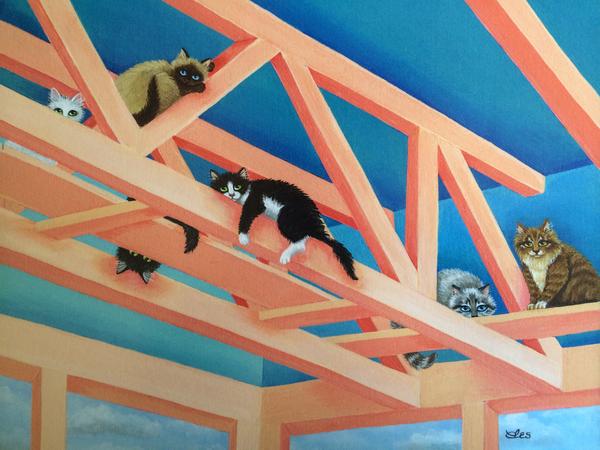
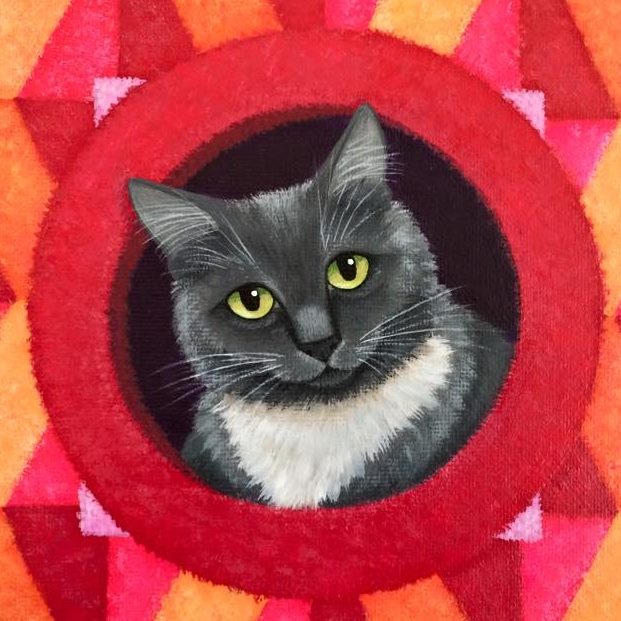
Sunday Evening Art Gallery — Leslie Cobb

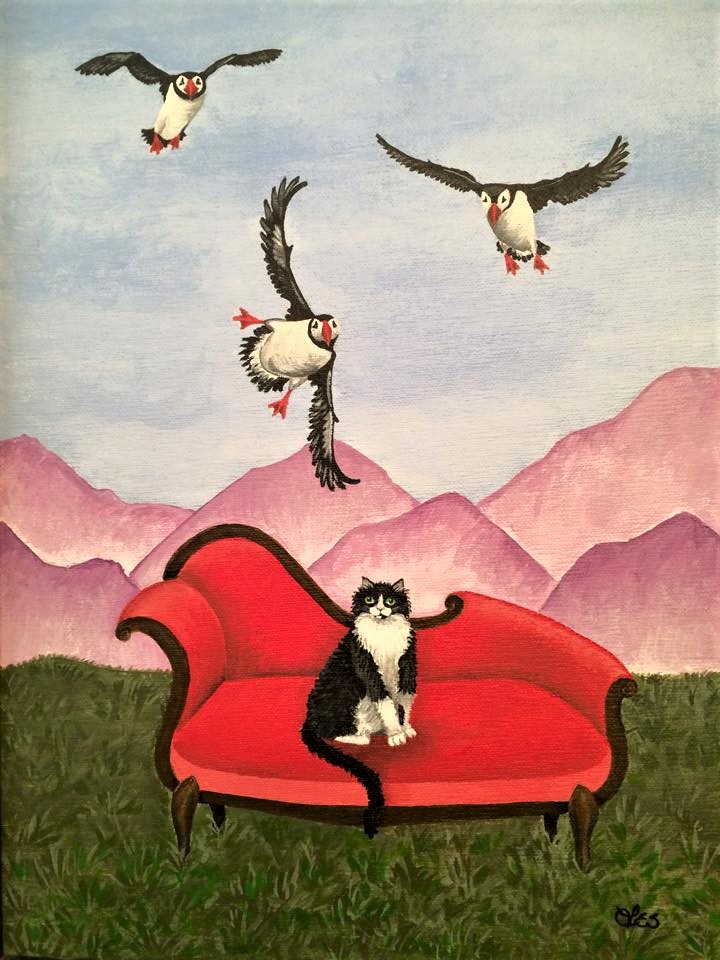
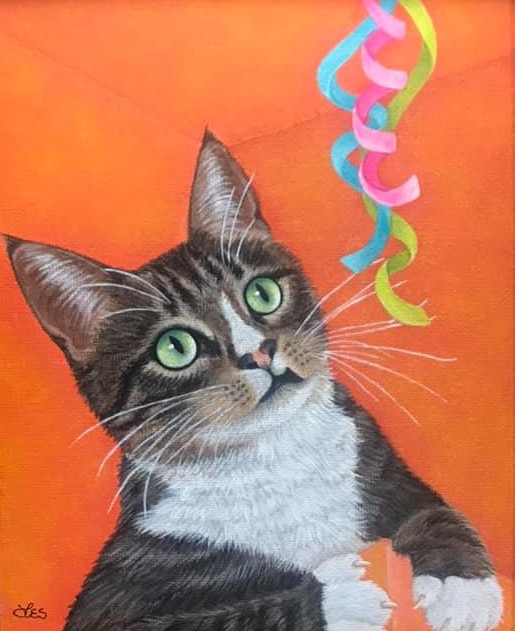
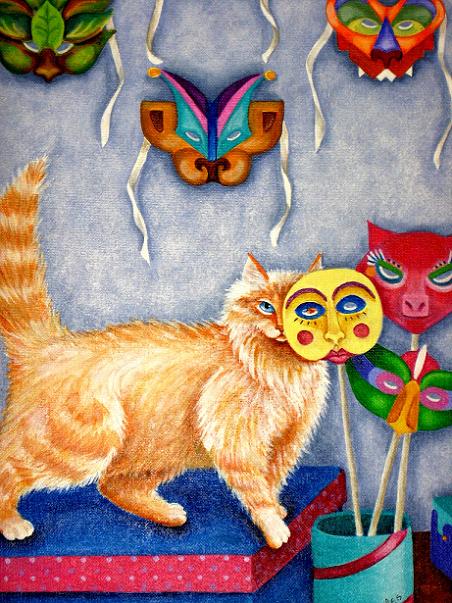
Leslie Cobb has shared her life with cats since she was a child and cannot imagine living without them.

Cobb tries to capture their unique qualities in her art.She uses acrylic paint because it washes easily out of cat fur when some of her models choose to take a more active role in the artistic process.Cobb is mostly self-taught; her formal training  limited to high school art classes and a couple of drawing courses at a community college.She began painting in 1998 after the death of her one-eyed cat, Esmeralda.The two had been together for 19 years; Cobb’s early paintings were an effort to honor her memory and cope with her grief.Cobb’s work has been displayed at art galleries, craft fairs and cat shows.She is also the illustrator of “Good St. Dominic’s Cat,” a children’s book by Ed Noonan, and her art appears on the covers of the Crazy Cat Lady mystery series of books by Mollie Hunt.

More of Leslie Cobb’s wonderful cat paintings can be found at http://www.lesliecobb.com/.


Sunday Evening Art Gallery — Albrecht Dürer

Albrecht Dürer (1471 –1528) was a German painter, printmaker, and theorist of the German Renaissance.

Praying Hands


He was a brilliant painter, draftsman, and writer, though his first and probably greatest artistic impact was in the medium of printmaking.

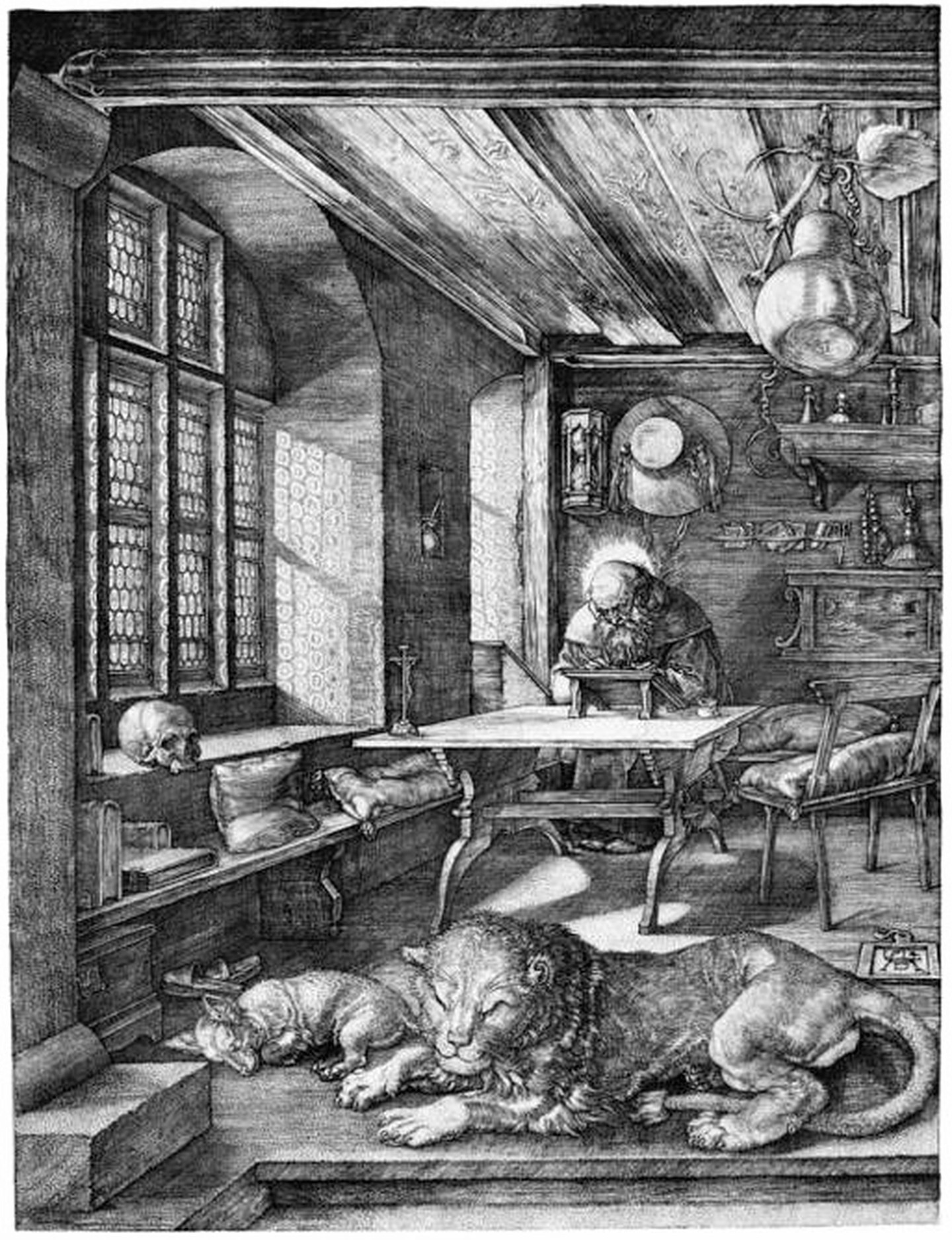
Saint Jerome in his Study


Born in Nuremberg, Dürer established his reputation and influence across Europe in his twenties due to his high-quality woodcut prints.

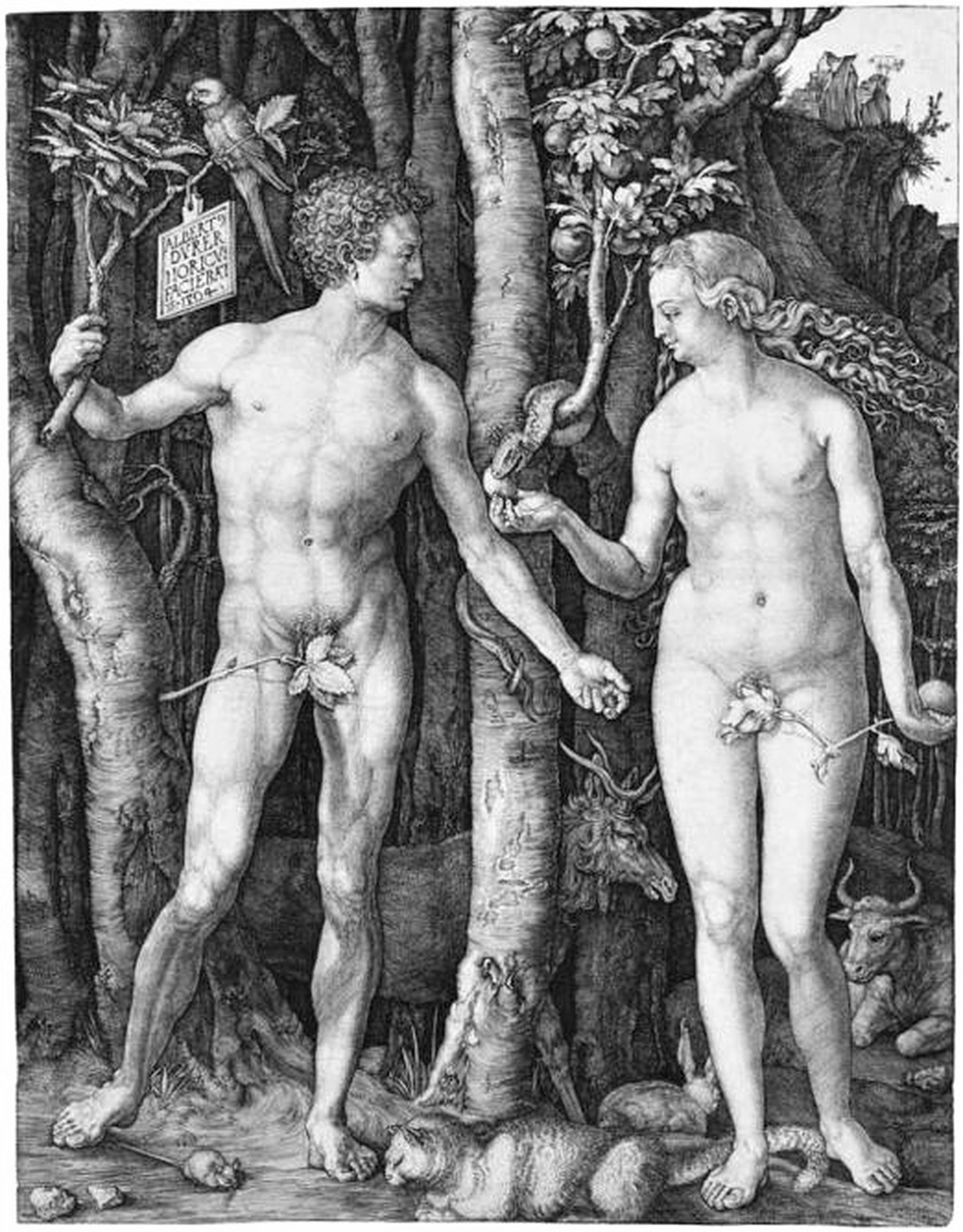
Adam and Eve


He was in contact with the major Italian artists of his time, including Raphael and Leonardo da Vinci, and from 1512 was patronized by Emperor Maximilian I.

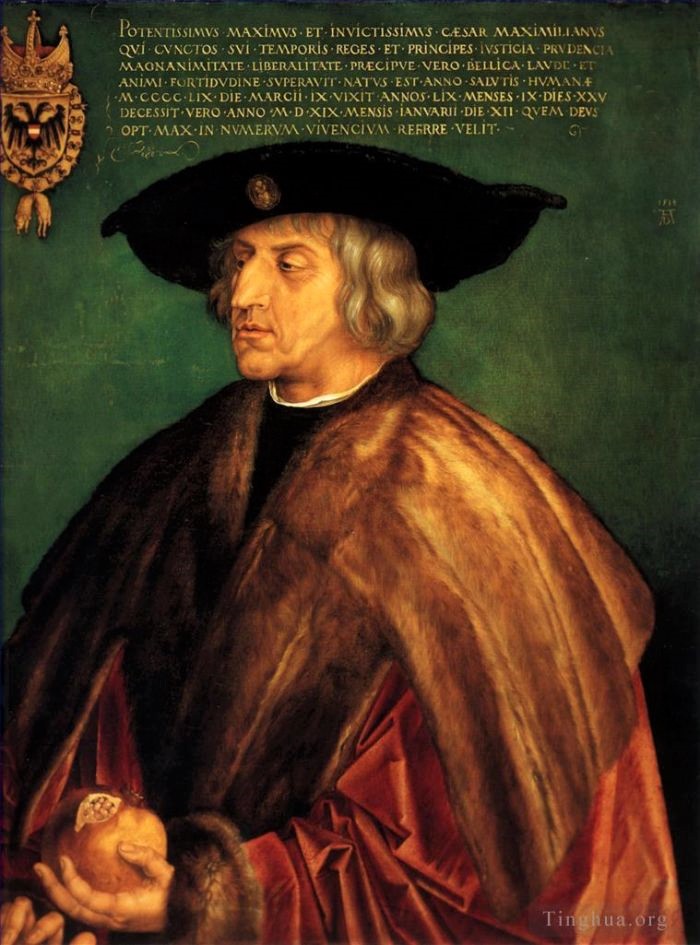
Portrait of Emperor Maximilian I


He believed that geometry was essential for producing harmonic artworks, and thus that it should be taught to all young artists, alongside other mathematical rigors.

Feast of the Rosary


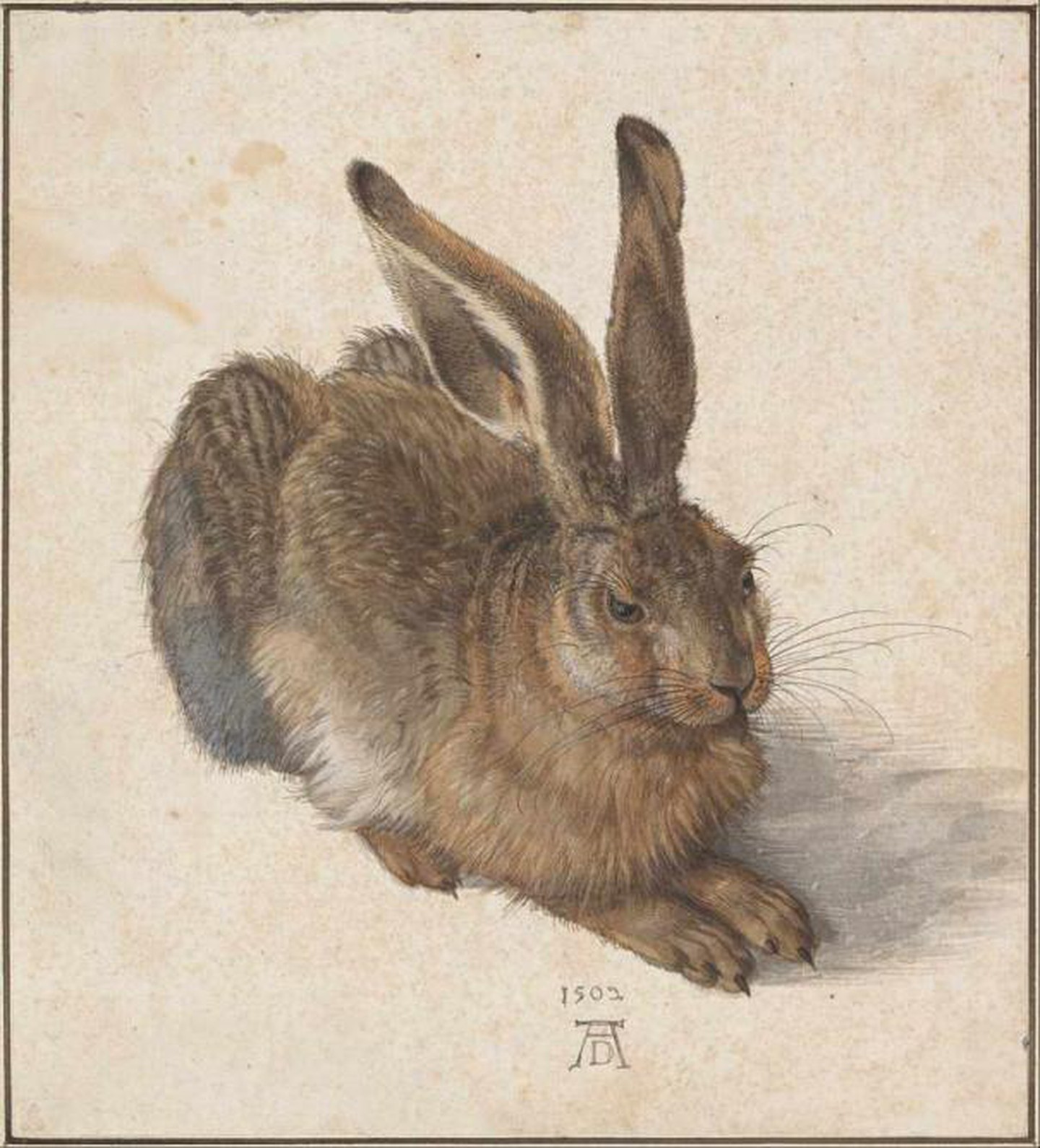
Despite his decidedly Renaissance interest in Humanism and mathematics, Dürer continued to produce extremely detailed studies of the natural world, particularly animals, be they newly discovered in Europe (such as the mythical rhinoceros and lion) or common native creatures (such as the hare, owl, or cat).

Young Hare


Dürer was well aware of his own artistic genius, which equally tortured and enlivened him.

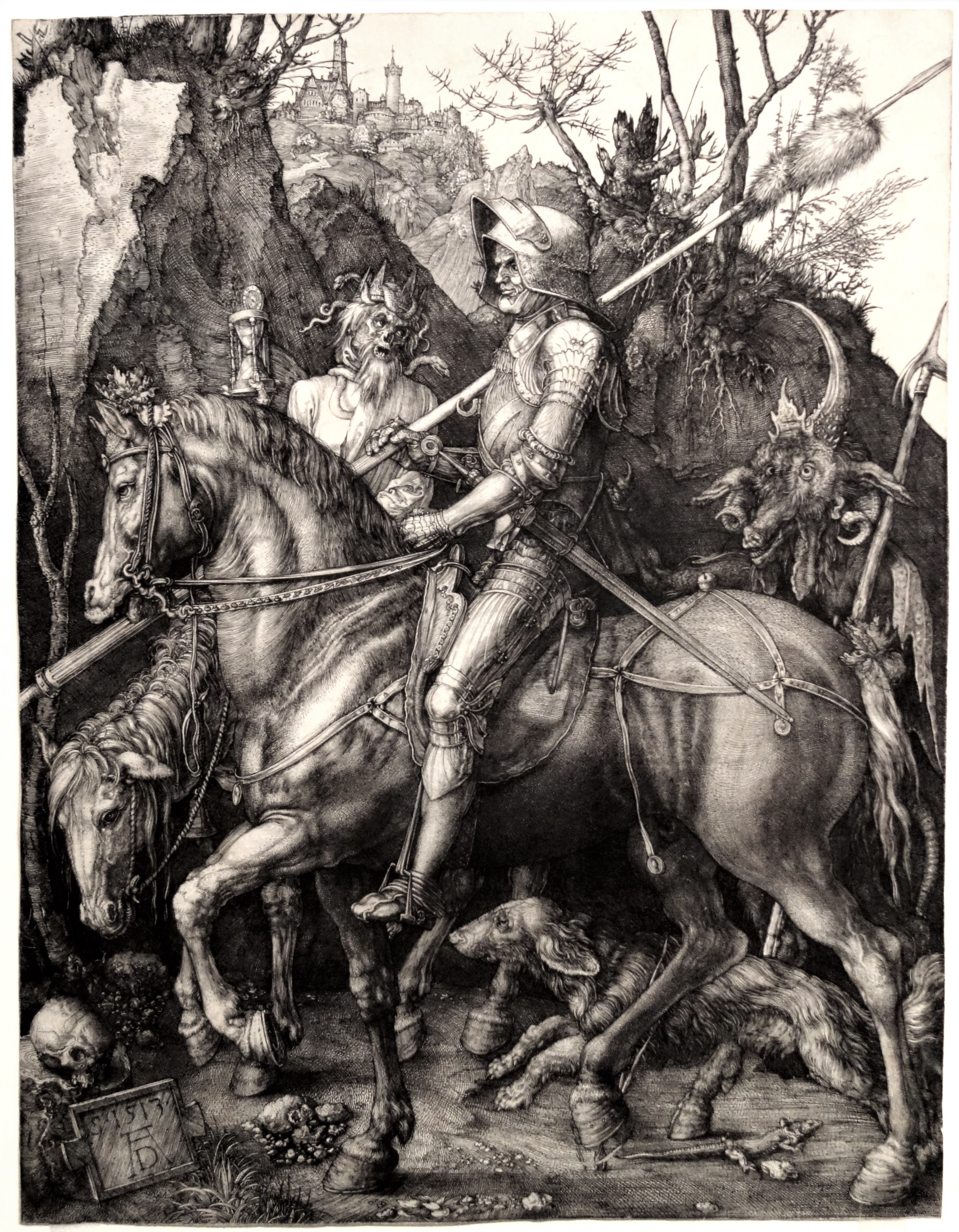
The Knight Death and the Devil


He painted a number of empowering self-portraits, and would often appear as a character in his painted commissions.

Self Portrait


More of Albrecht Dürer‘s art can be found at http://www.albrechtdurer.org.


Wow!

Okay okay!

I need to take a breath!

I’ve been catching up on my Reader reading these past few days, and have I found some interesting, spectacular, enjoyable art of all kinds from my artistic friends! I mean, WOW!

I can’t decide if I want to highlight all of them in one blog, do one blog a day for five days, one blog a week, give them full spread value, mix them up between my wit and wanton words …

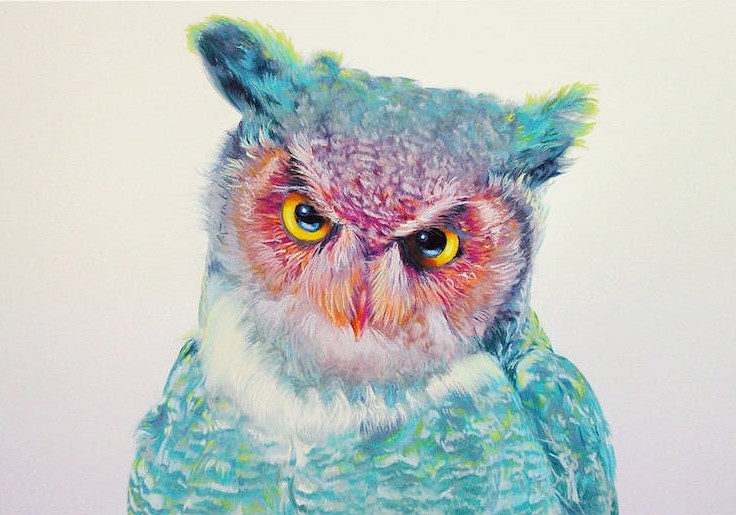
I cannot believe I am so fascinated with the world of ART. I mean — it’s only a way to pass the time, isn’t it? It’s only using a pair of scissors to cut out a design.  A bit of glue and fabric on a piece of paper. A few brush strokes on a piece of canvas. 
Of course, if you believe that, our relationship is tainted.

Seriously, though. 

When one practices what they love over and over again, miracles happen. Little miracles, big miracles. Half miracles. Because it’s the soul, the ether, the cosmic power of life and beyond coming through.

Whew! Big words! Big emotions! Big exclamation points!

I think I’ll showcase them — and others — a couple of times a week.  There are sooooooo many people whose work I enjoy, and I’m always making new friends out there, too, whose work is ever inspiring. Just last week I highlighted Carsten Wieland and his creative painting videos — just sitting and watching him create is amazing.

I should make up a week about celebrating artists. But I’d be celebrating 52 weeks a year. And I already do that!
Keep on being inspired! Keep on Creating!


Sunday Evening Art Gallery — Matthew Grabelsky

Using the New York City subway system as the setting for his work, Matthew Grabelsky paints surreal portraits of people who are seemingly normal from the neck down, but who have had their heads replaced by animals, both wild and domesticated.Grabelsky graduated Cum Laude from Rice University in 2002 with a BA in Art and Art History,  along with a BS in Astrophysics.Grabelsky’s paintings are inspired by the years he spent riding the subways in New York as a kid and by his early fascination with Greek mythology.Small details including zoo posters, stickers, T-shirts, and toys add humor to the art, while light reflecting off subway tiles and molded sets show the artist’s technical ability to paint hyperrealistic scenes.Grabelsky’s paintings are an exploration of human nature and of the way that animals represent various parts of the human subconscious.“The characters are symbolic of the kinds of thoughts that lie under the surface of people’s minds, and they reveal that the most extraordinary can exist in the most ordinary of everyday settings,” the artist has said.“This theme is communicated through the juxtaposition of these ostensibly irrational images with otherwise completely mundane scenes.
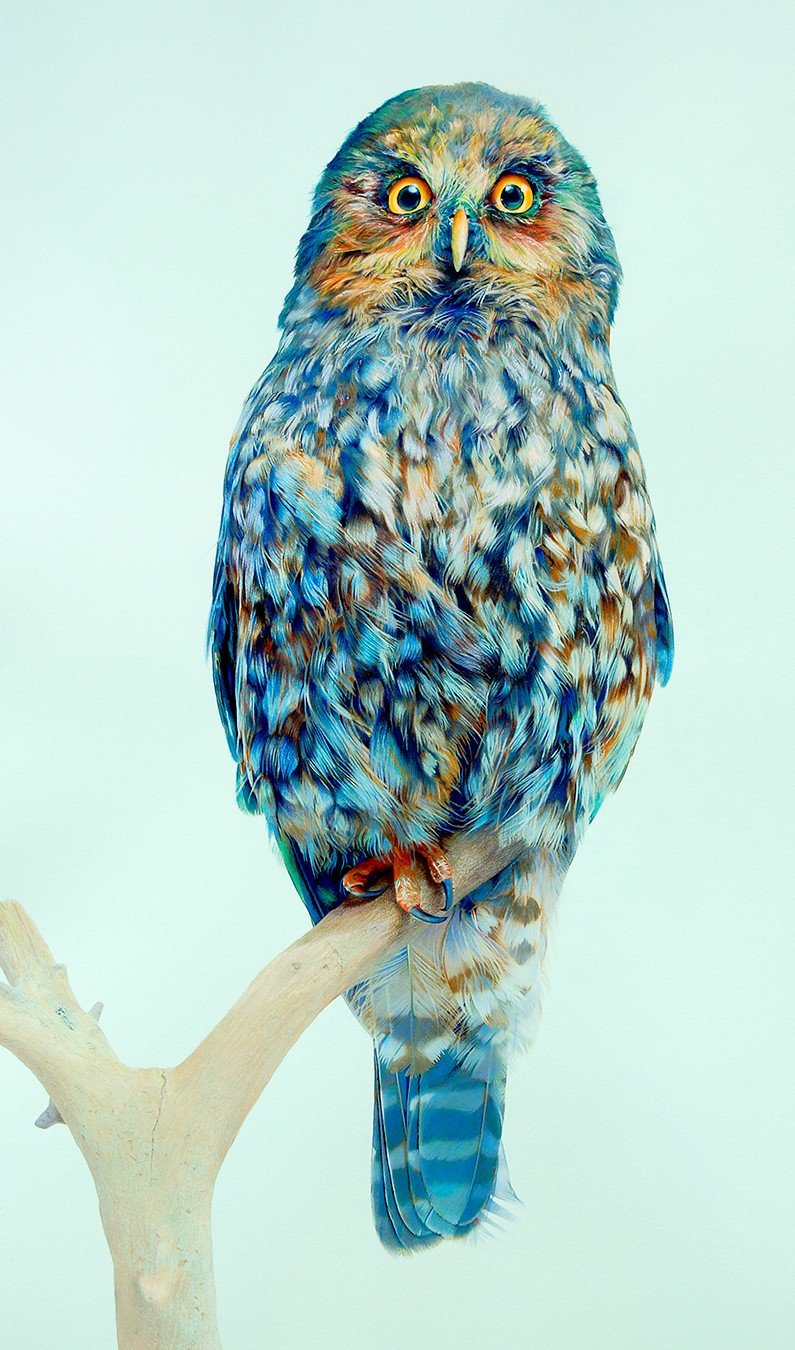
My idea is that my creatures are not original but are ultimately part of a much larger cultural continuum.”

More of Matthew Grabelsky‘s delightful art can be found at https://www.grabelsky.com/.


Sunday Evening Art Gallery — Paul Dmoch

Paul Dmoch is a Belgian painter whose watercolors are playgrounds of light.In them, light sparkles, bounces, glows, splinters and plays hide and seek amid the complexities of cathedral interiors, Venetian canals, narrow streets, dappled courtyards, open plazas and architectural landmarks of several cities.Light is an actor in his paintings, alternately coy and bold, shining with bravado and peeking out from the shadows.His deft handling of color and value, backed with his solid draftsmanship, give Dmoch’s paintings of familiar landmarks a fresh interpretation.Dmoch especially likes to paint cathedrals. As he says, “I can feel all the mystery of ‘another space’ where we sometimes come, but not spend our lifetime.“Inside these structures we feel small and not so important as we sometime think we are. We can see that incredible, enormous structure, filled with endless lights pouring through a stained-glass window.“For me, light and shadow is a metaphor for the everlasting battle between these two basic elements of human existence. In the contrast between light and darkness lies the secret of every human beginning.”

More of Paul Dmoch’s amazing paintings can be found at https://www.grandmastersfineart.com/paul-dmoch.html and at http://linesandcolors.com/2015/02/17/paul-dmoch/.


Sunday Evening Art Gallery — Léa Roche

After having long painted in traditional way, in oil, acrylic or watercolor, French artist Léa Roche turned her talent into a modern and very contemporary mix of urban and pop style.Roche invented her own brand and working technique under the name of ‘FuzzzyArt’.An artist with a passion for colors and technology, she is inspired by her travels, nature, and especially animals, to create unique multicolored paintings full of life.Roche specializes in portraits of animals, with a predilection for cats and felines, but also works with female faces, abstract scenes and other works.Her paintings come alive with bright colors, abstract shapes, and distinct personalities.There is a depth and beauty to Roche’s renditions, a connection of souls, between the artist and her canvas.More of  Léa Roche can be found at https://lea-roche.artmajeur.com/.


Creative Monday

Creative Monday!

Actually you can say that about any day of the week, depending on the weather, your mood, your itinerary, and your energy level.

Creativity is much more than starting a new painting or designing a new pop-up card. 

But you already know that.

Being creative can mean taking a virtual online tour of magnificent museum slike the British Museum, London, The Guggenheim in Bilbao, in New York, the Musée d’Orsay, Paris, or the Metropolitan Museum of Art in New York. 

Reading is always a step towards creativity. There are milllions of stories out there of people who made history being creative — Steven King, Eleanor Roosevelt, Albert Einstein, Frida Kahlo, Henry VIII, Maya Angelou, Gertrude Stein. History is full of people with creative, interesting, exciting lives. 

One of my favorite ways of expanding my creativity is finding new recipes online. I tire of the hot dog-french fries menu, so I periodically take a stab at foods I’ve always been curious about but too lazy to buy or make. My husband recently learned a smashing egg foo young dish, and I have stepped out of my comfort zone lately to experiment with a classic French Chicken Basquaise and Cuban Ropa Vieja. Cooking is fun, eye-opening, and very rewarding.

I have also been listening to different kinds of background music while I craft, write, or walk. Lately I’m into Spanish Guitar music and Ambient Japanese Instrumentals. There are podcasts about nature, astral travel, and who knows what else that can tip your scales one way or another to play in the background.

How else can you be creative without investing all your spare time and spare change?

I’m sure you can come up with dozens of ways to expand your mind. Books from the library, free lectures, arts and crafts classes, wine and painting parties — the list is endless. There are crafting challenges and writing challenges and cooking challenges all over Word Press and Pinterest and Facebook — there’s always something to pique your interest.

There is no such thing as being bored in this universe.

All you have to do is take the first step. Make the effort to learn something new or hone a craft you’ve been tinkering with. 

 I haven’t been writing lately (except for blogs), and the itch is almost becoming unbearable. I want to write about “visiting” Paris and its countryside for a while now, which takes research research research. That’s exploring to me. That’s creativity in yet another form.

Creative Monday.

A chance to start again, to continue, to excel and fly and explore.

Take advantage of this opportunity you’ve been given. And spread it out all throughout the week.


Sunday Evening Art Gallery — Natalia Goncharova

Natalia Goncharova was a Russian avant-garde artist, paintercostume designer, writer, illustrator, and set designer, born in Tula, Russia.In 1892, her family moved to Moscow, hoping to improve its financial condition.

While at school, Goncharova developed an interest in history, zoology, and botany but eventually decided to pursue art, enrolling at the Moscow Institute of Painting, Sculpture, and Architecture in 1898.Initially preoccupied with icon painting and the primitivism of ethnic Russian folk-art, Goncharova soon began to mix Cubist and Futurist elements in her work, which led to the beginnings of Cubo-Futurism.From an influential, wealthy, and musical family, the artist’s own interests lay with Russia’s rural workers and by seeming contradiction, with a cast of otherworldly characters.Through repetitive everyday tasks, Goncharova observed the same celestial strength more commonly associated with religious figures, and in this sense merged the realms of heaven and earth in her pictures.She was a founding member of both the Jack of Diamonds (1909–1911), Moscow’s first radical independent exhibiting group, the more radical Donkey’s Tail (1912–1913), and with Larionov invented Rayonism (1912–1914).  The decorative, stylized quality of this work reflects Goncharova’s interest in the folk arts and religious icons of her native Russia.Goncharova emerged as an important and also a highly controversial figure, often breaking social conventions as well as rigid cultural dogmas.More of Natalia Goncharova’s colorful work can be found at http://Natalia Goncharova  and https://www.artst.org/natalia-goncharova/.


Sunday Evening Art Gallery — Carolynda MacDonald


Carolynda MacDonald is a painter with a Bachelor of Science Honours in Biological Science, and a Fellowship from the Institute of Medical Laboratory Sciences with The Special Examination in Bacteriology from Paddington College of Technology, London.When it comes to her paintings, though, her explanations seem to come from a totally different direction.According to MacDonald, her paintings occupy an analogous realm, operating in a space reminiscent of daydreams or areas of quietude within the mind.She tries to bring together both landscape and still life painting in ways not normally encountered. In an increasingly busy and confusing world, MacDonald feels it is important to find solace for the soul, whether it is in art, music or literature, and her paintings are her way of contributing.Her paintings imply a stillness which is integral to the whole and provides a tranquil space for thought and reflection.MacDonald often chooses a bird to rise up in symbolic celebration of finding oneself in such a place or state of mind.More of Carolynda MacDonald‘s ethereal paintings can be found at http://www.carolyndamacdonald.com/ and https://www.tathagallery.com/artist/carolynda-macdonald.

Sunday Evening Art Gallery — Ruby Silvious


Ruby Silvious is a Philippines-born, US-based artist who has found an ingenious way to regenerate used tea bags into stunningly intricate works of art.She draws, paints, prints and collages moody, evocative and sometimes whimsical art on used teabag paper.Silvious attended Art Print Residency in Arenys de Munt, a municipality in Catalonia, Spain.While at the printmaking residency, she found time each evening to paint a used tea bag, usually inspired by random activities or places she had explored that day.By the end of her stay, she had amassed several used tea bags and a small, intimate collection of miniature paintings.In 2015 she started a project called 363 Days of Tea, a visual daily record of her impression of the moment, using the emptied-out tea bag as her canvas, and altering it to create a new work of art every day for 363 days.Silvious wants viewers to keep an open mind and think beyond the boundaries of what they may consider traditional art.“It seems to me that even non-tea drinkers are fascinated with my work. Maybe it’s because it’s just a unique canvas,” she reflects.More of Ruby Silvious’ ingenious paintings can be found at https://www.rubysilvious.com/.


Sunday Evening Art Gallery — Richard Savoie

Richard Savoie is a Quebec painter born in Moncton New Brunswick.

Savoie comes from a family of artists, including an uncle who is part of Canada’s National Gallery.

Savoie is known for his beautiful oil paintings of winter landscapes and urban environments.

The subjects of his paintings become part of the mystery as they slowly walk further into the distance with their back turned on the narrator.
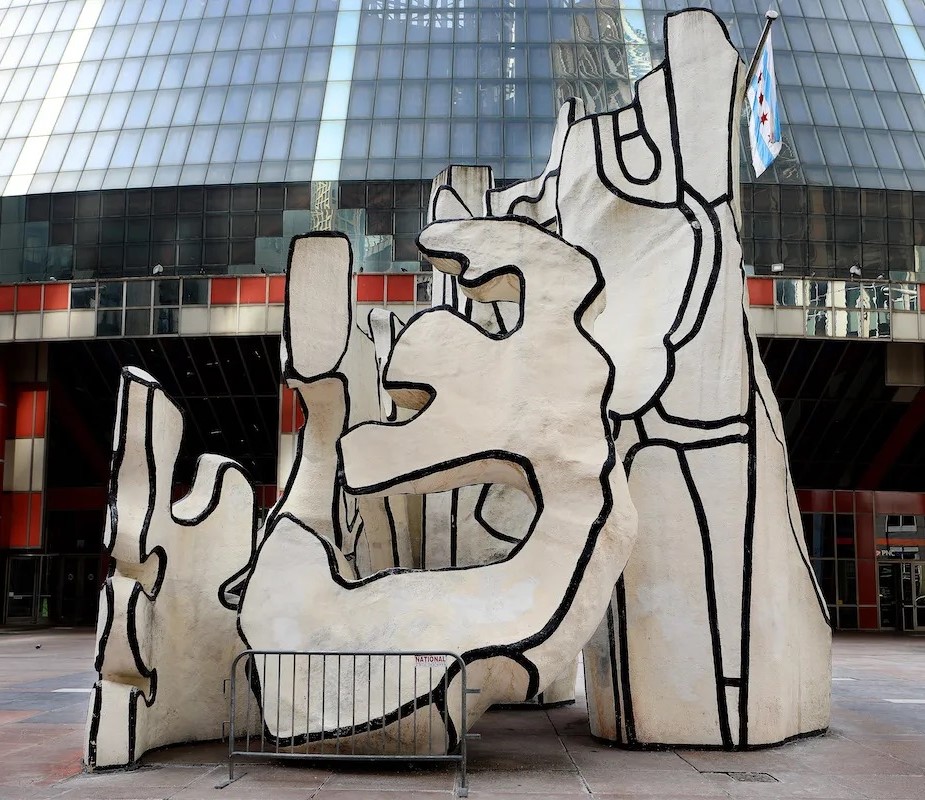
Many of his works specializes in frosty winters bursting with light, even if depicted in the middle of the night.
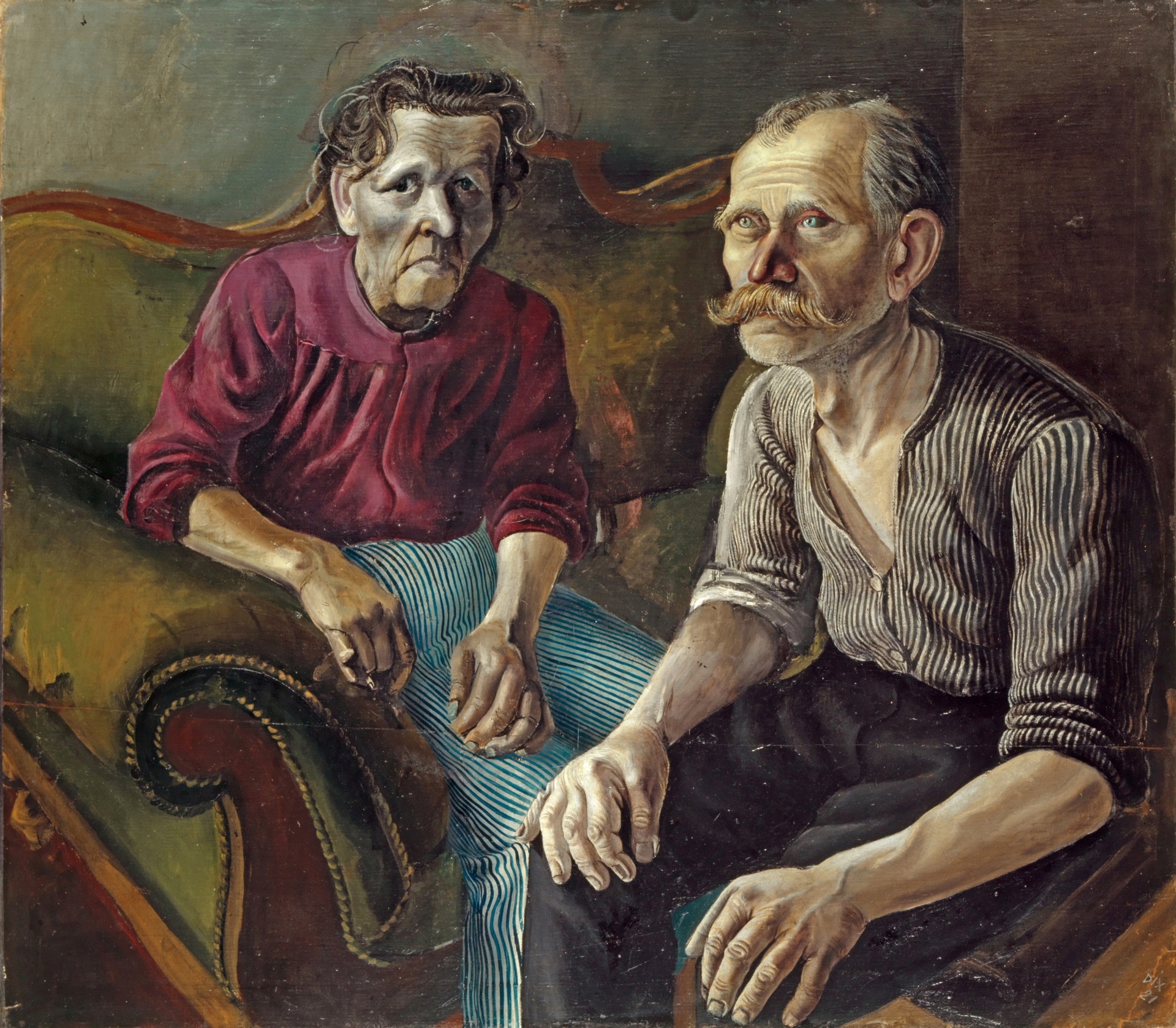
Savoie astonishes with an impeccable visual memory, a skill with which he paints and, in turn, places the viewer at the exact place and time as experienced by the artist himself.
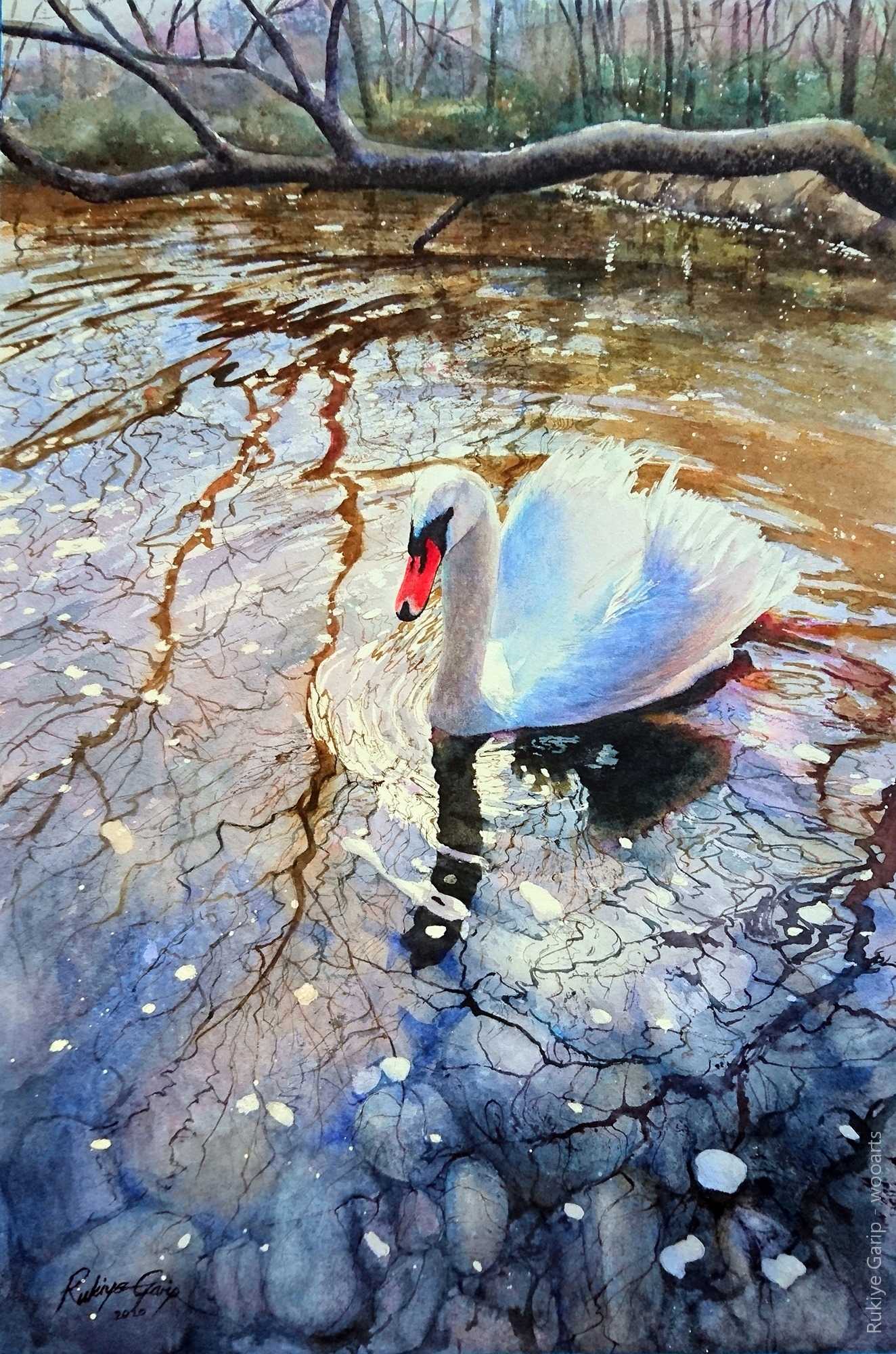
Each work reveals another fragment of the universe in a tapestry of light and color that allows viewers to savor the finesse of his fresh and spontaneous approach.
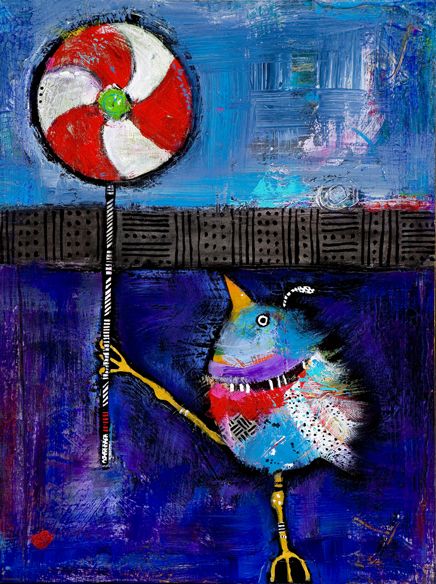
Richard Savoie‘s work can be found in major galleries throughout Canada and is also part of some of the country’s most important collections.

You can also find his work at https://balcondart.com/en/savoie-richard/.