Souvenirs — Why?

This morning I needed some hand lotion for these dry,  chubby hands, so I pulled out a mini container I found in my bathroom drawer.

It was a cute little bottle, square with curly-q lettering and designs. A hotel personal size bottle. And I wondered.

Where did I get this? Which hotel did I go to that I thought it neat to take my room sample? How old was this bottle?

Admit it. Many/Most of us have at one time or another taken home hotel soaps and shampoos and hand lotions for future use. Or souvenirs. And then promptly forgotten about them.

Why do we feel like we’ve won the lotto when we bring home a little something “extra”?

Why do we want to keep a souvenir of something that, half the time, we forget about?

I’ve been “downsizing” for quite some time now, going through and (hopefully) getting rid of stuff that I once though was cool yet haven’t looked at in years. I keep the kids art projects and that’s about it.

I feel like the little old man who keeps pieces and sets and odd items “just in case I need them someday” and winds up filling up the basement and barn with maybes.

I’m not a hoarder, but I have cleaned out the house of one. Twice.

I’ve seen the stress on those who are left behind to sort and throw away and pack away things that someone else at one time thought important.

I know people who have grandma’s china and grandma’s grandma’s china and great aunt Mabel’s china all packed away in boxes hidden in the basement. I know people with libraries full of books that they’re either read and never going to read again and books they hoped to read were either forgotten or not interesting anymore.

I know people who kept grandfather’s watch and grandfather’s broken watch and daddy’s first watch and uncle Pete’s watch that’s missing a stem all in a box inside a box inside a box stashed under the basement stairs.

All I’m saying is some things are worth saving because they’re important. That importance depends on the holder. Handing down an ancestor’s precious memorabilia is an honorable trait. 

But holding on to things that you never look at or never re-experience is a waste of time, space, and heart. Once you are gone, those who clean up after you will have no idea of the “importance” of all of the things you’ve collected through the years and will wind up sending it to Good Will anyway.

I laughed because I didn’t want my kids’ last memories of me to be some souvenir bottle of hand lotion that has never been opened.

Go through your stuff. Keep the important things. The meaningful things. That’s why you kept them in the first place. But you don’t need to forever hold onto some else’s memories. Recycle them, sell them, toss them, give them away.

Keep memories alive by sharing them with others instead of keeping physical reminders buried in your bottom drawer.


Faerie Paths — Life

It’s market day in Cortona
The piazza is an ongoing party,
and everyone is invited.

Clichés converge
at this navel of the world.
You almost want to laugh,
but you can’t help feeling
these Italians know more
about having fun than we do.

I eat a hot grape
from the market,
and the violet sweetness
breaks open in my mouth.

It even smells purple.


~Frances Mayes~
Under the Tuscan Sun


Sunday Evening Art Gallery — Julia Lucey

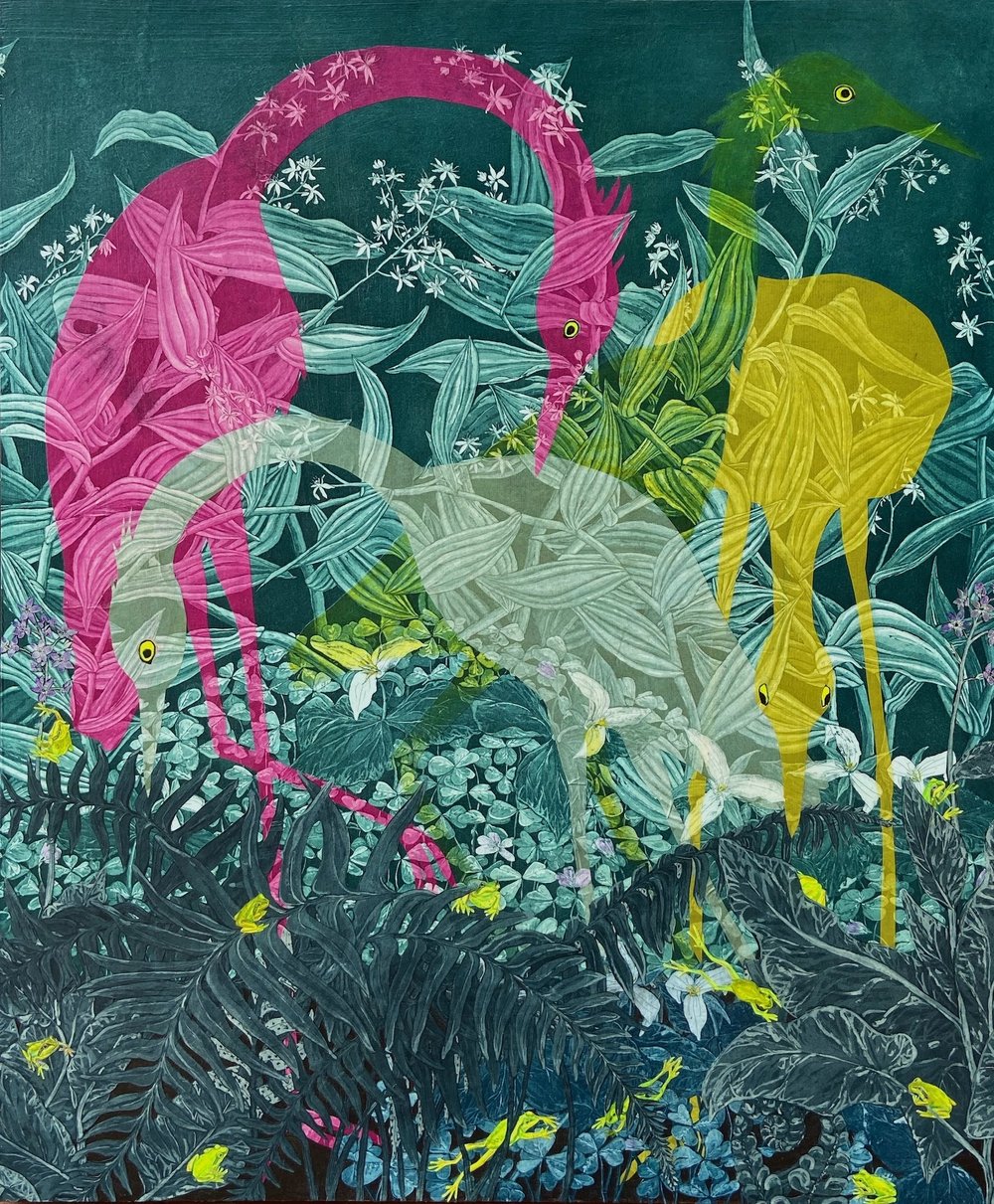
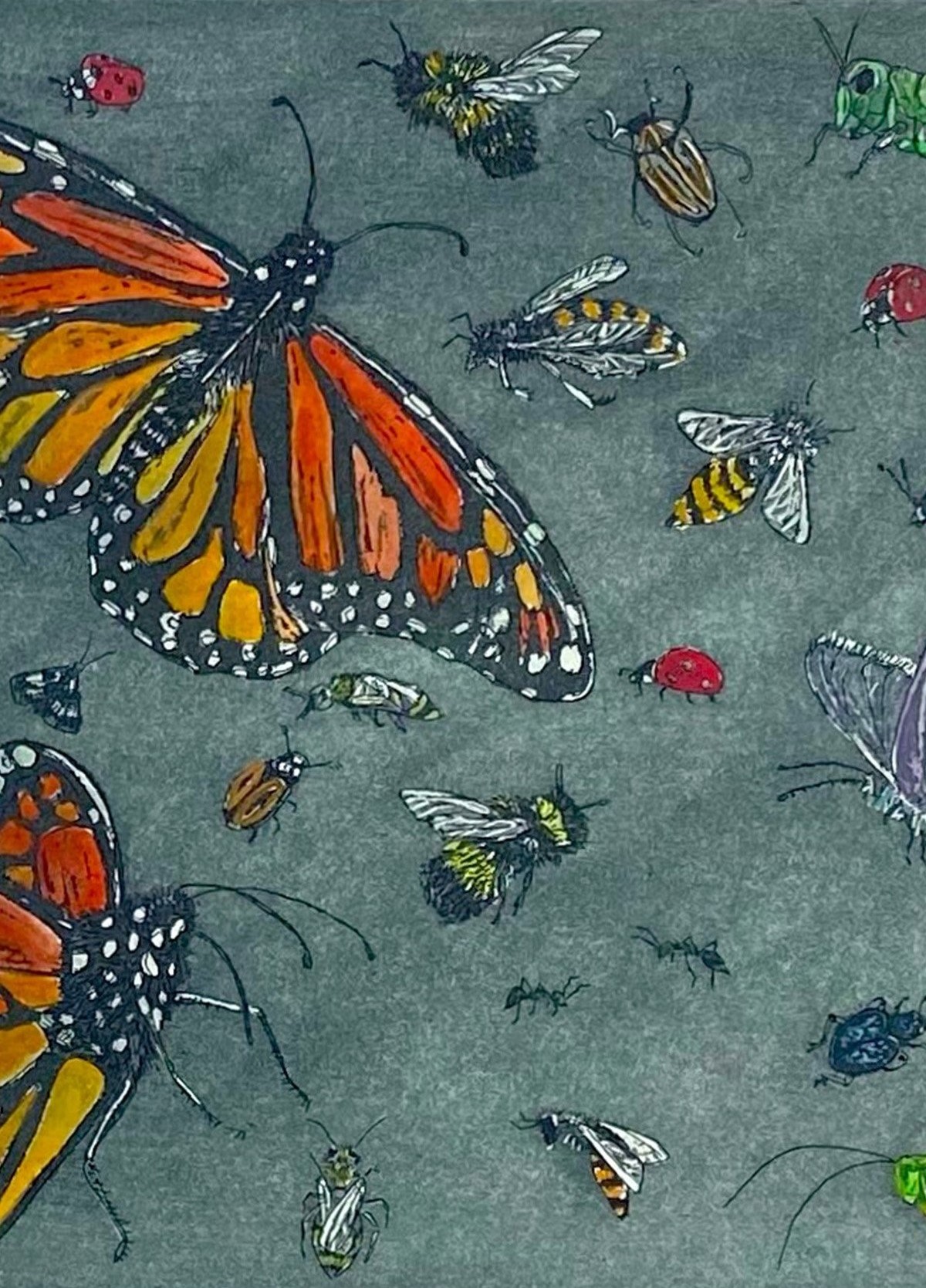
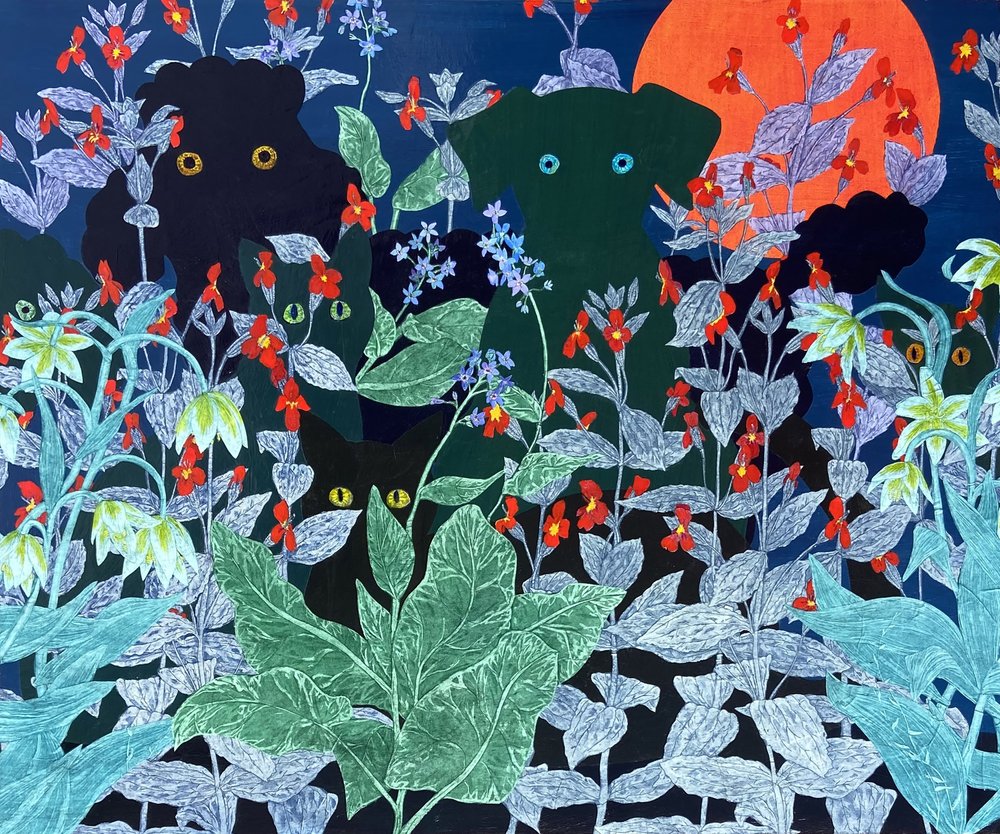
Julia Lucey is a printmaker based in Fairfax, California.

Lucey received her BFA in printmaking from the San Francisco Art Institute and a MA in Education at Loyola Marymount University.

As an Artist-in-Residence at Kala Art Institute, the artist has focused on traditional etching techniques as well as aquatint, a printmaking technique that produces tonal effects by using acid to eat into the printing plate (which creates sunken areas which hold the ink).

In the most current body of work, her traditional etchings are cut out of the paper and reassembled into new landscapes on panel.

“As a printmaker, using traditional etching and aquatint techniques has allowed me to explore the ideas of nature, wildness, wilderness and the human attempt at wildlife management,” Lucey shares.

“In my newest body of work, I am looking at two concepts. First, is to look at humans (and my own personal desire), to observe and know the natural world scientifically.

“The second concept is the use of this knowledge of nature to try to control wildness to fit human needs.”

More of Julia Lucey‘s remarkable prints can be found at https://www.julialucey.com/.


Art, Rubbish (repost) — My Inspired Life

 
How many times do we come across scraps of life like this?


Snapped
Tossed
Dropped
into a lake,
manmade

Submerged
floating
perfectly still
waiting to become
erased

Noticed
by a woman
riding
stopped abruptly
capturing a moment
waiting to become
a perfectly framed
still
 
 
Michelle is a treasure to be found!
 
Michelle Lee


Sunday Evening Art Gallery — Zac Henderson

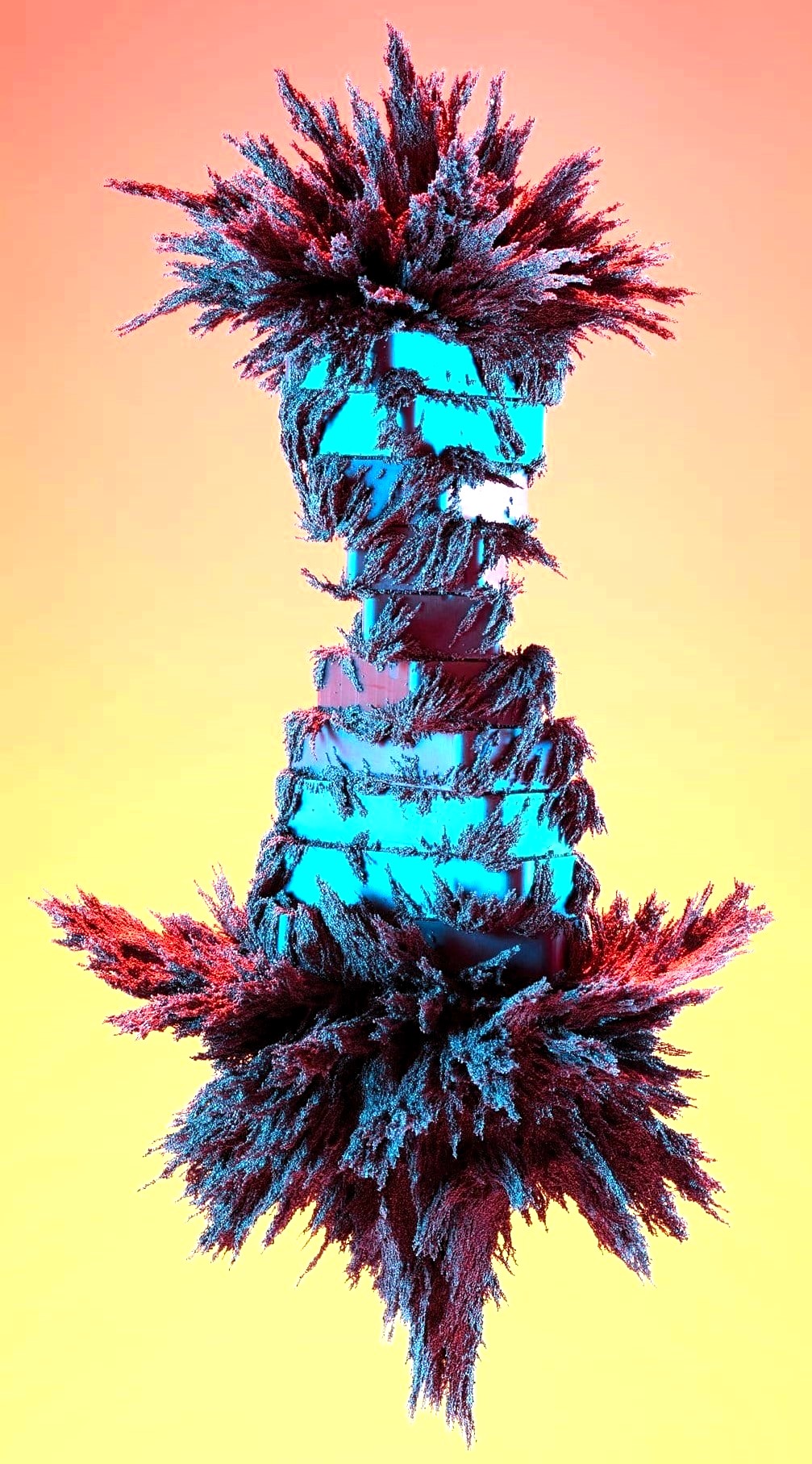
Zac Henderson is a semi-nomadic photographic artist currently based in Auburn, Alabama.His love of science settled on magnetism, calling his photo series “Dark Matter.”To create his “sculptures,” Henderson suspends ceramic magnets on fishing line then exposes them to iron fillings.The iron takes shape based on the surrounding magnetic field, and can also be manipulated by hand to alter the sculpture.By exposing iron filings to an invisible magnetic field, the work imagines dark matter particles and their interactions with normal matter through gravity, as seen from a higher dimension, or bulk, in which both are visible.The images were made in his home studio, and since each sculpture is about eight inches tall, the images require focus stacking of as many as 30 to 40 images.The resulting forms are dynamic, abstract sculptures that celebrate the wonders of the known and unknowable forms of nature.

More of Zac Hendersons amazing photography can be seen at https://www.zachenderson.com/. 


Dating Memories

Last night hubby and I watched the movie “The Big Lebowski” from 1998 with Jeff Bridges and John Goodman.

I know that this kind of movie isn’t on the top 10 list of most of you enlightened readers. It’s sophomoric movie about a bum (The Dude) who seeks restitution for a ruined rug, and his super weird bowling buddies who help get it.  It’s full of swearing, smoking dope, mistaken identities, and super weird characters.

It was one of my son’s favorites.

Yesterday was my late son’s birthday, and we spent the evening honoring him in as many ways we could. Watching crazy movies from the end of the 20th century was one way to do it.

But the purpose of this blog was to note how this movie rang some bells of my own.

A lot of the movie takes place in a bowling alley. An early 90s bowling alley.

I met my husband at a bowling alley in an early 80s.

Those were the days. 

Sparkling bowling balls and orange and beige half-round seats that could hold 8 bowlers comfortably. Some weird dude behind the counter spraying disinfectant into bowling shoes that you could rent along with abandoned bowling balls you could use for free. Trying to remember the difference between an X and a / and adding numbers in your head for the score sheet. The sounds of bowling pins constantly falling over, people laughing and drinking and trying to keep a 15 pound ball rolling straight down the middle of a narrow lane.

True love by strikes and spares.

It made me wonder how young people meet and fall in love these days. If it’s not during high school or college or it work or fix-ups through friends, how do they do it? No smelly bowling alleys, dusty softball fields, or out-of-control beer house parties. No eyeing each other from separate blankets at outdoor rock concerts. No immediate or chance eye contact that explodes into that zing-a-ling feeling. No guessing about the other’s family or job or hobbies or habits, for today you can pick up a Google trail on just about anybody.

Alas, I would hate to think dating apps and Zoom and Snap Chat are their only choices, for nothing says romance like the smell of a well-oiled bowling alley lane and the stinky shoes that go with it.


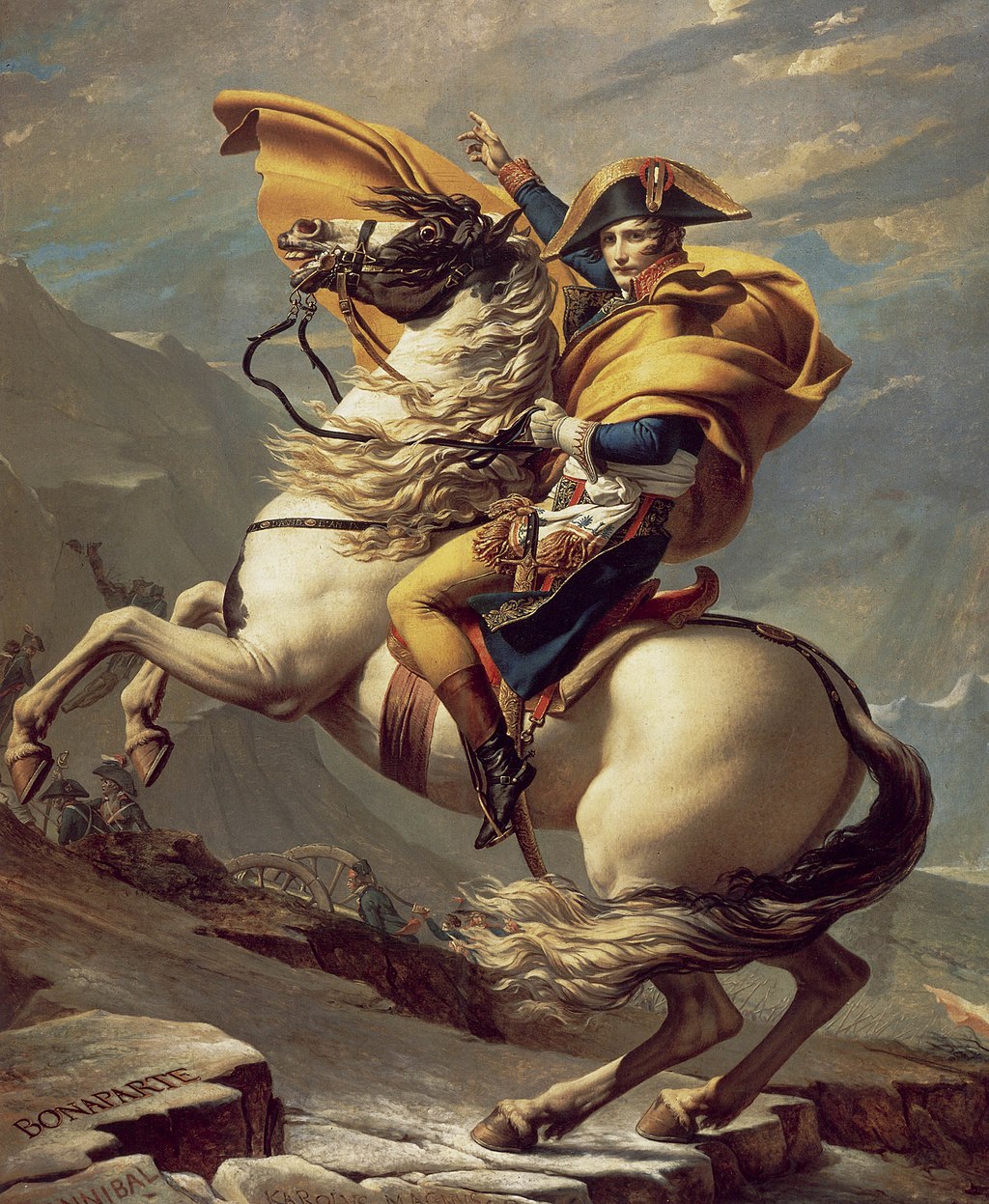
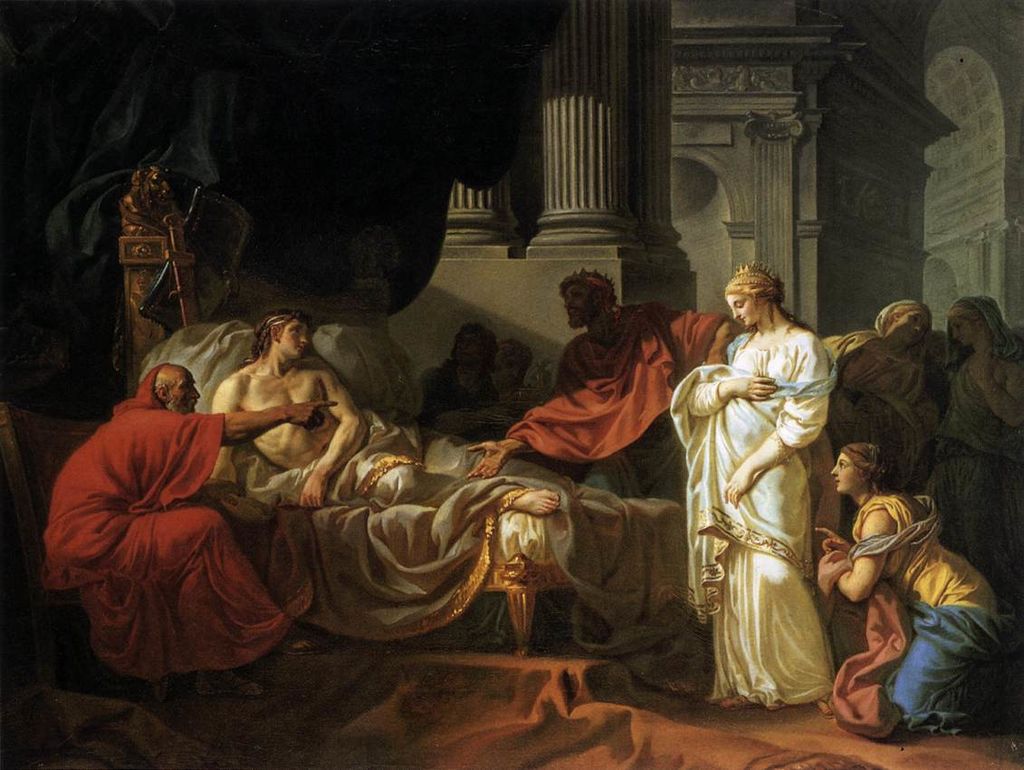
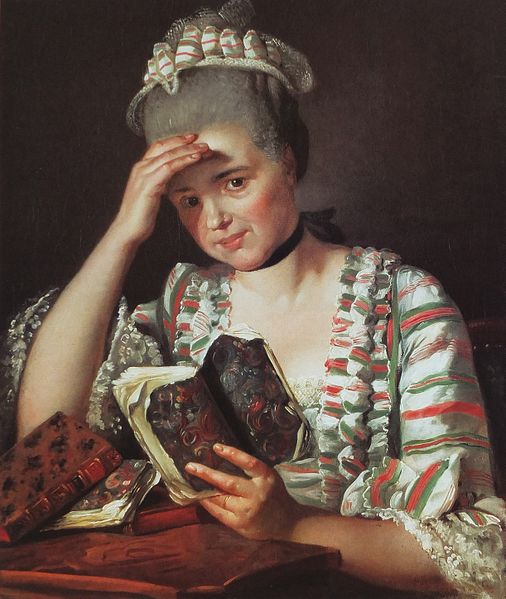
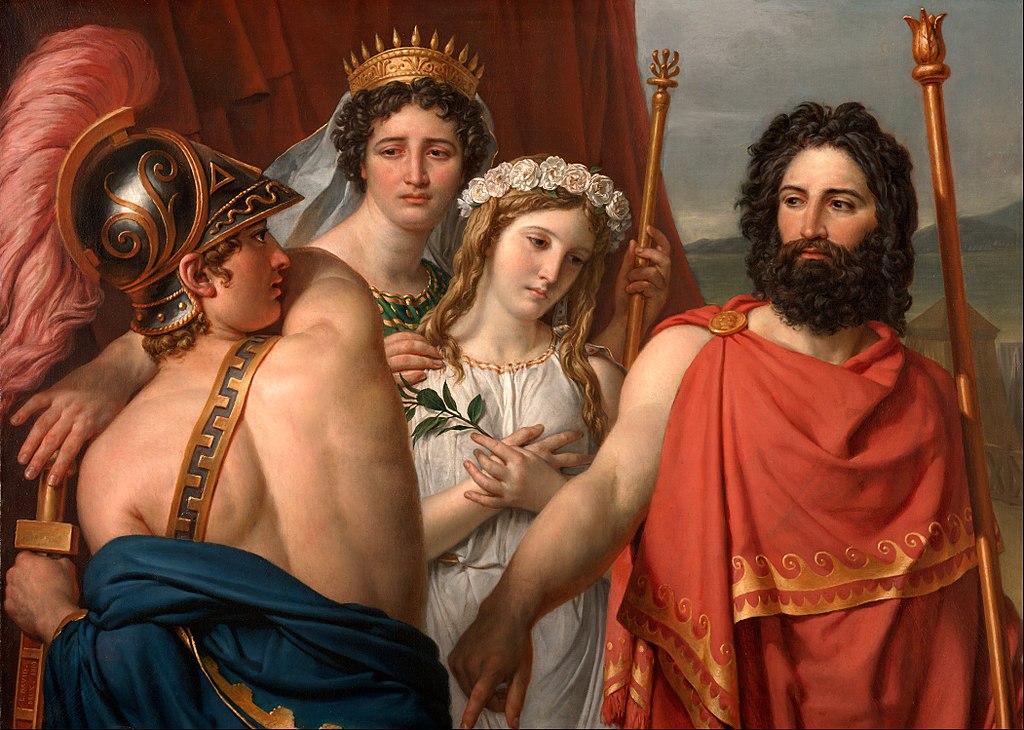
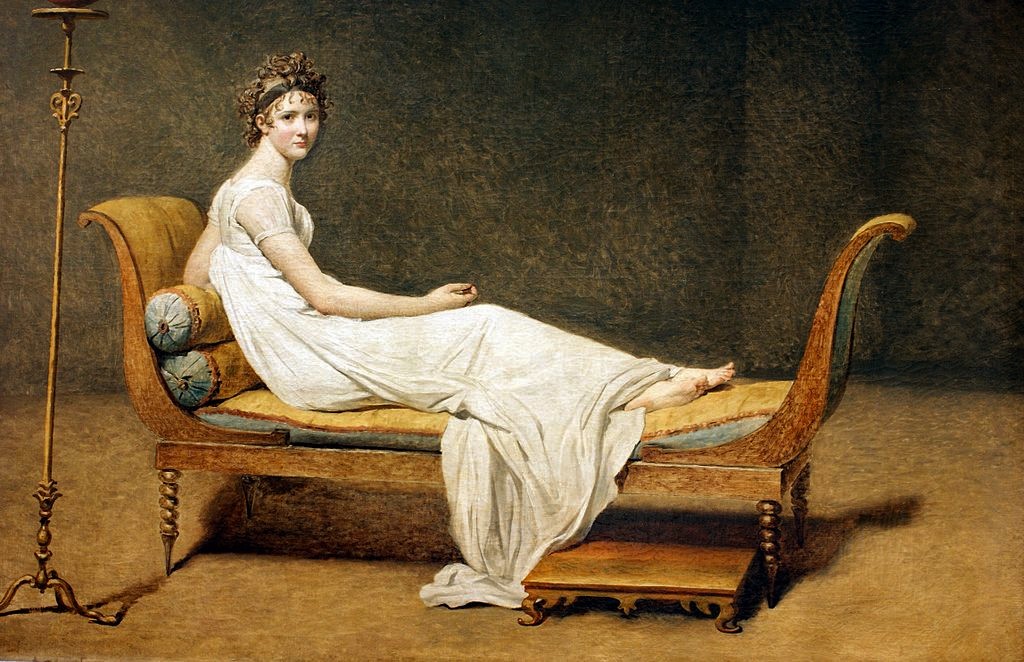
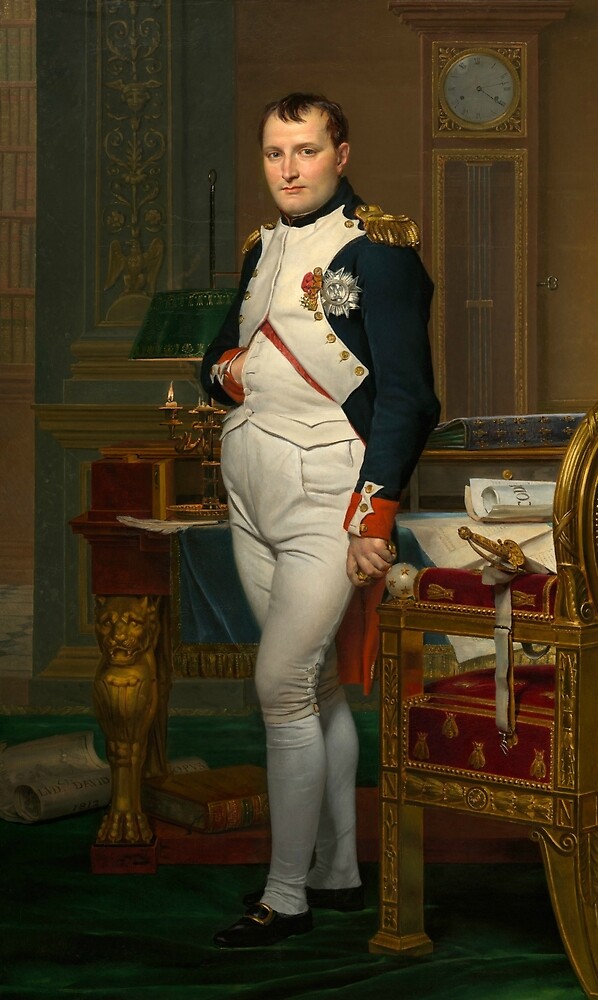
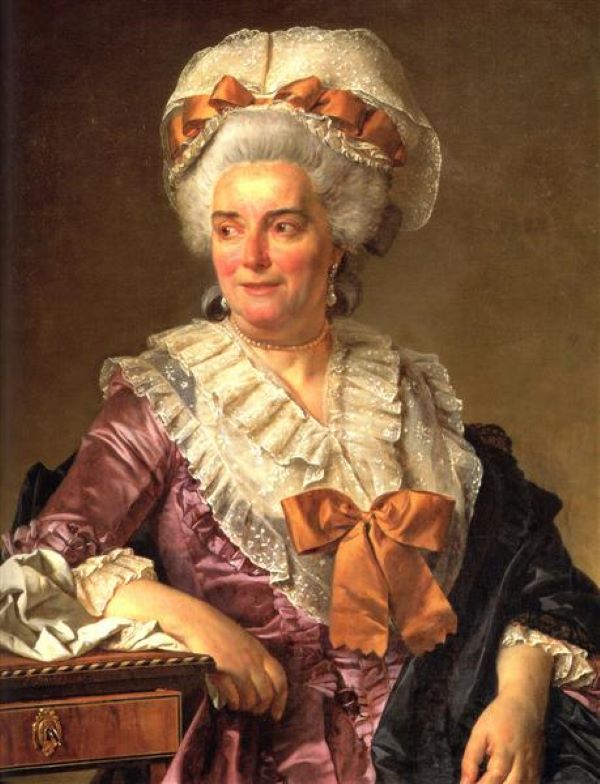
Sunday Evening Art Gallery — Jacques-Louis David

Jacques-Louis David  (1748 – 1825), considered to be the preeminent painter of the era, was a French painter in the Neoclassical style.

Napoleon Crossing the Alps


As the premier painter of his day, David served the monarchy of Louis XVI, the post-revolutionary government, and the Emperor Napoleon Bonaparte, despite the radical differences in these ruling regimes.

Antiochus and Stratonica


David’s style of historical painting helped end the frivolity of the Rococo period, moving art back to the realm of classical austerity.

Portrait de Marie-Joséphine Buron


Adopting the fashionable Greco-Roman style, the artist blended antique subjects with Enlightenment philosophy to create moral exemplars.

The Anger of Achilles


His linear forms dramatically illustrated narratives that often mirrored contemporary politics.

David Self-Portrait


David’s earliest successes were iconic images of valor and noble deeds, commissioned by royal and aristocratic patrons, who adopted the classical style as the latest trend. 

Madame Récamier


He also ran an important studio where his students would later rebel against his example, sowing the seeds of modernism.

Napoleon Bonaparte in his Study at the Tuileries


The quintessential Neoclassical painter, David’s monumental canvases were perhaps the final triumph of traditional history painting.

Portrait of Madame Charles-Pierre Pecoul, nee Potain


More of  Jacques-Louis David‘s exquisite paintings   can be found at https://www.nga.gov/collection/artist-info.1212.html and https://www.biography.com/artist/jacques-louis-david.


Faerie Paths — Radical Amazement


Our goal should be to live life in radical amazement. ….get up in the morning and look at the world in a way that takes nothing for granted. Everything is phenomenal; everything is incredible; never treat life casually. To be spiritual is to be amazed.
~ Abraham Joshua Heschel


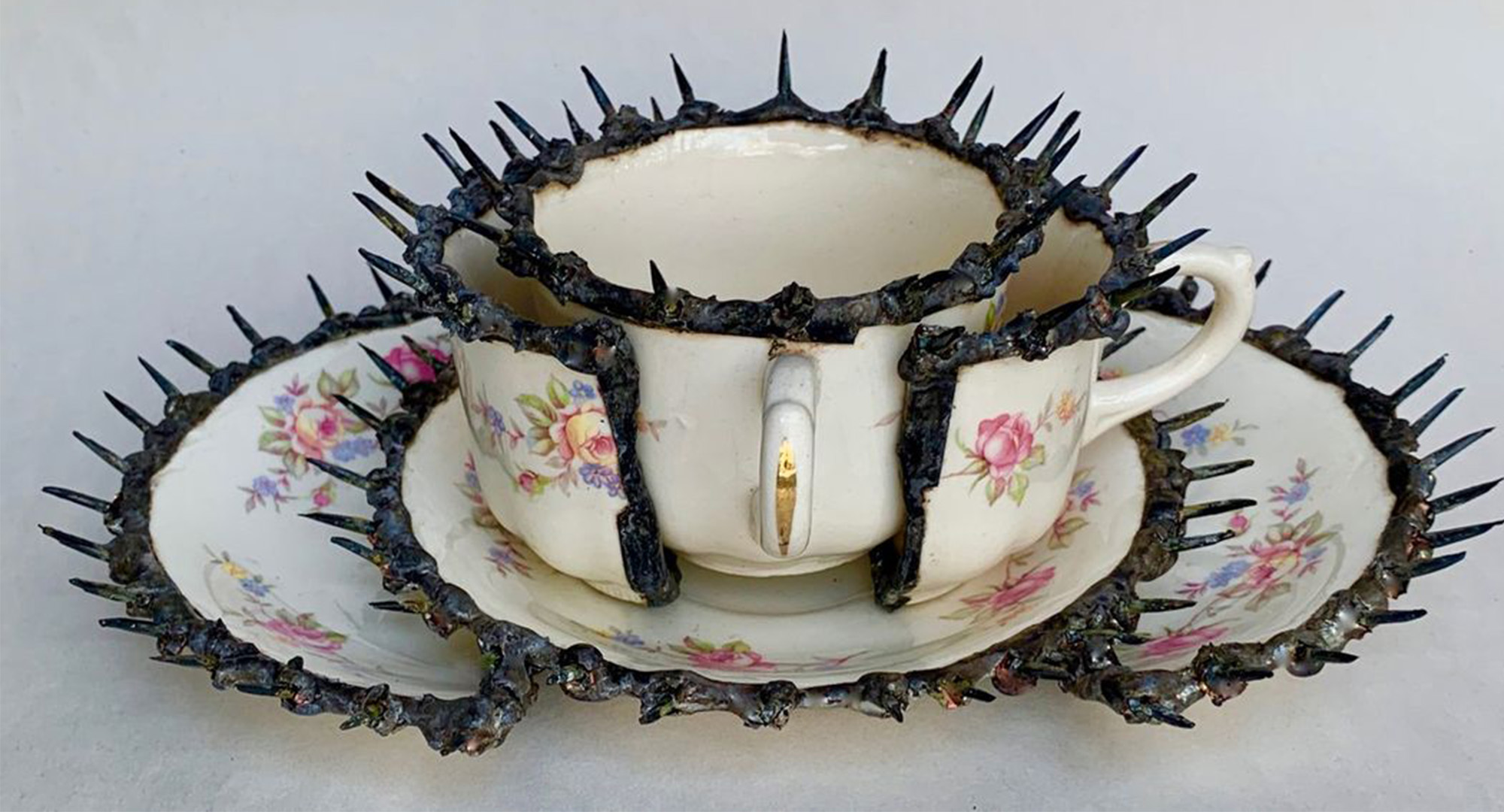
Sunday Evening Art Gallery — Glen Martin Taylor

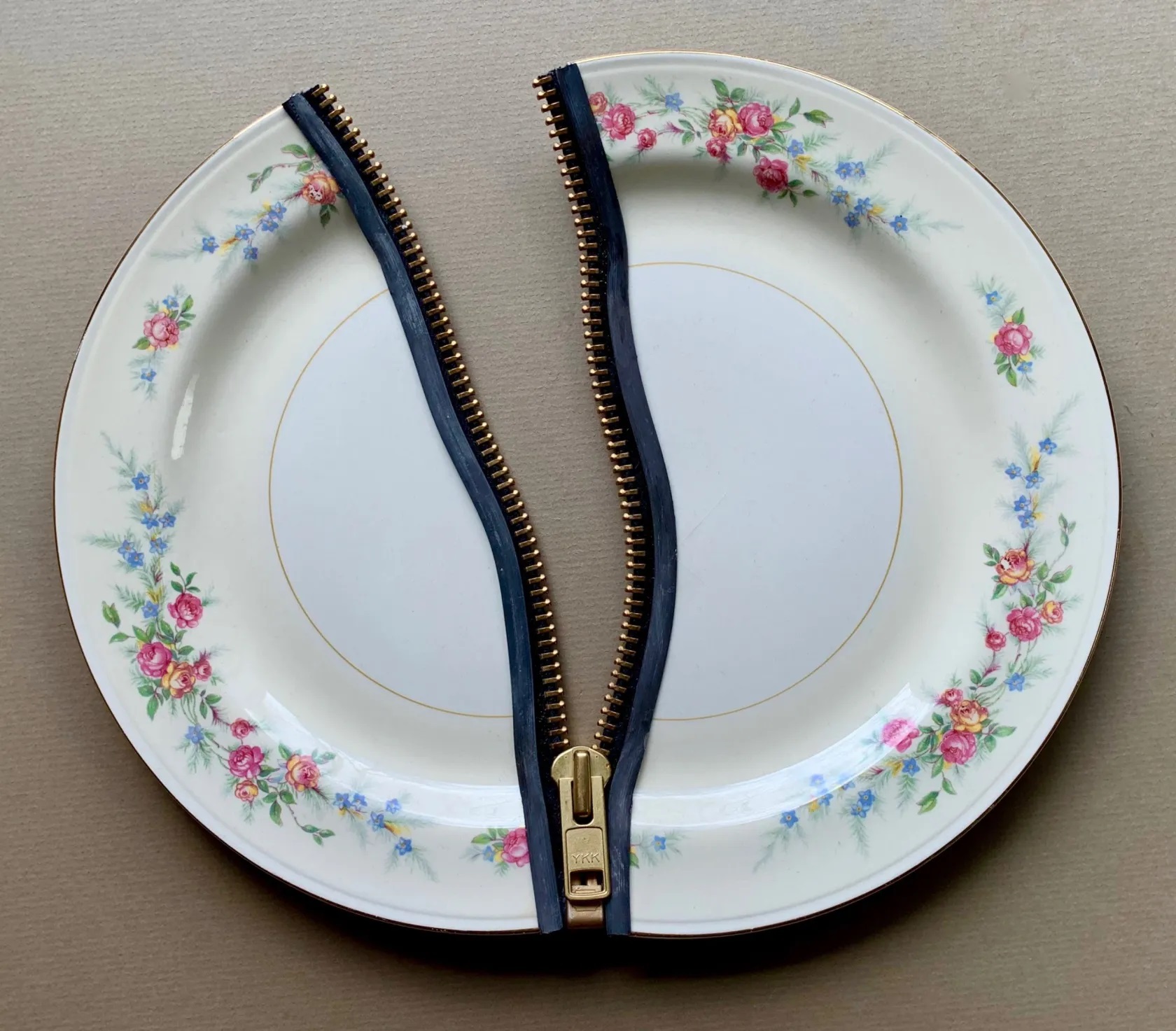
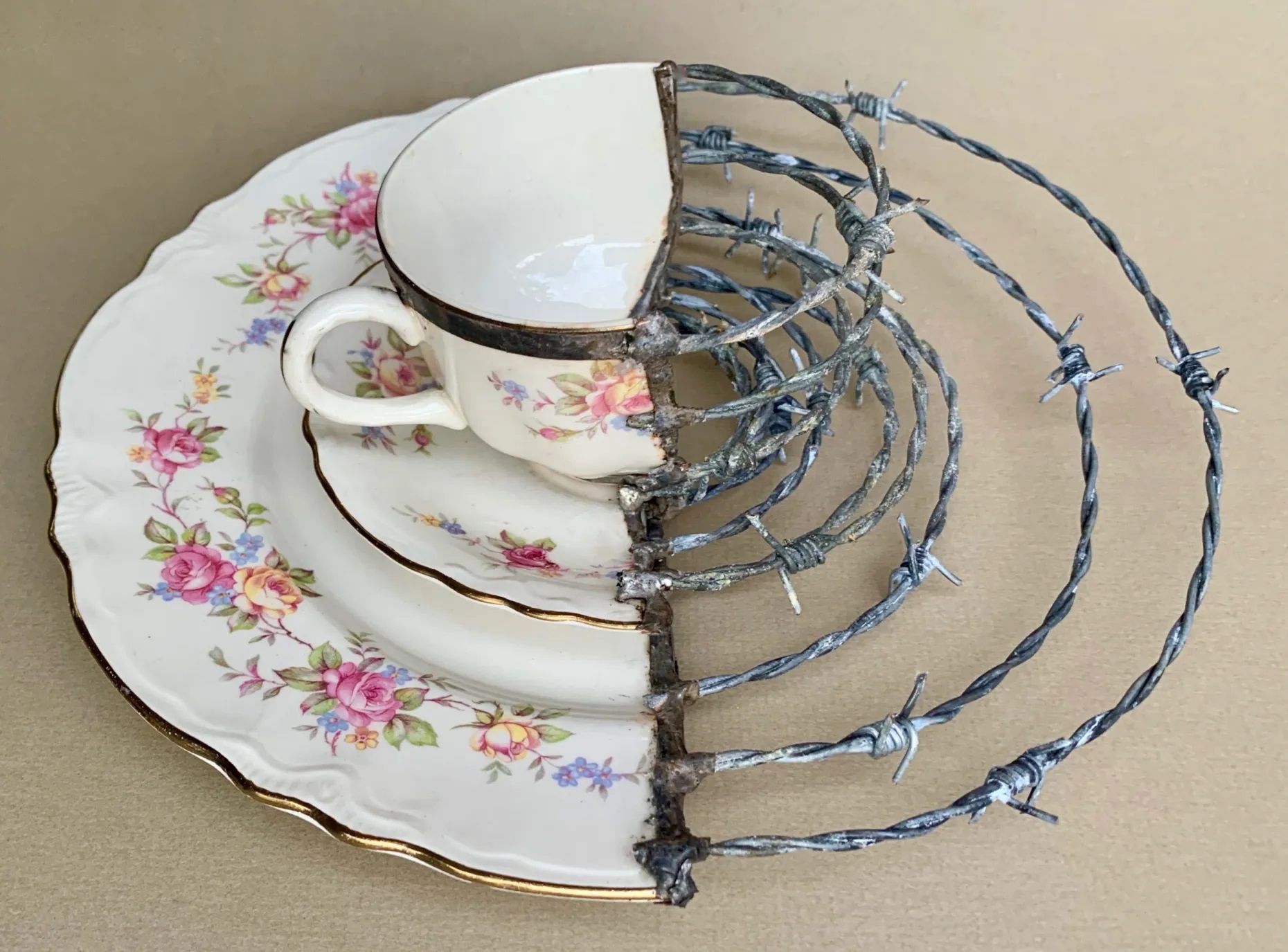
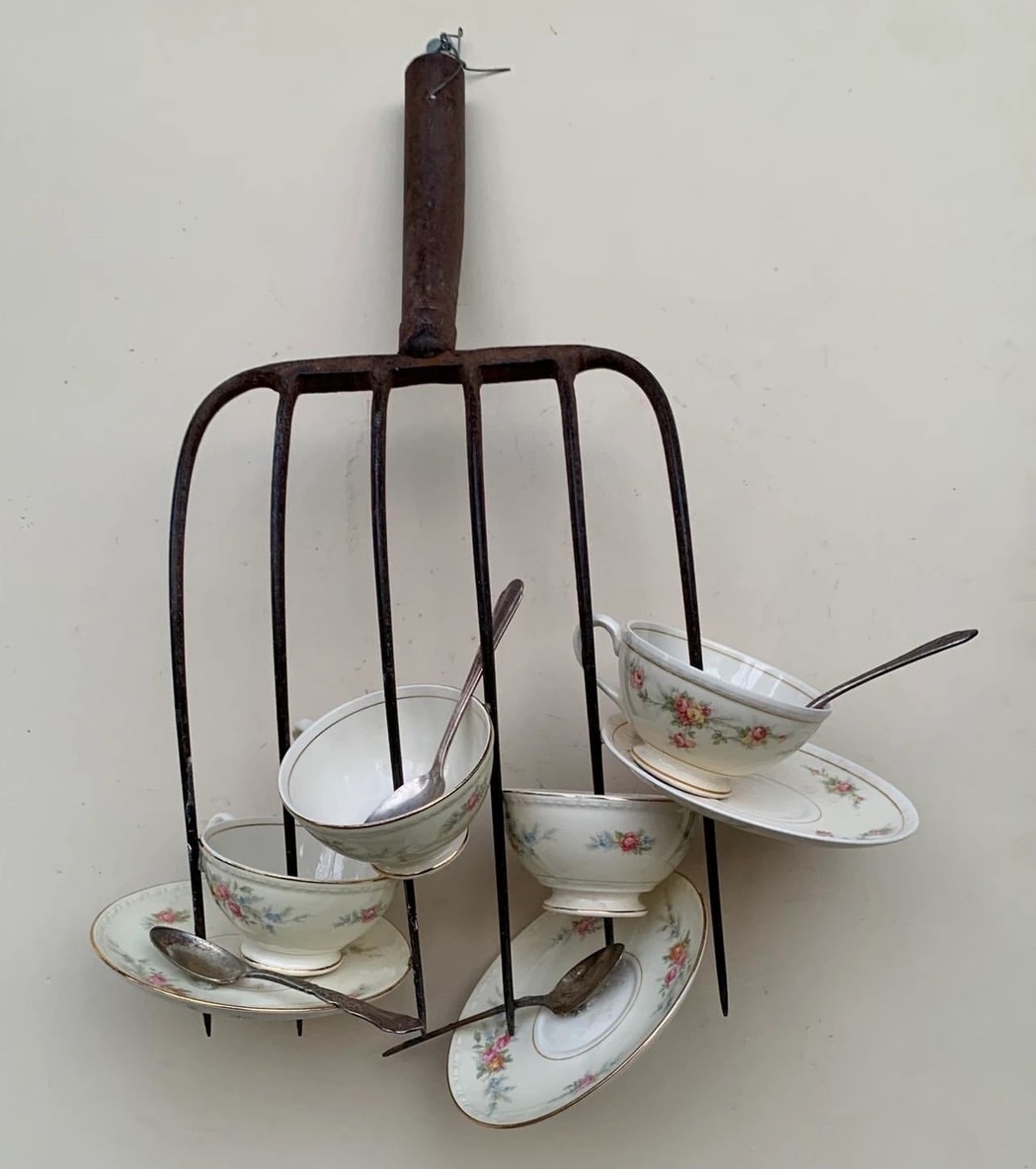
Glen Martin Taylor is a ceramic artist who devotes himself to his craft within his studio house in Ohio.Self-taught, he has honed his skills over a decade of dedicated study and practice within the medium of ceramics.His current focus remains within the realm of ceramics, but his love for creating art has been a lifelong companion.Glen’s work is deeply rooted in his Ohio upbringing and the strong blue-collar work ethic instilled in him from a young age.The slower pace of life in this region has allowed him to fully immerse himself in his art, and the quiet solitude of his studio has become a haven for experimentation and exploration.Taylor pushes the boundaries of traditional ceramics, incorporating antique elements, such as vintage china inherited from his grandmother, to give his pieces a unique historical and sentimental significance.Taylor finds inspiration for his work by delving into the depths of his own emotions and personal experiences.His artistic endeavors are a reflection of his own autobiographical journey, drawing upon past traumas and his current understanding of the complexities and nuances of life.By tapping into raw, visceral feelings, he is able to create work that is deeply personal and evocative.More of Glen Martin Taylor‘s marvelously unique artworks can be found at https://glenmartintaylor.com/.


Faerie Paths — Saturday Morning


On a lazy Saturday morning when you’re lying in bed, drifting in and out of sleep, there is a space where fantasy and reality become one.

— Lynn Johnston


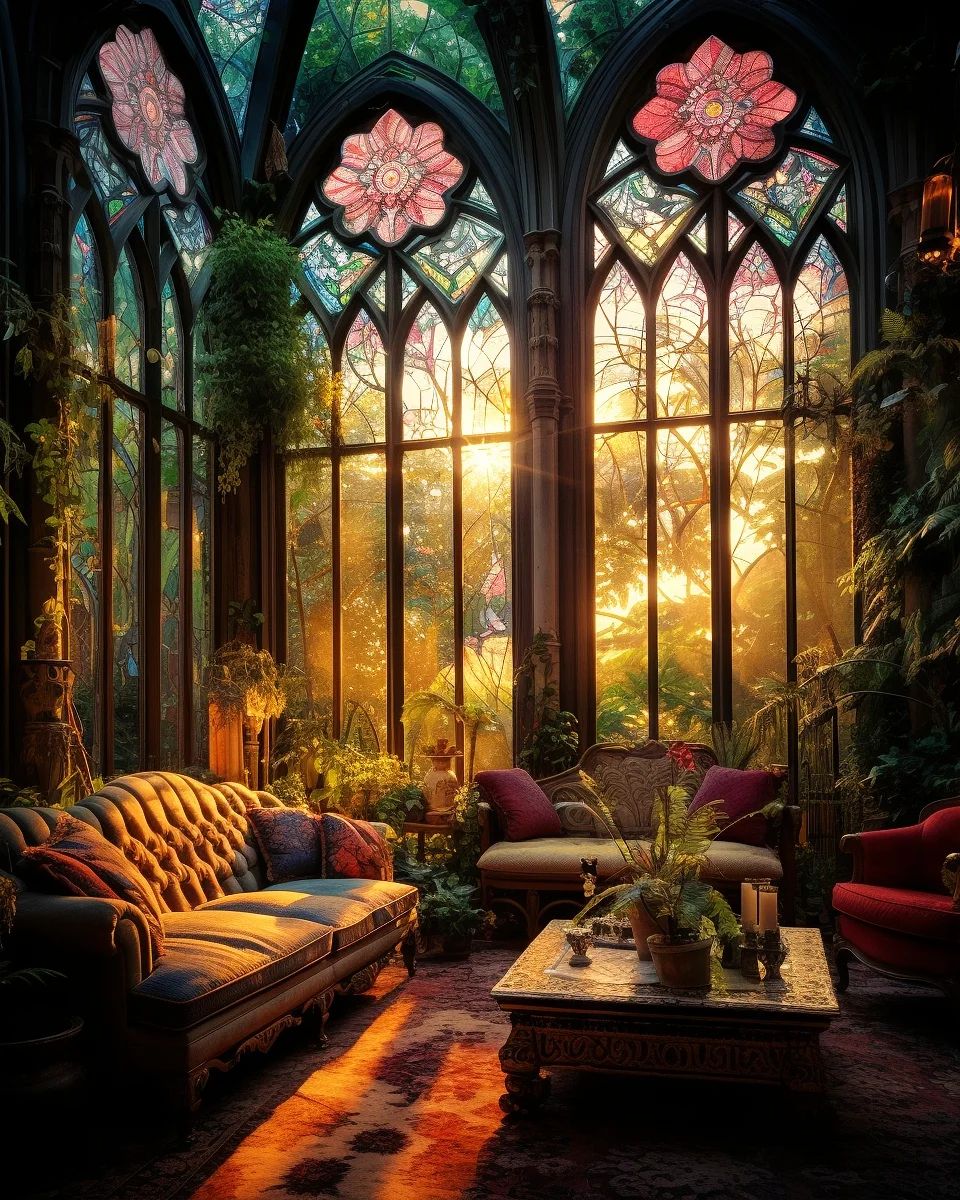
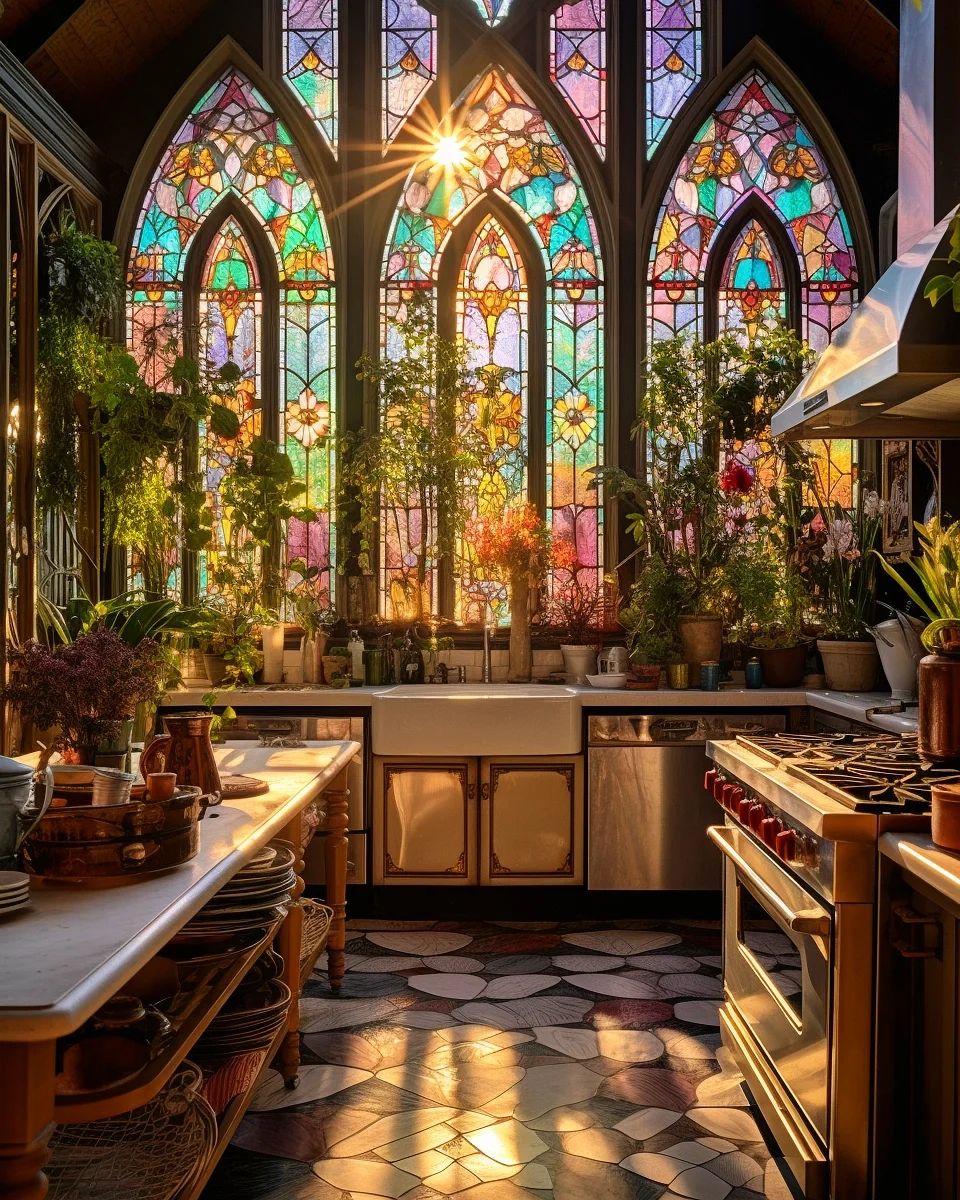
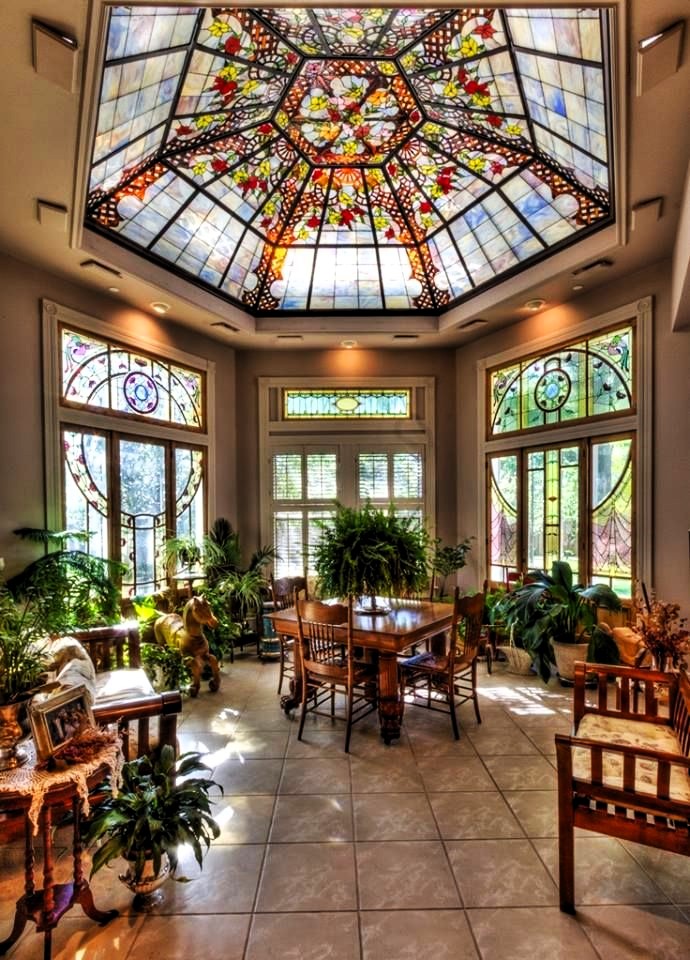
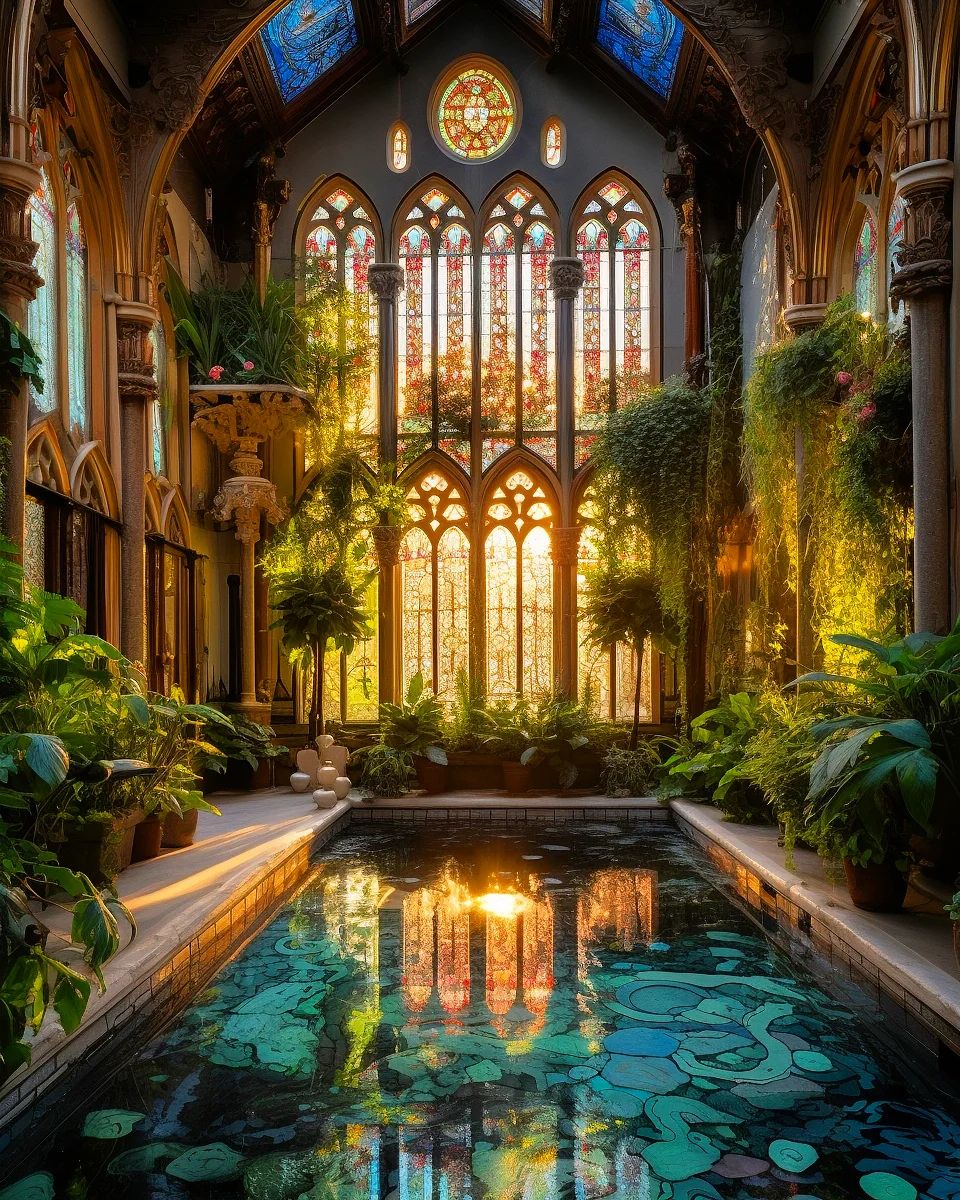
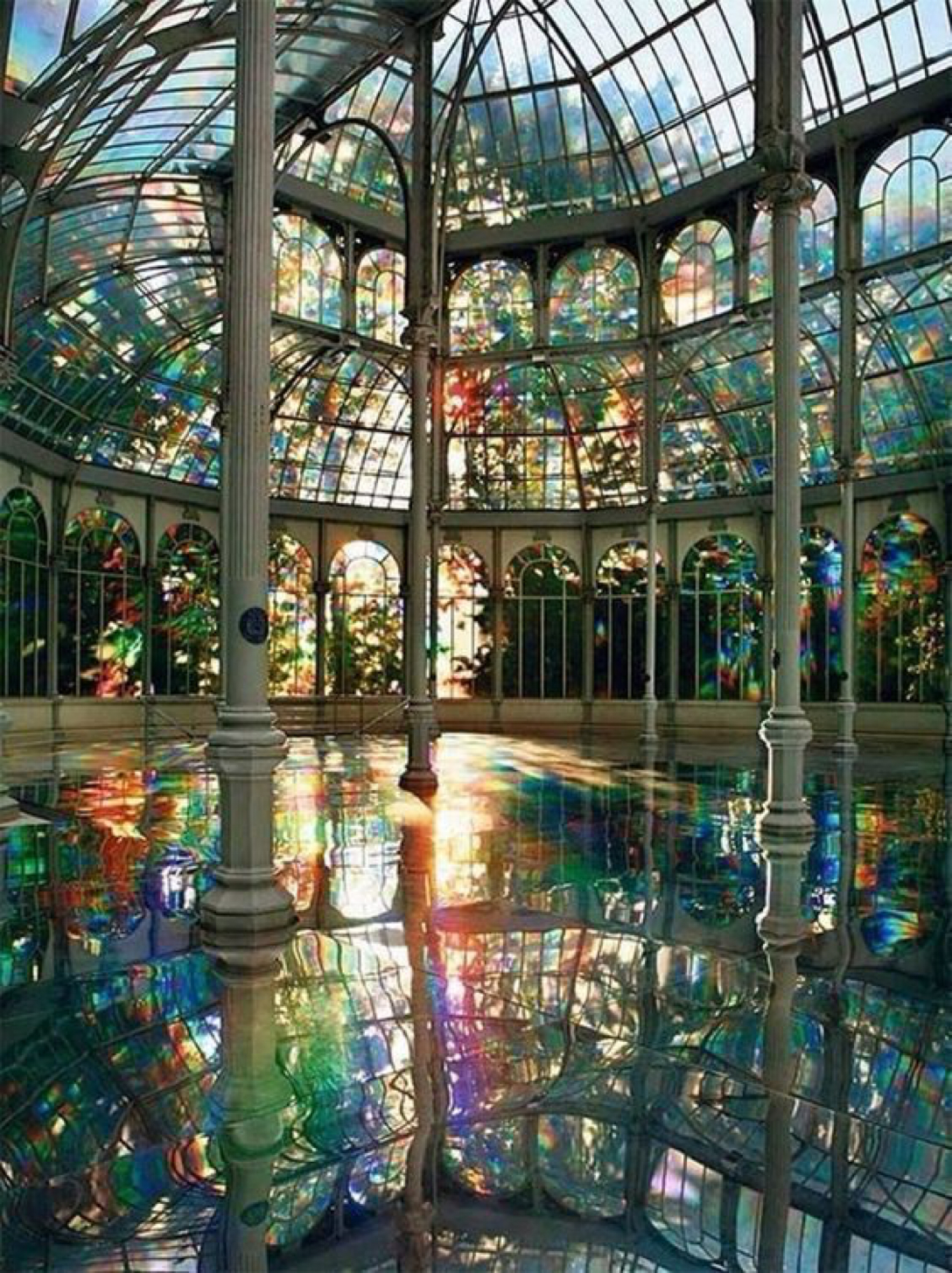
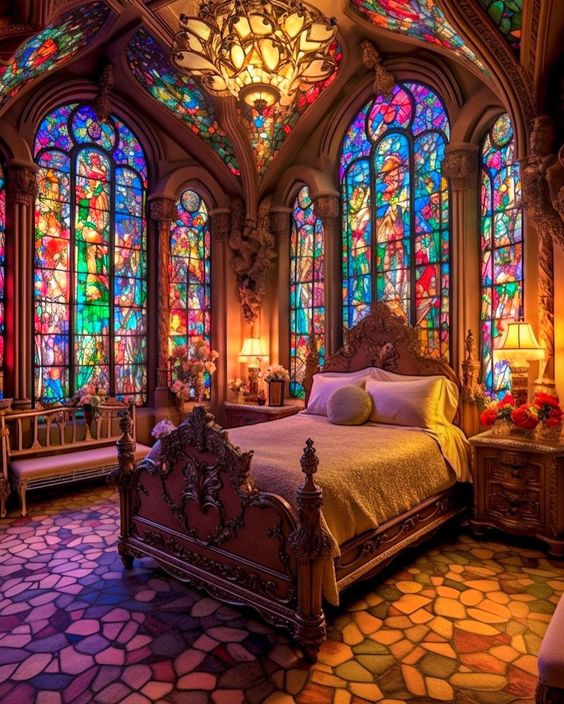
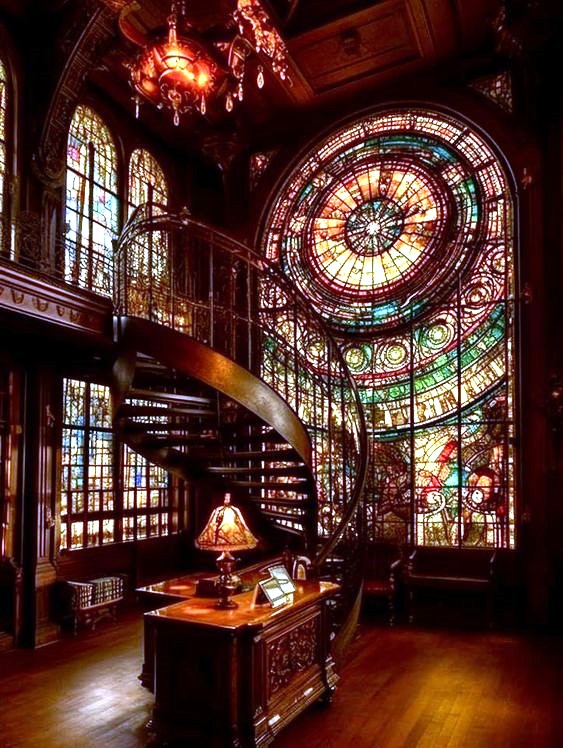
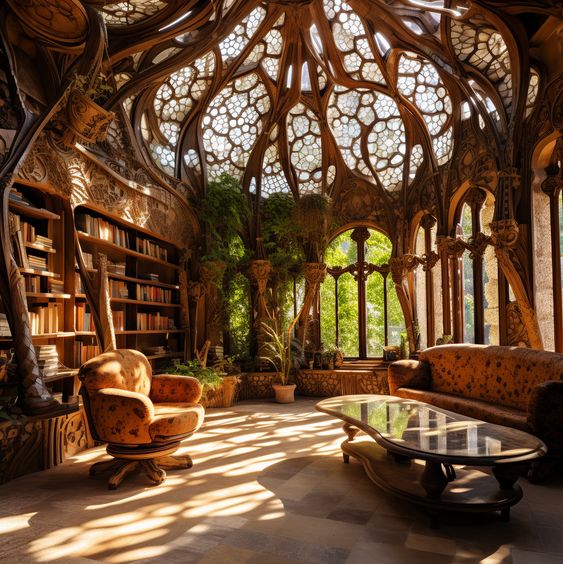
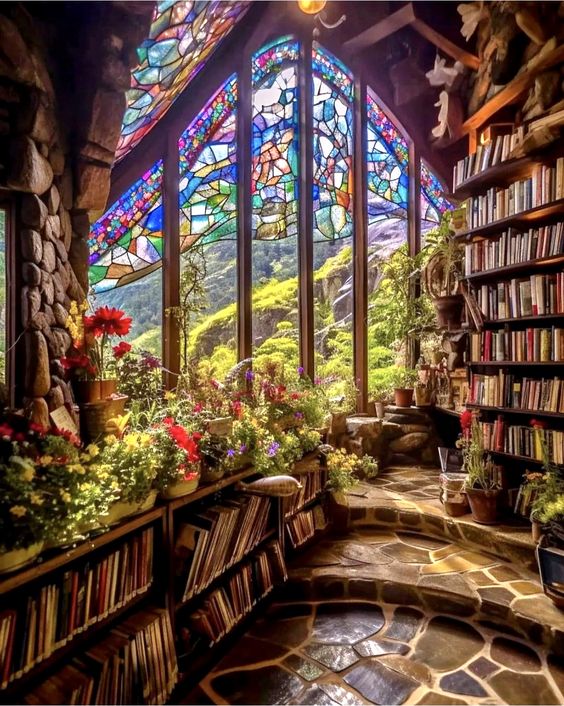
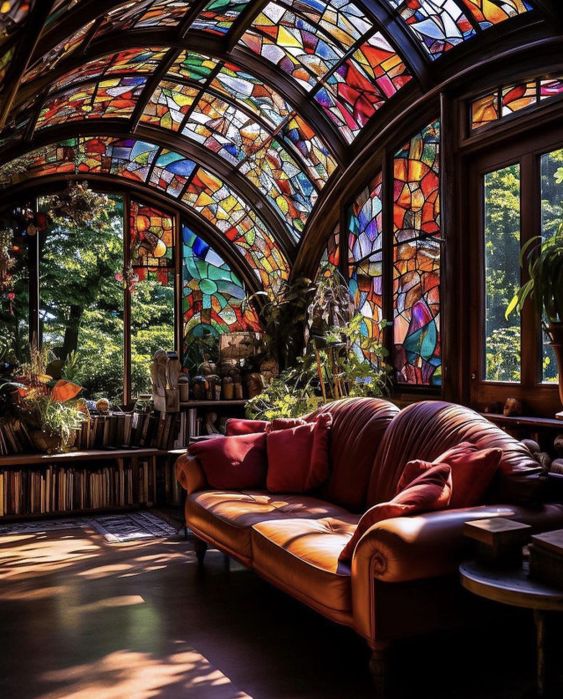
Having a Stained Glass Ball!

As you all know, I love sparkle.  Color. Light and windows and bling. I try and keep it to a minimum in here, as I’m sure there’s those that get bugged with too much disco ball in their eyes.

I am hoping to see the windows of Saint Chapelle Church when I go to France. It’s like a bucket list for stained glass aficionados.

Saint Chapelle Chapel, Paris, France

But I digress.

You know how one thing leads to another and another and another. Well, a few amazing stained glass room pictures showed up on my Internet feed, and before you knew it, I was collecting images of stained glass rooms.

So here for your enjoyment — and overload — is my dream Stained Glass House.


Front Entry Way


Hall to Living Quarters


Living Room, West Side


Living Room, East Side


Library


Kitchen


Kitchen Dining Nook


Tea Service


Study


Game Room


Bar Kitchen


Enclosed Back Portico


Indoor Contemplation Pool


Spiritual Room


Indoor Pool


East End Air Room


Hallway Stairway to Second Floor


Master Bedroom


Master Bedroom Library


Master Bathroom


Second Floor Guest Bedroom


Second Floor Guest Bathroom


Back Stairway to Second Floor Library


West Entrance to Second Floor Library


Second Floor Library, East Side


Second Floor Library, West Side


Second Floor Sitting Room


Second Floor Second Bedroom


Second Floor Second Room Bathroom


Conservatory


Kids Playhouse


Now my eyes hurt ….

I had a blast! Hope you did too!


Sunday Evening Art Gallery — Jean Dubuffet

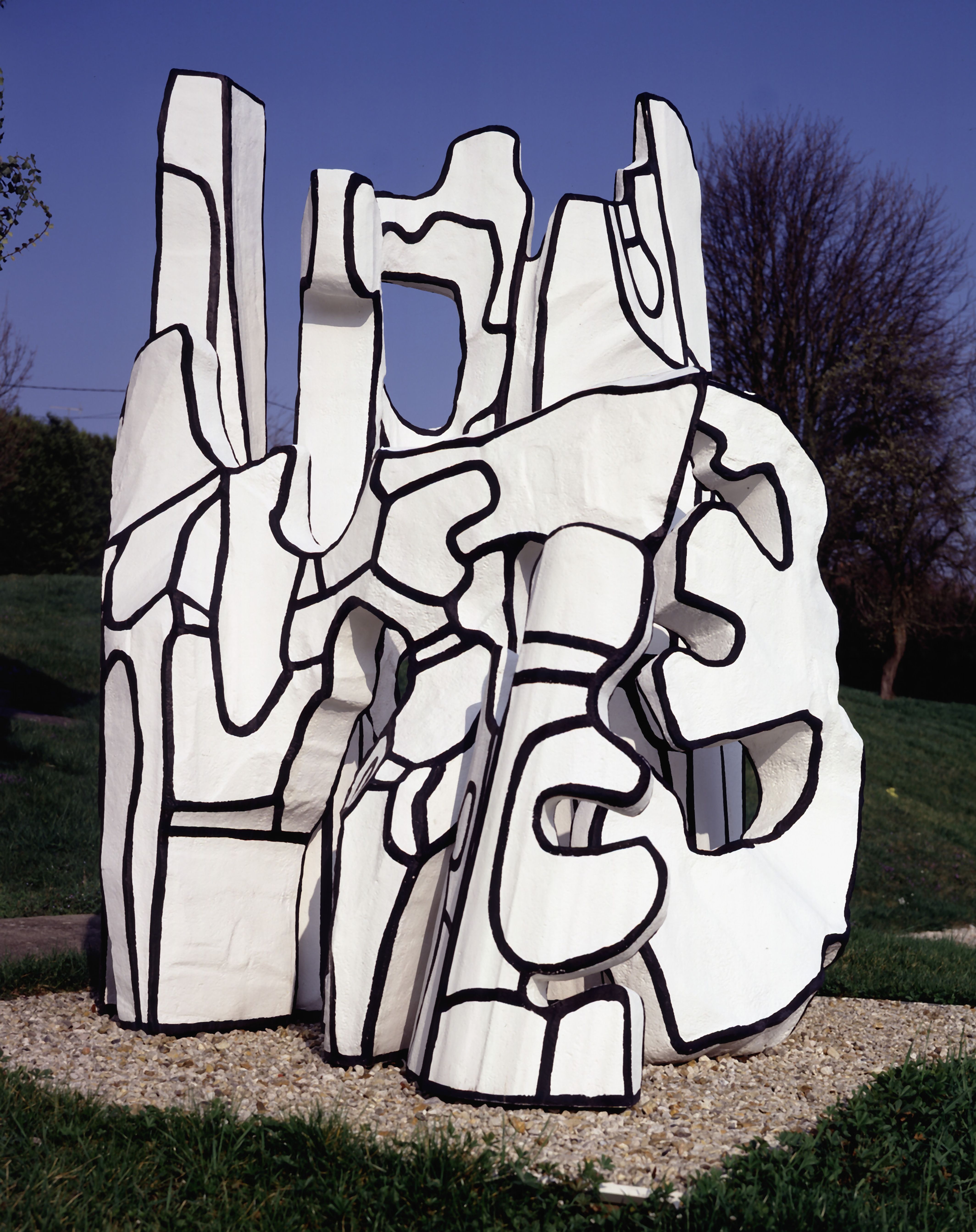
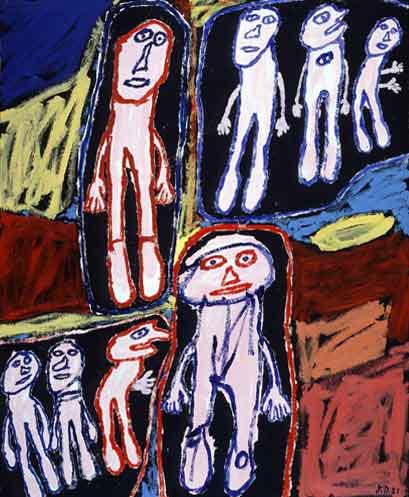
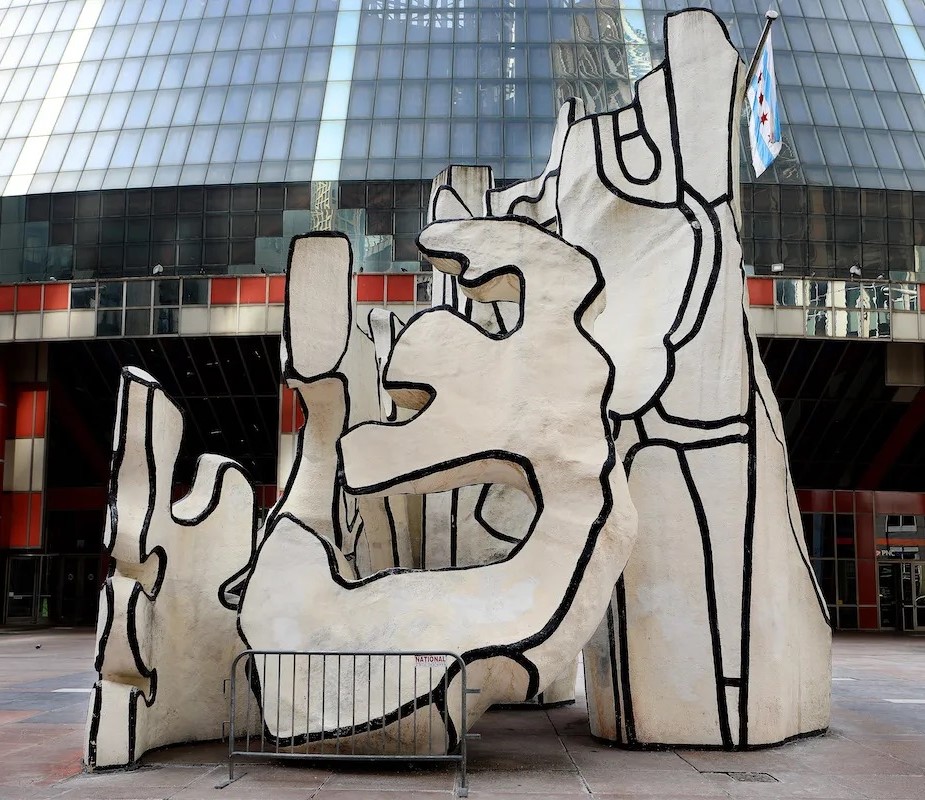
Jean Philippe Arthur Dubuffet (1901 -1985) was a French painter and sculptor.Born in Le Havre, France, the artist did not dedicate himself to his art practice until age 41, having been dismissed from the French meteorological corps and subsequently working as a wine merchant.Dubuffet is perhaps best known for founding the art movement Art Brut (Raw Art), and for the collection of works — Collection de l’art brut — that this movement spawned.Dubuffet looked to the margins of the everyday—the art of prisoners, psychics, the uneducated, and the institutionalized—to liberate his own creativity, coining the term “Art Brut” as a reflection of the creative possibilities outside the conventions of the day.

Dubuffet may be best known for his large-scale sculptures, which resemble masses of white organic forms sharply outlined in black.This artistic period was full of creative triumphs for the artist, who began work on his famed “Hourloupe” cycle, which comprises paintings, drawings, panels, and sculptural and architectural installations featuring undulating black lines and shapes atop white sculptural forms.More of Jean Philippe Arthur Dubuffet‘s unique works can be found at https://www.wikiart.org/en/jean-dubuffet and  https://www.artnews.com/feature/jean-dubuffet-who-is-he-famous-works-1234569877.


A Short Story of Expectations

This post is a little longer than my usual chit chat, but I looked back in my repertoire of blogs and this one made me smile. Life is not always what you expect.

Moonrise at Sunset
7/14/11

 The crispness of the evening crackled around me as I sat on the rustic bench at the edge of the harvested cornfield.  I was on a mission; I was determined to watch the moon rise over the horizon. I had toddled down the path through the woods behind my house, laptop in hand, hoodie tied tight around my head. 

There was rustling about — shuffling and shifting somewhere in the distance as creatures large and small began to find shelter for the night.  I sat quietly, laptop on my legs, waiting for the crest of the moon’s edge to peek over the farthest boundary line of earth.

There was more shuffling through the skeletal bushes as the shadows grew around me.  I pushed away flashes of monsters and rabid raccoons and embraced the thought of it being a bird or squirrel.  Little, gentle things.

My query was soon answered in the form of a large black bird that appeared on the branch of the tree in front of me.  Her beady eyes blinked at me, her head tilted slightly. “What in the world are you doing here so late?  Go home! It will be a cold one tonight!” she scolded. I agreed with the bird, watching her shimmy and shake before disappearing into the woods.  She was no fool; it was indeed getting chilly.

My fingertips began to numb as my eyes kept watch through the barbed wire fence, across the harvested cornfield, past the ridge of trees and farms to the horizon in the distance. As the evening sky turned from lavender ribbons to purple shadows, thoughts of previous generations ran through me.

Who knows what our ancestors thought when they looked up at the night time sky?

I knew that the Andromeda Galaxy glowed in one of the legs of the W of Cassiopeia, and the right side of the cup of the Little Dipper pointed upwards to the North Star.  But the locals had taken their own spin on astronomy, leaving me wondering about my long-held beliefs.  Does Apollo ride his steeds through the Wisconsin sky just as he did in Greece?  Is the constellation Orion actually the outline of a football player getting ready to throw a pass?  Does the pointer star really always point towards a tavern?

The crow returned, landing very near on the post beside me.  She wondered what I was still doing there.  I was an alien here.  That, and I probably smelled like garlic from my spaghetti dinner. 

I tried sitting very still, but the bird had never seen a wild woman hanging around on this bench at this hour, and squawked that fact to anyone who would listen.  Finally, after making her point, she took off in a huff. Point taken. 

Where was the full round beauty that taunted mere mortals with her presence?  Where was the crest of her silver hair above the horizon?   She was the goddess of the night, the seductress in the midnight blue wrap.  Her dark cape sparkled with distant flecks of existence; yet in her full glory there was no star that could match her brilliance. 

How silent these woods had suddenly become.  I sat in vigilant dedication, my shivering the only noticeable movement.   I could not see my fingers, my letters, my writing.  A subtle numbness started to creep down from the tips of my gloves, yet still I waited.  Darkness had covered the wilderness, forcing me to pay closer attention to everything around me.

Suddenly, a loud crash and shuffling came from my left.  Bigfoot!  Hodag!  Tyrannosaurus Rex! 

But, no! Too light-footed!  It had to be a deer crashing through the bramble.  The hoofed steps stopped on the path, listening.  All was silent. We both held our breaths, she in the woods, I on the bench.  My heart exploded, leaving me wanting to turn around just for a peek. Turn! Just turn!

But I couldn’t. Wouldn’t.

The moment stretched into an eternity, until finally the doe walked the other way, crunching the leaves in her wake.  She must have been making her way to the cornfield, circling away from the soft glow of the computer screen and the odd scent of garlic. I can’t say that I blamed her.

Finally the moment had come.  The first pinpoint of light in the distance — She appeared! 

But gasp upon gasps!  What was this?  Her crown was not the color of ghosts or spider webs — the Lady’s mane was red! 

My Goddess of the Night was a crimson-haired tart!  

Full and round, she rose majestically through the black distance, the world stopping for a moment to honor her presence.  Her red mane radiated over the valley and poured across the landscape, Her round orb was breathtaking! Sassy!  

The Moon Goddess watched over that magical night with the grace of a queen with her crown of rubies.  She was beautiful in her new outfit — proof that women could change their appearance whenever they wished.  They could be feminine and pure and complex and naughty with merely a change of color — or thought.  It was the delight of being female, the magic of the power within.

Eventually I closed my laptop, extinguishing the last remains of my human presence.  Her aura slowly turned back to haunting white, glowing enough to light my path back home. I promised to come visit again, not only when she was at her fullest, but also when she was merely a slice rising in the distant dark sky,

And in return, I heard her say that she’d come to my house for garlic spaghetti any time.


Sunday Evening Art Gallery — Lino Tagliapietra

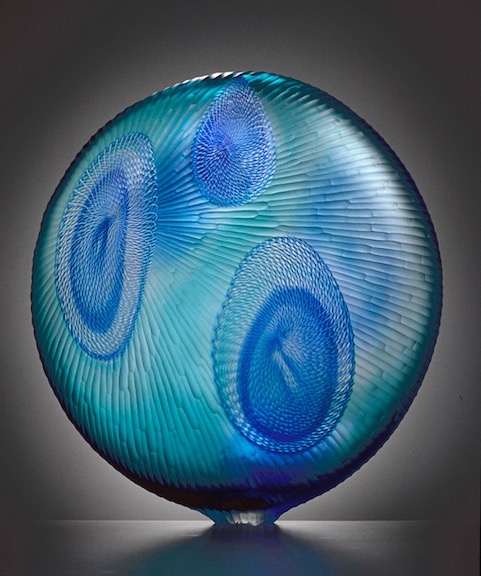
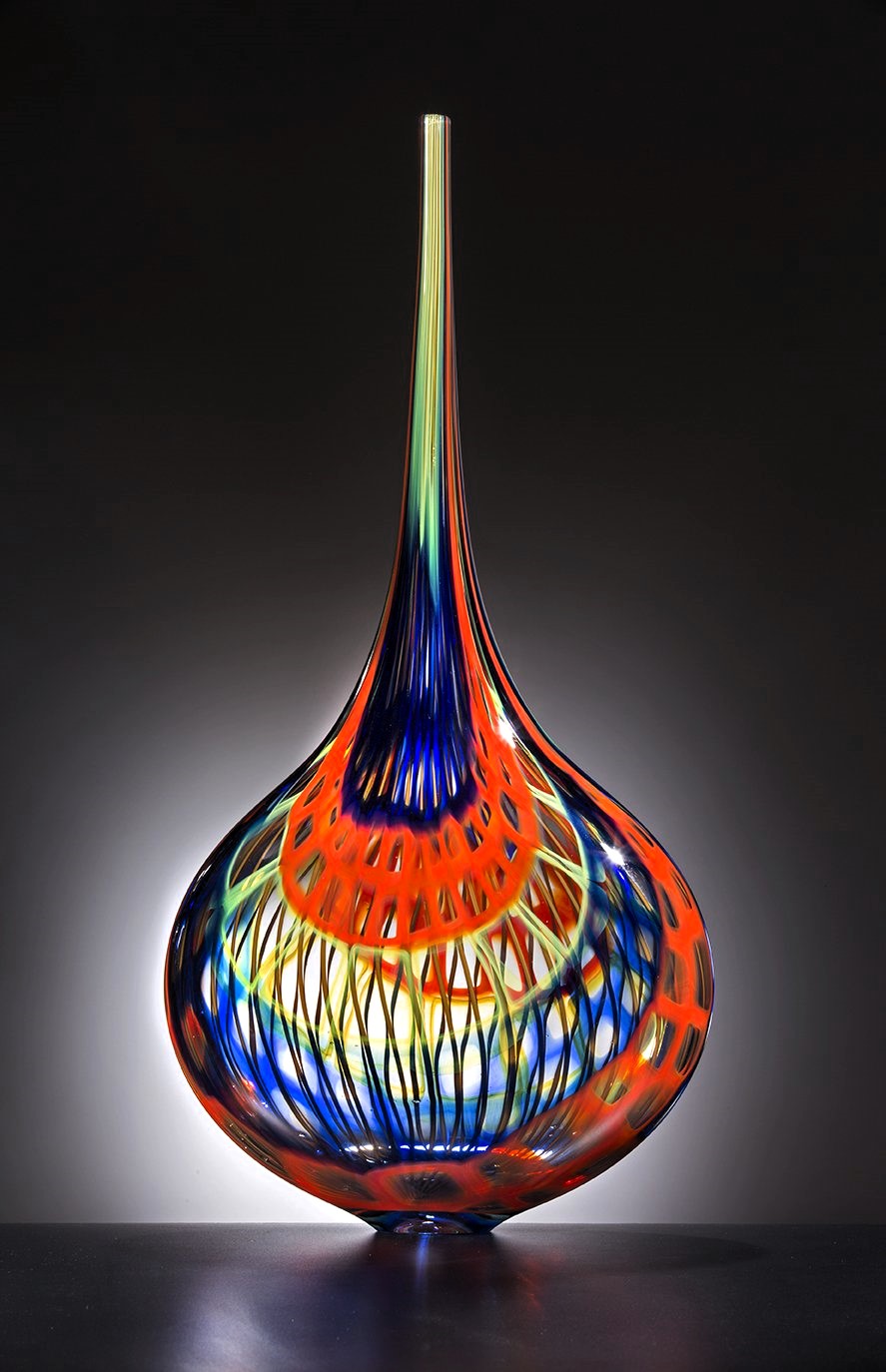
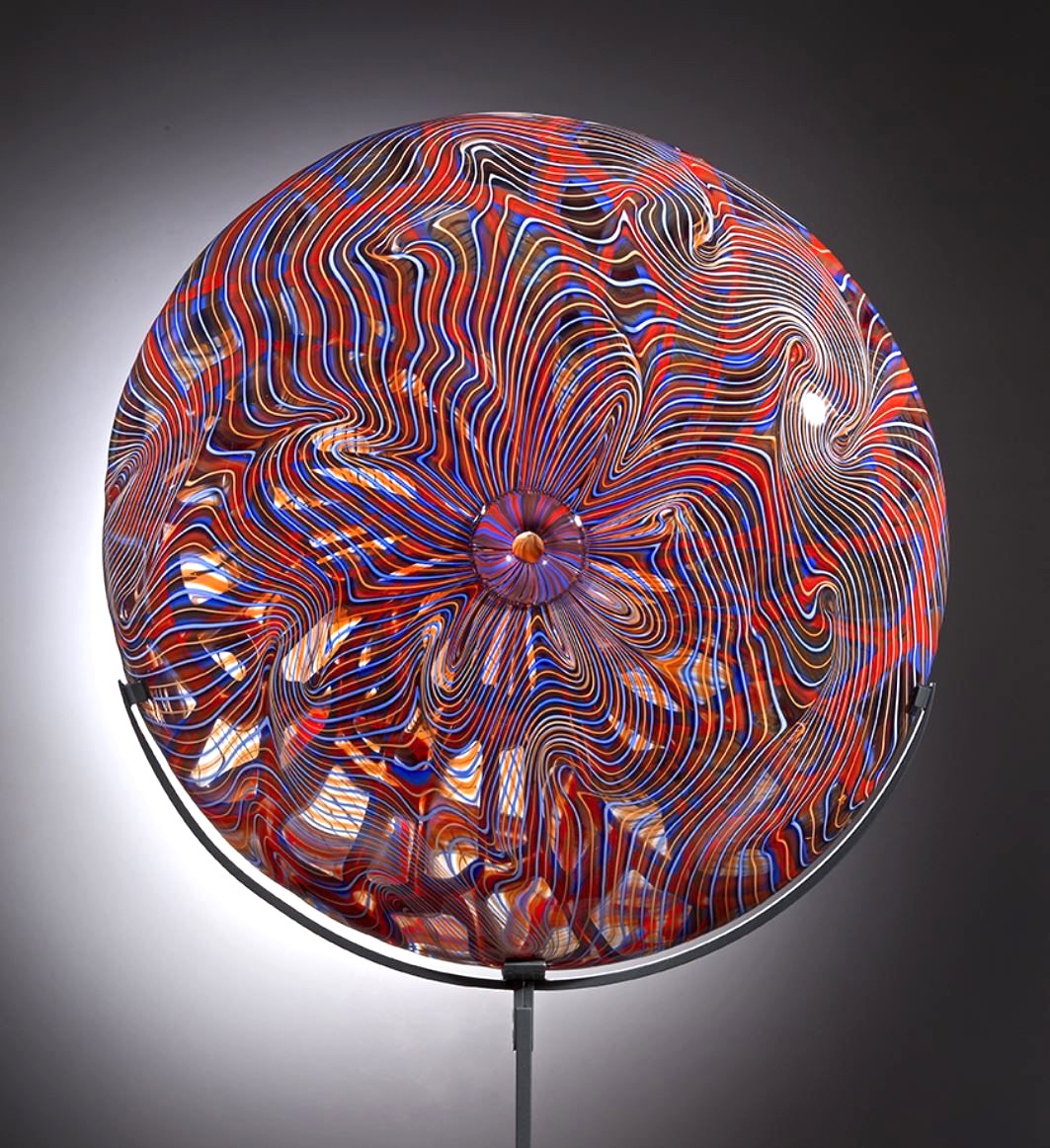
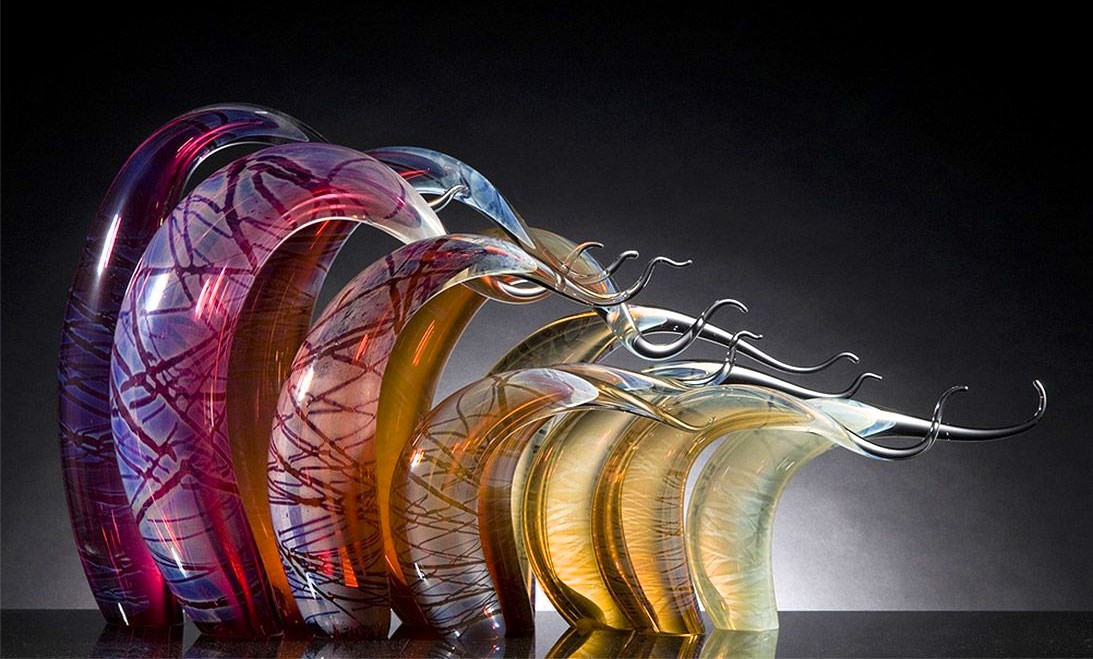
Lino Tagliapietra was born in 1934 in Murano, Italy and became an apprentice glassblower at age eleven.Even at a young age Tagliapietra exhibited an immense dexterity for glass and was appointed the title of “Maestro” when he was just 21. In 1979, the artist visited Seattle for the first time and introduced students at the Pilchuck School to the traditions of Venetian glassblowing.This cross-cultural collaboration helped shape the identity of American glassblowing and offered Tagliapietra an opportunity to expand his horizons internationally.As a teacher and mentor, he has played a key role in the international exchange of glassblowing processes and techniques.Tagliapietra’s technical resources continuously expanded to combine modern experimentation carving, blowing, caning, layering, casing, and trailing along with the elaborate Italian tricks and styles so sought after for centuries including battuto, zanfirico and  filigrano.

More of Lino Tagliapietra’s amazing glass blowing can be found at https://www.linotagliapietra.com/ and https://www.hellergallery.com/lino-tagliapietra/.


Faerie Paths — Trees

Methuselah
Oldest Tree in the World
4,855 years old in 2023


The only thing that happens if you wait is that you get older.
~ Mario Andretti


Sunday Evening Art Gallery — Robert de la Torre

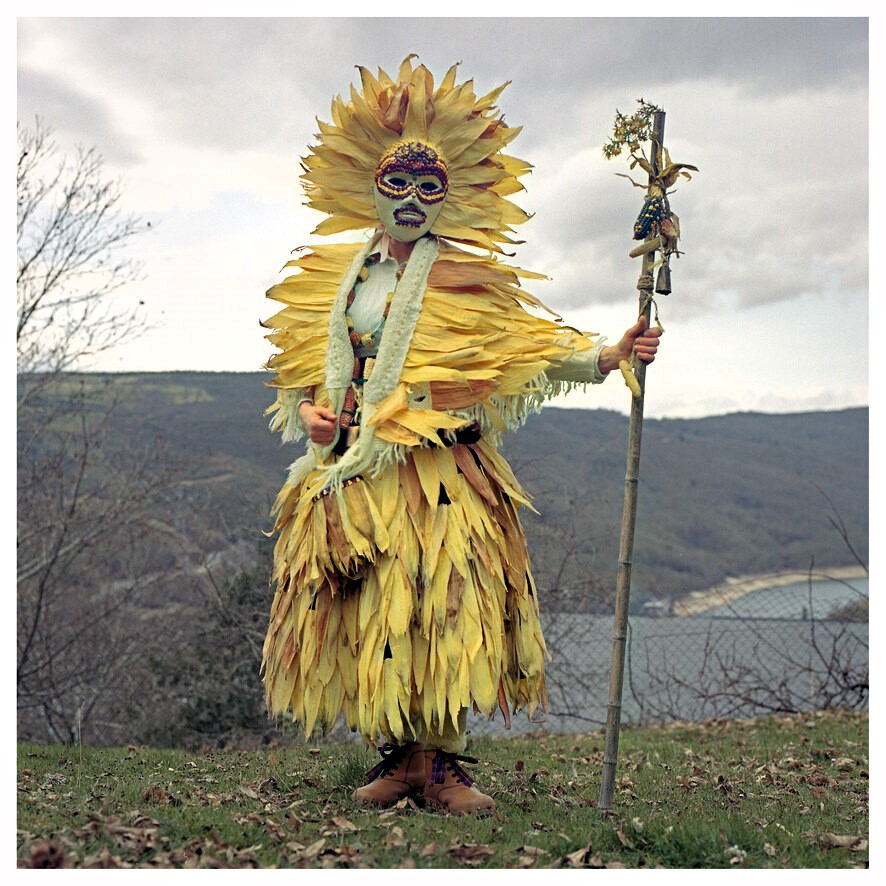
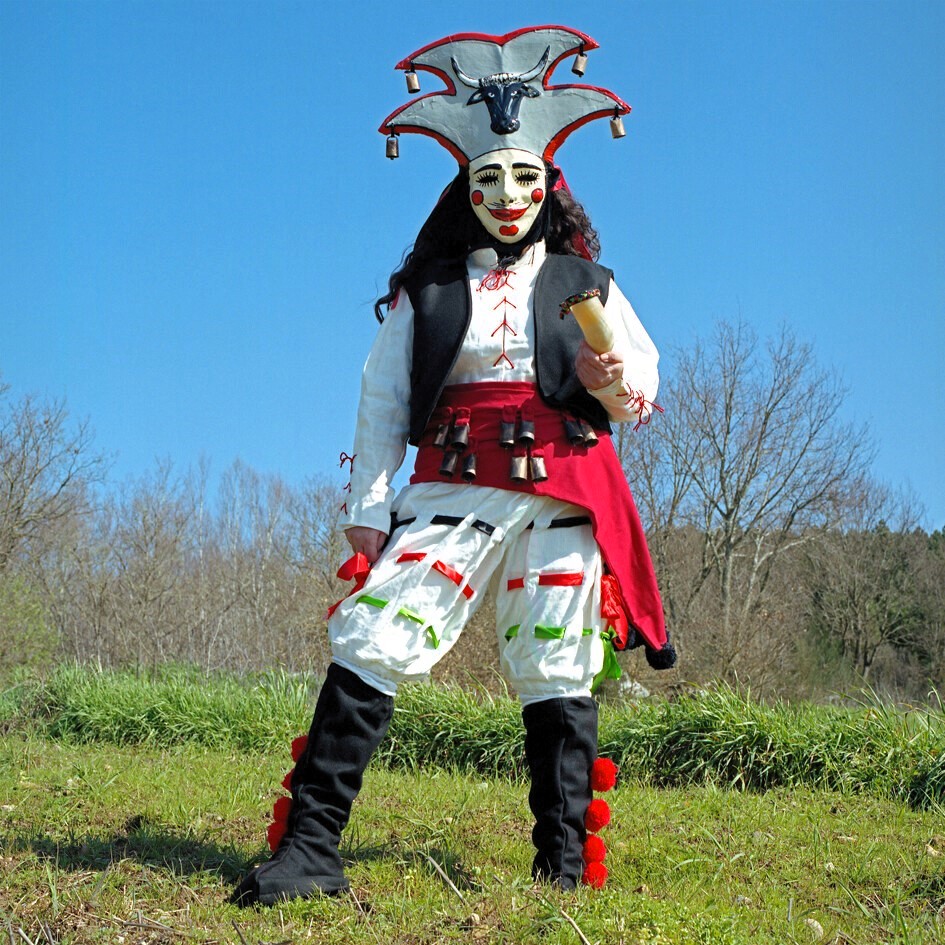
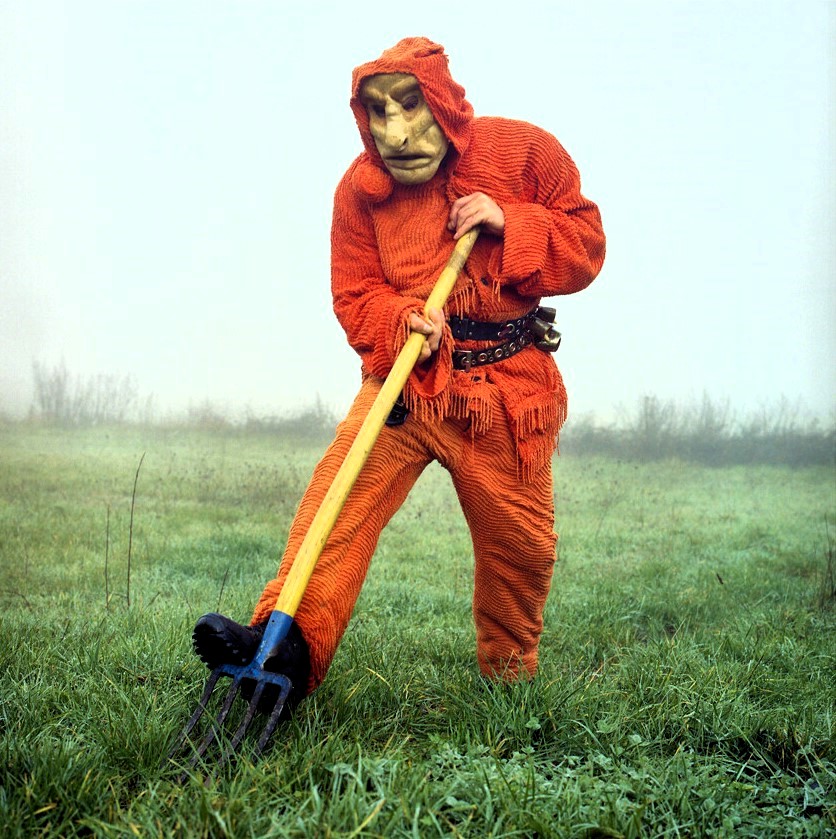
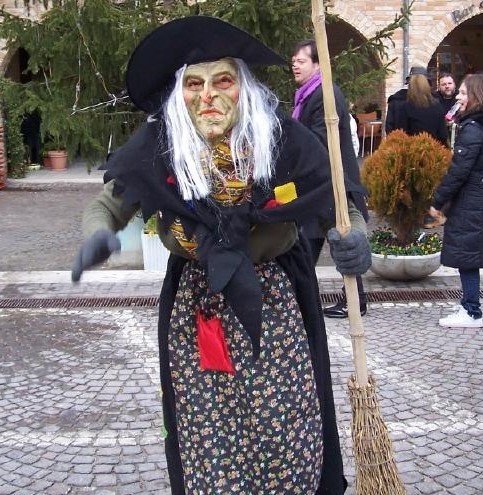
In Microcosmos, photographer Roberto de la Torre centers his lens on the celebratory costumes of the entroido.Held extensively in his house area of Galicia (Spain)  around Lent and the shift from winter to spring, entroidos are annual gastronomic carnivals during which meals and dance are plentiful. Elaborate costumes and masks are essential for participation, which de la Torre documents.
In his photograph series Microcosmos, de la Torre presents a hierophantic landscape  — places where the existence of the sacred becomes present.It is a landscape which manifests itself through the objects of our usual cosmos as something completely opposed to the profane world.Many of the masked figures the artist portrays in Microcosmos go out in ritual celebrations in isolated places very far from the big cities.“The thematic base of my work are ancestral beliefs and ancient deities,”  de la Torre shares.“The creative technical process of the image itself is inspired by the paintings of religious icons.”

More of Roberto de la Torre ‘s remarkable costumes and photographs can be found at https://www.roberdelatorre.com and /https://www.roberdelatorre.com/tienda-shop.


Look What’s Coming!

Been scouring the world (and the Internet) for new, unique, fun art to share with you — and I have not been disappointed!

The only thing that disappoints me is that I only share New Art with you a couple of times a week!

But here’s a taste of what’s in store for the future —


Glen Martin Taylor


Julia Lucey


Roberto de la Torre


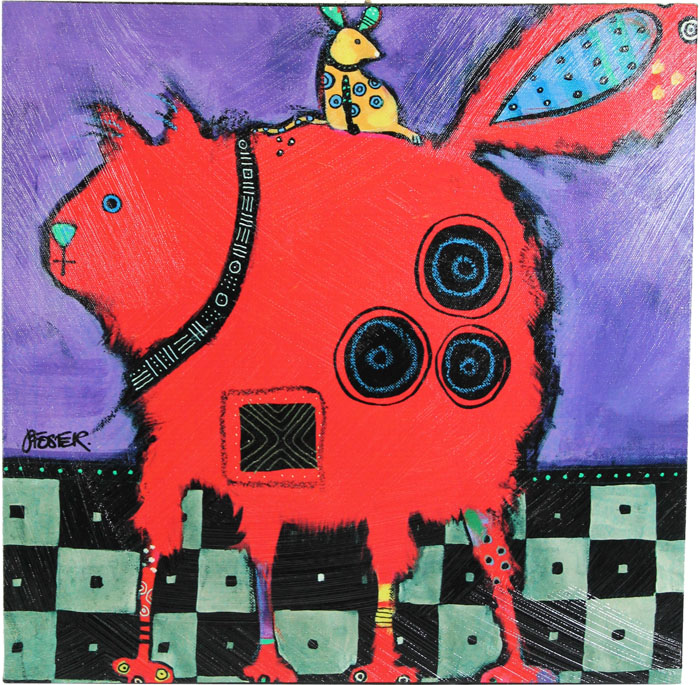
Kitty Sheperd


Hope you are as excited as I am!

And if you know of any unique artists that might fit this gallery, drop me a comment here.


Faerie Paths — Valentines Day

My version of Valentine’s Day for all of you….


I hope you don’t mind that I put down in words
how wonderful life is while you’re in the world.
~Elton John


Sunday Evening Art Gallery — Elfriede Lohse-Wächtler

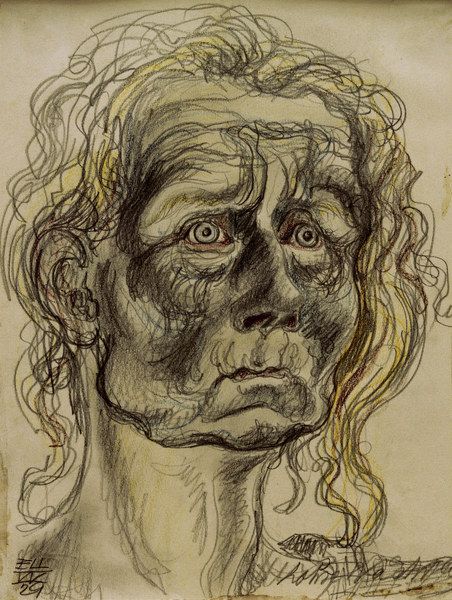
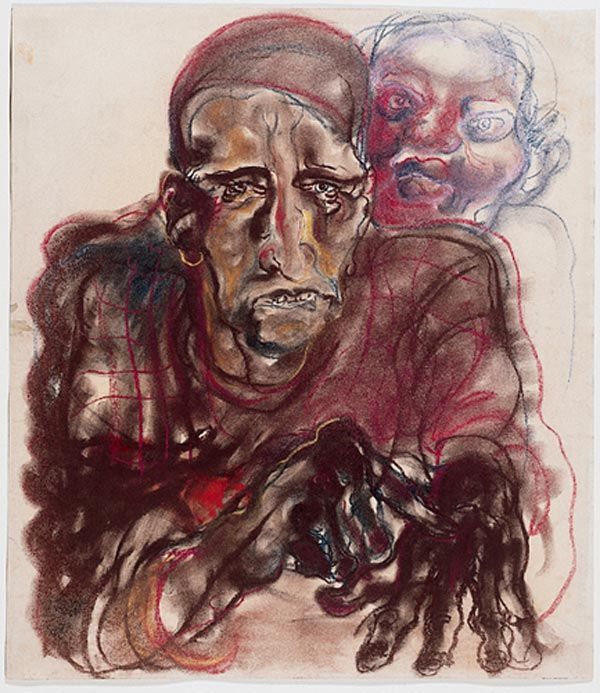
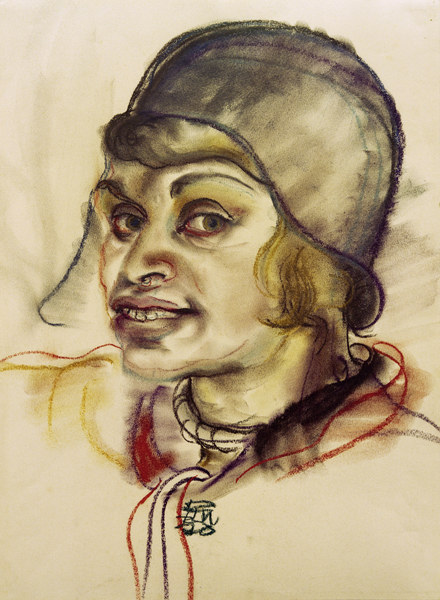
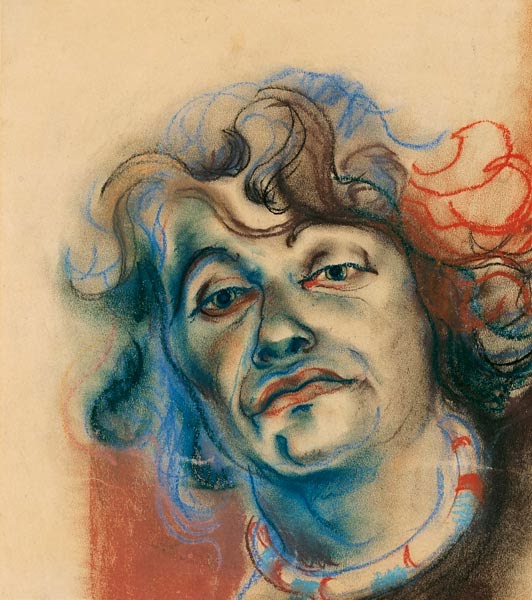
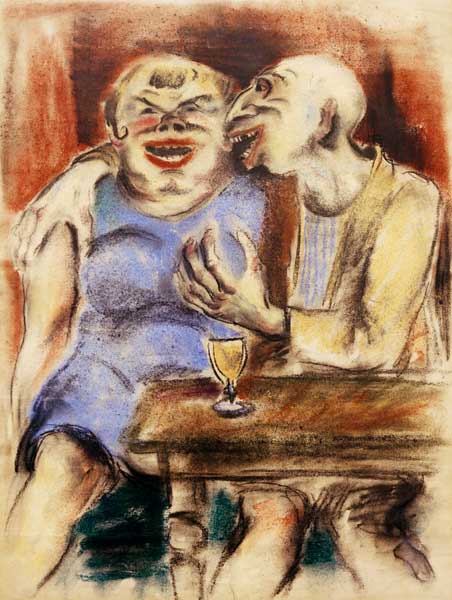
Elfriede Lohse-Wächtler (1899 – 1940) was a German painter of the avant-garde whose works were banned as “degenerate art” and in some cases destroyed.Lohse-Wächtler  grew up in a middle-class family, but left at the age of 16 to study at the Royal Arts School Dresden. From 1916 to 1919, she also attended drawing and painting courses at the Dresden Art Academy.In June 1921, she married the painter and opera singer Kurt Lohse, following him to Görlitz in 1922 and then to Hamburg. The marriage was a difficult one and the couple separated several times in the following years.In 1929, she had a nervous breakdown because of financial and partnership difficulties and was committed to a psychiatric institution in Hamburg-Friedrichsberg.During her two months’ stay, Lohse-Wächtler painted the Friedrichsberg heads, a piece of work consisting of about 60 drawings and pastels, mainly portraits of fellow patients.After her recovery and a final separation from Kurt Lohse, she had a very creative phase, painting numerous pieces of Hamburg’s harbor, scenes from the life of workers, prostitutes, and pitiless self-portraits.

After refusing to consent to a sterilization, Lohse-Wächtler was denied the permission to leave the hospital,  and eventually was forced to undergo the surgical procedure  on the grounds of Nazi eugenicist policies. In 1940 she was deported to the former psychiatric institution at Pirna-Sonnenstein where, on 31 July, she was murdered along with the majority of the other residents as part of the Nazi “euthanasia” program, Action T4.In 1999, there was a stele (stone or wooden slab) erected in her memory, along with a ward house named after, at the Saxon Hospital in Arnsdorf, and in 2005 a street was also dedicated to her in Pirna-Sonnenstein.More of Elfriede Lohse-Wächtler‘s work can be found at https://www.lostwomenart.de/en/artist/elfriede-lohse-wachtler/ and biografie/Elfriede_Lohse-Wächtler.


Princess Party? Heck Yes!

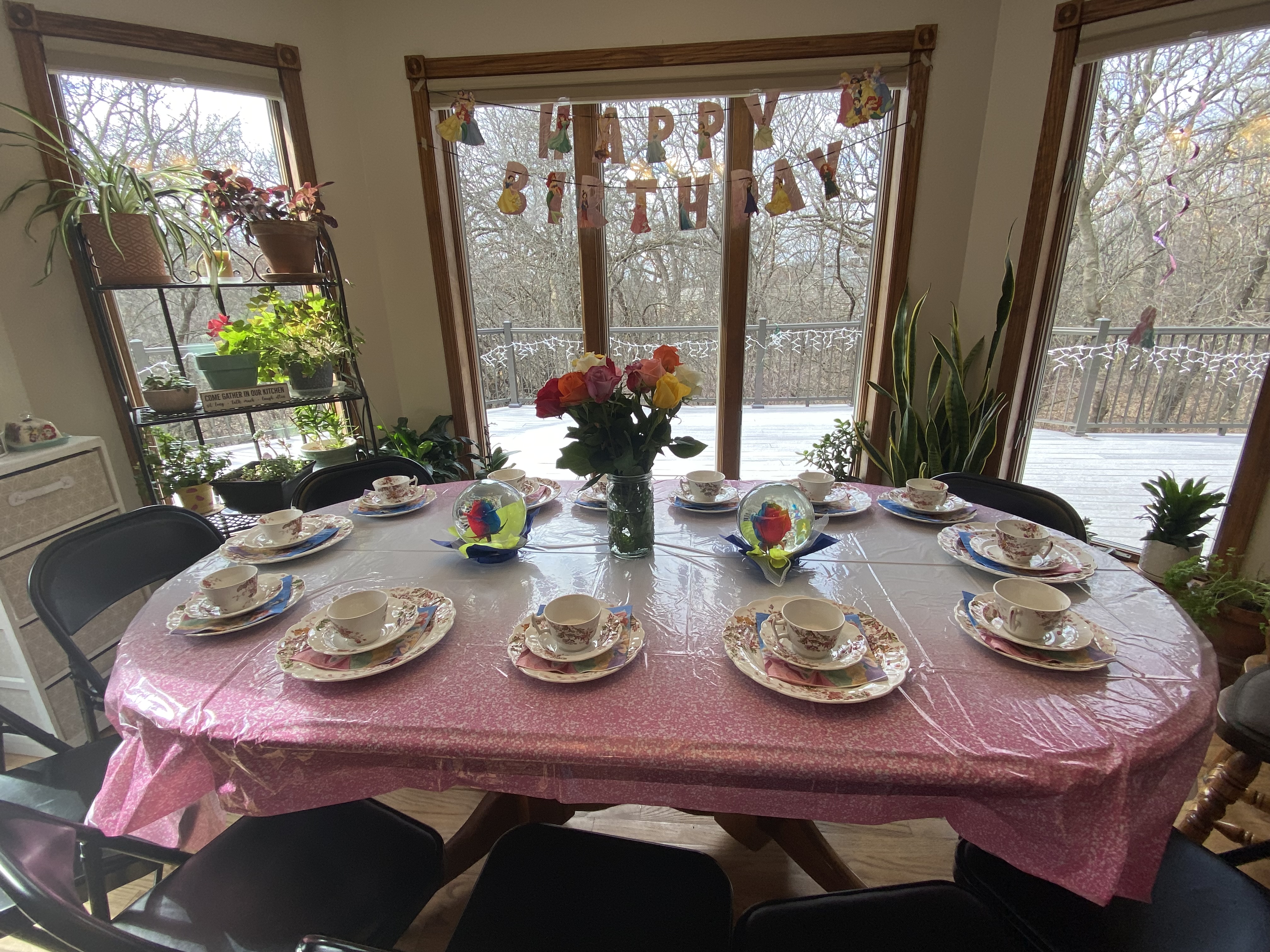
Yesterday was my granddaughter’s 6th birthday. Her mom decided to throw her and 11 of her best girlies a “Princess Party.”

I tell you what.

After a crazy day of a dozen princesses running around and laughing and screaming and doing a dance freeze contest and having a tea party drinking tea (cranberry juice and 7UP) from China cups (pinkies up) and star-shaped PB&J sandwiches and me  dressing up as the Fairy Grandmother, I’ll tell you what.

When I turn 72  ~I~ am going to throwing ~me~ a Princess Party!

I can’t remember many birthday parties with cake and hats and girls running around squealing and opening presents –not necessarily because my mom never threw birthday parties, but more like ~I~  don’t remember.

But do you know how much fun it would be to have a bunch of my girlfriends (and family/others) wear princess dresses and tiaras and drink tea (or Bailey’s) out of a China cup and make star salami sandwiches and blast oldies music with a bunch of best friends? 40s and 50s and 60s and 70s all dancing in the living room to “Kick Start My Heart” and serving crescent moon shaped brownies and sharing stories of our ancient dating life while passing around the ibuprofen? How can I resist?

I don’t want to wait until its my “Claudia’s Celebration of Life” day to see how much my friends and family miss me and wish I was around again to play and be airy fairy.

I want to do it now. Not just for me, but for my family. For my friends. I need to add some positive vibrations to this sometimes ugly world.

My birthday is in December, but that doesn’t mean I can’t have a pre-party princess party in July!

Why should grandbabies have all the fun?


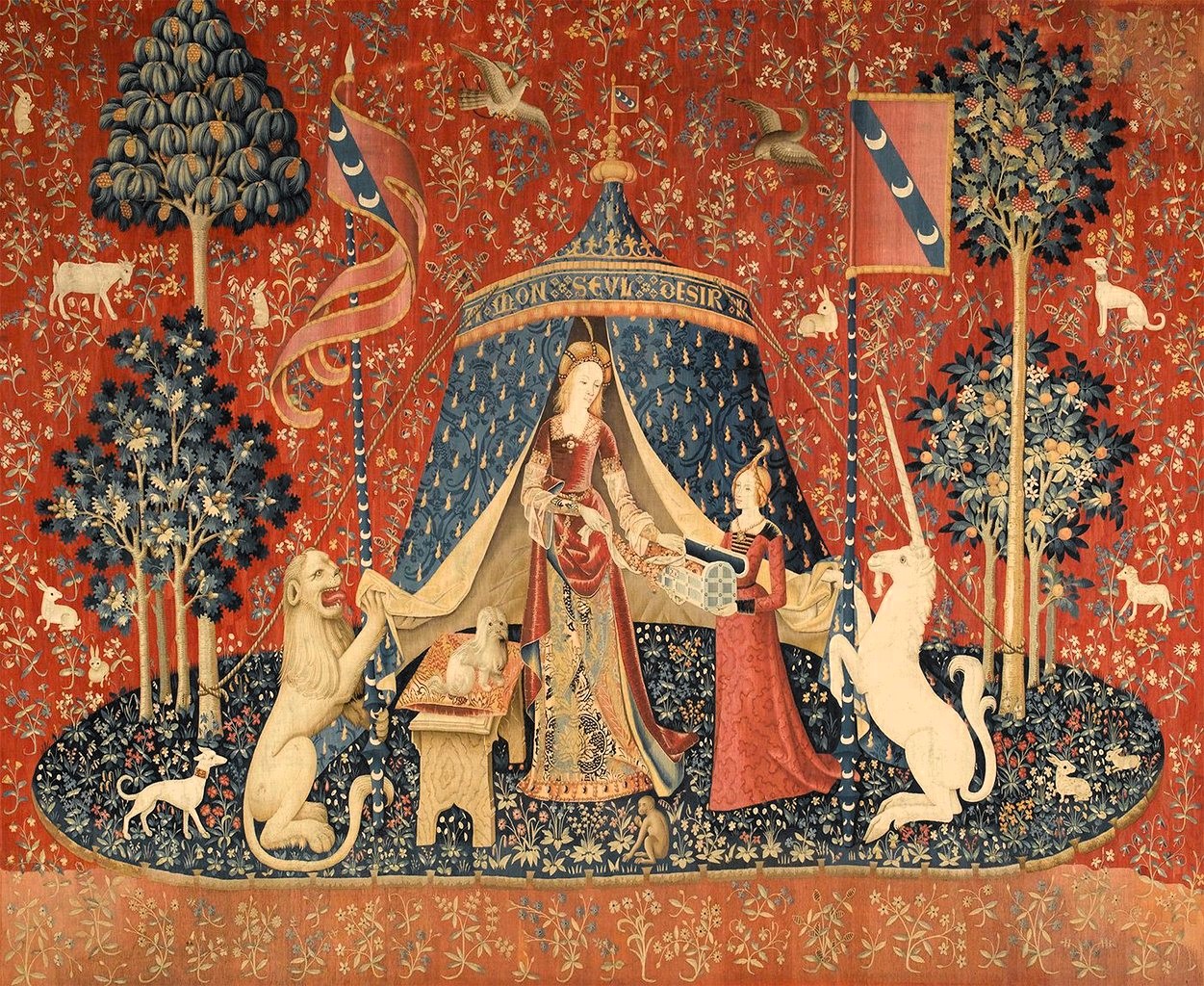
Sunday Evening Art Gallery — The Lady and the Unicorn Tapestries

The Lady and the Unicorn (La Dame à la licorne) is the modern title given to a series of six tapestries created in the style of mille-fleurs (“thousand flowers”) and woven in Flanders from wool and silk, from designs (“cartoons”) drawn in Paris around 1500.

Touch

On display in the Musée de Cluny in Paris, Five of the tapestries are commonly interpreted as depicting the five senses – taste, hearing, sight, smell, and touch.

Hearing

The sixth displays the words À mon seul désir  —  my only desire. The tapestry’s intended meaning is obscure, but has been interpreted as representing love or understanding.

Sound

Each of the six tapestries depicts a noble lady with the unicorn on her left and a lion on her right; some include a monkey in the scene.

Smell

The subject of the tapestries is complex, and scholars now (generally) agree that they present a meditation on earthly pleasures and courtly culture, offered through an allegory of the senses.

Taste

The tapestries exhibit a captivating blend of medieval aesthetics, classical symbolism, and elements of the natural world, and offer a glimpse into the cultural and artistic sensibilities of the late Middle Ages and have captivated audiences for centuries.

À mon seul désir


More information about The Lady and the Unicorn tapestries can be found at https://www.musee-moyenage.fr/en/collection/the-lady-and-the-unicorn.html and https://www.worldhistory.org/collection/171/the-lady-and-the-unicorn-medieval-tapestries.


Faerie Paths — Princesses

Going to my granddaughter’s Princess Birthday Party Sunday — a Princess thought —

Queen Mary Fringe Tiara


Have courage and be kind. Where there is kindness, there is goodness. And when there is goodness, there is magic.

~ Cinderella


I Love Time Traveling!

Some writers keep every scrap of paper, every note, every short story version they’ve ever written. Others smartly pick and choose which scraps of paper to keep for posterity’s sake.

I was going through a stack of ringed notebooks and books and sketch pads I had stacked on the corner of my dresser for like ever, and decided to go through all and see what I could keep and what I could toss.

What a crazy backwards trip in time!

I found notes on old books I’d written back in 2005. 2005!! Notes on books I never finished; research on faeries and Old English language and life in the 1880s.

I also found a diary from a very lonely girl from 1966 and a bunch of short stories written for writing classes for a college degree I never got back in the 70s.

I was delighted to discover the mind of a middle-aged woman who owned a B&B and the writing prose of someone who had just gotten divorced at 27 years of age. I found some sketches for Mehndi Body Art painting and a shelving unit I don’t remember owning and lots of poetry I forgot I’d ever written.

The best thing I found was a little 5 x 7 notebook that contained notes from when our family took my first grandson to Disneyworld nine years ago when he was four. I recorded each day of our vacation so that we would always have something in writing to bond us.

Love doesn’t need written proof. Just like it doesn’t need flowers and candy and romantic dinners by candlelight. But it will be a wonderful treat to read it to him when all of the participants are around next weekend.

I love to time travel, both alone and with others. After all, who knows where you and your friends and family will wind up?

Advice for the day: don’t throw ALL of your notes away — save the creative heart-felt ones for a rainy/granny/writer day!


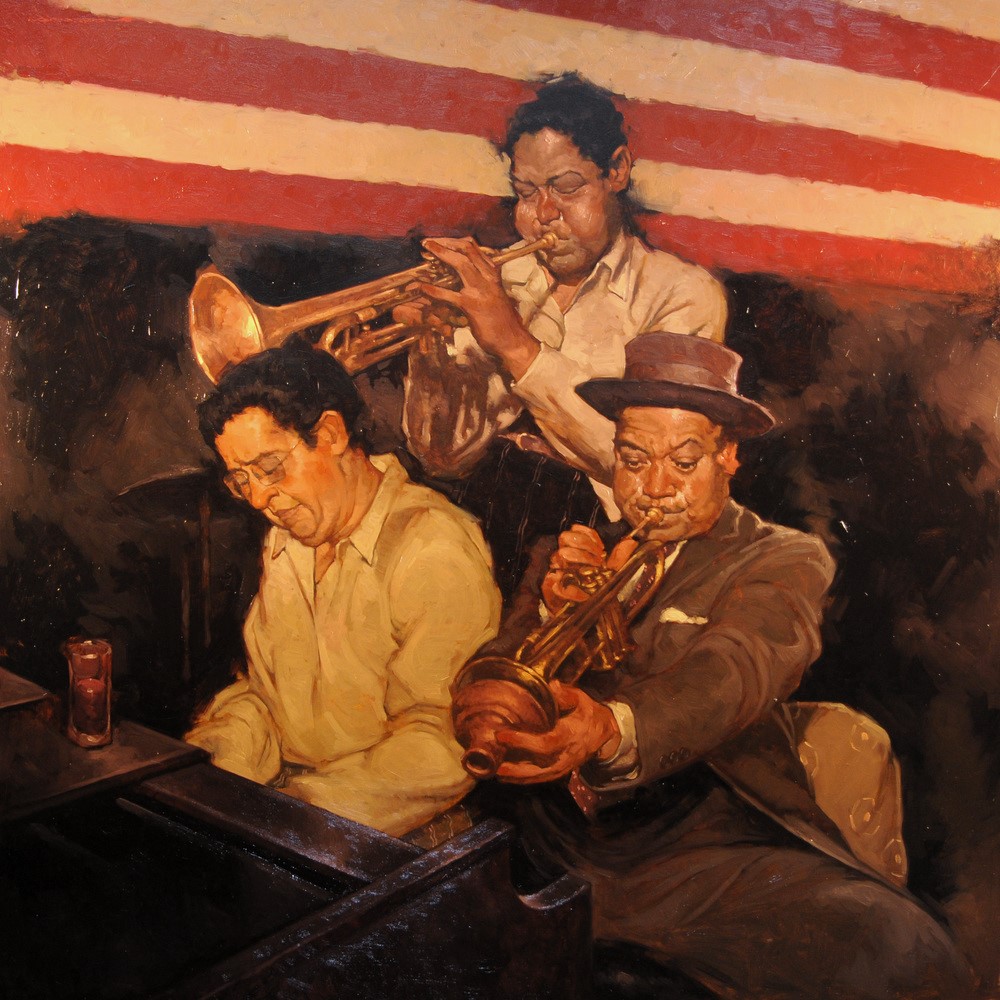
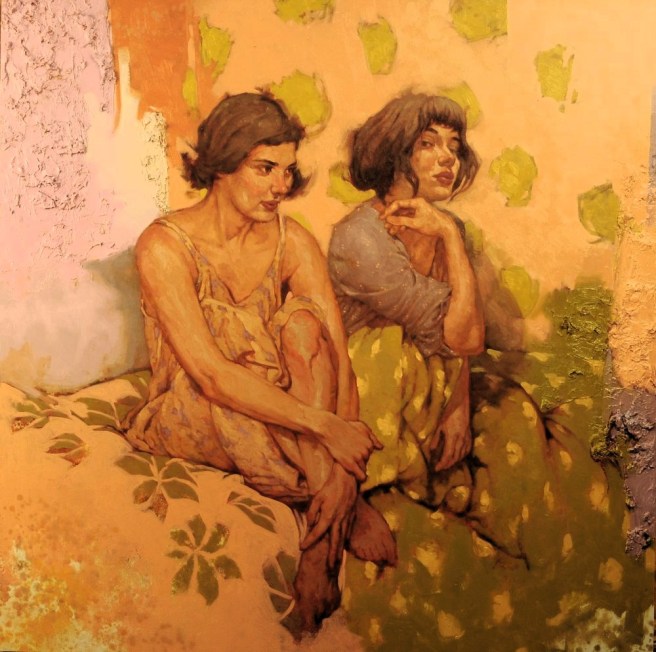
Sunday Evening Art Gallery — Joseph Lorusso

Joseph Lorusso was born in Chicago, Illinois, in 1966 and received his formal training at the American Academy of Art. He went on to receive his B.F.A. degree from the Kansas City Art Institute.Born of Italian descent, Lorusso was exposed to art at an early age through several early trips to Italy where his parents introduced him to the works of the Italian Masters.The artist concentrates on urban and natural landscapes and the human figure, rendering his subjects in a naturalistic, impressionistic style.Lorusso believes in the ability and power to tell a story through his image-making, being able to connect with the viewer in the process. He is especially interested in painting ordinary people in everyday settings, which he invests with a sense of pathos and mystery.Lorusso’s paintings have been described as warm and dreamlike, places of restful escape with a sense of spirituality, and share timelessness with the works of other eras.

More of Joseph Lorusso‘s creative paintings can be found at https://www.josephlorussofineart.com and https://www.artsy.net/artist/joseph-lorusso.


Faerie Paths — Nonsense

Inspired by Edward Lear’s ‘Dong With a Luminous Nose”


I like nonsense, it wakes up the brain cells. Fantasy is a necessary ingredient in living, it’s a way of looking at life through the wrong end of a telescope. Which is what I do, and that enables you to laugh at life’s realities.

~ Dr. Seuss


Today


I remember the giggled laughter
That bounced through those bright eyes.
I remember taking you on the back of my bike
Accompanying your older brother to school.

We all gave up a bungalow in Elmhurst
For a bed and breakfast in Wisconsin.
Hoping it would be a new adventure for all of us.

The time we spent running around the mansion
Wee some of the best times ever.
I watched you play video games and
Shoot your brother with paint balls

Grandpa Art and Jr duck taping you to the lion statues
Guitar HERO TILL 2 am
Tipped over golf carts and stitches
And a hand through the window
All brought us closer together

I was all behind you when you decided
College wasn’t for you.
Music was for you. Camping was for you.
European soccer and fishing with the guys
was for you.
Freedom was for you.

Then love came around and for the first time
Shared you with the girl of your dreams
A soft breeze on a hot summer day
A cuddle blanket on those cold winter eves.

Time for mom to take a back seat and let the magic unfold before me

How was I to know that we would get closer
More open, more magical
As the love spread through the two of you
And rained down on the rest of us

How was I to know that two years ago
My perfect picture of happily ever after
Would come crashing, bashing down around my head

The broken crystal shards embedding into my heart
Destroying a part of my life with such instant precision
I still feel it’s depths every time I breathe

Two years ago today
Our lives changed. Our hearts broke. Our souls shifted.
Still helpless today, we can only accept. And imagine.

None of us will ever be the same.
Yet you left us with memories and smiles
You had a way about you so charming
Everyone wanted to hug you.
We all still do.

Your name always comes up in conversation
And the grandkids are joining in too
We see you in the boat in Eagle River
And on the ski slopes at Brûlée.
I see you sitting on Santa’s lap
From babe to laughing young man.

I see you in the shadow of dawn
And on the trails at dusk.
You will always be my little guy.


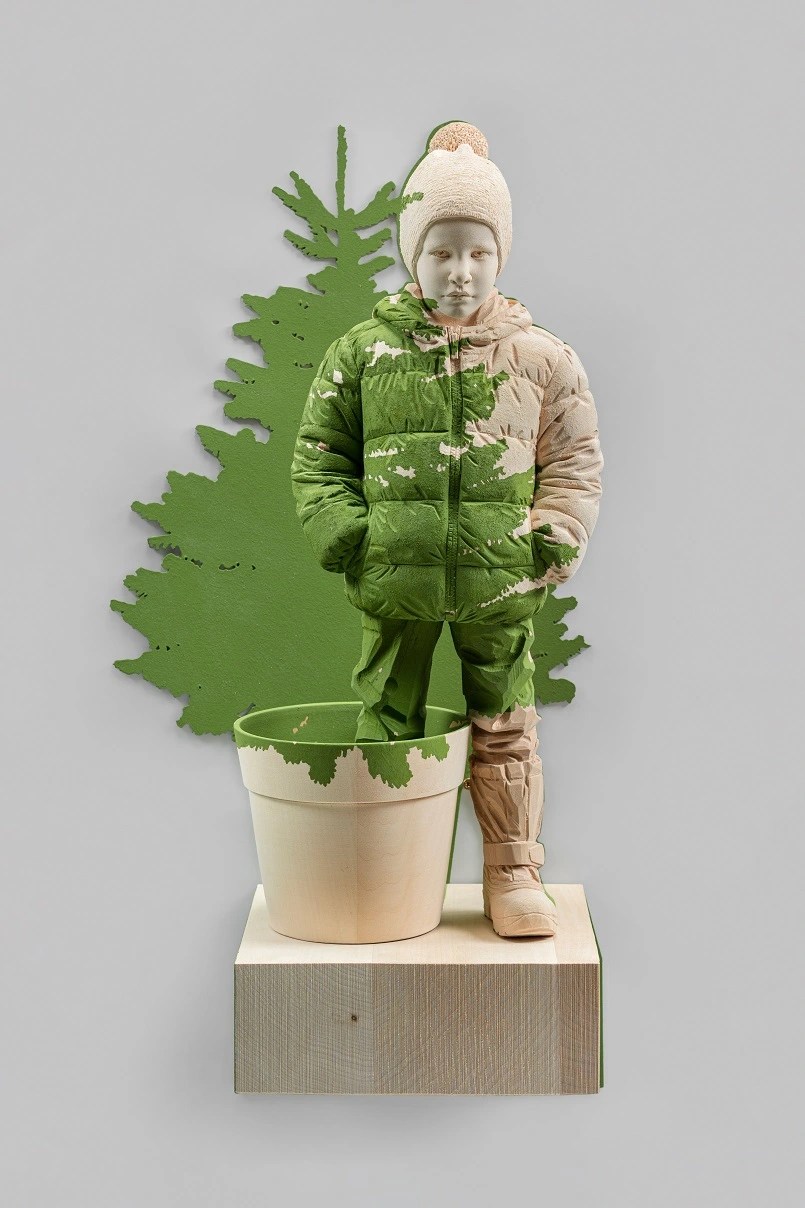
Sunday Evening Art Gallery — Christian Verginer

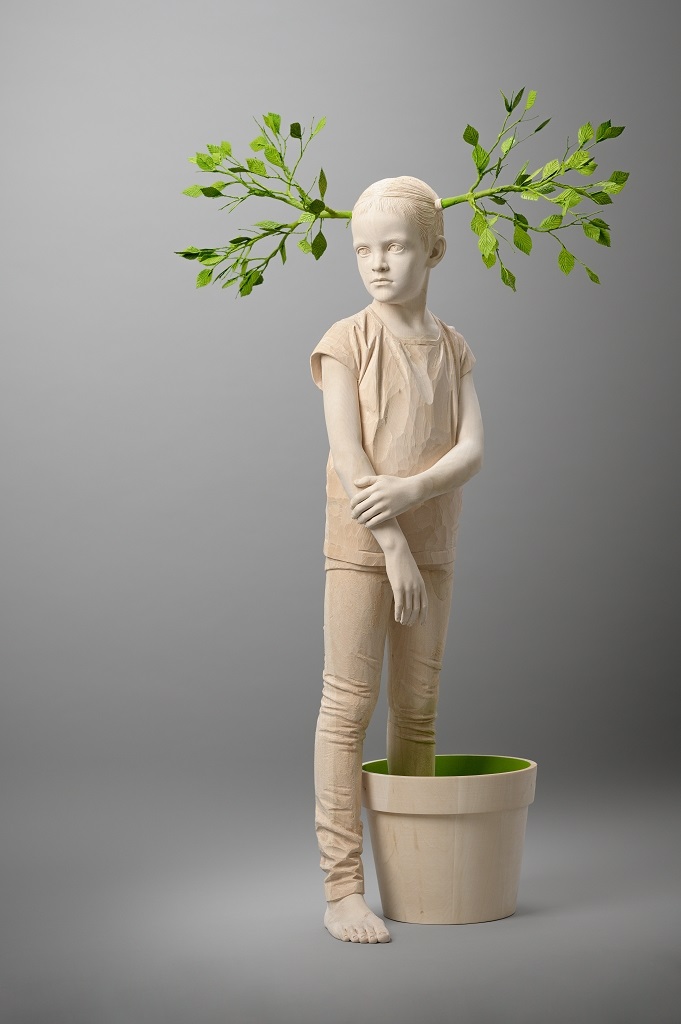
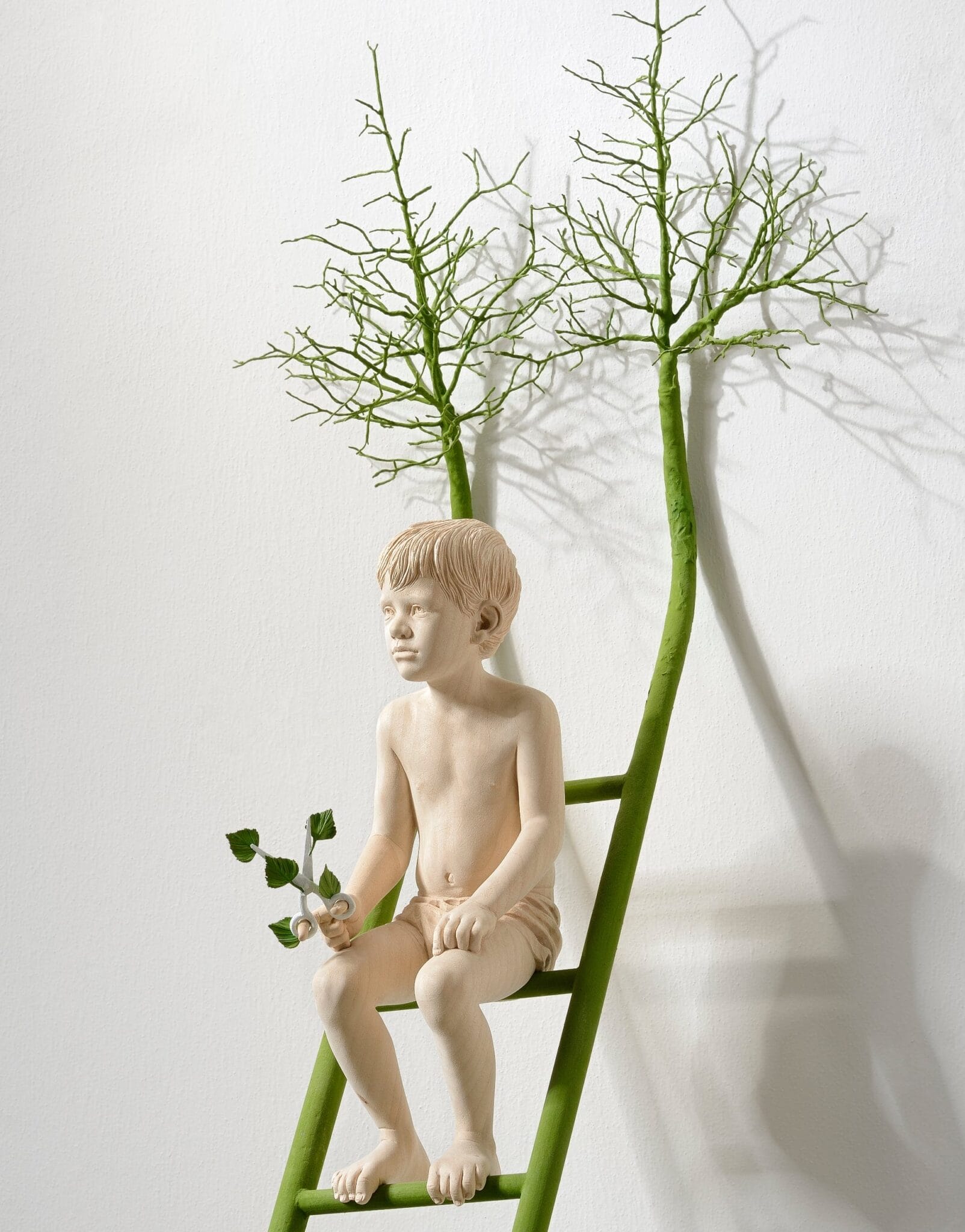
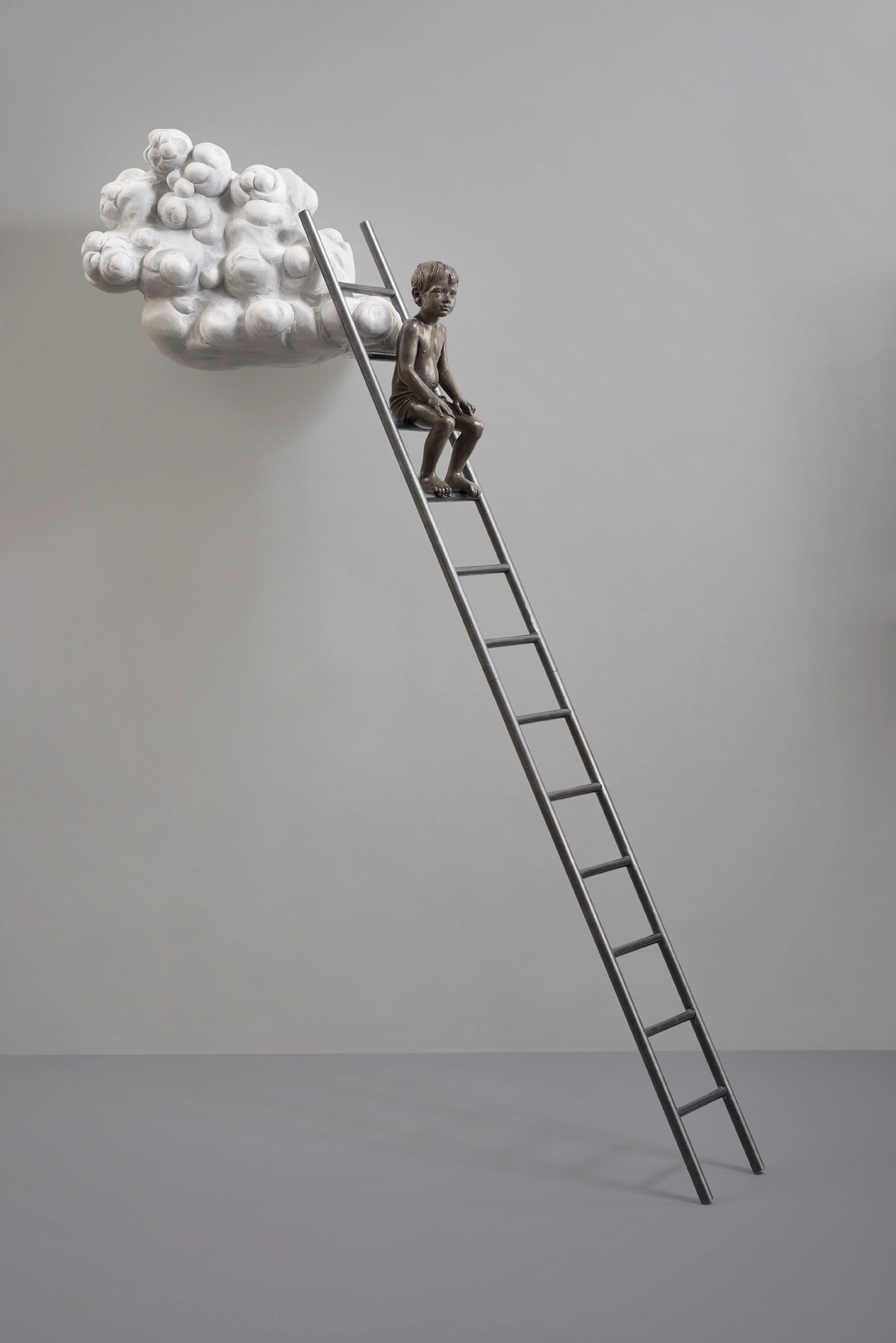
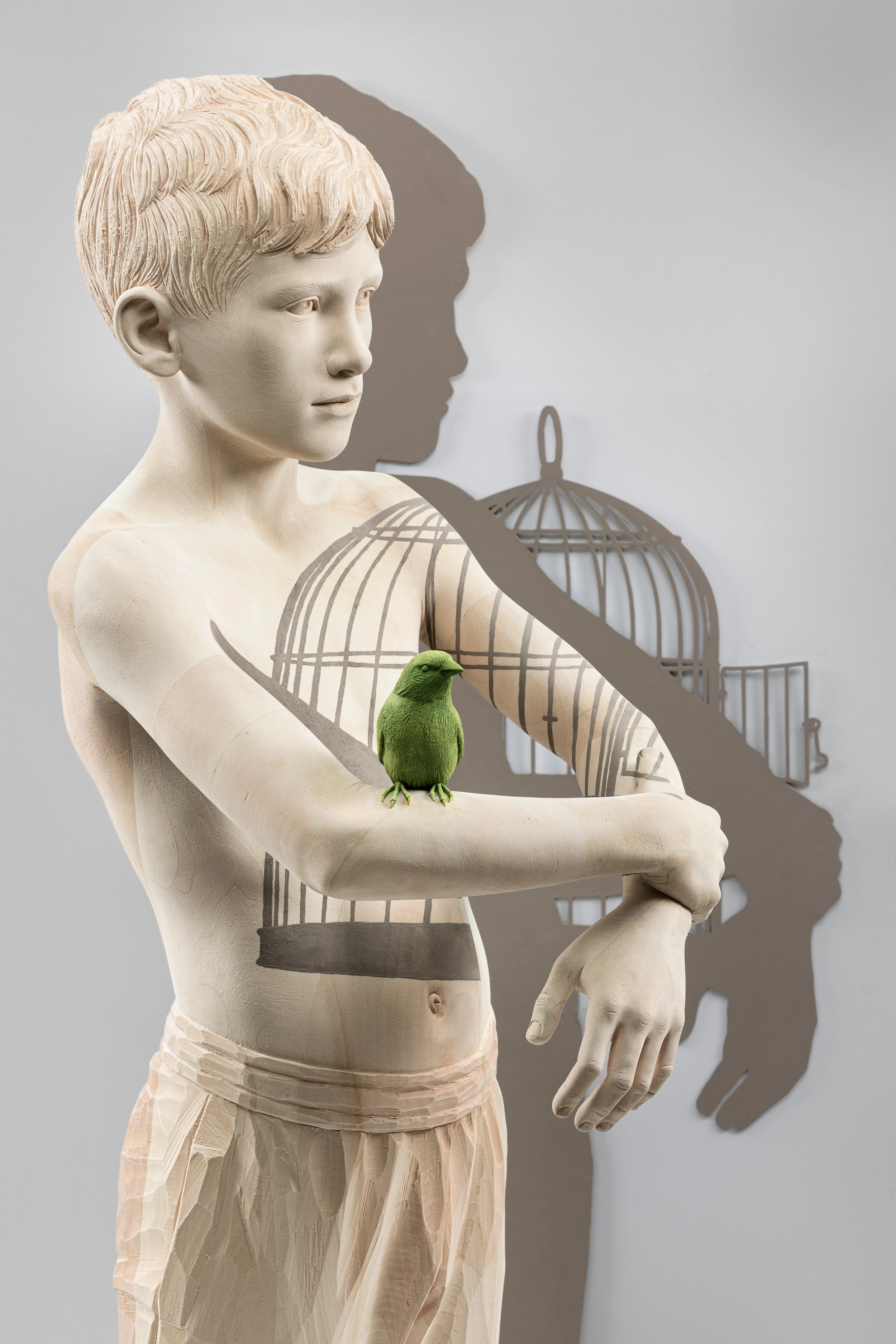
Christian Verginer  is a wood sculptor born in Bressanone, Italy.Verginer is considered one of the most valid and original expressionists in contemporary sculpture carvings.His training began by attending the sculpture department of the art school of Ortisei, and then continued at the Academy of Fine Arts in Carrara.The subject chosen by the artist is the human figure, or rather, the human figure in its relations with other forms of life — animals nature, trees, or various objects of the world.The material used is linden wood, which is left smooth and covered in details by unexpectedly applied acrylic paint.Verginer remains loyal to the skill and precision of wood carving, while introducing modern, and personal subject matter.He subtly combines children’s gazes, expressions, and movements into artworks that not only evoke people’s nostalgia for their own childhood but also awaken their long-forgotten innocence and desire to live in harmony with nature.More of Christian Verginer‘s amazing sculptures can be found at https://verginer.org/ and  https://thursd.com/articles/christian-verginer-master-of-artistic-wooden-sculptures.


Sunday Evening Art Gallery —  Leopold and Rudolf Blaschka

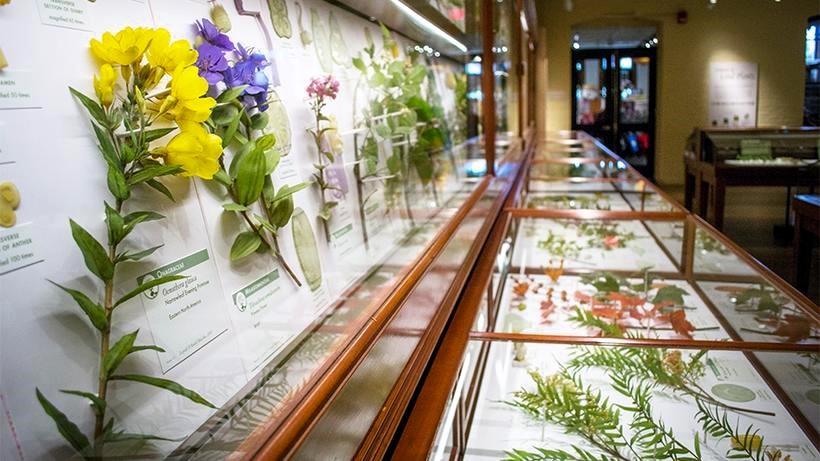
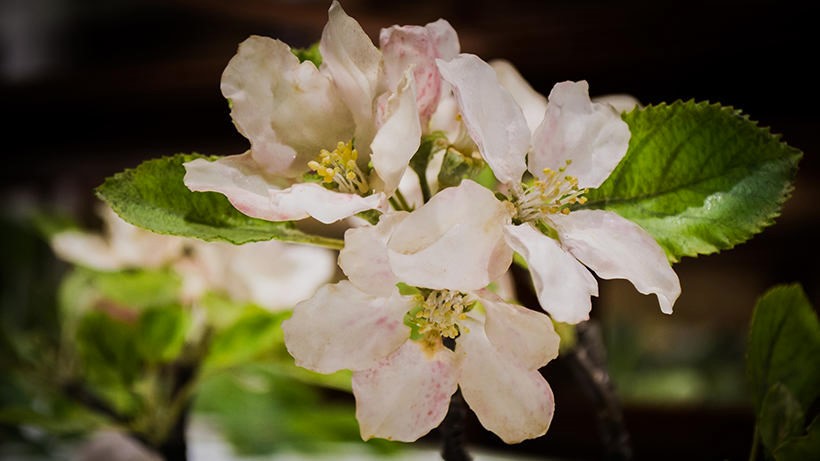
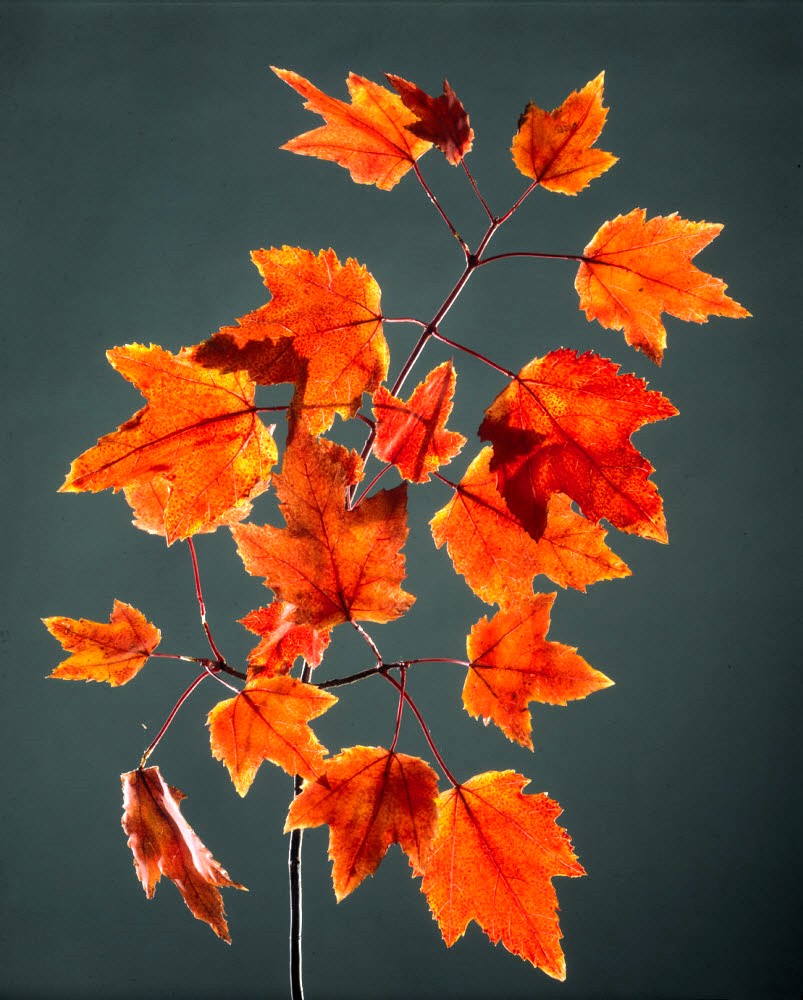
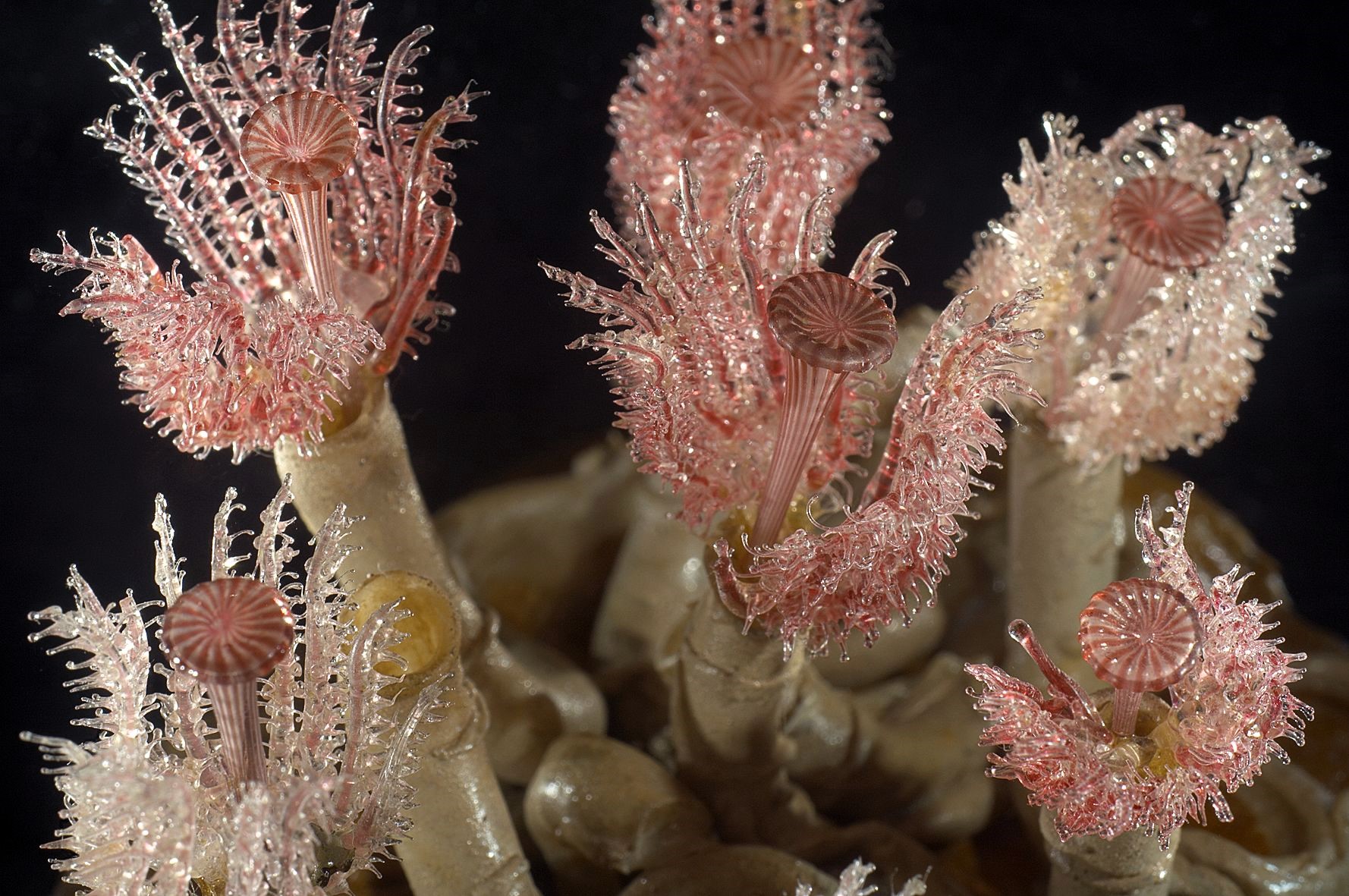
The Ware Collection of Blaschka Glass Models of Plants was made for  the the Botanical Museum of Harvard University.Often referred to as Blaschka glass, the creations of glass are  a collection of almost 4,000 models of flowers, plants, and flower parts, made at Dresden between 1887 and 1936.The Blaschkas,  Leopold (1822-1895) and Rudolf (1857-1939), were father and son glass artists who lived and worked in Hosterwitz, Germany, near Dresden.Their most famous production was the Ware Collection of Glass Models of Plants, a collection of almost 4,000 models of flowers, plants, and flower parts, made at Dresden between 1887 and 1936 for the Botanical Museum of Harvard University.Over fifty years, from 1886 through 1936, the Blaschkas produced 4,300 glass models that represent 780 plant species.

The Blaschkas’ glassworking lineage is believed to trace back to 15th century Venice.

In their exquisite coloration, minute detail, and representational accuracy, these models fulfill their original purpose of botanical study; moreover, technically and artistically they are among the finest glass objects ever made.Over their fifty years creating the Glass Flowers, the Blaschkas continually experimented with materials and methods that pushed the boundaries of glass working.Years later, their complex and varied practices presented unique challenges for the conservators preserving and protecting the models, which led to a suite of conservation processes nearly as varied as the Blaschka’s techniques.More information and images of The Ware Collection of Blaschka Glass Models of Plants at Botanical Museum of Harvard University can be found at https://hmnh.harvard.edu/glass-flowers and https://digital.library.cornell.edu/collections/blaschka/today.


Faerie Paths — Twilight

claudia anderson


Twilight time, to dream awhile
In veils of deepening blue
As fantasy strides over colourful skies
The form disappearing from view
In twilight time
Dream with me awhile

~Twilight Time, Moody Blues


Sunday Evening Art Gallery — Stan Bitters

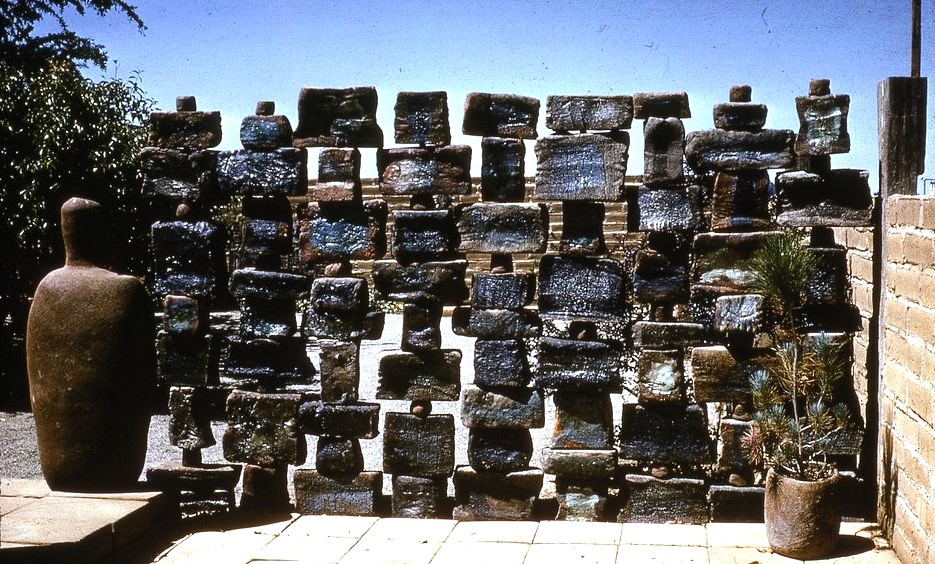
Stan Bitters (1932-2021) was an American sculptor and ceramic artist known for his unique style of creating large-scale, textured, and sculptural ceramic murals, wall sculptures, and pottery.Bitters graduated from UCLA in 1959 with a BA in painting. He also attended San Diego State University, and Otis Art Institute in Los Angeles.. In 1958, immediately after college, he was hired to be the principal artist at Hans Sumpf Company in Madera, California, a company known for inventing a special emulsification process for water-proofing adobe bricks.The company’s main product was adobe, but Mr. Sumpf sought the creative potential of clay as a decorative element in homes.Bitters was the first artist at Hans Sumpf, and his creations —  such as the birdhouse, thumb pot, and other ceramic designs — would provide the company a stylistic imprint and creative identity.In 1963 Bitters  left Hans Sumpf and started his own studio after being commissioned by Garret Eckbo to build fountains for the Fulton Mall.As a pioneer of the organic modernist craft movement in the 1960s, Bitters has been producing rough-hewn ceramic birdhouses, planters, pedestals, mural tiles, totems, boulder walls, and fountains for more than half a century.He is an American ceramic sculptor rooted in the abstract expressionism which is  understood as a modality suited for American ceramic art.

“The power of an object comes from its ability to tell you a story.” Bitters reflects.

“Good sculpture makes you listen.”

More of Stan Bitter’s wonderful sculptures can be found at https://www.stanbitters.com/sculptures.


Self-Esteem

Although men are freely allowed (and encouraged) to read this blog, this one today is for all my girlfriends out there.

Self-Esteem. What is it, exactly?

The dictionary defines self-esteem as “belief and confidence in your own ability and value.”

We all believe in ourselves, don’t we? At least now and then?

Then why are we always so hard on ourselves?

Went away for a weekend with the family. Had a wonderful time. Friends, family — there’s nothing like that in the world. I believed in my own worth. My own value. As a mom, a friend, and a grandma.

Then I got a look at myself in a family photo. 

Who in the hell was that?

We all feel good about ourselves until we are reflected in 3D.  All of a sudden we become our too-wide eyes, our Rubenesque figure, our complexion or our wrinkles or our hair.

How quickly our “self esteem” plummets.

I wonder if guys ever go through that. 

I doubt if their Earthly image is often compared to thin, busty, smoldering eyes beauties. If they notice that most movie stars, rock stars, artists and models are thinner, have more perfect jawlines or skin tone, or have killer white teeth and great smiles.

Yet women are constantly held to that standard.

Yes, the playing field of women has widened through the years. There are beautiful plus size ladies, ladies with moles and wrinkles and less-than-perfect skin.

Yet somehow they pale in comparison with the world’s ideal woman.

I’ve gone through this rigamarole all my life. You would think at 71 I would be done comparing and wondering and belittling.

But self-esteem is something that is messed with from the very beginning.

I know I’m a great mother, a great granny. I am a supportive friend, a kooky conversationalist and a half-decent writer. I am supporting, loving, and inquisitive.

I’m working on that being enough.

The photo made me realize that I do need to work on this body if I’m to see 72. I get that. THAT I can work on.

The rest — I’m working on that, too.

How about it, girlfriends? Have you 100% got this self esteem thing handled? 

Or are you your own worst critic?


Sunday Evening Art Gallery — Jon Juarez

Jon Juarez is an artist, author, and illustrator from San Sebastián, Spain.He is known for creating beautiful sketches and drawings with bright colors and a surrealist touch.Juarez describes himself as a soul of the wilderness, dragged by his pens towards civilization. Many of the artist’s works are based on real places, but they always have a surreal twist that takes them out of the realm of possibility.Through years of practice and honing his craft, he has learned to express his creative visions, and they now take the form of elaborate compositions that boast meticulous details.Each piece is beautiful in its delicate lines and use of color, and they are made alluring thanks to additional elements such as  polygons and waves.More of Jon Juarez‘s colorful works can be found at https://harriorrihar.myportfolio.com/ and https://designyoutrust.com/2022/12/the-superb-hand-drawn-illustrations-by-jon-juarez/. 

Sunday Evening Gallery Flashbacks

I LOVE LOVE LOVE going back in time and showing you Art Galleries of the Past.

They are all so cool and all so different. So needed on a day like today. Let your mind and eyes wander!


Stilettos/High Heels


Sand Sculptures


Banksy


Jenny Foster


Pianos

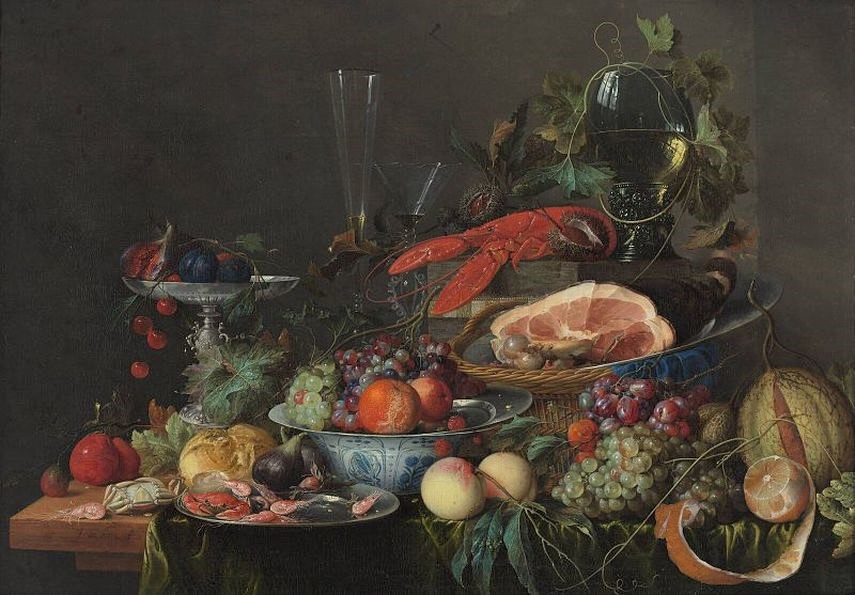
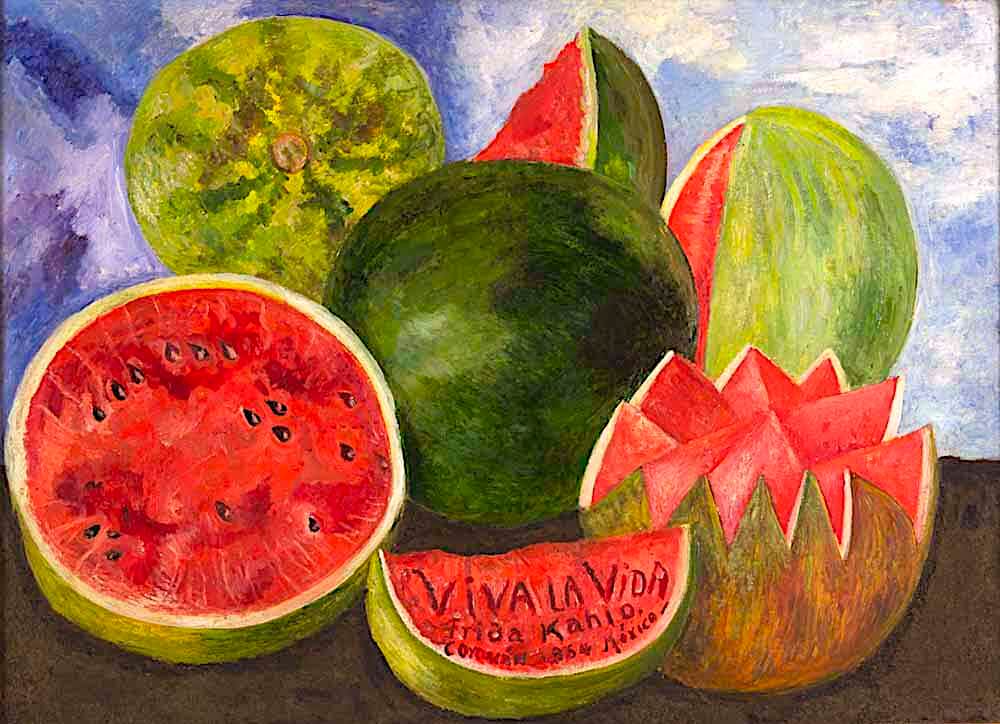
Famous Food Paintings


Shayna Leib


Silver


Love Statues


Faerie Paths — Dreary

Yan Hidayat


The day is cold, and dark, and dreary;
It rains, and the wind is never weary;
The vine still clings to the mouldering wall,
But at every gust the dead leaves fall,
And the day is dark and dreary.

~ Henry Wadsworth Longfellow


Sunday Evening Art Gallery — Can Sun

London-based Chinese artist Can Sun has turned ignoring conventional wisdom into an art form.Far from heeding the old adage against playing with food, Sun has turned ordinary apples into masterpieces of complex geometry and design.Adding elements like brass hinges to the apple sculptures, Sun challenges the viewer’s preconceived notions about everyday objects.

The artist’s past was fraught with hardship, which influences his unique approach to his work. He seeks to turn everyday objects into pieces that shake the audience’s conventional understanding of reality.

The art of Can Sun serves as a compelling intersection of existential philosophy and everyday reality. By employing humor and surprise, he takes objects that are typically ignored and turns them into profound expressions of life’s inherent contradictions.

 “My work tries to break the audience’s logical expectations, which makes the audience wonder if the world is absurd,” Sun explains.“The more everyday the object, the greater shock when the audience sees its different forms.”

More of Can Sun‘s entertaining work can be found at https://www.instagram.com/suncannot/.


Totally Useless Facts

I can tell I’m getting cabin fever already — it’s not even the end of January and I’m already restless and occasionally worthless. I don’t feel like writing, I don’t feel like crafting, reading puts me to sleep. 

It’s this late sunrise/early sunset that throws what circadian rhythm I have left off into a whirling dervish. 

So to fulfill my antsy pantsiness, here are a few totally useless facts that will make you smile. 


  • The King of Hearts is the only king in a deck of cards without a mustache. (I wonder if he feels left out.)


  • “Dreamt” is the only word in the English language that ends with “mt.” (MmmHmm…mt)


  • Pogonophobia is the fear of beards. (maybe that’s what the King of Hearts has!)


  • If you open your eyes in a pitch-black room, the color you’ll see is called “eigengrau.” (I thought it was just called black.)


  •  “Tesseradecades,” “aftercataracts,” and “sweaterdresses” are the longest words you can type using only your left hand. (I see you all trying a bunch of words holding your right arm behind your back.)


  • It’s impossible for you to lick your own elbow. (I see you trying this, too!)


  • A “jiffy” is about one trillionth of a second. (Sometime during the late 18th or early 19th centuries, scientist Gilbert Newton Lewis defined a jiffy as the amount of time it takes light to travel one centimeter in a vacuum, which is about 33.4 picoseconds or one trillionth of a second.)


  • It’s possible to lead a cow upstairs… but not downstairs. (I can’t say I’ve ever tried this.)


  • The little dot above a lowercase “i” and “j” has a name. (What is it???)


  • Your stomach produces a new layer of mucus every two weeks so that it doesn’t digest itself. (How lovely.)


  • The little dot is called a “tittle”.( it’s likely a combination of the words “tiny” and “little” since it is an itty-bitty dot.)


  • A crocodile cannot stick its tongue out. (I never noticed.)


  • You can’t hunt camels in Arizona. (I never checked that out in Wisconsin.)


  • Most car horns are in the key of F. (and still obnoxious.)


  • Napoleon’s penis was sold to an American Urologist for $40,000.


Ahem…. and with that …

Thank you Best Life and Thought Catalog for spicing up my boring day.


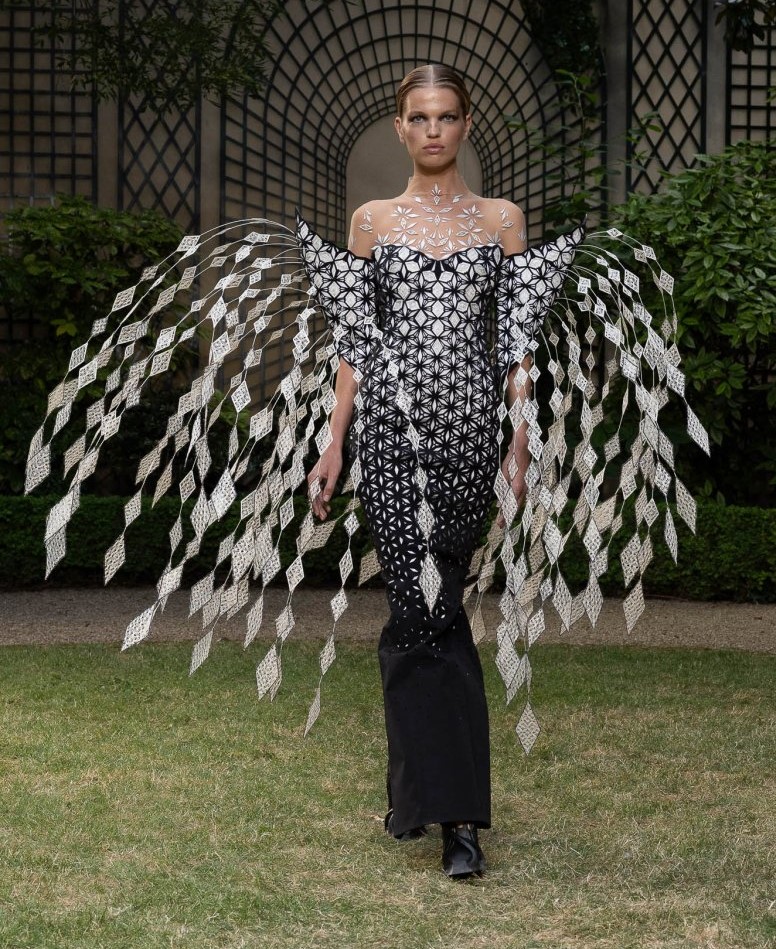
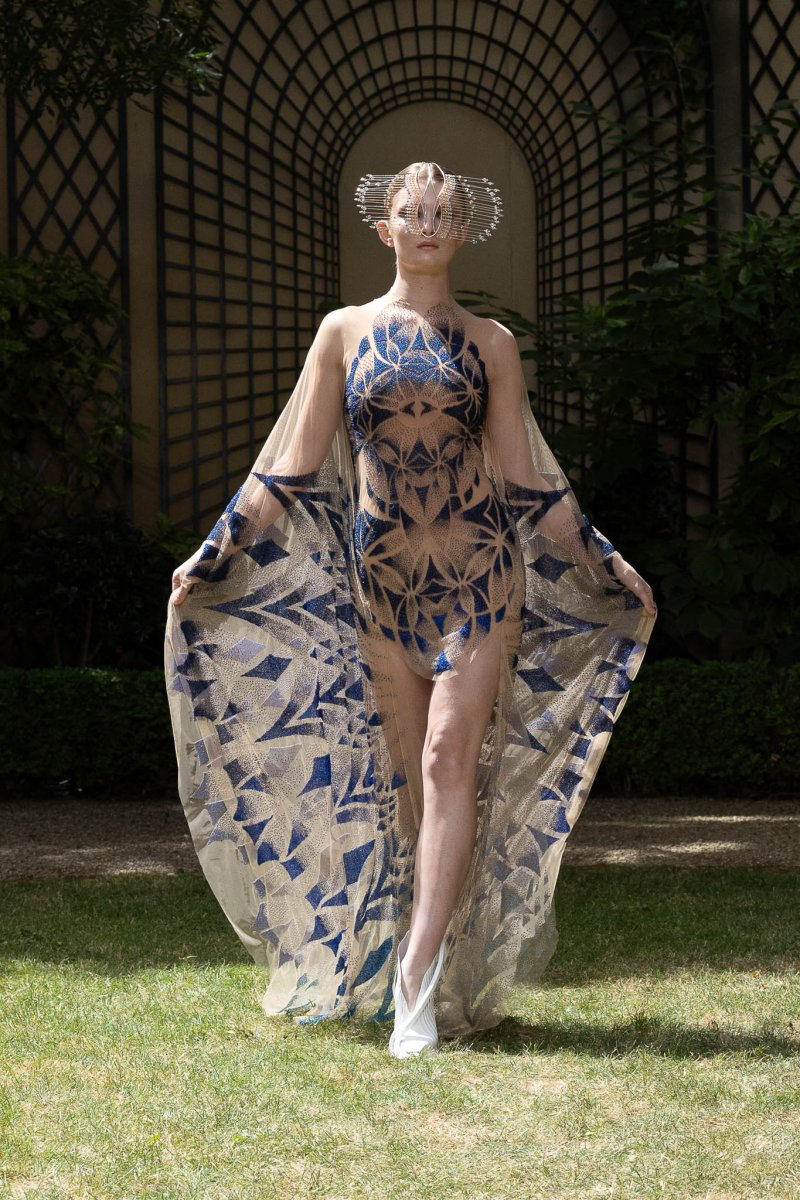
Sunday Evening Art Gallery — Iris van Herpen

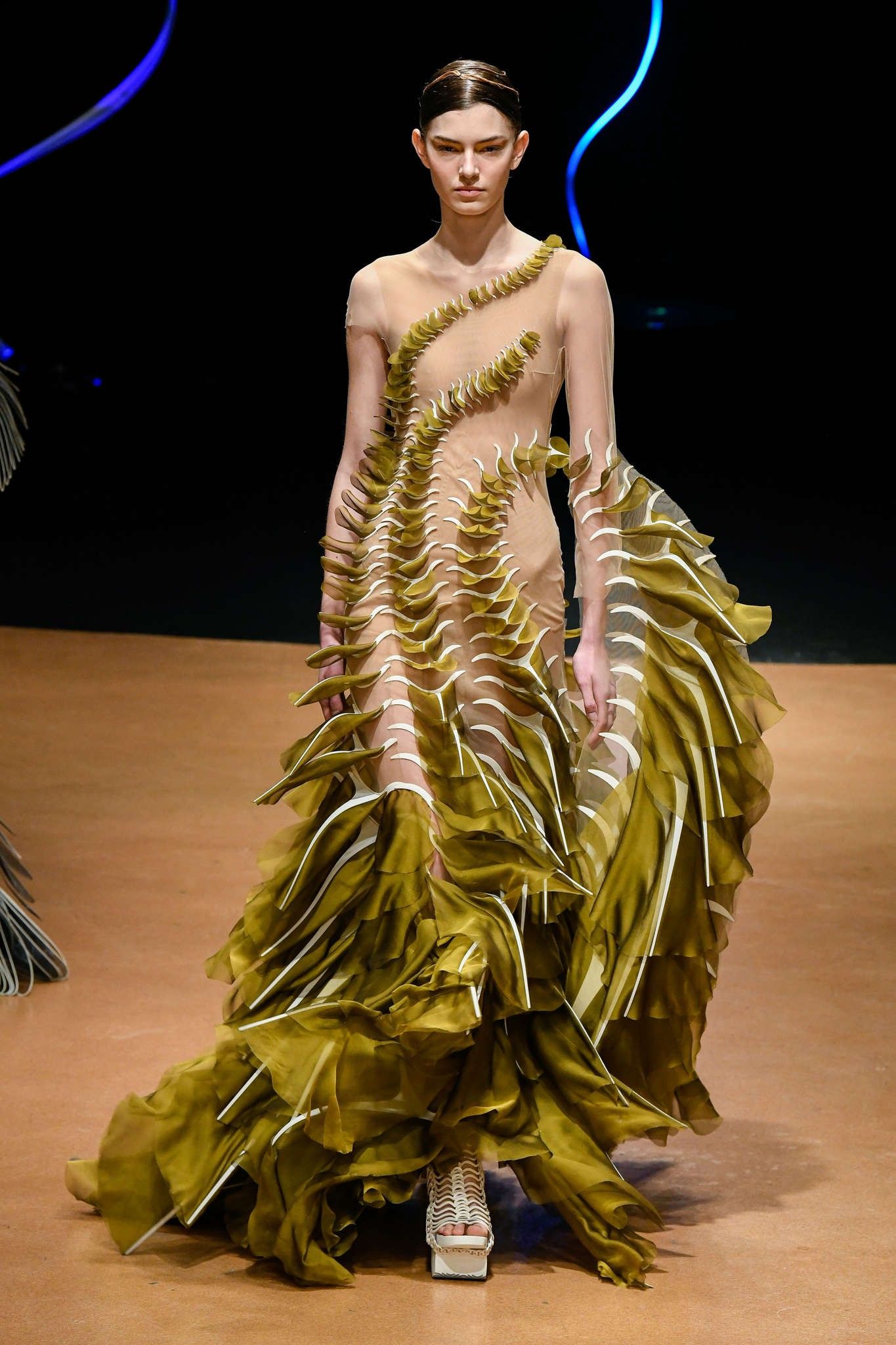
Iris van Herpen is a Dutch fashion designer known for fusing technology with traditional haute couture and craftsmanship.Van Herpen graduated from the ArtEZ University of the Arts in Arnhem in 2006 and interned at Alexander McQueen in London.By combining handcraft, technology and the art of couture, van Herpen curates progressive and experimental fashion experiences with a highly conceptual approach.Van Herpen burst onto the scene in 2007 with her unusual approach to applying innovative 3D printing techniques to her clothing designs.Most notably, the Dutch designer was one of the first to present 3-D-printed dresses in both static and flexible forms on the runway, in a collaboration with the Belgian company Materialise.Fusing together technology and Haute Couture craftsmanship, Van Herpen’s unusual approach to design has earned her a unique and loyal following.

Van Herpen works in collaboration with experts from other industries in the fields of science, technology and architecture.This allows her to bring together her expertise in fashion with other areas to create something truly unique.

Each creation makes such an overwhelmingly beautiful and creative statement.

More of Iris van Herpen‘s unique designs can be found at https://www.irisvanherpen.com/ and Iris Van Herpen.


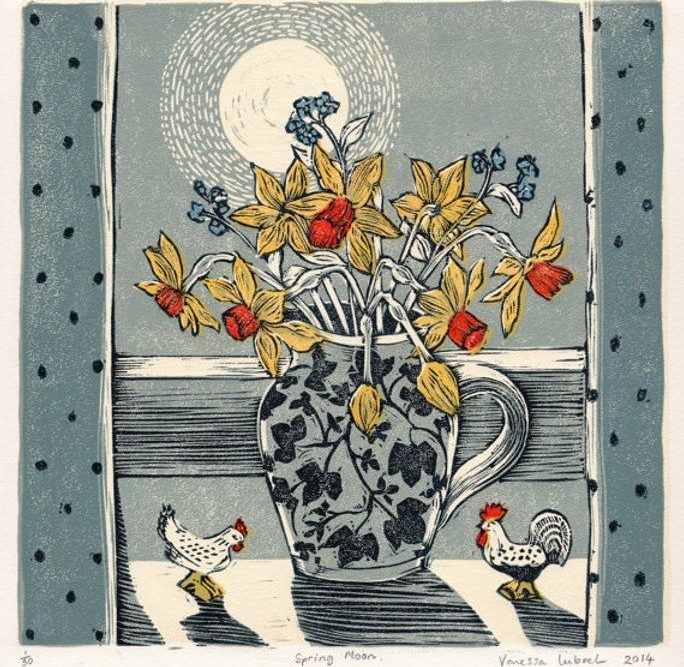
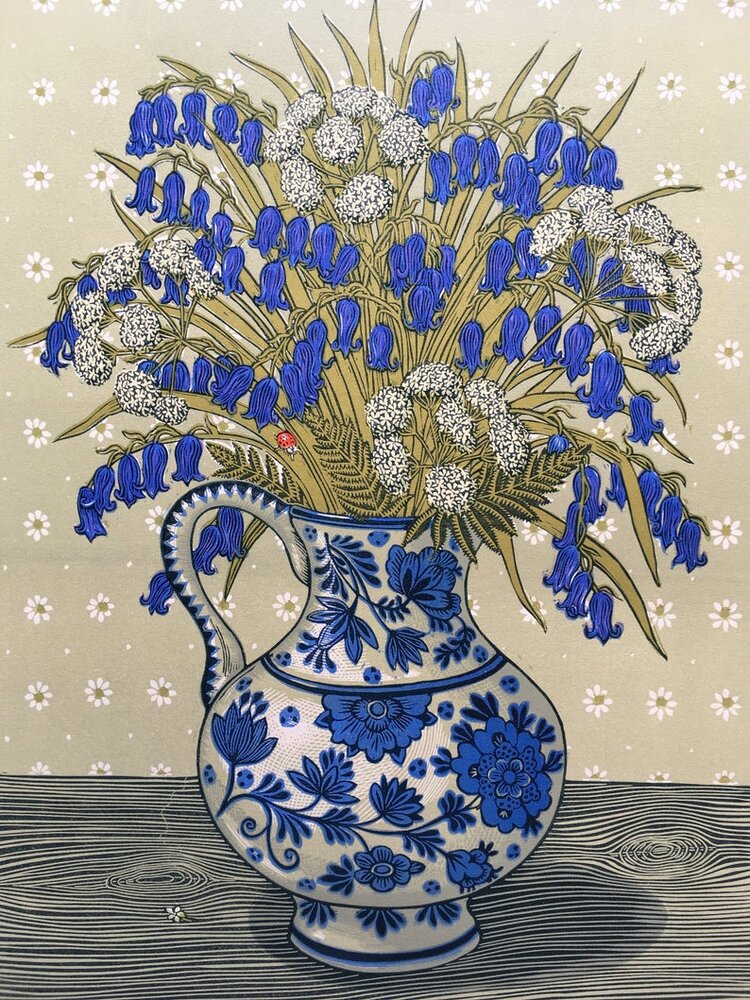
Sunday Evening Art Gallery — Vanessa Lubach

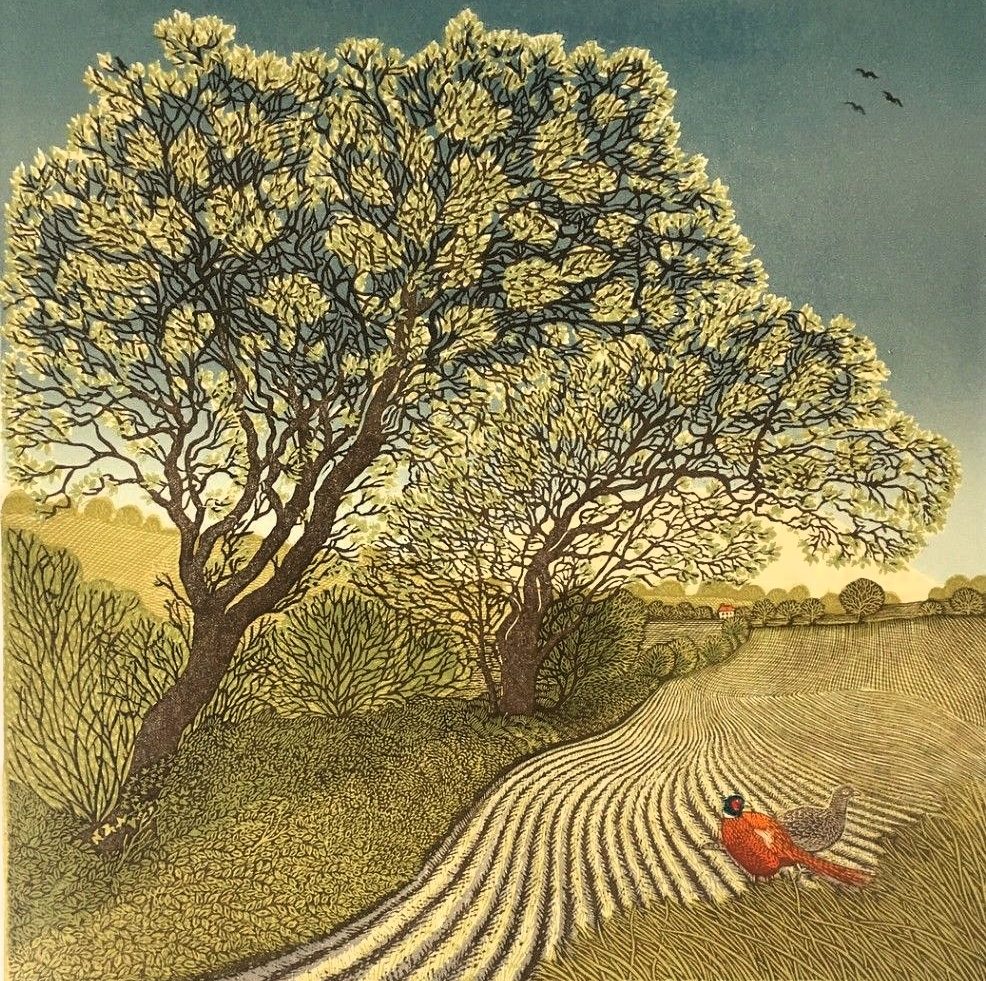
Vanessa Lubach is a linocut illustrator and artist who grew up in Oxfordshire and trained as an illustrator in Brighton, England, graduating in 1990.Drawing from observation has always been at the core of Lubach’s work, whether it is illustrating, painting or printmaking.Each piece begins with a sketch and a general idea of the palette.After drawing and carving the main image, or key block, she prints and transfers the composition to additional blocks designed for each individual color.Her linocuts are intricately carved and multi-layered,  and some pieces take almost a year to complete.Lubach likens her printmaking practice to the intricacies of oil painting, and draws on her color experiences to inform her vibrant compositions.“I linocut like a painter and paint like a linocutter, and the two disciplines work together to inform and enhance each other,,” Lubach shares.More of Vanessa Lubach‘s lovely prints can be found at http://www.vanessalubach.co.uk/ and https://www.instagram.com/vanessalubach/.


Weird Houses

While looking for something else (as always), I happened to come across some weird-looking houses. And while that’s a great topic for an upcoming gallery, I felt like sharing a few of them with you this morning….


I love odd and unique things — houses included. 

Hope you are staying unique, too!


Sunday Evening Art Gallery — Constantin Brâncuși

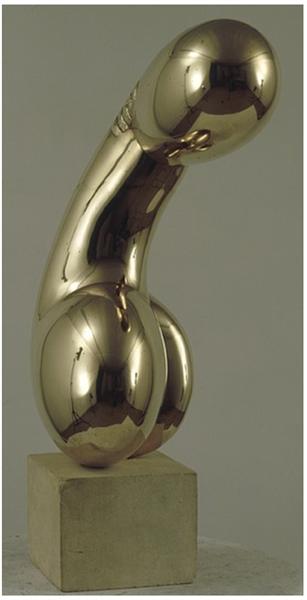
Constantin Brâncuși (1876 – 1957) was a Romanian-French sculptor, painter and photographer who made his career in France.Considered a pioneer of modernism, Brâncuși is  one of the most influential sculptors of the 20th-century,  often called the patriarch of modern sculpture.Born in a family of poor peasants, Brâncuși showed early talent for carving objects out of wood. Brancusi was trained as a sculptor in Romania before moving to Paris in 1904. There he studied at the Ecole des Beaux Arts and exhibited at the Salon d’Automne.

Brâncuși quickly became accepted as a member of the Paris avant-garde, as his sculptures departed from the 19th century Western trend toward naturalism and eroticism, and were based instead on non-Western and so-called ‘primitive’ sculpture.His sculptures were of two distinct types: elegant, abstract marble or bronze forms, such as the ‘bird’ sculptures based on a Romanian legend, and rougher carvings made of wood, like his series of ‘endless columns’.Brâncuși was also known for paying special attention to the bases on which his sculptures were displayed, believing that the pedestal was part of the sculpture itself. The artist aimed to depict in his sculpture “not the outer form but the idea, the essence of things”.

Though his art is regarded as abstract by many, he insisted that it was representational and disclosed a fundamental, often concealed, reality.


More of Constantin Brâncuși’s marvelous sculptures can be found at https://www.theartstory.org/artist/brancusi-constantin/ and https://www.wikiart.org/en/constantin-brancusi.


Sunday Evening Art Gallery — Anna Julia Gobbi

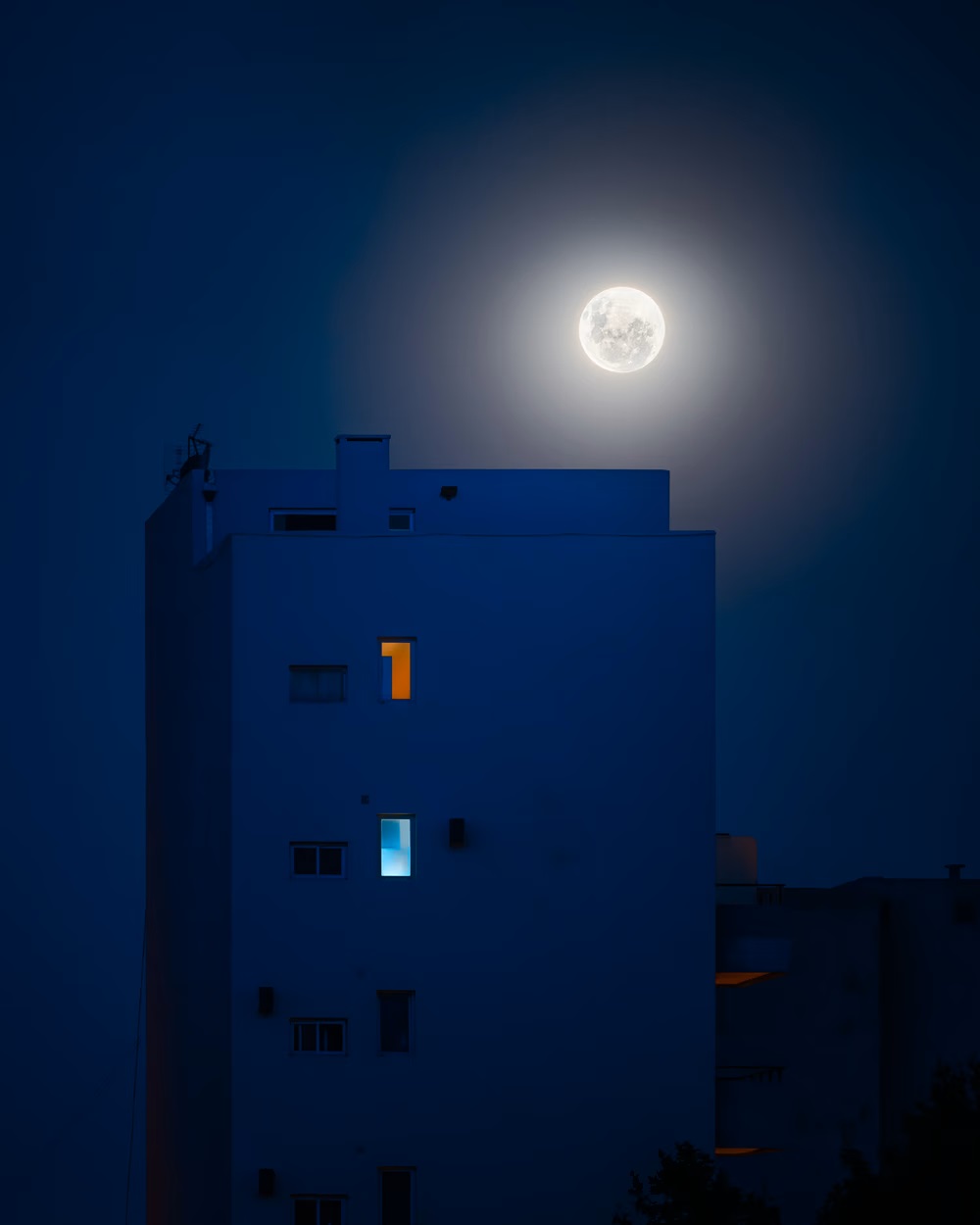
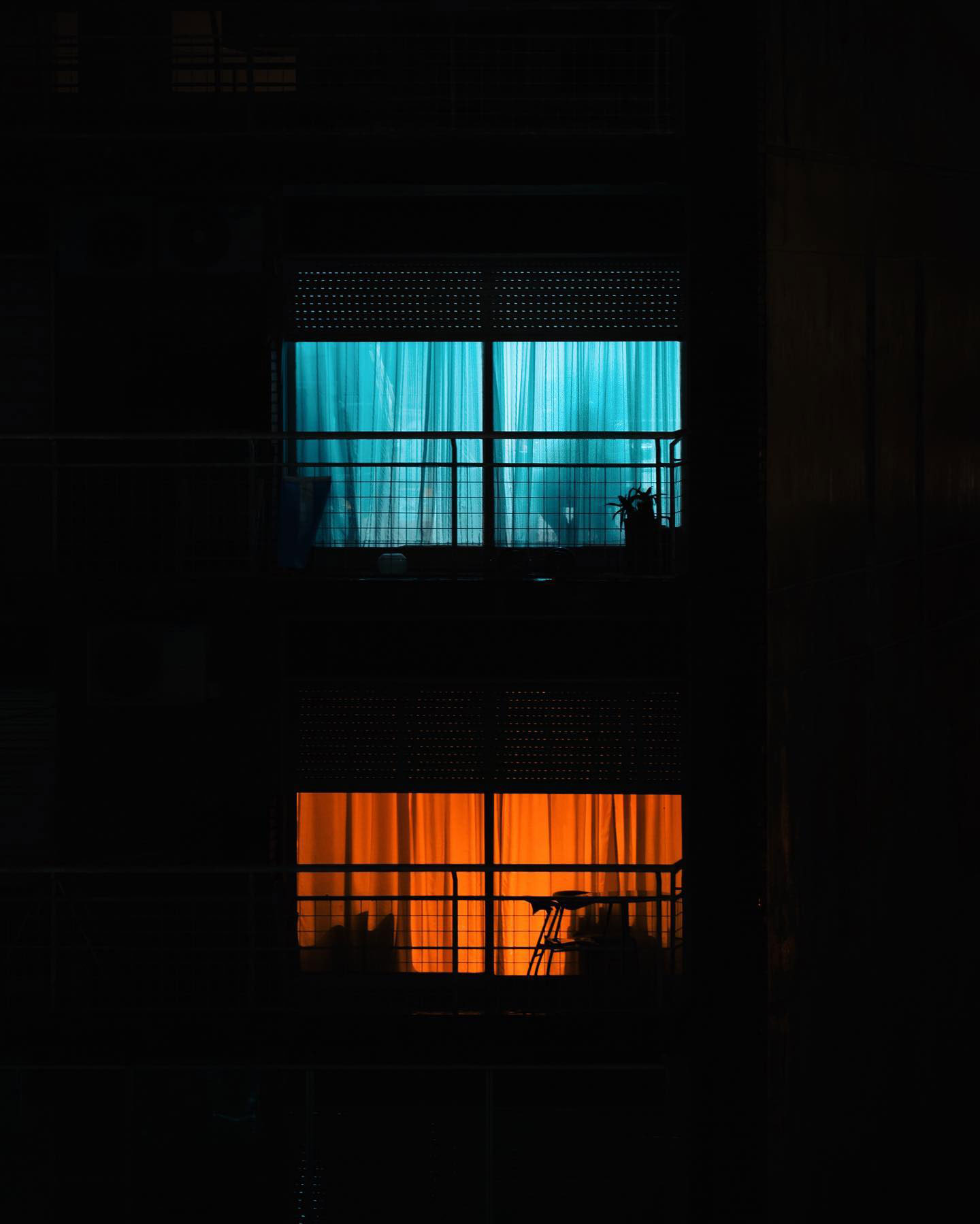
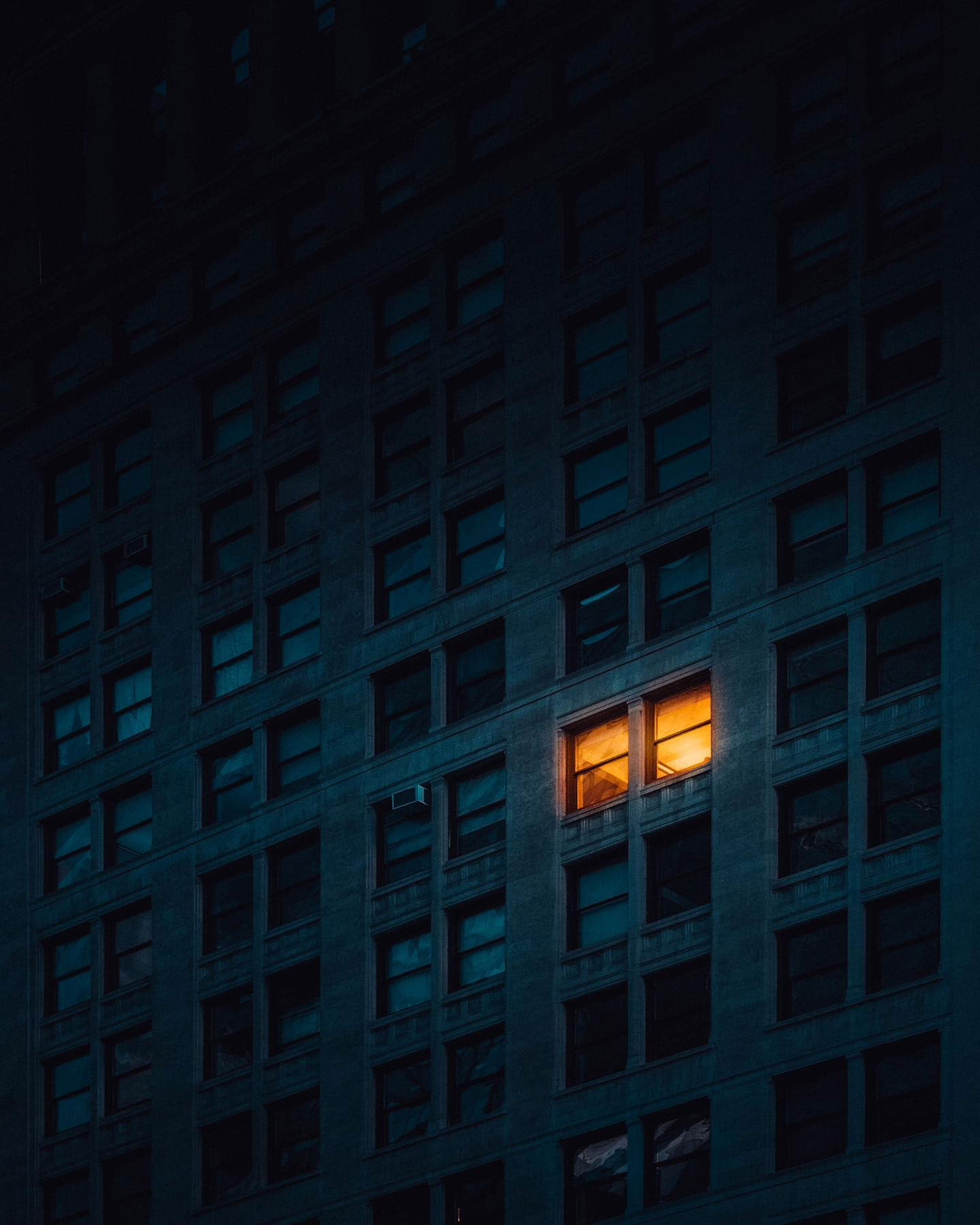
Ana Julia Gobbi is a graphic designer and photographer from Buenos Aires, Argentina.Gobbi’s inspiration comes from urban areas twilight through darkest hours night, often around high rise apartments with a solitary light on the inside.This light could be a tribute to those who, like the artist, celebrate the night and create art when most of the world is sleeping.Gobbi likes to play with the perception of the viewer — is this real or not?Her photography generates a moment of pause in which one stops and gets lost in the image.That is what the artist wishes to generate — a little curiosity.Gobbi tries to portray the hidden life behind the elements of darkness and light, nature and concrete, the intrinsic of a building.Her photography often captures singularity and stillness of the world through colors and darkness and shadows.

More of Ana Julia Gobbi’s mystique photography can be found at https://www.instagram.com/anajugob/ and https://nftphotographers.xyz/fine-art/ana-julia-gobbi-anajugob/.


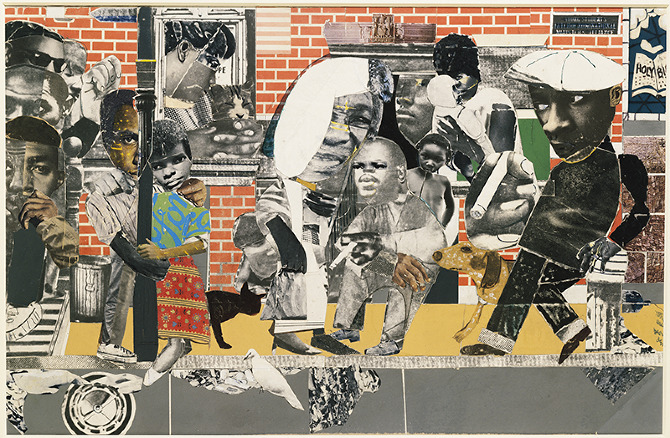
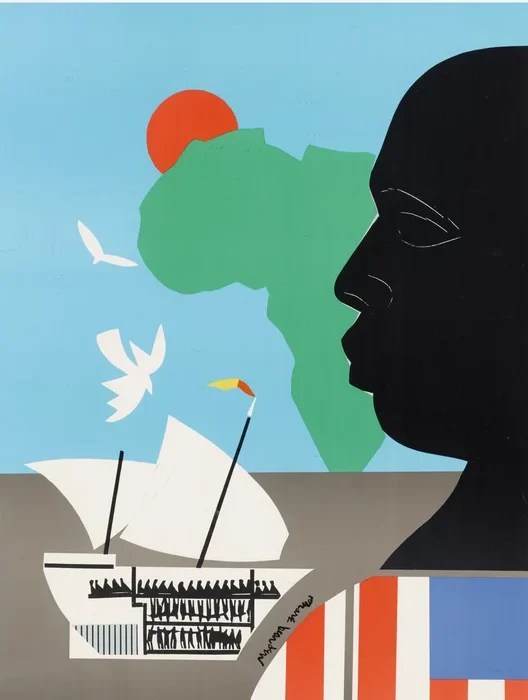
Sunday Evening Art Gallery — Romare Bearden

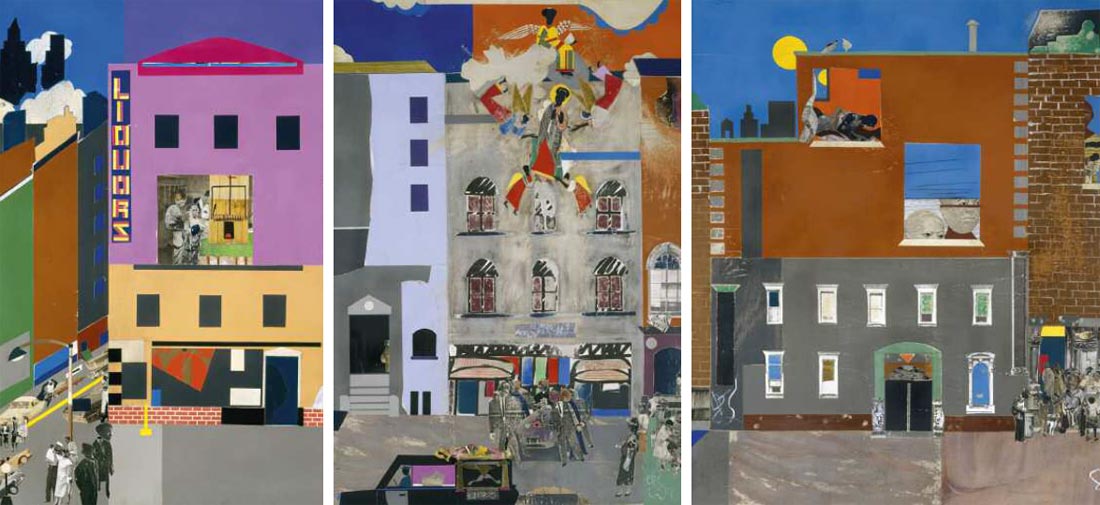
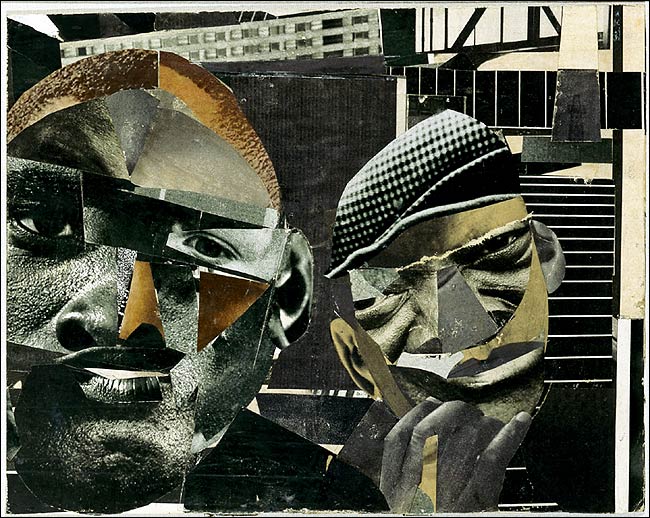
Romare Howard Bearden  (1911 – 1988) was an American painter whose collages of photographs and painted paper on canvas depict aspects of American black culture in a style derived from Cubism.Considered one of the most important American artists of the 20th century, Bearden’s artwork depicted the African American culture and experience in creative and thought-provoking ways. After a year of studies in science and mathematics at Lincoln University in Pennsylvania, Bearden went on to study art and art education, including two years at Boston University, and graduated with a degree in education from New York University.Living in Harlem, he joined a Black artists group and became excited about modern art, particularly, Cubism, post-Impressionism and Surrealism.Bearden is best known for his photomontage compositions made from torn images of popular magazines and assembled into visually powerful statements on African American life.During the mid 1960s, Bearden felt he was struggling in his art between expressing his experiences as a Black man and the obscurity of abstract painting.He felt that abstraction wasn’t clear enough for him to tell his story.

He felt his art was coming to a plateau, so he started to experiment again. Combining images from magazines and colored paper, he would work in other textures such as sandpaper, graphite and paint.Bearden’s collage work has also been compared to jazz improvisation, as growing up during the Harlem Renaissance, he was exposed to many of the jazz greats.His images reflected some of the elements of jazz with its interplay among the characters and improvisation of the materials used.More of Romare Bearden’s influential works can be found at  https://beardenfoundation.org/.


I’m Always Confused

I’m sitting in front of my living room  window, watching it snow … and snow … and snow, devilishly thinking I’m glad I’m retired and don’t have to go anywhere today.

Good day for computer work or craft work or reading a book, right?

I wanted to add a new book to my site for a free download to coincide with the blog I  wanted to post, but I have no idea how to keep track of downloads.

WordPress instructions insists it’s not hard. Just download Google Analytics and connect it to your blog.

Yes. Just like take a sailboat from New Jersey across the ocean to Monaco. Possible, but highly improbable.

I have never been the sharpest tool in the shed, but I’ve always been able to grasp the basics. I’m still a good and careful driver, know how to follow recipes, and set up my Square Reader to take card payments.

But some things are now becoming over my head.

Way over my head.

These days I often have to ask how to do something a few times before I “get it”, which is pretty normal for my age and sparkling mental state. I don’t mind as much as others may.

But I have gotten to the point that it’s almost impossible to understand more complicated things. Football averages plus or minus. How to fix most anything. Adding Google Analytics. It all blurs together like those dizzying whirlpools in bright colors.

Do you ever get this way? What do you do about it?

Some things I plainly give up on. No Pain, No Gain, No Problem.

Some things I ask someone how to do and get the advice I need.

Some things I research on my own and almost figure it out myself.

And some things I just skip.

As I said earlier, I’ve never been the sharpest tool in the shed. On occasion I’ve not even been in the shed. But that’s alright.

I find there is always someone around to help you out — either to do it with you, find someone else to do it, or to pour you a cup of coffee while you deal  about it another day.

Which one will you pick?


Faerie Paths — Miracles


My heart has wings and I can fly. I’ll touch every star in the sky. So this is the miracle I’ve been dreaming of.

~ Brothers Grimm, ‘Cinderella’


Sunday Evening Art Gallery — Karen Risby

Karen Risby is a ceramic artist based in rural Suffolk, England.

Risby obtained her degree in Ceramics at Camberwell College of Art, working and living in South London for many years before moving to Suffolk to set up her new ceramic studio.Her work is an extension of her love of drawing, exploring pattern and line using both brushwork and sgraffito, a process that involves scratching back into the painted surface.Risby takes inspiration from nature, myth and story telling.Birds are a prominent feature of her work, often interweaved with landscapes, people and places.

 Risby’s work is hand built and hand painted using porcelain slip, stains and oxides, she fires her work to stoneware.More of Karen Risby‘s ceramics can be found at https://www.karenrisby.co.uk/.


Having Fun?

Another holiday season  is over. Trees and lights packed away, parts of toys already missing, boxes opened and tossed along with instructions — all part of the Christmas Aftermath.

I myself have been having a riot finding new artists for my Gallery. I have put out feelers and followed leads and opened an art site only to be led down several different paths until I’ve gotten lost and had to send up a balloon for someone to find me.

I often wish there was a way to broadcast my Gallery so that others could find it and wander through gallery after gallery of unique art. Truly unique art.

But this is a personal venture for me, not commercial. I don’t have money to advertise nor connections to those in power to share on bigger and broader blogs and medias. It’s a little guy’s idea in a little guy’s side of the world, which in itself is unique.

I know I’ve said this a dozen times before, but these talents I’ve highlighted are so diversified and so unique they make you step back and say “WOW” and really mean it.

I suppose this Monday blog is turning into a plug for the Sunday Evening Art Gallery. Why not? Friends are the best telegraph systems in the world.

Have your friends go to the sight and pick a gallery and look at all the magic within. We have photographers, glass blowers, calligraphists, painters, collagists, woodworkers, miniaturists, installation artists, surrealists, impressionists, precious stones, acts of Mother Nature, clock makers, shoe designers, ceramicists, furniture designers, and florists.

What more art could a person want?

Come browse around one evening if you’re bored. Tell your friends. Request your favorite artists.  Beauty is in the eye of the beholder, and there’s so many unique directions to wander!

Maria Sibylla Merian


Amber Cowan


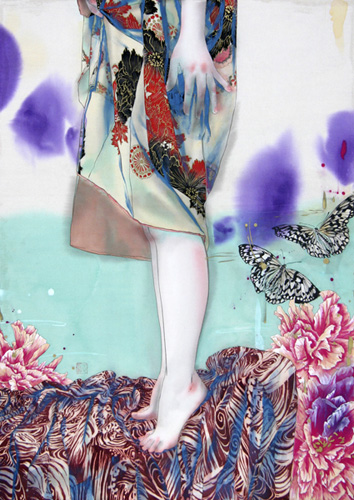
Aso Shiho


Leonid Afremov


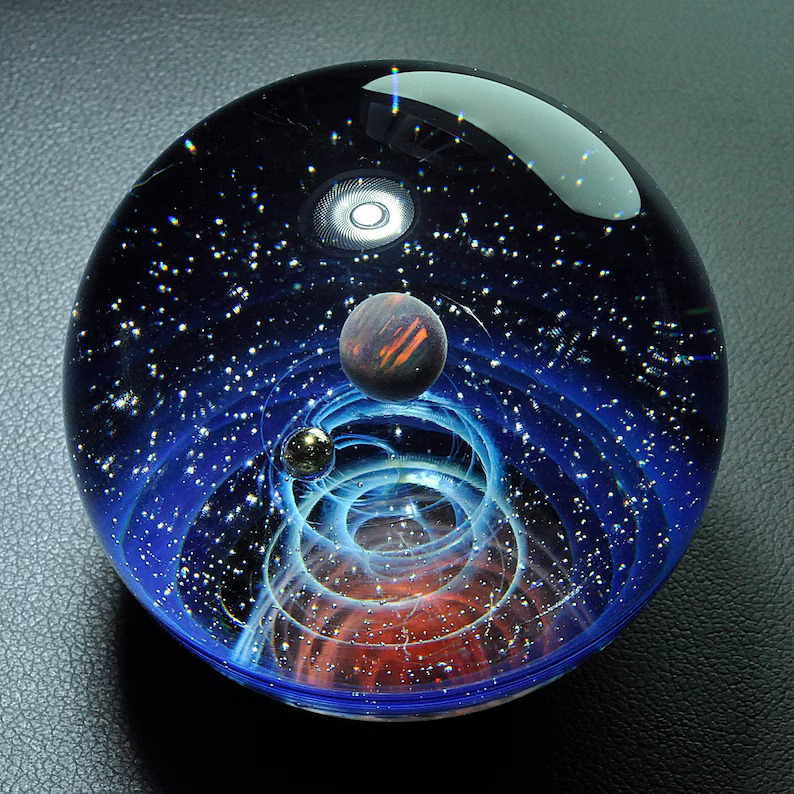
Paperweights


Louise Bourgeois


Sergio Bustamante


Salt Thrones

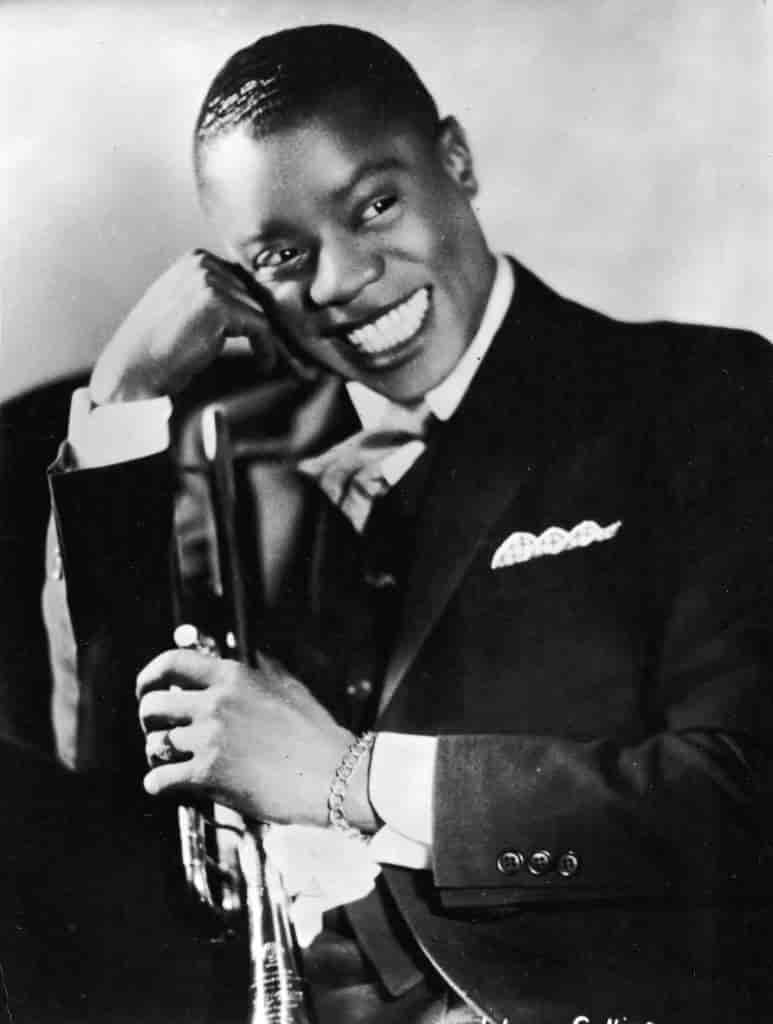
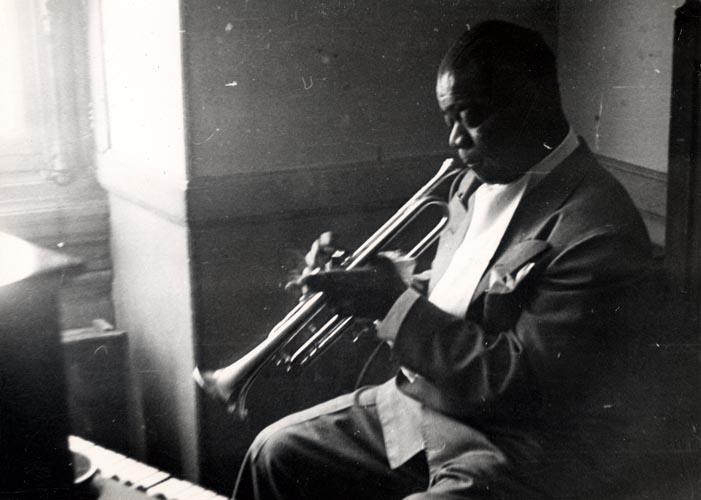
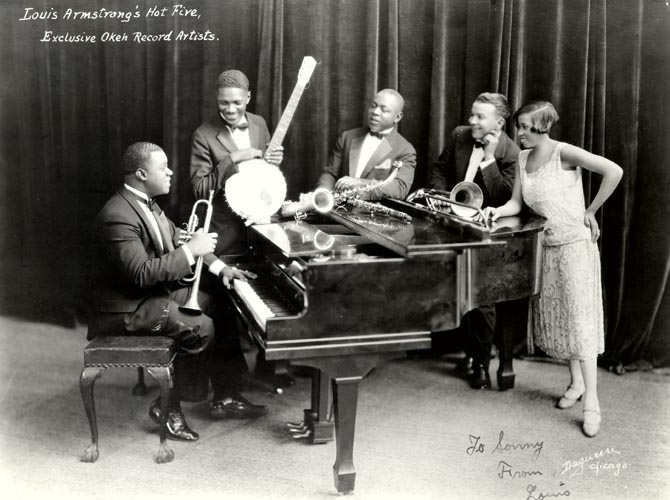
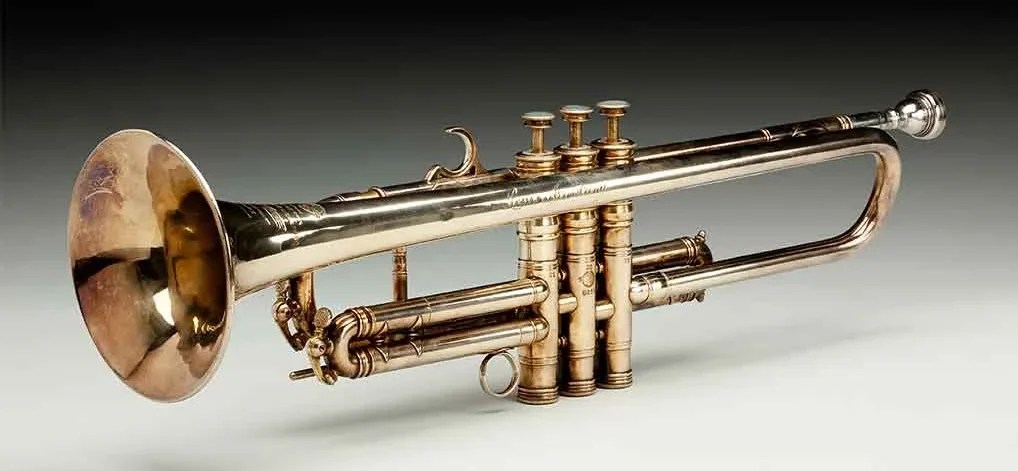
Sunday Evening Art Gallery — Louis Armstrong

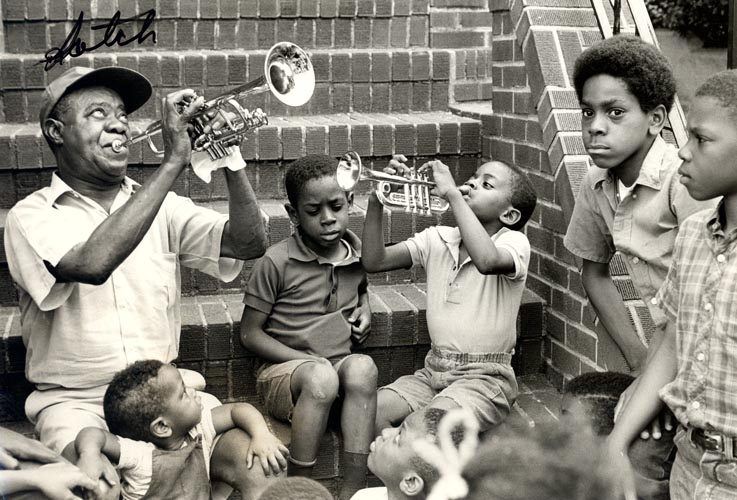
Louis Daniel Armstrong (1901 –1971), nicknamed “Satchmo”, was an American trumpeter and vocalist.

He is among the most influential figures in jazz. His career spanned five decades and several eras in the history of jazz.Armstrong grew up in dire poverty in New Orleans, Louisiana, when jazz was very young.As a child he worked at odd jobs and sang in a boys’ quartet. He was sent to the Colored Waifs Home as a juvenile delinquent, and it was there he learned to play cornet in the home’s band. Playing music quickly became a passion; in his teens he learned music by listening to the pioneer jazz artists of the day.Armstrong advanced rapidly: he played in marching and jazz bands, and in the early 1920s he played in Mississippi riverboat dance bands.

The young Armstrong became popular through his ingenious ensemble lead and second cornet lines, his cornet duet passages (called “breaks”) and his solos.Armstrong developed a way of playing jazz, as an instrumentalist and a vocalist, which has had an impact on all musicians to follow.He made his greatest impact on the evolution of jazz itself, which at the start of his career was popularly considered to be little more than a novelty.With his great sensitivity, technique, and capacity to express emotion, Armstrong not only ensured the survival of jazz but led in its development into a fine art.

More of Louie Armstrong’ s history and music can be found at https://louisarmstrongfoundation.org/ and https://www.mosaicrecords.com/best-jazz-recordings-louis-armstrong/.


Faerie Paths — Making Art

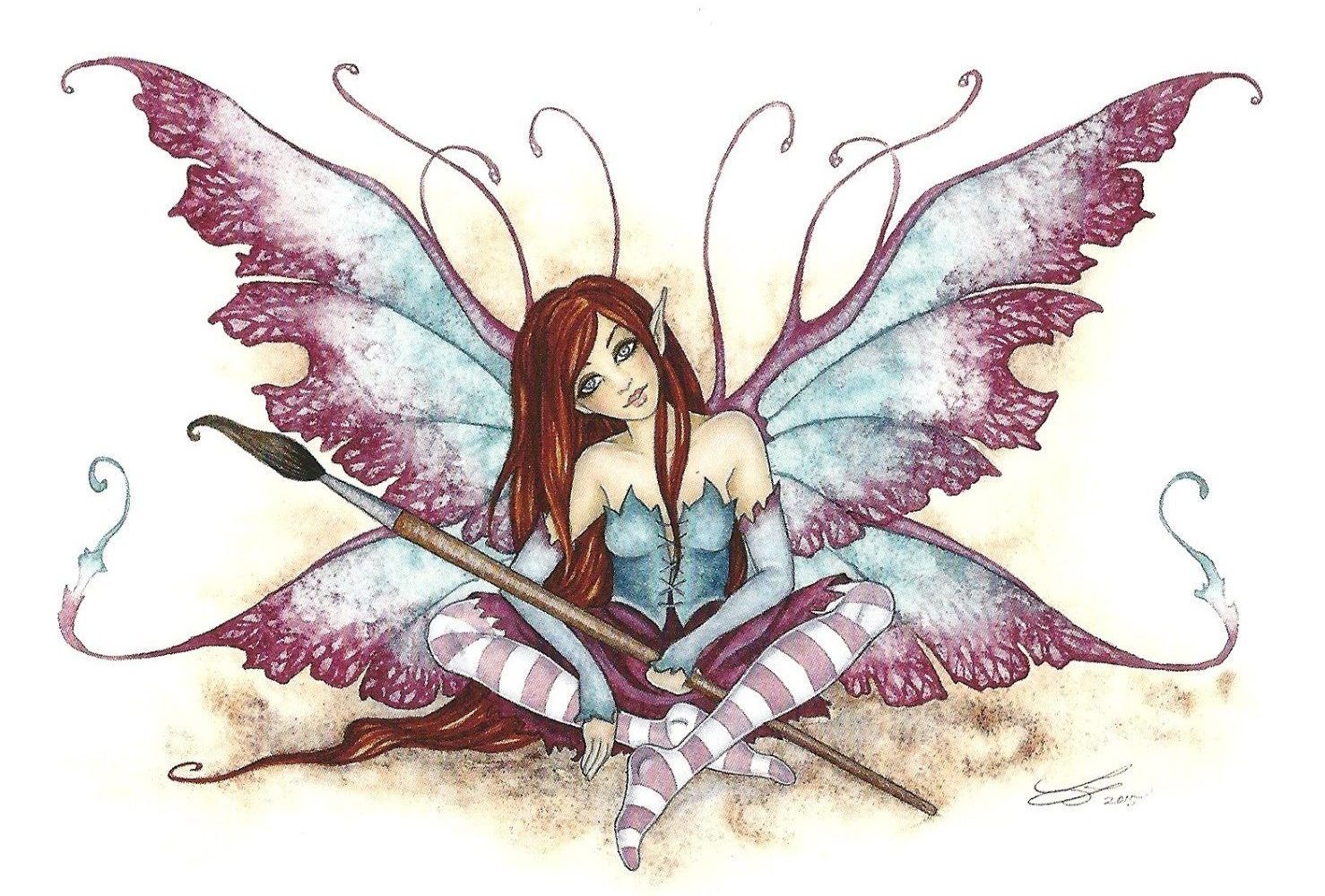
Amy Brown


Don’t think about making art, just get it done. Let everyone else decide if it’s good or bad, whether they love it or hate it. While they are deciding, make even more art.

~ Andy Warhol


Push the Button!

Our first snowstorm of of the year hasn’t come our way yet  to lock me inside and force me to play checkers with Creativity, but I see her walking around the living room holding the box with the pieces above her head anyway.

What am I waiting for?

This usually is the time of year I get sparked with new creative ideas. Things to continue, things to research, things to improve. Things to get rid of. I  always keep in mind my energy and attention levels, but at this early part of the month there’s no reason not to feel like Florence Griffith Joyner sprinting through the 100 meter run.

You can have a LOT of energy sitting on your sofa or at your kitchen table, right?

I try and put my new ideas behind washing the kitchen floors and rearranging my linen closet, both of which are numero uno on my work place list.

But I’m also thinking of introducing a new Angel Tear to my offerings, switching some beads that didn’t work well with ones that will, look for maybe one more craft show this summer, look into days I can take my grandkids camping,  putting all my downloaded music on one hard drive, and researching a 42nd anniversary vacation to Paris and Rome.

Which comes first?

Does it matter?

Why do I get so pumped up about things I may or may not do? Why do I set myself up for failure because anything could happen at any moment and change the plans of my world?

I do it because it’s fun.

I love to dream. I love to pretend. I love to walk through other’s imaginations by reading their books and viewing their paintings and flipping through their scrapbooks. 

Maybe its because once you get through your first big blow in life, nothing is the same, and the best way of healing is to find your joy button and push it as often as you can.

The sound may not be the same: the song may have changed, the pitched lowered, the warble increased, but it’s the same joy button you’ve always had. It’s always there, no matter how much you try and ignore it or belittle it or say you don’t deserve a button.

Sorry, folks. Everyone has a joy button. And the best way to make it through this life (and the next) is to push that button as often as you can.

The world deserves you.


Sunday Evening Art Gallery — Rick Eggert

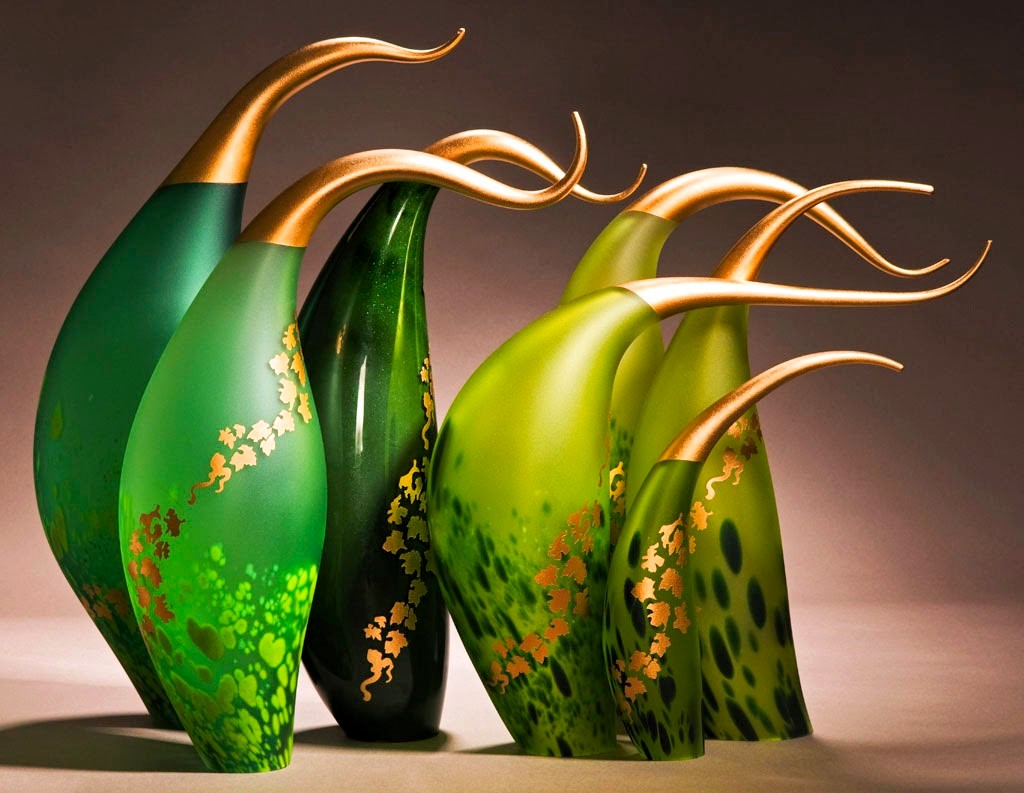
Rick Eggert is a master glass artist renowned for his captivating abstract sculptures.

Born in Southampton in 1974, Eggert  spent his early childhood in New York, then later moved to Vermont, where he began working in glass.The artist received his BFA in Glass Sculpture from the Rochester Institute of Technology in upstate New York.His  glasswork is smooth and chic, slightly more than whisps of glass and tips on solid bases.Eggert use a glass base that uses high quality sand but is standardized to allow the use of a wide range of colors.All the materials are places in the furnace and heated to 2400 F.Once it cooks it is cooled down to 2100 F where he gathers it onto metal rods and creates his masterpieces. To this day he continues to be an avid student of the natural world around him.In awe of what he discovered during his travels, Eggert encapsulates these experiences into his extraordinary glass work.More of Rick Eggert‘s beautiful glass works can be found at https://www.rickeggert.com/ and https://shawgallery.com/artist/rick-eggert. 


One Peek Backwards to Christmas — The Poetry Slam

I spent the past few mornings reading past blogs of my friends and future friends, and was not disappointed.

I love Hit and Run’s Chickies and their poems. So much fun exploring their world.

Come take a look at their Christmas poem — The Poetry Slam — and find a smile on your face!


My name is Charlie
I think it’s short for something else
like Charleen
but everyone has called me Charlie for so long
I’m not sure
anyway
my poem is about
how weird life is
not just at Chickmas
but all the time
and yes
I’m the head of the
Philosophy Committee

……………(more)

Another New Years Day Post

Ahhhh…. Another New Year!

Blogs today will be filled with New Year aspirations, resolutions, regrets, and pronouncements. New Year, New Change, New Chance, New Beginnings, blah blah blah.

Trying to always be one step above and ahead and in a seperate dimension from other New Years Day blogs, I’m going to post pictures of what New Years Day was like 100 years ago.

1924.

I feel like I’ve been around since 1924.

But I digress.

For those of you who have to work New Years Day, here’s to you. I’ve worked many NYDays.  Drink your juice. Carry  on.

For the rest of you, have a cup. Get the fuzz out of your head. A new year awaits!  Tomorrow…...

Vogue Magazine 1924


Brooklyn Bridge, 1924


Advertising, 1024


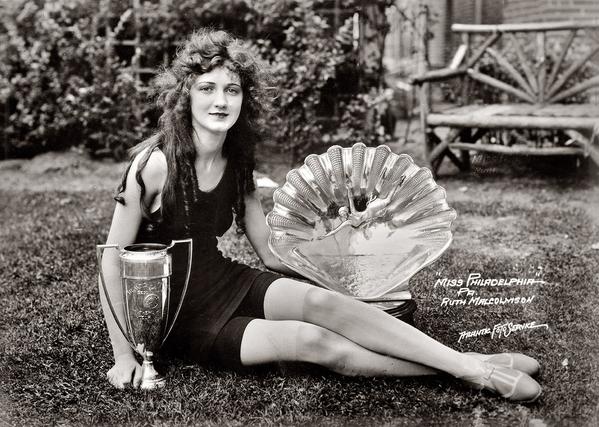
Miss Ruth Malcomson, Miss America, 1924


Sign, 1924


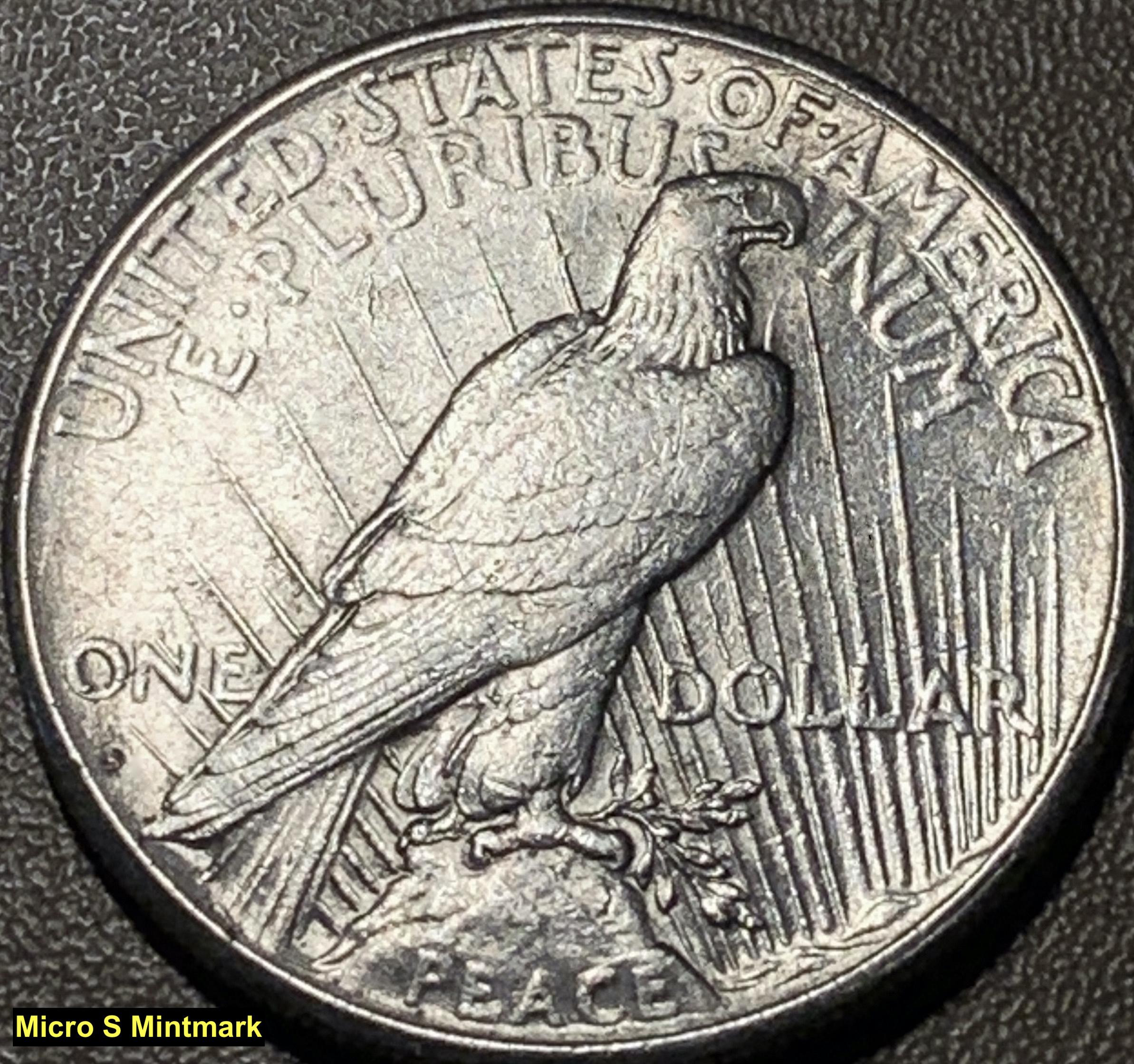
1924-S Silver Peace Dollar


Around the World Cruise. Belgenland.


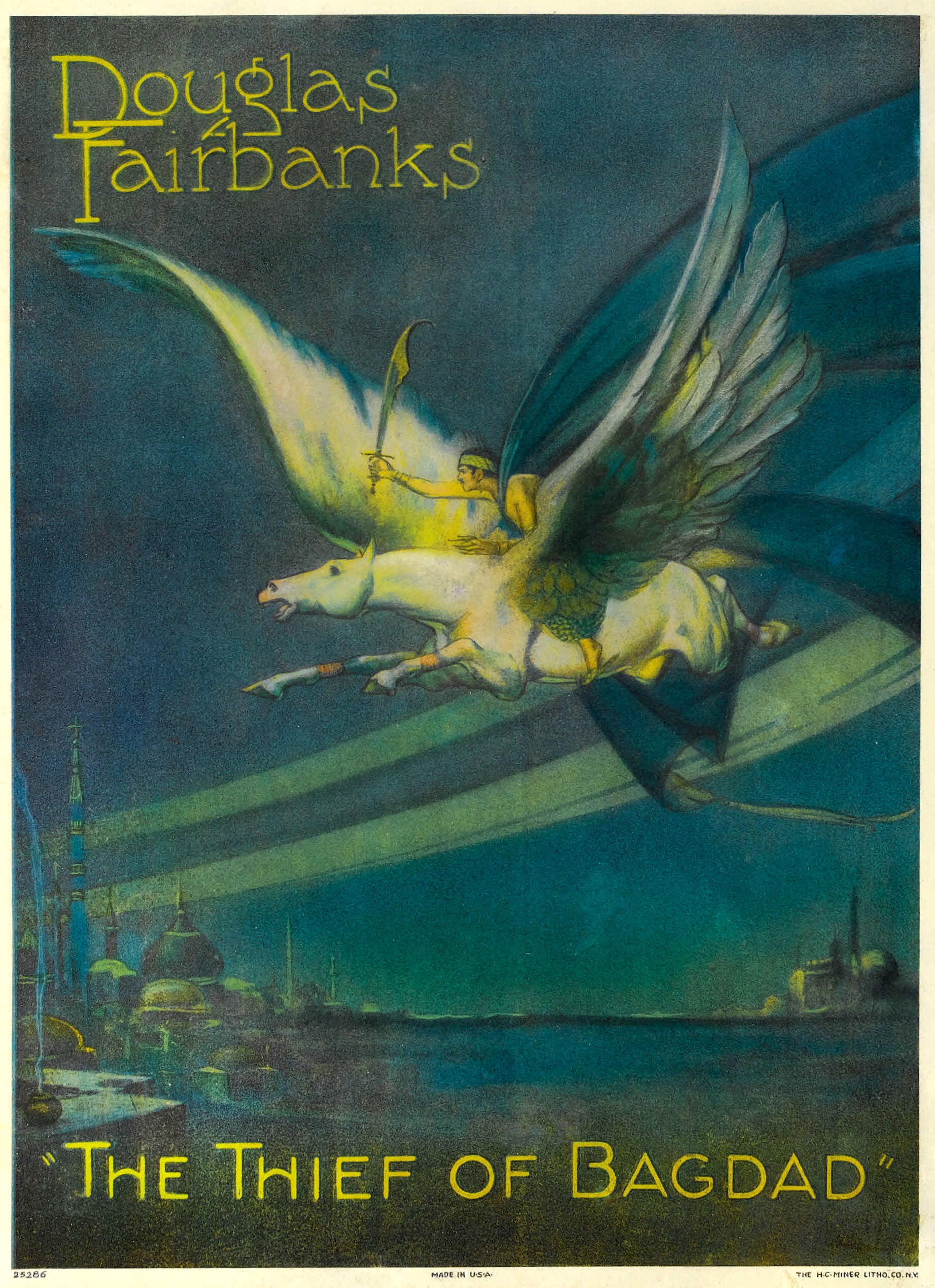
The Thief of Bagdad movie, 1924


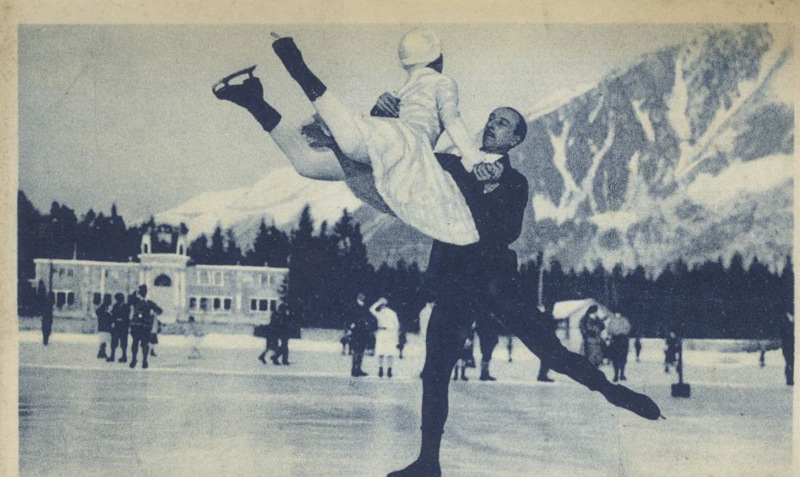
Olympics Games, 1924


First Macy’s Thanksgiving Day Parade, 1924


Sunday Evening Art Gallery — Frank Owen Gehry

Frank Owen Gehry is a Canadian-American architect, residing in Los Angeles, California.

Dancing House, Prague, Czech Republic


Born in Canada in 1929, Gehry attended the University of Southern California and the Harvard University Graduate School of Design.

Binoculars Building (Chiat/Day Building), Venice, California.


Gehry is among the most acclaimed architects of the 20th century, and is known for his use of bold, postmodern shapes and unusual fabrications.

Museum of Pop Culture, Seattlle, Washington


His selection of materials lend some of Gehry’s designs an unfinished or even crude aesthetic.

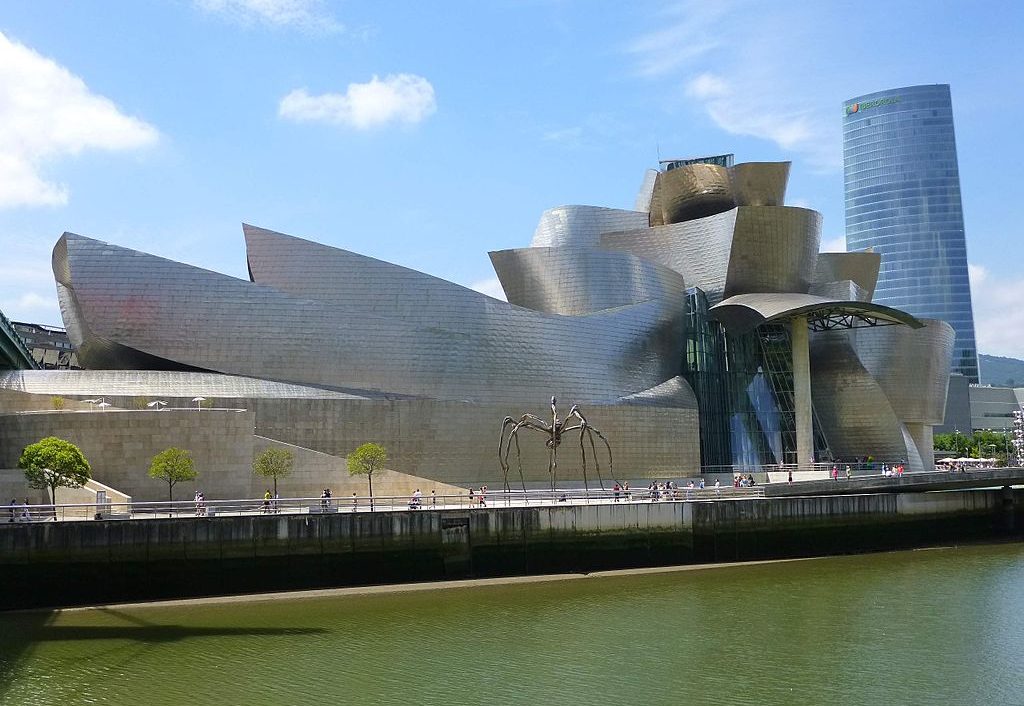
Guggenheim Museum, Bilbao, Spain


Use of corrugated steel, chain-link fencing, unpainted plywood, and other utilitarian or “everyday” materials was partly inspired by spending Saturday mornings at his grandfather’s hardware store.

New York at 8 Spruce Street, New York City


This consistent aesthetic has made Gehry one of the most distinctive and easily recognizable designers of the recent past.

Biomuseo, Panama Canal


“I am not a ‘star-chitect’, I am an ar-chitect,” he has said. “There are people who design buildings that are not technically and financially good, and there are those who do. Two categories, simple.”

Walt Disney Concert Hall, Los Angeles, California


More of Frank Owen Gehry can be found at https://www.archisoup.com/frank-gehry and https://www.moma.org/artists/2108.


Faerie Paths — Heart


If I create from the heart, nearly everything works; if from the head, almost nothing.

~Marc Chagall (1887-1985)


Sunday Evening Art Gallery — Yachts

Of all the things that man has made, no is so full of interest and charm,
none possesses so distinct a life and character of its own, as a ship.
~ Henry Van Dyke


Curmudgeon — I Love That Word

I do love that old fashioned word. Curmudgeon. A crabby person — especially an older one.

I think Ebeneezer Scrooge was one. Those two hecklers in the balcony on the old Muppet Show were a couple more. Just kinda cranky and out of sorts. 

I call my husband that from time to time.

But I digress.

I am planning on spending my morning reading through other people’s blogs — something I’m behind on. 

I myself am suffering from RSV  (respiratory syncytial virus) that is a potentially dangerous, highly contagious virus that can cause respiratory disease.

Ack, petuwy, Another name for a chest cold. 

I’m not belligerent nor dismissive — I know what I have. And that makes me a curmudgeon.

Don’t feel like writing, reading, watching TV. Didn’t feel like doing yesterday’s dishes either, but necessity dictates.

It lasts for over a week — wheezy, coughy, rumbly. All traits that can apply to a curmudgeon. 

Who is a real pain to be around.

So I  wish you a  marvelous December 27th and  hope that all of your coughs are small ones!


One Last Christmas Art Celebration

Well, another Christmas is in the books.

Another weekend of opening presents, watching Christmas movies, too much food, too much drink, too much friends and family and solitary moments. It was all too much, and just as glorious, no matter which way you went.

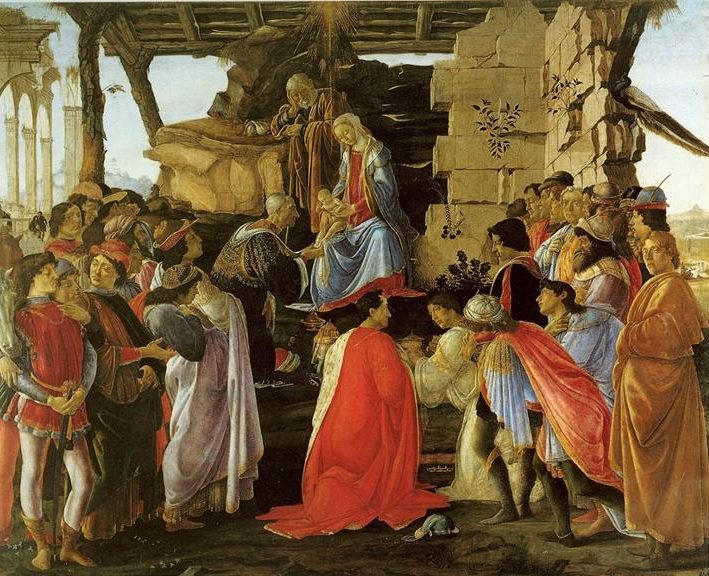
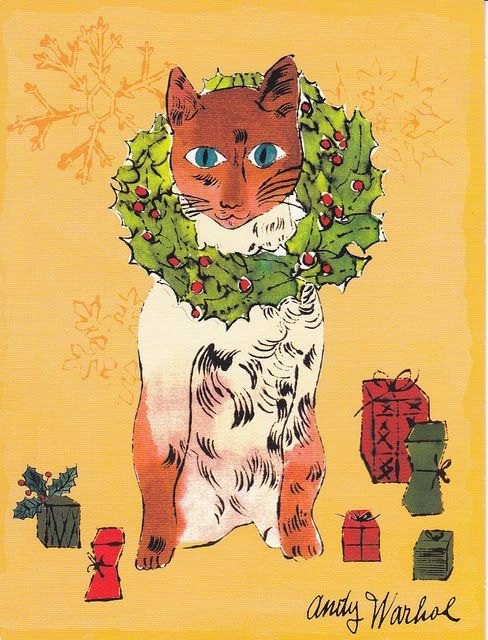
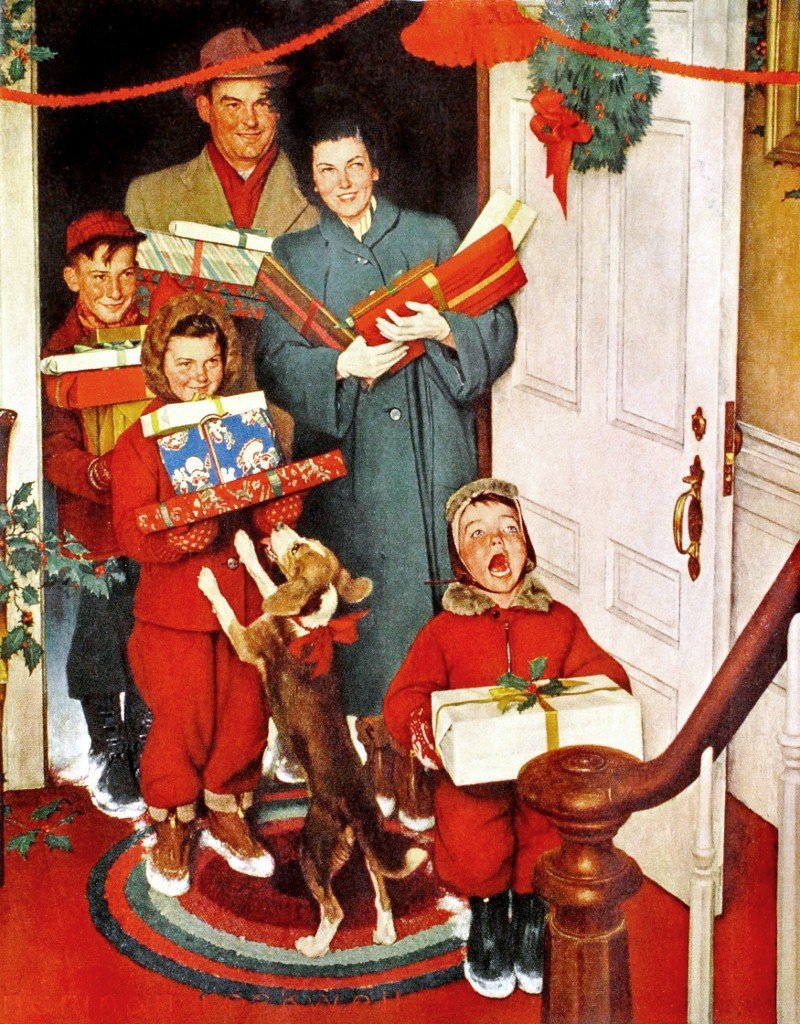
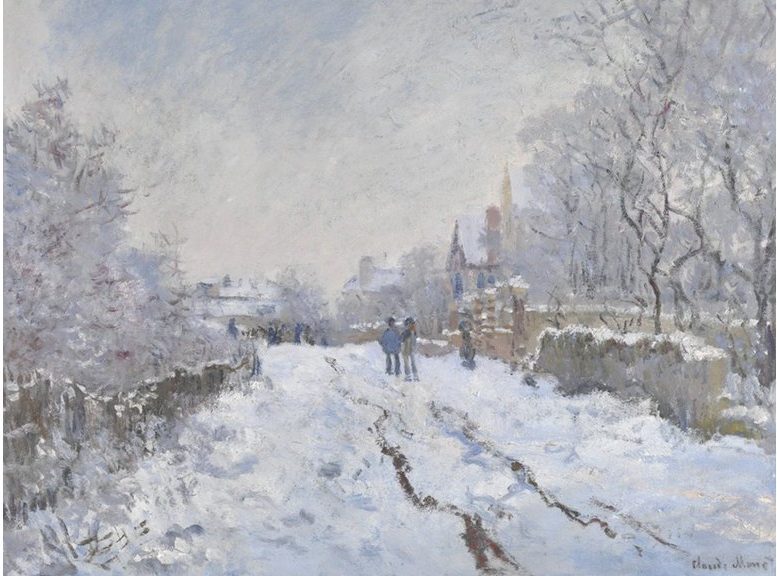
But I found a blog from 2019 about the Art of Christmas. How delightful! Instead of sending you back that way I thought I’d just copy and paste the  delightful art I found.

Get ready for a magical powerful new year ….


Winter Landscape, Caspar David Friedrich


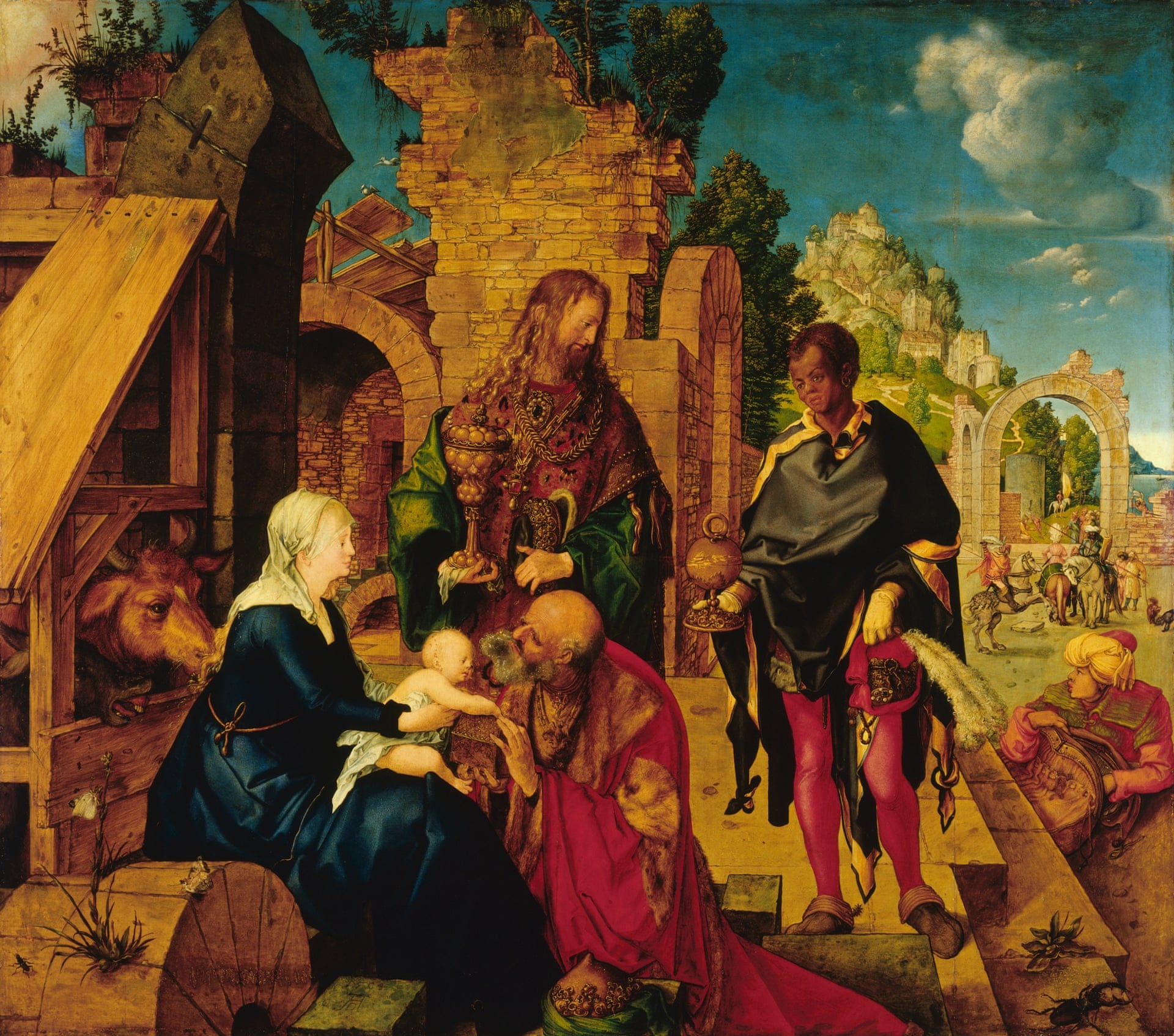
Adoration of the Magi, Albrecht Dürer


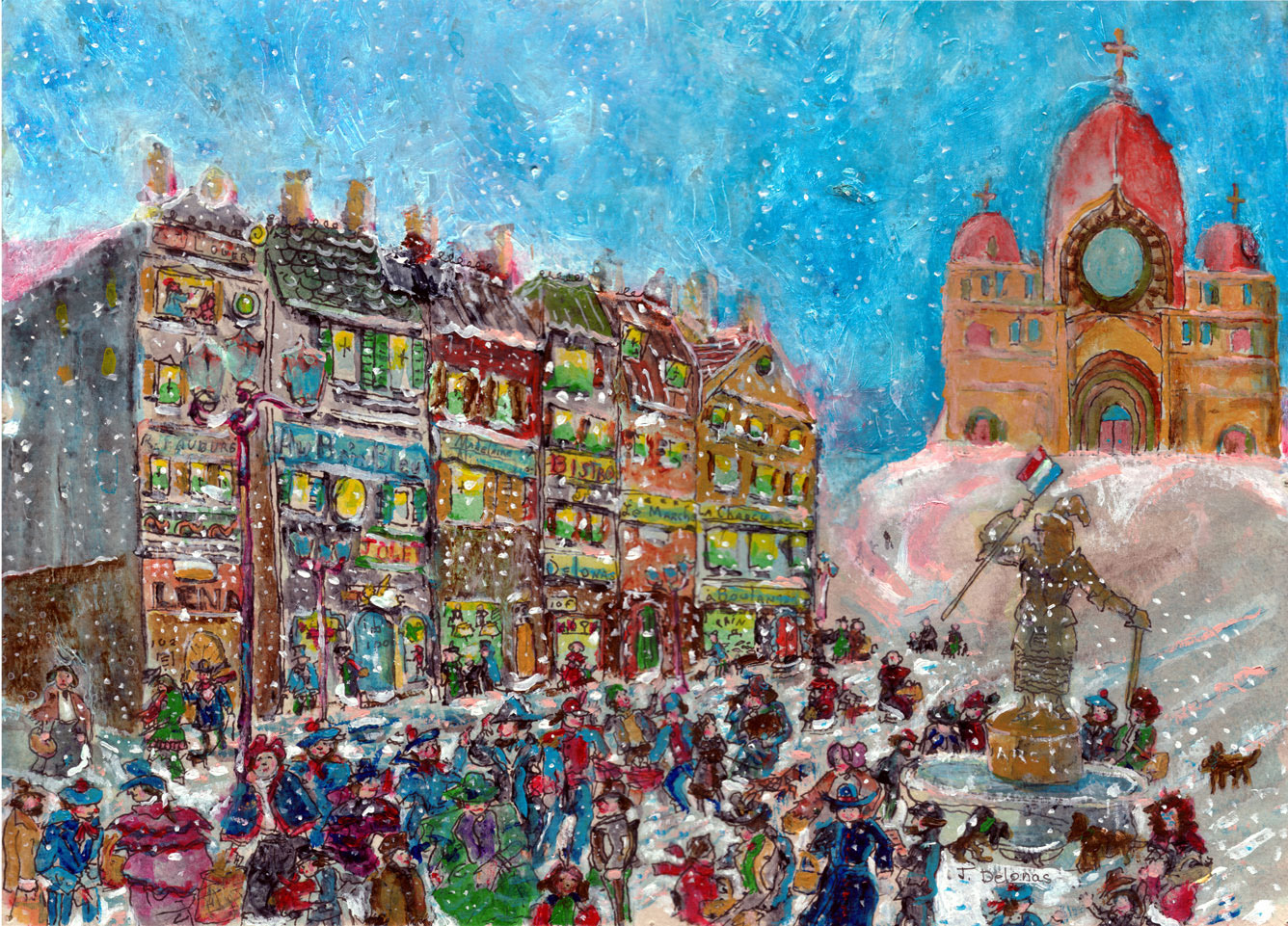
Christmas in Paris, John Delonas


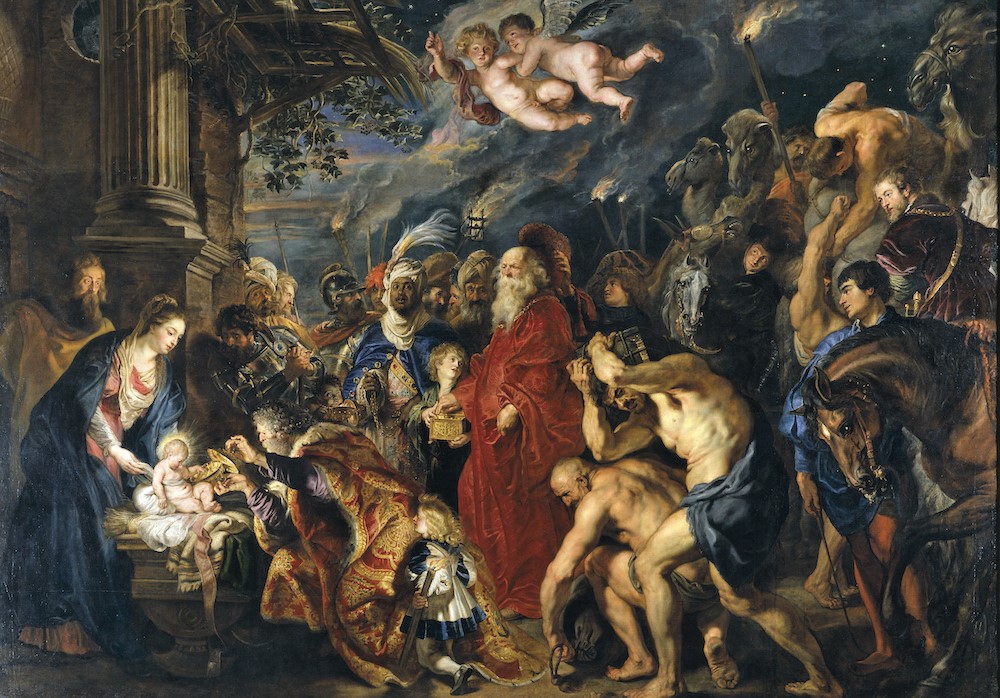
Adoration of the Magi, Peter Paul Rubens


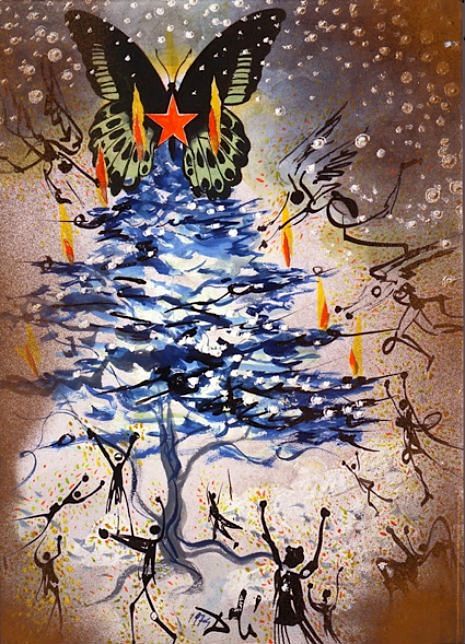
0Christmas Card, Salvador Dali


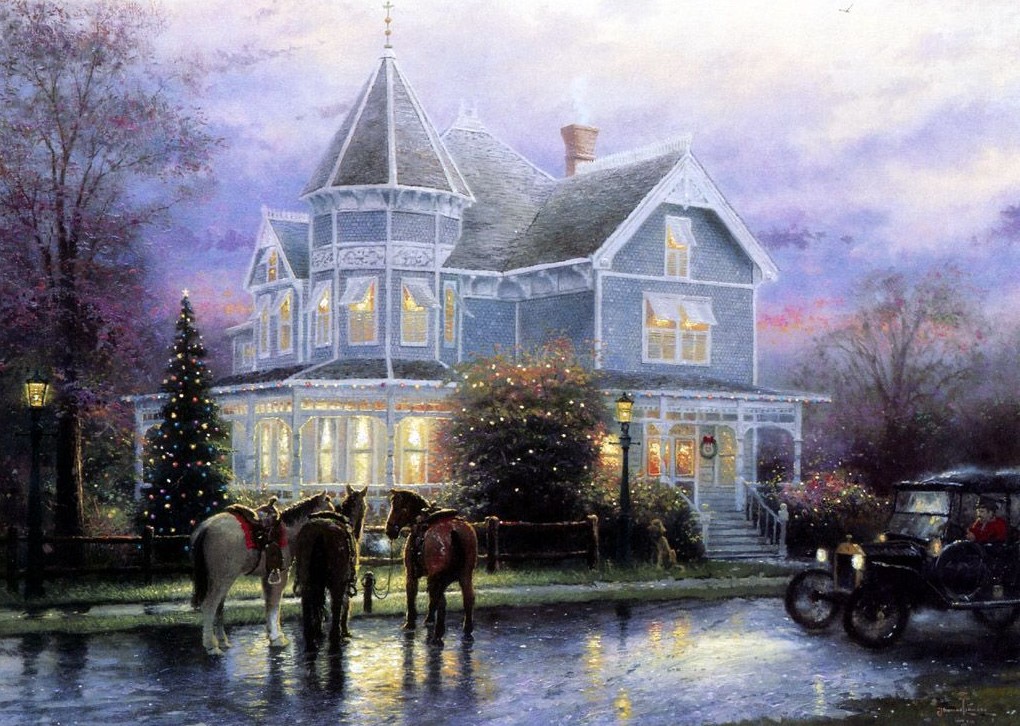
Be Home for Christmas, Thomas Kinkade


Christmas Morning, Thomas Falcon-Marshall


Adoration of the Magi, Sandro Botticelli


Christmas Card, Andy Warhol


Merry Christmas Grandma, Norman Rockwell


Snow Scene at Aargenteuil, Claude Monet


Charlie Brown Christmas, Charle


Merry Christmas Artist-Style!


No matter where you are this holiday season, here are some artists to make your days Merry and Bright!


LOVE  YOU  ALL!!


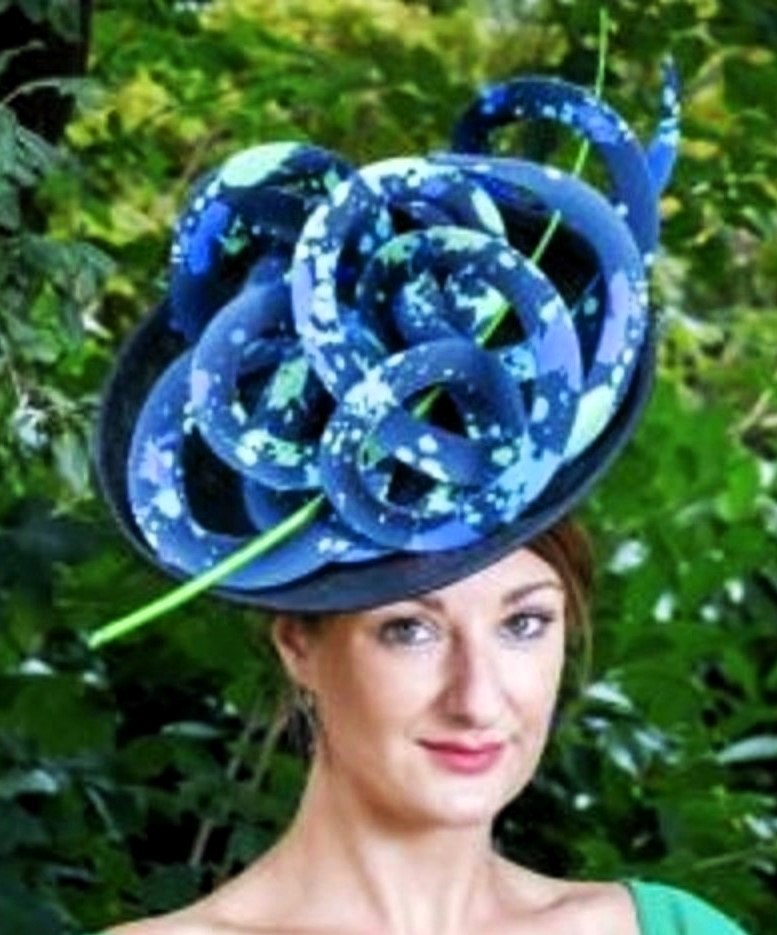
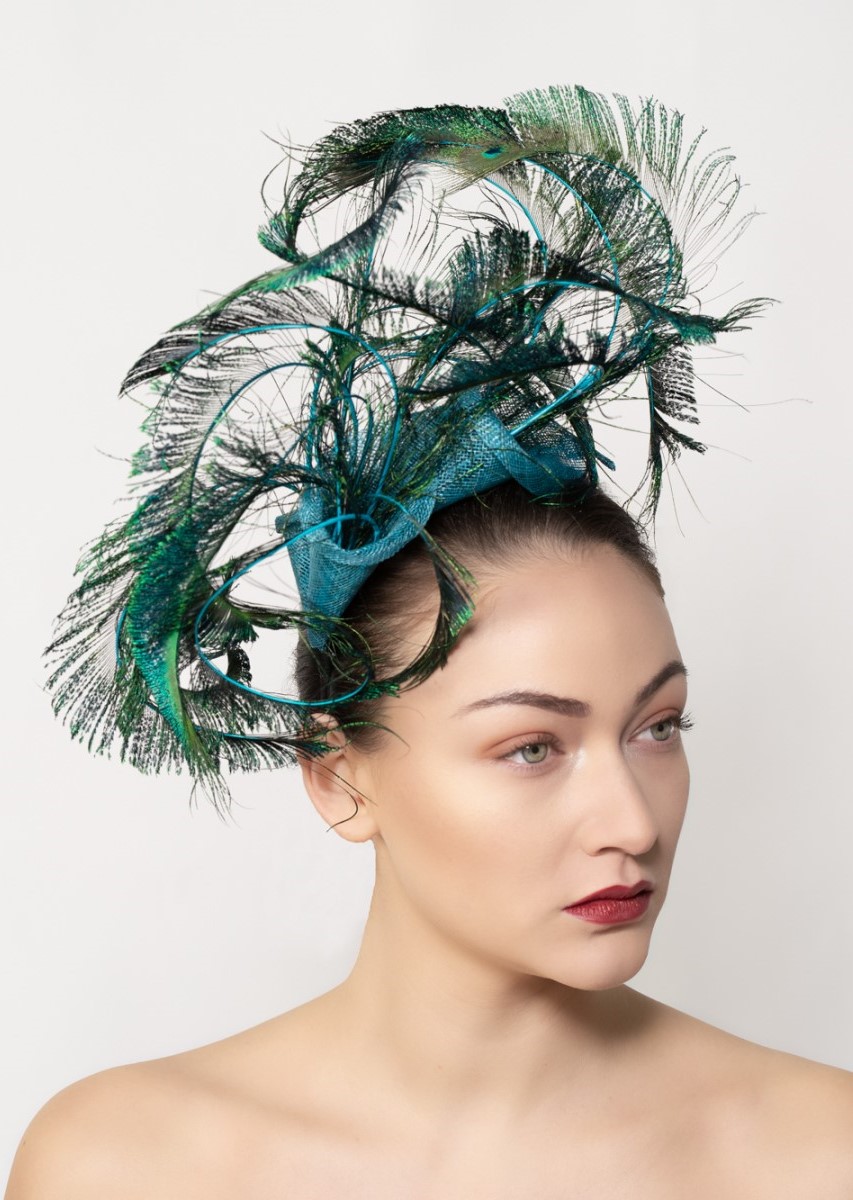
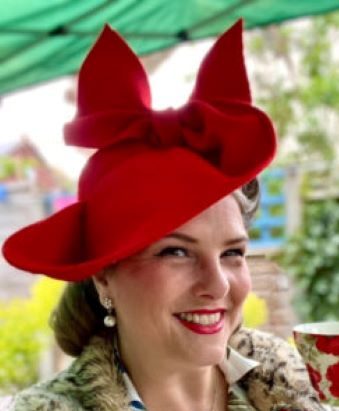
Sunday Evening Art Gallery — Isabella Josie

Isabella Josie‘s millinery journey started with a wedding.

The artist wanted a hat but couldn’t find the right one for her dress.

Josie has always been a crafter, and it felt a natural step to find out how to make a headpiece.Her West Sussex millinery studio in Arundel, West Sussex, is home to her many fantastic millinery creations.

Josie’s millinery incorporates many different techniques and materials, from hand blocking, French beading, flower making, and feather cutting,Whether she starts with a piece of sinamay, lace or felt, it is her ability to play with different materials and techniques that encourages her to create something truly unique that really makes hearts sing.These days. Josie creates handcrafted luxury hats and headpieces for local and international clients, including horse racing events such as Ascot, Cheltenham, Aintree & Goodwood.“Millinery encompasses so many disciplines from sculpture, beading, ribbon work, flower making, design and stitching techniques that there is always something new to discover and learn,” the artist shares.

More of Isabella Josie‘s millinery can be found at https://isabellajosie.com/..


What Does Santa Look Like?

What Does Mr. Santa Claus look like? I guess it depends upon who you are …… and where you are.

Santa Claus—otherwise known as Saint Nicholas or Kris Kringle—has a long history steeped in Christmas traditions.

The legend of Santa Claus can be traced back hundreds of years to a monk named St. Nicholas. It is believed that Nicholas was born sometime around A.D. 280 in Patara, near Myra in modern-day Turkey. Much admired for his piety and kindness, St. Nicholas became the subject of many legends. It is said that he gave away all of his inherited wealth and traveled the countryside helping the poor and sick.

Now that you’ve had your history lesson for the year, here’s a few interpretations of the jolly old man:


Ded Moroz and Snegurochka (Father Frost and Snow Maiden), Russia


Julenissen, Norway


Christkind, Nuremberg, Germany


Grandpa of Winter, Mongolia


Père Noël, France


Santa Claus, United States


Reyes-Magos, Mexico


Kris Kringle, England


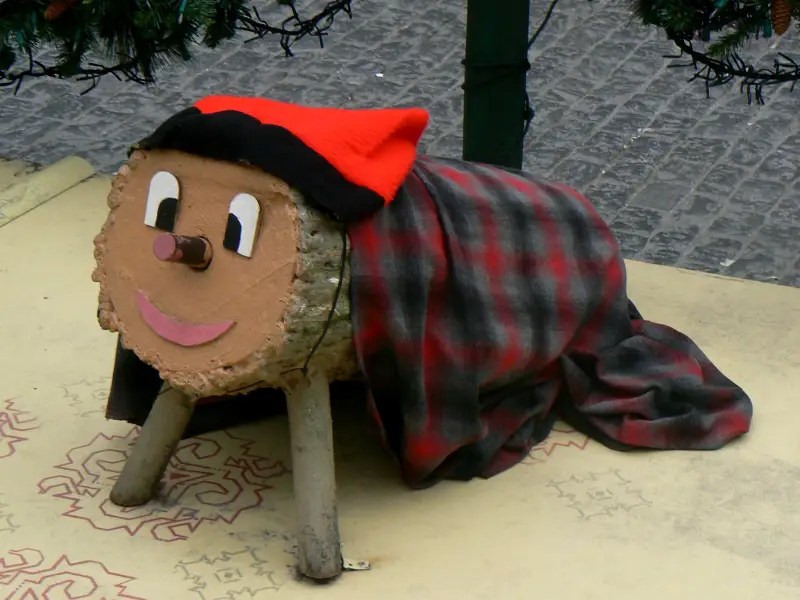
 Tió de Nadal (Christmas log), Catalonia


La Befana, Italy


Jultomten, Sweden


Sinterklaas, Netherlands


TO SANTAs EVERYWHERE — KEEP IT GOING!


Old Baby = Toddler Baby


I swear that being sick as a senior citizen is just as bad as being sick as a toddler.

Only with more perked up ears.

Used to be you had a bad cold or the flu you took cold medicine and went to work. Or school. You can afford to miss one or two days, but for the ones that hold on for almost a week — you just can’t afford missing more days.

When I was 40 I would get hit with a bad flu/cold once a year. Chicken soup and bedrest and NyQuil was the answer.

But now that I’m older I have to perk up those ears. Pay more attention. Is it Covid-19? The beginning of pneumonia? Statistics say that, after heart disease and cancer, Covid-19 and Chronic lower respiratory diseases are the major causes of death in older people.

First thing most of us senior citizens do is check the internet every hour in case there’s statistical updates and/or signs to look out for. But eventually:

Hear that wheezing? Call the doctor.

Have a fever? Call the doctor.

Can’t get out of bed? Call the doctor.

It sounds like I’m poking fun at getting sick, and half of me is. I never had such knee-jerk reactions to a wheeze or a light headed episode before.

But when I was 40 we didn’t have Covid-19 around, either.

Like toddlers, we often don’t know what’s wrong with us. Boogey nose, tired, cranky — that’s our lives most every day! Allergies? Have never really been tested for them. Sinus problems? Nasal passage is clear — who knows what causes all that post nasal drip?

It used to be that chicken soup and aspirin and Vicks VapoRub would cure anything.

I wish it were that easy these days. 

Don’t ignore your signs. Hey — that means you, too, youngsters around 40 or 50 years old! There’s weird stuff in the air that can strike any of us at any time. Don’t get paranoid, don’t panic — just listen to that voice in your head that says ‘check me out.’ You’ll know it when you hear it.

P.S. I did go to the doctor and my lungs are clear and I have no fever, so suck it up, buttercup….

P.P.S. Where’s my chicken soup?


Sunday Evening Art Gallery — Michael Peuster

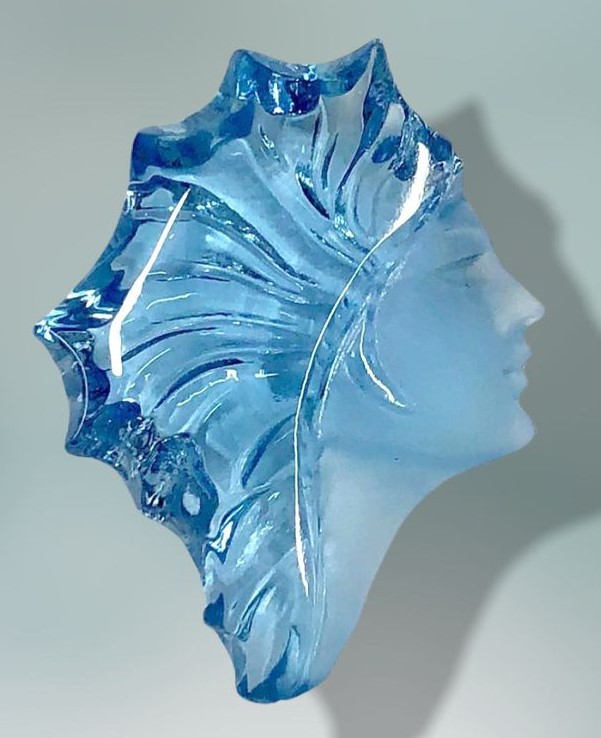
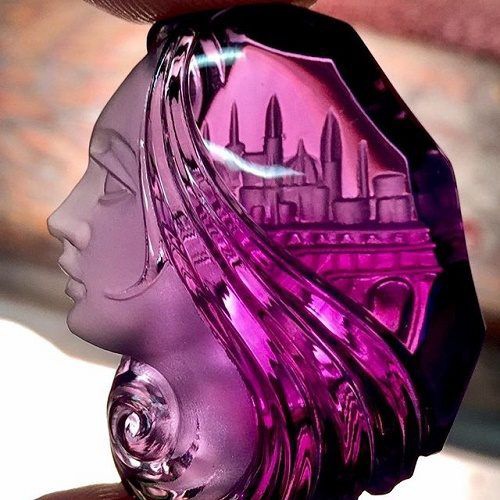
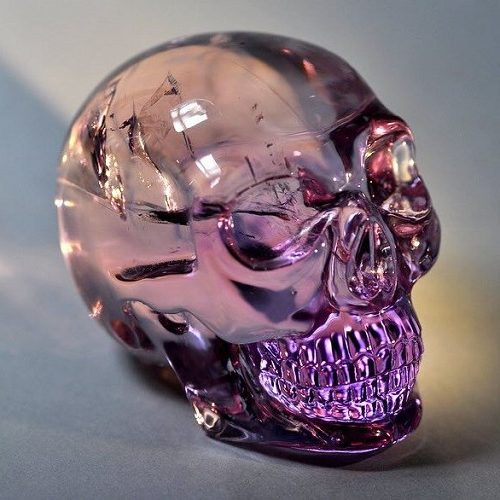
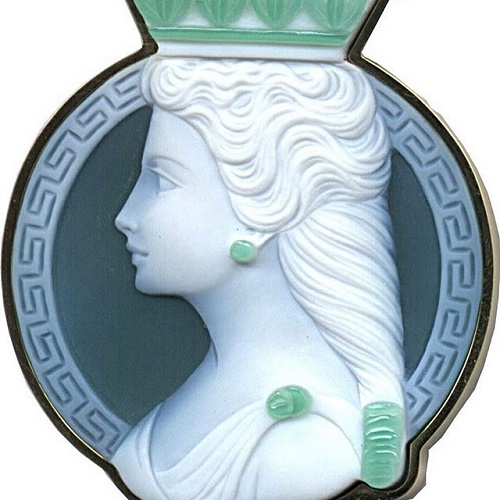
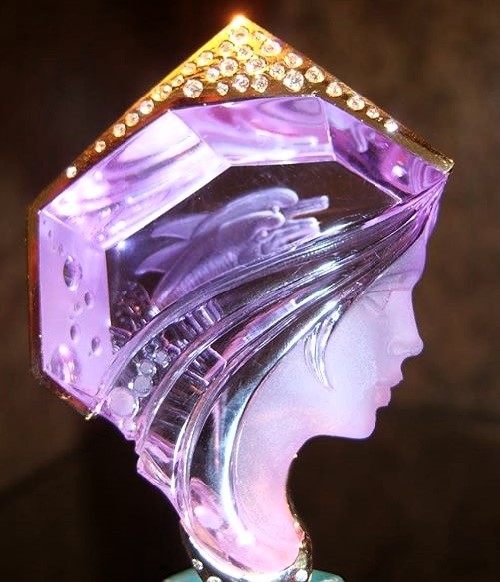
Michael Peuster is a stone carver from Idar-Oberstein, Germany.Based in western Germany, the artist is a graduate of Idar-Oberstein Technical School for Gemstone Jewelry Design.Brilliant stone cutter, jeweler and engraver, Peuster has created a stunningly gallery of exquisite works that are real masterpieces.The striking realism of carved of gemstone sculptures is the result of many years of work, practice, and talent of the jeweler.Trained as a goldsmith and gem cutter, Peuster works with many different types of gems – agate, opal, amethyst, beryl, quartz, crystal, and others.Most of the work by the German master is dedicated to rendering faces in a host of forms: Cameos, low relief carvings, which project only slightly from the surface on which they are carved; and reverse intaglios, carvings etched into the backs of polished gems then painted with oils to produce lifelike images with a 3-D effect. “A carving will be around longer than any photo. Think about the images we have from antiquity. They are carvings,” Peuster said.“These gemstones will have the same beauty in a thousand years.”More of Michael Peuster‘s exquisite carvings can be found at https://nasvete.com/german-stone-carver-michael-peuster and https://gemstone-engraving.com/.


Monday Morning Wake-Up Call (repost)

David Kanigan

Reading my Reader like a good granny this morning, I came upon David’s post, Monday Morning Wake-Up Call. These posts always “get” me in one way or another. 

Today’s post gave beautiful words to those flashes of feelings we acknowledge but don’t explain — to myself or others. Not like this.

I think it’s time to sit down now and then and actually explain what it is about rain or evenings or kids laughter or whatever that make me feel good. PUT YOUR FEELINGS INTO WORDS!


Live & Learn, David Kanigan

Monday Morning Wake-Up Call

“I loved the rain as a child. I loved the sound of it on the leaves of trees and roofs and window panes and umbrellas and the feel of it on my face and bare legs. I loved the hiss of rubber tires on rainy streets and the flip-flop of windshield wipers. I loved the smell of wet grass and raincoats and the shaggy coats of dogs. A rainy day was a special day for me in a sense that no other kind of day was–a day when the ordinariness of things . ………..(more)


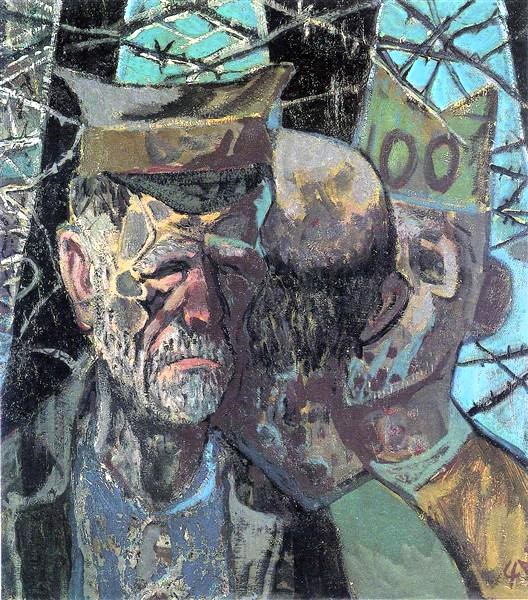
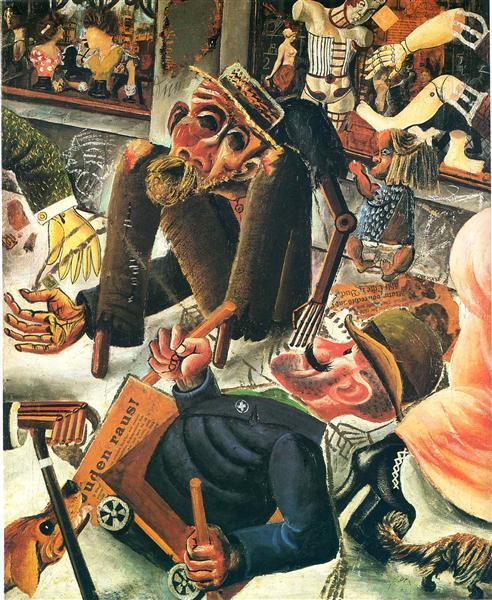
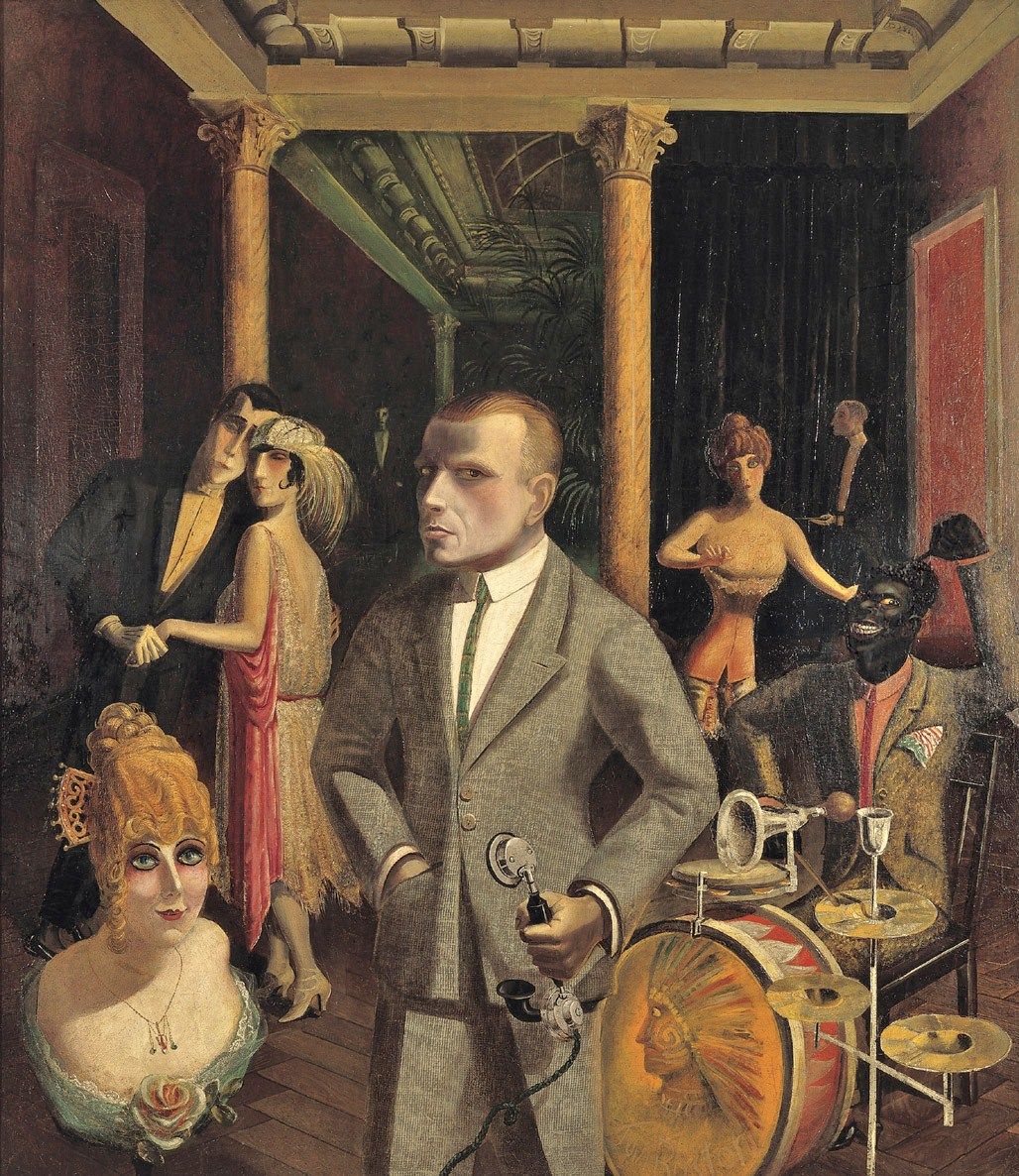
Sunday Evening Art Gallery — Otto Dix

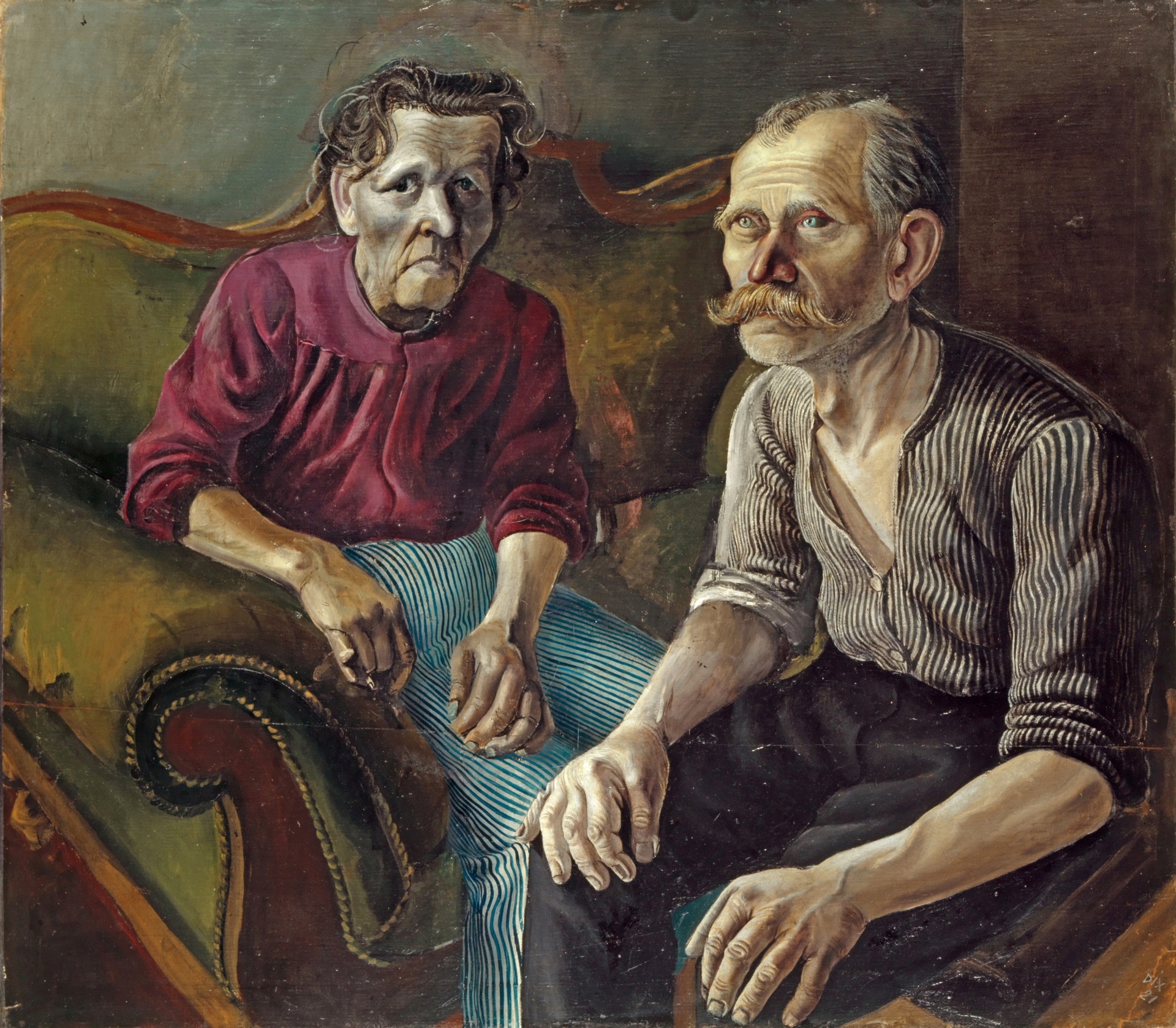
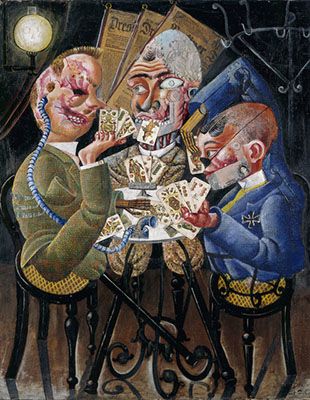
Wilhelm Heinrich Otto Dix  (1891 – 1969) was a German painter and printmaker noted for his ruthless and harshly realistic depictions of German society during the Weimar Republic and the brutality of war.The majority of Dix’s early works concentrated on landscapes and portraits which were done in a stylized realism that later shifted to expressionism.He occupied a lead position in the New Objectivity movement, turning away from the ideas of Romanticism and Expressionism toward a more acidic and non-sentimental perspective to reflect the harsh realities of the interwar German society.Though being a representative of the anti-expressionist movement, Dix incorporated numerous styles into his paintings and etchings.

Although frequently recognized as a painter, Dix drew self-portraits and portraits of others using the medium of silverpoint on prepared paper.As the dark days of the Nazis coming to power grew closer,  his artworks were stripped of value and censored by the regime.He was removed from his position of university professor at Dresden Academy of Fine Arts, and his work was included in Hitler’s EntarteteKunst (degenerate art) show, where all artworks that were not within the lines of the Nazi standards were displayed.After he was stripped of his professorship the Dix family moved to the shores of Lake Constance where he painted mostly inoffensive landscapes.Dix is regarded as a pivotal figure for the New Objectivity movement in Germany, who had the courage to portray the uncensored versions of two harsh wars and a bleak, depraved society in between, using his satirical and grotesque characters and themes to make a direct statement through his artwork.More of Otto Dix’s work can be found at https://www.moma.org/artists/1559 and https://www.theartstory.org/artist/dix-otto/.

Sunday Evening Art Gallery — Tom Leighton

Tom Leighton is an artist, photographer and printmaker with a fascination with architectural structure and form.Trained at the Royal College of Art in London, he expertly layers and manipulates his photographic images, creating work which is both beautiful and provocative.Leighton created a number of photographic series that highlight the immense variety of textures that surround us.Using a keen sense of balance, lighting, and depth, Leighton’s photographs show us the details of life through characteristics such as  fluorescence and variegation.Each gallery is unique to itself, a testament to Leighton’s unending sense of  fascination and creativity.Leighton enhances and manipulates and abstracts, focusing our attention on the intricacy of  layering or detail or composing which has created the effect.This work is beautiful and surprising, and, like them, carries a mark of the surreal.

More of Tom Leighton‘s magical photography can be found at https://www.tleighton.com/.


Mozart’s Catacombs


I dig through the catacombs
For something to write
Who am I?
What am I?

Guidelines send me awhirl
Down the vortex and up again
The choice of words
Cutting edge?
Metered Rhyme?

Or should I keep familiar
Witty quips
Fantasy escapes
What words fit?
Which one’s work?

Something white bread soft
A choice once so easy
Now so complex
Who am I?
What am I?

I can keep it safe
Metaphors and clichés
Bedtime stories and morality plays
Who is the narrator?
What is the theme?

I can try abstract
Obscure, Obtuse
Should it make sense?
Rhyme and Shine?
Do I need to always explain?

Or I can go over the top
Madness and mayhem
Fusion and futility
Who am I?
What am I?

I need to start again
Dig deeper into the vault
Turn the box inside out
Should fire now be ice?
Should down now be up?

But in the end
I come to the surface
There never was an answer
What was the point?
What does it matter?

Mozart’s delight has turned
Sour with the morning light
It seems I will never know
Who am I?
What am I?

c2007

Sunday Evening Art Gallery — Victor Ekpuk

Victor Ekpuk is an internationally-renowned Nigerian-American artist based in Washington, D.C.His paintings, drawings, and sculptures reflect indigenous African philosophies of the Nsibidi and Uli art forms.Ekpuk received his Bachelor of Fine Art degree (BFA), Obafemi Awolowo UniversityIfeNigeria, where he first explored the aesthetic philosophies of Nsibidi (a system of symbols or proto-writing developed by the Ekpe secret society that traversed the southeastern part of Nigeria).His knowledge of nsibidi dates back to his childhood through his grandfather, but it wasn’t until he was an art student that he became fascinated with this form of writing.This led to his adaptation, modification and (re)invention of nsibidi into his own signature “script”, which he humorously describes as his “scribblings”.Ekpuk’s artwork is characterized by intricate, large-scale compositions that merge African writing, knowledge and aesthetics with his own artistic expression.The artist invites us to (re)examine simplistic definitions of calligraphy, the boundaries between architecture, sculpture and script, and the distinctions between writing, graphic writing and art.More of Victor Ekpuk‘s unique sculptured writing forms can be found at https://www.victorekpuk.com/.




Faerie Paths — Speechless

designed by TwilightAmbiance


Next time a sunrise steals your breath or a meadow of flowers leave you speechless, remain that way. Say nothing, and listen as Heaven whispers, “Do you like it? I did it just for you.”
~Max Lucado