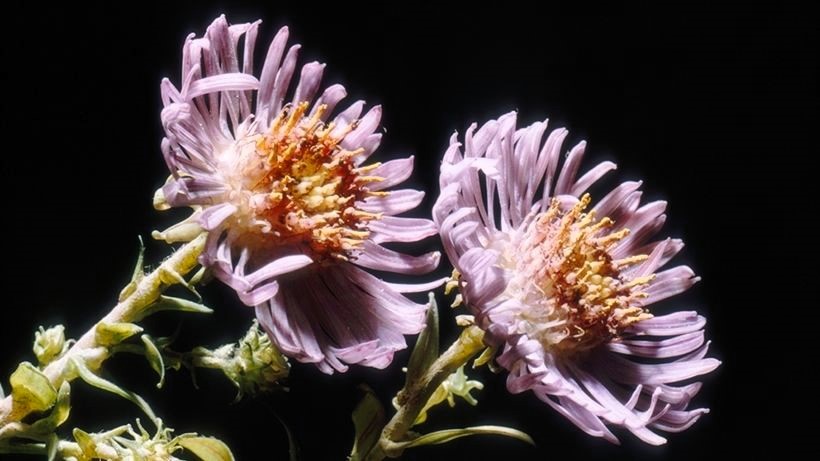
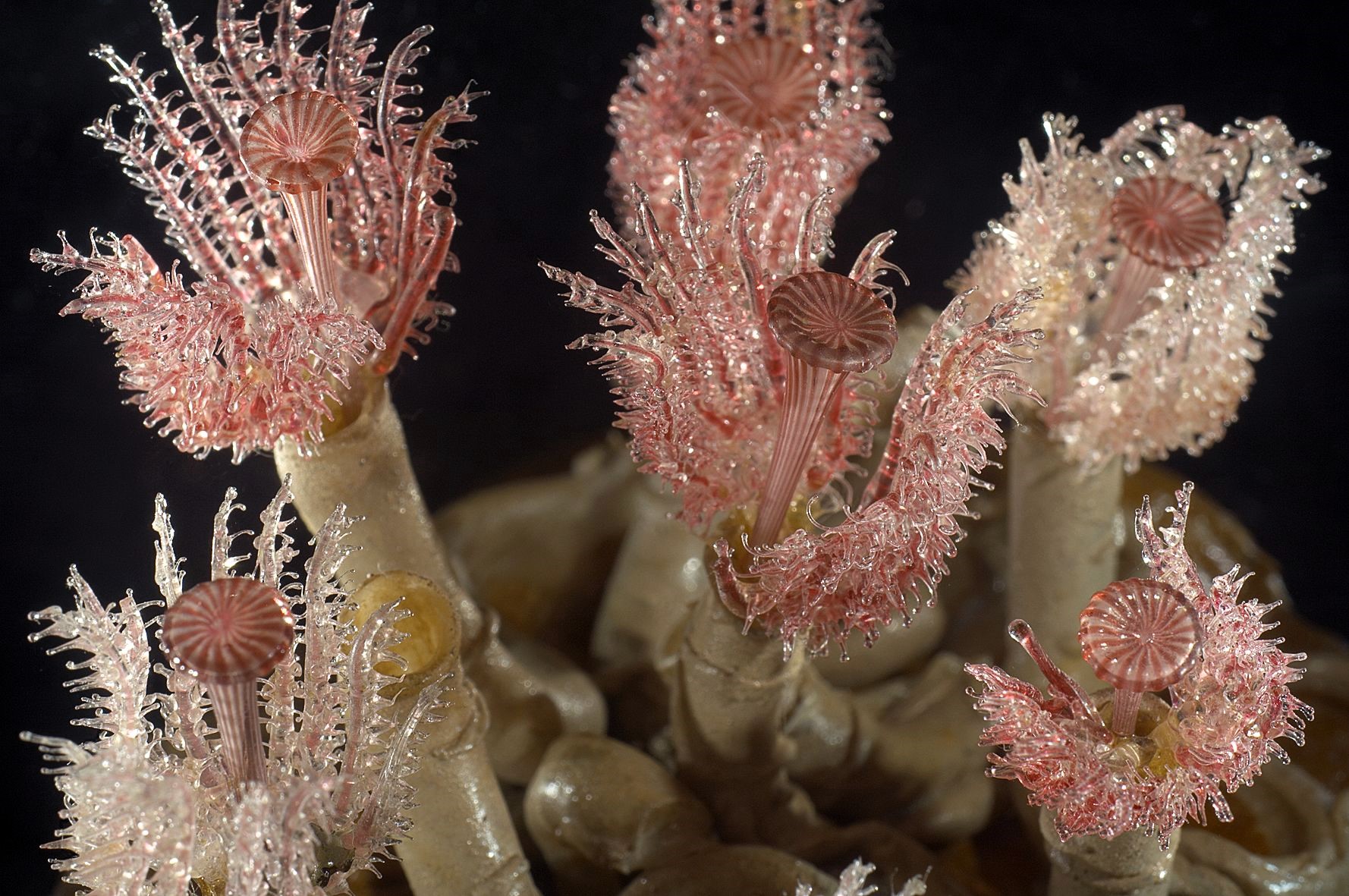
The Ware Collection of Blaschka Glass Models of Plants was made for the the Botanical Museum of Harvard University.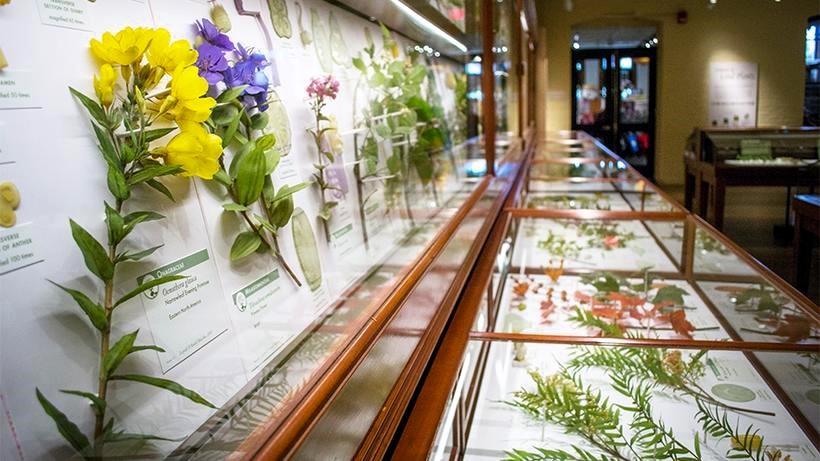 Often referred to as Blaschka glass, the creations of glass are a collection of almost 4,000 models of flowers, plants, and flower parts, made at Dresden between 1887 and 1936.
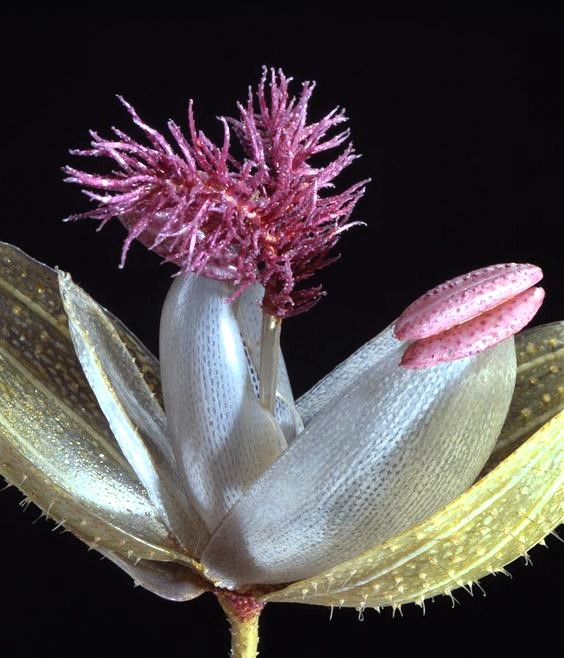 The Blaschkas, Leopold (1822-1895) and Rudolf (1857-1939), were father and son glass artists who lived and worked in Hosterwitz, Germany, near Dresden.
 Their most famous production was the Ware Collection of Glass Models of Plants, a collection of almost 4,000 models of flowers, plants, and flower parts, made at Dresden between 1887 and 1936 for the Botanical Museum of Harvard University.
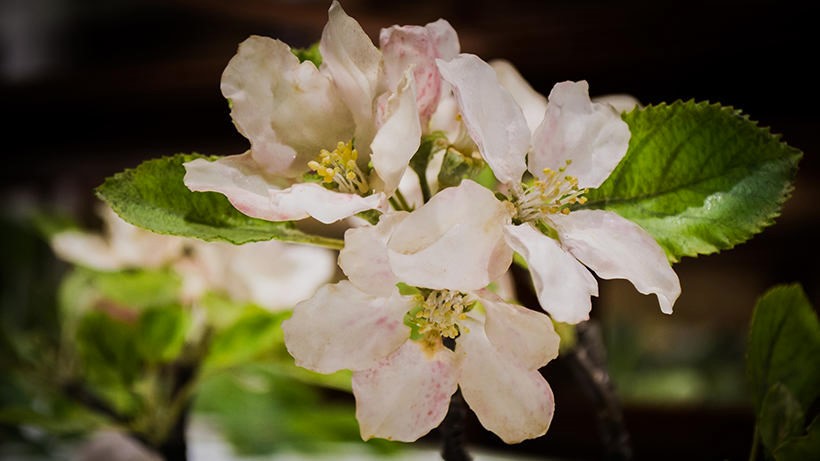 Over fifty years, from 1886 through 1936, the Blaschkas produced 4,300 glass models that represent 780 plant species.
The Blaschkas’ glassworking lineage is believed to trace back to 15th century Venice.

In their exquisite coloration, minute detail, and representational accuracy, these models fulfill their original purpose of botanical study; moreover, technically and artistically they are among the finest glass objects ever made.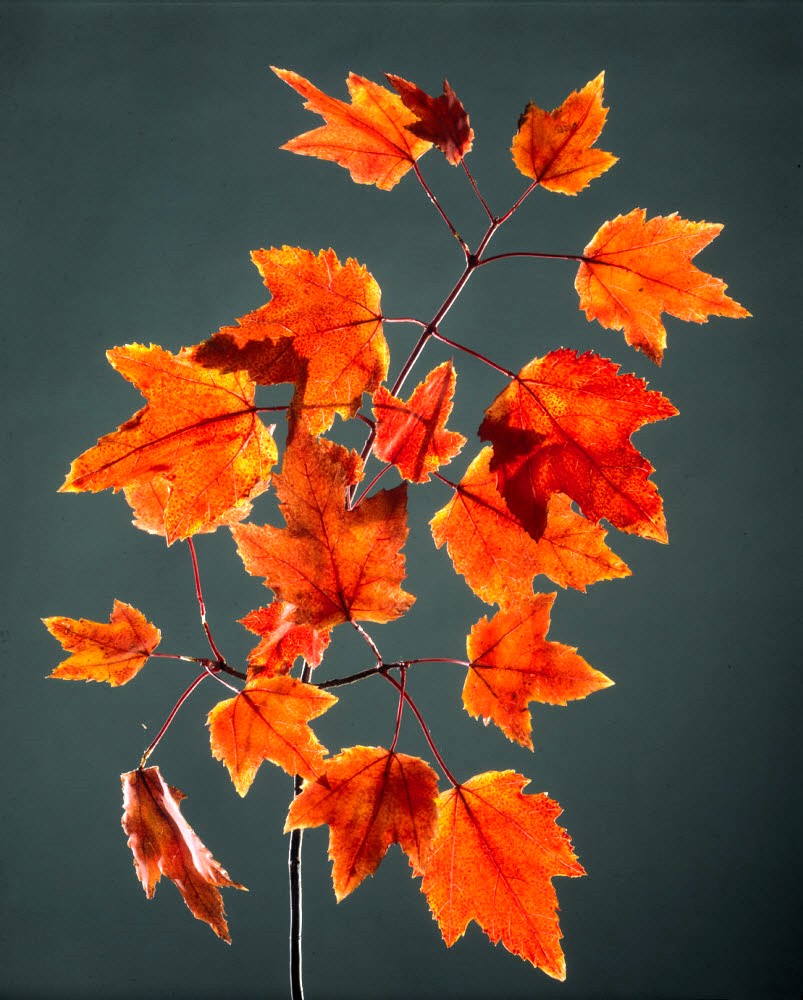 Over their fifty years creating the Glass Flowers, the Blaschkas continually experimented with materials and methods that pushed the boundaries of glass working.
 Years later, their complex and varied practices presented unique challenges for the conservators preserving and protecting the models, which led to a suite of conservation processes nearly as varied as the Blaschka’s techniques.
 More information and images of The Ware Collection of Blaschka Glass Models of Plants at Botanical Museum of Harvard University can be found at https://hmnh.harvard.edu/glass-flowers and https://digital.library.cornell.edu/collections/blaschka/today.


These are incredible. I would be very nervous if I had a glass flower arrangement in my house.
LikeLike
Ha! That’s why my arrangements are either fresh (in a 25 cent glass vase) or artificial ones (usually at Christmas)!
LikeLiked by 1 person
That is almost unbelievable! What skill and craftsmanship.
LikeLike
Yes — thank you! And to create with such DETAIL — I always say I’m amazed. But I always am!
LikeLike
This glass art is astoundingly beautiful. Thank you for sharing!
LikeLike
Thank you! I just wish I could find more examples of the Blaschka’s amazing lifetime work. But I’ll keep looking!
LikeLiked by 1 person
I did a bit of glass blowing in my early days of being an Industrial Chemist, and I con believe how magnificent these pieces are …
LikeLike
Did you really? How awesome! I watched glass blowers at the Renaissance Faire quite a few years ago, and was amazed at how they made even little pieces!
LikeLiked by 1 person
Back in those days we did glass blowing as part of our Chemistry course … it was fun except for the burnt fingers …
LikeLike
heh… sometimes that’s how we learn …
LikeLiked by 1 person
WOW! So amazing.
LikeLike
Yes! I came across the word Blaschka glass the other day (not randomly, of course — rechecking how they made Mary Gregory Glass) and came across this version which was named after two glassmakers. Wandering is so much fun!
LikeLike
Amazing.
LikeLike
Yes! I am amazed that they recreated so many species … in glass!
LikeLike