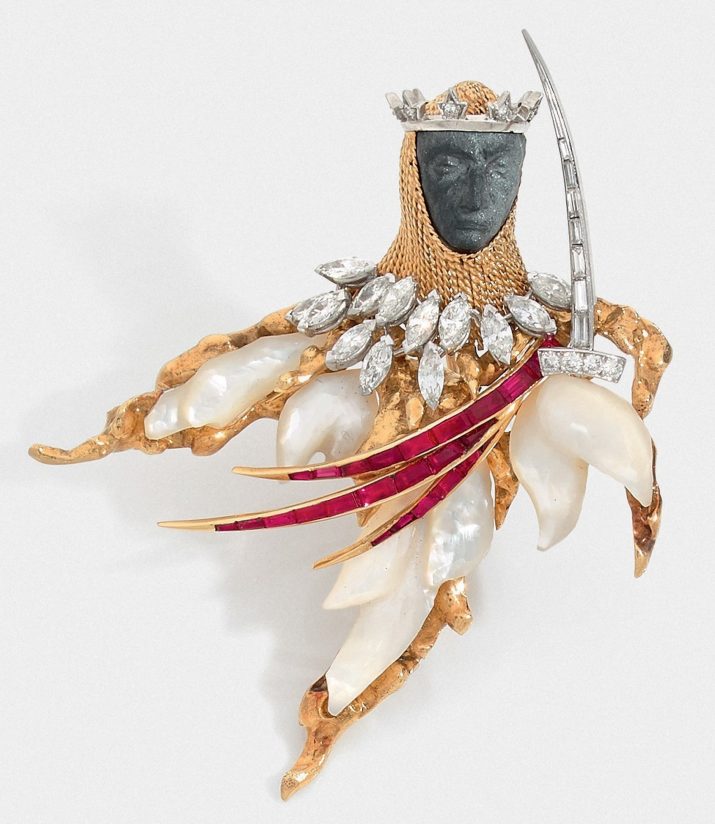
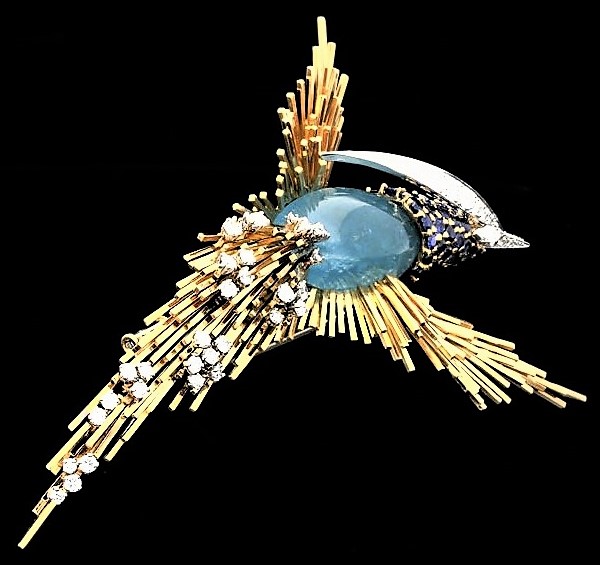
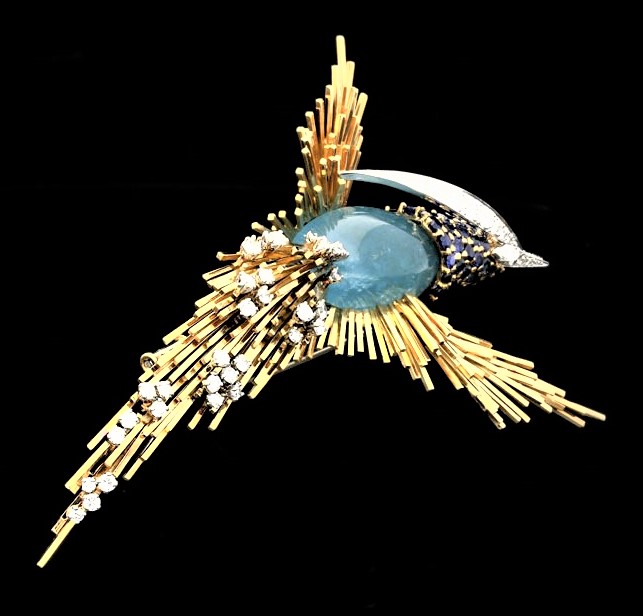
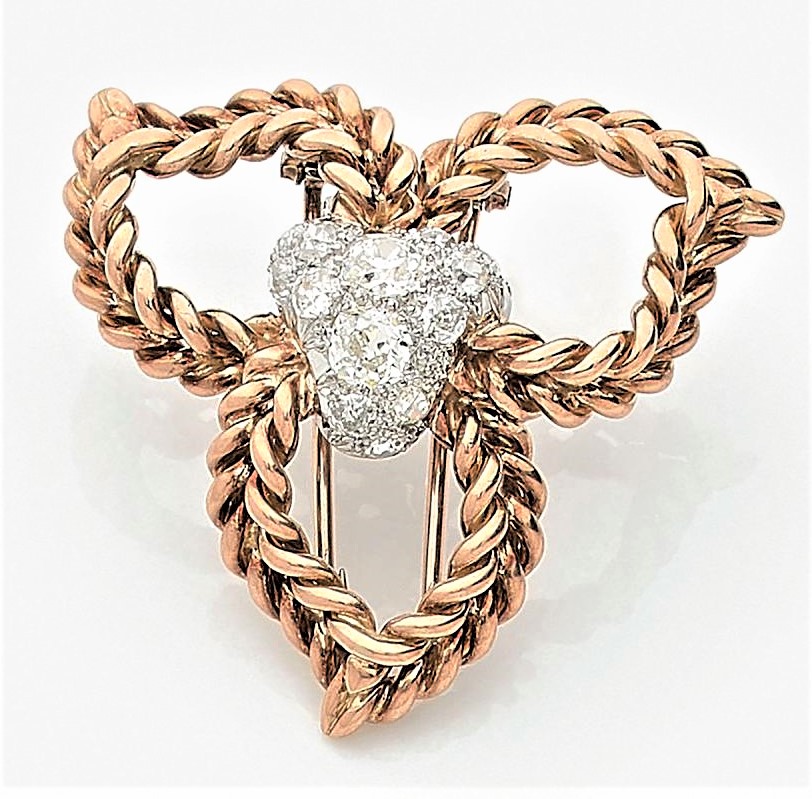
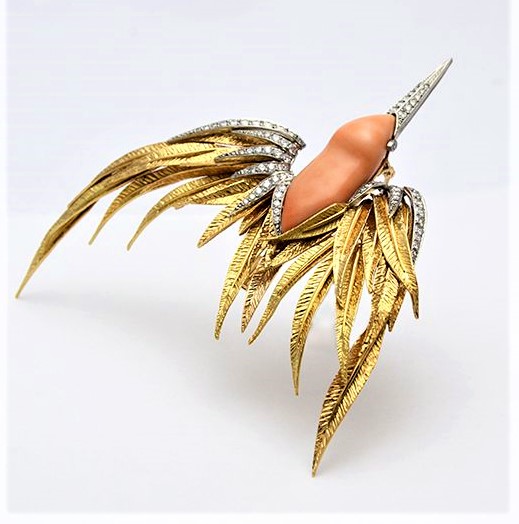
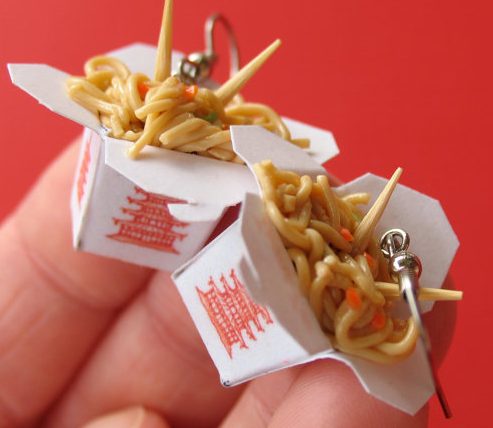
The first round,Looking Back on Friday … Again — Jewelry Part One, was a hit with jewelry lovers! I mean, where else can you find jewelry made by Cartier and Pierre Sterlé side by side with alien stealing cows earrings and R2D2 rings?
Let’s visit some of my other oldie jewelry blogs and see where we land!
I am having a ball going back through all of my Sunday Evening Art Galleries and picking out artists or topics with similar themes and sharing them with you.
I am hoping NEW FOLLOWERS will peruse the galleries and the REGULAR FOLLOWERS share these amazing worlds with their friends and neighbors.
After all — what is Art for if not to share?
How about this week we look at some Jewelry Part One?
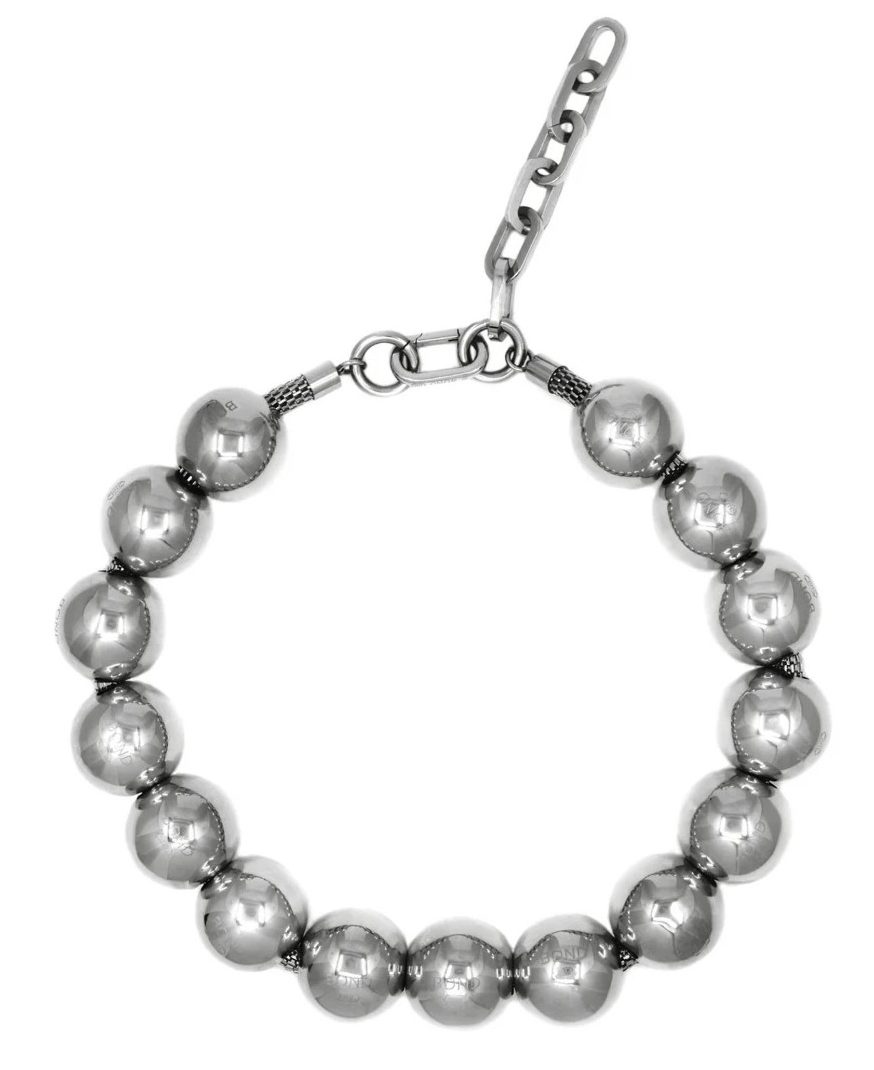
BOND Hardware is a sustainable jewelry and accessories label, designed and handmade in New York.Founded in 2012, designer and stylist Dana Hurwitz started the brand as an experimental project, locally sourcing scrap metal and found industrial objects to adorn looks for New York club kids.Later joined by creative partner and photographer Mariah Pershadsingh, the duo continues to develop the brand with a focus on innovation and craftsmanship.BOND Hardware is a forward-thinking jewelry brand known for its sharp silhouettes, fetishistic look and feel, inclusive ethos, and use of stark, industrial materials.
In their jewelry and accessories lines, nuts and bolts become rings, buzzsaws become bangles, and screws become pendant charms.Unlike most costume jewelry, BOND does not use traditionally plated metals. They instead use PVD Stainless Steel.Refined from industrial shapes, BOND Hardware forms are made to adorn spaces or the body using materials that are sustainably acquired for the longest and least destructive lifespan possible.
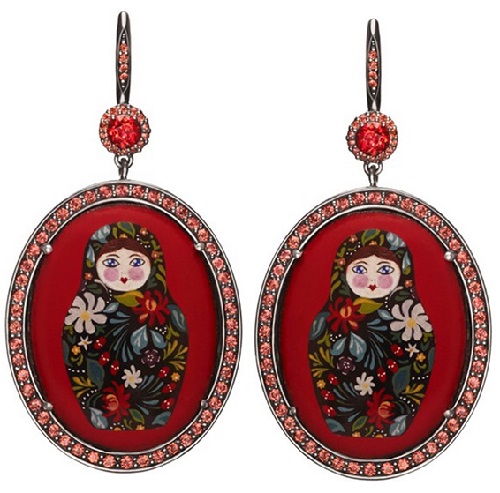
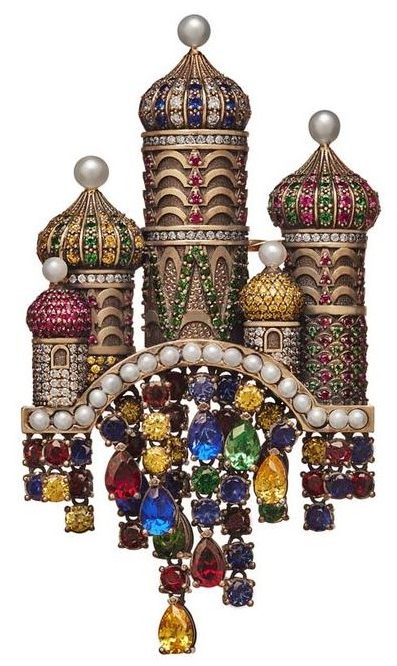
Petr Axenoff is a jewelry designer from Moscow, Russia. Born to a photographer father and an icon-painter mother, Axenoff was immersed in a rich artistic world from a very early age and went on to study painting, architecture, ballet, theatre and historical costume.Eventually his creative and scholarly pursuits led him to pour his passions into fine jewelry and establish the Axenoff Jewelry brand.Axenoff’s intent and creative designs are intertwined with the Russian jewelry tradition of the 16th-19th centuries, as well as the beginning of the 20th century. Axenoff delicately blends modern trends with classical jewelry traditions, creating lavish jewelry designs with a deep, historical meanings.The artist uses silver and semi-precious stones such as topaz, onyx, moonstone, and lapis lazuli, along with more expensive materials such as platinum, gold, diamonds, sapphires and emeralds, all to create one-of-a-kind pieces that pay tribute to the charisma of Russia.Always beautiful and unique, “Axenoff pieces are to be enjoyed and worn as they are admired and treasured,” the designer shared.More of Pytr Axenoff’s designer jewelry can be found at The Jewelry Editor and Jewelerss.
George Inaki Root, who is of Spanish-Filipino and Japanese descent, finds inspiration from his multicultural background and a passion for Japanese culture.
Root named the brand Milamore after his grandmother, Milagros, which means “miracle” in Spanish. The brand combines her name with the Italian word for “love” as a tribute to Milagros and the bond she nurtured with Root.
Milamore is built on the principles of reinventing stories from culture and nature through the art of jewelry design.
Every piece designed is unique, inclusive, and for no specific gender or persons.
Root’s designs balance bold and edgy elements with sophistication, creating androgynous pieces that celebrate colorful individuality.
The jewelry artist’s philosophy, rooted in the concept of wabi-sabi and yin-yang, emphasizes the beauty in imperfection and the importance of finding balance in life and being deeply connected with yourself.
Through his art, Root invites us on a journey of self-discovery, reminding us to embrace the beauty that surrounds us, even in times of uncertainty.
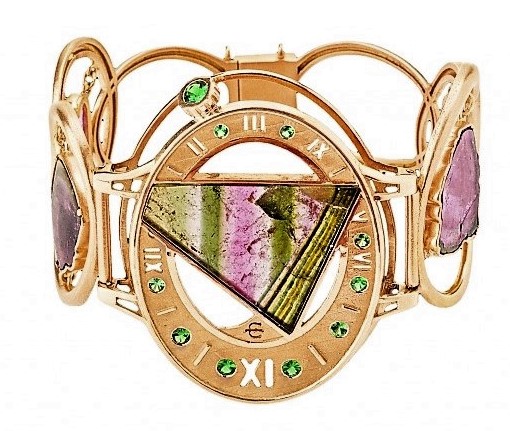
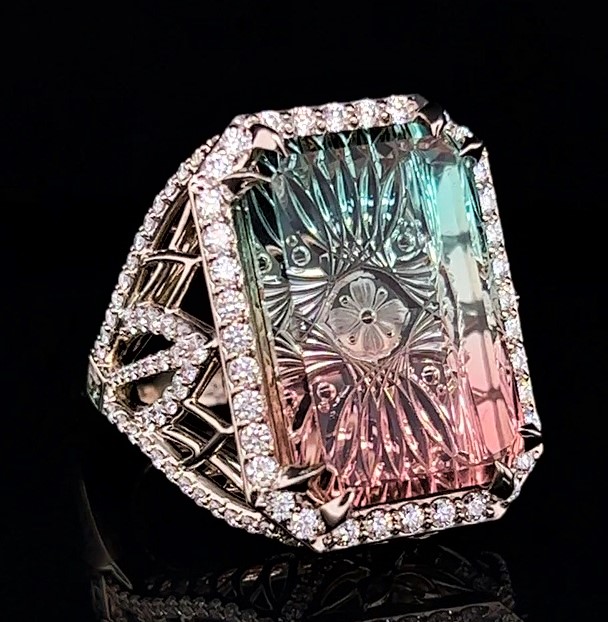
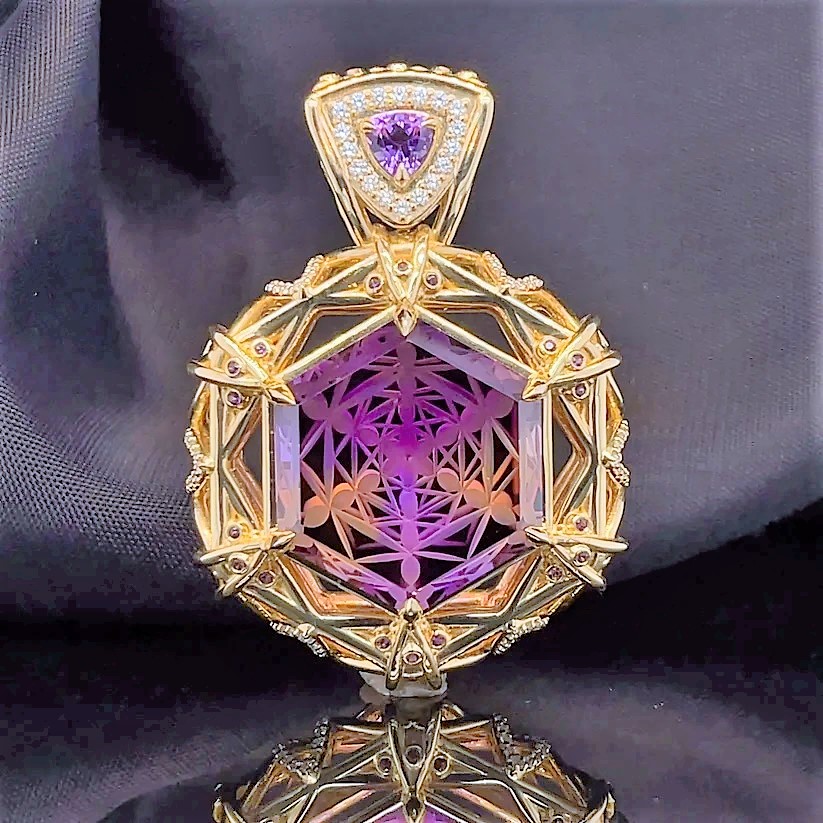
Robin Callahan is a custom jewelry designer, metalsmith and lapidary artist with her own company, Robin Callahan Designs, LLC.The artist often sources rough gems directly from mines and specialty dealers, custom cuts gems, or has the best lapidary artists in the world facet/carve the gems, then designs and creates one of a kind heirloom-worthy jewelry.Callahan studied with masters in the industry to learn how to cut and facet her own gems, and was soon invited to show her lapidary work in prestigious museums and private collections.All her pieces are unique, featuring beautiful gemstones and pearls, in breathtaking settings.Callahan’s work is bold and creative, her finely crafted pieces the perfect showcase for her love of color and light, making custom- as well as fantasy-cut jewelry designs.She works mostly by commission, creating custom pieces for clients around the world.The artist is fortunate enough to work with the industry’s most talented and award-winning lapidaries, but on occasion and when time allows, enjoys cutting the gemstones herself.
Callahan considers herself brave, determined and a perfectionist. “This is beyond things like being creative and artistic, because you need those to be a jewelry designer and maker,” she explains.More of Robin Callahan‘s amazing jewelry can be found at https://shop.robincallahandesigns.com/
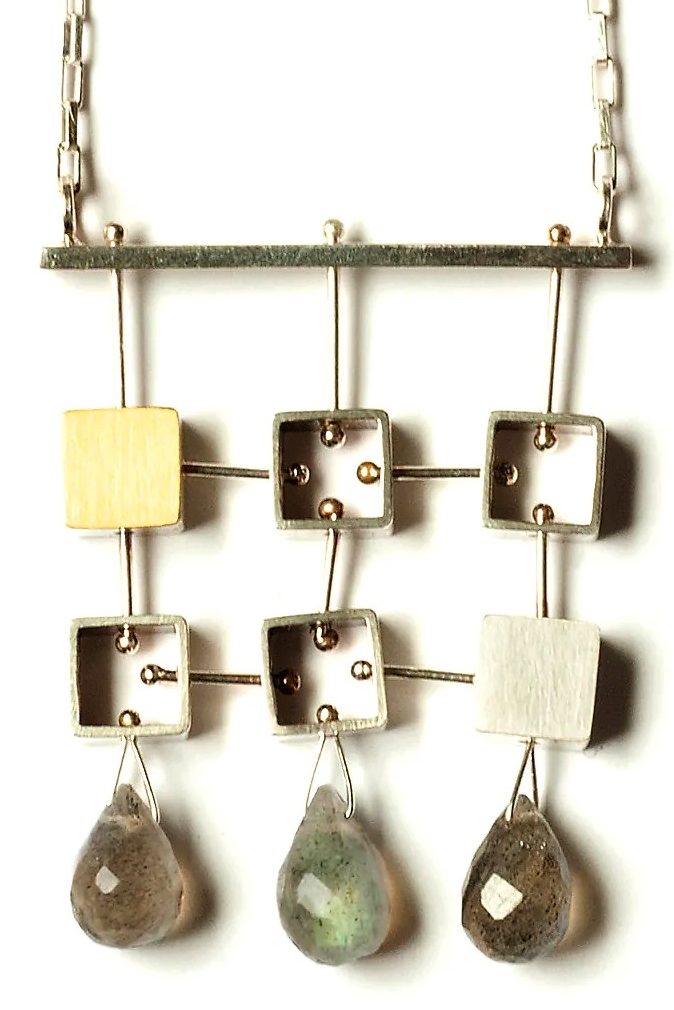
Jewelry artist Ashka Dymel was born in Warsaw, Poland.
After studies in liberal arts and foreign languages in Poland and Czechoslovakia, Dymel moved to the United States where she earned a Bachelor of Fine Arts degree in Environmental Design from Parsons School of Design in New York City.
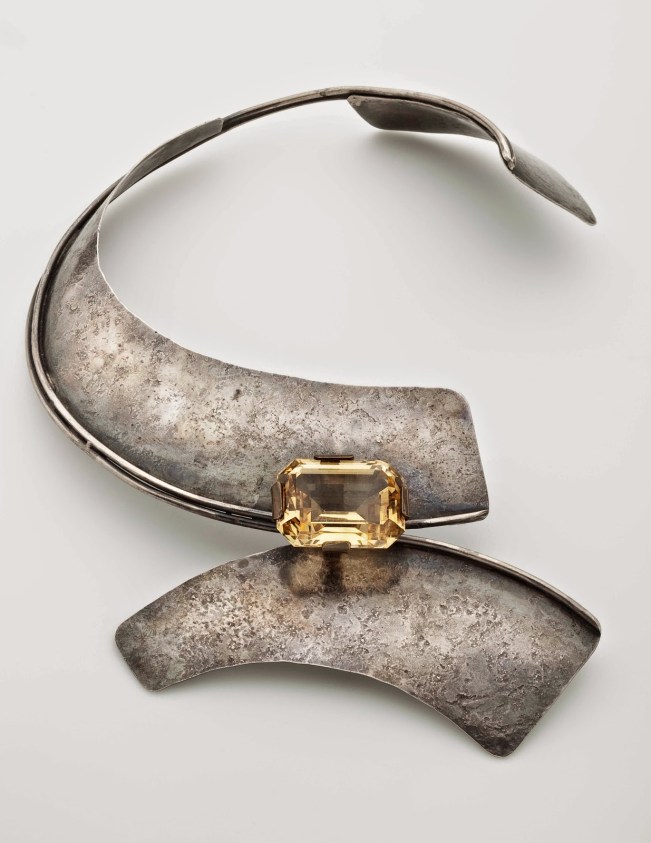
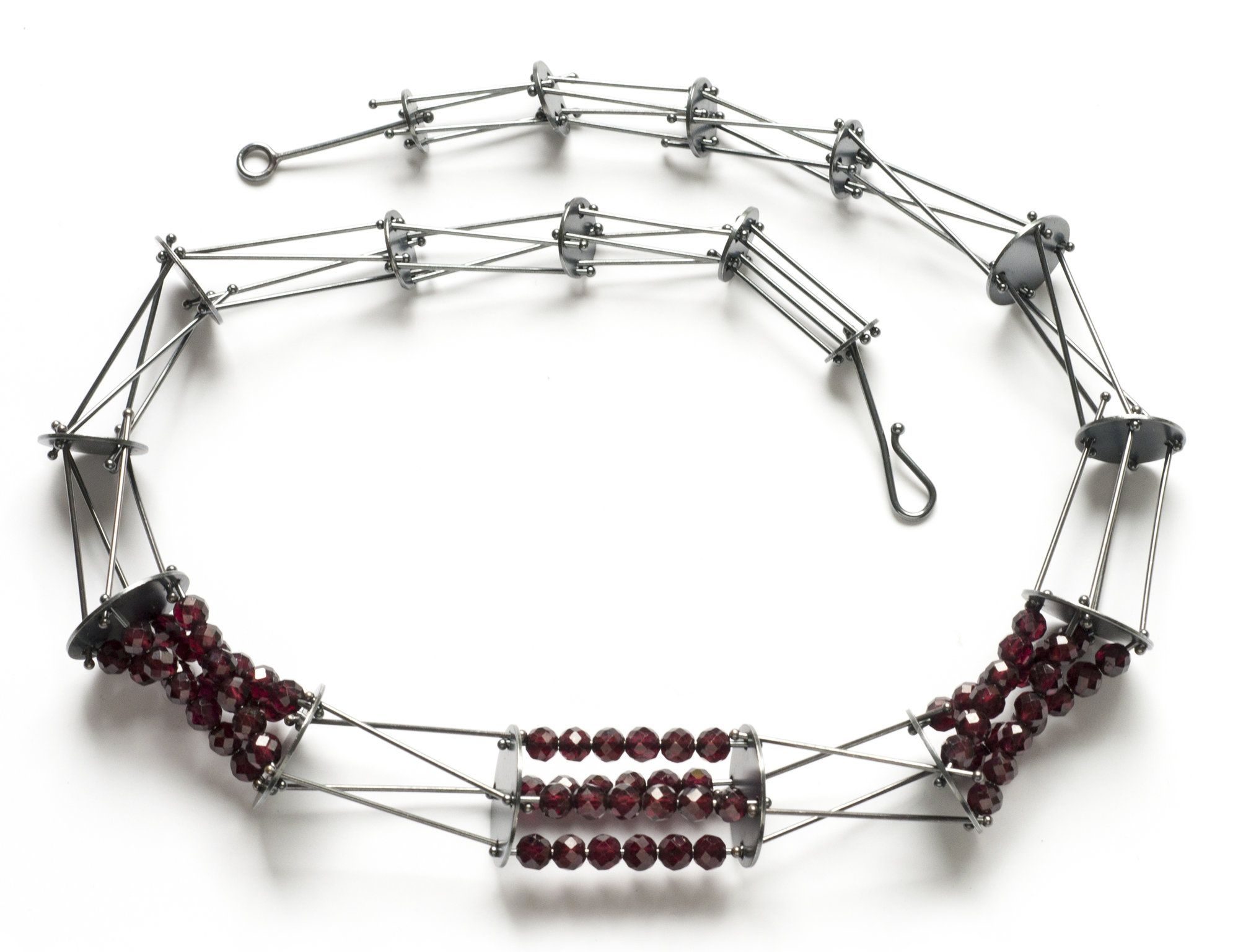
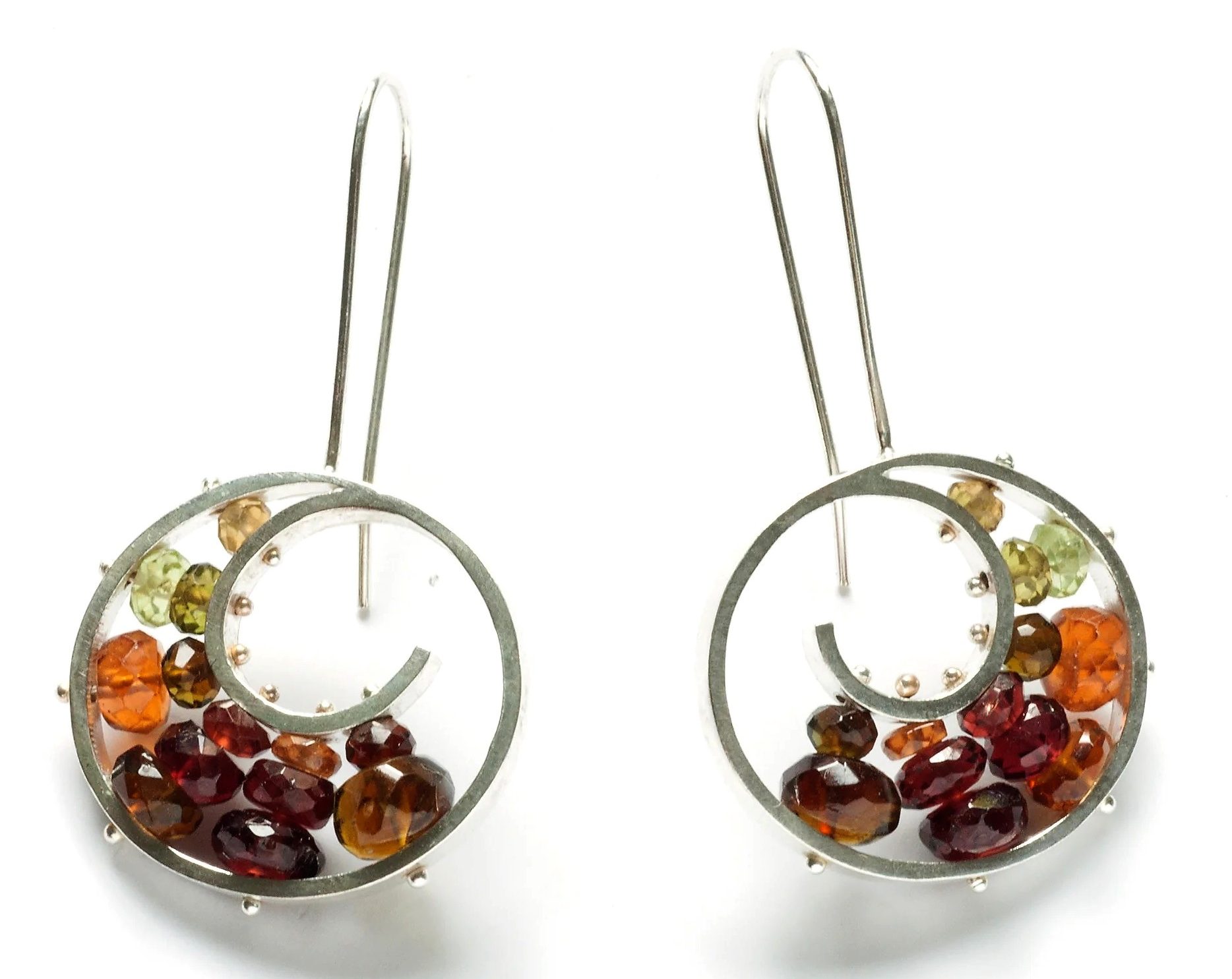
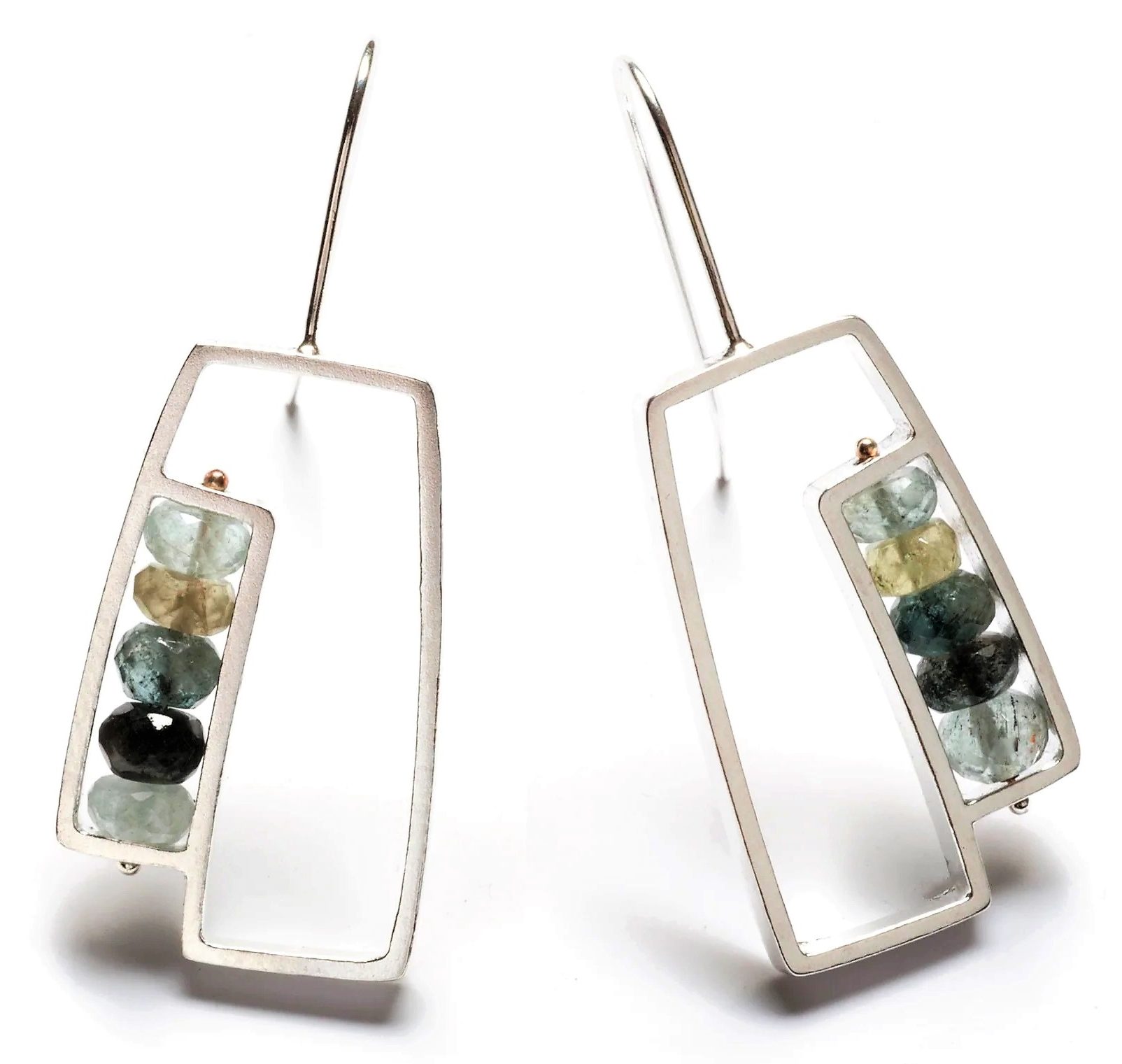
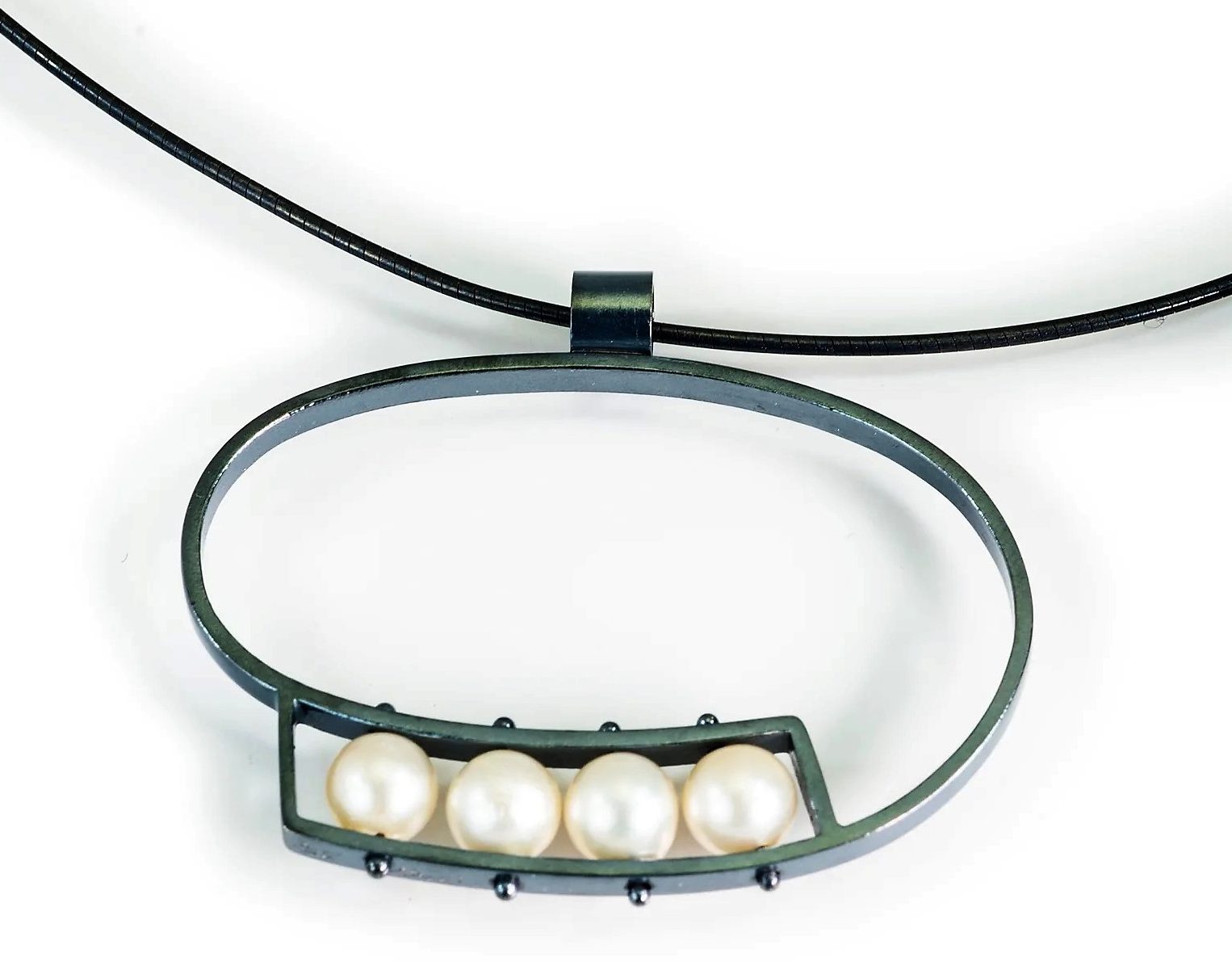
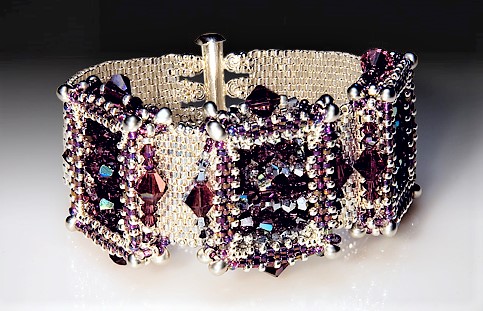
All the jewelry is handmade in Brooklyn using sterling silver, 18k gold bimetal, and semi precious stones and minerals.
Dymel’s goal is to achieve harmony in modular repetitions and variations on geometric forms.
Her work is recognized by her unique method of capturing stones within metal frames creating negative space as an integral part of composition.
Use of thin wires to hold the elements together is another non-traditional technique allowing for movement and structural flexibility.
The combination of unique materials and methods results in joyful pieces of wearable art.
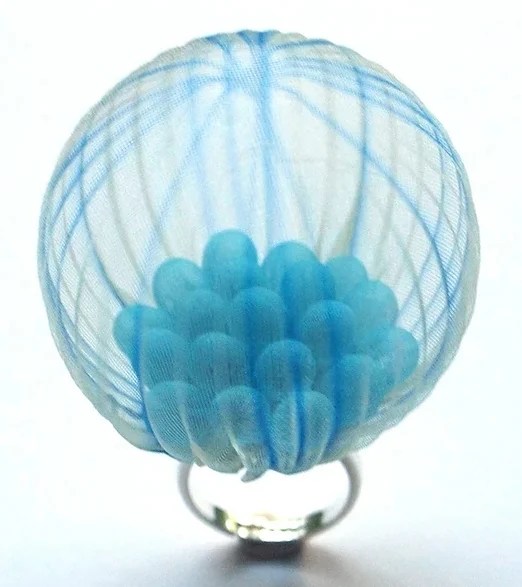
Mariko Kusumoto, born in Kumamoto, Japan, is an artist known for textile and metal art.
bracelet
Kusumoto studied at the Musashino University in Tokyo, and relocated to the United States where she studied at the Academy of Art University in San Francisco.
earrings
Currently based in Massachusetts, the artist prevails upon fabric to construct forms of elegant simplicity and evocative imagery.
necklace
Her designs are incorporated into jewelry and sculptural pieces, as well as in collaborations with fashion designers.
bracelet
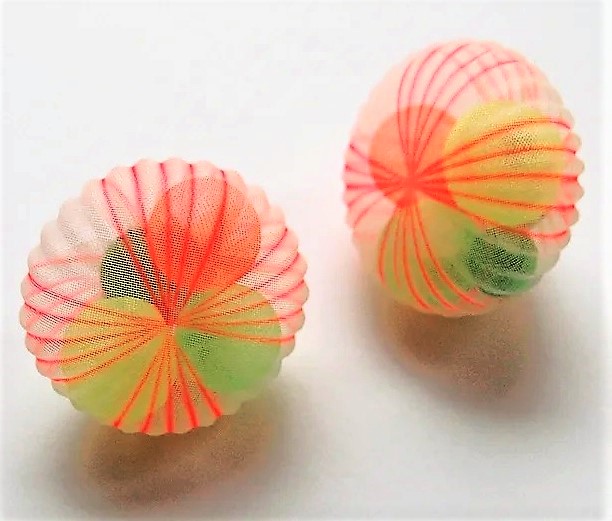
Her body of delicate fiber works consists of sculpture and jewelry inspired by natural forms: coral, mushrooms and flowers amongst other organisms.
rings
To create these ethereal pieces, Kusumoto uses the traditional origami-like folding technique tsumami zaiku.
necklace
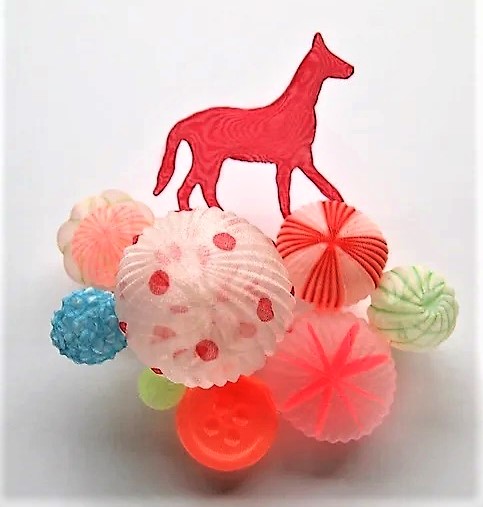
Other pieces use a method of heat-setting synthetic fabric until it holds the shape she wants.
pin
The fundamental simplicity of the process creates a stunning contrast with her often intricate designs in order to produce a beautiful piece of jewelry that is both majestic and captivating.
Jewelry designer Anand Shah has the power to surprise each time he unveils a collection.
With no formal training, but a passion for design, Shah founded Ansaa Jewelry in Mumbai, India, in 1997, with the simple aim of creating exemplary hand-crafted 22 carat gold pieces.
Shah broke through established conventions to come up with a new and contemporary style, harnessing traditional Indian craftsmanship.
Much ahead of his times, the prolific and experimental artist uses alternative material like rosewood, oil paints, cameos, mother-of-pearl and glass in his extraordinary collections.
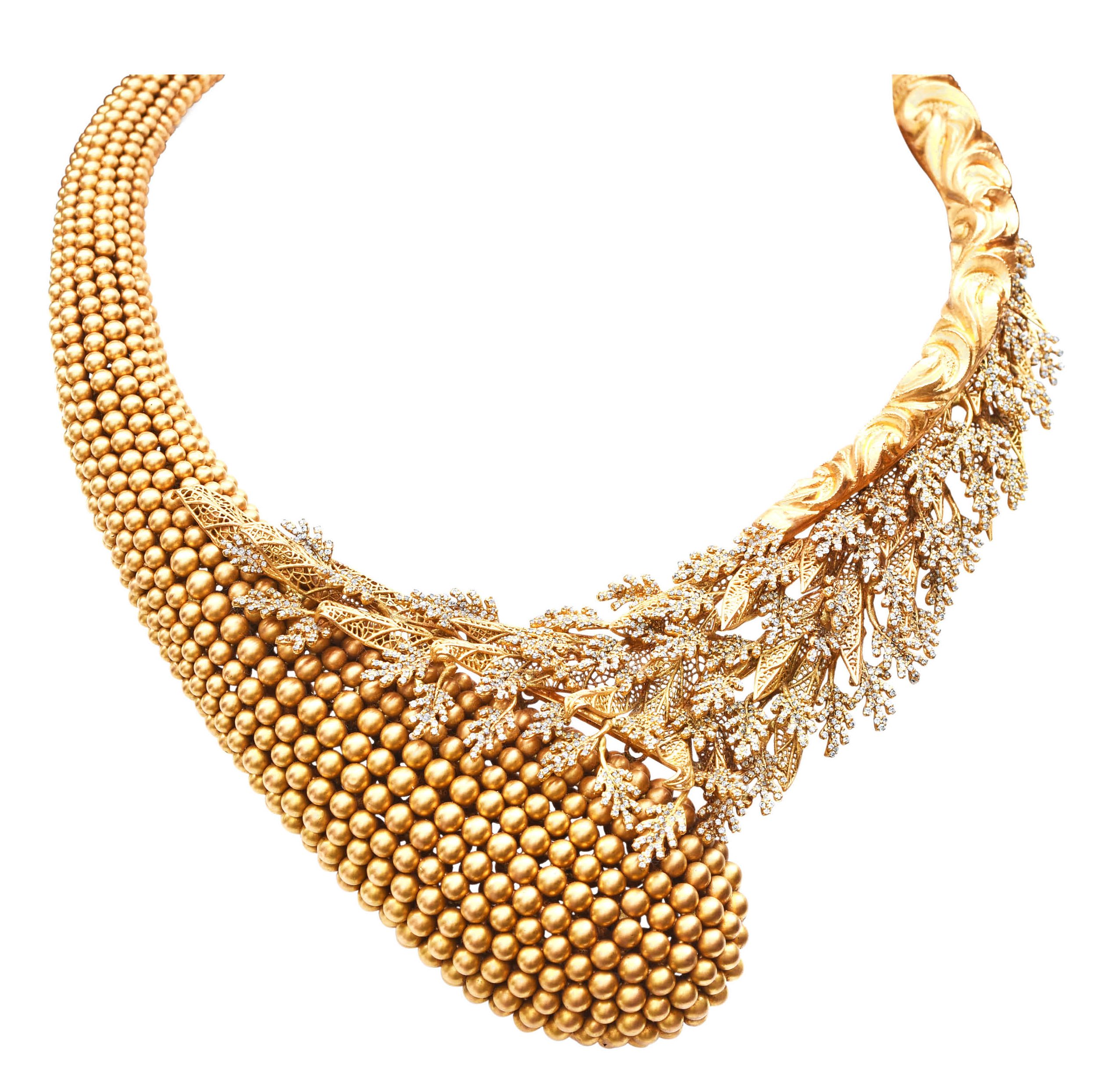
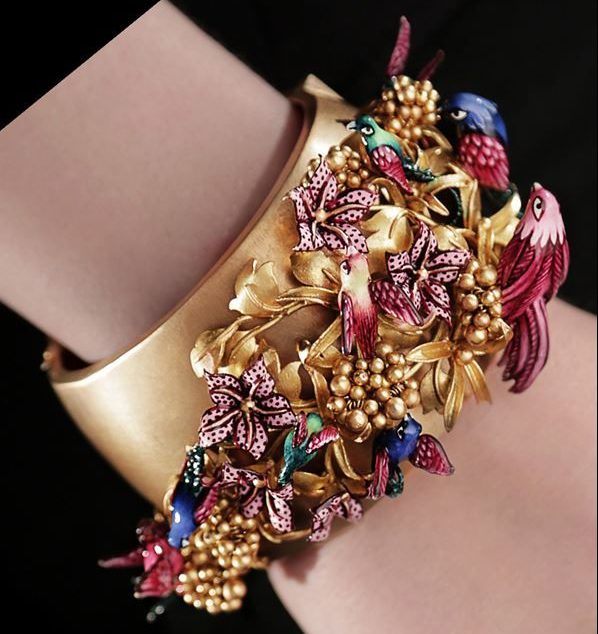
An artist par excellence, Shah uses gold, a medium he reveres, to stylishly replicate the bounties of nature.His pieces have a distinct design grammar bearing a blend of luxuriant grandeur coupled with an understated simplicity, which perhaps is a reflection of his own grounded nature.
Invoking the spirit of nature in gold is no easy task. It requires a high level of virtuosity to envision unexpected and intricate forms and to be able to turn them into sophisticated and wearable art.
“Nature is a fount of inspiration for me,” says Shah.“We are lucky to live on this planet which is full of beauty – and through my creations, I try to bring forth the synergistic relationship between Man and Nature.”
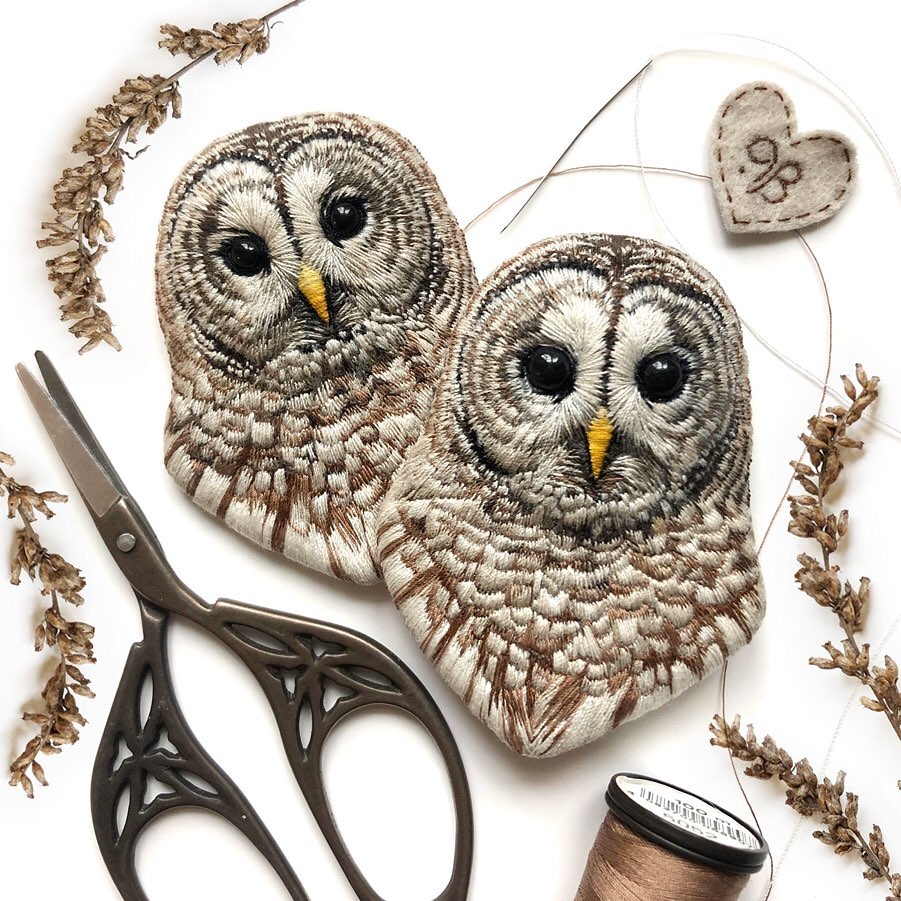
Poland-based artist Paulina Bartnik creates realistic-looking embroidered brooches of birds.The artist graduated from the Academy of Fine Arts in Warsaw, and is very passionate about embroidery.While it may be hard to see the abundance of bird species in the world in person, Bartnik immortalizes their portraits in exquisite embroidered brooches.She uses her meticulous stitching techniques to render the unique appearance of each feathered creature—from barn owls to hummingbirds.She uses the needle painting technique, which she feels perfectly imitates bird feathers.Beginning with a background of felt sheets, the artist creates a combination of short and long stitches in a variety of colors to produce a textile effect.The faces of her embroidered birds feature all of their distinct markings, which make them appear incredibly real.Not only that, but the variety of hues she uses to create the feathers make it seem like the texture of the bird shimmers in the light.In general, I’m a little bit of a chaotic and impatient person,” Bartnick admits. “Embroidery helps me focus and calm down. I don’t treat it as a job, for me it’s a way to relax.”More of Paulina Bartnik’s amazing embroidery can be found at https://embirdery.com/.
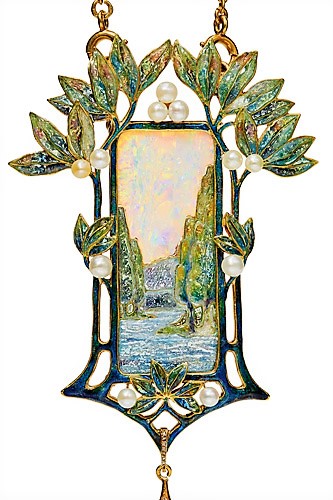
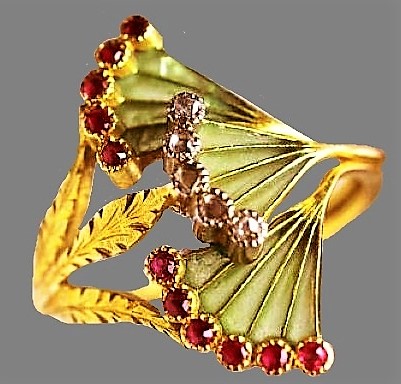
The brilliant French master craftsman Georges Fouquet (1862-1957) created sublime works of jewelry art in both the Art Nouveau and the Art Deco Periods.Hailing from one of the great French jewelry houses, Fouquet is regarded as a master jeweler in the strictest sense.His father Alphonse Fouquet started the jewelry house back in the 1800s, and Georges continued the firm until around the 1930s.Fouquet preferred a more geometric approach than his father and belonged to the school of important designers who directly translated contemporary art in jewelry, building up designs from geometric shapes, making use of lacquer and enamels.The renowned master workman of Art Nouveau jewelry also created some of the finest Art Deco Jewelry in the history of jewelry.With the arrival of the Art Deco movement in the 1920s, Fouquet, always on the cutting edge, took his jewelry to a bolder, more geometric look.Around 1922, sensing the changes in jewelry popularity, he was able to smoothly transition from Art Nouveau through Art Deco, moving beyond his earlier innovative ideas of floral and figurative decoration to produce, brooches, bracelets, belt clasps, pins, and pendants with extremely stylized abstract motifs.Replacing precious gemstones in his gemstone jewelry with gemstones like onyx, jade, and coral, Fouquet often combined texture and color with the translucency of topazes, aquamarines, crystal, and amethysts.Fouquet varied colors and textures with the use of enamel and lacquer, often drawing on other contemporary artists for fresh ideas.More of Georges Fouquet‘s amazing jewelry can be found at https://www.antique-jewelry-investor.com/georges-fouquet.html and https://en.wikipedia.org/wiki/Georges_Fouquet.
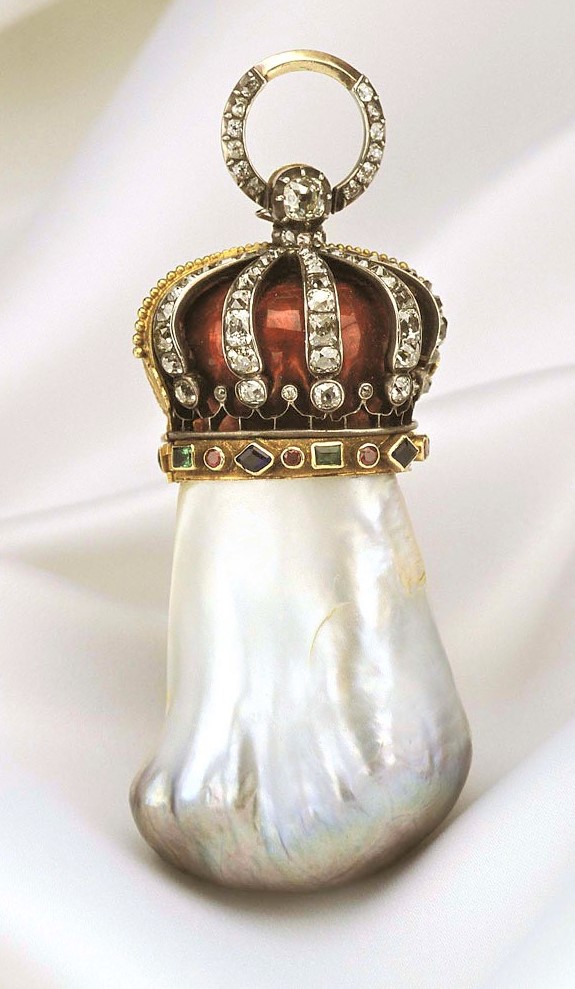
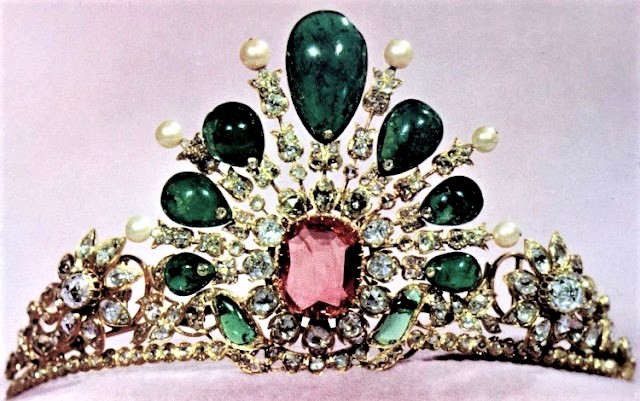
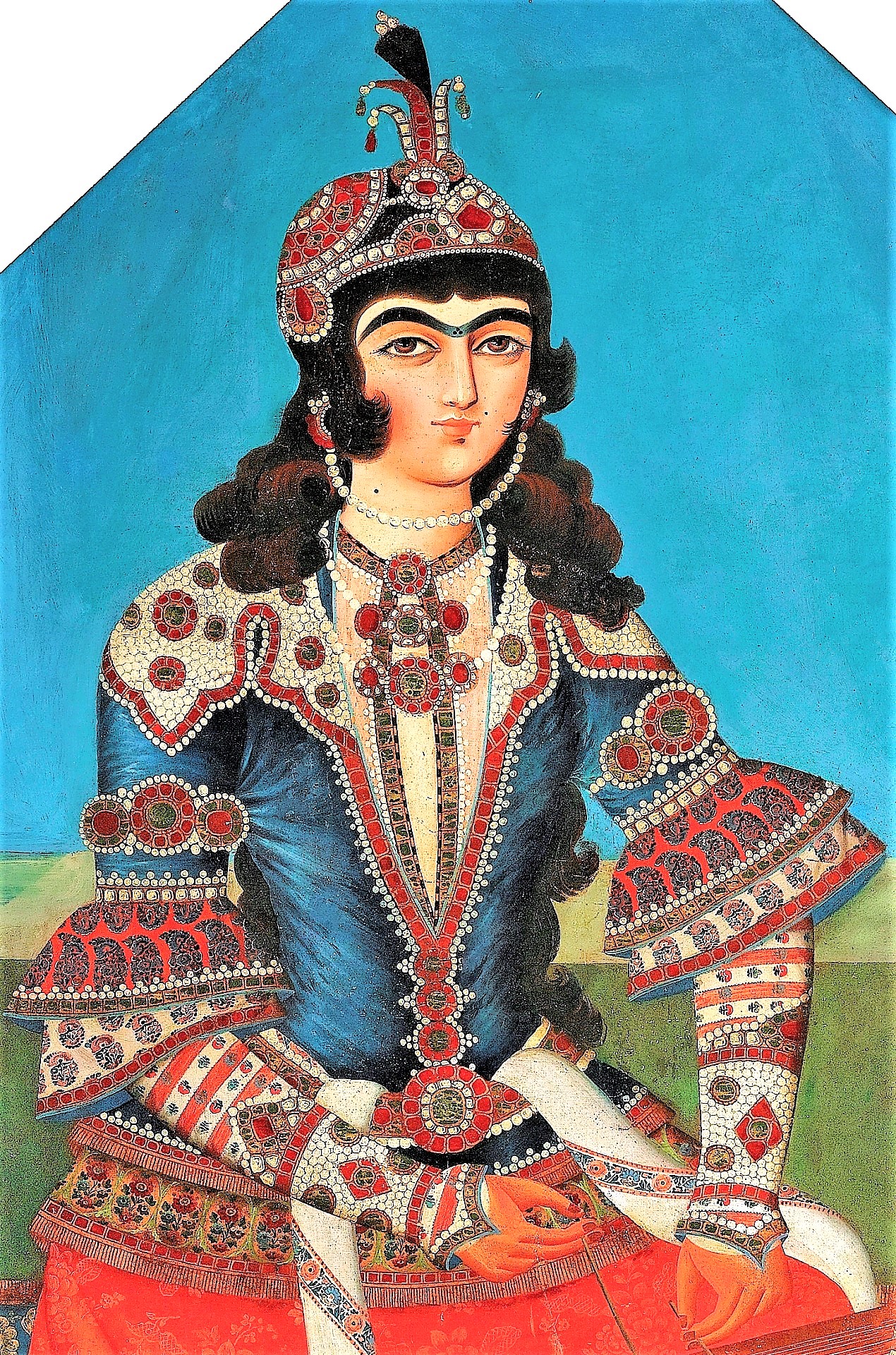
The Qajar Dynasty was an Iranian royal dynasty of Turkic origin specifically from the Qajar tribe, ruling over Iran from 1789 to 1925.
Emerald Sunburst Tiara
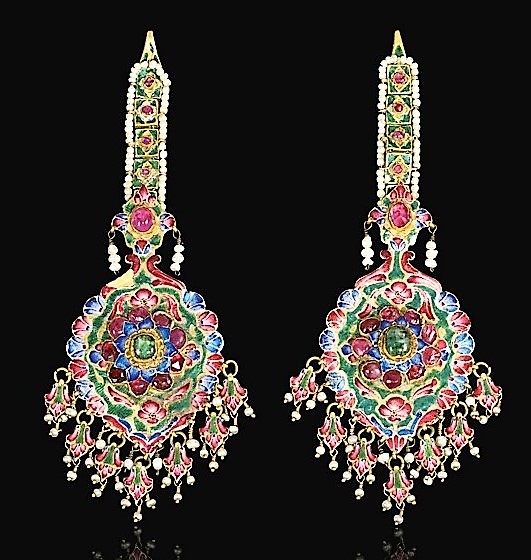
The Qajar jewelry and artifacts are like time capsules, the physical aesthetics and the technical way they were made had a lasting impact of how jewelry developed, and influenced other cultures.
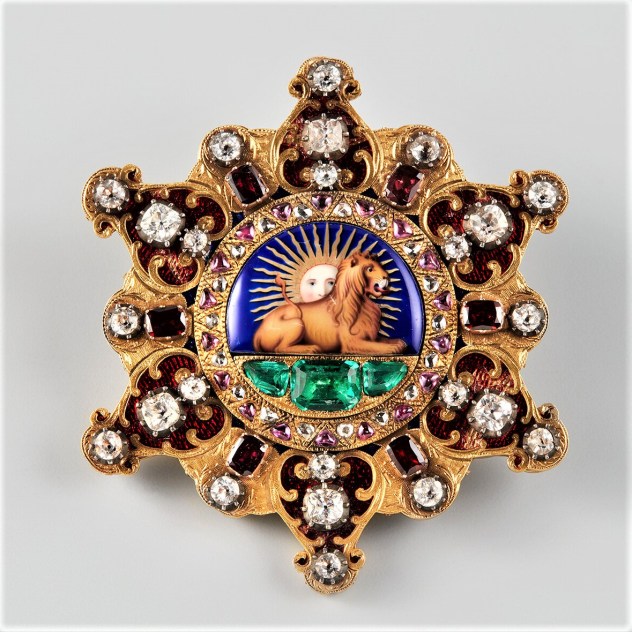
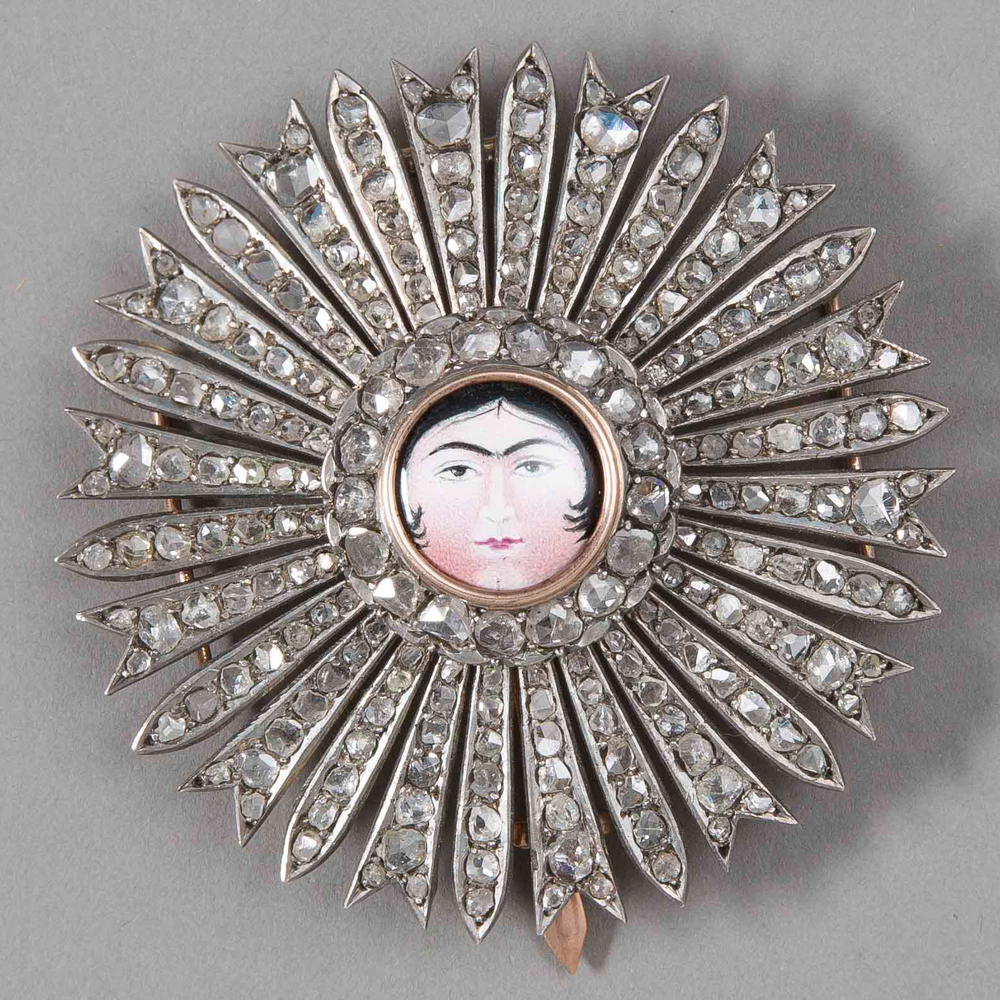
Badge of the Order of the Lion and the Sun
Qajar kings were known for their extravagant jewelry.
Qajar Period Pearl and Enamel Ring
Following their leaders, both men and women wore stylish accessories, a trend that is conspicuous in the paintings of the era.
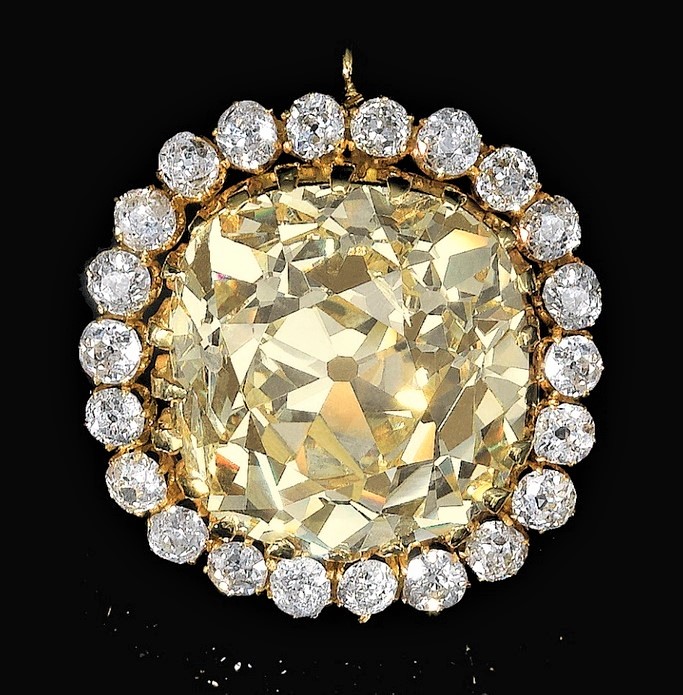
Qajar Dynasty diamond
In actual fact, the craftsmanship of the jewelers and artisans of the royal court had become so sophisticated that they made a considerable impact on how jewelry was viewed throughout the world.
Gold, Cabochon Emerald, Cabochon Ruby, Diamond, Qajar White Sapphire and Enamel Diadem
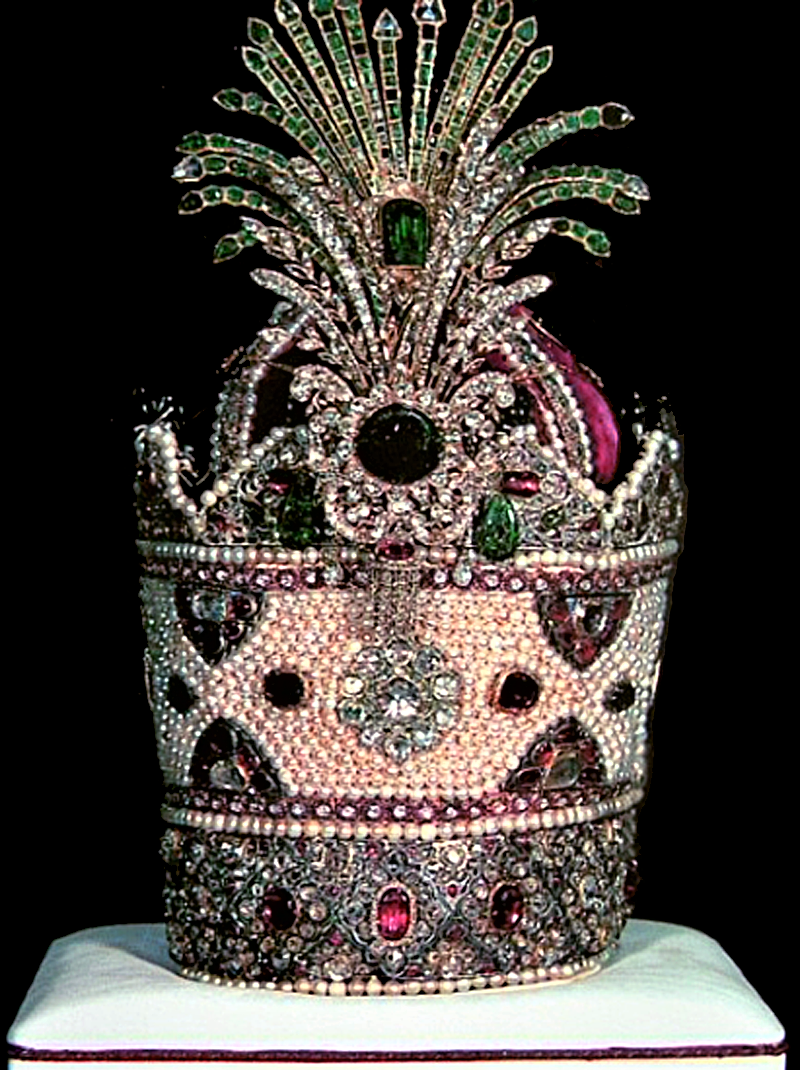
The Kiani Crown, put on the head of a newly coronated king, was adorned with thousands of priceless gems like rubies, emeralds, and diamonds.
Kiani Crown
Other pieces of jewelry created during the Qajar Dynasty bring into focus the power, vision, and culture of a truly impressive era in history.
Medal Of The Qajar Order Of The Sun
The royal family and its ranking officers often went to extremes to decorate their outfits and uniforms with diamonds, rubies, pearls, and other precious stones.
Nancy Cain has always been fascinated with handcrafts, whether it was clay, paper, buttons, fabric or simply found objects.Cain studied art in college and worked as a graphic artist for 16 years, all the while exploring various handcraft techniques. She found her artistic niche in beads.Cain’s favorite stitch is peyote and over the years has only added two other stitches, netting then herringbone.
She calls these three stitches ‘sister-stitches’, since they transition from one stitch to the other effortlessly.
Her style is clean and contemporary with minimalist embellishment. She likes the structure to shine through.“I feel that the beads alone give me the most inspiration. If you understand the physics (mechanics and technicality) of the stitch, then you can create whatever your heart desires.” Cain explains.
:Knowing what each bead size, shape and finish will do and how they react with each other, plus how the beads respond to thread weight and use, the sky is the limit for designing.”
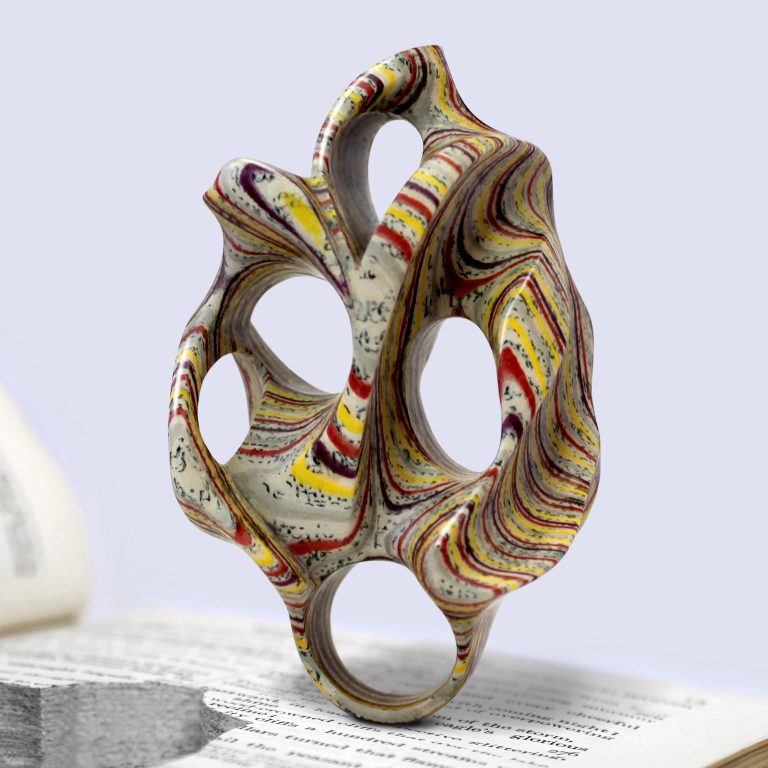
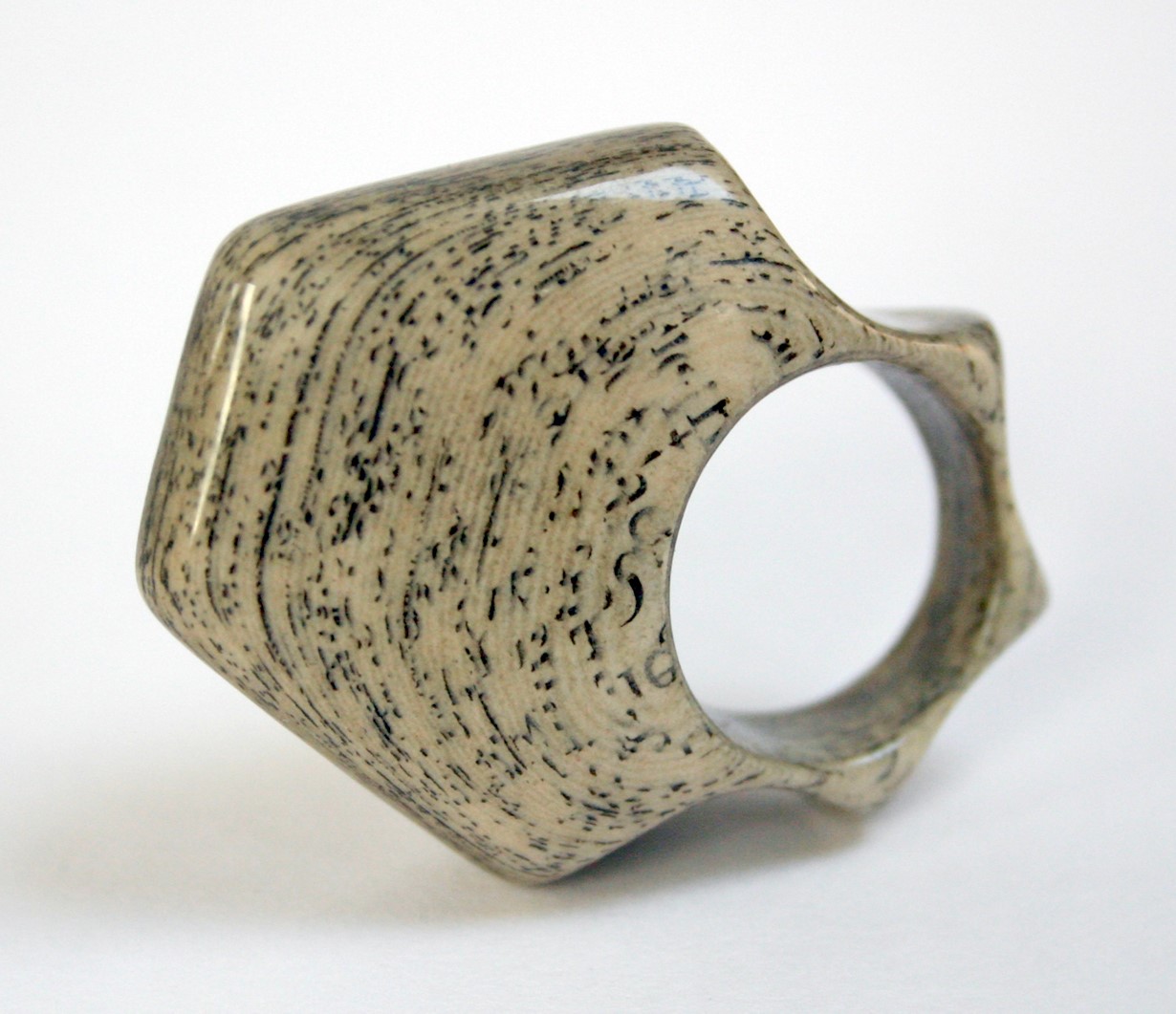
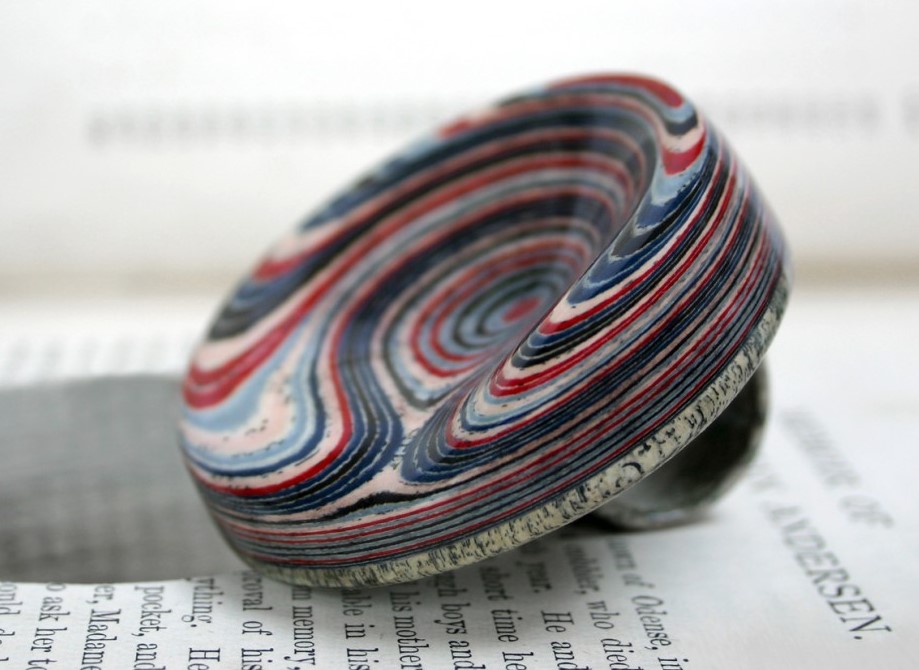
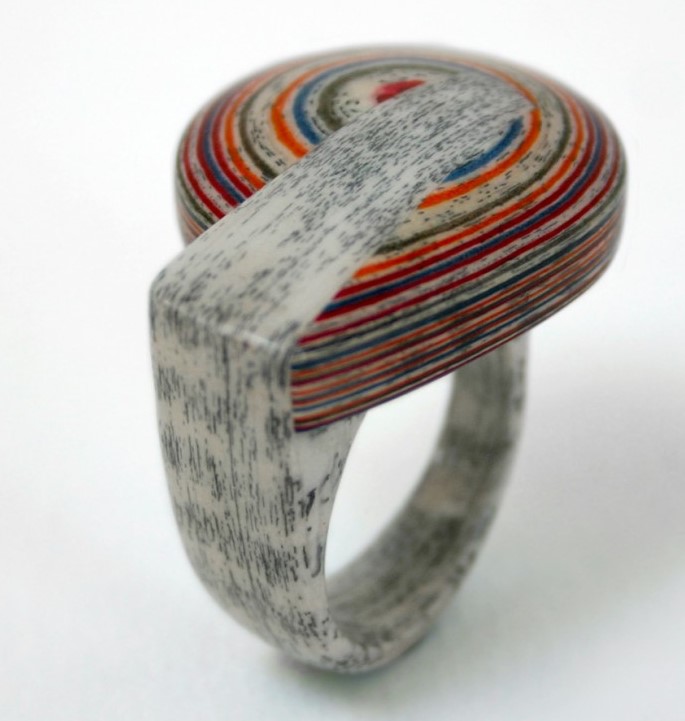
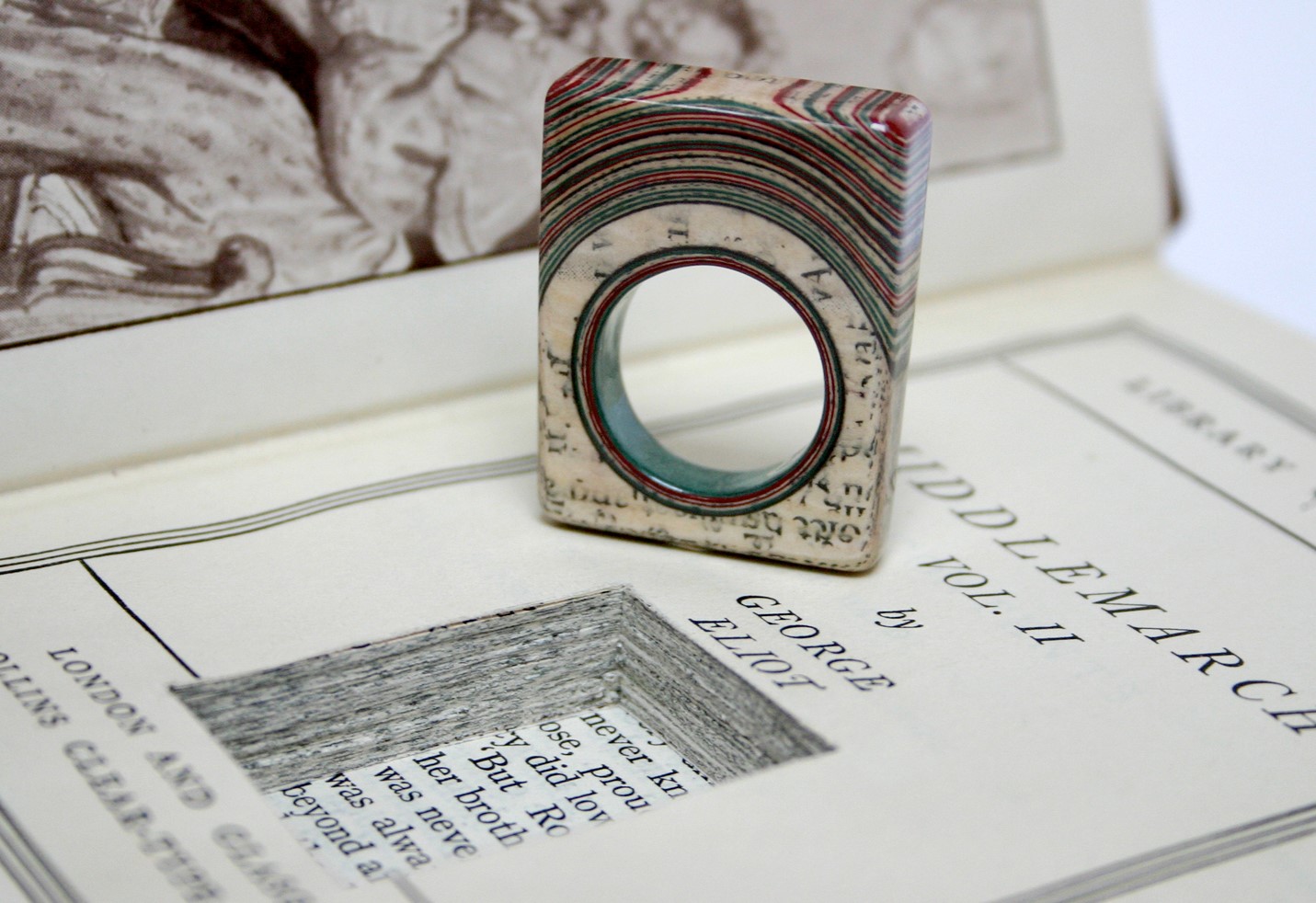
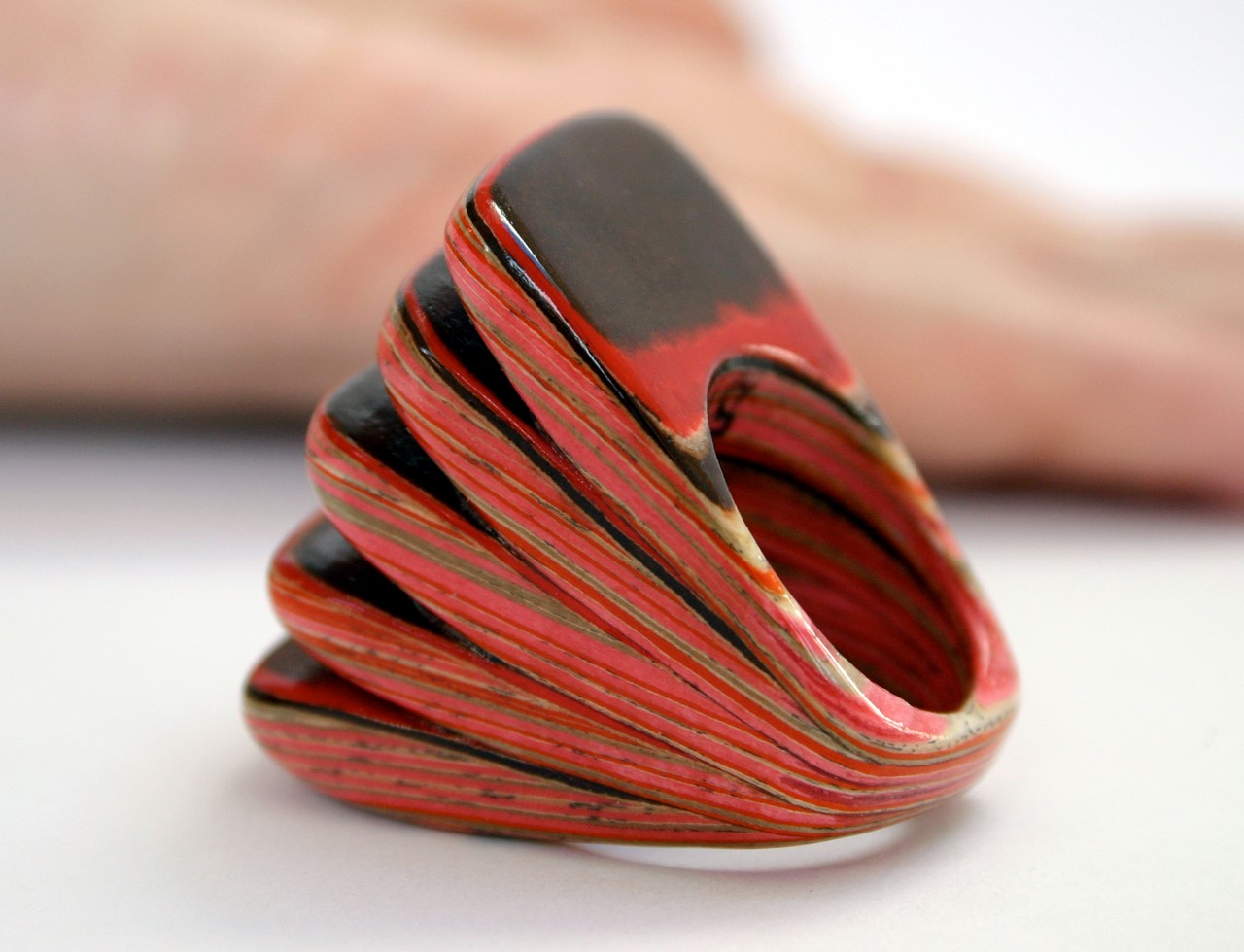
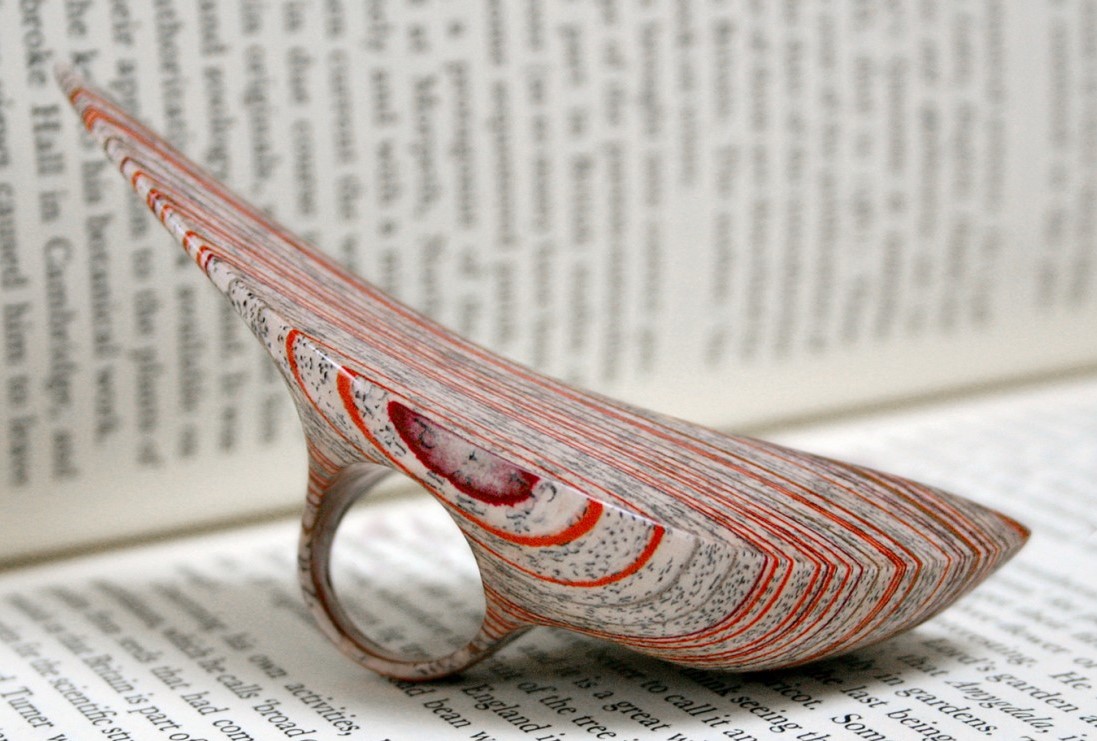
Jewelry maker Jeremy Mays designs wearable pieces from the layered pages of vintage books, transforming their content into unique works that are nearly impossible to trace back to their paper origin.
Three Musketeers
To make these multi-shaped works, May first laminates hundreds of sheets of paper together.
Hans Christian Anderson Fairy Tales
He then creates the shape for the piece and finishes it off with a high gloss coating.
Murder on the Orient Express
After production, May often inserts the works back into the books, bringing the transformed and colorful pages back to their material source.
Middlemarch Vol.II
The rings may lose the words and image of the original book, but May keeps references with photographs and copy of the ring’s former life.
Shota No Sushi
The rings May makes all are inspired by books he thinks are perfect examples of literary beauty.
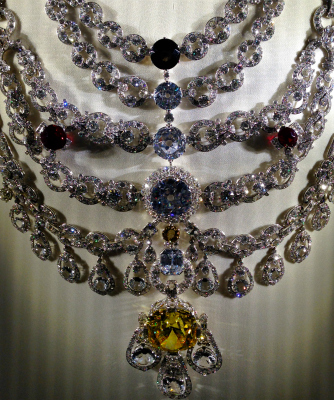
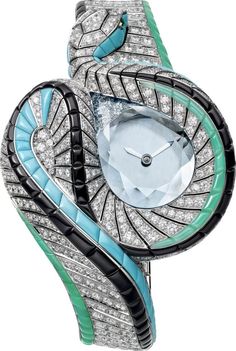
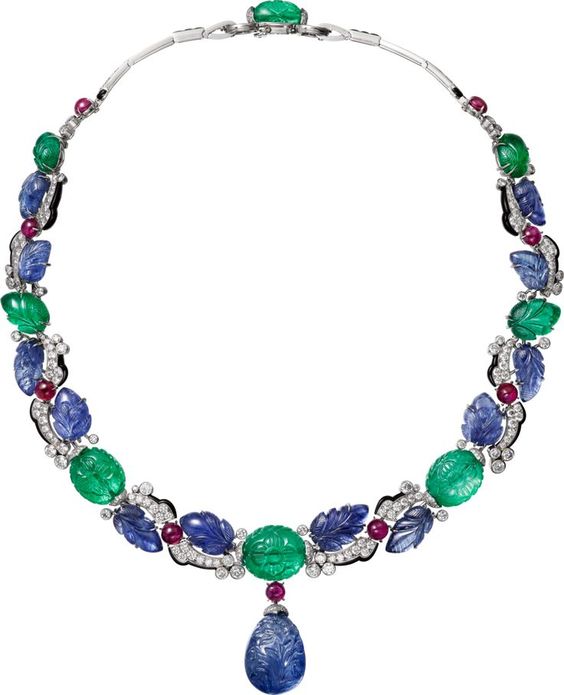
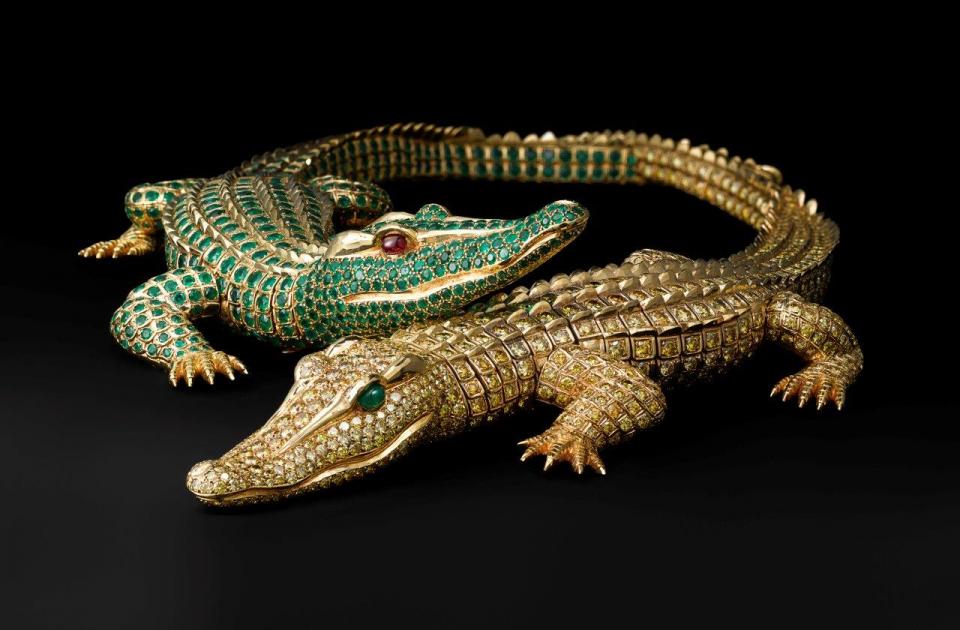
Louis-François Cartier founded Cartier in Paris in 1847 when he took over the workshop of his master.
In 1874, Louis-François’ son Alfred Cartier took over the company, but it was Alfred’s sons Louis, Pierre and Jacques, who were responsible for establishing the brand name worldwide.
Cartier created unique and individual creations for celebrities and royalty alike.
Their revolutionary ideas, such as using platinum in jewelry, earned Cartier the title of ‘Jeweler of Kings, King of Jewelers’ from King Edward VII.
Cartier is considered to be one of the top names in luxury products globally.
But. Cartier has never forgotten their history of producing custom-made or one-of-a-kind beautiful jewelry and wrist watch creations.
As we head into the “Last Vacation Weekend of the Summer”, I want to show off a couple of new Sunday Evening Galleries I’ve added recently. I have to admit the images are stunning, the artwork remarkable. Please go check them out if you get time!
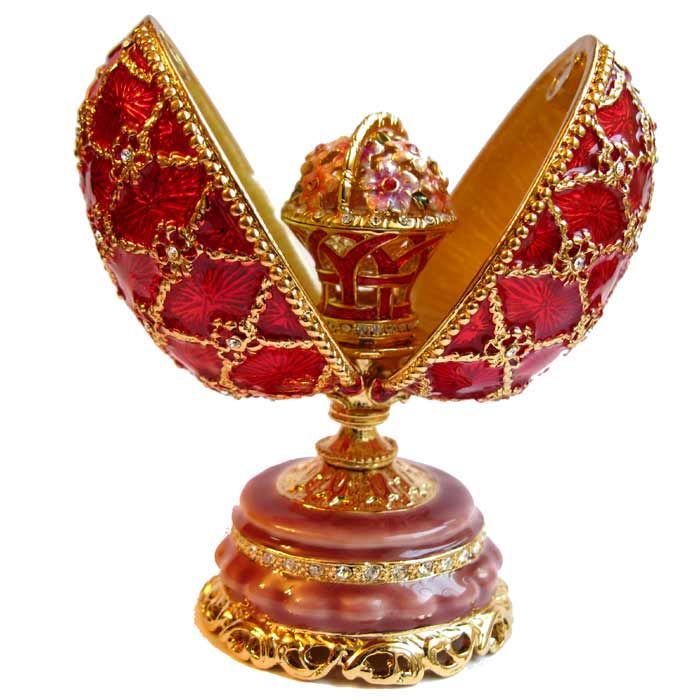
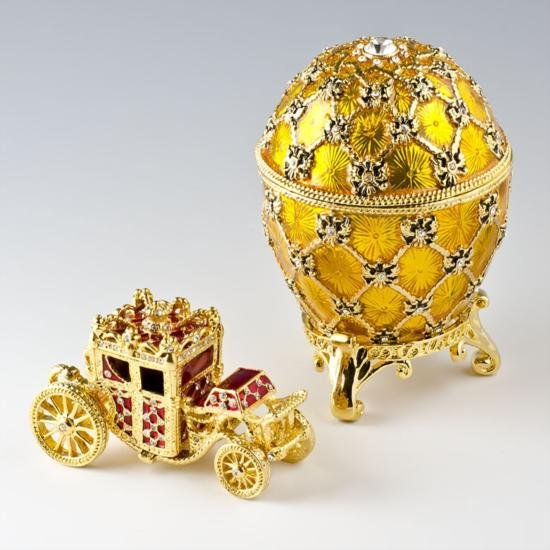
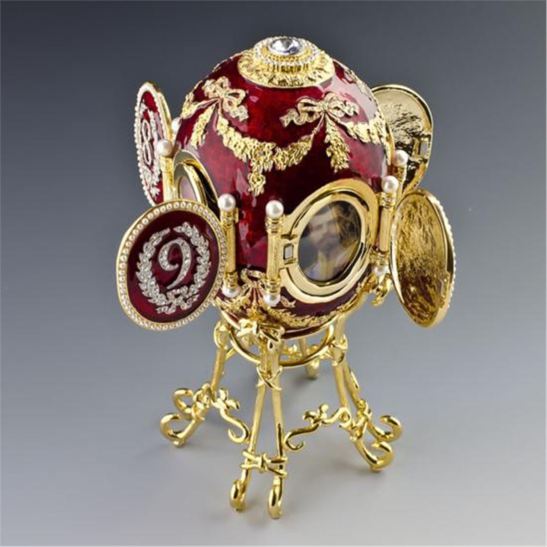
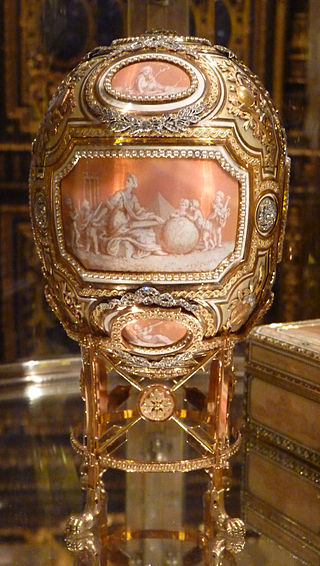
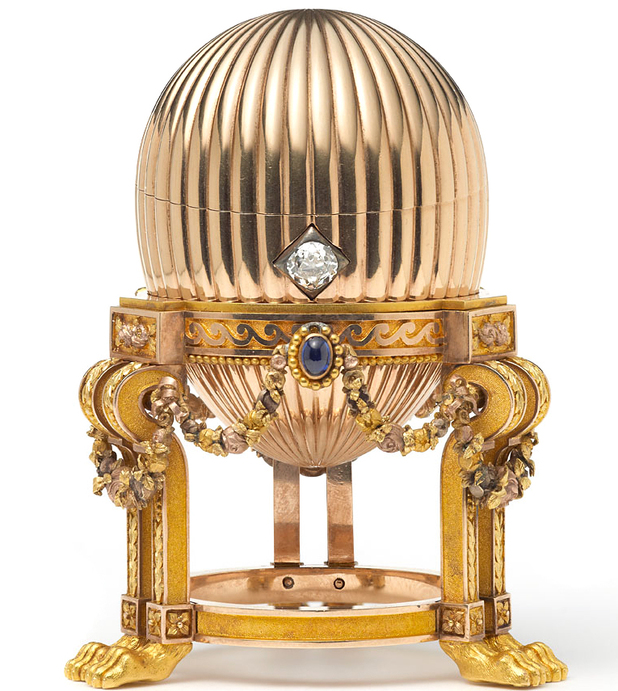
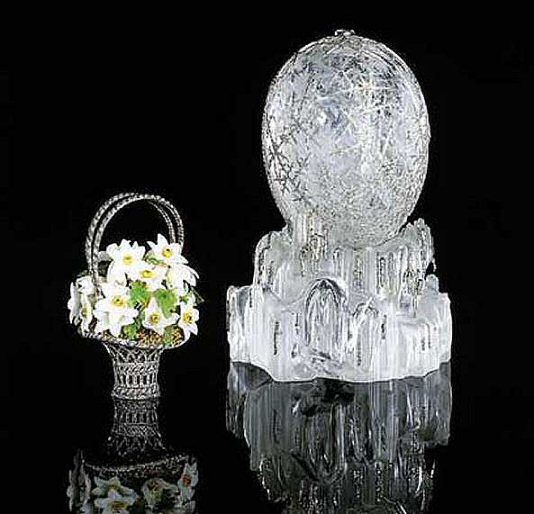
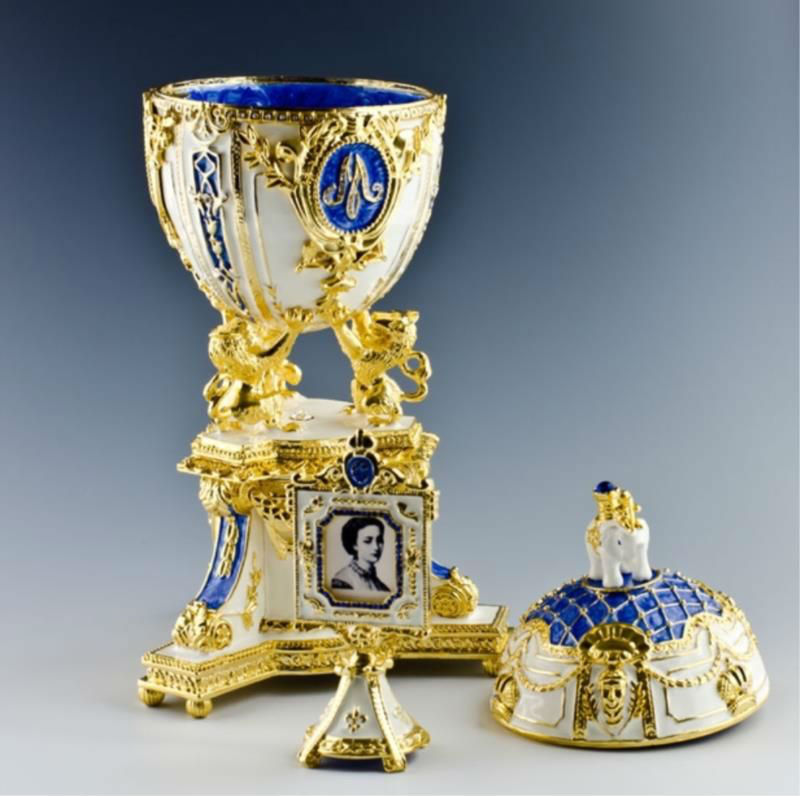
The series of exquisite eggs shaped by Faberge for the Imperial Russian family between 1885 and 1916, is considered as the artist-goldsmith’s ultimate and most long-term achievement.
Gold, diamonds, rubies, enamel, all decorate the over-the-top gifts to the Russian Tsars Alexander III and Nicholas II as Easter gifts for their wives and mothers.
These are often referred to as the ‘Imperial’ Fabergé eggs.
The House of Fabergé made about 50 eggs, of which 43 have survived.
Two more were planned for Easter 1918, but were not delivered, due to the Russian Revolution.
It was a time of rarity; of riches beyond compare, and poverty unimagined.
And from those Easter gifts created long ago, a name, a heritage, was born.
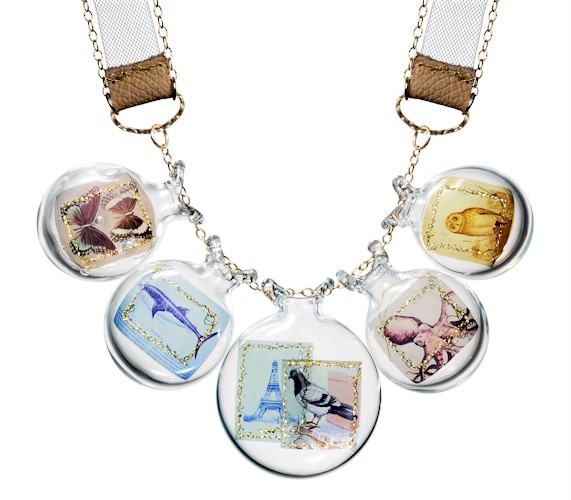
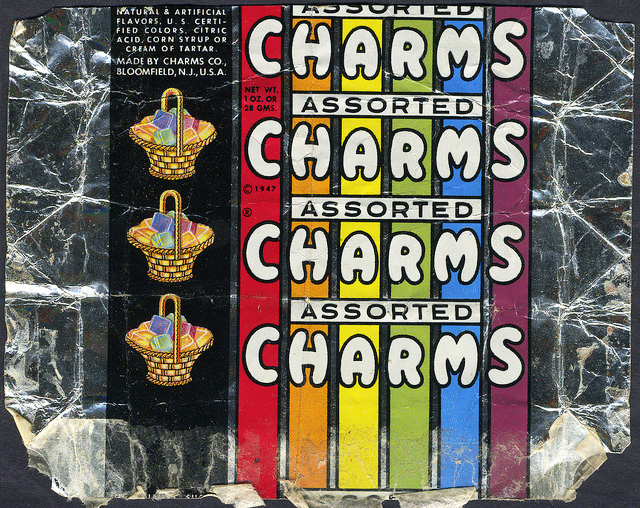
When I was in high school, charm bracelets (along with getting “pinned”) were the big thing. Some girls had wads of charms so thick they would leave dents in the wooden desk tops. Others, like mine, had a half dozen mementoes of graduation, birthdays, and a few others that, to this day, still make me wonder what they stood for.
These days there are expensive, modern versions of the charm bracelet. Some have bead-type charms you string on sterling bracelets, everything from baby carriages to roses to moms charms to birthstones. There are token charms hanging in displays in department stores, shopping malls and internet jewelry stores, still an ode to the special moments of one’s life.
I no longer have bangle jangle charms around my wrist, but I do have a handful of sparkles on a simple, long, not-gold necklace that I often wear. What’s on my necklace? Well, I’ve got rings that my kids bought for me when they were in kindergarten, a ring that symbolizes my role-playing days, a silver “coin” for money, a rune with “enlightenment” carved on it, a dream catcher that used to be an earring, a plastic blue unicorn with his horn broken off, a faerie holding a blue globe (also a remnant from a pair of earrings) ― all sorts of nonsense that brings back memories and keeps me in good spirits.
Do you have a charm bracelet or necklace? What hangs from your life’s testimony? What kinds of charms do you wear? Of if you could put one together, what charms would you add?
 The first round, Looking Back on Friday … Again — Jewelry Part One, was a hit with jewelry lovers! I mean, where else can you find jewelry made by Cartier and Pierre Sterlé side by side with alien stealing cows earrings and R2D2 rings?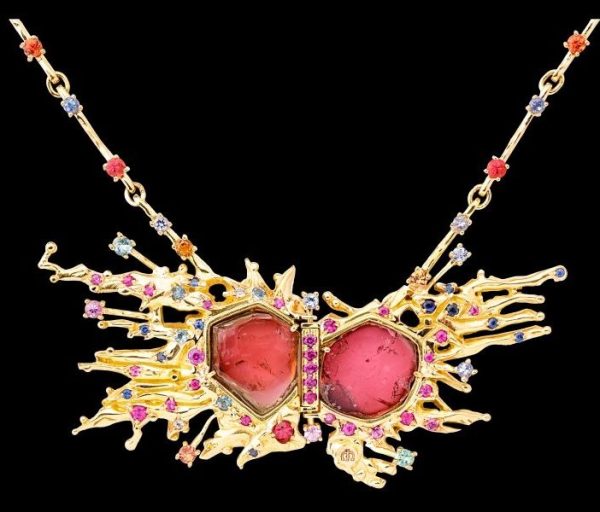































































 Humoring the Goddess