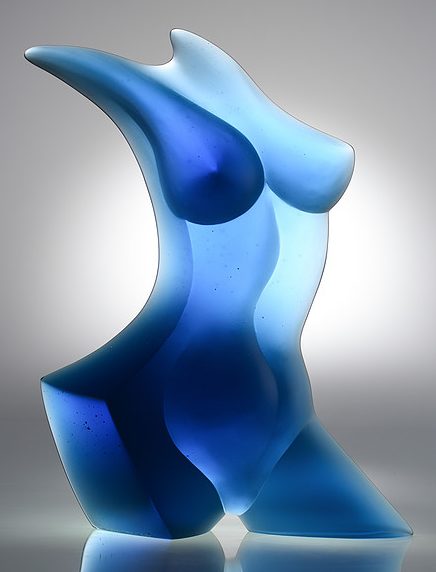
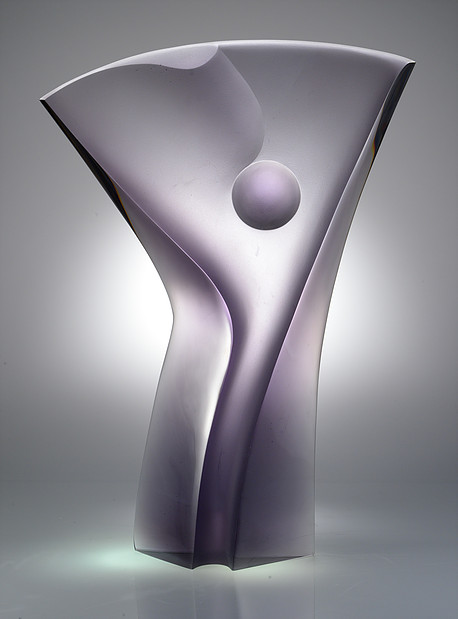
Looking Back on Whatever Day — Glassworks Part Two

How about a little glass work to start your day?

These artists are magical. I can’t believe what they can do. And I’m jealous. In a good way, of course….

Glassworks is one of my favorite Creative Crafts. I hope you enjoy these artists as much as I do.


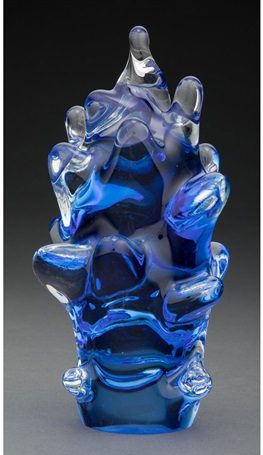
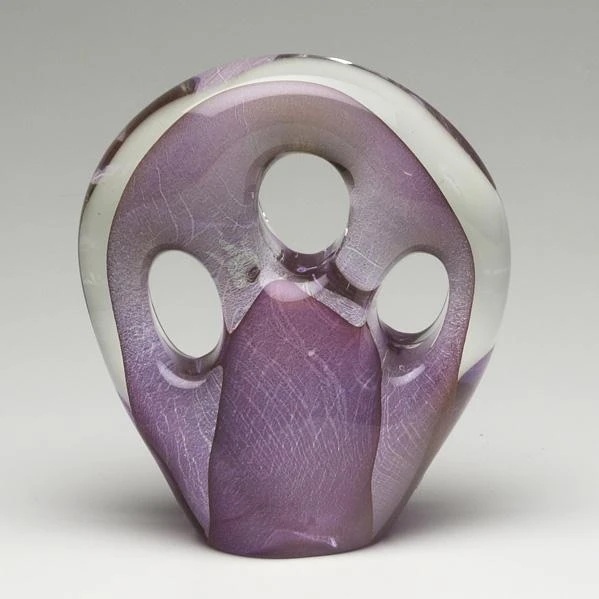
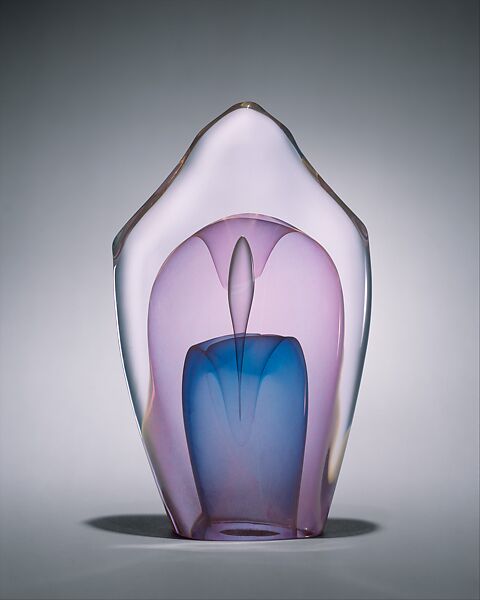
Ronnie Hughes

.

.

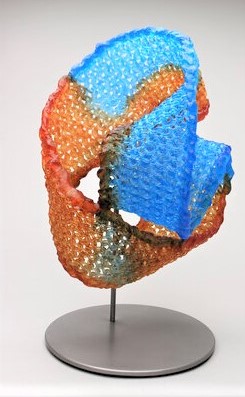
Carol Milne


.

.

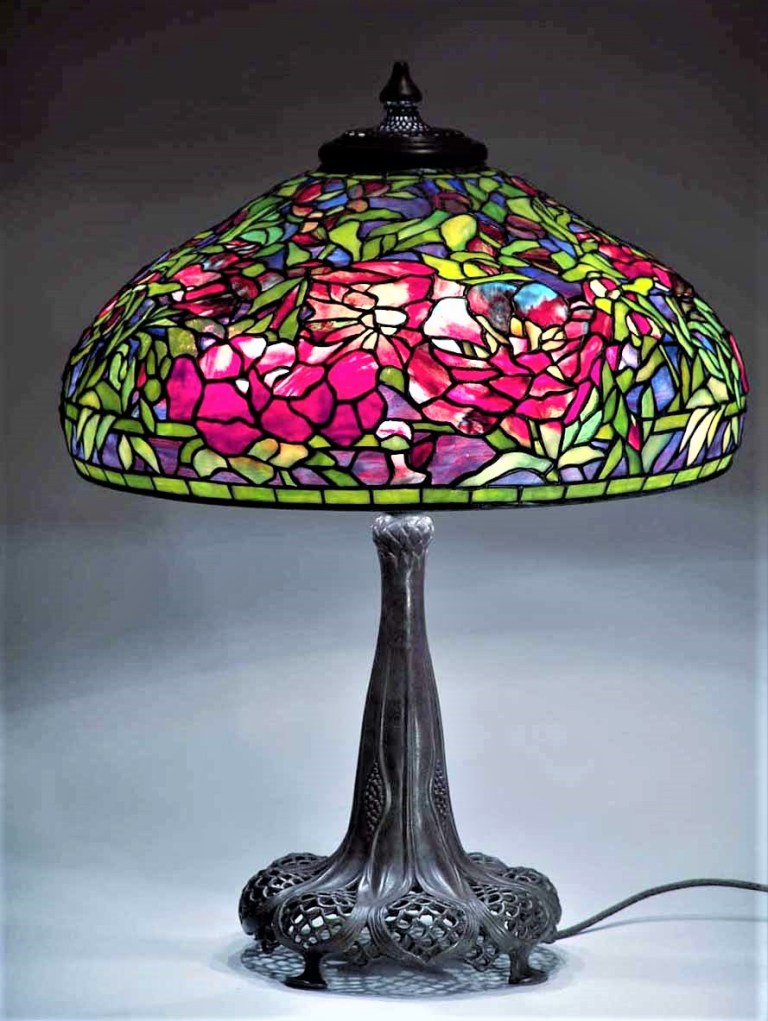
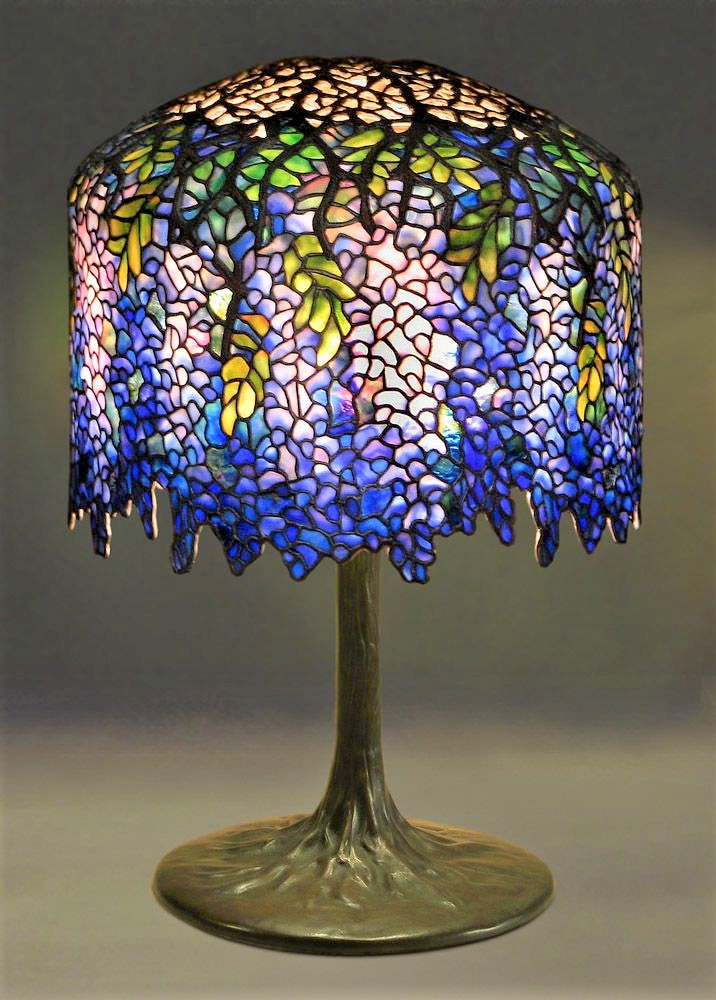
Tiffany Lamps

.

.

.

Niyoko Ikuta


.

.

Martin Blank

.

.

Robert Wynne

.


.

.

Věra Lišková

.

.

Wilfried Grootens


.

.

Vita of Vitraaze

.

.

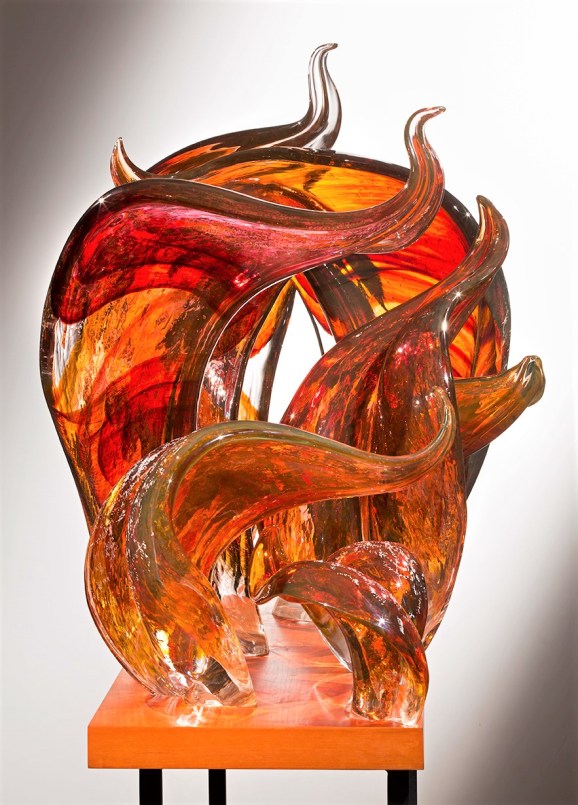
Mark Eliott


Sunday Evening Art Gallery — Andrew Clemens


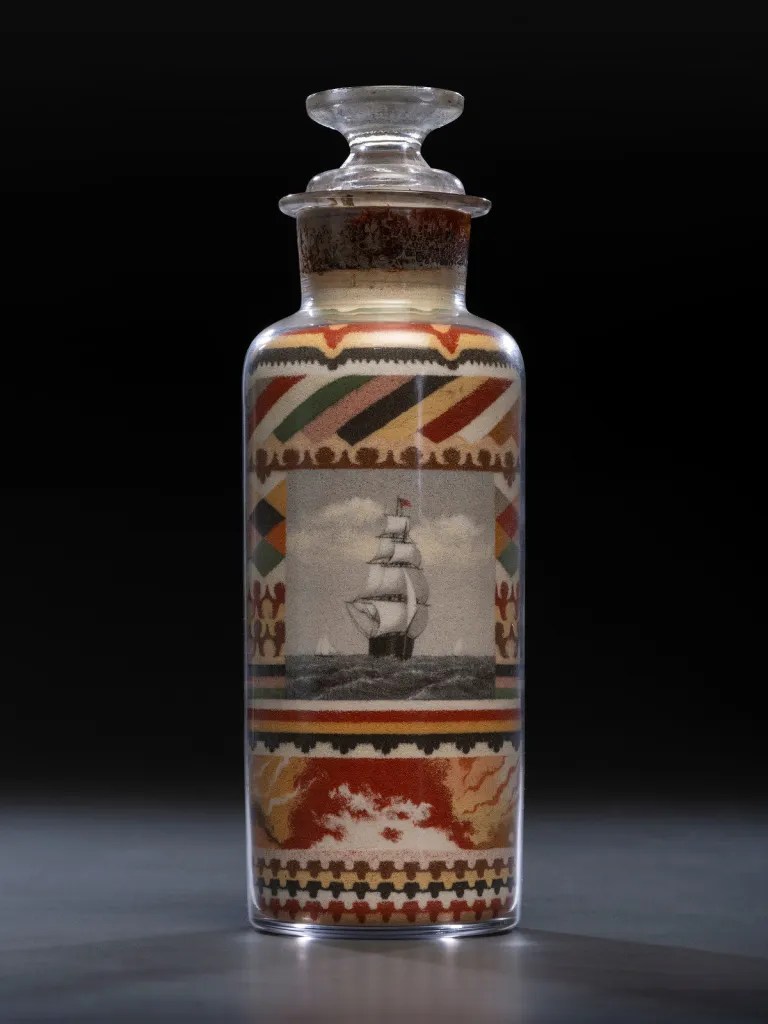
Born in 1857 in Iowa, Andrew Clemens contracted encephalitis as a young child and lost his hearing and much of his speech.

He eventually attended the Iowa School for the Deaf, and during his summer breaks visited Pikes Peak State Park along the Mississippi River.

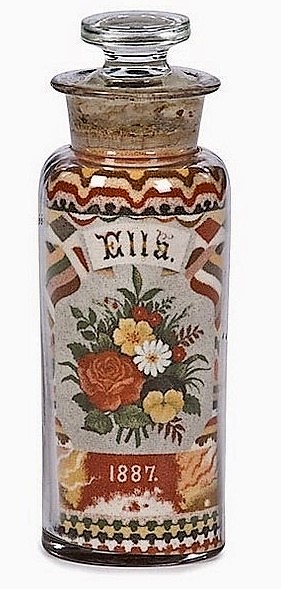
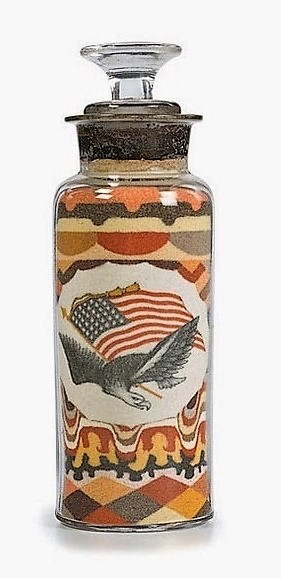
Near the aptly named Sand Cave in the park, Clemens found and collected grains of sand that were vividly colored from naturally occurring iron and minerals that leached into it. He also collected sand from the sandstone cliffs at Pictured Rocks National Lakeshore in Michigan’s Upper Peninsula.


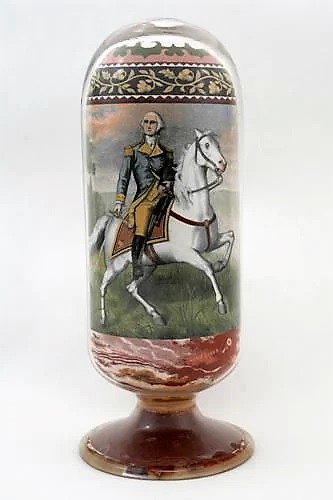
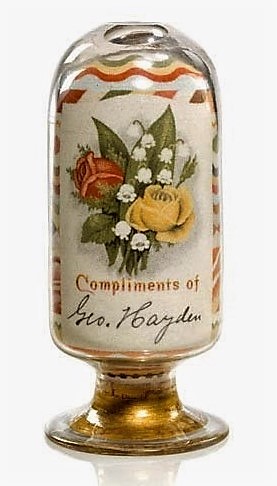
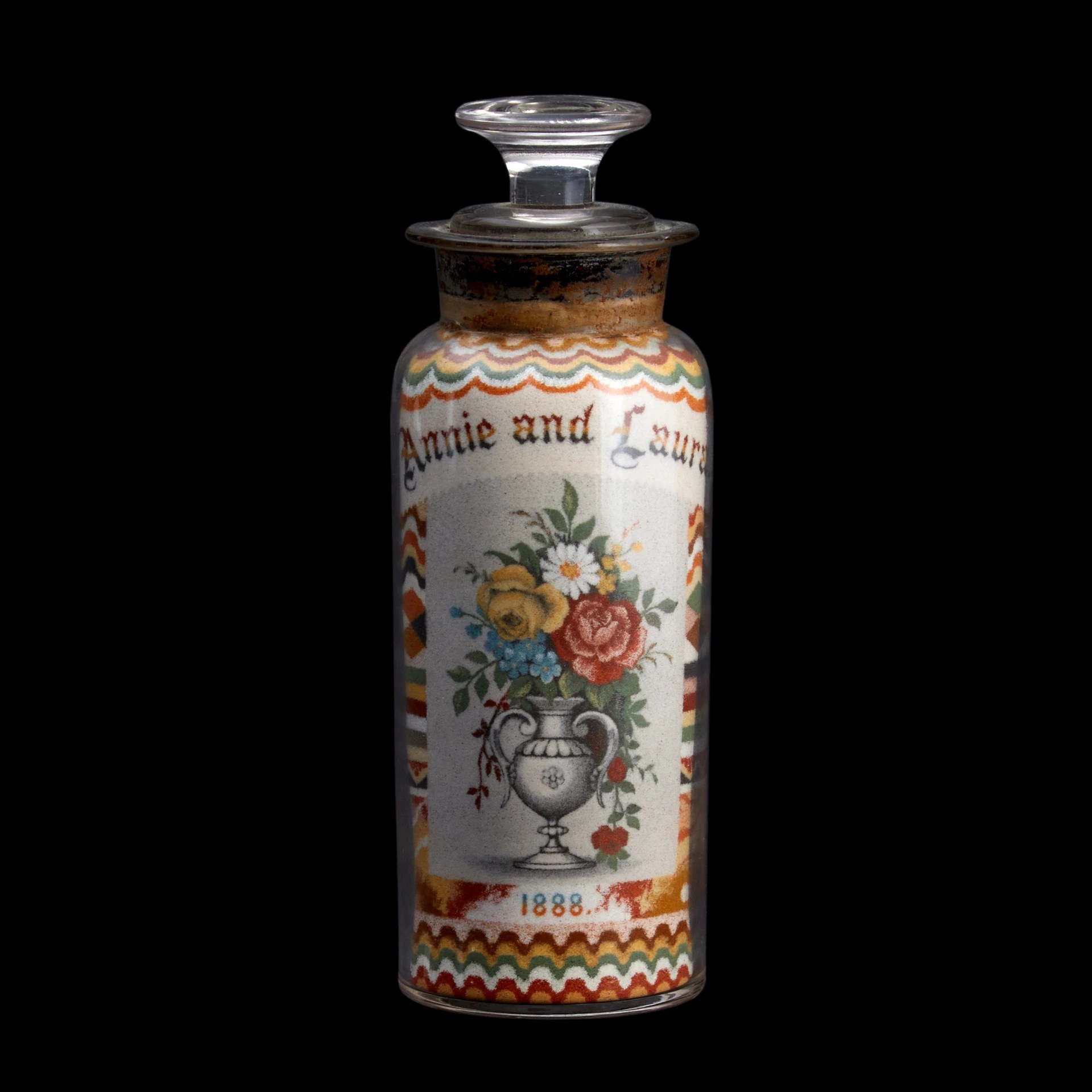
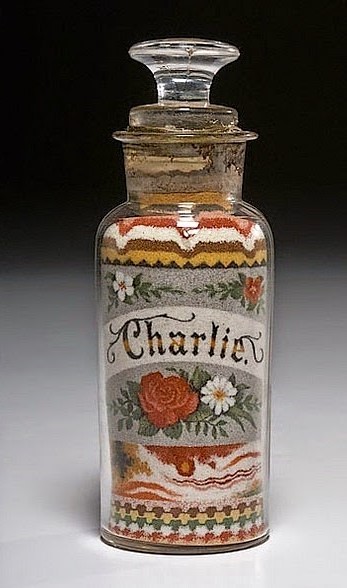
He used these to create his sand art without the benefit of glue or artificial coloring and amazingly, he created these mostly upside down, as the bottle’s opening, sealed upon completion, would be at the top.

He used tempered hickory sticks with specially designed tips or fish hooks to deposit and position naturally colored grains of sand inside the bottles. 

Clemens created elaborate designs grain by grain, using only different colors of sand in much the same way an artist uses paints on a palette.

Clemens’ meticulously crafted masterpieces were painstakingly time-consuming to make, with some requiring over a year of labor.

Many have since attempted to duplicate his technique but his works of art remain unmatched. 


More of Andrew Clemens’ amazing sand bottles can be found at https://www.antiquetrader.com/art/rare-sand-art-by-andrew-clemens-sets-world-record and https://americanart.si.edu/blog/andrew-clemens-sand-art.


Sunday Evening Art Gallery — Dominick Labino

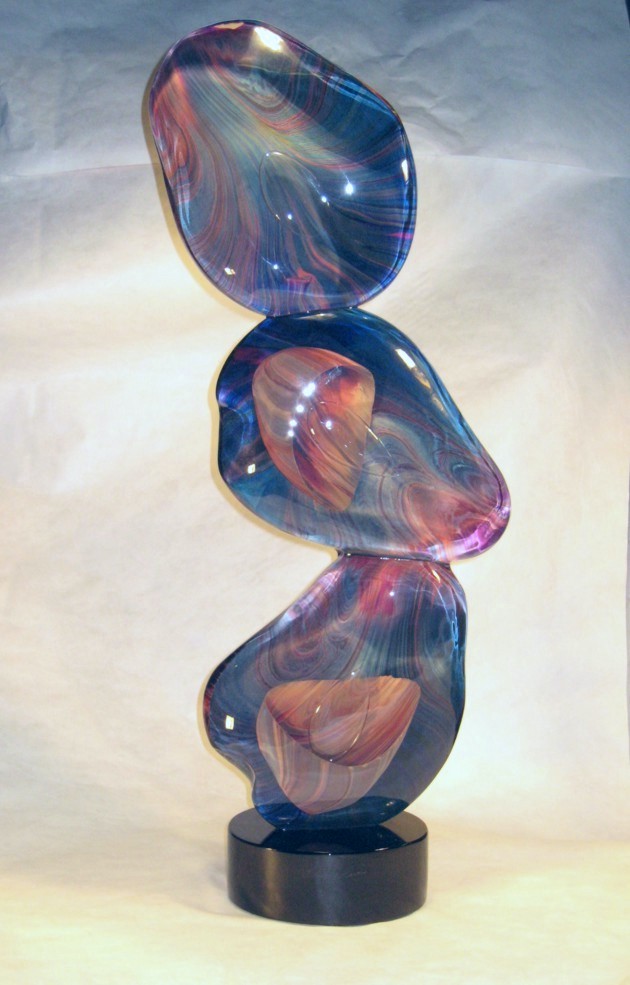
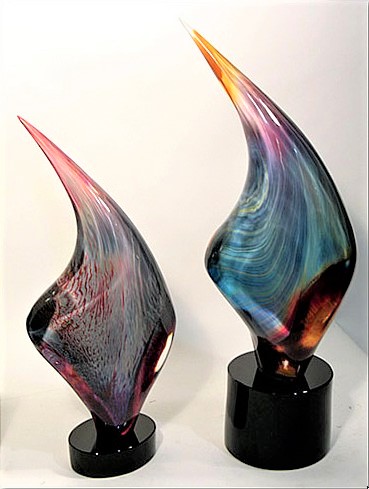
Dominick Labino (1910 – 1987) was an American internationally known scientist, inventor, artist and master craftsman in glass.He is responsible for sixty patents in the U.S. and hundreds in foreign countries, and is particularly remembered for his development of glass fibers, glass papers, and furnace designs.He invented a formula that allowed glass to melt at low temperatures in small furnaces suitable for the needs of individual glassblowers, and thus, the international studio glass movement was begun.Labino was trained as an engineer at the Carnegie Institute of Technology and began his professional career at Owens-Illinois, Inc., a glass manufacturing plant in Clarion, Pennsylvania.Labino’s technical training facilitated his work as a glass innovator.The unique combination of scientific knowledge and aesthetic inventiveness give the artist the ability to create extraordinary shapes, which give flashing light to his pieces.

The range of intensities of color in his fused multicolored forms, often contained in clear glass casing, along with the varied surface qualities, create broken reflective lights or light-absorbing matte textures.Although an innovator in form, Labino is probably best known for his use of color.The colorless glass encases interior veils of “dichroic” color, causing the hues to change as light strikes the piece from different angles.


The graceful, fluid form of Labino’s sculpture complements the special nature of the material, but it is his extraordinary sense of color and his ability to create color relationships through technical expertise that made him a master of twentieth-century glassmaking.More of Dominick Labrino’s amazing glasswork can be found at https://hudsongallery.net/artist/dominick-labino/ and https://www.artnet.com/artists/dominick-labino/.


Looking Back on Whatever Day — Glassworks Part One

The reason for the carefree nebulous title is because I don’t know which day I will publish this blog. And I do want to publish it!

Looking back at all the Galleries, how can I not showcase some of the remarkable glass artists I’ve come across?

I hope you enjoy browsing through these glass galleries as much as i enjoyed sharing them with you.

I mean — LOOK AT ALL THIS MAGNIFICENT GLASS WORK!!

Paperweights


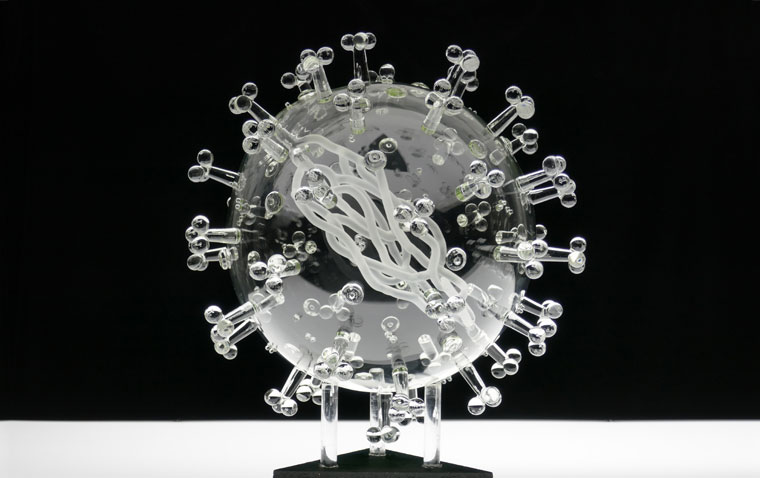
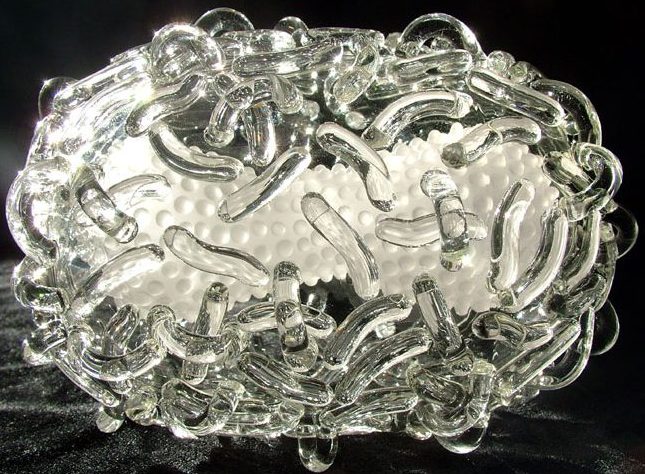
Luke Jerram

covid-19

smallpox


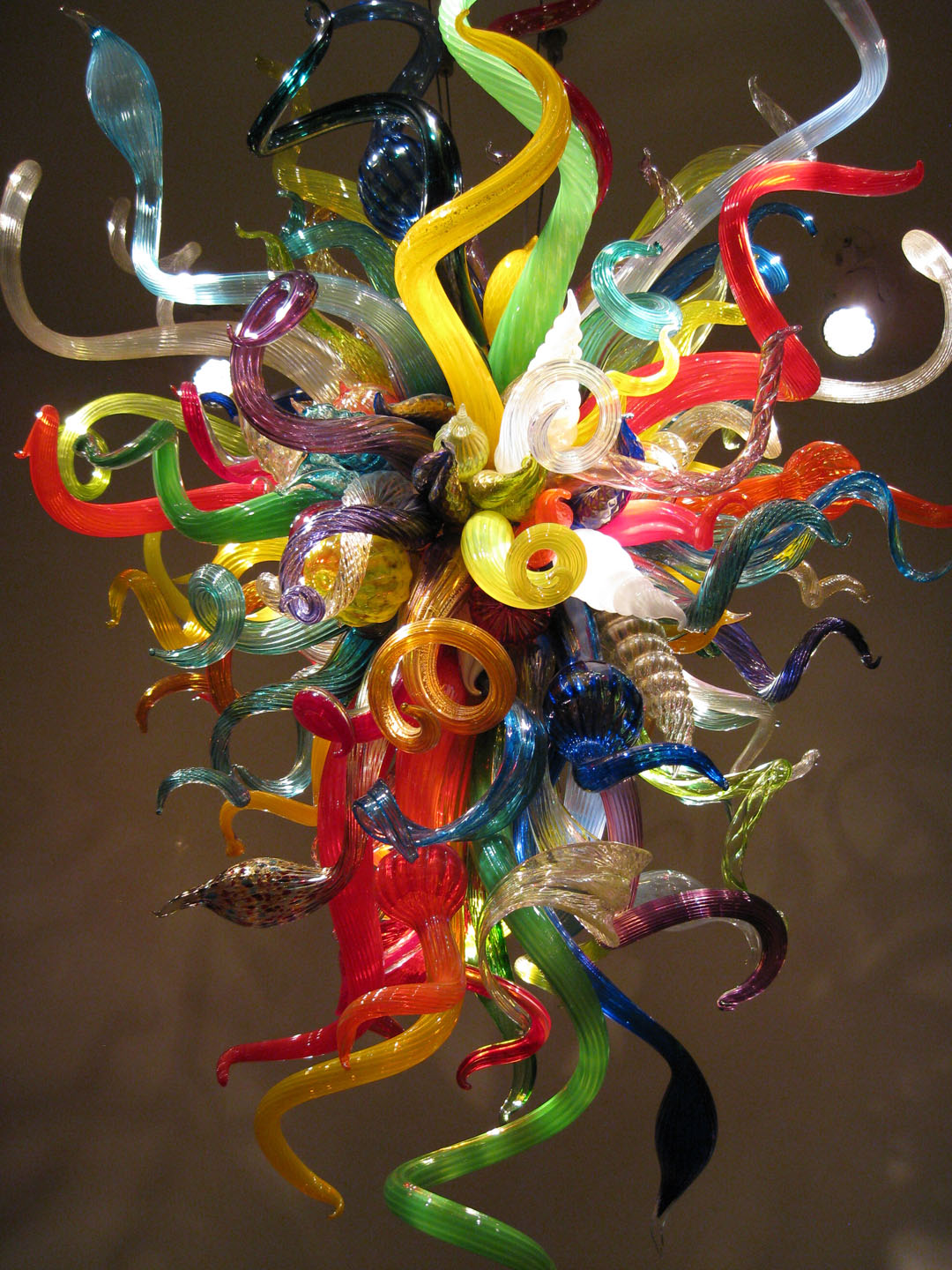
Dale Chihuly


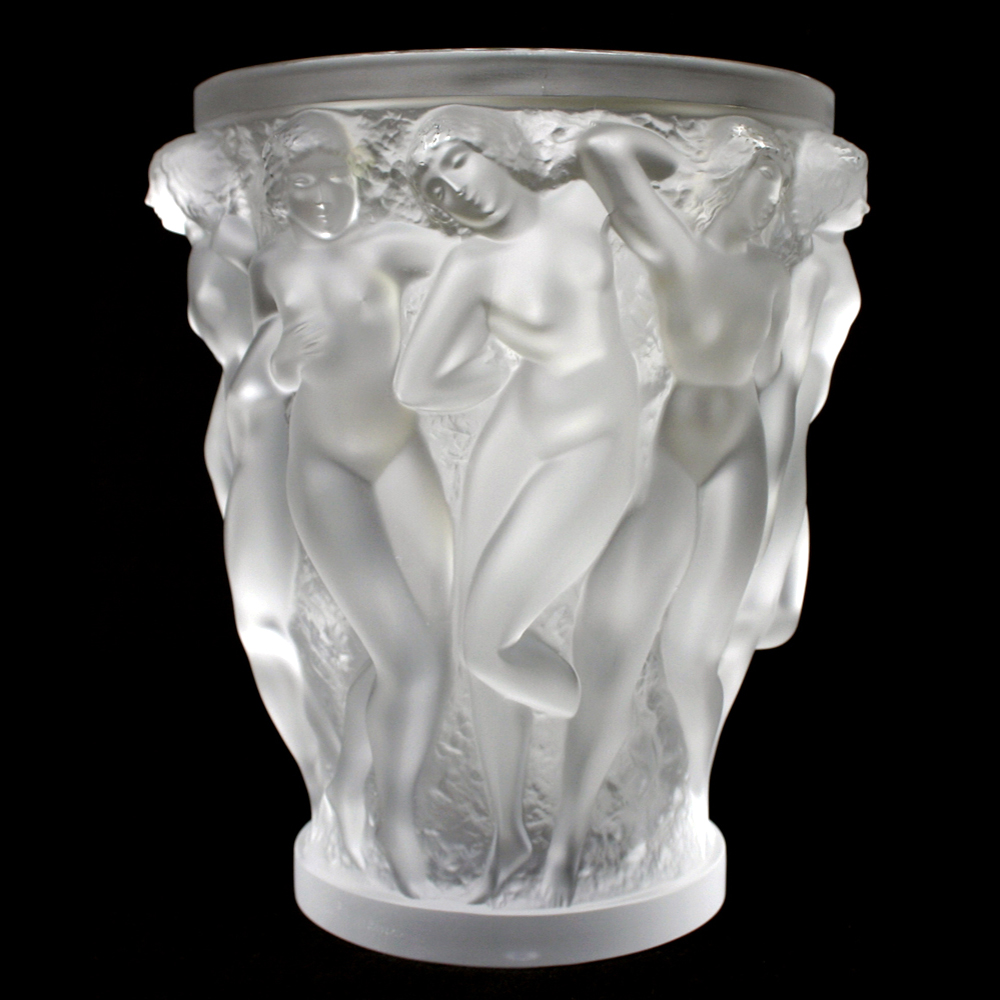
René Lalique


Stained Glass


Ercole Barovier


Latchezar Boyadjiev


Daniela Forti


Jack Storms


Tina Lane


Graham Muir


Sunday Evening Art Gallery — Lino Tagliapietra

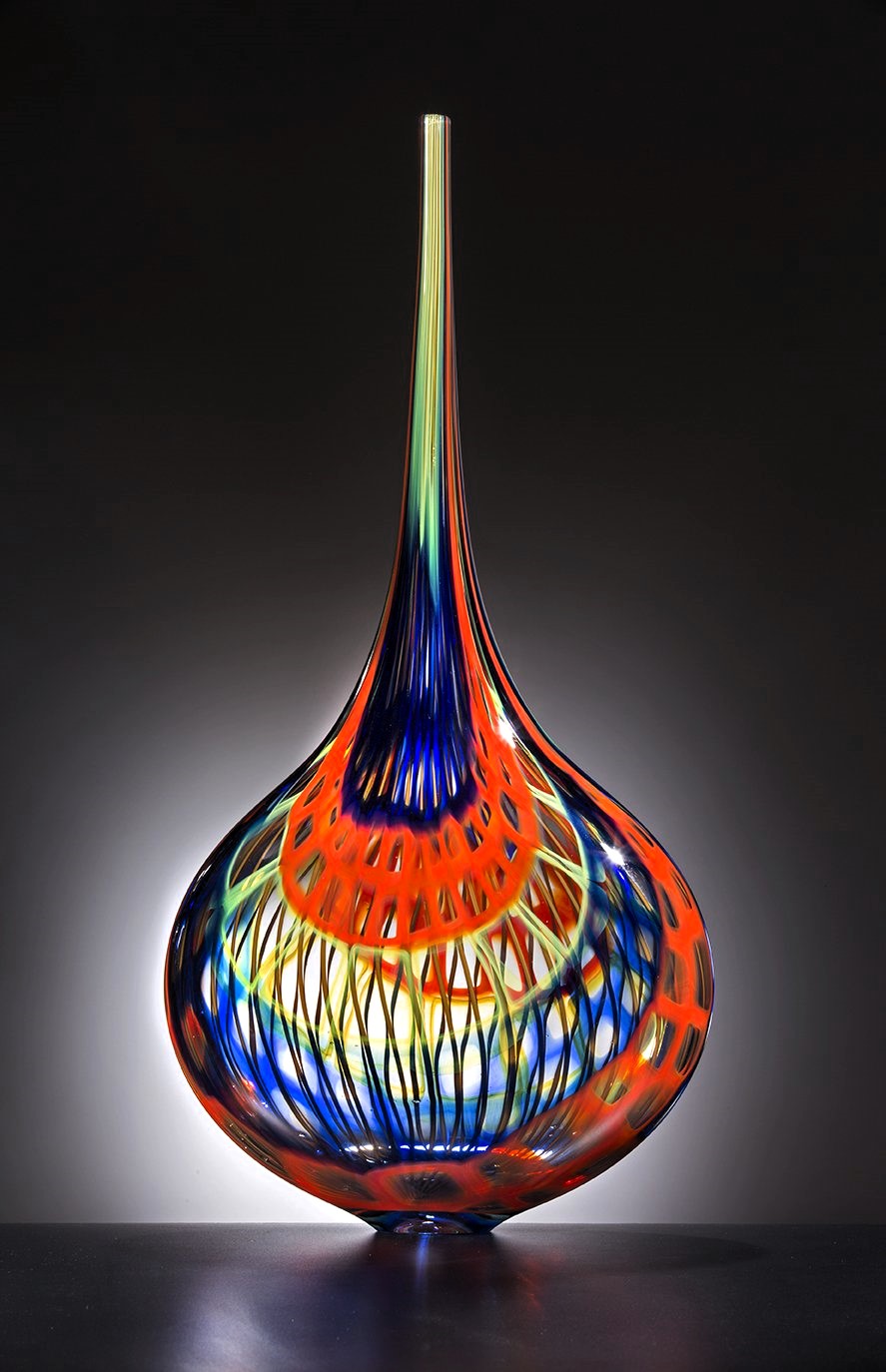
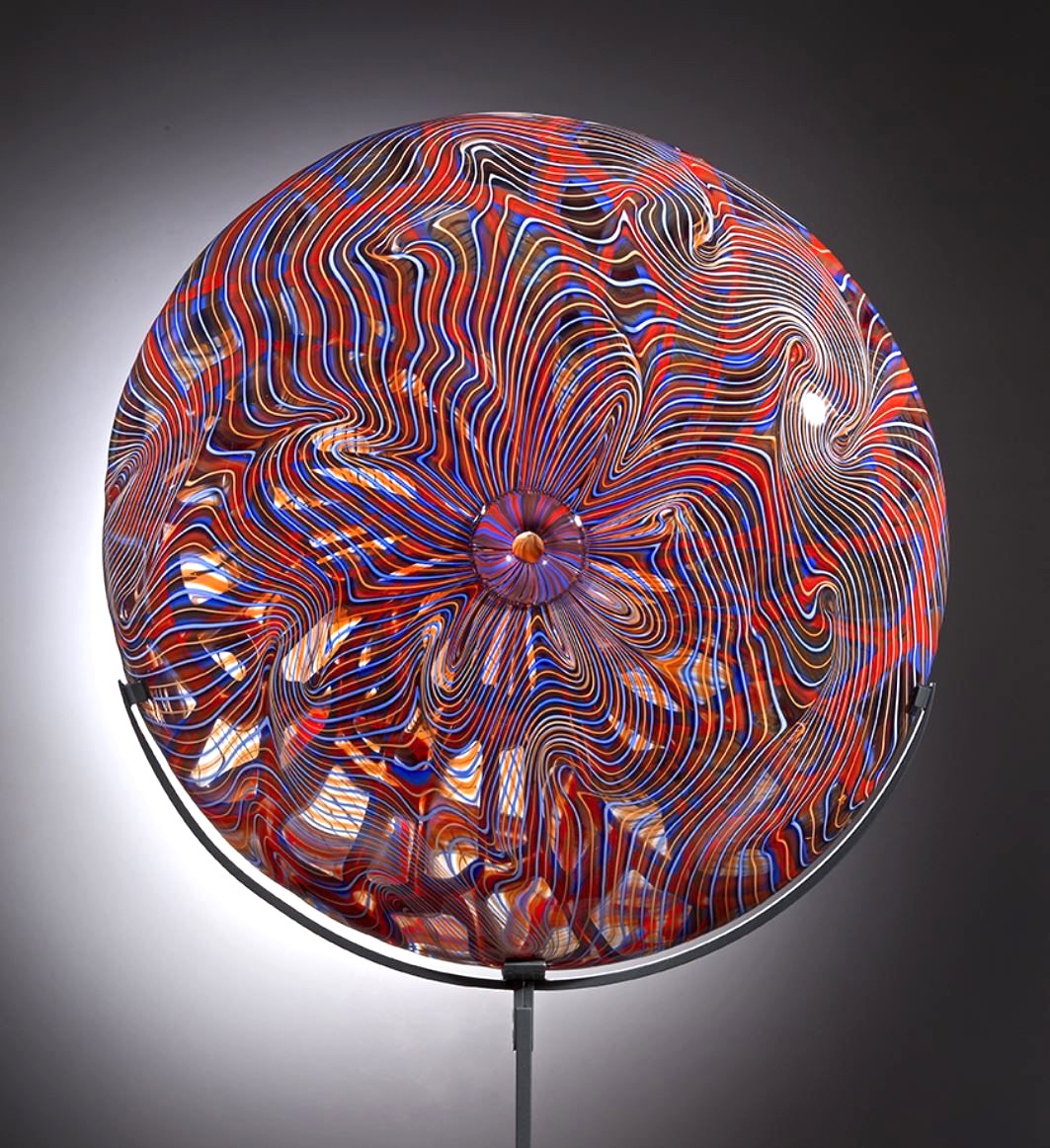
Lino Tagliapietra was born in 1934 in Murano, Italy and became an apprentice glassblower at age eleven.Even at a young age Tagliapietra exhibited an immense dexterity for glass and was appointed the title of “Maestro” when he was just 21. In 1979, the artist visited Seattle for the first time and introduced students at the Pilchuck School to the traditions of Venetian glassblowing.This cross-cultural collaboration helped shape the identity of American glassblowing and offered Tagliapietra an opportunity to expand his horizons internationally.As a teacher and mentor, he has played a key role in the international exchange of glassblowing processes and techniques.Tagliapietra’s technical resources continuously expanded to combine modern experimentation carving, blowing, caning, layering, casing, and trailing along with the elaborate Italian tricks and styles so sought after for centuries including battuto, zanfirico and  filigrano.

More of Lino Tagliapietra’s amazing glass blowing can be found at https://www.linotagliapietra.com/ and https://www.hellergallery.com/lino-tagliapietra/.
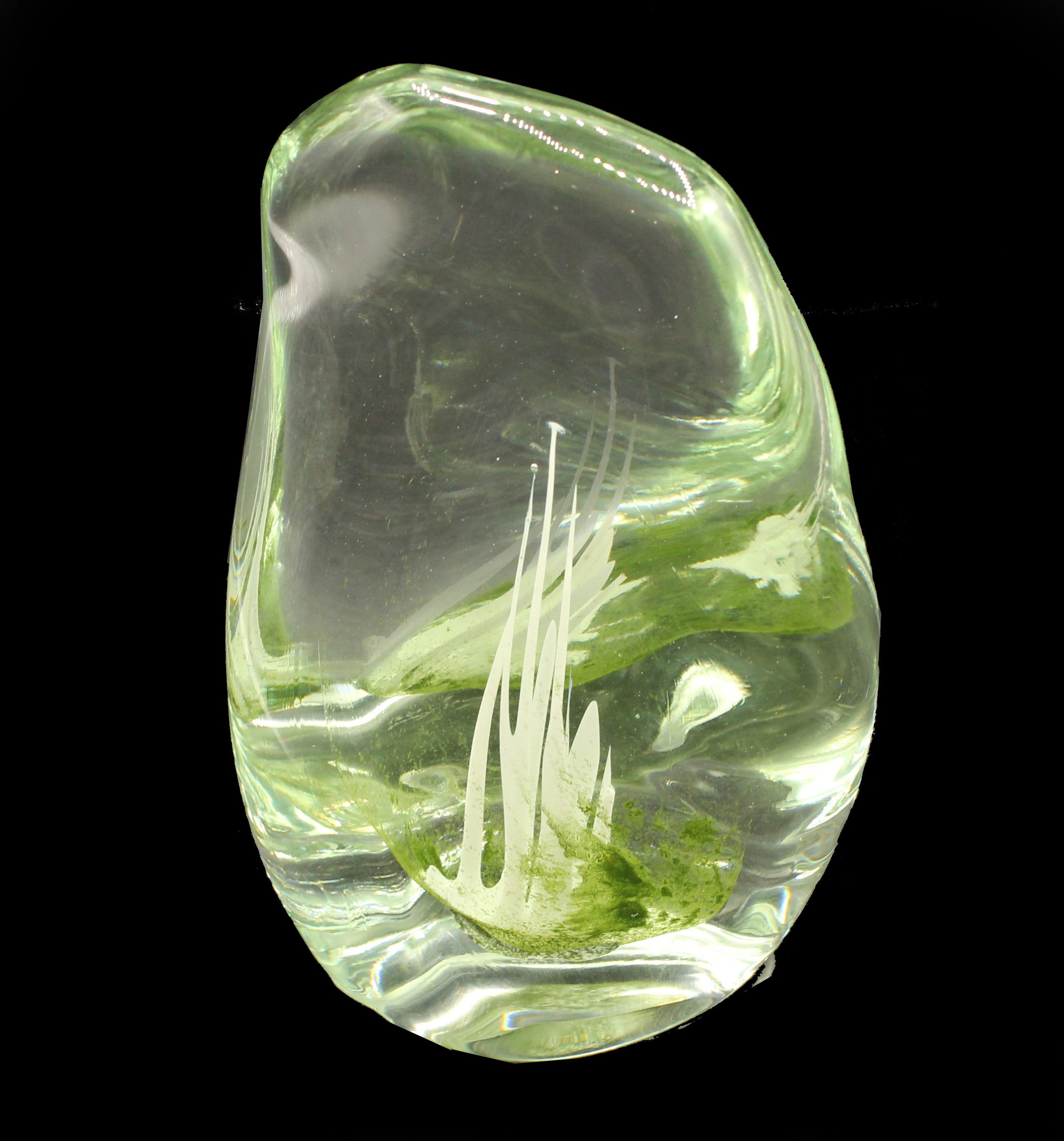


Sunday Evening Art Gallery —  Leopold and Rudolf Blaschka

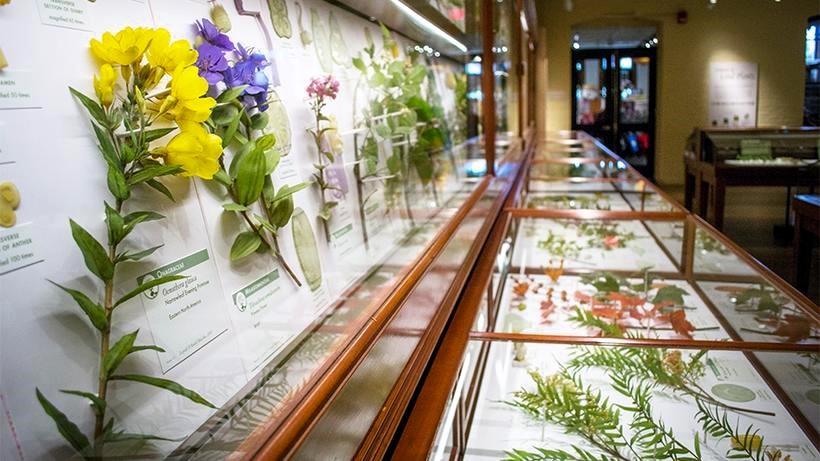
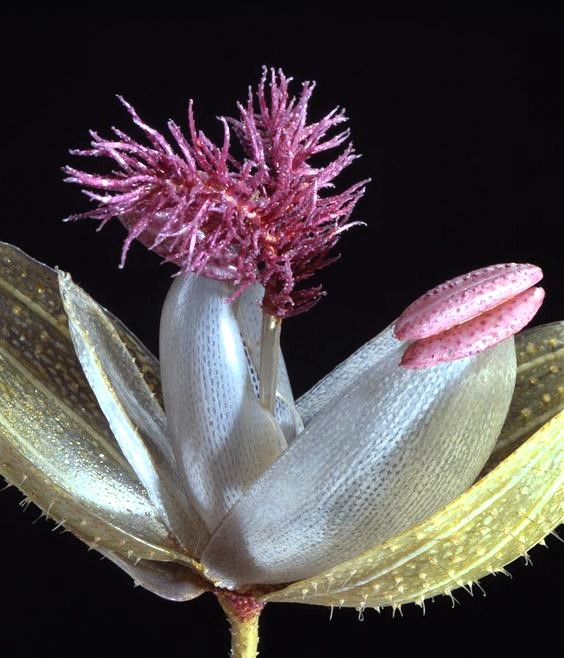
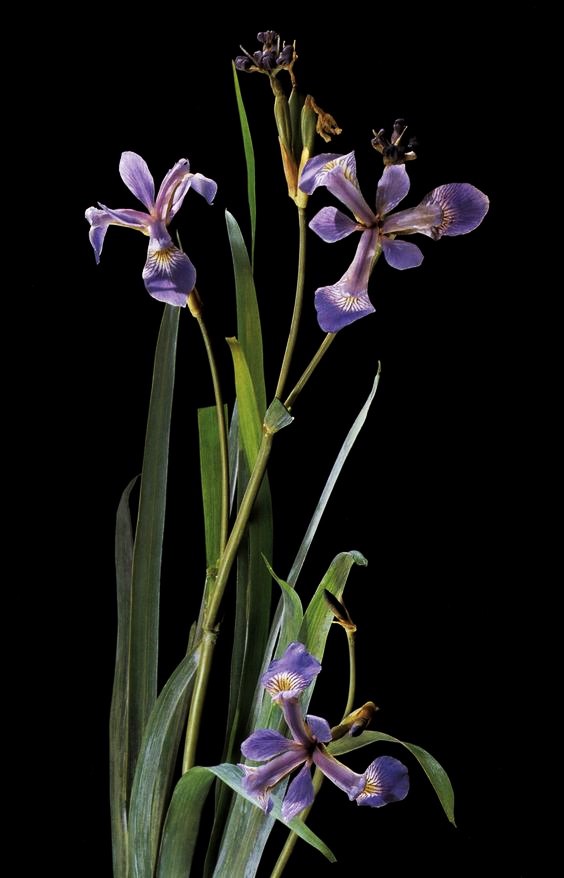
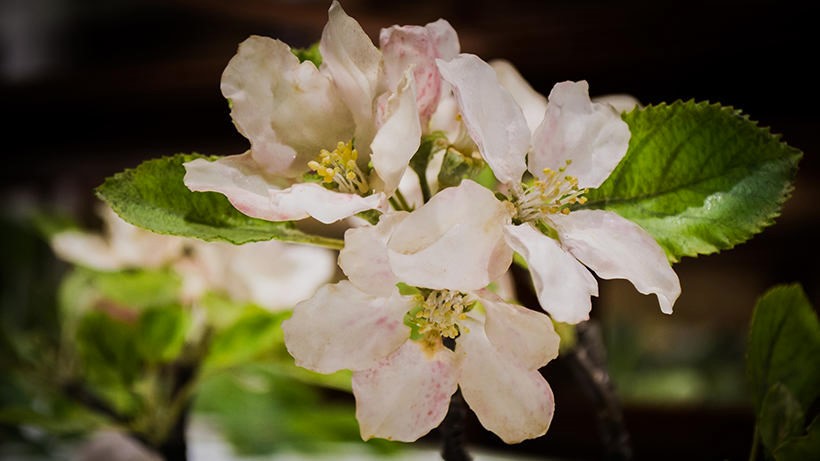
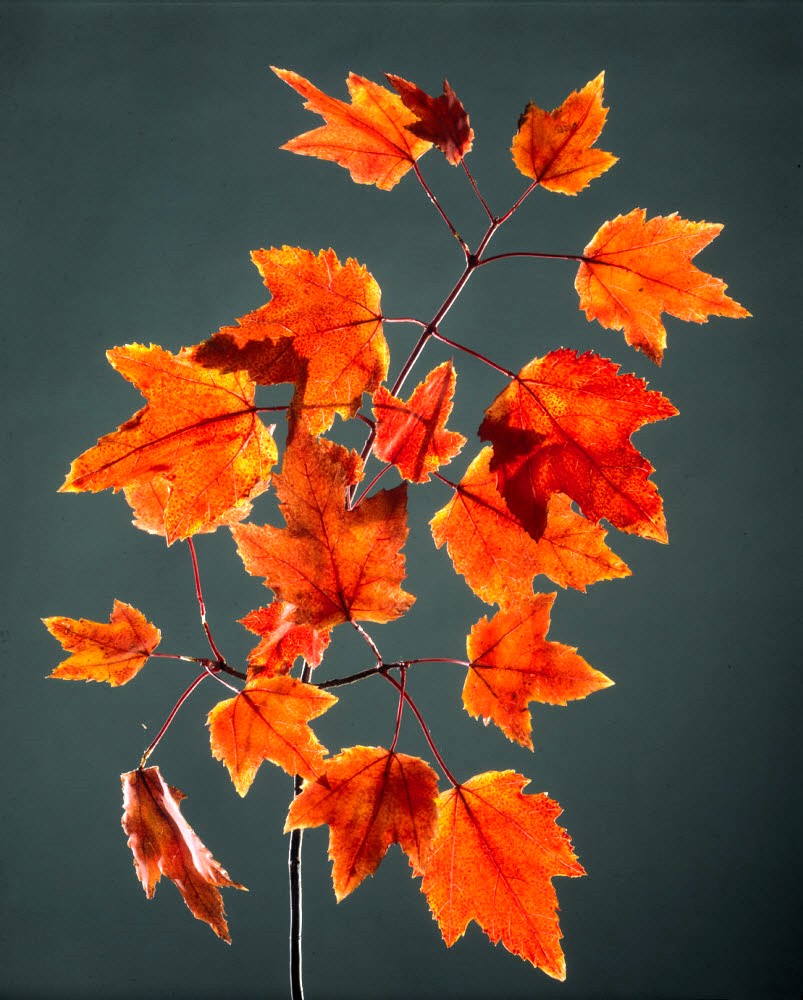
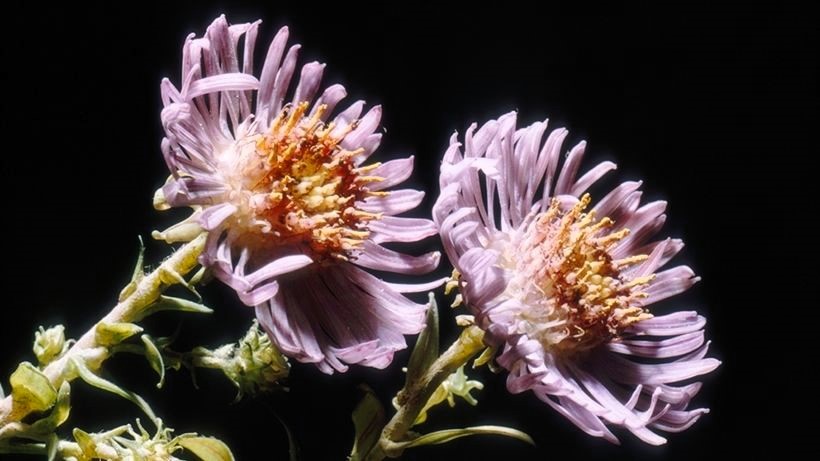
The Ware Collection of Blaschka Glass Models of Plants was made for  the the Botanical Museum of Harvard University.Often referred to as Blaschka glass, the creations of glass are  a collection of almost 4,000 models of flowers, plants, and flower parts, made at Dresden between 1887 and 1936.The Blaschkas,  Leopold (1822-1895) and Rudolf (1857-1939), were father and son glass artists who lived and worked in Hosterwitz, Germany, near Dresden.Their most famous production was the Ware Collection of Glass Models of Plants, a collection of almost 4,000 models of flowers, plants, and flower parts, made at Dresden between 1887 and 1936 for the Botanical Museum of Harvard University.Over fifty years, from 1886 through 1936, the Blaschkas produced 4,300 glass models that represent 780 plant species.

The Blaschkas’ glassworking lineage is believed to trace back to 15th century Venice.

In their exquisite coloration, minute detail, and representational accuracy, these models fulfill their original purpose of botanical study; moreover, technically and artistically they are among the finest glass objects ever made.Over their fifty years creating the Glass Flowers, the Blaschkas continually experimented with materials and methods that pushed the boundaries of glass working.Years later, their complex and varied practices presented unique challenges for the conservators preserving and protecting the models, which led to a suite of conservation processes nearly as varied as the Blaschka’s techniques.More information and images of The Ware Collection of Blaschka Glass Models of Plants at Botanical Museum of Harvard University can be found at https://hmnh.harvard.edu/glass-flowers and https://digital.library.cornell.edu/collections/blaschka/today.


Sunday Evening Art Gallery — Rick Eggert

Rick Eggert is a master glass artist renowned for his captivating abstract sculptures.

Born in Southampton in 1974, Eggert  spent his early childhood in New York, then later moved to Vermont, where he began working in glass.The artist received his BFA in Glass Sculpture from the Rochester Institute of Technology in upstate New York.His  glasswork is smooth and chic, slightly more than whisps of glass and tips on solid bases.Eggert use a glass base that uses high quality sand but is standardized to allow the use of a wide range of colors.All the materials are places in the furnace and heated to 2400 F.Once it cooks it is cooled down to 2100 F where he gathers it onto metal rods and creates his masterpieces. To this day he continues to be an avid student of the natural world around him.In awe of what he discovered during his travels, Eggert encapsulates these experiences into his extraordinary glass work.More of Rick Eggert‘s beautiful glass works can be found at https://www.rickeggert.com/ and https://shawgallery.com/artist/rick-eggert. 
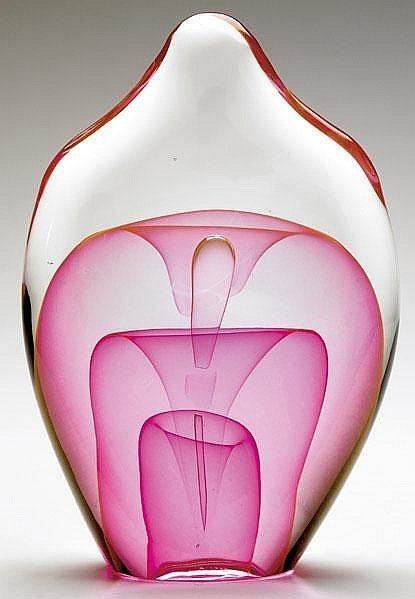


Sunday Evening Art Gallery — Akane Yamamoto

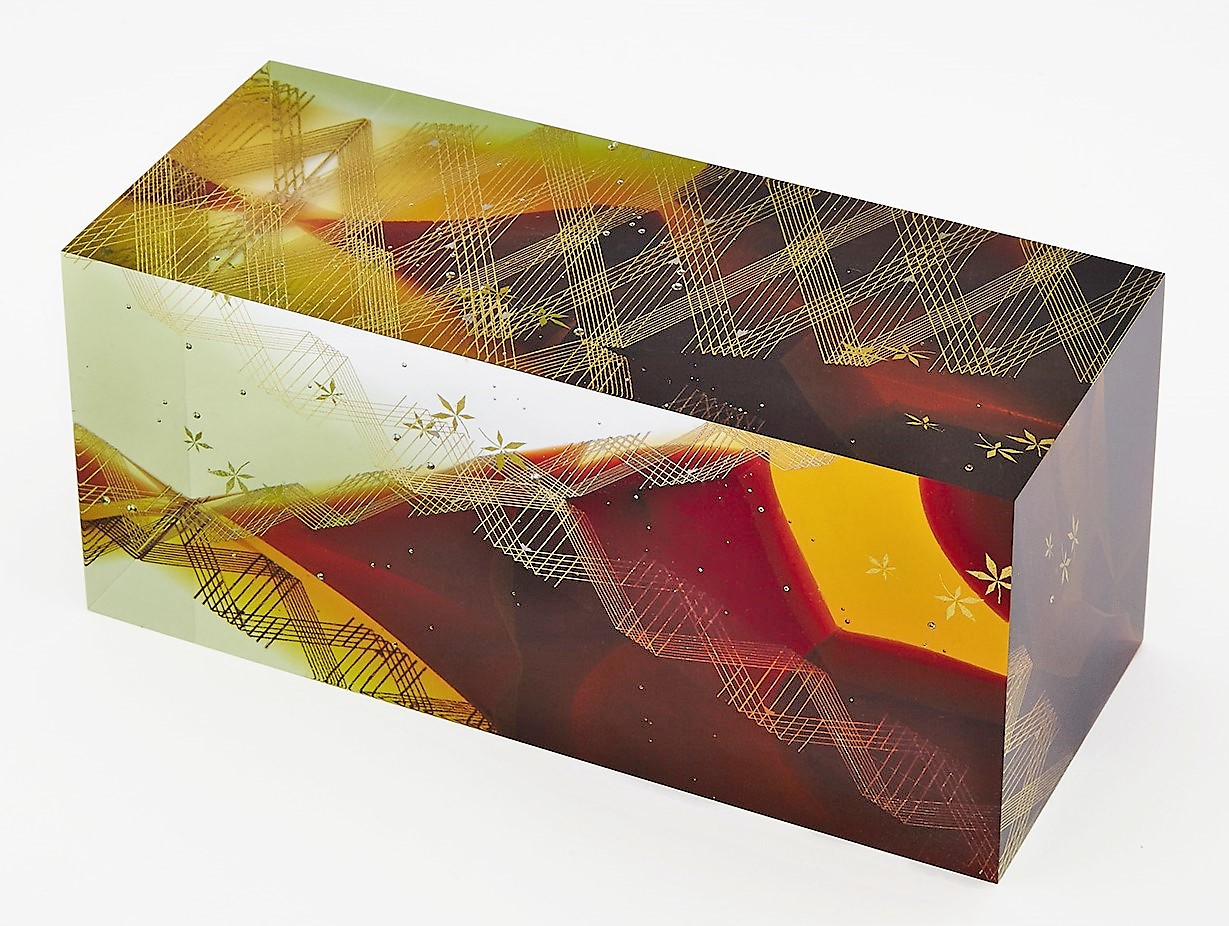
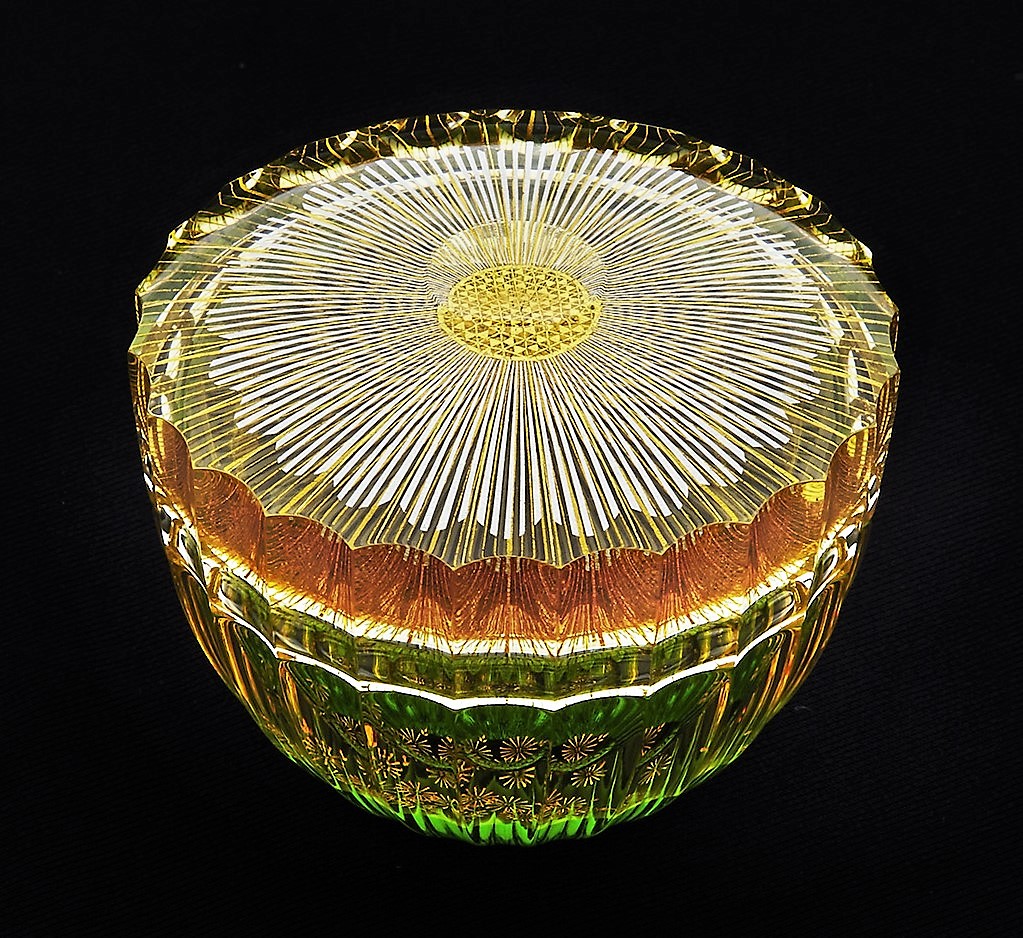
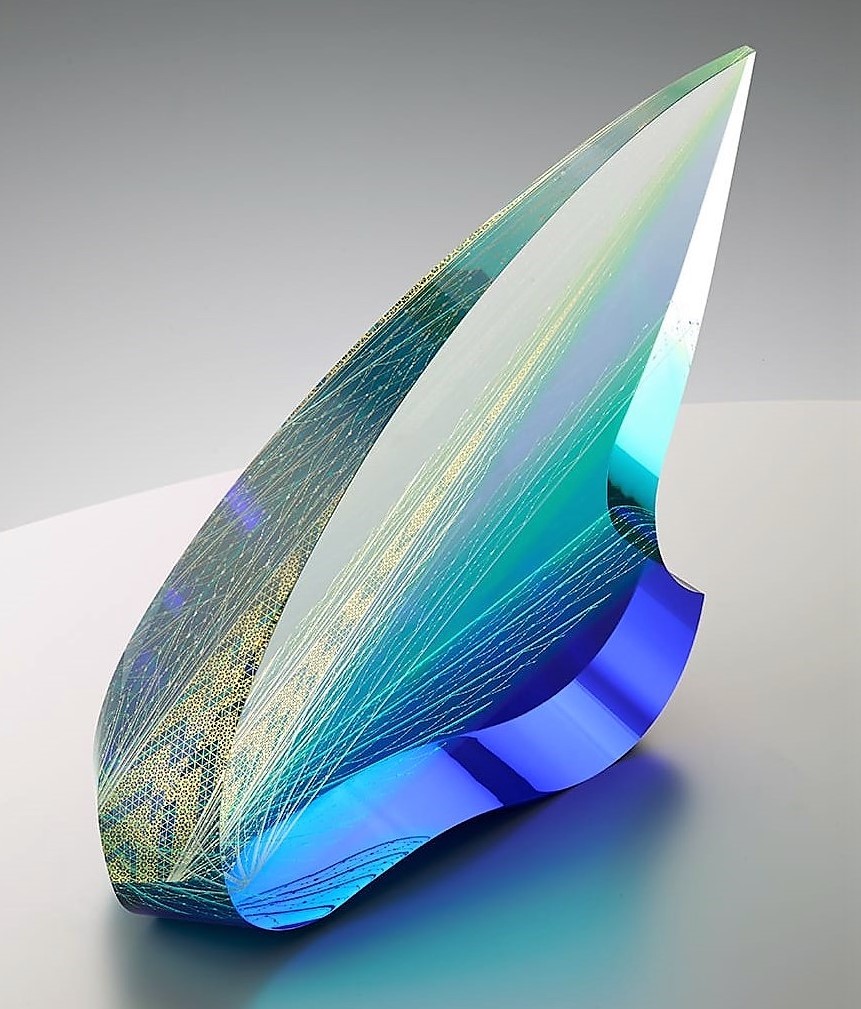
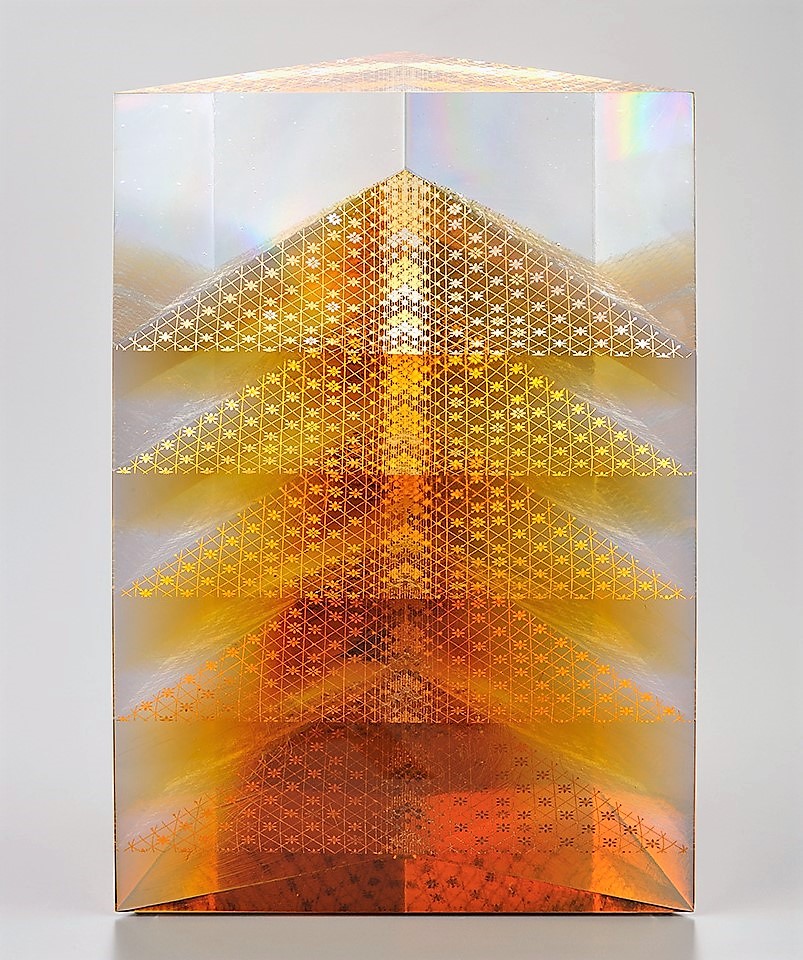
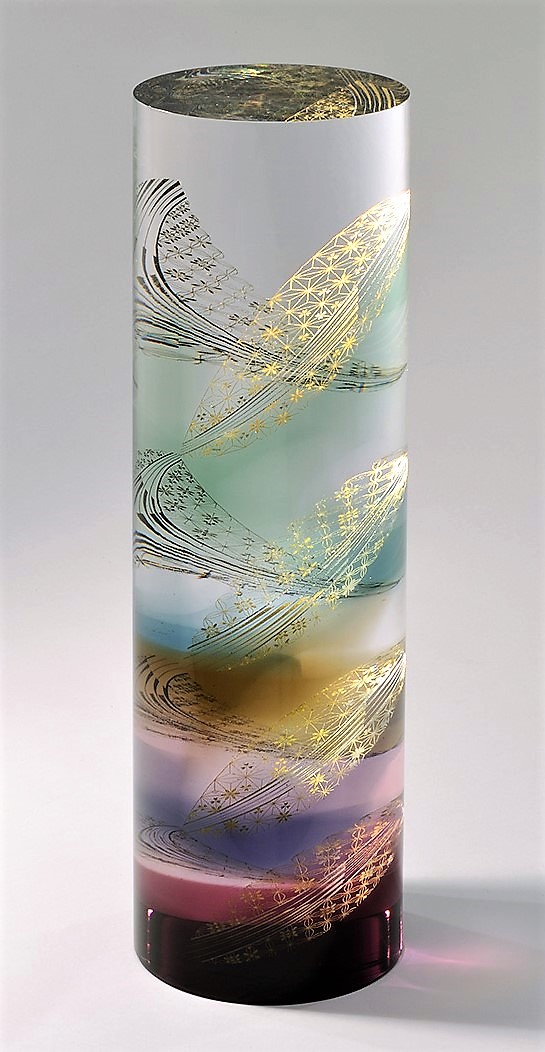
Akane Yamamoto has developed a new and original field of art known as “Kirikane Glass,” which involves forming various patterns using the age-old kirikane decorative technique and encasing them in glass.The technique was born from Yamamoto’s desire to make the Kirikane levitate in space so that it can be the focus of the art piece.Yamamoto is from Kanazawa City, Ishikawa Prefecture, and studied Nihonga (traditional Japanese painting) at Kyoto City University of Arts.Kirikane is a decorative technique for creating patterns that involves pasting together thin layers of gold leaf or other metals.The technique is highly delicate. Several layers of gold, silver, platinum, or other foils are cut into strips finer than a human hair, or squares measuring a few millimeters across, and then brushed with glue and adhered together to produce exquisitely detailed patterns.The process of making a Kirikane Glass piece has infinite steps, and completing one piece takes a very long time.It is the same accumulation of “infinite choices for the sake of beauty” that the draftsmen of ancient times experienced.“The aspects of nature in Japan along with the classics of Japanese literature, especially, the Tale of Genji, are inspirations for creating the imagery in my work,” Yamamoto shares.“I hope that my Kirikane-glass works featuring aesthetic sense and sensitiveness of Japan, are to be dispatched to the world from Kyoto, the center of traditional Japanese arts.”More of Yamamoto Akane‘s amazing glass work can be found at https://akane-glass.com/.


Sunday Evening Art Galleries — Glass

The world of Art is a world of creativity. All styles. All shapes. All mediums.

Today we visit the past galleries of  


Rick Satava
https://sundayeveningartgallery.com/2018/12/11/rick-satava/
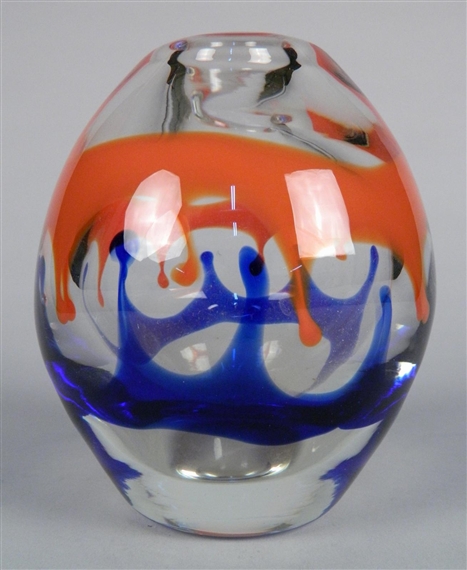
 

Mirrors
https://sundayeveningartgallery.com/2019/06/15/mirrors/


Architecture in Blue
https://sundayeveningartgallery.com/2016/07/20/architecture-in-blue/


Latchezar Boyadjiev
https://sundayeveningartgallery.com/2017/09/19/latchezar-boyadjiev/


Aquariums
https://sundayeveningartgallery.com/2015/10/29/aquariums-3/


Dale Chihuly
https://sundayeveningartgallery.com/2016/06/27/dale-chihuly


Niyoko Ikuta
https://sundayeveningartgallery.com/2021/01/23/niyoko-ikuta/


Enjoy these and MORE at

http://www.sundayeveningartgallery.com


Sunday Evening Art Gallery — Mark Eliott

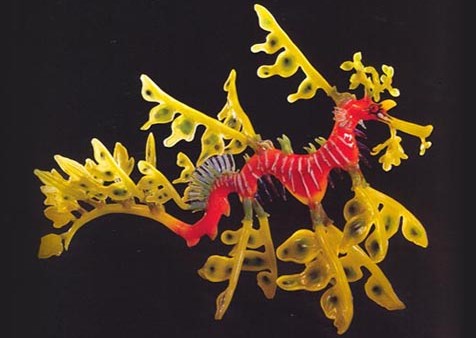
Australian artist Mark Eliott worked as a novelty and scientific glassblower before making sculptural glass art.
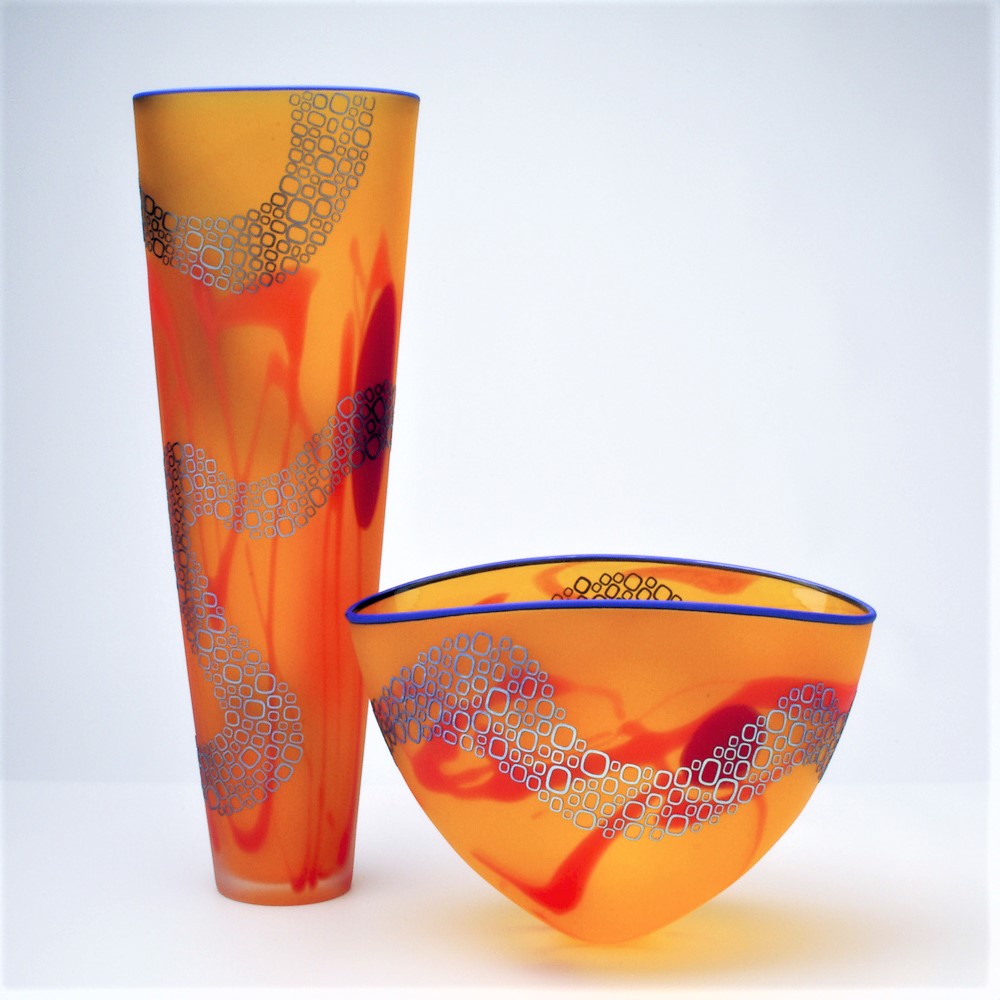
Initially, Eliott worked as a novelty and scientific glassblower to supplement his music studies at the Conservatorium of Music, becoming an accomplished saxophonist..He completed a Master of Visual Arts and Master of Studio Arts at Sydney College of the Arts as well as associate diploma in Jazz Studies (saxophone) at Sydney Conservatorium of Music.His whimsical sculptures reveal a strong ecological message behind the work.What sets Eliott apart from many other makers is the breadth of ways he works the hot glass flame to channel his ideas.He uses the flame like a scribe as he creates 3D illustrations and installations incorporating various media such as music, stop-motion animation and wood carving.

A characteristic of Mark’s work is that at first glance the viewer is drawn like a magnet to his objects because of their lively, colorful, and whimsical appearance.However, as he speaks in layers, what is revealed is the strong ecological message behind the work.This is best explained by describing some of the works which underpins the wide range of highly skilled applications to support his ideas when using the flame with glass. More of Mark Eliott’s wonderfully imaginative art can be found at https://www.markeliottglass.com/.


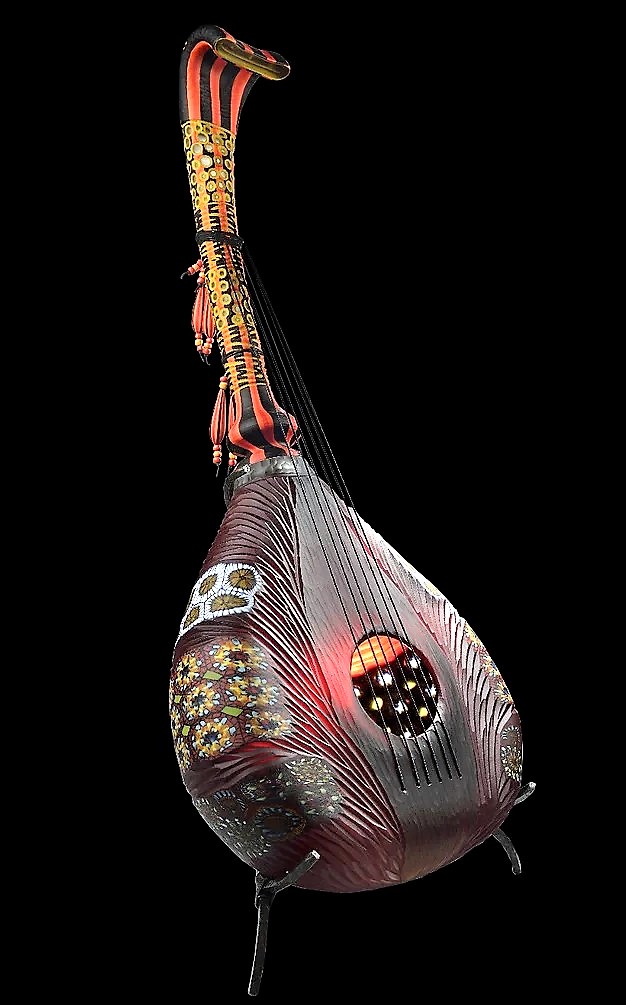
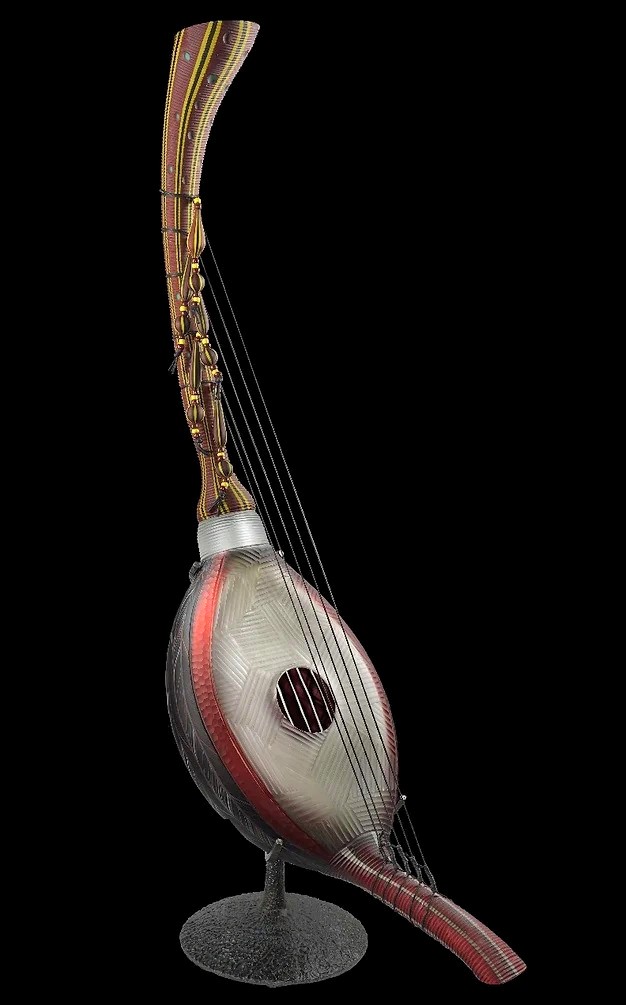
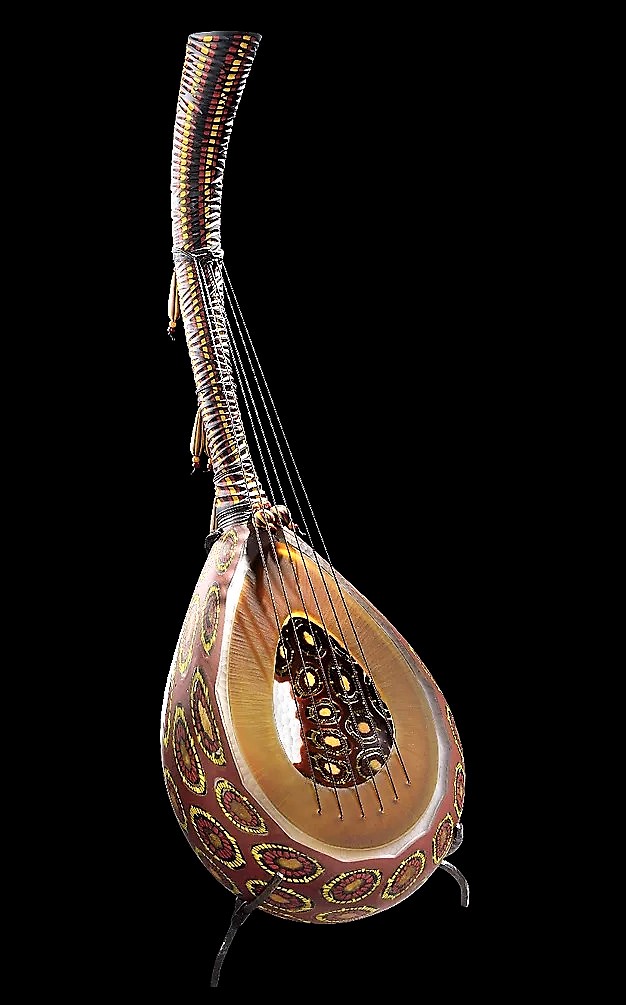
Sunday Evening Art Gallery — Davide Salvadore

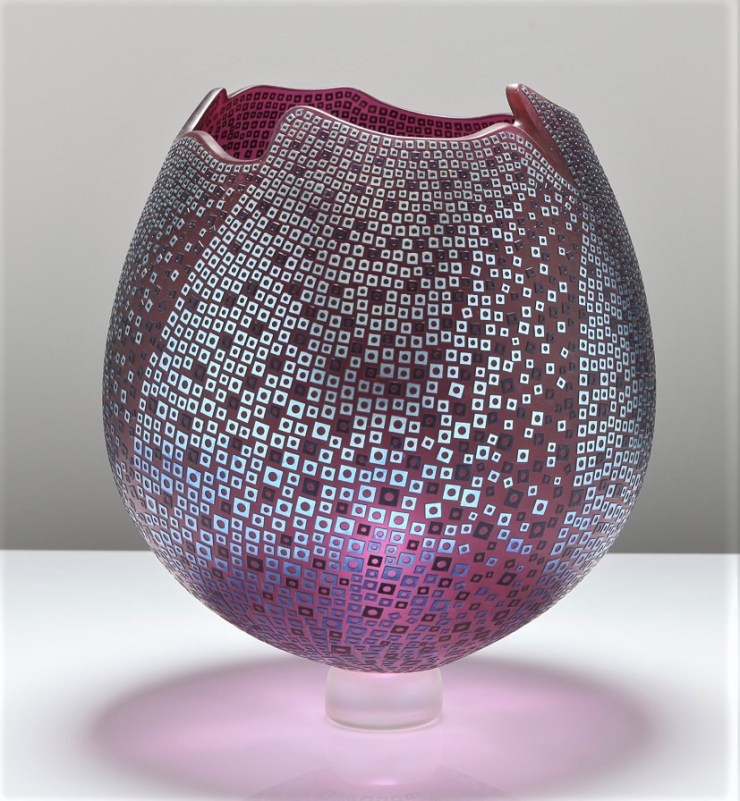
Dating back to the 1700’s, Murano glassworker Davide Salvadore is the 11th generation on his mother’s side credited with creating glass pieces.Cocoe Series, Colando

At a young age, Salvadore began following his grandfather, Antonio Mantoan, into the furnaces of Murano, first learning how to build the kilns and later working in the studios of Alfredo Barbini, who is often recognized as the ultimate glassmaker of Murano.Chitamarra Series, Romin

Later, he worked as a glassblower in multiple well-known glass studios, learning from each and improving his abilities.Chitamuro Series, Zuali

In 1998, Salvadore made a conscious decision to turn away from traditional functional glass work. At approximately the same time, he began demonstrating his unique murrine technique.Spingarpa Series, Siego

Salvadore’s love of music influenced him to produce a popular series of full sized glass stringed instruments. Each series is named a unique name he created.Tiraboson Series, Steso

Salvadore’s process takes longer than most would imagine and has many separate steps.Bechino Series, Bascila

Salvadore thinks about the piece he wants to create, settles in his mind on the idea, the colors and shape and then over the following week collects the glass canes and makes the murrines  specifically for that piece.Chitamarra Series, Leca

Murrines are created by stretching a compact mass of hot glass into a long, narrow, multicolored cane. Using his unique process, Salvadore cuts these canes into thin slices which are incorporated into his work in a variety of different shapes and sizes.Chitamuro Series, Ingaua

Then they go into the annealing oven to prepare them to be added to the form being blown. When the glass sculpture is fully cooled, it goes to the cold shop for further detailed work, which makes every piece a one-of-a-kind piece.Cocoe Series, Lupula


More of Davide Salvadore’s amazing creations can be found at https://www.davidesalvadore.com/.


Sunday Evening Art Gallery — Kiva Ford

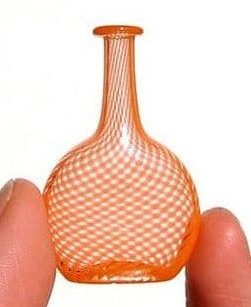
Kiva Ford‘s passion with glass is anchored by his college degree in Scientific Glassblowing.

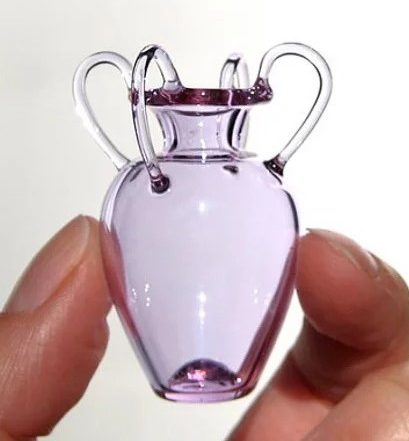
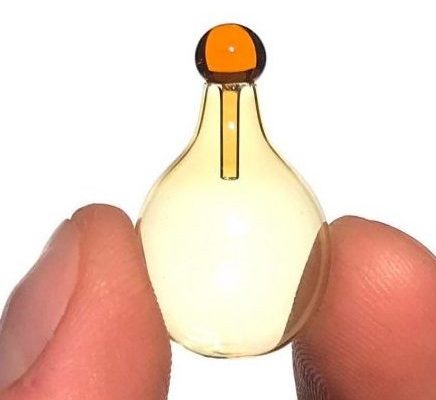
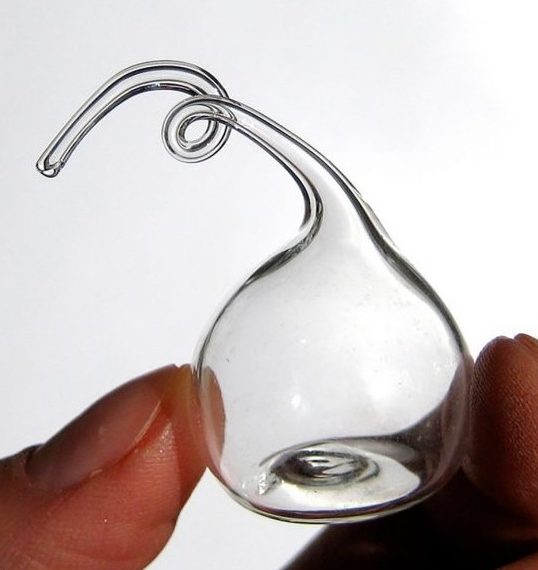
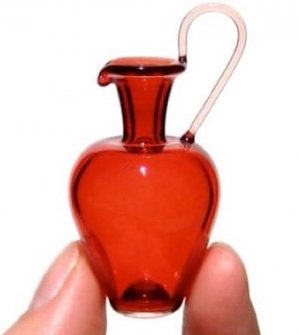
Now the glass artist draws from his vast experience in scientific glassblowing to create perfect miniatures of wine glasses, beakers, and ribbon-striped vases.Some pieces are scarcely an inch tall.

Kiva’s pursuit of technique, form, and precision are apparent throughout his work.

“In this business, you really have to understand what certain glass pieces want to do, and what they don’t want to do.”

So not only has Kiva perfected his technique at work, but also in his world of miniatures.More of Kiva Ford‘s miniatures (and more) can be found at https://www.kivaford.com/.


Sunday Evening Art Gallery — Wilfried Grootens

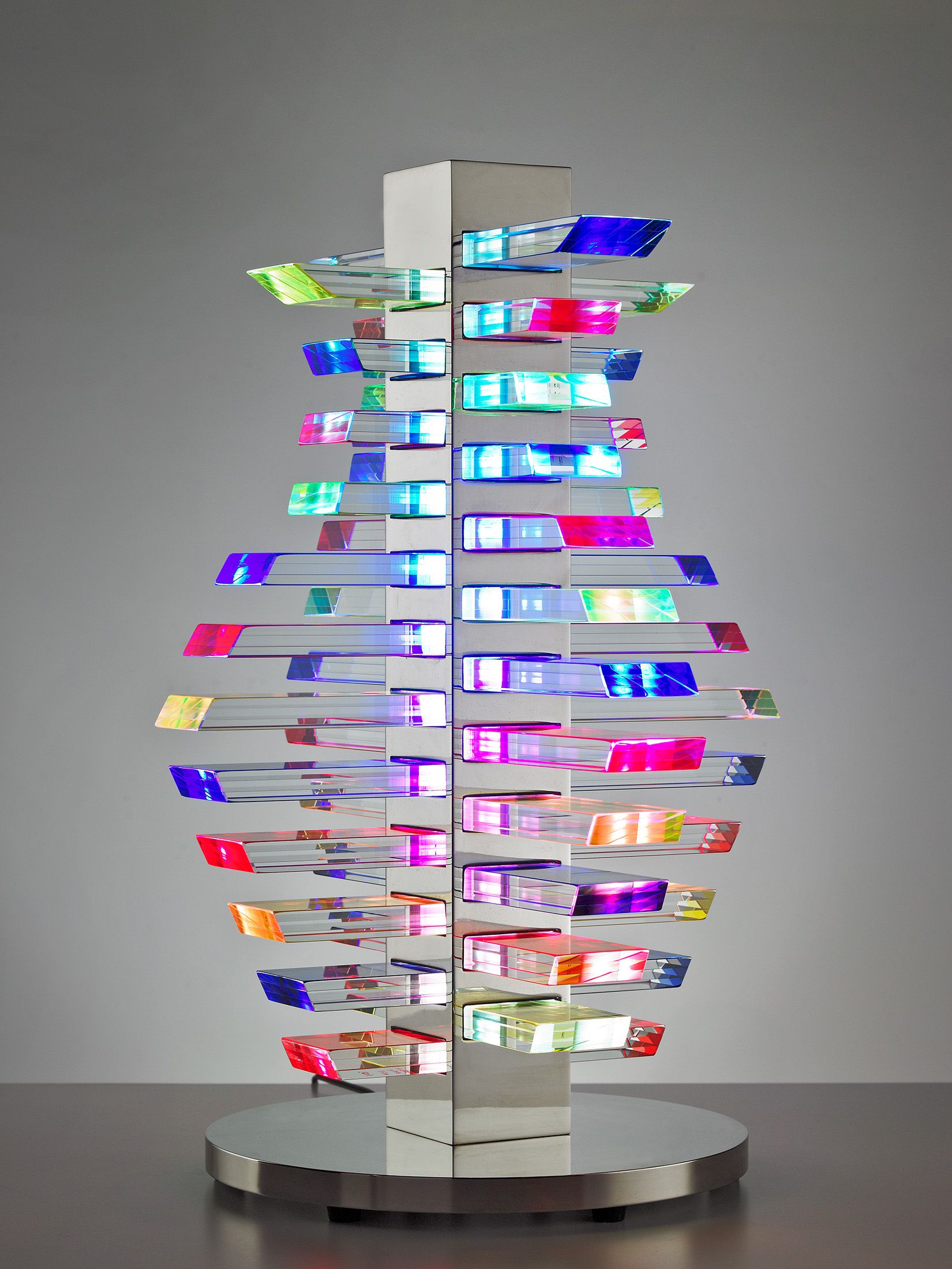
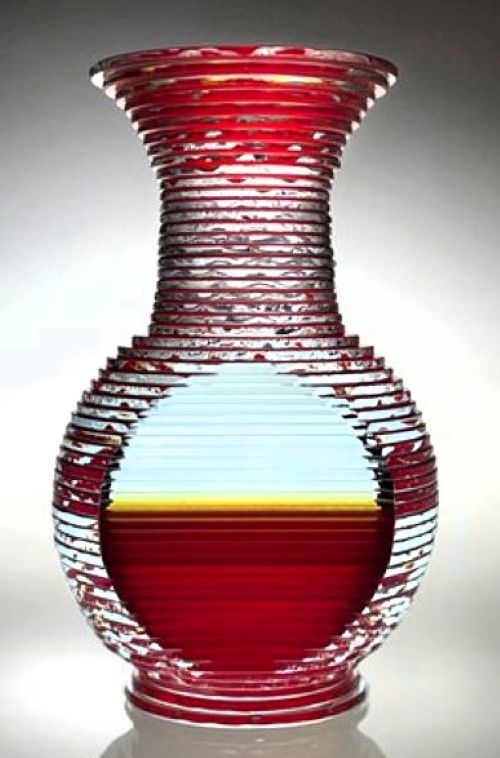
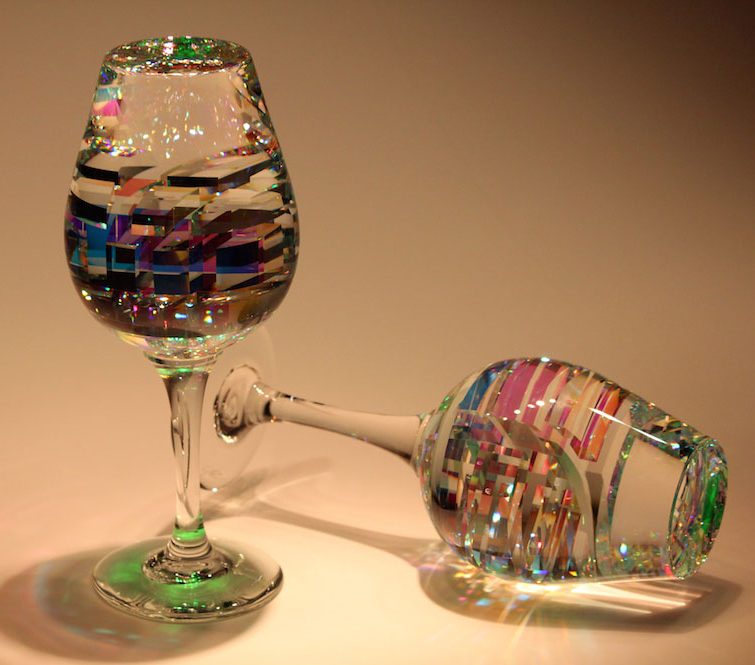
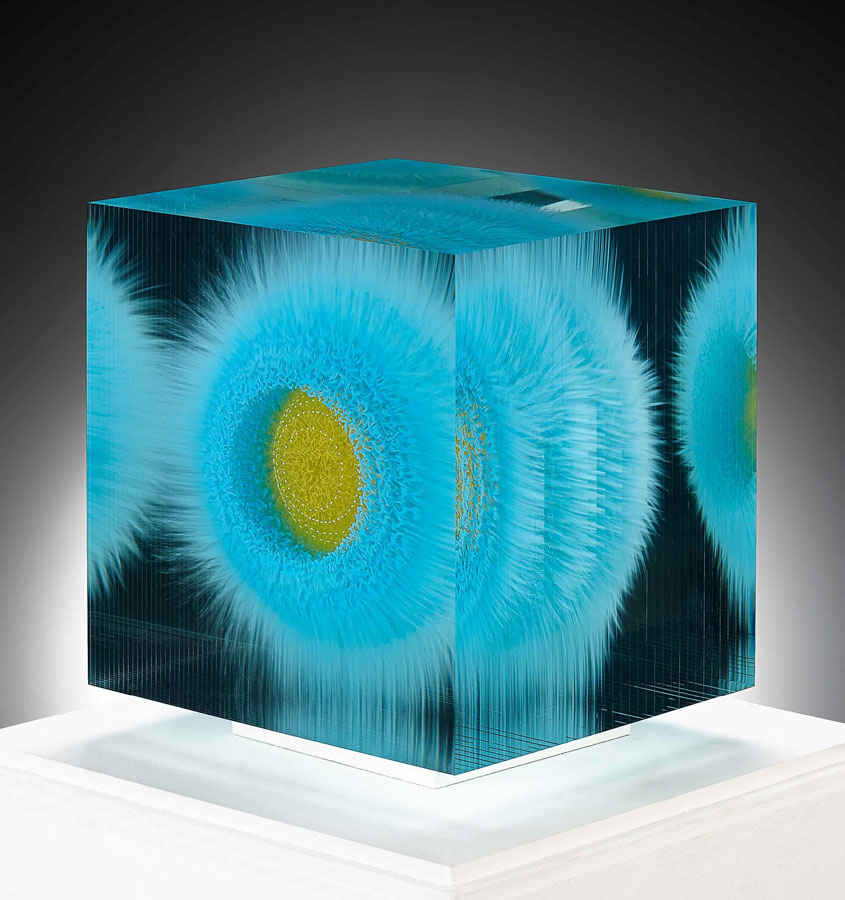
Glass artist Wilfried Grootens was born in Uedem, a small town in the German countryside near the Dutch border.At the age of 15, Grootens first apprenticed as a glass painter at the Derix Company in Germany where he learned to restore antique stained glass windows.Four years later he left on a near decade-long adventure to travel the world, play music, and experience the cultures of Asia and South America before eventually returning to his work with glass.In 1988, he received a Master Craftsman’s Diploma in Munich and by the following year had opened his own studio in Kleve.By the 1980s, he had mastered the optical float technique where he paints, stacks, laminates and polishes layers of glass to create his sculptures.The cubes are cut and polished to perfection. His painted patterns seem to float within the cube, creating a magical display of optical illusionThousands of very fine brush strokes of varying tones on each layer recede or expand in size gradually and, when seen together, form a miraculous three dimensional globe which seems to be suspended in the cube.“With my glass painting I fill transparent, geometric spaces whose visual explorations produce surprising variations in forms,” Grootens explains. “Different perspectives on apparent spherical floating built-up forms of linear brush strokes reveal to the viewer new perspectives within the object‘s space.

More of Wilfred Grootens‘  amazing glass work can be found at https://wilfriedgrootens.de/en/wilfried-grootens-glas-artist/ and https://contempglass.org/artists/entry/wilfried-grootens.


Sunday Evening Art Gallery — Věra Lišková

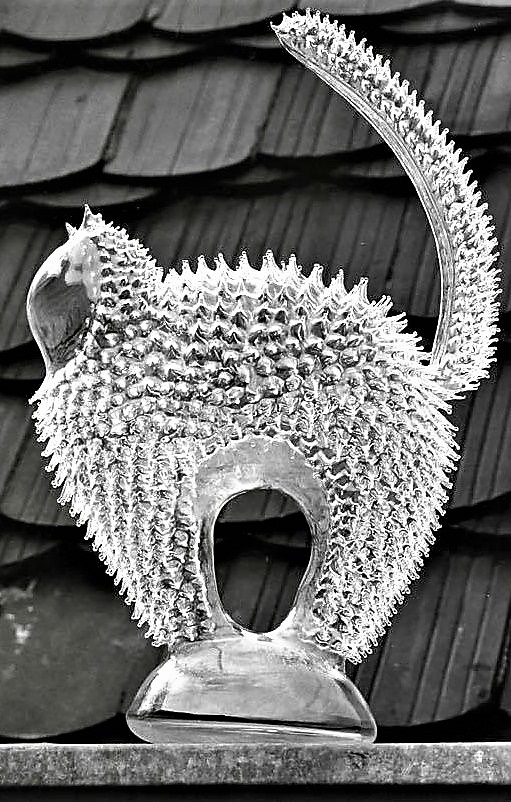
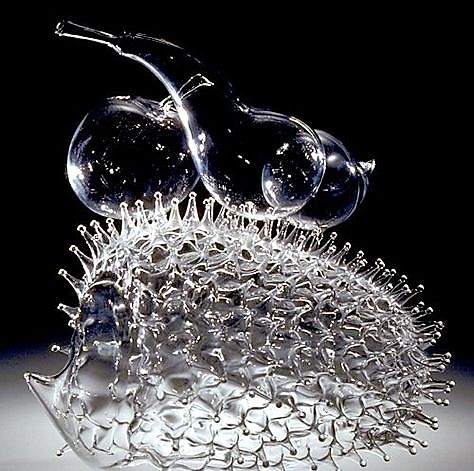
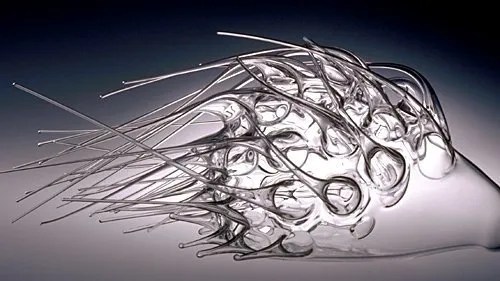
Czech artist and designer Věra Lišková (1924–1985) was a Czech artist and designer known for her use of clear glass and her intricate final products.Lišková studied at the State Graphic School in Prague from 1939 until it was closed during World War II; she graduated from the School of Applied Arts in 1949.She began her career as a designer of functional glassware, working for such glass companies as the Vienna-based J. & L. Lobmeyr and Moser.Lišková started to make her borosilicate glass sculptures in the late 1960s.The artist pioneered the technique of working borosilicate glass over an oxygen flame, which enabled her to make the large, abstract sculptures for which she is best known.Both strong and delicate, Lišková’s work reflects the nature of the material used to create these detailed art pieces.Many of her pieces include spiny, sharp designs and clean lines, all bringing into focus her fine glass work.More of Věra Lišková’s glasswork can be found at http://www.artnet.com/artists/vera-liskova/.


Sunday Evening Art Gallery — Robert Wynne

Australian born Robert Wynne studied visual arts at Monash University, majoring in ceramics before completing a master’s degree in glass at California State University.The dynamic process of glass blowing immediately captivated the artist.Not only was the visual splendor deeply pleasing, he relished the choreography in glass blowing, and particularly the immediacy and risk that the material demanded.Wynne’s work is characterized by strong, bold lines and shapes.Working with classical proportions and purity of form, Wynne loves the challenge of technical precision, often layering the work with surface decoration.He enjoys making beautiful objects but is not afraid to create pieces that evoke emotions more complex than just aesthetic appreciation.He loves the gorgeous glow of light through frosted glass and has a fascination with lustrous, iridescent finishes; particularly with the way that light is manipulated, reflected and transmitted.“My inspiration comes from numerous places including historical glassmaking practices and formal sculptural dialogue,” Wynne says.“The bold beauty and the sheer expanse of the Australian landscape delight and inspire me and I know that it seeps through my pieces, both implicitly and explicitly.“There is also an honesty and rugged openness about the Australian people, a fierce independence, generosity and integrity that I admire and which I would like to think is expressed in the work I produce.”More of Robert Wynne‘s amazing glass work can be found at https://robertwynne.com/.


Sunday Evening Art Gallery — Dino Rosin


Dino Rosin was born in Venice, Italy on May 30, 1948.

At the age of twelve, he left school and began work as an apprentice at the Barovier and Toso glassworks where he remained until he joined his brothers, Loredano and Mirko, at their factory, Artvet, in 1963.

Rosin continued at Artvet until 1975 when he moved to Loredano’s newly established studio as his assistant. There he collaborated with his brother for almost 20 years.

He was Loredano’s right hand in the “piazza” and a master in his own right in cold work.

In 1988, Dino Rosin was invited to Pilchuck Glass School in the state of Washington to teach solid freehand glass sculpture with Loredano and the American glass artist, William Morris.

In 1992,. Dino assumed the role of “maestro” and began single-handedly to produce his brother’s old designs and ultimately his own.,

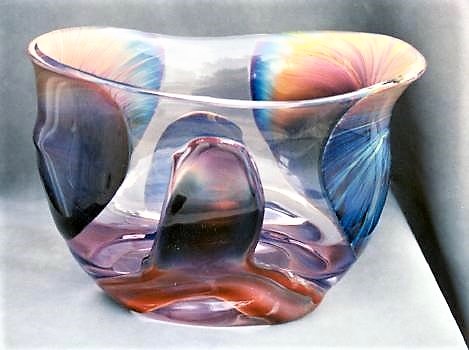
His skillful use of Calcedonia glass (glass made with silver and other elements  developed in Murano during the mid fifteenth century) is unique and makes his pieces recognizable and highly collectible.

Dino rediscovered the formula for this unique, striated glass and has continued to improve the coloration.

Today he is able to achieve brilliant cobalt blues, deep rose and even a fiery red, varying on the metals used, temperature and duration the glass is in the furnace.

Each piece is different; the exact flow of lines and color of calcedonia cannot be duplicated.

More of Dino Rosin‘s beautiful glasswork can be found at https://www.paragonfineart.com/artists/dino-rosin.html and https://www.rosinartestudio.com/en/.


Sunday Evening Art Gallery — Shayna Leib


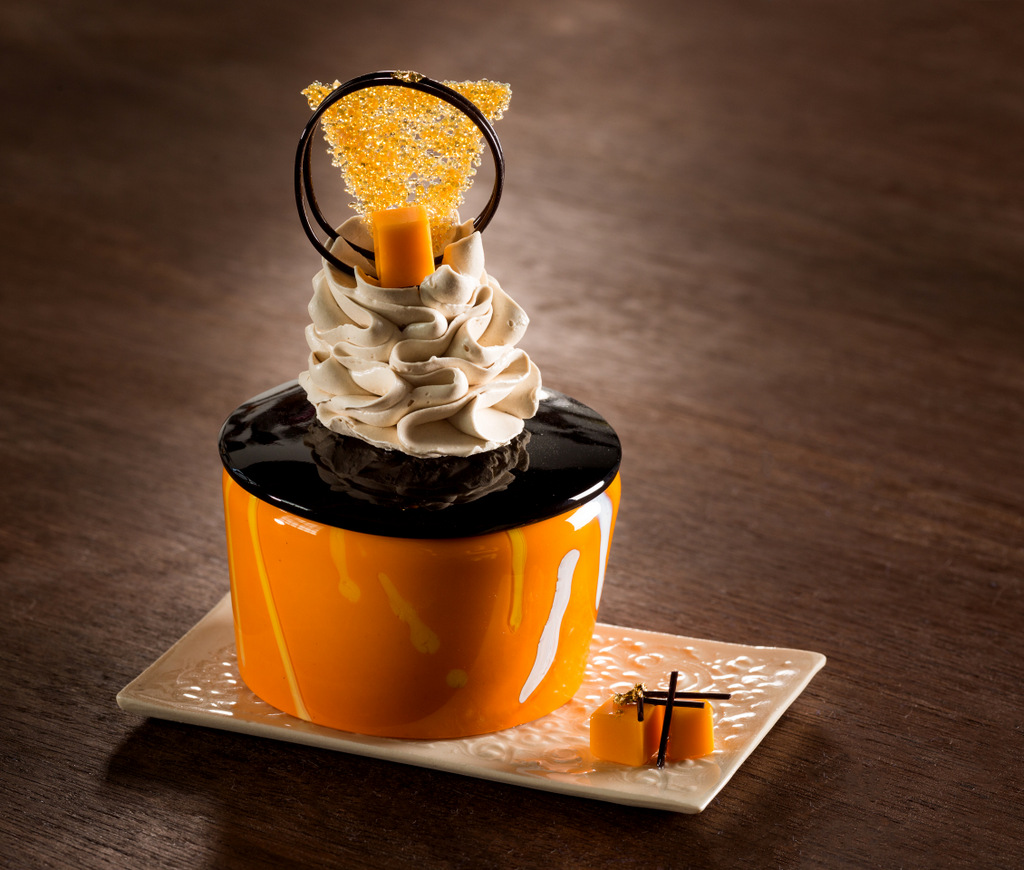
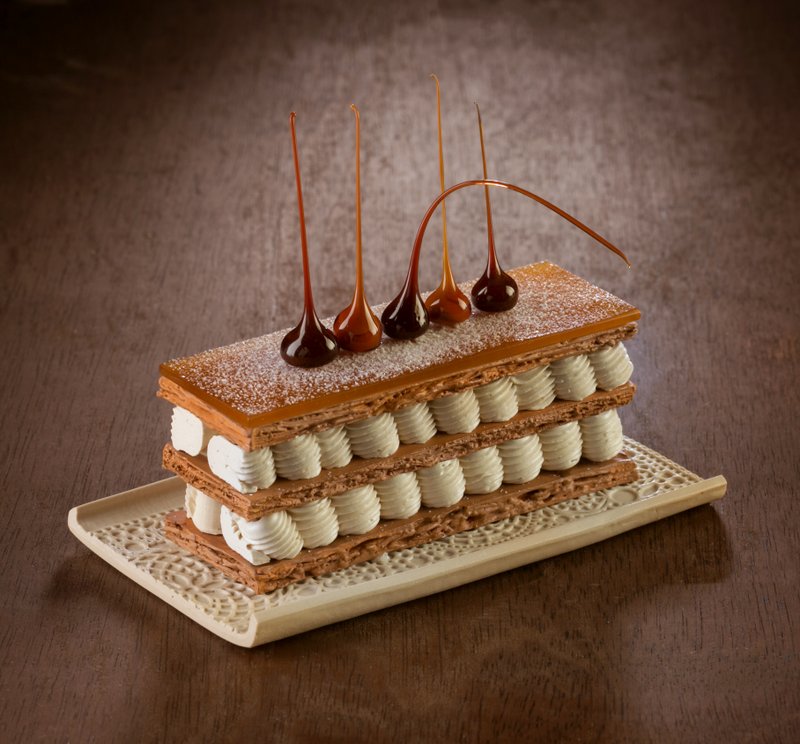
Shayna Leib is a modern multimedia artist with an amazing sense of material.Leib was educated at the Polytechnic University of California in San Luis Obispo, where she studied philosophy, literature, visual arts and music.She was supposed to defend her doctorate in philosophy, but instead went to the University of Wisconsin-Madison, where she began to study sculpture with glass and metal.Working mostly with glass, Leib paid maximum attention to the study of the properties of this unique-beautiful material.Her sculptural studies reflect an attention to detail indicative of the two major influences on her life — music and philosophy.She prefers to use glass not for its mimetic qualities to capture the look of other materials, but for it’s ability to express flow, freeze a moment in time, and manipulate optics.Lieb, like anyone, is deeply attracted to the seductive pull of decadent desserts.“This body of work started as a therapeutic exercise in deconstruction and a re-training of the mind to look at dessert as form rather than food,” says Leib in an artist statement about her series Patisserie.“It soon became a technical riddle, and I became a food taxidermist of french pastries.”

More of Shayna Leib’s remarkable glass works can be found at https://shaynaleib.com/patisserie/.


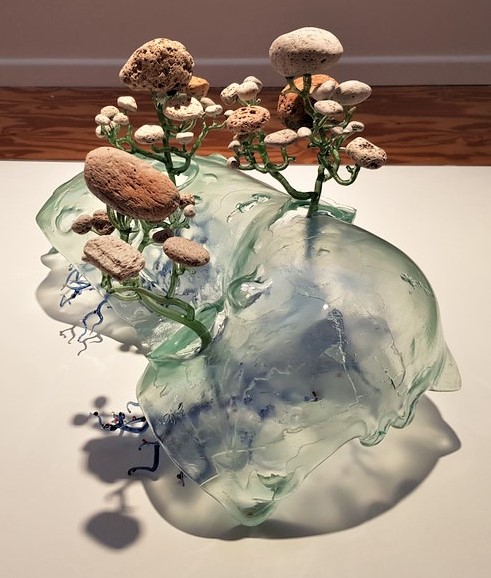
Sunday Evening Art Gallery — Niyoko Ikuta

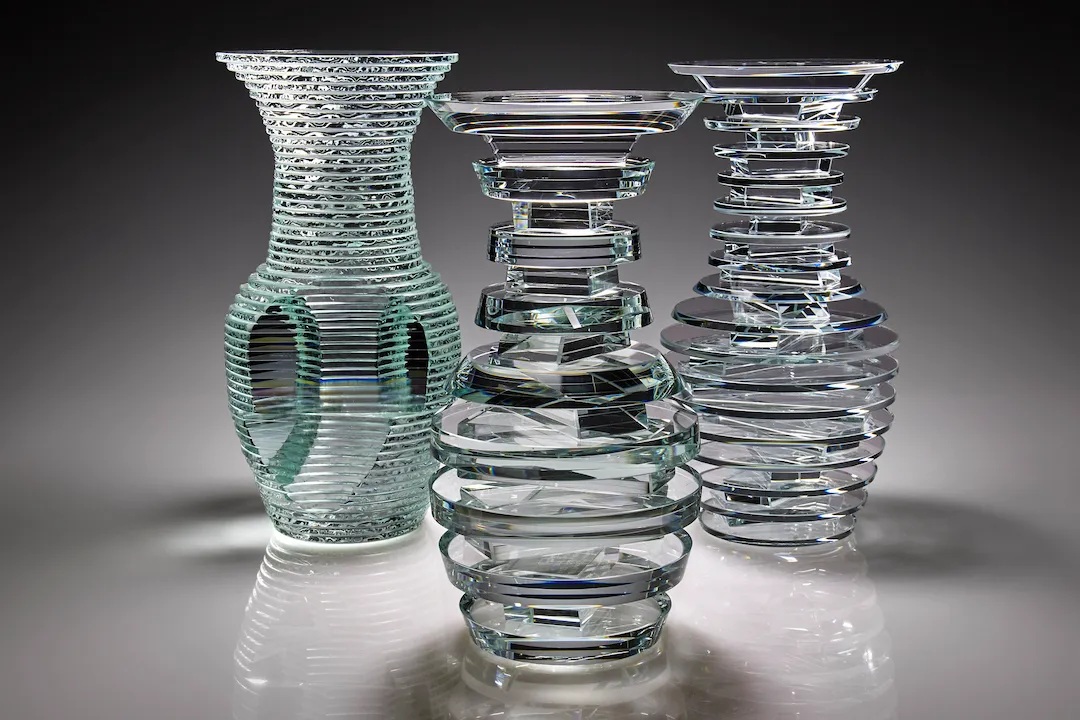
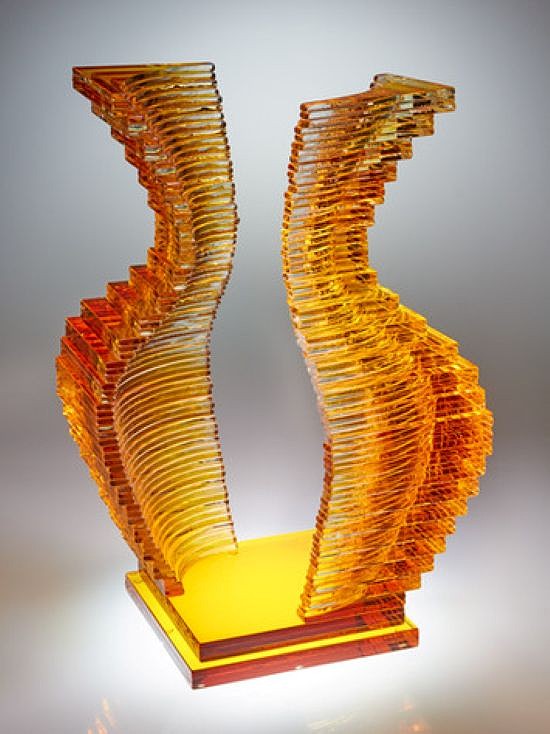
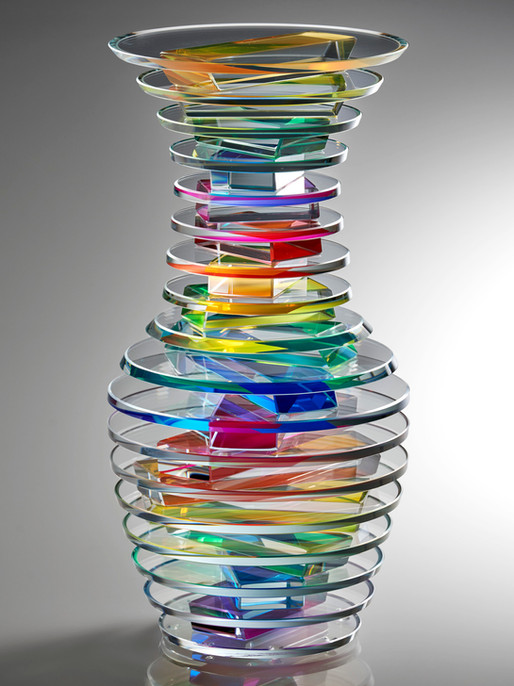
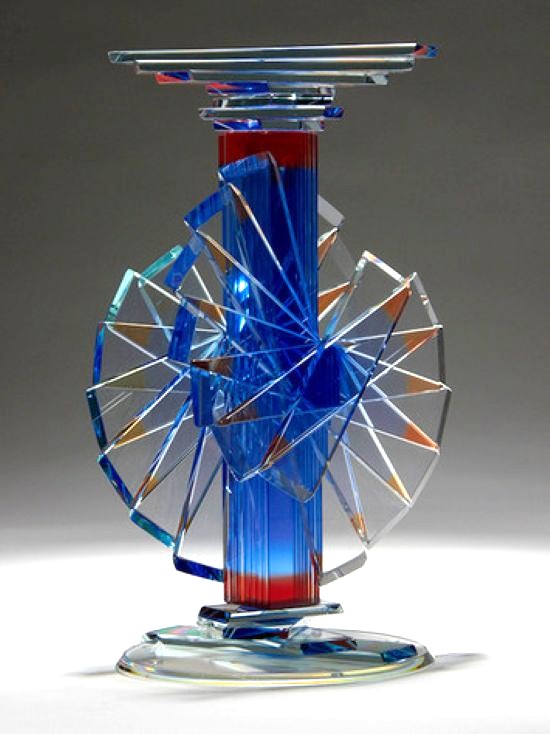
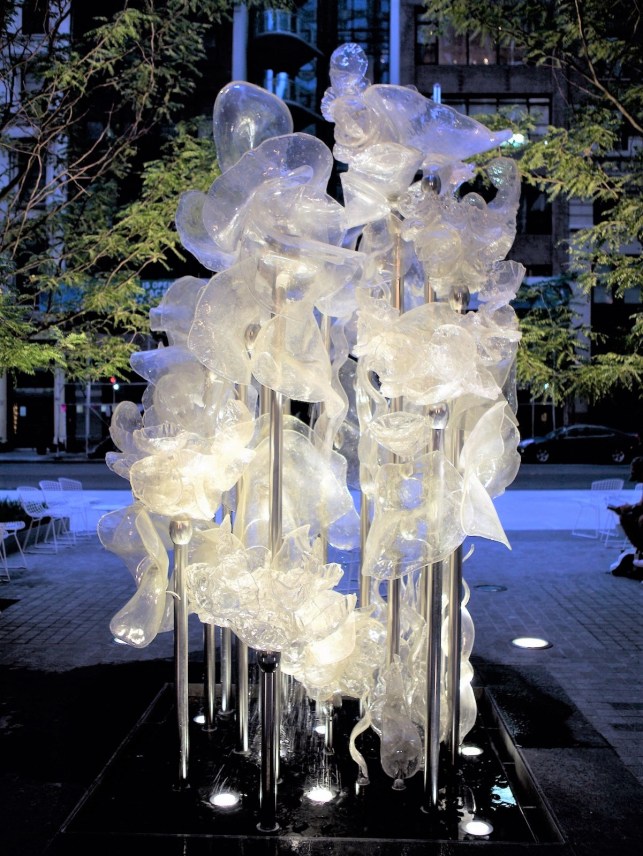
A sculpture made of glass that appears as if flowing effortlessly like water, exuding a dancing rhythm – such is the beauty created by Japanese artist Niyoko Ikuta.

The artist started making these sculptures in 1980, as she was fascinated by and explored the capacity of light to reflect and refract while passing through broken sections of plate glass.Thus she laminated together sheets of glass, exposing their cross sections to create these sculptures.Breaking boundaries of imagination, in these sculptures the artist gives form to feelings of “gentleness and harshness, fear, limitless expansion experienced through contact with nature, images from music, ethnic conflict, the heart affected by joy and anger, and prayer.”The one thing that makes this art form so engaging and accessible is that these are not arbitrary forms created for aesthetic appeal.Rather, they stimulate and bring forth these feelings in the viewer, breathing life into their surroundings.More of Niyoko Ikuta‘s delicate work can be found at https://lighthouse-kanata.com/artists/niyoko-ikuta and http://www.artnet.com/artists/niyoko-ikuta/.


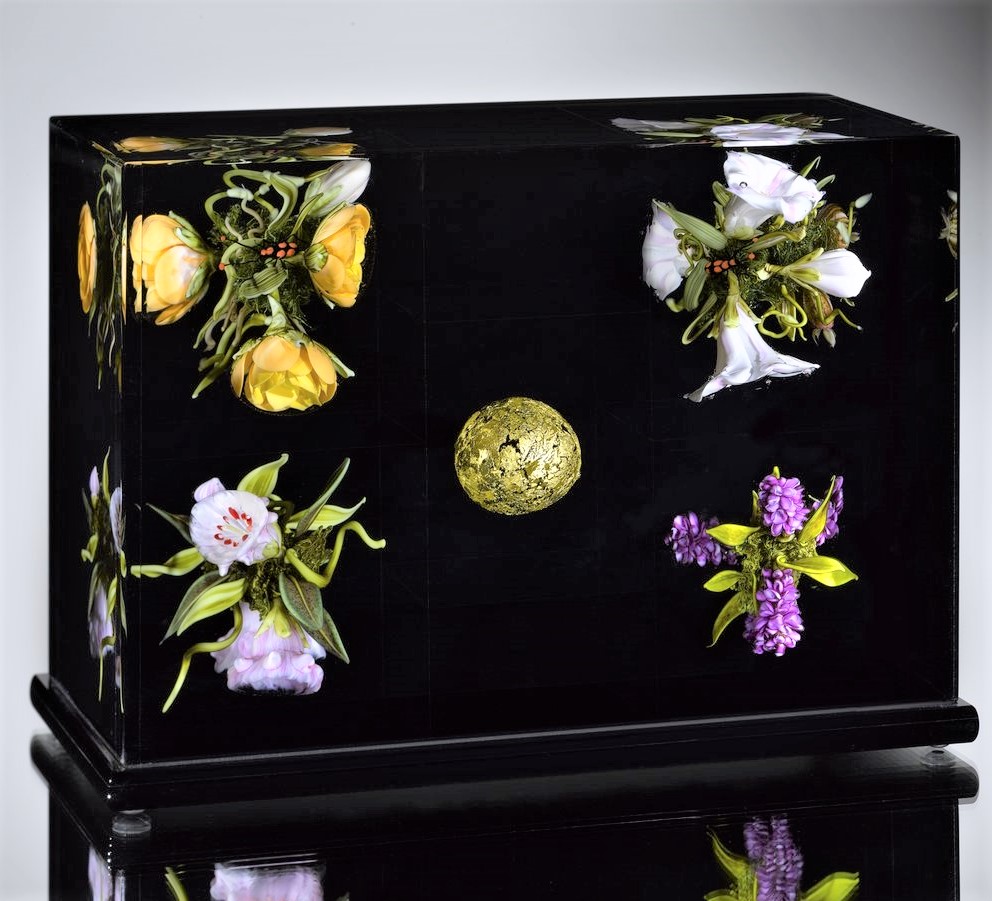
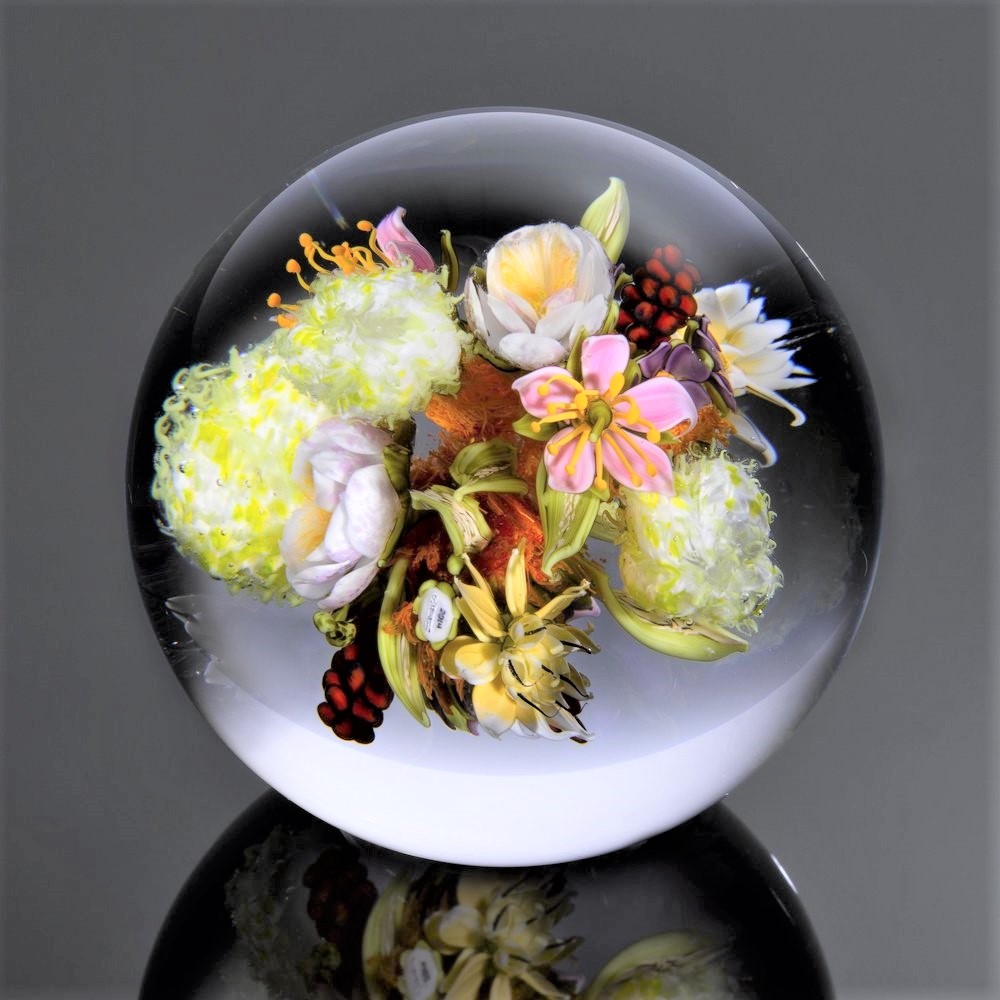
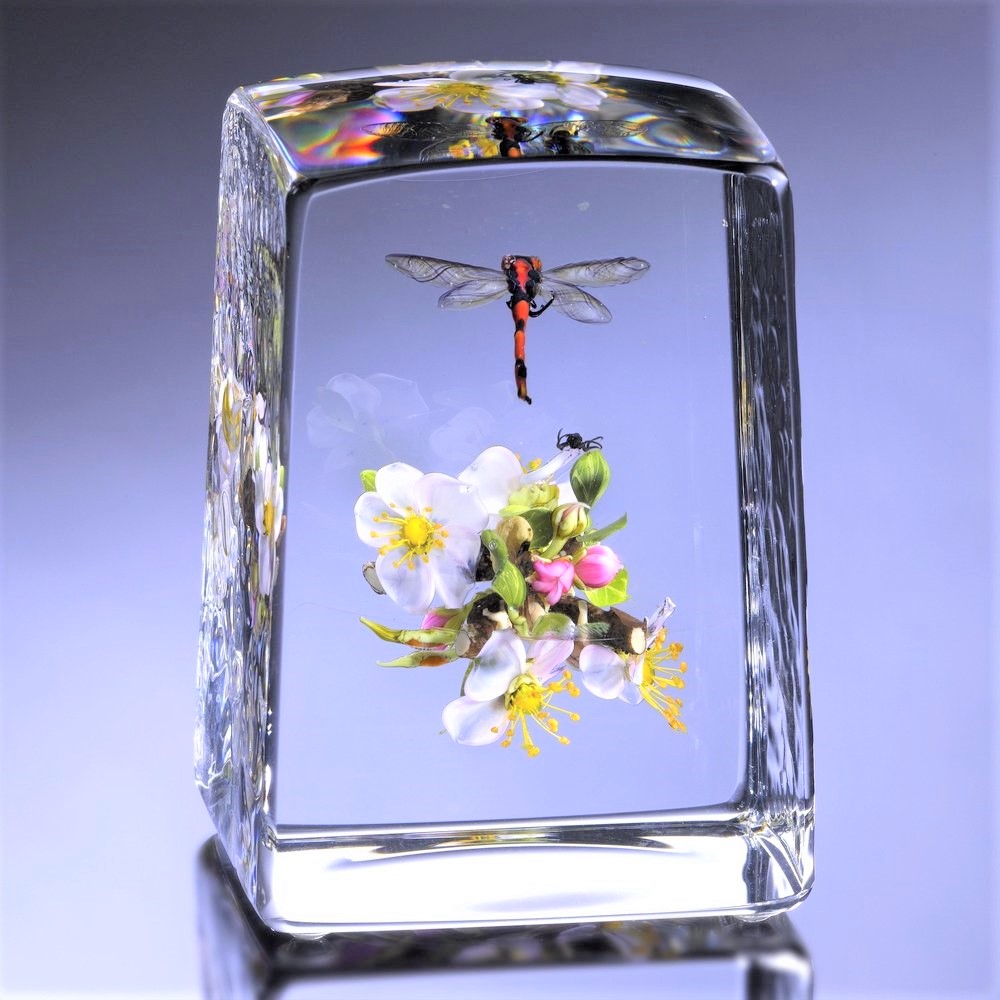
Sunday Evening Art Gallery — Paul Stankard

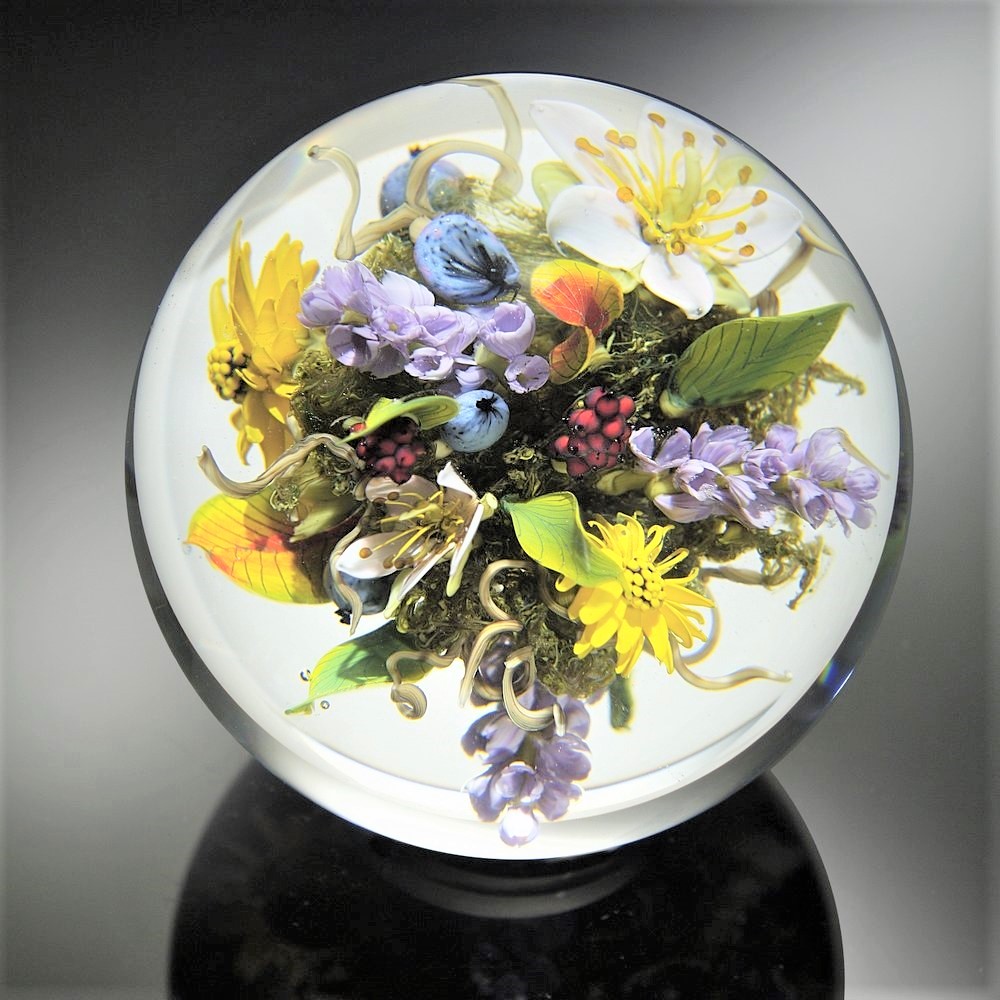
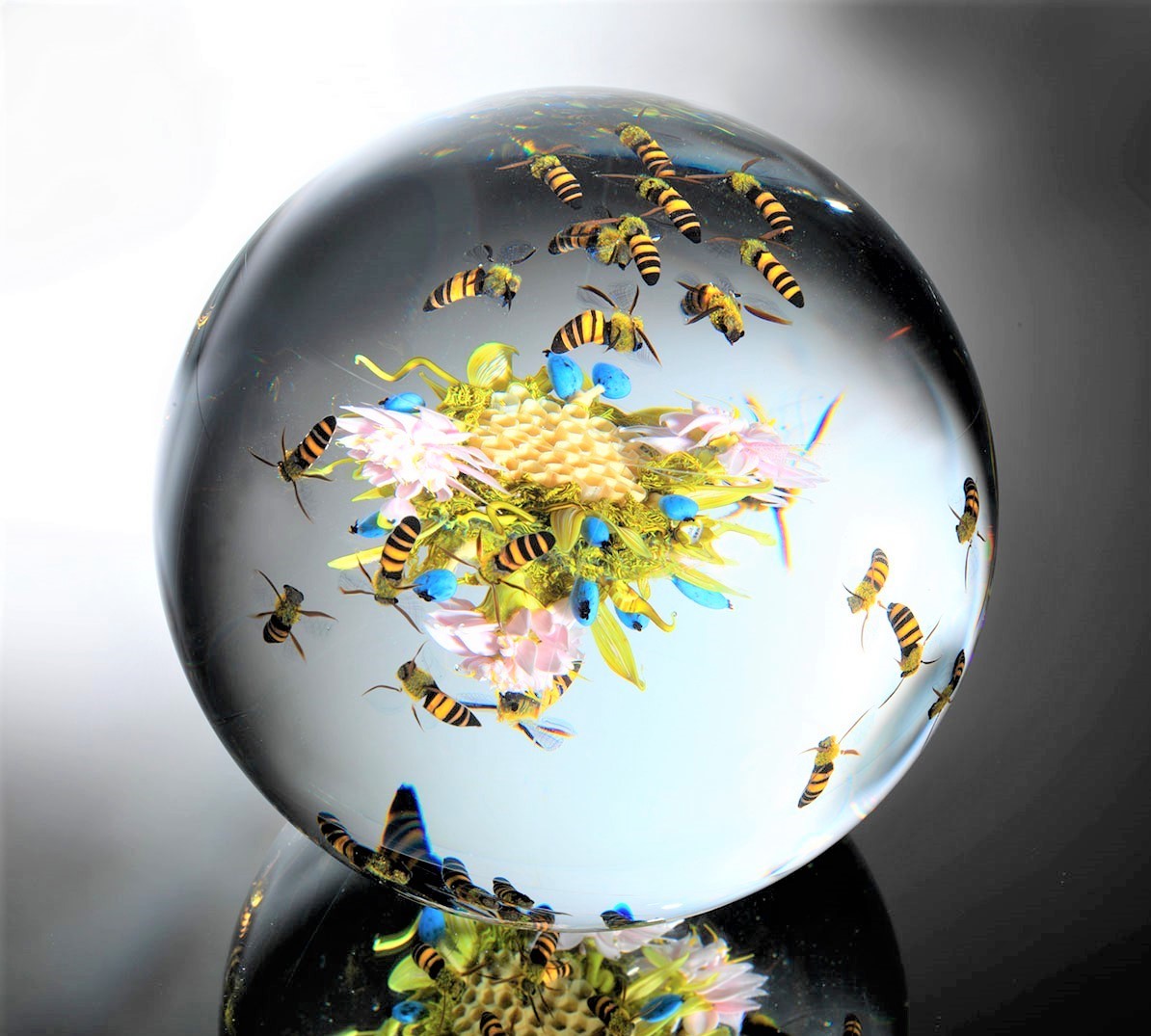
Paul Stankard is an internationally acclaimed artist and pioneer in the studio glass movement..During his ten year scientific glassblowing career, he became a master of fabricating complex instruments.In 1972, Paul left industry to pursue his dream of being creative in glass full time.His translucent orbs bursting with activity and life are made entirely from glass.When Stankard suddenly directed a decade of industrial glass working techniques into the interpretation of flowers, bees, vines, and leaves encased in glass, it wasn’t long before art dealers discovered his work and he began to create art full-time.According to Stankard, ““By blending mysticism with magical realism, I work to express organic credibility through my botanical interpretations.”“Crafted in glass, I reference the continuum of nature and celebrate on an intimate level her primal beauty.”

More of Paul Stankard’s amazing glasswork can be found at http://www.paulstankard.com/.


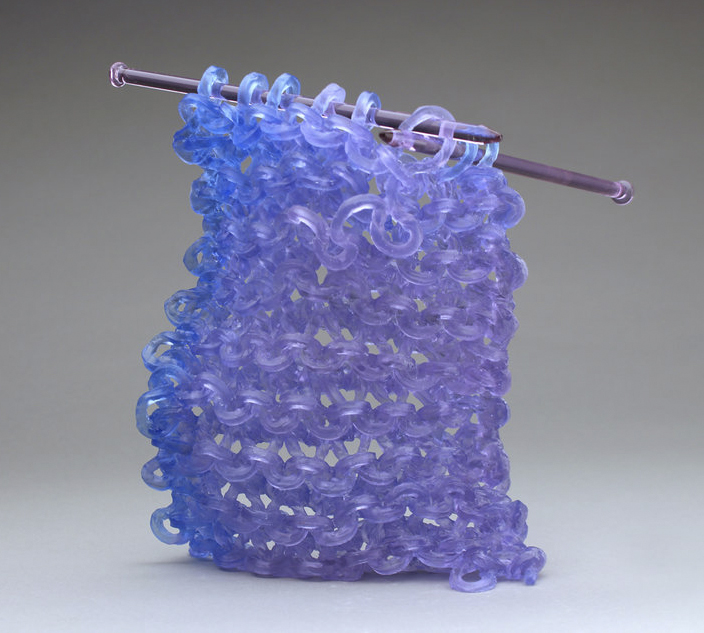
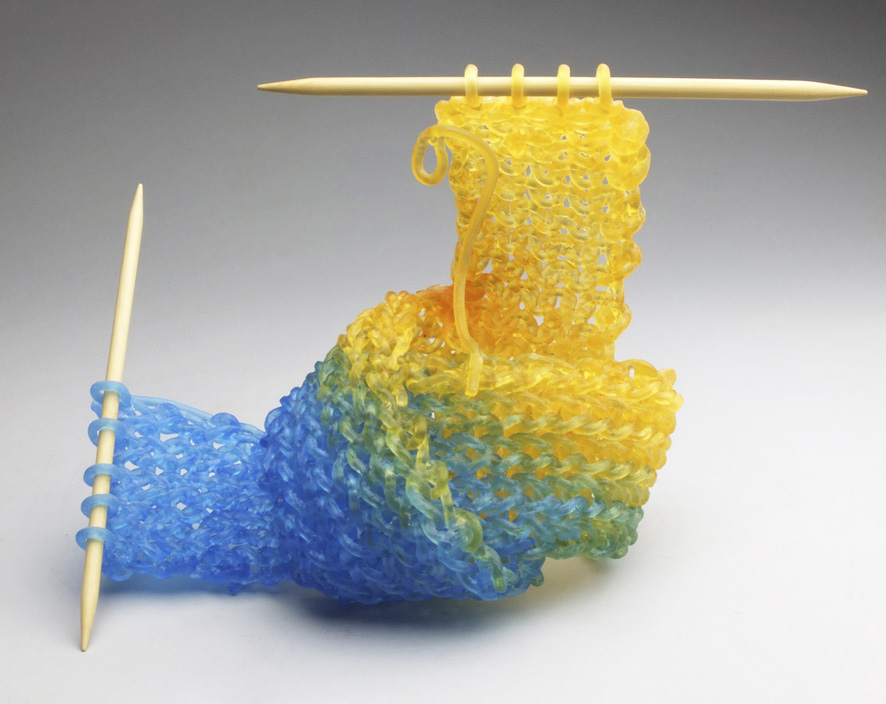
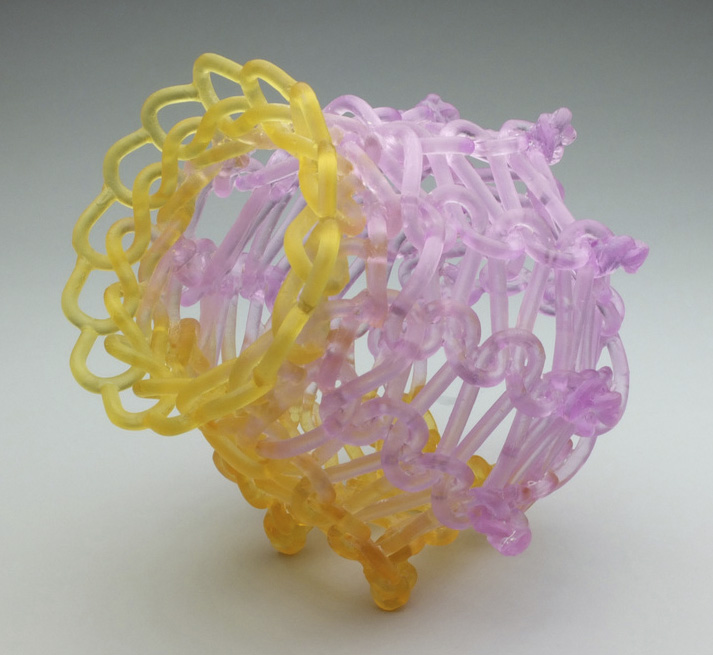
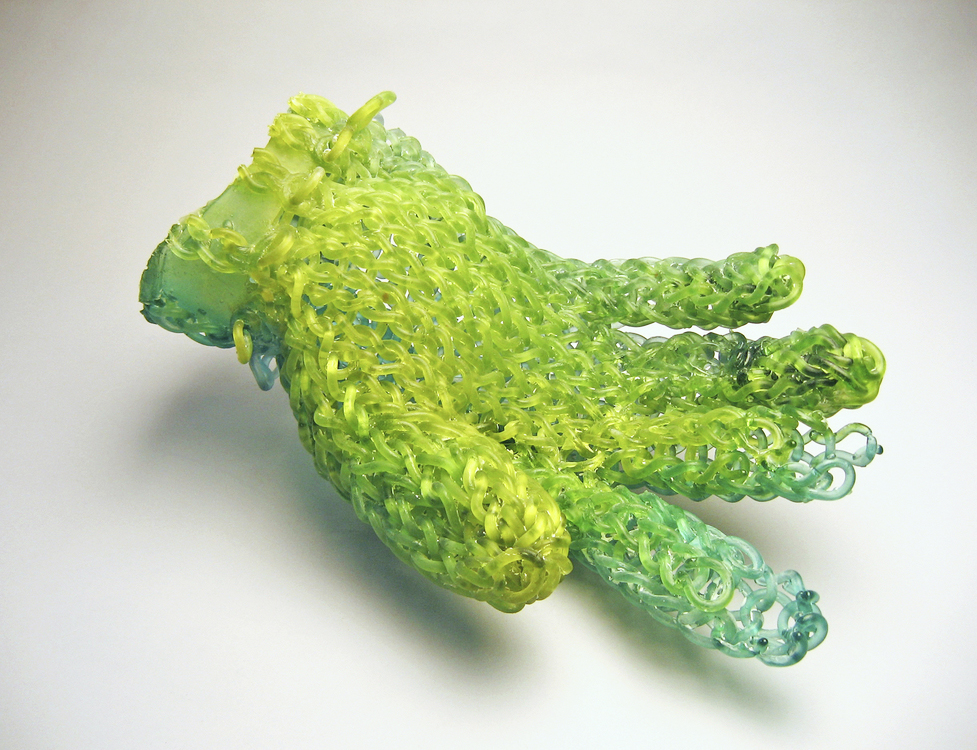
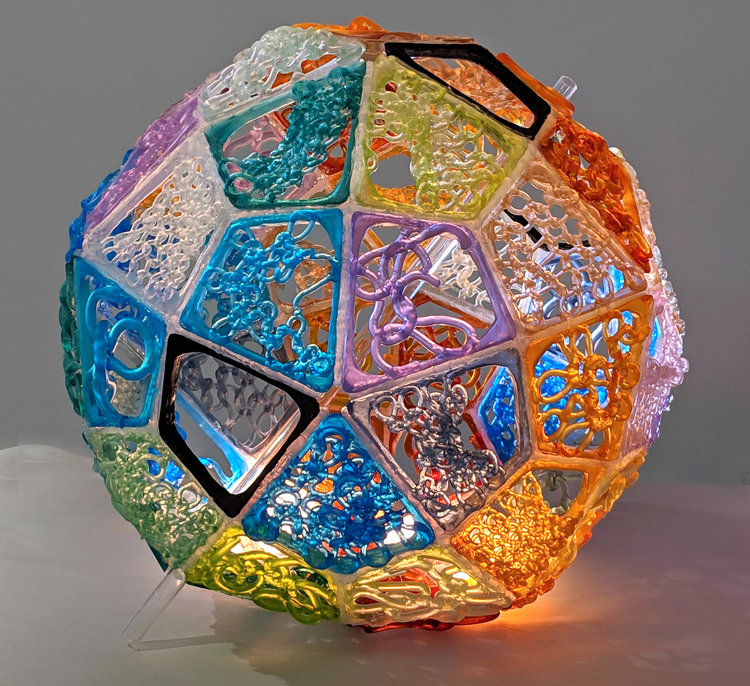
Sunday Evening Art Gallery (on Saturday) — Carol Milne

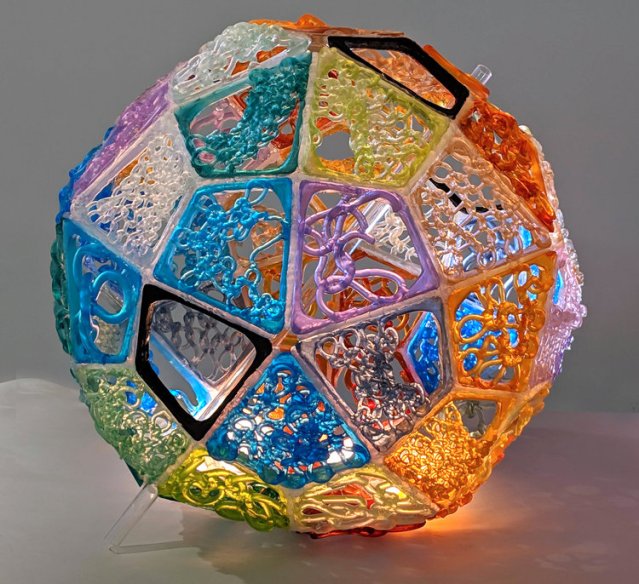
Carol Milne is known worldwide for her unique knitted glass work, for which she won the Silver Award at the 2010 International Exhibition of Glass in Kanazawa, Japan.

Milne received a degree in Landscape Architecture from the University of Guelph, Canada in 1985, but realized in her senior year that she was more interested in sculpture than landscape.  She has been working as a sculptor ever since.  Carol is the lone pioneer in the field of knitted glass.  Determined to combine her passion for knitting with her love for cast glass sculpture, she developed a variation of the lost wax casting process to cast knitted work in glass.“I see my knitted work as metaphor for social structure.  Individual strands are weak and brittle on their own, but deceptively strong when bound together.”“You can crack or break single threads without the whole structure falling apart.  And even when the structure is broken, pieces remain bound together.  The connections are what bring strength and integrity to the whole and what keep it intact.”Her glasswork is wonderfully unique and creative, reflecting a mind and ability that pushes the limits of the material through persistent and relentless experimentation.

More of Carol Milne‘s unique glasswork can be found at https://www.carolmilne.com.

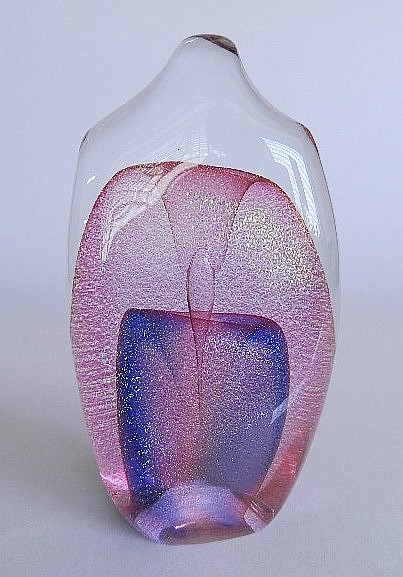
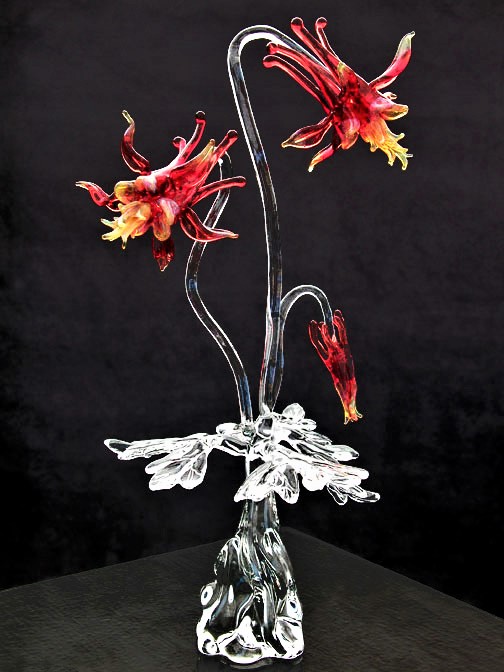
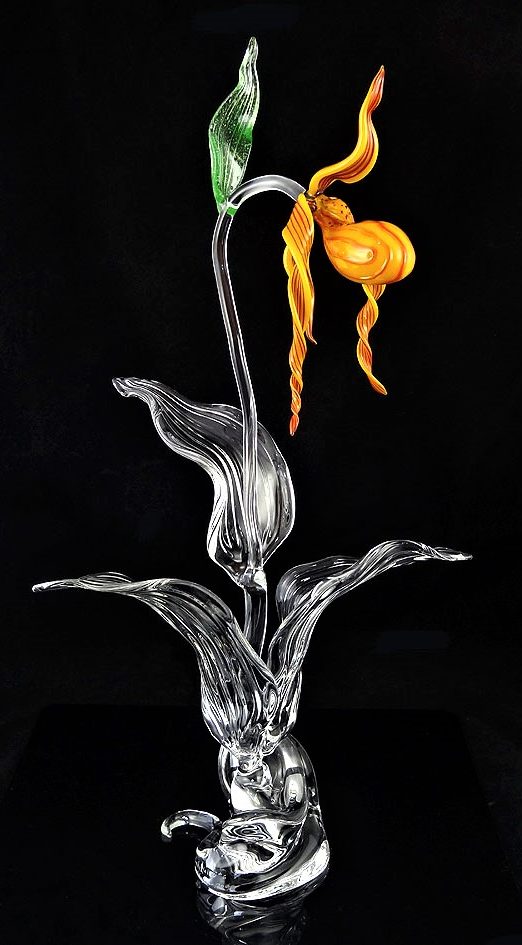
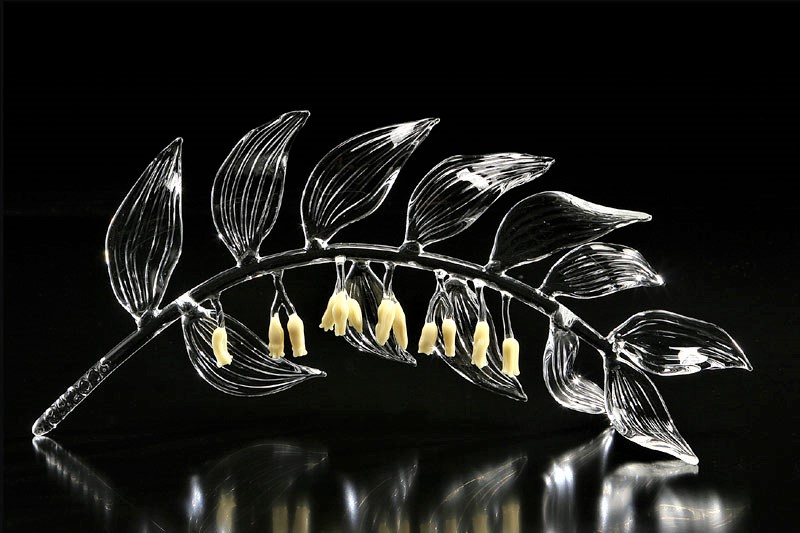
Sunday Evening Art Gallery — Ronnie Hughes

Ronnie Hughes was born in 1954 and raised in the Blue Ridge Mountains of North Carolina.

He learned glassblowing with the help of a friend after graduating from Wake Forest University in 1976..In 1980, after hiking on the Blue Ridge Parkway, Hughes came upon a field of hundreds of breathtaking Pink Lady Slipper orchids, which inspired him to change his subject matter completely.Using both clear and colored glasses, Hughes create his wildflowers and then integrates them with his free-formed, solid glass bases. His sculptures stand entirely on their own in continuous glass, a more challenging and time-consuming process.Hughes believe that the purity of clear glass lends a mystical feel to the flowers, emphasizing the delicacy and fragility of our natural world.The colored blossoms provide a vibrant focal point while the clear glass challenges the observer to look more closely and to use their imagination to complete his vision.More of Ronnie Hughes‘ delicate, beautiful work can be found at https://hughesglass.net/

Sunday Evening aArt Gallery — Richard Satava

Richard Satava was introduced to glassblowing in 1969 while at Ocean High School in Pacifica, California.

He subsequently studied art and glassblowing at the College of San Mateo and California State University, Chico.

As important as the skills he learned while taking courses, was the experience he received at CSU, Chico, as a technician in their glass shop. 

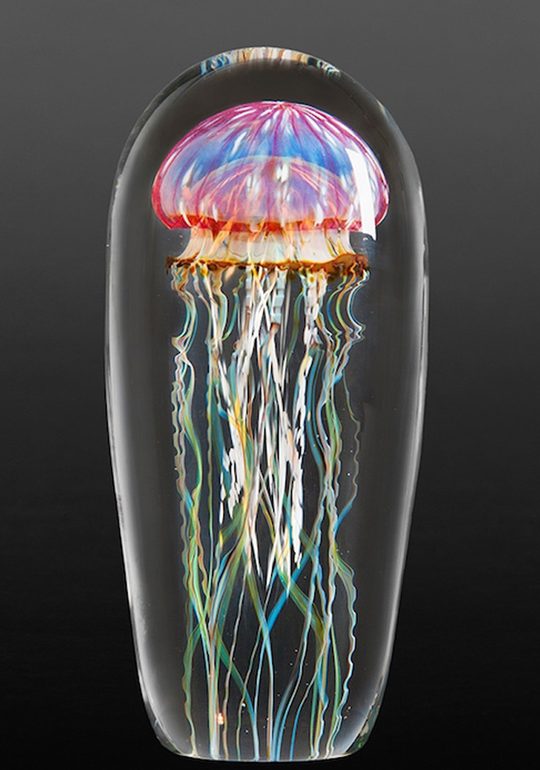
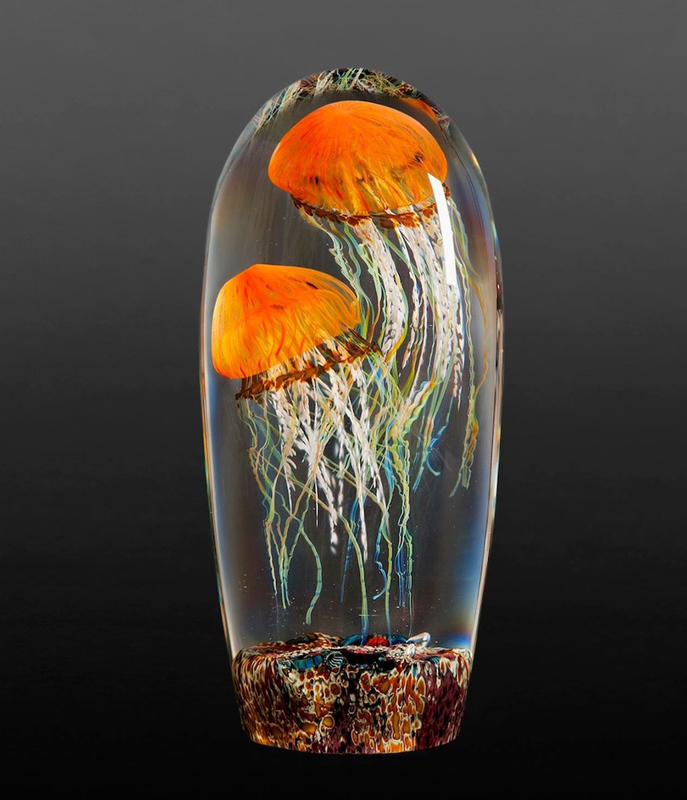
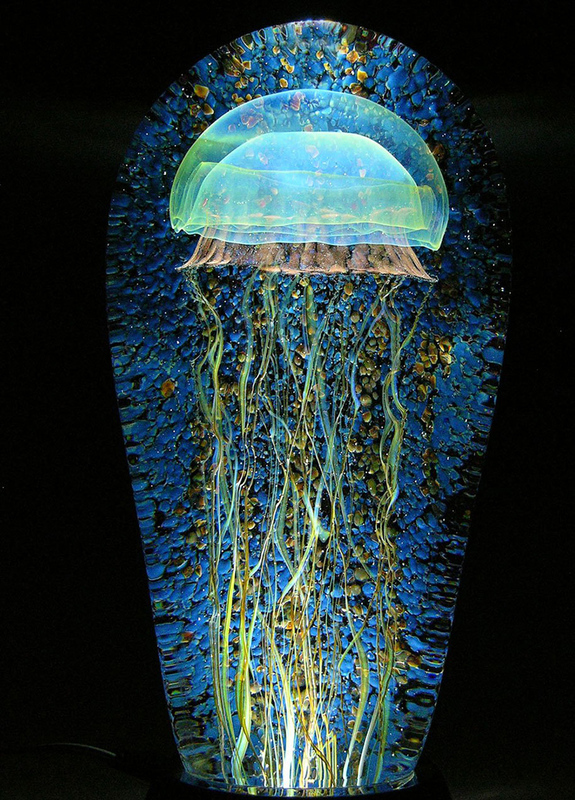
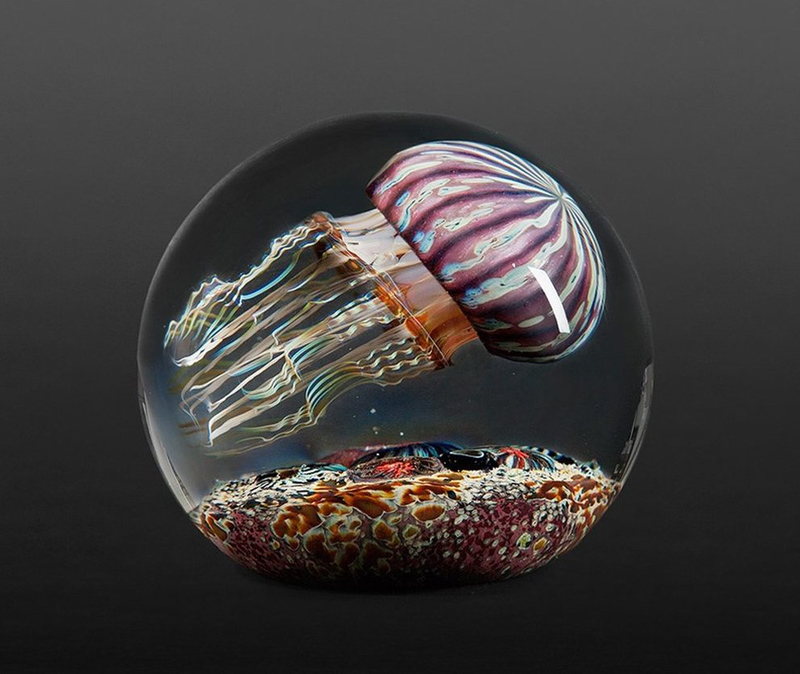
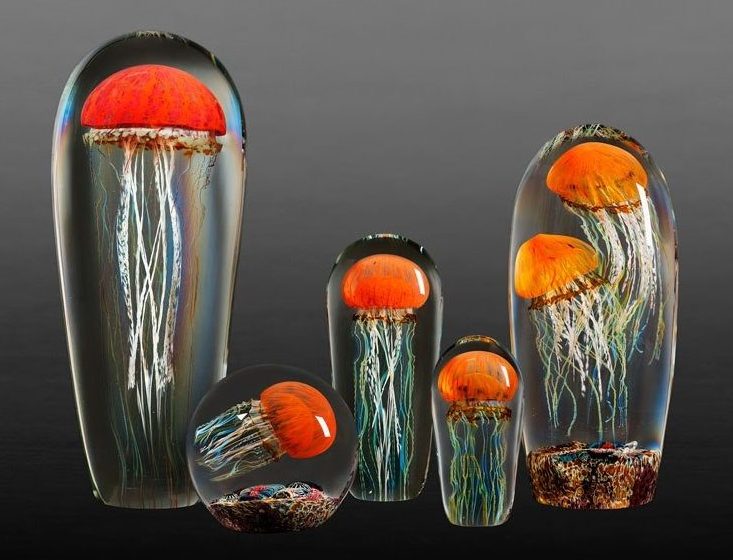
The California-based artist uses a technique in his sculptures called “glass-in-glass,” which consists of a glass sculpture being dipped into a second, molten glass layer.

The bright jellyfishes Satava creates are suspended in the glass that surround them, yet each still appears as if their tentacles are rippling through the water.

The glass blown approach works perfectly when translated to the round bell-like shape of the jellyfish’s body, as their natural appearance looks like brightly blown glass.

More of Richard Satava‘s glass blowing can be found at https://satava.com/.

Sunday Evening Art Gallery — Daniela Forti

http://www.danielaforti.it/english/works.htm

Jellyfish


Sunday/Monday Evening Art Gallery Blog — Latchezar Boyadjiev

Latchezar Boyadjiev was born in Sofia, Bulgaria, and educated the the Academy of Arts in Sofia and the Academy of Applied Arts in Prague, Czechoslovakia, where he studied with Professor Stanislav Libensky, one of the most prominent glass artists of our time.

Boyadjiev came to the United States in 1986, where he taught at the California College of Arts and Crafts.

Boyadjiev begins his sculptures by creating clay sculptures with perfect smooth surfaces and details

Next follows a series of positive and negative molds, a time-consuming and detail-oriented process that leads to the final plaster positive that will determine the outcome of the sculpture.

These  new glass sculptures are cast into yet another mold, and later annealed, partially ground and polished.

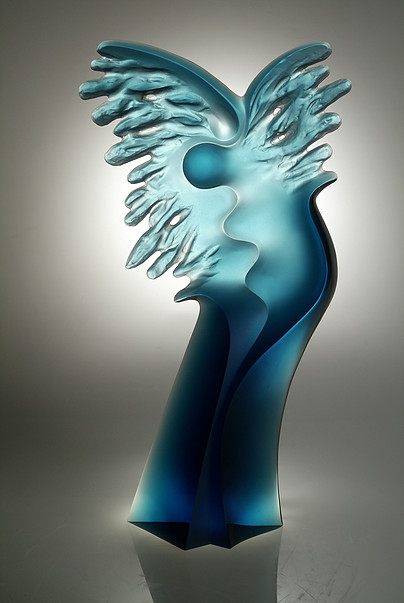
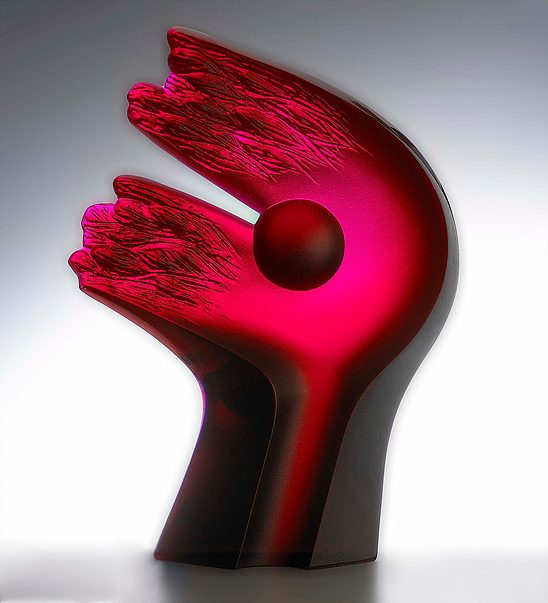
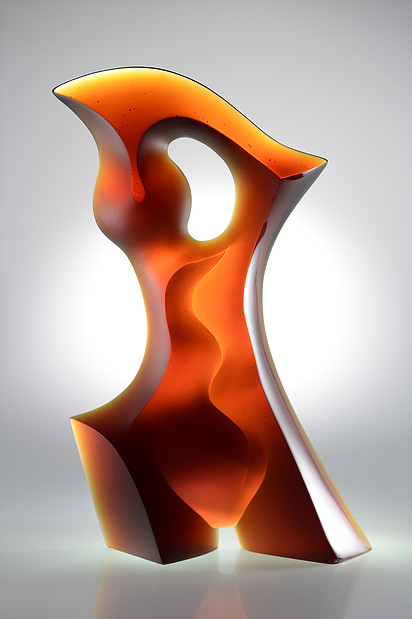
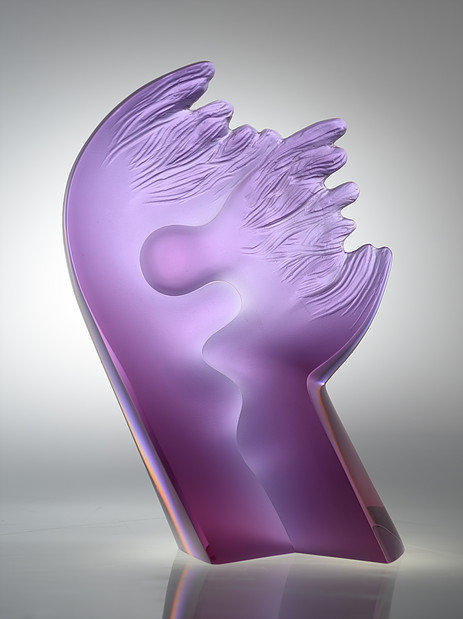
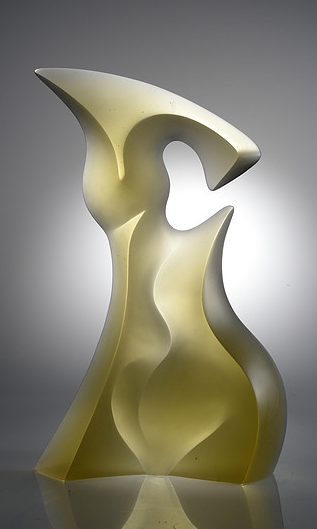
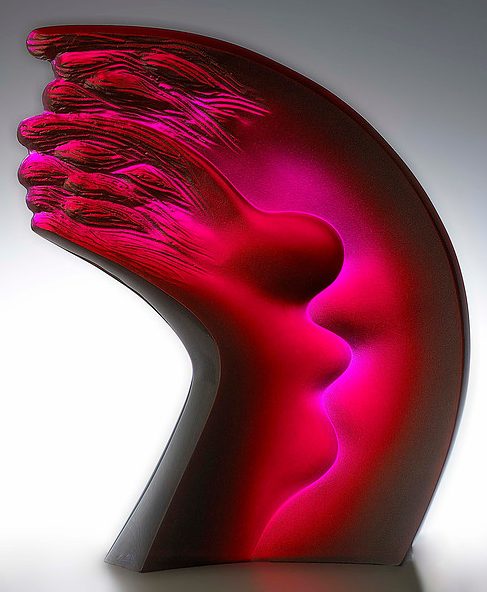
Boyadjiev creates amazing glass sculptures that are sensual and fluid, a true joy to behold.

More of  Latchezar Boyadjiev‘s glass sculptures can be found at http://www.latchezarboyadjiev.com/.