Saturday Evening Art Gallery — Kitty Shepherd

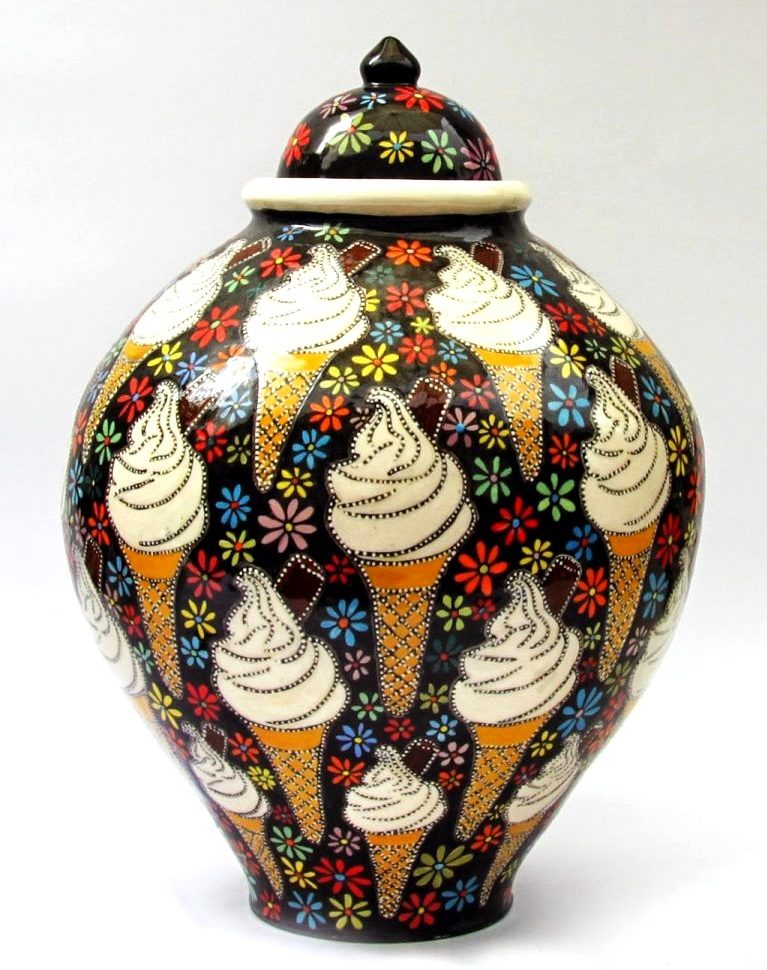
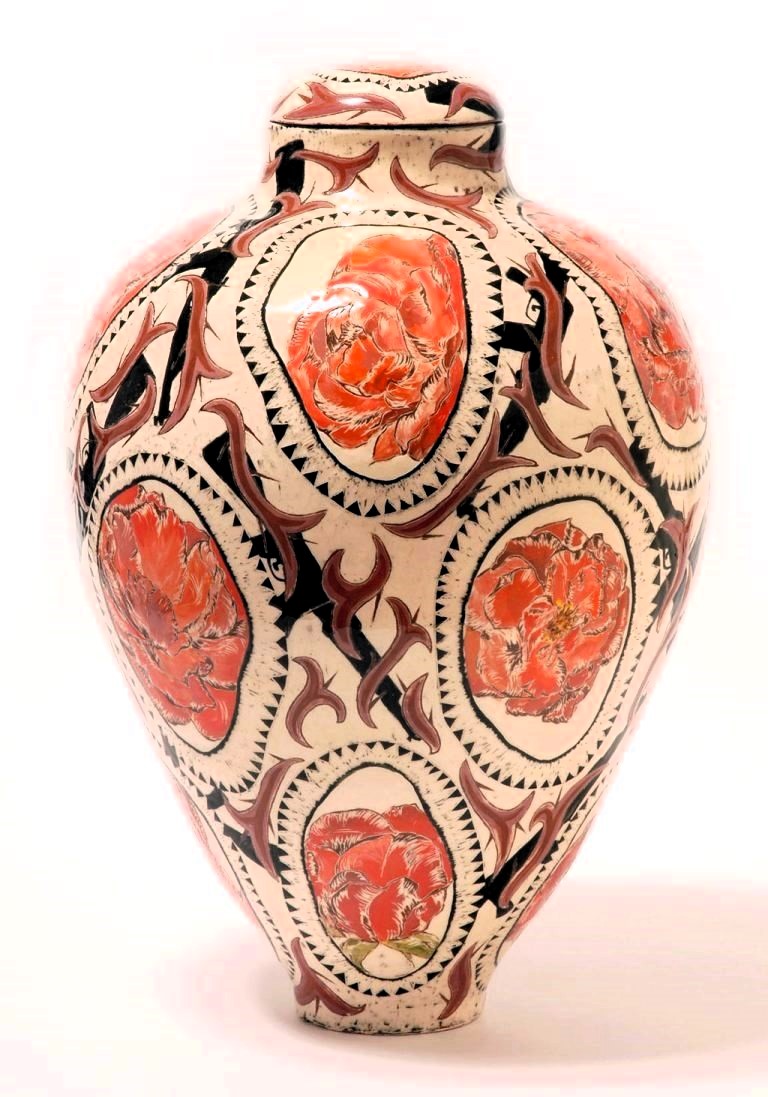
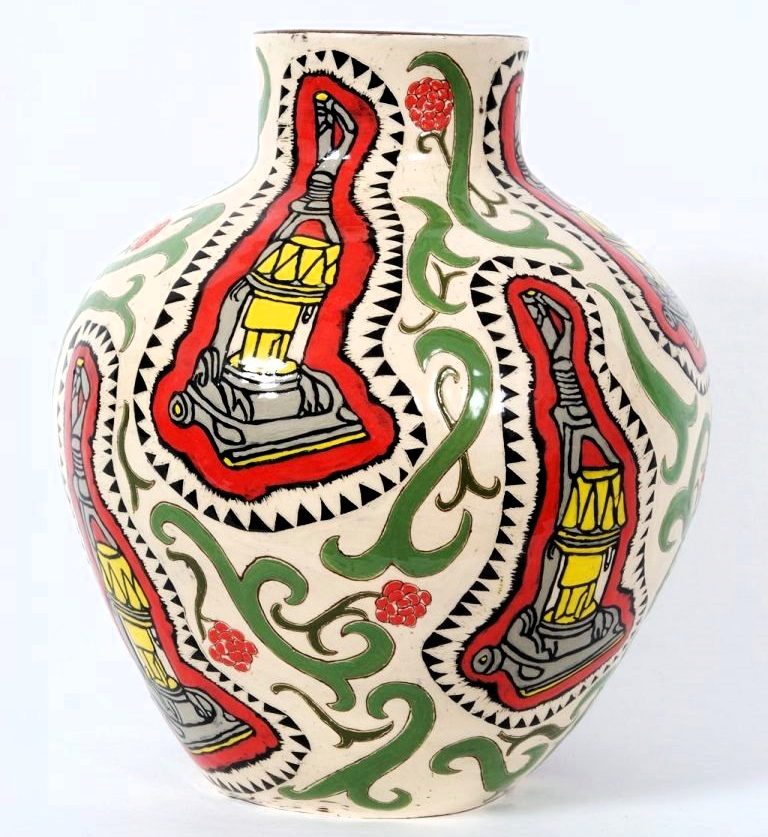
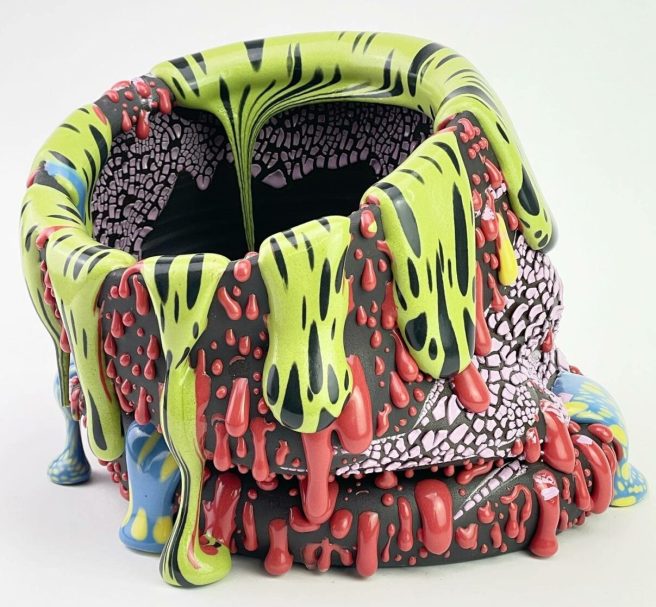
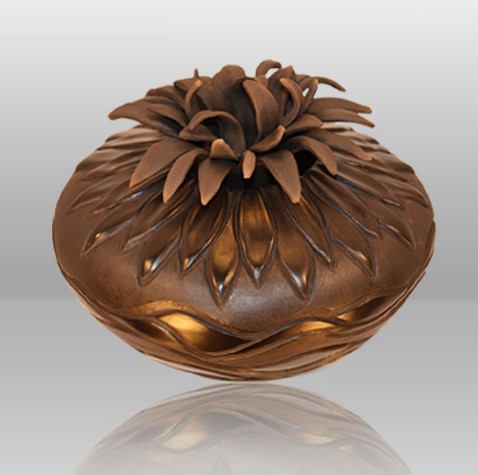
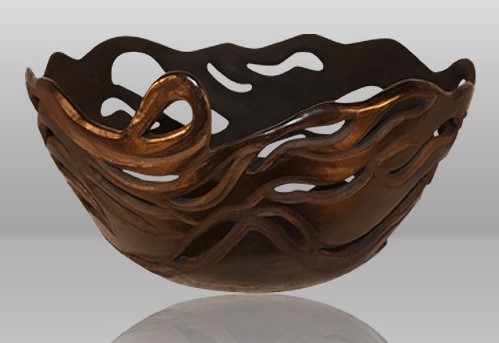
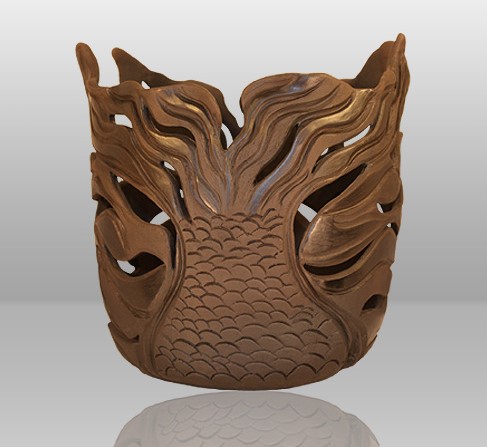
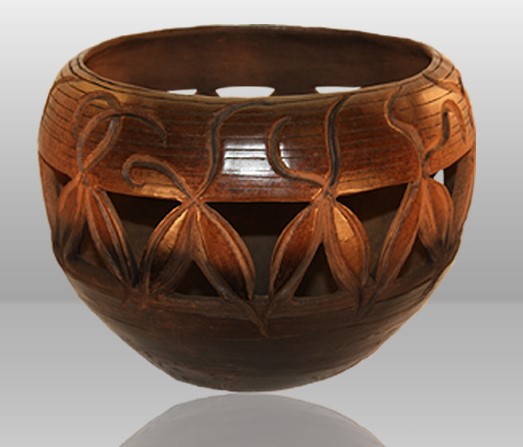
Kitty Shepherd (1960-) is an internationally recognized British studio potter and ceramic artist known for her bold use of color with slip (liquid clay mixture that has been tinted with metal oxides to create vibrant colors).


Her studios located in Granada, Spain, Shepherd describes the natural world and popular iconography in a way that is totally unique in the ceramic discipline. 

Fueled by a global culture, Shepherd is increasingly focused on the tracking down of things and on the attachment of emotions to these objects.


Within her discipline she has become a collector of all kinds of objects and material.

Her ideas come to life in her work to form interesting connections between familiar iconic images.

The result is a form of art as play, involving the reframing of objects within a world of attention and manipulation of context; a context standing in a metaphorical relation to the world of everyday life. 

“I believe that many of the objects we are attracted to today have been with us all of our lives,” Shepherd shares.

“I continually ask myself what are my favorite things and also the following questions: Why these objects? What power do they hold for me? What meaning? What memories do they conjure up? What emotions? And most importantly, what stories do I tell myself about them and through them?”


More of Kitty Shepherd’s delightful  and beautiful ceramics can be found at https://www.studioslipware.com/ceramics/.


Sunday Evening Art Gallery — Philip Kupferschmidt

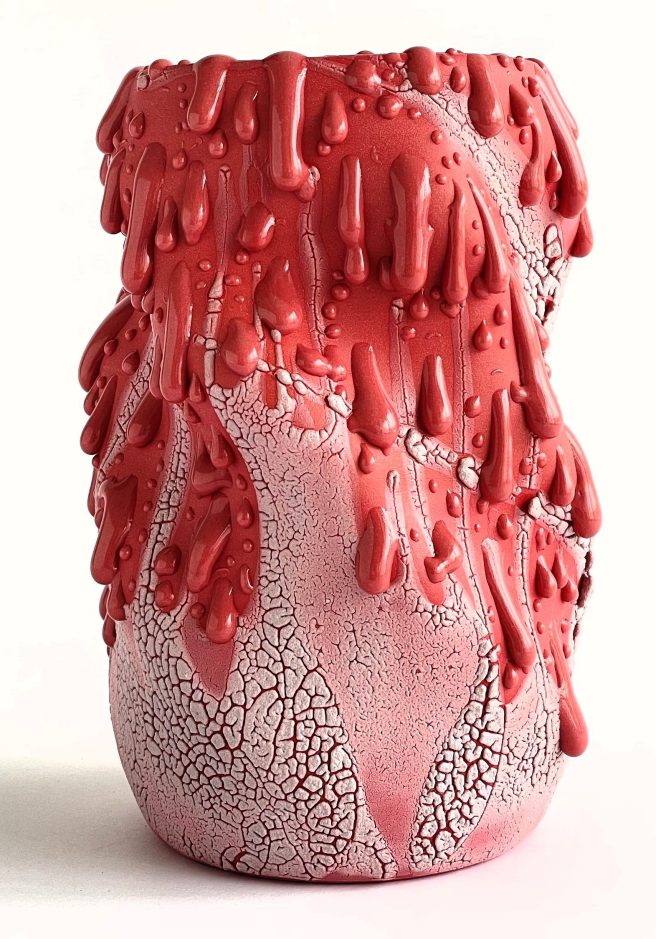
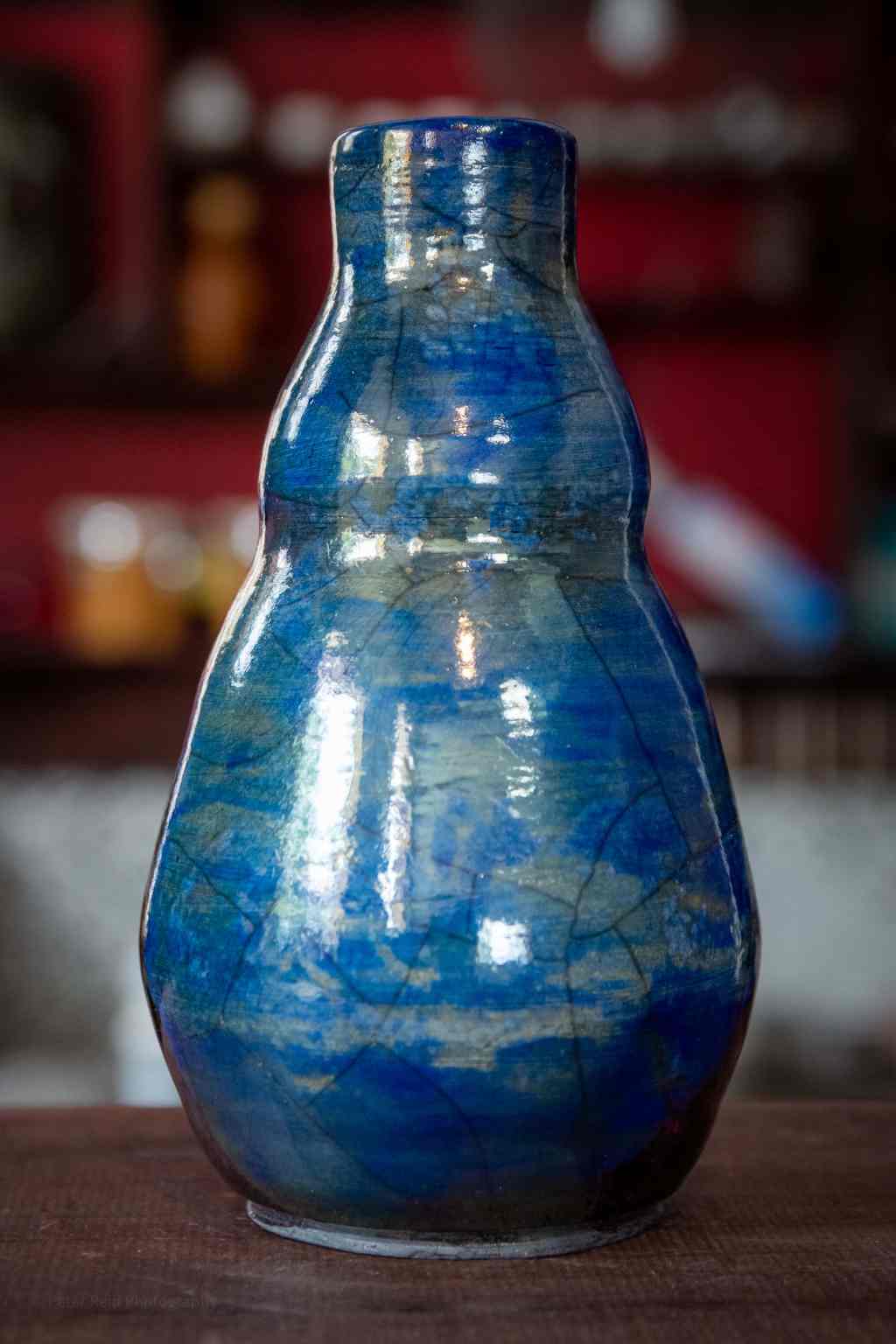
Philip Kupferschmidt is a ceramic artist based out of San Bernardino county, California.

Kupferschmidt received an MFA in ceramics and BFA in creative photography from California State University, Fullerton.His ceramics are formed by hand on the wheel, and while following a general series of themes, no two pieces are identical, nor surface exactly alike.Kupferschmidt is interested in exploring unique approaches decorative and functional ceramics through design, color and glaze experimentation.The defining moment of his ceramics journey was seeing the potential in a glaze that preserved the intense colors and textures he sought, making endless iterations and perfecting the glazing technique through experimentation.Because no two pieces are identical, no surface alike, his art is in the approach of creation —communicating degrees of confidence, playfulness and satisfaction.More of Philip Kupferschmidt‘s amazing ceramics can be found at    https://www.philipkupferschmidt.com/.


New Work (repost)

This is an example of marvelous pottery work! I love their colors, their forms, and their magic!

~The Alchemist’s Studio


New Work


Sunday Evening Art Gallery — Alessandro Ciffo

Born in Biella in 1968, Alessandro Ciffo joined the world of design only in 1997.

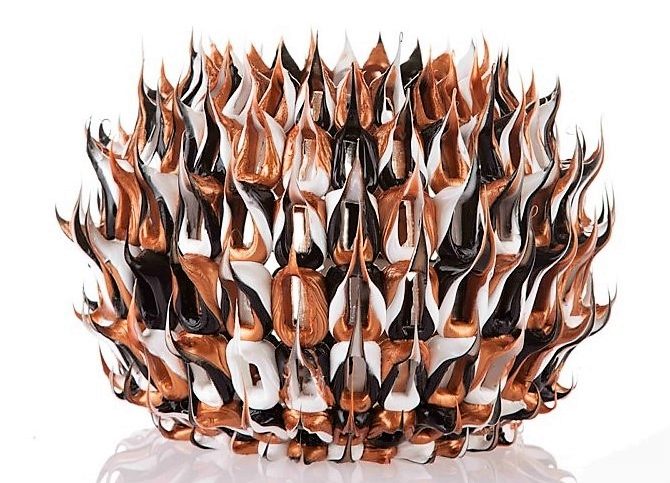
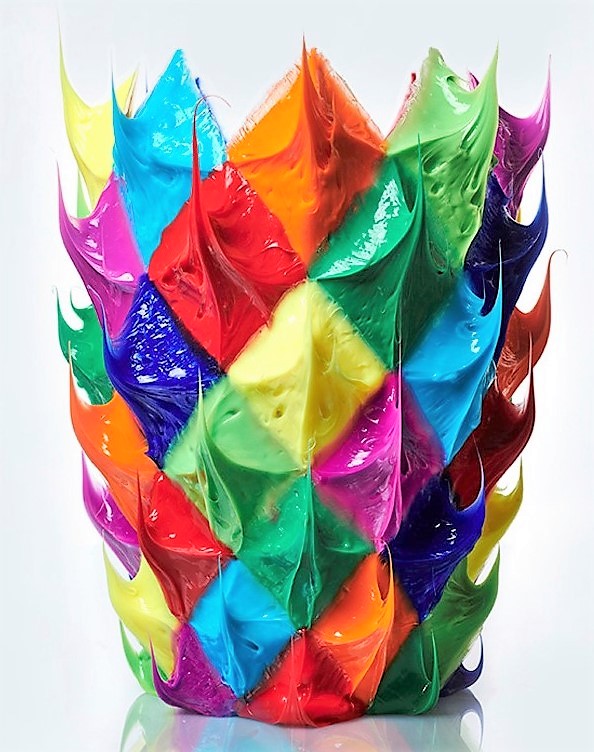
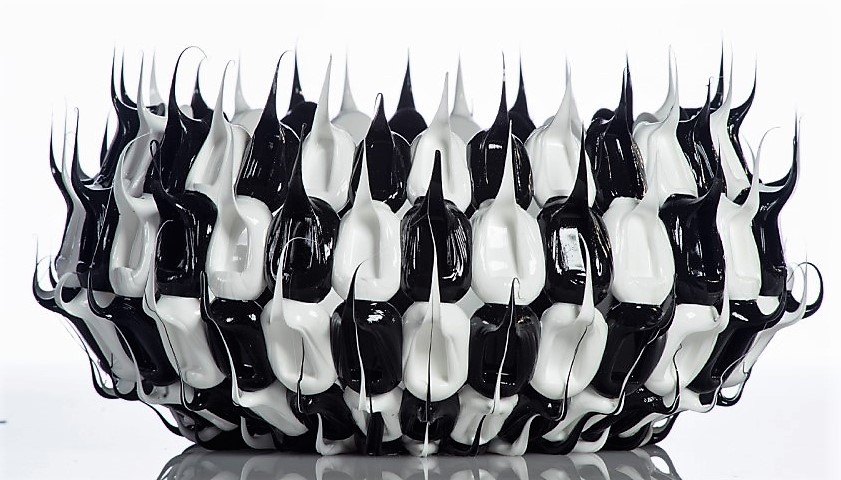
Self-teaching and self-production are the key words of his artistic journey, which is based on the research of the potentialities of silicone, his one and only medium, the only material capable of fully expressing his emotions.

With an outstanding technical control, mastered through tireless experimentations and endless patience, Ciffo creates artefacts that cannot be easily classified, as they are a crossroads between art and design.

 Usually employed in sealants, adhesives and insulation, a humble material like silicone becomes poetry in his hands.

With an outstanding technical control, mastered through several experimentations and infinite patience, Ciffo creates one-of-a-kind artifacts.

The material, having abandoned the working tool, is transformed into the typical moustache of this tropic silicone.

Every single tile presupposes a precise, repetitive and always the same gesture.

More of Alessandro Ciffo’s unique work can be found at https://www.rossanaorlandi.com/designers/ciffo-alessandro/.


Sunday Evening Art Gallery — George E. Ohr

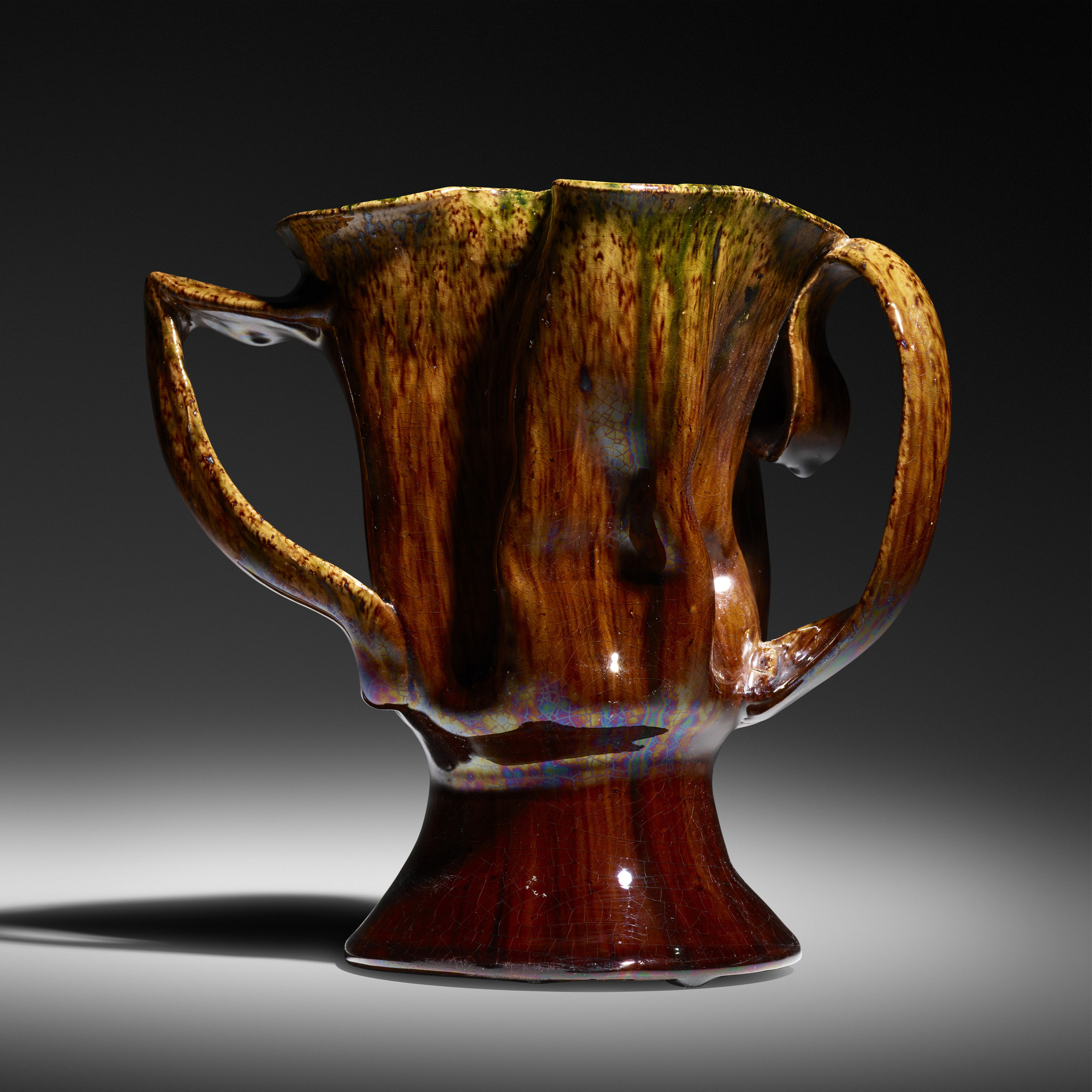
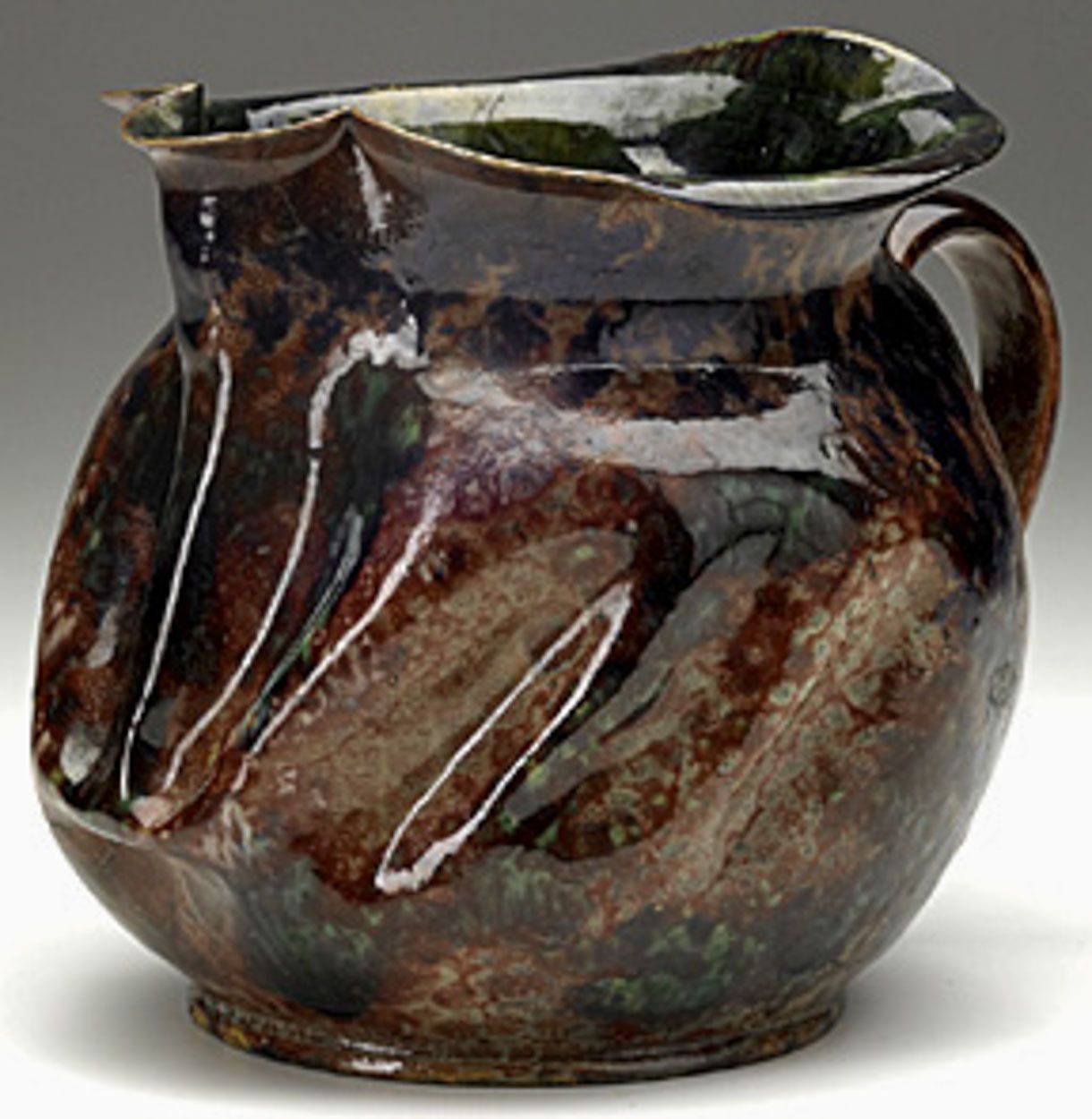
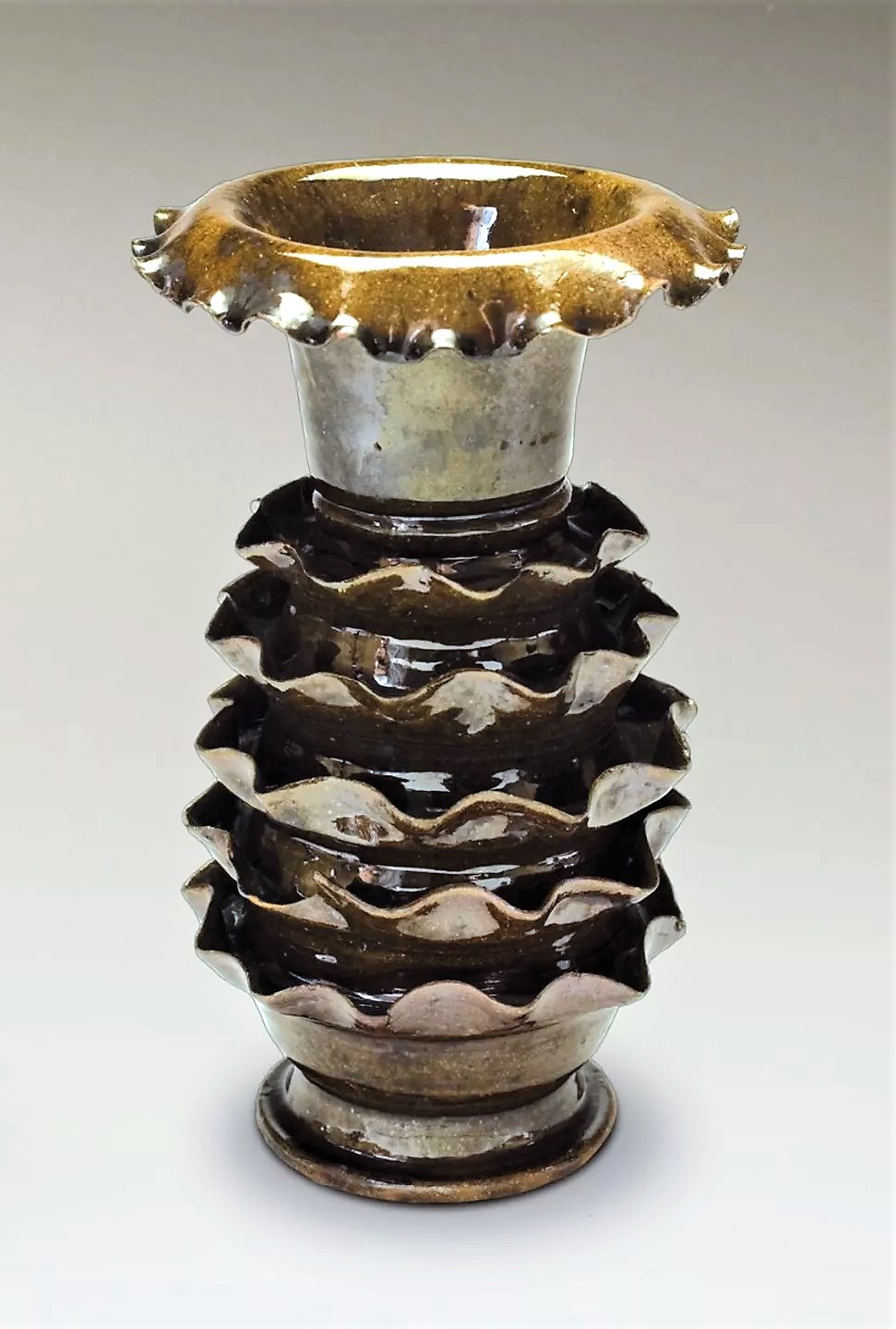
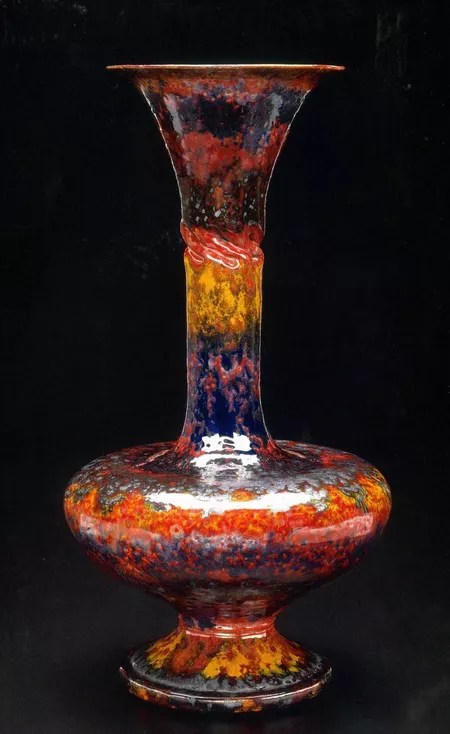
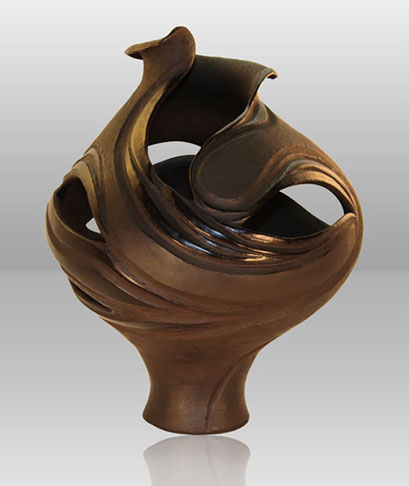
, the so-called “Mad Potter of Biloxi,” was a wild, inventive ceramic artist in the late 19th and early 20th centuries, but his work was largely misunderstood during his time, and languished in a Mississippi garage.George Edgar Ohr (1857-1918) has been called the first art potter in the United States, and many say the finest.Although active from 1879 until around 1910, it was not until his pottery was rediscovered half a century after his death that Ohr began to enjoy the reputation he felt he deserved.Ohr is considered the most important US ceramic artist for several reasons. First, he was a pioneer of the art pottery movement in the United States.His work challenged the traditional notion that ceramics were purely functional objects, and instead presented them as works of art.Secondly, Ohr was highly experimental, constantly pushing the boundaries of his medium. He was never satisfied with simply replicating existing techniques; instead, he sought to invent new ones.This led to the development of his signature ” coil and pinch” method, which produced uniquely organic and asymmetrical forms.Lastly, Ohr’s work has been highly influential in the field of ceramics. His unique style and approach to clay-making has inspired generations of artists, and his pots are now highly sought-after by collectors.Today, Ohr is recognized as a major pioneer of American ceramics.His work has made a lasting impact on the ceramics community and the art world alike, and has inspired generations of artists working in ceramics to innovate and work with the medium in unique ways.

More of George E. Ohr’s pottery can be found at https://georgeohr.org/george-ohr/, https://mshistorynow.mdah.ms.gov/issue/george-e-ohr-americas-first-art-potter, and https://www.artsy.net/article/artsy-editorial-eccentric-mississippi-artist-pioneered-american-ceramics.


Sunday Evening Art Gallery — Grayson Perry

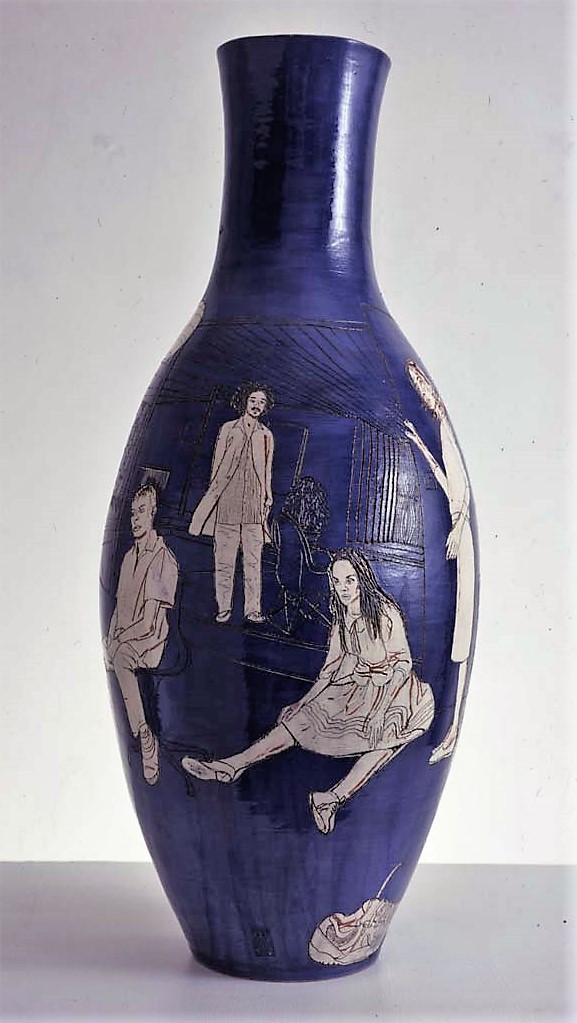
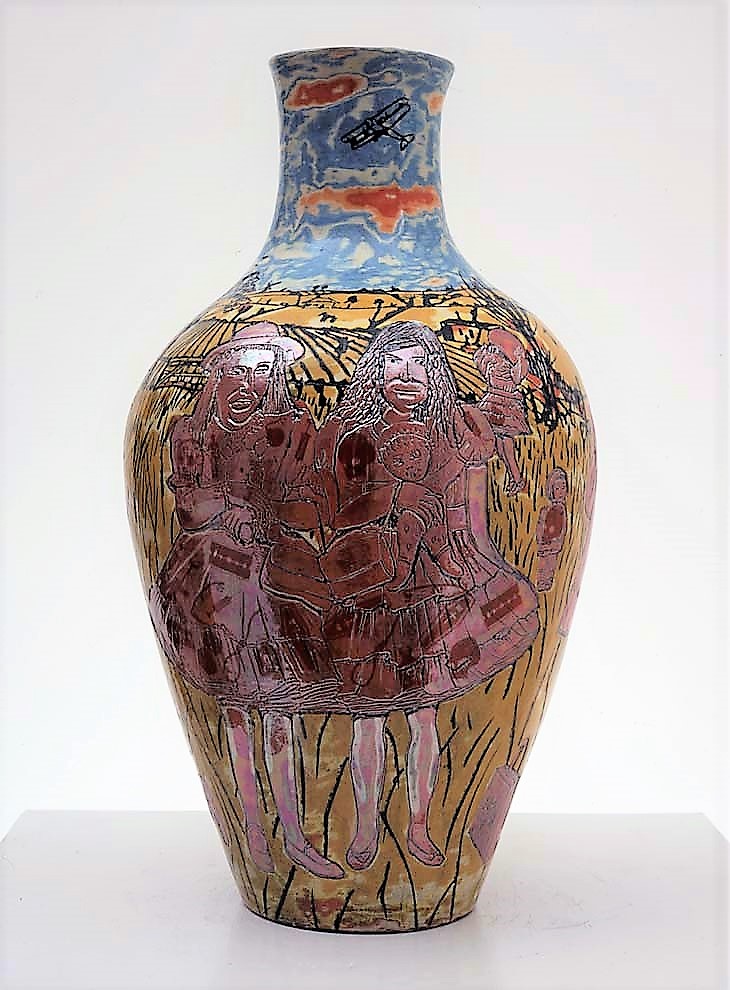
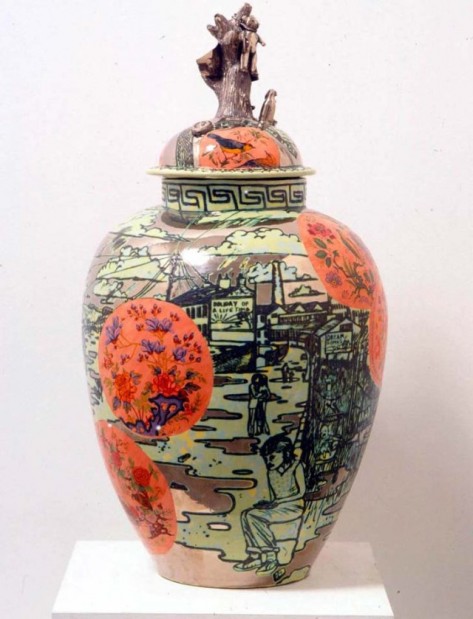
Grayson Perry is a contemporary British artist best known for his ceramic vessels, printed tapestries, and designs.

Over the Rainbow

Perry is best known for his ceramics, which draw on both the aesthetics of classical pottery and on contemporary iconography.

Boring Cool

Perry’s forms and content are always incongruous: classic Grecian-like urns bearing friezes of car-wrecks, cell-phones, supermodels, as well as more dark and literary scenes, often incorporate auto-biographical references.

Defender

Perry’s vases have classical forms and are decorated in bright colors, depicting subjects at odds with their attractive appearance.

Found Body

There is a strong autobiographical element in his work which often features his alter ego, Claire, which narrates a troubled childhood.

Two Children

“I draw as a collagist, juxtaposing images and styles of mark-making from many sources,” he said of his practice.

I Want to Be an Artist

“The world I draw is the interior landscape of my personal obsessions and of cultures I have absorbed and adapted, from Latvian folk art to Japanese screens.”

Barbaric Splendor

Some of Perry’s major themes include the roles of gender, class, taste, and religion in contemporary life, particularly in the United Kingdom.

Saint Claire 37 wanks Across Northern Spain

More of Grayson Perry‘s pottery and paintings can be found at https://www.saatchigallery.com/artist/grayson_perry and https://www.artsy.net/artist/grayson-perry. 


Healing Together by The Alchemist

This post is a great example of how Creativity helps heal the mind, the body, and the spirit.

LIFE DOES NOT STOP DURING THESE STRANGE TIMES

Though the perspective is surely changing. With the world shifting each day, I am able to see more clearly those things which are truly important to living the life I want.

I am taking this time to reflect on the kind of life best lived for me (don’t worry, pottery is of course in there) and personally, helping with healing is part of that best-lived-life.

IN 2019

I was contemplating how I might integrate my own healing into my artistic process and how I might involve and possibly help others with their healing. After contemplating this for sometime, I came up with the concept for The Healing Vase’.

I WOULD LIKE TO EXTEND AN INVITATION TO YOU

Join the Healing Vase project for 2021.

More ….   https://rakupottery.ca/2021/07/19/healing-together-2/


Faerie Paths — Perfection


Art is a shadow of Divine perfection.
~ Michelangelo


The Alchemist’s Studio


Sunday Evening Art Gallery Blog — Lucy Clark

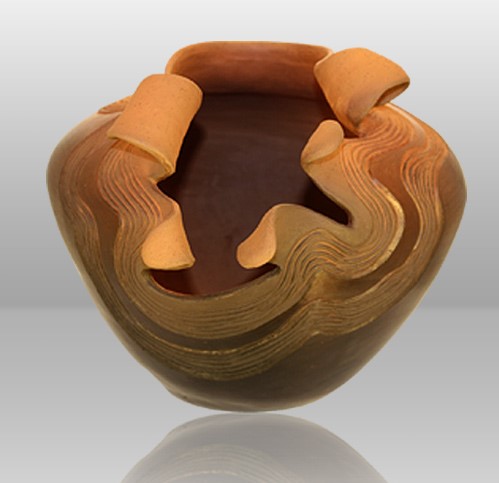
Lucy Clark calls herself a “Hand Built” Potter.

Each pot is built in the coil method, one layer at a time.  It is then embellished or carved and set to dry for a month before it is fired.

The firing process involves bringing the kiln up very slowly to a temperature of around 1300 degrees and then it is turned off and watched until it hits 990 degrees.  After the firing, the piece is lifted out with Kevlar gloves and placed in sawdust to “smoke” the pot in the old Pueblo style tradition.
Lucy uses no glazes in her process –the sheen comes from burnishing (polishing) the piece with a small quartz stone until it is smooth and silky to the touch.

Lucy pulls from her many years as a massage therapist and touching people to listen to what the clay wants to be and how it wishes to be transformed into shape in the physical universe.

Lucy Clark explains her talent best. “To me, life is a work of art, always in progress and only finished when we take our last breath. It is through this belief that art informs all that I am and all that I do. Even within the daily routines that consume so much of our time, art is alive and only waits for our notice.”

More of Lucy Clark’s marvelous pottery can be found at http://lucyclarkpottery.com .

Trial and Error is Better Than a Bottle of Whine

trialI had almost a whole blog finished this evening, one about deer ticks and broken teeth and watching Face Off. But when I reread it, all I saw was creatively written whine.  The beautiful thing about typing on a computer is that with one sweep I can delete it all.

But what about second thoughts? What if I destroy something that one day may be my Pulitzer Prize?

I imagine my friends in other arts have the same dilemma. Graphic art, photography, writing, pottery — there’s always those pieces that you gave your heart and soul to and it still sucks. So you redo it. Rewrite it. Re-form it.

But how many times to you redo it?

I would love to hear from my graphic artist friends or sculptor friends or my scrapbooking friends. How many times to you redo something to get it “perfect”? And if you DO redo it, HOW do you do it?

Writing is simple yet complex. Often my stories, novels, poems, and other ditties start out with notes or research of some kind. Not like the Encyclopedia Britannica, but I try and create an ocean of information so that I can eventually reduce it to a cup full of water. Quite like my research for my Sunday Evening Art Gallery. Writing about Doors? Collect images of 30 different doors so I can choose 8. Writing about Nail Art? Download 20 images so you can share 7. Writing about life in 1880? Better check out things like electricity, transportation, and currency, even if the reference is only a couple of sentences long.

I keep every other version of my creations, cutting here, adding there, rearranging when needed. As the years go by I get rid of the middle versions — I’ve either moved forward and created a masterpiece, or it just hasn’t “done it” for me. I have a computer full of half-formed ideas, research that goes nowhere, poetry that needs real work. I decide what I want to work on, what I still need to research, and what was a great idea at the time but now, no thank you.

How do you deal with developing your craft? Do you network? Do you draw a basic image and then play with that same image until you get what you want? Do you you have pages and pages of canvas that hold various versions of your final masterpiece? Do you have stacks of pottery that look nothing like what you wanted to create?

My notebooks are glimpses of my thoughts through time. I’ve kept some since I started writing in earnest years ago. It’s fun going back and seeing my thought processes through the years. Sometimes I go back and reignite the embers that once burned brightly. Other times I just smile and see why the ideas are still only in a notebook.

I think beginner crafters can learn from our paths of trial and error. The thrill of creating something unique is made from the sweat and love and honesty that comes from somewhere deep inside. Some pick one idea, one idea, and stick with it from beginning to end. Others have trial and error experiences, realizing a particular path was pretty much a dead end from the beginning. So we choose a different path. A different path in the same endless woods.

I feel so much better when I write about the Craft. If I ever unlocked the door to the Hallway of Infinite Doors, I would find worlds that I love almost as well — drawing, stenciling, jewelry making, gardening. I would never have a life because my life would exist in the next dimension — the ethereal one. The Creative Arts one. I only hope you feel that way about your Craft too.

Oh, btw — the tick bite wasn’t infected, my broken tooth gets fixed in the morning, and Face Off is down to its final three.

Life is good.