Looking Back — Mini Things Part Two

Another wonderful, fun way to look back at Galleries through the years — find a topic and share it all over again!
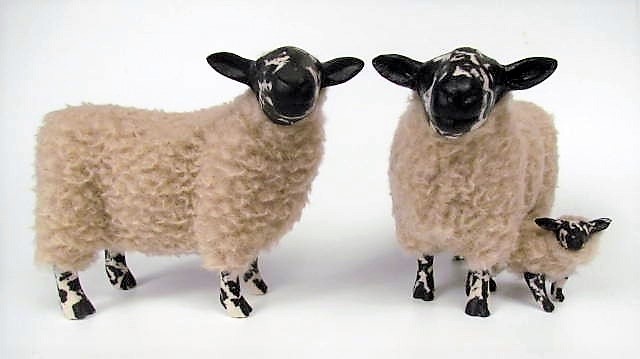
I hope you are clicking on the titles and getting the full feel of topics like Glassworks and Wire Sculpture … the artists I have come across have such a wide range of talent, it’s hard to love one over the next!

My first recap of mini things was back at Still Looking Back! — Mini Things. So let’s continue our journey through galleries of mini things!


Colin Richmond

Kim Clough

Caroline Dewison

Alan Wolfson


Sunday Evening Art Gallery — Lindzeanne

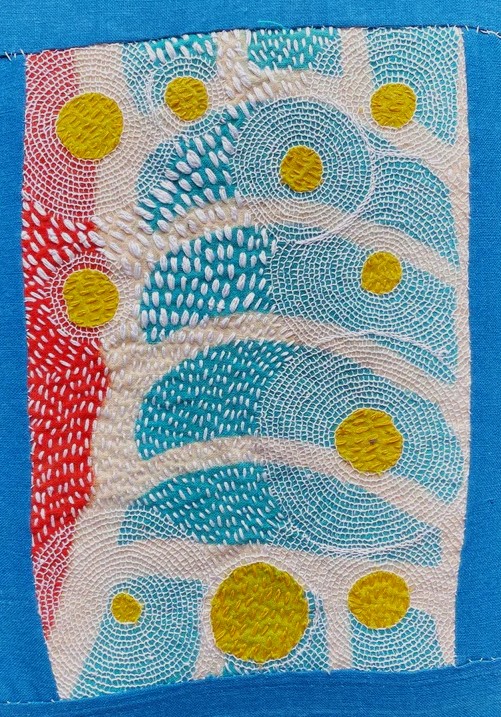
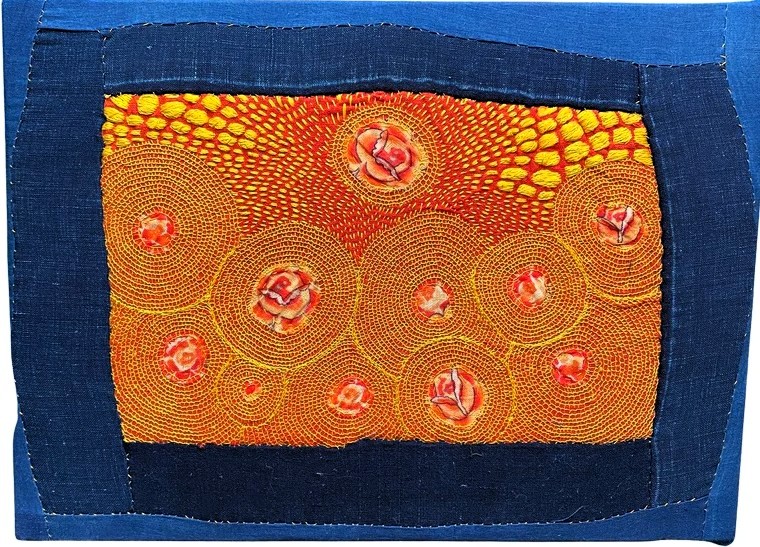
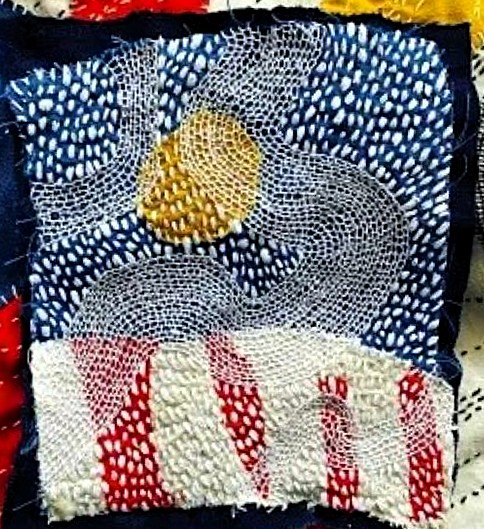
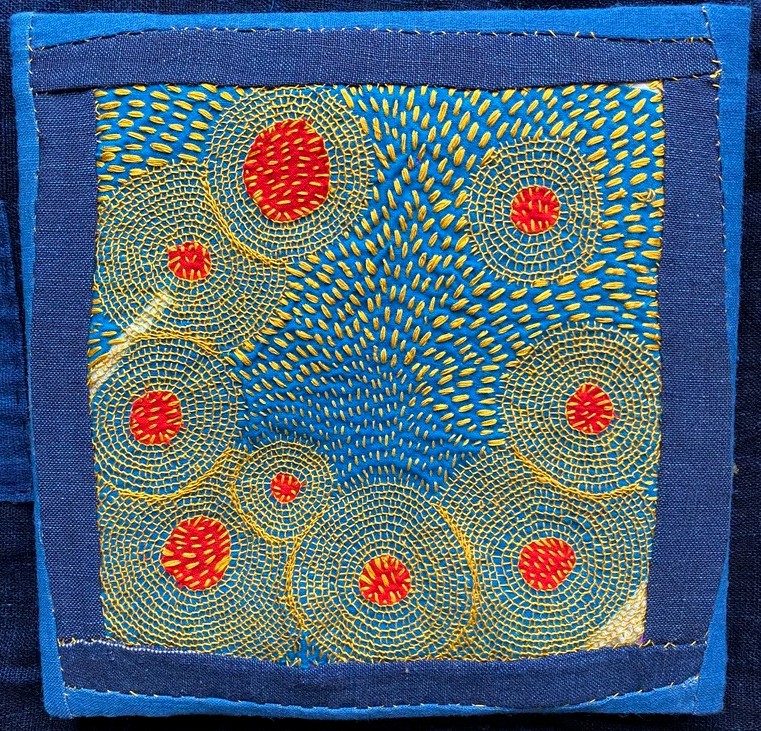
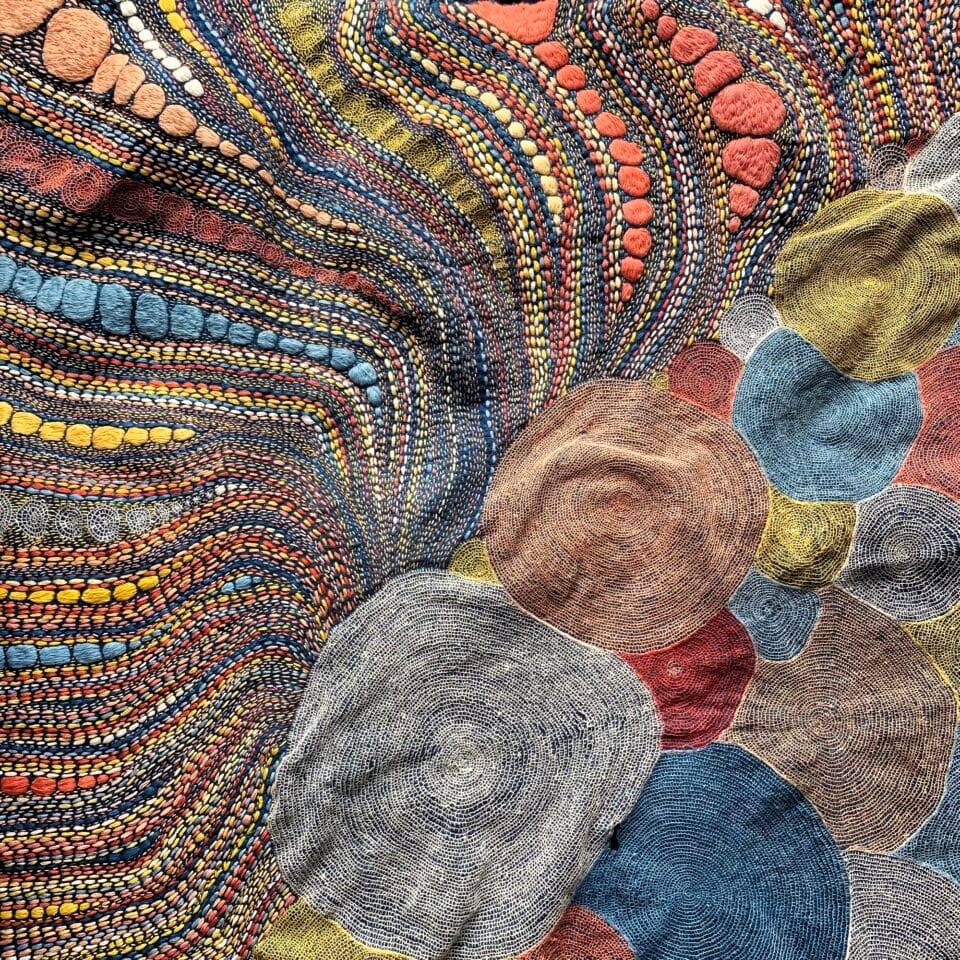
Lindzeanne (Lindsey) is an embroidery artist based in Tokyo, Japan.

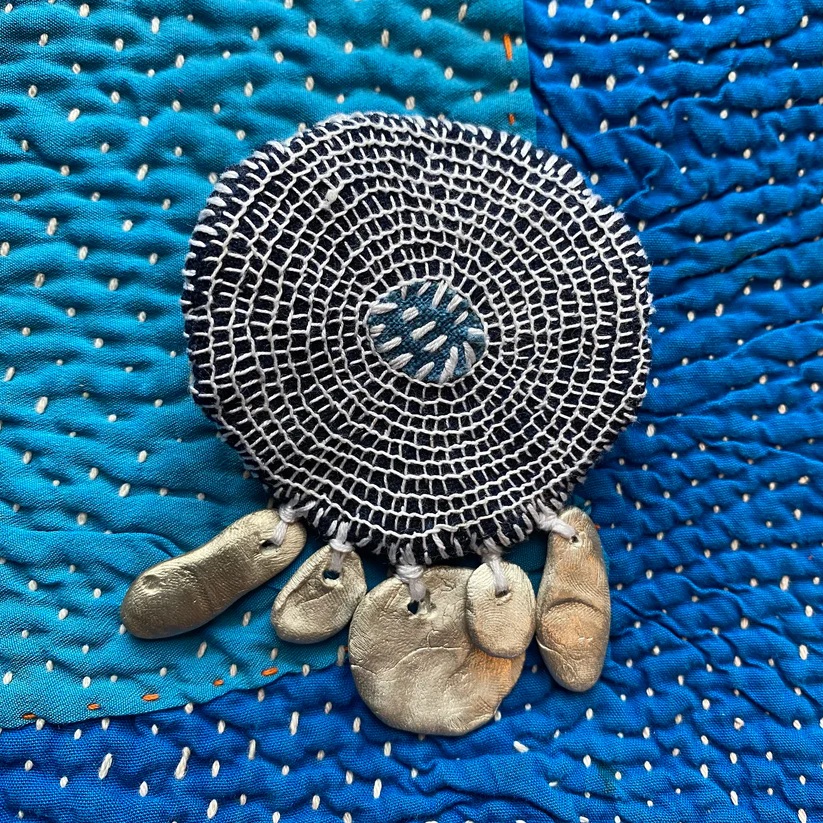
Her work is inspired by traditional Japanese textile traditions such as sashiko, indigo dying, and the concept of “mottainai” or “waste nothing”.

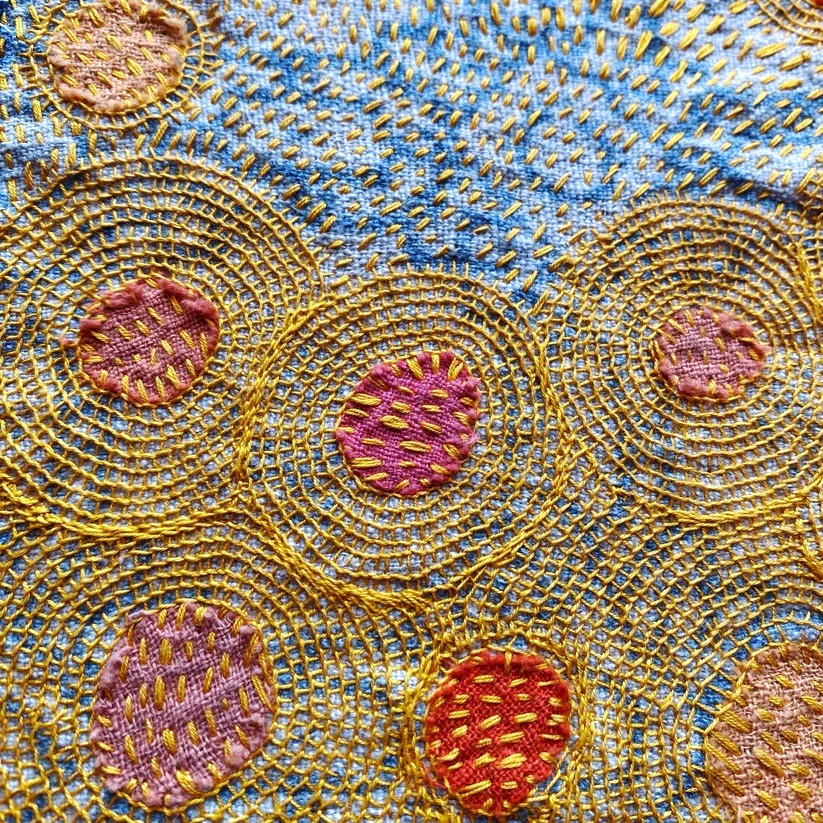
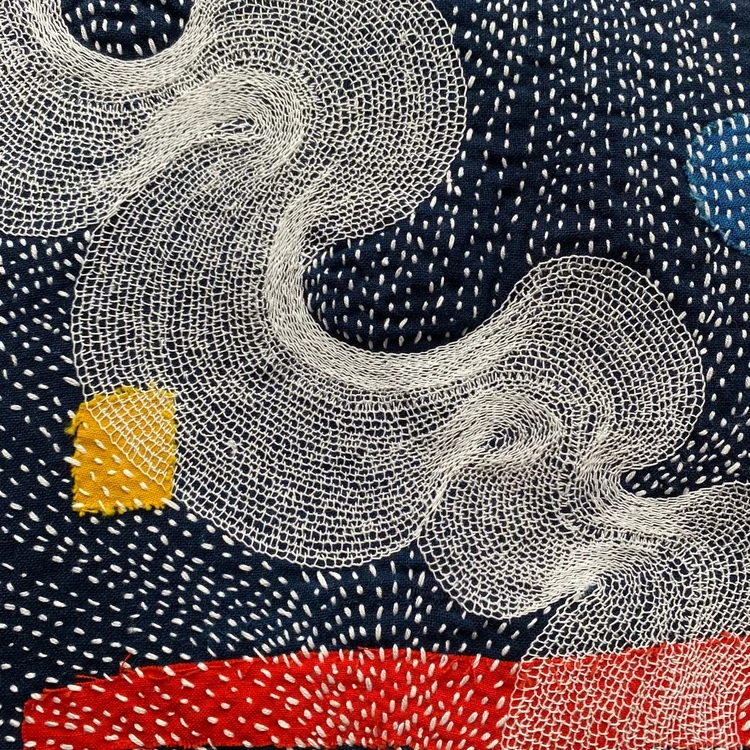
 Lindzeanne’s work uses only second-hand or vintage textiles to create colourful, vibrant, highly textural hand-stitched pieces.

Through her work, the artist aims to catalogue the passage of time and investigate the relationship between color and form by making the unseen seen with simple needle and thread.

Lindzeanne began stitching in order to upcycle clothing, a practical hobby that quickly became more of a drawing practice.

Embroidery floss isn’t common in Japan, so the artist instead picked up basic hand-sewing and traditional sashiko threads that she stitches into second fabrics.

The resulting works are rife with patterns.

“To me, colors have a personality to them, and shapes have a weight and character to them, so when I’m thinking of a piece in my mind, or sitting down to cut fabric, I’m always imagining the push and pull, or the gravity that certain shapes and colors have with one another,” Lindzeanne says.

More of Lindzeanne’s intricate stitchery can be found at lindzeanne.com/

Sunday Evening Art Gallery — David Johnson

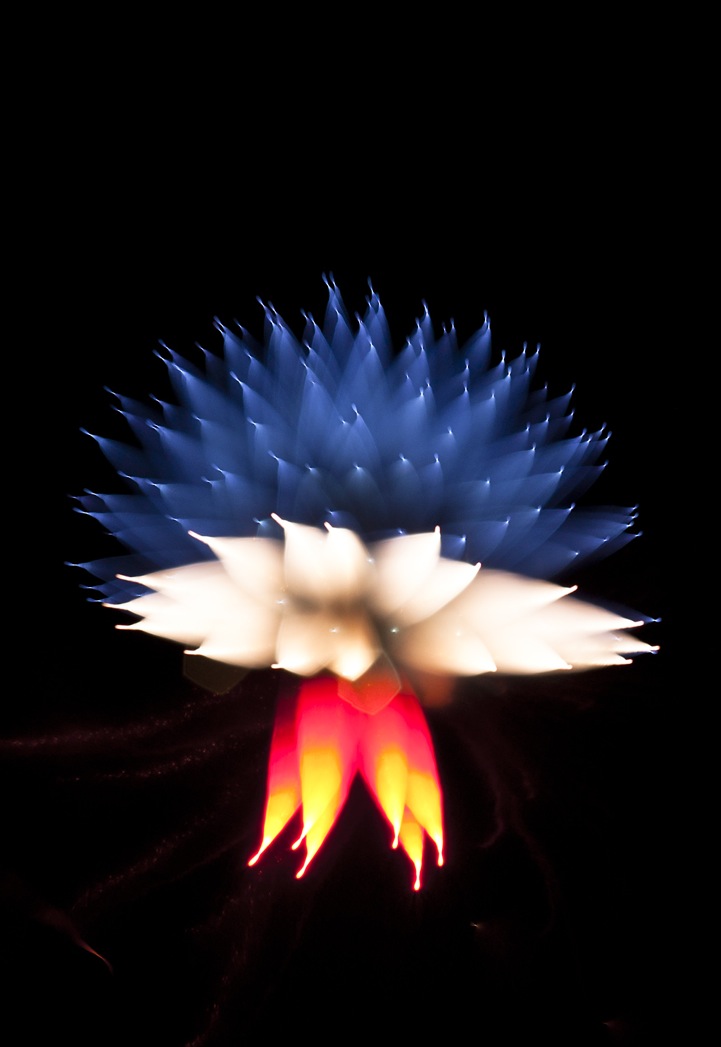
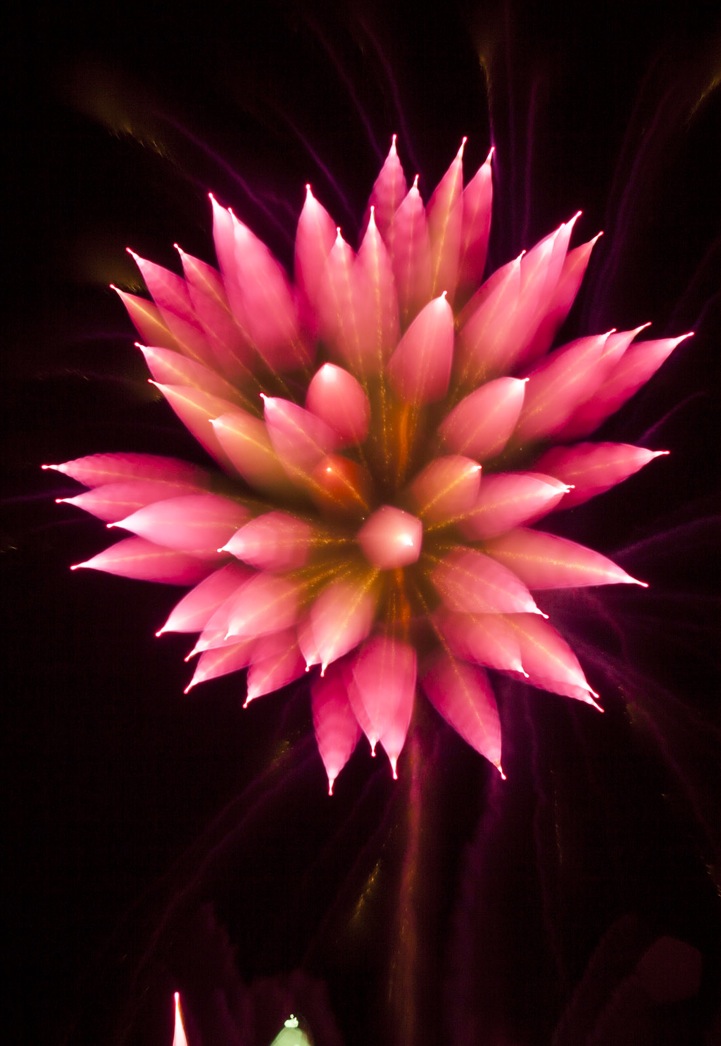
While attending the International Fireworks Show in Ottawa, Canada, photographer David Johnson had his camera in hand to document the night.When Spain’s entry into the competition began he decided to try something a little different.The technique he used was a simple refocus during the 1-2 second-long exposureTo produce these images, Johnson started out of focus, and when he heard the explosion he quickly refocused.The captured abstract beams were transformed into a series of unusual, striking shapes.By shifting the focus of his camera, Johnson delivered both hazy and evidently detailed pictures.“The shapes are quite bizarre, ” Johnson says.“Some of them I was pleasantly surprised with.”

More of David Johnson’s marvelous photography can be found at https://www.flickr.com/photos/daveyjphoto/ and https://mymodernmet.com/david-johnson-fireworks-photography/.


.


Sunday Evening Art Gallery — Laurent Parcelier

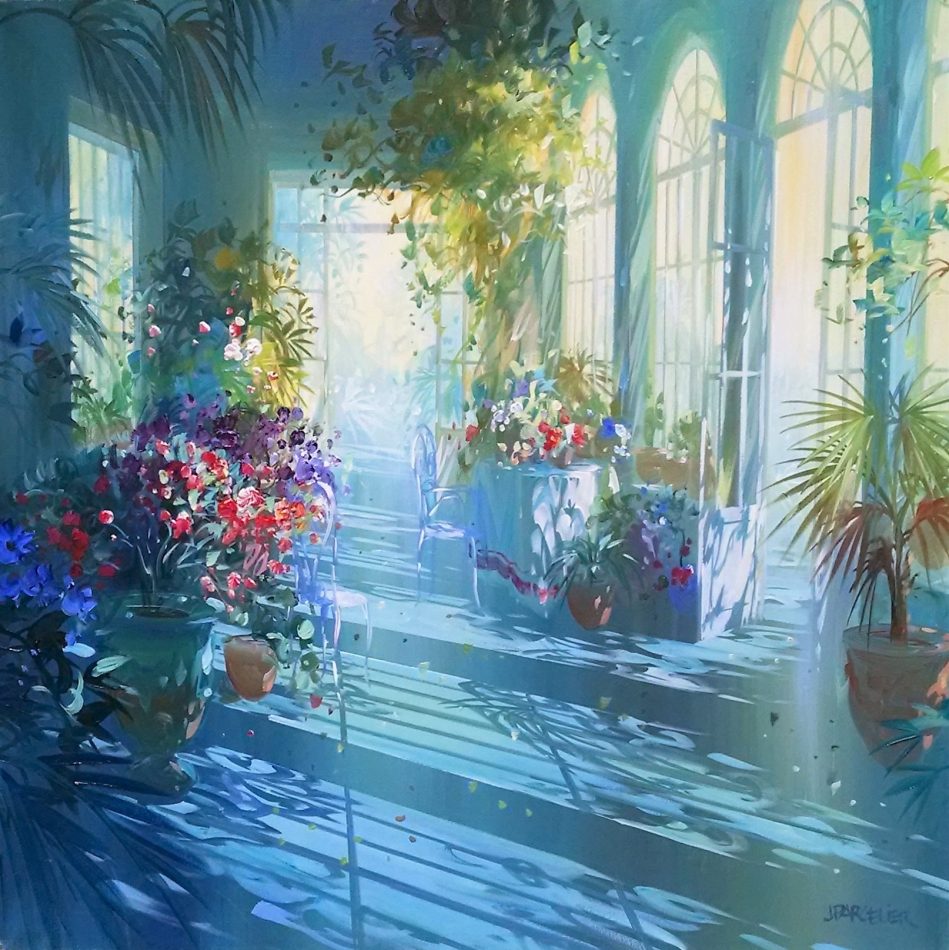
Laurent Parcelier, born in 1962 in Auvergne, France, is a celebrated French painter known for his enchanting exploration of light and color.Parcelier enrolled at the Duperre School of Applied Arts in Paris in 1978.Initially working as an illustrator and comic book author, his journey into painting was sparked by winning first prize in a street painting contest, which led him to fully dedicate himself to this medium​.Parcelier’s work is often described as modern impressionism, characterized by its serene and idyllic portrayal of landscapes and city scenes.The artist paints landscapes and city scenes using oil on canvas.Influenced by his ability as a comic artist, you can see a unique graphic art nature attached to his paintings. Parcelier’s mastery of light creates a dreamlike quality, inviting viewers into a world of calm and poetic beauty​.

More of Laurent Parcelier’s inspirational paintings can be found at https://thegallerist.art/laurent-parcelier.


Sunday Evening Art Gallery — Kim Clough

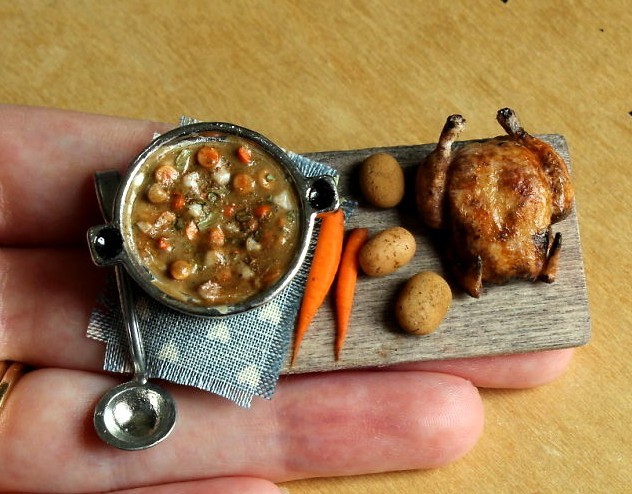
By night, Kim Clough from Rochester, Minnesota, is a medical lab scientist.

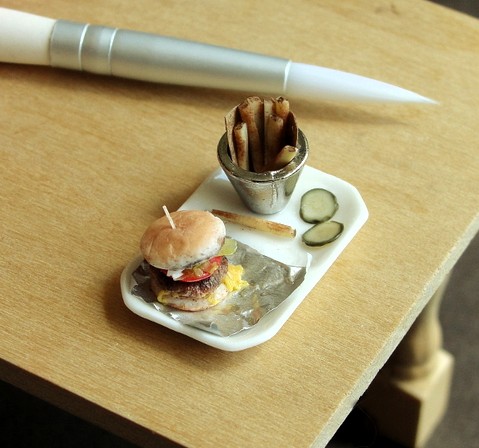
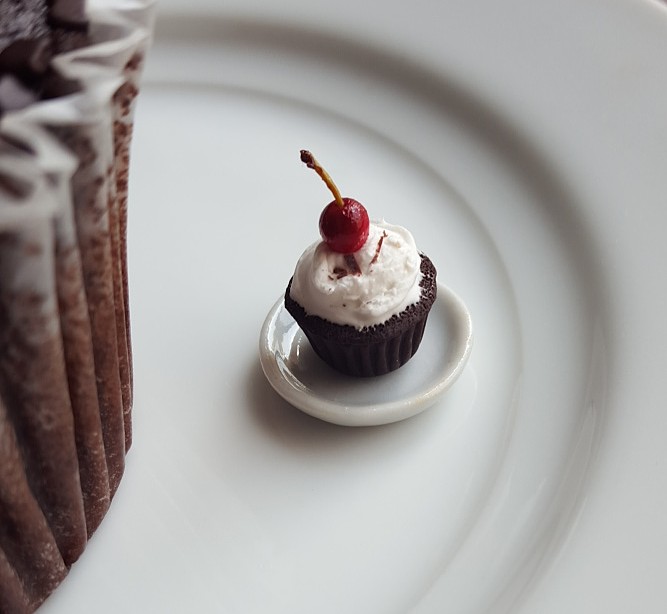
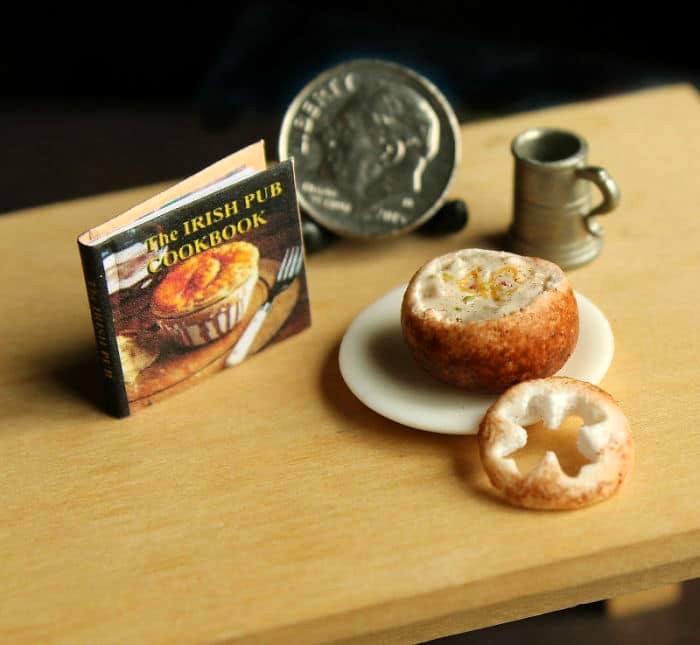
By day however, she’s a miniaturist who creates amazingly detailed miniature foods that can fit right on your fingertip.Clough creates creates miniatures of food — anything from fried chicken to perfect chocolate cakes and other desserts.

The artist uses polymer clay to sculpt her miniatures, and every miniature is no bigger than 1:12 of the size of the actual subject.

When sculpting food in 1:12 scale, where one inch equals 12 inches, Clough  renders clay sculptures with acute attention to detail when representing their real-life counterparts.Clay is an ideal medium since it is easily molded into a rendition of edible cuisine that gives an illusion of being able to bite right into it.Clough’s intricate work is a visual delight, an amazing recreation of everyday foods.You can find more of Kim Clough’s work on her website, as well as on deviantArt and Instagram.


Still Looking Back! — Mini Things

Bringing another Saturday of fun, joy and amazement to you wandering eyes!  Today I want to wander back through the art galleries and showcase more unbelievable art.

I ~do~ hope you are clicking on the blue titles and checking out their additional works.  That’s half the fun!

:Lets try a different topic. How about ….. Mini Things?


Williard Wigan


Kiva Ford


Snowflakes

snowflake-10

w040123a032


Dr. Gary Greenburg

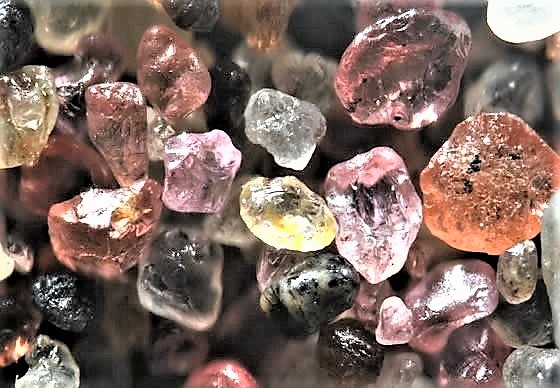
(sand)


Angelo Musco

6 slide_423380_5439996_free


Tatsuya Tanaka


Izumi Akinobu


Miki Asai


Sunday Evening Art Gallery — Levina Teerlinc

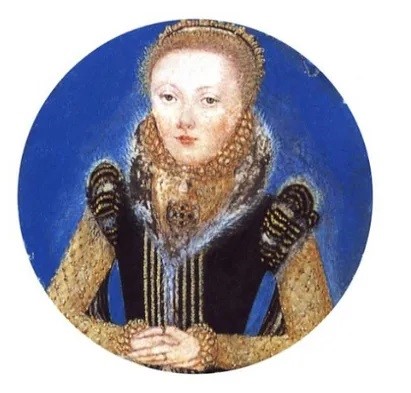
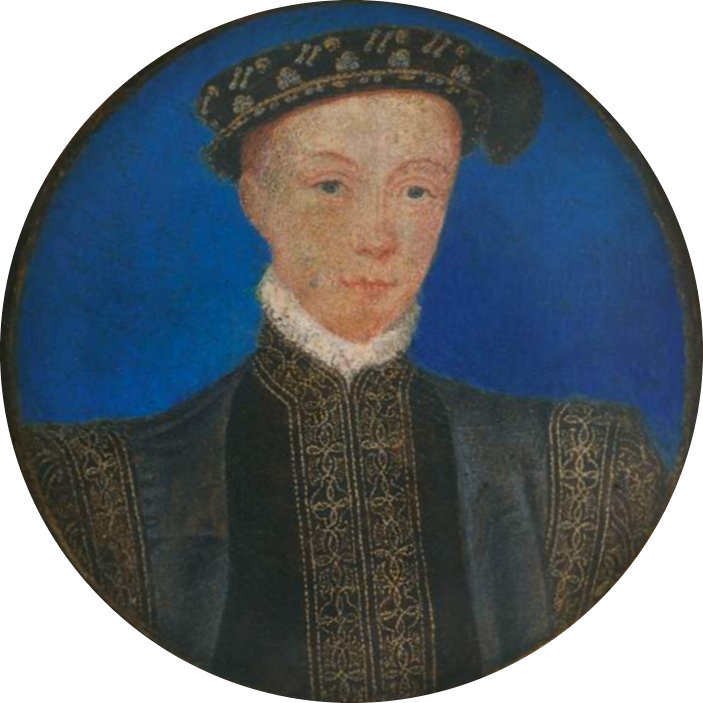
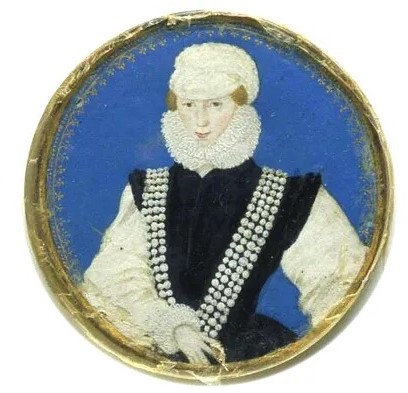
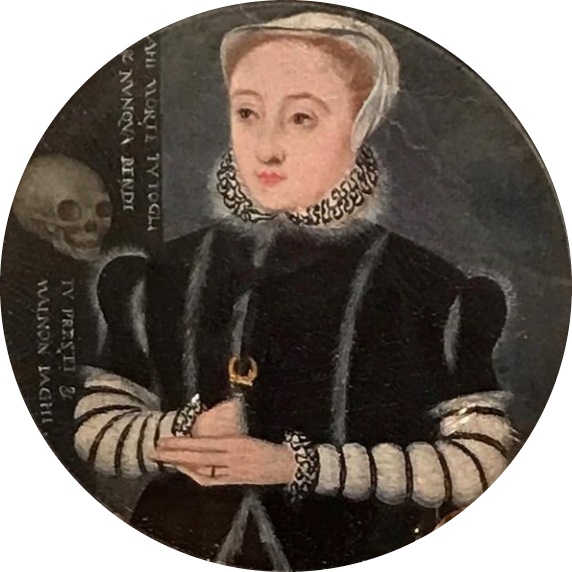
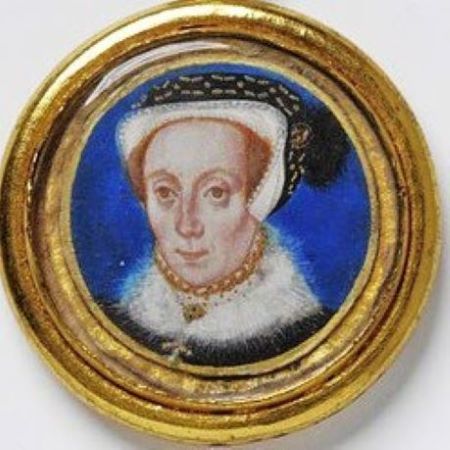
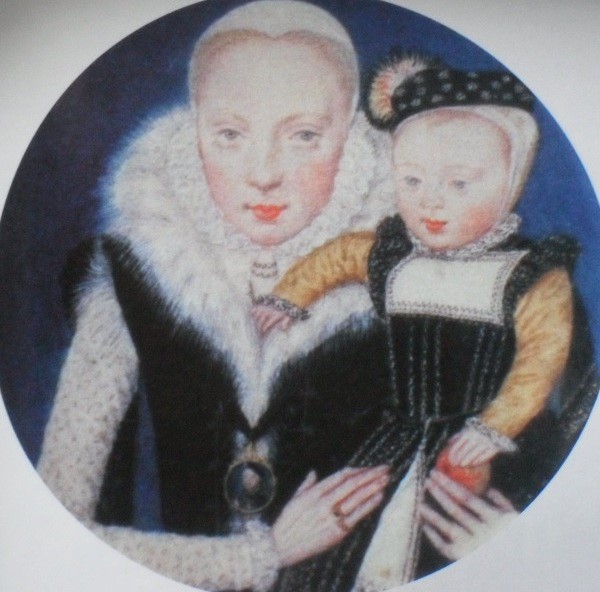
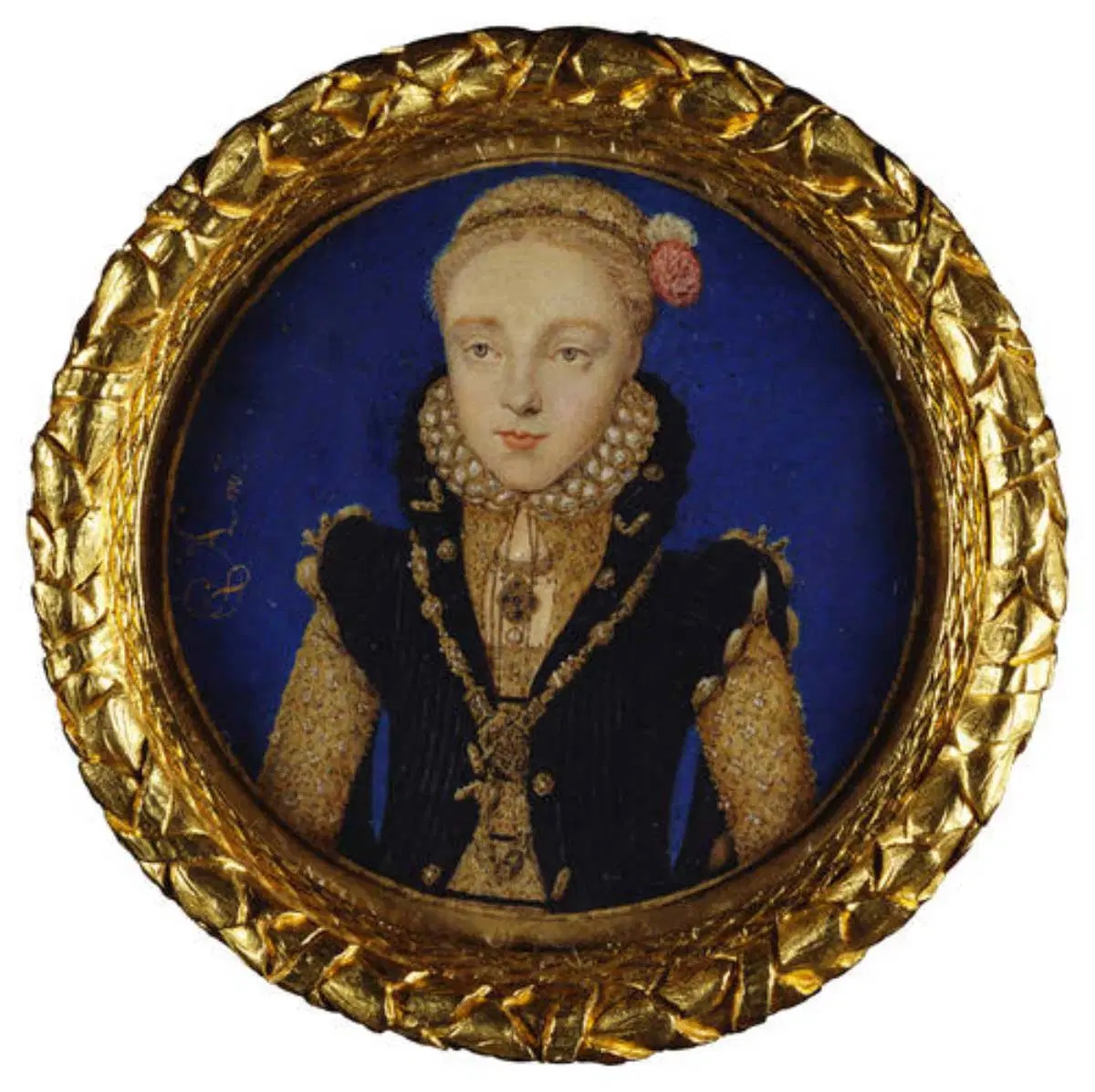
Levina Teerlinc (1510 – 1576) was a Flemish Renaissance miniaturist who served as a painter to the English court of Henry VIII, Edward VI, Mary I and Elizabeth I.Teerlinc played an essential role in the artistic history of the Tudor court, yet she is rarely mentioned compared to other Tudor artists.Not only was it easy for a woman artist to be overlooked throughout history, but the circumstances surrounding her work made it incredibly hard for art historians to attribute her work correctly.She was one of the most well-documented artists at court in miniature painting, providing at least eight portraits of Elizabeth I in the years between 1559 and 1575.Though much of her work is lost, she must have been a highly prominent artist to receive an invitation from the King of England and become one of the highest-paid artists of the English court throughout the reigns of Mary I and Elizabeth I.Unfortunately, no surviving work has been firmly attributed to Teerlinc. A great deal of effort has gone into identifying surviving miniatures with those described in the New Year’s gift lists, but there are no certainties.Nonetheless, there is nothing wrong with bringing out the fine art of miniatures in the Tudor dynasty, Teerlinc being one of its largest contributors.

More of Levina Teerlinc’s miniatures and story can be found at https://www.thecollector.com/levina-teerlinc-tudor-woman-artist/ and https://artherstory.net/levina-teerlinc/.


Sunday Evening Art Gallery — Alan Wolfson

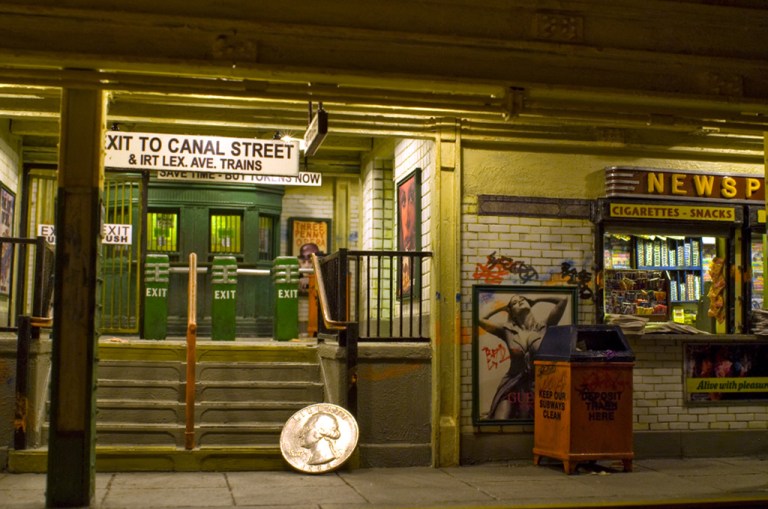
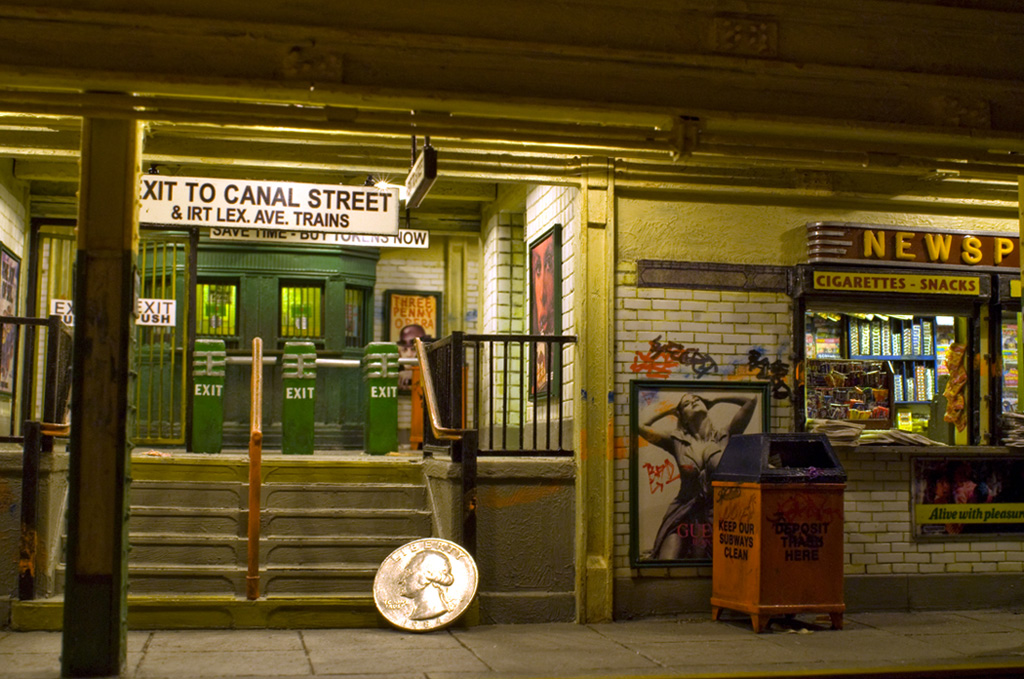
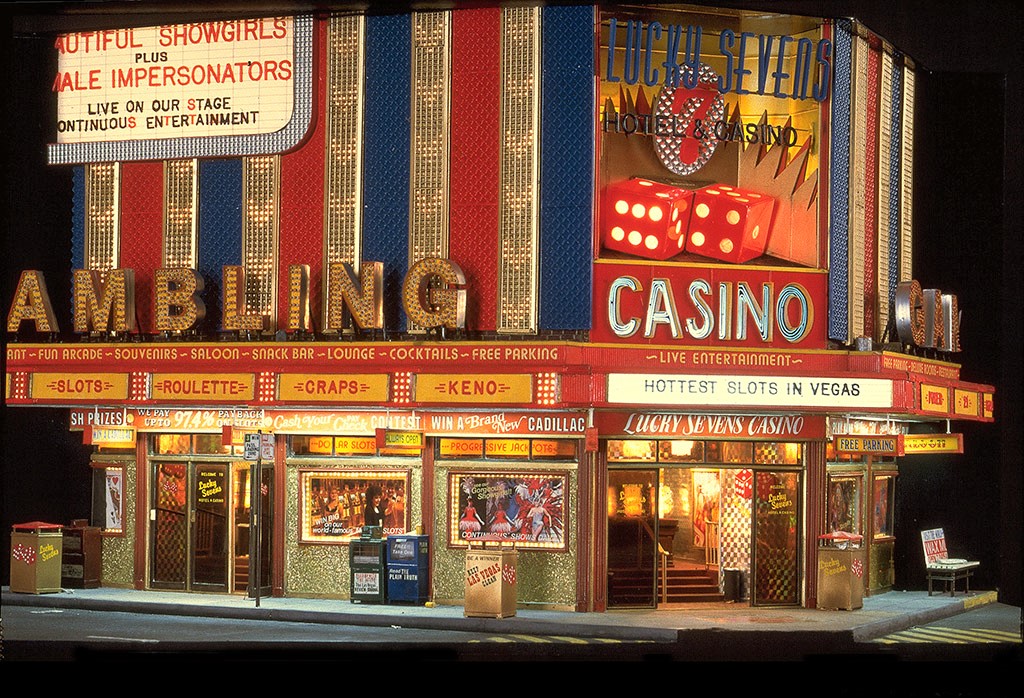
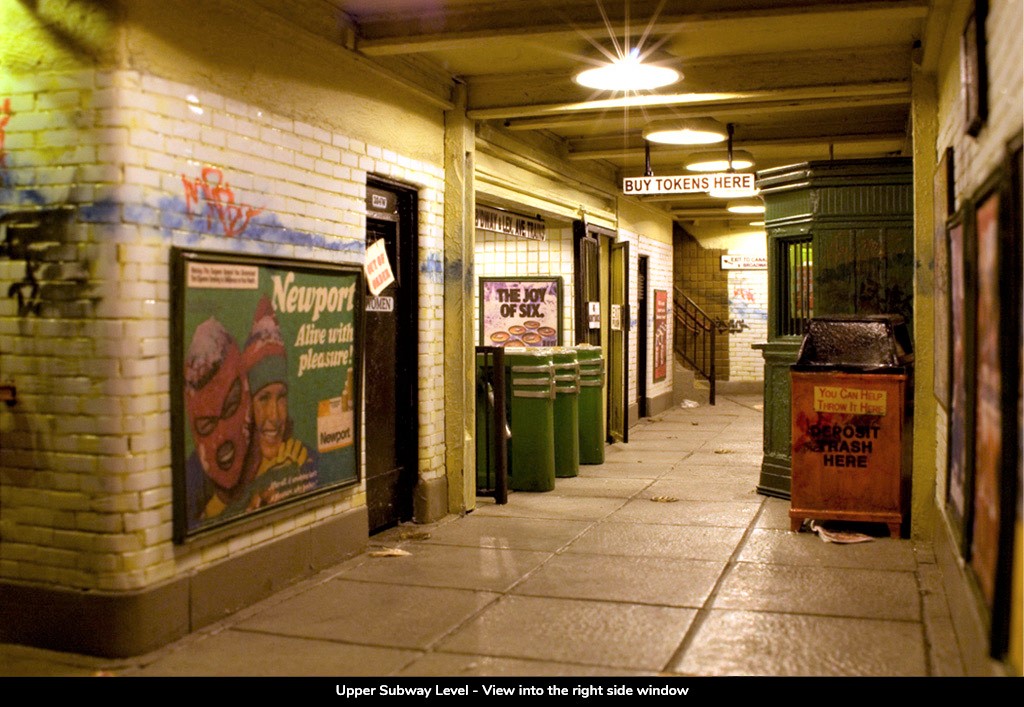
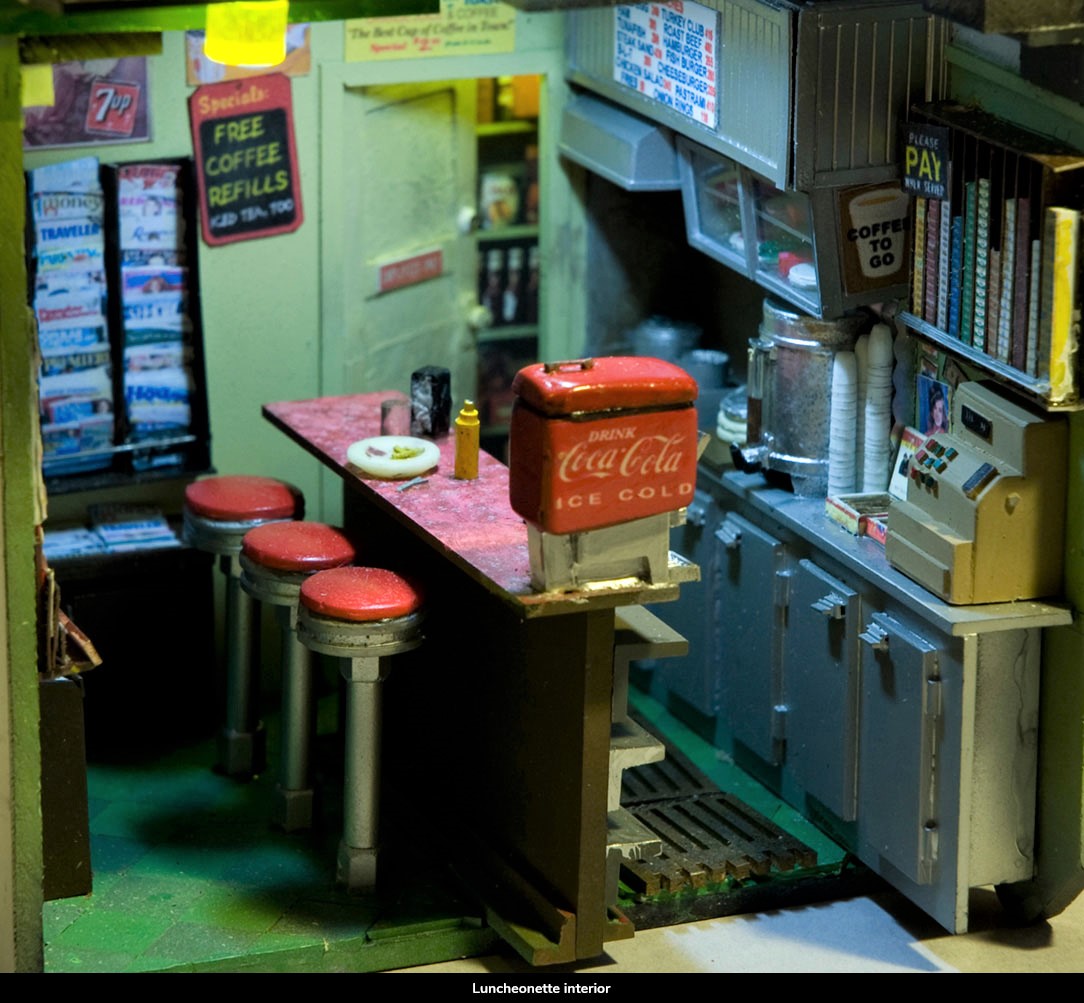
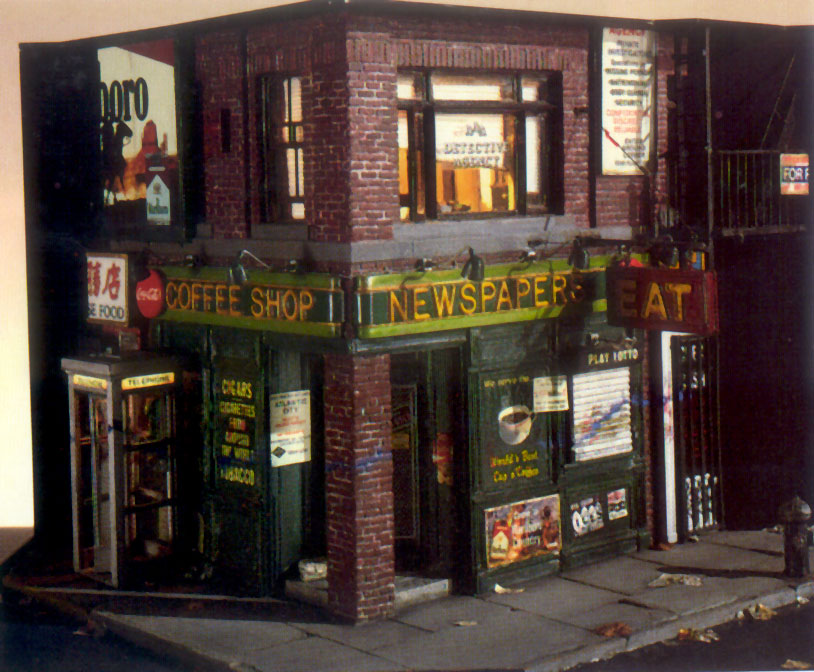
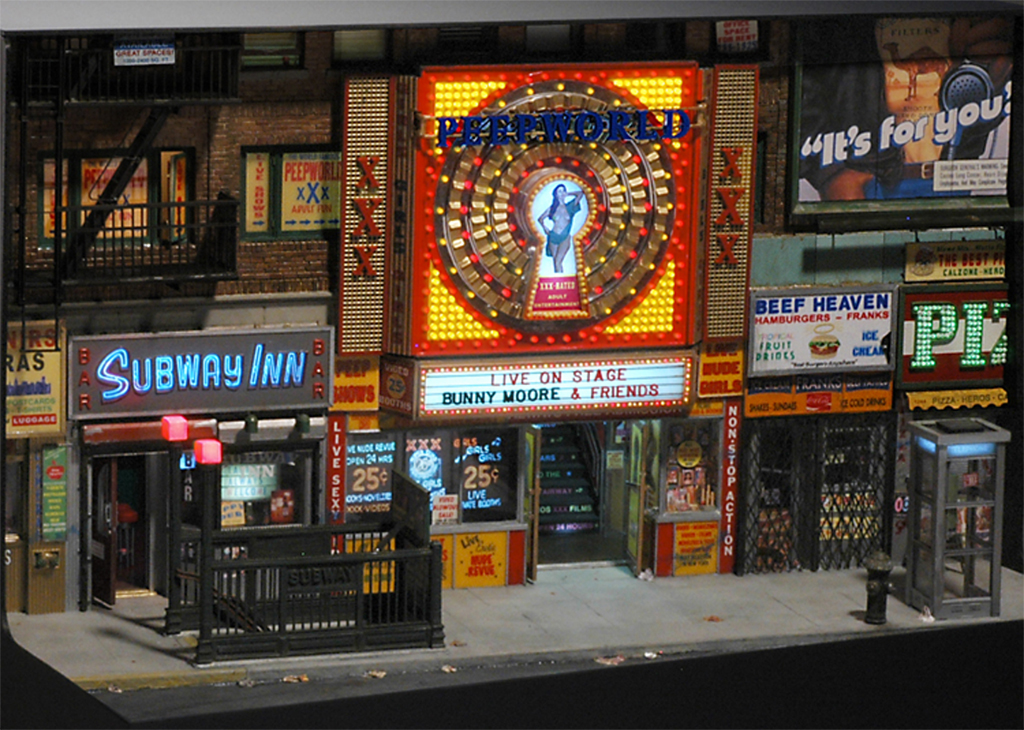
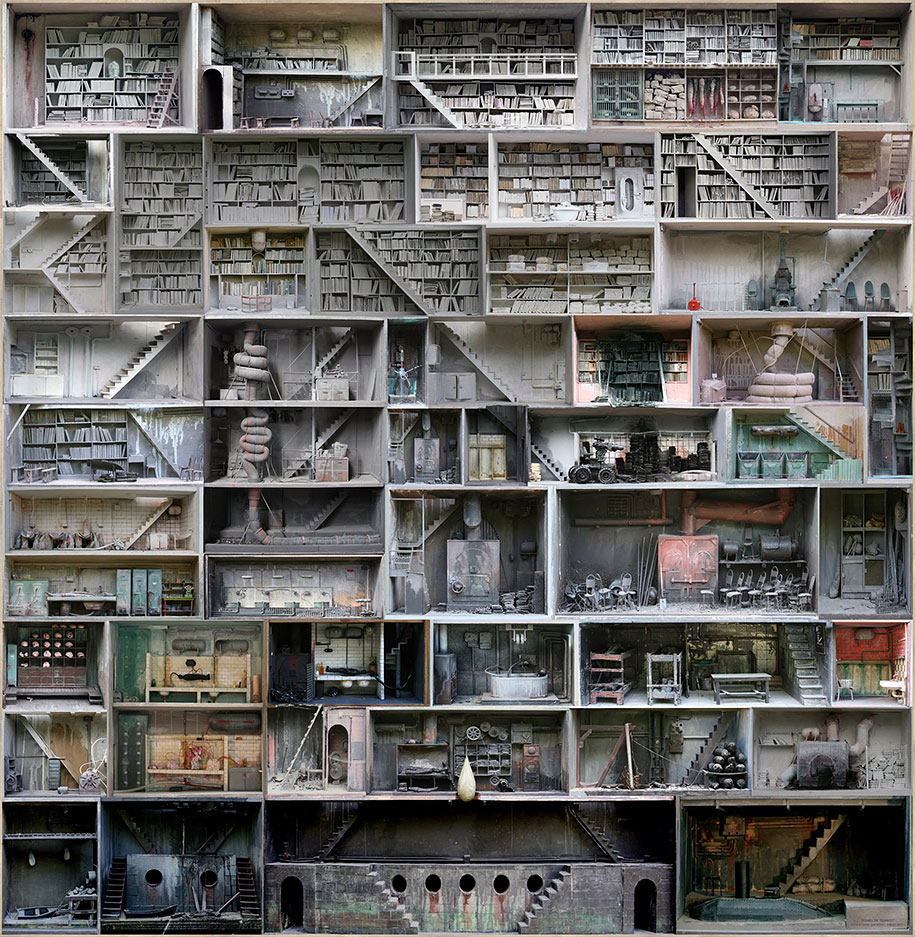
Alan Wolfson creates handmade miniature sculptures of urban environments.Complete with complex interior views and lighting effects, a major work can take several months to complete.The pieces are usually not exact representations of existing locations, but rather a combination of details from many different locations along with much of the detail from the artist’s imagination.There is a narrative element to the work. Scenarios are played out through the use of inanimate objects in the scene.Wolfson usually works in ½ in = 1 foot scale, which is half the size of dollhouse scale. The first few pieces Wolfson did were in dollhouse scale, but he decided to change to the smaller scale so he could build more intricate environments in the same-sized space.There are never people present, only things they have left behind; garbage, graffiti, or a tip on a diner table, all give the work a sense of motion and a storyline.If you weren’t aware you were looking at a miniature, you would think you were looking at a scene from the past.More of Alan Wolfson‘s amazing miniatures can be found at http://www.alanwolfson.net/.


Sunday Evening Art Gallery — Marc Giai-Miniet

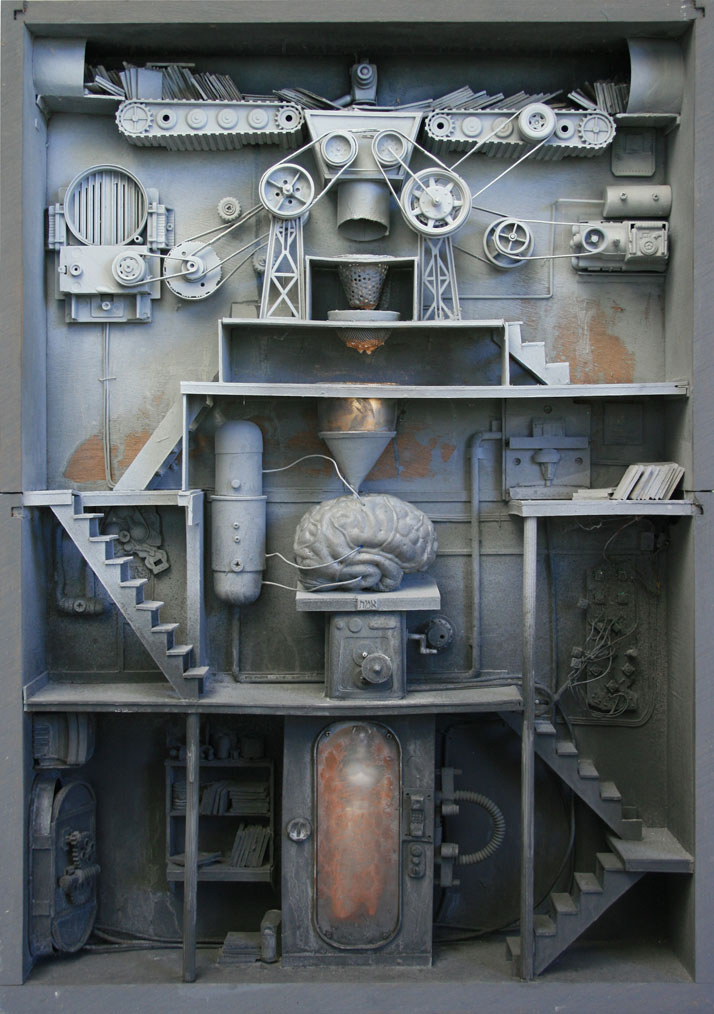
French artist Marc Giai-Miniet’s works may look like doll houses at first, but they’ll give you the chills.

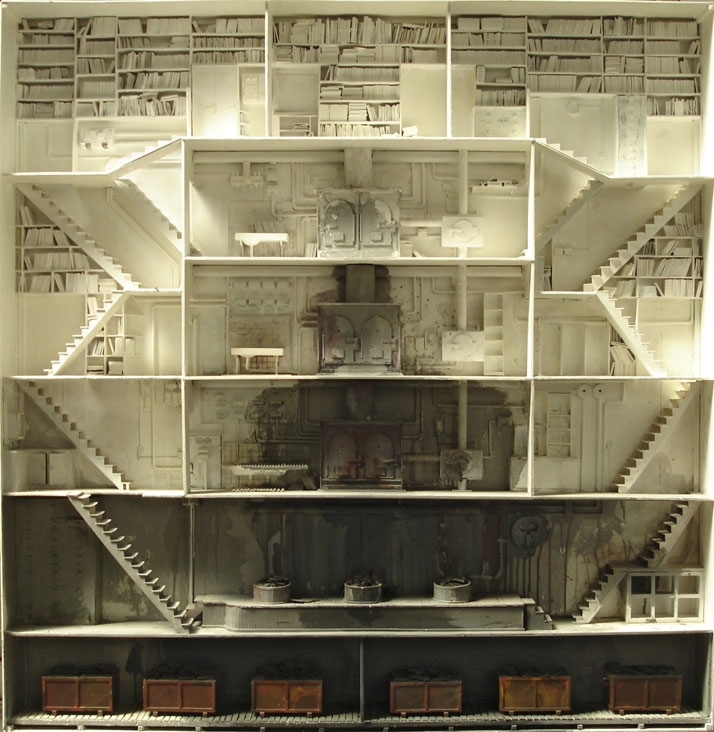
Giai-Miniet creates miniature boxes with gloomy old-school scifi laboratories, attics, libraries, storage and interrogation cells, and houses full of dusty, rusty rooms.

All of these miniature houses are filled from floor to ceiling with tiny books, machinery, household junk, storage boxes and odd experiments.

Giai-Miniet’s dioramas, or miniature 3D theatres or boxes, are disturbing metaphors for the human condition that succeed in rattling our curiosity wide-awake.

Containing the aftermath from scenes of unknown experiments, interrogations and slaughters, the works form an exploration of the physicality of memory.

Even though the spaces are cluttered with tons of little objects, “Les Boîtes” (The Boxes)  are still neatly organized and truly resemble real buildings as they might look through transparent facades.

More of Marc Giai-Miniet’s works can be found at :www.marc-giai-miniet.com.

Sunday Evening Art Gallery — Izumi Akinobu

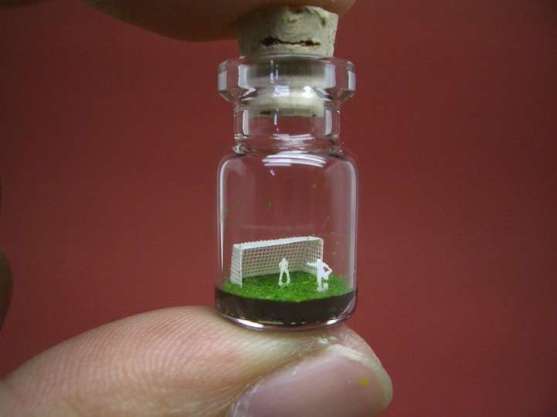
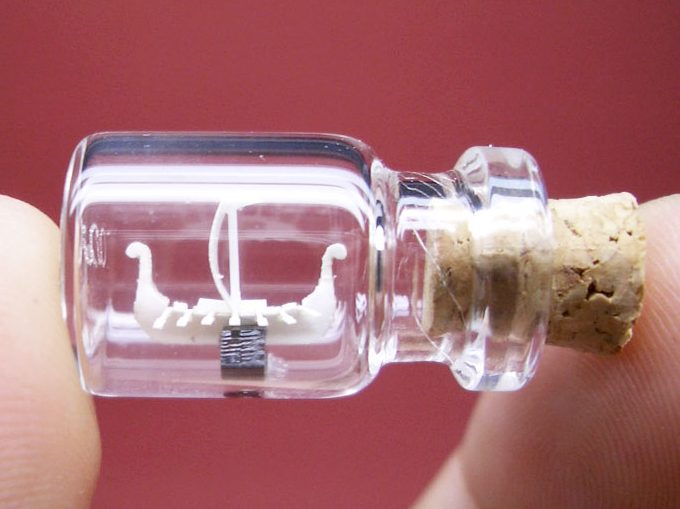
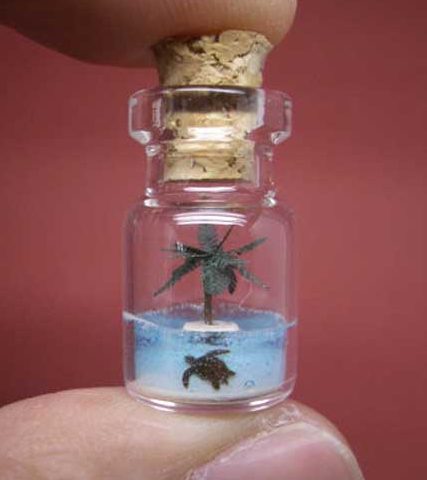
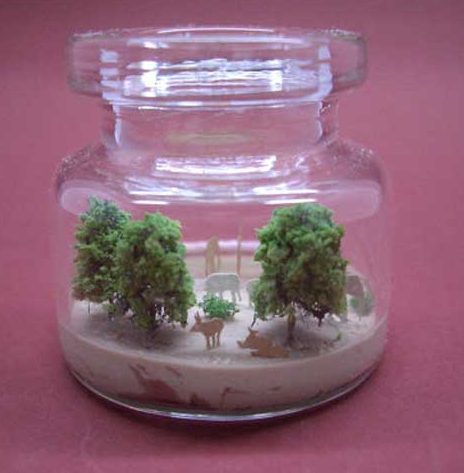
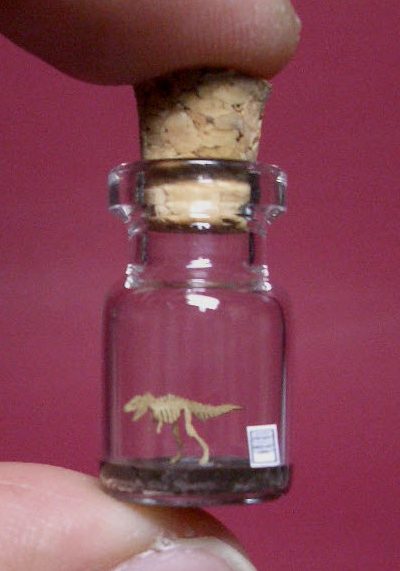
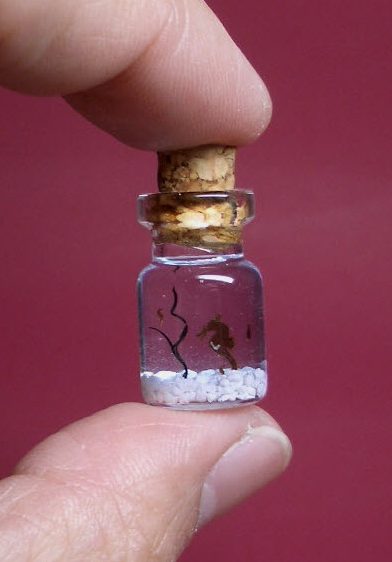
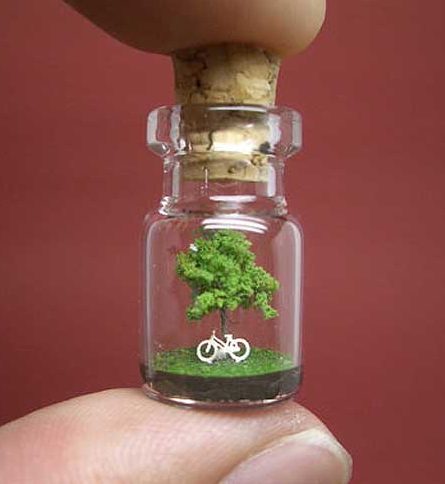
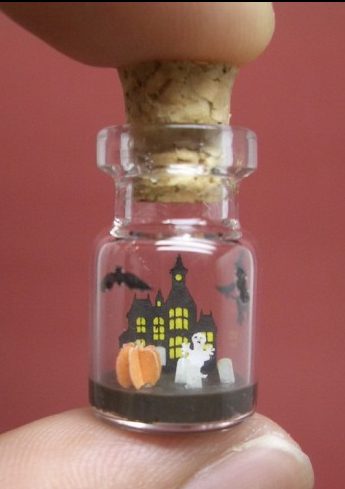
Tokyo-based artist Izumi Akinobu creates amazing miniature worlds encased in tiny glass bottles.


Izumi is an architectural model designer by day and a craft artist in her spare time.

She has been creating these wonderful bottles since 2010.

More of  Izumi Akinobu‘s tiny creations can be found at https://www.etsy.com/shop/tinyworldinabottle. 


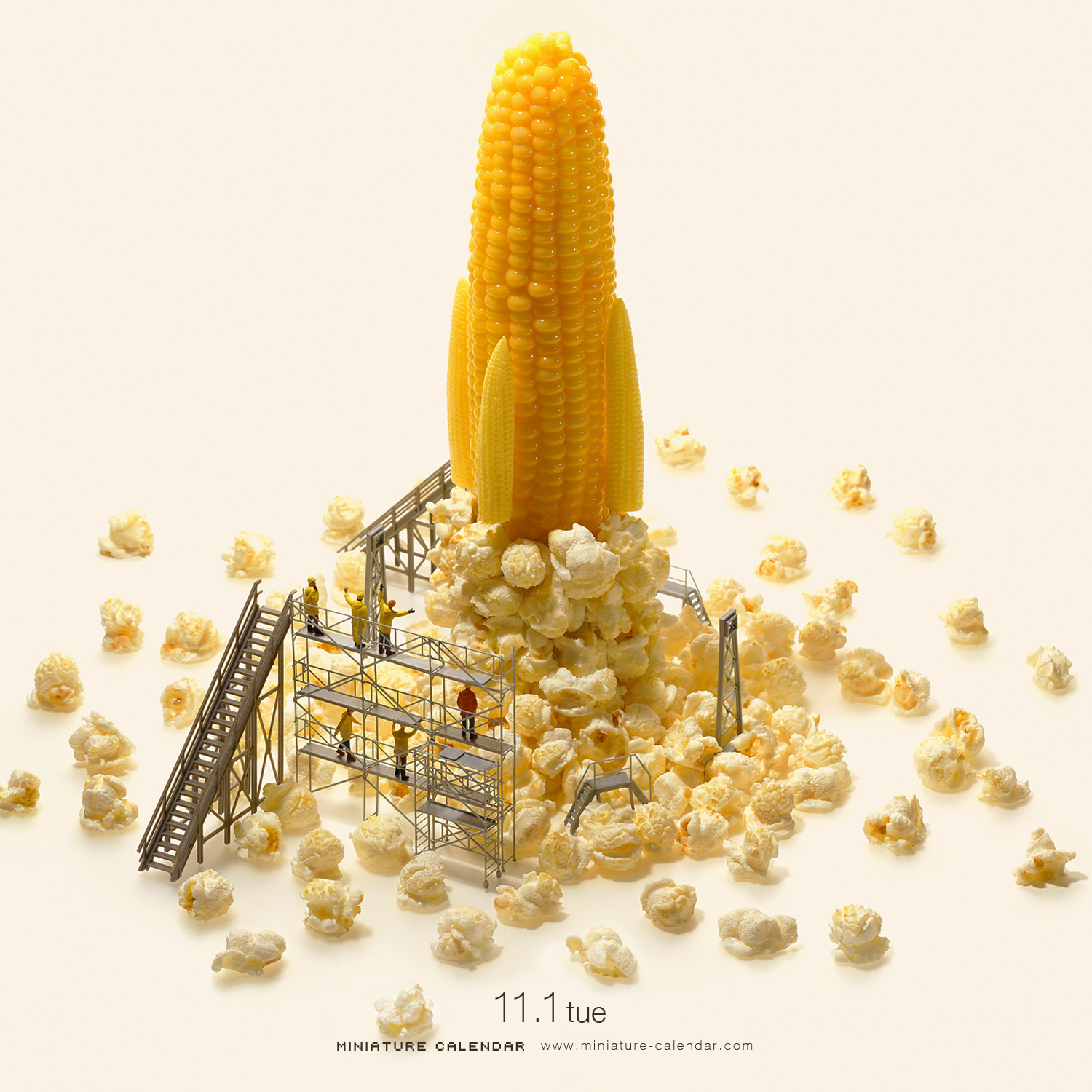
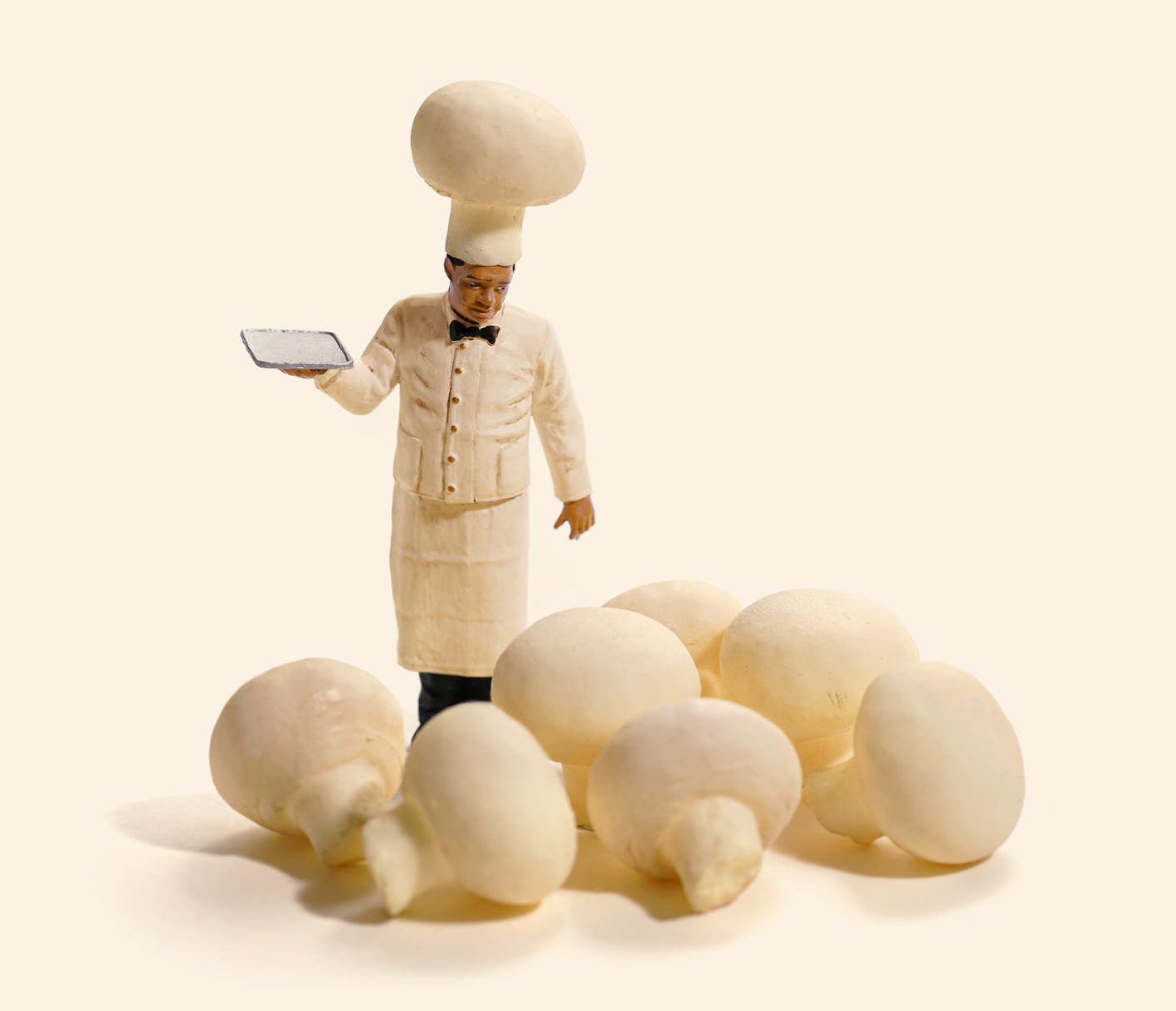
Sunday Evening Art Gallery Blog — Tatsuya Tanaka

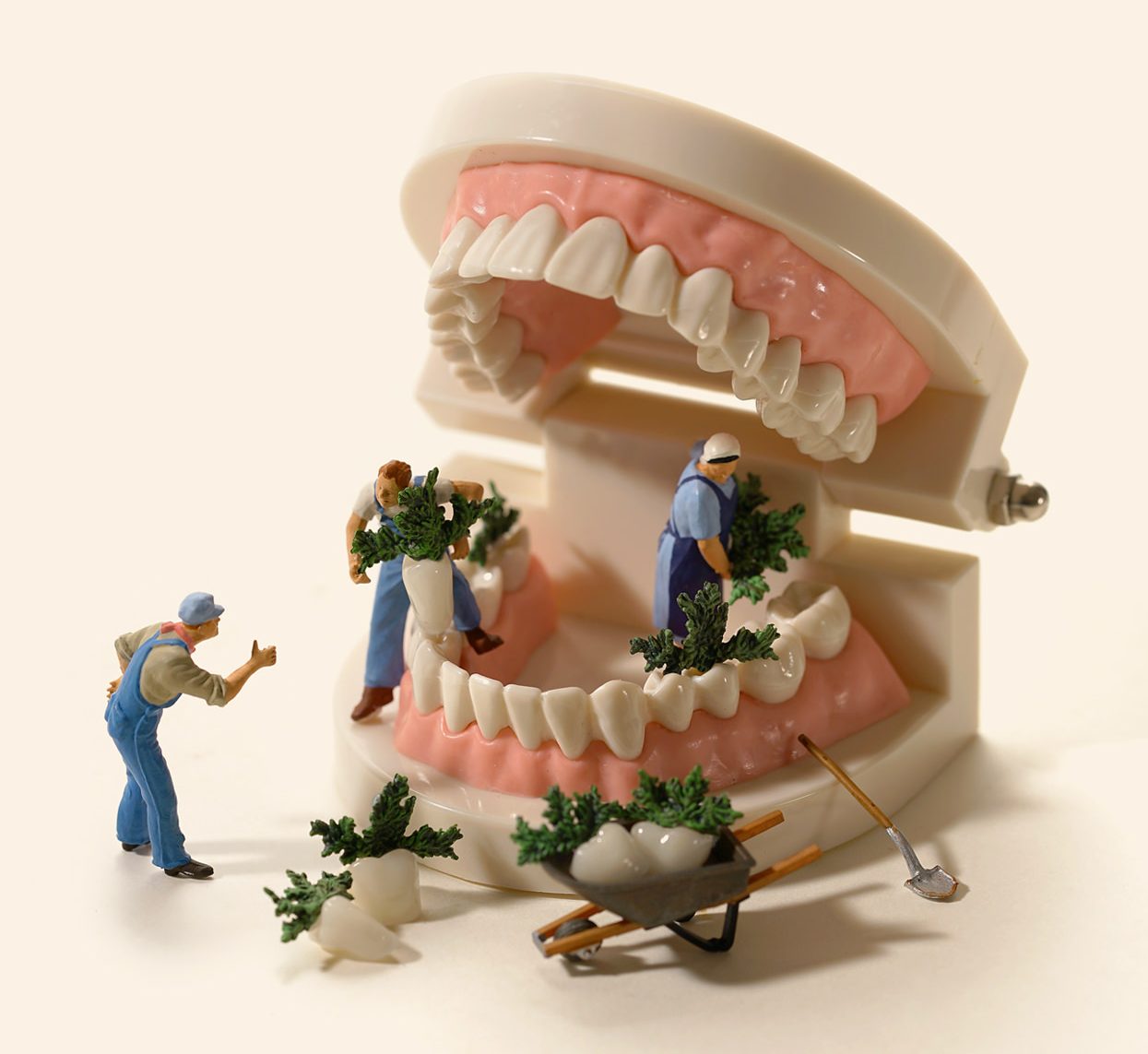
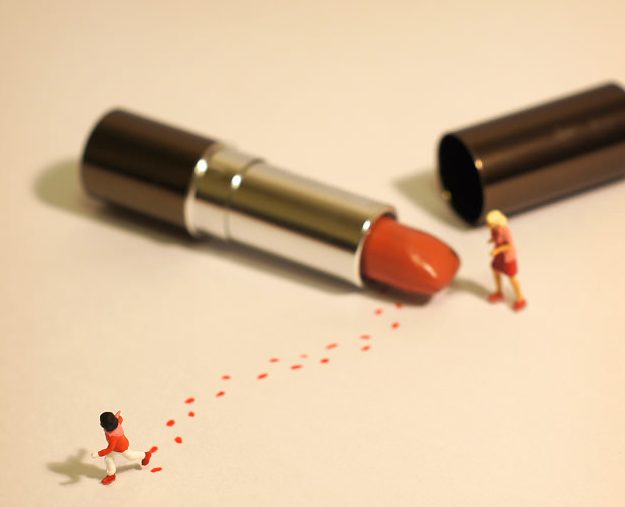
“Everyone must have had similar thoughts at least once.”

5660b6611440c996e82dc0b7829ff1c1

“Broccoli and parsley might sometimes look like a forest, or the tree leaves floating on the surface of the water might sometimes look like little boat.”

“Everyday occurrences seen from a pygmy’s perspective can bring us lots of fun thoughts.”

161101tue-1

“I wanted to take this way of thinking and express it through photographs.”

104bc105f121fa40bbd6aa09c6921319

“It would be great if you could use it to add a little enjoyment to your everyday life.”

How could we not be fascinated by such work?

140227thu

More of Tatsuya Tanaka‘s amazing work can be found at  http://miniature-calendar.com/.

Copy quoted from Tatsuya Tanaka website.

Sunday Evening Art Gallery — Willard Wigan

Willard Wigan might not be a familiar name to many of us, but once you see his work you will never forget it.
henry viii

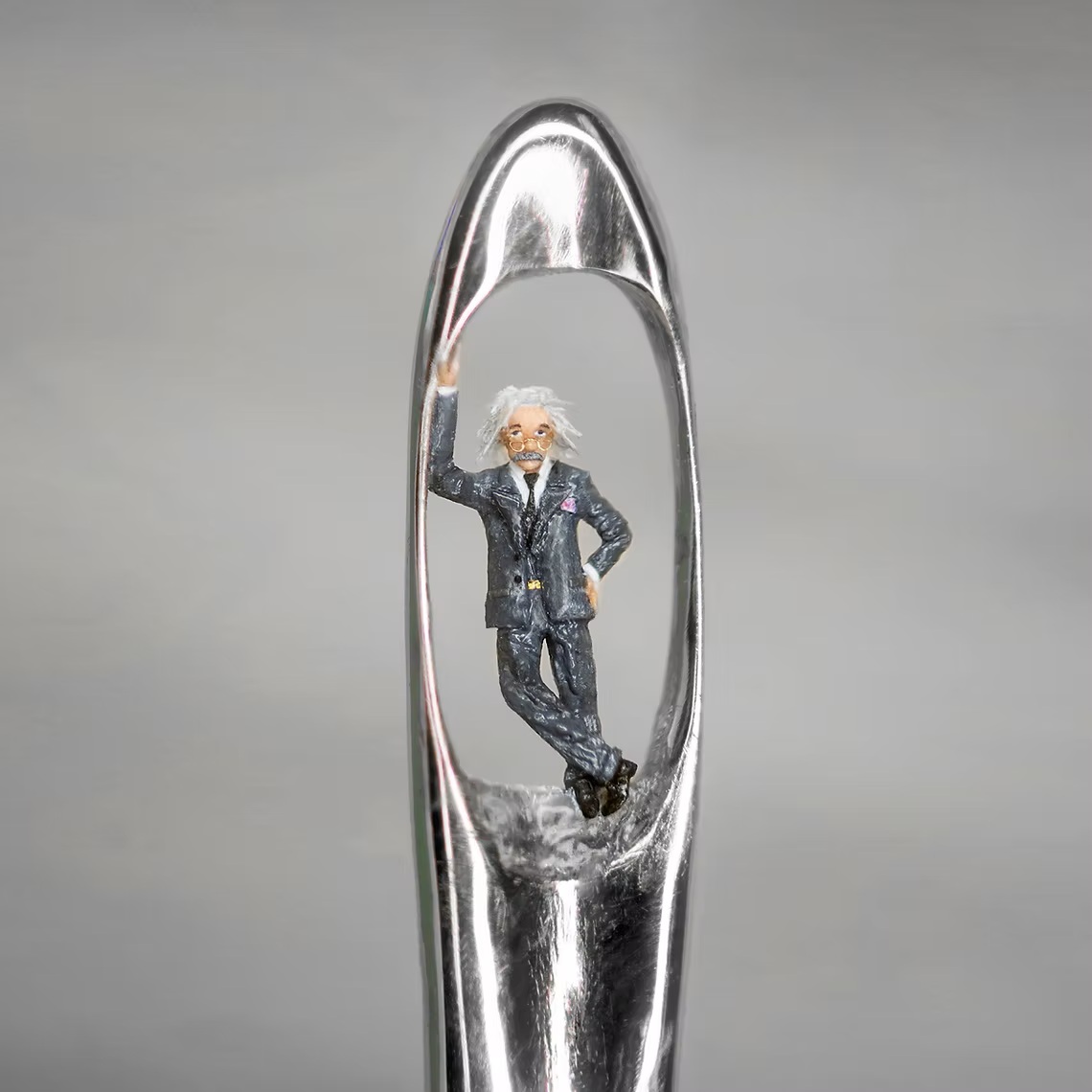
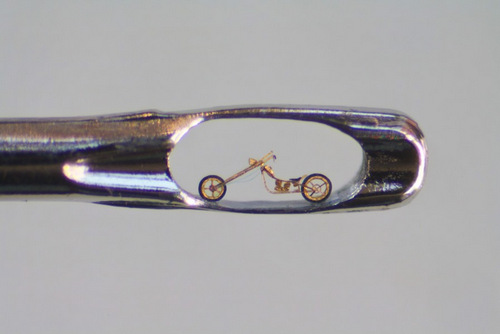
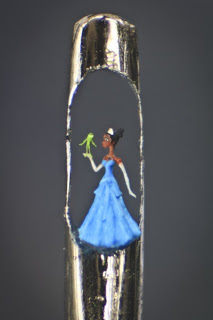
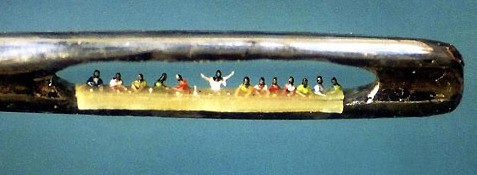
Willard Wigan is an English Sculptor from Ashmore Park Estate, England. His sculptures are typically placed in the eye of a needle or on the head of a pin. His sculptures are so minute they are only visible through a microscope.
05-Willard-Wigan-Miniature-Art-and-Sculptures-in-The-Eye-of-a-Needle-Golden-Harley-Davidson

 On average, it takes Wigan about eight weeks to complete one sculpture in a process that is physically challenging. Because the works are microscopic, the sculptor has learned to control his nervous system and breathing to ensure he does not make even the tiniest movement.

When working, Wigan enters a meditative state in which his heartbeat is slowed, allowing him to reduce any hand tremors and work between heartbeats.

245D185100000578-2893671-image-m-19_1420139124607

To carve his figures, Wigan uses surgical blades or hand-made tools, (some of which are custom made out of a sharpened microscopic sliver of tungsten), which he makes by attaching a shard of diamond to a pin.

Willard-Wigan-tiny-sculpture-alice-in-wonderland

Wigan uses a range of materials, including nylon, grains of sand, dust fibers, gold, and spider’s cobwebs.

willard 6

My mind cannot wrap around an artist who can control and create like this. A true direct connection between Wigan and the Divine is the only explanation I can muster.

statue of liberty 1

But then again, what is talent but honing that connection?

Micro-sculptures-in-the-eye-of-a-needle-04

Willard Wigan’s work can be found at his website, http://willard-wigan.com, and various sites around the Net.

He is so worth discovering.