I had such a magical time wandering through the old world over Europe way. Even with the occasional McDonalds and souvenir stands on every other corner, it was an amazing glance at the past. Brick roads and plazas, statues everywhere — living in idwest United States your mind cannot fathom what it’s like to have ancient art everywhere you go.
For today’s blog, let’s try some pediments, cornices, tympanums, and whatever other words mean decorative pieces above doorways and arches….

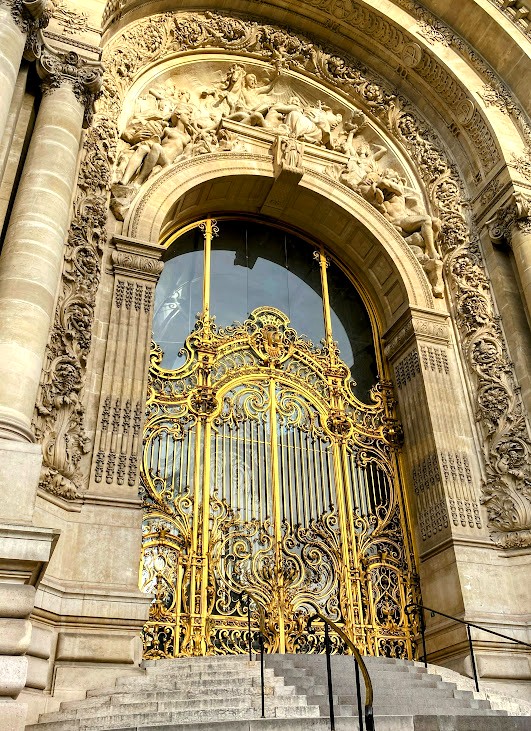
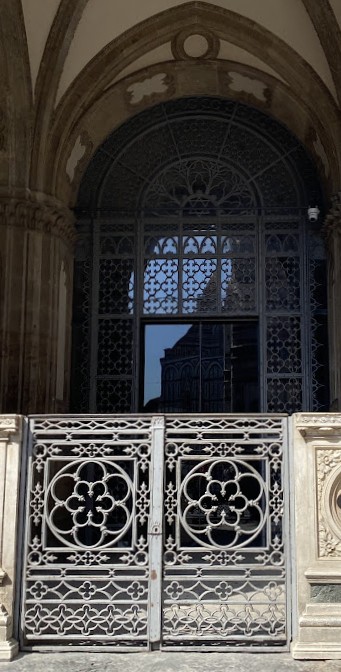
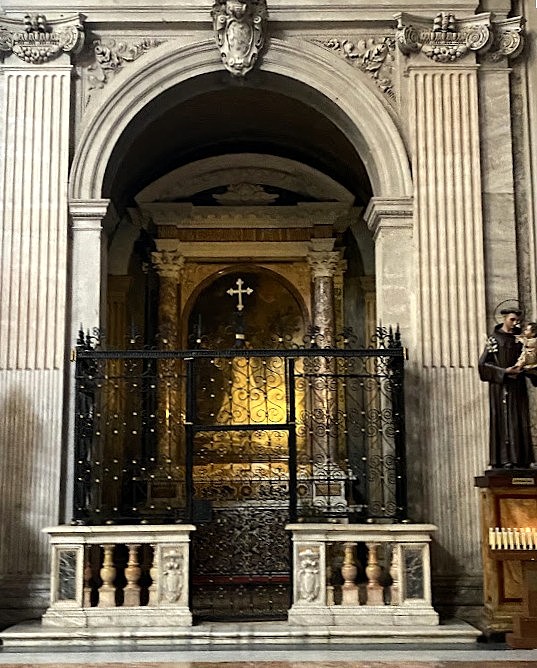
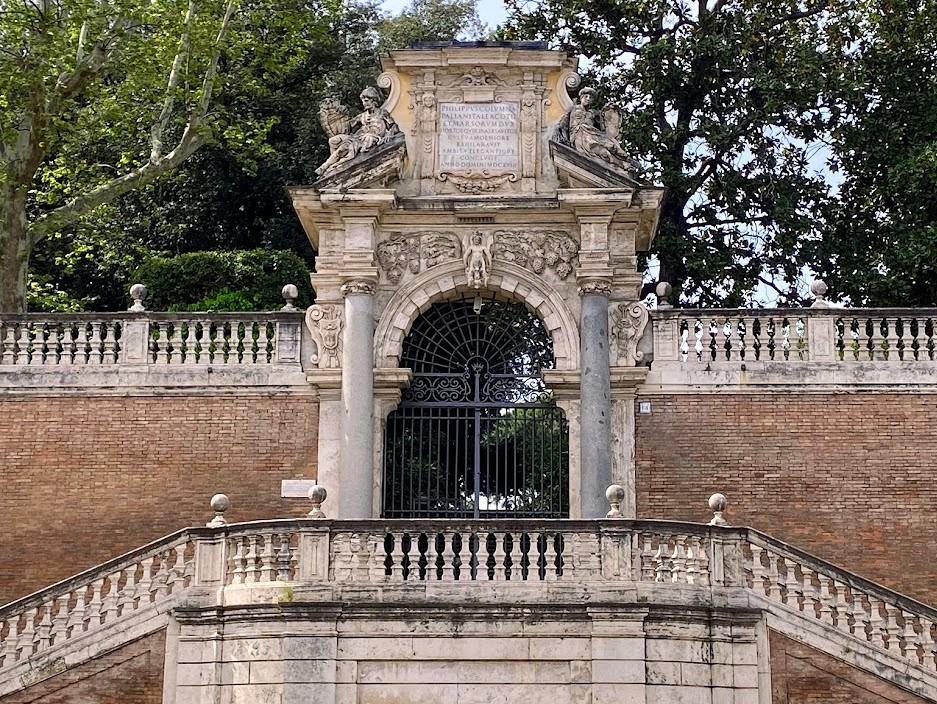
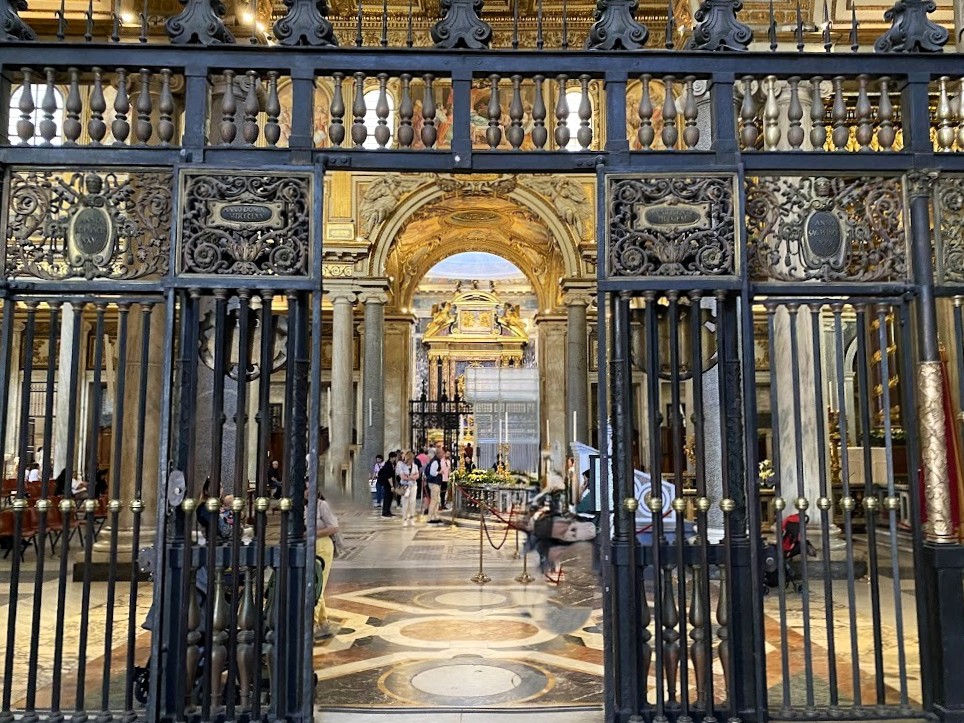
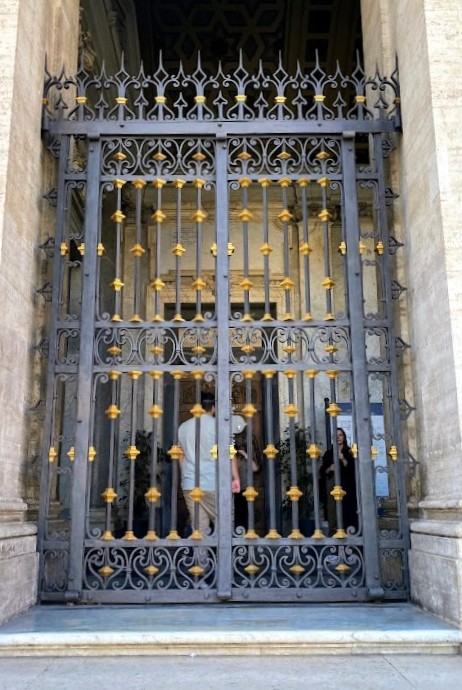
Going through some of the photos from my trip to Paris, Rome, and Florence last year for my new Frameo moving picture frame, I came across some kick ass photos of stone architecture.
What the architects of yesteryear created is past amazing. I am not familiar with the styles, but the words relief, frieze, architectural sculpture, and carvings all seem to be proper adjectives for the beauty I found over there.
I’ll never make my way over there again, and some of you might never make it there at all. Sharing these photos provide a realistic insight into what that world looks like from the comfort of your sofa.
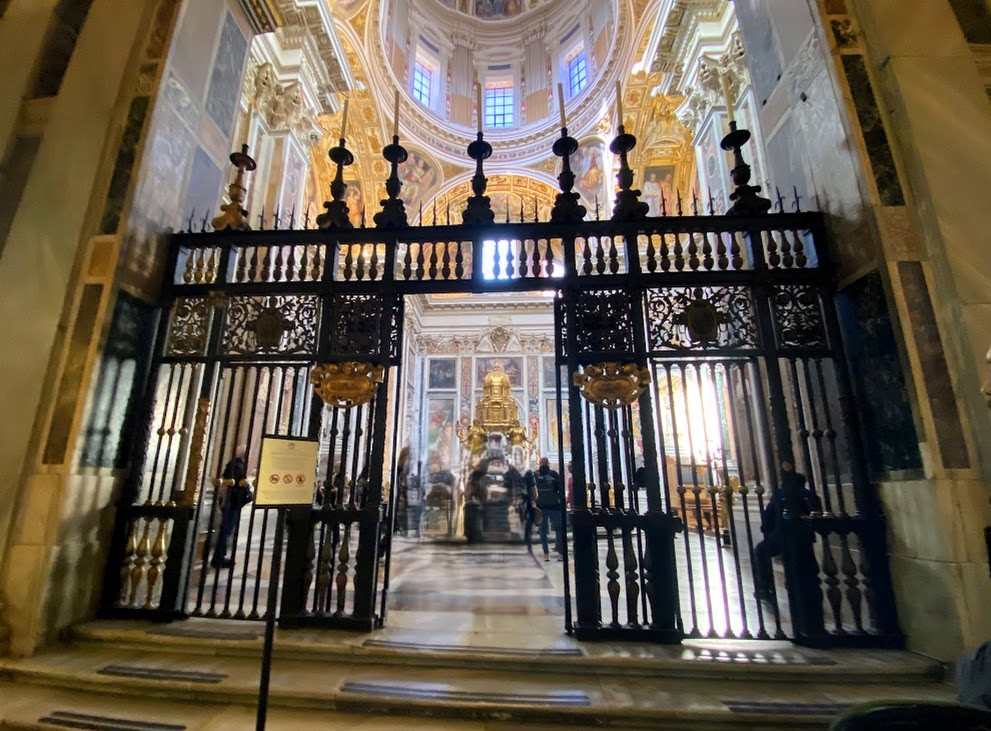
Today I want to share with you gates I came across. Hopefully in future posts I’ll share altars, ceilings, buildings, and other wonders of the ancient world. Come walk with me!
Forgive some of the photography — I am an active learner still.
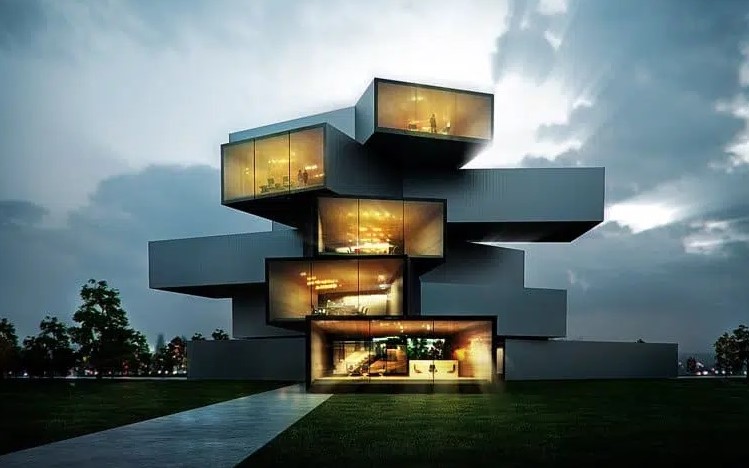
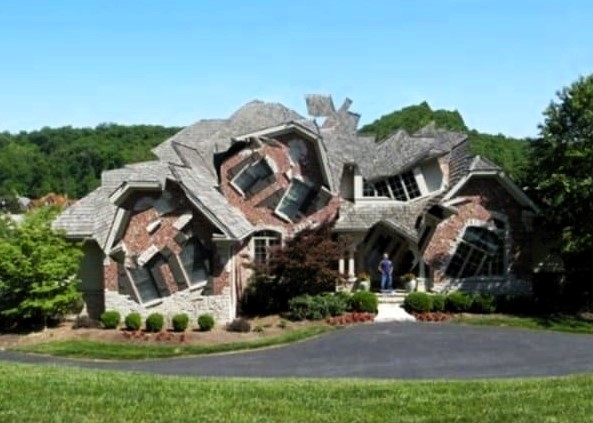
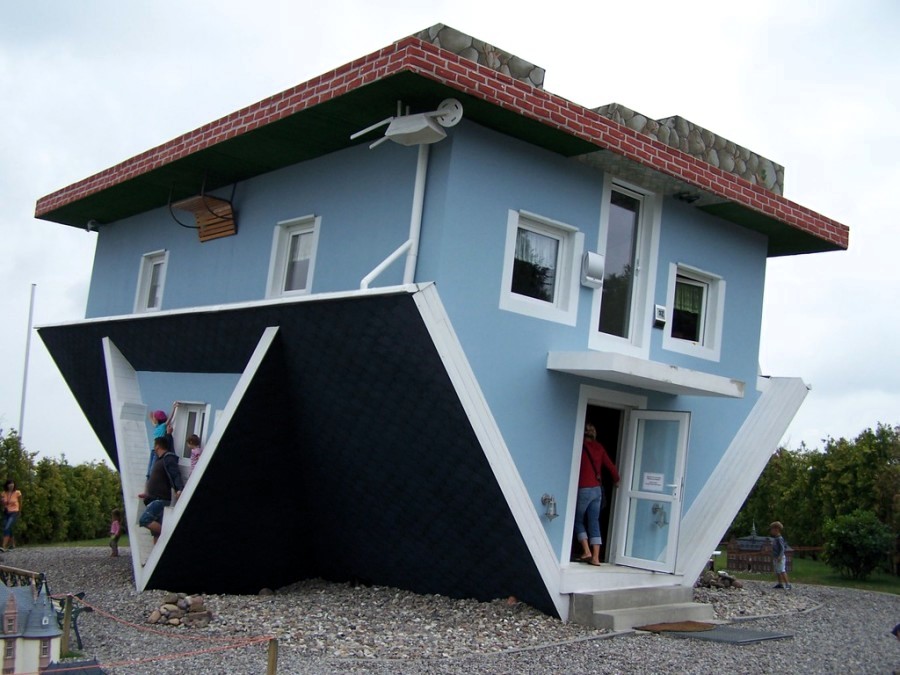
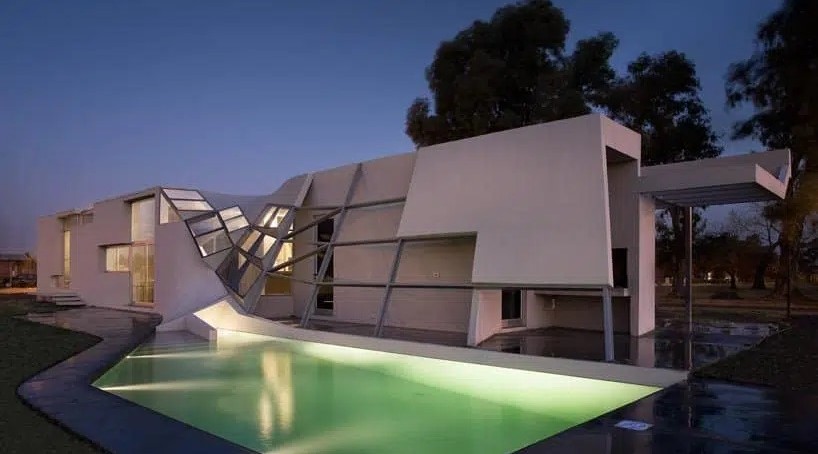
Odd is all in a person’s point of view, isn’t it? What I perceive as odd you may think of as quaint. Or asymmetrical. Or idiosyncratic.
Or just plain odd.
Obviously the following homeowners took “odd” to mean unique, different, and cutting edge (among other positive adjectives), and used that meaning to create yet another wonderful form of Art.
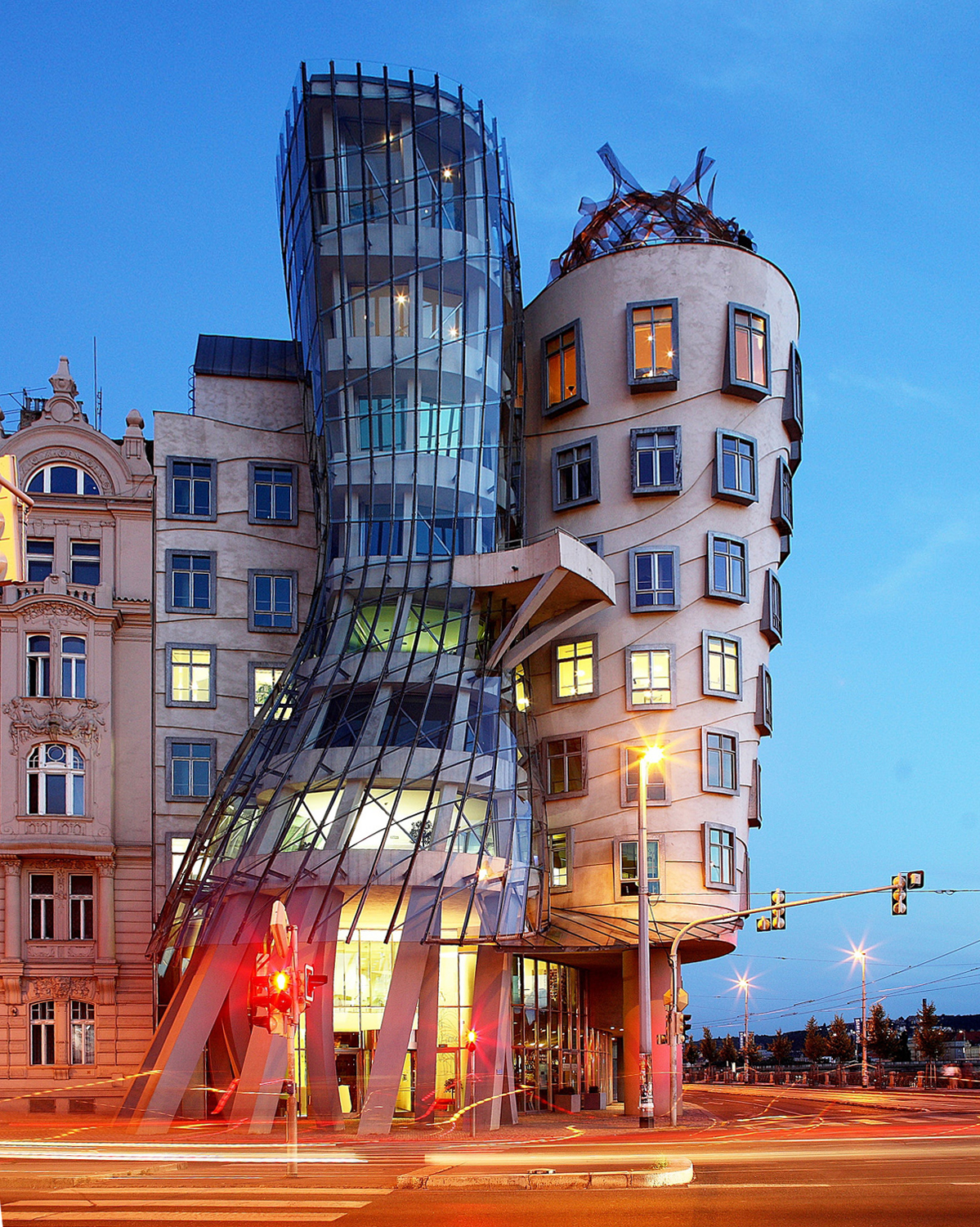
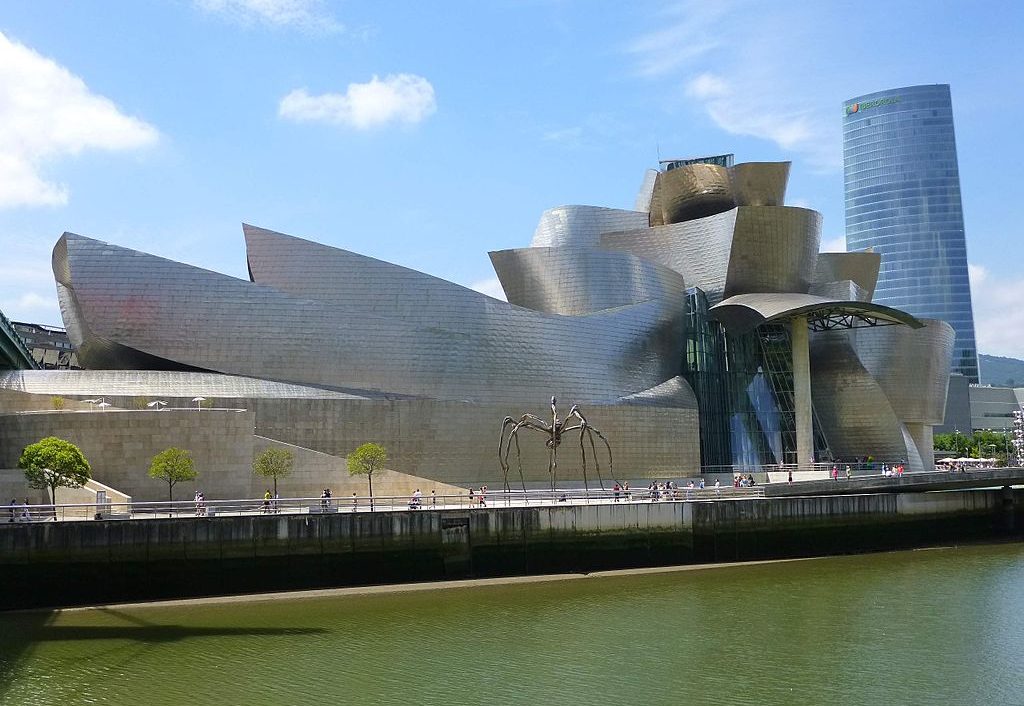
Frank Owen Gehry is a Canadian-American architect, residing in Los Angeles, California.
Dancing House, Prague, Czech Republic
Born in Canada in 1929, Gehry attended the University of Southern California and the Harvard University Graduate School of Design.
Binoculars Building (Chiat/Day Building), Venice, California.
Gehry is among the most acclaimed architects of the 20th century, and is known for his use of bold, postmodern shapes and unusual fabrications.
Museum of Pop Culture, Seattlle, Washington
His selection of materials lend some of Gehry’s designs an unfinished or even crude aesthetic.
Guggenheim Museum, Bilbao, Spain
Use of corrugated steel, chain-link fencing, unpainted plywood, and other utilitarian or “everyday” materials was partly inspired by spending Saturday mornings at his grandfather’s hardware store.
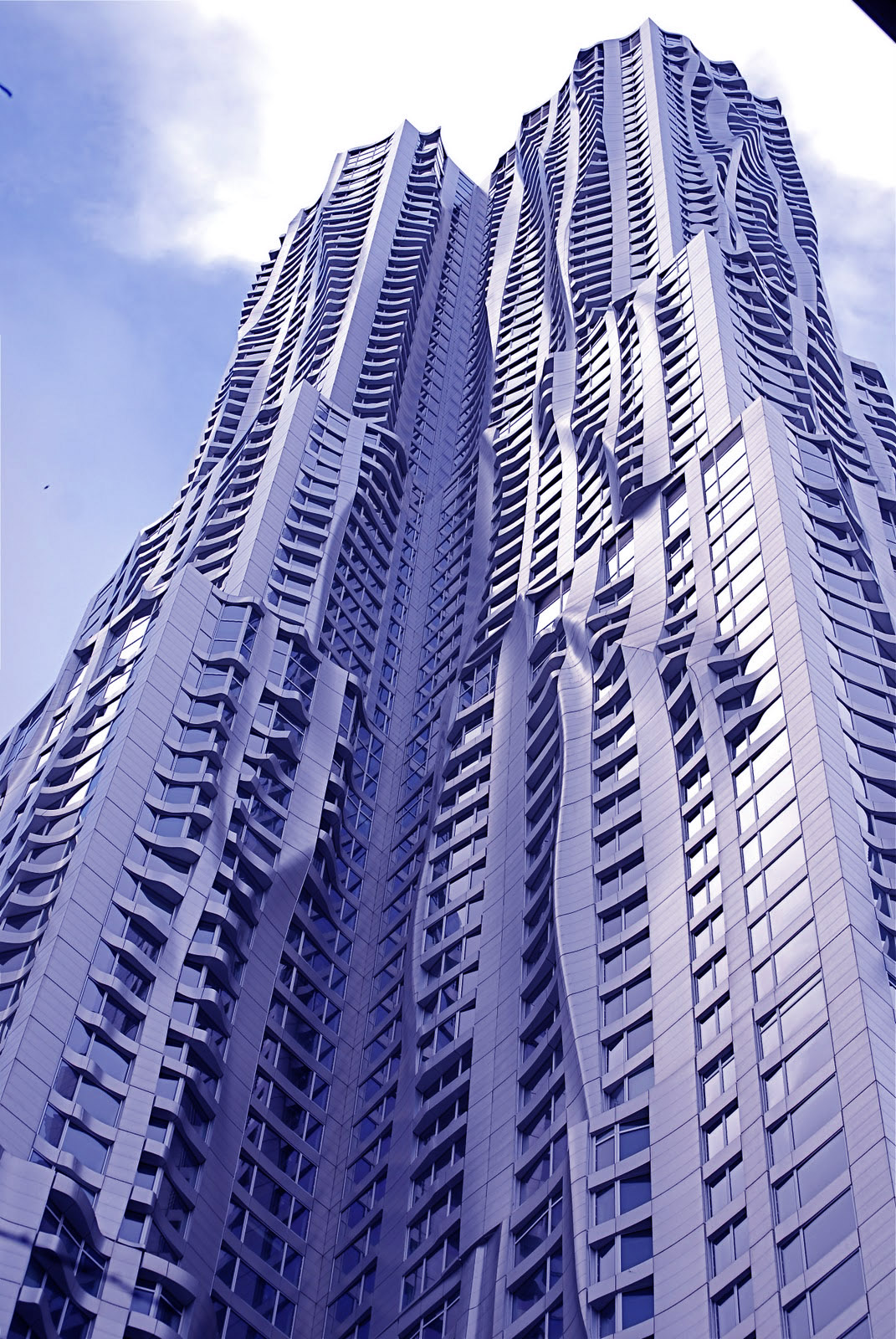
New York at 8 Spruce Street, New York City
This consistent aesthetic has made Gehry one of the most distinctive and easily recognizable designers of the recent past.
Biomuseo, Panama Canal
“I am not a ‘star-chitect’, I am an ar-chitect,” he has said. “There are people who design buildings that are not technically and financially good, and there are those who do. Two categories, simple.”
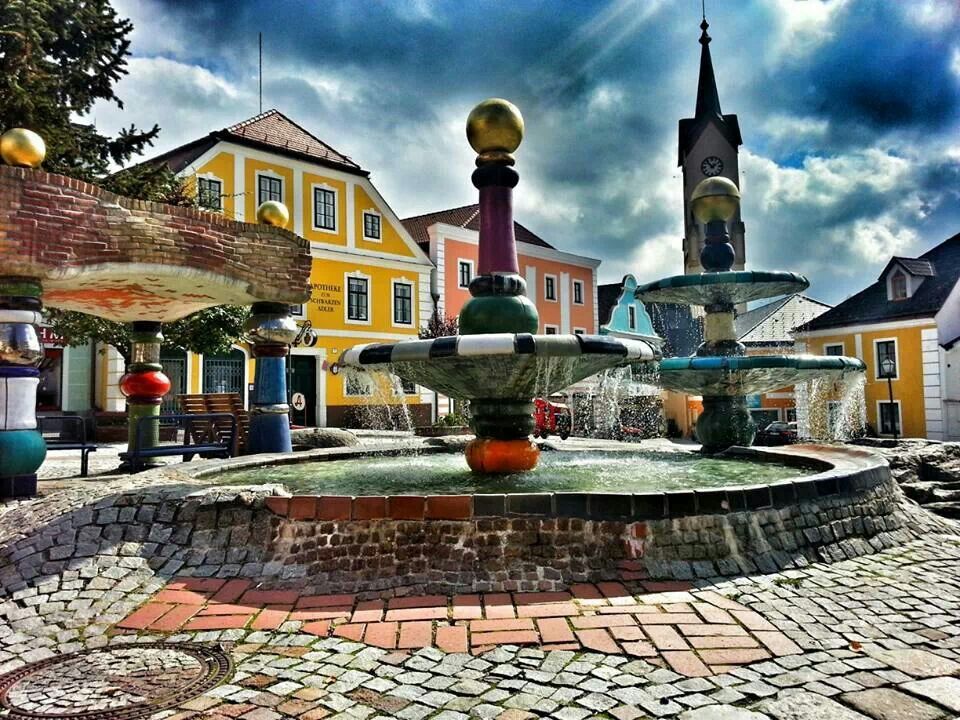
Friedensreich Hundertwasser (1928 –2000) was an Austrian artist and architect who spent his whole career championing the curve of organic nature against the straight line.
Children’s Day-Care Centre Heddernheim, Frankfurt, Germany
Born Friedrich Stowasser in 1928, the Viennese artist most commonly known as Friedensreich Hundertwasser (or ‘Kingdom-of-Peace Hundred-Water’) started his artistic revolution by adopting a new name.
The Waldspirale, Darmstadt, Germany
Even though Hundertwasser first achieved notoriety for his boldly-colored paintings, he is more widely known for his individual architectural designs.
Kuchlbauer Tower, Lower Bavaria, Germany
The common themes in his work utilize bright colors, organic forms, a reconciliation of humans with nature, and a strong individualism.
Hundertwasser House, Bad Soden, Germany
From the mid 70s, all his amazing buildings were ergonomically curved and ecologically integrated with natural features of the landscape.
Kunsthaus Abensberg, Abensberg, Germany
There are no corners, edges or straight lines. Instead, there is the courage to create organic forms, colors, joy, and include the human dimension – living works of art.
Hundertwasserbrunnen Fountain, Zwettl, Austria
Many of his creations highlighted architecture with uneven floors, unique windows, and spontaneous vegetation.
Green Citadel , Magdeburg, Germany
Hundertwasser stood out as an opponent of “a straight line” and any standardization, expressing this concept in the field of building design.
Ronald McDonald Kindervallei, Valkenburg, Netherlands
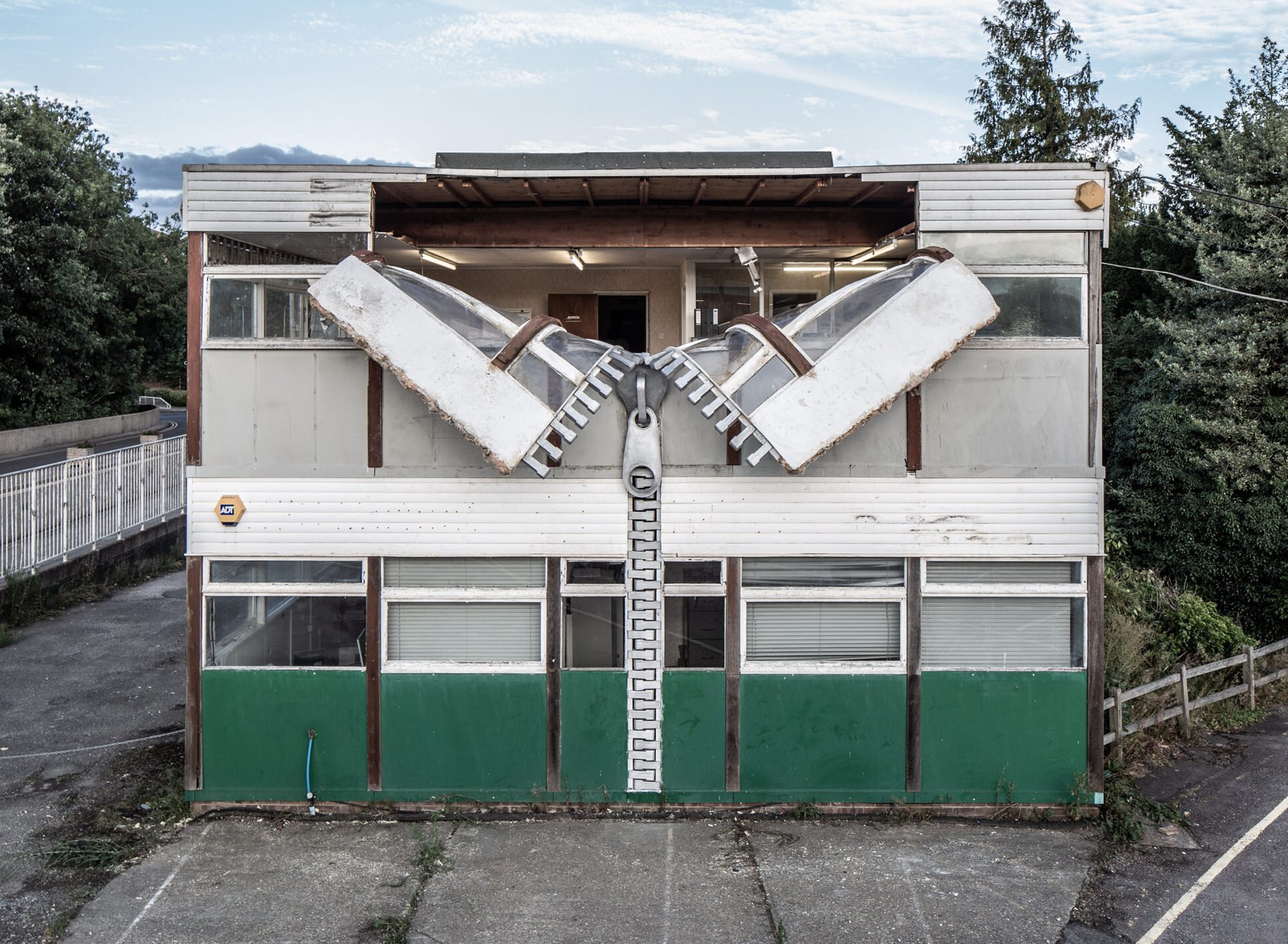
British sculptor Alex Chinneck creates temporary surreal architectural sculptures that show social awareness, humor, and an interest in regeneration.
The artist is a Chelsea College of Art alumnus and is a member of the Royal British Society of Sculptors.His work animates the surrounding urban landscape in an ingenious combination of engineering, architecture, and art.Chinneck’s pieces merge sculpture with architecture to create masterpieces that play with both our visual and social expectations.“I like to make work that blends in with its surroundings, but which at the same time stands out,” Chinneck says. “Illusions are visually engaging, mesmerizing and accessible – everyone can understand and enjoy them.”More of Alex Chinneck‘s sculptural creations can be found at https://www.alexchinneck.com/.
Antoni Gaudí (1852-1926) was a Catalan architect whose distinctive style is characterized by freedom of form, voluptuous color and texture, and organic unity.
Sagrada Familia
Gaudí was born in Catalonia on the Mediterranean coast of Spain on June 25, 1852. He showed an early interest in architecture and went to study in Barcelona — Spain’s most modern city at the time.
Artigas Gardens, La Pobla de Lillet
Once he got his degree in architecture in 1878, Gaudí began working on larger projects.
Casa Calvet
He soon became one of the most sought-after architects, and began taking on larger commissions, leaving behind many other one-of-a-kind works in Barcelona.
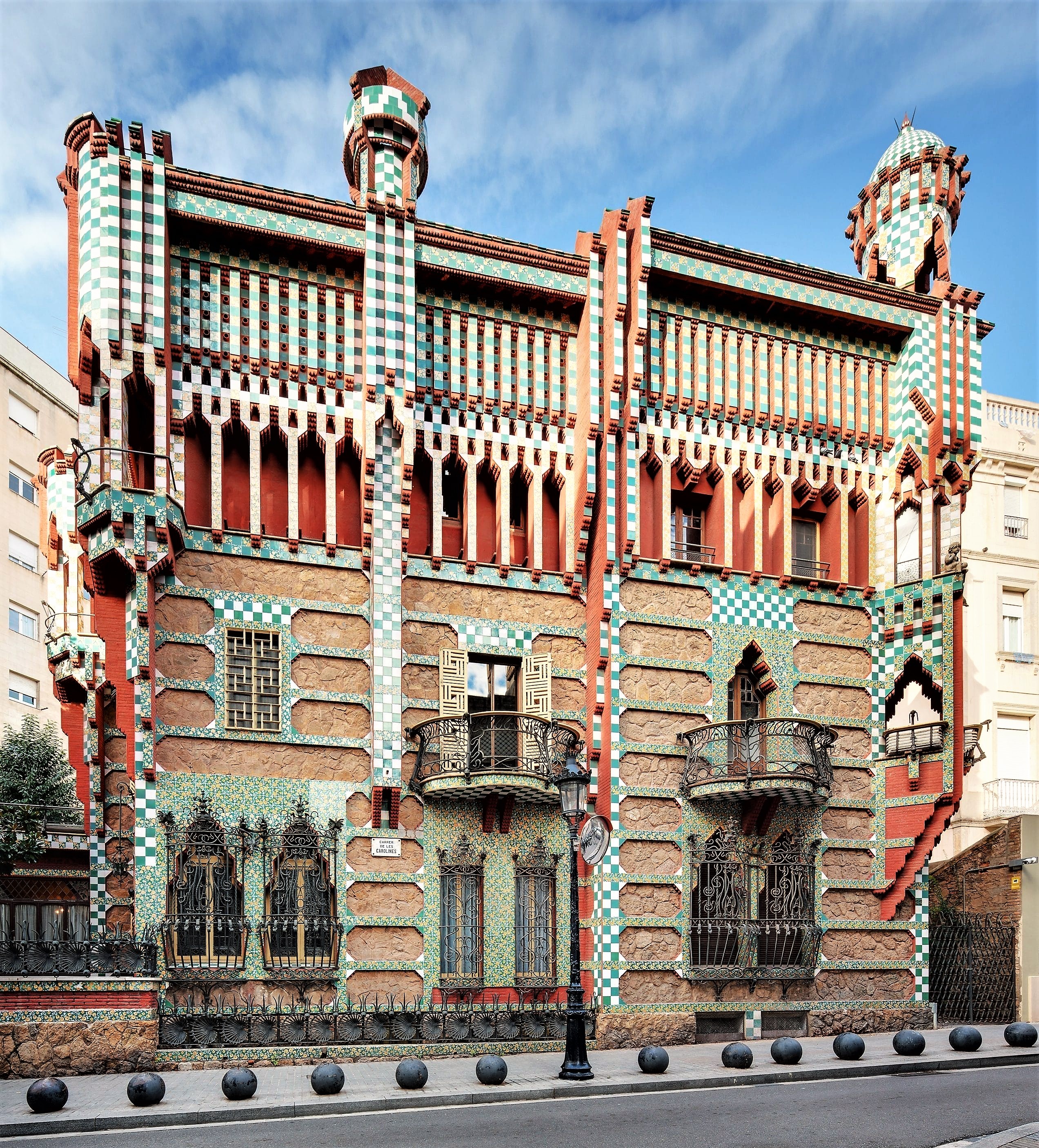
Casa Vicens
Gaudí’s work was influenced by his passions in life: architecture, nature, and religion.
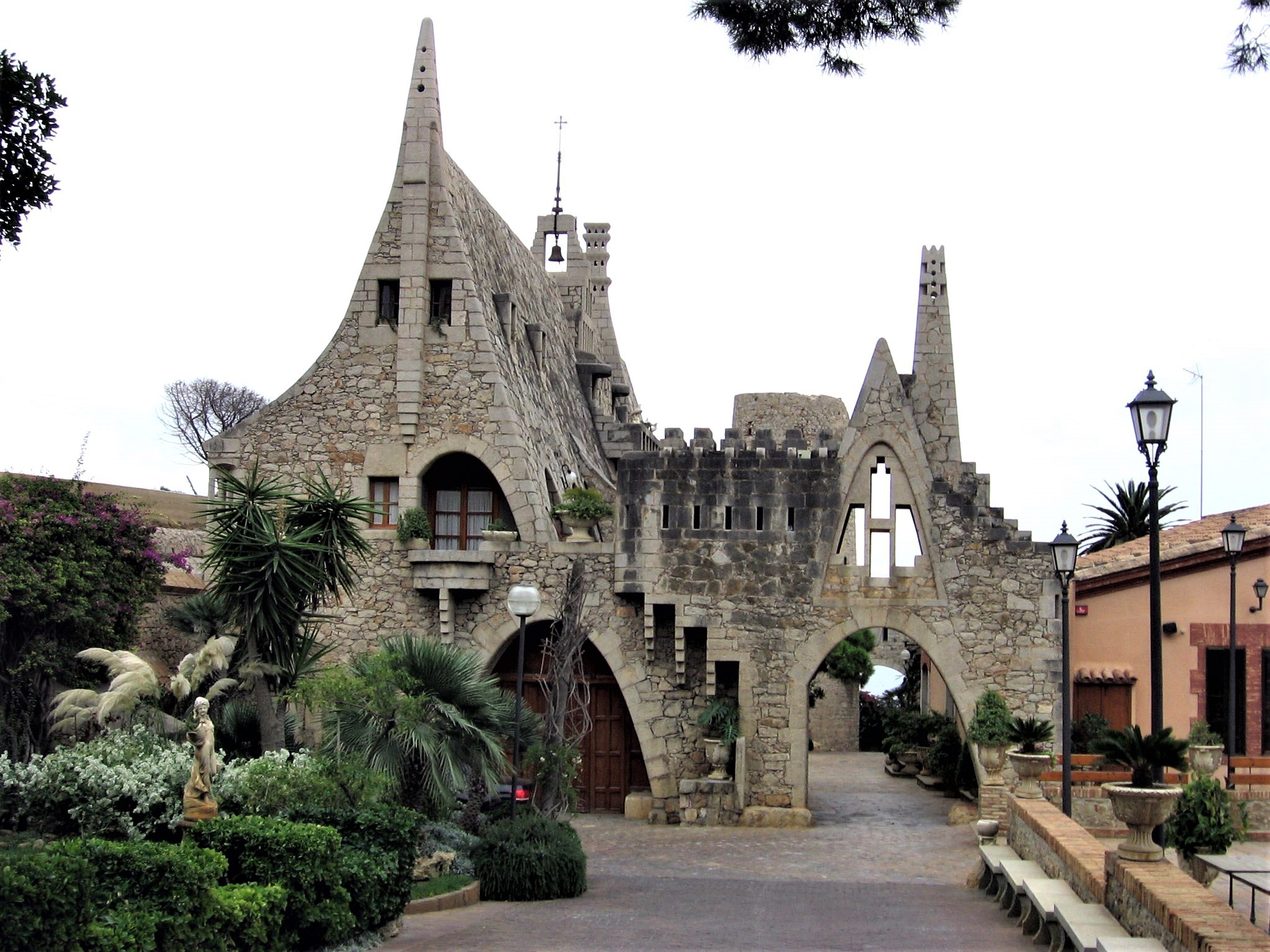
Bodegas Güell
He considered every detail of his creations and integrated into his architecture such crafts as ceramics, stained glass, wrought ironwork forging and carpentry.
Church of Colonia Guell
Under the influence of neo-Gothic art and Oriental techniques, Gaudí became part of the Modernista movement which was reaching its peak in the late 19th and early 20th centuries.
Episcopal Palace, Astorga
Gaudí’s was highly innovative in terms of his explorations of structure, searching through a variety of regional styles before seizing on the parabolic, hyperbolic, and catenary masonry forms and inclined columns that he developed through weighted models in his workshop.
Casa Batlló
These are often integrated with natural and highly symbolic religious imagery that encrust the structure with vibrant, colorful surfaces.
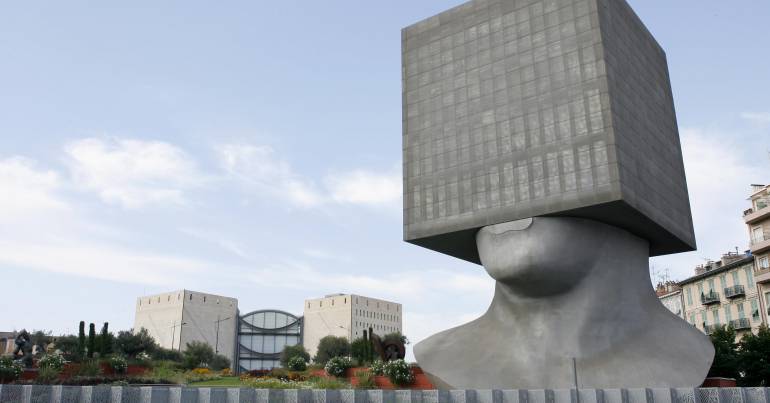
In a good bookroom you feel in some mysterious way that you are absorbing the wisdom contained in all the books through your skin, without even opening them. ~ Mark Twain
Geisel Library, University of California, San Diego
Frank Lloyd Wright (1867-1959) was an architect and writer whose distinct style helped him became one of the biggest forces in American architecture.
Taliesin
Wright started his own firm and developed a style known as the “Prairie School”, which strove for an “organic architecture” in designs for homes and commercial buildings.
Dana Thomas House
These were single-story homes with low, pitched roofs and long rows of casement windows, employing only locally available materials and wood that was always unstained and unpainted, emphasizing its natural beauty.
Fallingwater
Wright believed in designing structures that were in harmony with humanity and its environment, a philosophy he called organic architecture.
Grady Gammage Memorial Auditorium
As a founder of organic architecture, Wright played a key role in the architectural movements of the twentieth century, influencing three generations of architects worldwide through his works.
Unitarian Society Meeting House
Wright designed original and innovative offices, churches, schools, skyscrapers, hotels, museums, and other structures. He often designed interior elements for these buildings, as well, including furniture and stained glass.
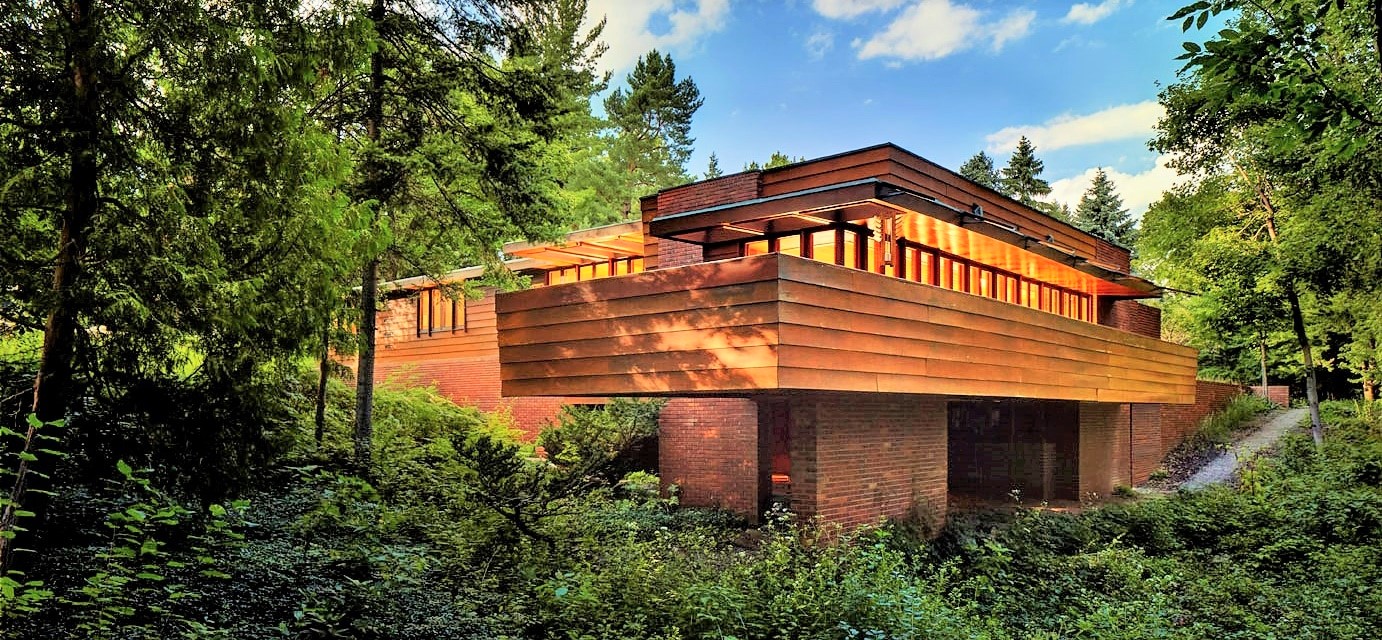
Affleck House
Considered one of the most radical architects in history, Wright used revolutionary building technologies and materials and experimented with using the natural landscape as part of his designs.
Lewis Spring House
Wright was a great originator and a highly productive architect. He designed some 800 buildings, of which 380 were actually built and a number are still standing.
I was blue, just as blue as I could be
Ev’ry day was a cloudy day for me
Then good luck came a-knocking at my door
Skies were gray but they’re not gray anymore
Blue skies
Smiling at me
Nothing but blue skies
Do I see
Bluebirds
Singing a song
Nothing but bluebirds
All day long
Never saw the sun shining so bright
Never saw things going so right
Noticing the days hurrying by
When you’re in love, my how they fly
Blue days
All of them gone
Nothing but blue skies
From now on
I never saw the sun shining so bright
Never saw things going so right
Noticing the days hurrying by
When you’re in love, my how they fly
Blue days
All of them gone
Nothing but blue skies
From now on
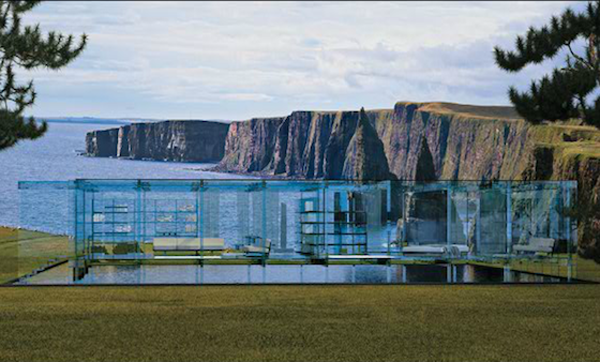
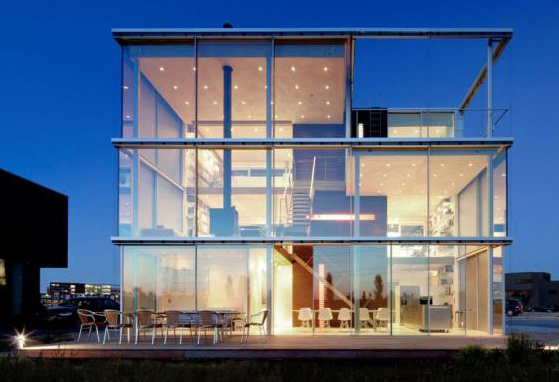
There are all sorts of glass houses jutting out majestically from other buildings, upper floors, and lower levels. My choice this evening are glass houses that are just that — glass houses.
Standing free and glistening under sunrise and sunset.
Architecture is a visual art, and the buildings speak for themselves. Julia Morgan, Architect
Bank Note Building, Lithuania
Umeda Sky Building, Osaka, Japan
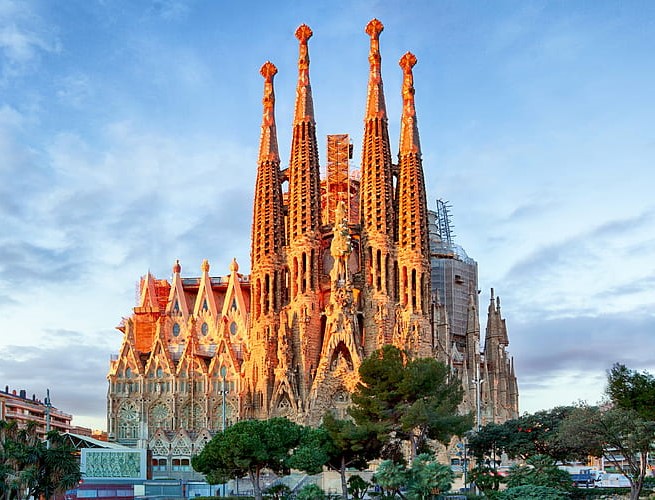
Temple Sagrada Familia, Barcelona, Spain
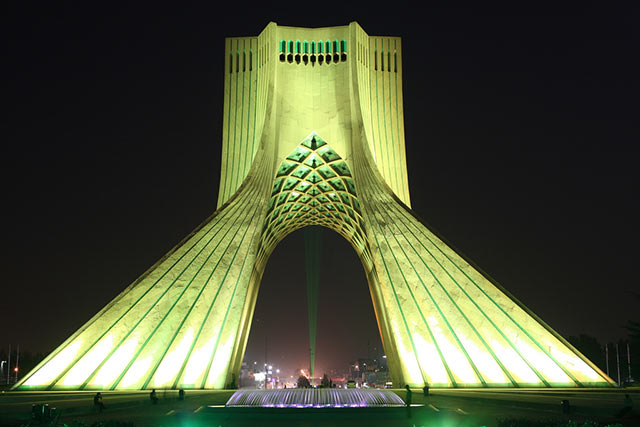
Azadi (Ex Shahyad) Tower, Tehran, Iran
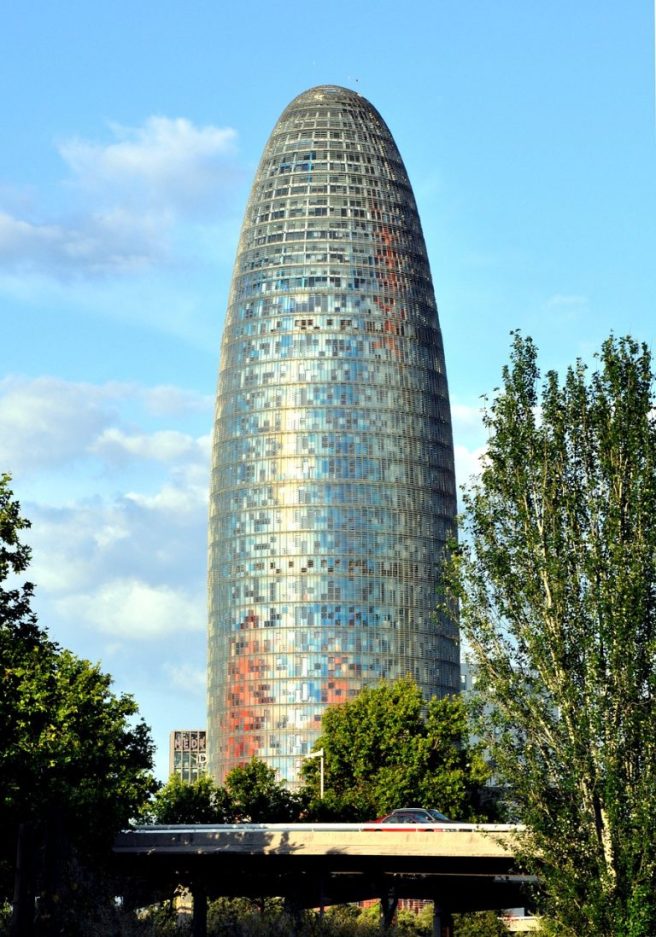
The Agbar Tower, Barcelona, Spain
Elephant Building or Chang Building, Thailand
Bahrain World Trade Center, Manama, Bahrain
Burj Al Arab Hotel, Dubai
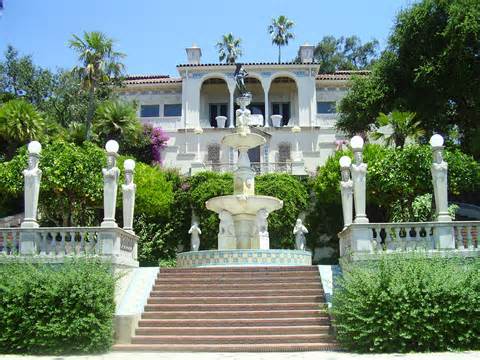
Julia Morgan (January 20, 1872 – February 2, 1957) was an American Architect, and the first woman architect licensed in California. In 1919 William Randolph Heart commissioned her to build a country house that came to be known as Hearst Castle at his family ranch at San Simeon, California.
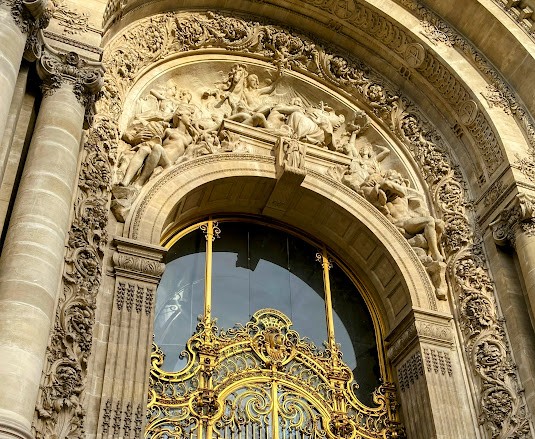
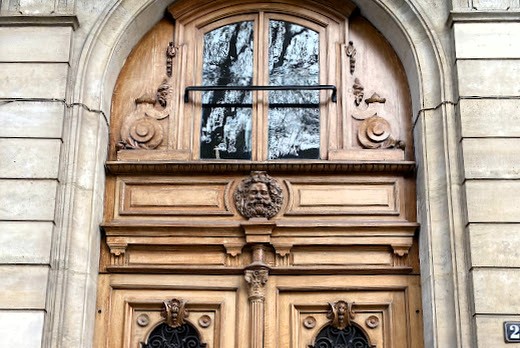
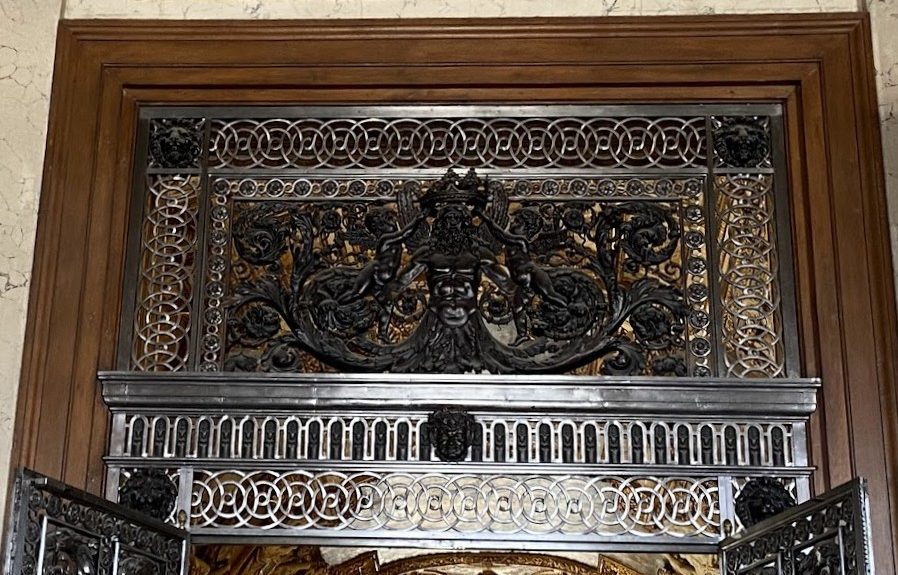
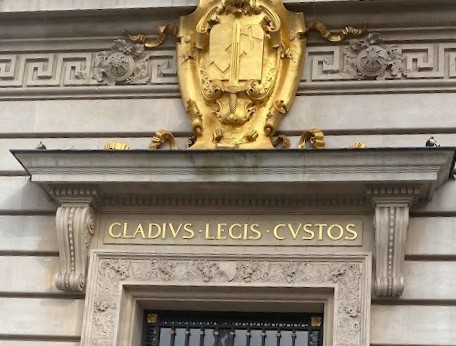
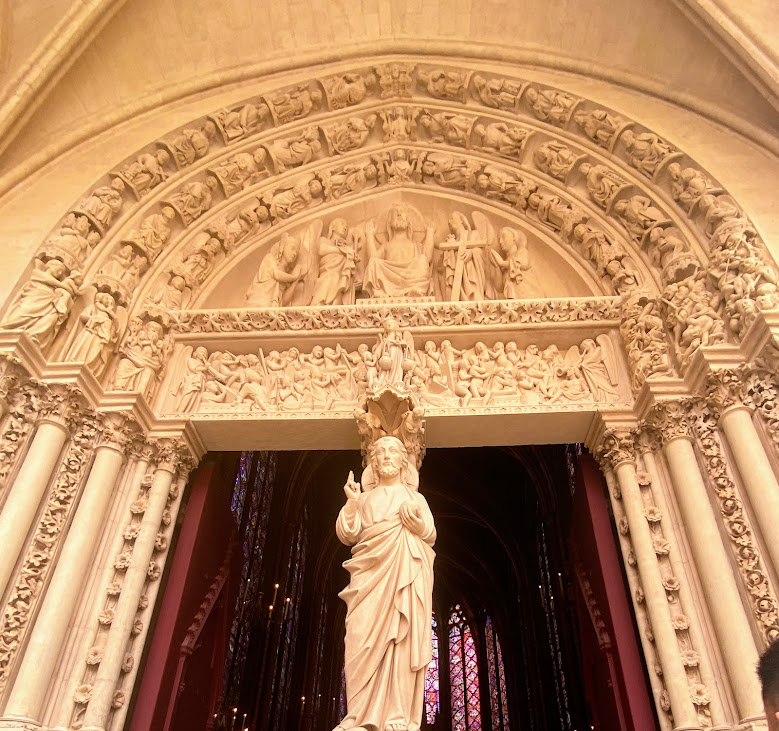
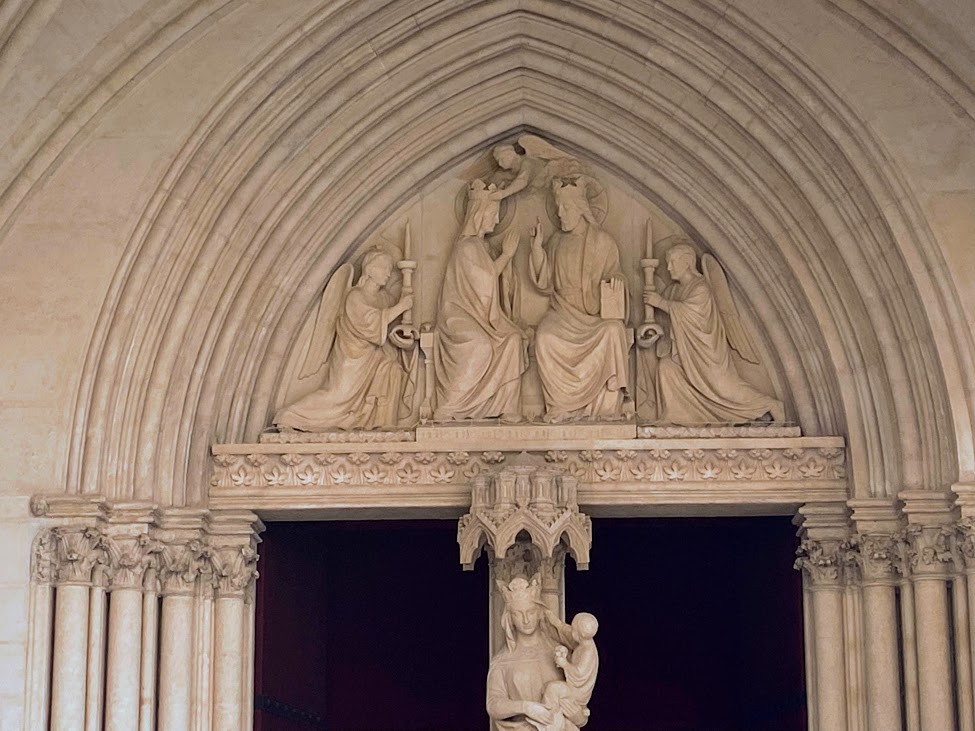
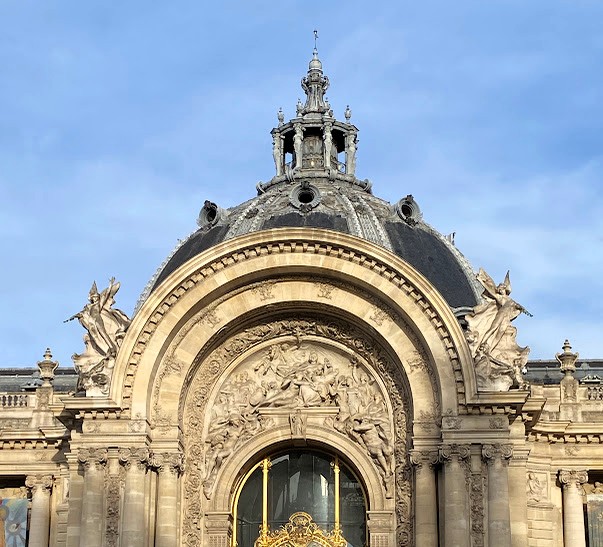
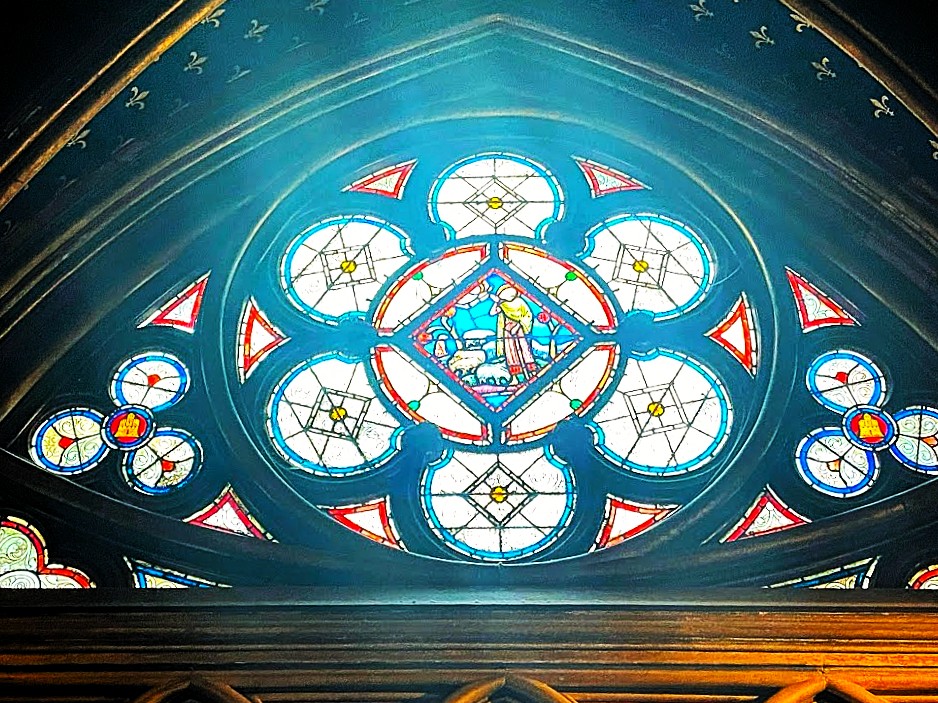
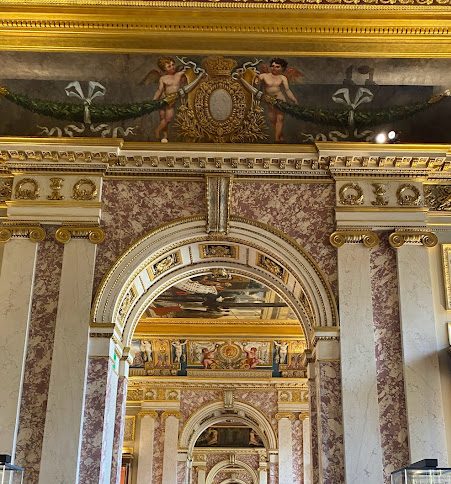
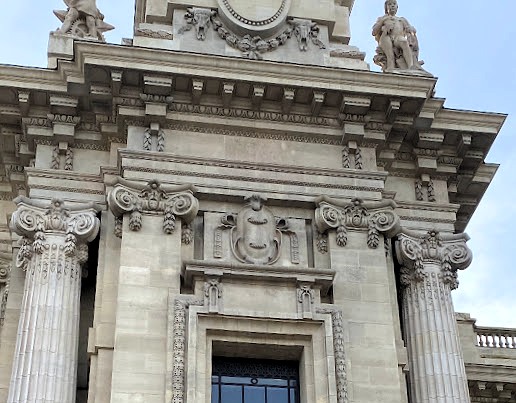
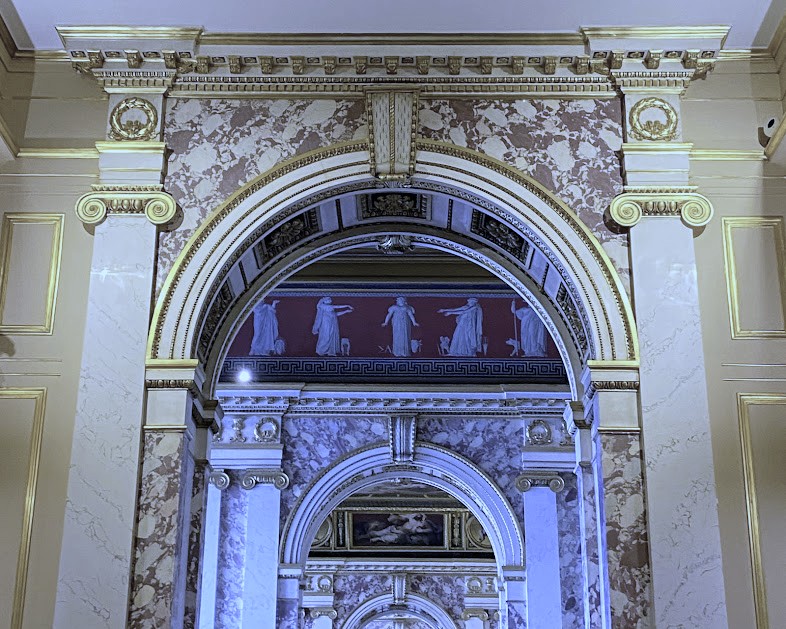
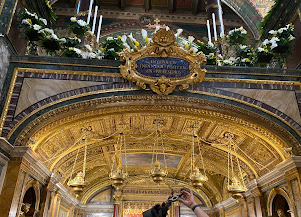
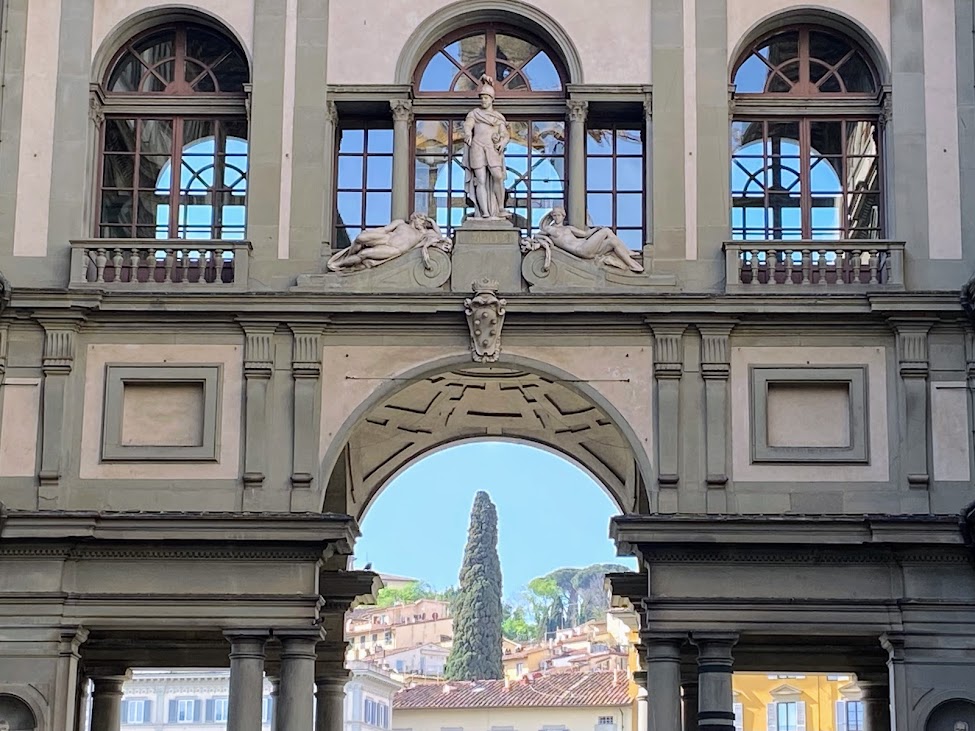
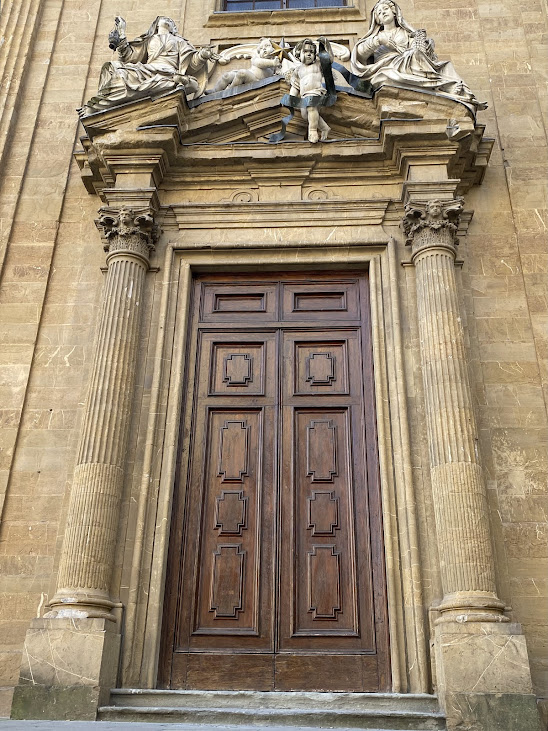
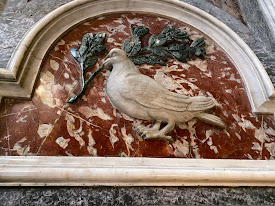
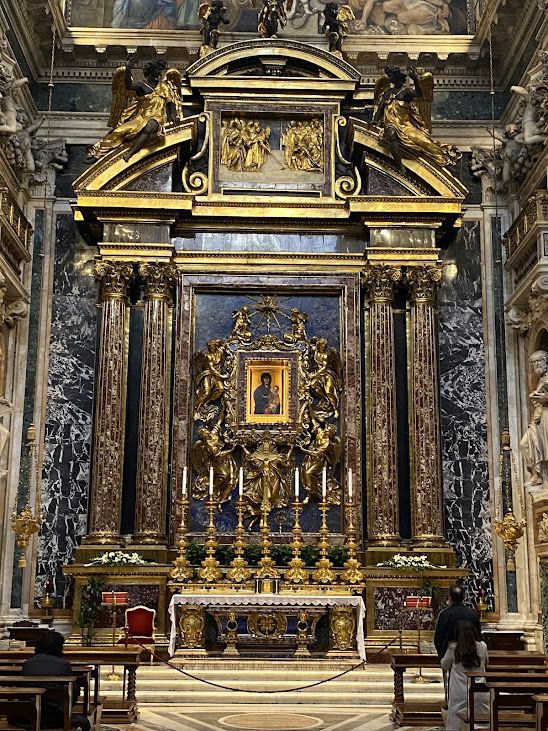
 Going through some of the photos from my trip to Paris, Rome, and Florence last year for my new Frameo moving picture frame, I came across some kick ass photos of stone architecture.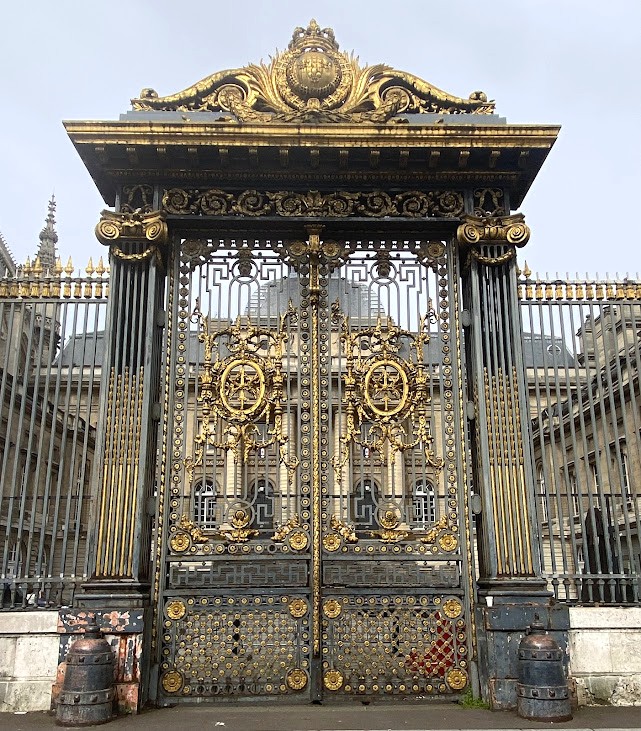
























![Health+Systems-blue+glass+buildings[1]](https://humoringthegoddess.com/wp-content/uploads/2016/02/healthsystems-blueglassbuildings1.jpg)









 Humoring the Goddess