Is It Art?

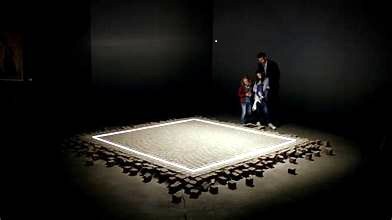
Image from The Square

I was watching a very artsy movie the other evening called “The Square” about an Avant-garde Swedish museum that is opening a controversial art display called The Square, a 4×4 square in the cement in front of the museum, outlined by a rope light.

The movie went on to relationships and other bizarre interactions so I stopped watching, but the controversy at the beginning really made me think.

“It’s meant to represent a communal ‘safe space,’ ” the artist explained. “The Square is a sanctuary of trust and caring. Within it, we all share equal rights and obligations.”

I never knew a 4×4 square could be so deep.

Am I missing something here?

An artist can make anything they create mean anything they want. A few sentences of explanation and you may understand it’s a political statement or a state of mind or world of chaos. It’s all up to the artist.

The discussion group in the movie states that they “need to harness social media attention with something other than the uncontroversial and bland artist’s statement.”

The square is nothing more than a 4 x 4 cement square. Another exhibit in the museum was a room with 15(?) piles of something arranged in 5 pile lines.

Why is this considered art?

Most people glance at displays like this and don’t give it a second thought. We don’t understand and don’t feel like understanding.

One of the quotes from the movie is, “If you place an object in a museum does that make this object a piece of art?”

This is still my question about modern art.

If a handful of people get the meaning you assign to your piece, is it still museum-worthy? Will it be remembered and cherished as a reflection of the world at the time?

Does every piece of art have to make sense?

I wonder about it all.
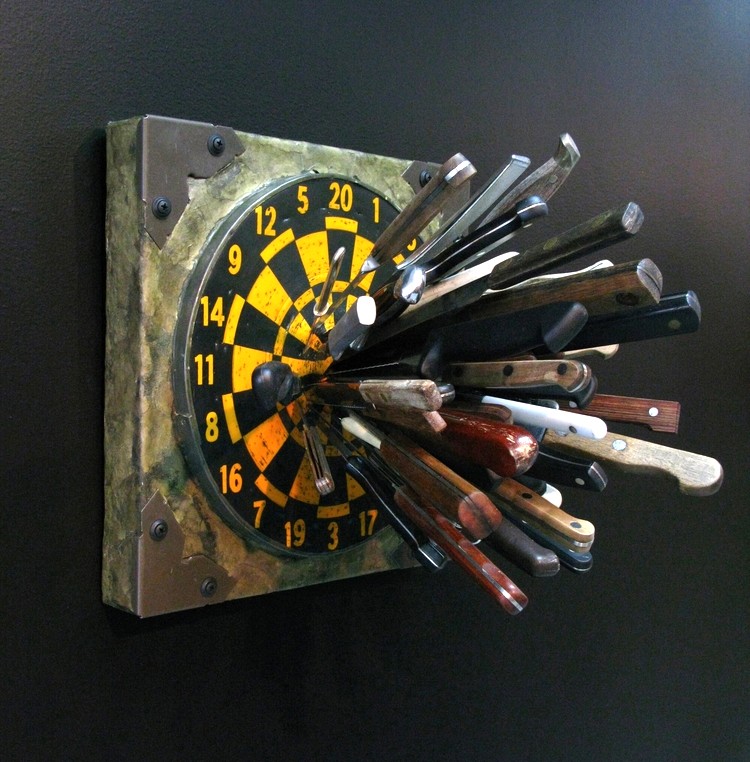


Sunday Evening Art Gallery — Ron Ulicny

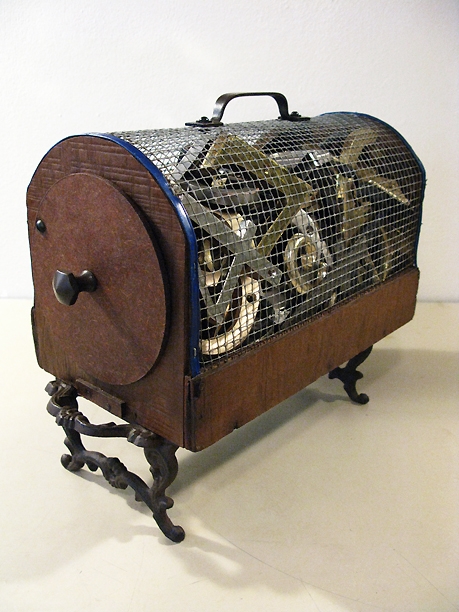
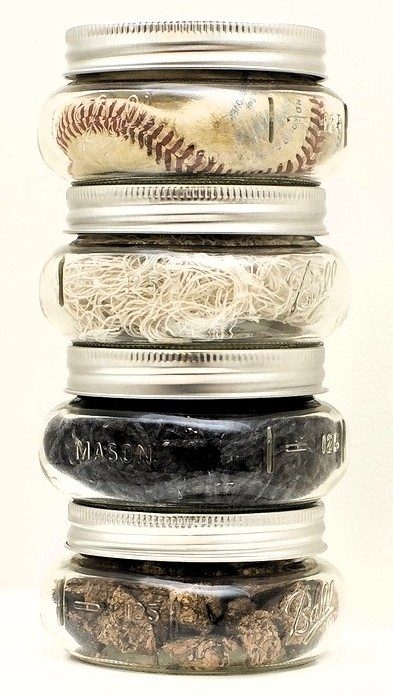
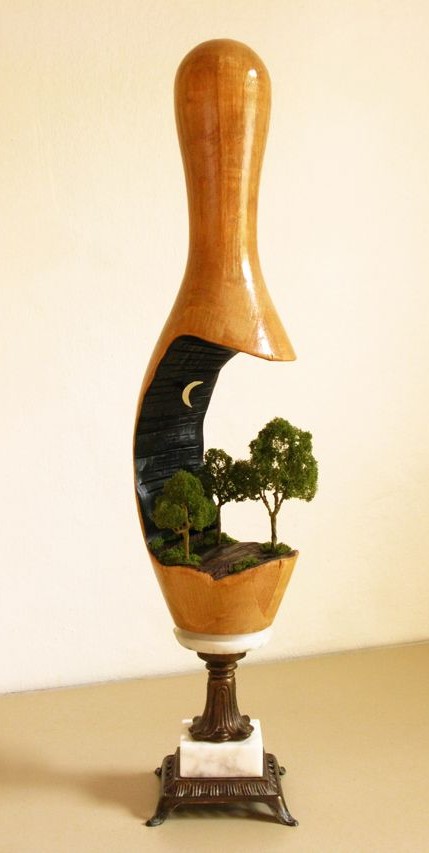
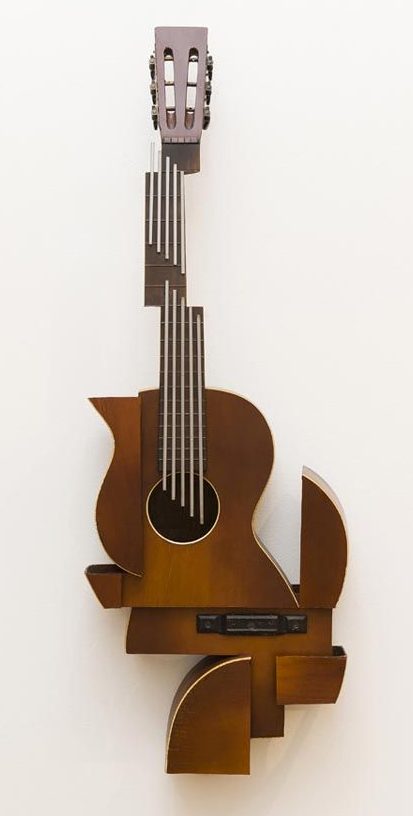
Ron Ulicny is a Portland-based contemporary sculptor and fine artist.His constructs are comprised of various ephemera re-imagined, and re-assembled to create intelligent, witty, and thoughtful new forms.All materials are carefully selected, skillfully crafted, masterfully altered, and presented with passion.

Armed with a keen eye for design and illustration, Ulicny pushes the boundaries of sculptural work that pushes and pulls the viewer with thoughtfulness and humor.The cuts and combinations of the materials are carefully planned out and assembled to make a beautiful and broad visual statement, one that is at the caliber of the heavy hitters in contemporary sculpture.With its visceral constructions, Ulicny challenges our initial perceptions of life, experience, and everyday hazards, creating simple yet stunning effects.“I will use almost anything — and have — if it is appropriate and fits within the the work,” Ulicny shares.“I try not to set any limits for myself or my work. My worst nightmare is being forced to use the same “thing” over and over again. Monotony is not your friend.”

More of Ron Ulciny’s unique sculptures can be found at https://www.ronulicny.com/.

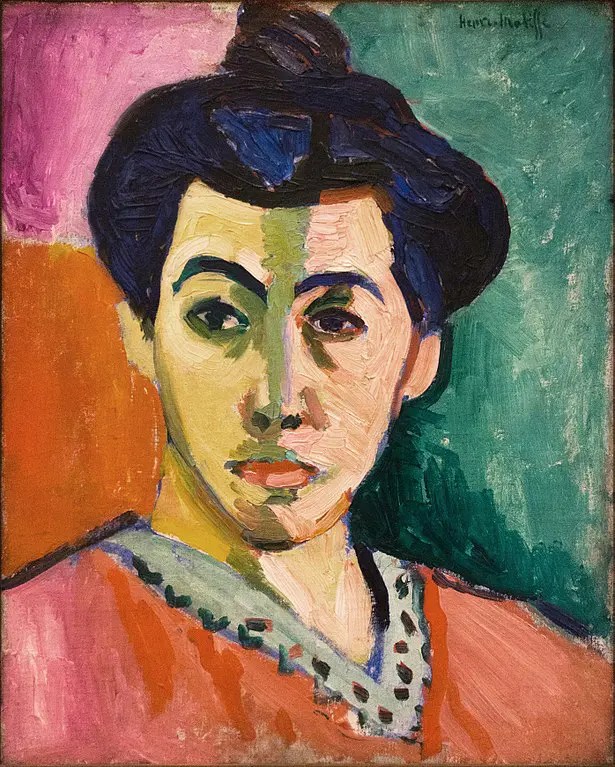
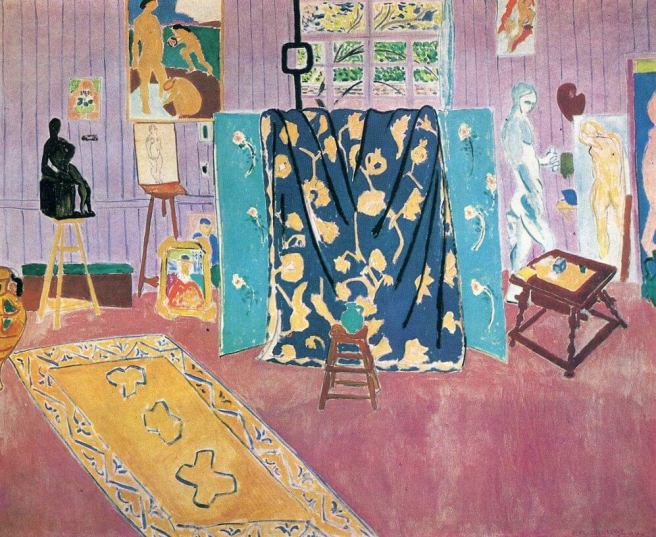
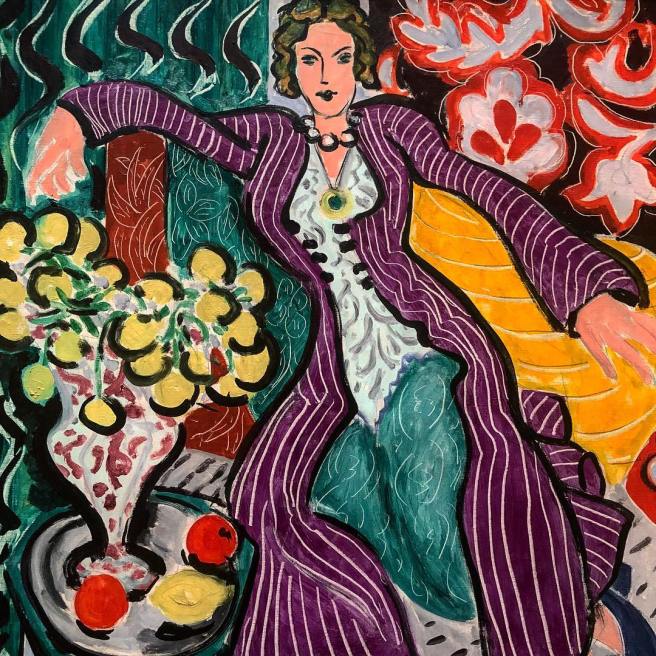
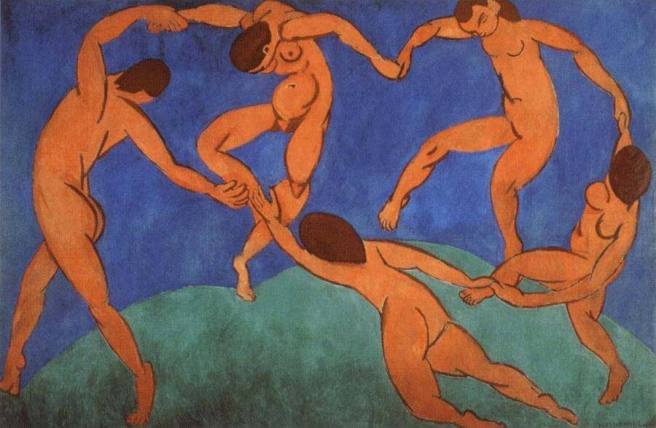
Sunday Evening Art Gallery — Henri Matisse

Henri Matisse (1869 -1954), one of the undisputed masters of 20th century art, was a French artist, known for his use of color and his fluid and original draughtsmanship.He was a draughtsman, printmaker, and sculptor, but is known primarily as a painter.Matisse is commonly regarded, along with Pablo Picasso, as one of the artists who best helped to define the revolutionary developments in the visual arts throughout the opening decades of the twentieth century, responsible for significant developments in painting and sculpture. Painting in the style that came to be known as Fauvism, Matisse continued to emphasize the emotional power of sinuous lines, strong brushwork and acid-bright colors. Matisse’s work delighted and surprised his viewers with signature elements of saturated colors, flattened pictorial space, limited detail, and strong outlines. From 1918 to 1930, he most frequently painted female nudes in carefully staged settings within his studio, making use of warm lighting and patterned backgrounds. He also worked extensively in printmaking during these years.His mastery of the expressive language of color and drawing, displayed in a body of work spanning over a half-century, won him recognition as a leading figure in modern art.

More of Henri Matisse’s famous works can be found at https://www.henrimatisse.org/ and https://www.biography.com/artists/henri-matisse.


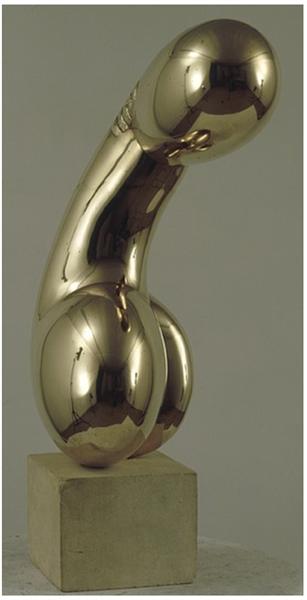
Sunday Evening Art Gallery — Constantin Brâncuși

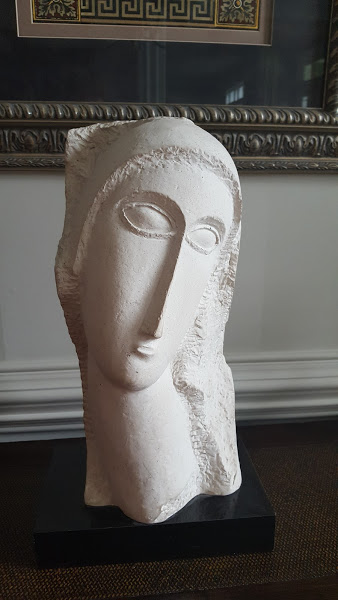
Constantin Brâncuși (1876 – 1957) was a Romanian-French sculptor, painter and photographer who made his career in France.Considered a pioneer of modernism, Brâncuși is  one of the most influential sculptors of the 20th-century,  often called the patriarch of modern sculpture.Born in a family of poor peasants, Brâncuși showed early talent for carving objects out of wood. Brancusi was trained as a sculptor in Romania before moving to Paris in 1904. There he studied at the Ecole des Beaux Arts and exhibited at the Salon d’Automne.

Brâncuși quickly became accepted as a member of the Paris avant-garde, as his sculptures departed from the 19th century Western trend toward naturalism and eroticism, and were based instead on non-Western and so-called ‘primitive’ sculpture.His sculptures were of two distinct types: elegant, abstract marble or bronze forms, such as the ‘bird’ sculptures based on a Romanian legend, and rougher carvings made of wood, like his series of ‘endless columns’.Brâncuși was also known for paying special attention to the bases on which his sculptures were displayed, believing that the pedestal was part of the sculpture itself. The artist aimed to depict in his sculpture “not the outer form but the idea, the essence of things”.

Though his art is regarded as abstract by many, he insisted that it was representational and disclosed a fundamental, often concealed, reality.


More of Constantin Brâncuși’s marvelous sculptures can be found at https://www.theartstory.org/artist/brancusi-constantin/ and https://www.wikiart.org/en/constantin-brancusi.


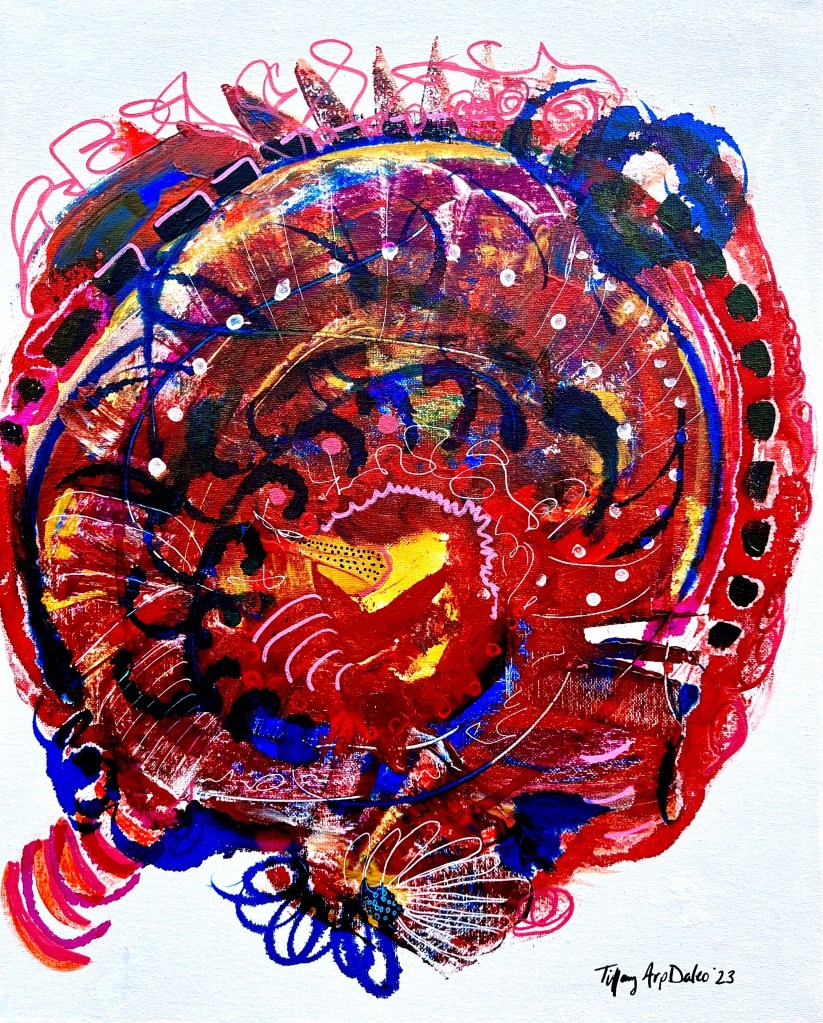
Sharing Gallery Art — Tiffany Arp-Daleo

A bright beautiful Saturday! Hope you are enjoying yours!

Today is my “Creativity” Day,” I wanted to share one of my favorite “modern day” (today!) artists — Tiffany Arp-Daleo.

Her art is modern, bright, and full of half-hidden delights in her paintings. I just went through her blog and caught up on what I’ve missed, and found this one.

Do pop over and check her out!


Being November


Sunday Evening Art Gallery — Tom Fedro

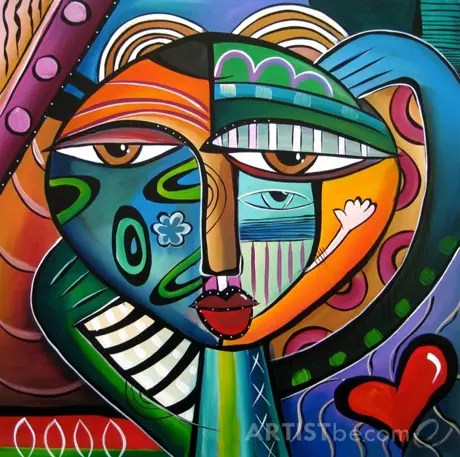
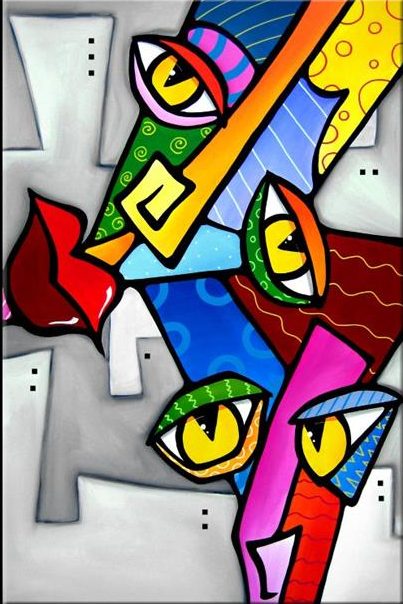
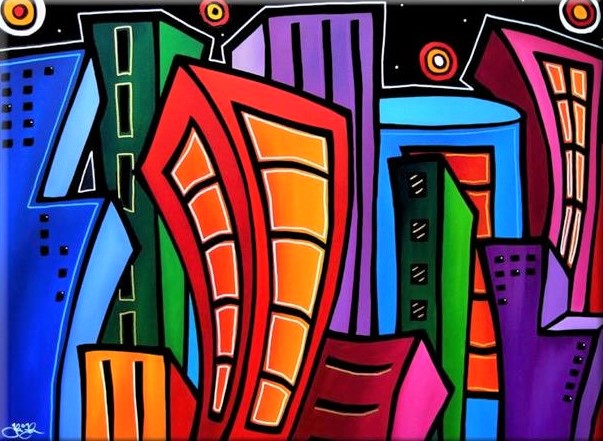
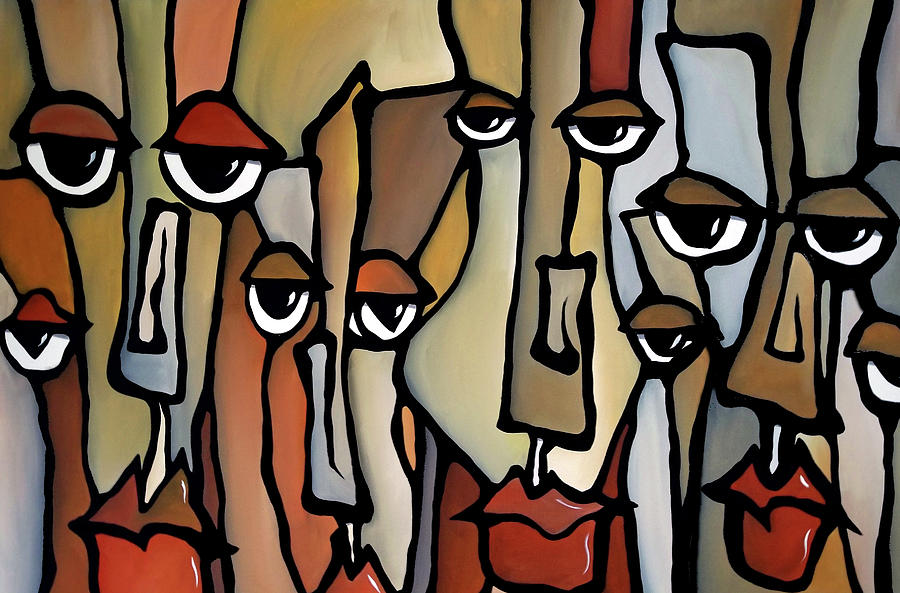
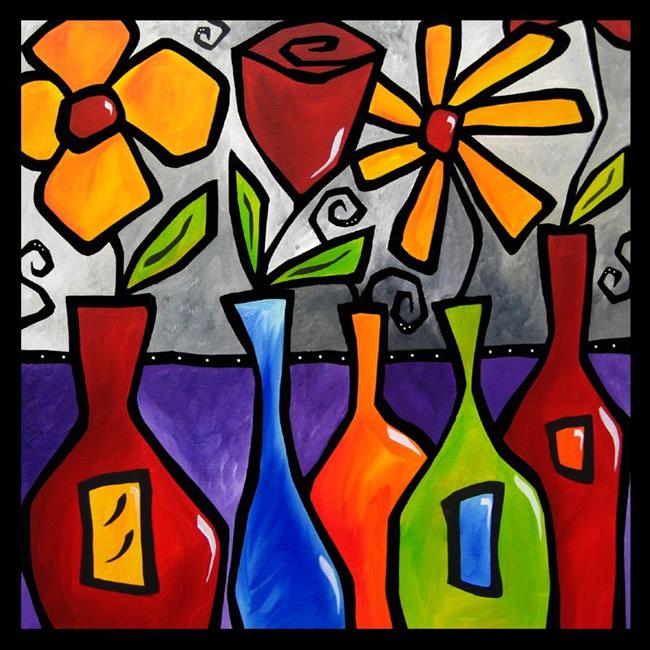
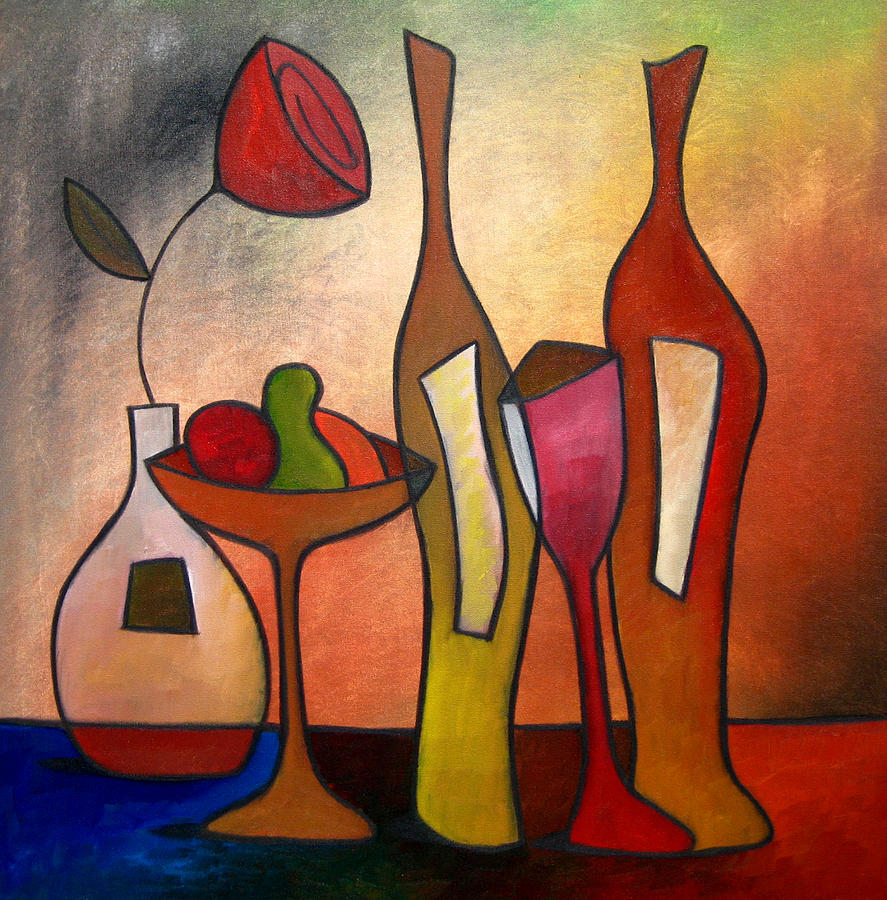
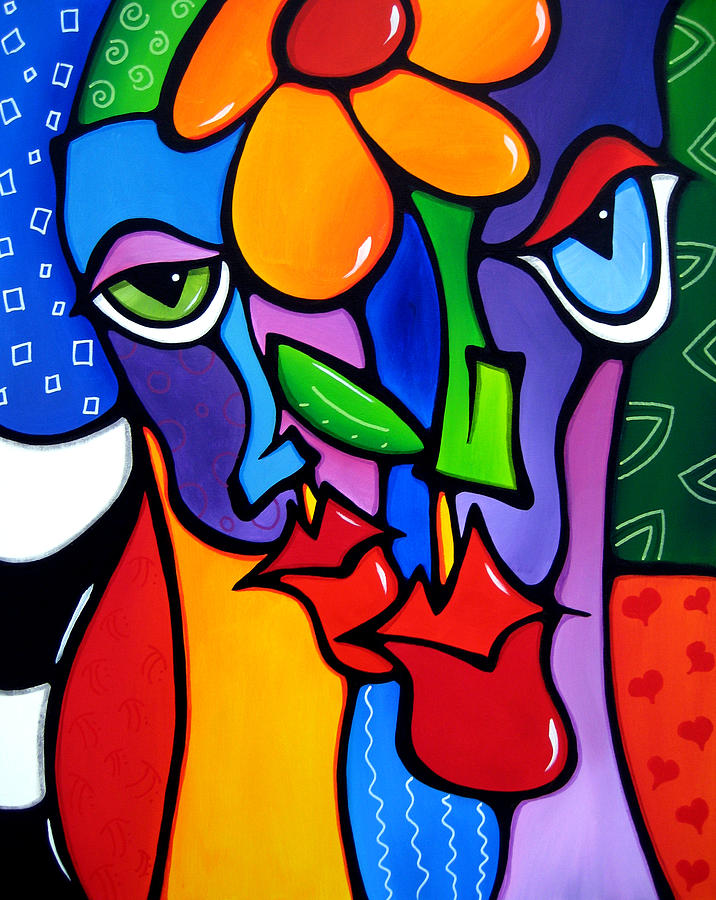
Chicago artist Thomas Fedro creates abstract art with zing and boundless humor.After attending Valparaiso University on a music scholarship and studying at the Illinois Institute of Art, Fedro began pursuing a career as a professional artist.His original innovations incorporate a combination of cubist collage and whimsical pop art that have an addictive rhythm all their own.Large paintings, deep colors, big features and bold lines seem to be electrically charged.With bright, vibrant hues and vivid, exciting shapes, Fedro paints in a variety of styles, although he prefers urban landscapes and pop art faces.

The artist uses his art to make the work of the soul more visible and real.“Ultimately,” Fedro believes, “art acts as both a mirror and a lens that gives presence and visibility to that which previously was unseen, unknown and not understood, often residing in the underground of the conscious.”More of Thomas Fedro ‘s bright pop art can be found at https://tom-fedro.pixels.com/ and https://www.saatchiart.com/Fidostudio.


Sunday Evening Art Gallery (midweek) — Naoko Ito


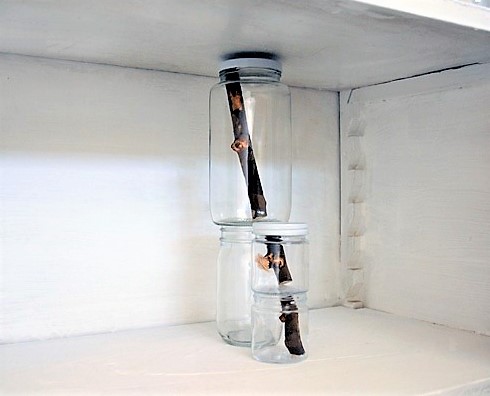
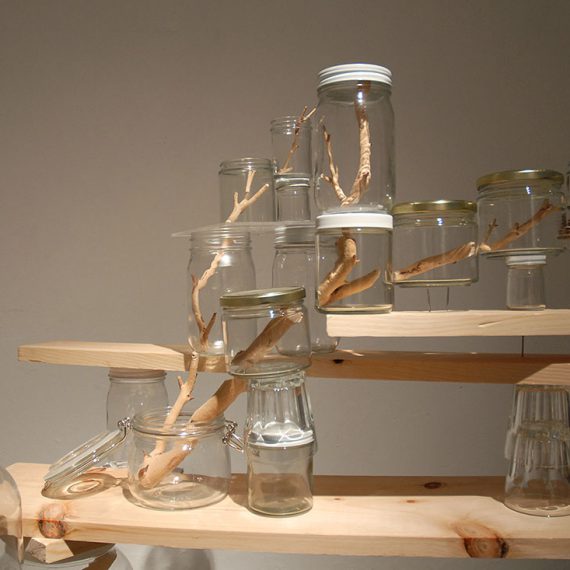
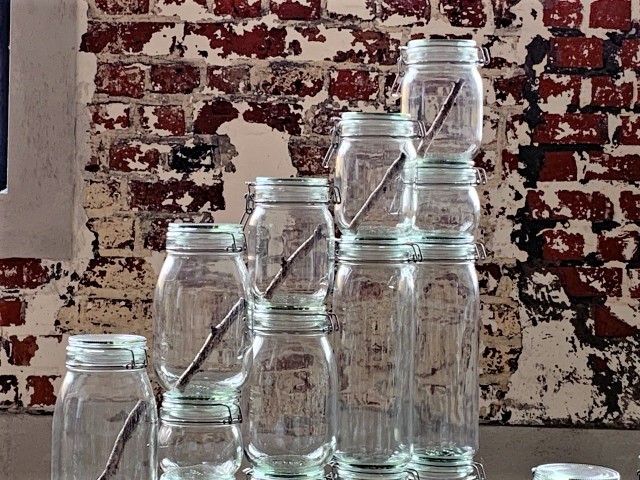
Naoko Ito is a Japanese artist based in New York.Born and raised in Tokyo, Japan, Ito received a BA in Science of Design with a concentration in museum studies from Musashino Art University.Her project “Urban Nature” was inspired by the relationship between man and nature.Ito cuts the branches of trees into several pieces and places them in glass jars.Her choice of material originally stems from a desire to replicate the luminosity and fragility of ice, a natural material that shares the quality of preservation with jars.Stacked precariously on the concrete, the works are evidence of an unfaltering hand.Her offerings are unique, fragile, and symbolic.More of Naoko Ito’s exhibition can be found on her website, https://naokoito.com. 


Sunday Evening Art Gallery — Anthony Grootelaar

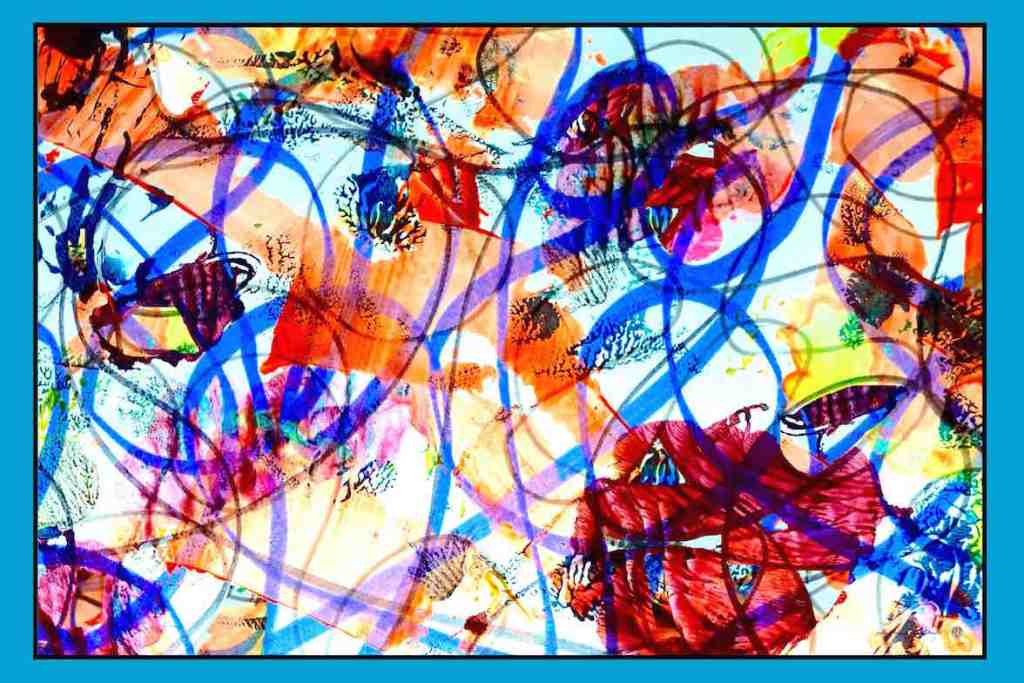
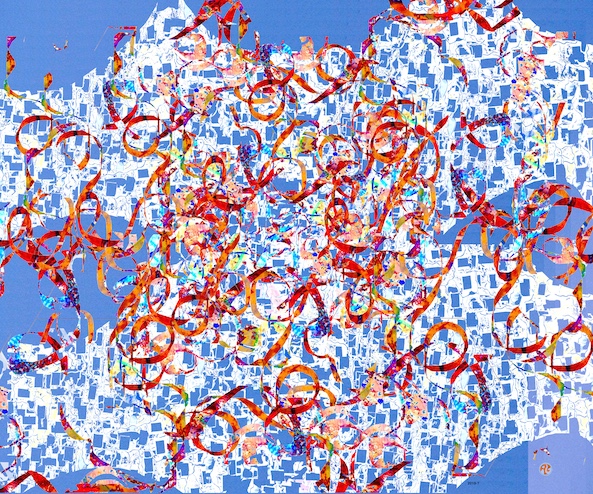
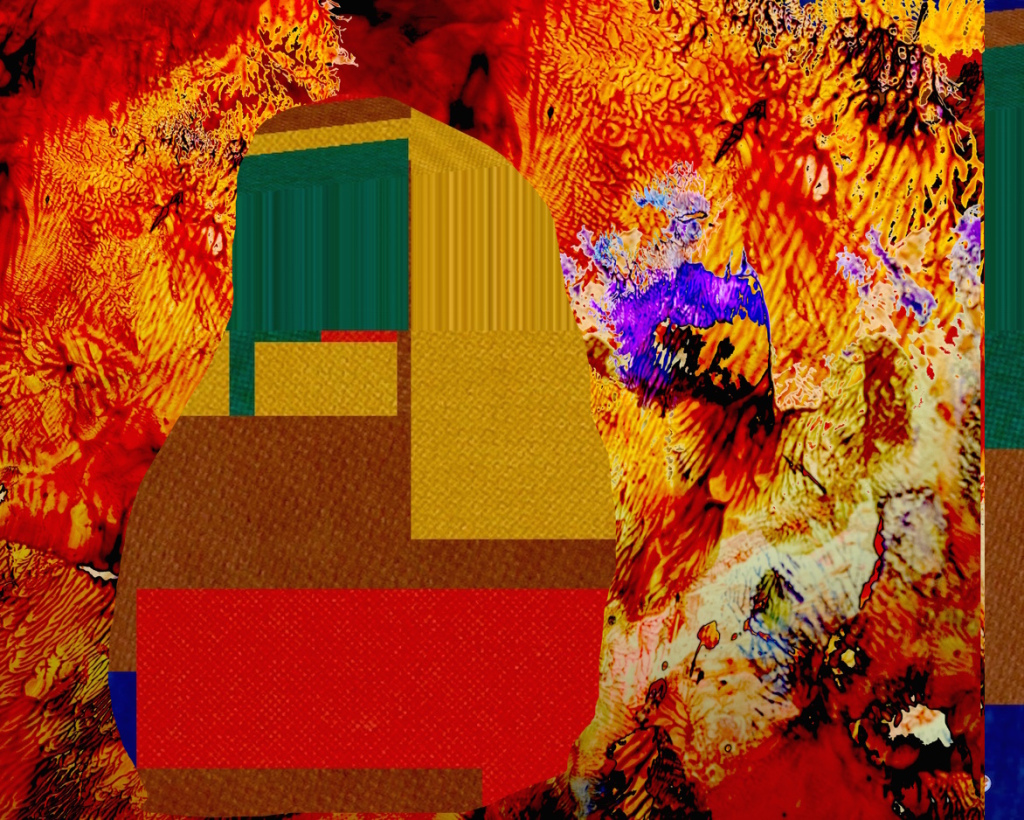
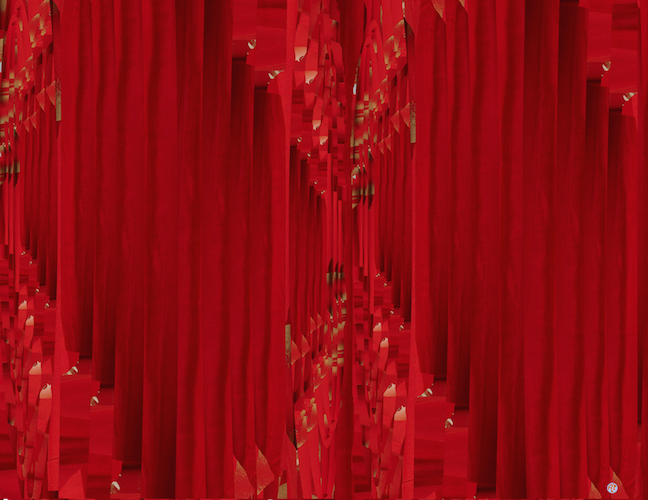
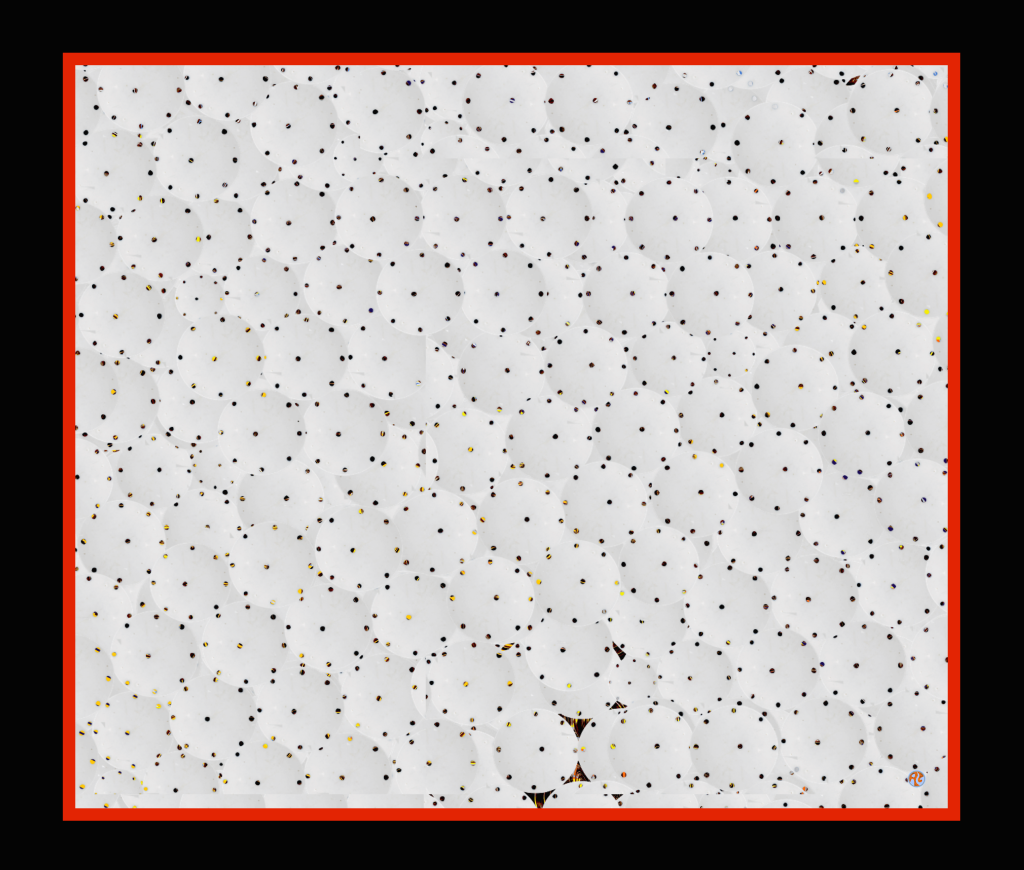
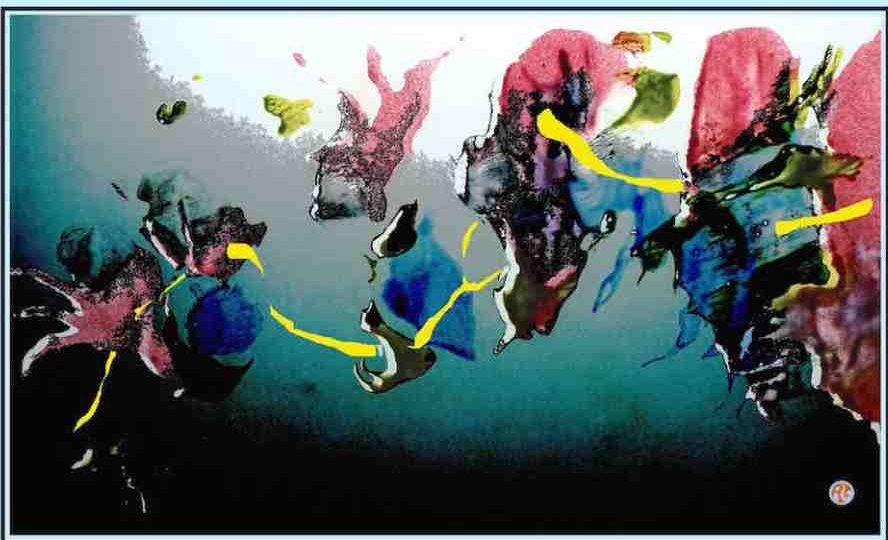
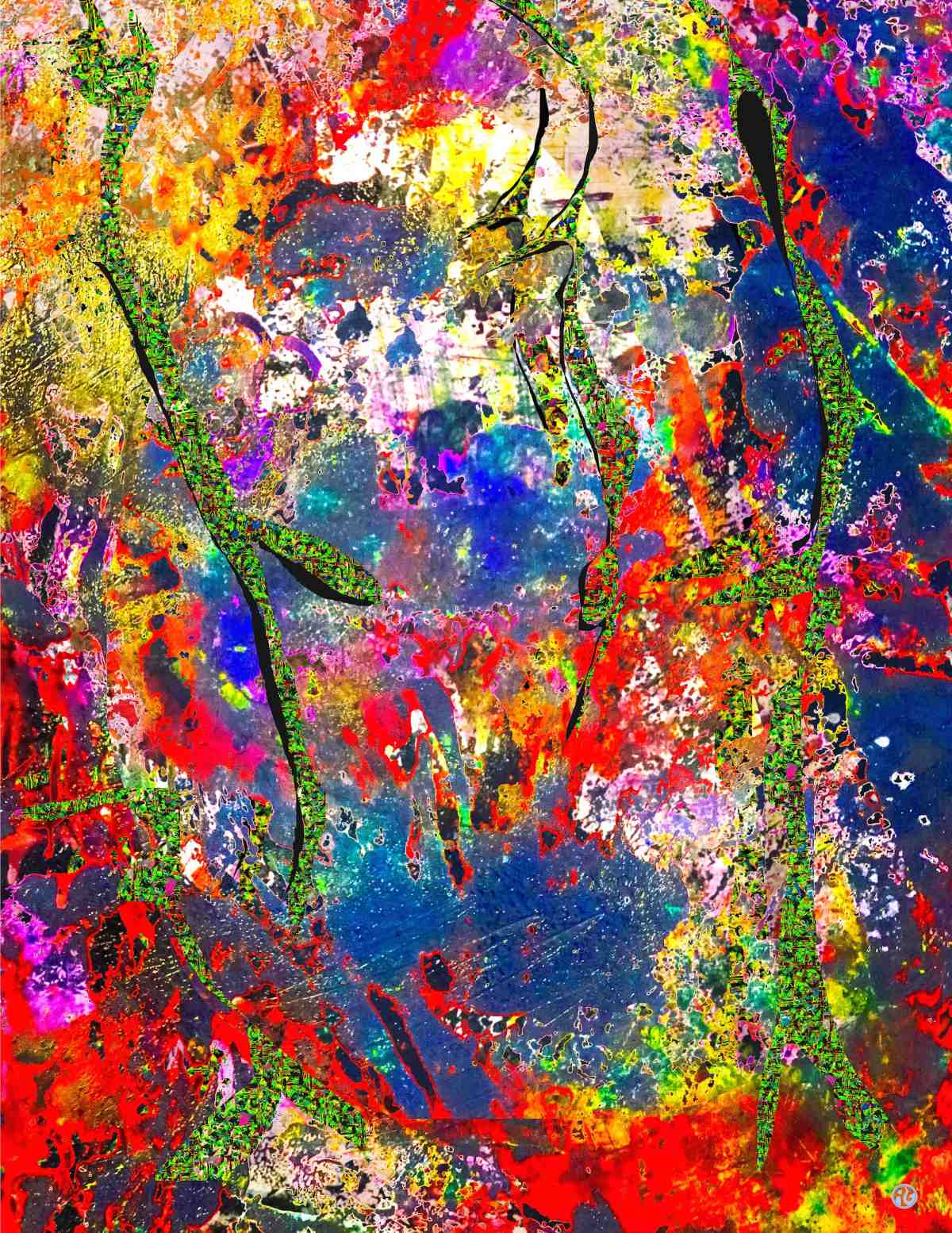
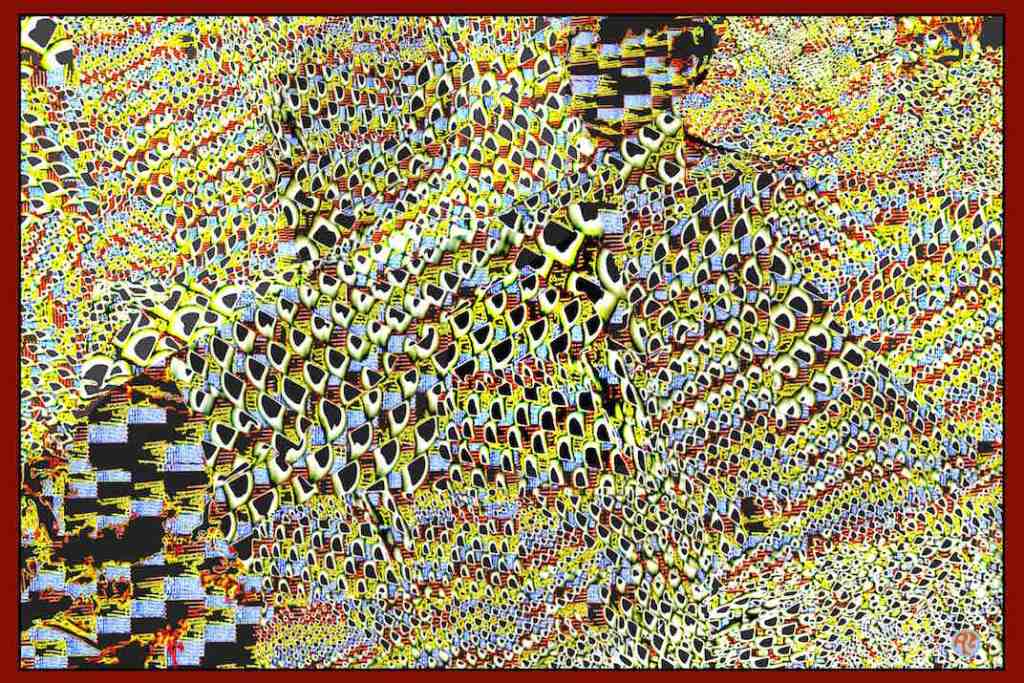
One of the things about Anthony Grootelaar‘s artwork that I immediately was drawn to was his attention to texture.

Texture can come in many forms, including depth, repetitiveness, and colors.

That is why every picture is so very different. So hard to choose which ones to showcase.

Grootelaar is a self-taught artist, well into the generative- and integrity-based decades of his life.

He strives to make art that is both “interesting” and “practical”, interesting as in arresting, and practical in that it can hung on any wall without any other intent than  to be a dynamic and positive element.

His work can be any mix of pen, paper, paint and brush, high definition photography, digital processing,  and ink jet printing,

Grootelaar says, “Art, as I see it, always starts out as a problem I try to move in a aesthetic  direction. Future directions will include large scale works to maximize the impact of color and composition.”Even if the design or color is not to your palate, the combinations shine together, bringing texture and aesthetics for the forefront.

More of Anthony Grootelaar‘s imaginative work on his website, My Monkey Mind. Be sure to look him up and follow his amazing art journey.

Sunday Evening Art Gallery — Sam Shendi

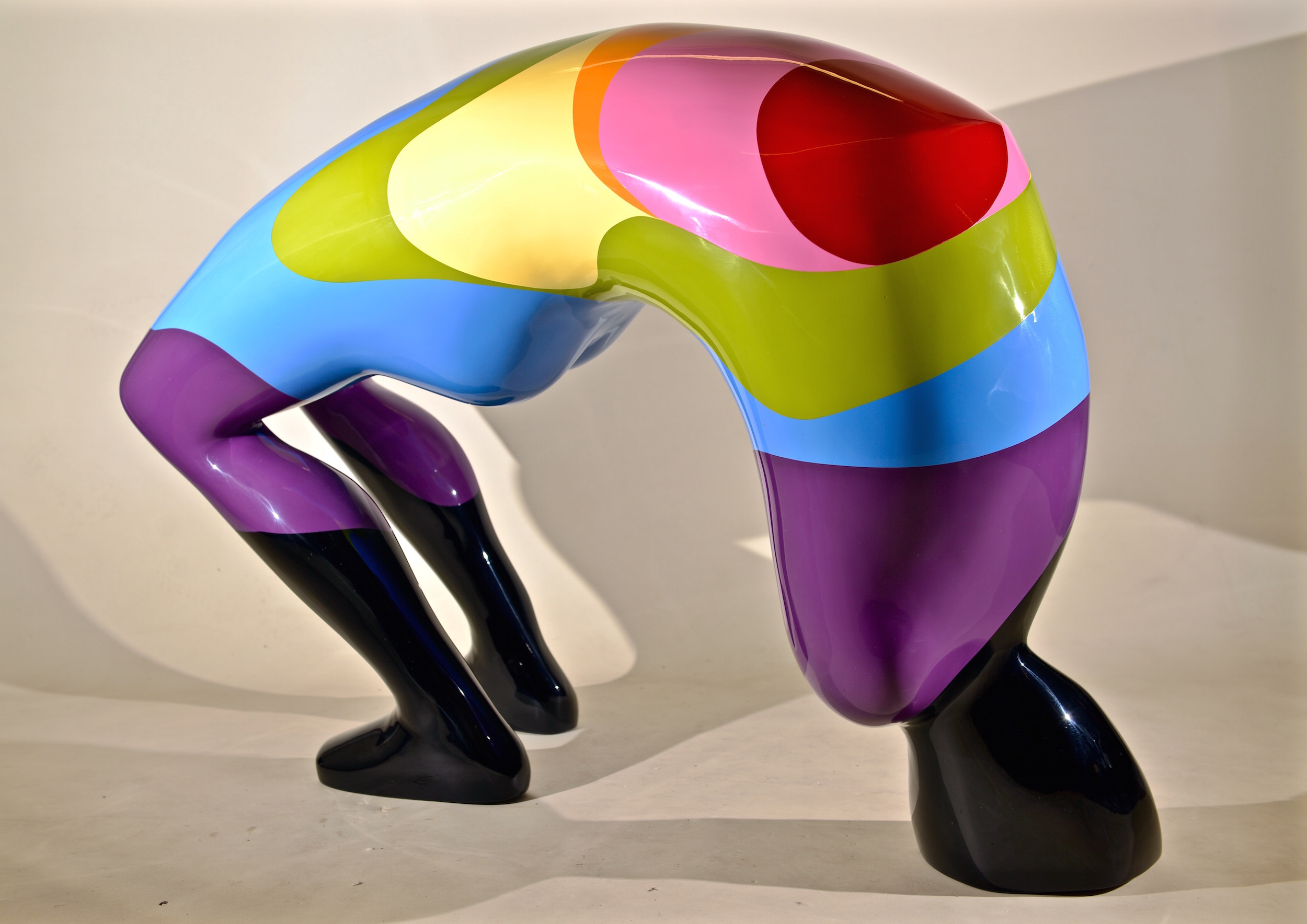
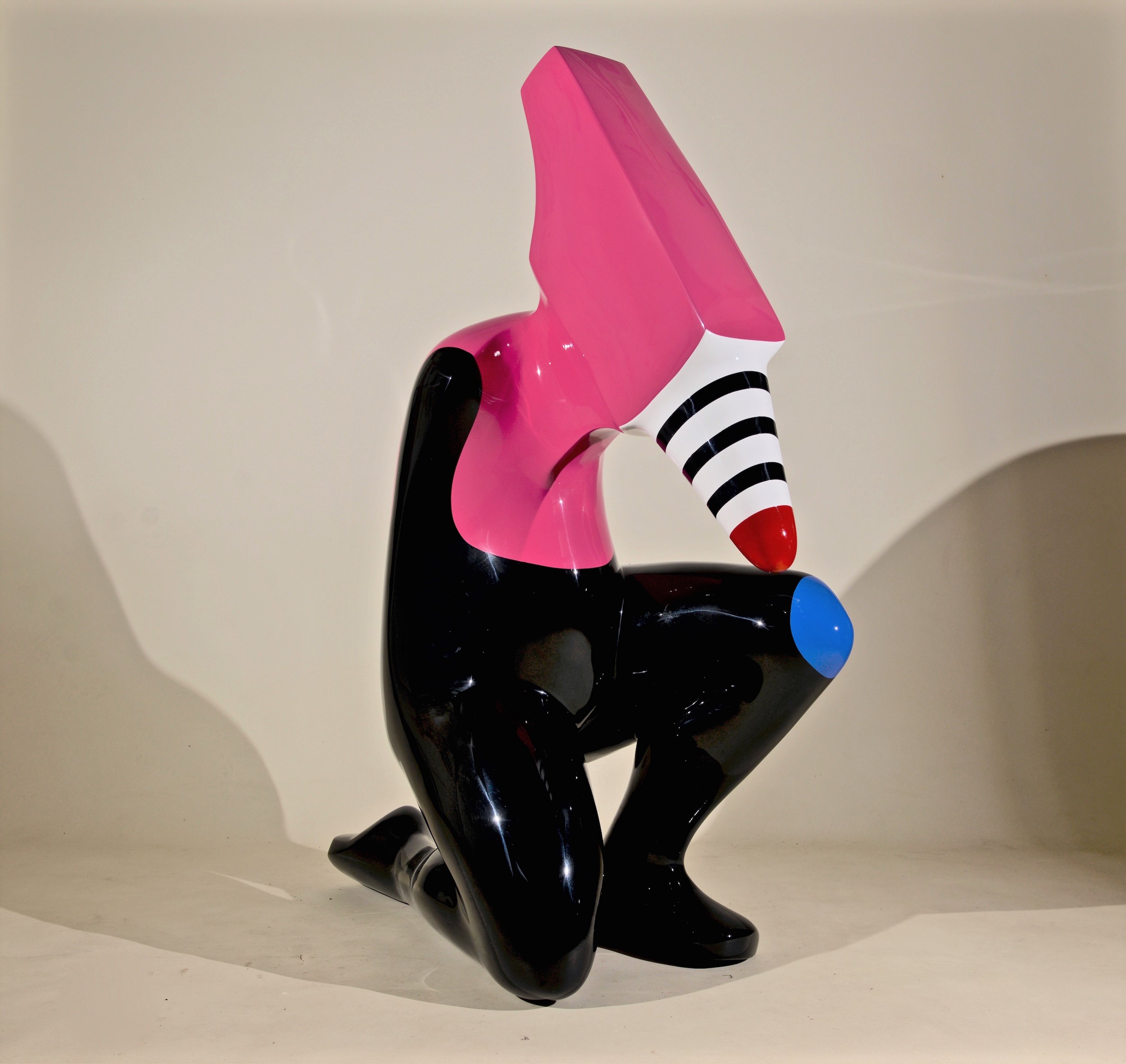
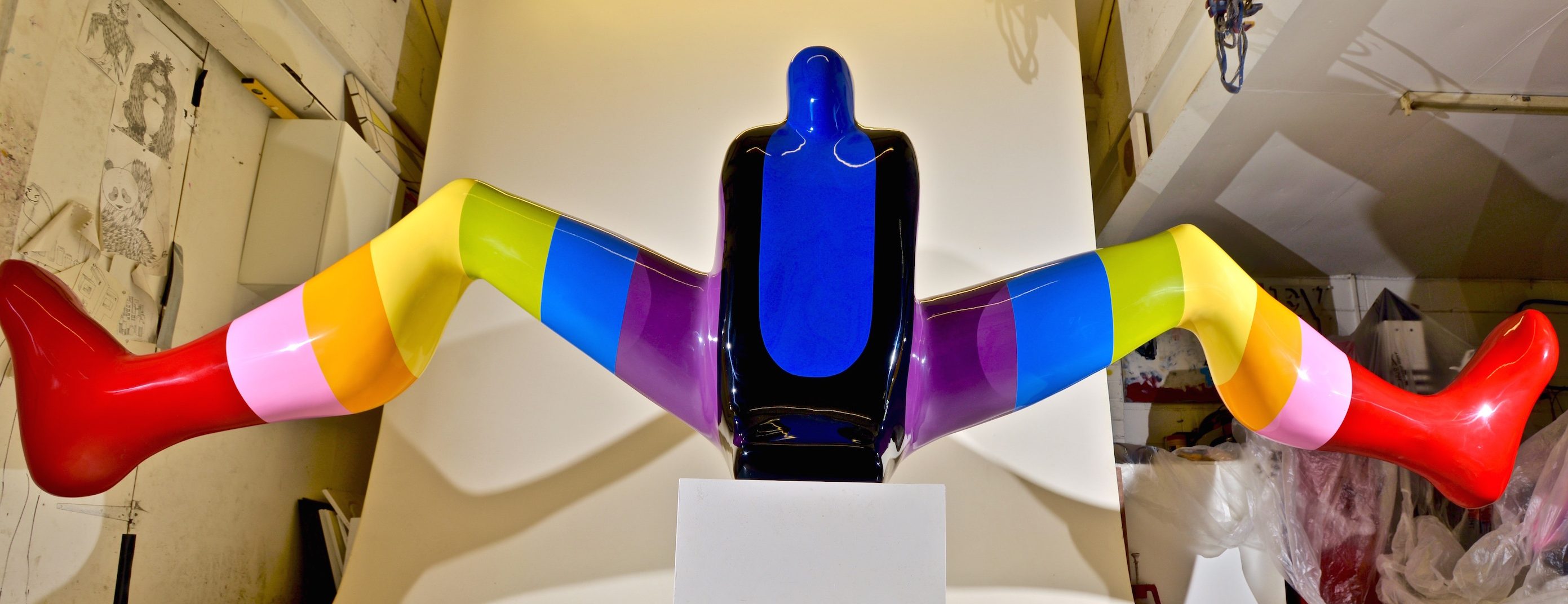
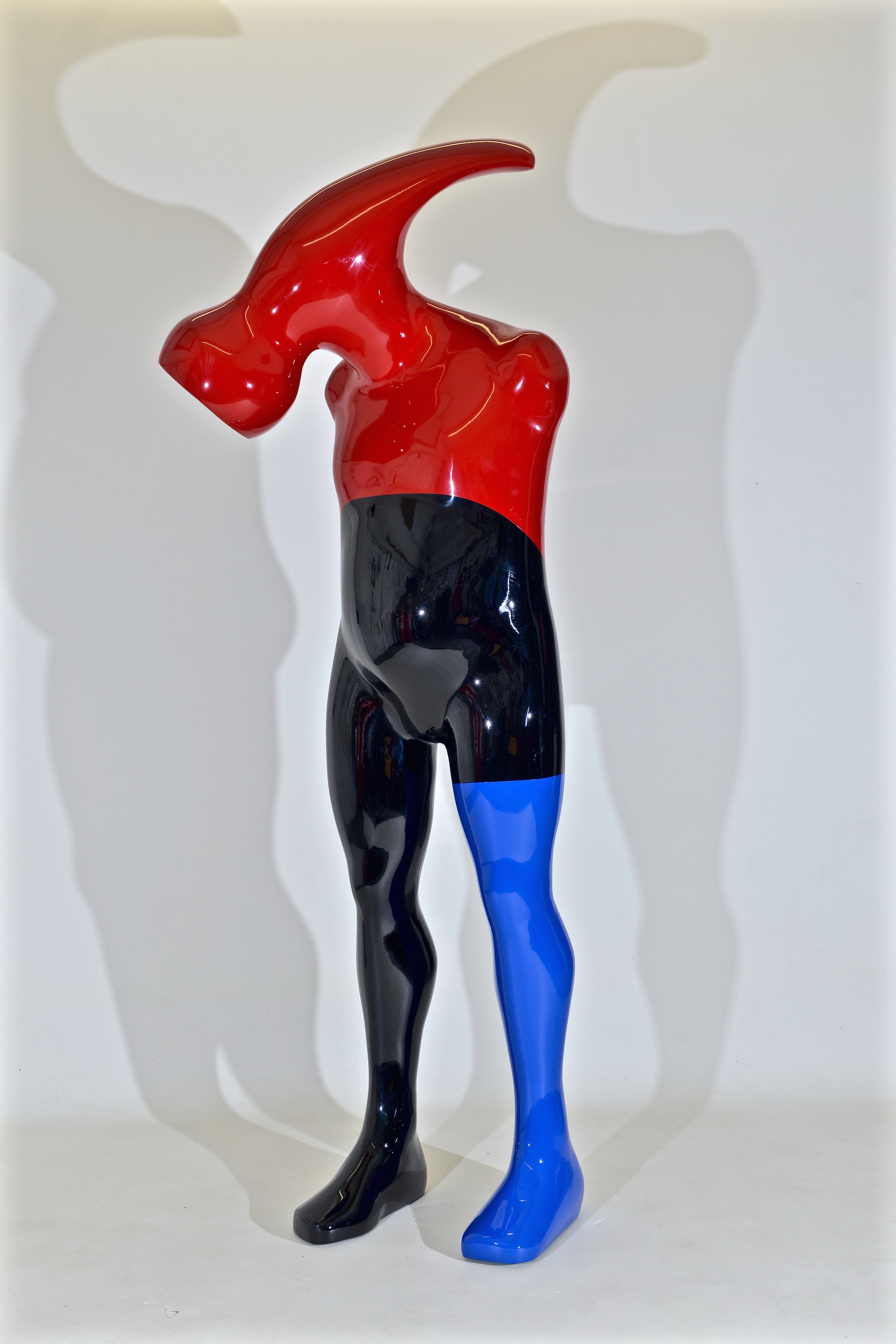
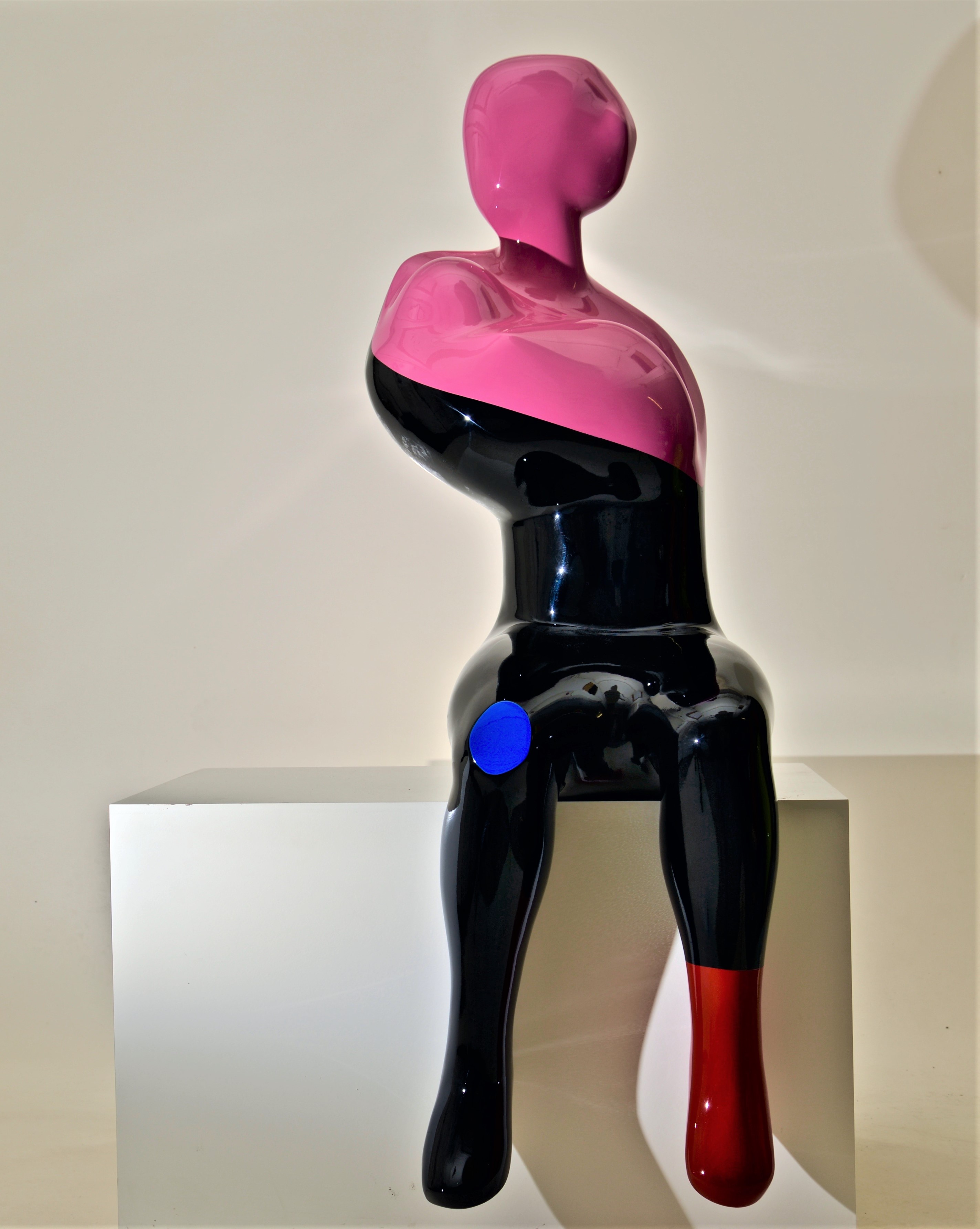
Sam Shendi is an Egyptian-born British sculptor. He uses contemporary industrial material, steel, stainless steel, aluminium and fiberglass to create his figurative work.

Shendi believes that his works whittle down the human figure to its simplest form, enabling the exploration of the idea of the human form as a vessel.

His colors enhance his sculptures, bringing an extra layer to his abstract forms.

By reducing the human body to a container or minimal shape, his creations become centered on an emotion or an expression.While he appreciates the abstract form, his interest is in the human andpsychological dimensions he adds to his sculptures.

Describing himself as a figurative sculptor it is important to Shendi that the work, however minimalistic, still has an impact on the viewer visually and emotionally.

His work is colorful, inventive, and something that makes the observer stop and just….look.

More of Sam Shendi’s bright modern art can be found at http://samshendi.co.uk/.

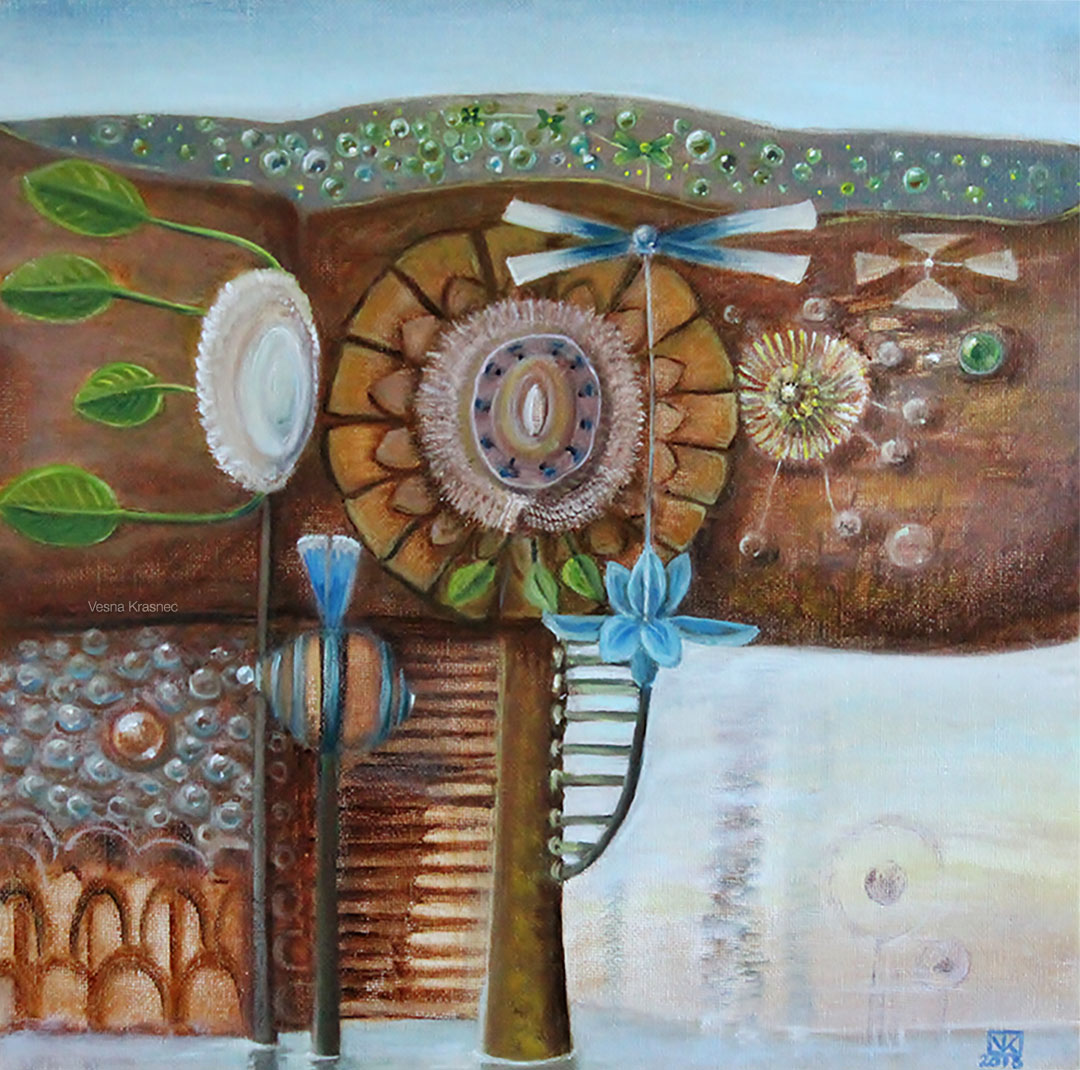
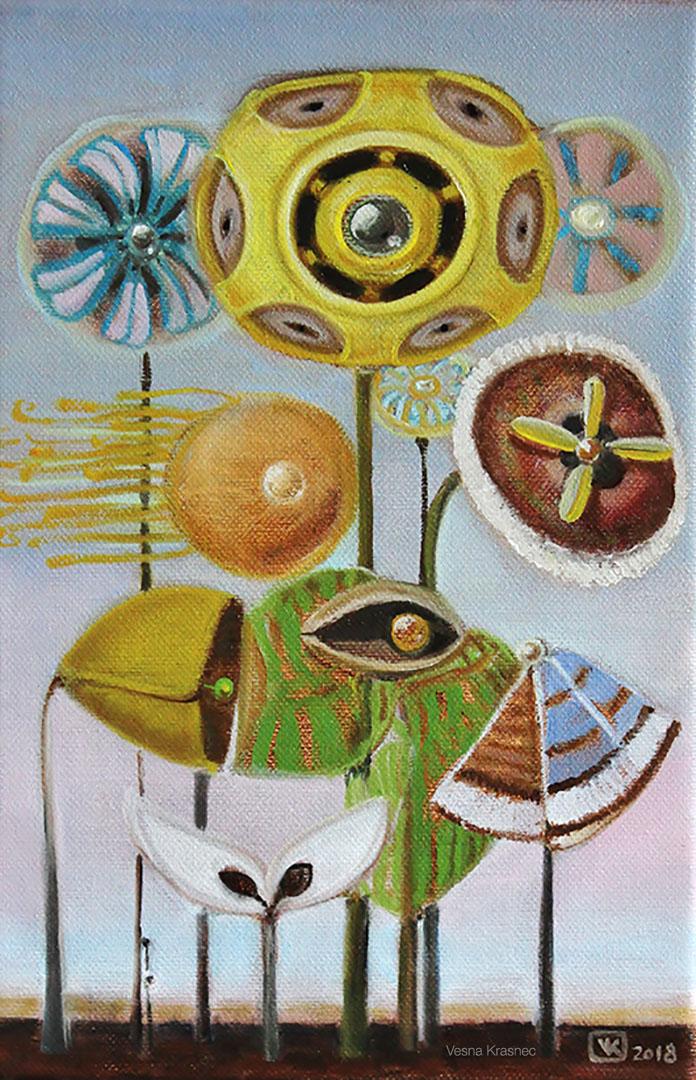
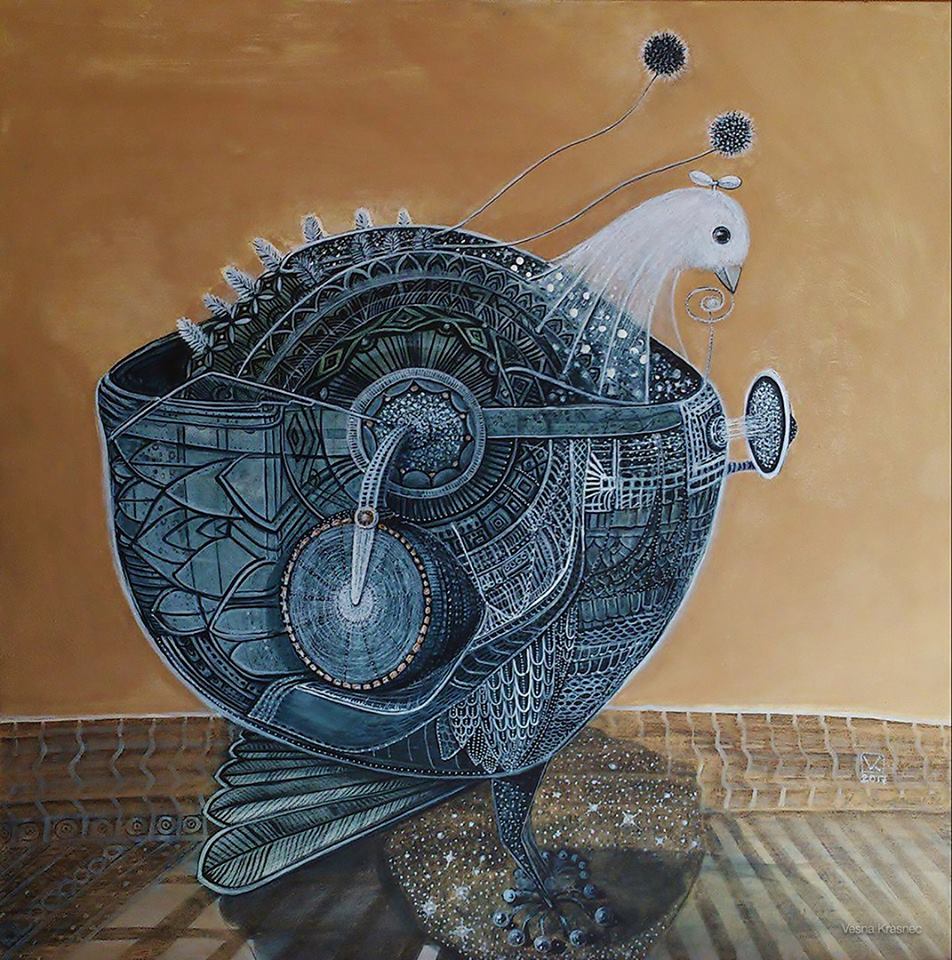
Sunday Evening Art Gallery — Vesna Krasnec

Vesna Krasnec is a self-taught artist living in Vienna.

Each of her pictures is a window to a world of relationships: between man and animal, between man and plant, between mother earth and her children.

The viewer finds a world in which man, as a seeker, has found his destination in the Garden of Eden. In this garden we rediscover our lost innocence.Through her distinctive talent for drawing and her strong compositions, Krasnec is able to convey her image idea with conviction and in a forceful way to the people. She keeps away from today’s common attitudes to want to be modern in the art scene, knowing that all contemporary and current are short lived.

She believes that it is only important that her work retains the authenticity which is the characteristic of an art that originated in the middle of the person.More of Vesna Krasnec‘s work can be found at http://vesna-krasnec.com.

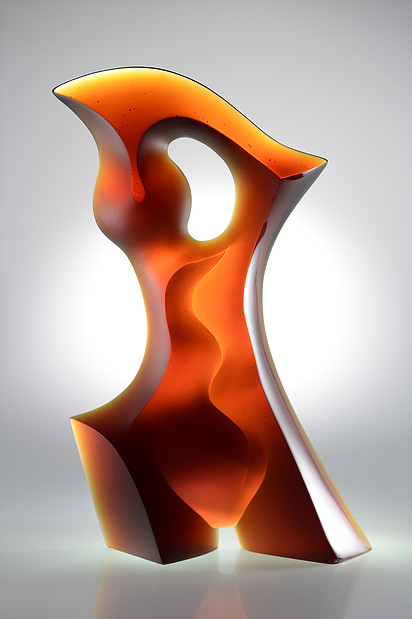
Sunday/Monday Evening Art Gallery Blog — Latchezar Boyadjiev

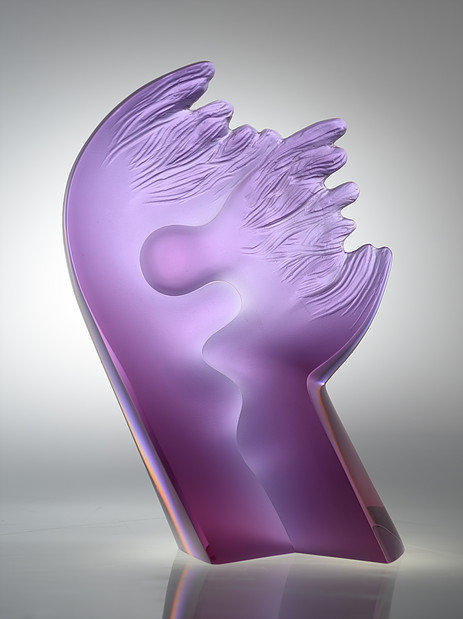
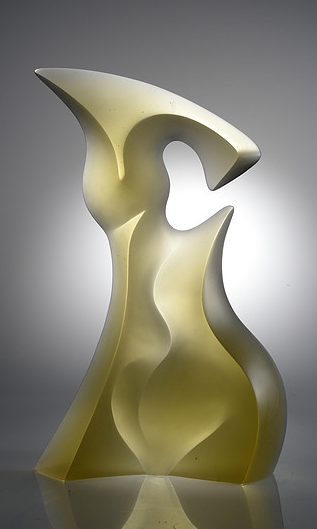
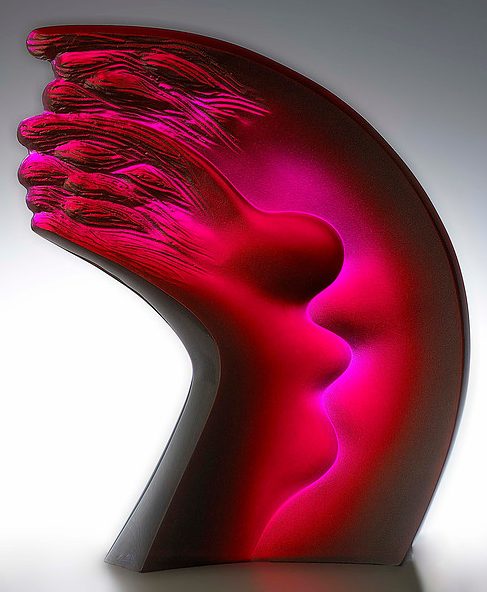
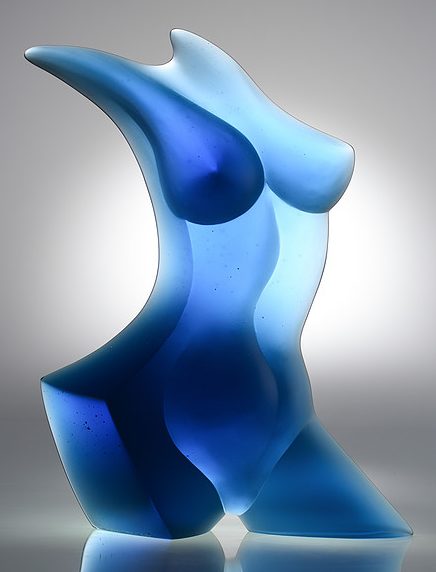
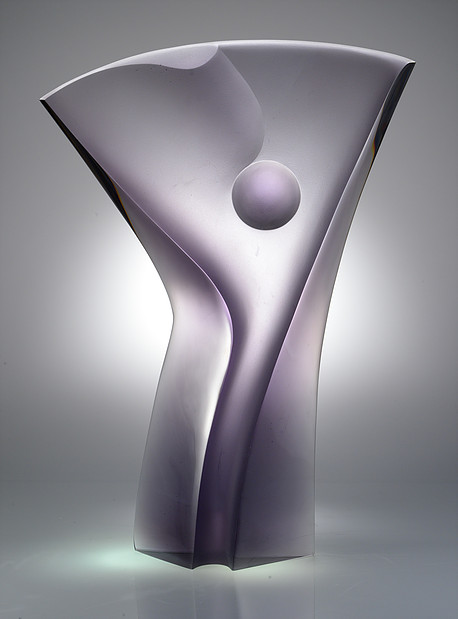
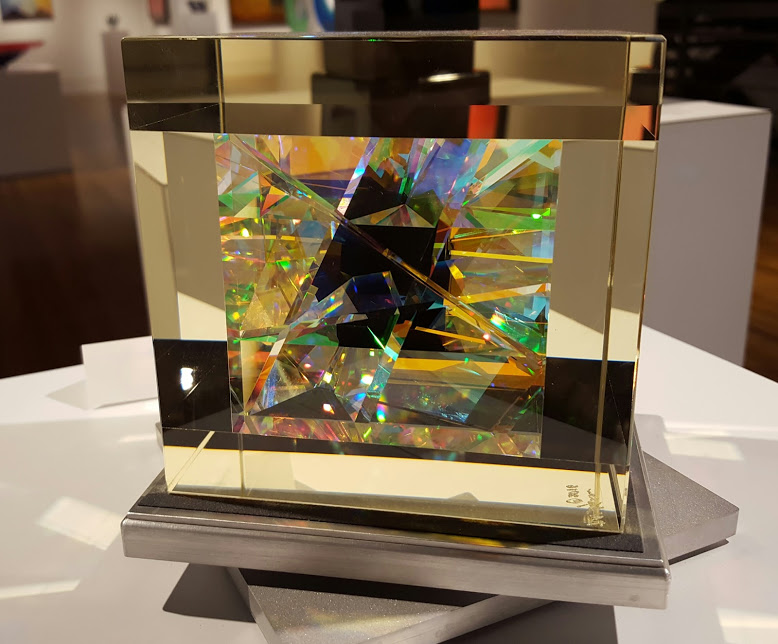
Latchezar Boyadjiev was born in Sofia, Bulgaria, and educated the the Academy of Arts in Sofia and the Academy of Applied Arts in Prague, Czechoslovakia, where he studied with Professor Stanislav Libensky, one of the most prominent glass artists of our time.

Boyadjiev came to the United States in 1986, where he taught at the California College of Arts and Crafts.

Boyadjiev begins his sculptures by creating clay sculptures with perfect smooth surfaces and details

Next follows a series of positive and negative molds, a time-consuming and detail-oriented process that leads to the final plaster positive that will determine the outcome of the sculpture.

These  new glass sculptures are cast into yet another mold, and later annealed, partially ground and polished.

Boyadjiev creates amazing glass sculptures that are sensual and fluid, a true joy to behold.

More of  Latchezar Boyadjiev‘s glass sculptures can be found at http://www.latchezarboyadjiev.com/.

Astronomy — the Song, not the Science

giphyLike lesser birds on the four winds
Like silver scrapes in May
And now the sand´s become a crust
Most of you have gone away

Come Susie dear, let´s take a walk
Just out there upon the beach
I know you´ll soon be married
And you´ll want to know where winds come from

Well it´s never said at all
On the map that Carrie reads
Behind the clock back there you know
At the Four Winds Bar

Hey! Hey! Hey! Hey!
Four winds at the Four Winds Bar
Two doors locked and windows barred
One door to let to take you in

The other one just mirrors it
Hey! Hey! Hey! Hey!
Hellish glare and inference
The other one´s a duplicate

The Queenly flux, eternal light
Or the light that never warms
Yes the light that never, never warms
Or the light that never

Never warms
Never warms
Never warms
The clock strikes twelve and moondrops burst

Out at you from their hiding place
Miss Carrie nurse and Susie dear
Would find themselves at Four Winds Bar
It´s the nexus of the crisis

And the origin of storms
Just the place to hopelessly
Encounter time and then came me
Hey! Hey! Hey! Hey!

Call me Desdanova
The eternal light
These gravely digs of mine
Will surely prove a sight

And don´t forget my dog
Fixed and consequent
Astronomy… a star [repeat indefinitely]      ~ Blue Oyster Cult, 1988


This is a blog that wraps around my friends the poets.

I have written poetry — I think everyone has. Beauty is in the eyes (and ears) of the beholder. Some are just better than others at it.

I was listening to oldies music at work the other day and I pulled this song out of my flash drive repertoire. Listening to the words made me curious, so I Googled them, and here they are. And I wonder.

What do they mean?

There are lots and lots of songs (especially from the 60’s) with psychedelic melodies, lyrics, and mushroomed foundations. I suppose when you saw God from another planet anything was possible. And there are lyrics far more cryptic than those above.

But, like abstract art, I don’t get it.

I am not a scientific, linear thinker. Far from it. My stories include time travel, magic, computers that write their own stories, and women who follow shadows. But I suppose I always need one foot in reality, or else nothing will make sense.

The lyrics of songs are just as powerful as a sonnet, a haiku, or free verse. They can say so much, so little, be deep or light or anything in between. It’s just harder when it’s ME that has to figure out what it all means.

Like modern art, I know there are things I’m supposed to figure out on my own. Like a Jackson Pollock painting or a Craig Haupt sketch. There is a feeling, a meaning, behind its creation. Sometimes, if the artist is alive, I can plain ask (like Craig!) Other times, if the artist is long gone, I’ve got to either figure it out myself or Google that, too.

In the end, I guess I just liked moondrops and astronomy.  And that is meaning enough for me.

****

P.S.  I just looked up the meaning of the story…I like my own imagination better.


Atmosphere, Art, and the Biltmore — Part 2

Art

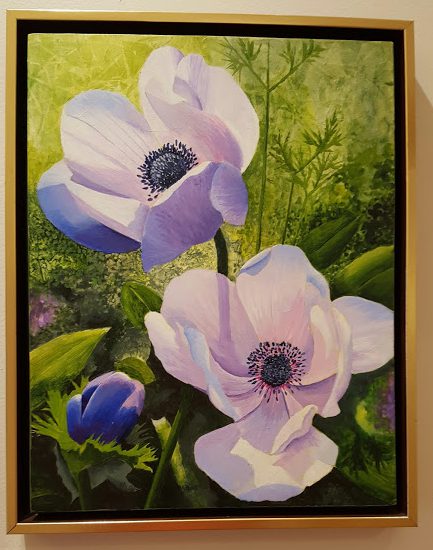
Who doesn’t enjoy looking at the world through others eyes?

Who doesn’t have a painting of flowers or a scenery print or a portrait hanging on their wall?

Who hasn’t collected a glass vase or pottery mug or bronze sun to hang on their porch?

Art is created in a broad stroke with largest paint brush imagineable. It’s the appreciation of another’s work enough to research it, talk about it, collect it, share it. It depends on one’s perspective of life. One sees a sea of flowers; another a gateway of pain. One sees squiggles; another, divinity.

It’s all relative — it’s all Art.

Don’t compare what you see in an artist’s dream with what others see. If you’d like, read the artist’s explanation, then feel it, interpret it as you will. As with many other virtues, Art is an ideal all men strive for but often misunderstand. It is an expression of you but a reflection of others.
Some incredible interpretations found on my journey through North Carolina:

20160808_141709

20160807_231232

20160808_160218

20160808_122222

20160808_141512

20160808_075032

20160805_194601

20160808_121546


Next:  the Biltmore

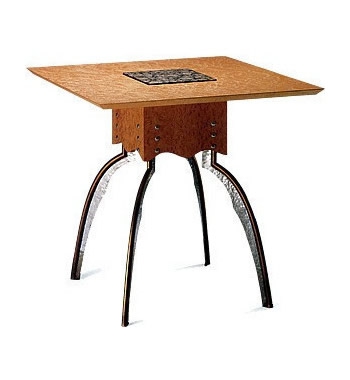
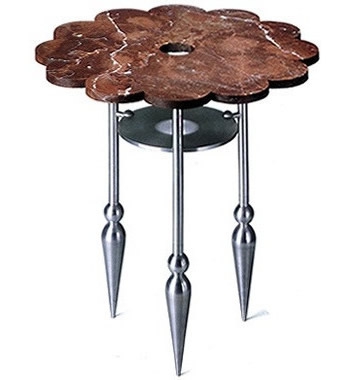
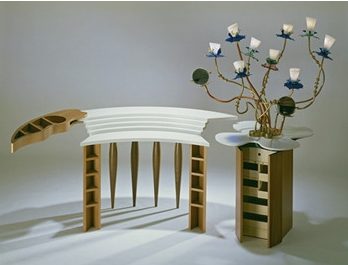
Sunday Evening Art Gallery Blog — Bořek Šípek

Bořek Šípek (June 14, 1949 – February 13, 2016) was a Czech architect and designer.

After studying furniture design at the Art School in Prague, architecture at the Art School in Hamburg, and philosophy in Stuttgart,  Šípek finished his doctorate in architecture.

He taught industrial design and architecture, then started his own studio for design and architecture in Amsterdam and Prague.

324-102_Anna_Pawlowna

Bořek Šípek has always felt like an architect more than a designer.

332-104_Dalibor

Šípek explains, “I try to interpret new contexts in a new way. It is much closer to me to newly explain something that has roots than to experiment.”

322-089_The_Princess

His fantastic works can be found in important museums in Europe, Japan and America, among others.

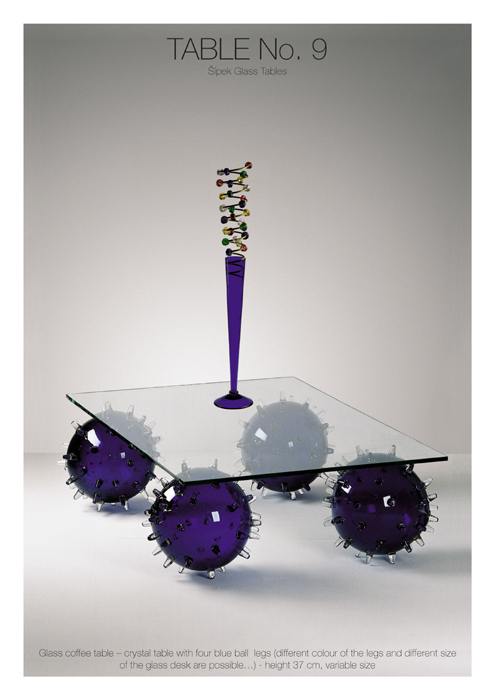
SIPEK GLASSTABLE_Page_09

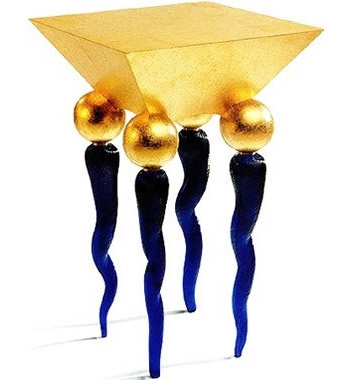
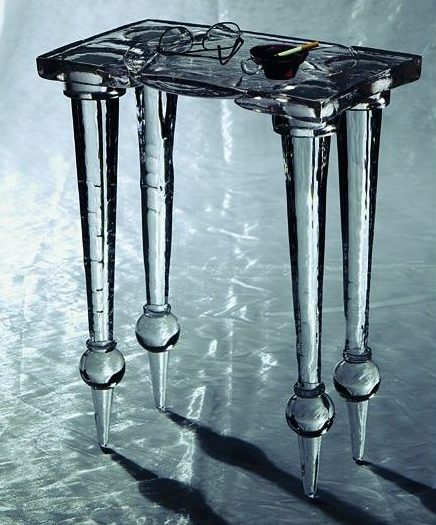
Bořek Šípek is a master of glass, chandeliers, lamps, carafes, wall hangings, all manners of creative art.

327-099_Svata_Voda

 But for this round, I treat you with his tables.

More of Bořek Šípek‘s beautiful work can be found at http://www.sipek.com and http://www.borek-sipek-design.com.

*