Romare Howard Bearden (1911 – 1988) was an American painter whose collages of photographs and painted paper on canvas depict aspects of American black culture in a style derived from Cubism. Considered one of the most important American artists of the 20th century, Bearden’s artwork depicted the African American culture and experience in creative and thought-provoking ways.
 After a year of studies in science and mathematics at Lincoln University in Pennsylvania, Bearden went on to study art and art education, including two years at Boston University, and graduated with a degree in education from New York University.
 Living in Harlem, he joined a Black artists group and became excited about modern art, particularly, Cubism, post-Impressionism and Surrealism.
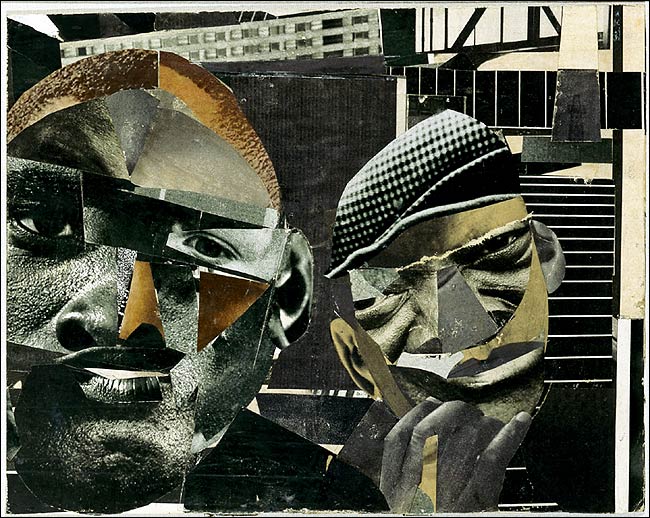 Bearden is best known for his photomontage compositions made from torn images of popular magazines and assembled into visually powerful statements on African American life.
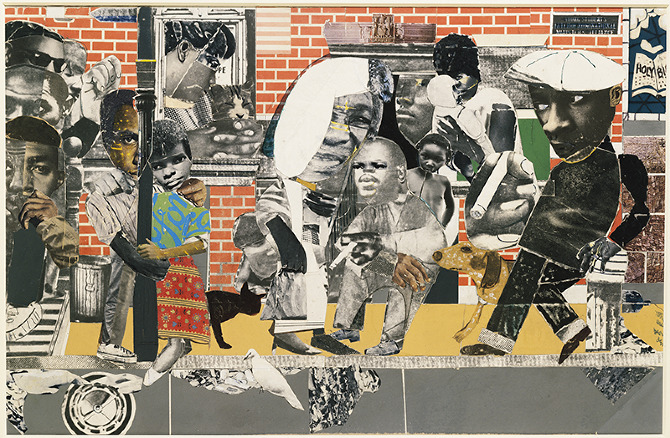 During the mid 1960s, Bearden felt he was struggling in his art between expressing his experiences as a Black man and the obscurity of abstract painting.
 He felt that abstraction wasn’t clear enough for him to tell his story.
He felt his art was coming to a plateau, so he started to experiment again. Combining images from magazines and colored paper, he would work in other textures such as sandpaper, graphite and paint. Bearden’s collage work has also been compared to jazz improvisation, as growing up during the Harlem Renaissance, he was exposed to many of the jazz greats.
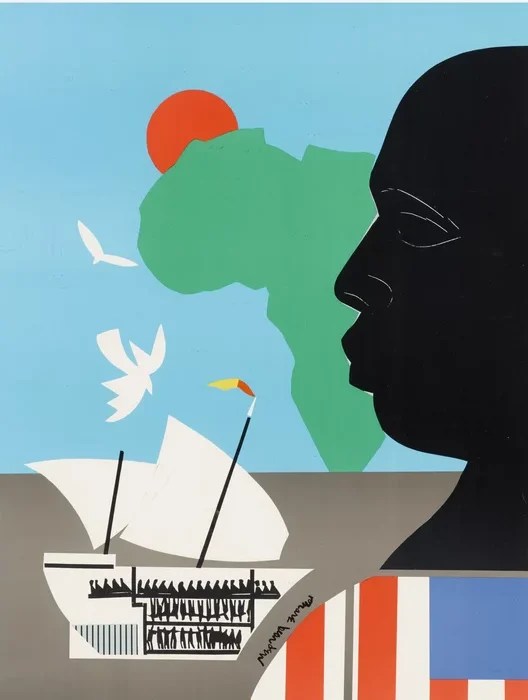 His images reflected some of the elements of jazz with its interplay among the characters and improvisation of the materials used.
 More of Romare Bearden’s influential works can be found at https://beardenfoundation.org/.



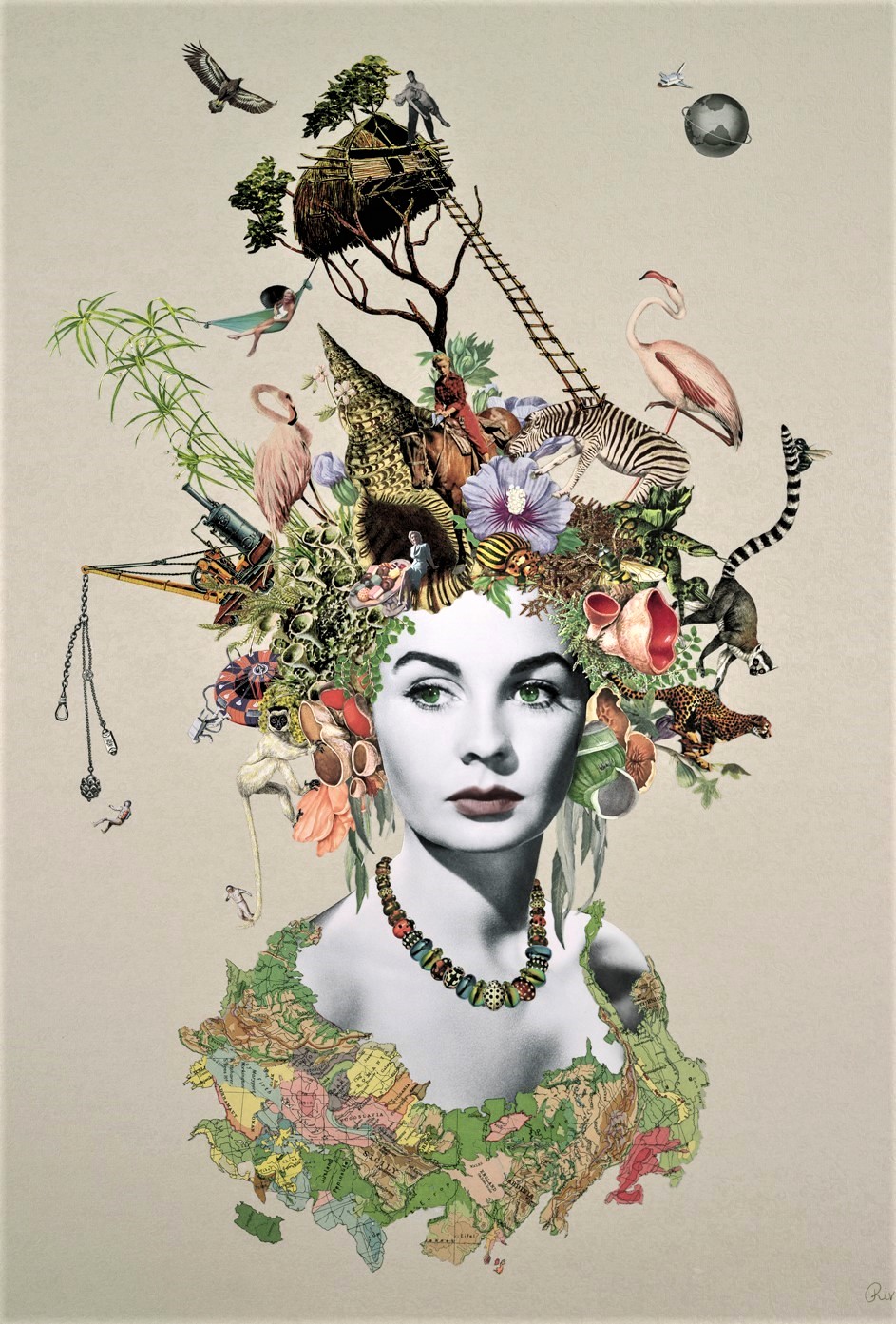
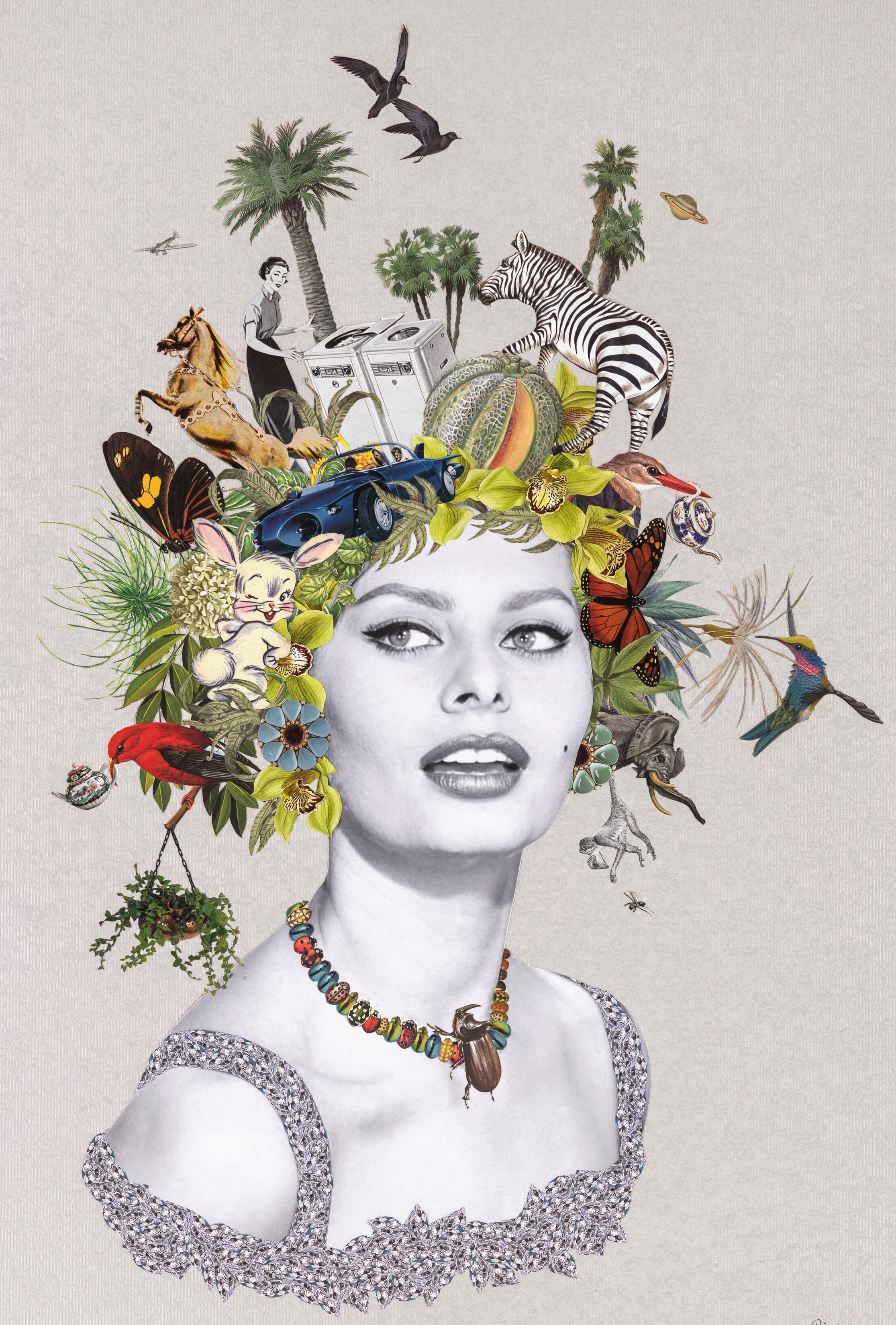
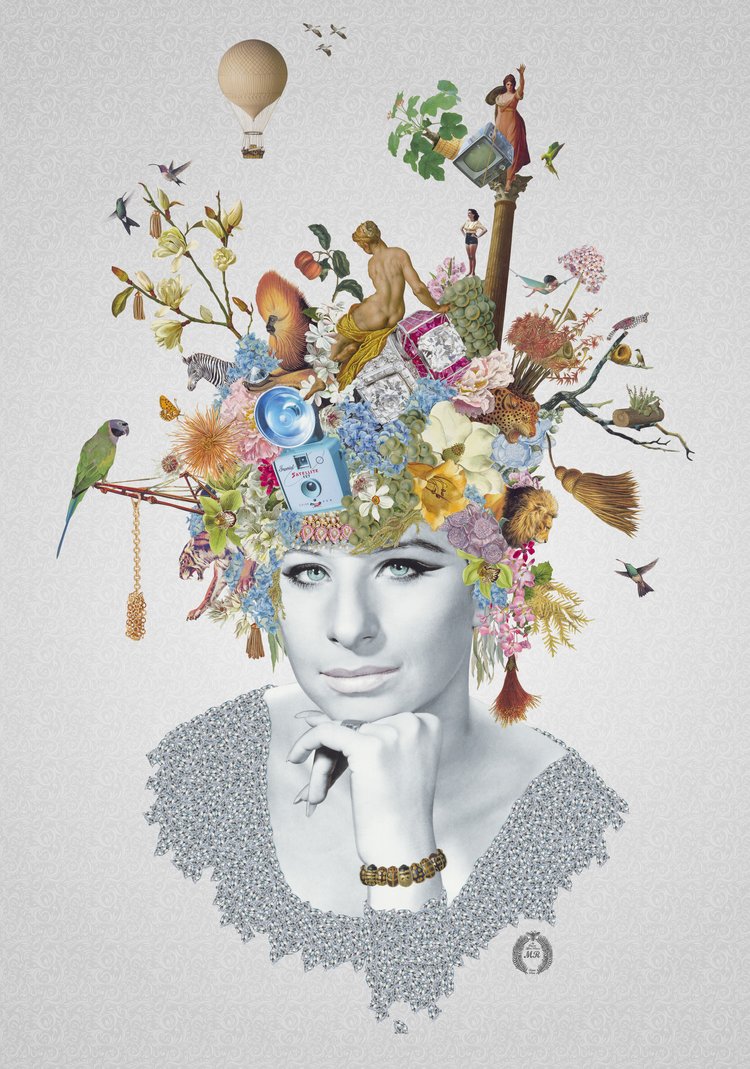
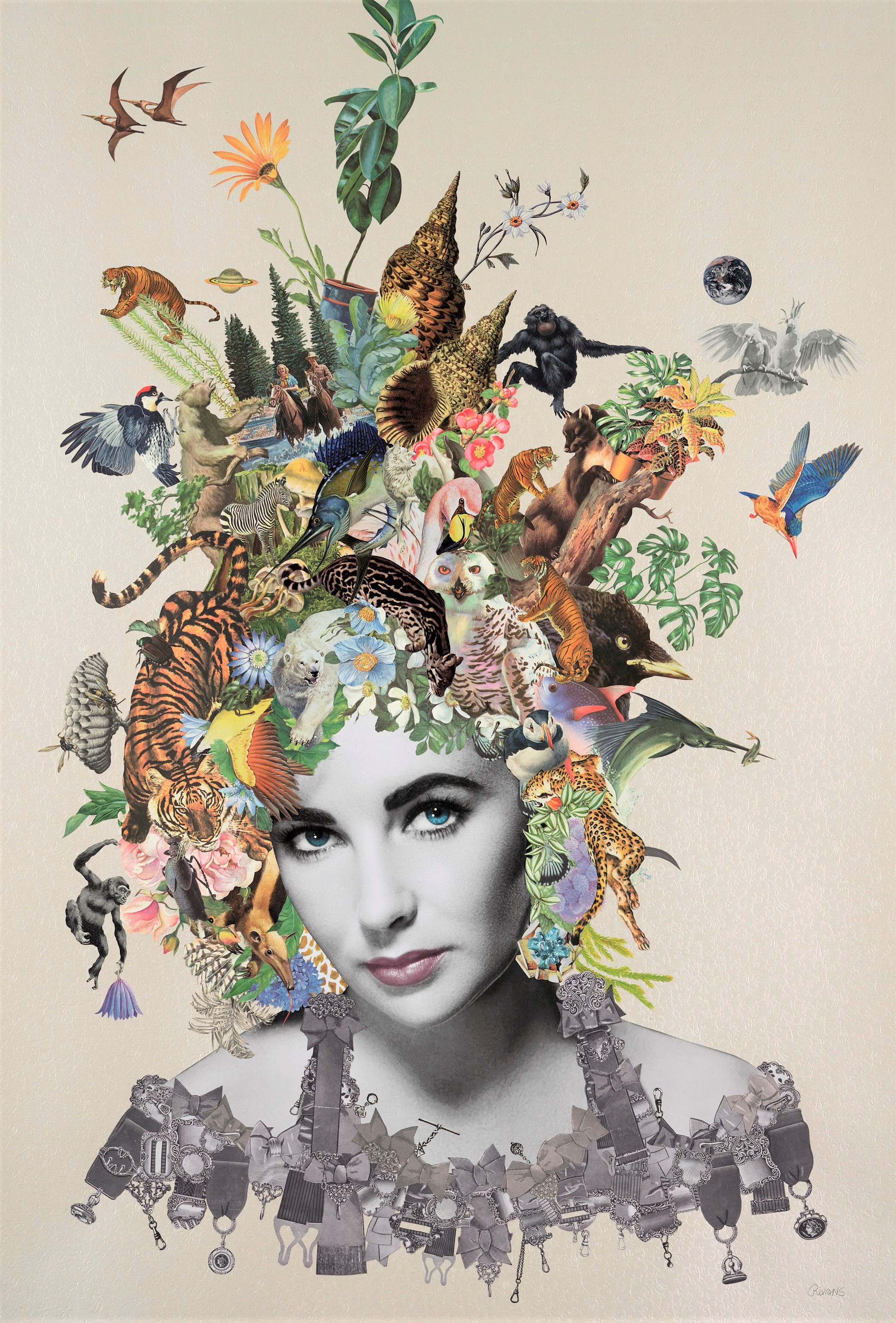
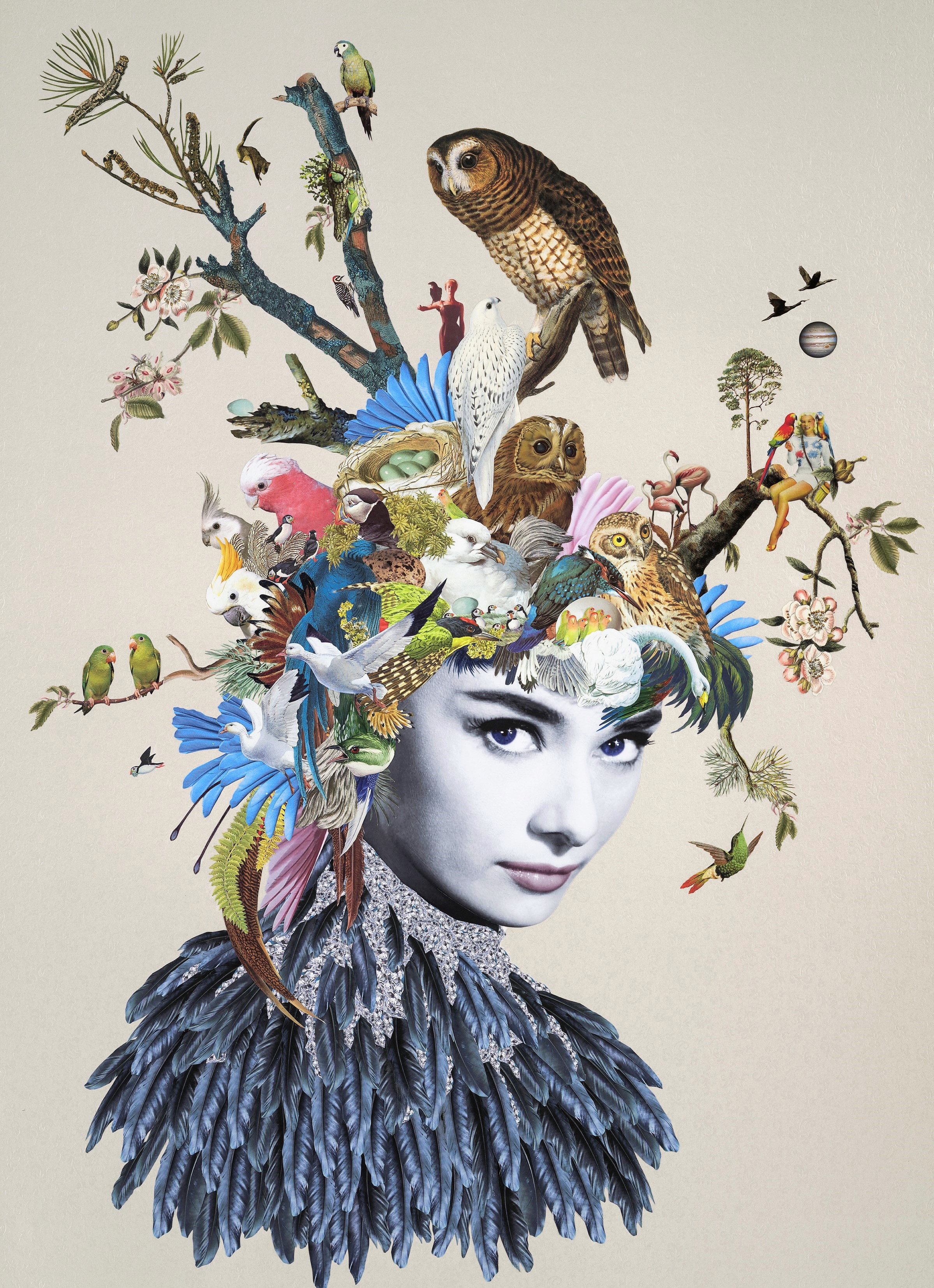

 Humoring the Goddess