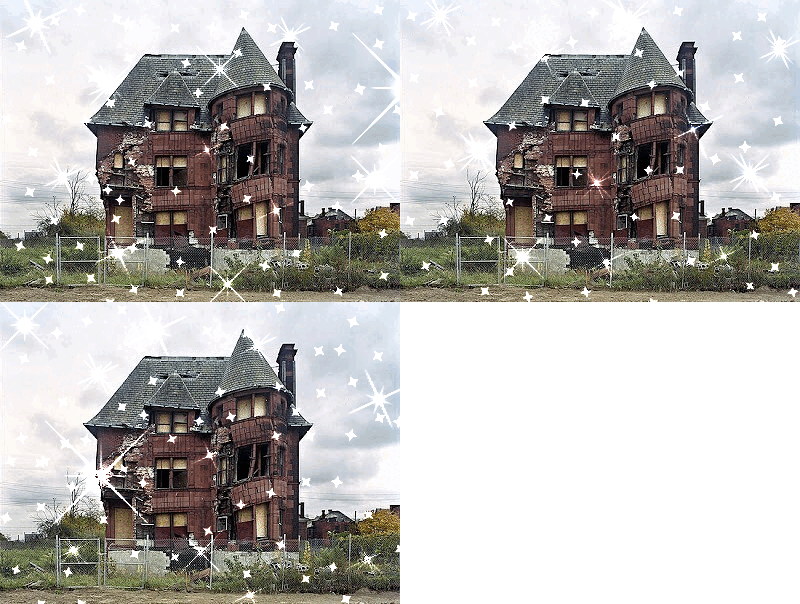
If you survive long enough, you’re revered—rather like an old building.
~Katharine Hepburn
Croning My Way Through Life
If you survive long enough, you’re revered—rather like an old building.
~Katharine Hepburn
Wat Rong Khun (Thai: วัดร่องขุ่น), better known as the White Temple, is a Buddhist temple in Pa O Don Chai, Mueang District, Chiang Rai province, Thailand. Situated outside the city of Chiang Rai. The White Temple was created by master Chalermchai Kositpipat, the national artist who designed, constructed, and opened it to visitors in 1997.
 Kositpipat attended Silpakorn University, which was Thailand’s primary visual arts school. He graduated with a Bachelor of Fine Arts degree in Thai Art in 1977.
Still under construction, when completed, the white temple compound will have nine buildings, including the existing ubosot, a hall of relics, a meditation hall, an art gallery, and living quarters for monks. Unlike most Thai temples, the Wat Rong Khun building is all white, with glass and mirrors embedded into the outside to make it shine and sparkle in the sunlight.
 The primary structure of the temple is made of a basic concrete frame and a wooden roof. Viewed from a distance, it appears to be crafted from sparkling porcelain, but on closer inspection it becomes evident that the dazzling effect is achieved through a blend of whitewash and transparent mirrored chips.
 While the exterior embraces classical Thai temple design, the interior murals are a blend of the past and present, merging timeless Buddhist teachings with modern-day imagery.
 Depictions of superheroes, spaceships, and real-world events stand alongside sacred figures, creating an unexpected fusion of worlds.
 More of master Chalermchai Kositpipat’s magnificent Wat Rong Khun Temple can be found at https://sabiduri.com/wat-rong-khun-the-white-temple-of-chiang-rai-thailand/ and https://en.wikipedia.org/wiki/Wat_Rong_Khun.
 Happy Friday to you All! Another Friday, another chance to go back in time (and galleries) to experience unique and wonderful art in all its forms.
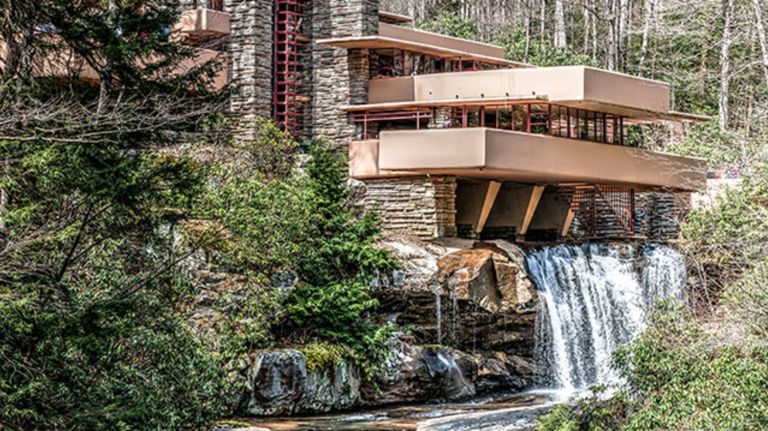
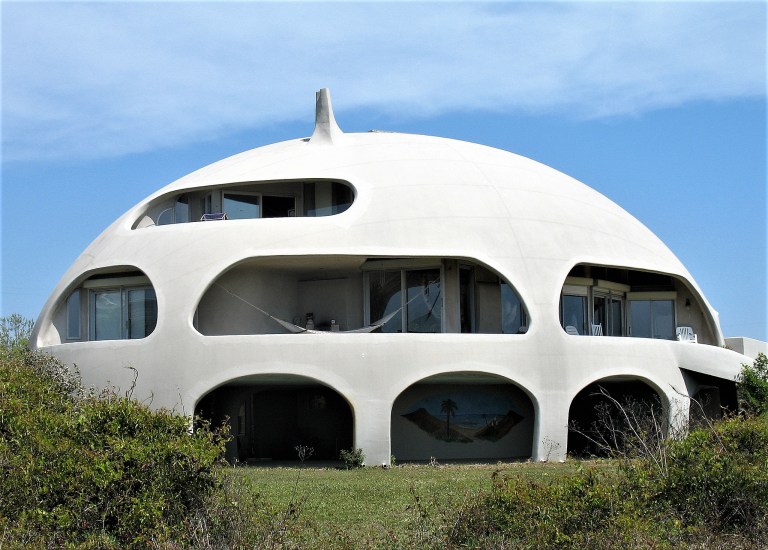
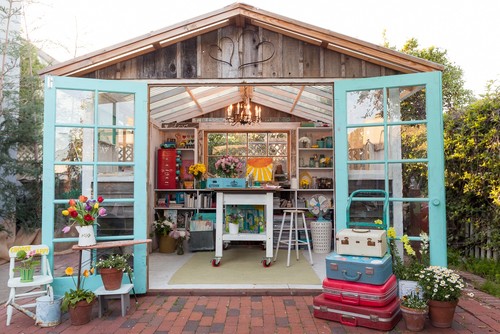
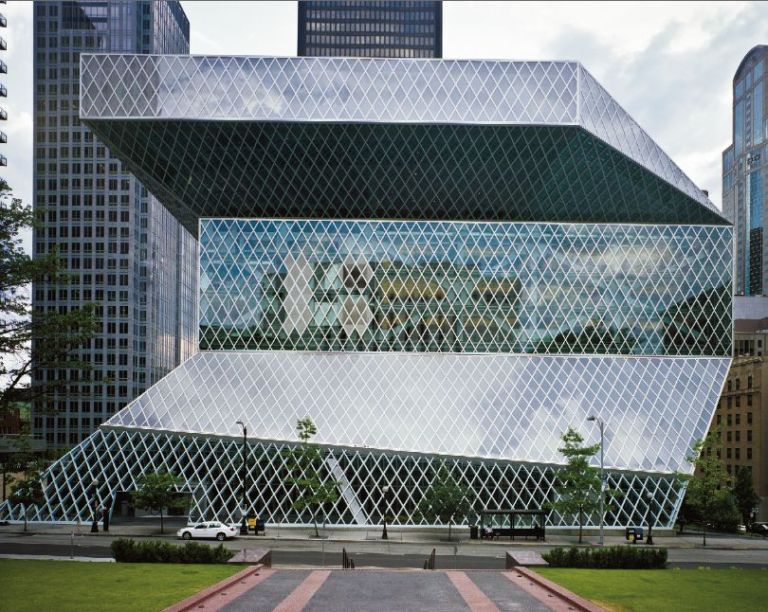
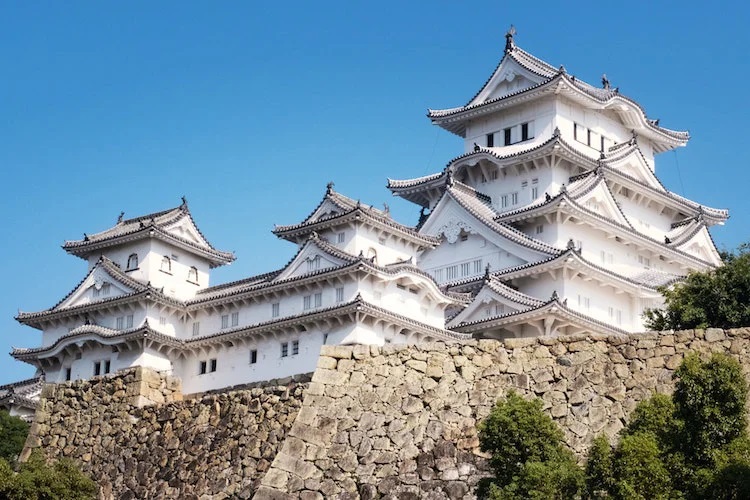
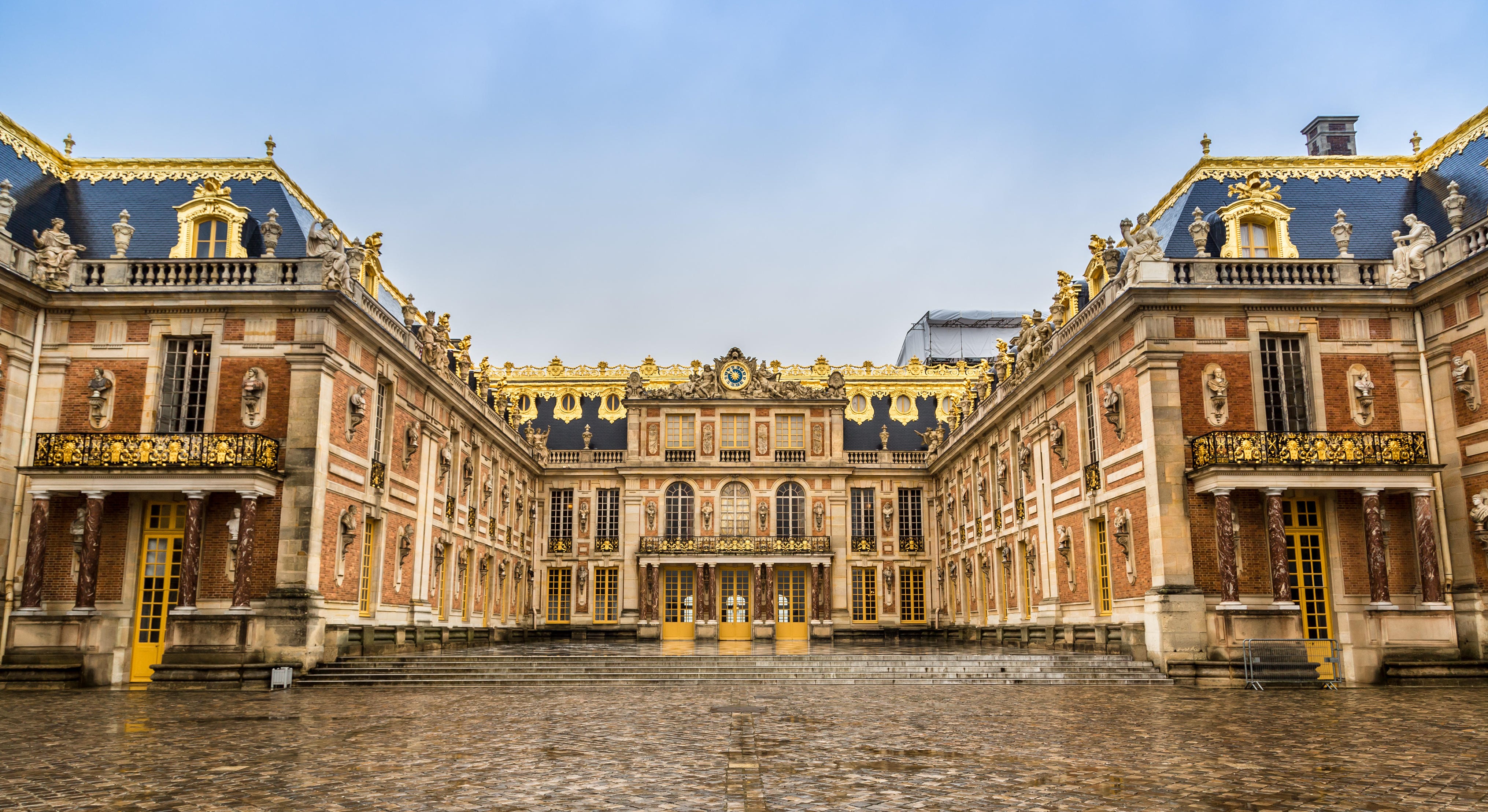
This round let’s look at Buildings of all sizes and shapes:










Friedensreich Hundertwasser (1928 –2000) was an Austrian artist and architect who spent his whole career championing the curve of organic nature against the straight line.

Born Friedrich Stowasser in 1928, the Viennese artist most commonly known as Friedensreich Hundertwasser (or ‘Kingdom-of-Peace Hundred-Water’) started his artistic revolution by adopting a new name.

Even though Hundertwasser first achieved notoriety for his boldly-colored paintings, he is more widely known for his individual architectural designs.

The common themes in his work utilize bright colors, organic forms, a reconciliation of humans with nature, and a strong individualism.

From the mid 70s, all his amazing buildings were ergonomically curved and ecologically integrated with natural features of the landscape.

There are no corners, edges or straight lines. Instead, there is the courage to create organic forms, colors, joy, and include the human dimension – living works of art.
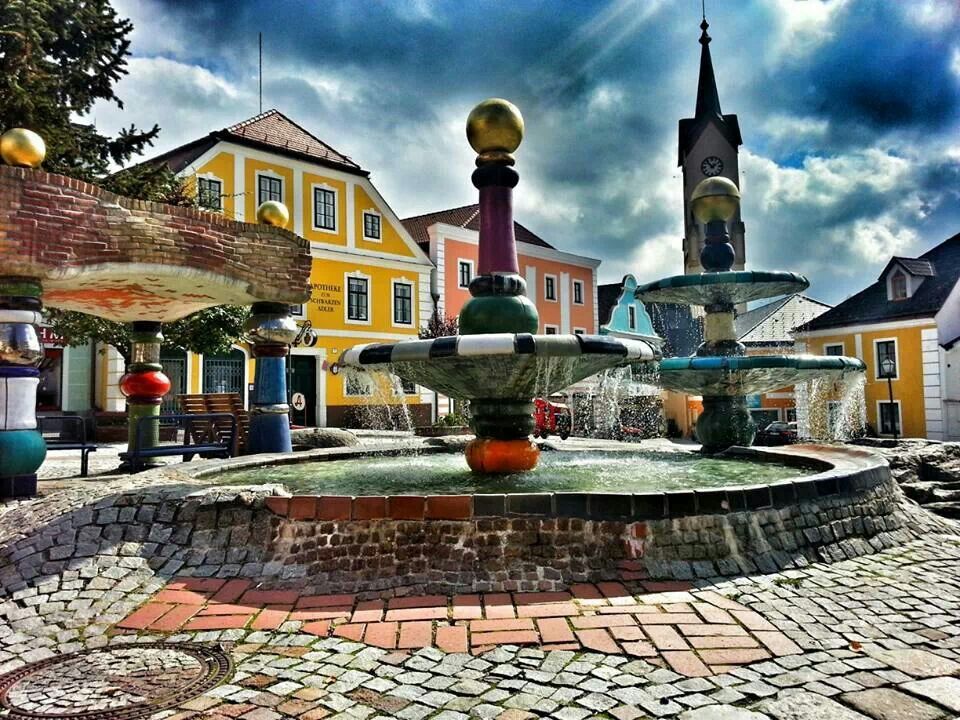
Many of his creations highlighted architecture with uneven floors, unique windows, and spontaneous vegetation.

Hundertwasser stood out as an opponent of “a straight line” and any standardization, expressing this concept in the field of building design.

More of Friedensreich Hundertwasser‘s amazing architecture can be found at https://hundertwasser.com/ and https://www.touropia.com/hundertwasser-architecture/.
Antoni Gaudí (1852-1926) was a Catalan architect whose distinctive style is characterized by freedom of form, voluptuous color and texture, and organic unity.

Gaudí was born in Catalonia on the Mediterranean coast of Spain on June 25, 1852. He showed an early interest in architecture and went to study in Barcelona — Spain’s most modern city at the time.

Once he got his degree in architecture in 1878, Gaudí began working on larger projects.

He soon became one of the most sought-after architects, and began taking on larger commissions, leaving behind many other one-of-a-kind works in Barcelona.
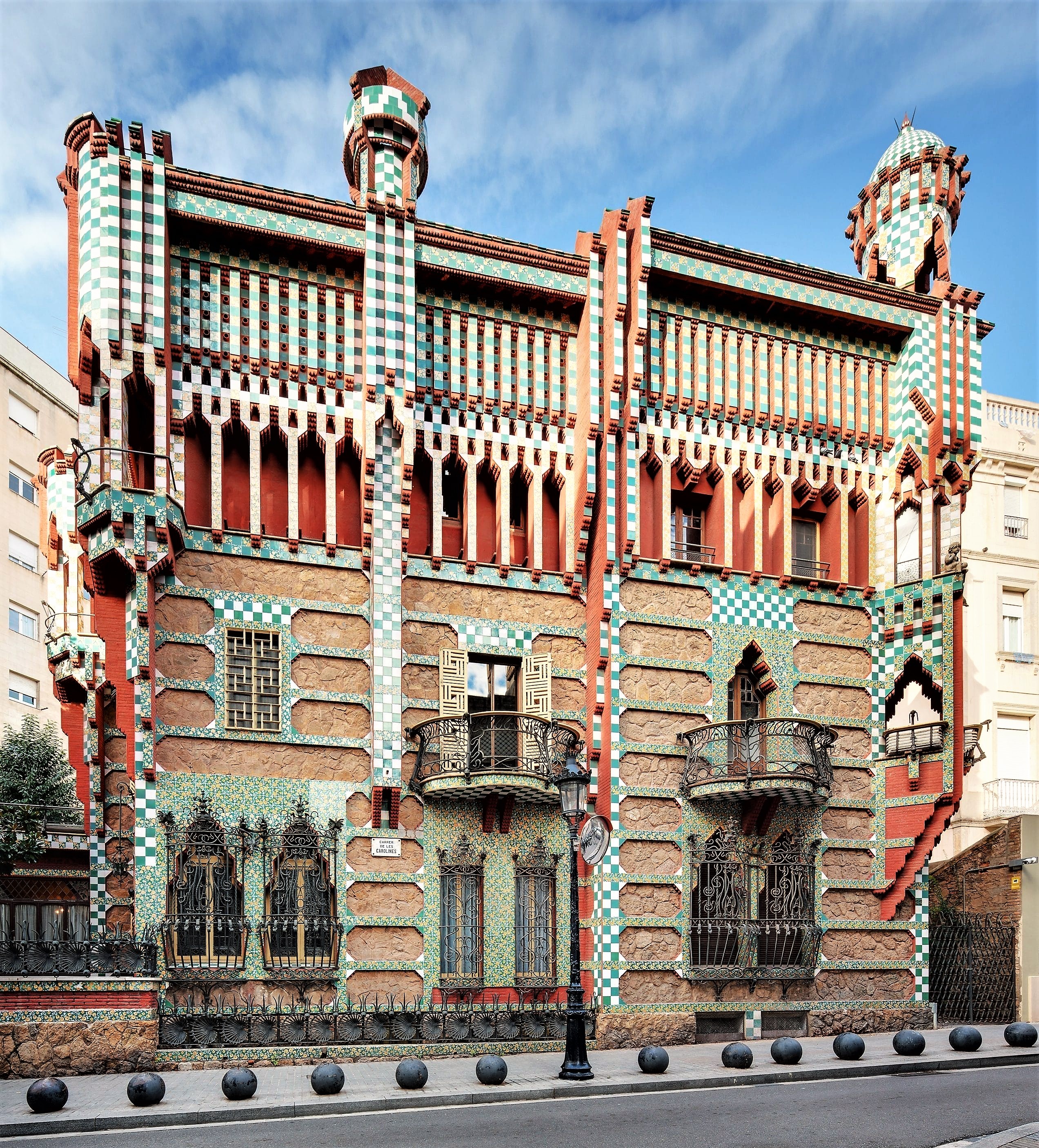
Gaudí’s work was influenced by his passions in life: architecture, nature, and religion.
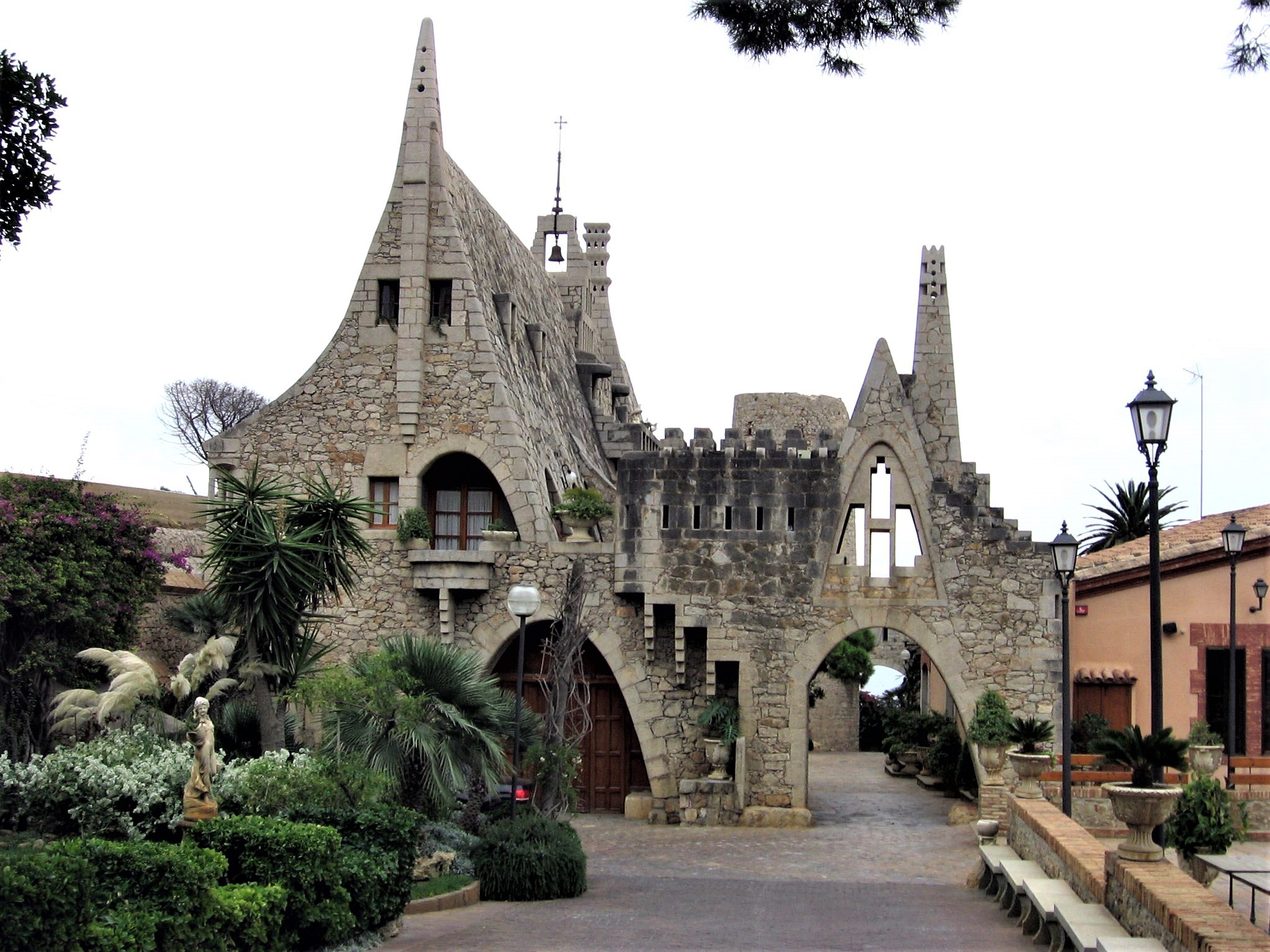
He considered every detail of his creations and integrated into his architecture such crafts as ceramics, stained glass, wrought ironwork forging and carpentry.

Under the influence of neo-Gothic art and Oriental techniques, Gaudí became part of the Modernista movement which was reaching its peak in the late 19th and early 20th centuries.

Gaudí’s was highly innovative in terms of his explorations of structure, searching through a variety of regional styles before seizing on the parabolic, hyperbolic, and catenary masonry forms and inclined columns that he developed through weighted models in his workshop.

These are often integrated with natural and highly symbolic religious imagery that encrust the structure with vibrant, colorful surfaces.

More of Antoni Gaudi‘s work can be found at https://www.casabatllo.es/en/antoni-gaudi/ and https://sagradafamilia.org/en/antoni-gaudi/.

A whirlwind weekend brings out all sorts of thoughts and emotions. Especially when you spend the special moments with people you really enjoy. Kids, mates, friends, cousins — all can bring a sense of magic and wonder to your life every time you turn around.
Spending a weekend in Ashville, North Carolina, was one of those times. It was a little bit of freedom, a little bit of music, a little bit of adventure. Though we live hundreds of miles apart, my friend and I met to renew friendship, share burst balloons, and explore ways to move forward in the world and ways of Creativity.
Every region has its own traditions, its own style, its own way of doing things. Midwest Wisconsin is a lot different from Western North Carolina. Ashville is a decent size city nestled in the Appalachian Mountains. Heat, humidity, and lush greenery run rampant through the streets and countryside. The people are gracious, drive like maniacs, and wonderfully creative.
The streets were filled with art galleries, outdoor eateries, and pubs full of music. Friday night the air was warm and humid and the streets full of artists strutting their goods. A bare-chested bearded dude with a pink rabbit hat walked his dog passed a girl painting henna hands and a poet who wrote you a personal poem for a small donation. Musicians of all colors and sizes hung out on street corners and in front of bistros, playing guitars, flutes, and violins. Trios one corner, a girl singing with a guitar across the street, all sharing their talent and the night.
Breweries offered their specialized creations while fruit bars mingled with marvelously unique chocolate shops. Tiny Christmas lights hung over outdoor eating spaces, Italian specialities competing with tapas and Oriental sesame noodles. Young and old strolled up and down the main street, skinny girls with striped faerie leggings walking with women in sun dresses and guys in properly preppy shirts. It was a cornicopia of life and laughs and conversation and music. Something my little Wisconsin town doesn’t offer.
Art galleries flourished on main streets and side streets. Most were closed by the time I wandered past their windows, but the ones who were open boasted Dichroic glass sculptures and abstract printmaking. Some mediums I had never seen before. Offbeat novelty shops brought back memories of the 60s, selling incense and scented soaps, colorfully graphic socks, sassy self-awareness books, unicorn candle holders, and violet gum.
The Village Art & Craft Fair was a marvelous beehive of amazing art and artists. Just like art fairs across the country, the hard work and inspiration of craftsmen left me breathless. I didn’t always understand the method or their behind-the-scenes inspiration, but I did understand the end result of jewelry, mosaic tile shoes, pottery, tables, hand-blown glass balls filled with feathers, and dark ceramic clay sculptures. A lot of artists were local; others returned year after year to showcase their latest wares.
Finalizing my journey at the immortal Biltmore Estate, my whole world of art and architecture and photography and history exploded into one cosmic experience. I was actually able to be in the “now” each and every day. And the “now” was cool, fun, and satisfying.
Creativity is universal. It is the expression of our heart’s deepest secrets, our imagination’s fondest dreams. I really believe that once you open that door new worlds present themselves all the time. Like a symphony, moods and memories are created by each special note you experience.
Find a way to experience it.
NEXT: Art
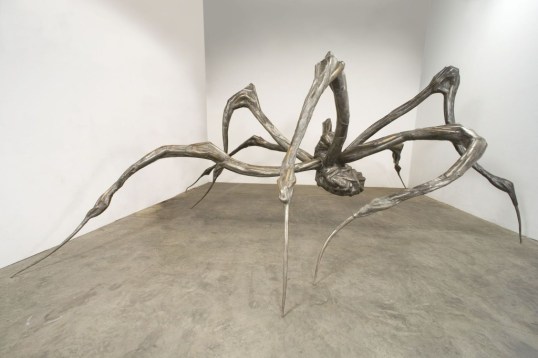
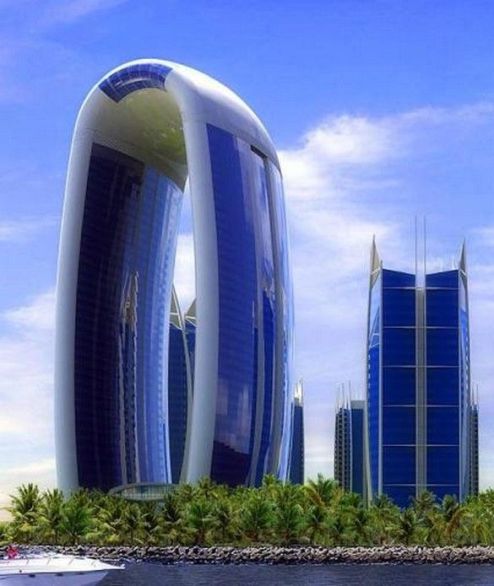

Dozens of images that will tickle your fancy, spark your imagination, and test your belief system.
Come Visit Anytime!
I was blue, just as blue as I could be
Ev’ry day was a cloudy day for me
Then good luck came a-knocking at my door
Skies were gray but they’re not gray anymore
Blue skies
Smiling at me
Nothing but blue skies
Do I see
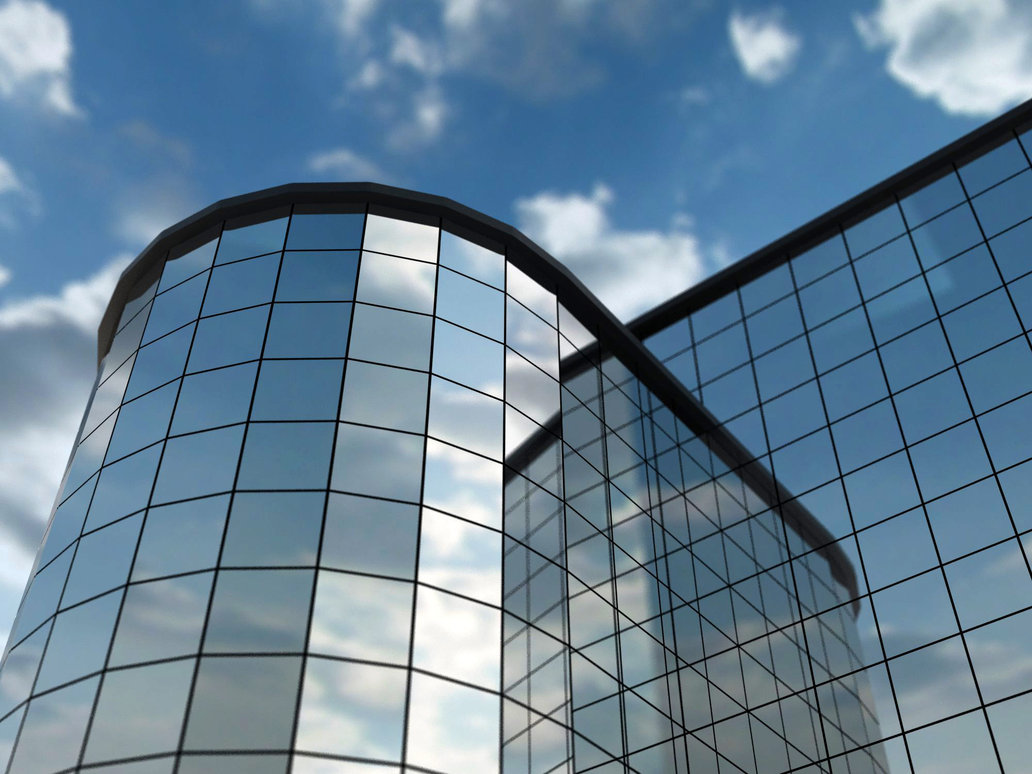
Bluebirds
Singing a song
Nothing but bluebirds
All day long
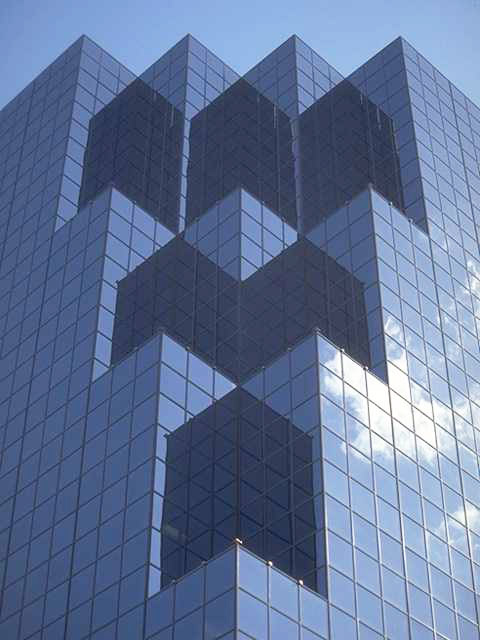
Never saw the sun shining so bright
Never saw things going so right
Noticing the days hurrying by
When you’re in love, my how they fly

Blue days
All of them gone
Nothing but blue skies
From now on

I never saw the sun shining so bright
Never saw things going so right
Noticing the days hurrying by
When you’re in love, my how they fly

Blue days
All of them gone
Nothing but blue skies
From now on

Lyrics by Irving Berlin
![Health+Systems-blue+glass+buildings[1]](https://humoringthegoddess.com/wp-content/uploads/2016/02/healthsystems-blueglassbuildings1.jpg)
Once Upon A Time

I came across an image
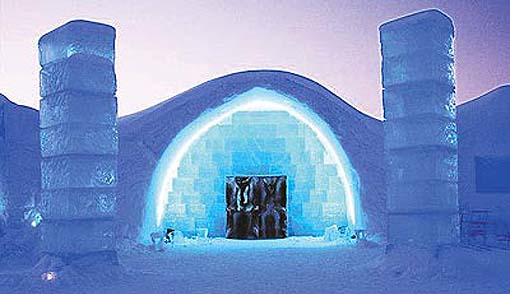
of an odd-shaped hotel. And I wondered…
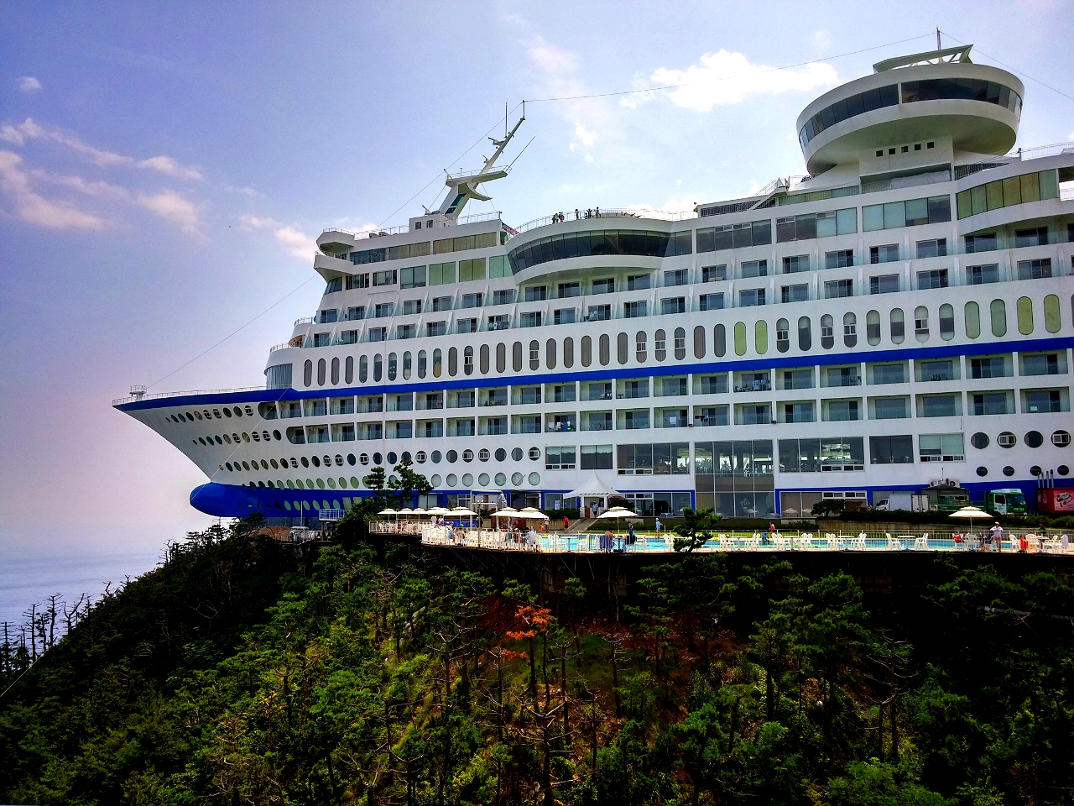
Could there be more?

The more I wandered, the more I found

Oddities beyond compare

And I wondered still
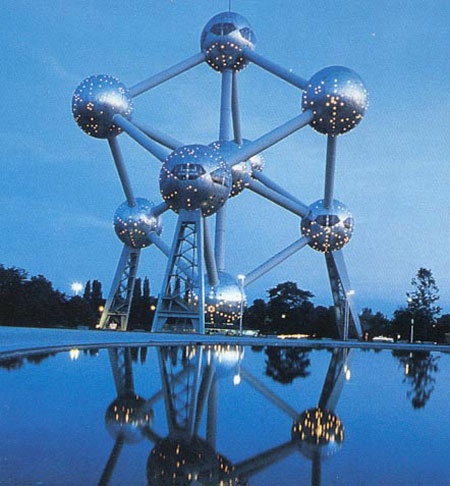
Are these hotels?

Imagination truly has run amok
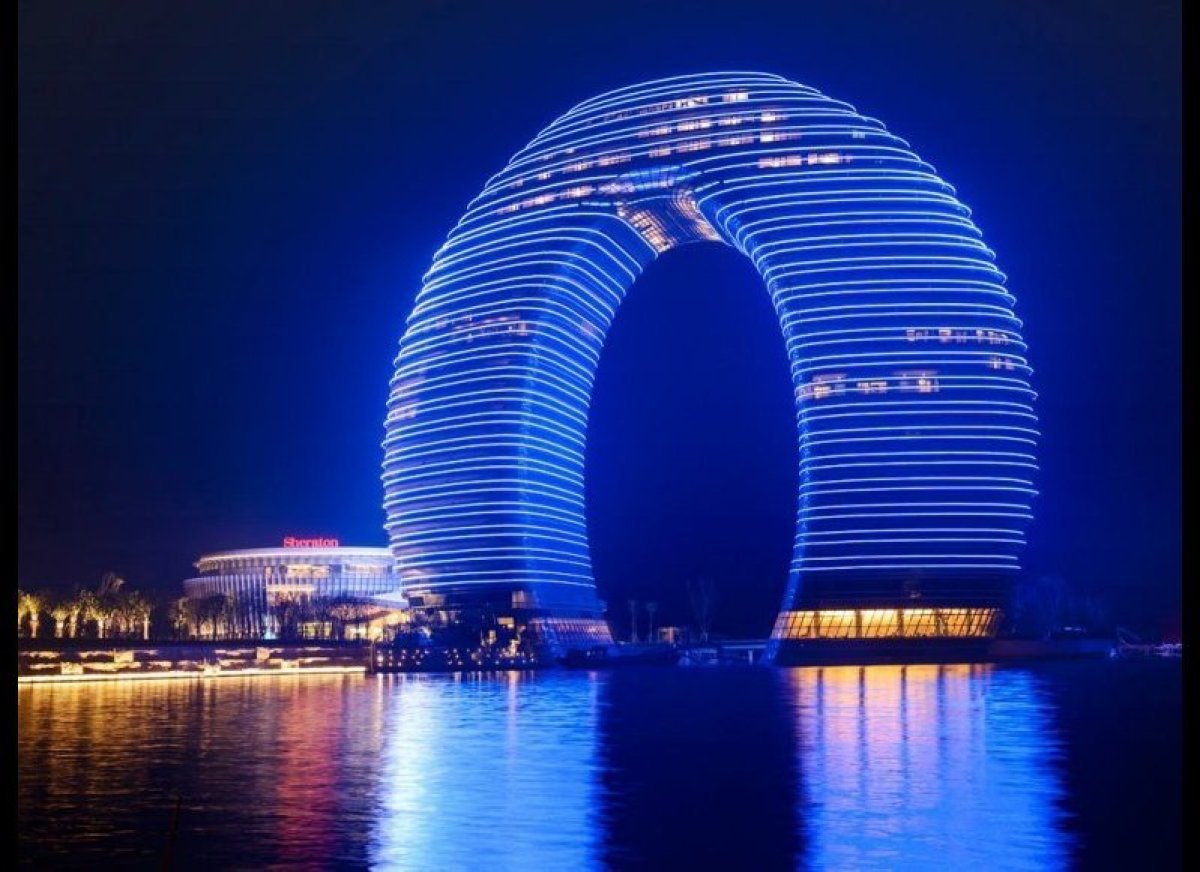
And if you can dream it, and can afford it

You can Build It
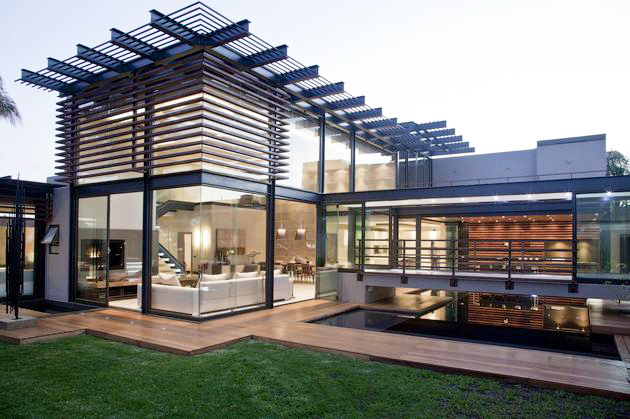
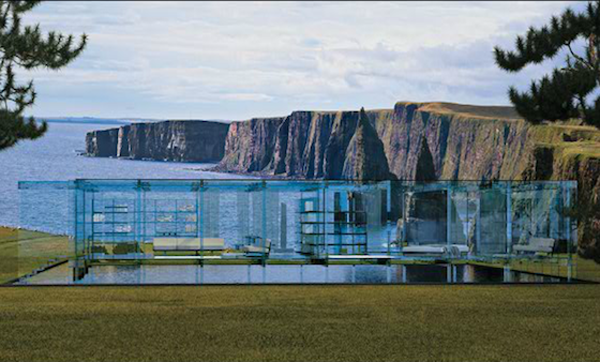
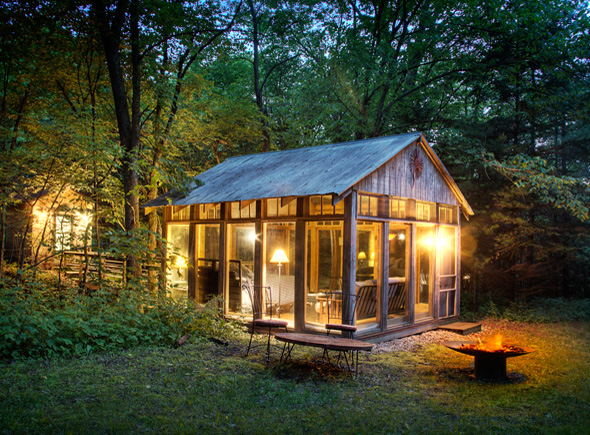
There are all sorts of glass houses jutting out majestically from other buildings, upper floors, and lower levels. My choice this evening are glass houses that are just that — glass houses.
Standing free and glistening under sunrise and sunset.
~imagine~





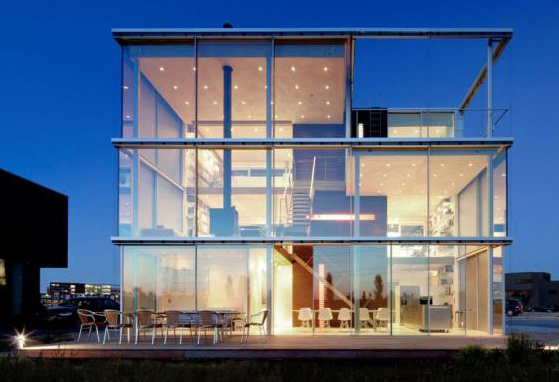
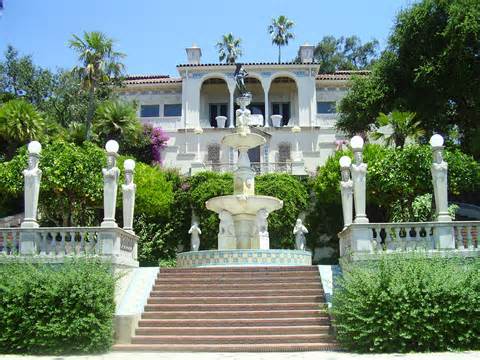
Architecture is a visual art, and the buildings speak for themselves.
Julia Morgan, Architect
 Bank Note Building, Lithuania
 Umeda Sky Building, Osaka, Japan
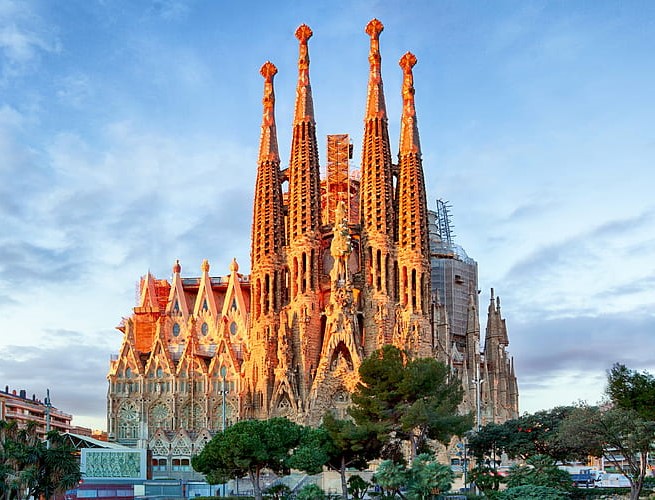 Temple Sagrada Familia, Barcelona, Spain
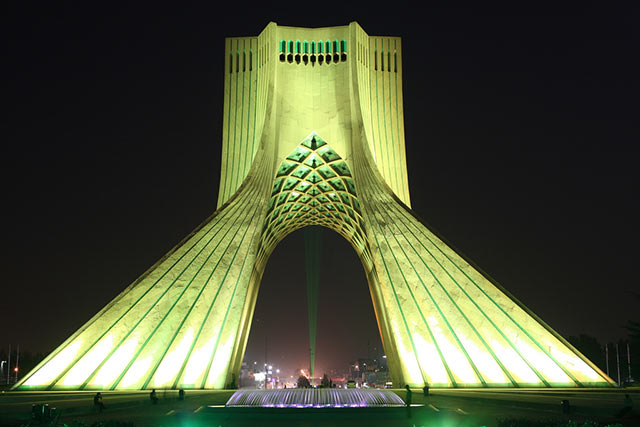 Azadi (Ex Shahyad) Tower, Tehran, Iran
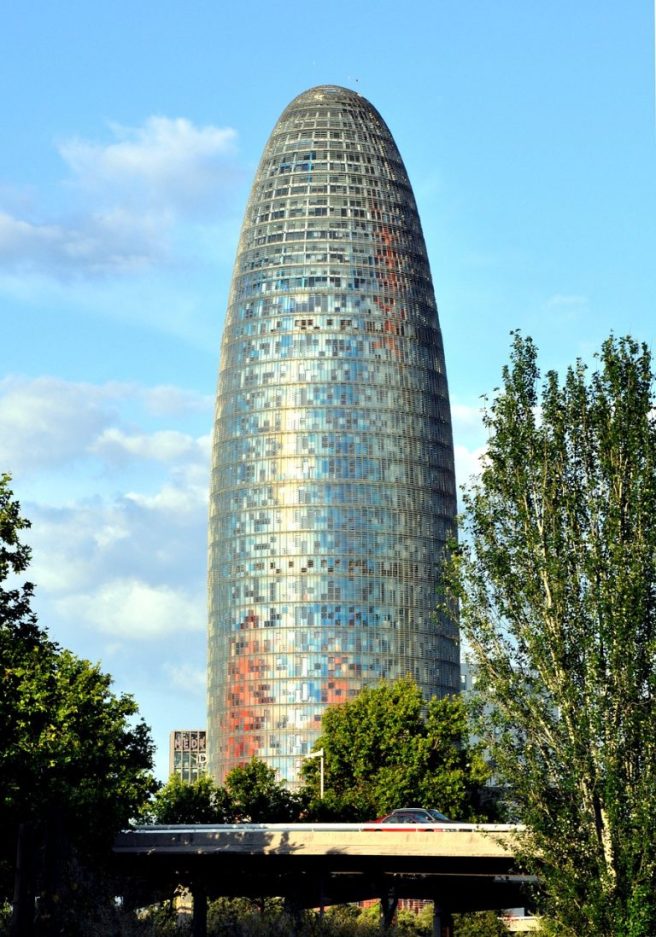 The Agbar Tower, Barcelona, Spain
 Elephant Building or Chang Building, Thailand
 Bahrain World Trade Center, Manama, Bahrain
 Burj Al Arab Hotel, Dubai
Julia Morgan (January 20, 1872 – February 2, 1957) was an American Architect, and the first woman architect licensed in California. In 1919 William Randolph Heart commissioned her to build a country house that came to be known as Hearst Castle at his family ranch at San Simeon, California.

 Humoring the Goddess