A Gothic building engenders true religion … The light, falling through colored glass, the singular forms of the architecture, unite to give a silent image of that infinite mystery which the soul for ever feels, and never comprehends.
Marc Chagall (1887-1985), born Moishe Shagal, was a Russian-French Draftsman, Painter, and Printmaker.
Reims Cathedral, Reims, France
Constantly on the move throughout the major European cities, this notable figure developed a unique aesthetic profoundly infused by the Jewish folk culture while being influenced by Fauvism, Symbolism, and Cubism.
An early modernist, he was associated with the École de Paris, as well as several major artistic styles and created works in a wide range of artistic formats, including painting, drawings, book illustrations, stained glass, stage sets, ceramics, tapestries and fine art prints.
Chichester Cathedral, West Sussex, England.
One of the most remarkable aspects of Chagall’s stained glass artistry is his seamless blend of traditional religious motifs with a modern artistic language.
St Stephen’s Church, Mainz, Germany
Chagall’s stained glass windows are characterized by their intricate details and harmonious interplay of colors.
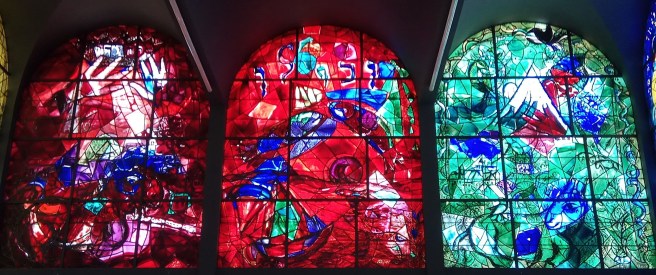
Western View of the Hadassah Hospital, Jerusalem, IsraelCloseup,Hadassah Hospital, Jerusalem, Israel
They often feature scenes of love, hope, and spirituality, rendered with a poetic sensitivity that touches the soul of the beholder.
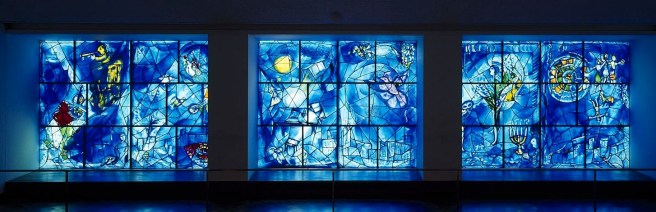
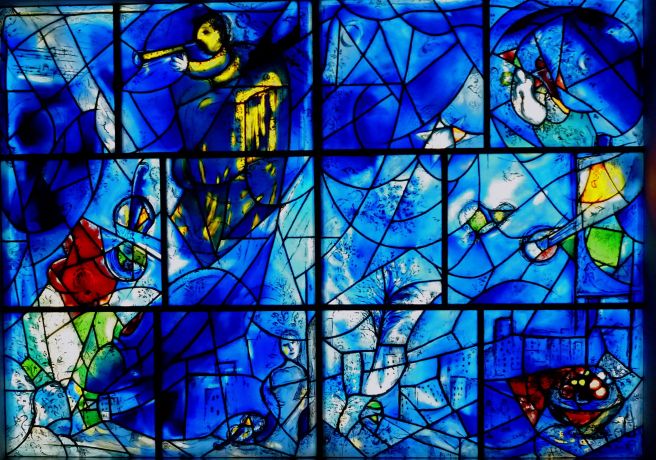
The Good Samaritan Window, Union Church, Pocantico Hills, New York
His ability to convey profound emotions through the use of ethereal imagery is what sets his windows apart and endows them with a timeless appeal.
As you all know, I love sparkle. Color. Light and windows and bling. I try and keep it to a minimum in here, as I’m sure there’s those that get bugged with too much disco ball in their eyes.
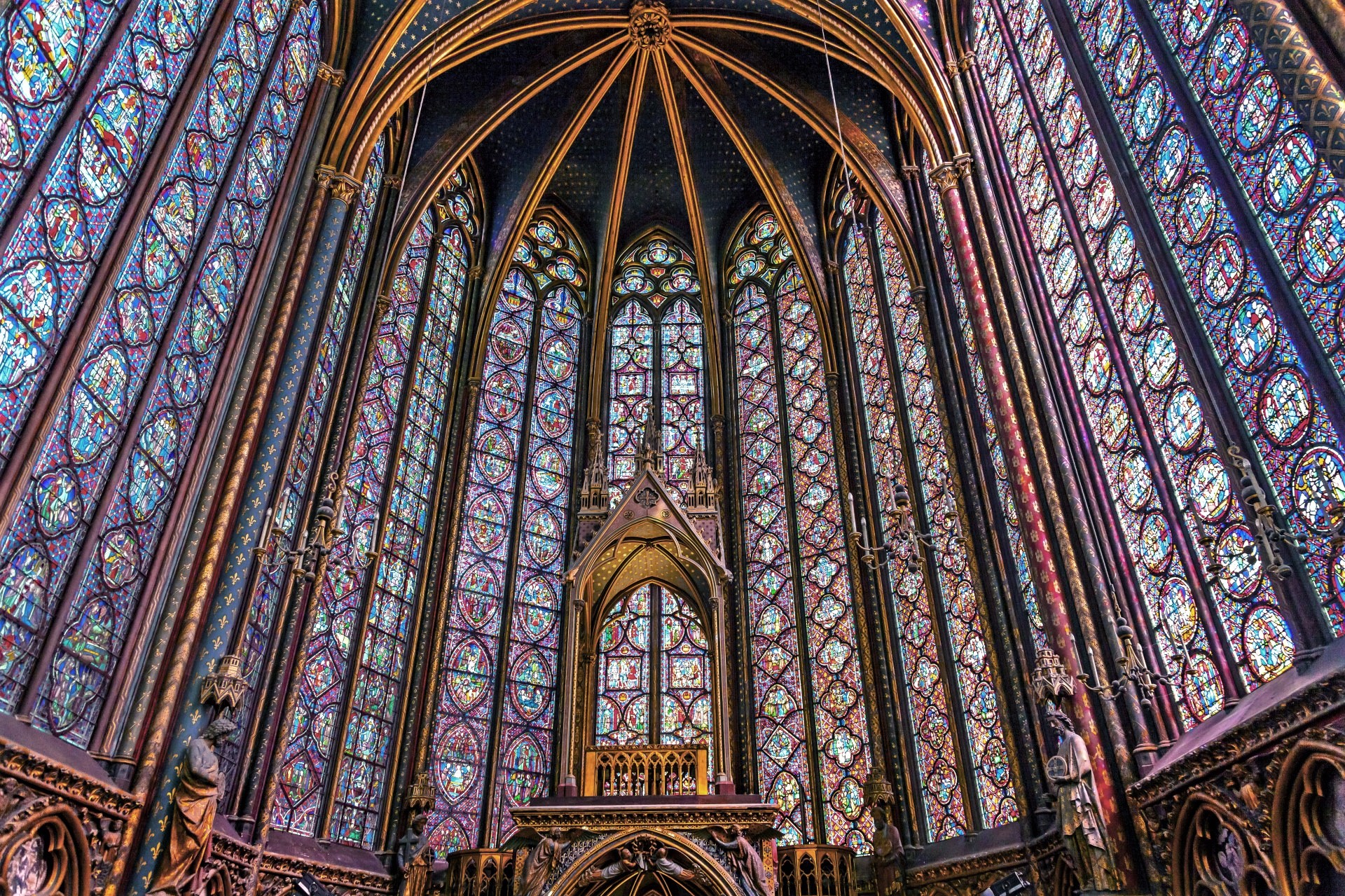
I am hoping to see the windows of Saint Chapelle Church when I go to France. It’s like a bucket list for stained glass aficionados.
Saint Chapelle Chapel, Paris, France
But I digress.
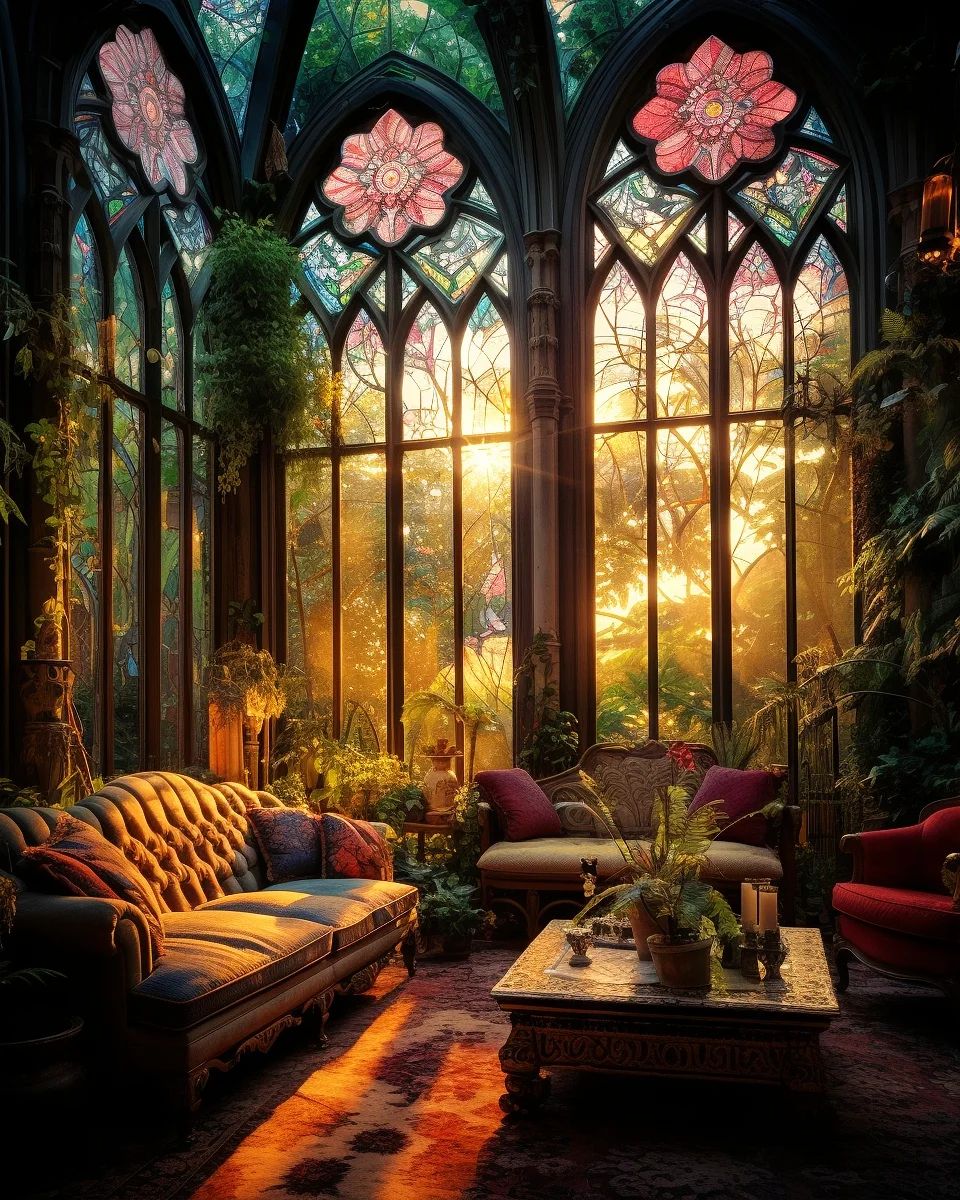
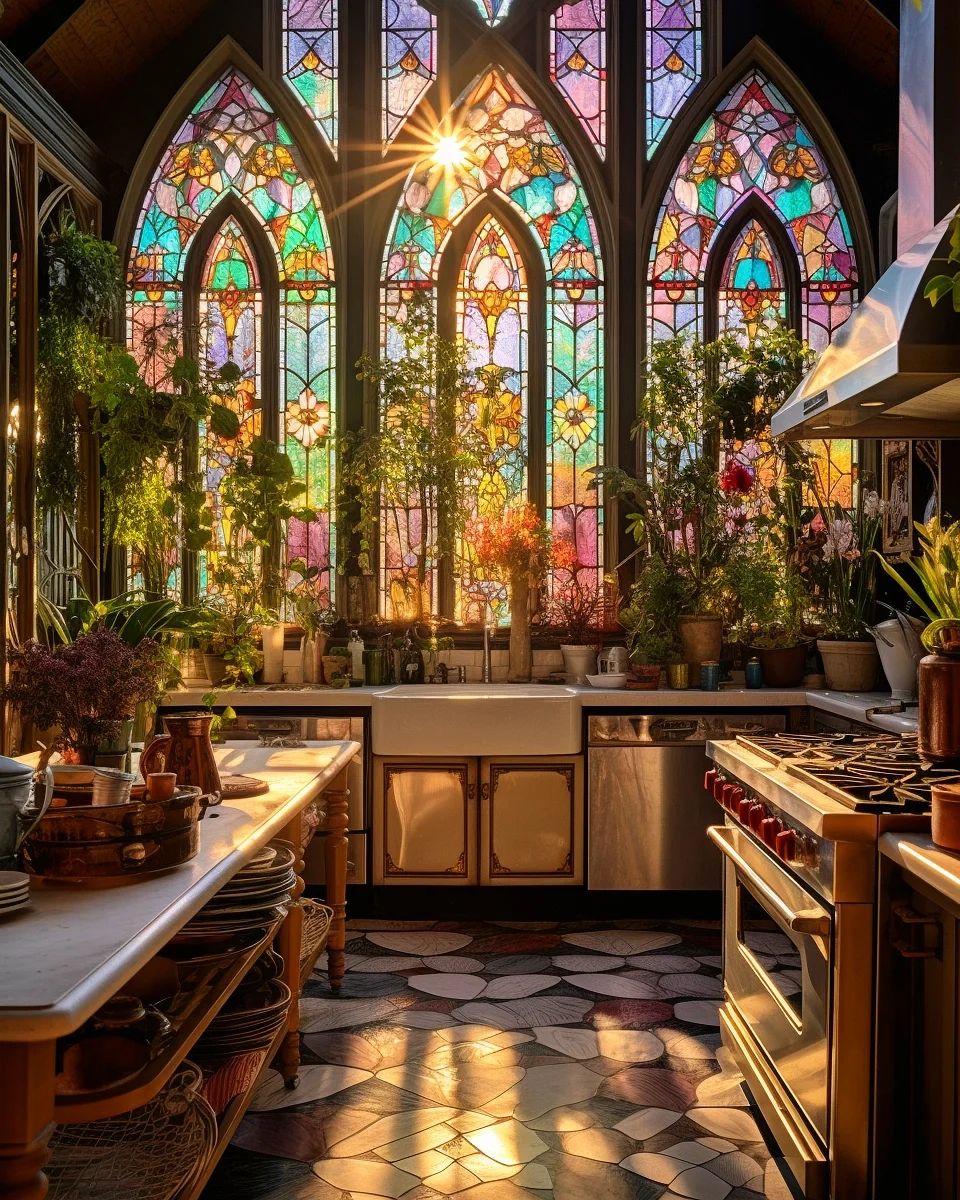
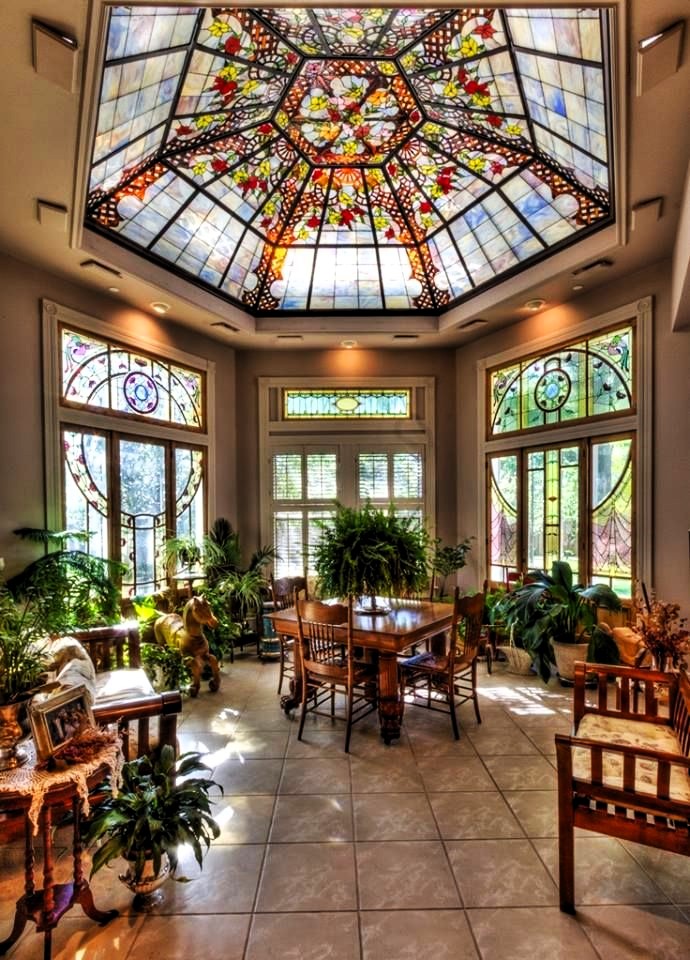
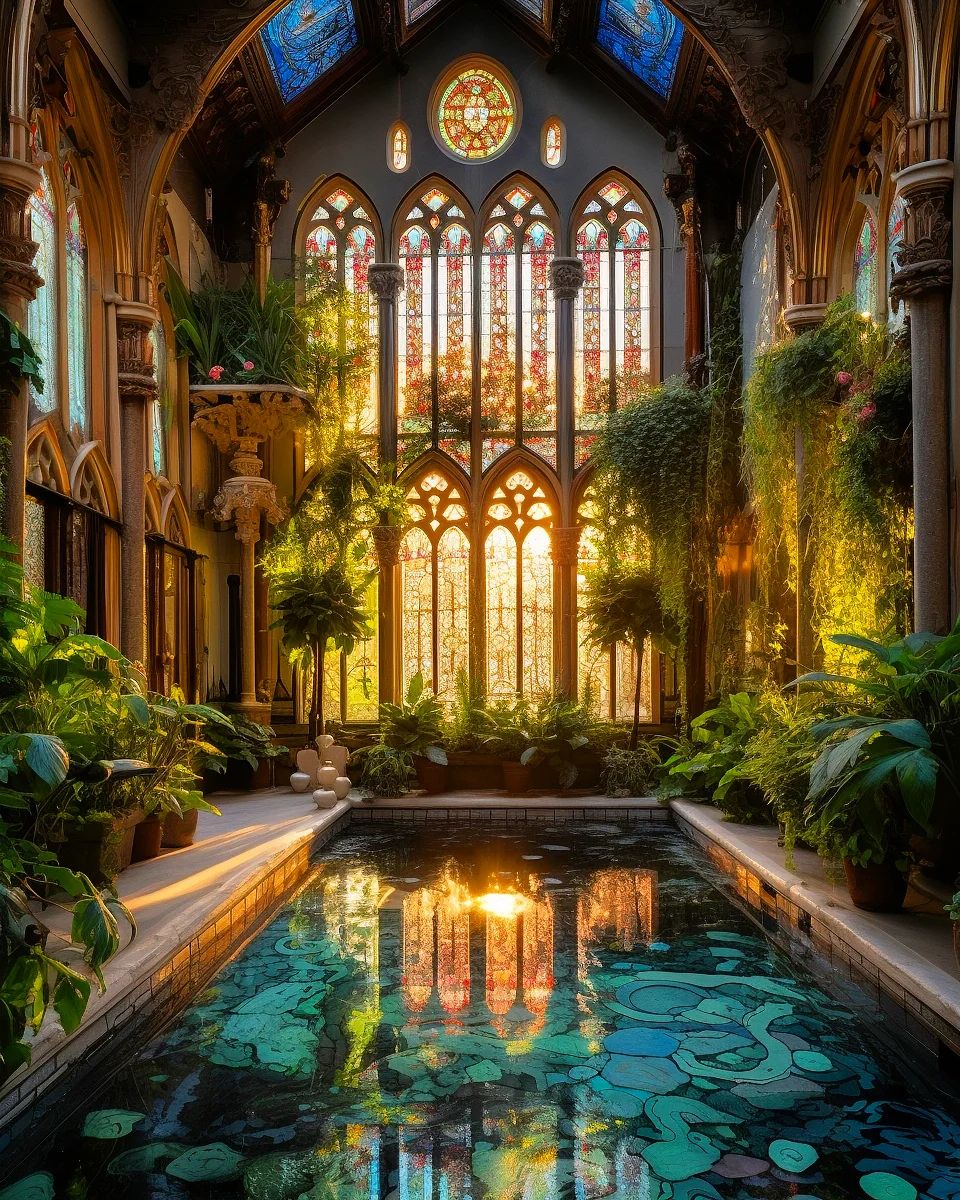
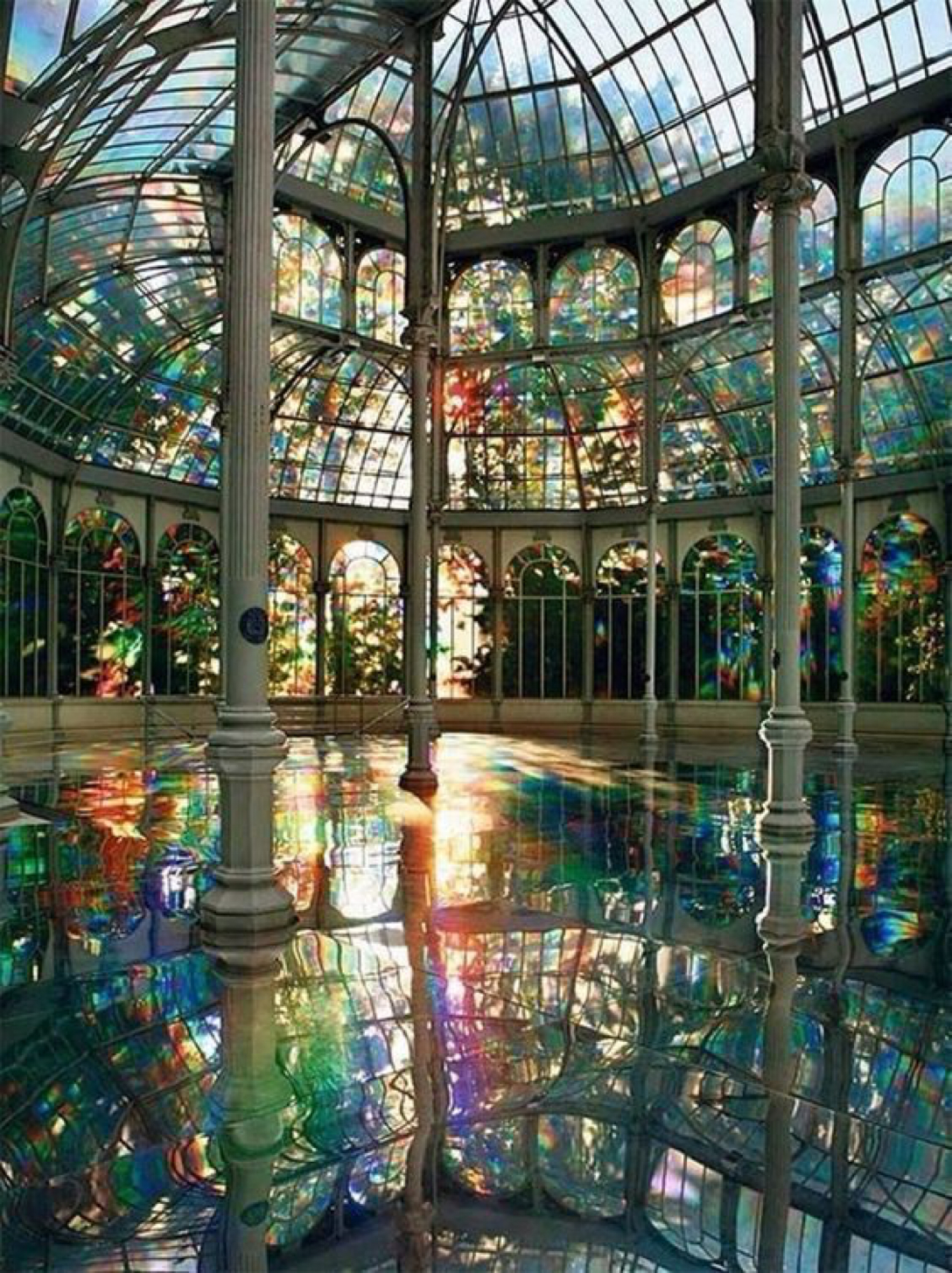
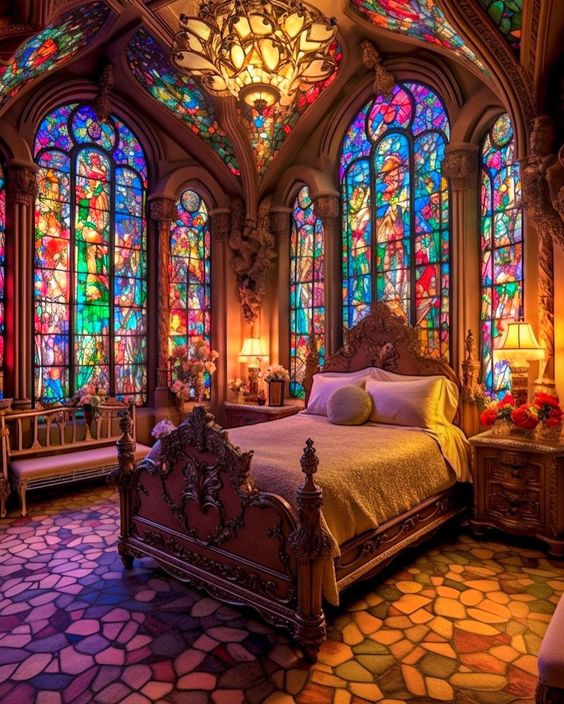
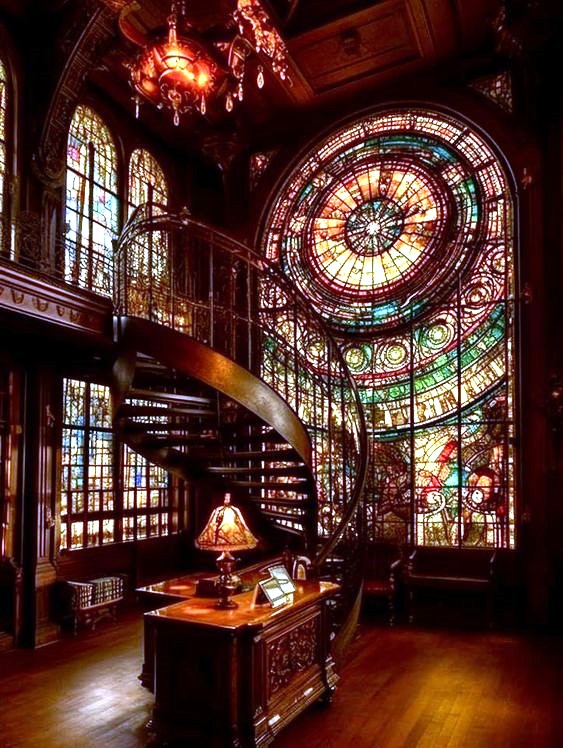
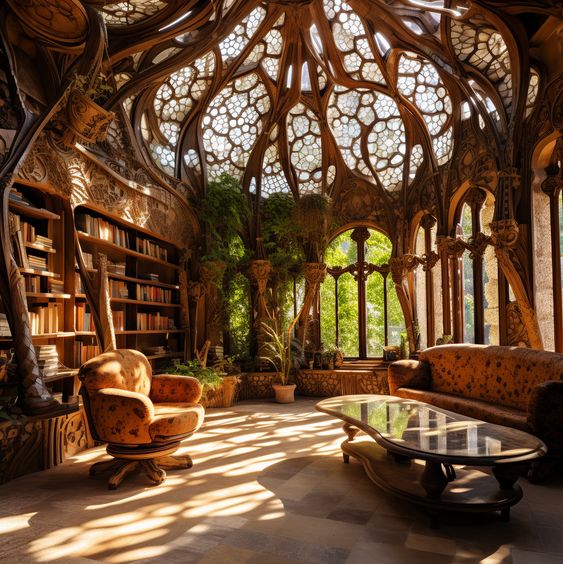
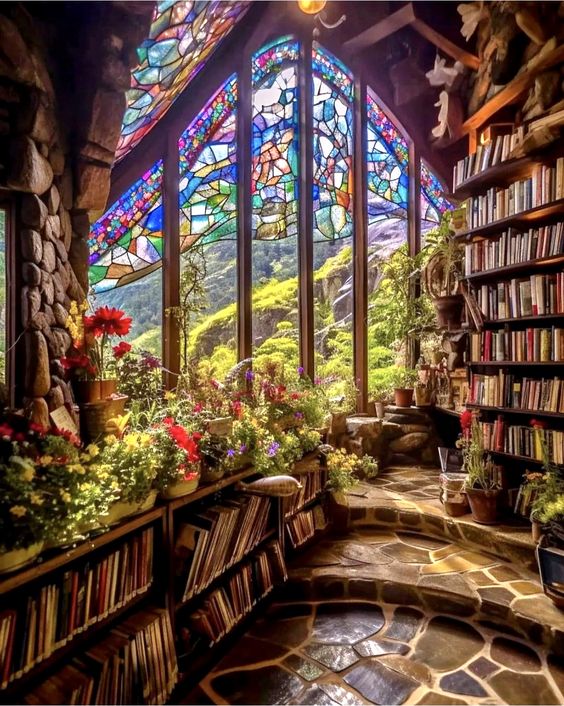
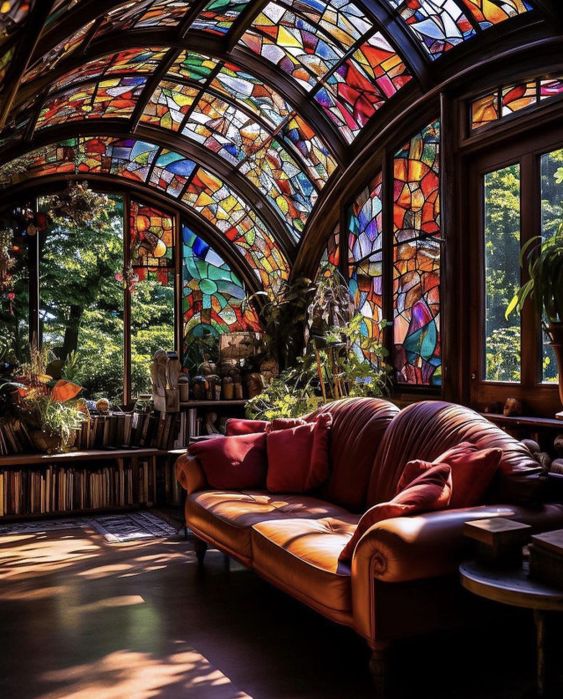
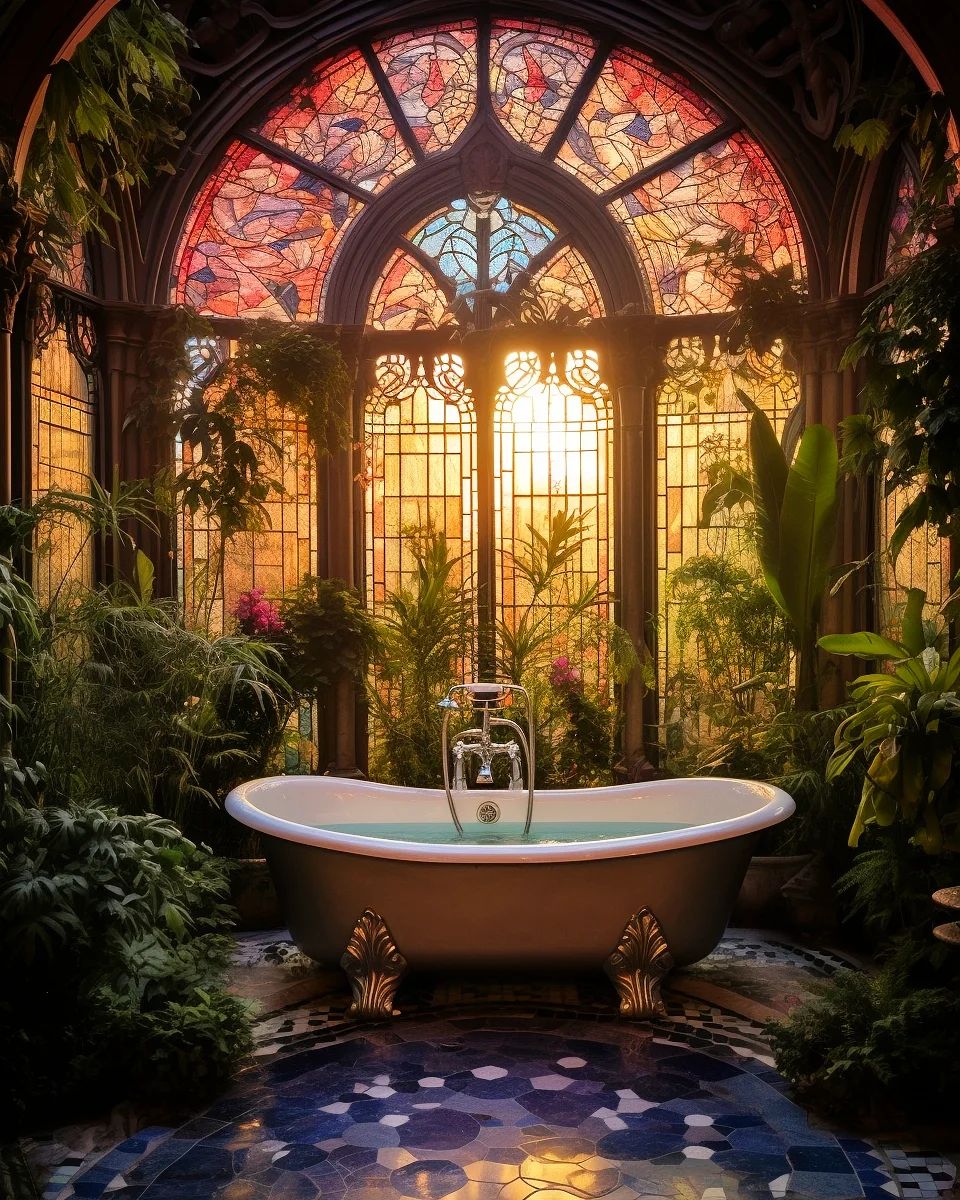
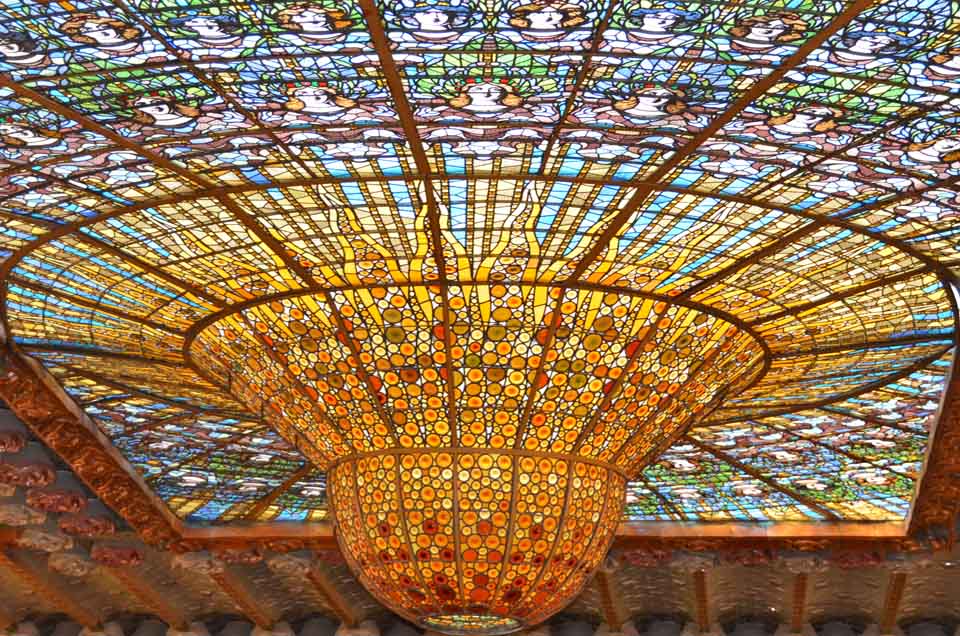
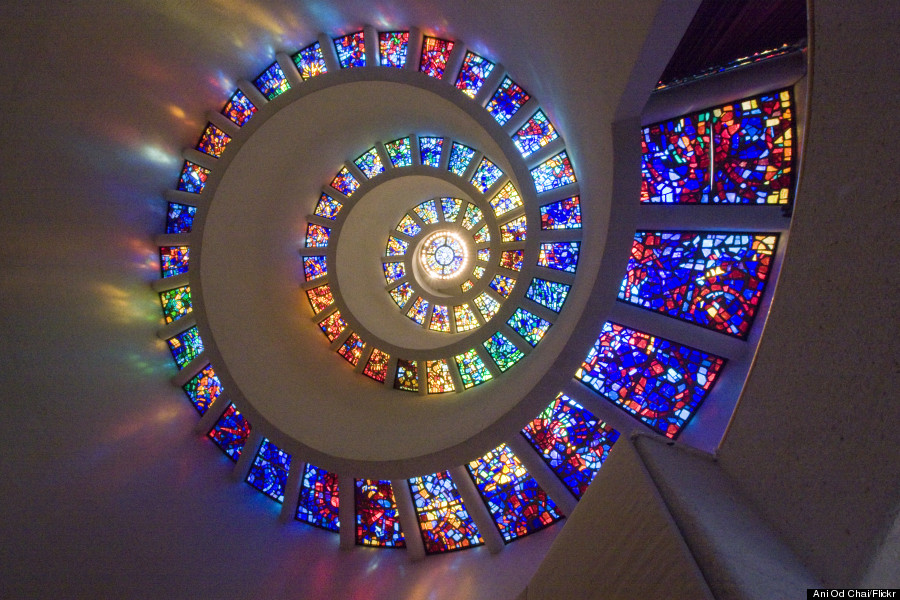
You know how one thing leads to another and another and another. Well, a few amazing stained glass room pictures showed up on my Internet feed, and before you knew it, I was collecting images of stained glass rooms.
So here for your enjoyment — and overload — is my dreamStained Glass House.
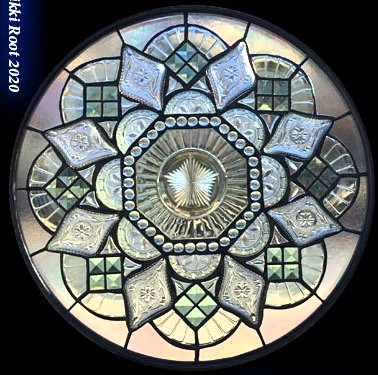
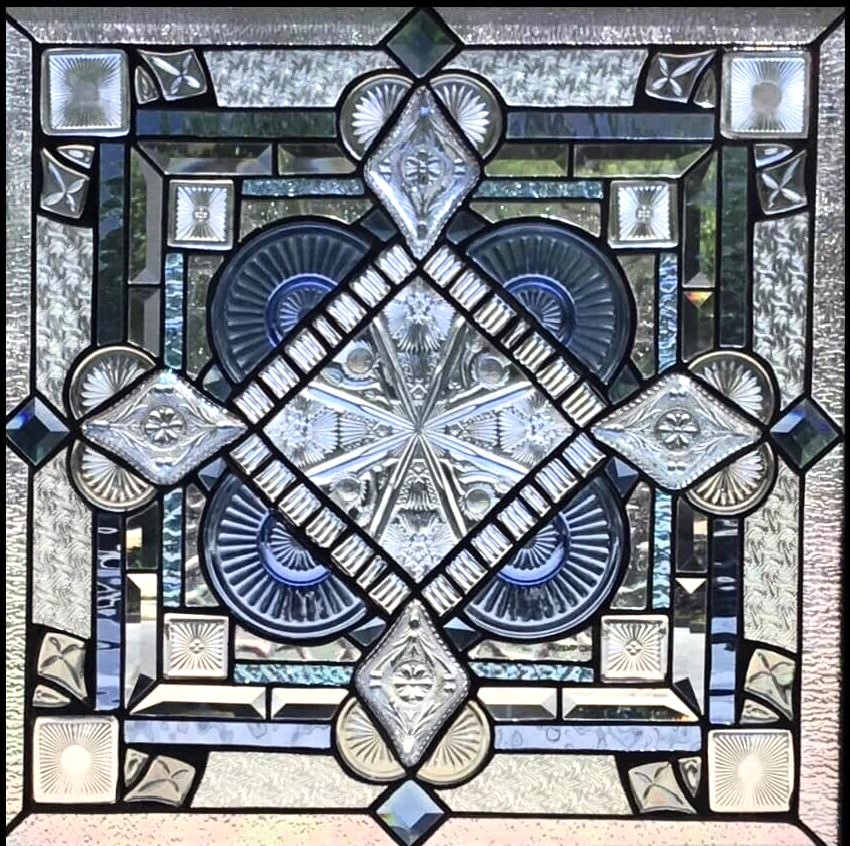
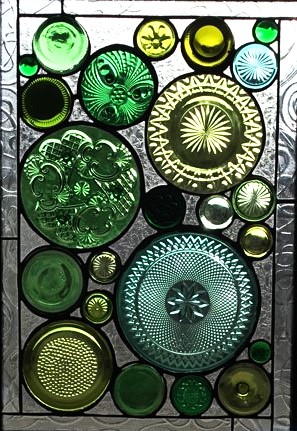
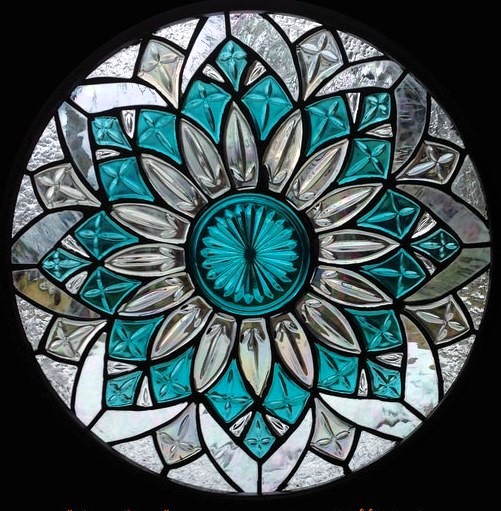
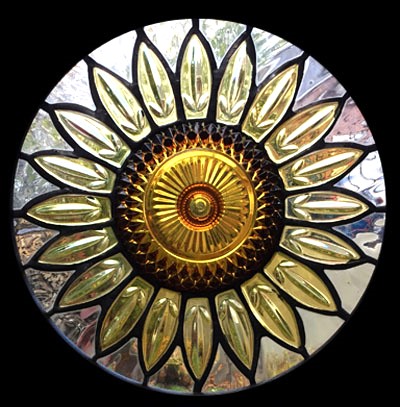
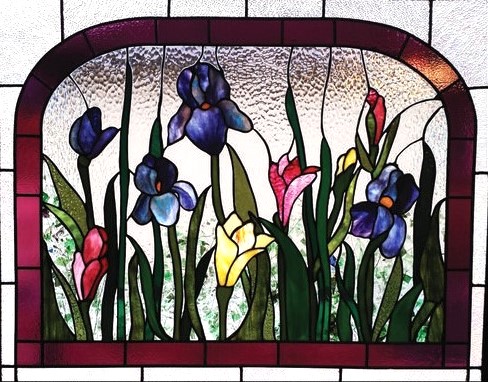
Nikki Root has custom designed and handcrafted stained glass windows in Cache Valley and surrounding areas of Utah since 1994.
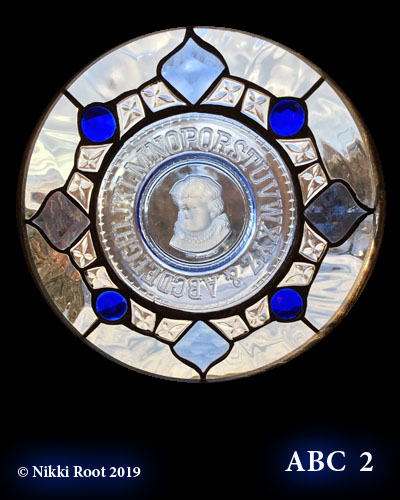
In addition to her beautiful traditional stained glass, Root now specializes in one of-a-kind, 3-dimensional glass creations which are skillfully crafted from a variety of individually hand-cut vintage bottle and glassware bottoms.Root collects Depression glassware and any interesting glass she can get her hands on to transform into windows, framed pieces and many other things.Root’s passion for glass work began 20 years ago when her family moved from Atlanta, Ga. to build a home in Providence.Their Atlanta home had stained glass windows, a comfort she insisted on having in Utah.To avoid the high cost of purchasing custom designs from a glass company, Root decided to try making it herself..This rest is stained glass history.“Stained glass speaks,” Root shares.“Once you have it in your home, it’s really hard to live without it.”“So I took a class and learned how to cut and solder, and then I took off from there.”
People are like stained glass windows, they sparkle and shine when the sun is out, but when darkness sets in their true beauty is revealed only if there is a light from within.
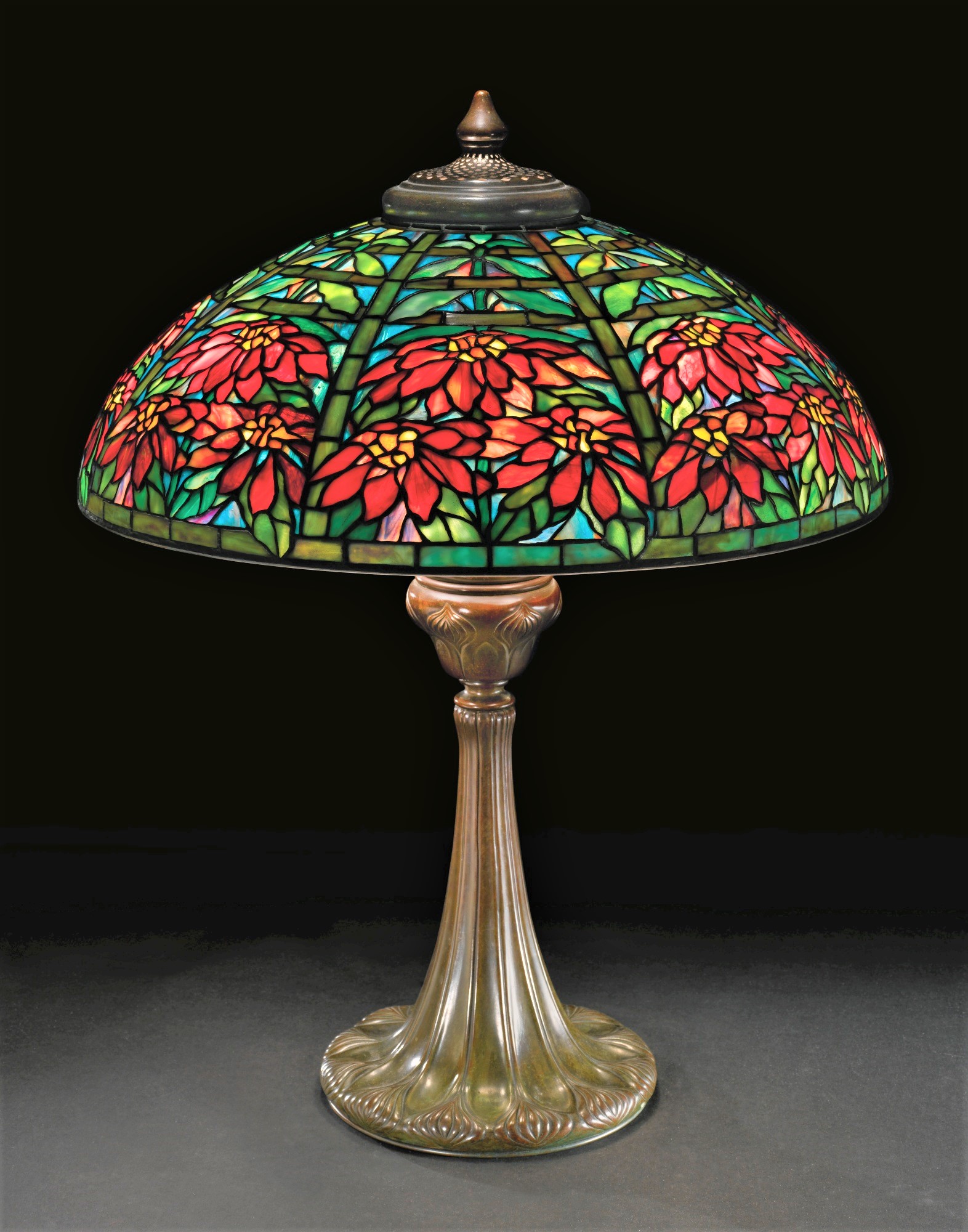
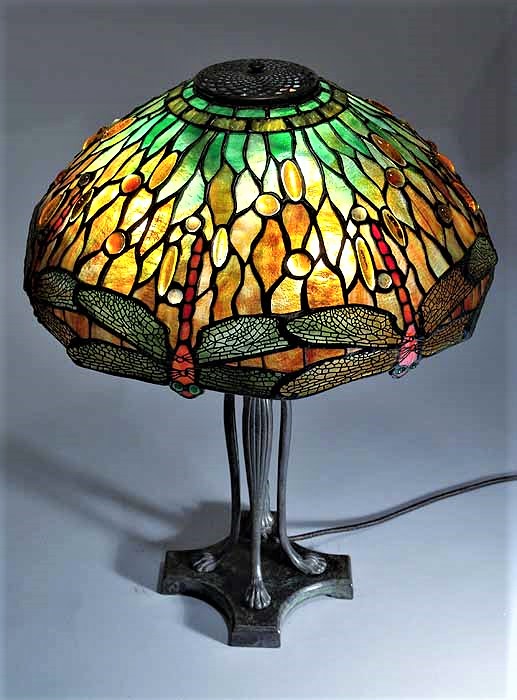
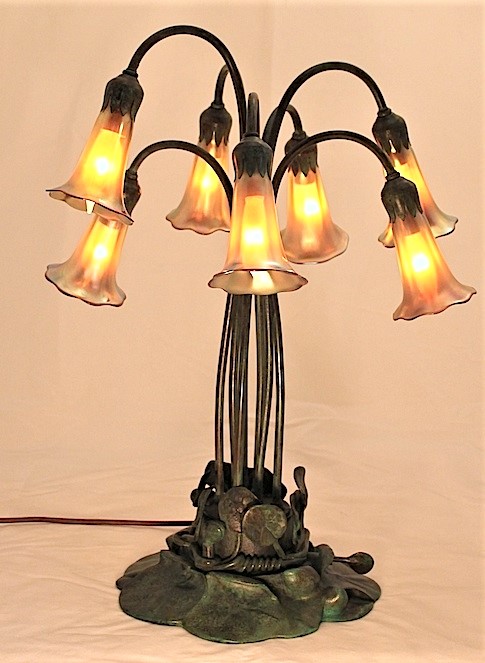
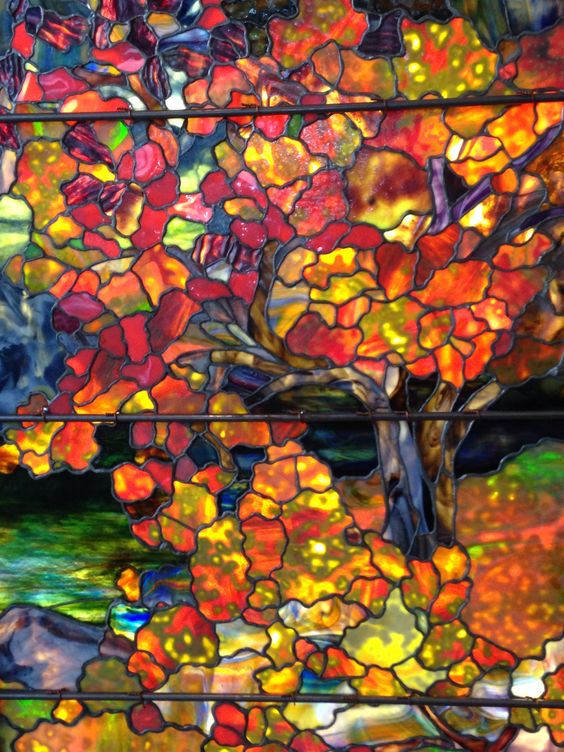
A Tiffany Lamp is a type of lamp with a glass shade made with glass designed by Louis Comfort Tiffany and his design studio.Famously associated with the Art Nouveau movement, the extravagantly decorative Tiffany lamps are rare and highly-sought collectors’ items.Hand crafted, the iconic stained glass lamps, lamp shades, lights and window panels were created by soldering together small pieces of colored glass to produce enchanting and individual objects.Genuine Tiffany lamps were made between 1890 and 1930.Tiffany studios used confetti glass which changes color when the lamp is lit. They have a bronze base; however, there were no zinc, wood or plastic versions.Over twenty years of time, Tiffany designed many specific styles of his lamps.Most of his luminaries can be grouped into one of seven specific categories, defining their detailed characteristics: the Irregular Upper and Lower Border, Favrile, Geometric, Transition to Flowers, Flowered Cone, and Flowered Globe Lamps.Genuine Tiffany lamps can be found at reputable dealers and websites across the Internet.
 It’s time to look back at more amazing galleries over at www.sundayeveningartgallery.com. So many categories — who knows which door to open?





























 Humoring the Goddess