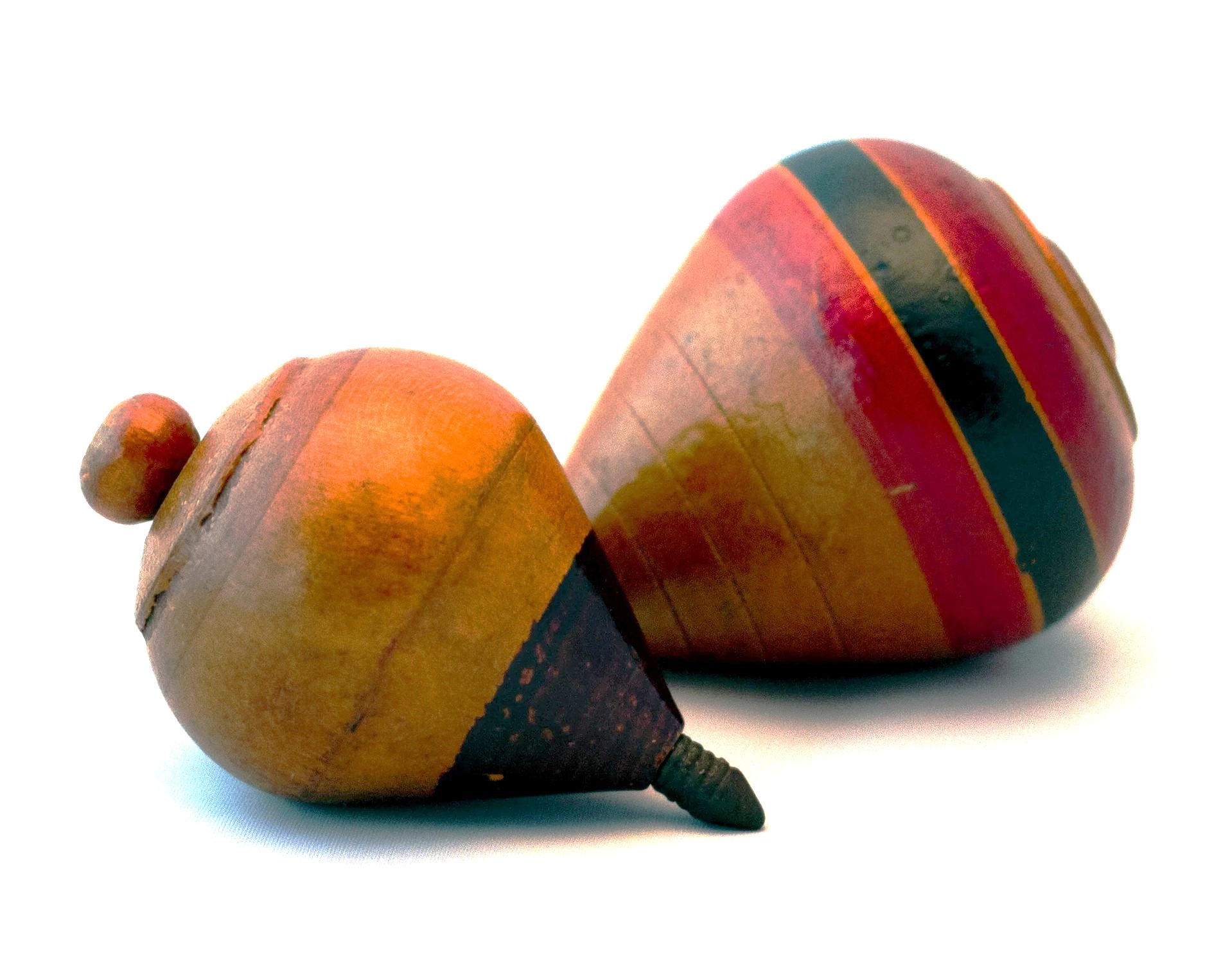
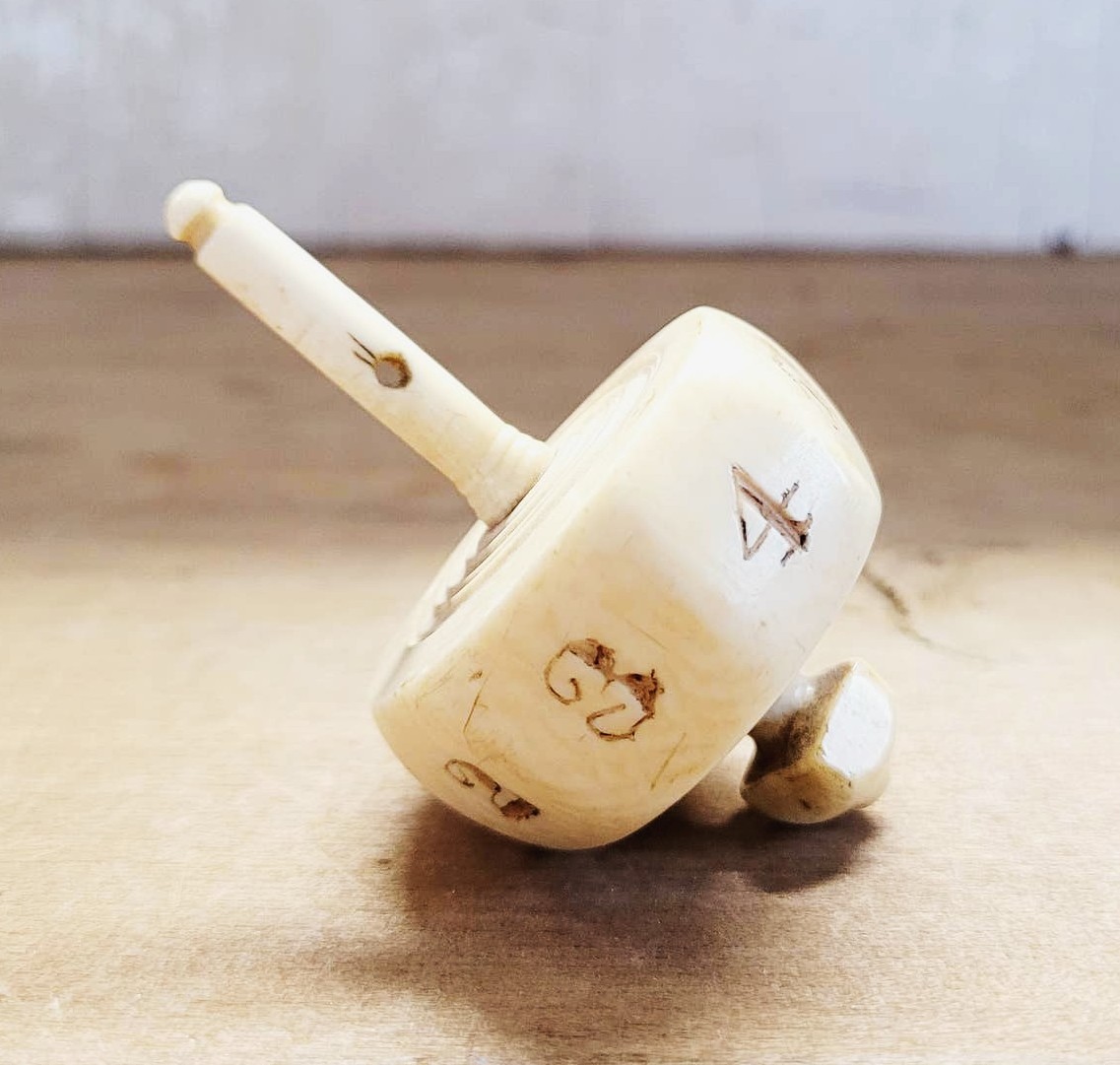
Sunday Evening Art Gallery — Spinning Tops


You spin me right ’round, baby, right ’round
Like a record, baby, right ’round, ’round, ’round
~ Flo Rida


Sunday Evening Art Gallery — Leena Nio

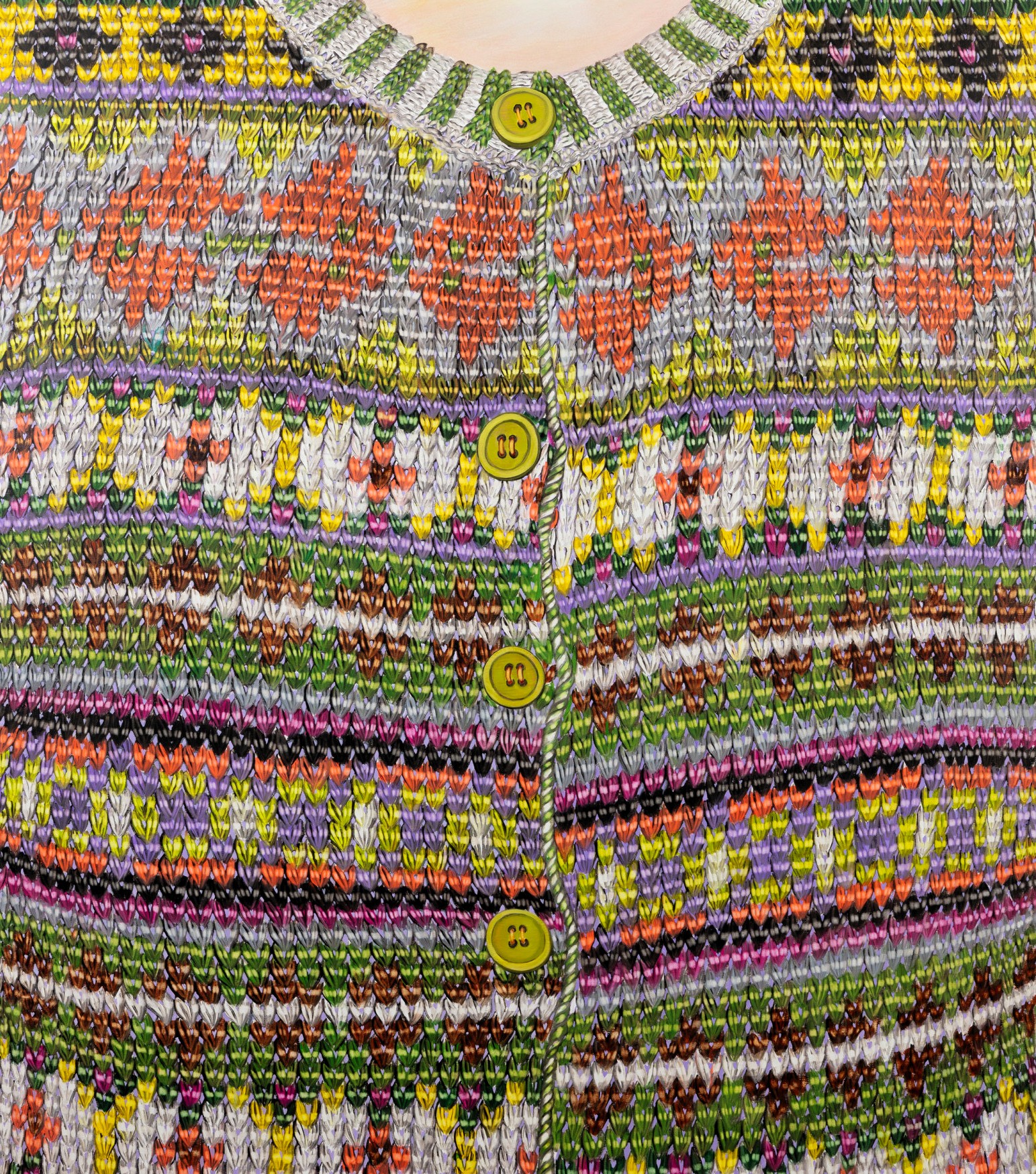
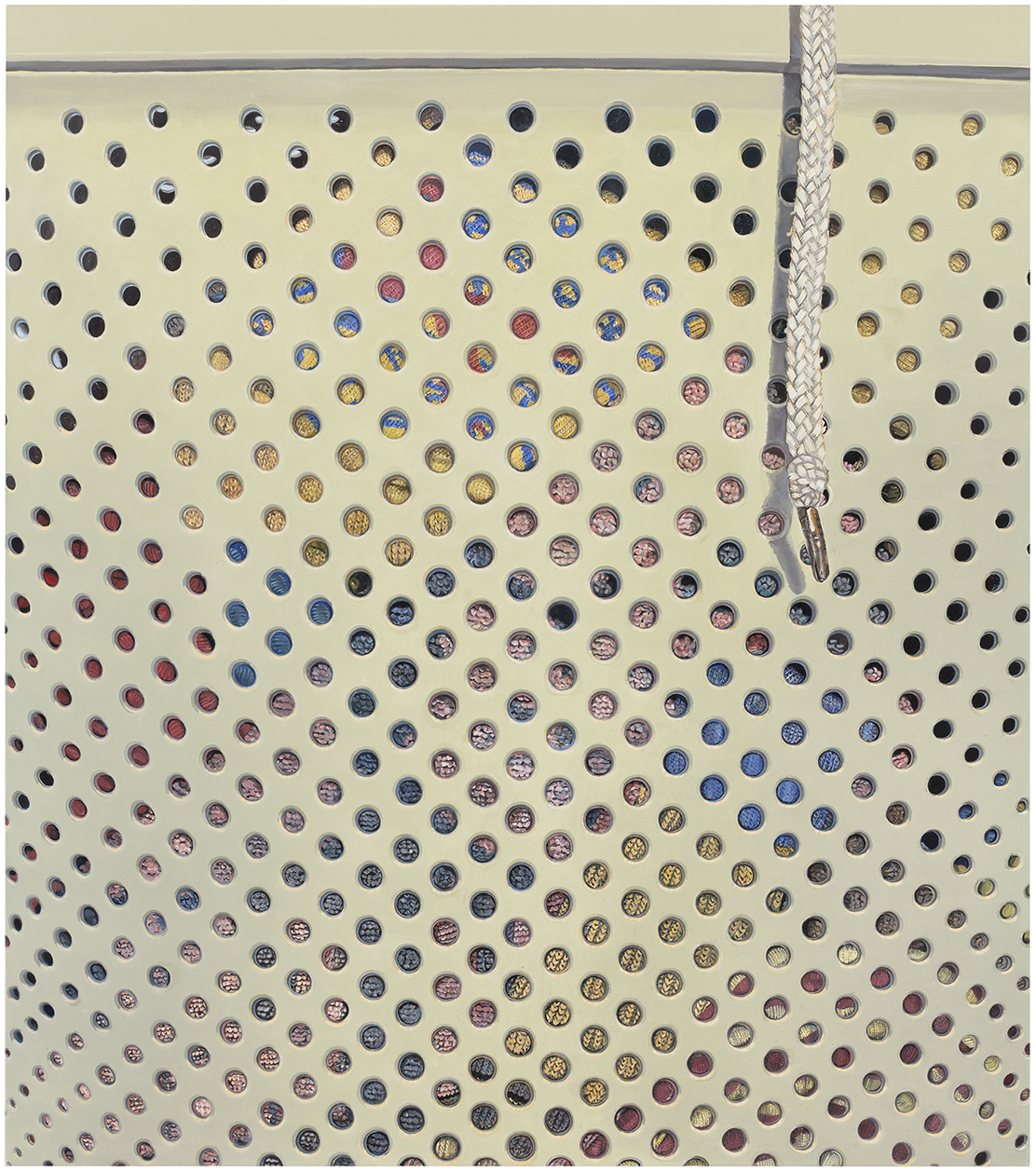
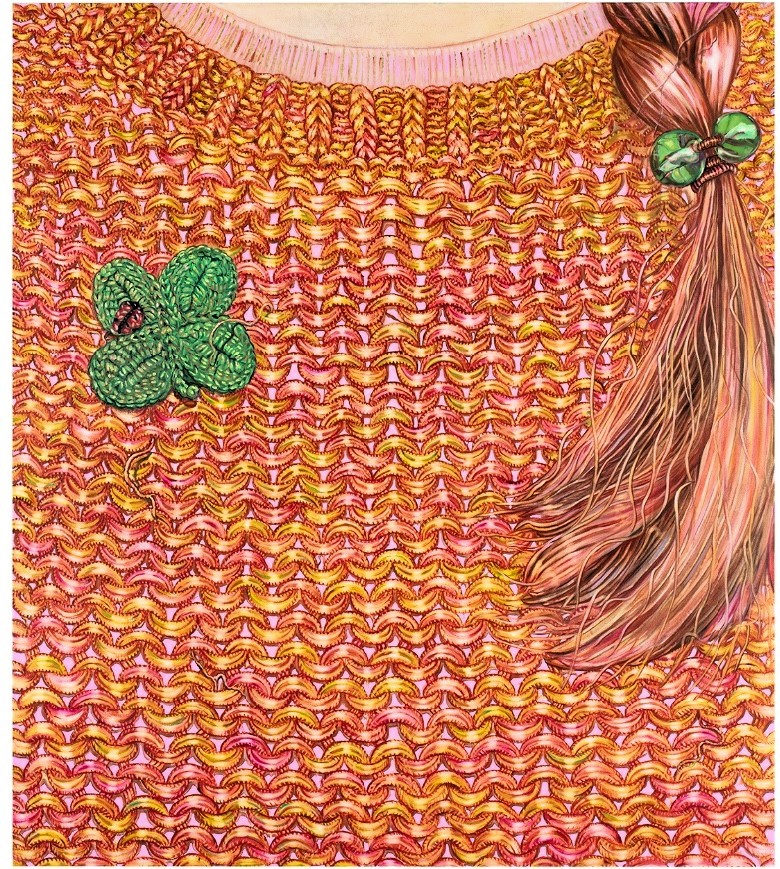
Leena Nio (-1982) is a painter born in Helsinki and currently living in Espoo, Finland.Nio graduated from the Academy of Fine Arts in 2010 and was awarded the Finnish Art Society’s Ducat Prize the same year.Nio is known for her ability to play with different techniques and perspectives through her oil paint.Her choice of theme and technique stems from her profound interest in painting and its potential.She makes use of traditional subject matter — such as portraiture and still life — but experiments with the materiality of paint, creating a range of impressions on a single canvas.Often her paintings look like blown up photos of knitted sweaters, needlepoint and buttons.More of Leena Nio’s delightful paintings can be found at https://leenanio.com/.


Sunday Evening Art Gallery — Joris Hoefnagel

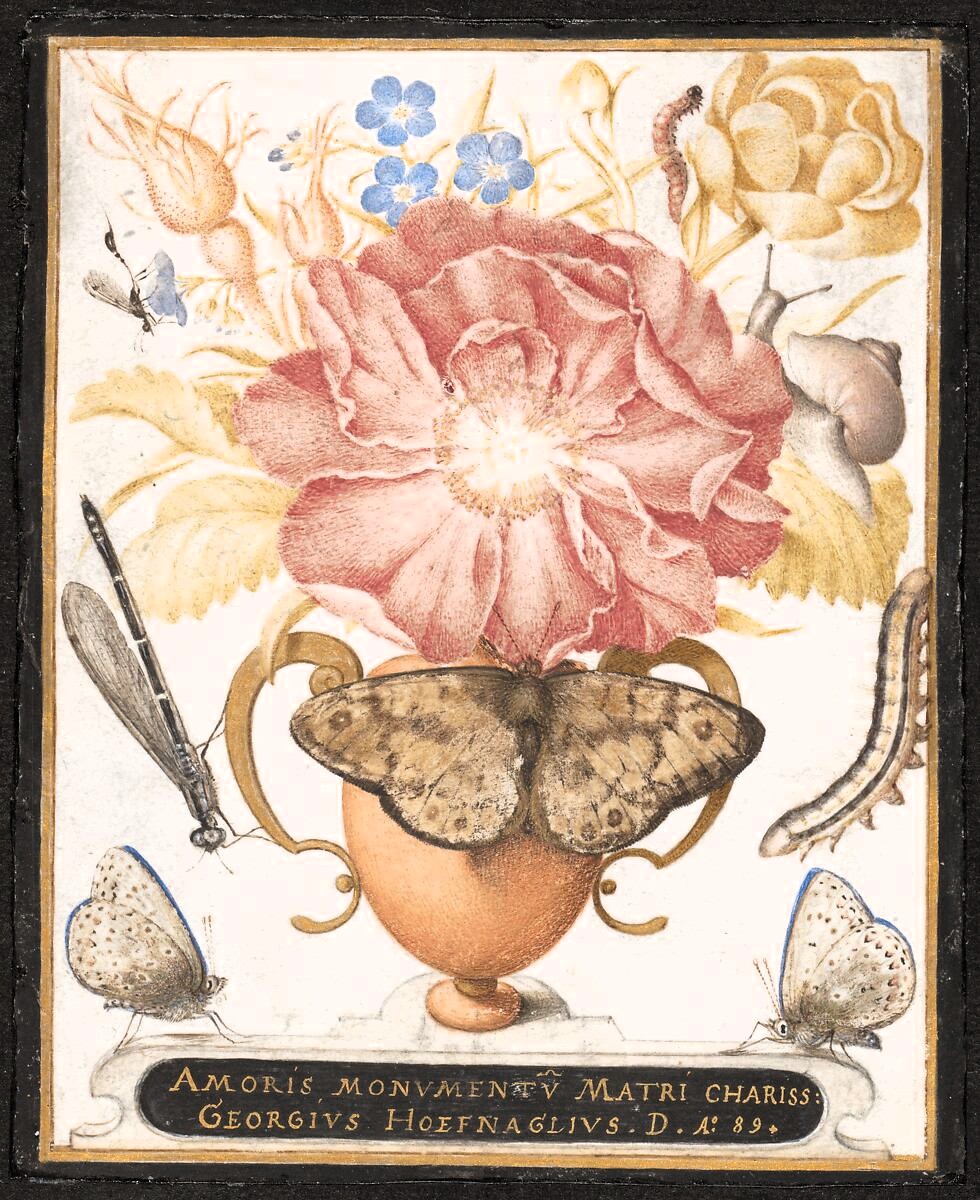
Joris Hoefnagel or Georg Hoefnagel (1542 – 1601) was a Flemish painter, printmaker, miniaturist, draftsman and merchant.He is noted for his illustrations of natural history subjects, topographical views, illuminations and mythological works.Hoefnagel was one of the last manuscript illuminators and made a major contribution to the development of topographical drawing.His manuscript illuminations and ornamental designs played an important role in the emergence of floral still-life painting as an independent genre in northern Europe at the end of the 16th century.Working before the invention of the microscope and long before etymology was an established field of study, Hoefnagel produced images that are much more than the sum of his empirical observations.He created his manuscripts not for a wide scientific public but instead for himself and his small circle of friends.The almost scientific naturalism of his botanical and animal drawings served as a model for a later generation of Netherlandish artists.Through these nature studies Hoefnagel also contributed to the development of natural history and he was thus a founder of proto-scientific inquiry.More of Joris Hoefnagel’s work can be found at https://www.nga.gov/collection/artist-info.2569.html.


Sunday Evening Art Gallery — Jan van Eyck

Jan van Eyck  (before 1390 – July 9, 1441) was a painter active in Bruges who was one of the early innovators of what became known as Early Netherlandish painting.

Arnolfini Portrait


van Eyck must have been born before 1395, for in October 1422 he is recorded as the varlet de chambre et peintre (“honorary equerry and painter”) of John of Bavaria, count of Holland.

Man in a Red Turban


van Eyck was one of the most significant representatives of Early Northern Renaissance art who perfected the newly developed technique of oil painting.

Portrait of a Man with a Blue Chaperon


His naturalistic panel paintings, mostly portraits and religious subjects, made extensive use of disguised religious symbols.

Lucca Madonna


His artistic prestige rests partly on his unrivaled skill in pictorial illusionism.

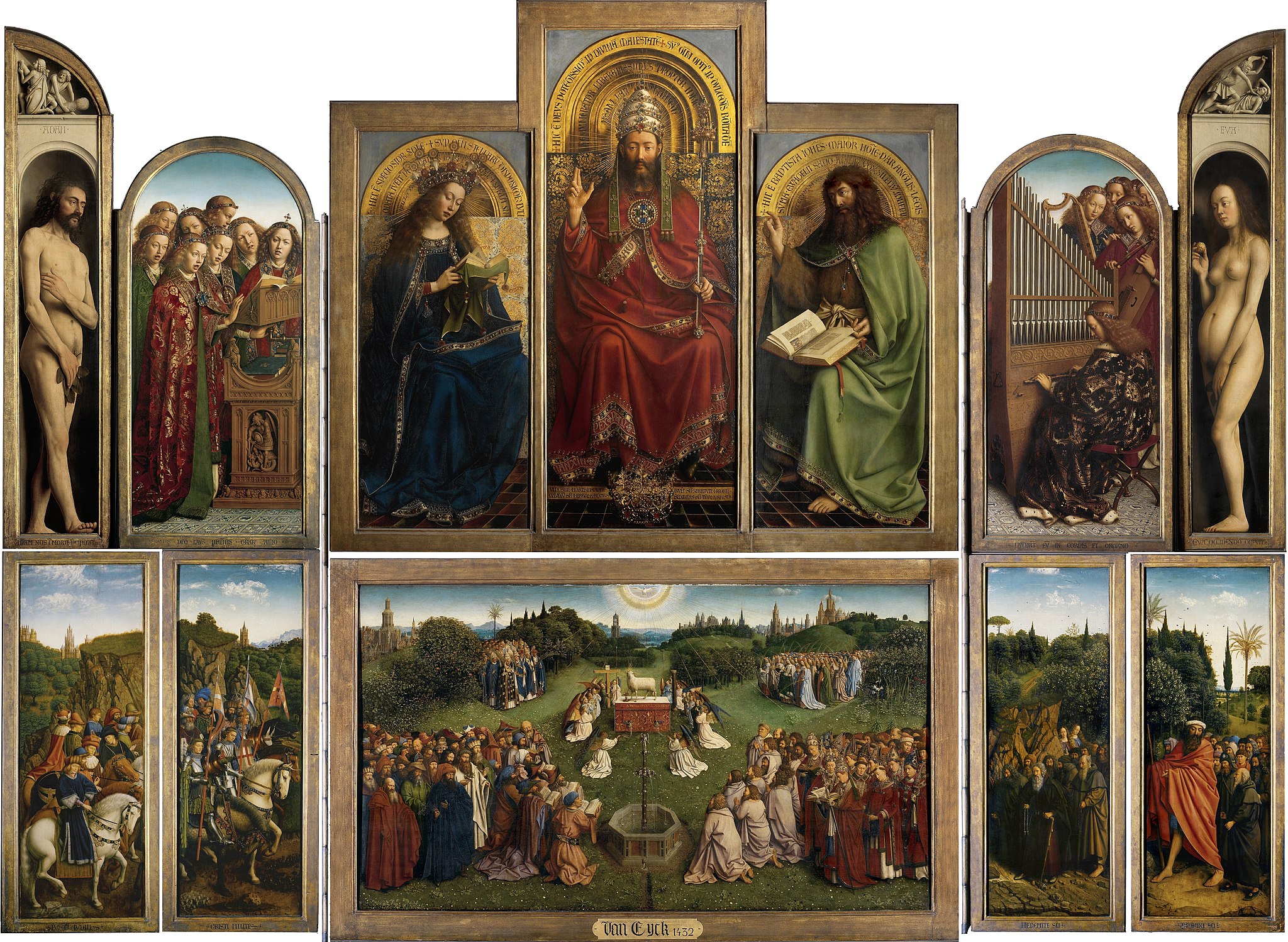
Ghent Altarpiece


Securely attributed paintings survive only from the last decade of van Eyck career; therefore, his artistic origins and early development must be deduced from his mature work. 

Saint Francis of Assisi Receiving the Stigmata


The artist’s paintings achieved an astonishingly sophisticated level of realism, heretofore unknown in the art of painting.

Virgin and Child with Canon van der Paele


Glimmering jewels, reflective metals, lush satins and velvets, and even human flesh were each rendered with their own distinctive qualities with such a high degree of naturalism it seemed he had conjured a new artistic medium.

Portrait of Margaret van Eyck


More of Jan van Eyck‘s amazing oil paintings can be found at https://www.britannica.com/biography/Jan-van-Eyck and  https://www.theartstory.org/artist/van-eyck-jan/.


Sunday Evening Art Gallery — Norman Rockwell


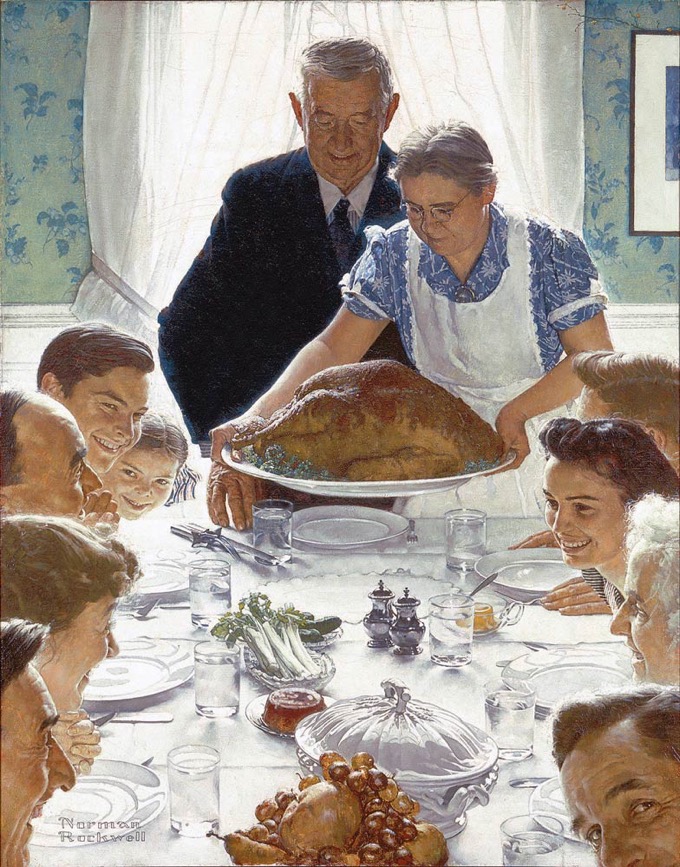
Norman Rockwell, (1894 -1978), was an American painter and illustrator best known for his covers for the journal The Saturday Evening Post.

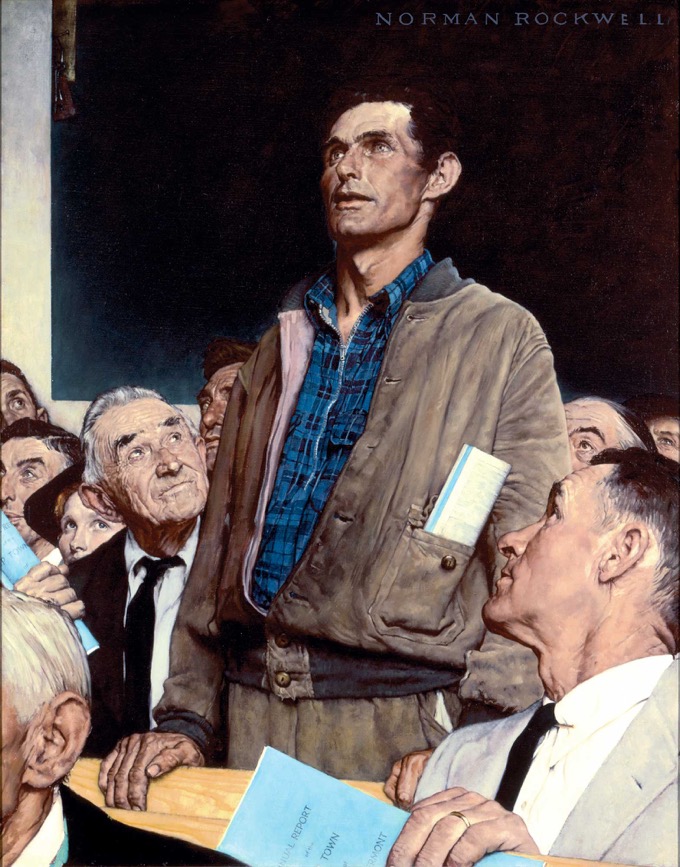
Freedom of Speech

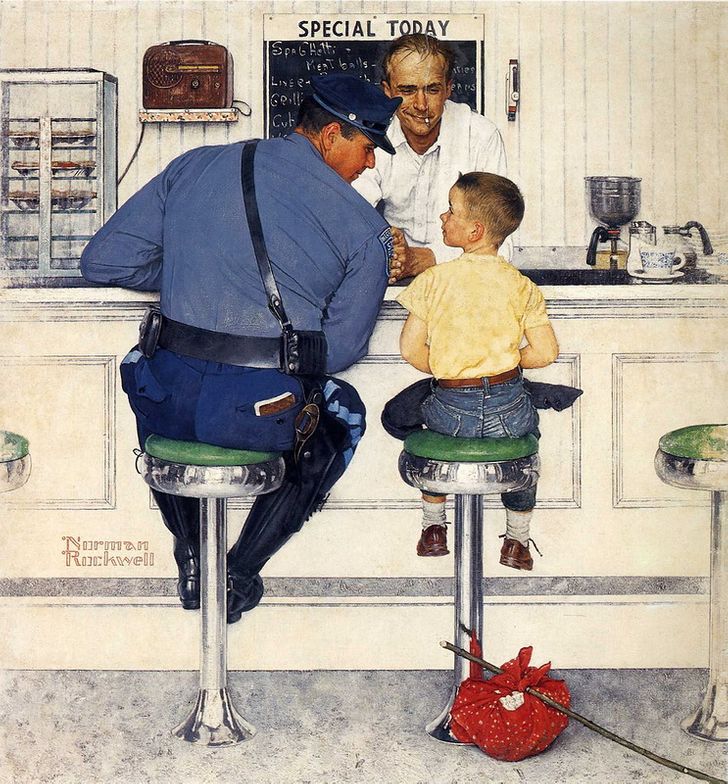
The Runaway

In 1916 he sold his first cover to The Saturday Evening Post, for which in the next 47 years he illustrated a total of 322 magazine covers.

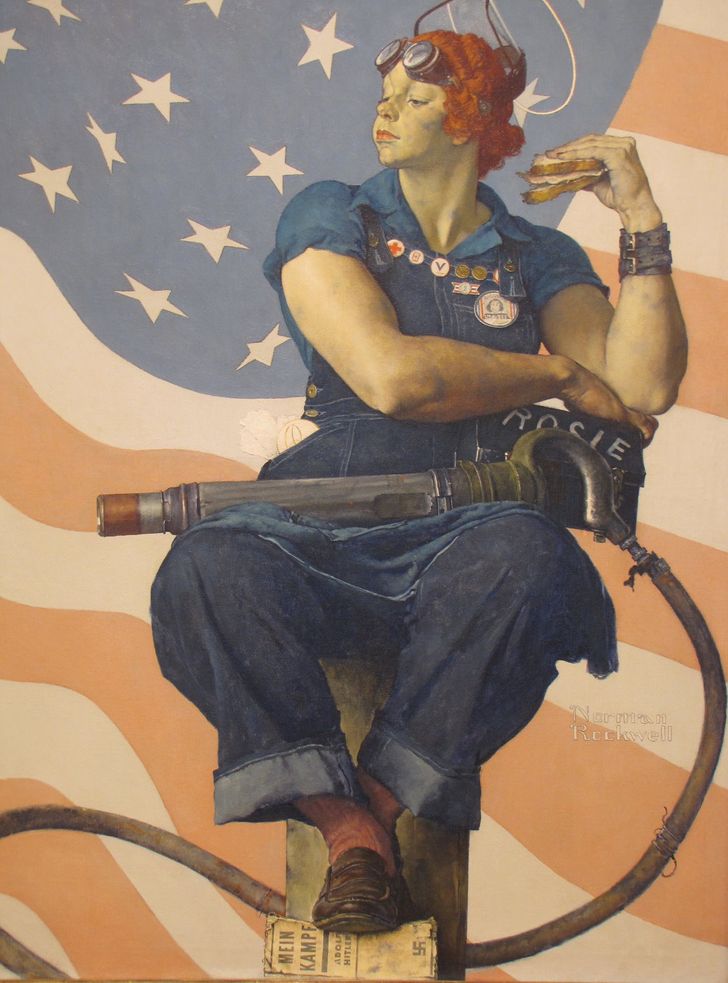
Rosie the Riveter

He is also noted for his 64-year relationship with the Boy Scouts of America (BSA), during which he produced covers for their publication Boys’ Life, calendars, and other illustrations. 

Scout Came to the Rescue

Rockwell’s realistic manner accurately reflected the atmosphere of everyday life.

Freedom from Want

Some critics dismissed him for not having real artistic merit, but Rockwell’s reasons for painting what he did were grounded in the world that was around him.

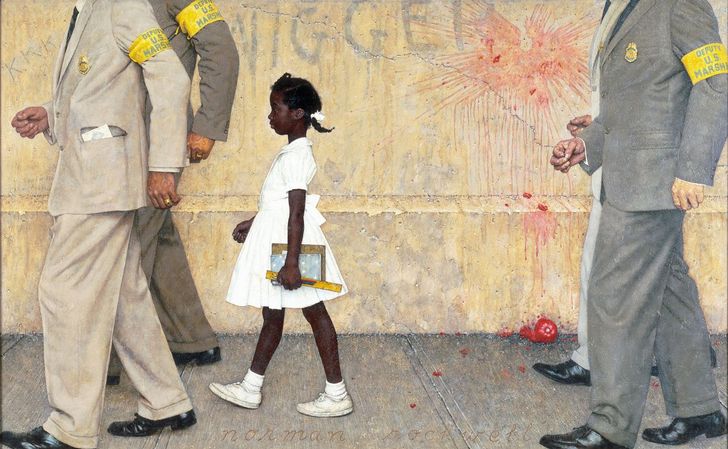
The Problem We All Live With

“Maybe as I grew up and found the world wasn’t the perfect place I had thought it to be, I unconsciously decided that if it wasn’t an ideal world, it should be, and so painted only the ideal aspects of it,” he once said.

Girl With Black Eye

He shared the same hopes and dreams  when he said, “I paint life as I would like it to be.”

Boy and Girl Gazing at the Moon

More of Normal Rockwell‘s well-loved paintings can be found at https://www.nrm.org/

Sunday Evening Art Gallery — Juan Gris

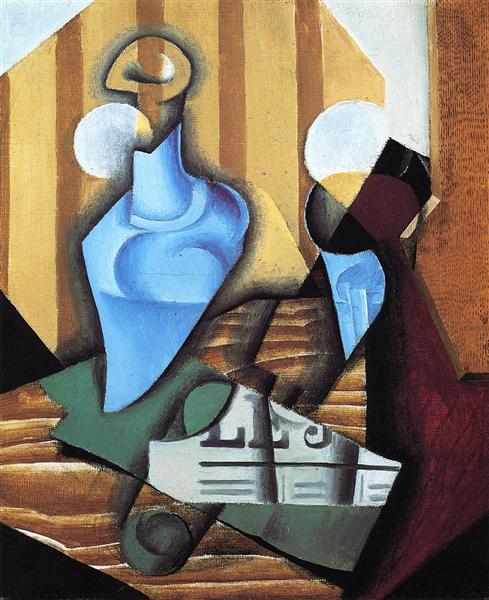
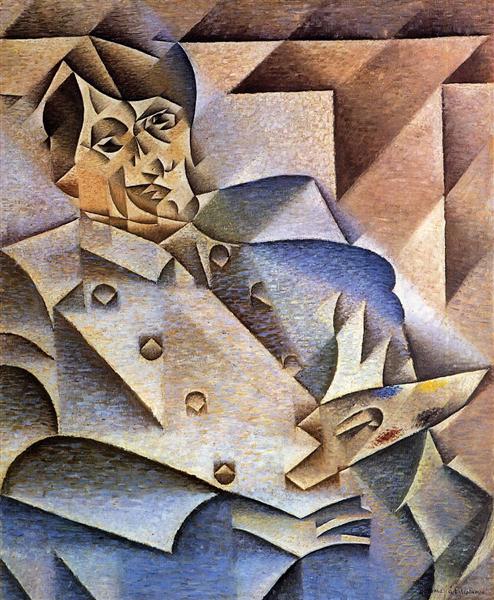
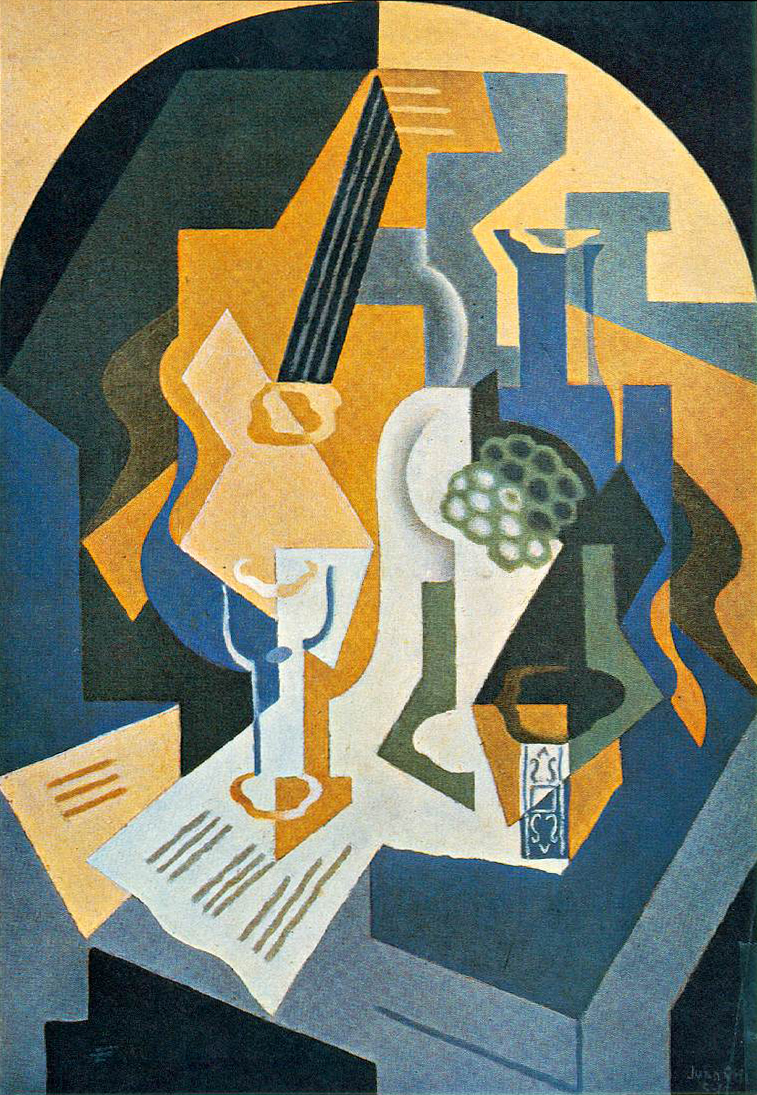
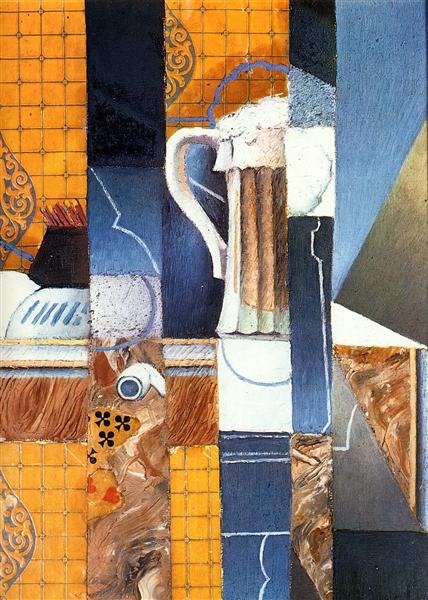
José Victoriano (Carmelo Carlos) González-Pérez, better known as Juan Gris (1887-1927) built upon the foundations of early Cubism and steered the movement in new directions.

Gris was a Spanish painter and sculptor born in Madrid who lived and worked in France most of his life.

Cubism is an early 20th-century style and movement in art, especially painting, in which perspective with a single viewpoint was abandoned and use was made of simple geometric shapes, interlocking planes, and, later, collage.

Unlike Picasso and Braque, whose Cubist works were monochromatic, Gris’s chief aim was to please the eye through color.

Often he incorporated newsprint and advertisements into his work, leaving more of the original pieces of ads and newsprint intact, as if to preserve the integrity of the originals. 

Gris’s later works exhibited a greater simplification of geometric structure, a blurring of the distinction between objects and setting, between subject matter and background. 

The clear-cut underlying geometric framework of his work  controls the finer elements of his paintings and their composition, including the small planes of the faces, become part of the unified whole. 

More of Juan Gris‘s wonderful cubism art can be found at http://www.juangris.org/.


Sunday Evening Art Gallery — Gerald Nailor

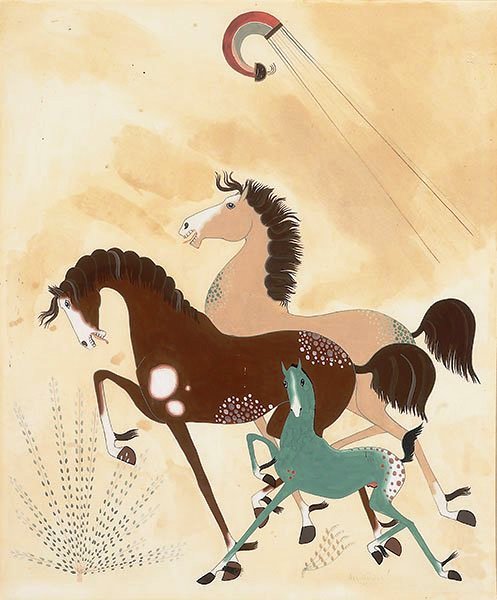
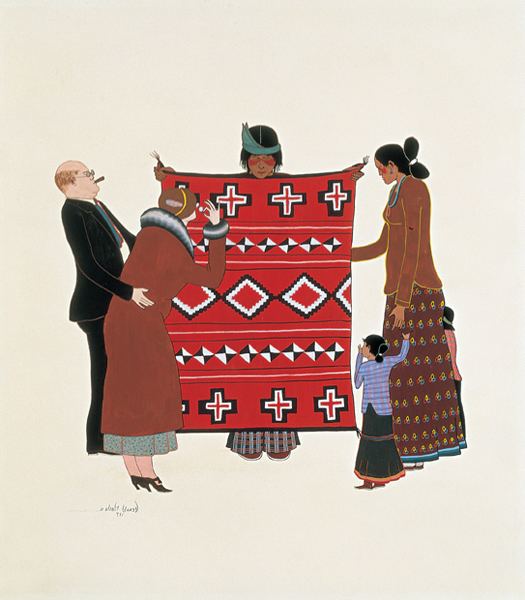
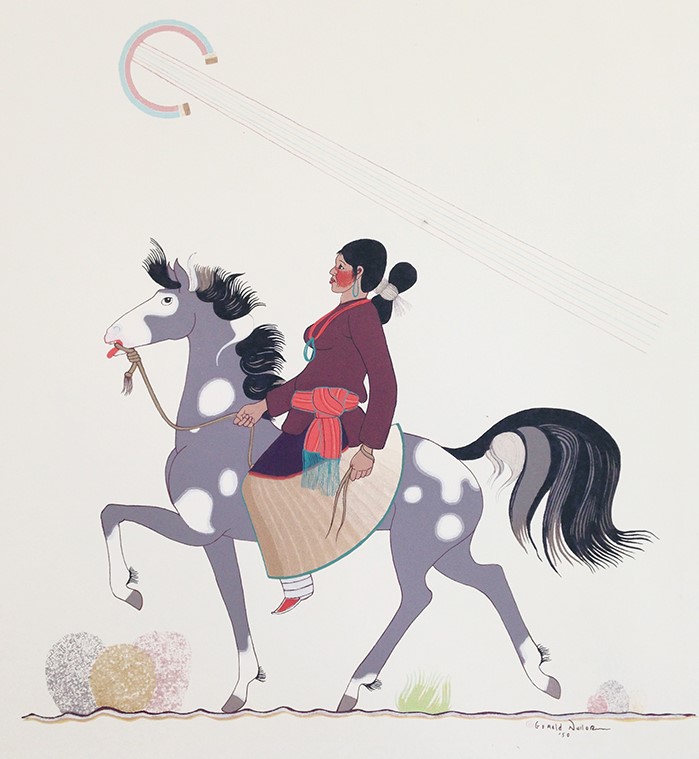
Gerald Nailor (1917–1952), Navajo artist, was born in 1917 in Pinedale, New Mexico.From the time of his marriage to a Picuris Indian woman until his death in 1952, he lived in Picuris Pueblo, New Mexico.

His formal art study was obtained in two years at the U. S. Indian School in Santa Fe; a year of study under the Swedish muralist Olaf Nordemark.While the greater part of his work stemmed from his vivid imagination and knowledge of Navajo myth, his interest in design and color of wildlife is also a notable source of picture material.He was an extraordinary artist whose cross the boundaries of nationalities.He perfected the facile, decorative manner for which he was early noted.

Gerald Nailor‘s work can be found across the Internet.