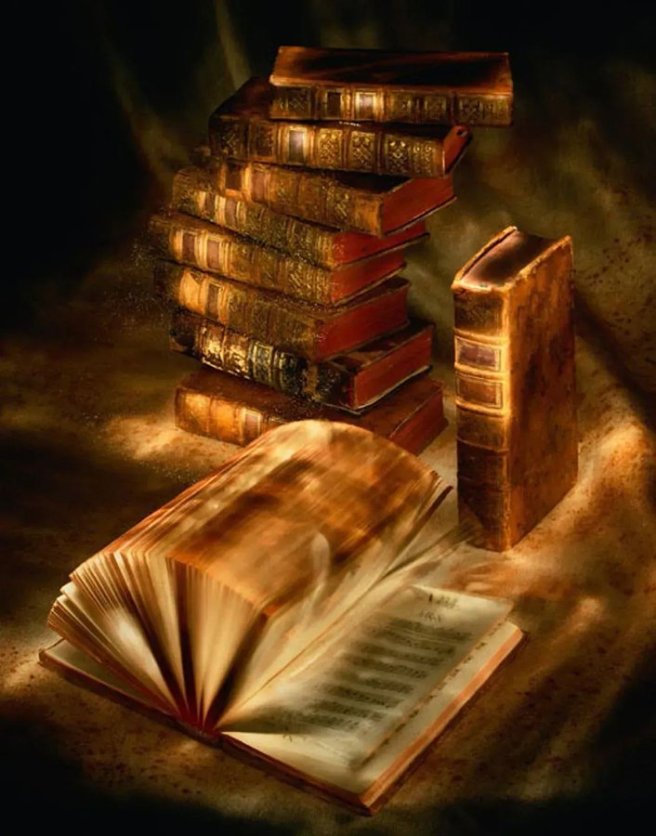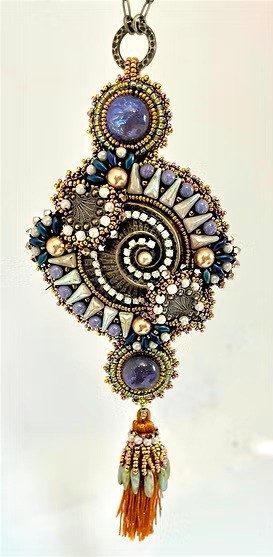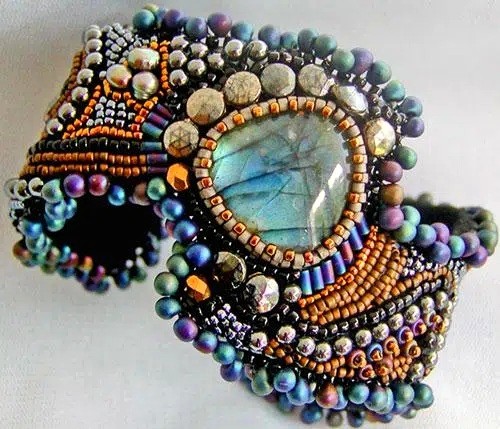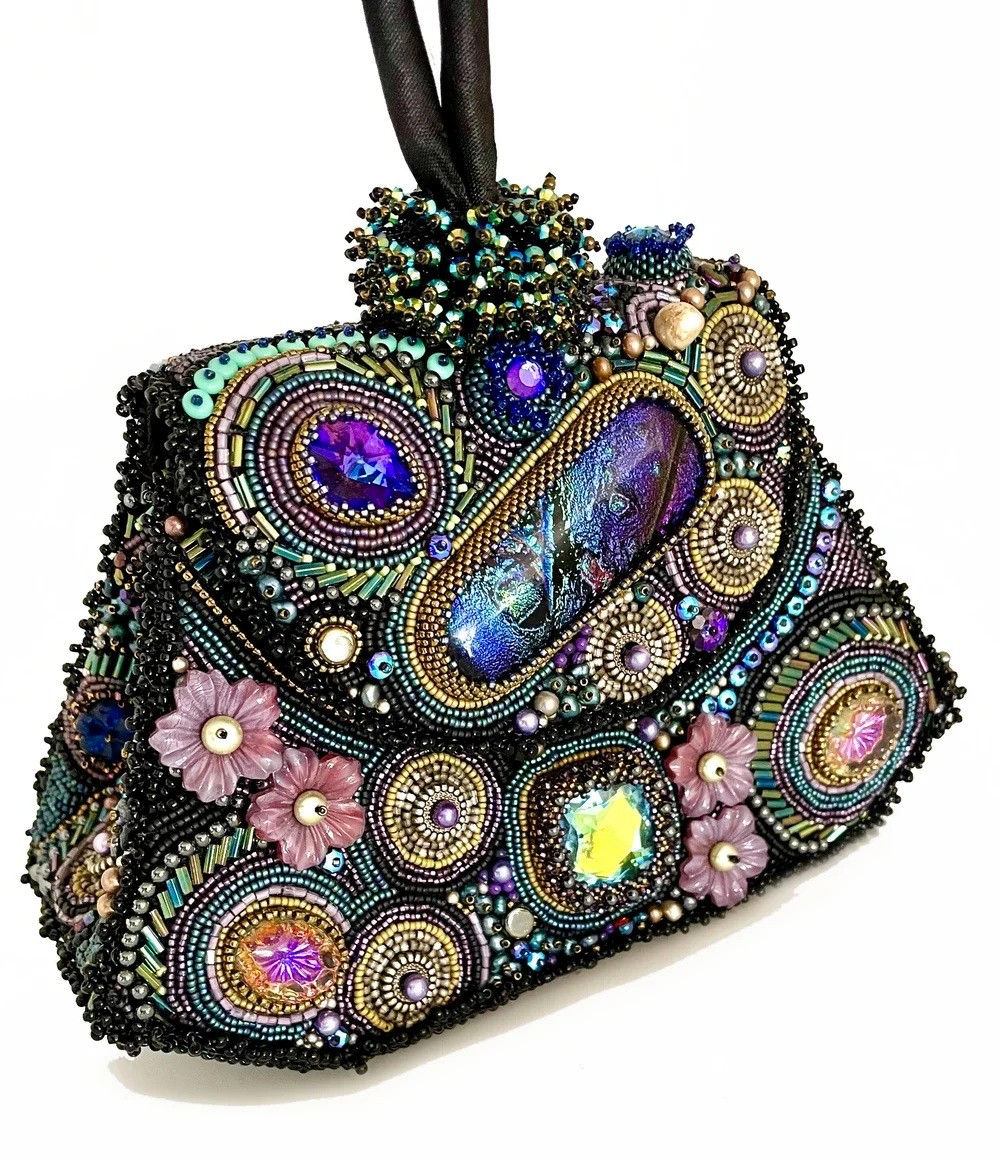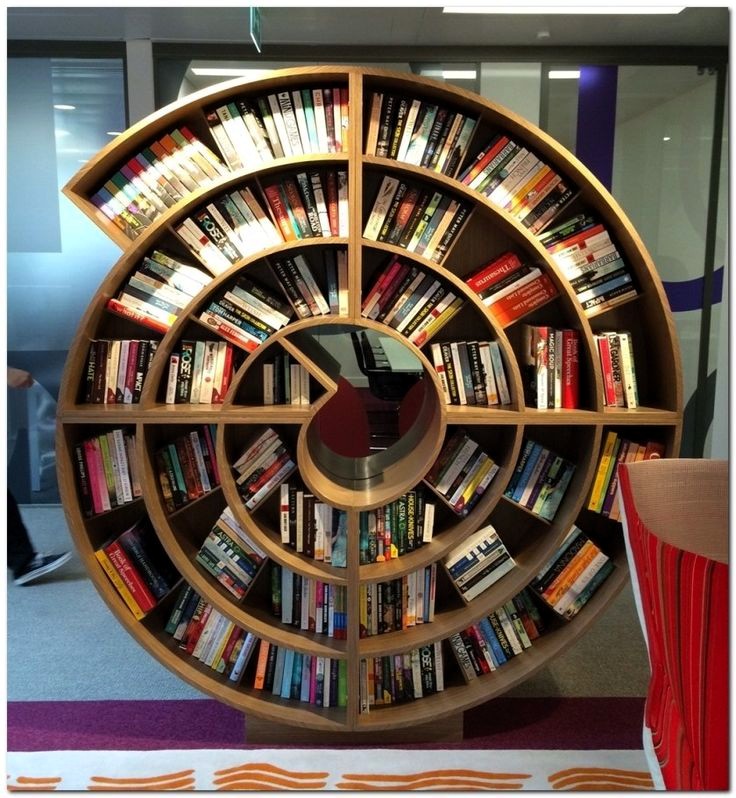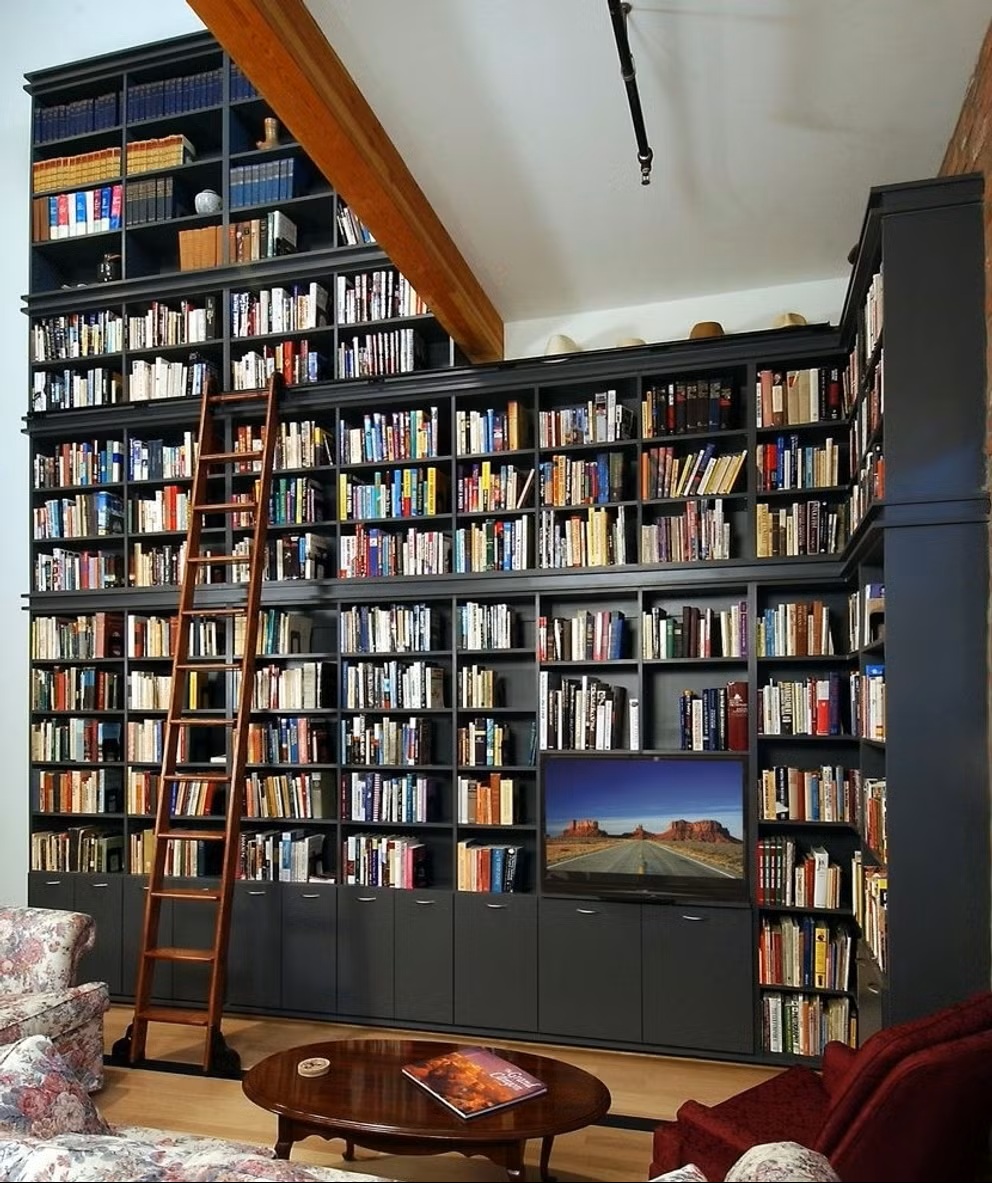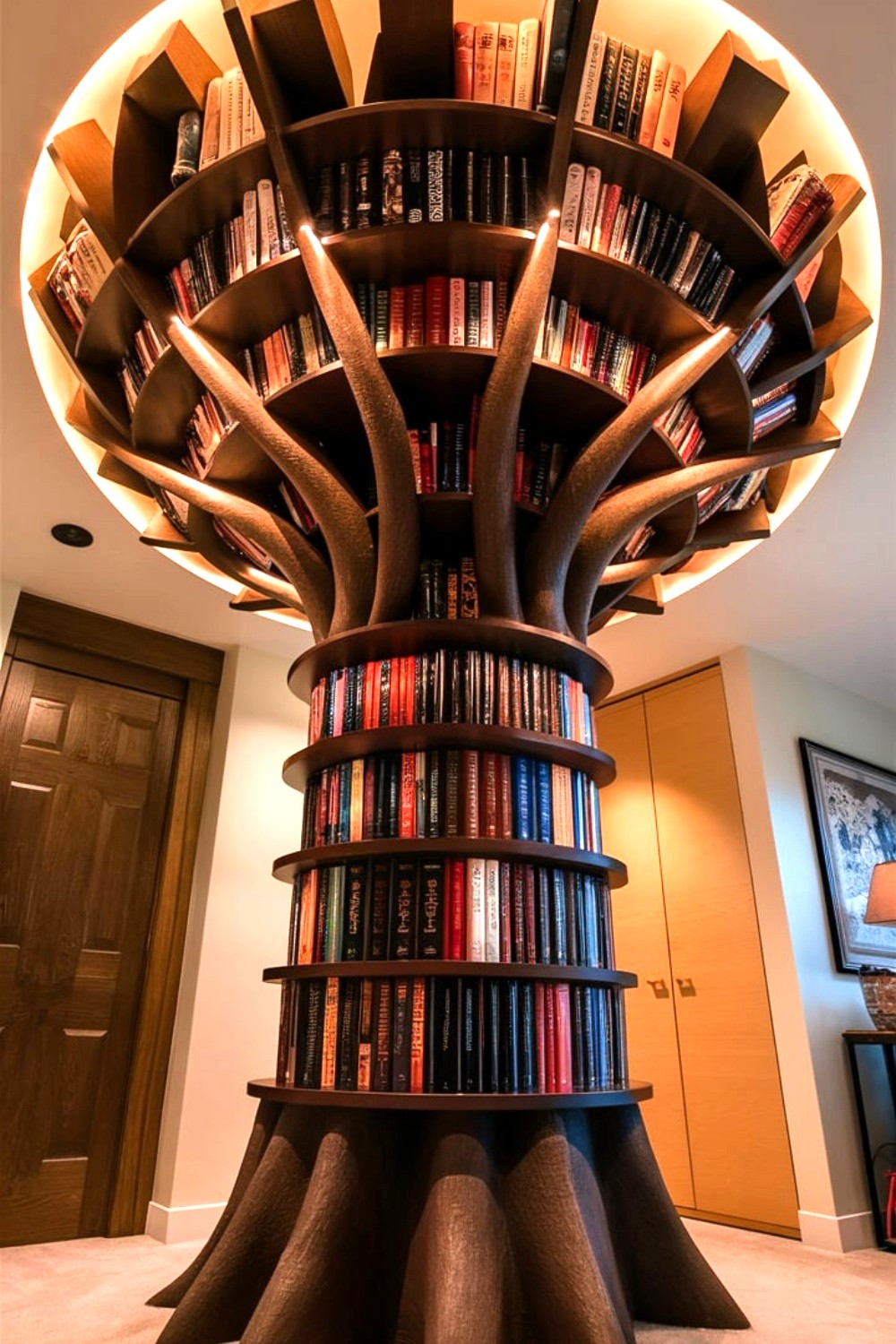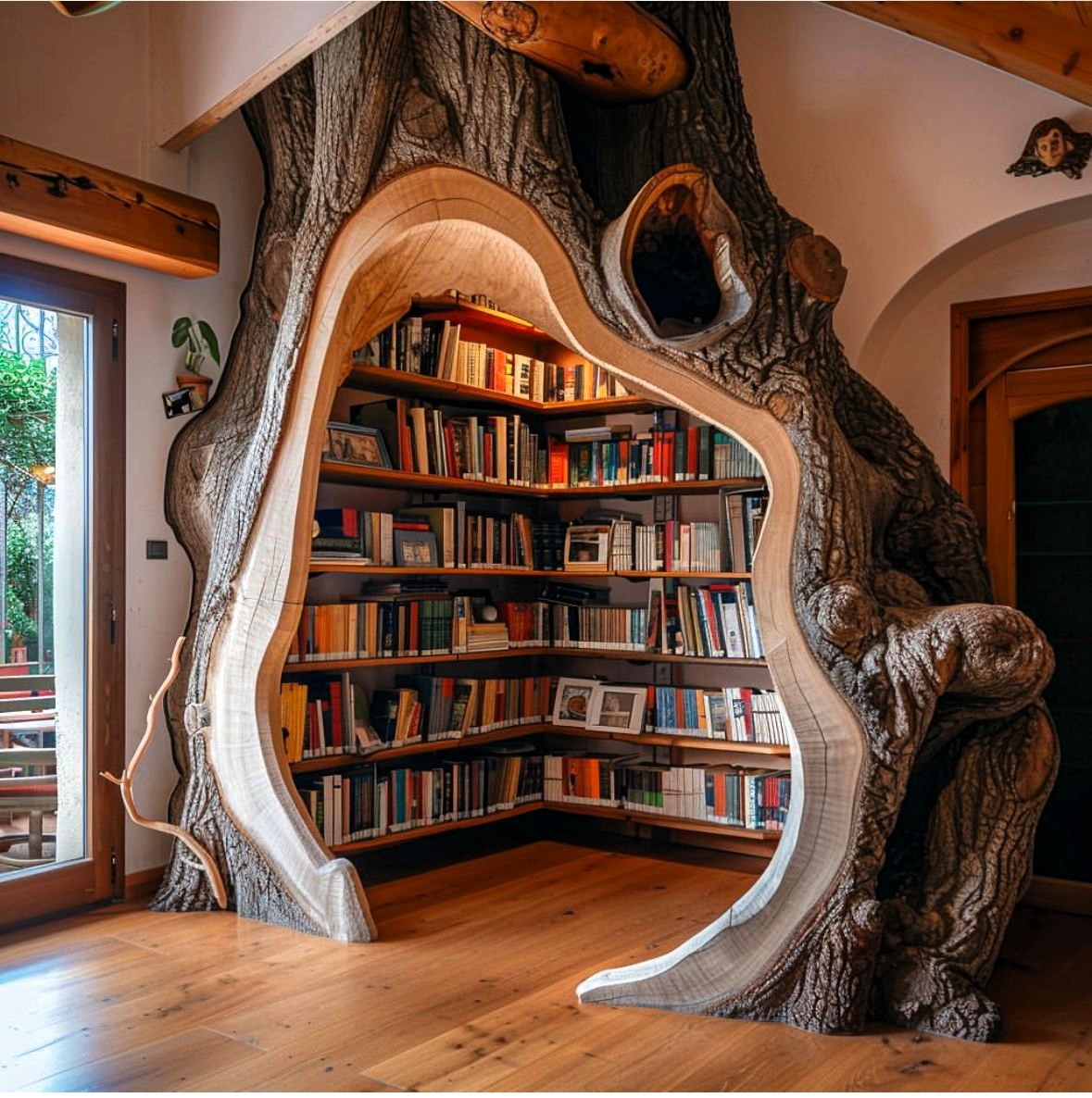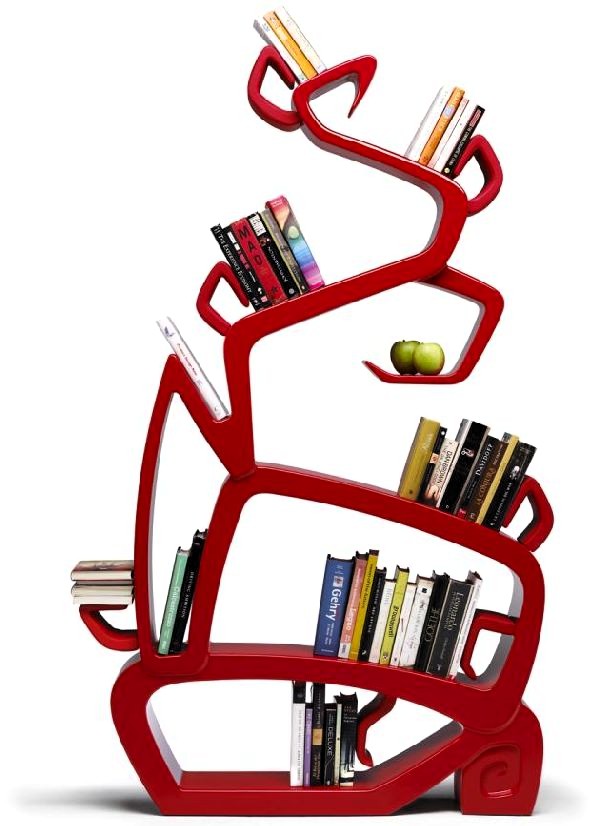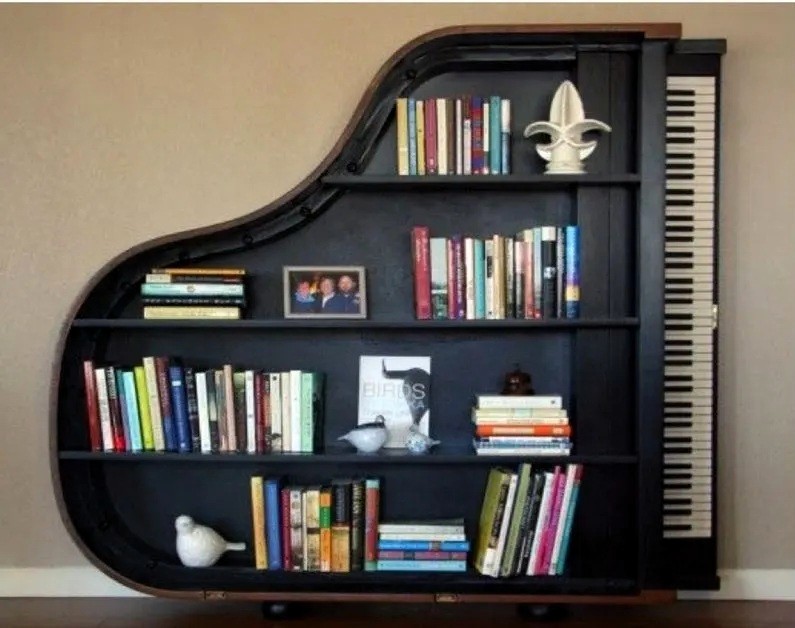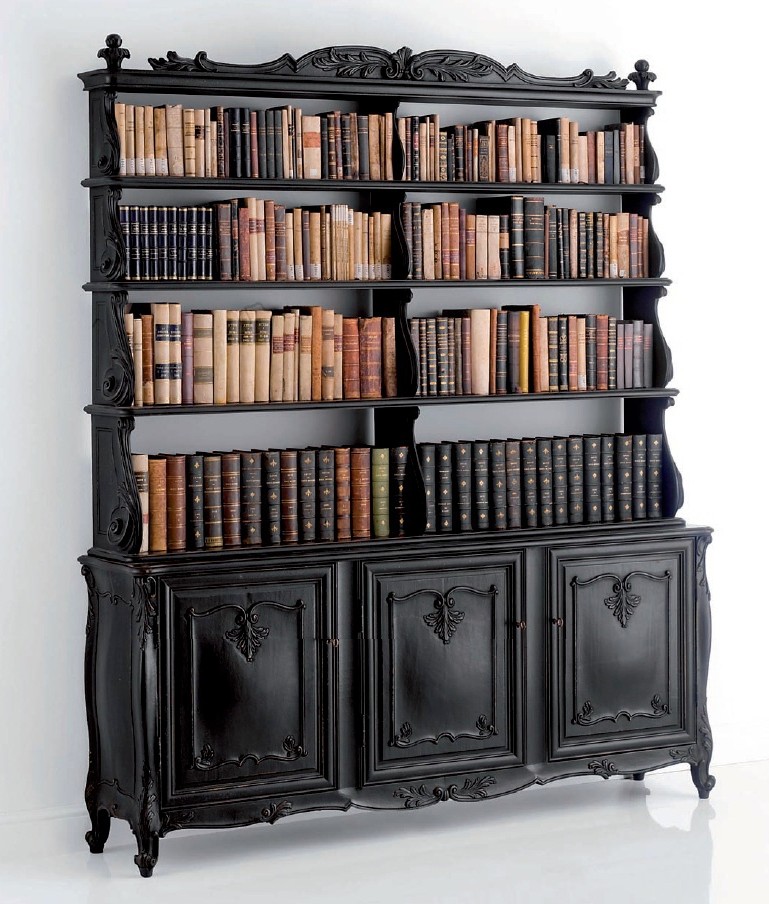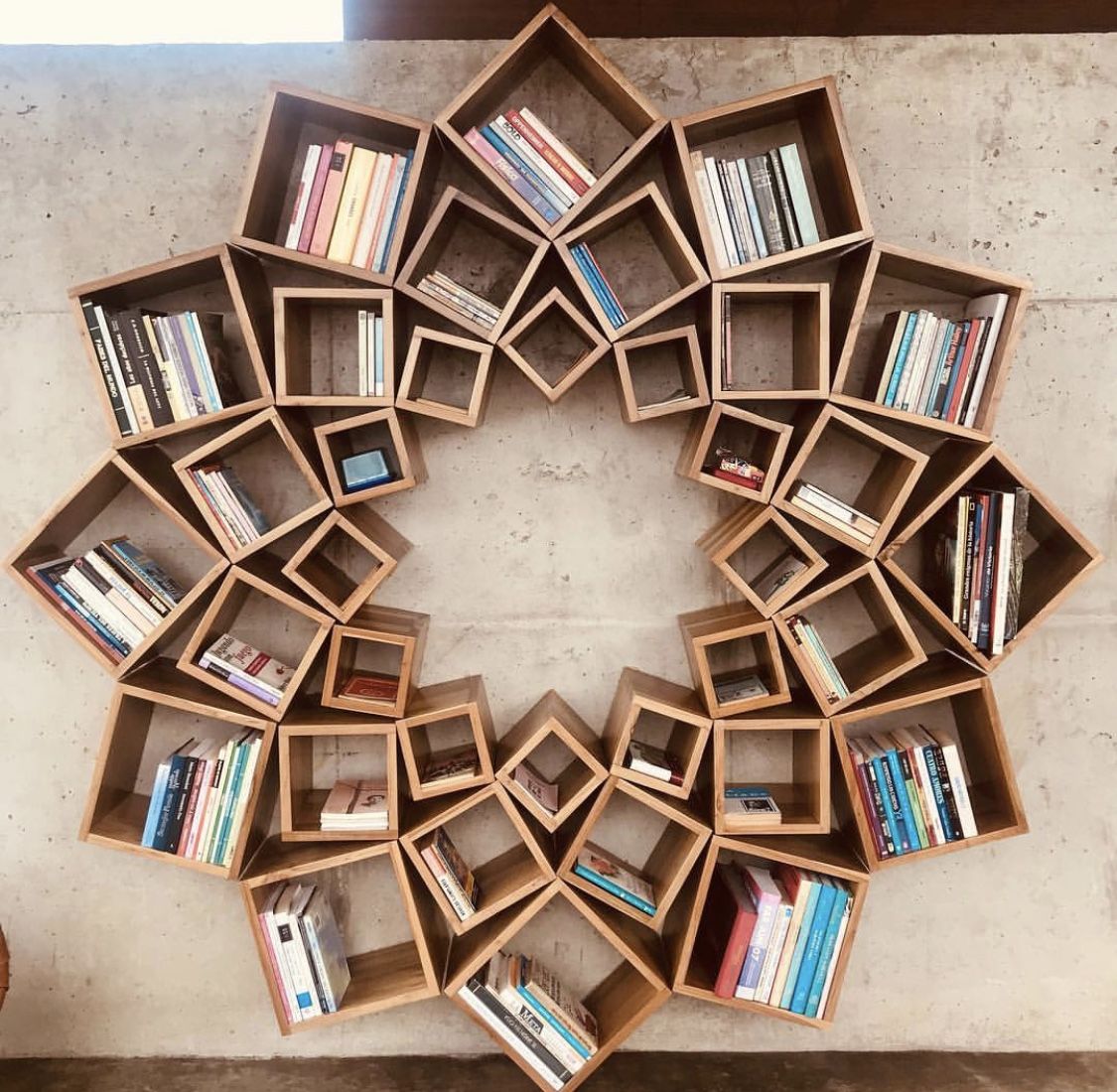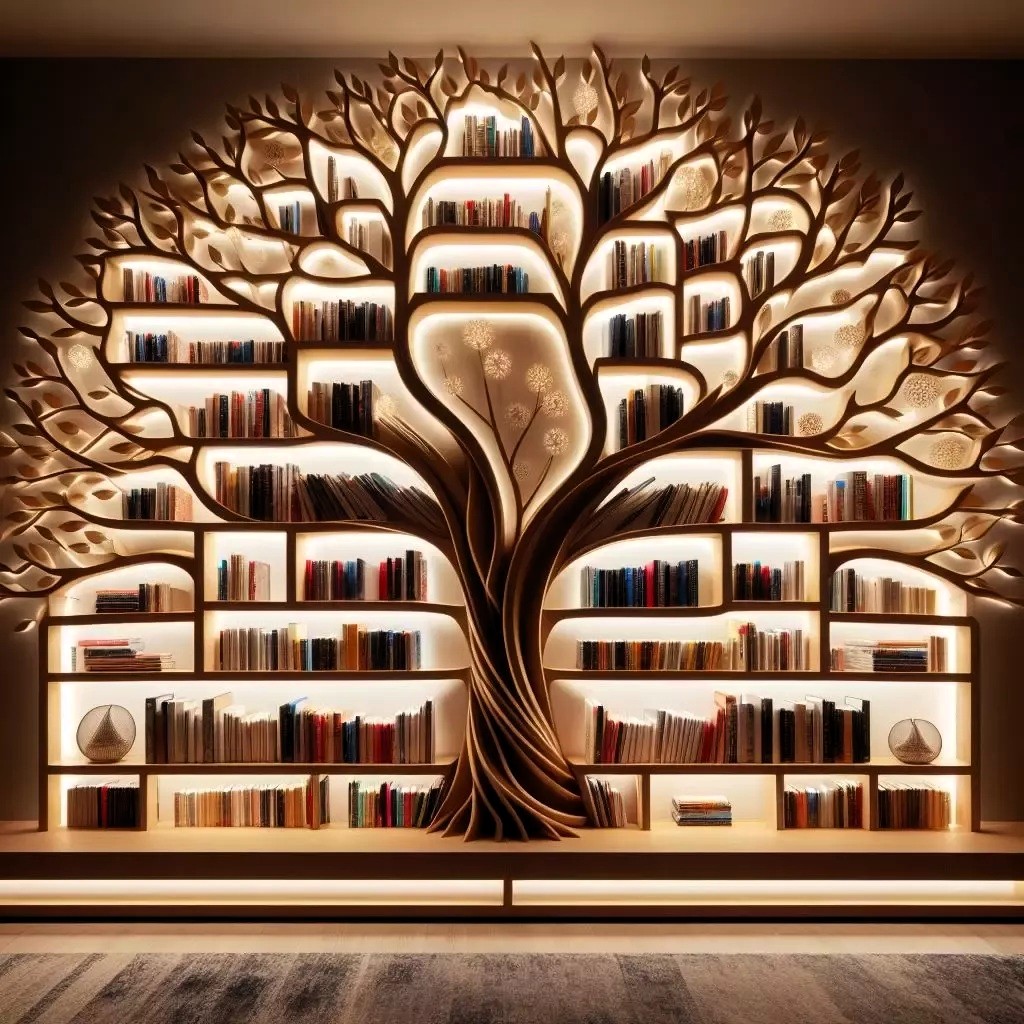
The contents of someone’s bookcase are part of his history, like an ancestral portrait.
Anatole Broyard


Croning My Way Through Life
The contents of someone’s bookcase are part of his history, like an ancestral portrait.
Anatole Broyard


Those of us who celebrate Christ’sMas are but a few of the traditions scattered around the globe. Join me as we whirl around from country to country, peeking into other cultures and celebrations!
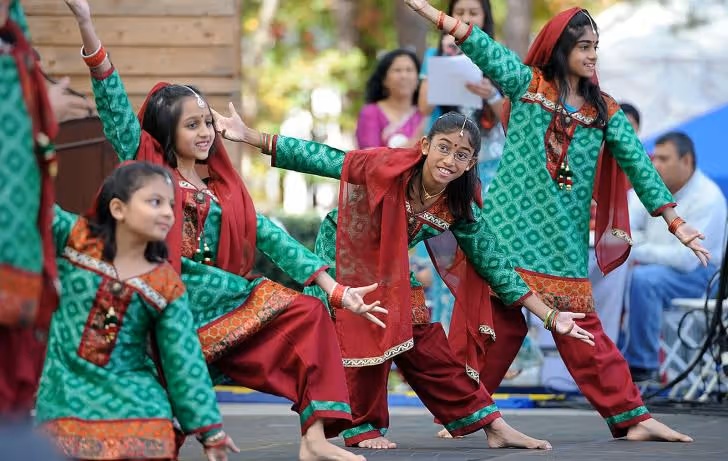
Diwali (India & Worldwide): The Festival of Lights Observed by Hindus, Jains, Sikhs, and some Buddhists, Diwali is a five-day festival celebrating the triumph of light over darkness and good over evil.

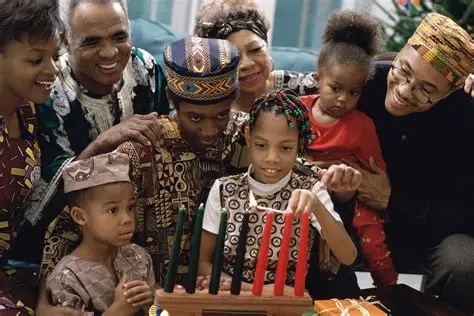
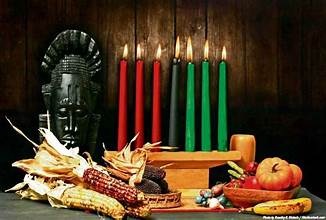
Kwanzaa, which is observed from Dec. 26 to Jan. 1, is a holiday that celebrates African culture and community, culminating in gift-giving and a feast of faith, called Karamu Ya Imani. 

The Jewish festival of Hanukkah is a celebration that commemorates the rededication of the Second Temple in Jerusalem during the Maccabean Revolt. Hanukkah is observed for eight nights and days. The festival is observed by lighting the candles of a candelabrum with nine branches, commonly called a menorah or hanukkiah. 

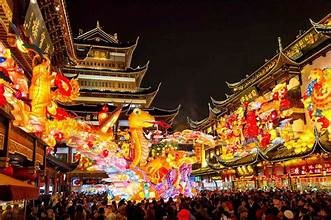
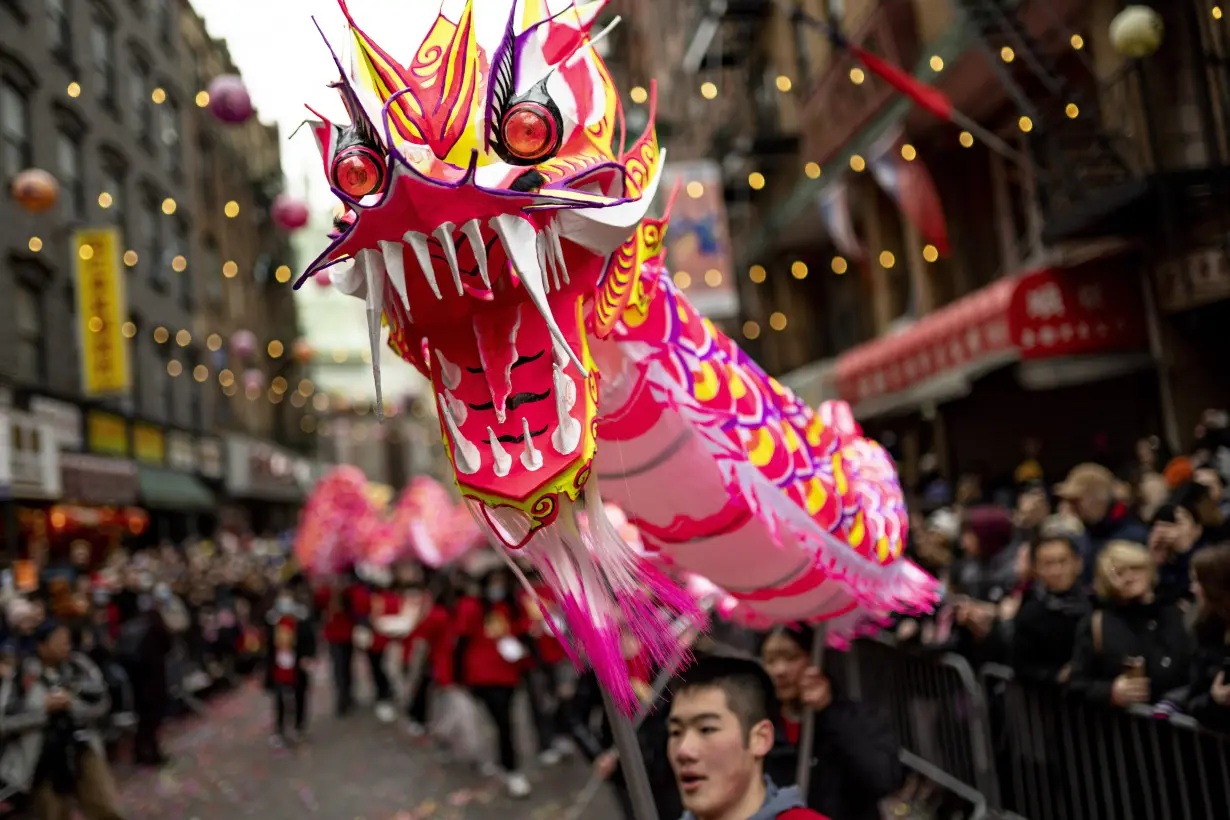
Lunar New Year, often called the Spring Festival or Chinese New Year, is the most important holiday in China and Chinese communities around the world. It is not only celebrated in China. Vietnam, Korea, Malaysia, and Singapore also celebrate the Lunar New Year holiday. The two-week celebration includes family and friends, feasting and fireworks, parties and parades.

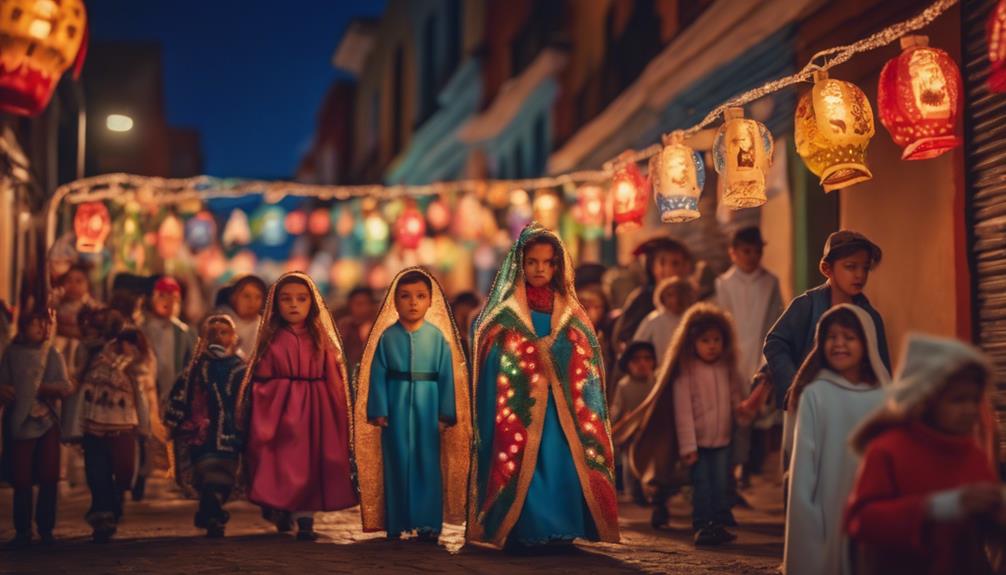
Las Posadas, a religious festival celebrated in Mexico and some parts of the United States between December 16 and 24, commemorating the journey that Joseph and Mary made from Nazareth to Bethlehem in search of a safe refuge where Mary could give birth to the baby Jesus.

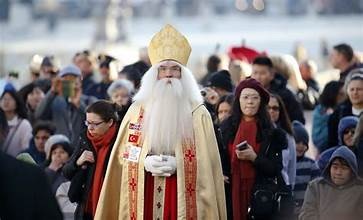
St. Nicholas Day celebrates St. Nicholas, a historical figure who inspired the legend of Santa Claus and is known for secretly giving gifts to the needy, a practice that gave rise to the tradition of hanging up stockings or leaving gifts in shoes.

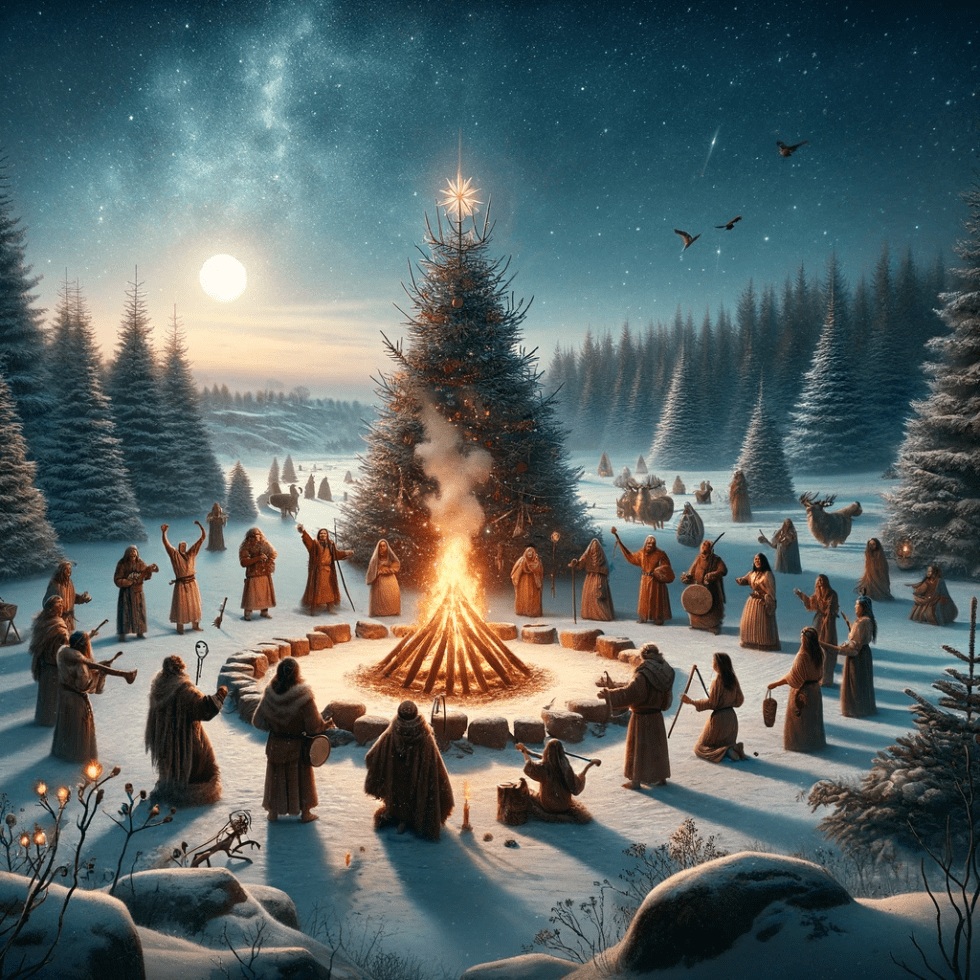
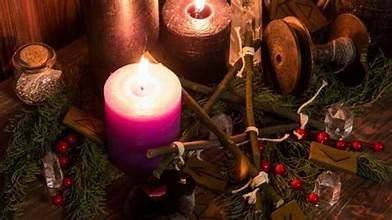
Wiccans and Neo-Pagans celebrate the winter solstice (the darkest day of the year, on Dec. 21) through the festival of Yule. The winter solstice marks the shortest day and longest night of the year; Yule celebrates the re-emergence of the sun and the days beginning to grow longer again.

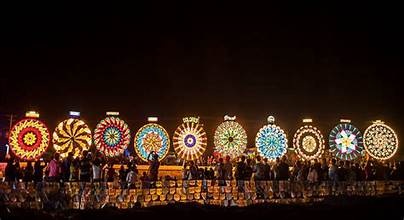
The Giant Lantern Festival, locally called Ligligan Parul, is a vibrant celebration of Filipino artistry, heritage, and togetherness. Held annually in San Fernando City, Pampanga, this event showcases massive lanterns, some towering up to 30 feet, designed with intricate patterns that form stunning displays of light and color.

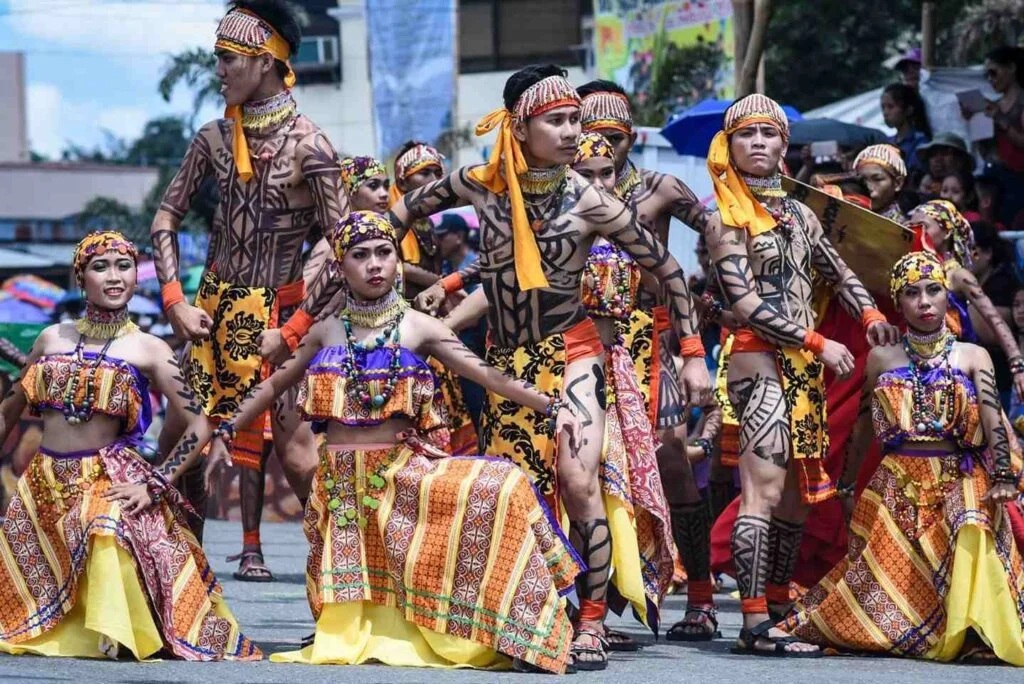
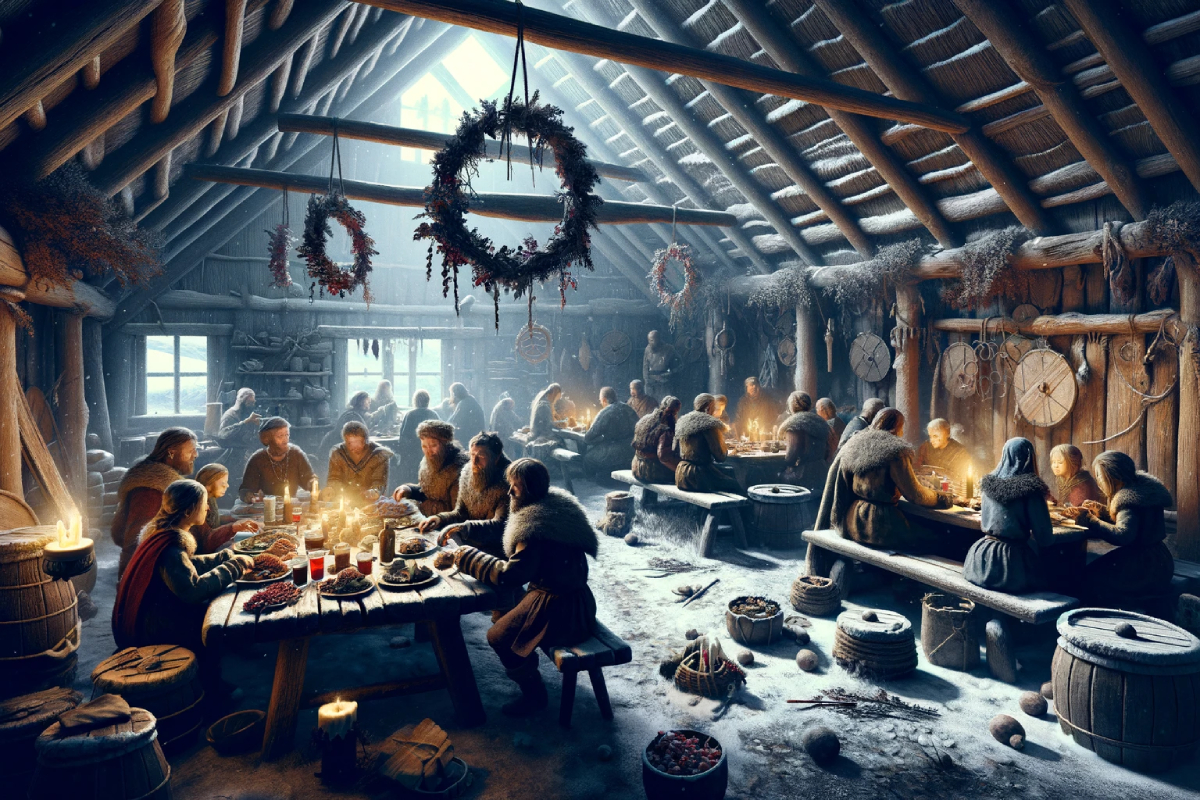
Christmas Day is a celebration in Norway of brighter days, or Jol. homes are decorated with superstitious characters called nisser who are believed to provide protection. On the evening of December 24, Danish families place their Christmas tree in the middle of the room and dance around it while singing carols.

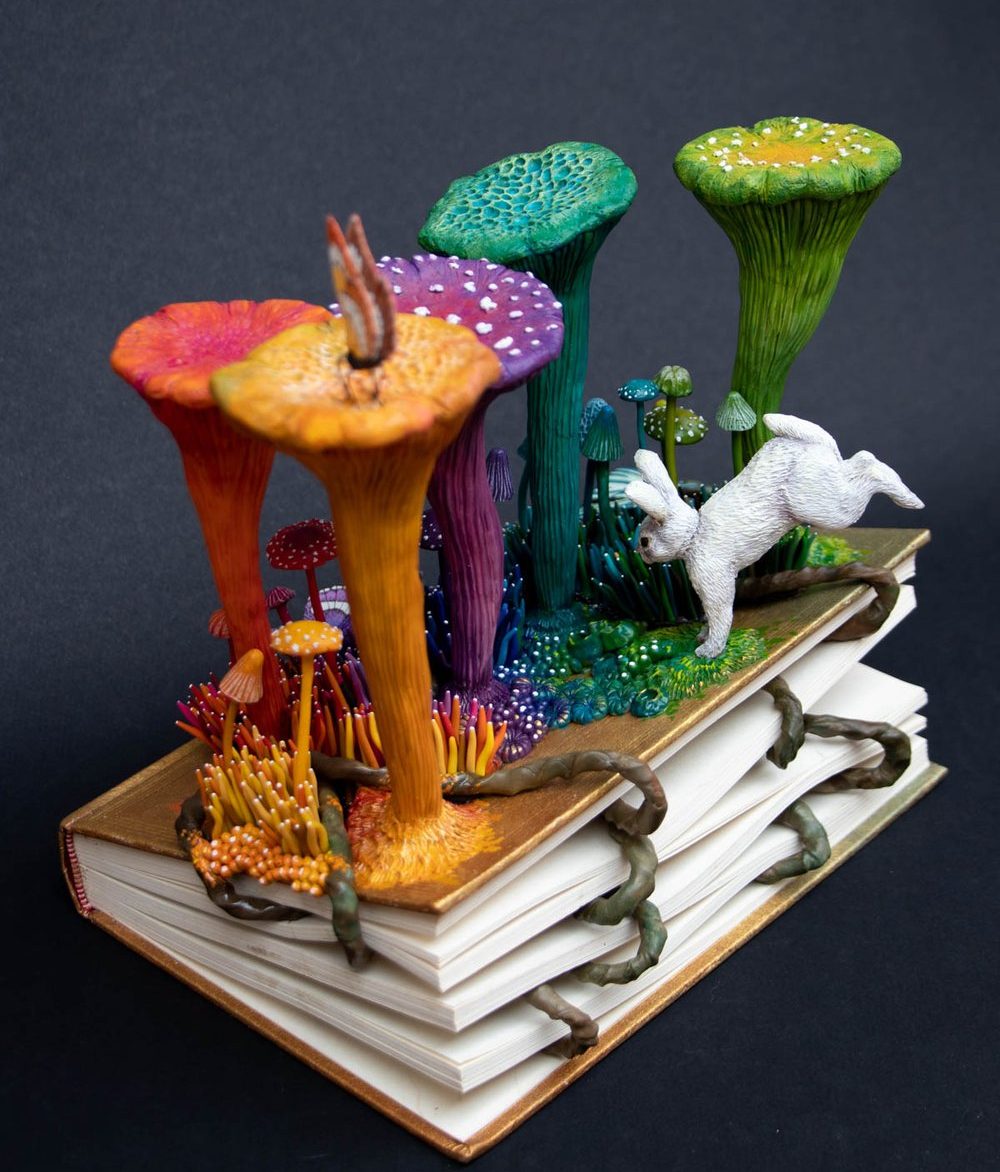
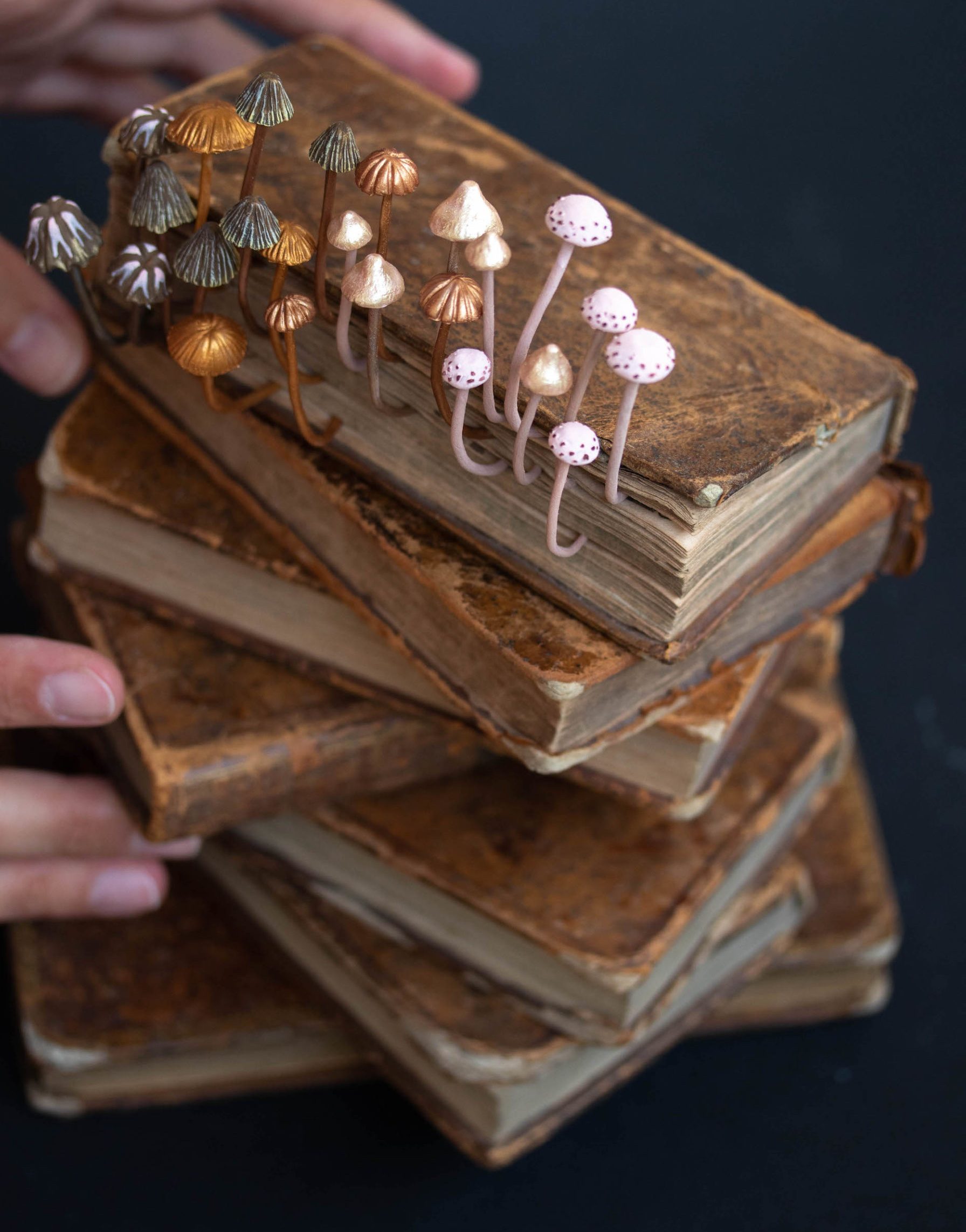
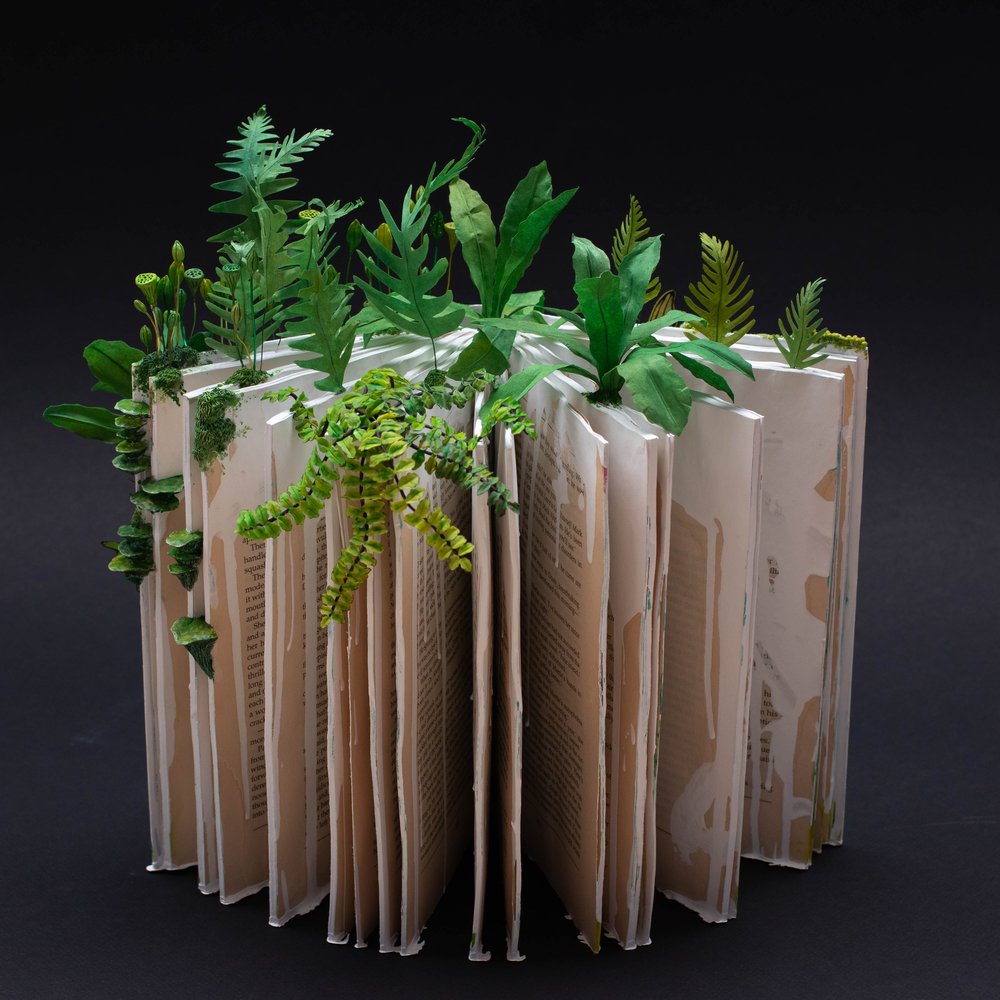
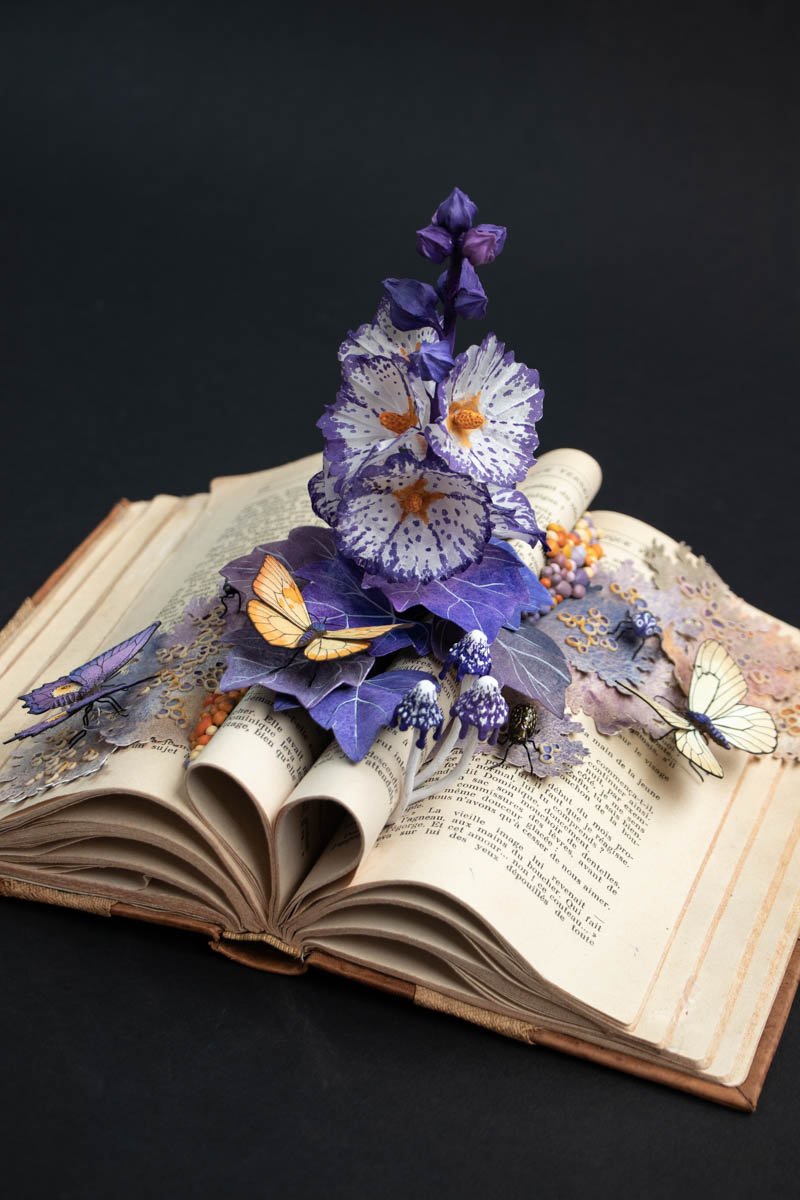
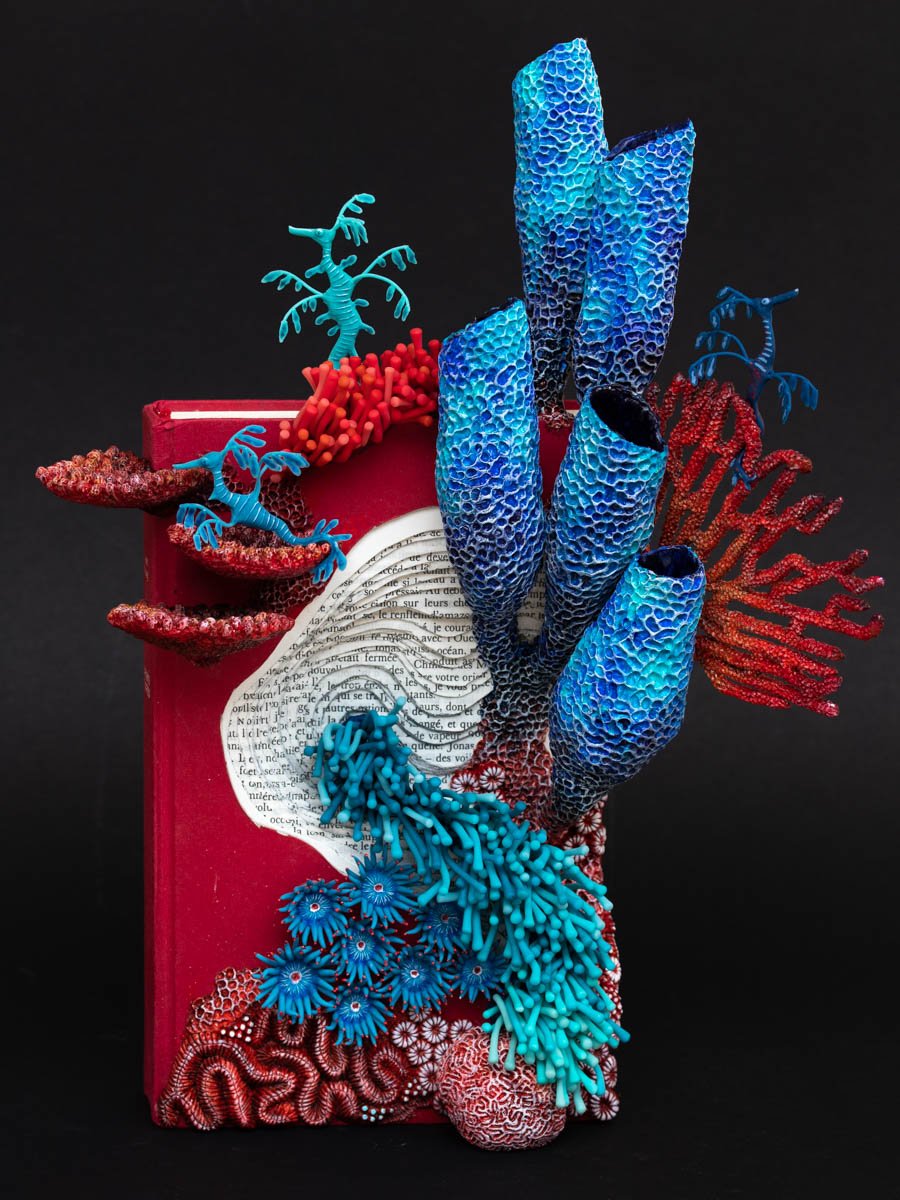
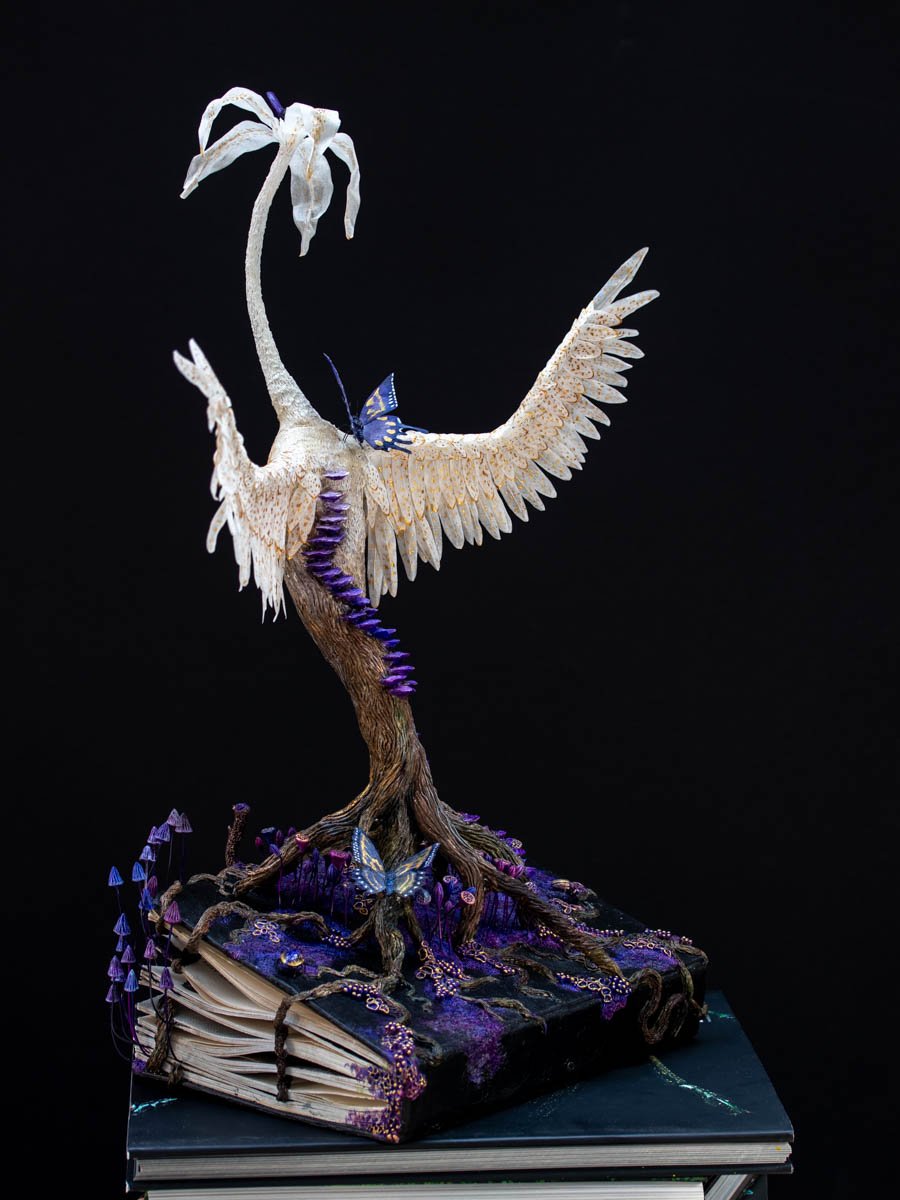
Stéphanie Kilgast is a contemporary French artist known for her intricately detailed works using discarded materials, trash, and, recently books.
Born in 1985 in Frankfurt am Main, Germany, the artist currently resides in Vannes, France.
Her recent pieces explore incredible biodiversity utilizing books as her canvas.
She constructs delicate mushrooms, blooming flowers, and colorful coral in painstakingly detailed miniature environments as a vivid reminder of the impact humans have on the environment and the tenacity of nature.
Millions of titles are published each year in the U.S. alone, meaning billions of individual copies—a vast number of which eventually end up in landfills.
Kilgast draws attention to these discarded objects by giving vintage editions new life.
Inspired by natural forms, Stéphanie Kilgast’s artwork is an ode to nature and its current biodiversity.
“With my choice of bold and vibrant colors, I offer a cheerful post-apocalyptic world,” the artist shares.
“While I talk about a heavy subject, the disastrous impact of human activities, I also wish that people leave my work with a feeling of happiness and hope, and keep fighting.”
More of Stéphanie Kilgast’s delightful creations can be found at https://www.stephaniekilgast.com/.
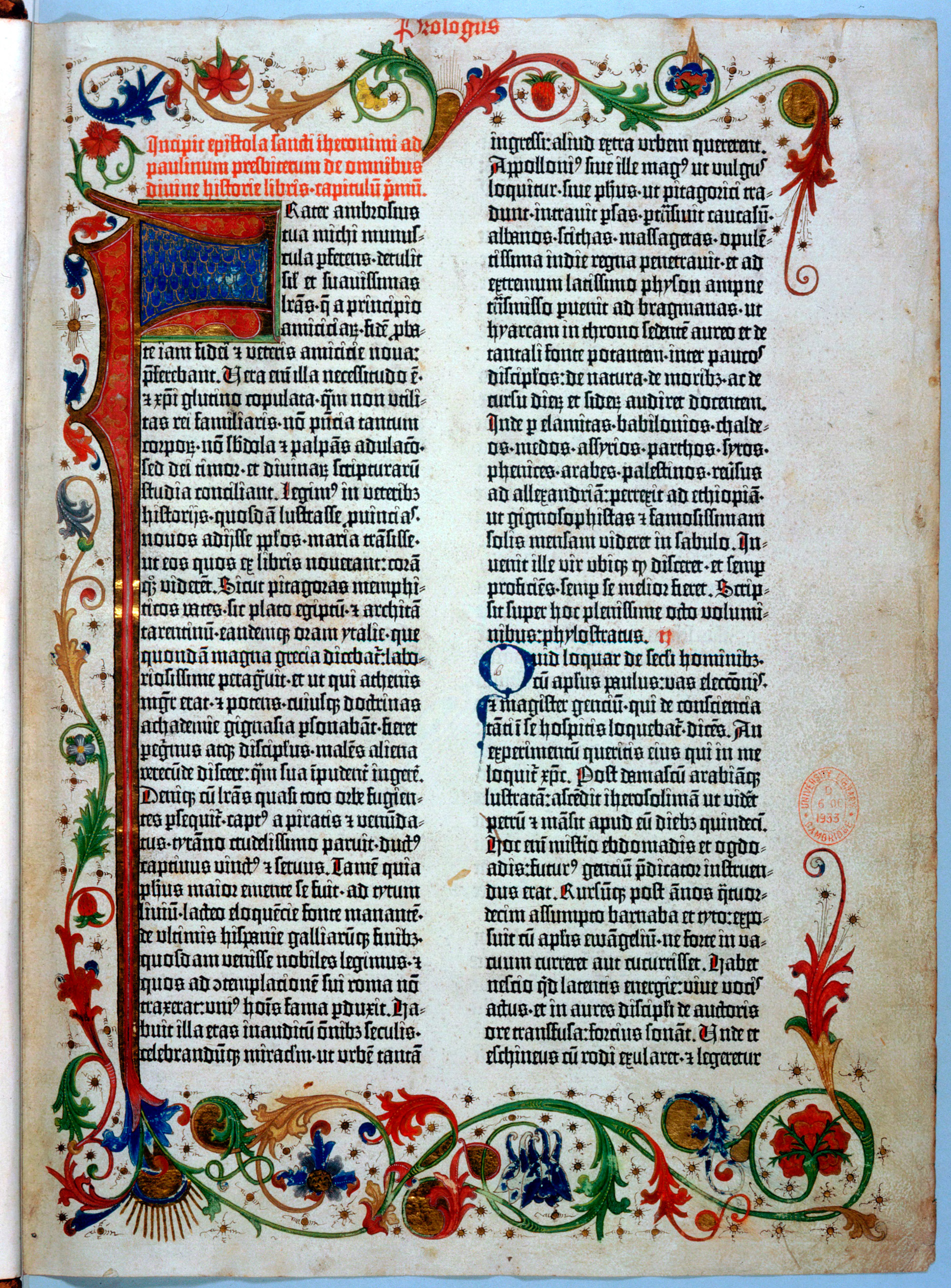
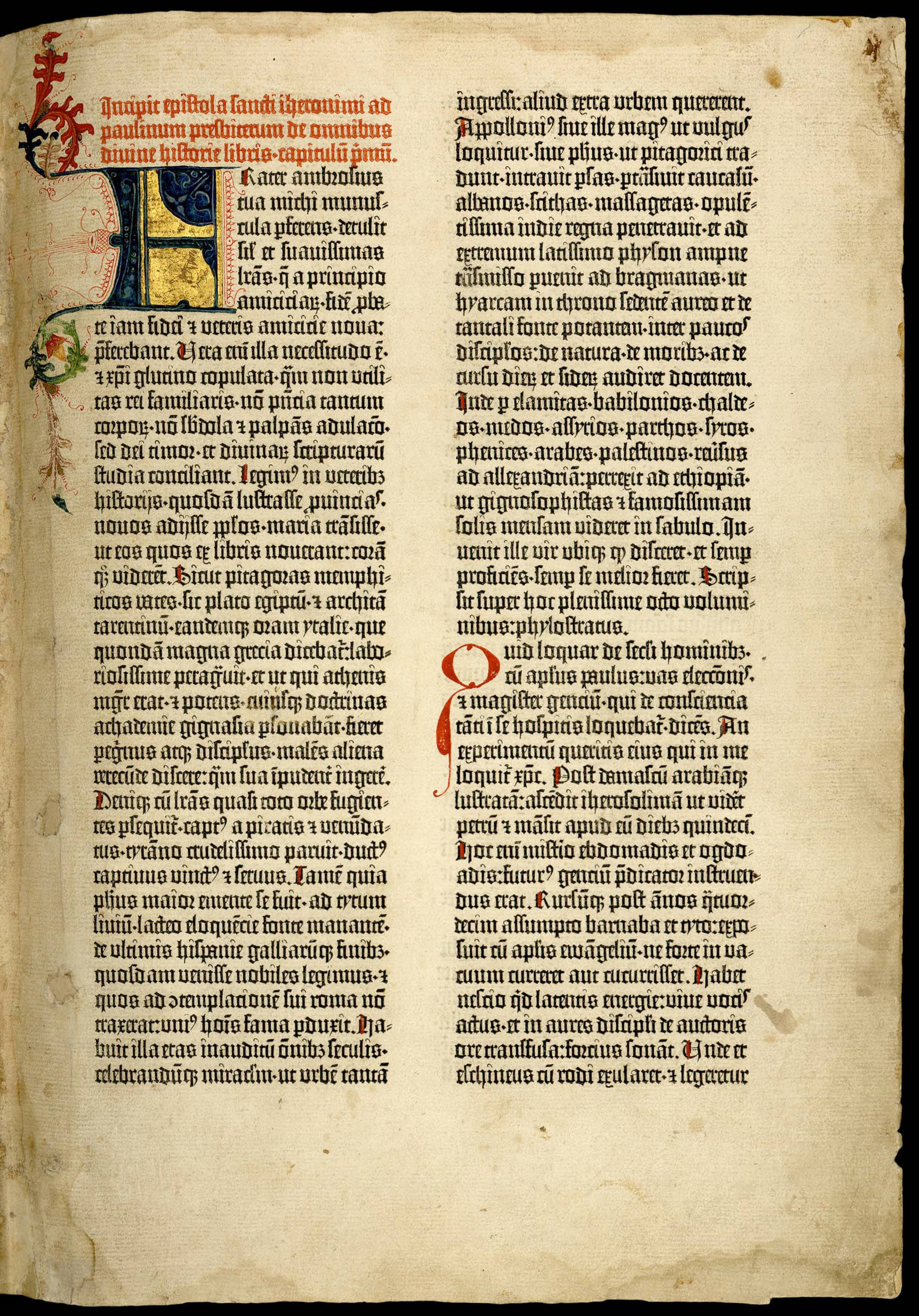
Gutenberg Bible – c. 1450 – 1455
The Gutenberg Bible (also known as the 42-line Bible, the Mazarin Bible or the B42) was the earliest major book printed using mass-produced movable metal type in Europe. The text is St. Jerome’s Latin Vulgate version, prepared by biblical scholars of Paris in the 13th century in an effort to produce a consistent and useful Latin text.
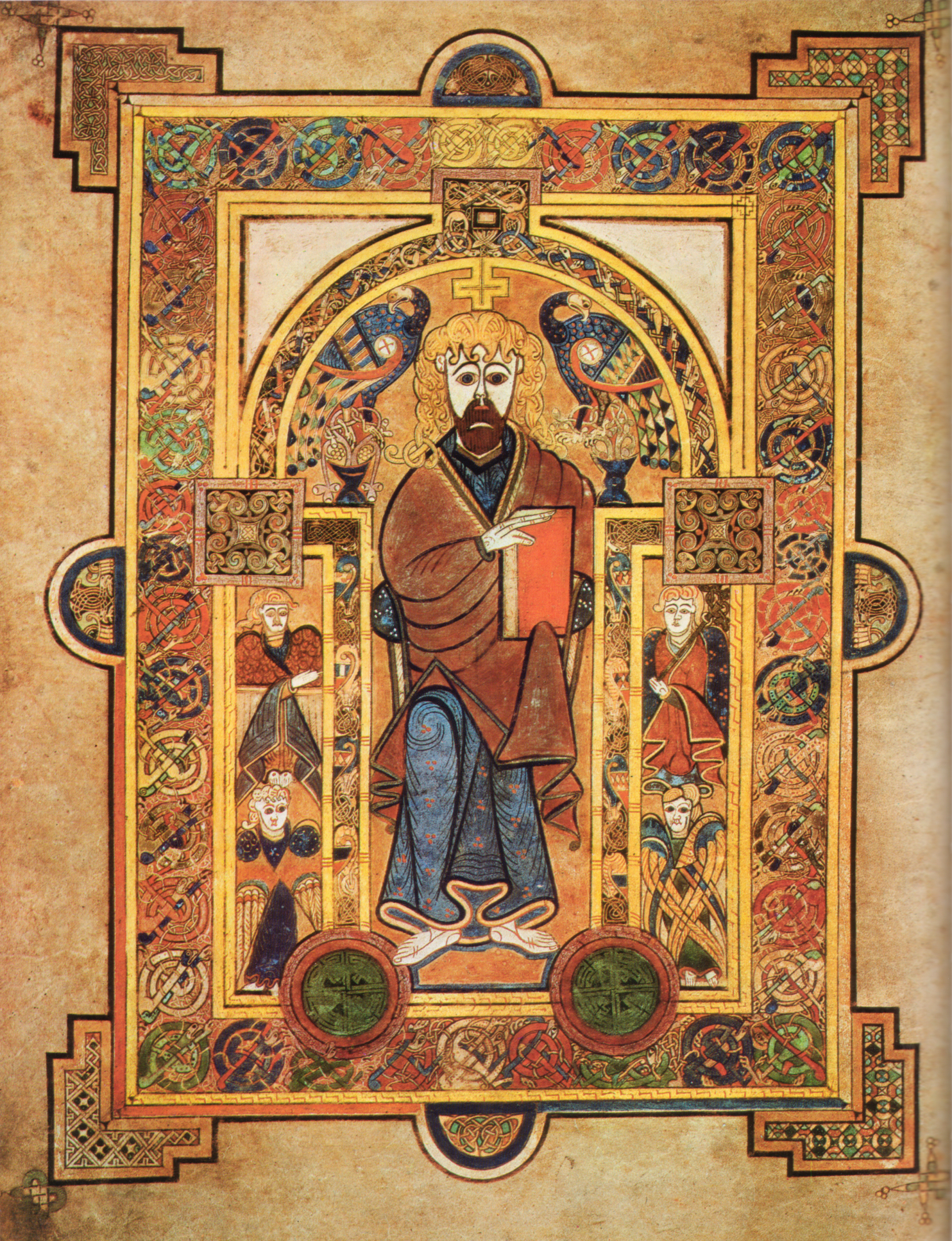
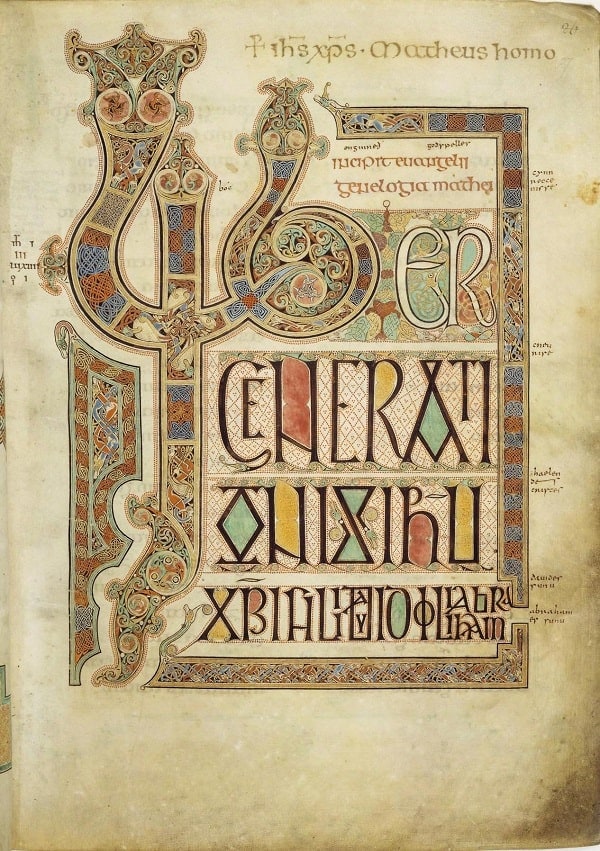
Book of Kells – c. 800 AD
The Book of Kells or the Book of Columba, is an illuminated manuscript and Celtic Gospel book in Latin, containing the four Gospels of the New Testament together with various prefatory texts and tables. Scholars believed that the book may have been the Great Gospel of Columba, written by an Irish monk from the 6th century.
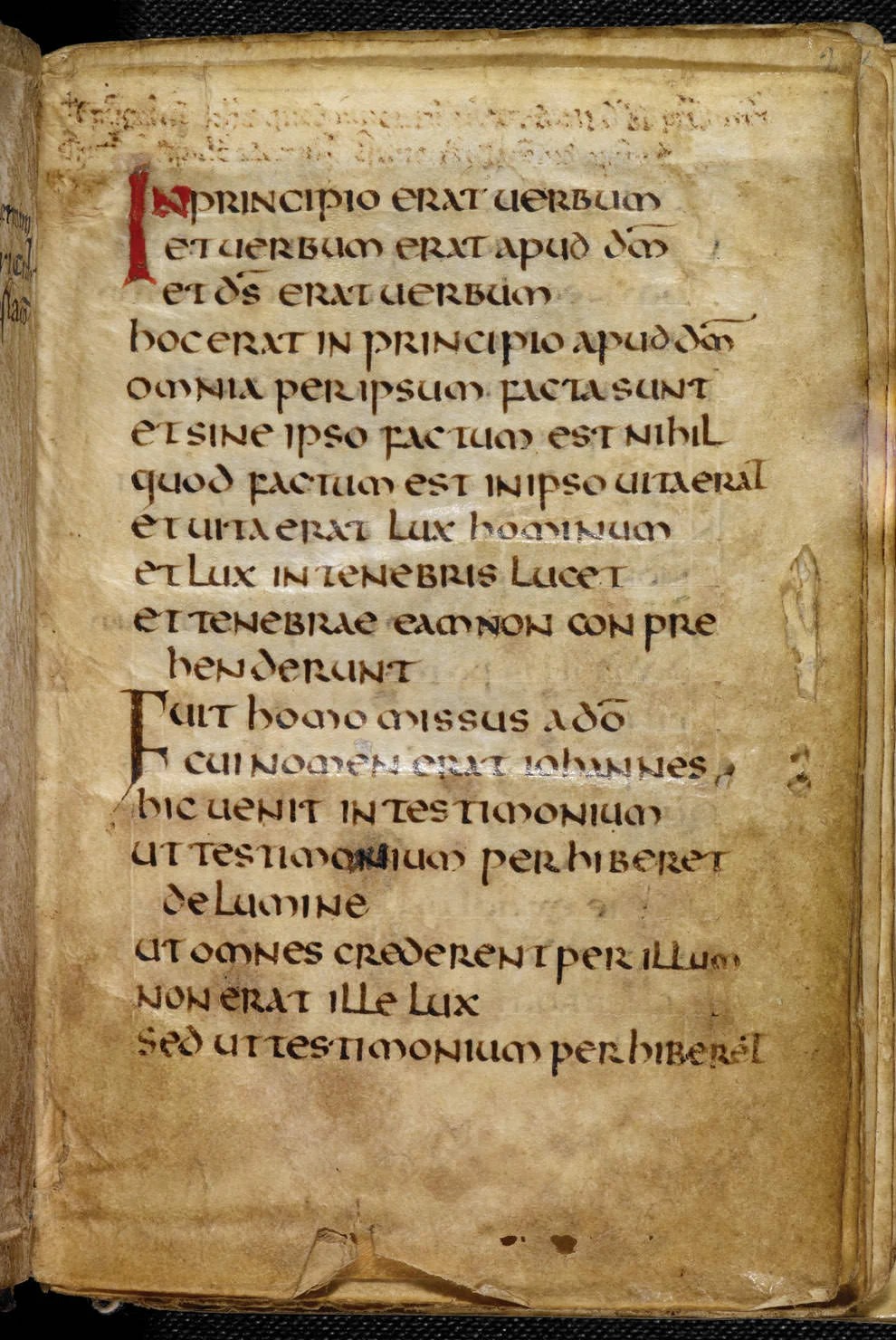
St. Cuthbert Gospel – c. 7th century AD
The St. Cuthbert Gospel, also known as the Stonyhurst Gospel or the St. Cuthbert Gospel of St John, is an early 8th-century pocket gospel book written in Latin. Its finely decorated leather binding is the earliest known Western bookbinding to survive, and one of the smallest surviving Anglo-Saxon manuscripts.
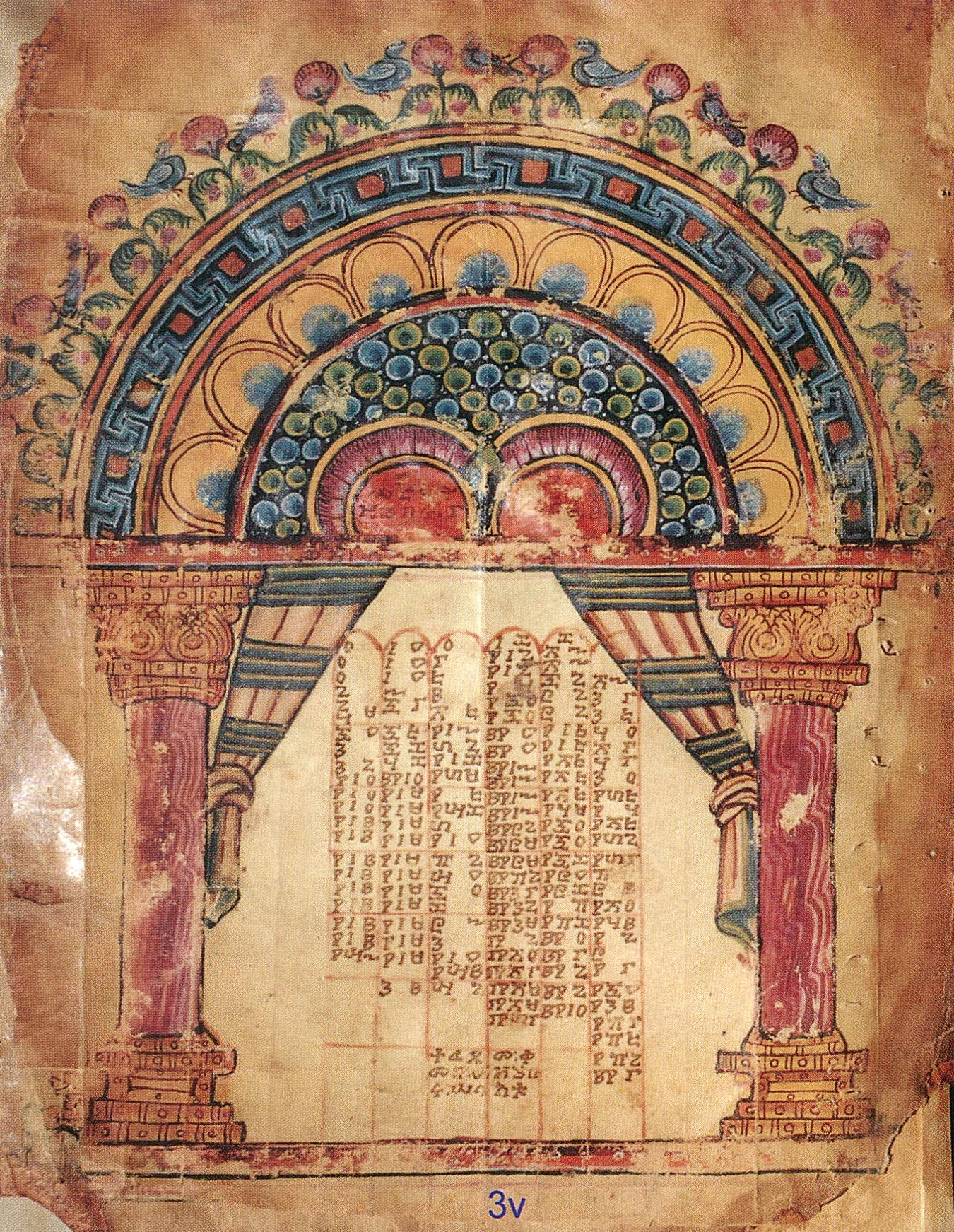
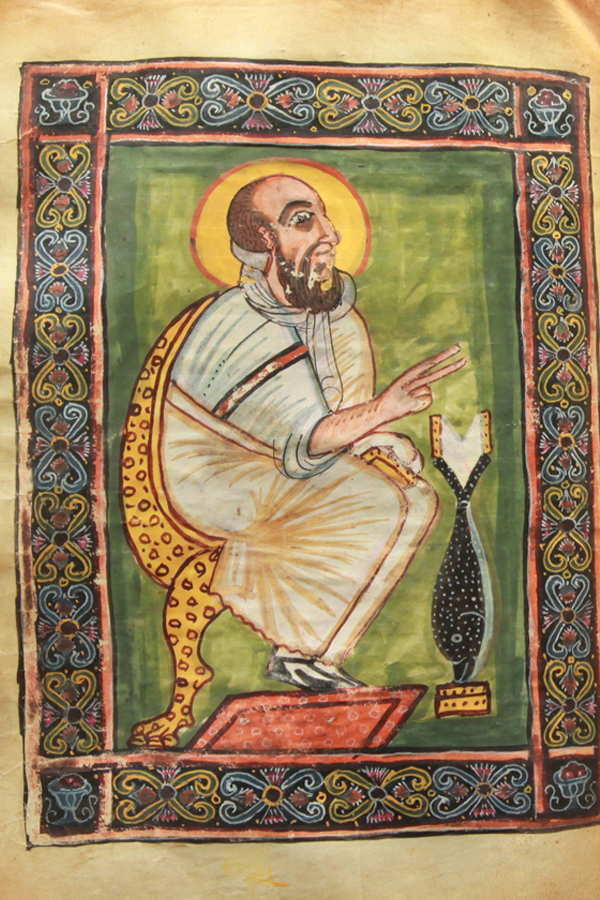
Garima Gospels – c. 330 – 650 AD
The Garima Gospels are two gospel books from the Abba Garima Monastery in Ethiopia and are the oldest known complete illuminated Christian manuscripts. Garima 2, the earlier of the two, is believed to be the earliest surviving complete illuminated Christian manuscript. Monastic tradition holds that they were composed close to the year 500.
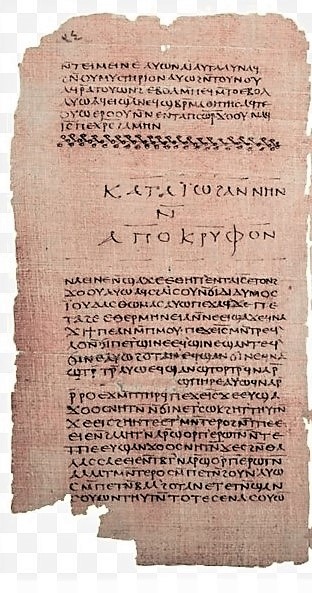
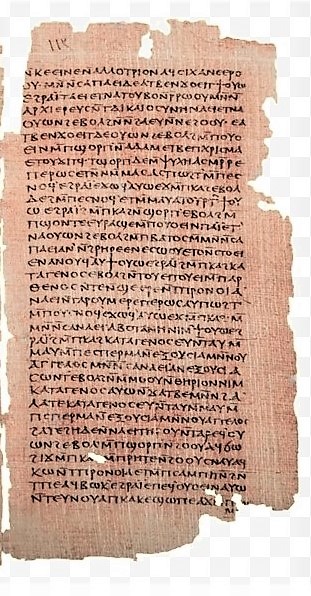
Nag Hammadi Library – c. 3rd – 4th century AD
The Nag Hammadi Library is a collection of thirteen codices found buried in a sealed jar in the Egyptian town of Nag Hammadi. The writings found in the codices are mostly about Gnostic treatises, but also contain works belonging to the Corpus Hermitcum as well as a partial translation/alteration of Plato’s Republic. One of the codices contains the only known complete text of the Gospel of Thomas.
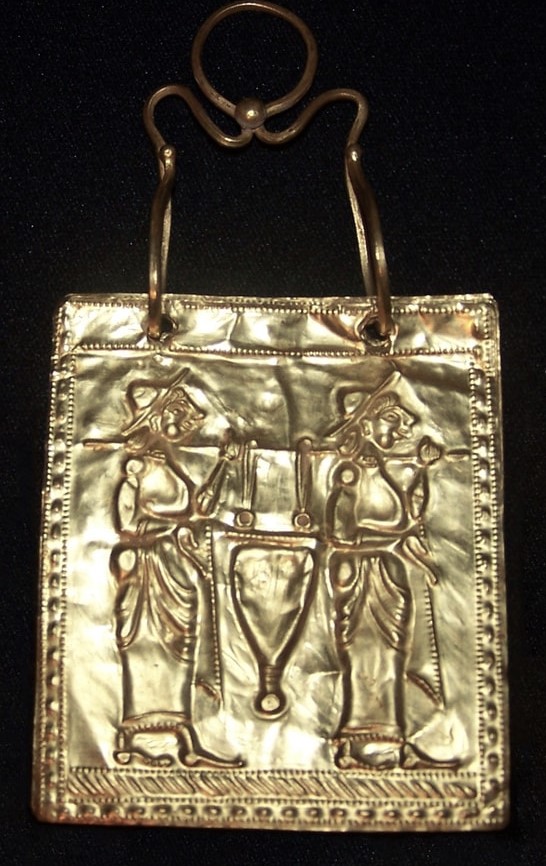
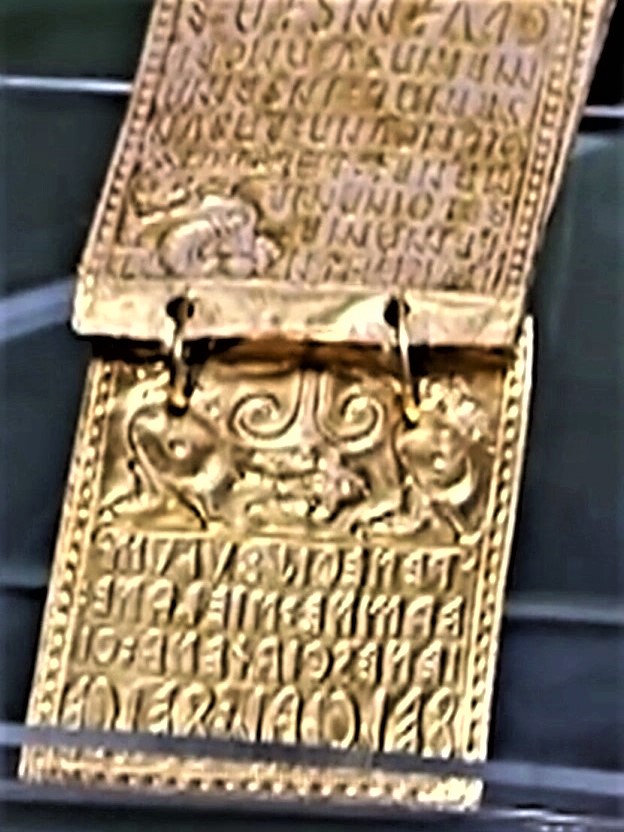
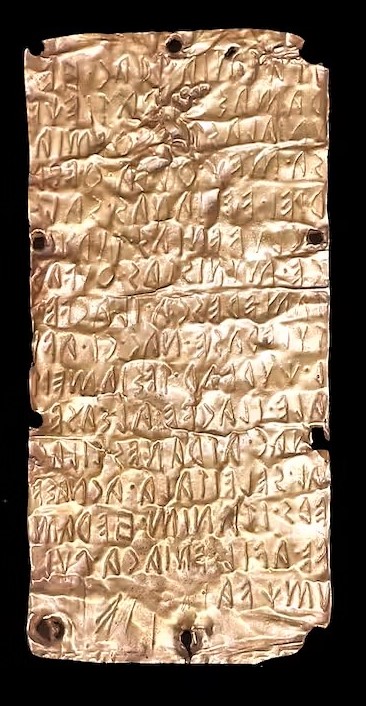
Etruscan Gold Book – c.600 BCE
The six sheets are believed to be the oldest comprehensive work involving multiple pages. The illustrated six golden pages are made of 23.82-karat gold (measuring 5 centimeters in length and 4.5 centimeters in width) and fastened together with gold rings. The pages are covered with text and decorated with images of warriors, a horseman, a Siren, and a lyre. This work was written in Etruscan, the language of one of Europe’s most mysterious ancient peoples.
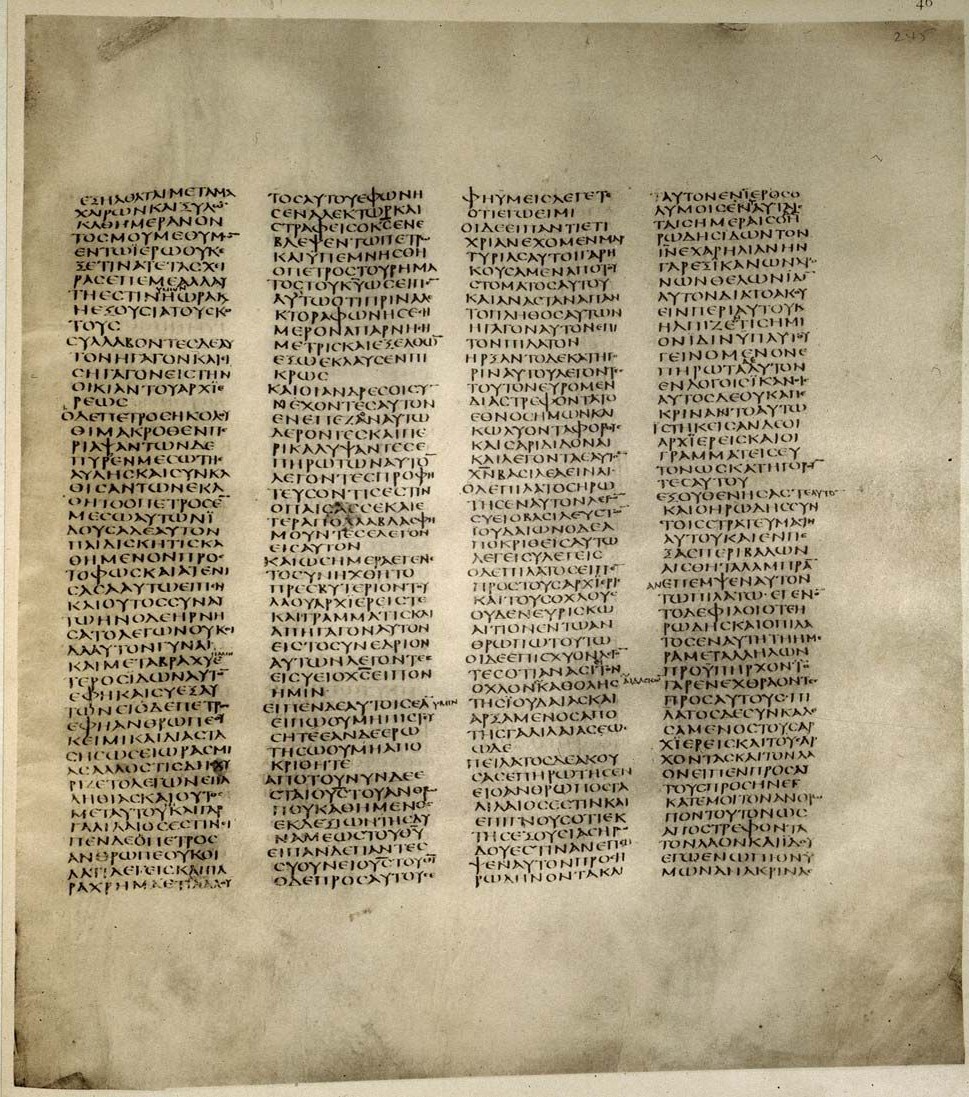
Codex Sinaiticus – c. 330 – 360 AD
Codex Sinaiticus, also called the Sinai Bible or S, the earliest known manuscript of the Christian Bible, was compiled in the 4th century CE. The Codex Sinaiticus consists mostly of the text of the Septuagint, the Greek-language Bible, and includes the oldest complete copy of the New Testament.
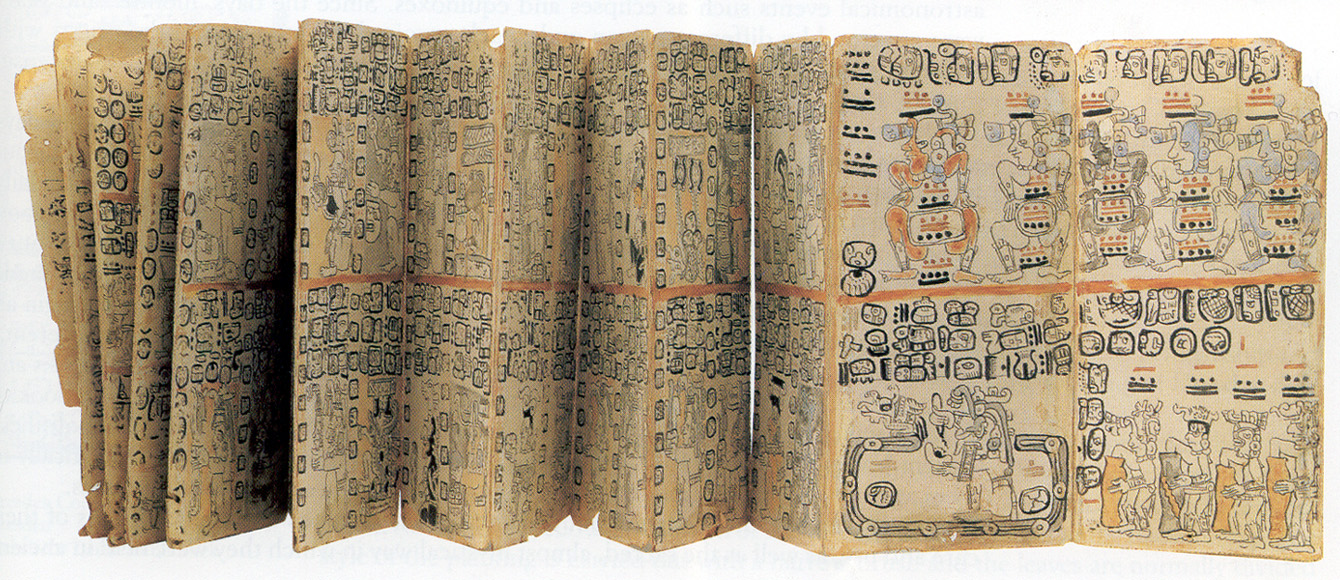
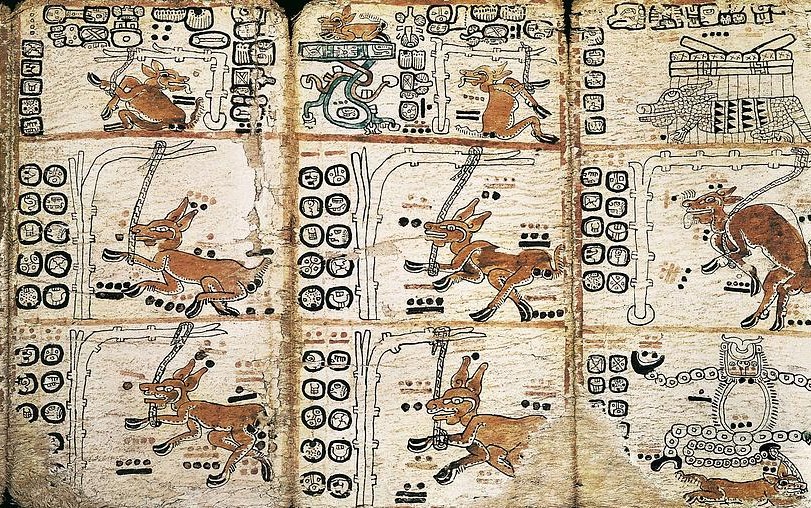
The Madrid Codex – 1400 CE
The Madrid Codex – also known as the Tro-Cortesianus Codex – is one of the only surviving books attributable to the pre-Columbian Maya culture, dating to the Postclassic period of Mesoamerican chronology ( circa 900–1521 AD). It a richly illustrated glyphic text and one of few known survivors of the mass book-burnings by the Spanish clergy during the 16th century. The Codex consists of 56 sheets painted on both sides to produce a total of 112 pages.
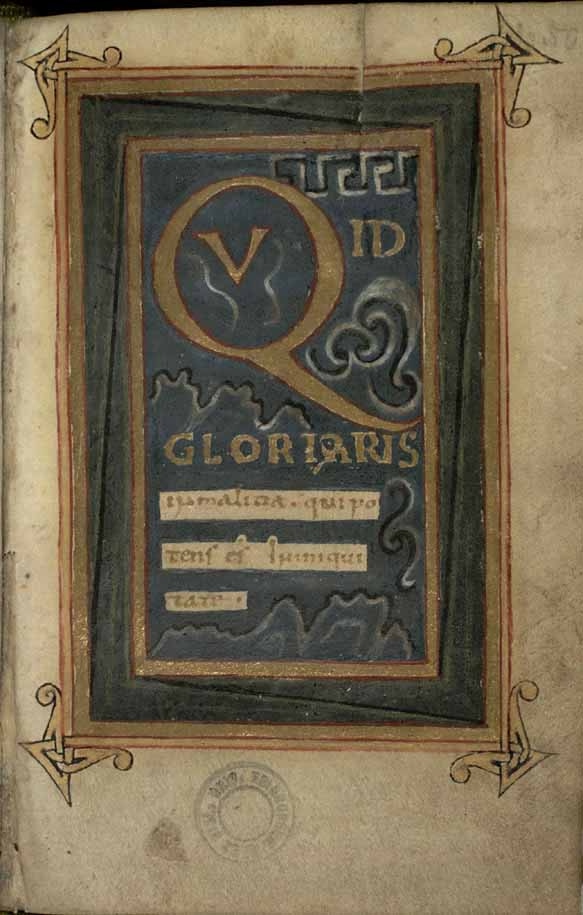
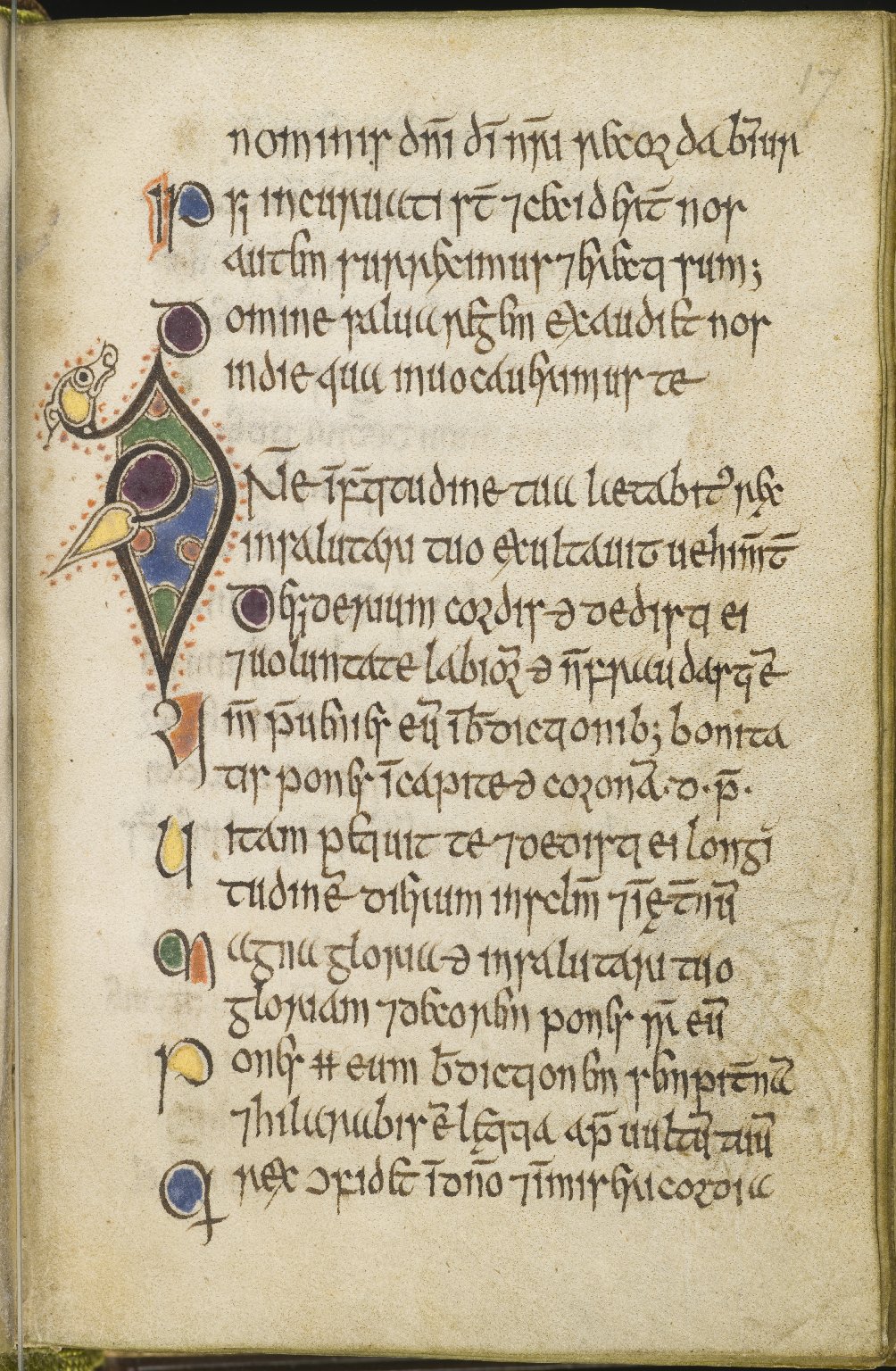
Celtic Psalter – 11 CE
The Celtic Psalter (University of Edinburgh MS 56) is a 114-page, 11th-century psalter likely to be the oldest Scottish book to be still kept within Scotland. It contains extraordinary illuminations in vivid green, red, purple and gold, and the Irish miniscule script is bold and clear and gives a text of the Psalms in Latin that can still be read today.
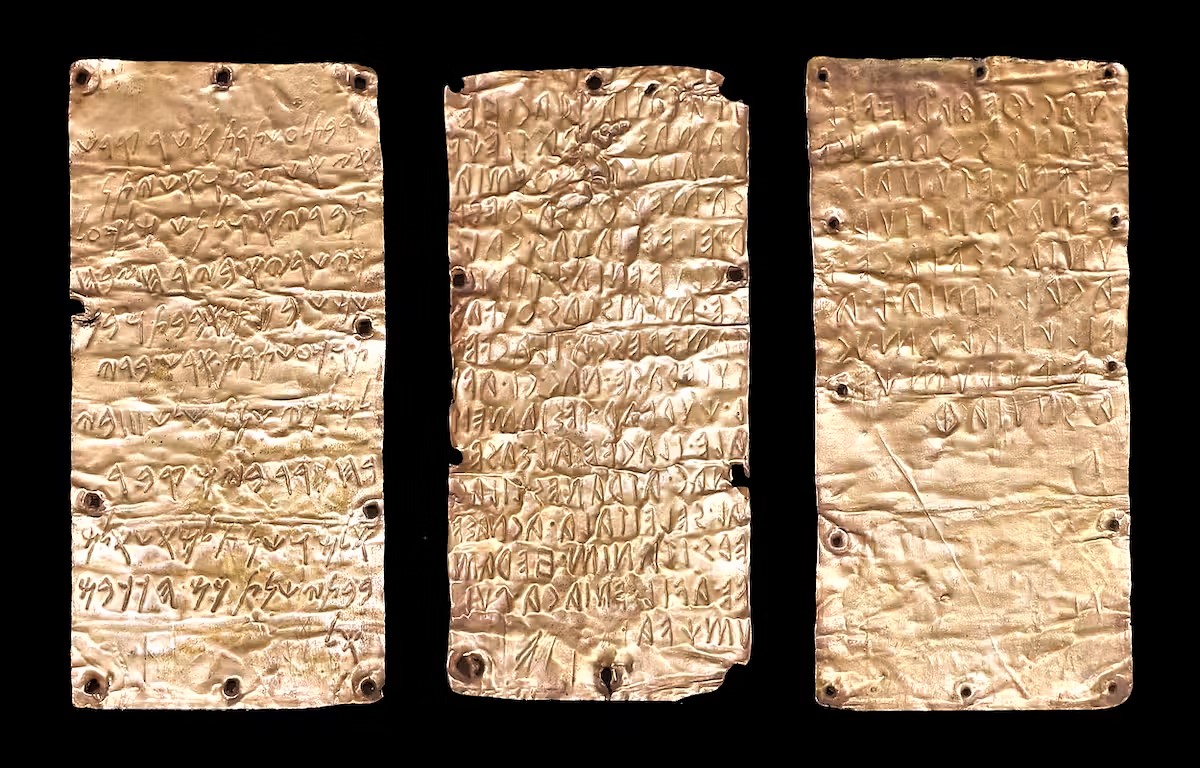
Pyrgi Gold Tablets – c.500 BCE
The Pyrgi Tablets (dated c. 500 BC) are three golden plates inscribed with a bilingual Phoenician–Etruscan dedicatory text. They are the oldest historical source documents from pre-Roman Pyrgi, Italy (modern-day Santa Severa) and are rare examples of texts in these languages. Two of the tablets are inscribed in the Etruscan language, the third in Phoenician.
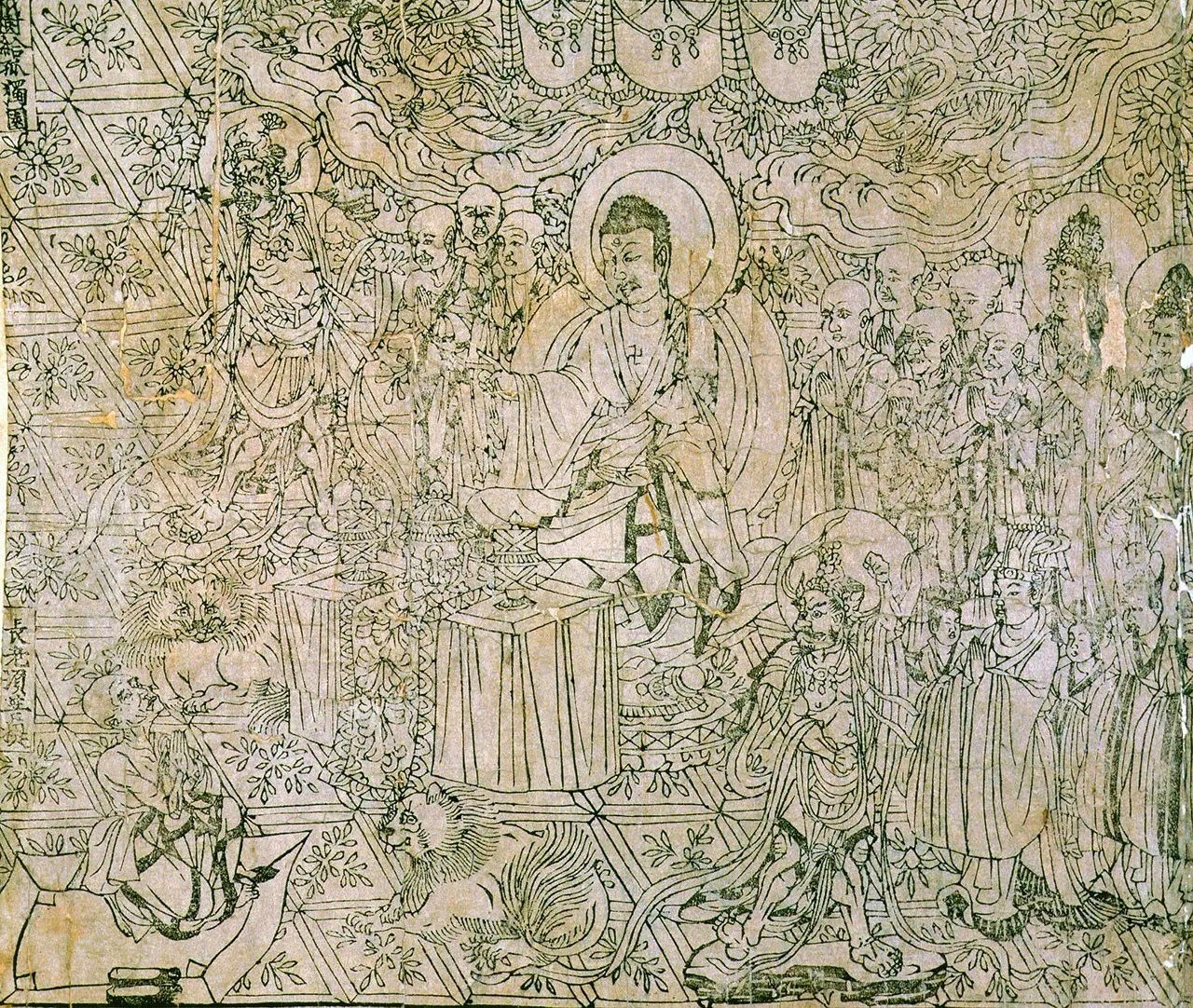
Dorjé Chöpa: The Diamond Sūtra – c 2nd -5th century AD
The Diamond Sutra (Sanskrit: Vajracchedikā Prajñāpāramitā Sūtra) is a Mahāyāna (Buddhist) sutra from the genre of Prajñāpāramitā (‘perfection of wisdom’) sutras. Translated into a variety of languages over a broad geographic range, the Diamond Sūtra is one of the most influential Mahayana sutras in East Asia. The text is relatively short, only 6,000 words, and is part of a larger canon of “sutras” or sacred texts in Mahayana Buddhism.
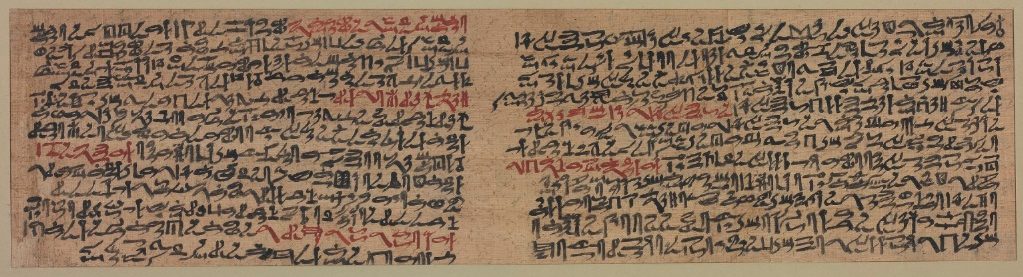
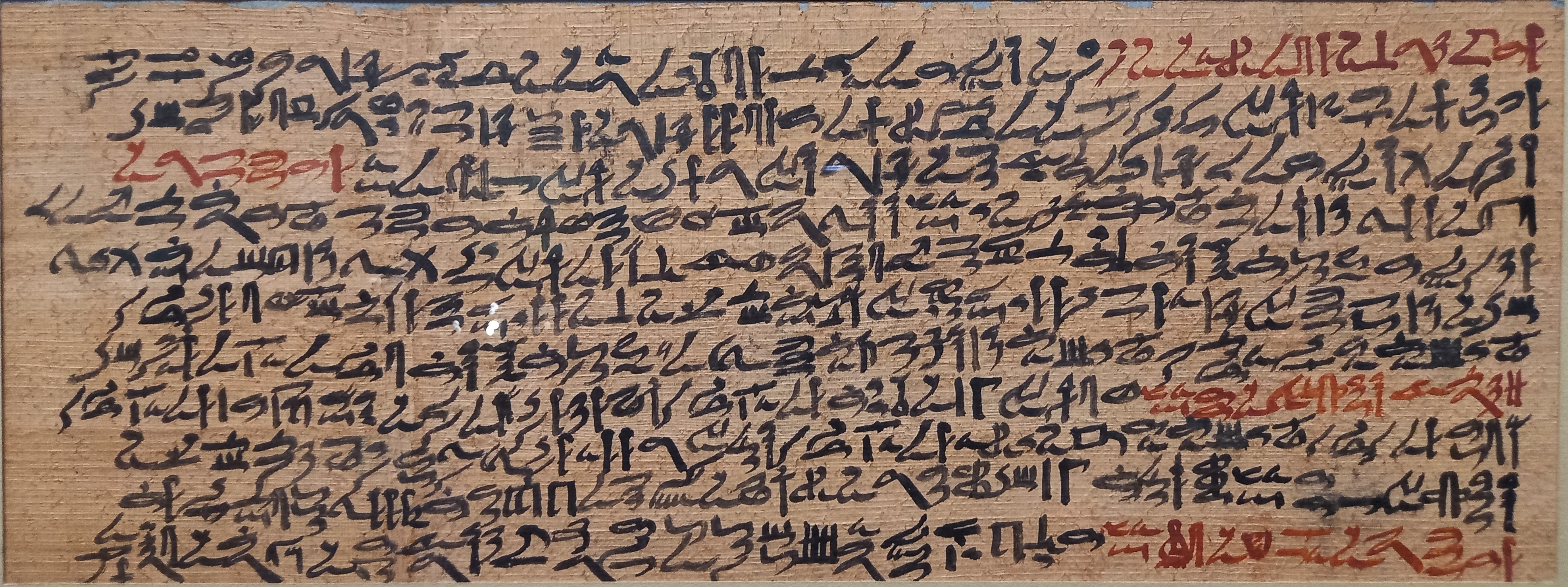
The Maxims of Ptahhotep or Instruction of Ptahhotep — Fifth Dynasty (2,500 B.C. – 2,350 B.C)
The Maxims of Ptahhotep or Instruction of Ptahhotep is an ancient Egyptian literary composition composed by the Vizier Ptahhotep during the rule of King Djedkare Isesi of the Fifth Dynasty. The Prisse Papyrus, a literary manuscript, is a compilation of moral maxims and admonitions on the practice of virtue. The conclusion of the Instruction addressed to Kagemni is followed by the only complete surviving copy of the Instruction of Ptahhotep.
Here it is, actually Sunday night, and I’m feeling agitated/messed up/peaceful/chatty/thoughtful once again. I’m sure you’re all here somewhere with me.
I have been thinking about starting some kind of routine/ritual both in the morning before I get out of bed and in the evening before I go to sleep. Something to refocus me: something to guide me, relax me, teach me; something to give my mental chatter and A.D.D. a rest.
I’m not much for religion these days — I held onto a little bit of it through the years, just enough get me through, but I think most of it disappeared when I lost my son.
I’ve tossed around several Goddesses for a number of years, along with spirit guides (who helped me write my books) and guardian angels who watched my back. I’ve looked for faeries to light my way, along with miracles meant only for me and words that blow through the pine trees that only I could hear.
So perhaps it’s time to take a break from the airy fairy and try some actual, old fashioned therapy.
I’ve thought about reading poetry before I get up in the morning. Not necessarily the creations of friends and newfound poets, but the old-fashioned ones. Robert Frost and taking the road less travelled and Walt Whitman and Emily Dickinson and Marilou Angelou. Beautiful, soulful poetry. Simple start-the-day poetry. No preaching; just musical words.
A beautiful way to start a day, don’t you think?
Then, when all the madness of the day is done, instead of wasting time online on Facebook or some other mindless rot, I have started going to bed, listening to soothing music, and reading a classic, physical book. Not an iPad book, not a magazine — a real live book.
I am beginning to think our grandparents and great grandparents had it right. No TikTok, no television series we have to catch up on, no blasting rock and roll or video games till midnight. I mean, all those are wonderful activities — but not when we need to sleep.
Life is full of love and play and intellectual stimulation. Full of highs and lows and frustrations and dead ends. But it’s also a gateway to wonderful worlds, wonderful thoughts. We just have to find a way to get to them.
It’s the calming of the mind that recharges us. The calming of the psyche. The calming of the soul. We can deal with anything during the day, but it’s the dawn and the twilight that really connects with our soul. Our center.
We need to find ways to reconnect.
If you have access to Amazon Music, there are a couple of music playlists that work well for me: Studying Music: Music to Study By, Relaxing Piano, Study Music, New Age Music, Meditation Music, Classical Piano, Calm Music Piano: Soothing, Relaxing, Soft Background Music for Sleep, Massage, and More, and Study Music: Soothing, Calm, Relaxing New Age Music and Classical Piano for Studying, Meditation, Yoga.
Most of the music is minor chord relaxation music — I hope it helps you relax and dream as well.
Let me know how YOU reconnect with yourself.
It’s the beginning of a Glorious Day here in the Midwest.
Being alone with my dogs and cat and fish and computer and crafts room and my messy closet floor, there will be a lot of things I’ll want to accomplish that I can’t always accomplish with company around.
But you know me. That’s not what this particular blog is about.
I had an idea in the shower this morning, and I’d LOVE to hear back from all of you. The more the merrier.
I really enjoyed the end scene in the movie “The Time Machine” with Rod Taylor, where George comes back from the future to grab three books to take back with him. It goes something like this:
Filby: He must have taken something with him.
Mrs. Watchett: Nothing, except three books.
Filby: Which three books?
Mrs. Watchett: I don’t know. Is it important?
Filby: No, I suppose not. Only – what three books would you have taken?
I thought about throwing you/us onto a deserted island or in an isolated cabin in the woods, but then you/we would have more to worry about than what books to read. Food, tools, medicine, is all too much to think about on this beautiful morning.
So here is the question:
If you time traveled into the future (or into the past), which three books would you take?
This time around I’m going to put restrictions on the question. Like being specific on the time period, (forward OR past), what you have in YOUR library (vs. stopping at the bookstore first), and only three books.
After all, those are the choices George had.
And, as a side, if you feel like it, are the three books the first three that came to mind, or did you think about it for a bit first?
I’ll go first. And it’s really hard.
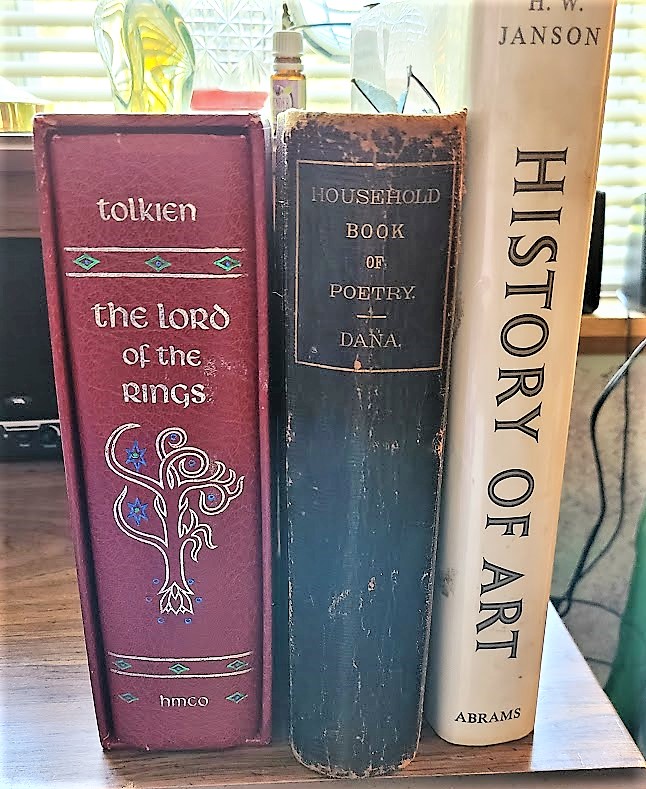
I ran downstairs, tripping over my Tears crafts bins, and looked at my shelves. Ack! An eclectic mix, for sure. Seeing as they have to be books from MY library, for reading I’d take Lord of the Rings Trilogy by J.R.R. Tolkien; for art, the History of Art (1st Edition) by H.W. Janson (1982); and for poetry, The Illustrated Household Book of Poetry Charles A Dana 11th Edition, 1868.
None of these books are “modern” in the sense of the word; I’m ashamed I don’t have any current poetry or updated art books. I tossed around bringing a book of Shakespeare or Edgar Allen Poe stories and poems, but their rhetoric might not be as entertaining after the 375th read.
If I had time to think about it, or had time to run to the bookstore or library, my choices may have been different. But, for what I have, for what I would have to share with others for eternity, would be a little bit of entertainment through the ages.
After all, how could you not enjoy a happy ending?
I am not sure what’s going on around here in my reading world.
I have slowly been accumulating e-books for my iPad/Kindle library. Not a bad thing in and of itself. But when I’ll ever have time to read them all I’ll never know. Although I prefer the feel of a book in my hands, many of these are expensive when purchased outright, so I’ve given in to the e-book versions.
Very few are the quick read romance sorts of books. And forget how-to’s. I don’t think I could get past instruction #3. The one’s I’ve been gathering are the classics.
The CLASSICS?
Yes — the ones many have heard of and few have read.
I don’t know if this is a chance to see what grandeur is all about before my generation’s writers become legend. But the scope of my choices are all in the past, all from past masters, and all for free.
I’ve downloaded a lot of H.P. Lovecraft — I love his vernacular. Even if I don’t understand some words. I’ve also been interested in Agatha Christie’s Henri Poirot’s adventures. I’ve thrown in books like the Count of Monte Cristo, The Great God Pan, Tales of Old Japan, and the Great Gatsby.
I feel like a kid in an ice cream shop who doesn’t know what to order so they order one scoop of each. 40 scoops later, I’m sitting looking at the bowl, wondering what the heck.
I do love reading. I’m not what one calls a voracious reader — I don’t spend hours snuggled in a chair with a book. I read at inopportune times — bed time, in the car. My A.D.D. prevents me from absorbing more than 20 or 30 pages at a time. And I have to find time between housework, writing, making Angel Tears, and my grandkids.
It’s a grand mess, but one I always look forward to jumping into. I think I selected these past works because they seem like time travel to me. Having someone write about shoguns or the Cthulhu or Mansfield Park takes me away to someplace other than here. It allows me to peek into the minds of those who came before me. In some cases, long before me.
I sometimes find myself reading two books at a time, for no singular story has so far been obsessive enough to make me pound through it. But I delight and dismay at all the books I’ve yet to peek into.
Maybe this will guarantee my living another 30 years to read them all.
What sorts of books do you read?
You thought you could get away with one blog on editing. That once you heard my speech you could move on. But here we are.
Never send your piece off to a publication after your first edit. Nothing is ever perfect, even if it seems to be. Let it rest. Come back later. Hours, days. Even a week or two if that’s what your schedule dictates. Make sure what you write is reflecting your best effort.
Maybe you did a second edit. Changed a paragraph or two. For some of you, there won’t be a need past the third one. But for others, it’s not until your third or fifth read that you finally notice awkward dialogue, actions that are not in line with your character, turns in the story that you really didn’t mean to take but you took anyway.
This is where the real editing starts.
Now, we are talking about full length stories. Novels. Not a short story, although you can take missteps with those as well. It’s much easier to miss something that has 200+ single-spaced pages than a 1,500 word contest entry.
What do you check for this time around?
More grammatical errors. That’s a given. There’s usually one too many semi-colons somewhere.
Tense. Did I move from first person to second person? Did I say, “She couldn’t stand the suspense anymore!” then “Your friend showed up at three.”
Is the story moving forward? You may have thought it was moving forward when you first started, but sometimes you wind up talking about your character’s friendships from childhood and the time he went to the store and stole a candy bar and today there was a candy bar on his co-worker’s desk that looked just like the one he stole. Great prose, great insight, but it has nothing to do with his daughter bringing her fiancé to dinner.
Did you explain motivations, reasonings clear enough? Not everything has to be explained. Sometimes it’s better if the reader is left wondering. But eventually give the reader a hint, a nudge, or a full-blown explanation so they can decide for themselves the reason your story goes the way it does.
Does the dialogue flow between speakers? Are your characters reacting to the other’s conversation? Do they always have to respond in words? Can a gesture, a thought, a groan, be enough of a response? Mix it up. Are your characters listening to each other? Nothing is worse than two people talking about two totally different things.
Make sure every sentence moves the story along. You can linger with a sentence or two when your characters are musing this or that, wondering, looking back, planning for the future. You can even spend a whole chapter looking back or wondering. But don’t let your character babble endlessly about … nothing.
Am I consistent with information? I have written September in Chapter 2 and October in Chapter 11. I have changed the name of my character’s best friend. I have silver riding saucers in one part and made them blue later on. See what I mean? It’s so easy to make a little slip here and there. You think no one will notice. But they will.
Flash back only if it will mean something in the future. Fantasize about the future only if it affects the character. I’m not telling you to skip the backgrounds and side movements – we all love to see how the characters develop through the years. But we don’t want to read about side trips that, in the end, have nothing to do with the main story.
Is the storyline believable? This still holds true in your final readthrough. It doesn’t matter if you’re talking about blue trees or Victorian morals that are out of place in today’s society or today’s high school student. It doesn’t matter what you write, except you have to make it believable. If someone levitates let them levitate. If you are confident of the storyline, the levitation will seem a real possibility. Don’t go faster than the speed of light during the Renaissance; keep it in the future where all things are possible. Ride horses to and from town; don’t let a car pass you unless it’s 1916 or later. It makes no difference if your book is historical, science fiction, romance, or mystery. People want to read stories that are consistent with the times.
People’s names. Last check. Making up names is just fine; try to make sure they are easy to read and/or pronounce. Especially for your first book. Having your main character named Denaytrison is impossible to both read and pronounce, which will definitely mess with the flow. When talking to each other, it’s alright to say the other’s name in conversation. But once maybe. Not every other sentence. Write as you speak.
Do I need all these chapters? When you first start writing you add everything you can think of. Your first edit you drop paragraphs and chapters that really don’t move the story forward. Make a final check to see if all your chapters are needed. It will be important towards your final word count.
Maybe you won’t make as many slips as I have. But no matter if you are new to the game or a seasoned pro, you need clean copy.
Every book, every story, every poem, needs to be edited. Edited, proofread, reread, and edited again. There’s no way around it. When you are writing from the heart, the story pumping through your veins comes out faster than you can type, and you’re bound to make mistakes. You should make mistakes. Everything can be corrected at a later date. Getting the story out is the most important part.
Editing is the most tedious part. The most stressful part.
And every book needs a hard edit.
Spelling. Did you spell everything right? Spellcheck does a great job of finding “theer” instead of “their.” But it could care less if you used “their,” “there,” or “they’re.” Pay attention to your sentences. Double check people’s names, cities, restaurants. It’s so easy to type a street name in Chapter 2 and be typing so fast that you spell it differently in Chapter 8.
Sentence Structure. Are they full sentences? Some writers try to do the fragment treatment to their sentences. I tried that style in some of my writings. But you have to be sure of what you’re doing. If in doubt, always write in full sentences. Every sentence.
Punctuation. You’ve read my blog rants. Too many semi-colons, hyphens, and ellipses. Too many commas in one sentence. I make myself crazy. Use the “find” button on your computer and type in ; or “as if” or a name and see how many times you’ve actually used the same word/symbol. You’ll be amazed.
Writing/speaking habits. Remember that words in books are different than words in conversation. In writing we tend to slip and start (or end) a paragraph with the same phrases. As if, if only, and then, she said, it seemed, it seemed as if. There are undoubtedly more. Those were my mistakes. Pay attention to how you start and end your sentences.
Run on sentences. If your sentence has a half dozen commas and lots of ands and ifs, it’s too long. Readers need to read as they speak. They need to take a breath. So do you.
Paragraphs. This can be a tricky one. I just finished reading Lost Horizons by James Hilton. Most of his paragraphs are very long. They are usually descriptions of the same thought or location. Nothing wrong with that. But readers these days get mentally tired if they don’t hit a break in reading sooner than later. You can describe a place in three paragraphs as just as well as keeping everything in one.
Same is true for dialogue. Unless someone is giving a speech, break up their oration with paragraphs. Try and make your breaks every time you change thoughts or make a new point. You do know how to make new paragraphs in dialogue, don’t you? (no quote marks at end of paragraph; quotes at the beginning of the next.)
To Chapter or Not to Chapter. I find this more of a personal preference based on how you write. Many people read in spurts; at lunch time, before bed, or on the subway to work. Readers enjoy chapters that can be finished in three to thirteen minutes. Some books have dozens of short chapters, some have a few huge chapters (usually referred to as sections), and some have no chapters at all.
No-chapter books usually just flow from beginning to end. There are ups and downs, highs and lows, but the scenes blend into each other. Chapters are usually written as different segments of the same story; one “relates” to the next, but they are single stories unto themselves. One chapter is boy meets girl. Next chapter is girl at home thinking about boy. Next chapter is boy getting in trouble with parents. Next chapter are memories of a bad relationship cropping up. Next chapter is the boy and girl meeting and having coffee. You know what I mean. The most important thing is that the reader crave reading the next chapter, and if they don’t/can’t, they can pick up the story later.
Non-fiction needs chapters. Each point you want to make, each stage of instruction, needs its own chapter. Even biographies need a break between “happenings” so that the reader can see the progression.
Spelling. I know I sound like a broken record. But how many times are you reading an article or book or newspaper clipping and right there in the middle of everything is a SPELLING ERROR? It makes you shiver. So make sure your streets and towns and people and exotic foods are spelled correctly. It sounds so mundane, but finding a spelling error in the middle of the book sounds more like a scream than a whisper. Trust me.
Once you do your first edit, let your book sit.
I know that’s hard. Very hard. You want to reread Chapter 5 and Chapter 23, tweak and delete and add and ebb and flow. But you will be surprised what you will find if you let it sit a day or two. Week or two. I know I was.
Grammar and punctuation can make or break a great story. Make sure you have caught your faux pas. You also will be able to catch sections that don’t quite fit, find characters that didn’t quite act the way you wanted them to, even be able to drop in an additional chapter to connect A to B better.
Remember. You want this presentation to be the best of you. Editors, publishers, proofreaders don’t want to read a piece that really needs work. You know it, they know it, and they won’t give you the time of day if you don’t polish your story with as much enthusiasm as you put into writing it.
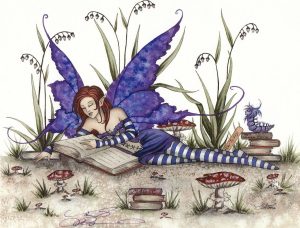
Finally the time has come! Hallelujah and do the Snoopy Dance! You’ve done your research, got your computer or notebook ready, put some writing music on in the background, and you are ready to go for it!
Here is my list of to-do’s and an explanation of each.
Where do you start? Okay, for most writers, you start at the beginning. Set the stage. Set the mood. Share where your character is, what they are doing. Start walking down that path that leads to that big turning point in Chapter 14.
But sometimes a writer’s ideas come in a different order. I once wrote a book where I wrote the last chapter first. I knew exactly how I wanted the story to end; I knew the ending before I even knew how they would get there. So I wrote the final chapter first. Another time an idea struck me about a particular love scene I hadn’t gotten to yet. I had a moment’s inspiration, so I wrote that part before my character even gotten into that situation.
It’s okay to write out of order. But for most of us, we start at the beginning. Introduce the cast of characters. You don’t have to introduce the main character(s) in the first chapter. Just make the people you DO introduce are interesting in one way or another.
Prologue? Epilogue? There are a lot of “how-to” books that tell you not to have a prologue or epilogue. That they distract from the main story. My how-to says that, if you feel a prologue sets a general feel or a premonition to the story, as long as it’s not too confusing or too exact, go for it. An epilogue sometimes works if you want to show how things turned out after the end of the main story. I have a prologue and an epilogue only in my first book; I have a prologue in the third book, which is nothing more than a paragraph from the second book.
But remember — sometimes people don’t necessarily want to know what happens once the “story” is finished. The story you told is finished. Leave their future to the fates. Or another book.
Do not filter your thoughts. I can’t emphasize this enough. If you feel you need to explain settings, surroundings, set up, go ahead and write. You will find yourself cutting sentences and paragraphs and even chapters later. When the magic hits, go for it. Whether it’s the romantic part, the murder part, or the flashback part, just get into what you’re writing. Don’t worry what comes out. You’ll fix it later.
Set a writing schedule for yourself. I know sometimes that’s easier said than done, but if you bring your determination to write into this dimension you will find time. Stephen King locked himself up in a room for eight hours a day. Other writers wrote when they got home from work or when their babies took a nap. It doesn’t matter when you write, only THAT you write.
Often setting a routine is a good way to get into writing on a daily basis. Set up your writing area with things that bring you inspiration. Coffee, glass of wine, notebooks, other books, reference books, music, snacks – it doesn’t matter what you bring to the table. You’ll forget half of the stuff around you once you get going anyway.
Tell others that’s what you’re doing, and do it. Don’t let others’ opinions sway you one way or the other.
Try not to edit as you go. We all do it, but it slows you down mid-thought. If you must reread your work for coherency, write a few chapters at a time. Know that you will reread, edit, and reread your story a thousand times after you finish writing it. Trust yourself and go with the flow.
Don’t use words that are too big for your character. Ever come across a big word in something you’re reading and find you really have no idea what it means? We often write more spectacularly than we speak, but make sure your characters are speaking within their upbringing and influences. If you want your characters to have an accent, if they come from a different time period, read books from that area, catch movies, and research their forms of speech. Don’t use words that are too big for your audience. The reader will eventually get tired of trying to figure them out. Don’t fake your knowledge. Oh – and a P.S. on this point – make sure you know what the word means.
Dialogue. This is one of the hardest parts of any novel to write. Do your characters speak like normal people? Do they think more than speak? Keep their tone the same speaking and thinking. If one character jabbers, make sure they always jabber. If speaking in half sentences is their style, make sure all their sentences sound the same. Think of how you speak with your family and friends. Your boss. The man from the IRS. You have a different tone with different people. Keep that thought in mind as your characters interact.
Also remember your time period. They spoke differently in Colonial times or Roman times than they do in the 2000’s. Don’t use today’s slang to express yesterday’s emotions. There is nothing worse than reading about days gone by and suddenly a character shouts “groovy!”
Make sure your ending makes sense. Have it conclude the journey your characters have been on. It doesn’t need to be a happy ending, but it should be a satisfactory ending. Tie up all loose ends (that is why you write an outline so you don’t have someone dangling out and left to dry). No open endings unless you are positive you are writing a second book. And even then have some sort of conclusion to the adventure they were just on. Let your reader catch their breath. Put yourself in the reader’s seat — no one wants to be left hanging.
Have every book you write be able to stand on its own.
NEXT: Editing
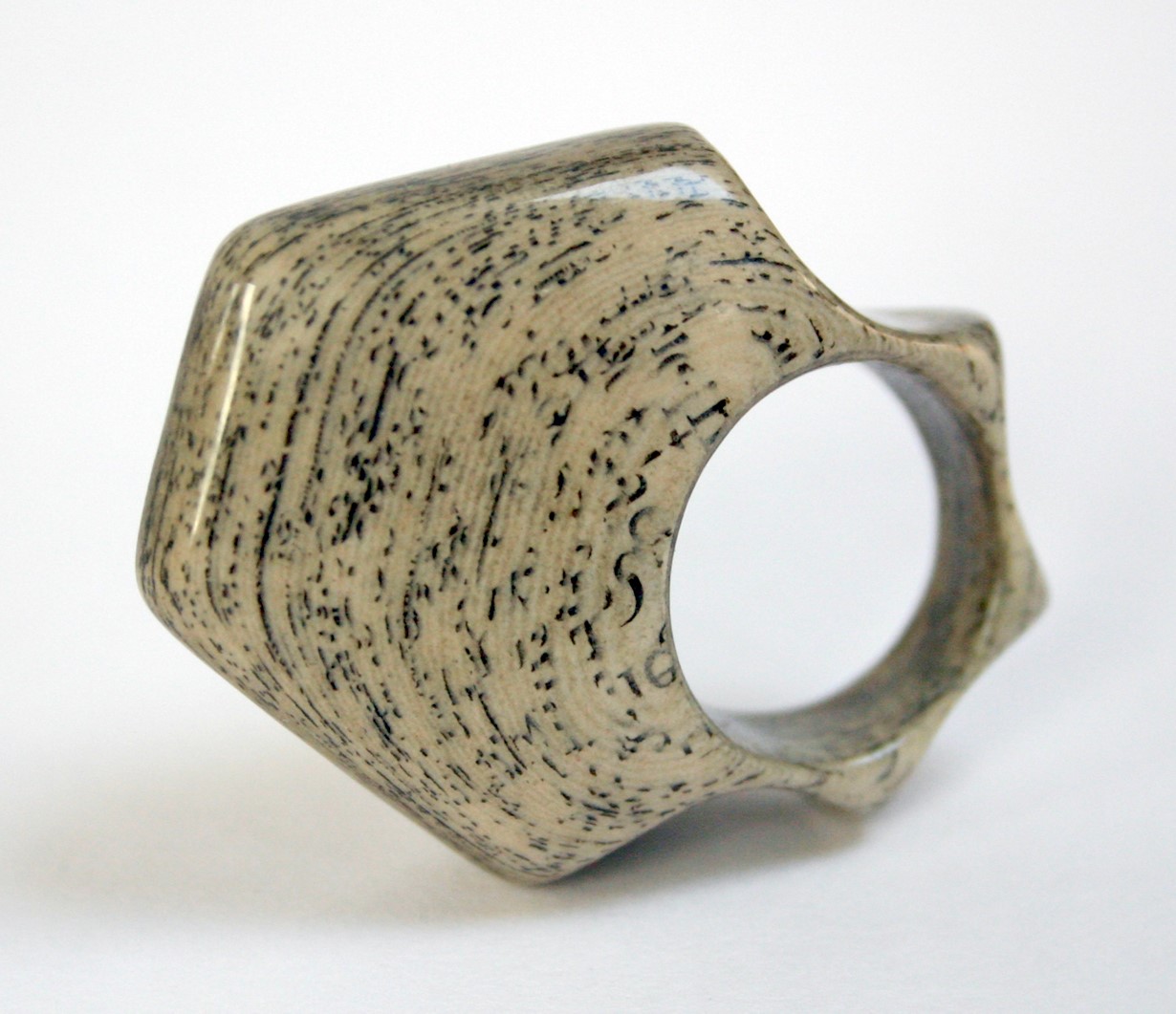
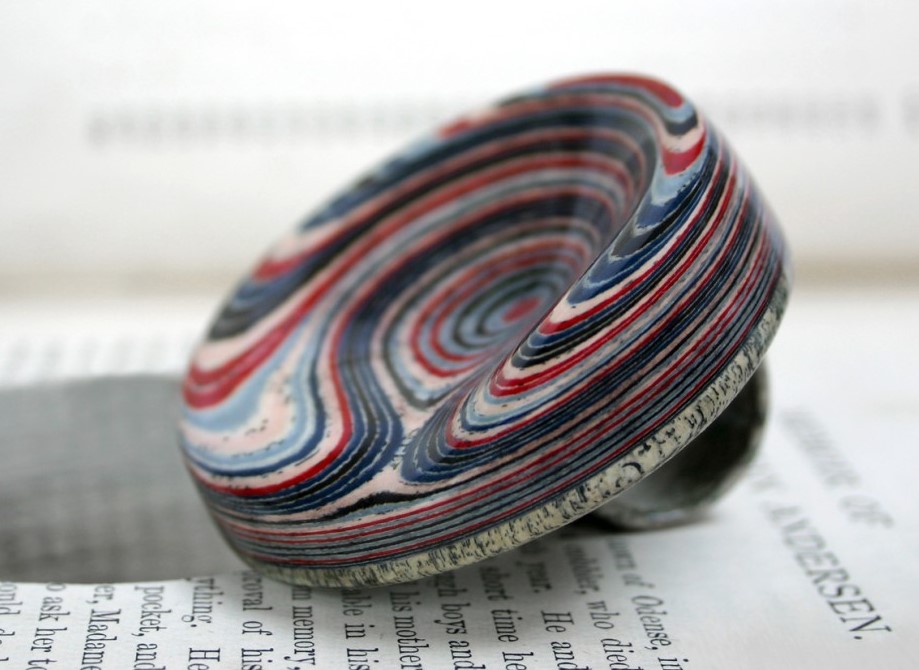
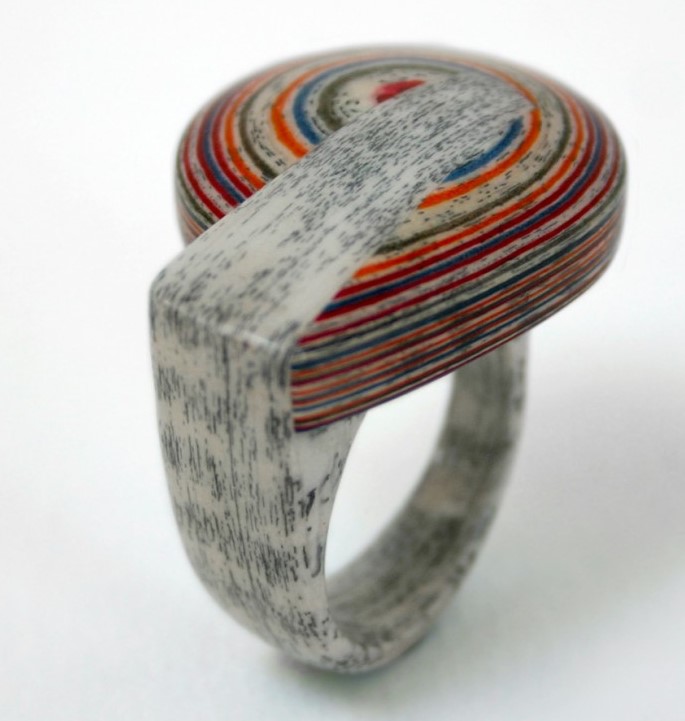
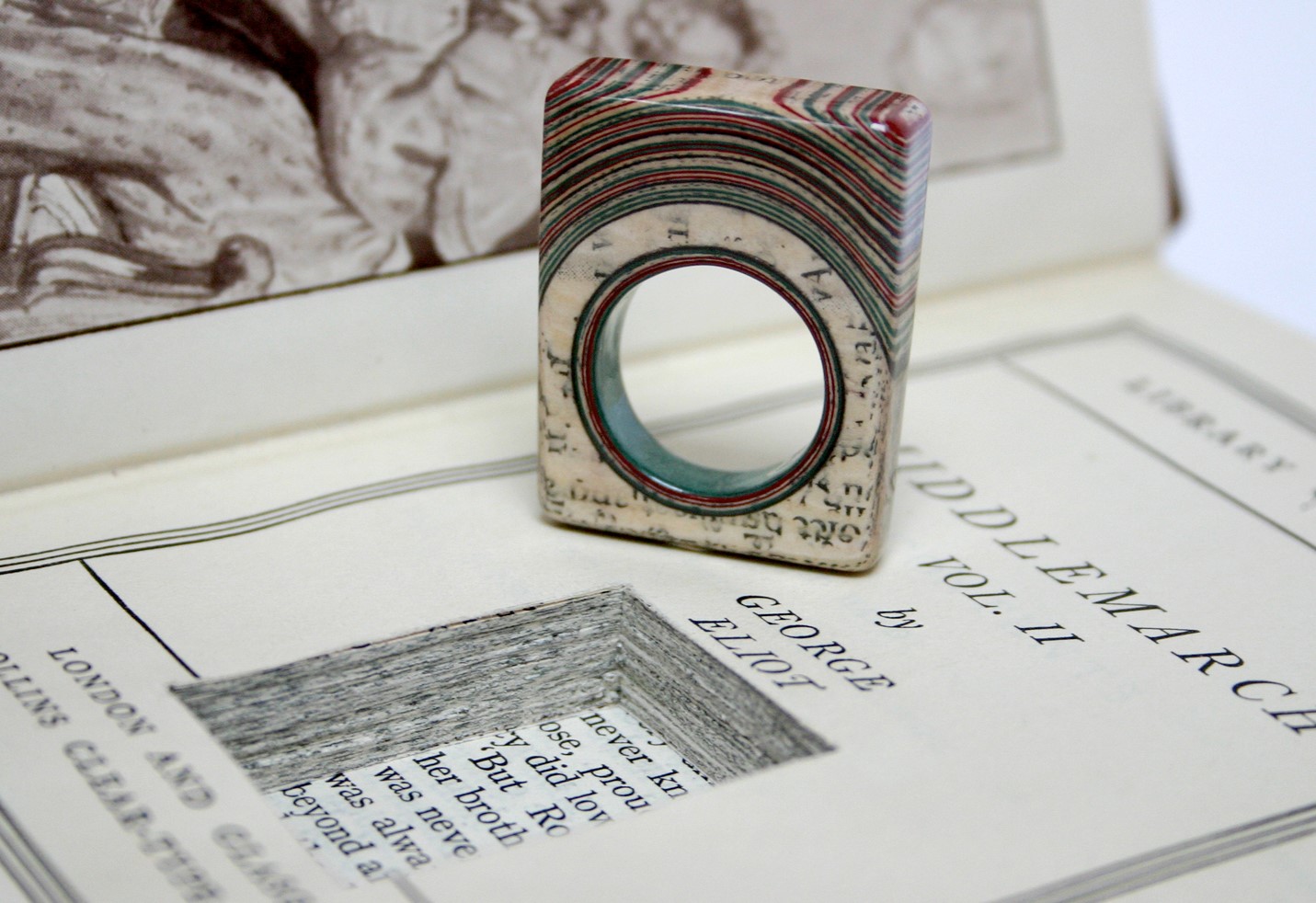
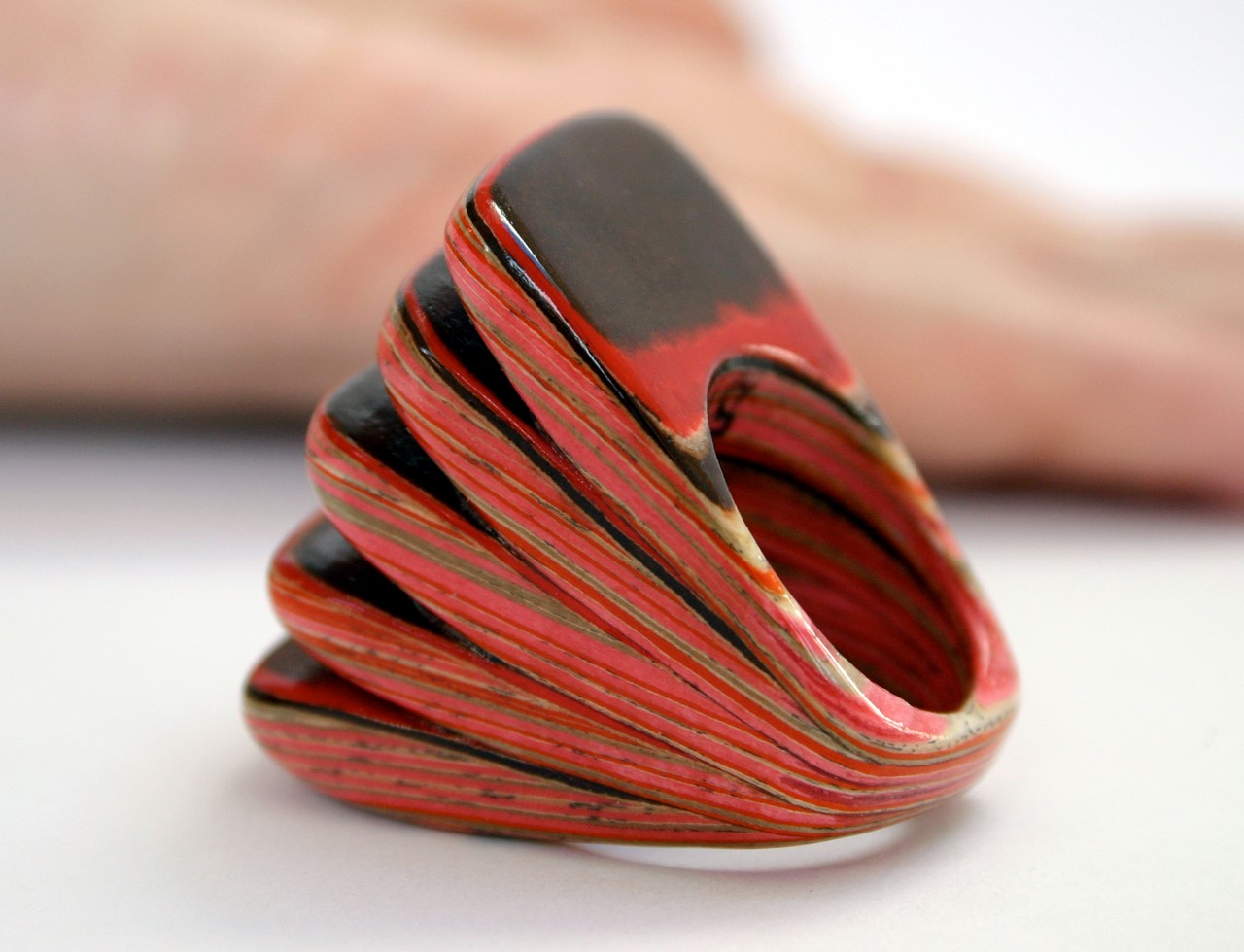
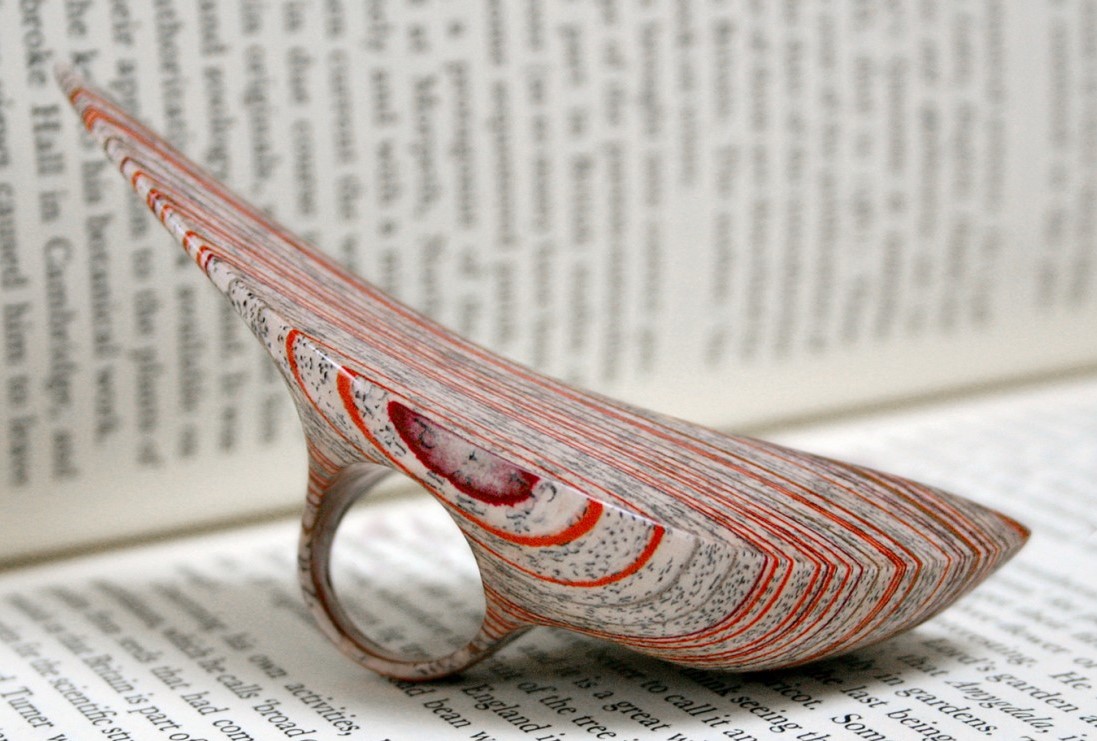
Jewelry maker Jeremy Mays designs wearable pieces from the layered pages of vintage books, transforming their content into unique works that are nearly impossible to trace back to their paper origin.
To make these multi-shaped works, May first laminates hundreds of sheets of paper together.

He then creates the shape for the piece and finishes it off with a high gloss coating.
After production, May often inserts the works back into the books, bringing the transformed and colorful pages back to their material source.
The rings may lose the words and image of the original book, but May keeps references with photographs and copy of the ring’s former life.
The rings May makes all are inspired by books he thinks are perfect examples of literary beauty.
A beautiful way to keep the written word.
More of Jeremy Fly‘s jewelry art can be found at http://littlefly.co.uk/.
The wonderfully exciting and exhausting adventure of printing my own book goes on.
As many of you know, I’m planning on publishing 4 of my novels. I want to give them to my family and friends so they can see what my writing is all about. I’d also sell them through Amazon and WordPress and any which way if someone was interested in the time-travel thread.
But I have started the process three times and have stopped dead in my tracks every time.
I am thinking of going through CreativeSpace. It’s a division of Amazon, and you can publish your book with no bells and whistles for a very reasonable per-book price.
But then the bells and whistles start going off.
Pick a size –6×9 is most popular. Well, of course, I knew my page count would increase. No biggie. But then I flash through the pages and wonder — should I cut some copy? Are there any mistakes hidden between the pages? Now this is a book that’s been around in one form or another for over 15 years. I think by now if there were any typos I’d have found them. But the thought of putting those words down permanently in a book forever and ever just gives me the heebee geebees. Like I need to proofread it one more time. Well, if I want to get this and another book done by Christmas, that ain’t happening.
Then you have to pick a cover. Sounds easy. But suddenly I have to figure out what kind of impression I want my book to first have to readers. Like WordPress, I can’t afford a custom design, so I go through the free templates a dozen times. Dark blue in a circle? Field of wheat? Flowers?
And what if it’s a series (which it is)? Do both covers look alike? If it’s a set of two, how will anyone tell them apart? It’s not like there’s a choice of shades of same here.
Should I go with the name Claudia Anderson? C.A. Anderson? A pseudonym? If I go with a pseudonym, how will my friends and family know it’s me? Who is Dream Regret, anyway?
Then there’s getting my book out there. Do it with Amazon and they will list my book. Great. But for an extra fee they will send out notices to libraries, book stores, etc. Is my book that interesting that a library in Montana will want it?
So although I’ve made the decision to publish my book, now that I have to put my foot in the water I’m afraid of an alligator biting it off.
In a day and age such as we live in now, that should be the least of my problems.
Let me know how your publishing dreams went — or are going.
“The more that you read, the more things you will know. The more that you learn, the more places you’ll go.”
~~Dr. Seuss, I Can Read With My Eyes Shut!
*
George Peabody Library, John Hopkins University
*
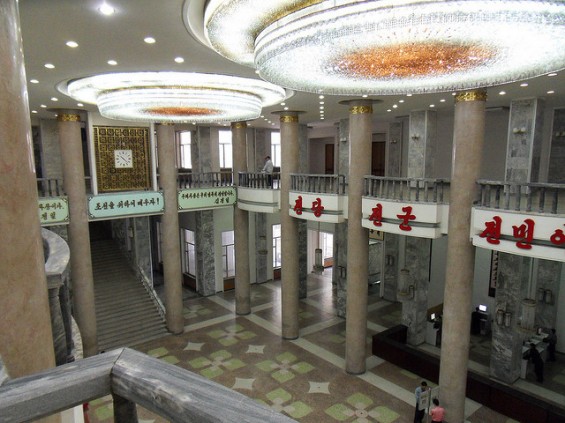
Grand People’s Study House, North Korea
*
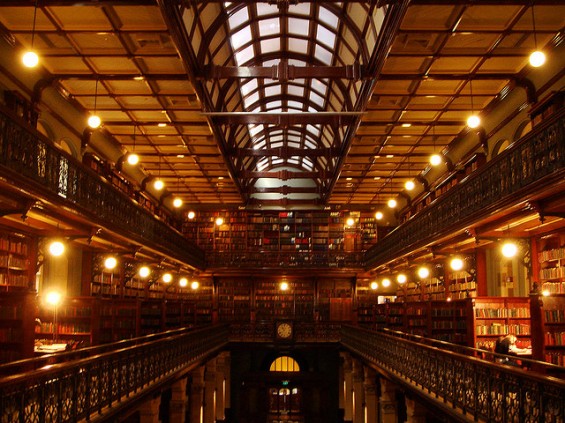
The State Library of South Australia
*
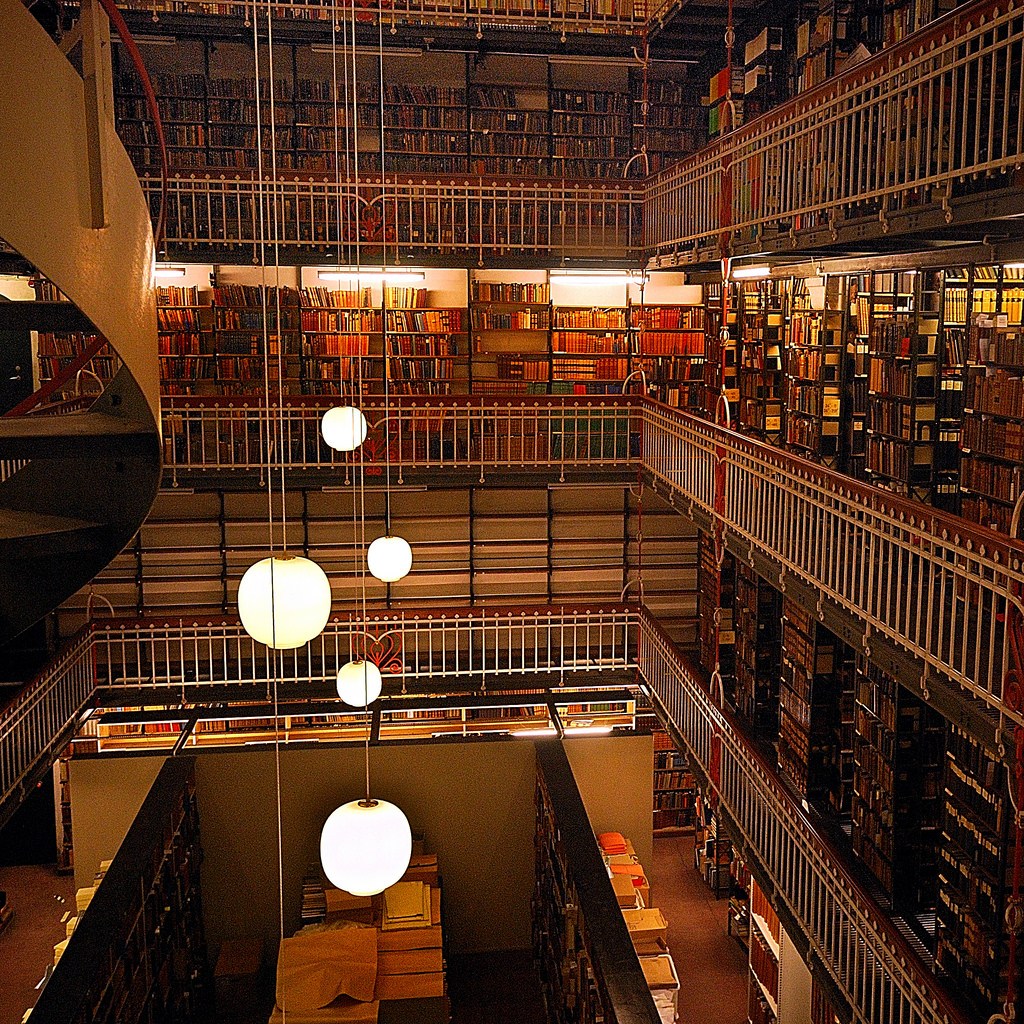
Royal Danish Library
*
José Vasconcelos Library, Mexico
*
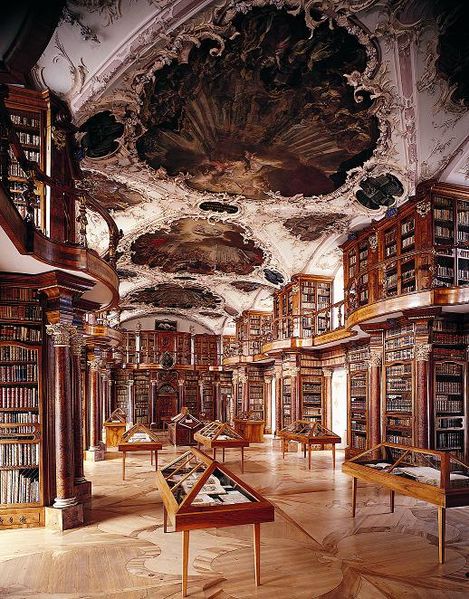
Abbey Library of St. Gallen, Switzerland
*
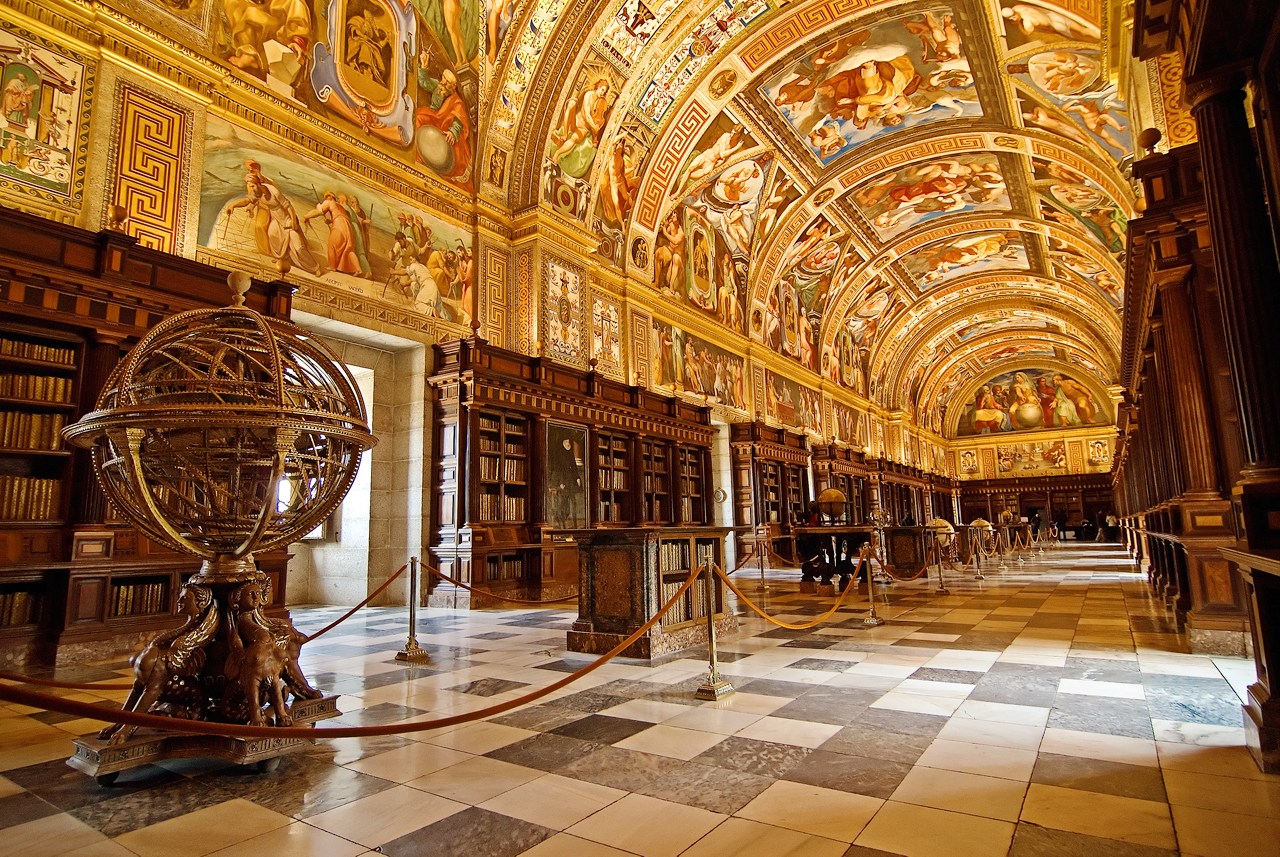
Royal Monastery Library of San Lorenzo de El Escorial, Spain
*
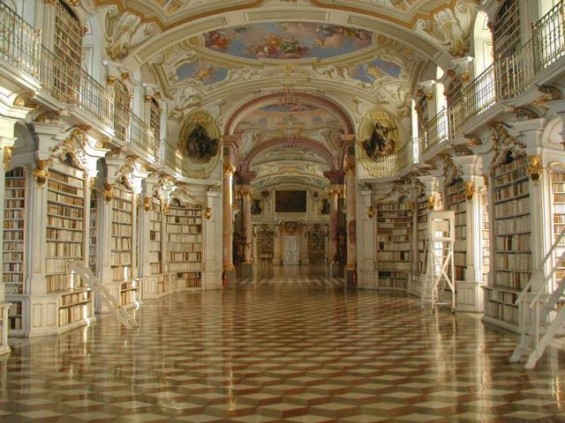
Admont Abbey Library, Austria
*
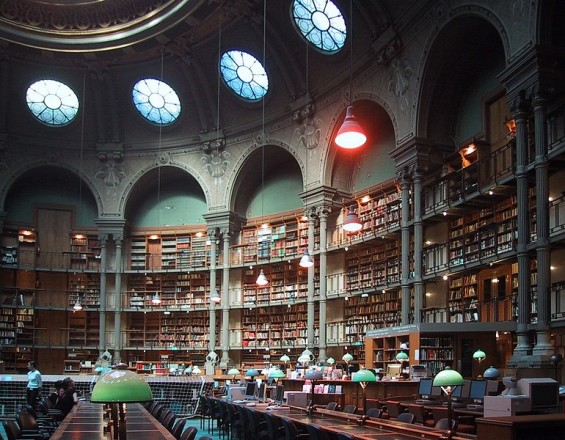
Bibliotheque Nationale de France, France
*
Salt Lake Public Library, Utah
In the cold, crappy days of winter, I find myself wanting to be entertained while I’m stuck indoors.
TV gets old fast. I’ve limited favorite shows to all the Chicago’s (Fire, PD, Med), Face Off, and, if I can stomach it, Hell’s Kitchen. I’m also a fan of Grimm, which always opens doors to my other cold weather passion — reading.
I’m in the mood to read something spooky. Something heart-pounding. Something that keeps me up until midnight (like I need that). I have read a few of Stephen King’s earlier works (The Stand, The Shining, Carrie), and a couple of Dean Koontz. (I can not get through his Intensity; family and friends have all read it and praised it but it gives me the creeps.)
I always wonder why milquetoasts like me want to read something that nightmares are made of. I know I’m not alone — good scary movies and good scary books are talked about long after the mediocrity of other books has passed. And, like movies, not just blood and guts. Anyone can talk Dissection 101 and make is painful.
I look for books that creep me out without scarring me for life. Ones with twists and surprises and a satisfactory, if not super positive, ending. For being a writer, I know it is one’s imagination that needs to be taken care of first. If your scope is narrow, so is your experience of the world. If your imagination is fertile, your imagination takes wing. You can imagine things before you see them. Which is the basis of any good book. Things don’t have to be spelled out in black and white to be understood.
So the purpose of this little Tuesday night gathering is — do you have any books that fit the above criteria? Creepy, scary, adventurous, fun? Books that keep you awake at night?
Also — has anyone read H.P. Lovecraft’s works? I’ve been thinking of ordering them, as he was ahead of his time in his ideas and writing.
Like blogs, Twitter, and movies, I think recommendations from friends are far more enjoyable than those from an advertiser.
And maybe, through your suggestions, NONE of us will get much sleep.
…Plato
I don’t often get many responses to my blogs, as most of my readers are very busy and read on the run. For those of you who do like to drop a word or six (for which I am eternally grateful), I have a question for you.
Would the following prologue make you want to read more?
Every now and then I like to recommend other blogs, websites, books and music that have touched me in some way. I am not a walking advertisement, for my likes are not always yours. But now and then I enjoy sharing things that have made me smile more than once. My sphere of connections is quite limited, but now and then I luck out and find a friend that is more than that. My friend, Jillian Maas Backman, and I have been buds since our kids were in 1st grade (they are now both 24). She was my first friend when I gave everything up in Illinois and moved to Wisconsin to open a bed a breakfast, by my side when we sold same B&B, listened to my griping about all my jobs since, and fueled my love for Writing and the Arts. She also is an intuitive life facilitator, radio show host, and book author. What is an intuitive life facilitator, you may ask? In a nutshell, she has the uncanny ability to connect with your heart and soul and see what’s really going on in your life. I believe we all have that ability, but most of us don’t either see it, feel it, or pay attention to it. Jillian just is one of those people who have “IT.” Now you all know about Goodreads (https://www.goodreads.com). Everyone has checked out this site for book suggestions, reviews, and just great chit chat about the world of Books. Jillian’s book, Beyond the Pews: Breaking with Tradition and Letting Go of Religious Breakdown, has been a recommended read for almost three years. To thank her loyal followers, she is running a contest through Goodreads. It’s simple, straight forward — no strings, no sticky glue. Three lucky readers will win a FREE signed copy of her book, Beyond the Pews, along with a FREE one-half hour private intuitive consultation. To be eligible, all you need to do is sign up through the Goodreads GIVEAWAY program! I’ve already read the book (which really made me feel good about myself), and Jill and I are the kind of friends who skip the deeper, cosmic, one-on-one side of things to deal with more mundane things such as kids out of college looking for jobs and retro designer shoes. But I know if I’m ever hung up my “bigger picture” she will always be there for me. Go on and check out Jillian’s website (www.jillianmaasbackman.com), read her book ( http://jillianmaasbackman.com/book), enter the Goodreads contest ( https://www.goodreads.com/giveaway/show/96961-beyond-the-pews-breaking-with-tradition-and-letting-go-of-religious-loc). The deadline to enter is July 16, 2014. If you can’t get to check any of the above out, it’s okay. Find a best friend, share a glass of wine or orange juice, and love them for who they are. Listen to them, offer words of encourage when appropriate,and nod when words aren’t enough. Here is a bit from one of Jillian’s earlier blogs…once again, she’s on the mark… The phrases “live your life” and “follow your soul” have been blooming around us like a field of clover lately. Everyone has their own idea on how to “move forward”. Everyone has “insight” or “advice” to share with whomever will listen. On one hand that is wonderful. It is the beginning of an enlightened movement that encourages us to entwine our paths with others along the way. Some of us need a little guidance. Some of us need a little company. And truth is the only light we have to follow. But whose light do we follow? Is there a glow that is stronger down one path than the other? One’s word that is more spot-on than others? That is what the journey is all about. Finding your true path, your true direction in life, should not be one that frightens you with eternal darkness on one side and blinding light on the other. It should be the path that glows with your own footsteps. It’s the path that twists and turns and goes up the hill and down the crevice and still allows you to see your footsteps ahead of you. That’s why the shadowed feet behind you are nothing more than a means to an end. Where you have been is only a shadowed footstep. Nothing more.
I am an avid reader, along with being an avid writer. I love stories that jump out and surround you from the very beginning, making you feel what the characters feel, understand why they think and feel as they do. Writing is an arduous undertaking, cutting volumes of text in order to be able to turn on a dime.
Many great movies were great books first. Some movies, such as the Bourne Series, were nothing like the book. But both were great in their own way. Others, such as Shogun and Gone With the Wind, took a highlighted version of the facts, toning it more towards a visual, rather than a cerebral, experience.
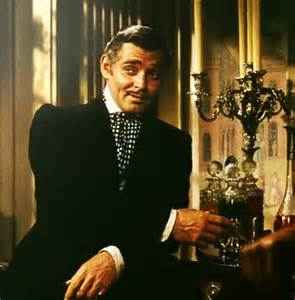
Certain movie stars had the ability to assume and consume the main characters until you couldn’t tell the difference. For better or worse, Rhett Butler will always look like Clark Gable, Harry Potter will always look like Daniel Radcliffe.
Now. For all you writers of novels, poems, short stories, and blogs. Have you ever had an actor or in mind to play YOUR main characters?
I have written three novels (unpublished…any one know a publisher? Ha…) Two of them are a set of stories about a middle-age woman who crashes her car and wakes up in 1880, and falls for someone half her age. My wandering mind always tosses this guy or that girl around as to who would be perfect for Anna and Darren. But there’s some blockage in my brain that I have yet to find someone who matches my daydreams.
My third novel is about another kinda middle age woman who travels with a visitor to his planet half way across the galaxy to help him find a murderer (see a pattern here?) Also a zero on those two, although a younger Derek Jacobi might work for the man; one of the King’s Consuls looks like Jafar, and the King could be an Aragorn lookalike. But the woman?
Well, for me, I can’t see my leading lady looking like Angelina Jolie or Kiera Knightley. I just can’t see those women playing women with age issues or body issues or insecurity issues. They don’t seem … vulnerable. Plus they’re way too skinny for my books.
What about you?
Who would you like to see play your leading man or woman?