Sunday Evening Art Gallery — Crystal Wagner

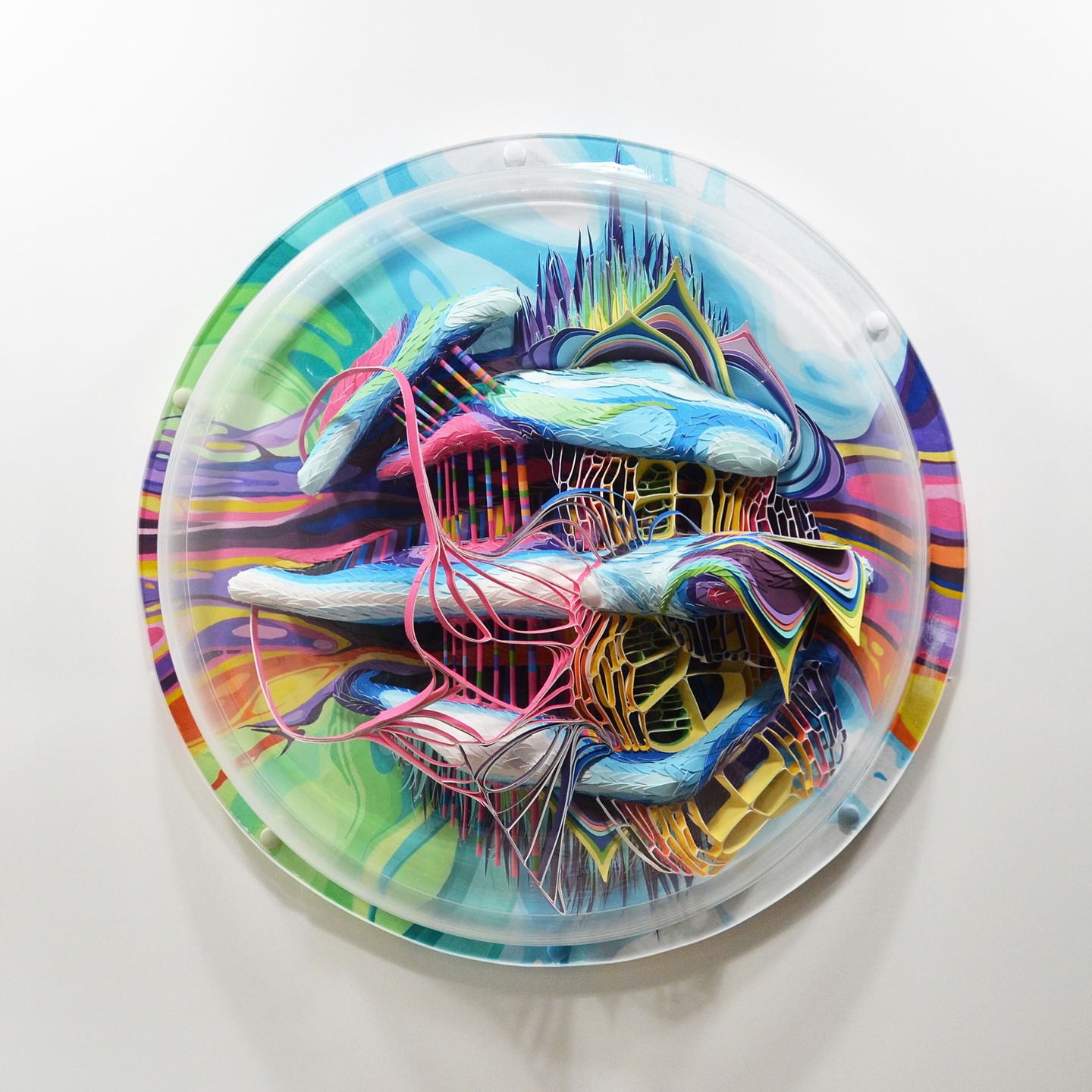
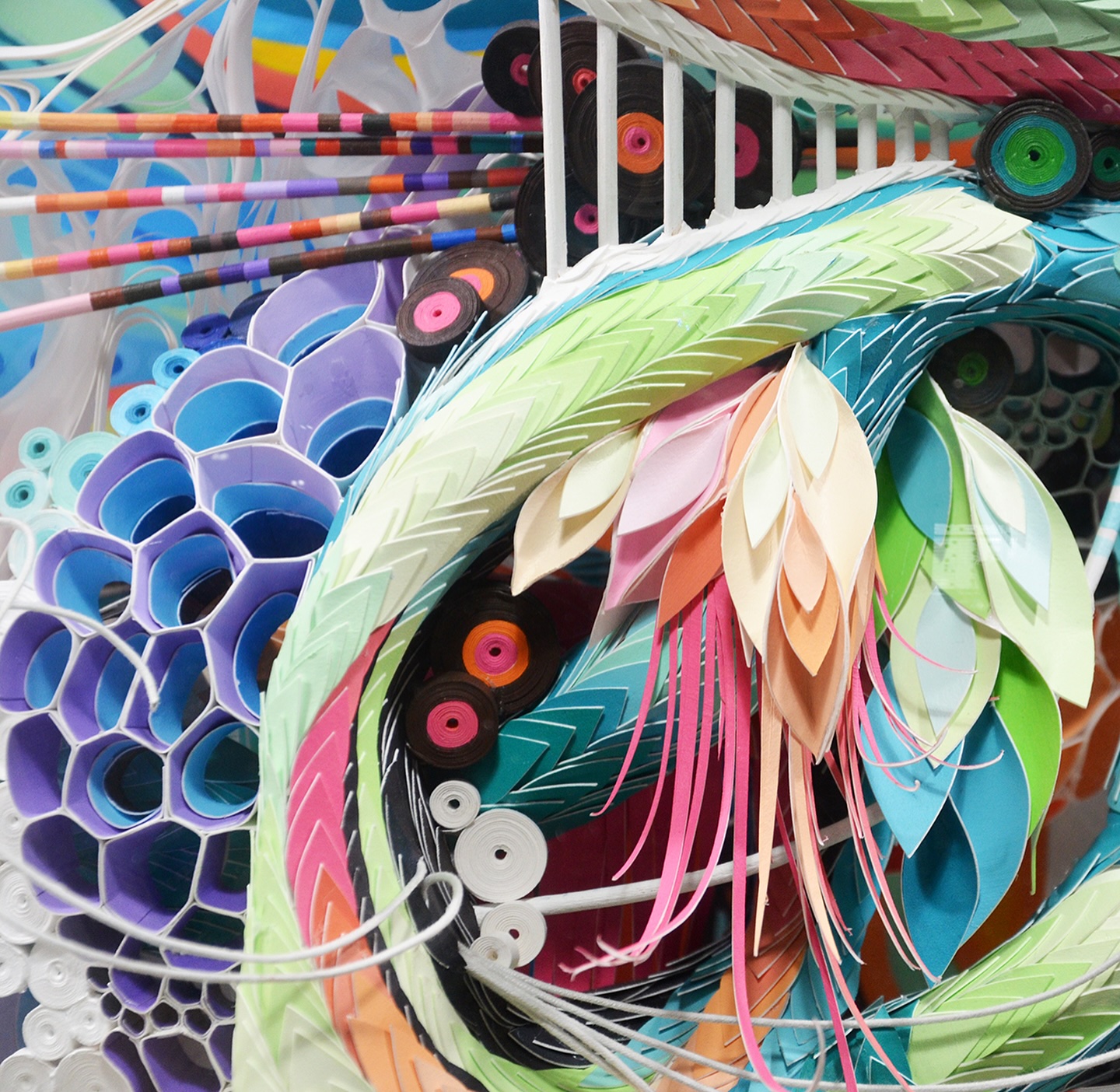
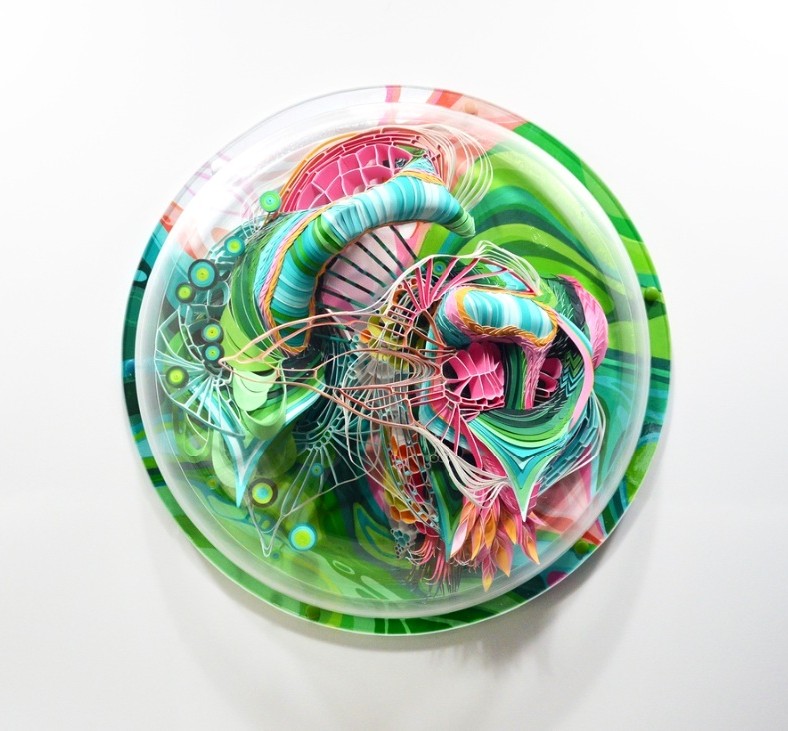
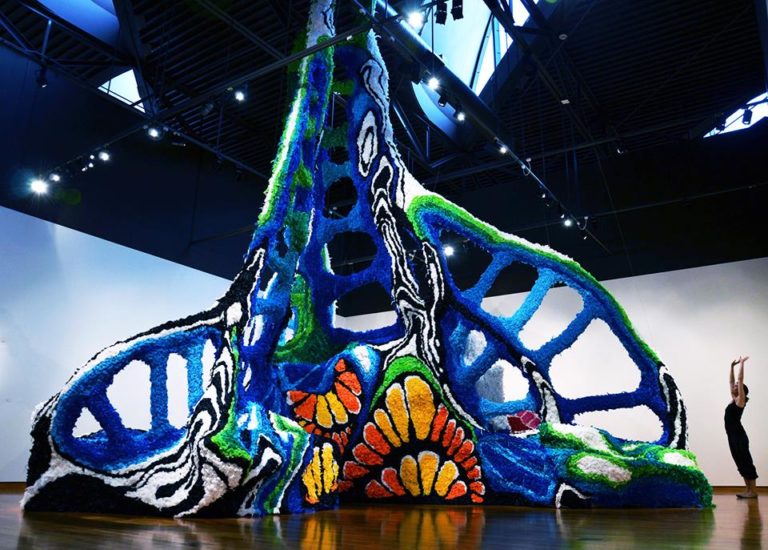
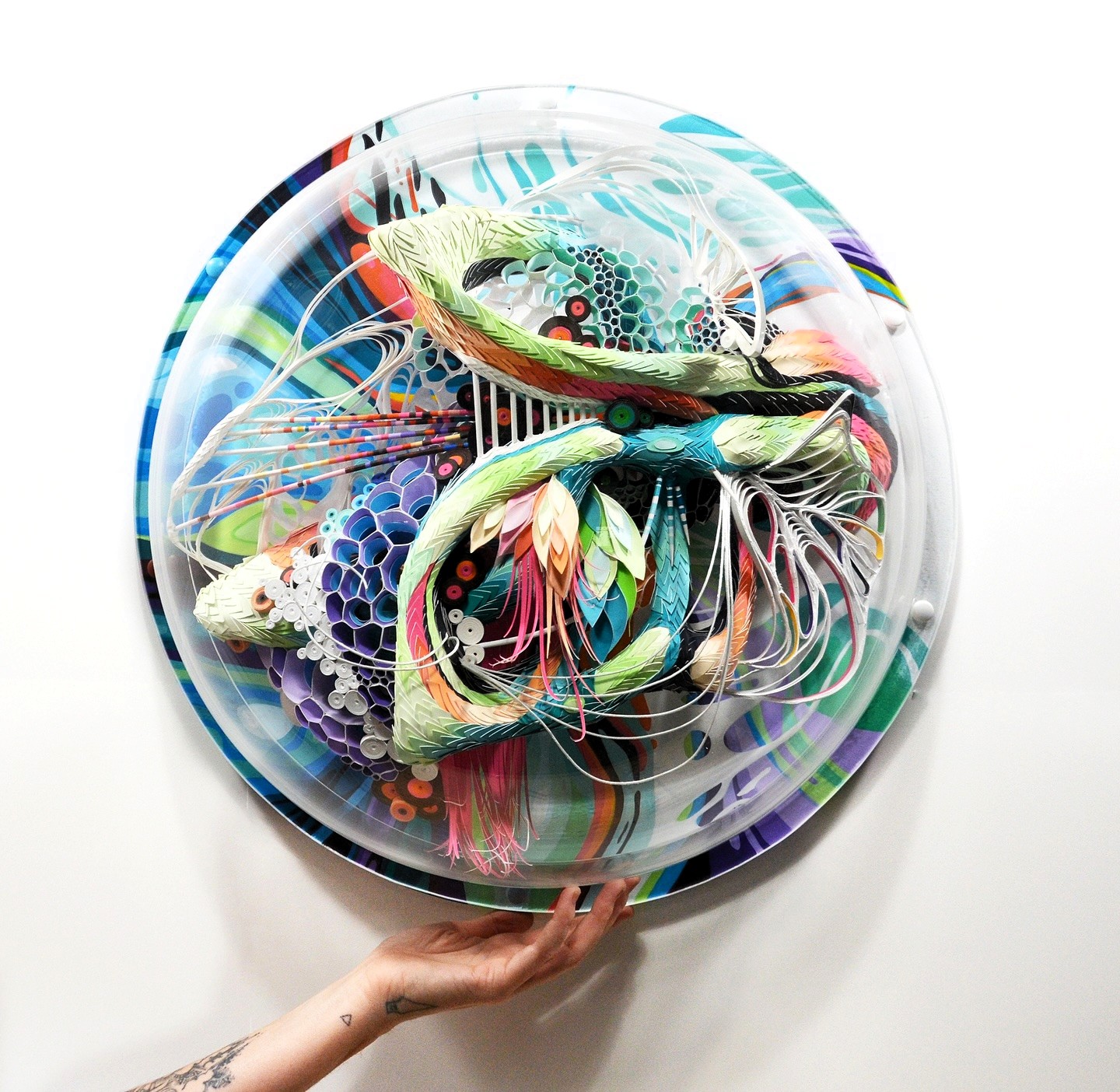
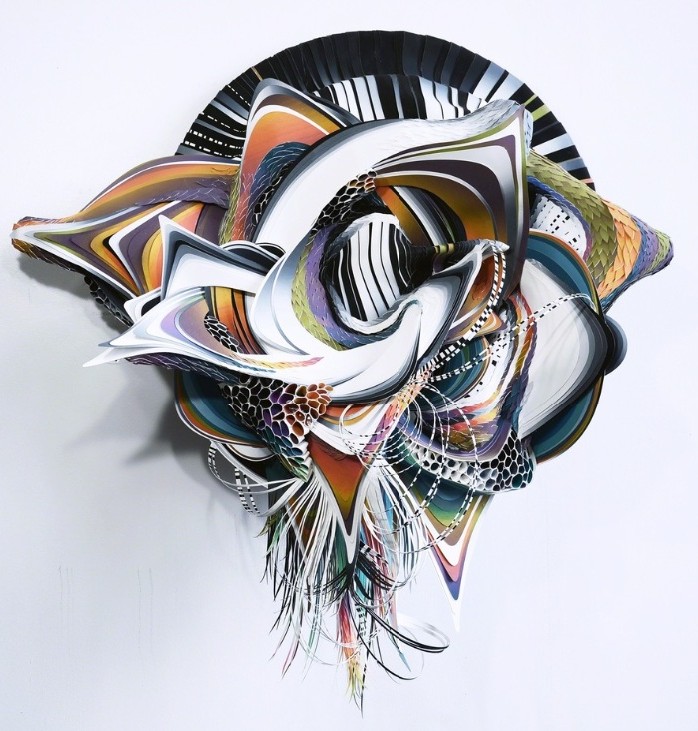
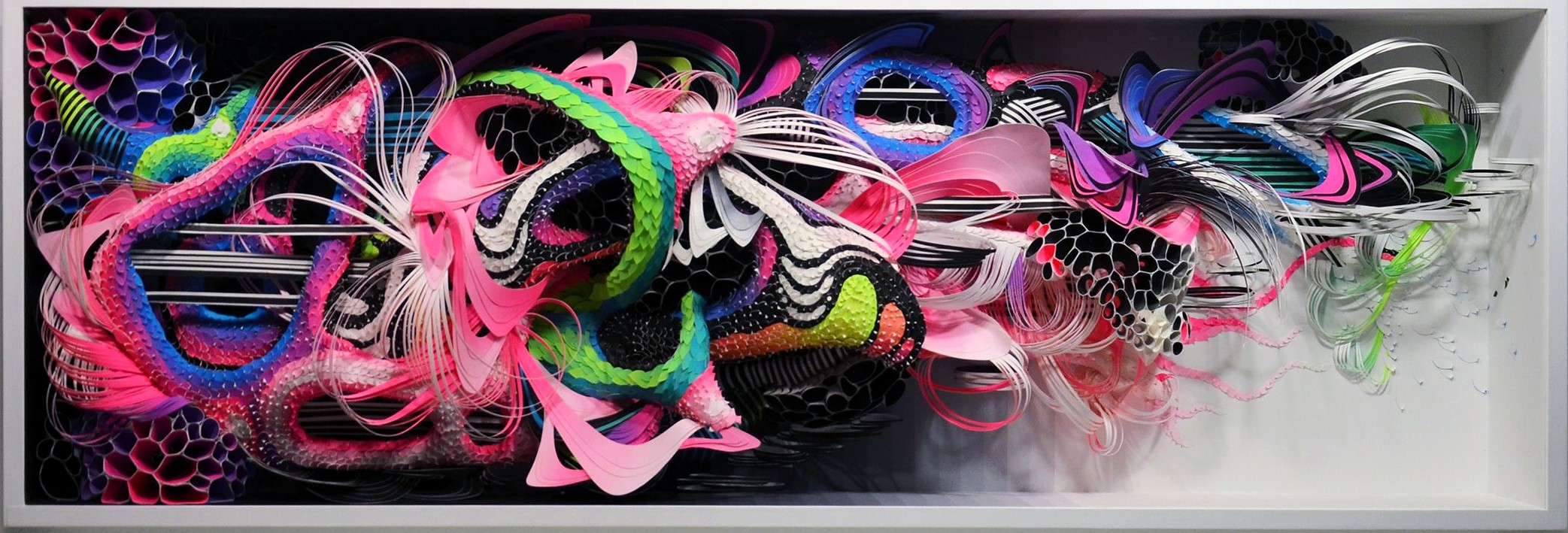
Crystal Wagner (-1982)  is a printmaker, a drawer and an installation artist from Baltimore, Maryland.Wagner attended Keystone College, a private liberal arts school in La Plume Pennsylvania where she earned her Associate Degree in Fine Art, receiving awards for both her prose/fiction writing and also her work as an artist. In May 2008, Crystal completed her MFA at The University of Tennessee.The artist is known for hand-cut wall-mounted paper forms and immersive, site-specific sculptures.Swirling maelstroms of color and texture are formed from quotidian objects: Plastic dollar store items like cheap tablecloths and straws.Wagner weaves them onto a wire armature where they take on a life of their ownThey evolve from their own mundane beginnings to mimic the natural world as they creep, stretch and grow in, around and through their environments.

She utilizes such humble materials as plastic tablecloths stretched over chicken wire to uncanny effect.Her intricately constructed biomorphic works conjure a feeling of wonder from everyday materials and suggest new possibilities for mass-produced, disposable materials.

More of Crystal Wagner‘s wonderful sculptures can be found at https://www.artsy.net/artist/crystal-wagner and https://www.instagram.com/artistcrystalwagner/?hl=en.


Sunday Evening Art Gallery — Julia Lucey

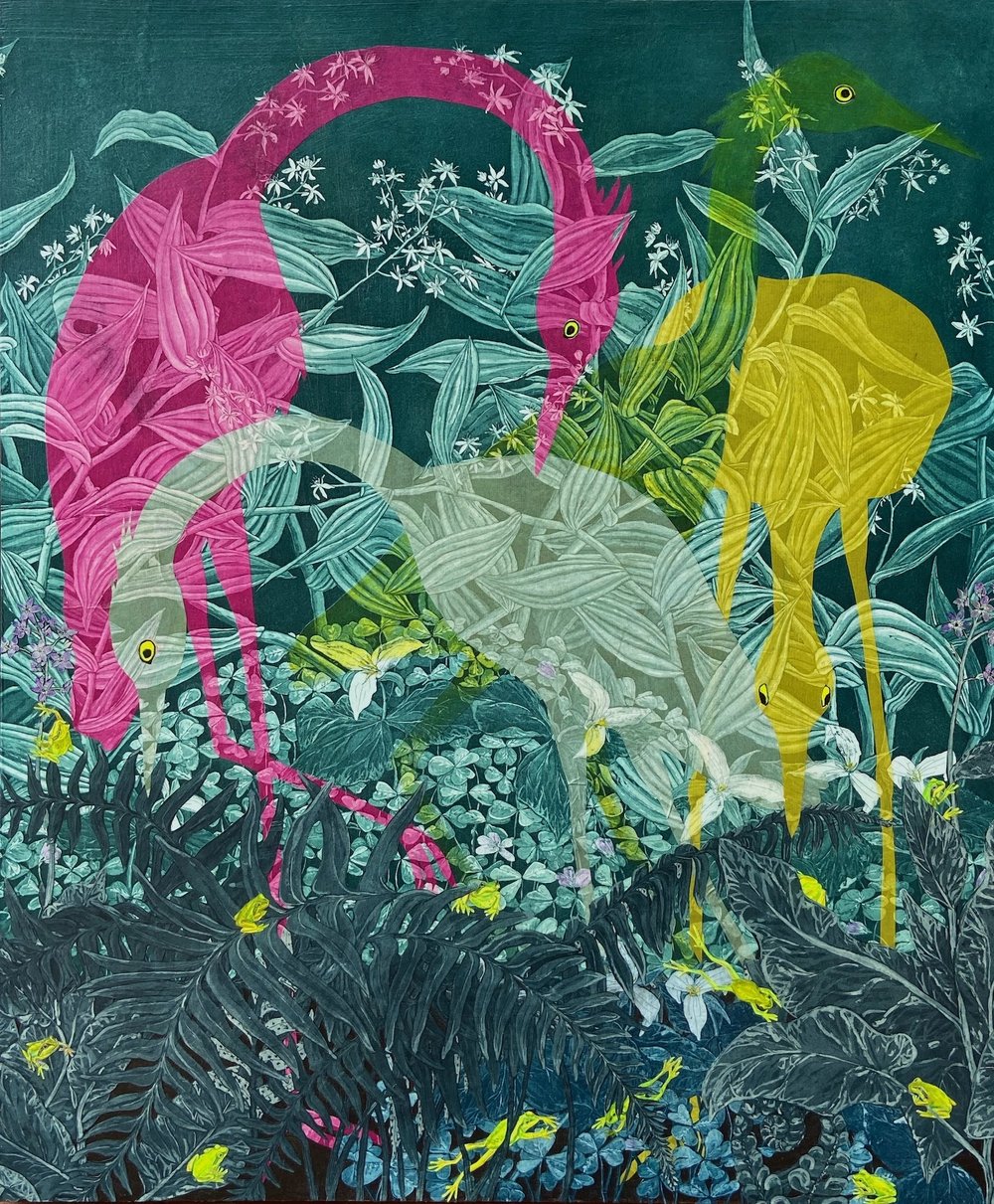
Julia Lucey is a printmaker based in Fairfax, California.

Lucey received her BFA in printmaking from the San Francisco Art Institute and a MA in Education at Loyola Marymount University.

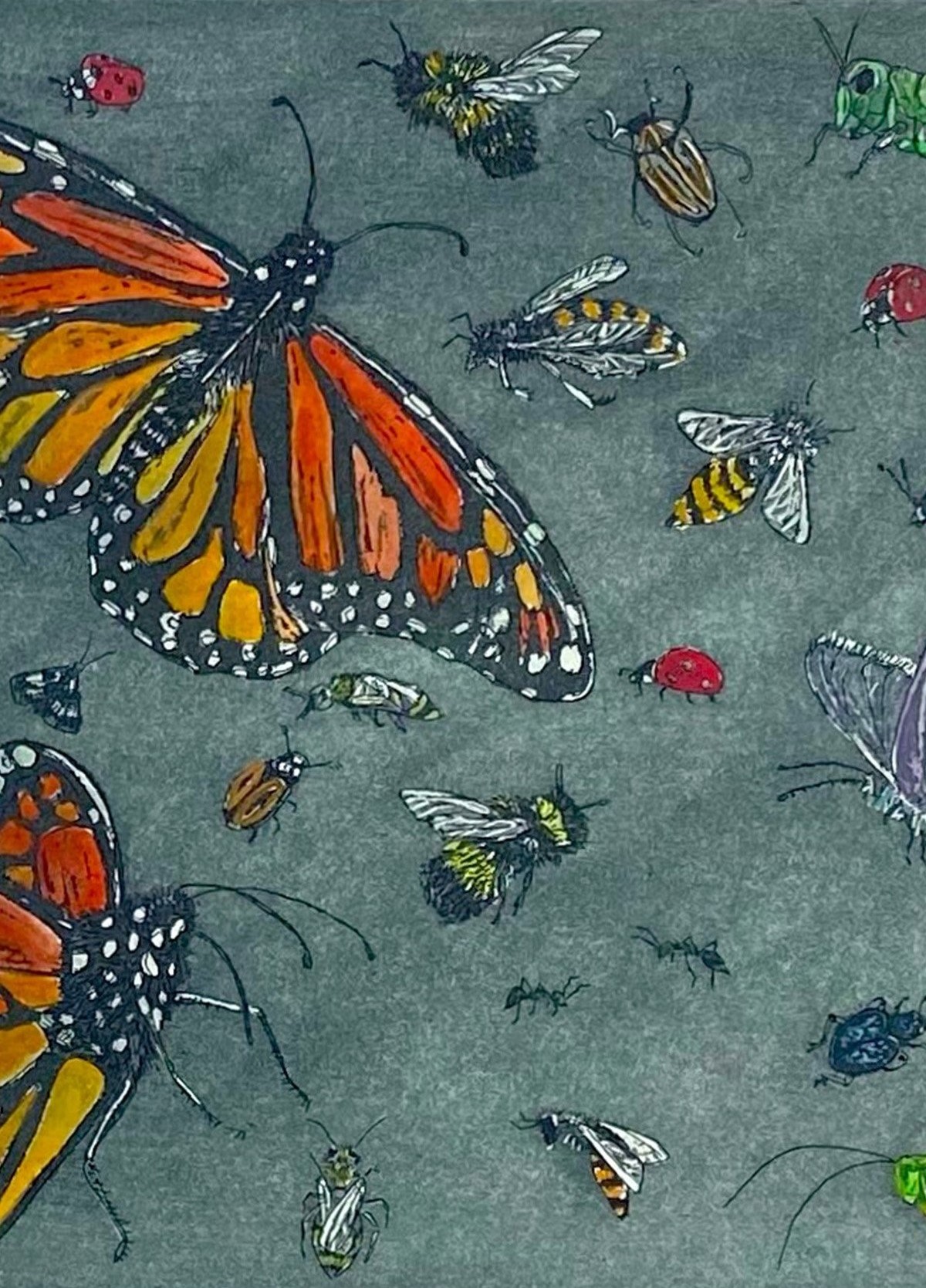
As an Artist-in-Residence at Kala Art Institute, the artist has focused on traditional etching techniques as well as aquatint, a printmaking technique that produces tonal effects by using acid to eat into the printing plate (which creates sunken areas which hold the ink).

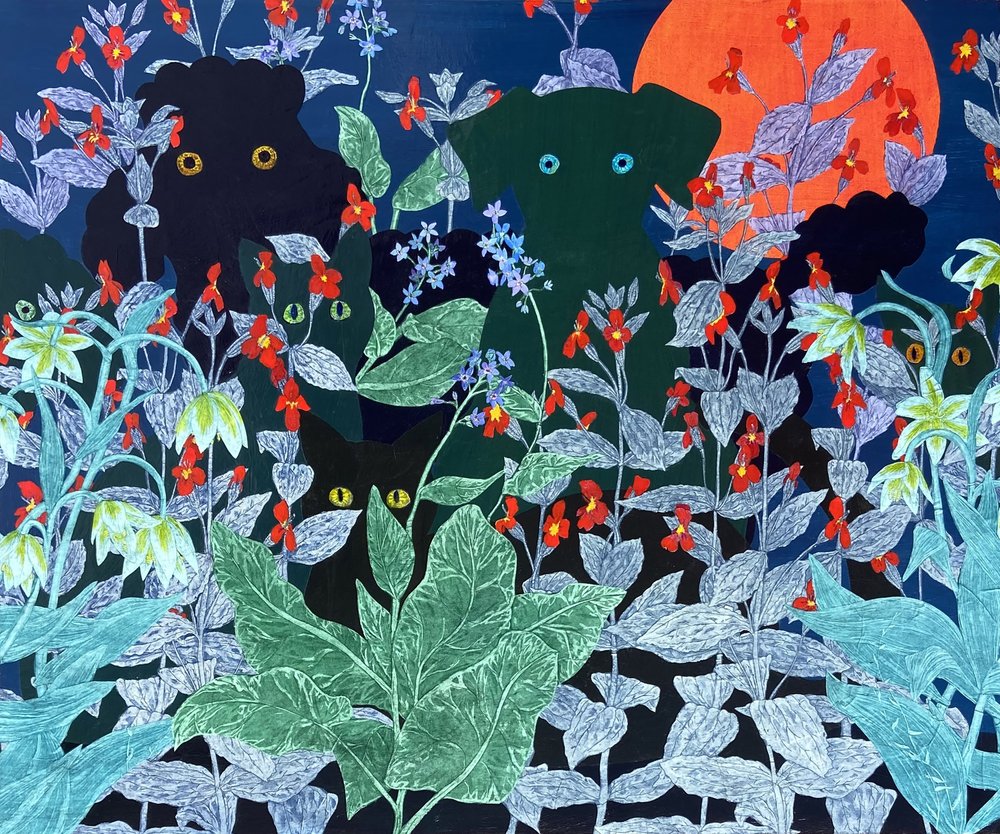
In the most current body of work, her traditional etchings are cut out of the paper and reassembled into new landscapes on panel.

“As a printmaker, using traditional etching and aquatint techniques has allowed me to explore the ideas of nature, wildness, wilderness and the human attempt at wildlife management,” Lucey shares.

“In my newest body of work, I am looking at two concepts. First, is to look at humans (and my own personal desire), to observe and know the natural world scientifically.

“The second concept is the use of this knowledge of nature to try to control wildness to fit human needs.”

More of Julia Lucey‘s remarkable prints can be found at https://www.julialucey.com/.


Sunday Evening Art Gallery — Vanessa Lubach

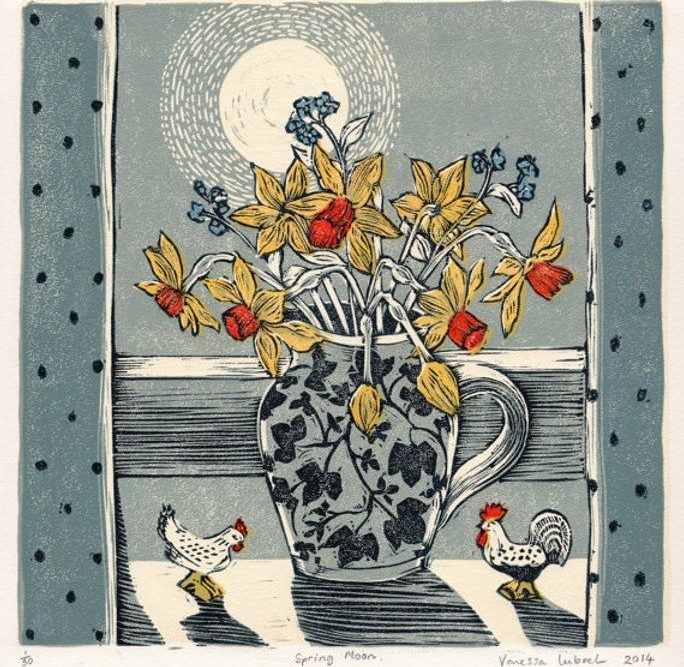
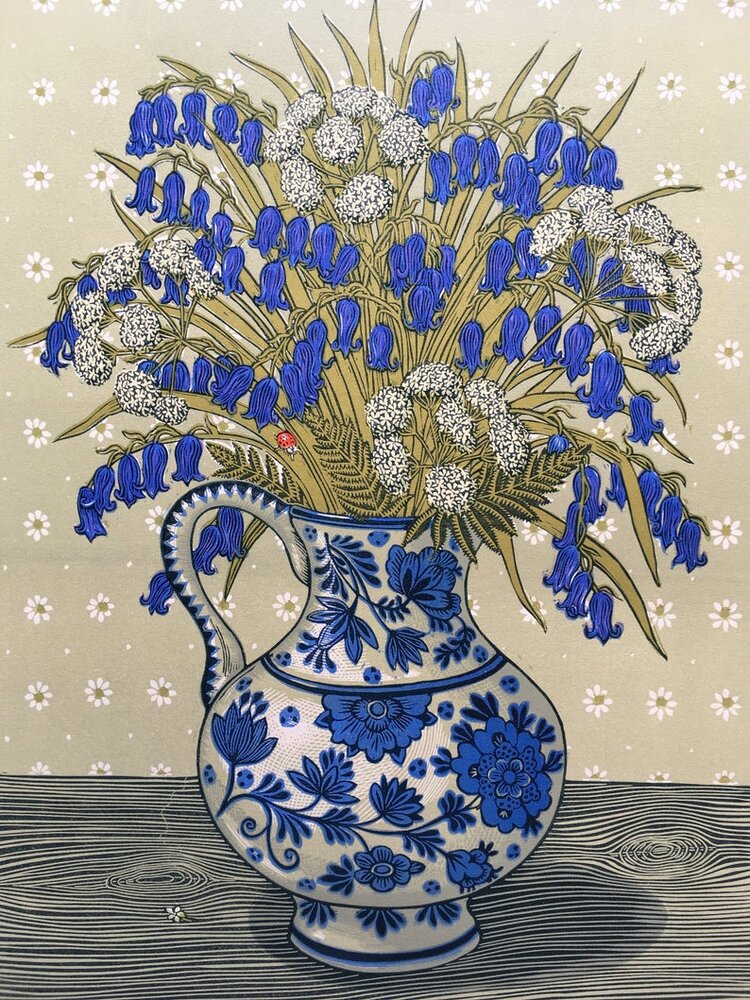
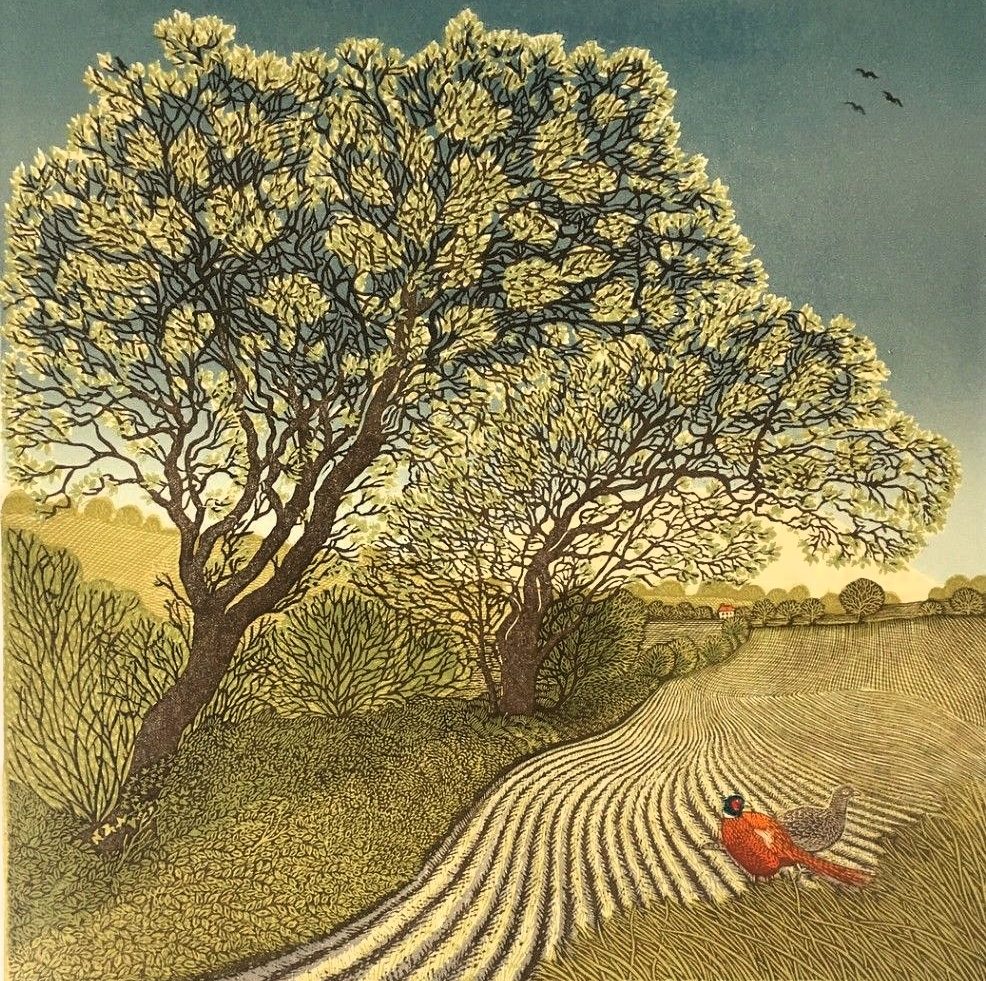
Vanessa Lubach is a linocut illustrator and artist who grew up in Oxfordshire and trained as an illustrator in Brighton, England, graduating in 1990.Drawing from observation has always been at the core of Lubach’s work, whether it is illustrating, painting or printmaking.Each piece begins with a sketch and a general idea of the palette.After drawing and carving the main image, or key block, she prints and transfers the composition to additional blocks designed for each individual color.Her linocuts are intricately carved and multi-layered,  and some pieces take almost a year to complete.Lubach likens her printmaking practice to the intricacies of oil painting, and draws on her color experiences to inform her vibrant compositions.“I linocut like a painter and paint like a linocutter, and the two disciplines work together to inform and enhance each other,,” Lubach shares.More of Vanessa Lubach‘s lovely prints can be found at http://www.vanessalubach.co.uk/ and https://www.instagram.com/vanessalubach/.


Sunday Evening Art Gallery — Albrecht Dürer

Albrecht Dürer (1471 –1528) was a German painter, printmaker, and theorist of the German Renaissance.

Praying Hands


He was a brilliant painter, draftsman, and writer, though his first and probably greatest artistic impact was in the medium of printmaking.

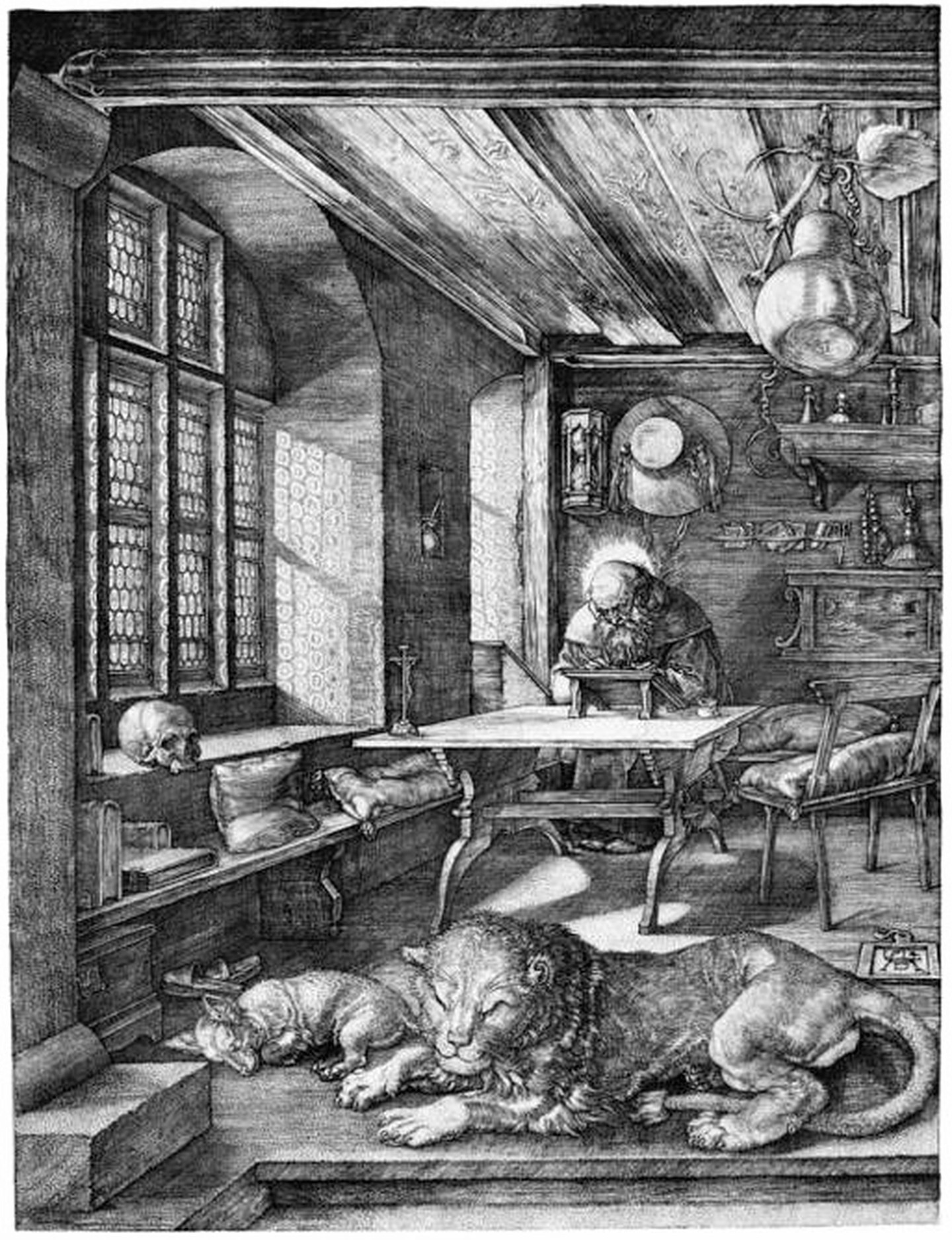
Saint Jerome in his Study


Born in Nuremberg, Dürer established his reputation and influence across Europe in his twenties due to his high-quality woodcut prints.

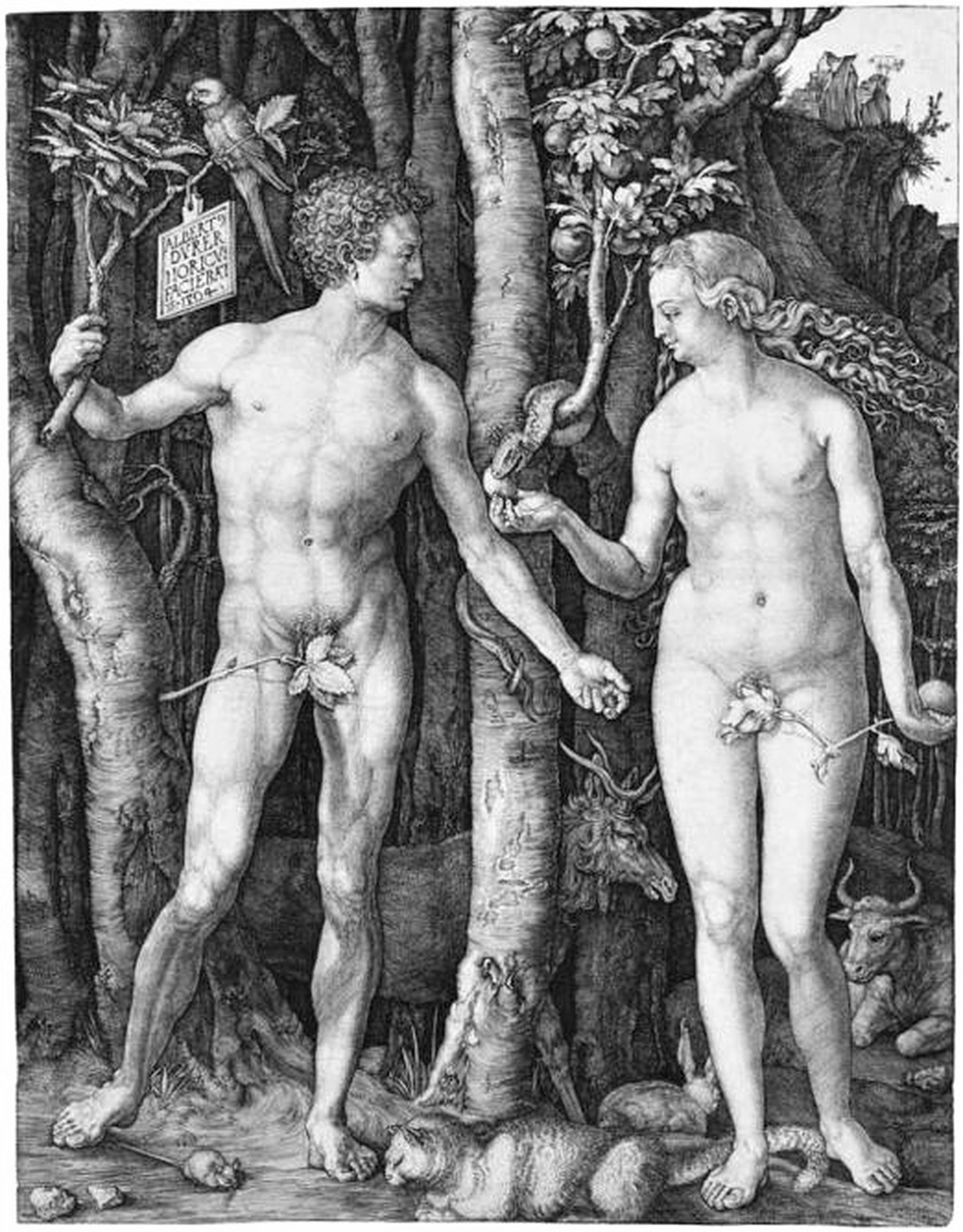
Adam and Eve


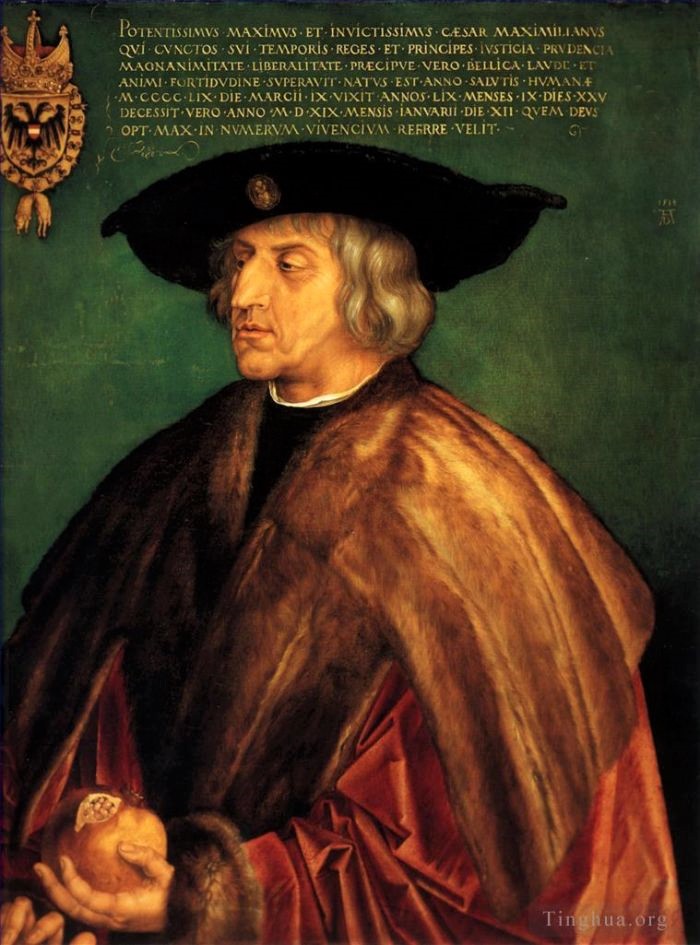
He was in contact with the major Italian artists of his time, including Raphael and Leonardo da Vinci, and from 1512 was patronized by Emperor Maximilian I.

Portrait of Emperor Maximilian I


He believed that geometry was essential for producing harmonic artworks, and thus that it should be taught to all young artists, alongside other mathematical rigors.

Feast of the Rosary


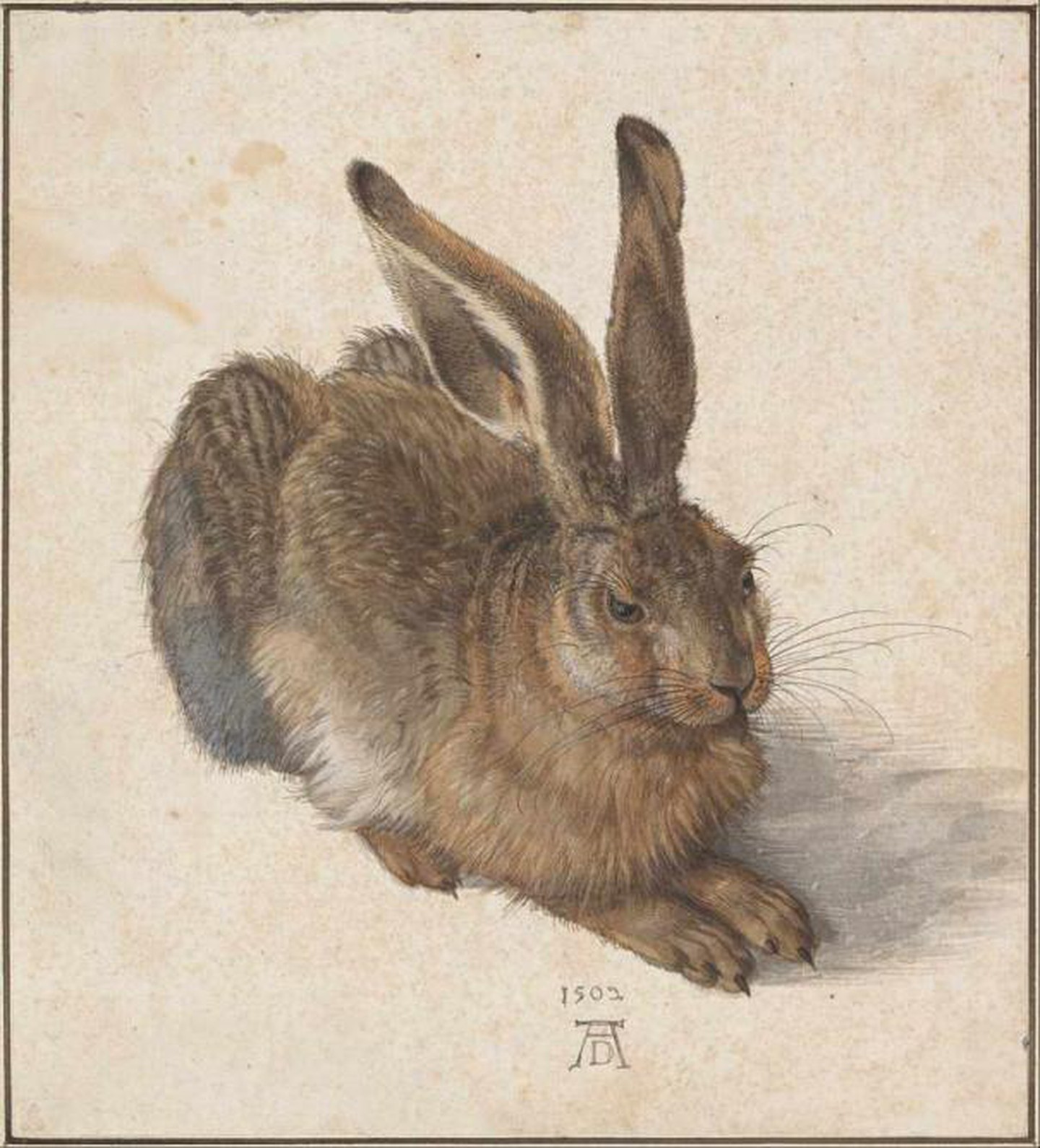
Despite his decidedly Renaissance interest in Humanism and mathematics, Dürer continued to produce extremely detailed studies of the natural world, particularly animals, be they newly discovered in Europe (such as the mythical rhinoceros and lion) or common native creatures (such as the hare, owl, or cat).

Young Hare


Dürer was well aware of his own artistic genius, which equally tortured and enlivened him.

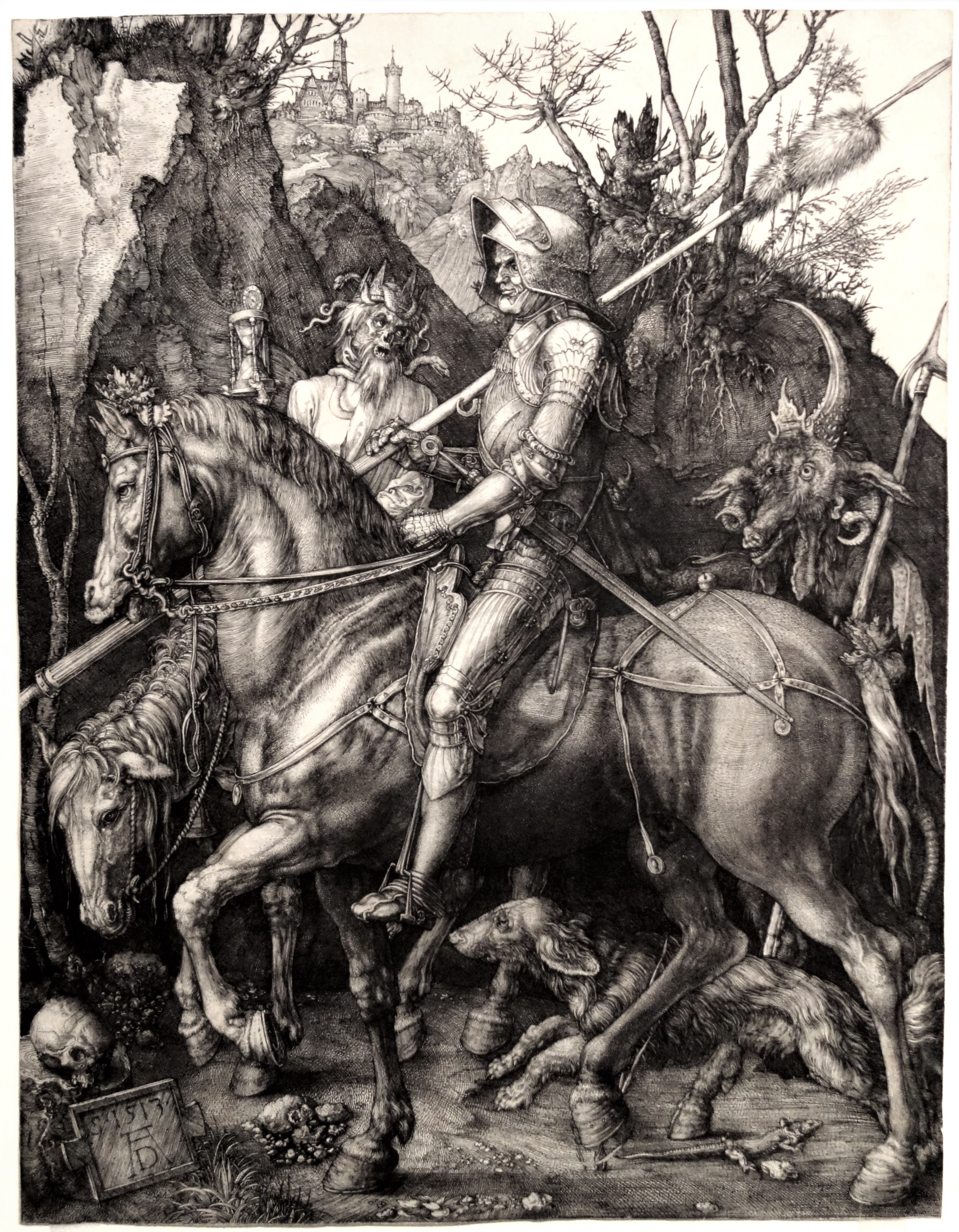
The Knight Death and the Devil


He painted a number of empowering self-portraits, and would often appear as a character in his painted commissions.

Self Portrait


More of Albrecht Dürer‘s art can be found at http://www.albrechtdurer.org.


Sunday Evening Art Gallery (midweek) — Utagawa Kunisada

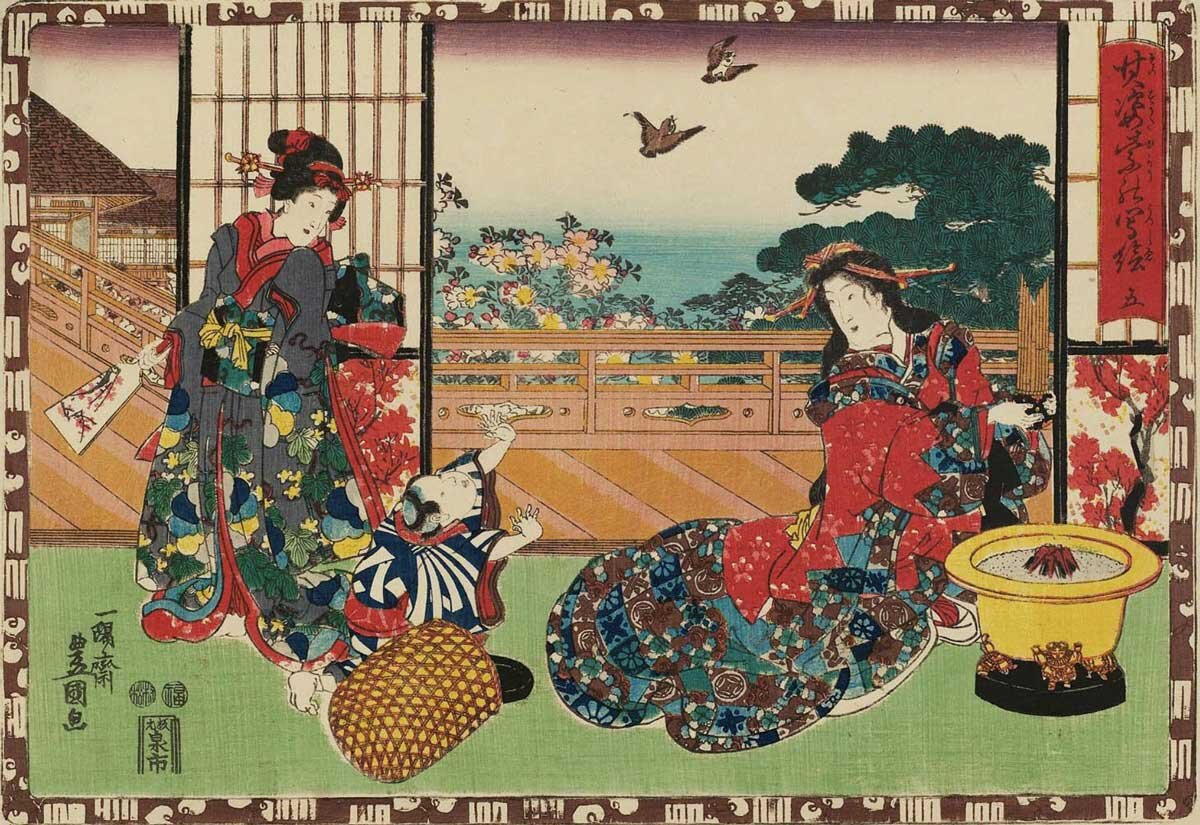
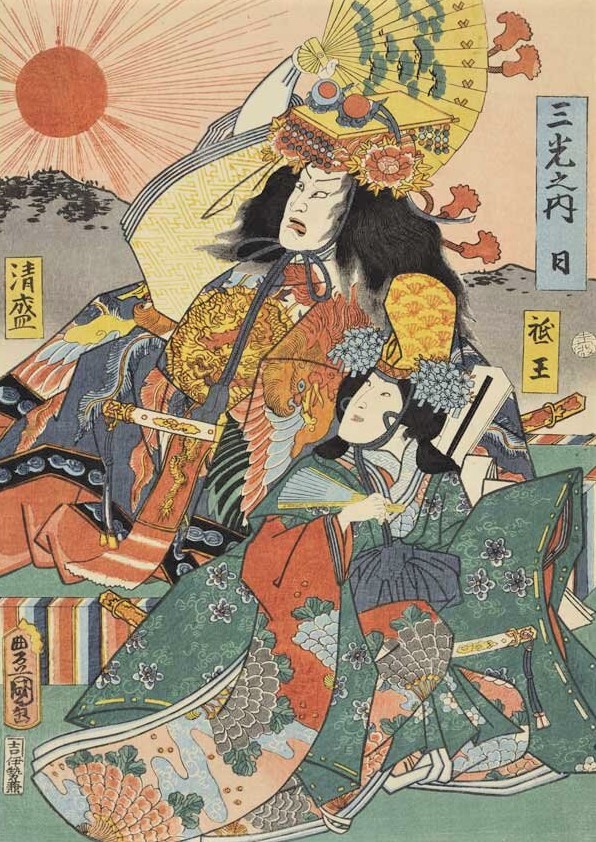
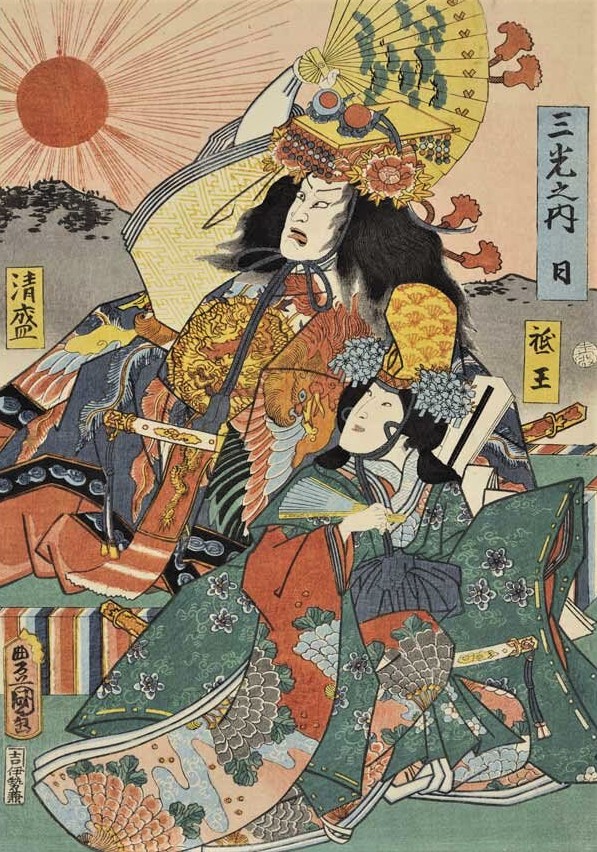
Utagawa Kunisada, (1786-1865) has been called the most prolific of all the painters and printmakers of the ukiyo-e (pictures of the floating world) movement in 19th-century Japan.Born in Tokyo (then called Edo), Kunisada was the son of a moderately successful poet, who died very early in his life.The young artist began sketching very early and developed not only a passion but a clear skill in the craft which caught the eye of the master of the Utagawa school of ukiyo-e, Utagawa Toyokuni.Kunisada started his career as a pupil of Toyokuni I whose name he adopted in 1844, becoming Toyokuni III. While he changed his names several times, he is commonly referred to as Kunisada or Toyokuni III.Almost from the first day of his activity, and even at the time of his death in 1865, Kunisada was a trendsetter in the art of the Japanese woodblock print.

Always at the vanguard of his time, and in tune with the tastes of the public, he continuously developed his style, which was sometimes radically changed, and did not adhere to stylistic constraints set by any of his contemporaries. 

Kunisada’s prints mostly consisted of kabuki actors, the popular trend of the period, but as he continued to perfect his craft there was a growth in the number, and the experimental nature, of shunga works which Kunisada produced.

In addition to actor prints (yakusha-e) and book illustrations (kuchi-e), he produced erotic prints (shunga), pictures of beautiful women (bijin-ga), landscapes and privately commissioned prints (surimono).

In his later years, Kunisada had truly perfected his craft. The depth, blends of color, and complex perspectives of his artwork truly set him apart.More of Utagawa Kunisada‘s prints can be found across the Internet, including http://www.kunisada.de/.