Looking Back on Whatever Day — Glassworks Part Two

How about a little glass work to start your day?

These artists are magical. I can’t believe what they can do. And I’m jealous. In a good way, of course….

Glassworks is one of my favorite Creative Crafts. I hope you enjoy these artists as much as I do.


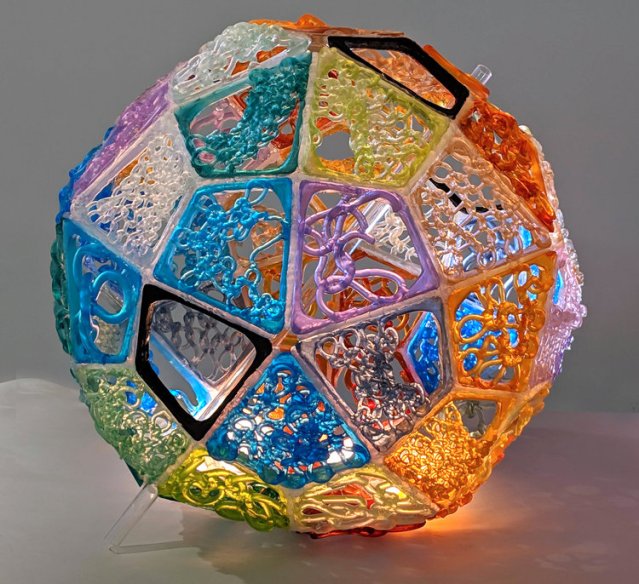
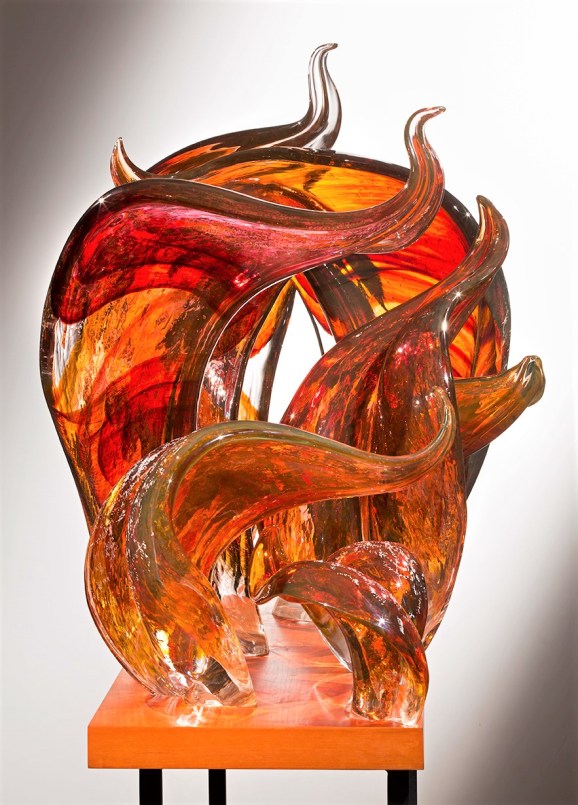
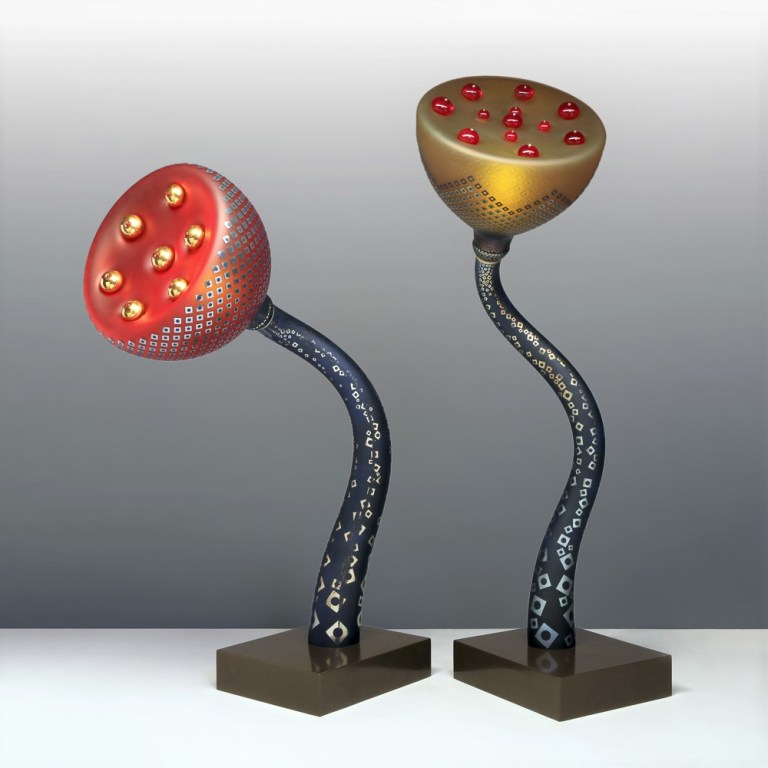
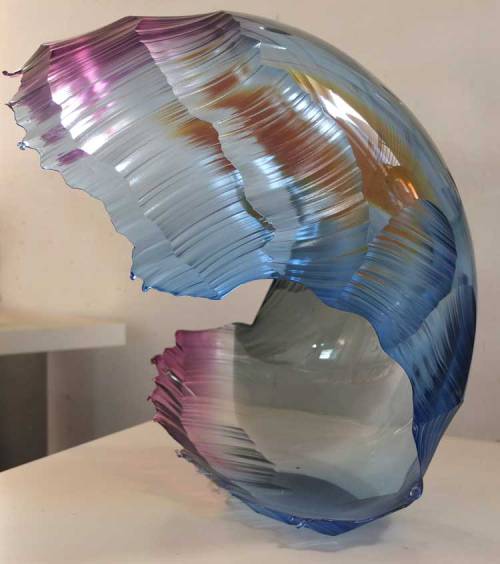
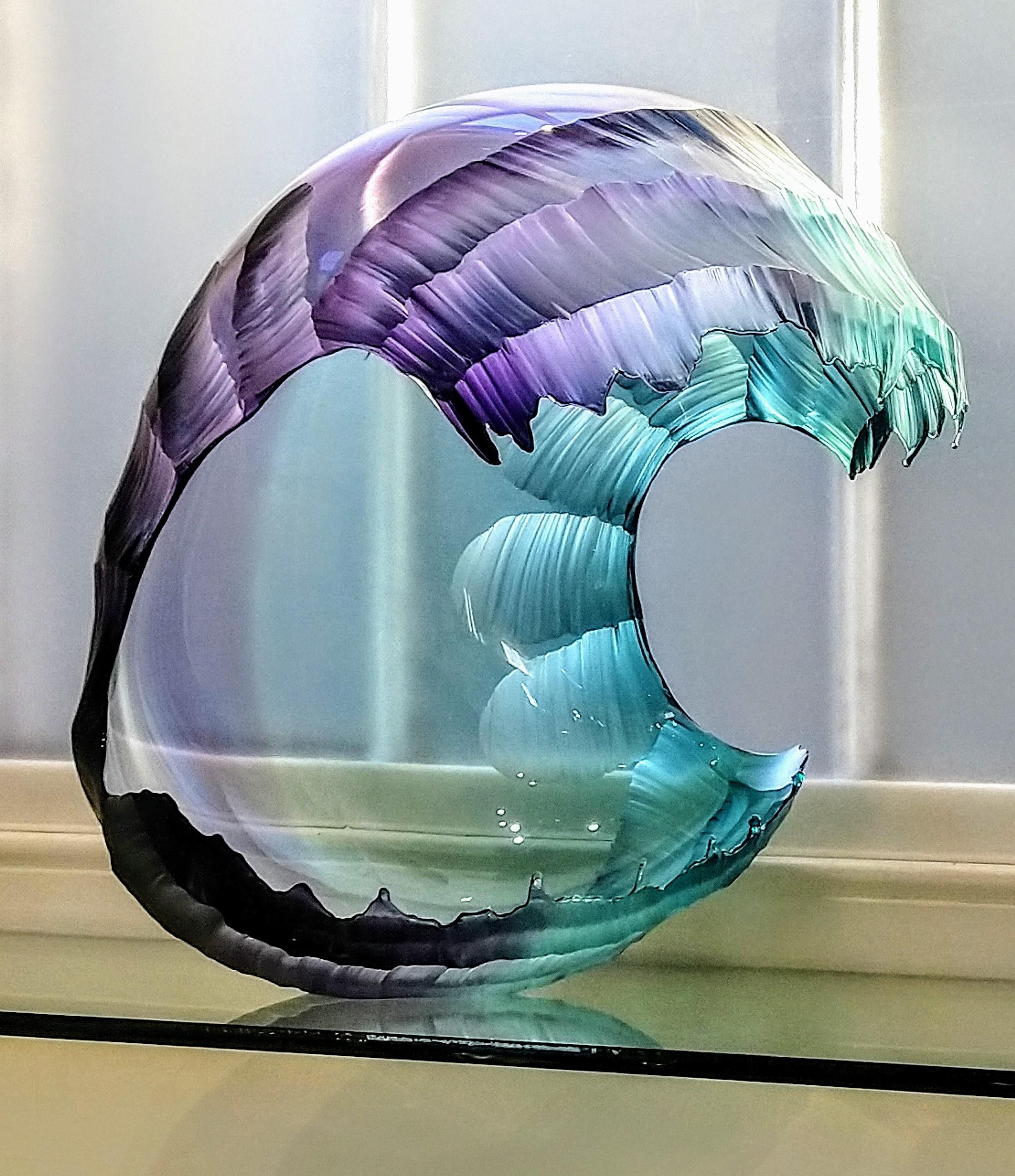
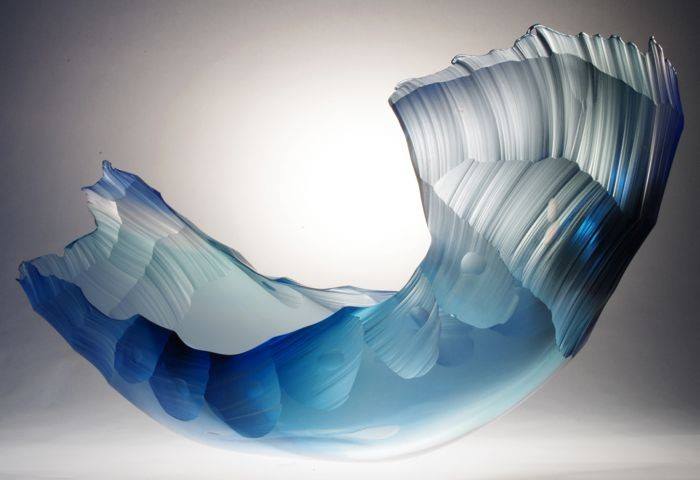
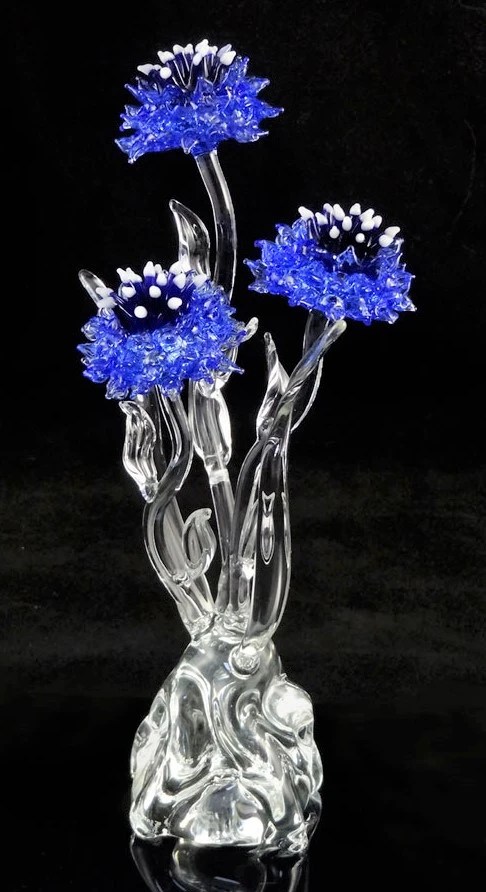
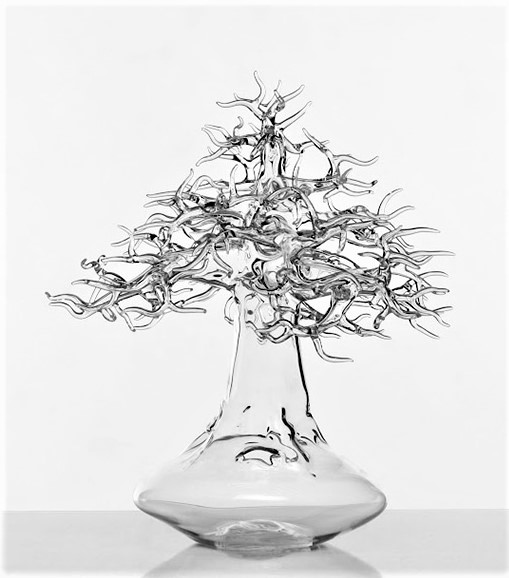
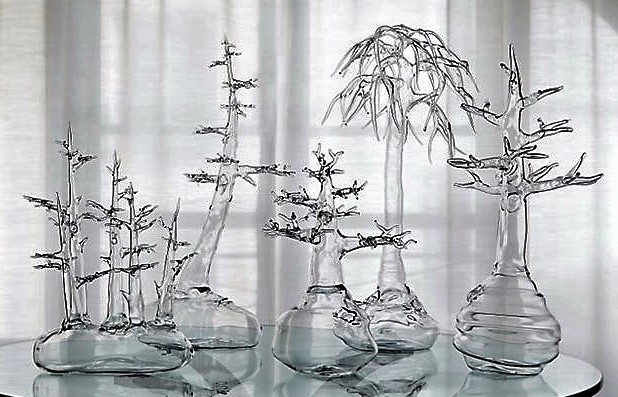
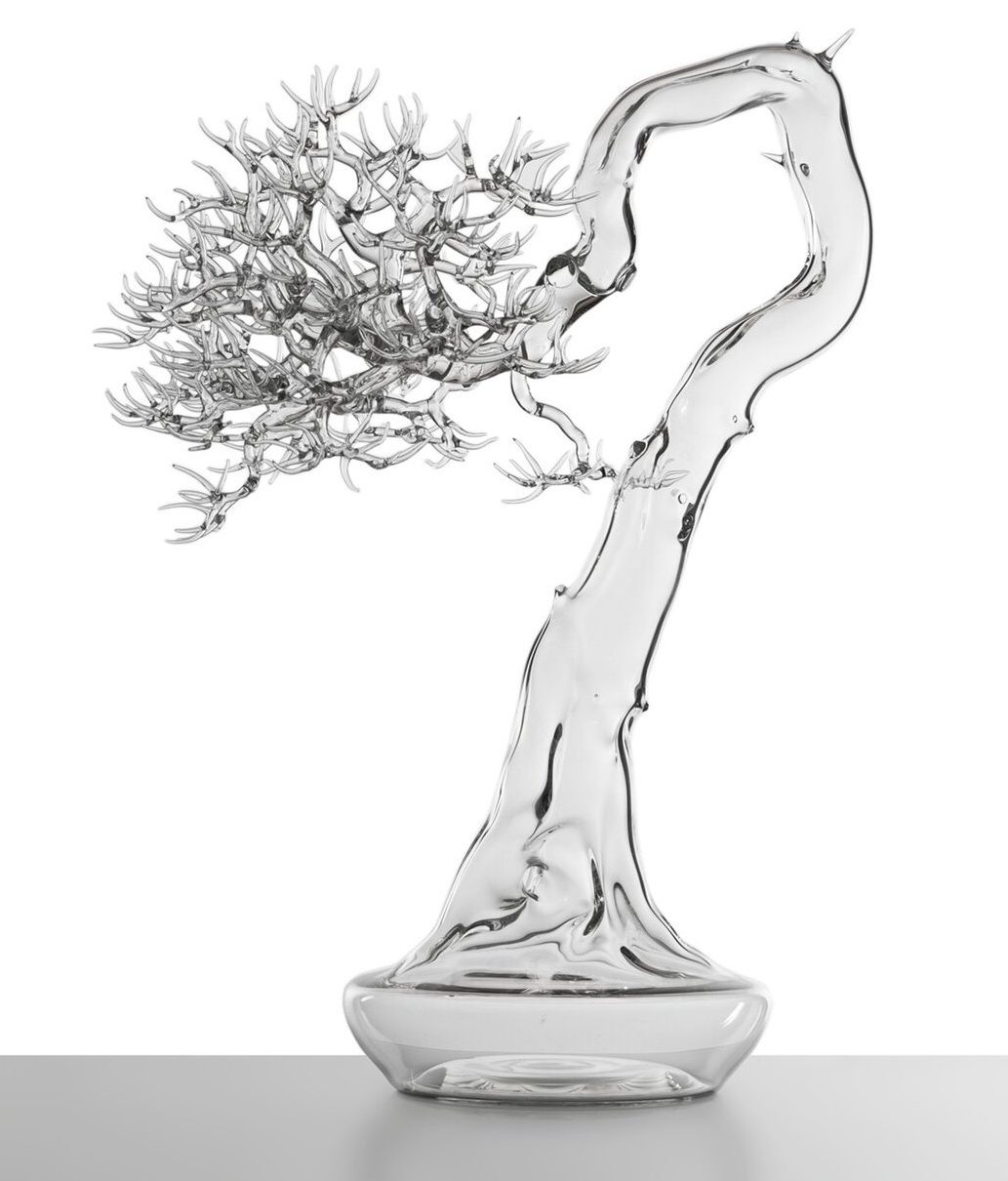
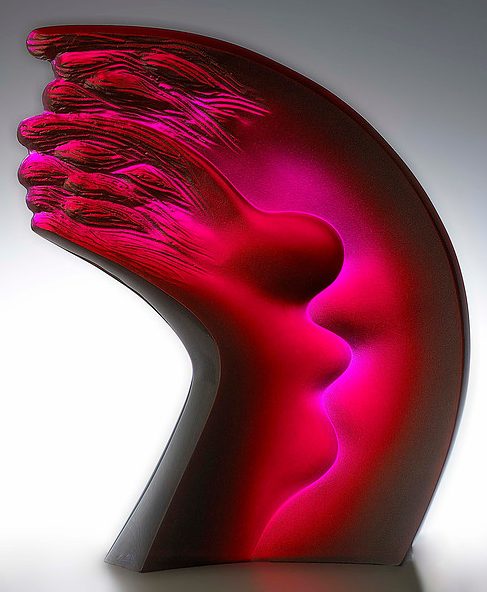
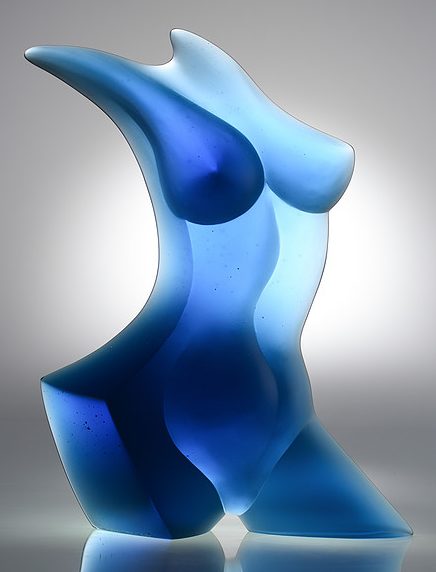
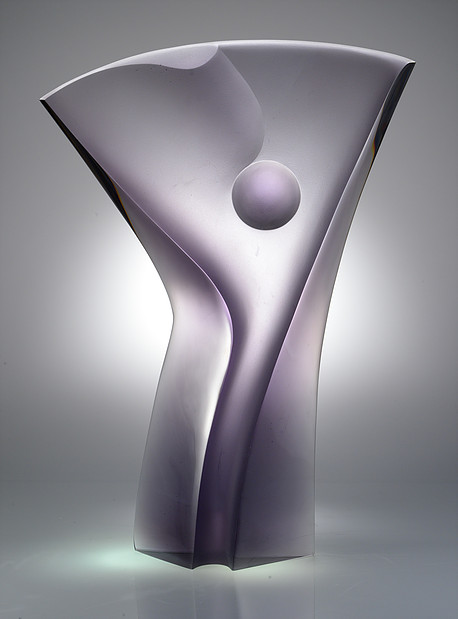
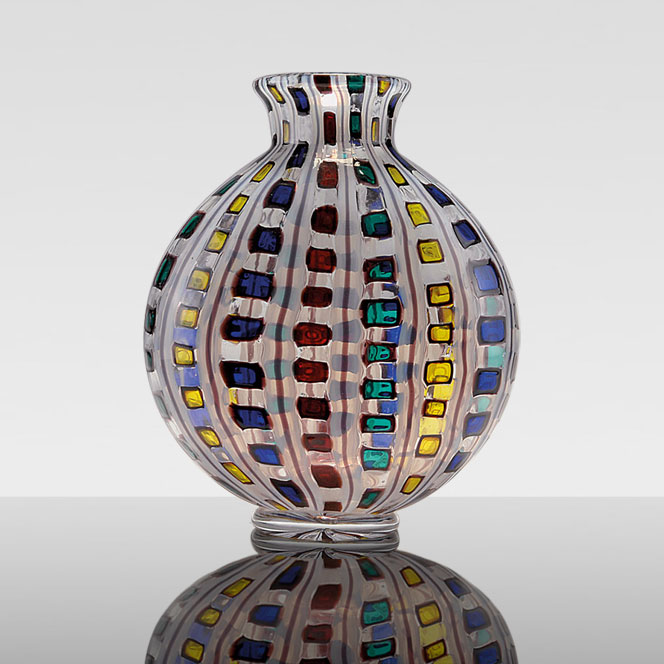
Ronnie Hughes

.

.

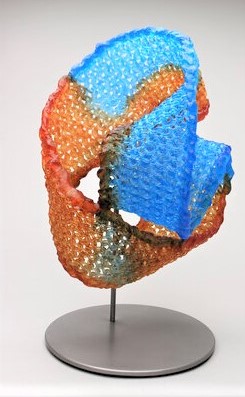
Carol Milne


.

.

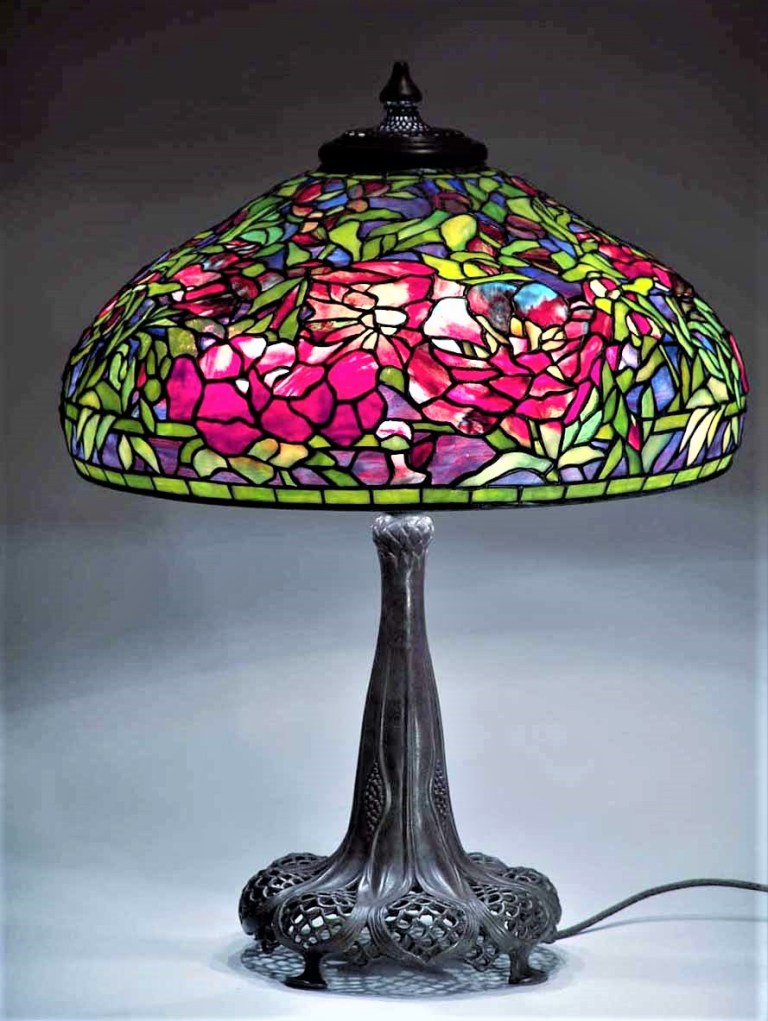
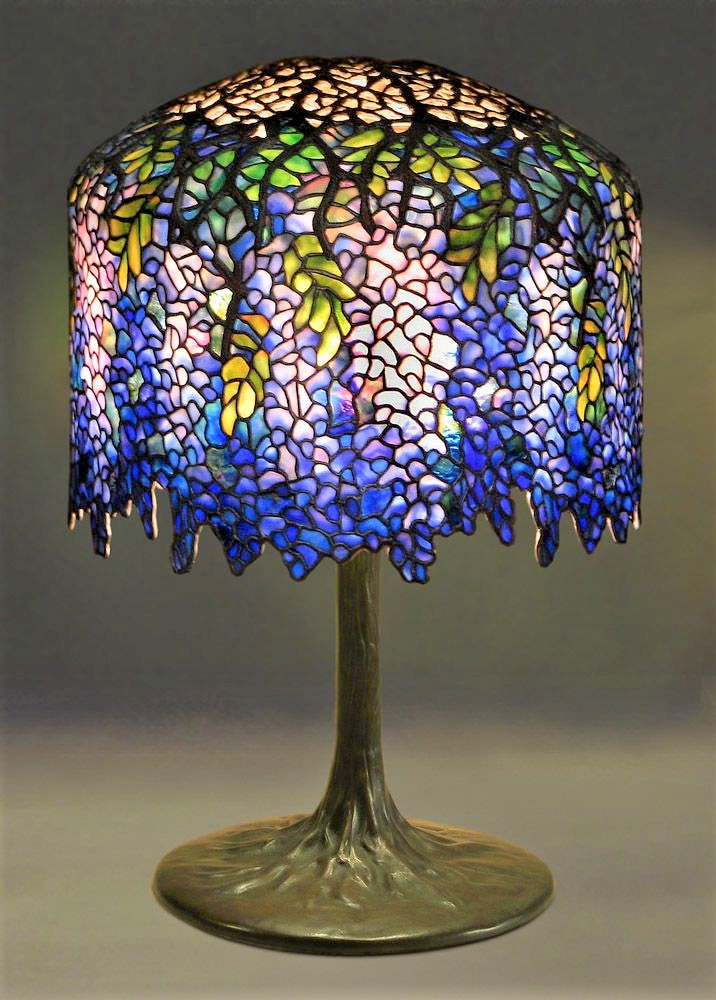
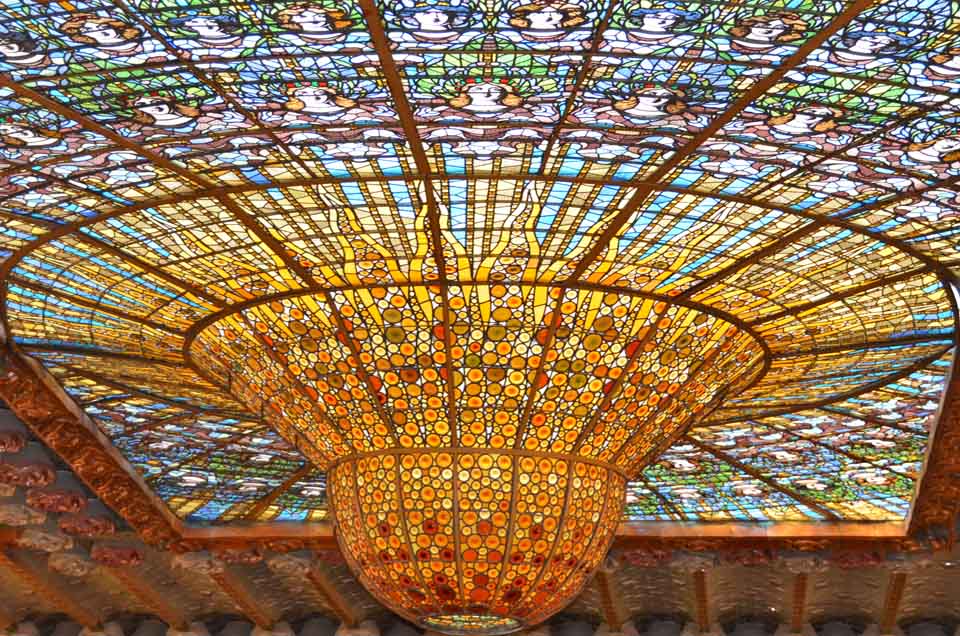
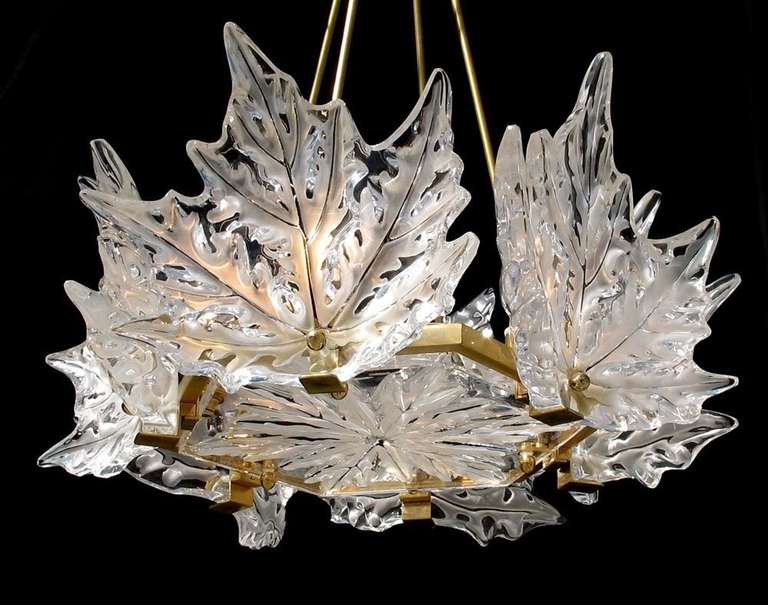
Tiffany Lamps

.

.

.

Niyoko Ikuta


.

.

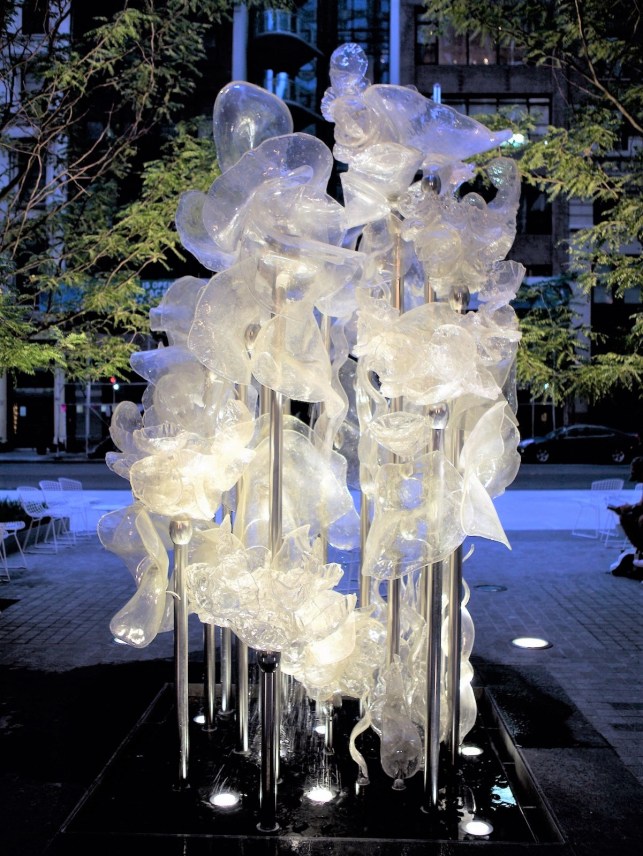
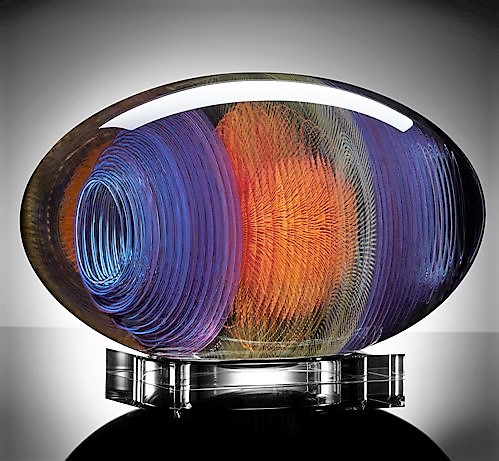
Martin Blank

.

.

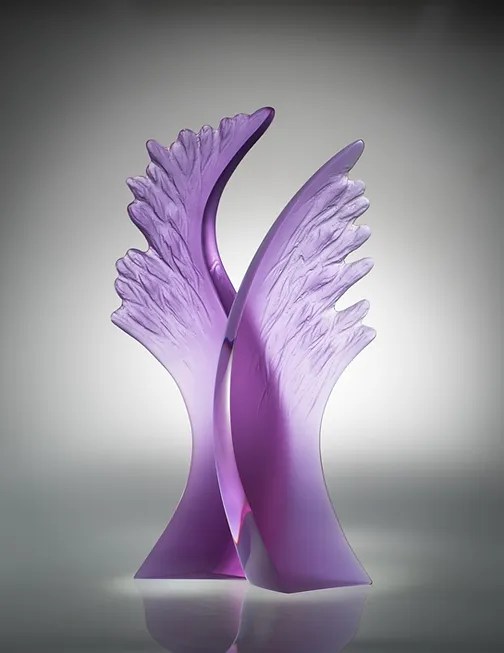
Robert Wynne

.


.

.

Věra Lišková

.

.

Wilfried Grootens


.

.

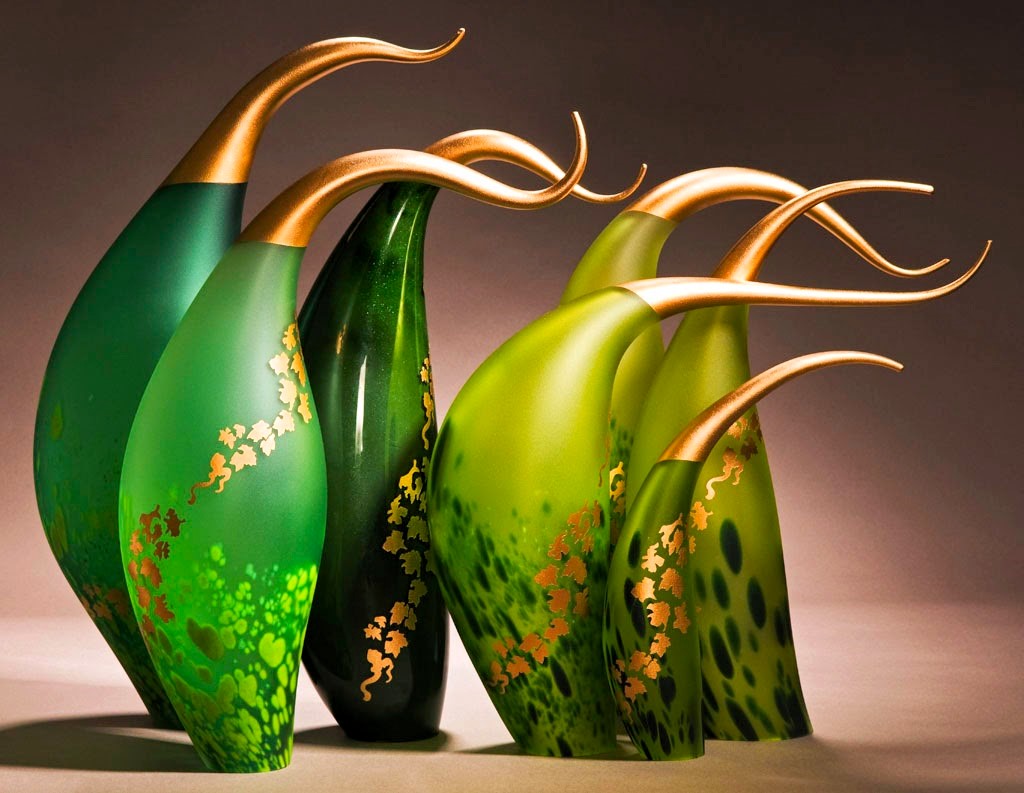
Vita of Vitraaze

.

.

Mark Eliott


Looking Back on Whatever Day — Glassworks Part One

The reason for the carefree nebulous title is because I don’t know which day I will publish this blog. And I do want to publish it!

Looking back at all the Galleries, how can I not showcase some of the remarkable glass artists I’ve come across?

I hope you enjoy browsing through these glass galleries as much as i enjoyed sharing them with you.

I mean — LOOK AT ALL THIS MAGNIFICENT GLASS WORK!!

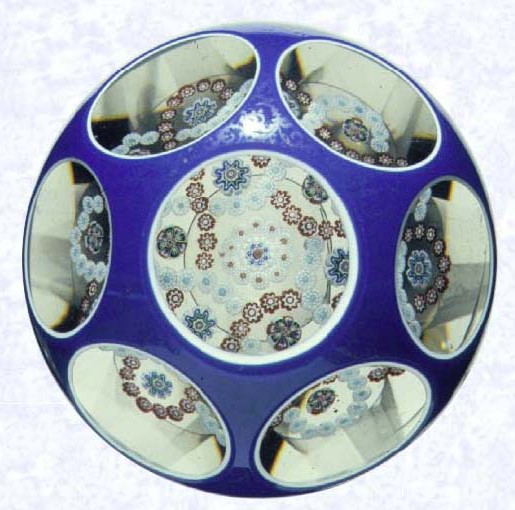
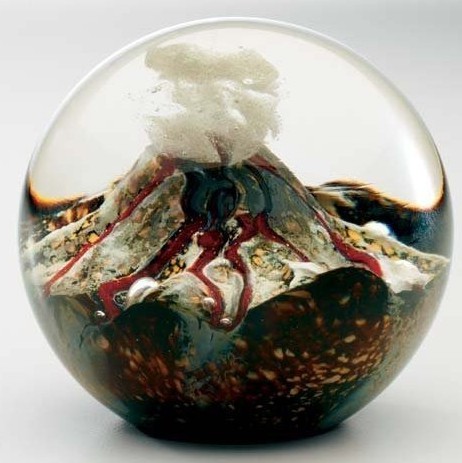
Paperweights


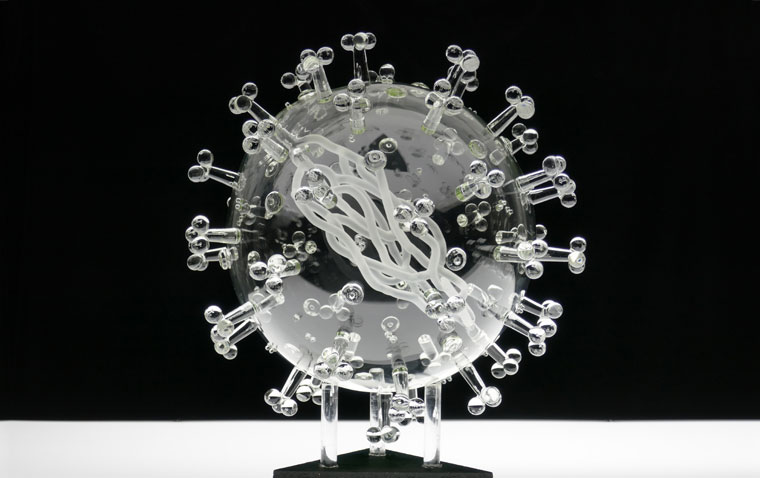
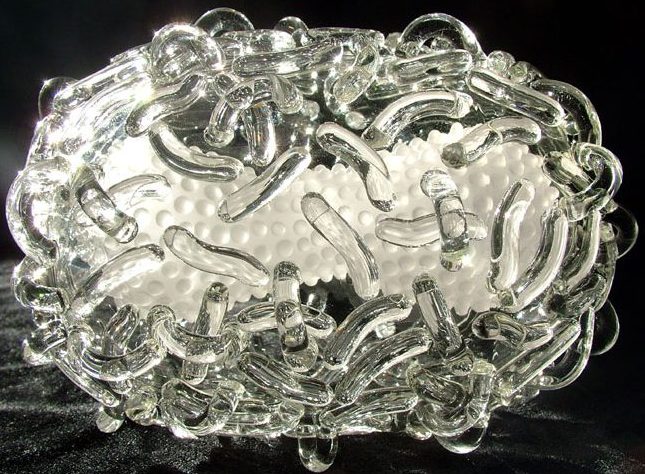
Luke Jerram

covid-19
smallpox


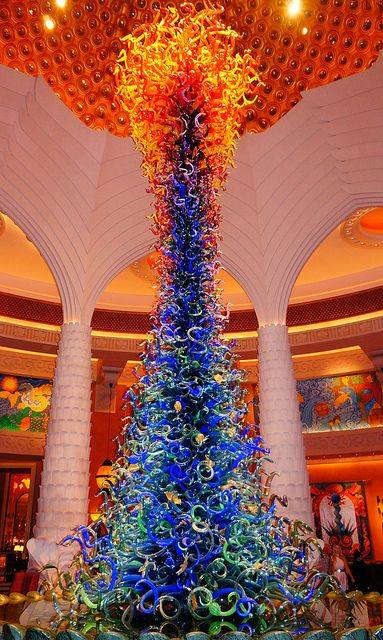
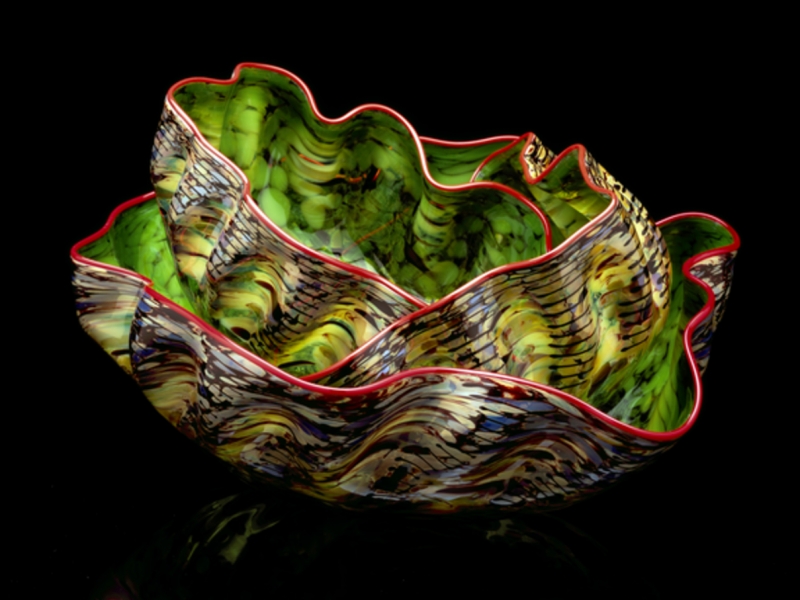
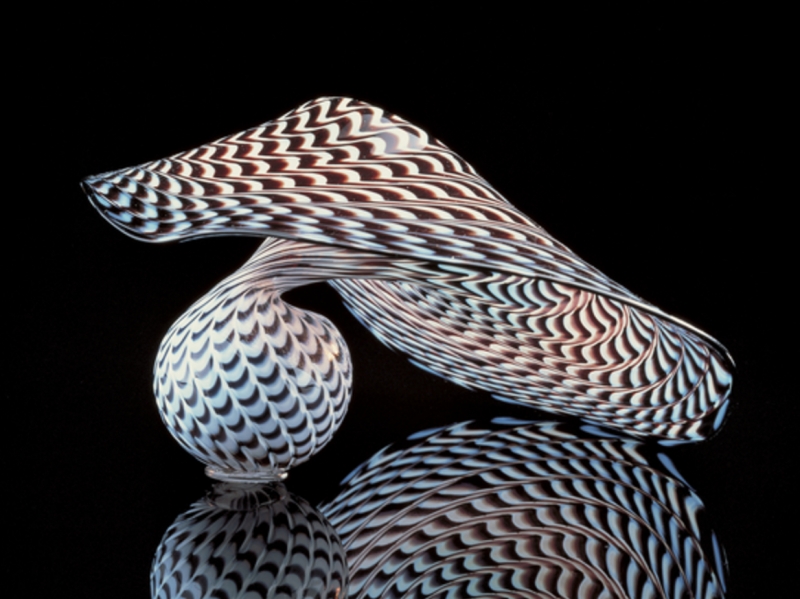
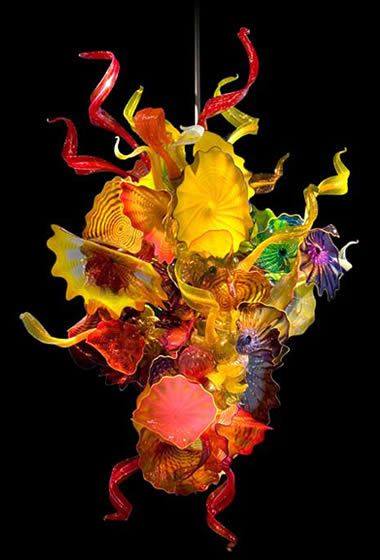
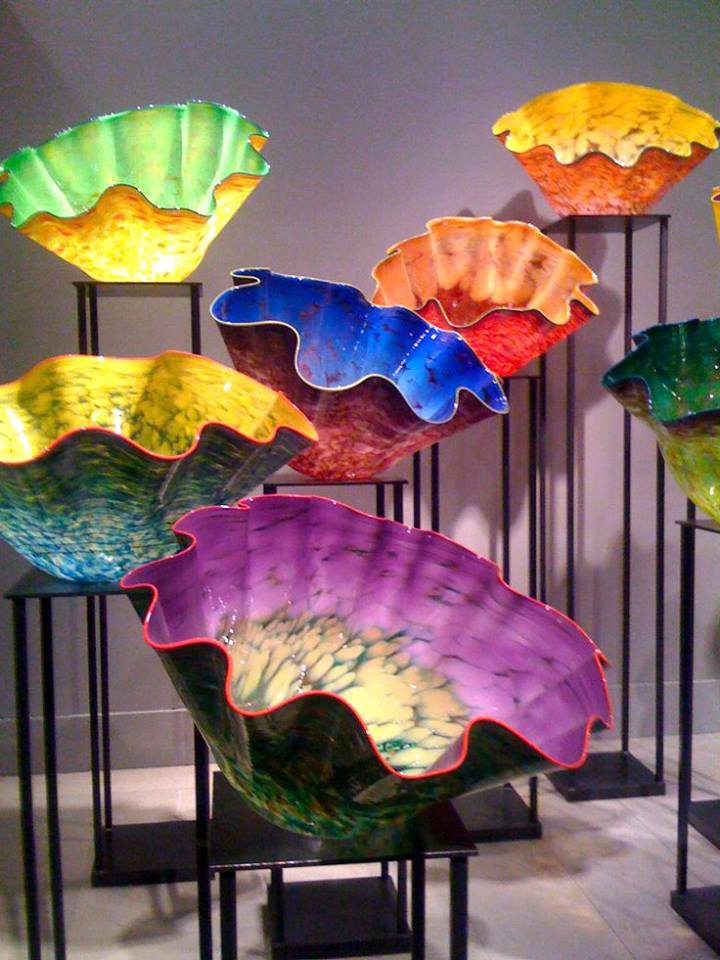
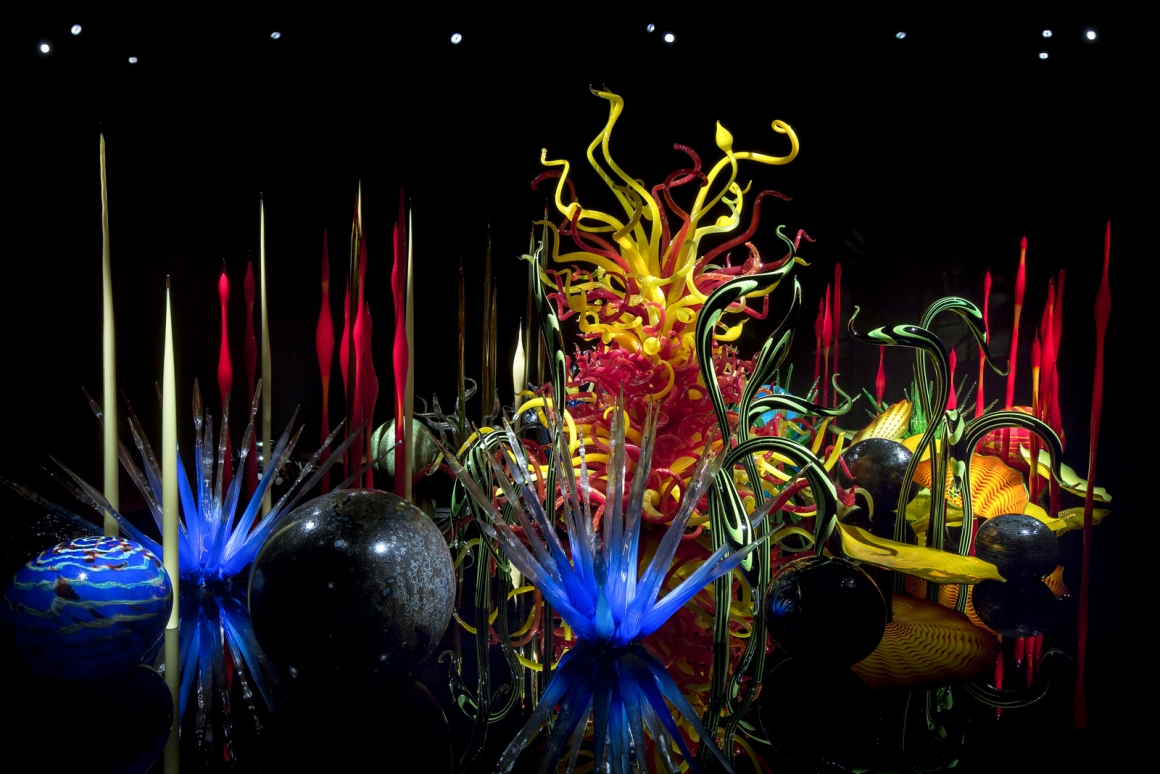
Dale Chihuly


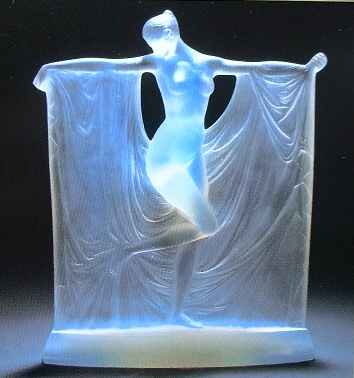
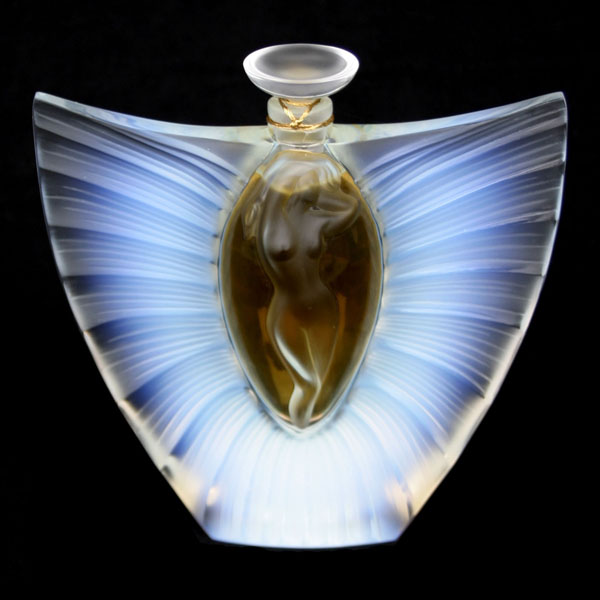
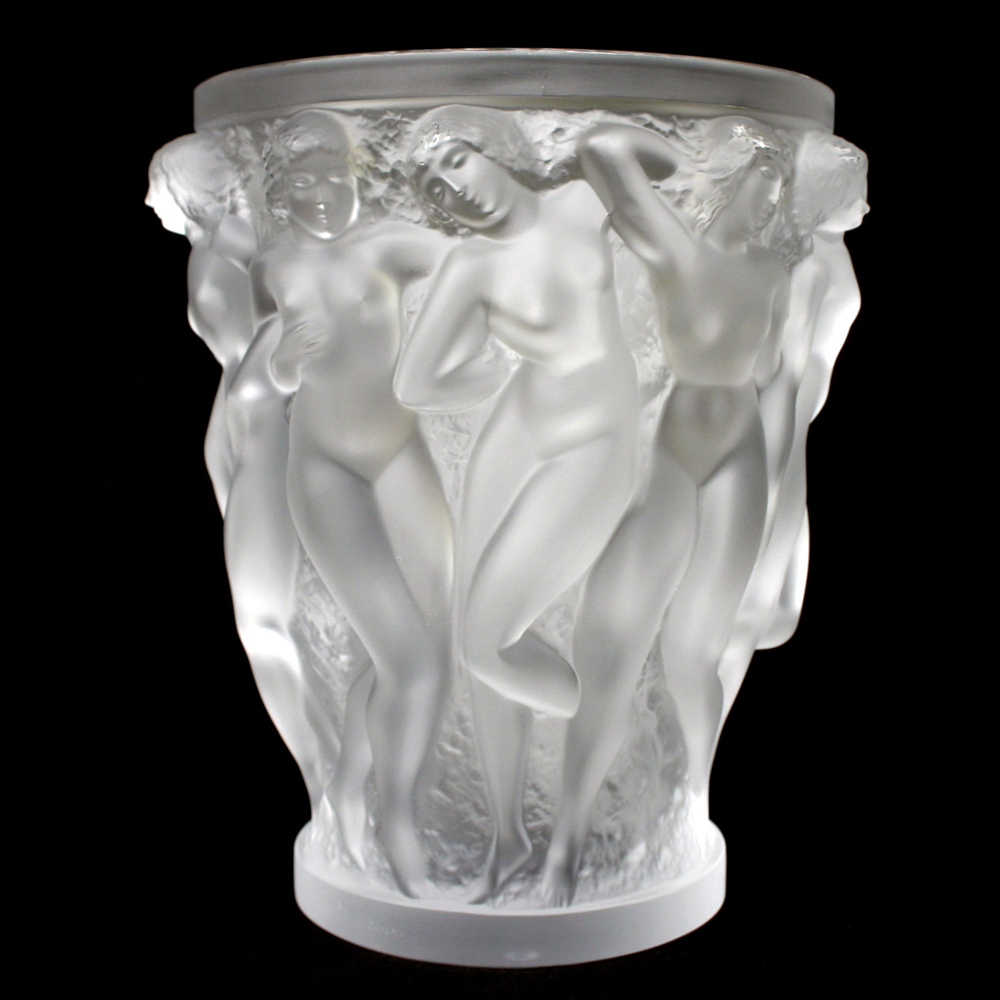
René Lalique


Stained Glass


Ercole Barovier


Latchezar Boyadjiev


Daniela Forti


Jack Storms


Tina Lane


Graham Muir


Saturday Morning — Glass!

I need a bit of sparkle this gray Saturday morning. While a glass of chocolate milk or cranberry/raspberry juice might do, I thought I’d go back and highlight a couple of amazing glass artists that have blown me away in the Gallery.

Be sure to use a stemmed goblet for your morning drink while you look out your stained glass window …..


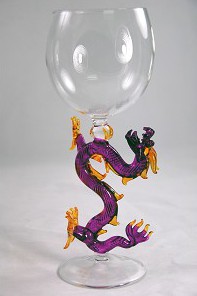
STEMMED DRINKING GLASSES


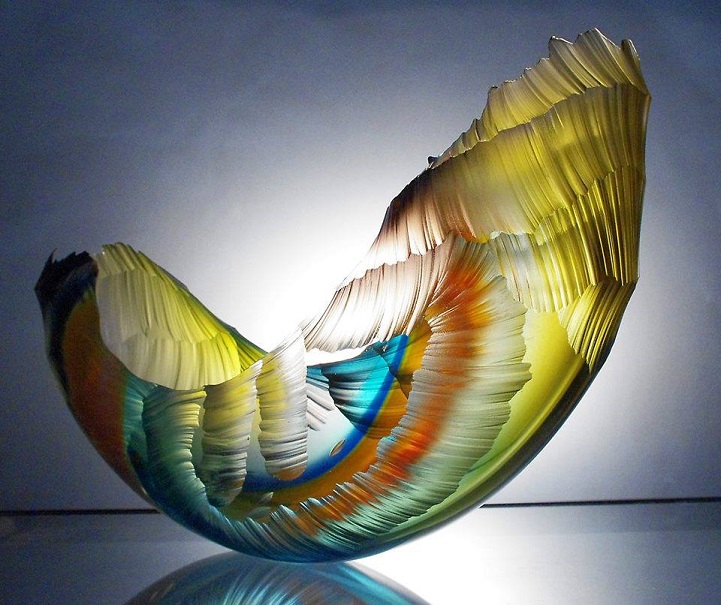
LATCHEZAR BOYADJIEV


RICK SATAVA


RONNIE HUGHES


NAOKO ITO


WILFRED GROOTENS


SIMON CRESTANI


BUBUN


STAINED GLASS HOUSE


RICH EGGERT


LINO TAGLIAPIETRA


JOHN KILEY


Sunday Evening Art Gallery — Megumi and Nobuyuki Jin

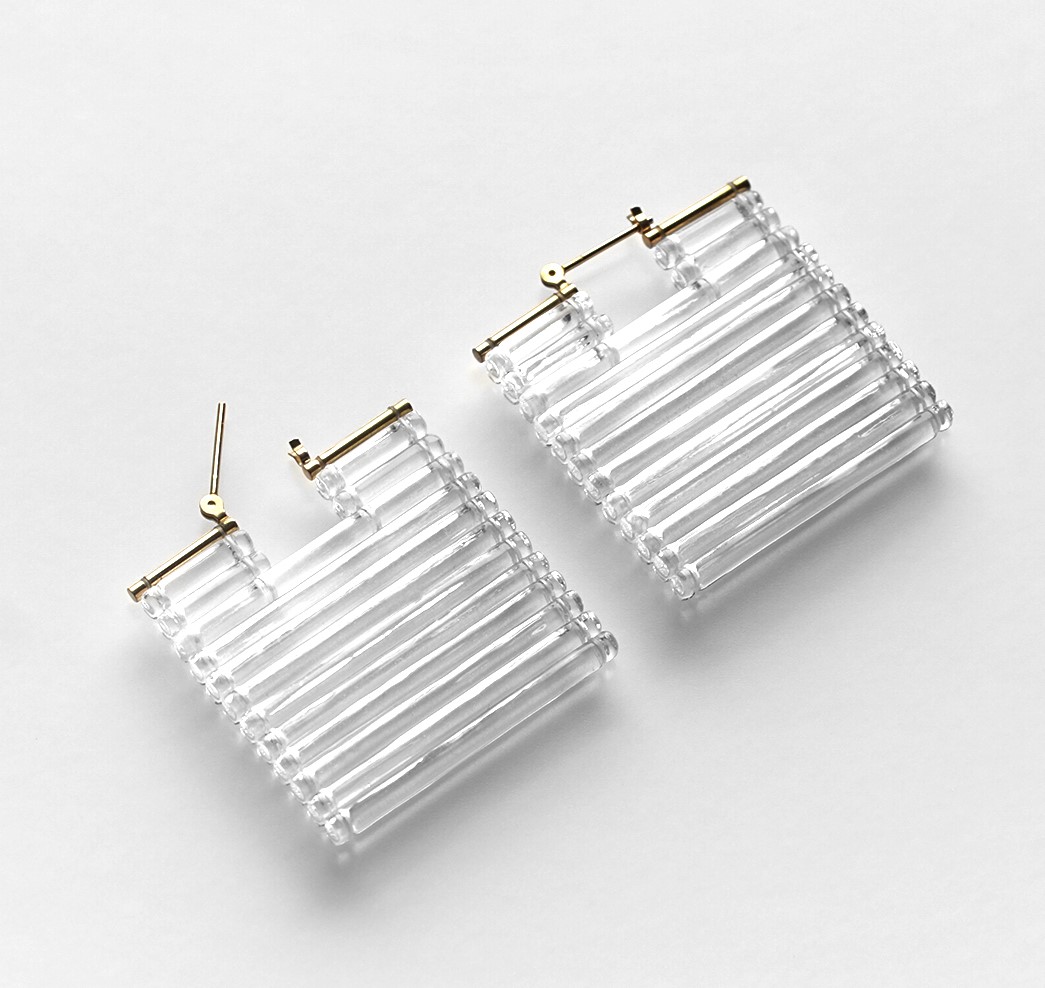
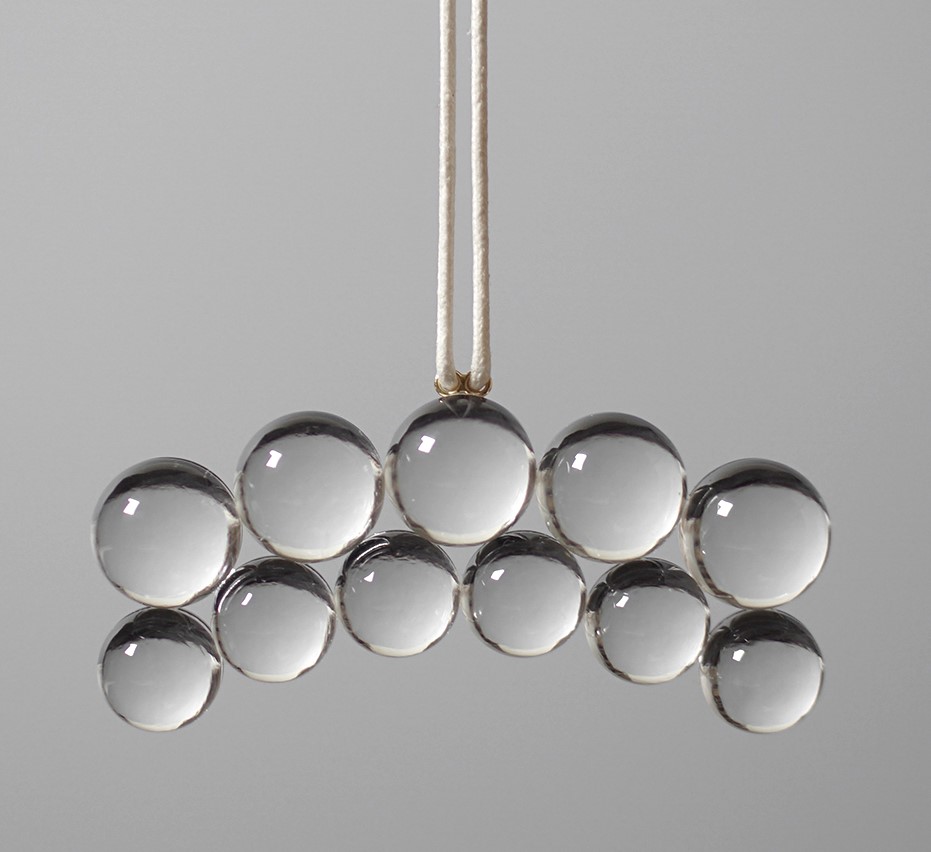
Bubun (means “part” in Japanese) is a jewelry-making duo of Megumi Jin and Nobuyuki Jin, based in Japan.Fascinated by glass as a student, Megumi studied glass coldwork and kiln work at Tama Art University, where she created objects and jewelry.

Megumi joined Nobuyuki Jin, who had a background in design, in 2016 to create memorable glass jewelry.

The couple craft their jewelry from Borosilicate glass that has been made for commercial use — plate glass, glass rods and glass pipes made in Japan, Germany and China.They cut and shape the glass, working the glass at a very low temperature, then wrap a clear thread around each piece and sew those pieces together.They share a mutual sense of beauty, believing jewelry should become part of a person, both in the physical and spiritual sense.“Over the years, I have come to feel that glass is a medium that can express an inner feeling that is difficult to express in words alone,” Megumi notes.“It’s not a standard material for jewelry, and compared to precious metals and precious stones, the material itself has little value. But its value is created by the intensity of expression of its concept, shape, technique and handwork.”

More of of Megumi and Nobuyuki Jin’s glass work can be found at https://bubun.stores.jp/ and https://www.instagram.com/bubun.works/

Sunday Evening Art Gallery — Rick Eggert

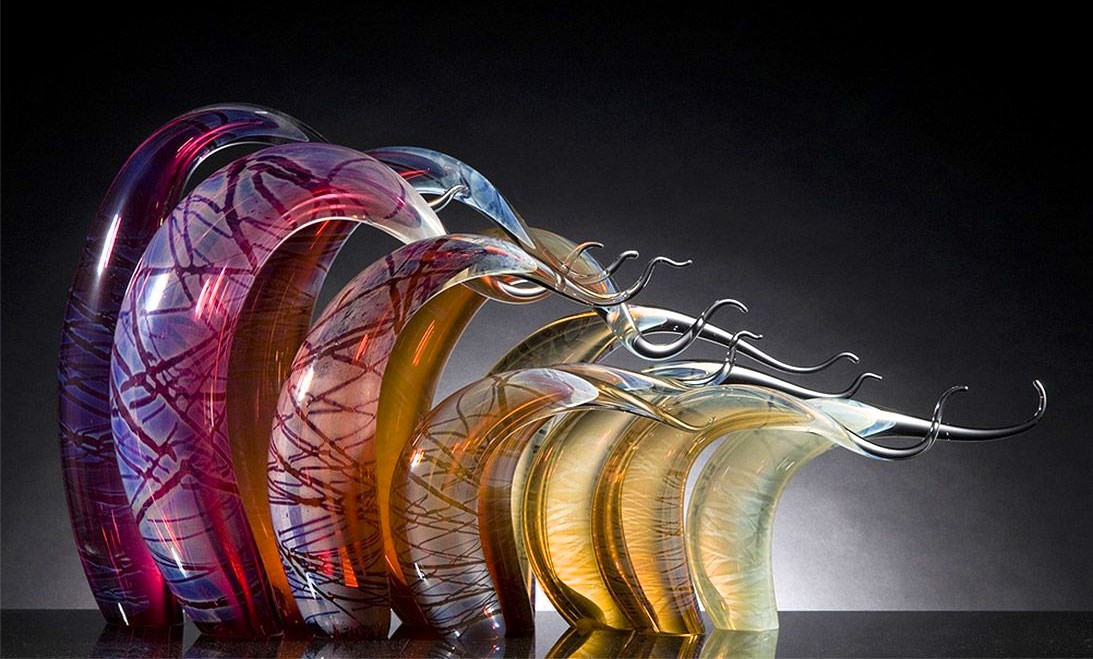
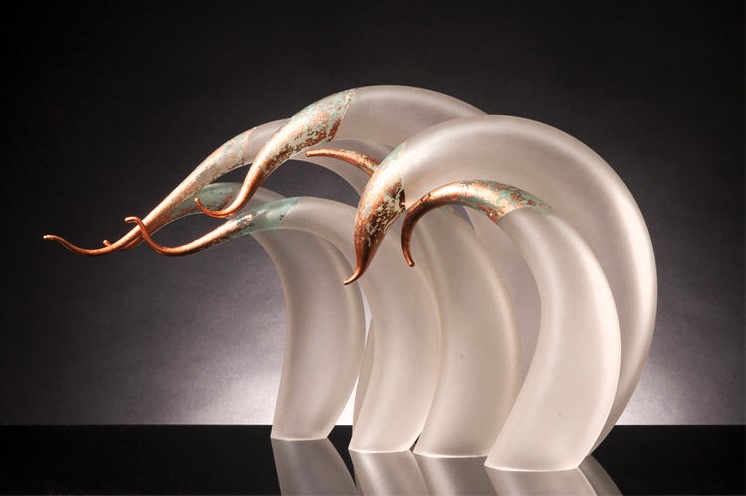
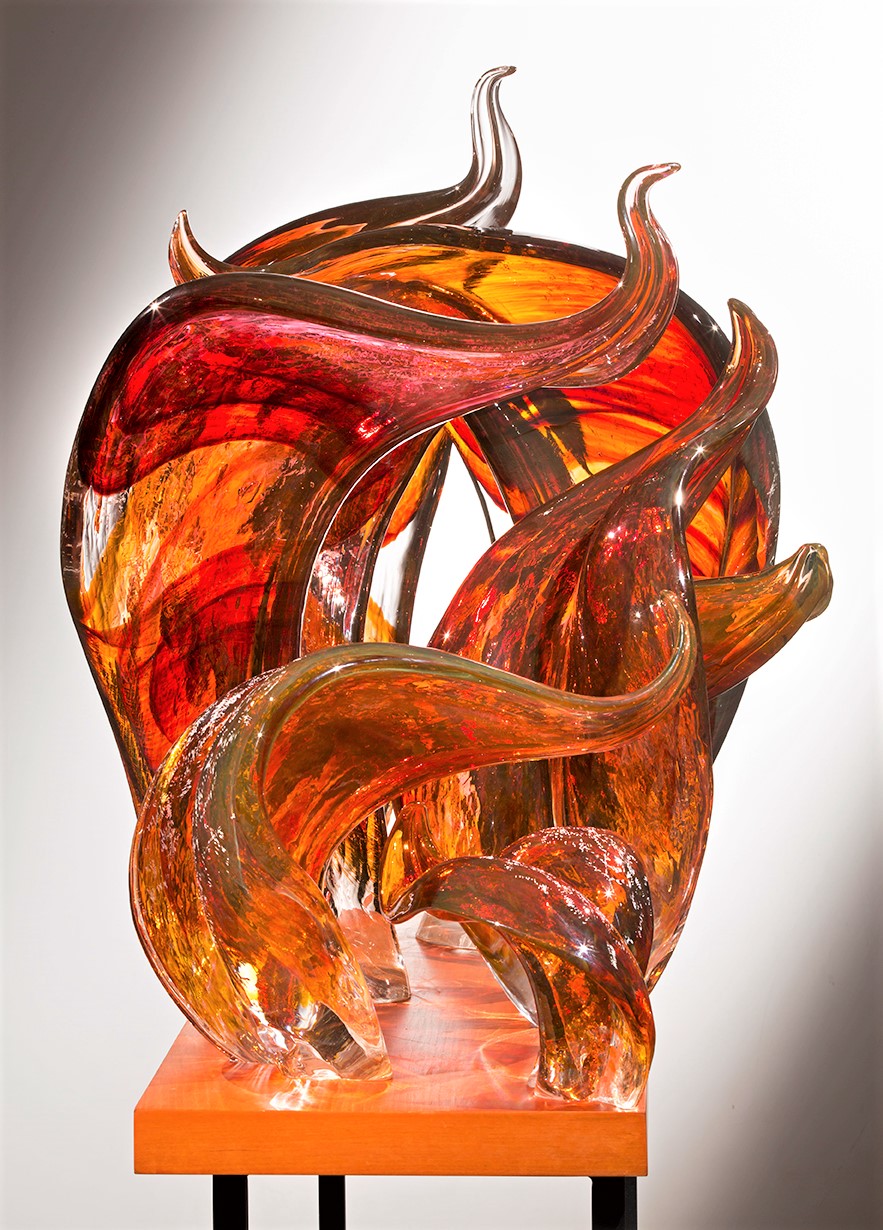
Rick Eggert is a master glass artist renowned for his captivating abstract sculptures.

Born in Southampton in 1974, Eggert  spent his early childhood in New York, then later moved to Vermont, where he began working in glass.The artist received his BFA in Glass Sculpture from the Rochester Institute of Technology in upstate New York.His  glasswork is smooth and chic, slightly more than whisps of glass and tips on solid bases.Eggert use a glass base that uses high quality sand but is standardized to allow the use of a wide range of colors.All the materials are places in the furnace and heated to 2400 F.Once it cooks it is cooled down to 2100 F where he gathers it onto metal rods and creates his masterpieces. To this day he continues to be an avid student of the natural world around him.In awe of what he discovered during his travels, Eggert encapsulates these experiences into his extraordinary glass work.More of Rick Eggert‘s beautiful glass works can be found at https://www.rickeggert.com/ and https://shawgallery.com/artist/rick-eggert. 


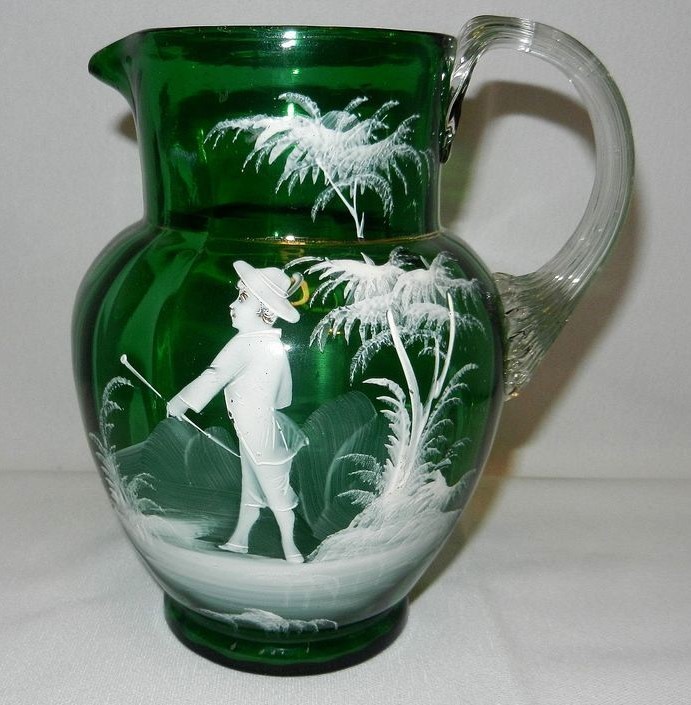
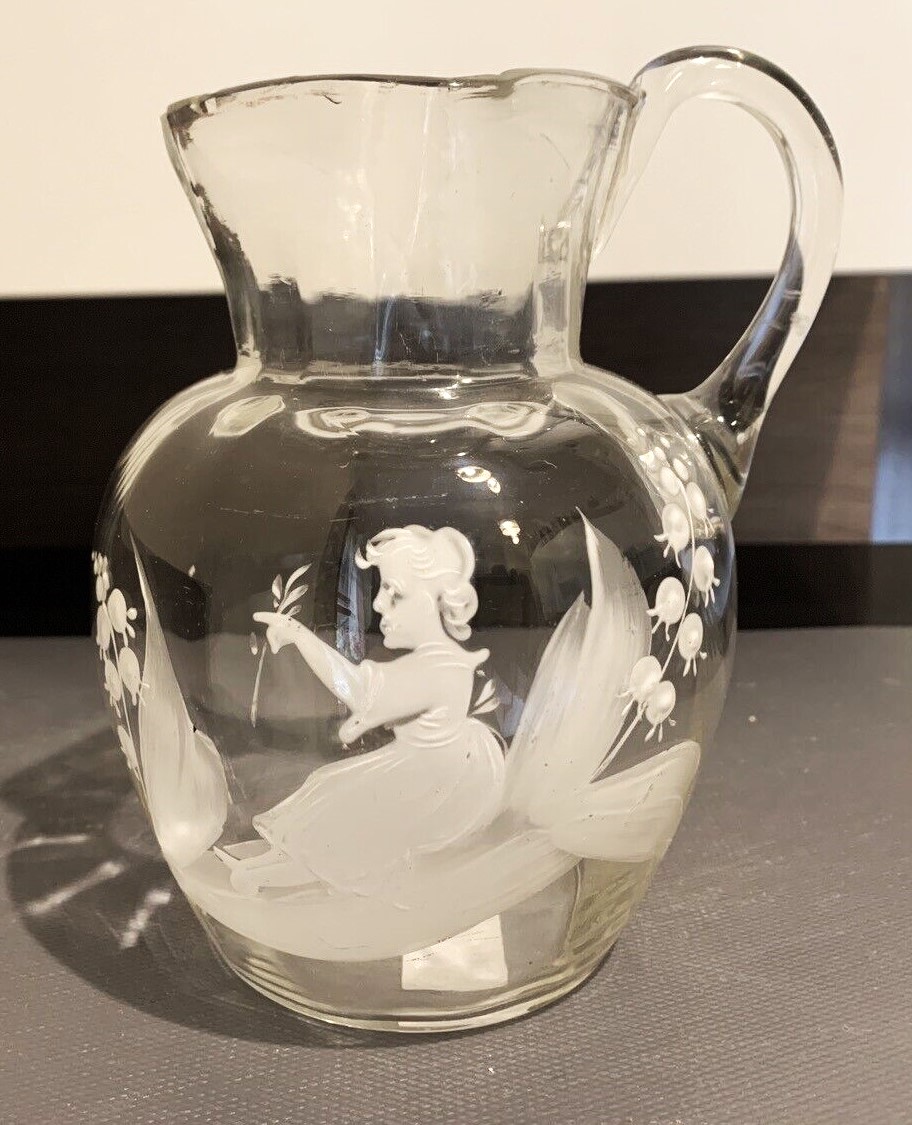
Sunday Evening Art Gallery — Mary Gregory Glass

Mary Gregory Glass is a variety of glass produced in the United States toward the end of the 19th century in imitation of the then popular English cameo glass.Although “Mary Gregory” glassware was primarily a Czech product, it was not entirely limited to the Bor Region of Czechoslovakia. Switzerland, Holland and Germany also produced glassware of this type. 

Both transparent and colored, the glass is decorated with white enamel designs that are painted on the surface instead of being carved, as the genuine cameo glass was.The distinctive feature of this style of glass are scenes of Victorian children in silhouette, dressed in their best clothes, playing games and having fun.

The term ‘Mary Gregory’ indicates a style of glass rather than a manufacturer.It originates from the myth that a lady in USA named Mary Gregory painted scenes of children on thousands of items of glassware.Miss Mary Gregory (1856-1908) was an enameller working in the 1870s and 1880s who decorated glass for the Boston and Sandwich Glass Company in Sandwich, Mass., but it is believed she painted landscapes, not children.Regardless of the truth that is now known, the name has stuck, and this style of glassware is still defined as Mary Gregory Glass.

More of Mary Gregory Glass can be found at 20th Century Glass  and World Collector.

Sunday Evening Art Gallery — (Days of Future Passed) — Glass

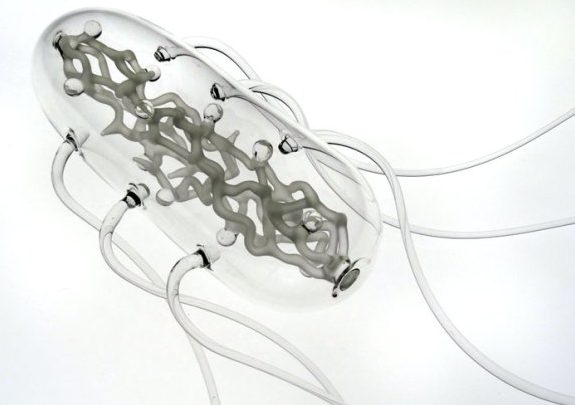
Luke Jerram

https://sundayeveningartgallery.com/2015/08/04/luke-jerram/

*

*

*

Rene Lalique

https://sundayeveningartgallery.com/2016/07/31/rene-lalique/

*

*

*

Graham Muir

https://sundayeveningartgallery.com/2018/05/19/snowglobes/

*

*

*

Ercole Barovier

https://sundayeveningartgallery.com/2017/03/22/ercole-barovier/


*

*

*

Daniela Forti

https://sundayeveningartgallery.com/2017/10/24/daniela-forti/4

*

*

*

Jack Storms

https://sundayeveningartgallery.com/2018/03/03/jack-storms/

*

*

*

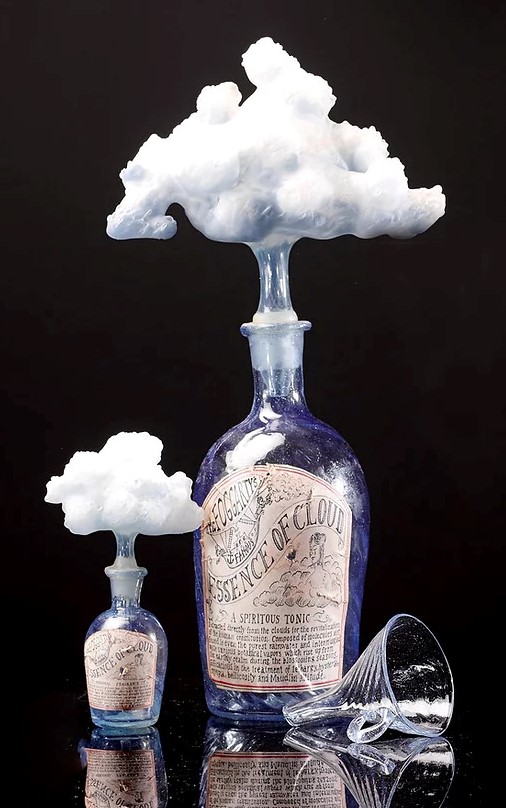
Ronnie Hughes

https://sundayeveningartgallery.com/2020/03/24/ronnie-hughes/


Sunday Evening Art Gallery — Simone Crestani

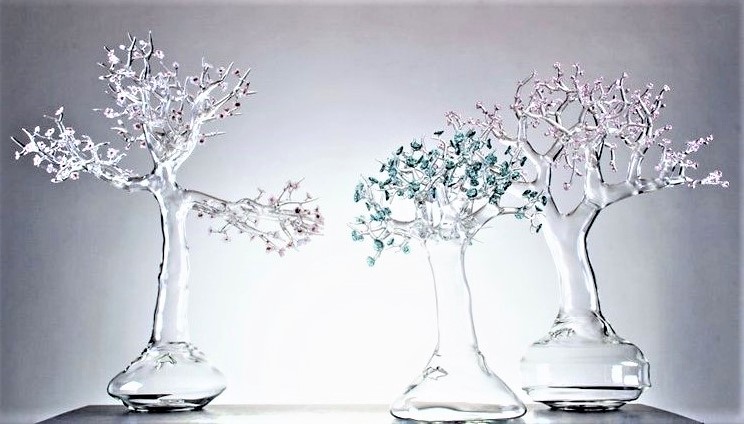
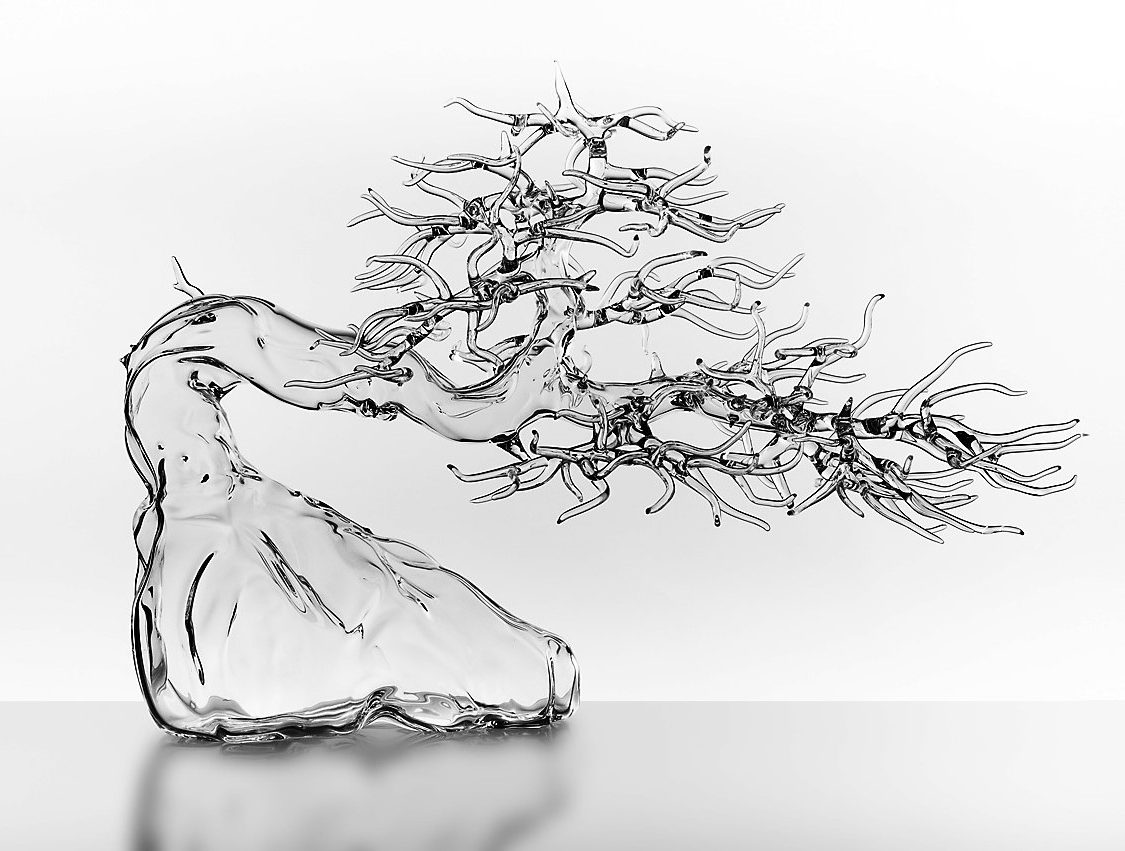
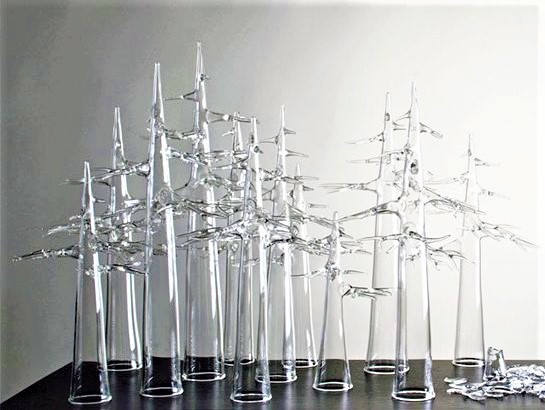
Italian artist Simone Crestani has been blowing glass since he was 15 years old.He comes from the Venice region, where working with glass is one of the traditional crafts, so this type of art is in his blood.

Crestani creates beautiful glass sculptures that combine his love of glass work with his love of the natural world.Many of his creations can be considered part of a contemporary “Cabinet of Curiosity” where nature is not defaced but respected by reproducing its essence in fragile transparent shapes.The infinite variety of of plant and animal forms inspires his magical world, a celebration of lightness and transparency in always new and original creations of crystalline purity and beauty.Crestani uses the lampworking technique to make these objects out of clear borosilicate glass in a more sculptural manner than is traditional, allowing him to create works that may be large in size but still exquisite in their meticulous representation of the details.

More of Simone Crestani‘s exquisite glasswork can be found at   https://www.simonecrestani.com/ and https://sandraainsleygallery.com/gallery-artists/simone-crestani/.


Sunday Evening Art Galleries — Glass

The world of Art is a world of creativity. All styles. All shapes. All mediums.

Today we visit the past galleries of  


Rick Satava
https://sundayeveningartgallery.com/2018/12/11/rick-satava/


Mirrors
https://sundayeveningartgallery.com/2019/06/15/mirrors/


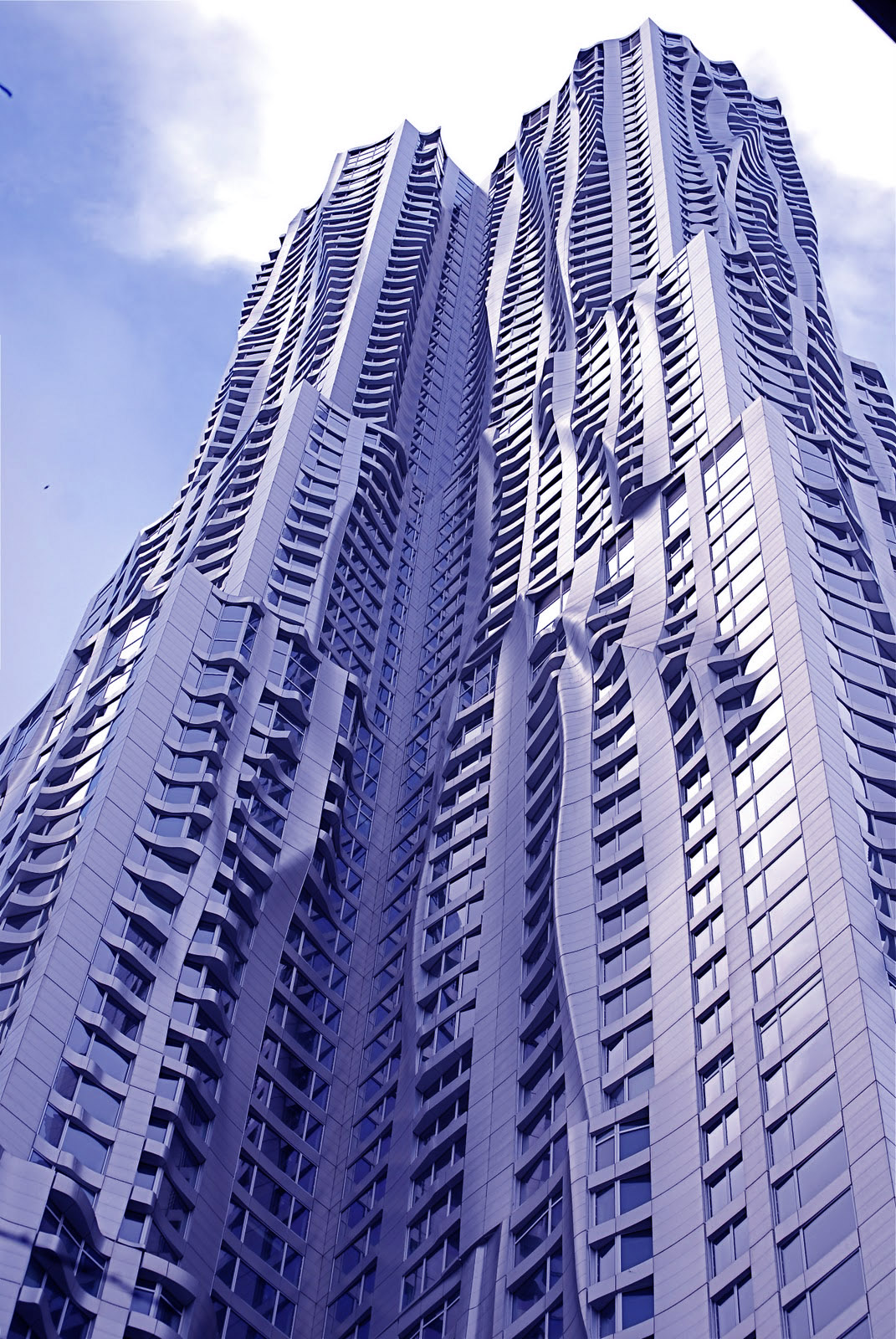
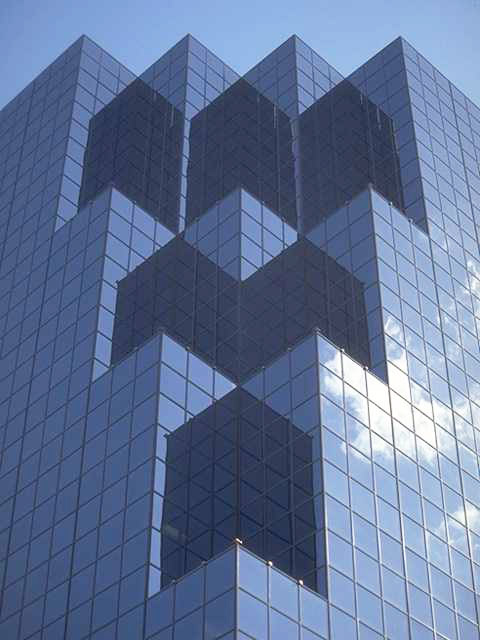
Architecture in Blue
https://sundayeveningartgallery.com/2016/07/20/architecture-in-blue/


Latchezar Boyadjiev
https://sundayeveningartgallery.com/2017/09/19/latchezar-boyadjiev/


Aquariums
https://sundayeveningartgallery.com/2015/10/29/aquariums-3/


Dale Chihuly
https://sundayeveningartgallery.com/2016/06/27/dale-chihuly


Niyoko Ikuta
https://sundayeveningartgallery.com/2021/01/23/niyoko-ikuta/


Enjoy these and MORE at

http://www.sundayeveningartgallery.com


Sunday Evening Art Gallery — John Kiley

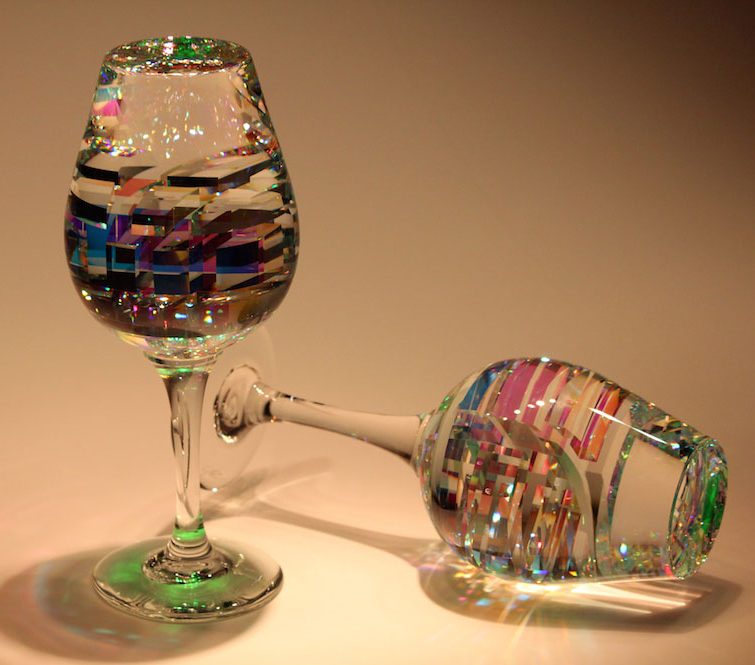
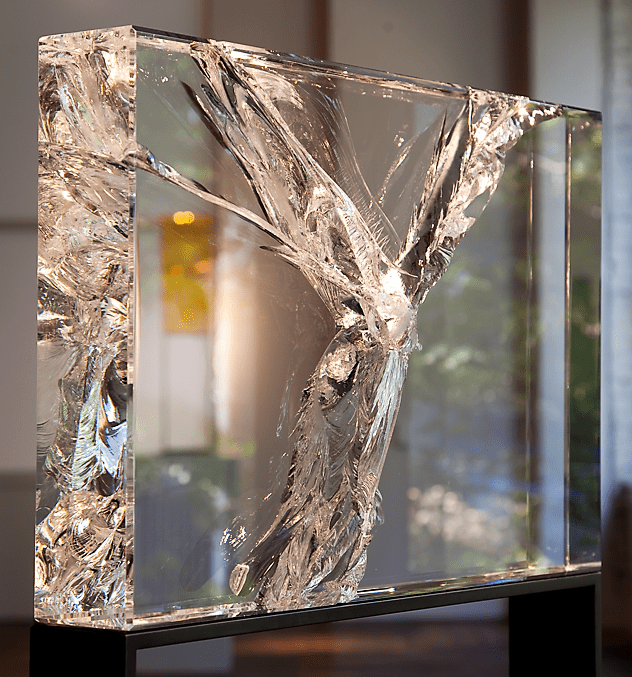
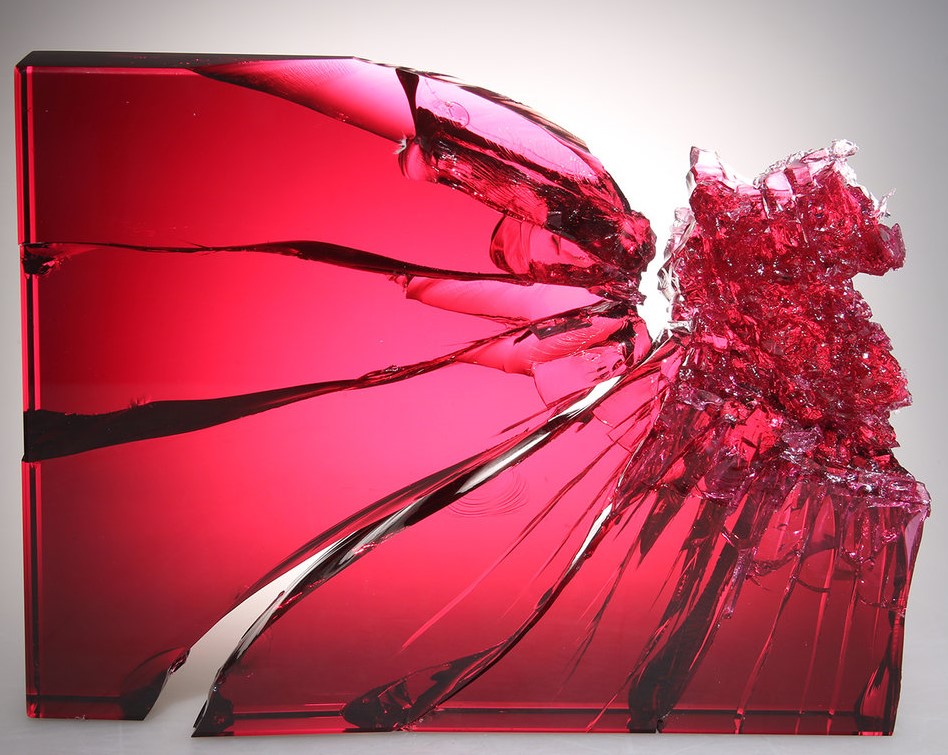
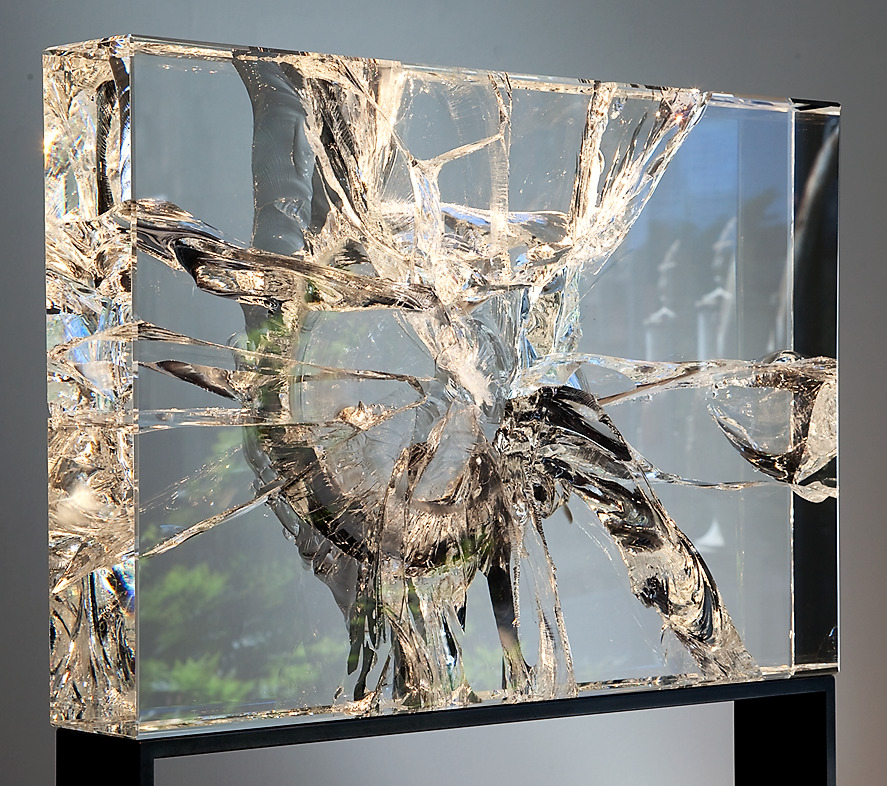
John Kiley is a fourth generation Seattle native who attended The Pilchuck Glass School and the Penland School of Crafts in North Carolina.Kiley uses primary geometric forms as the architecture for his glass sculptures.His Fractograph series takes a more conceptual approach to the material.Different methods including impact and thermal shock are used to shatter a perfectly polished optic blocks.The sometimes-powerful explosions are filmed in slow motion and exhibited along with the reconstructed blocks.Kiley’s glass sculptures are an exploration of external and internal form: an expression of the relationship that exists between shape and light.

“I strive to create objects that push the material itself beyond its simple inherent beauty. When I look at a finished piece, it should be apparent to me that it could only exist in glass.”’ Kiley explains.

Kiley not only questions which is more beautiful — the whole or its parts, the inside or the outside, negative or positive space, the light, the shadow, or the reflection —  but suggests that it is the interaction of all of these characteristics that results in the beautiful sum.

More of John Kiley‘s remarkable glassworks can be found at https://www.johnkiley.com/


Sunday Evening Art Gallery — Vita

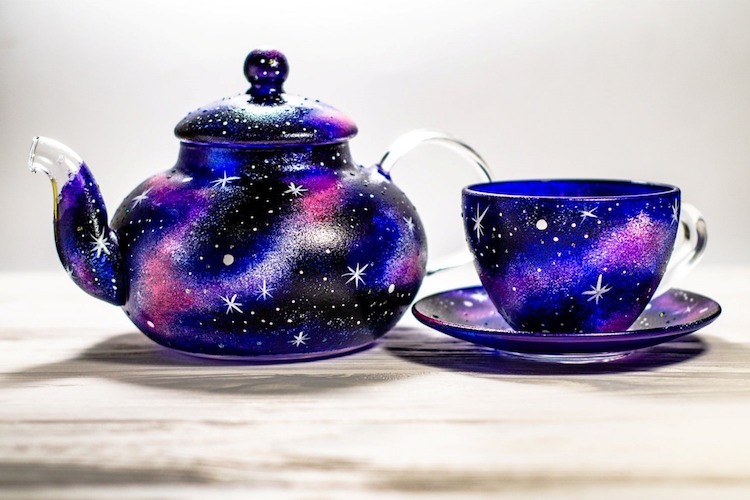
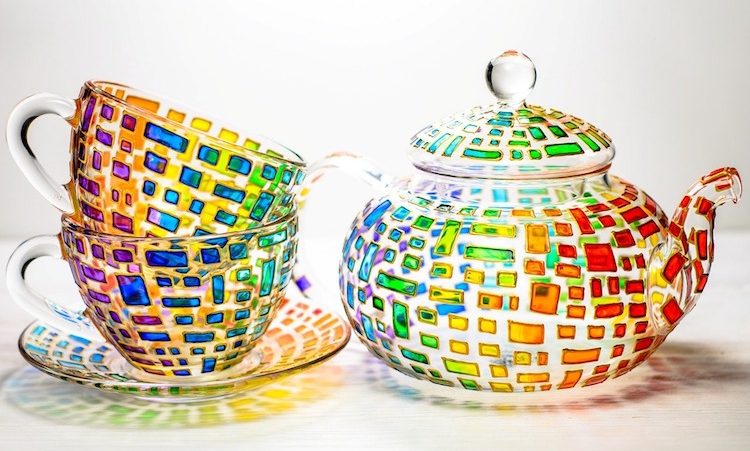
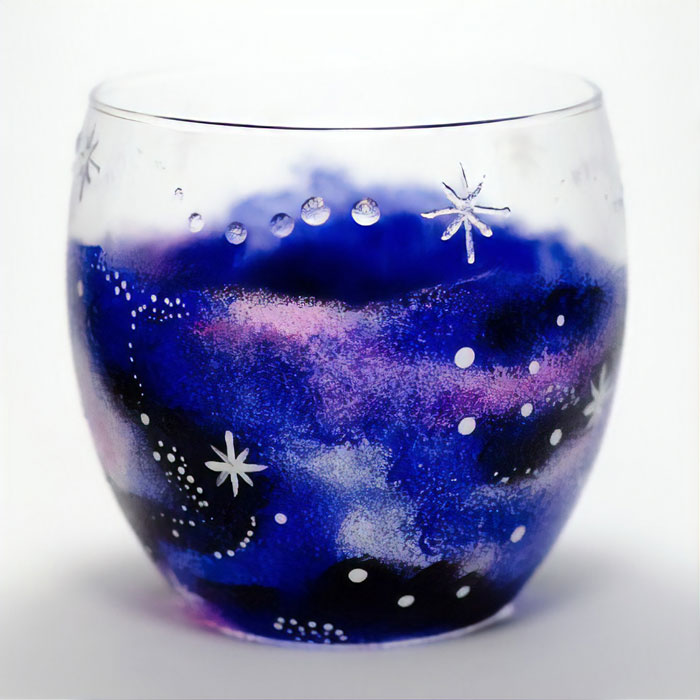
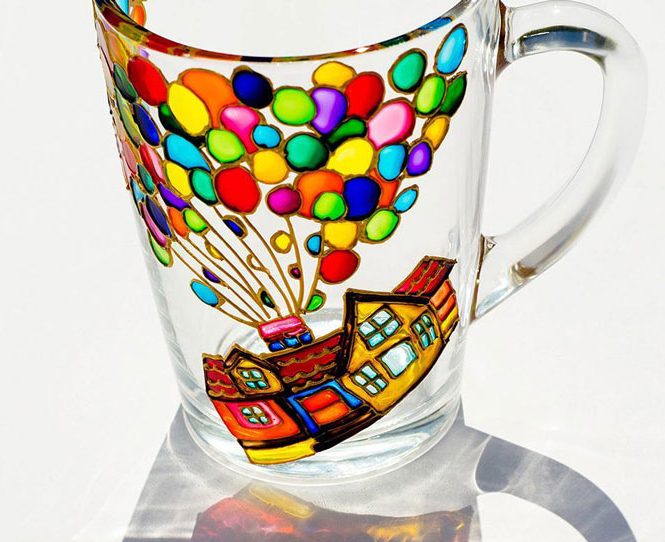
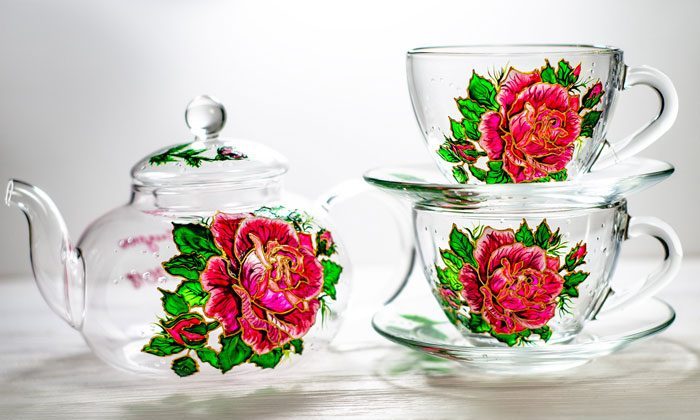
Vita of the Vitraaze Glass Shop is a glass painter from Kyiv, Ukraine who decorates teapots, mugs, plates, and various other glassware in striking hues to look like stained glass. Each vibrant piece is hand-painted with non-toxic paint and then heat-set so the designs don’t come off when washed.From floral designs to seasonal motifs, each colorful piece is a functional piece of art.Vita uses non-toxic enamels approved for use with food, then fires the pieces so their designs last as long as possible. They may not be dishwasher safe, but Vita says they’ll hold up to everyday use. I’ve been fond of painting since childhood,” Vita explained.“When I was a student, I read an article about glass painting and decided to try it out. I took a glass bottle and bought special paint for glass in the nearest shop. I then created a very simple design on the bottle, it wasn’t nice at all.”However, Vita didn’t let it discourage her. On the contrary.“I decided to try and perfect it,” she said. “I am crazy about doing everything as well as possible and fell in love with glass painting as I was doing my best to improve. Now, I’ve been at it for 6 years and still love it very much.”The artist usually finds inspiration in nature. “I adore how motifs of the natural world look on tableware and other pieces of décor. It’s a classic.”

More of Vita‘s amazing painted glass can be found at https://www.etsy.com/market/vitraaze_vita and https://mymodernmet.com/hand-painted-glass-mugs-vitraaze/.


Sunday Evening Art Gallery — Davide Salvadore

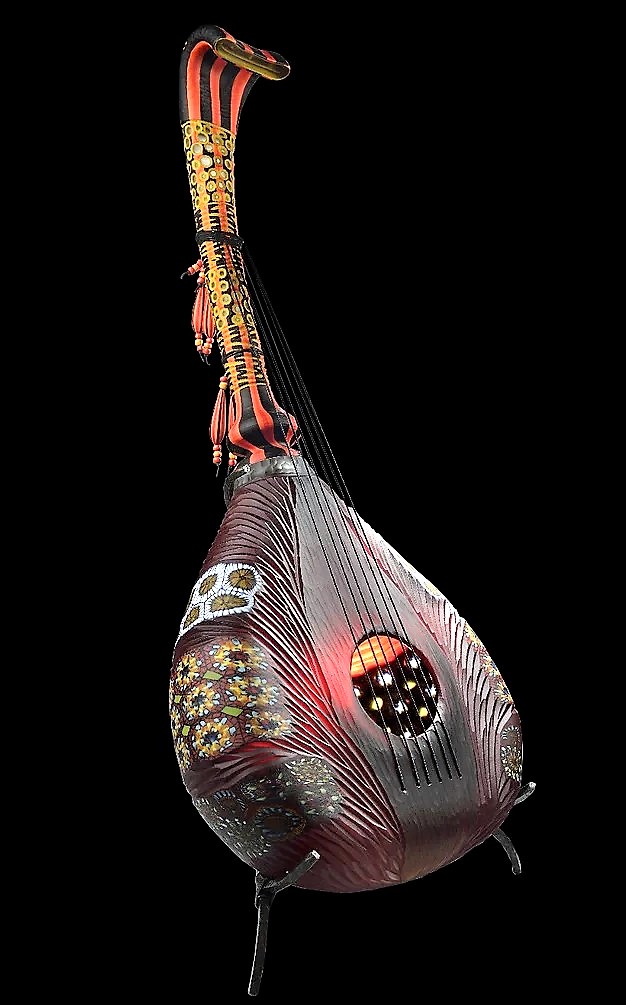
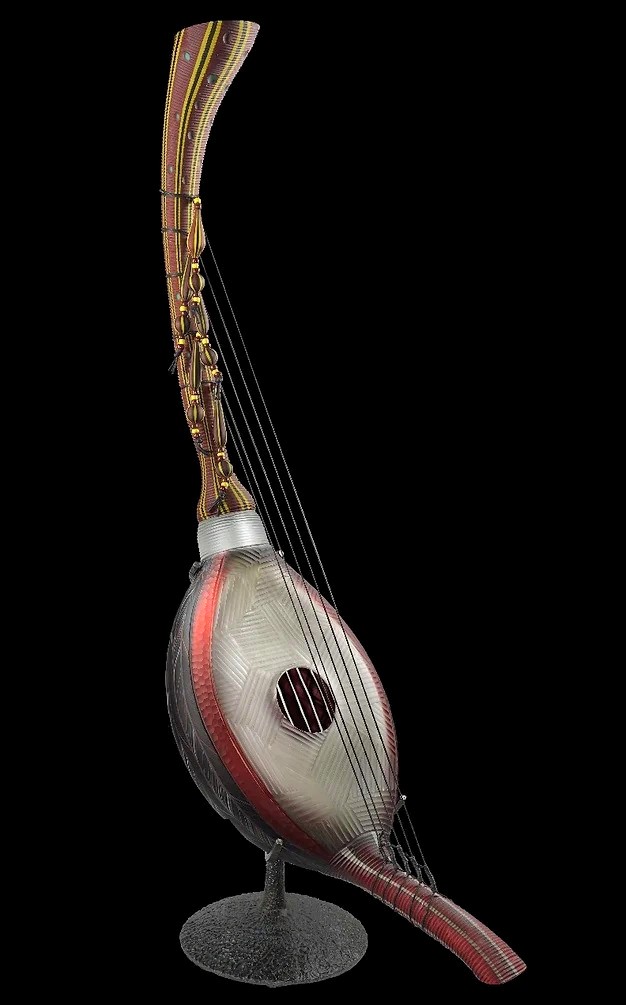
Dating back to the 1700’s, Murano glassworker Davide Salvadore is the 11th generation on his mother’s side credited with creating glass pieces.Cocoe Series, Colando

At a young age, Salvadore began following his grandfather, Antonio Mantoan, into the furnaces of Murano, first learning how to build the kilns and later working in the studios of Alfredo Barbini, who is often recognized as the ultimate glassmaker of Murano.Chitamarra Series, Romin

Later, he worked as a glassblower in multiple well-known glass studios, learning from each and improving his abilities.Chitamuro Series, Zuali

In 1998, Salvadore made a conscious decision to turn away from traditional functional glass work. At approximately the same time, he began demonstrating his unique murrine technique.Spingarpa Series, Siego

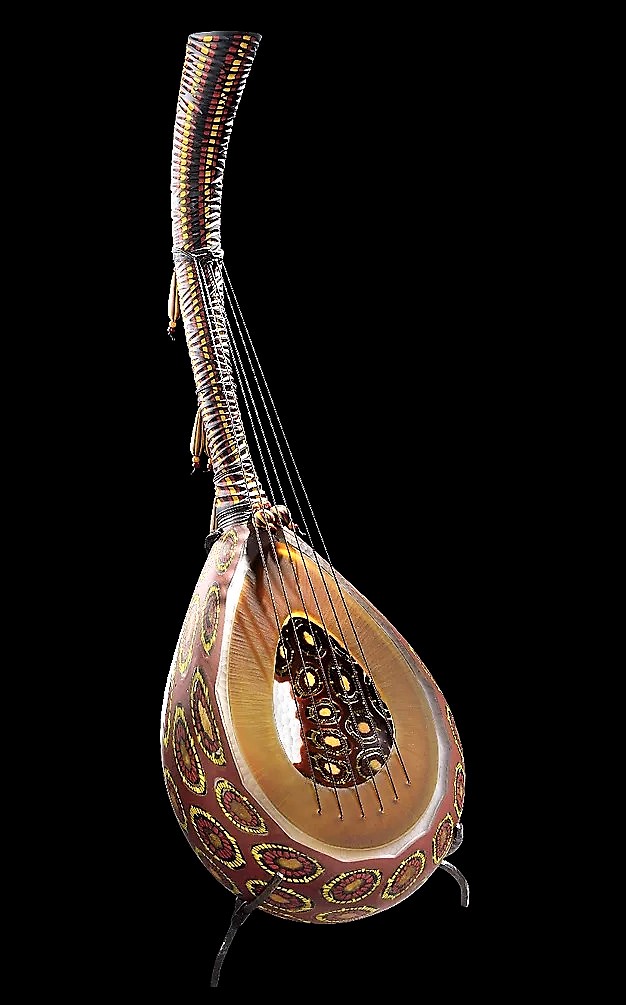
Salvadore’s love of music influenced him to produce a popular series of full sized glass stringed instruments. Each series is named a unique name he created.Tiraboson Series, Steso

Salvadore’s process takes longer than most would imagine and has many separate steps.Bechino Series, Bascila

Salvadore thinks about the piece he wants to create, settles in his mind on the idea, the colors and shape and then over the following week collects the glass canes and makes the murrines  specifically for that piece.Chitamarra Series, Leca

Murrines are created by stretching a compact mass of hot glass into a long, narrow, multicolored cane. Using his unique process, Salvadore cuts these canes into thin slices which are incorporated into his work in a variety of different shapes and sizes.Chitamuro Series, Ingaua

Then they go into the annealing oven to prepare them to be added to the form being blown. When the glass sculpture is fully cooled, it goes to the cold shop for further detailed work, which makes every piece a one-of-a-kind piece.Cocoe Series, Lupula


More of Davide Salvadore’s amazing creations can be found at https://www.davidesalvadore.com/.


Sunday Evening Art Gallery — Amber Cowan

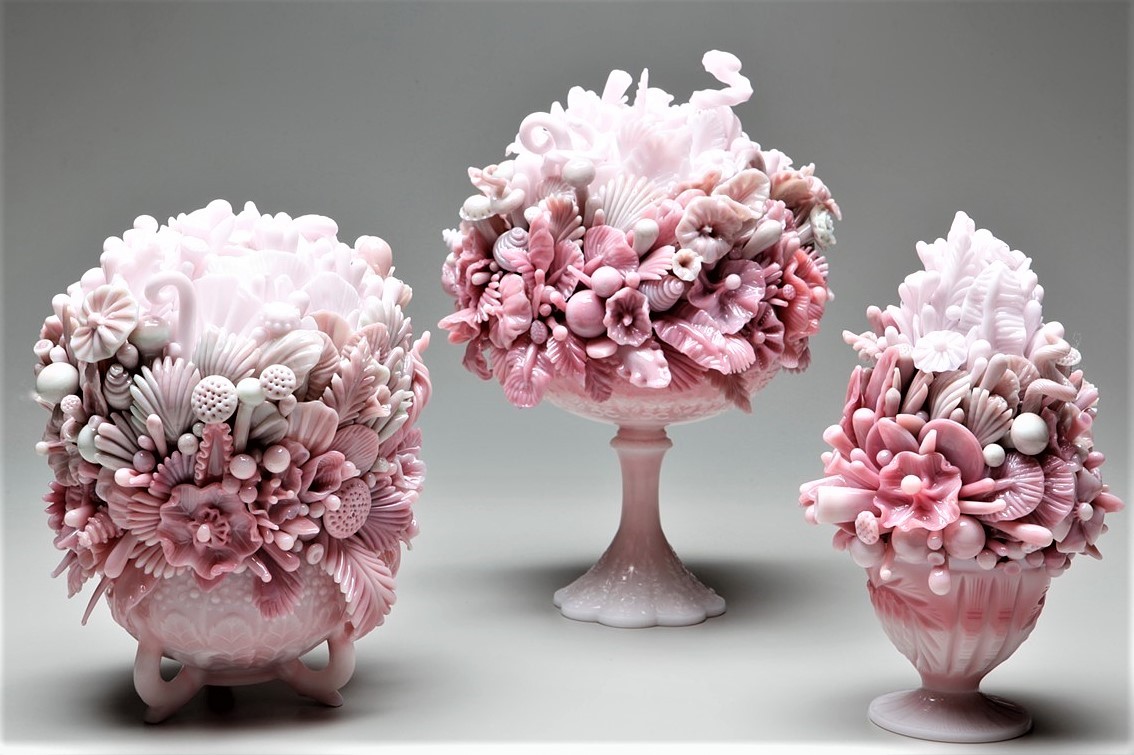
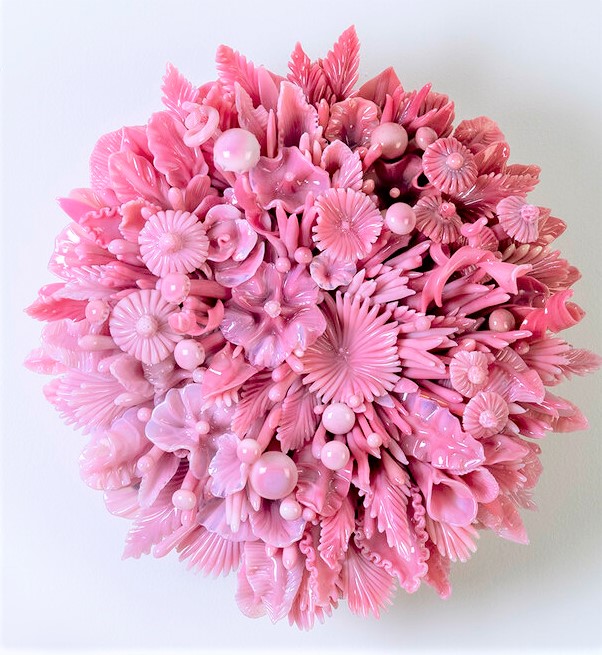
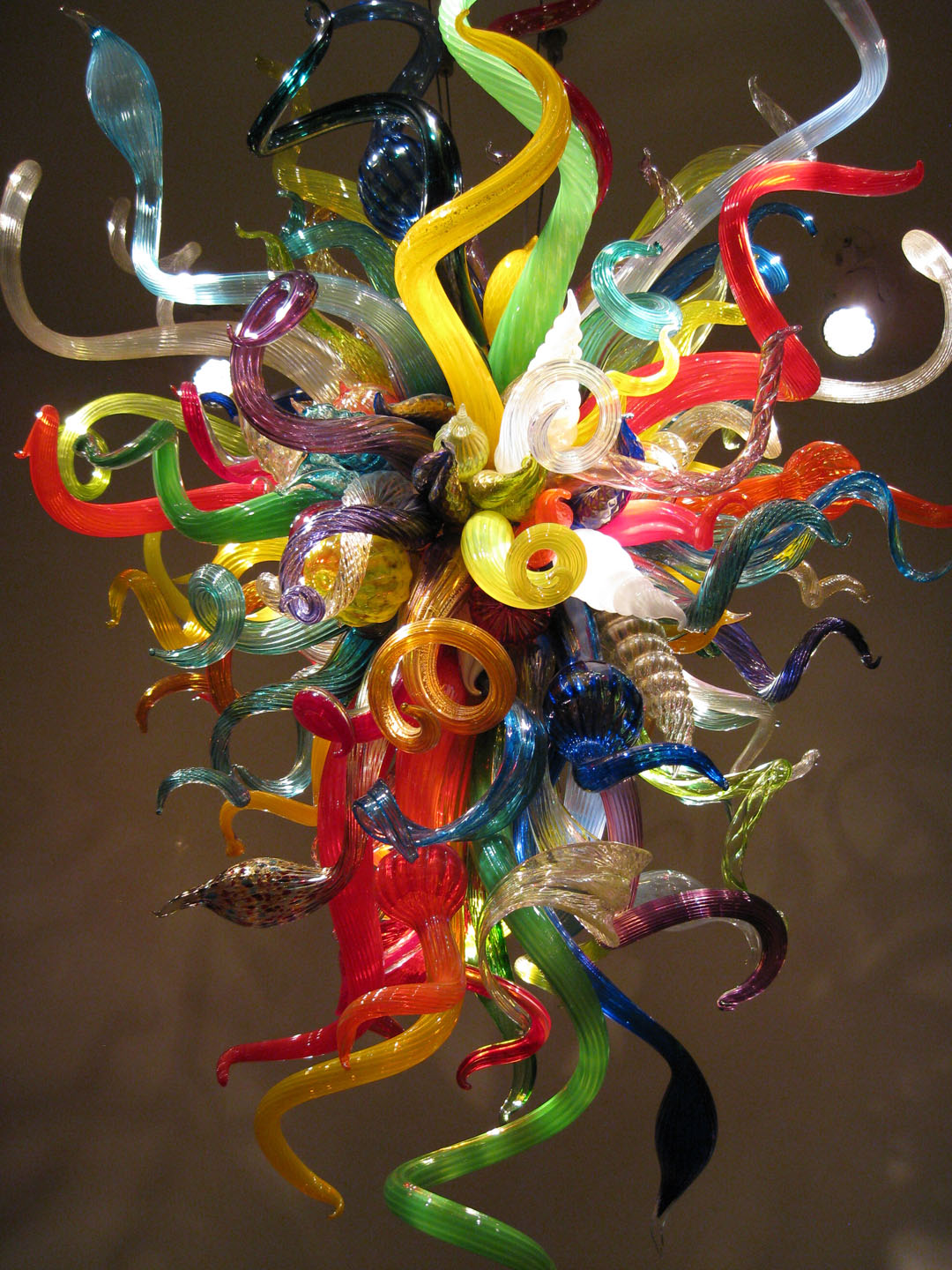
Amber Cowan is an artist and educator living in Philadelphia.She is a faculty member of the glass department of Tyler School of Art, where she received her MFA in 2011 in Glass/Ceramics.Cowan’s sculptural glasswork is based around the use of recycled, upcycled, and second-life American pressed glass.She uses the process of flameworking, hot-sculpting and glassblowing to create large-scale sculptures that overwhelm the viewer with ornate abstraction and viral accrual.

With an instinctive nature towards horror vacui (filling of the entire surface of a space or an artwork with detail),  her pieces reference memory, domesticity and the loss of an industry through the re-use of common items from the aesthetic dustbin of American design.The primary material used for her work is glass cullet sourced from scrap yards supplied by now defunct pressed glass factories as well as flea-markets, antique-stores and donations of broken antiques from households across the country.Cowan uses these found pieces to create remarkable one-of-a-kind objects that reference the rise and fall of US glassware manufacturing, while simultaneously offering a new narrative.More of Amber Cohen‘s amazing glasswork can be found at https://ambercowan.com/.


Sunday Evening Art Gallery — Martin Blank

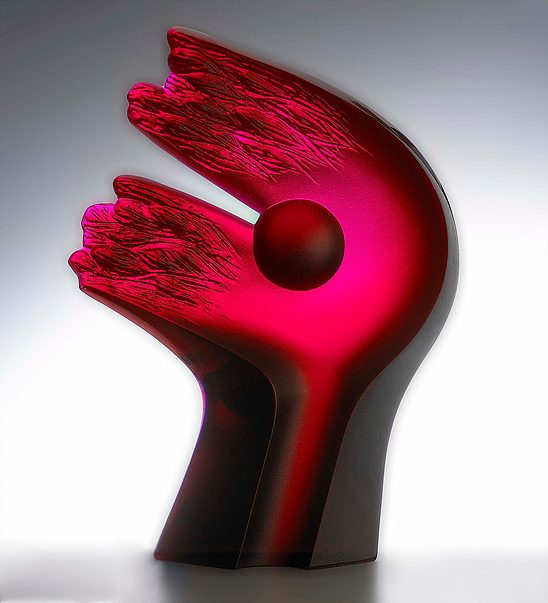
Martin Blank is one of North America’s premiere figurative glass sculptors with a style quintessentially his own.

Creating tension between sculptural forms that evoke compelling landscapes revealed by the juxtaposition of sculptural elements, Blank’s work is about carving space.Martin Blank was born August 29, 1962 and received his BFA from the Rhode Island School of Design in 1984.

That same year, Blank moved west to begin his professional career in Seattle, working at the center for studio glass and learning from the driving force behind it, Dale Chihuly.Blank worked on the Chihuly team, bringing his infectious enthusiasm and courageous desire to push the material for several years, all the while establishing his own contributions to the glass movement.Whether it is a collection of flower blossoms, a monumental abstract installation, or a figurative sculpture, Martin Blank’s hot sculpted glass is made with a combination of technical exactitude and creative exuberance.

His working relationship with glass is an intimate one, as he wears heat protective clothing, gets very close, and employs his entire body while molding the molten material. 

Intuitive and deliberate, he is nonetheless open to enhancing his visual vocabulary with the happy accidents of glasswork.

More of Martin Blank‘s amazing glasswork can be found at https://www.martinblankstudios.com/


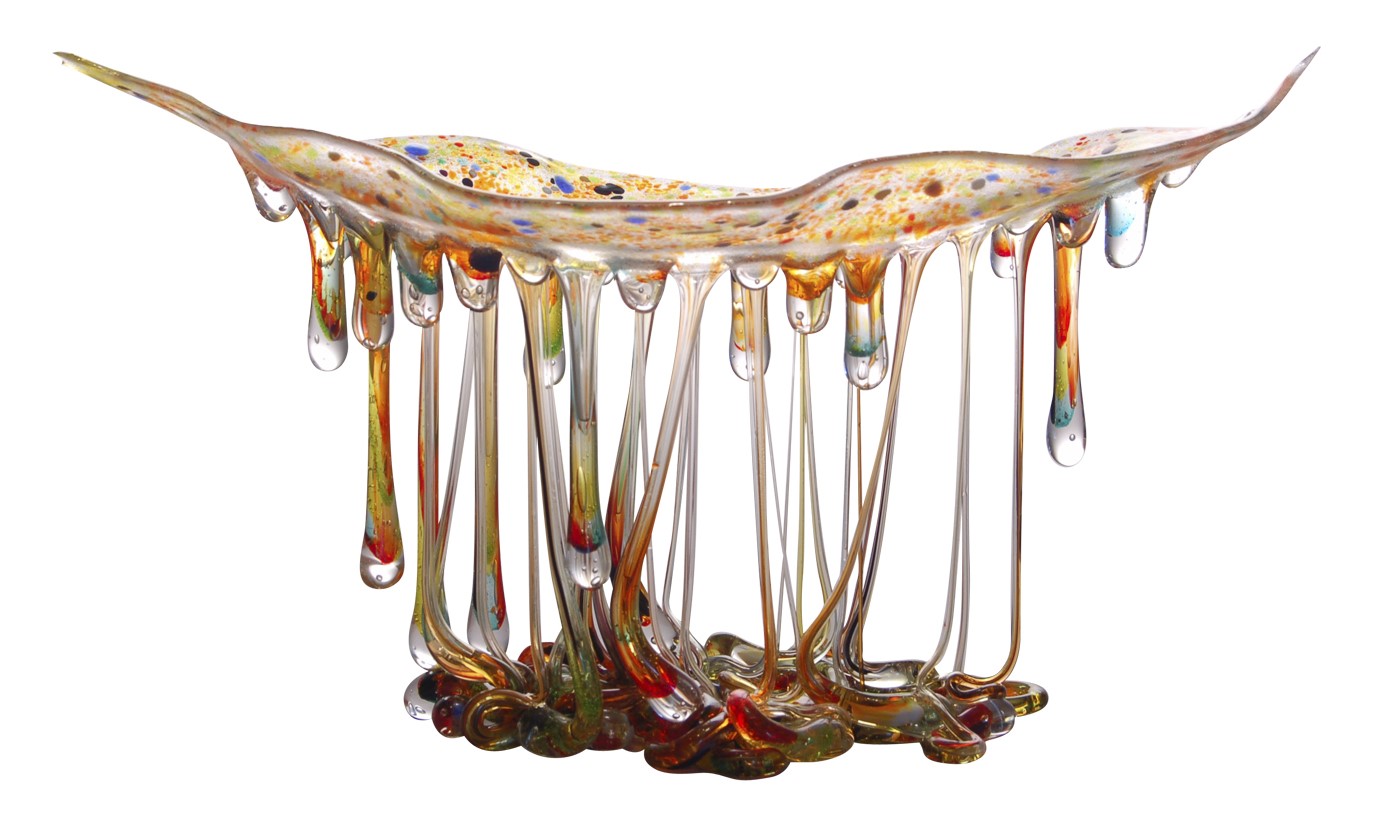
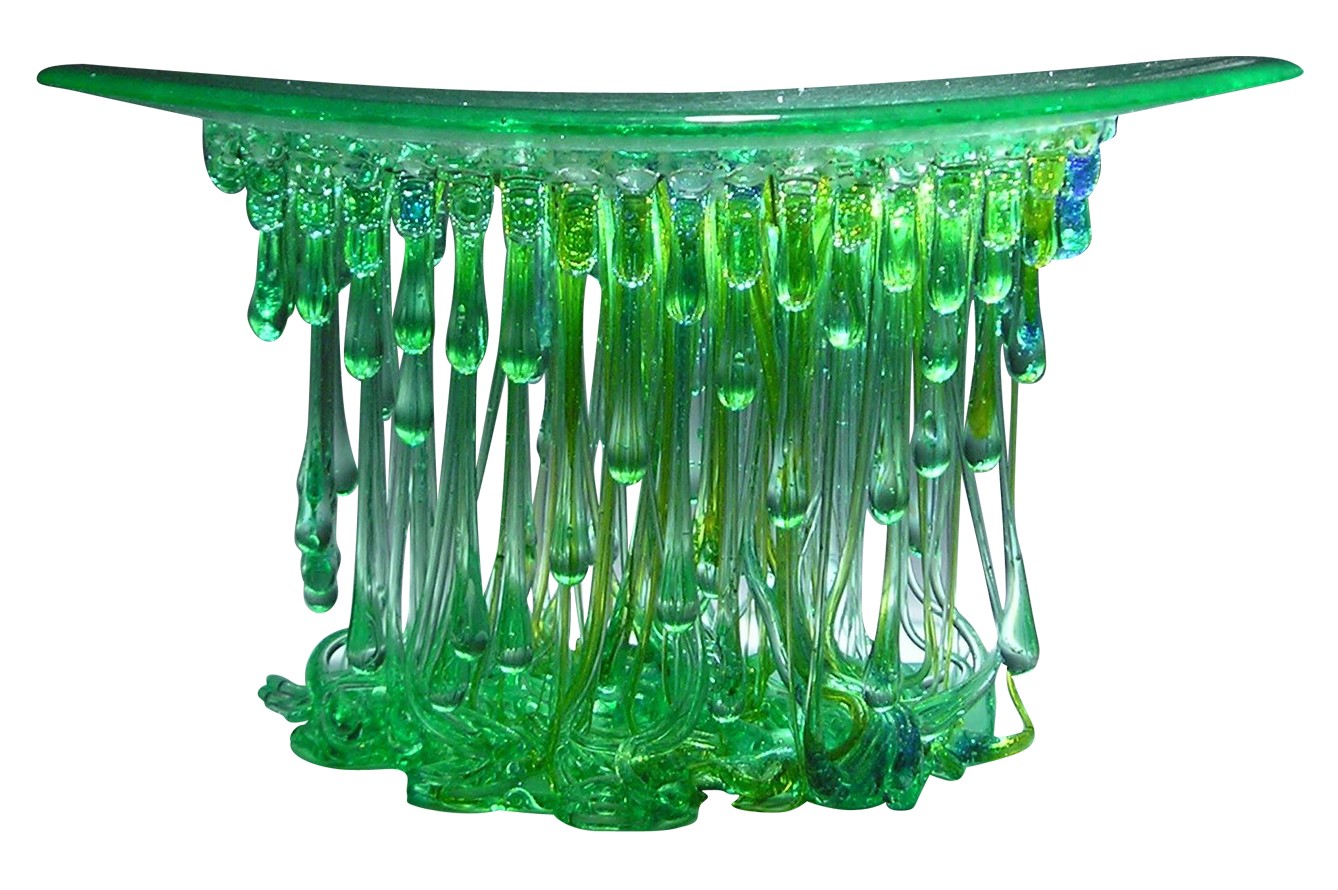
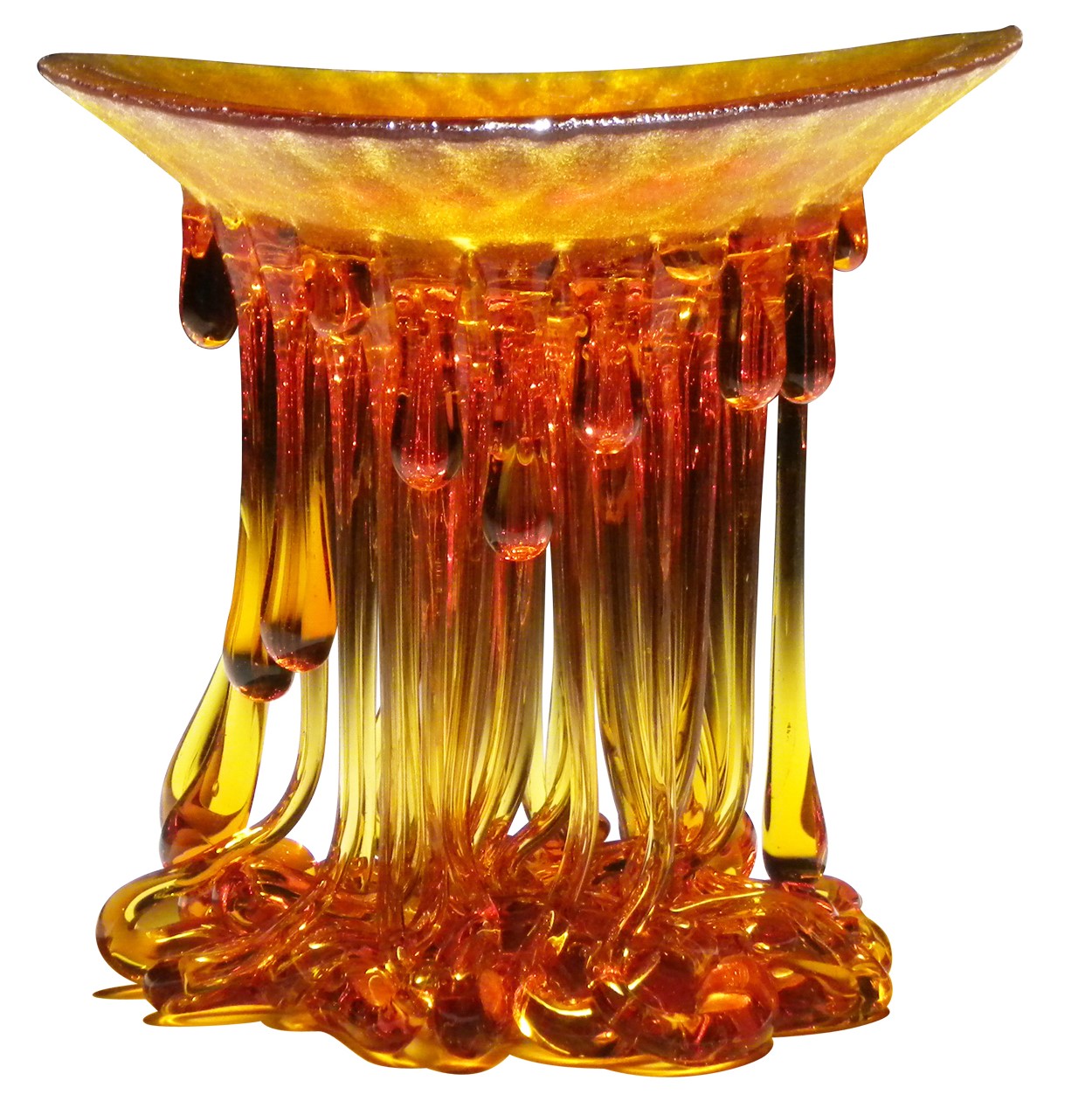
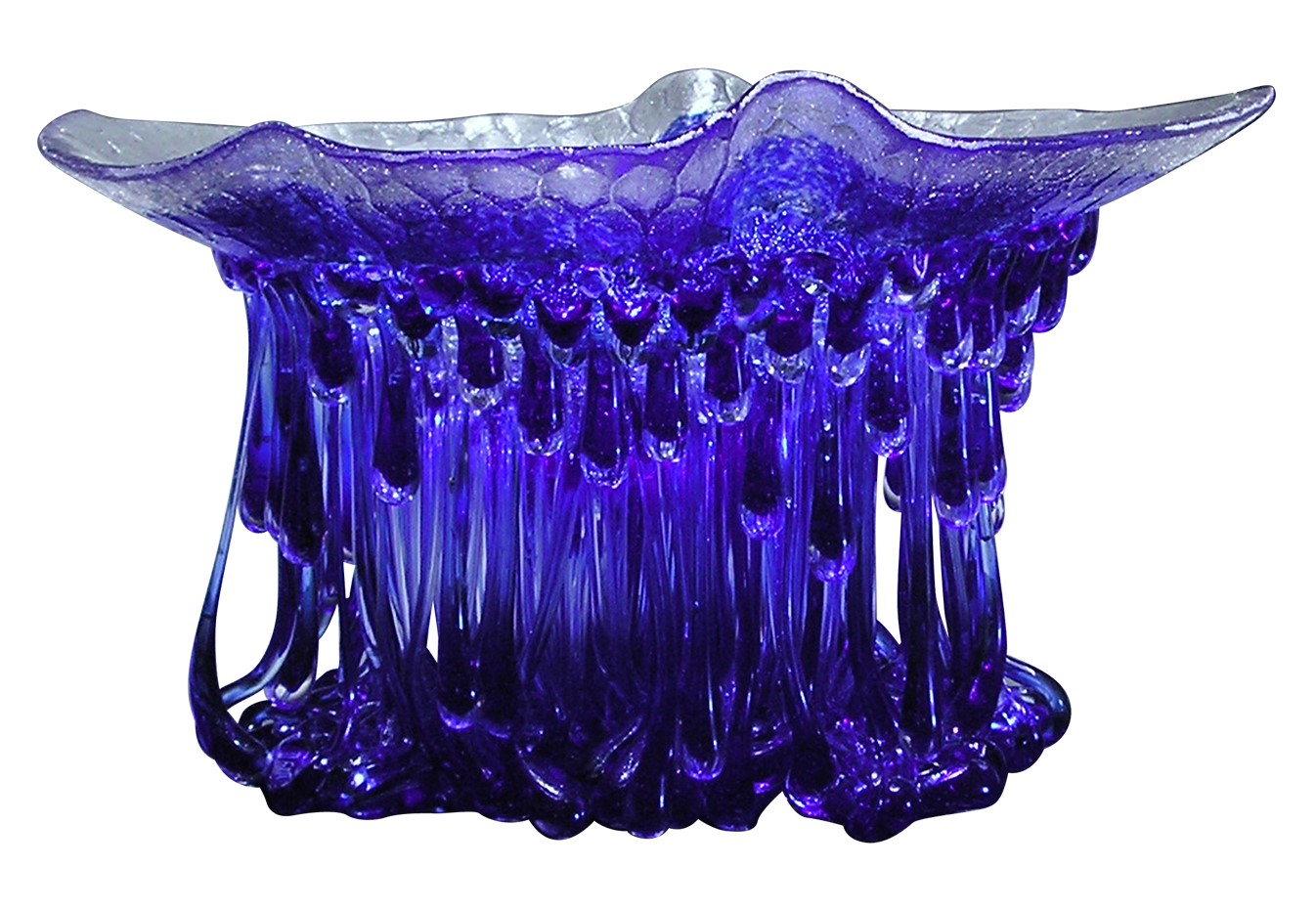
Sunday Evening Art Gallery — Daniela Forti

http://www.danielaforti.it/english/works.htm

Jellyfish


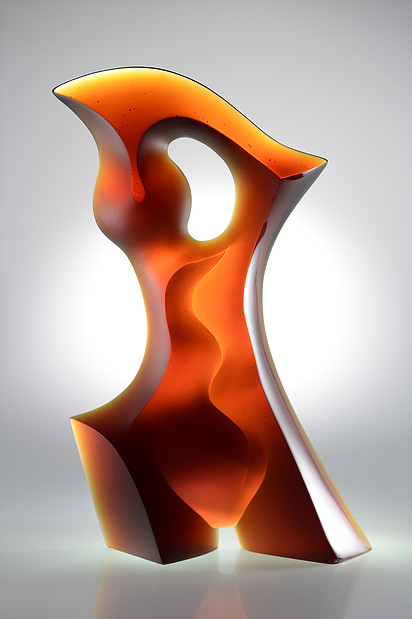
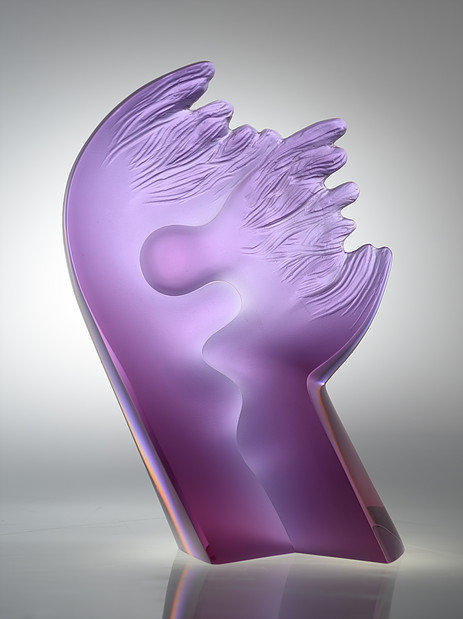
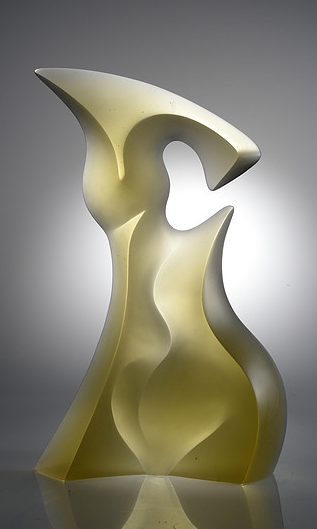
Sunday/Monday Evening Art Gallery Blog — Latchezar Boyadjiev

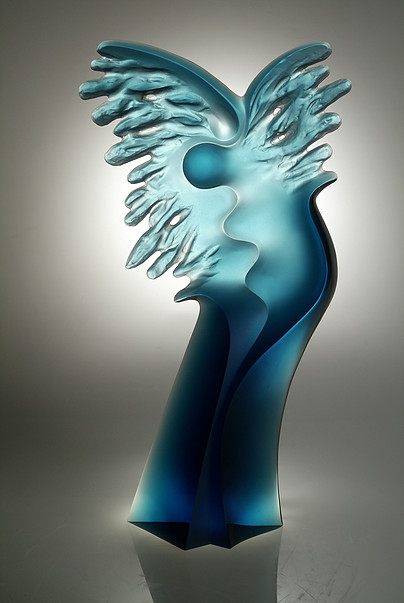
Latchezar Boyadjiev was born in Sofia, Bulgaria, and educated the the Academy of Arts in Sofia and the Academy of Applied Arts in Prague, Czechoslovakia, where he studied with Professor Stanislav Libensky, one of the most prominent glass artists of our time.

Boyadjiev came to the United States in 1986, where he taught at the California College of Arts and Crafts.

Boyadjiev begins his sculptures by creating clay sculptures with perfect smooth surfaces and details

Next follows a series of positive and negative molds, a time-consuming and detail-oriented process that leads to the final plaster positive that will determine the outcome of the sculpture.

These  new glass sculptures are cast into yet another mold, and later annealed, partially ground and polished.

Boyadjiev creates amazing glass sculptures that are sensual and fluid, a true joy to behold.

More of  Latchezar Boyadjiev‘s glass sculptures can be found at http://www.latchezarboyadjiev.com/.
Sunday/Monday Evening Art Gallery — Ercole Barovier

iw-ercole-barovier-29

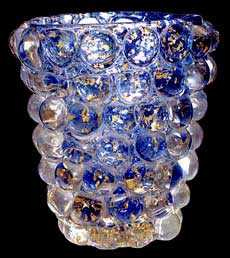
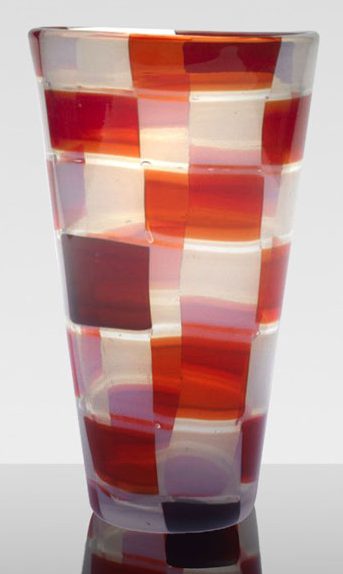
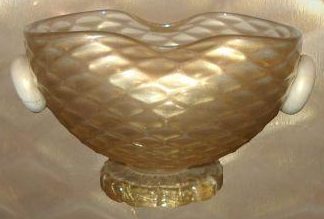
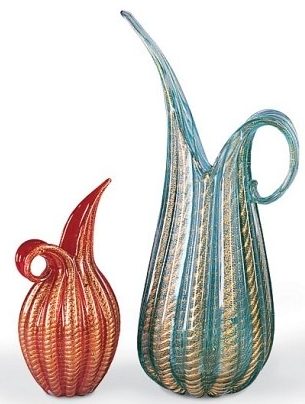
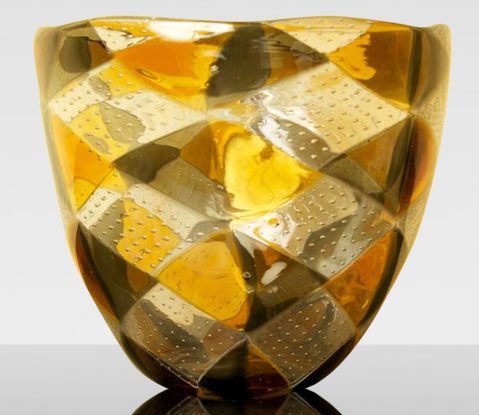
Ercole Barovier (1889-1972) was the son of Benvenuto Barovier and a member of a centuries-long lineage in the family company, Vetreria Artistica Barovier & C. founded in 1295.

eb_06

 He was named the artistic director of the company in 1926, and quickly rose up the ranks of the family business.

After becoming sole proprietor in 1936, he merged his family’s company with the Toso family to become Barovier & Toso in 1939.

barovier-incrocci-iridati-1-jpg

Over the course of his 50-year activity, he invented numerous decorative techniques which contributed significantly to the renovation of art glass.
dam-images-resources-2002-10-art_notebook-resl02_artnotebook-1

From the beginning of the Thirties, he dedicated himself entirely to experimenting with new multi-colored effects, in particular he perfected the colorazione a caldo senza fusione technique (staining heat without fusion) which he first used in 1935-36.

 He was active for fifty years in the company, and amassed a portfolio of no fewer than 25,000 designs.

gass

Barovier’s work is part of many major museums’ collections around the world. 

iw-ercole-barovier-17

More of Ercole Barovier’s work can be found Ercole Barovier.

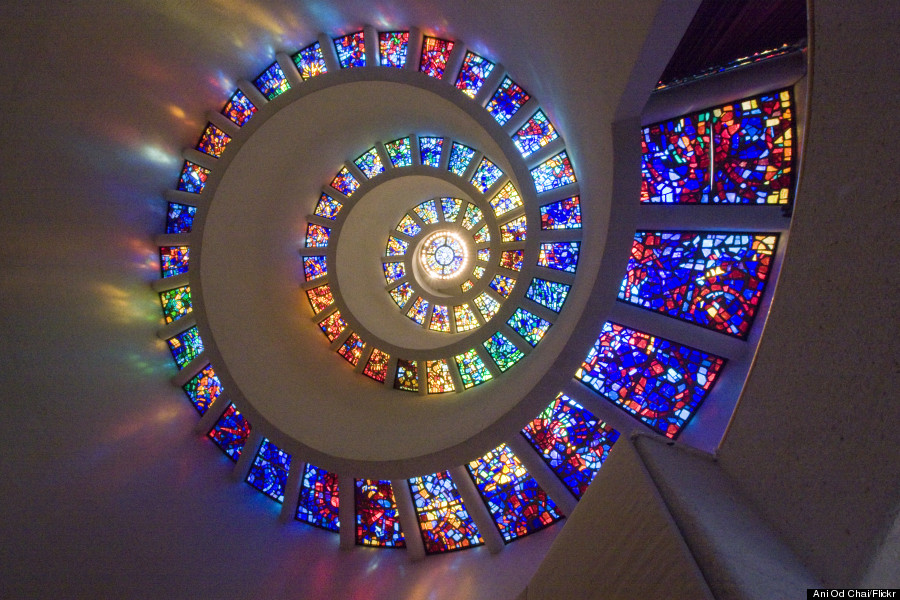
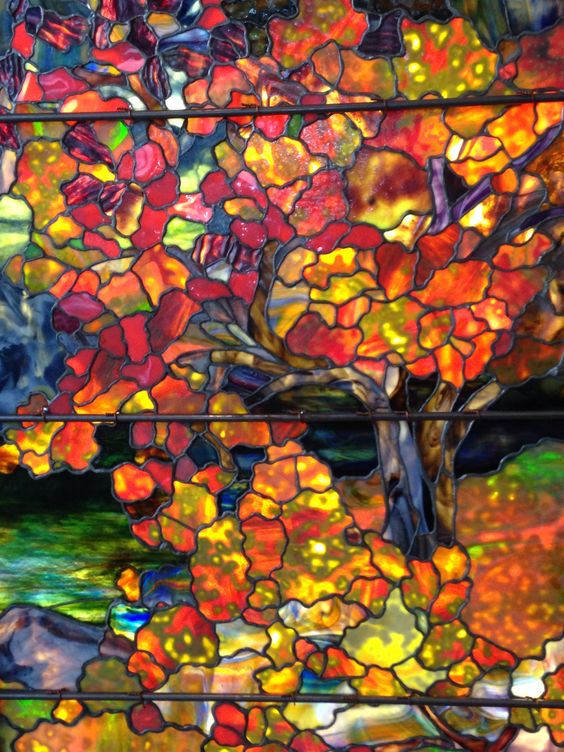
Sunday Evening Art Gallery Blog — Stained Glass

“…I’m innocent still  — inside me are stained glass windows that have never been broken — and when I see your light it stains my soul with color …”

John Geddes, A Familiar Rain

*

6358189_orig


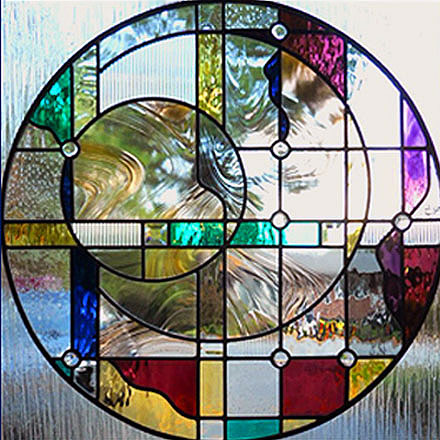
geo_circles

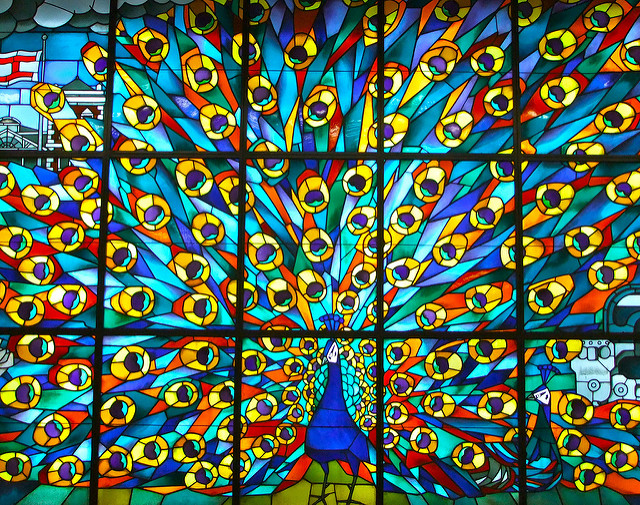
Peacock stained glass window

o-3STAINED-GLASS-WINDOW-900

Paris_08 17 10_0343

273

a11d8aa9b60f032d9c9c6ff98dcd3e97

Sunday Evening Art Gallery Blog — Dale Chihuly

You use a glass mirror to see your face; you use works of art to see your soul.  ~ George Bernard Shaw

10308234_525157254319292_6708631162960457558_n

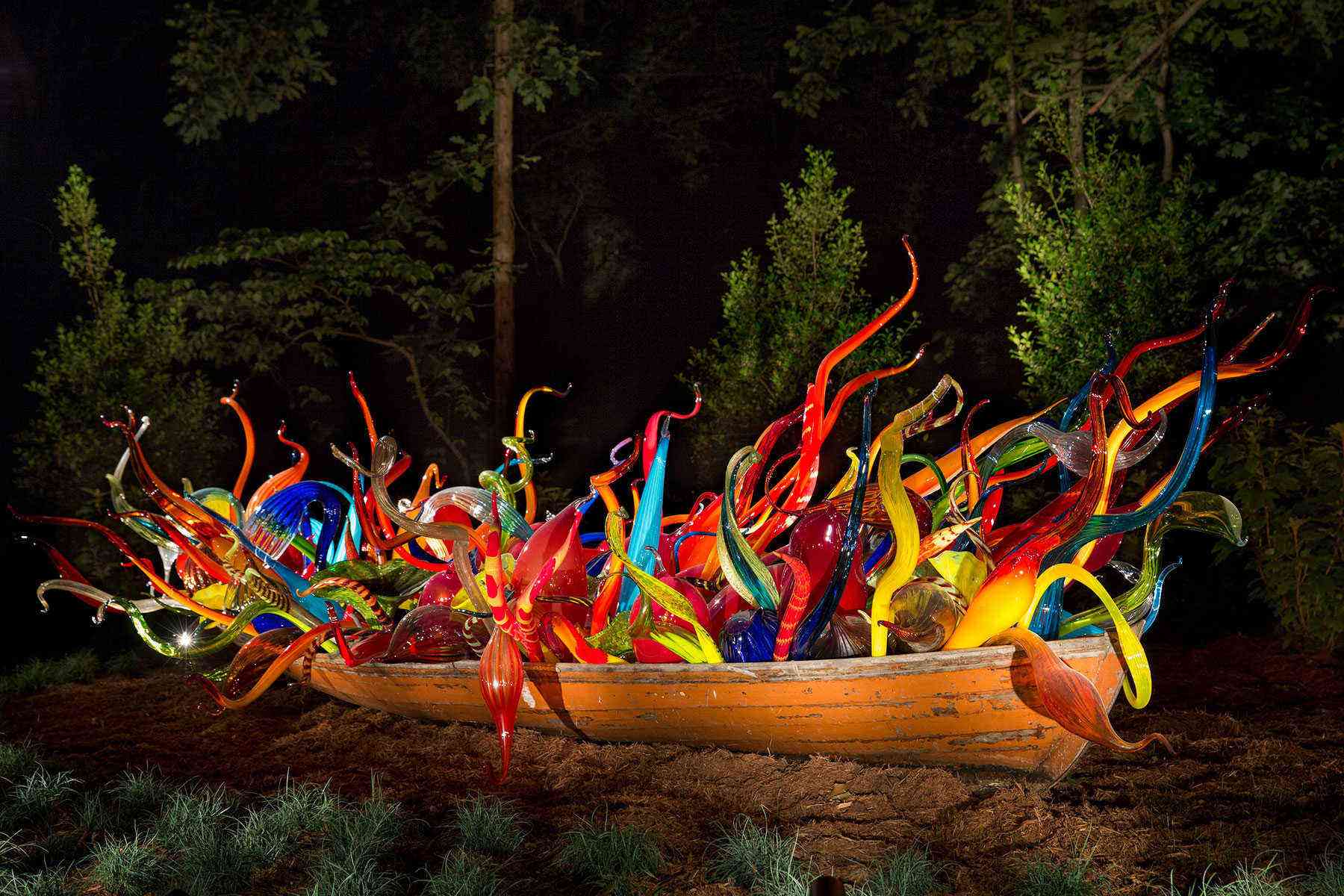
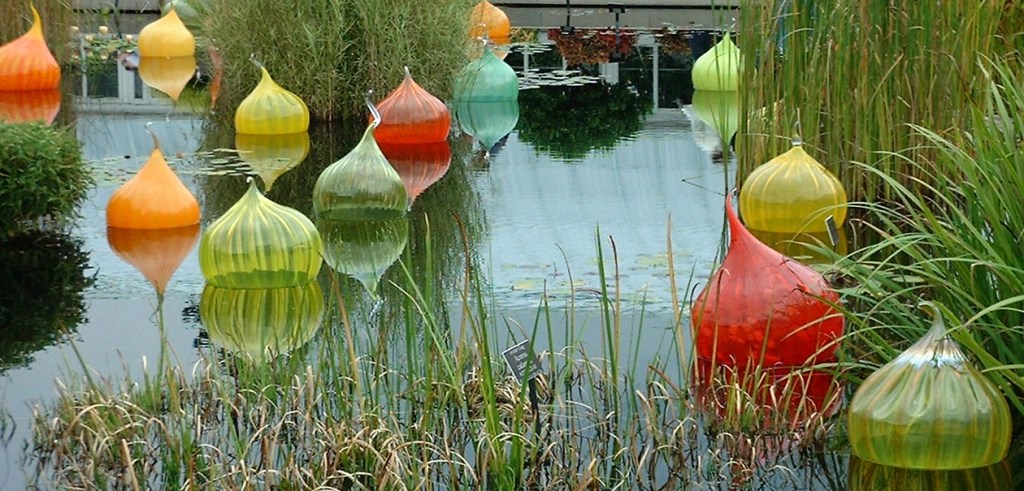
Dale Chihuly (born September 20, 1941), is an American glass sculptor whose work in glass led to a resurgence of interest in that spectacular medium.

ASSETID-444_VIEW-Web_VIEWID-114yBWQpt

Chiluly graduated in 1965 from the University of Washington where he first was introduced to glass while studying interior design, then an M.S. in sculpture in 1967 from the University of Wisconsin, where he studied glassblowing with Harvey Littleton.

ASSETID-23349_VIEW-Web_VIEWID-285LcCtJ0

He received an MFA from the Rhode Island School of Design, then worked at a renowned glassblowing workshop in Italy where he observed the team approach to blowing glass, which is critical to the way he works today.

11170341_525157100985974_1748978355667569835_n

In 1971, Dale Chihuly cofounded Pilchuck Glass School in Washington State.

12239651_525157170985967_575170206316439504_n

The technical difficulties of working with glass forms are considerable, yet Chihuly uses it as the primary medium for installations and environmental artwork.

ASSETID-43679_VIEW-Web_VIEWID-956_xQyoYe

Although Chihuly lost the use of his left eye in a car accident in 1976,  his work with assistants has been nothing short of phenominal.

ASSETID-41696_VIEW-Web_VIEWID-907_THwRCr

The artist professed, “Once I stepped back, I liked the view,” and pointed out that it allowed him to see the work from more perspectives and enabled him to anticipate problems faster.

ASSETID-16814_VIEW-Web-Override_VIEWID-688_2t2l7w

More of Dale Chihuly‘s fantastic glassworks can be found at http://www.chihuly.com.


Sunday Evening Art Gallery Blog — Architecture in Blue

I was blue, just as blue as I could be
Ev’ry day was a cloudy day for me
Then good luck came a-knocking at my door
Skies were gray but they’re not gray anymore

8 Spruce StreetBL

Blue skies
Smiling at me
Nothing but blue skies
Do I see

glass_building_day_by_daytonajd-d47c0ey

Bluebirds
Singing a song
Nothing but bluebirds
All day long

Architectural Details 078

Never saw the sun shining so bright
Never saw things going so right
Noticing the days hurrying by
When you’re in love, my how they fly

Architectural Details 093

Blue days
All of them gone
Nothing but blue skies
From now on

Architectural Details 005

I never saw the sun shining so bright
Never saw things going so right
Noticing the days hurrying by
When you’re in love, my how they fly

arch in blue1

Blue days
All of them gone
Nothing but blue skies
From now on

2012-The-blue-windows-London-England3738x2205

Lyrics by Irving Berlin

Health+Systems-blue+glass+buildings[1]

Sunday Evening Art Gallery Blog — René Lalique

Rene-Lalique-0304

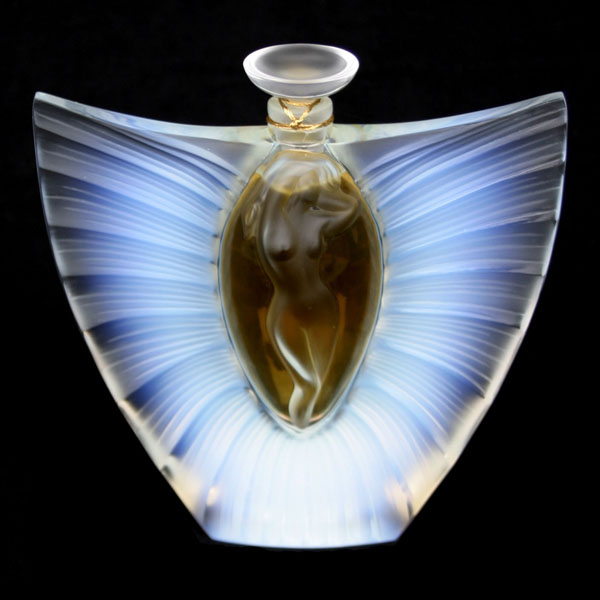
 René Lalique  (April 6, 1860 – May 5, 1945) was a master jeweller and glass designer during the Art Nouveau period.

His superior talent and creativity evolved over time and he developed his style to such an extent that he was able to dominate the Art Deco jewelry and glass market as well.

47772t

He designed an array of beautiful pieces — glass perfume bottles, jewelry, vases, tableware, bottles, lighting, figurines, and in his later years, car hood ornaments.

hg_00310_b_lalique

In the 1920s , his style morphed from the Art Nouveau nature-inspired forms, to more streamlined pieces to suit the Art Deco aesthetic.

Lalique’s glass pieces became more opalescent, produced by adding phosphates, fluorine and aluminum oxide to glass in order to make it opaque, and by adding tiny amounts of cobalt to produce an internal blue tint.

hg_00329_c_lalique

His work passes the level of everyday to rare and extraordinary.

image_l

More of   René Lalique‘s exquisite glassworks can be found at http://www.renelalique.com.

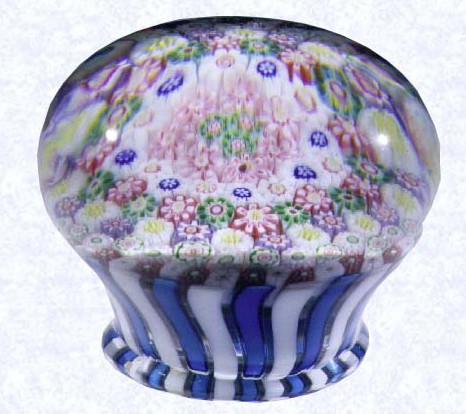
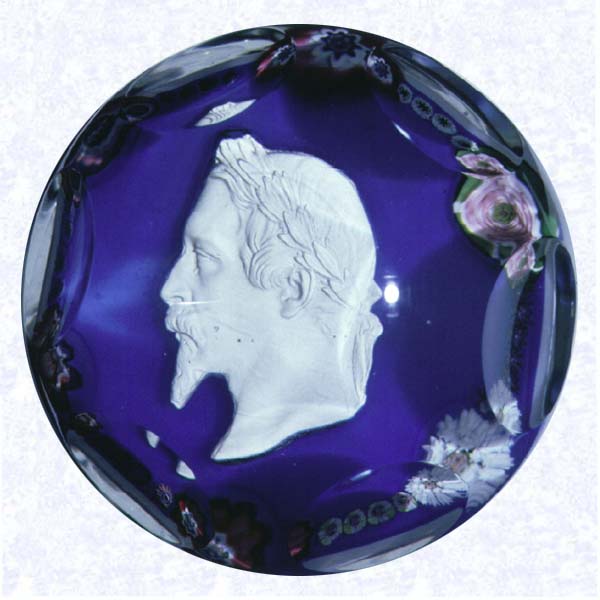
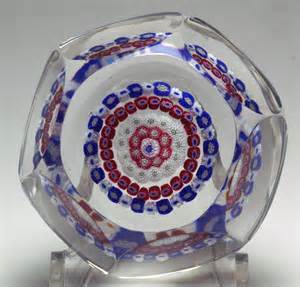
Sunday Evening Art Gallery — Paperweights

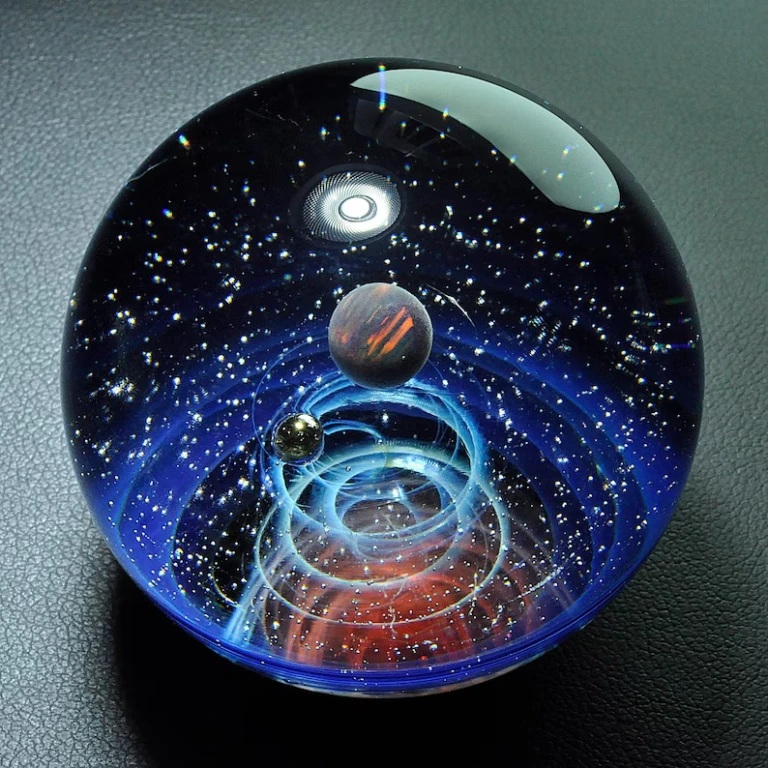
From the moment paper was invented, there was a need for paperweights.

Many objects were used to weigh flyaway papers down.

0e25d6e2b06eddd55787c0a9a422da04

Obviously, rocks, bricks, and tree branches didn’t work.

Ac187296concenbsktsideswap

So glass paperweights were created.

b93b6449d08f06a021335880209f6e11

Some of the earliest paperweights were made in Venice in the 1840s.

Ac220329napol3roman

The Bohemians improved upon the techniques of the Venetians, and also incorporated the aristry of the French, who really brought the art of the paperweight into full flower.

Ac199308garlmillflutes

Baccarat is unquestionably the most famous and renowned paperweight producer.

Paperweight, Baccarat, 1845-50. CE*66.12.

Other paperweight manufacturers included New England Glass Company, Tiffany, Ysart Brothers, Vasart, and Strathearn.

swarovski_swarovski_paperweights_no_box_P0000116263S0553T2

No matter who created the beautiful works of art, each paperweight brings its own magic into the world.

Ac249358larsonrose

The beauty of a moment reflected in the center of glass

antique1Suspended in an eternal moment of color and breath

093bf3d35271b31c8f99fe4abfe572a1

Gaze into the center of a paperweight and see your past — your future

NRI

You can find more works of beauty and light at:

Collectors Weekly http://www.collectorsweekly.com/art-glass/paperweights

Richard Mores Paperweight Photo Album  http://strathearn.smugmug.com/,

and other places across the Internet.

Sunday Evening Art Gallery Blog — Wine Glasses

In hand-blown crystal glass I see

Reflections of how it used to be

The finest wines in heaven poured

In vessels fit for any Lord

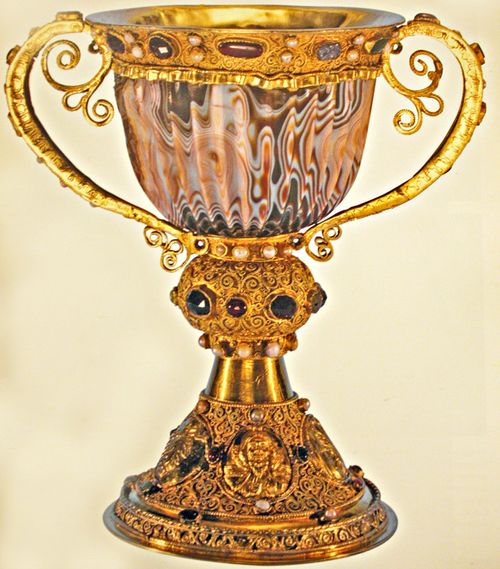
Chalice of Abbe Suger from the Abbey of SaintDenis

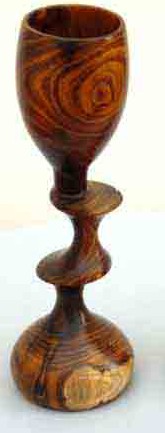
 Finely crafted of wood and glass

A stem created from materials past

To hold God’s work in one’s small hand

Is to drink His brew throughout the land

Creations from His thoughts to man’s delight

Turned into a display of shadow and light

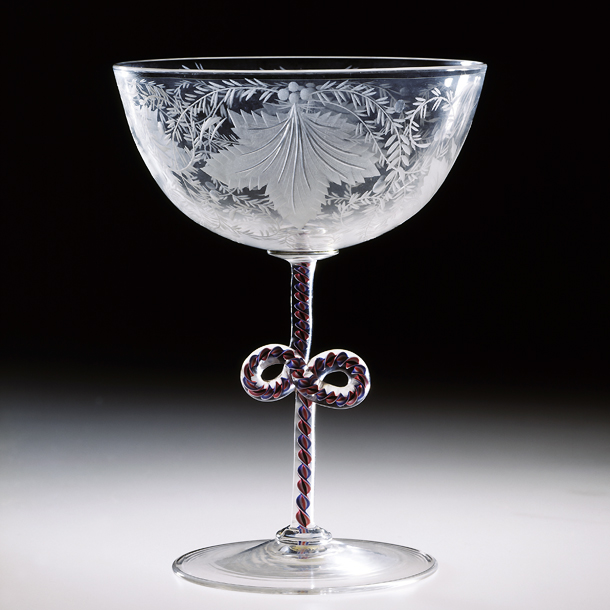
Wine glass, engraved, twisted enamel threads in stem. George Bacchus

So fill your glass with revelry bought

Whether water or wine it matters naught

unusual wine glass 1

Drink to love both present and past

And friendships made that ever last

Medieval wine goblet

Poetry by Claudia Anderson ©2015