Glass Insulators were used for telegraph and telephone lines to aid communication between states and prevent wires from touching wooden poles. Insulators are non-electrical conducting objects, usually made of glass or porcelain, intended to insulate the current running in a wire from grounding out, especially in fog or rain.
  In conjunction with the expansion of rural electrification in the early 20th century, there was a major boom in the manufacturing of insulators, with production peaking from the 1920s through the 1940s.
 The rarest glass insulators are generally either the oldest types or the ones with the fewest remaining examples.
 Ramshorn, block, and other early threadless types are all considered rare, with some insulator collections being focused solely on these initial renditions.
 Among the more common threaded styles, rarity can be based off style, manufacturer, color—really any of the aspects that determine an insulator’s value.
Commonly made from glass, in a dazzling array of shapes and colors, antique insulators are prized for their rarity and physical beauty. Use of porcelain and ceramic insulators spread during the late 19th century alongside higher-voltage electrical wires, like those required for home power lines, because the protective properties of porcelain proved superior to glass.
So whether you are a historical buff or glass collector, glass insulators certainly are their own form of art!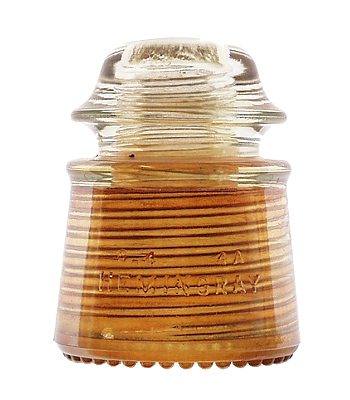

 Humoring the Goddess
I didn’t even know there were so many different ones, I only know the ones in clear glas.
LikeLike
I know! I only thought there were aqua blue ones. When I started researching I couldn’t believe what I read — and found!
LikeLiked by 1 person
I have a couple of those. I think they’re beautiful.
LikeLiked by 1 person
I have always loved glass insulators. Something about their unique shape. I’m happy to hear you have a few!
LikeLike