Francisco Goya (1746- 1828, Bordeaux, France) was a Spanish artist whose paintings, drawings, and engravings reflected contemporary historical upheavals and influenced important 19th- and 20th-century painters. A Spanish romantic painter and printmaker, Goya is considered the most important Spanish artist of the late 18th and early 19th centuries.
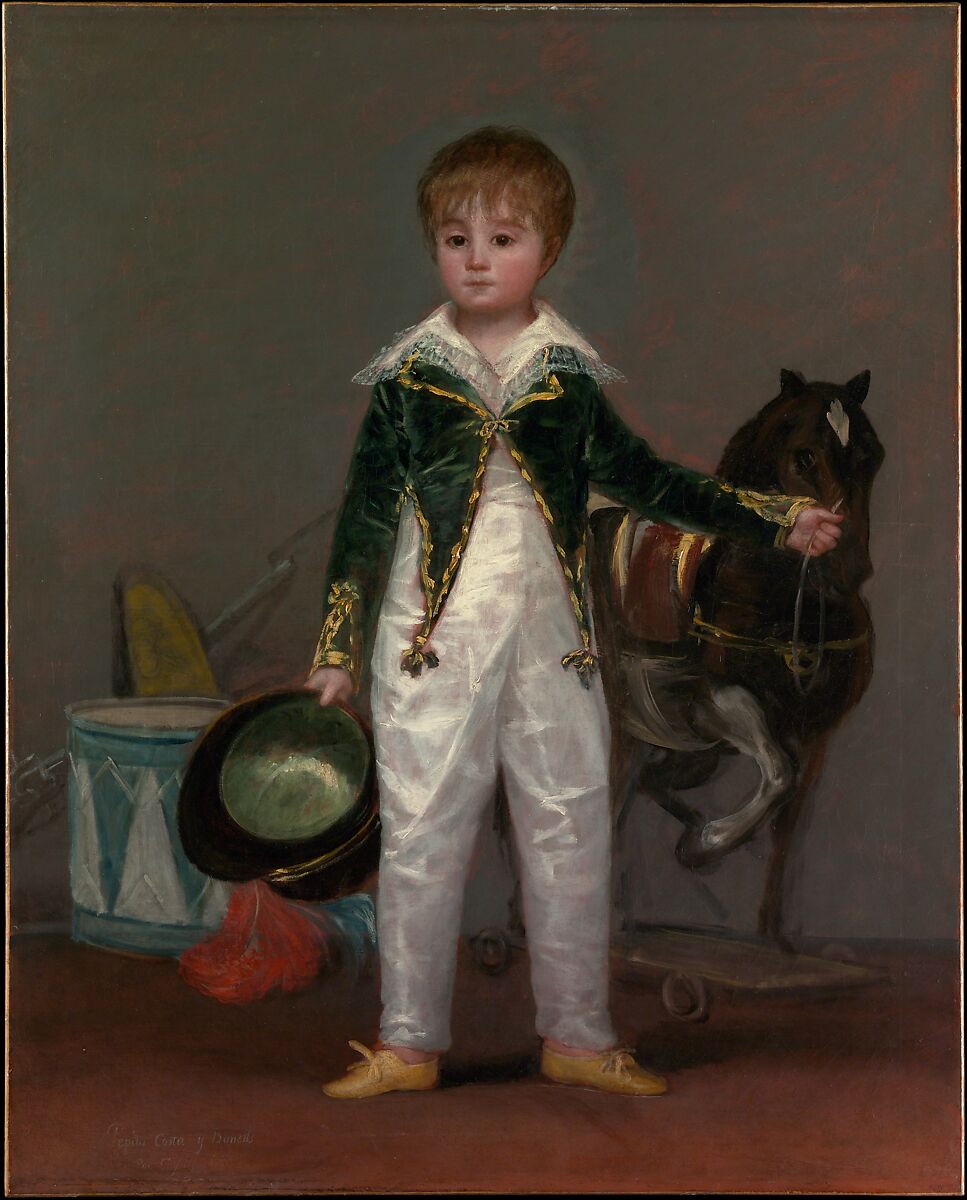 As an Old Master, he honored the works of his predecessors like Velázquez and Rembrandt, working in a traditional manner as seen in his many court portraits.
 At the same time, his bold departure from the artistic conventions of his day earns him a place as one of the first Modern Western painters.
 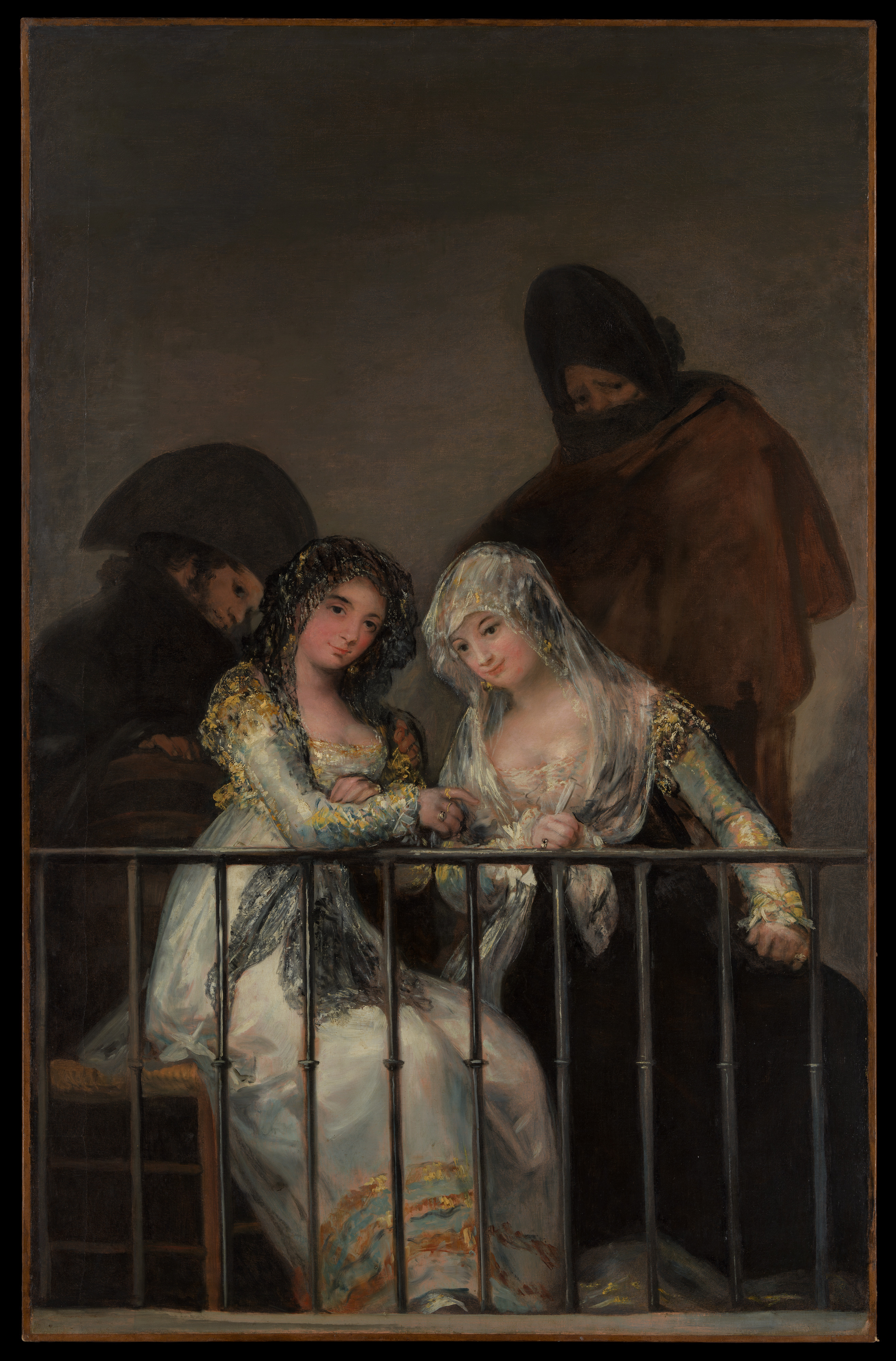 Between the years of 1792 and 1793, Goya suffered from a mysterious illness, which made him deaf, and affected his mental behavior.
 Some current medical scientists believe that his deafness was a result of the lead in which he used in his paints, whereas others believe it may have been some sort of viral encephalitis.
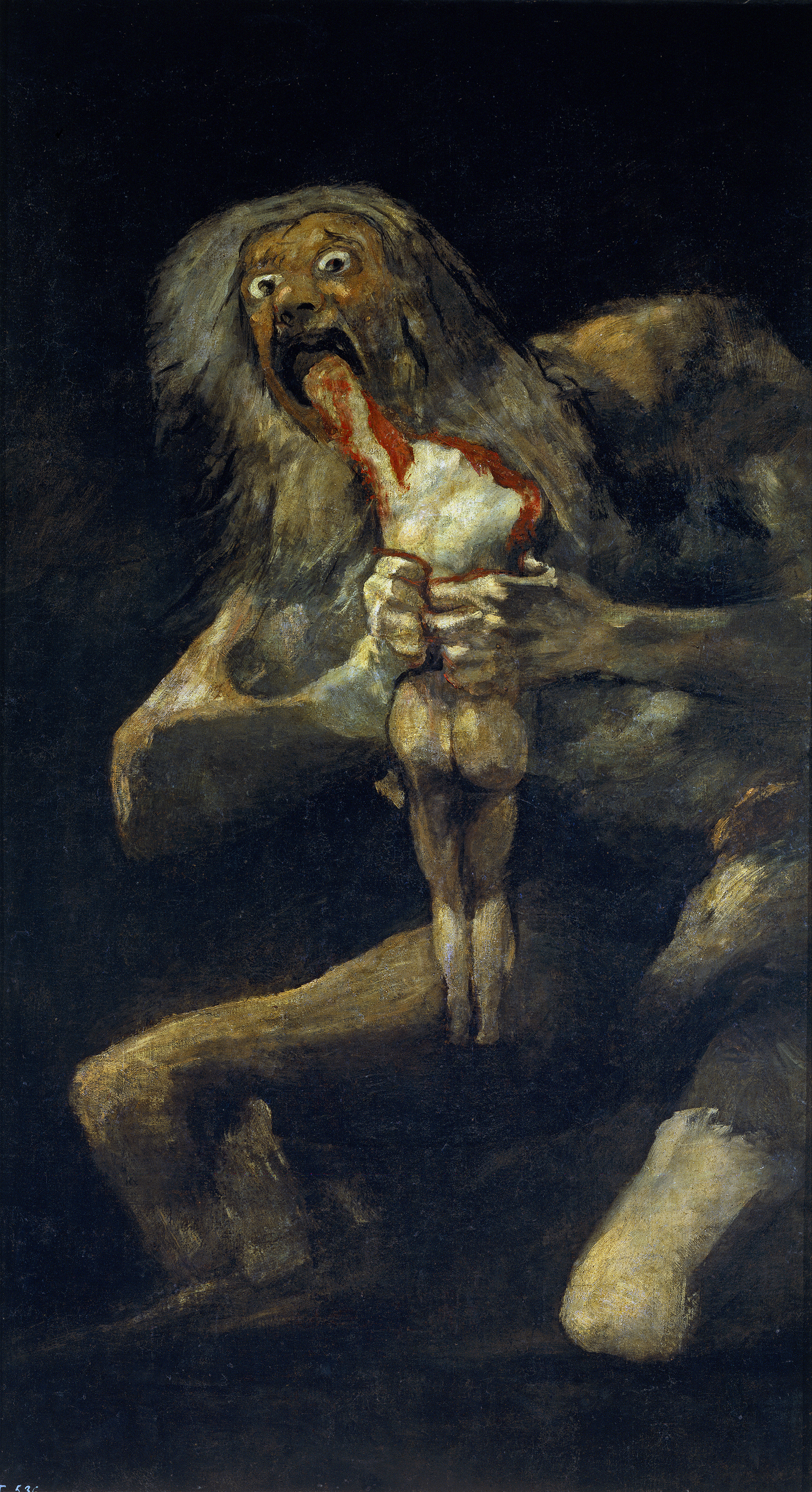
 After his illness, he became withdrawn and introspective, and began painting a series of disturbing paintings on the walls of his house in Quinta del Sordo.
 His earlier themes of merry festivals and cartoons changed into depictions of war and corpses, representing a darkening of his mood.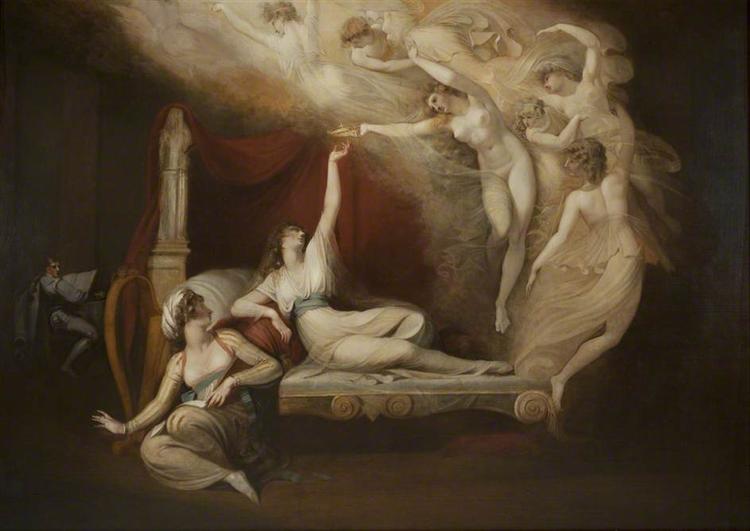
More of Francisco Goya’s paintings can be found at https://www.wikiart.org/en/francisco-goya and https://www.theartstory.org/artist/goya-francisco/.


 Humoring the Goddess