Sunday Evening Art Gallery — Giambologna

Giambologna (1529 — 1608) — (known also as Jean de Boulogne) — was a Flemish sculptor based in Italy, celebrated for his marble and bronze statuary in a late Renaissance or Mannerist style.
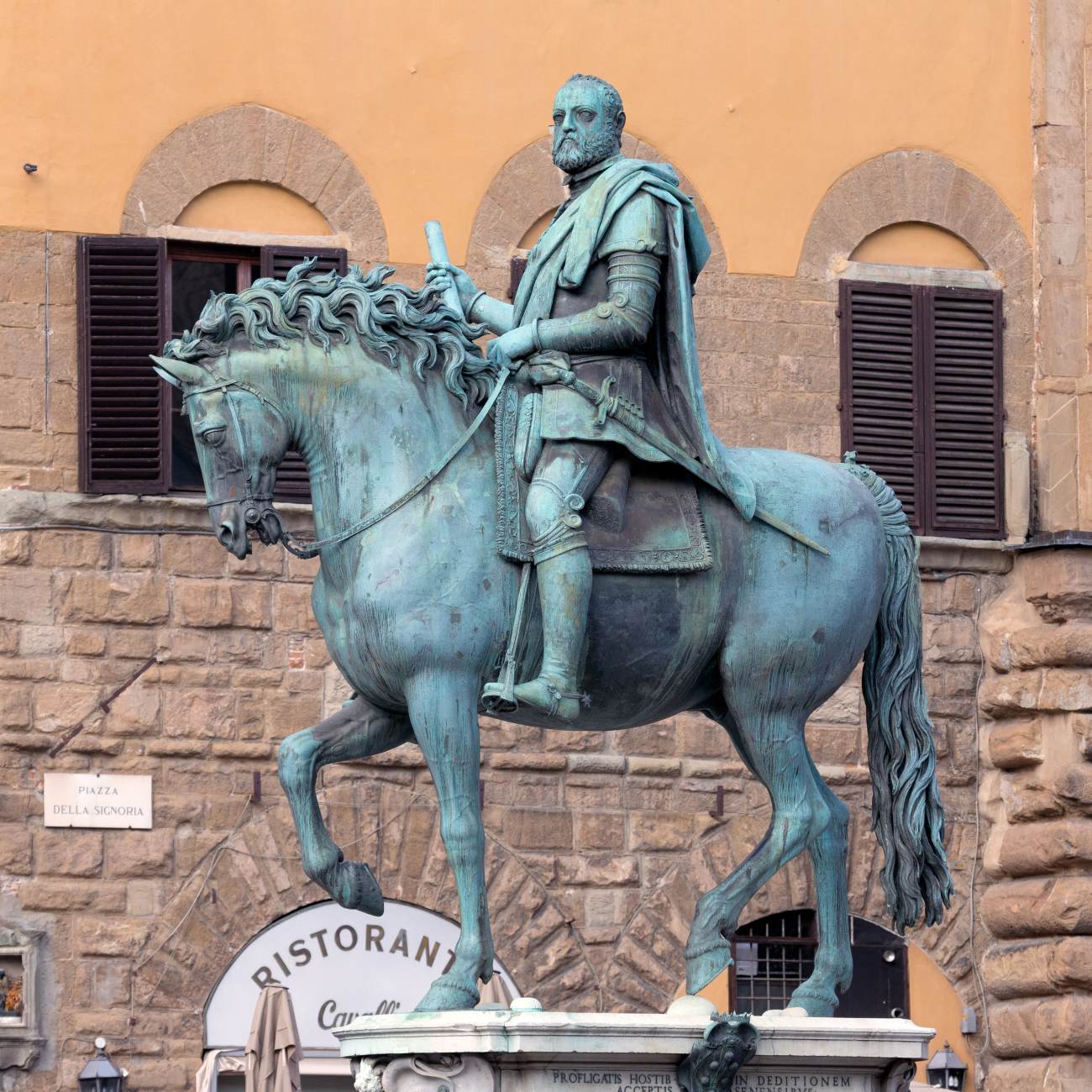
A master of the Italian Mannerist style, he occupies a pivotal position in the timeline of Italian sculpture, providing the link between the periods of the High Renaissance and the Baroque.After youthful studies in Antwerp, Giambologna moved to Italy in 1550 and studied in Rome, making a detailed study of the sculpture of classical antiquity.He was employed as court sculptor by three successive Grand Dukes of the legendary Medici dynasty.Giambologna remains most revered for his dynamic marble portraits, and for the production of exquisite bronze statuettes that were avidly sought by collectors throughout Europe.The artist was invested in the idea of beauty for beauty’s sake and produced works that featured figures composed of sinuous lines, graceful curves, exaggerated poses, and an elegance that delighted the public.He distinguished himself from his esteemed predecessors by accentuating more fully the asymmetrical contrapposto stance of his characters.The graceful, elongated Mannerist contours of his figures had the effect of revitalizing a somewhat stagnant Florentine sculptural scene.
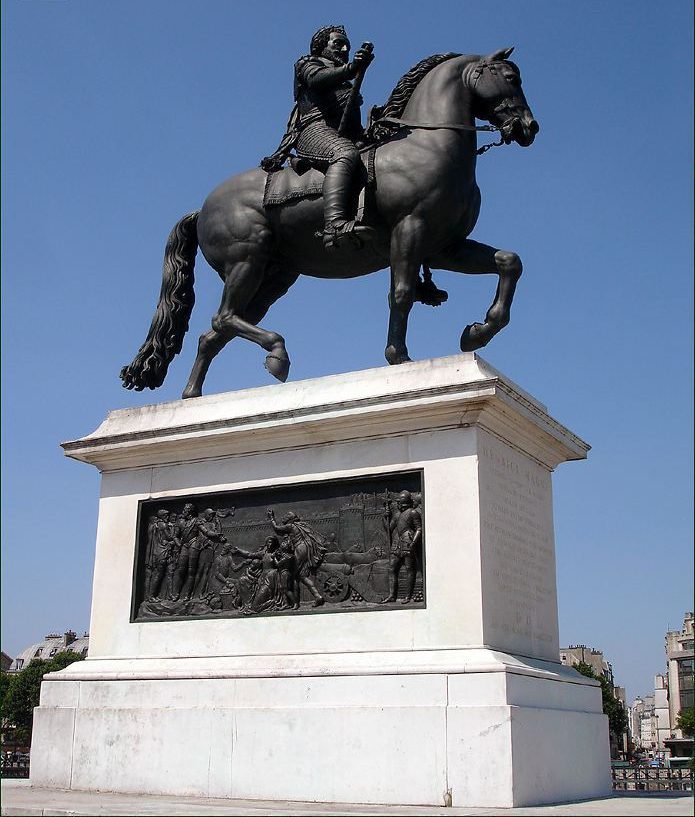
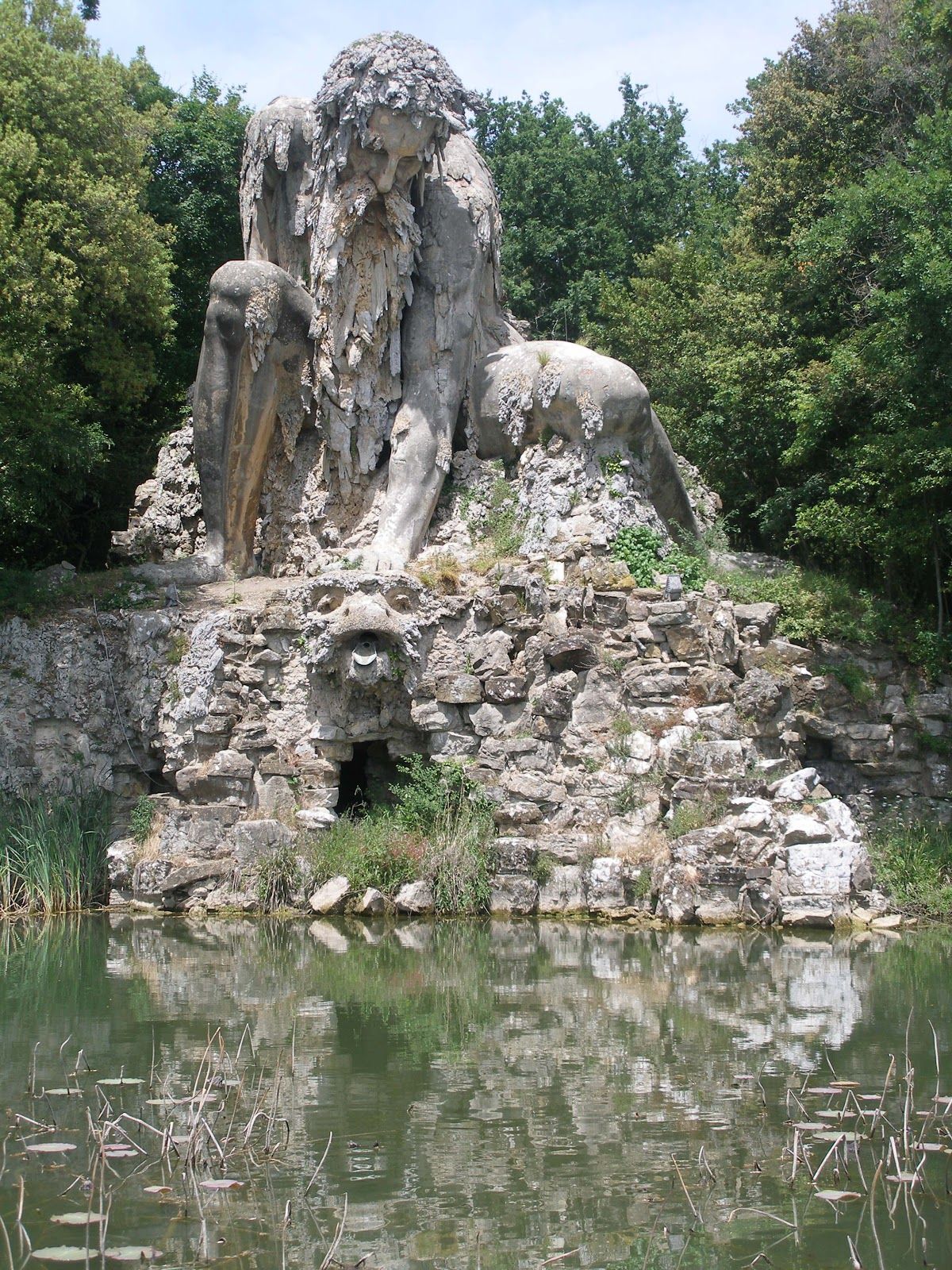
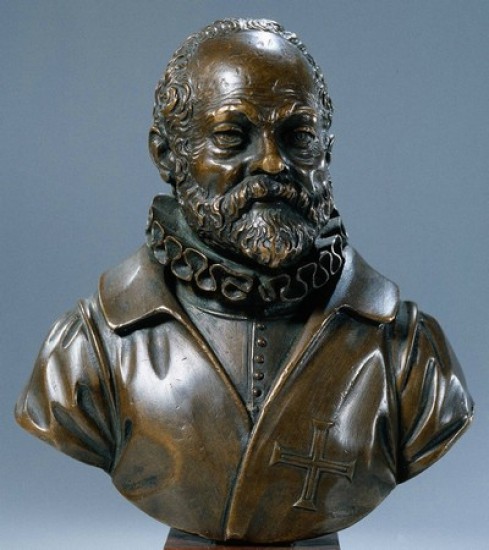
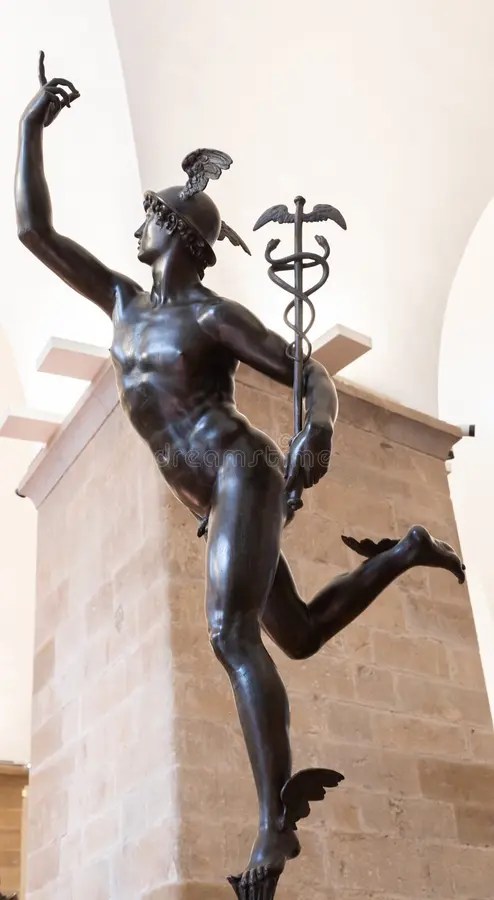
SONY DSC

More of Giambologna‘s amazing sculptures can be found at https://www.wikiart.org/en/giambologna and https://www.theartstory.org/artist/giambologna/.
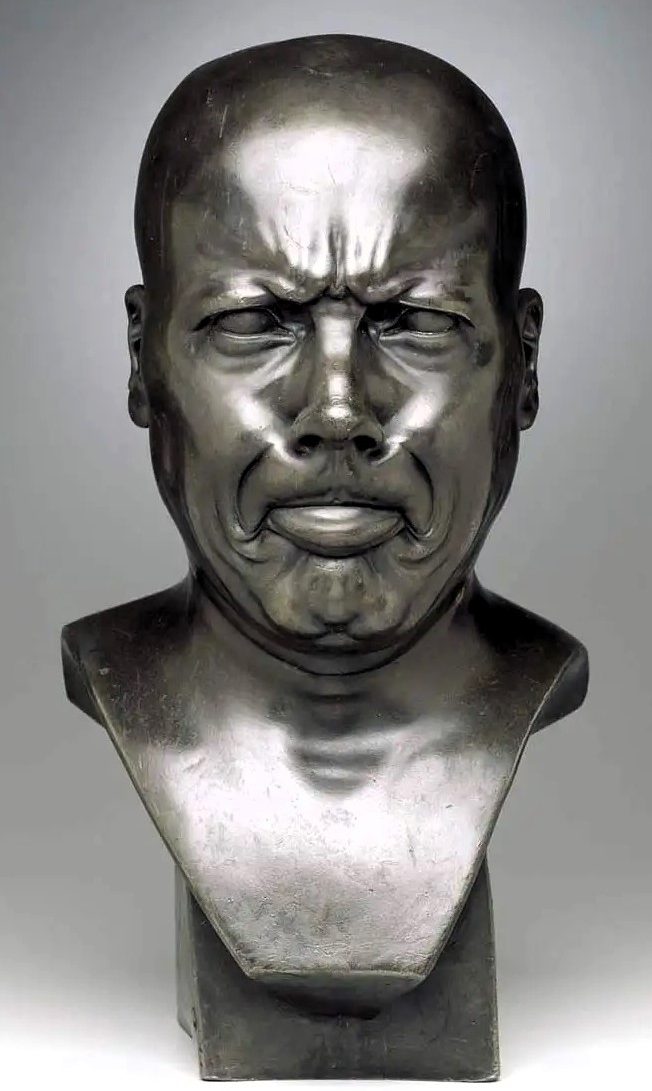


Sunday Evening Art Gallery — Franz Xaver Messerschmidt

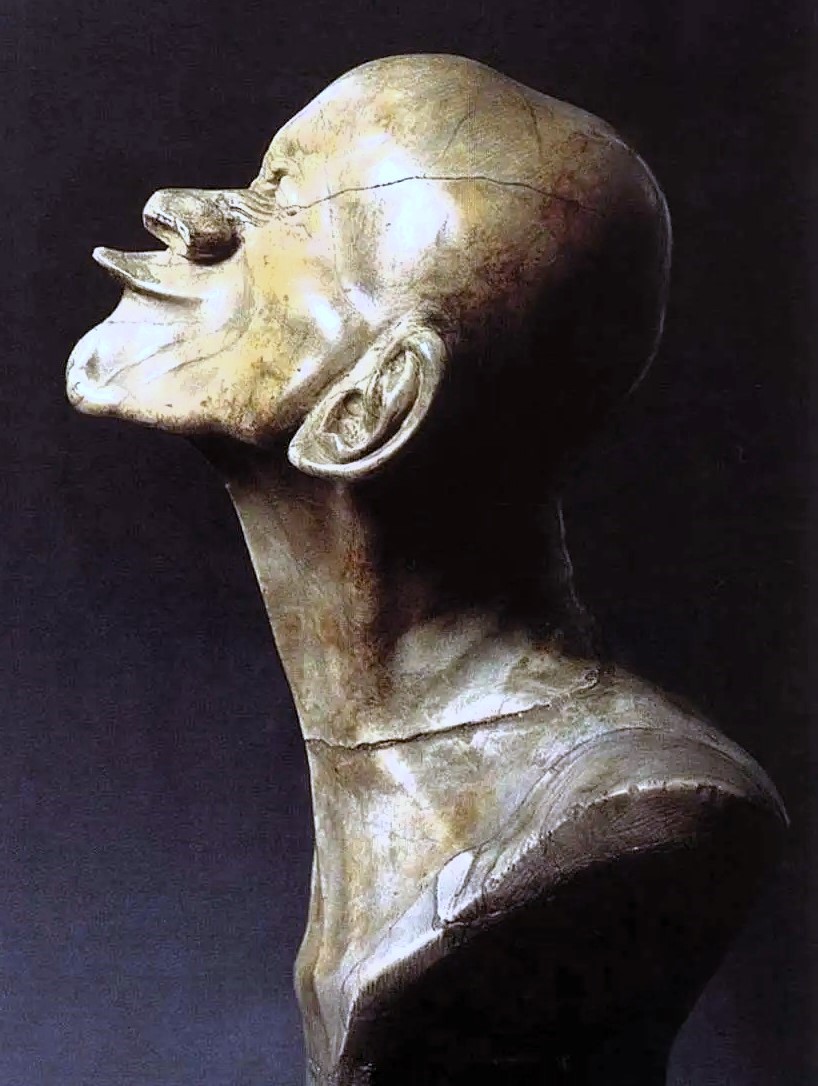
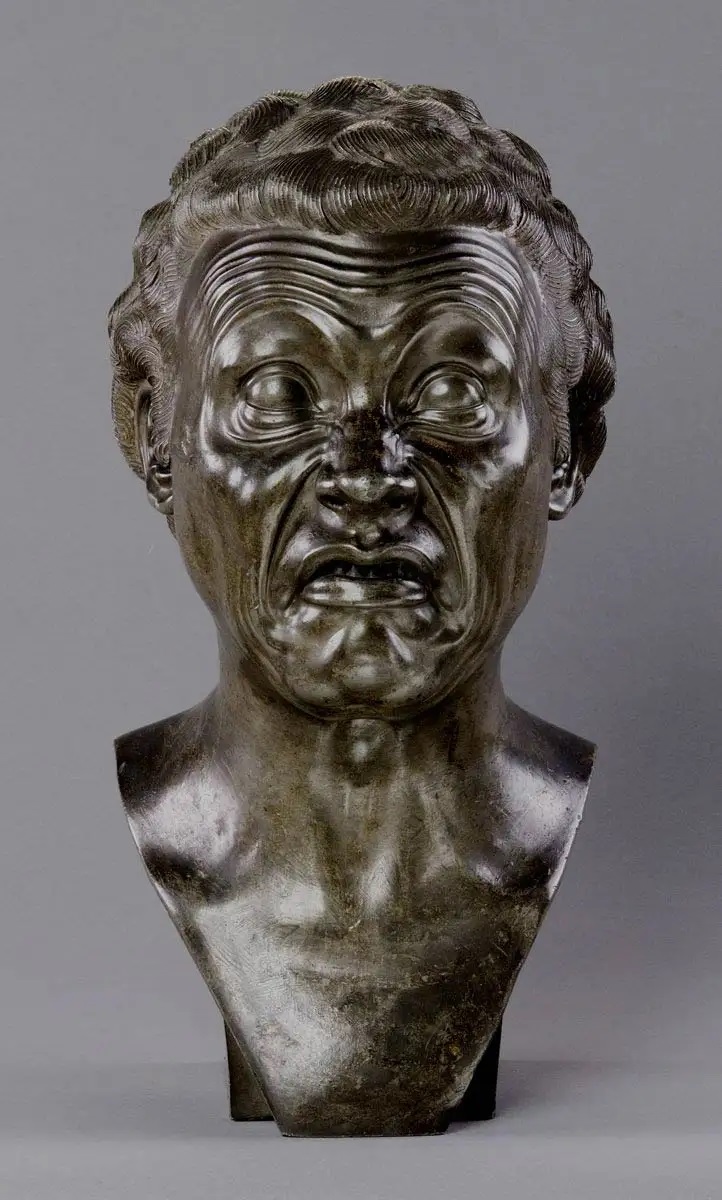
Franz Xaver Messerschmidt, an eighteenth-century German sculptor active in Austria, is best known for his series of dramatic “character heads.”The metal and stone busts are often disturbing in their extreme expressions.They have long prompted critics and scholars to speculate that the artist made them in reaction to an undiagnosed mental illness.Messerschmidt enrolled at the Vienna Academy of Fine Arts in 1754 and soon received important commissions from the Habsburg empress Maria Theresa and her consort, Francis Stephen of Lorraine.His circumstances changed dramatically around 1770 when he began to manifest signs of mental instability, leading to the loss of prestigious commissions and to conflicts with colleagues and friends.Messerschmidt likely began his “character heads” around 1770, as his mental health apparently deteriorated.He produced the life-sized busts rapidly, 69 within a 13-year period. He may have intended them as physiognomic studies, perhaps inspired by experiments enacted by his friend, the controversial physician Franz Anton Mesmer.Over the years, historians and medical professionals speculated on the nature of Messerschmidt’s alleged disease.The most popular answer was schizophrenia, which would explain his violent outbursts and hallucinations.Moreover, some psychiatrists believe that the contortions of Messerschmidt’s Character Heads were typical for a neurological condition called dystonia.

More of Franz Xaver Messerschmidt’s impressive sculptures can be found at https://www.getty.edu/art/exhibitions/messerschmidt/character.html and https://www.thecollector.com/franz-xaver-messerschmidt-heads/.


Sunday Evening Art Gallery — Michael Boroniec

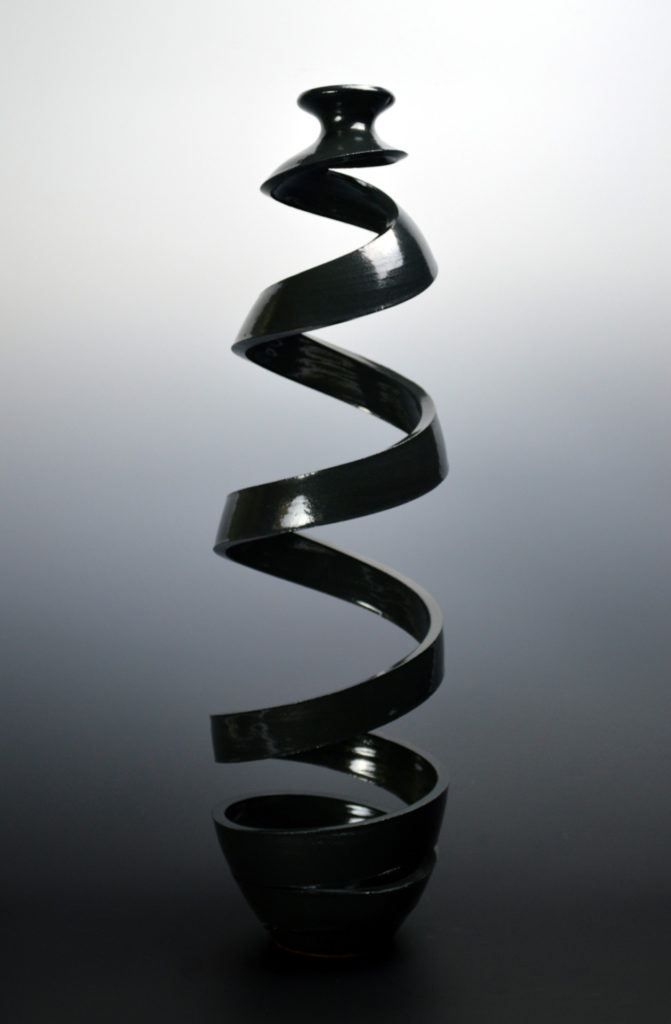
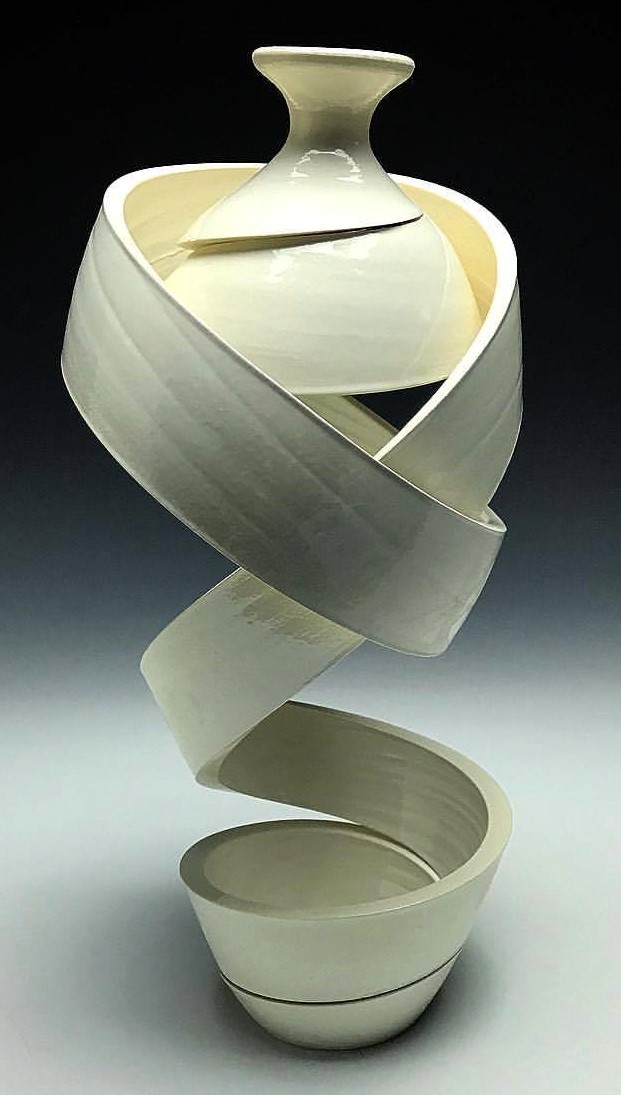
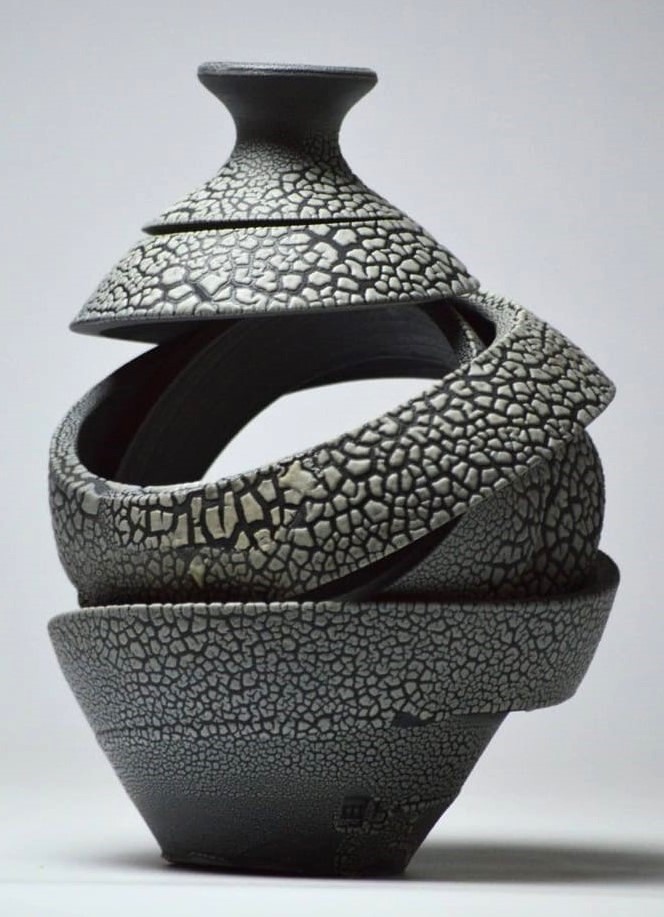
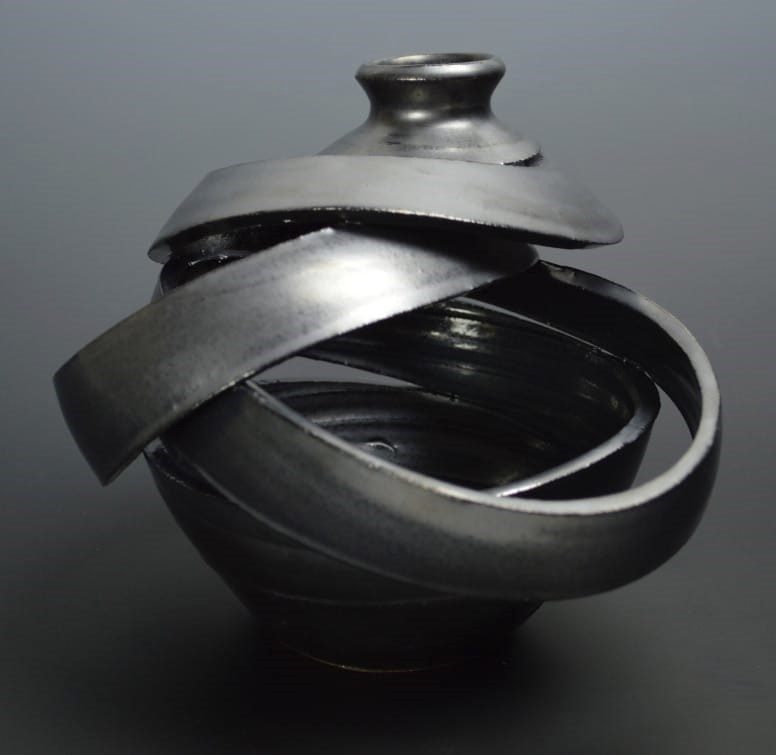
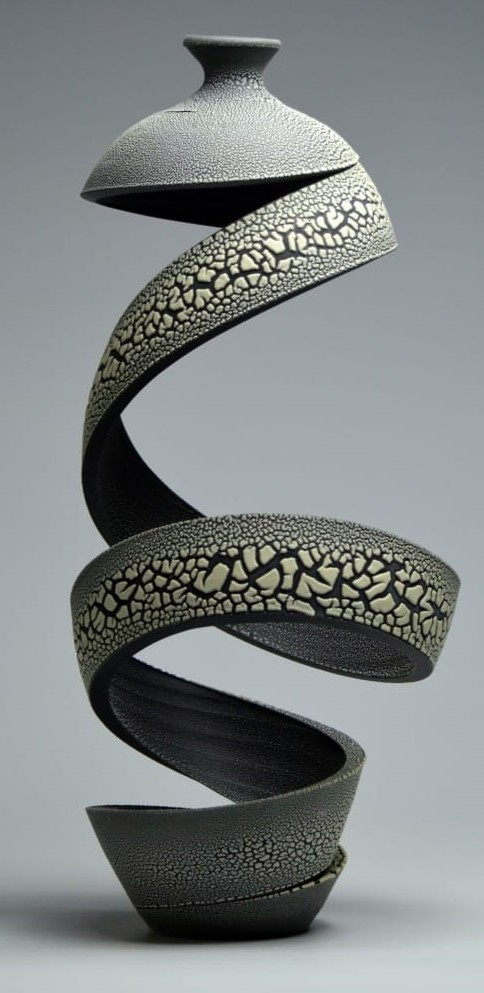
Michael Boroniec (b. 1983) is an American sculptor who resides and works in Berkshire County, Massachusetts.Boroniec received a BFA from Rhode Island School of Design in 2006 with a concentration in ceramic material.

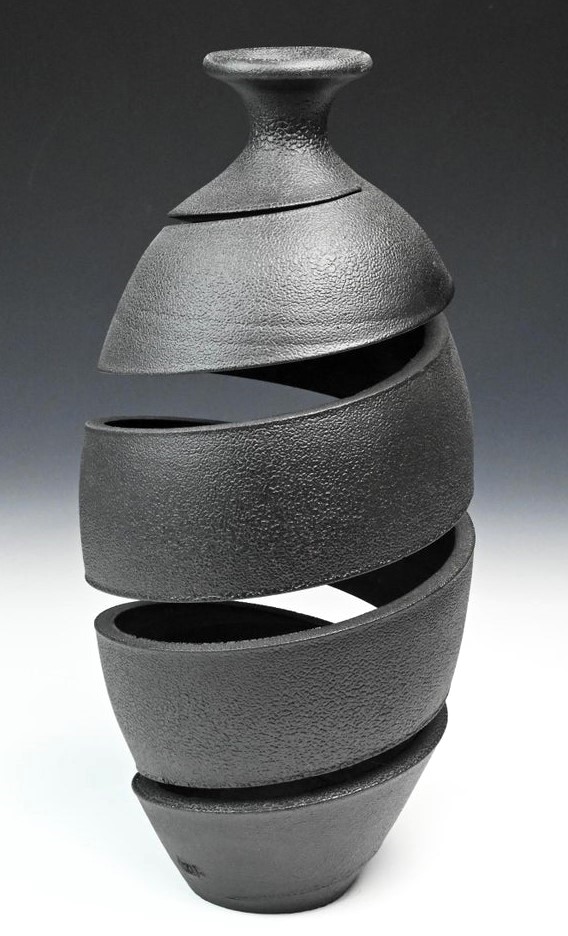
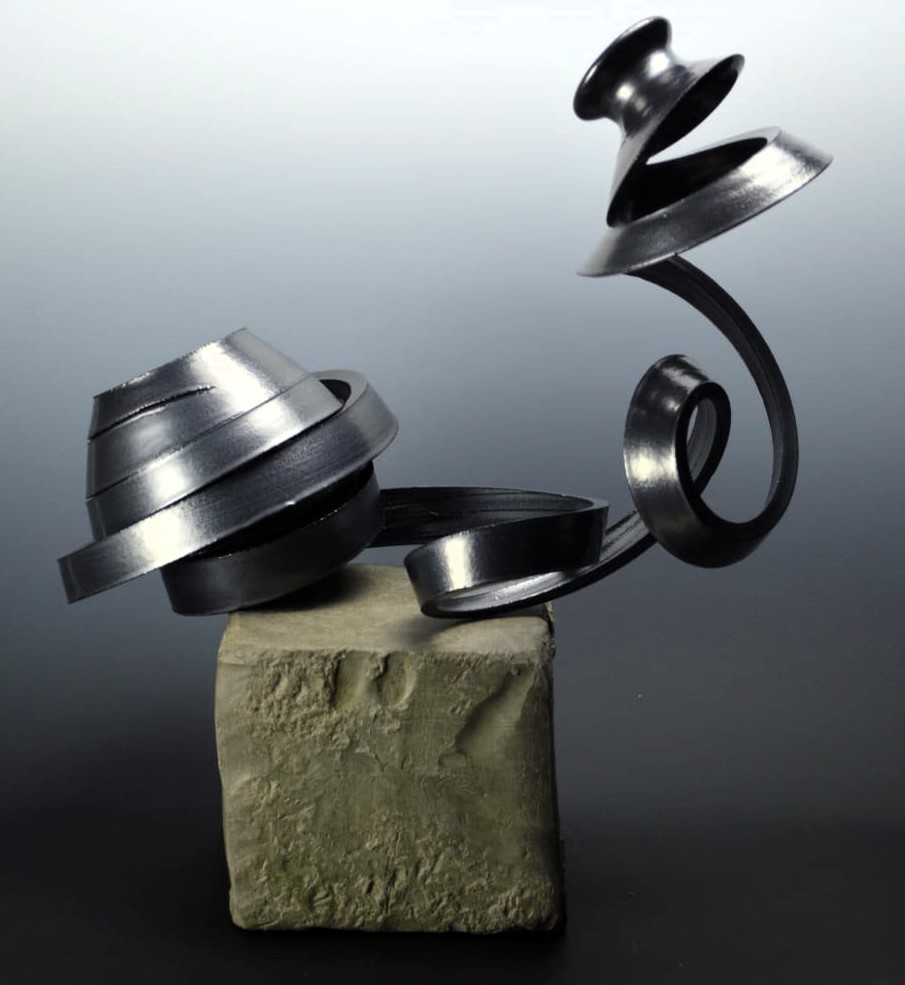
What began with teapots and a single spiral has evolved into a series of vases that vary in form, degree of expansion, and number of coils.

Each vessel is wheel thrown then deconstructed.This process reveals aspects of the vase that most rarely encounter. Within the walls, maker’s marks become evident and contribute to the texture.The resultant ribbon effect, reminiscent of a wheel trimming, lends fragility, elegance, and motion to a medium generally perceived as hard and heavy.“Art is not just an object or a concept,” Boroniec explains.“It is a conversation between a being, an idea, a spectator and a creator, as if it were a universal language that we all speak.”More of Michael Boroniec’s unique pottery can be found at https://mboroniec.com/.


Sunday Evening Art Gallery — Christian Verginer

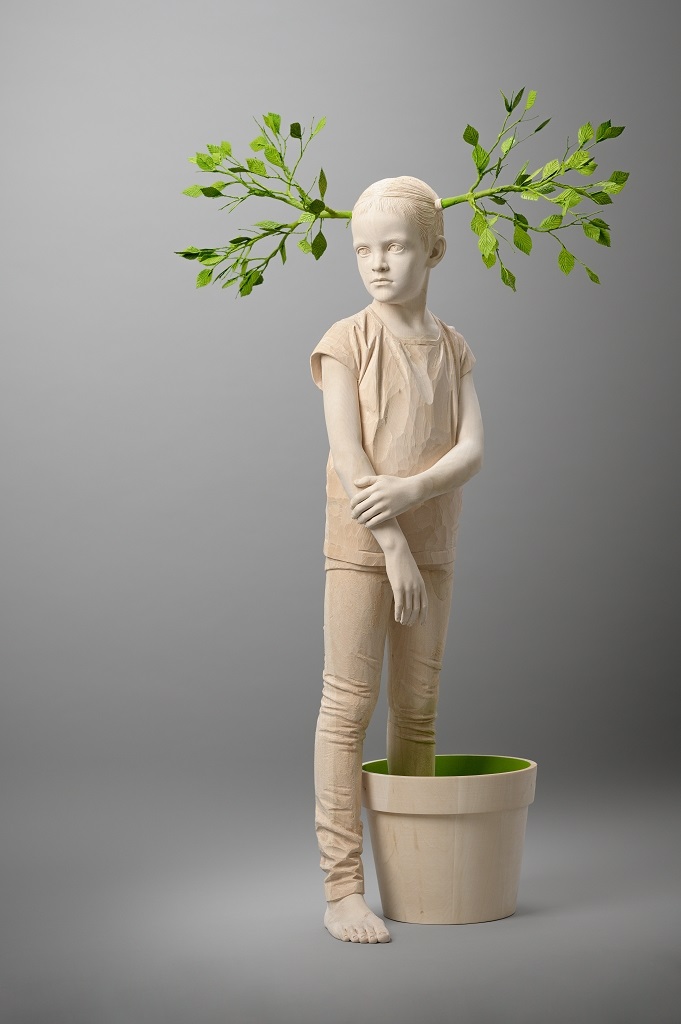
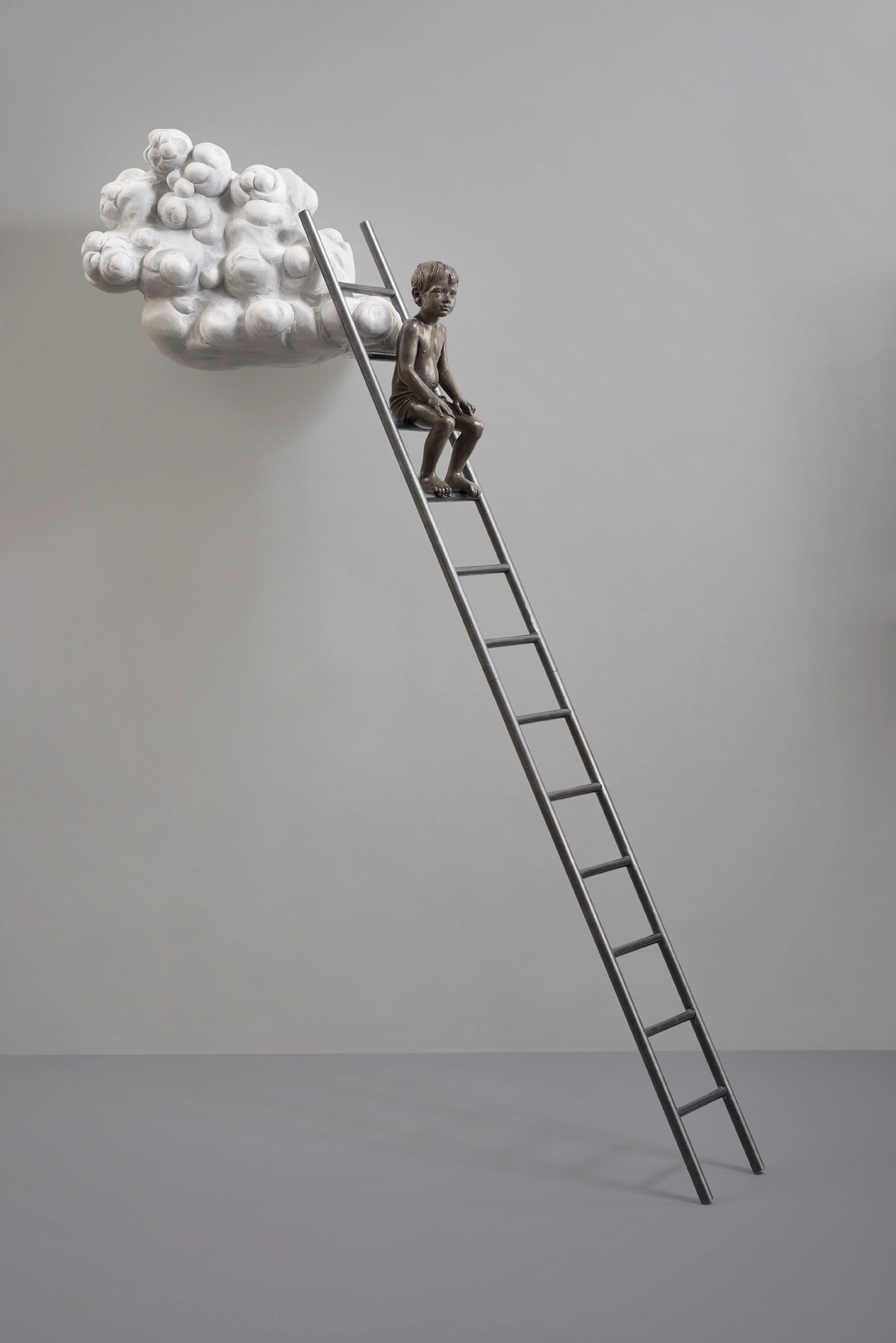
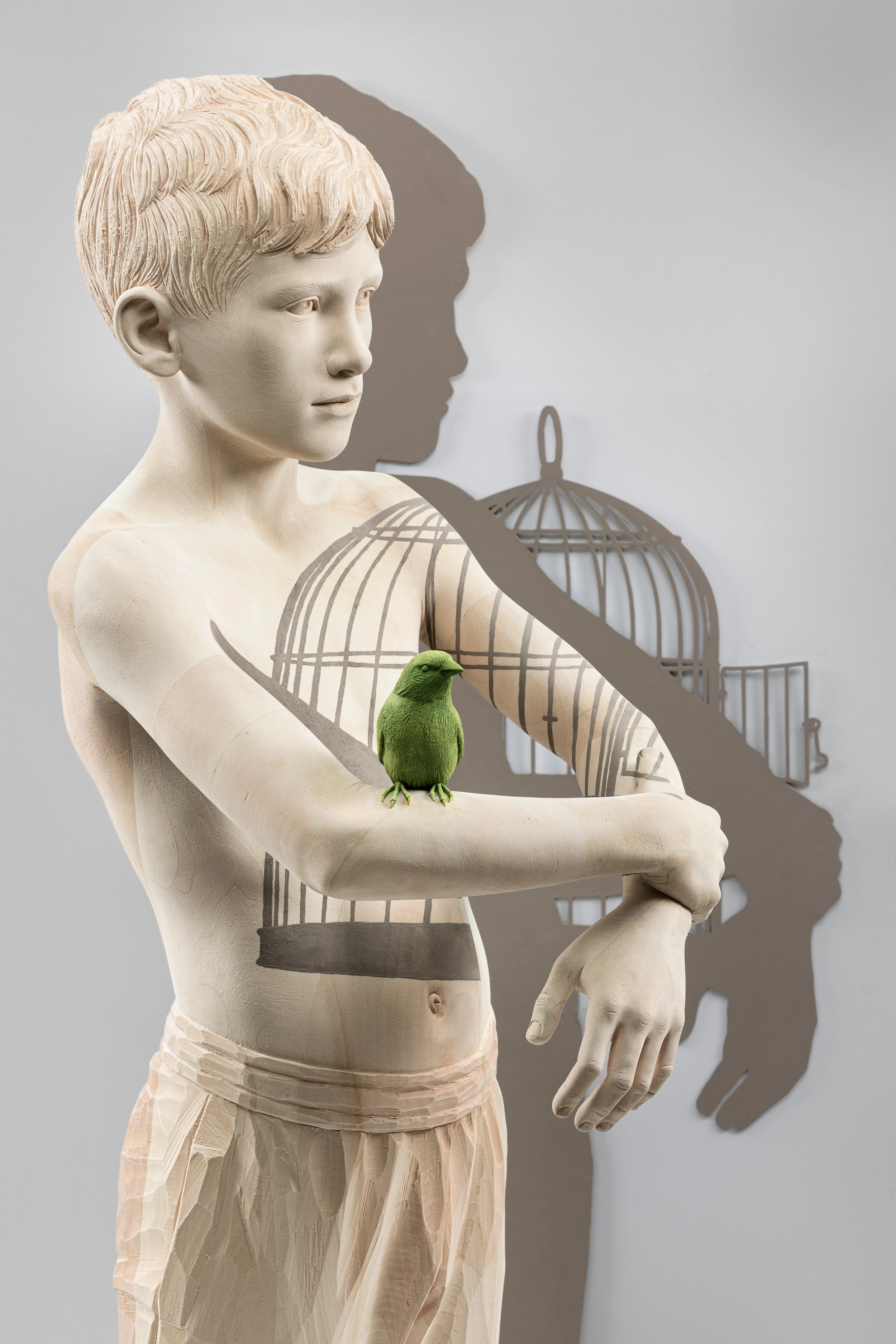
Christian Verginer  is a wood sculptor born in Bressanone, Italy.Verginer is considered one of the most valid and original expressionists in contemporary sculpture carvings.His training began by attending the sculpture department of the art school of Ortisei, and then continued at the Academy of Fine Arts in Carrara.The subject chosen by the artist is the human figure, or rather, the human figure in its relations with other forms of life — animals nature, trees, or various objects of the world.The material used is linden wood, which is left smooth and covered in details by unexpectedly applied acrylic paint.Verginer remains loyal to the skill and precision of wood carving, while introducing modern, and personal subject matter.He subtly combines children’s gazes, expressions, and movements into artworks that not only evoke people’s nostalgia for their own childhood but also awaken their long-forgotten innocence and desire to live in harmony with nature.More of Christian Verginer‘s amazing sculptures can be found at https://verginer.org/ and  https://thursd.com/articles/christian-verginer-master-of-artistic-wooden-sculptures.


Sunday Evening Art Gallery — Colin Richmond

Sometimes Art (with a capital “A”) is more than just paintings hanging on a museum wall or statues in a famous courtyard.

Alpine Steinschaf Sheep

Sometimes Art can be as simple as homemade crafts that have that special something that catches your attention.

Suffolk Sheep

Colin Richmond, an MBA-turned-sculptor, is the artist and creator of Colin’s Creatures in Asheville, North Carolina, started in 1993.

Herdwick Sheep

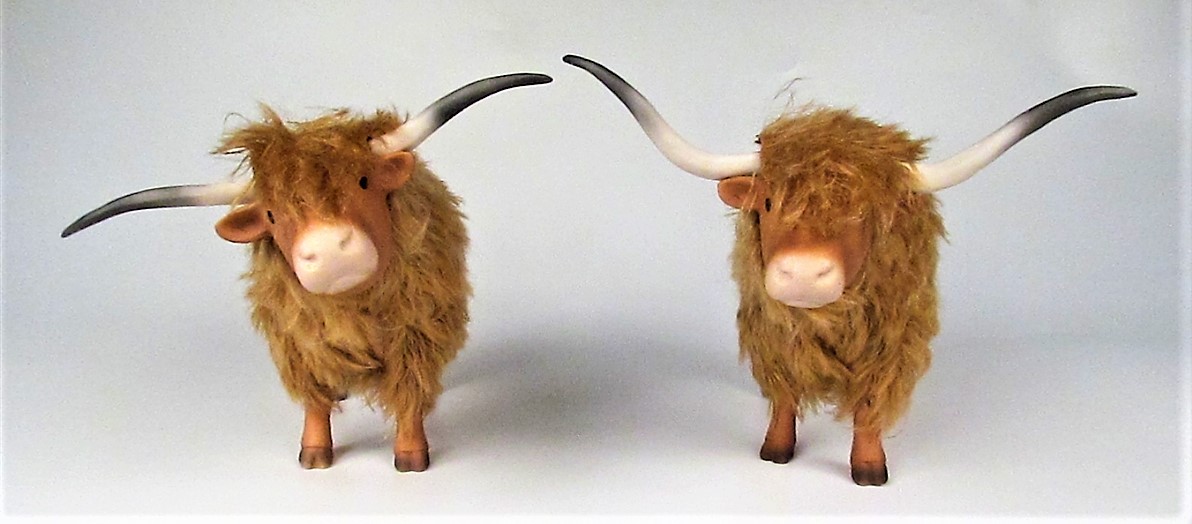
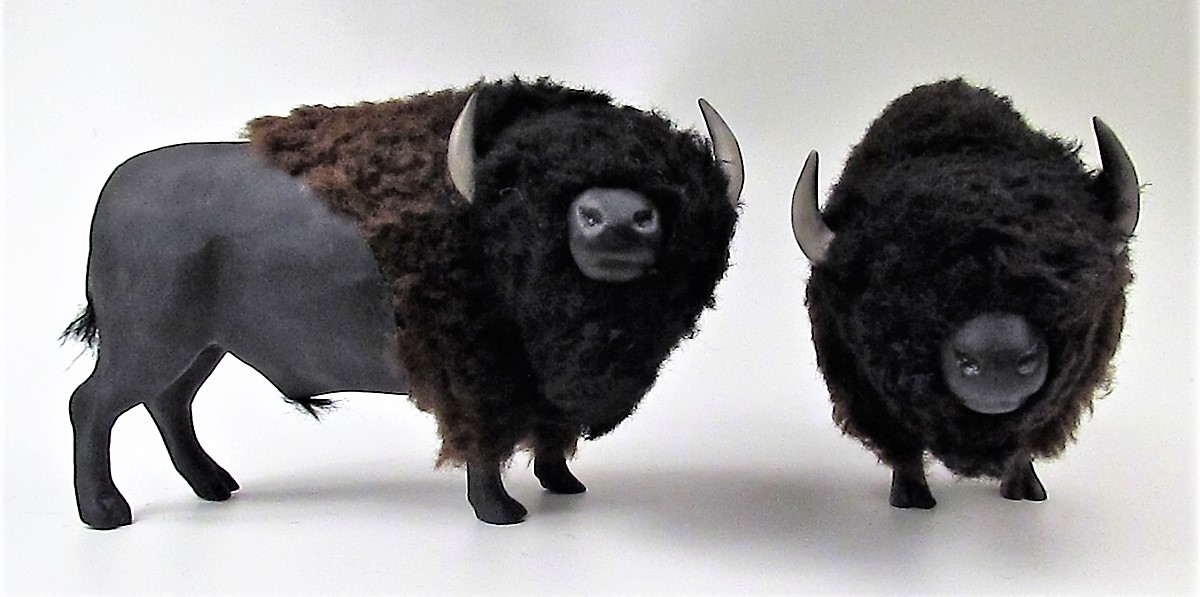
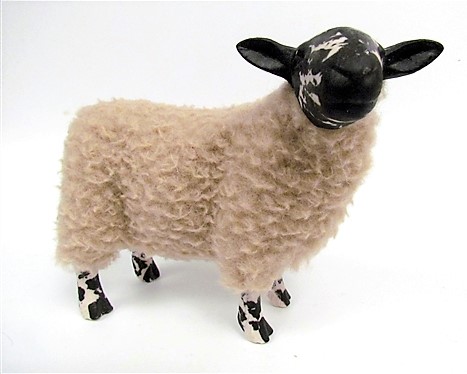
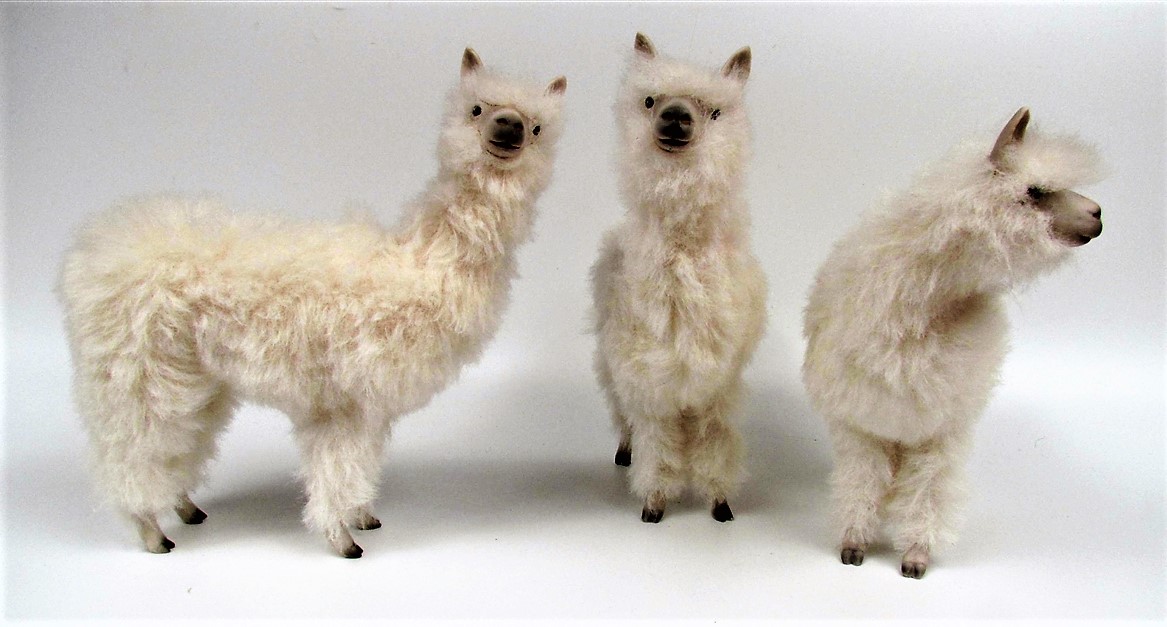
The artist creates handcrafted creatures made from a unique combination of materials including porcelain, castable stone, and imported woven fur, all chosen for their quality and ability to imitate the characteristics of each animal.

Highland Cattle

Richmond initially begins with thorough research of the breed.

Cotswold Ewe

He often travels across the globe to visit heritage farms, attend agricultural shows, and meet with breeders dedicated to the stewardship and conservation of ancient breeds of livestock.

American Bison

Once he feels he has an understanding of an animal and its specific traits and personality, Richmond carves the heads, legs, horns and other parts that will eventually be cast in porcelain.

Beulah Speckledface Sheep

Porcelain is just one of the keys to capturing what he describes as the “expressive nature” of his animals, which have porcelain heads and legs and solid hydrostone bodies.

Blacknose Valais Sheep

Richmond uses hydrostone, the hardest and strongest plaster available, which is chosen for its stability and solid weight in the hand.

Alpaca

He pours the smooth, clay-colored liquid into handmade molds, fastening them together with a large rubber band, and sets a kitchen timer which dings when it’s time to release the creature from its formative binding.

Sarda Sheep

When the creature is formed, he finish it with high-quality imported fur, resulting in a life-like creature with personality and charm.

Border Leicester Sheep

More of Colin Richmond‘s animal creations can be found at Colin’s Creatures, https://www.colinscreatures.com/.


Sunday Evening Art Gallery — Pierre-Philippe Thomire

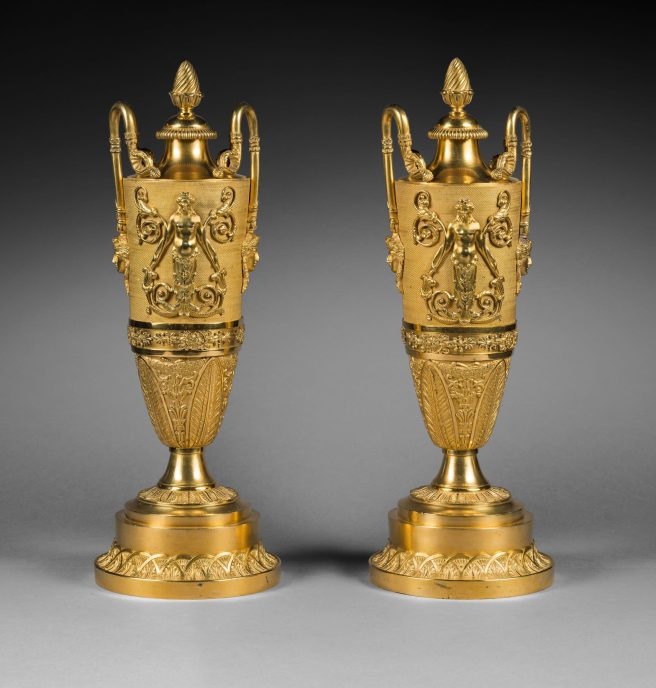
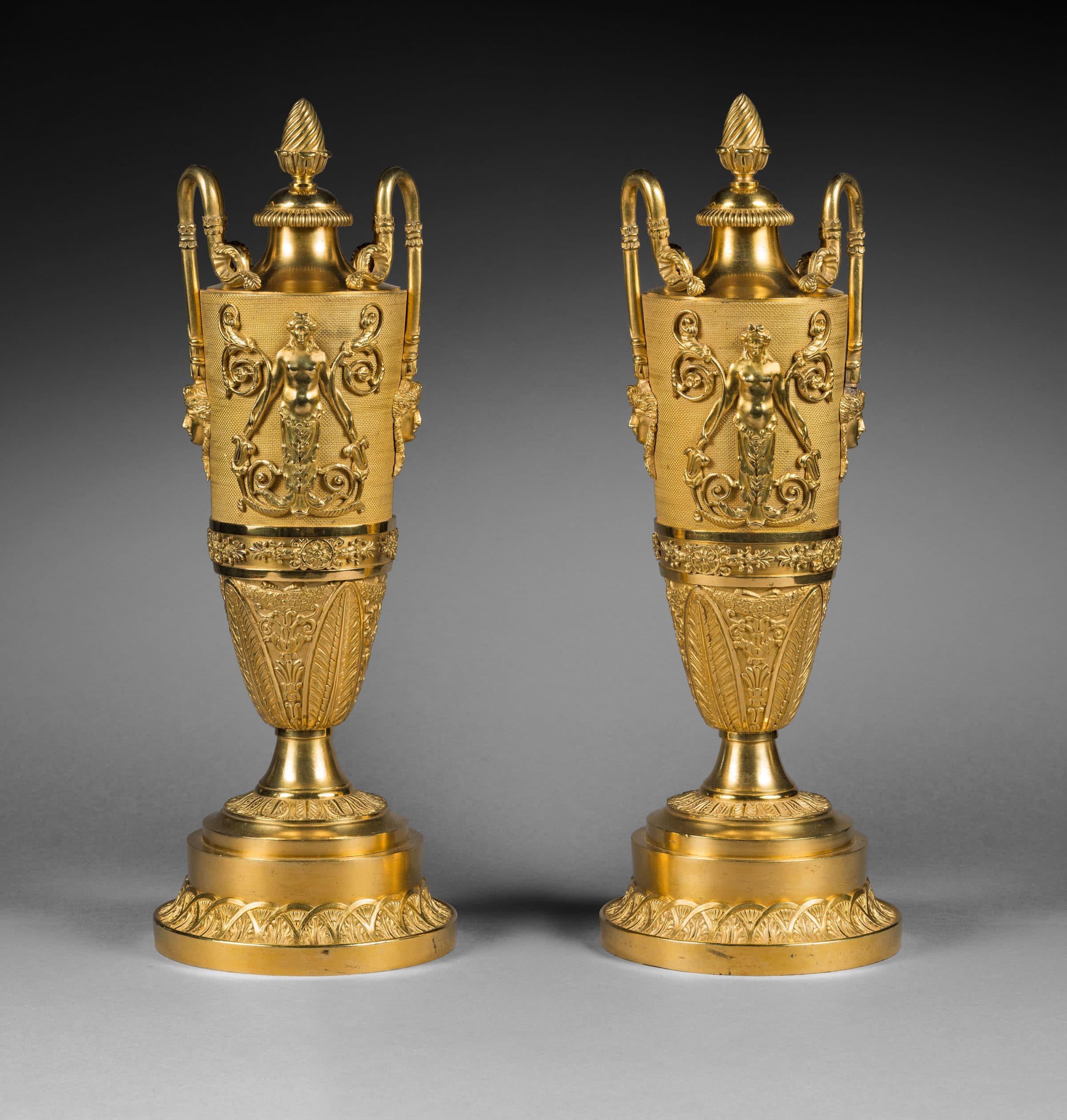
Pierre-Philippe Thomire (1751–1843) a French sculptor, was the most prominent bronzier, or producer of ornamental patinated and gilt-bronze objects and furniture mounts of the First French Empire.

One of the most remarkable bronze makers of his generation, Thomire is recognized for his production of furniture bronze under the Ancien Régime (Late Middle Ages (c. 1500) until 1789 and the French Revolution). He raised this trade under the Empire to its highest level of quality, while creating an industrial company in the early 19th century whose influence was monumental. 

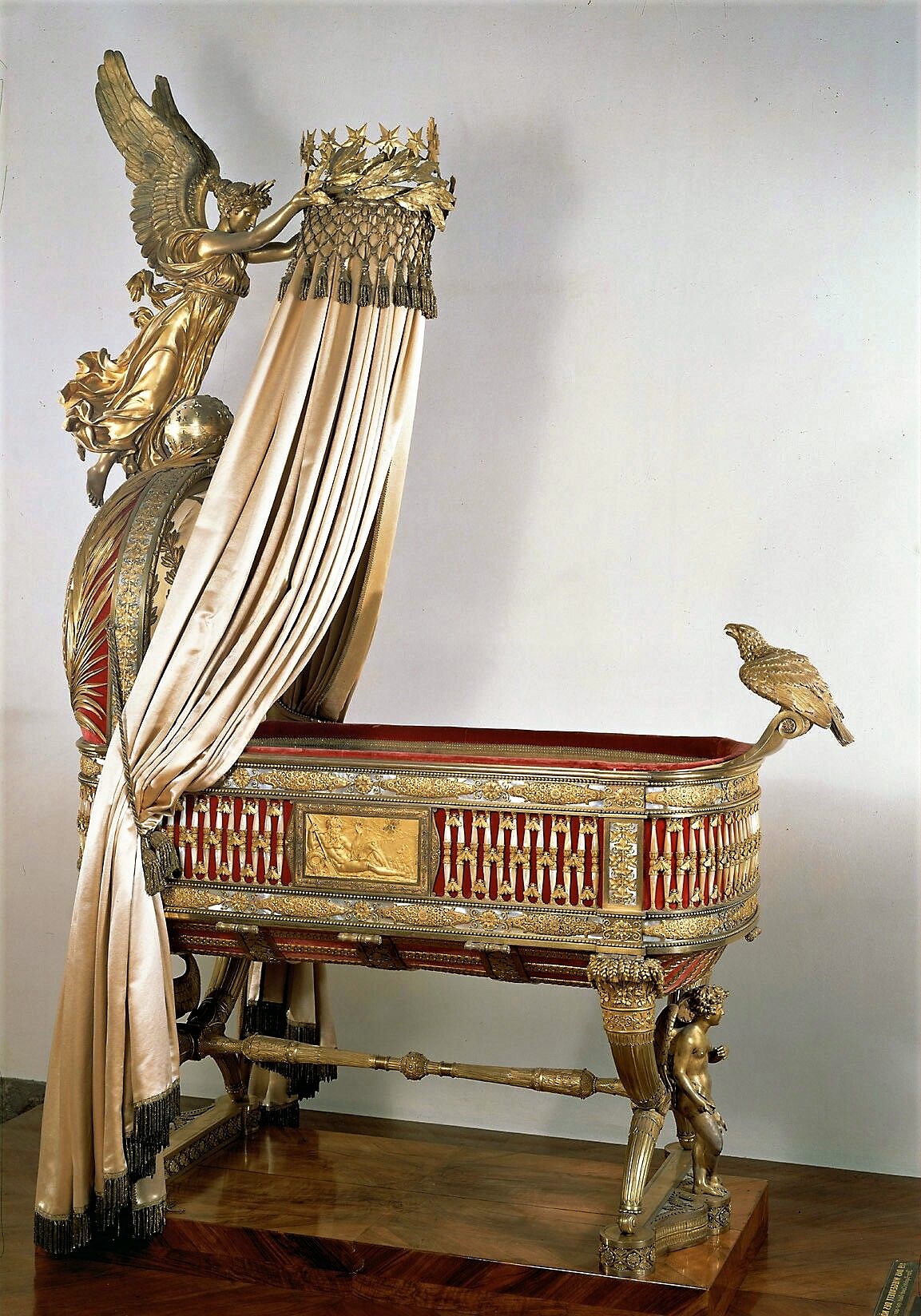
He had received his training in the workshop of Pierre Gouthière, the outstanding Parisian ciseleur-doreur working in the Louis XVI style, before establishing his own shop in 1776. Thomire’s big break came when he began assisting Jean-Claude-Thomas Duplessis, the artistic director of the Sèvres Porcelain Manufactory, in making mounts.When Duplessis died in 1783, Thomire took over his job, supplying all the gilt bronze mounts for the porcelain. This work kept him in business throughout the French Revolution, when many other producers went bankrupt.In 1809 the Emperor Napoleon made him ciseleur de l’empereur (Engraver to the Emperor).Because of the large number of pieces Thomire supplied to the palaces, his firm became fournisseur de leurs majestés (Furniture Suppliers to their Majesties) two years later.His most prestigious commission was the execution of the cradle for the King of Rome which was designed by Pierre Paul Prud’hon and in which Thomire collaborated with the Imperial silversmith Odiot.
He became one of the bronziers attached to the Manufacture Royale de Sèvres, creating the bronze mounts for most of the important creations of the day.Thomire’s business managed to survive even after Napoleon’s downfall, winning numerous medals at various exhibitions.

More of  Pierre-Philippe Thomire‘s amazing sculptures can be found at www.lapendulerie.com  and cedricdupontantiques.com .


Sunday Evening Art Gallery Blog — Don Esser

Since I have crossed my Internet usage limit until Tuesday, I thought I would repost this one from 5 years ago today!


I have often found that letting the artist explain his craft is the most rewarding explanation of all.

riding-the-wave

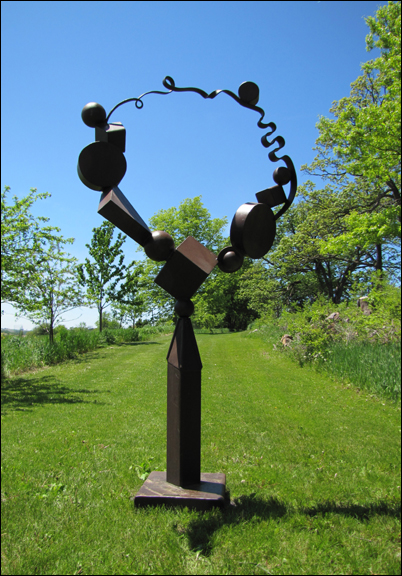
So it is with Don Esser: Blacksmith, Metal Artist, and Sculptor.

odin-with-winged-helmet

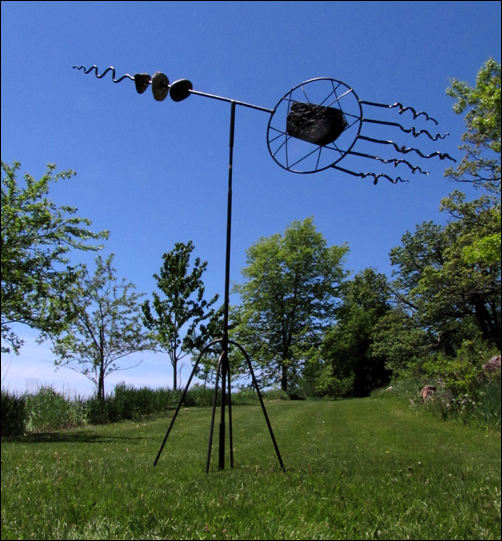
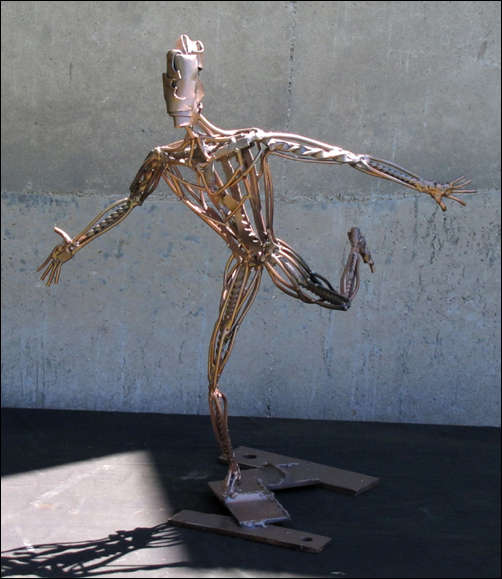
Since 1976, using hammer and anvil, I’ve been pounding, twisting, and shaping hot metal.

chi-scroll

As a self-taught artist, my approach to life and art has always had an element of fearlessness to it. From childhood on, art has always been a natural, joyful part of my life.

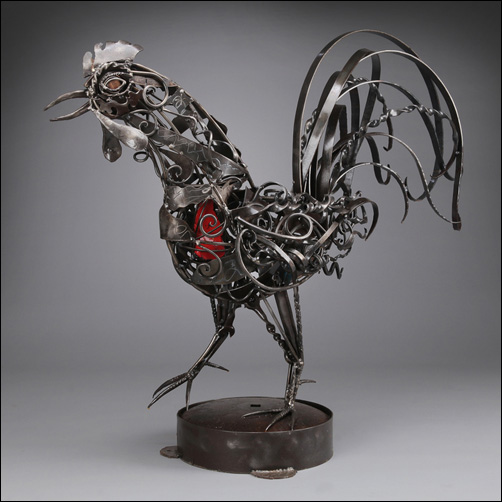
rooster-with-glass-heart

There is a fluid lightness to my work partly because I’m enjoying making it and partly because, after so many years, I have learned the language of my materials.

balancing-act

I try to capture the essence in as few lines as possible, with a sense of fluidity and grace that can be achieved working in the forge.

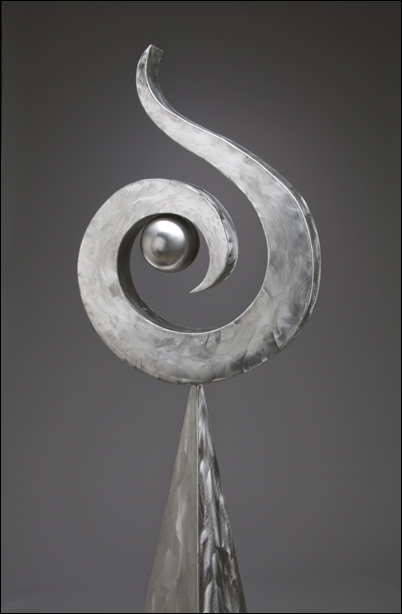
vortex

It is a little like stealing fire from the gods and my goal is to put a bit of that sense of wonder into each piece I make.

arrow-to-the-sky
That playful quality in my work also means that most of my pieces are one of a kind. 

Breaking the Tape

People often ask, “How long does it take you to make it?”

journey-of-life

My answer is, “36 years of practice, 50-plus years of training, and a lifelong desire to make art.”

atomic-rock

More of Don Esser’s remarkable work can be found at Steel Wool Studio (http://steelwoolstudio.com/don-esser.htm).

Sunday Evening Art Gallery — Johnson Tsang

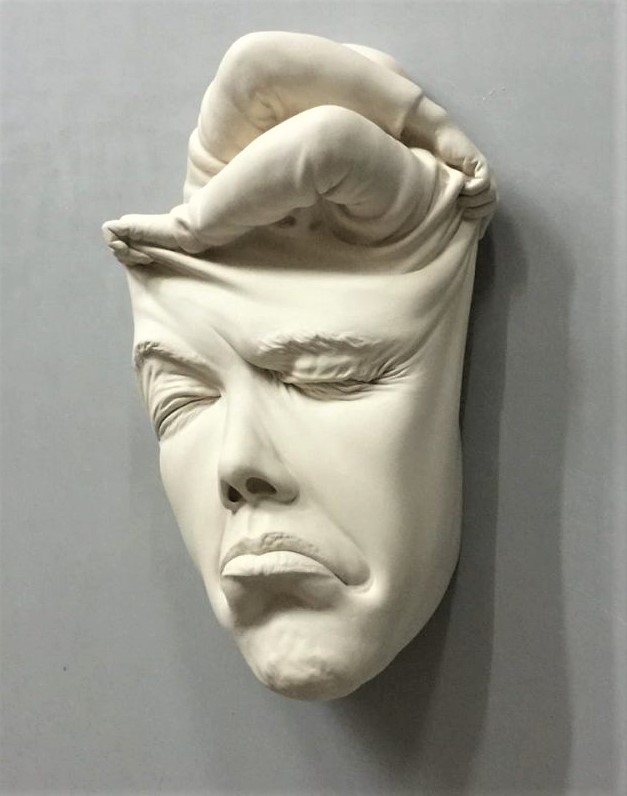
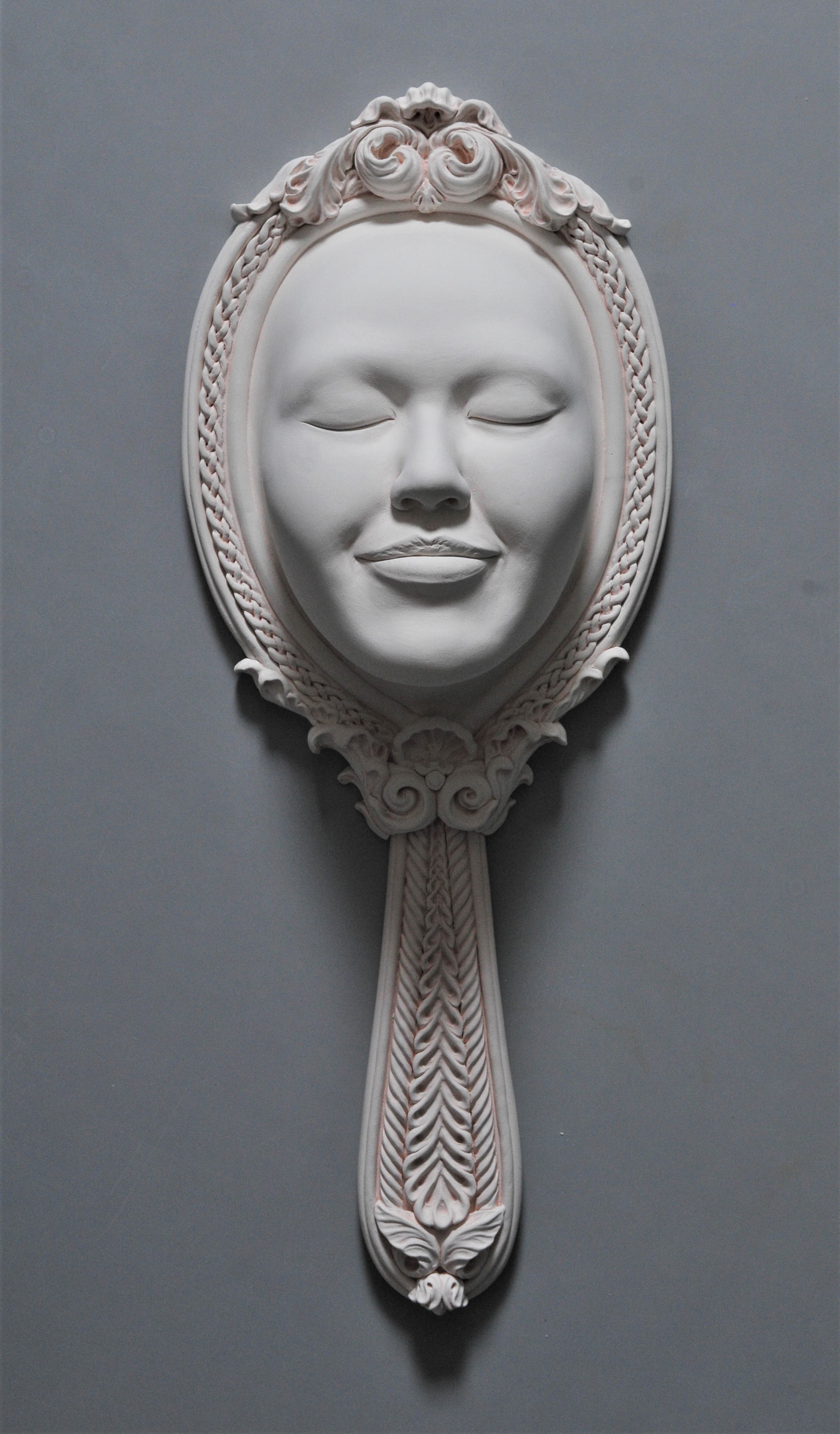
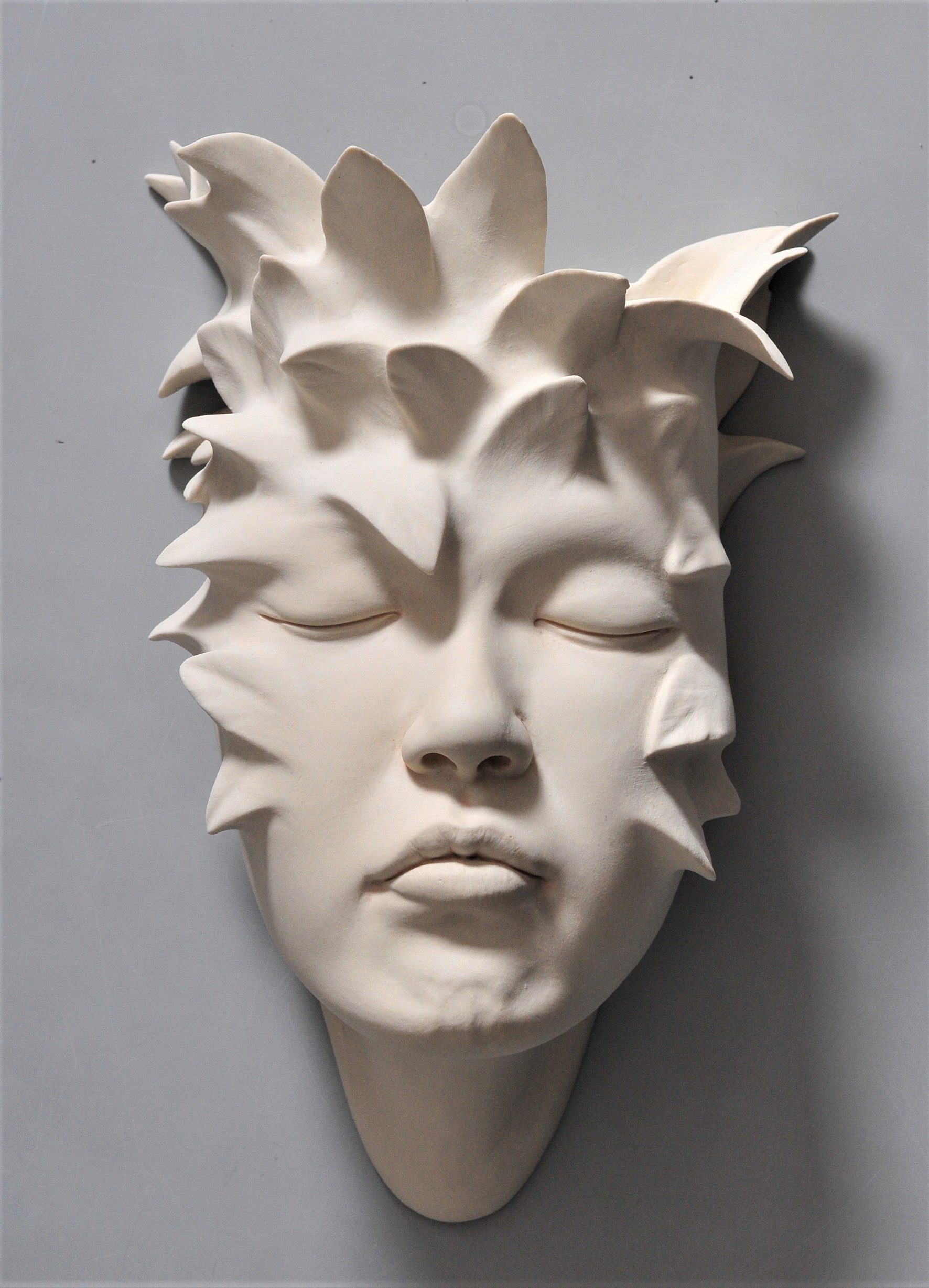
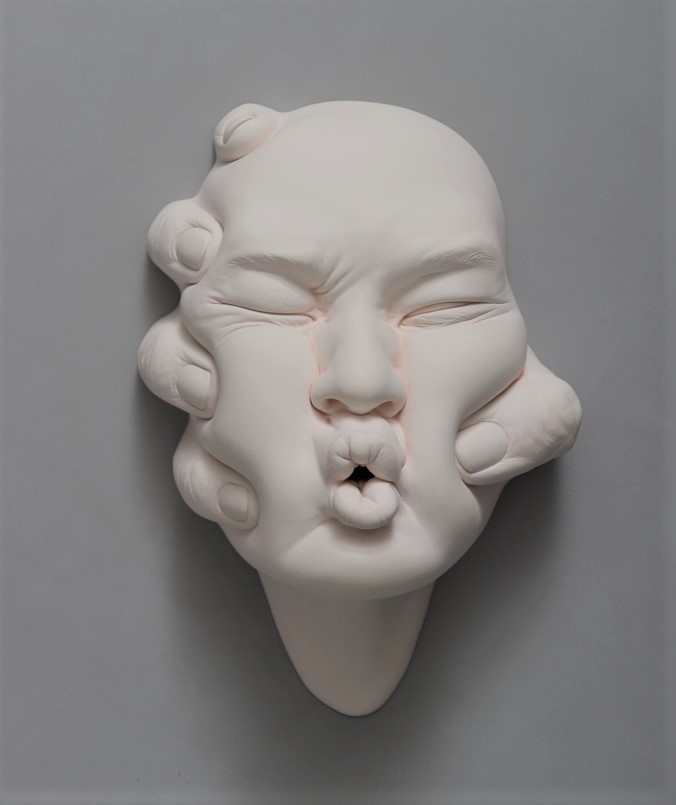
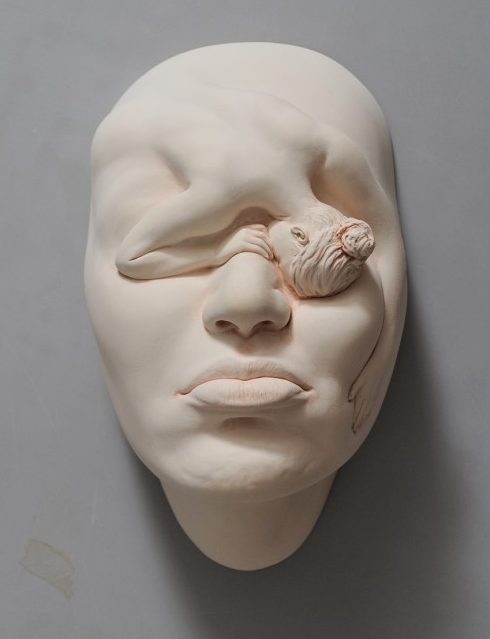
Sculptor Johnson Tsang pushes realism’s boundaries in his sculptures of faces that are stretched and opened up in surreal ways.

The Hong Kong-based artist’s work features surreal contortions that squish, wring, melt, and stretch.

His creativeness suggests an exploration of the limited space between the conscious and subconscious.

Between the self and other.

Tsang uses plain, unglazed clay, letting go of such typical details such as hair and skin color to focus the viewer’s attention on the expressions of his imagined subjects.

Although Tsang grew up poor and worked both in the trades and as a policeman, he says he has always been in love with art.

“The clay seemed so friendly to me, it listened to every single word in my mind and did exactly I was expecting. Every touch was so soothing. I feel like I was touching human skin.”

More of Johnson Tsang‘s wonderfully imaginative art can be found across the Internet including Instagram and Red Seas Gallery.