Sandro Botticelli (1445 – 1510, Florence) was one of the greatest painters of the Florentine Renaissance.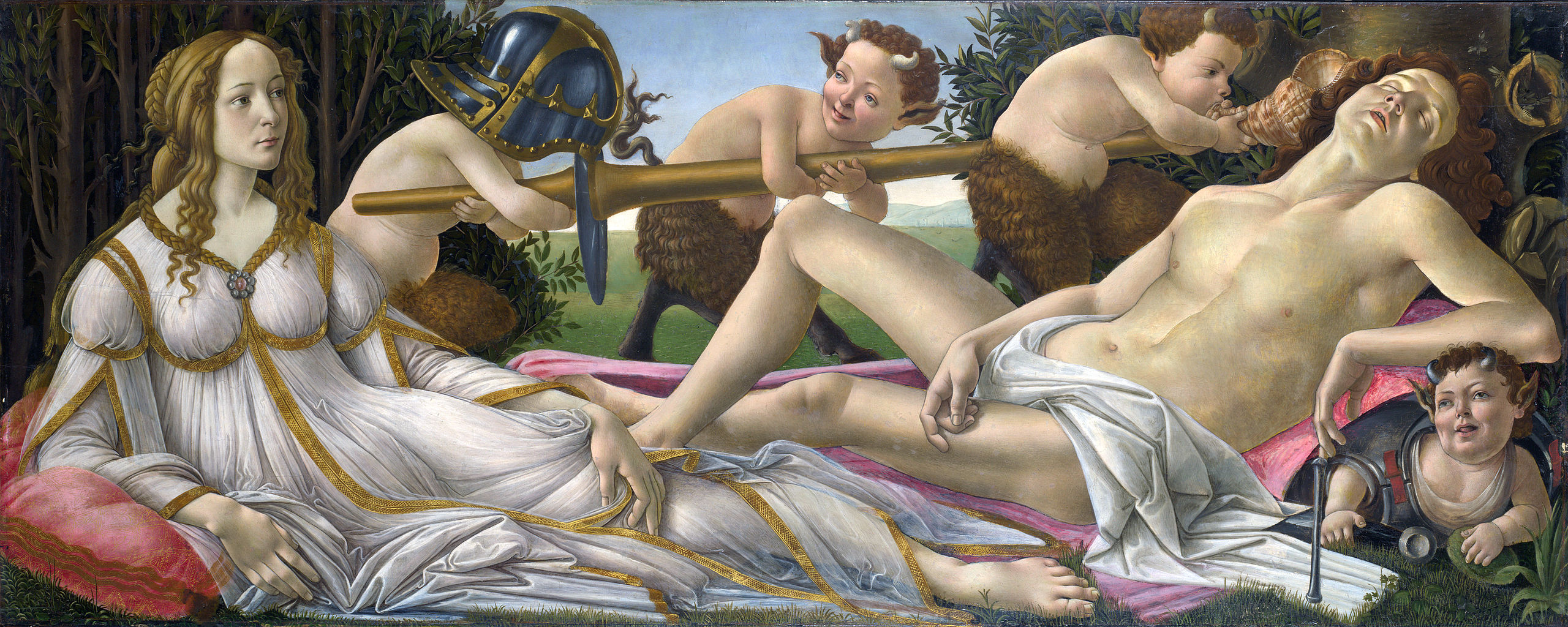 His paintings have been seen to represent the linear grace of late Italian Gothic and some Early Renaissance painting, even though they date from the latter half of the Italian Renaissance period.
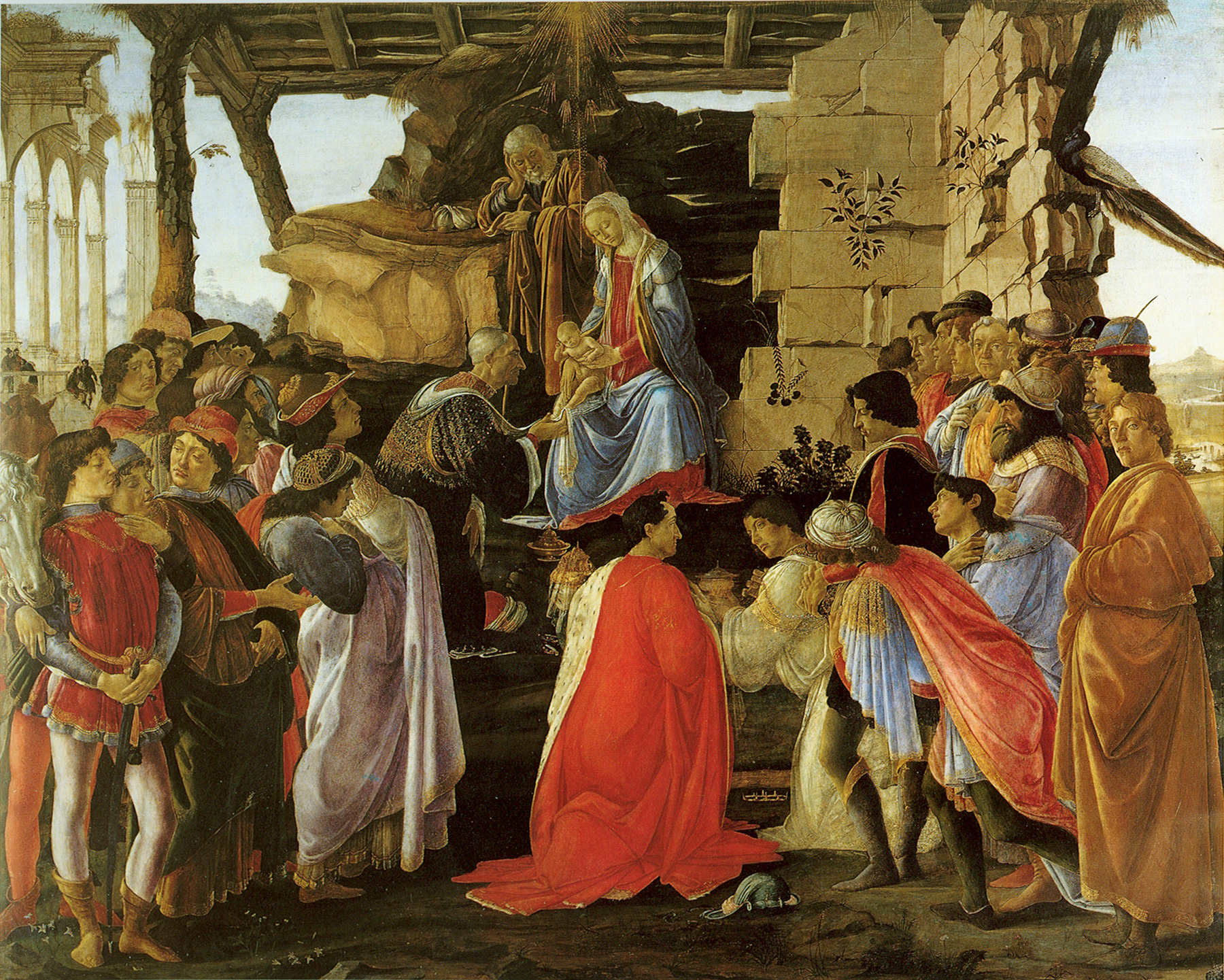 Botticelli’s art represents the pinnacle of the cultural flourishing of the Medicis’ Florence, a prosperous society that encouraged the progress of art, philosophy and literature.
 Influenced by the revival of Greek and Roman ideas in Florence at the time, Botticelli was one of the first Western artists since classical times to depict non-religious subject matter.
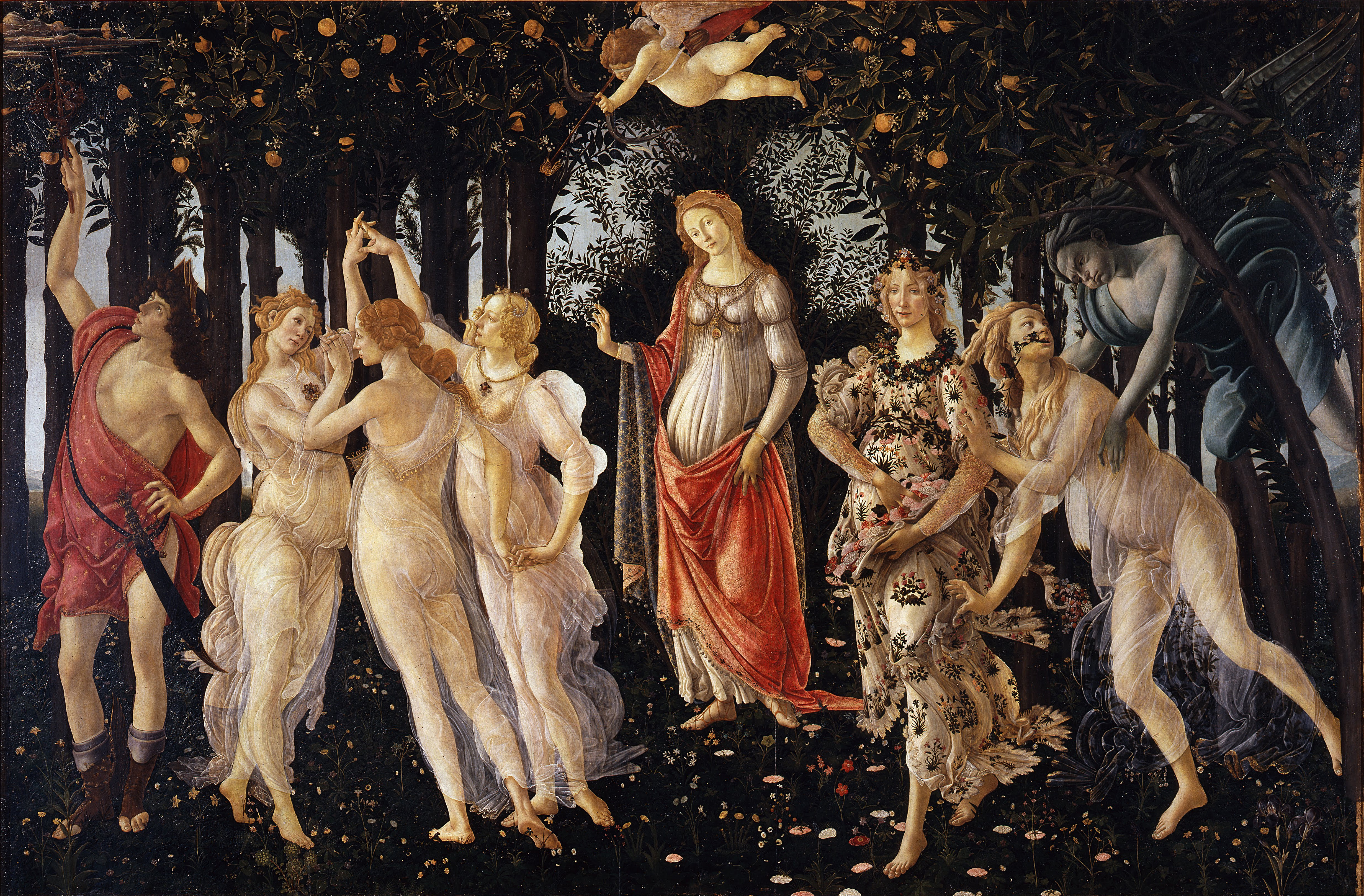 He successfully combined a decorative use of line (possibly owing much to his early training as a goldsmith) with elements of the classical tradition, seen in the harmony of his composition and the supple contours of his figures.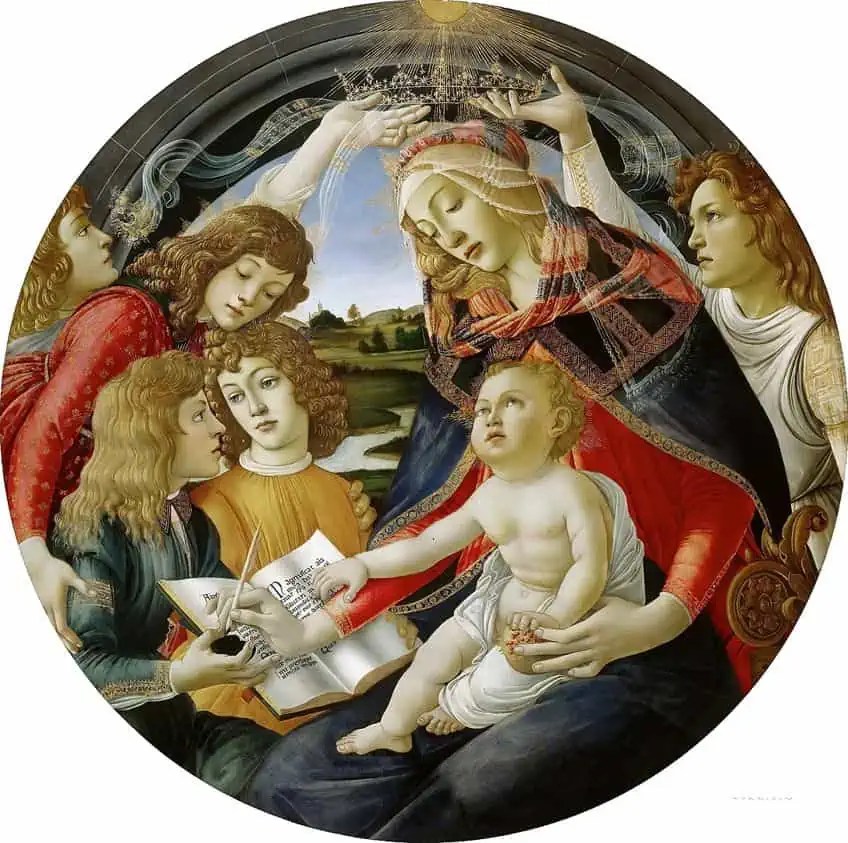
Throughout his long career Botticelli was commissioned to paint many different subjects, but at the heart of his work he always strove towards beauty and virtue, the qualities represented by the goddess Venus, who is the subject of many of his most famous paintings.
Through profound symbolism and captivating storytelling, Botticelli’s works invite contemplation of the human condition and the essence of beauty.
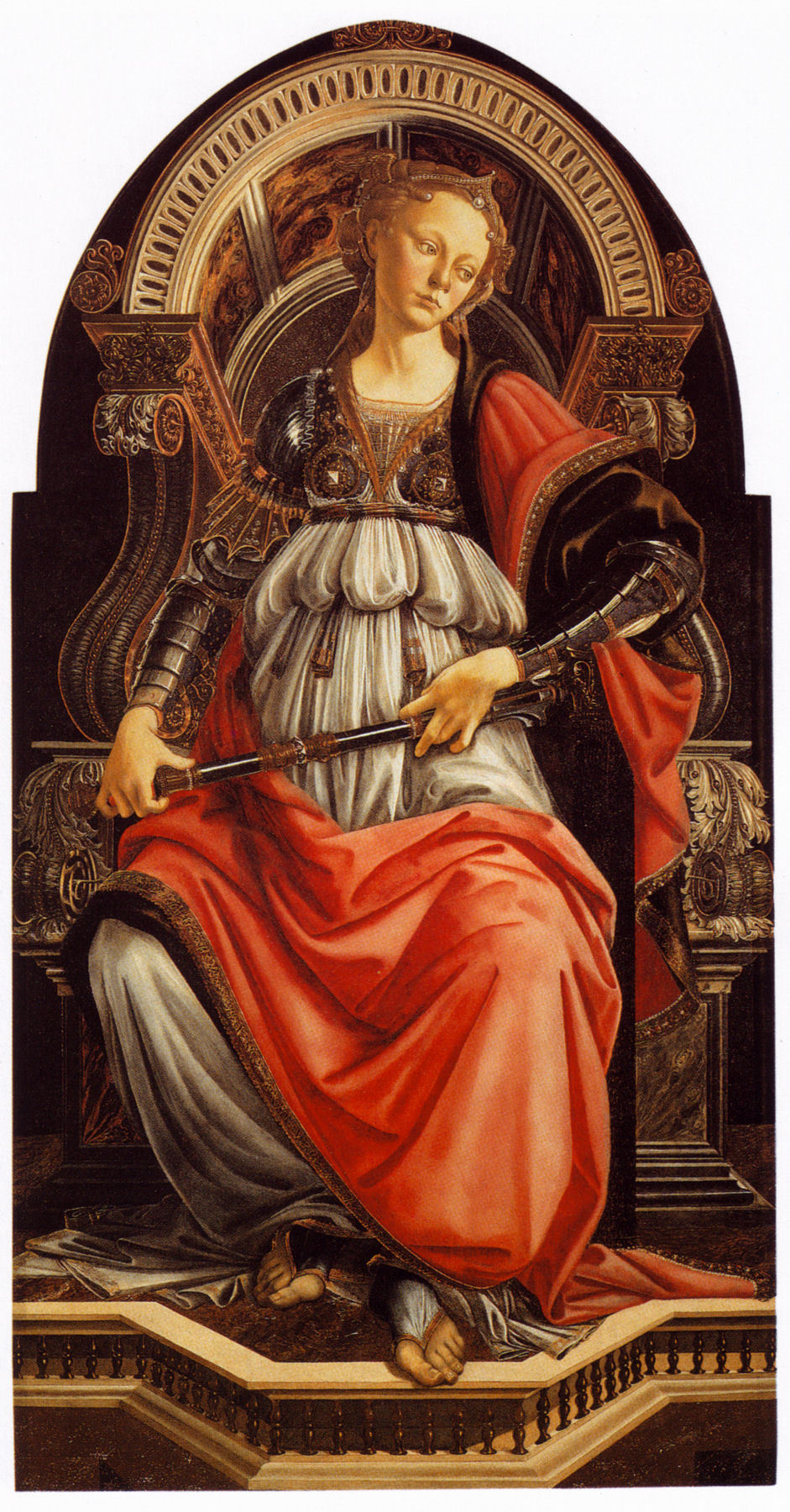
More of Sandro Botticelli’s paintings can be found at https://www.biography.com/artists/sandro-botticelli and https://www.nationalgallery.org.uk/artists/sandro-botticelli.
 Humoring the Goddess