Sunday Evening Art Gallery — Julia Lucey

Julia Lucey is a printmaker based in Fairfax, California.

Lucey received her BFA in printmaking from the San Francisco Art Institute and a MA in Education at Loyola Marymount University.
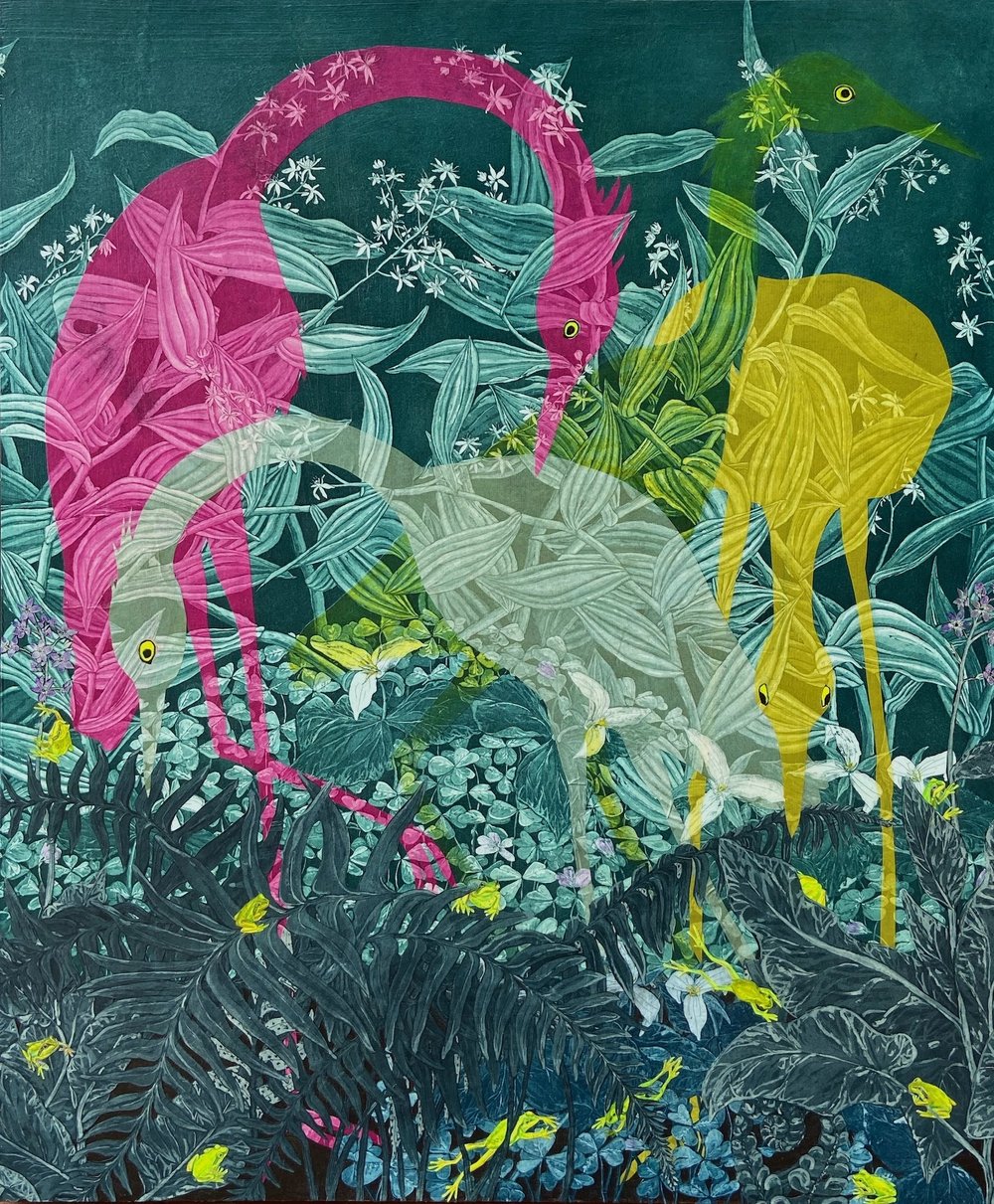
As an Artist-in-Residence at Kala Art Institute, the artist has focused on traditional etching techniques as well as aquatint, a printmaking technique that produces tonal effects by using acid to eat into the printing plate (which creates sunken areas which hold the ink).

In the most current body of work, her traditional etchings are cut out of the paper and reassembled into new landscapes on panel.

“As a printmaker, using traditional etching and aquatint techniques has allowed me to explore the ideas of nature, wildness, wilderness and the human attempt at wildlife management,” Lucey shares.
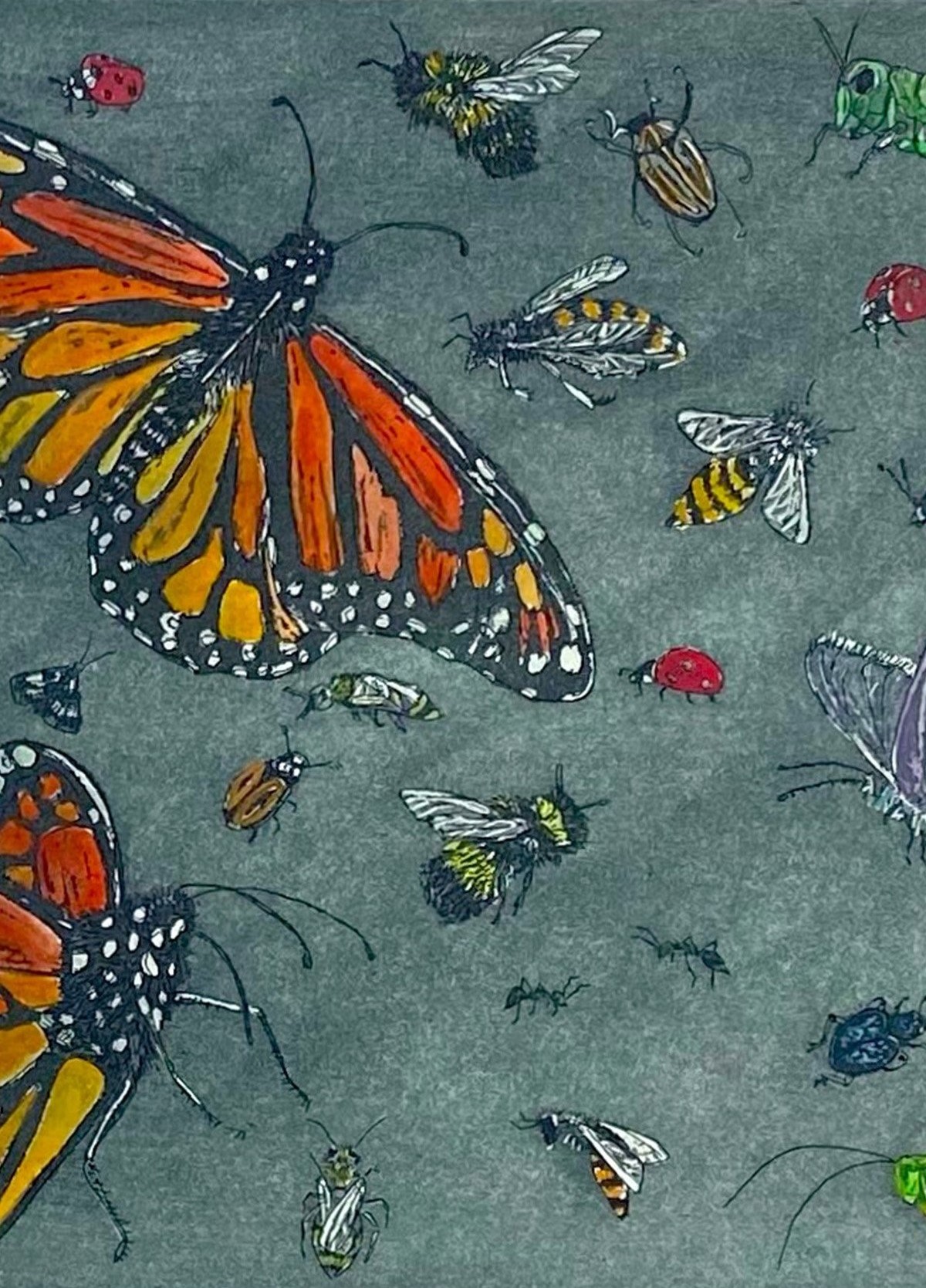
“In my newest body of work, I am looking at two concepts. First, is to look at humans (and my own personal desire), to observe and know the natural world scientifically.
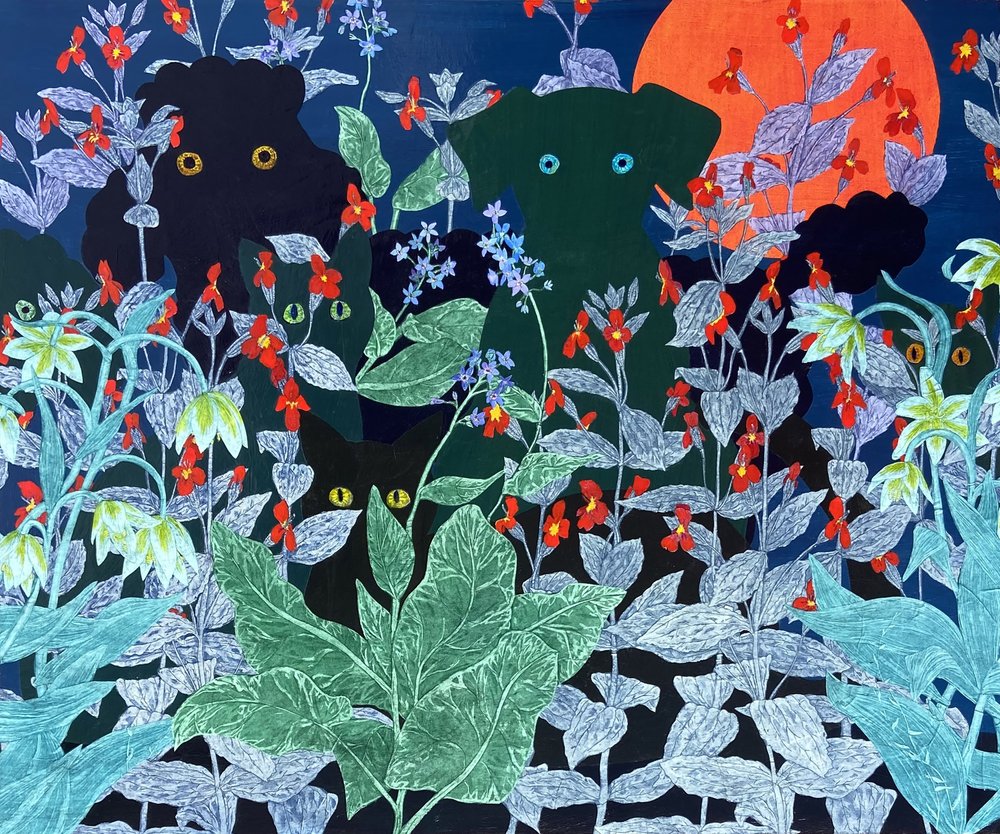
“The second concept is the use of this knowledge of nature to try to control wildness to fit human needs.”

More of Julia Lucey‘s remarkable prints can be found at https://www.julialucey.com/.


Sunday Evening Art Gallery — Albrecht Dürer

Albrecht Dürer (1471 –1528) was a German painter, printmaker, and theorist of the German Renaissance.

Praying Hands


He was a brilliant painter, draftsman, and writer, though his first and probably greatest artistic impact was in the medium of printmaking.

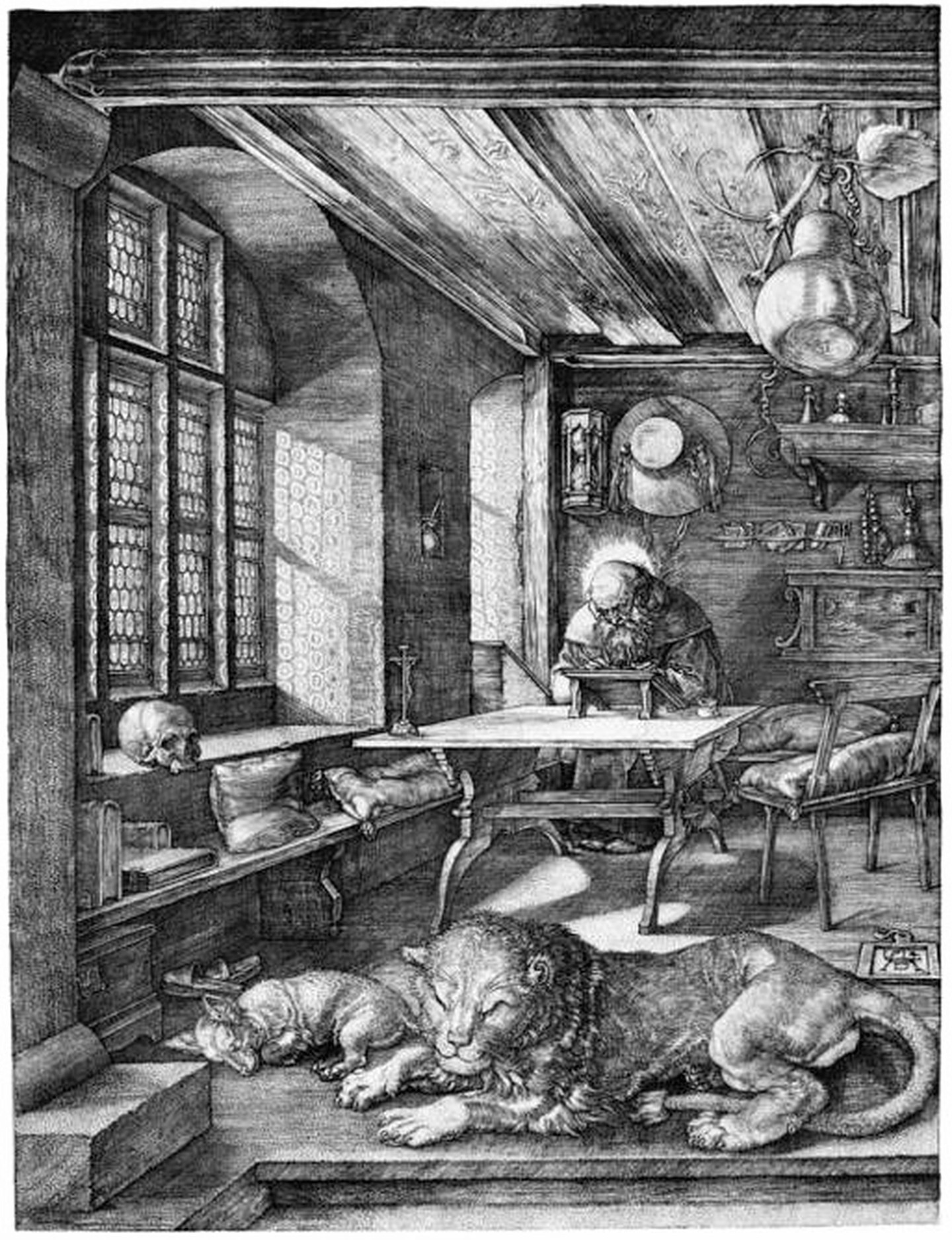
Saint Jerome in his Study


Born in Nuremberg, Dürer established his reputation and influence across Europe in his twenties due to his high-quality woodcut prints.

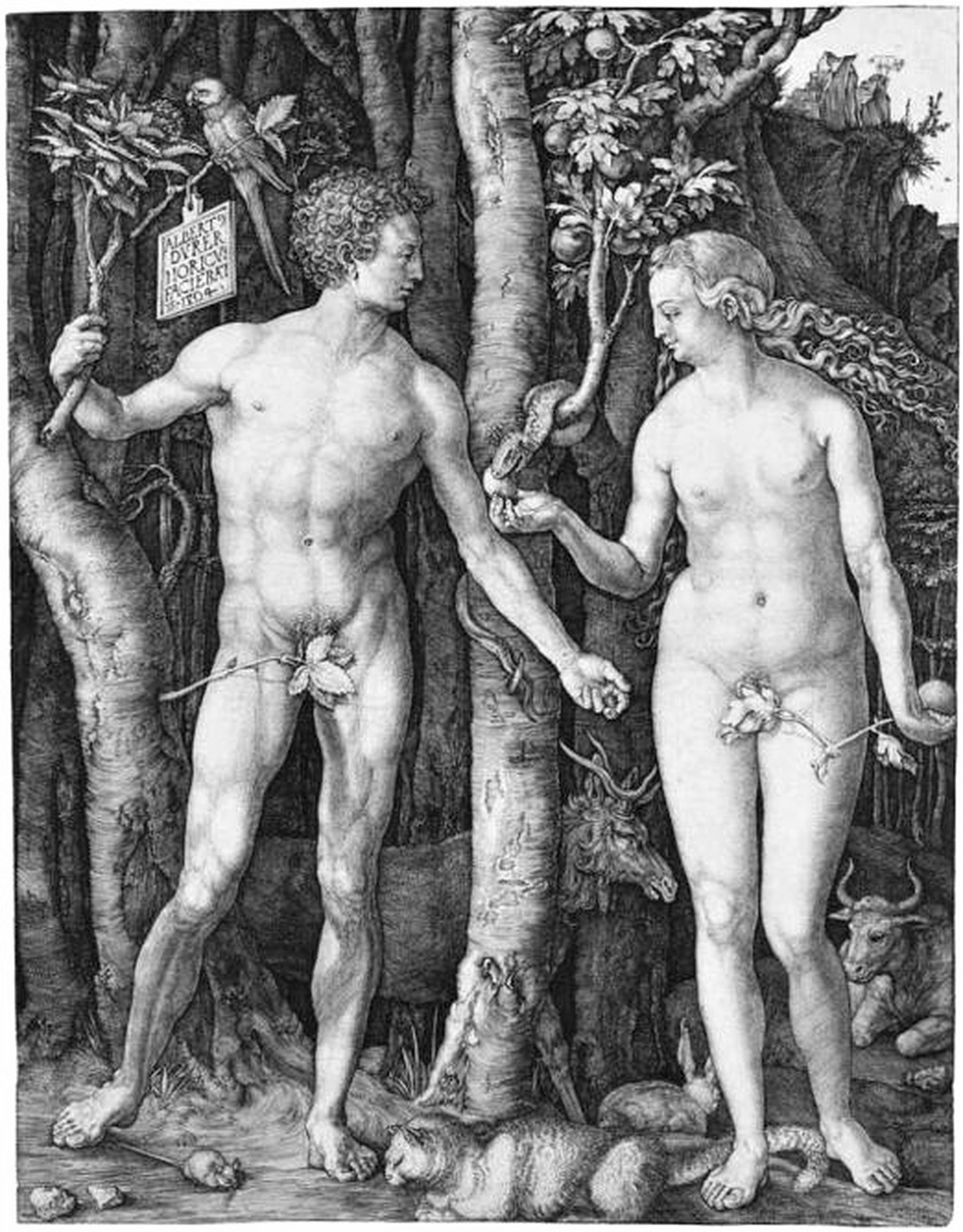
Adam and Eve


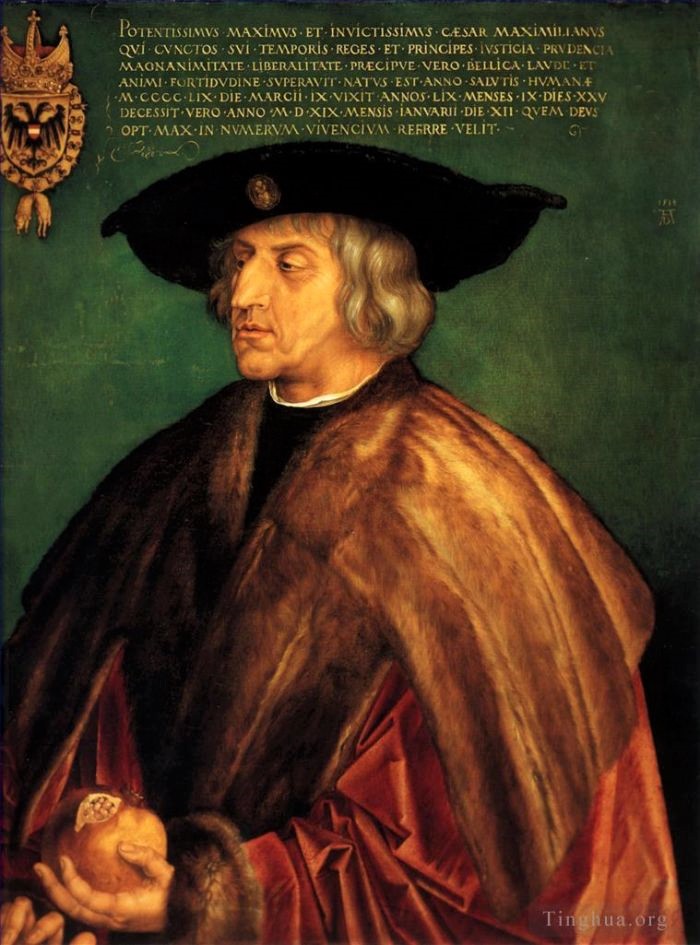
He was in contact with the major Italian artists of his time, including Raphael and Leonardo da Vinci, and from 1512 was patronized by Emperor Maximilian I.

Portrait of Emperor Maximilian I


He believed that geometry was essential for producing harmonic artworks, and thus that it should be taught to all young artists, alongside other mathematical rigors.

Feast of the Rosary


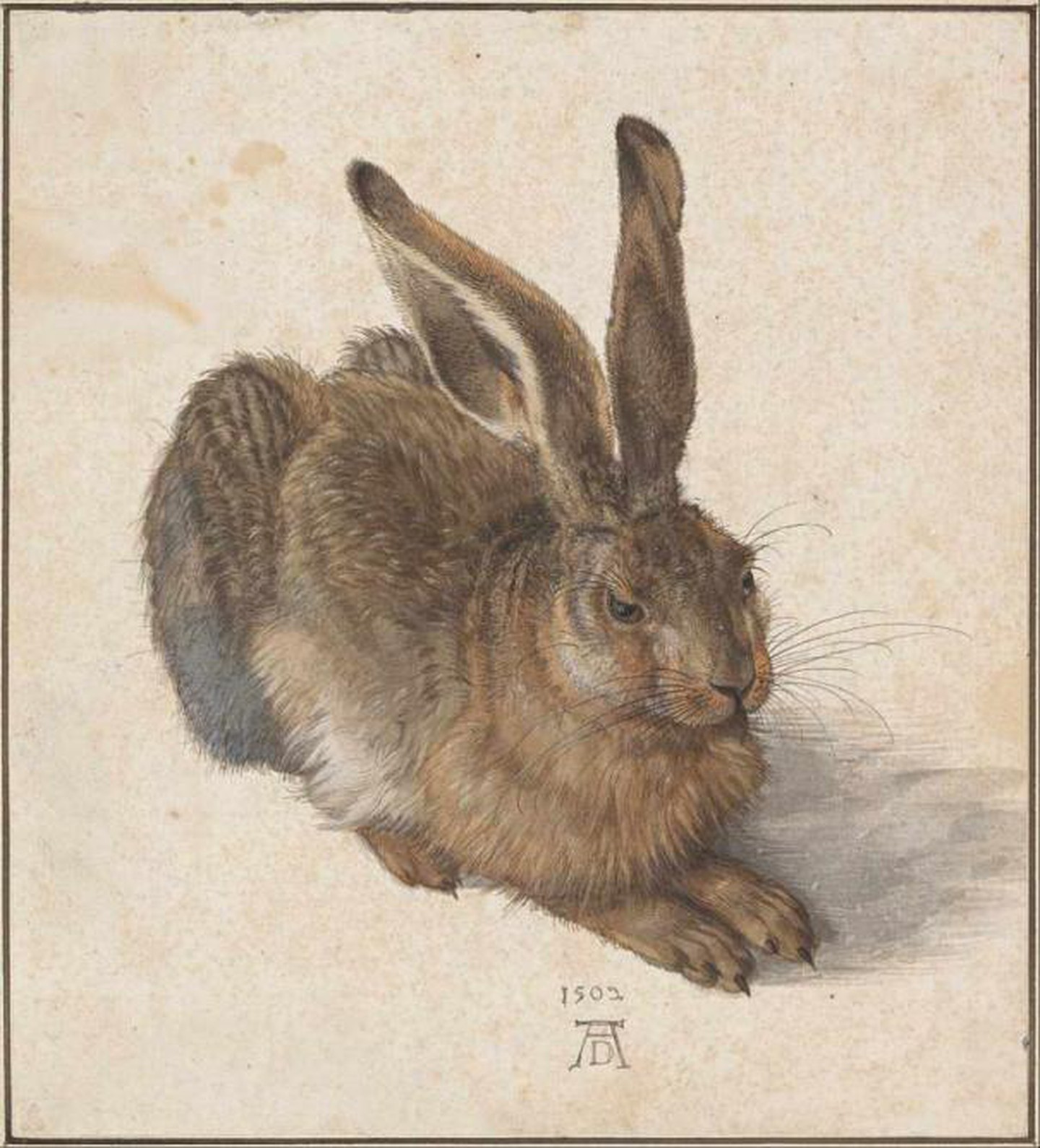
Despite his decidedly Renaissance interest in Humanism and mathematics, Dürer continued to produce extremely detailed studies of the natural world, particularly animals, be they newly discovered in Europe (such as the mythical rhinoceros and lion) or common native creatures (such as the hare, owl, or cat).

Young Hare


Dürer was well aware of his own artistic genius, which equally tortured and enlivened him.

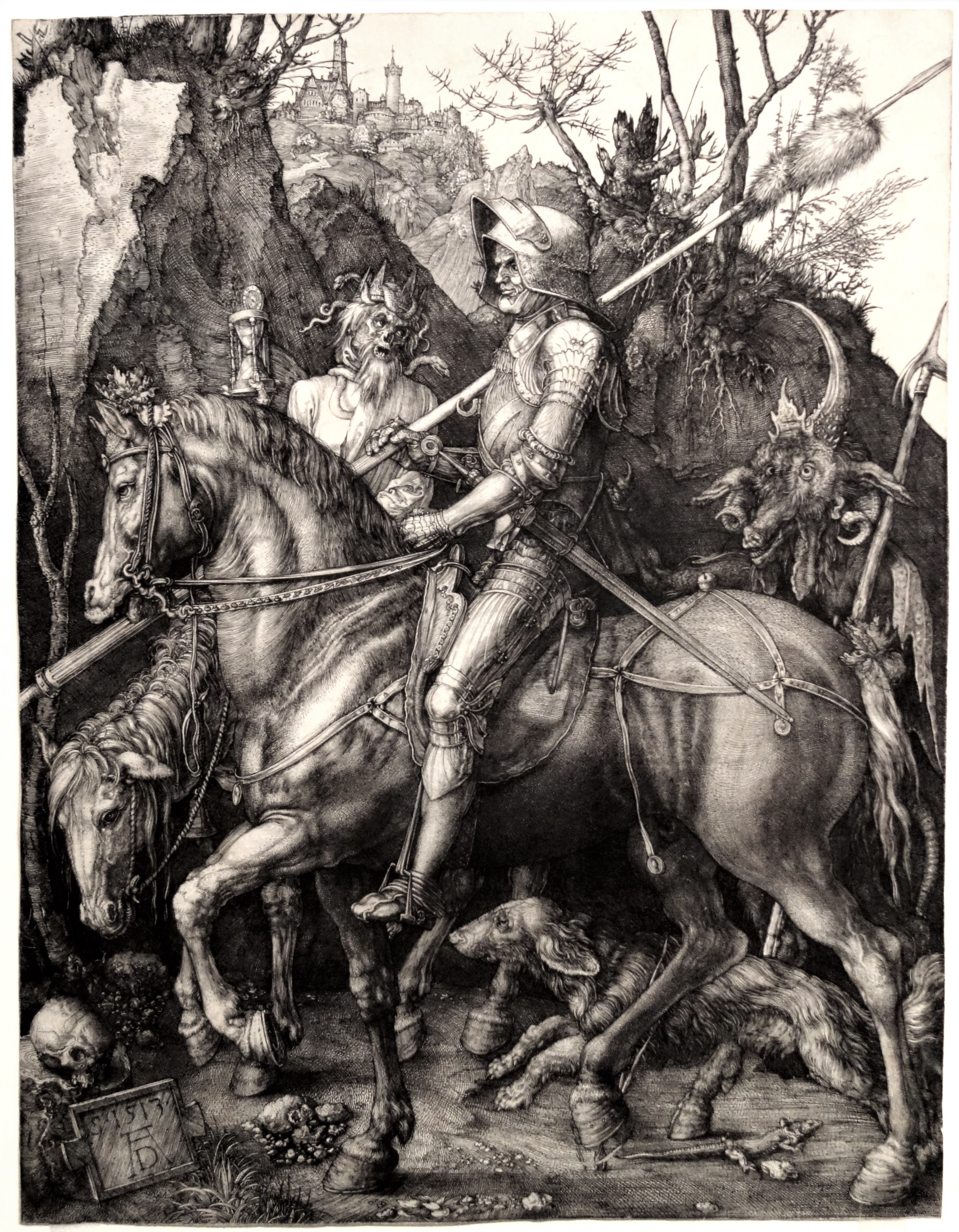
The Knight Death and the Devil


He painted a number of empowering self-portraits, and would often appear as a character in his painted commissions.

Self Portrait


More of Albrecht Dürer‘s art can be found at http://www.albrechtdurer.org.