Sunday Evening Art Gallery — Henrietta Harris

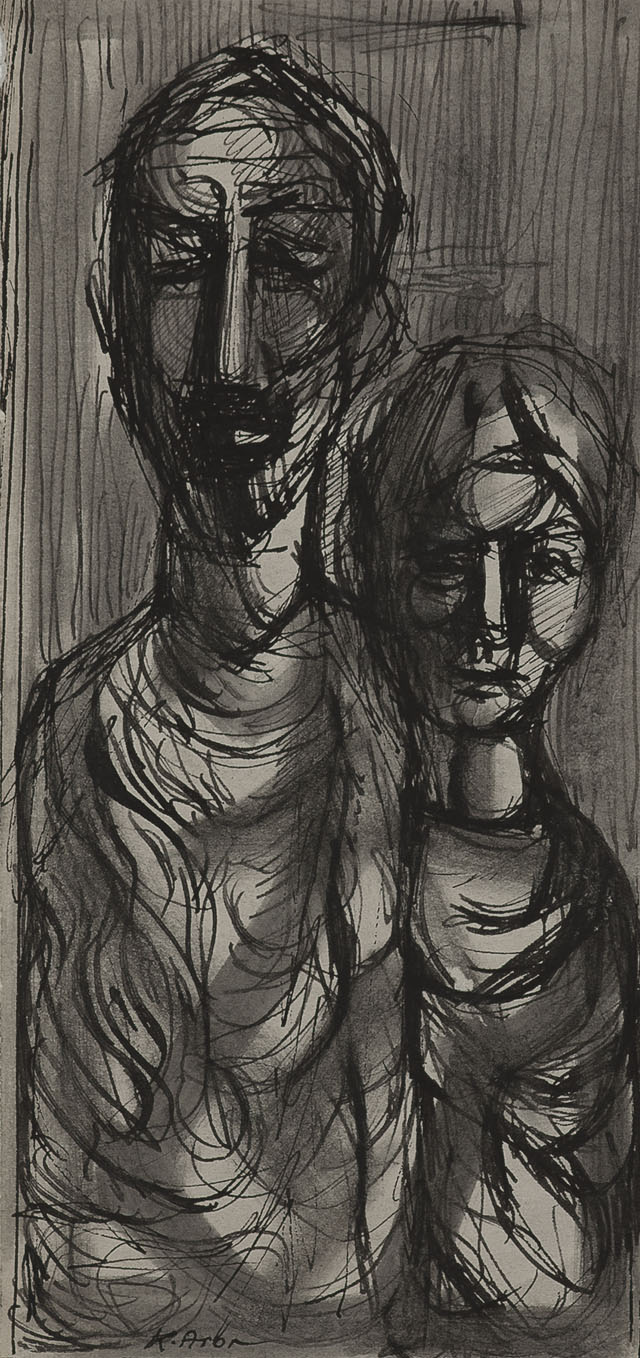
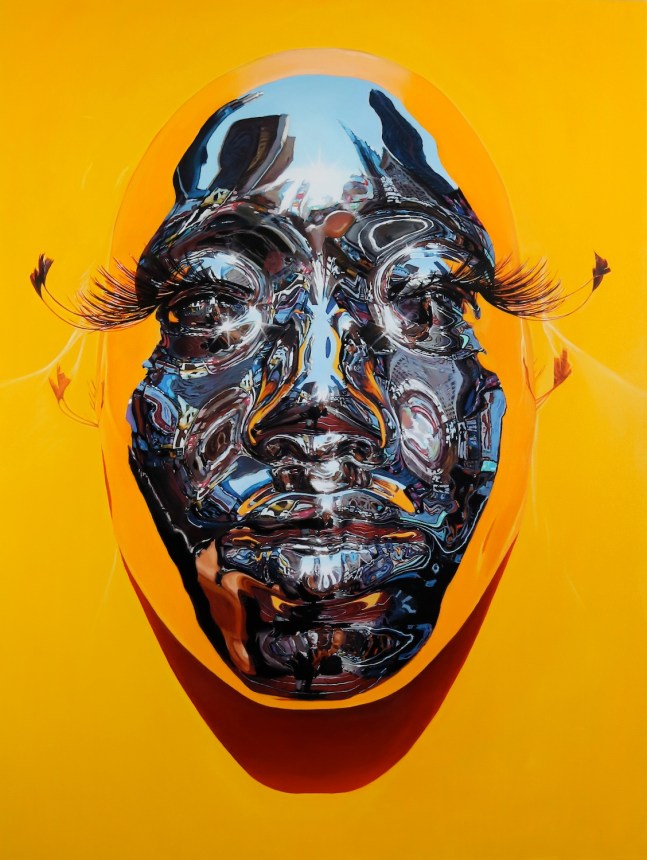
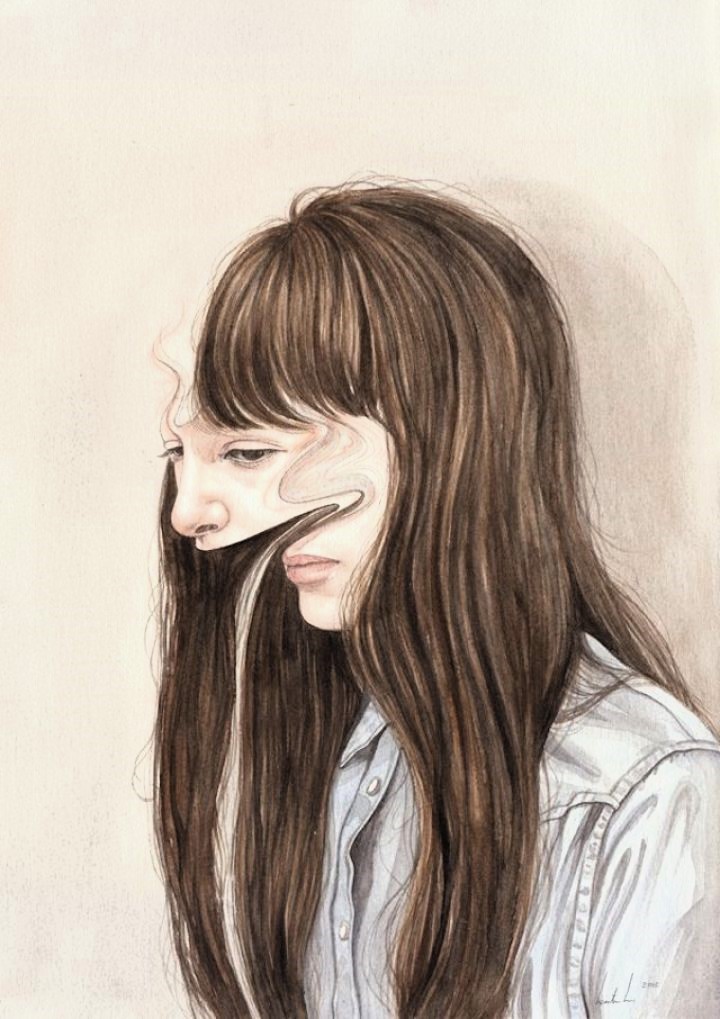
New Zealand-based artist and illustrator artist Henrietta Harris is known for her incredibly beautiful and often distorted portraits.She works with working with paper, pen, oil, watercolor, gouache, acrylic, and sometimes gold leaf to produce incredible works of arts that are a fascinating mix of naturalistic, surrealistic and post-impressionist technic and substance.
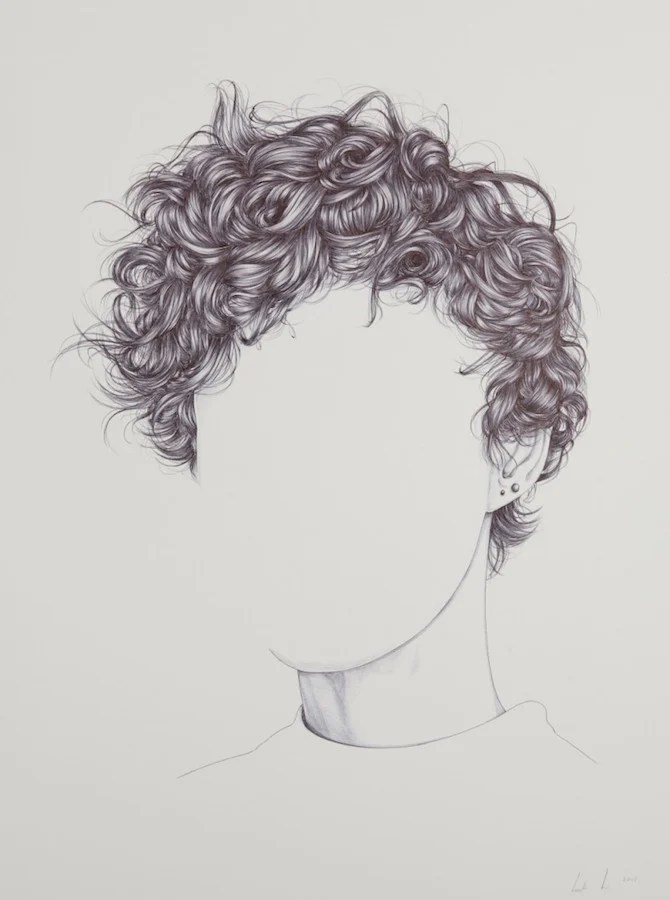
Her watercolor paintings often involve portraiture with a departure into the surreal, with faces skillfully obscured and misplaced by the clean sweep of a brushstroke.She often depicts individuals at the crossroads of early adulthood, in states of uncertainty or isolation — self-scrutinizing and scrutinized by others.The artist’s earliest works were executed on paper and tended to disrupt the usual access point to emotion — the face. She made pen drawings of people with visages barren of features but surrounded by lyrical waves of hair.Using watercolor, she played with faces in other ways, multiplying them or stretching them like taffy, such that they were differently enigmatic, or differently expressive.Moving into oils, Harris began to experiment with more traditional modes of portraiture, creating immaculately rendered paintings in which brush-marks were all but eliminated.

More of Henrietta Harris’ surrealist paintings can be found at https://henriettaharris.com/.


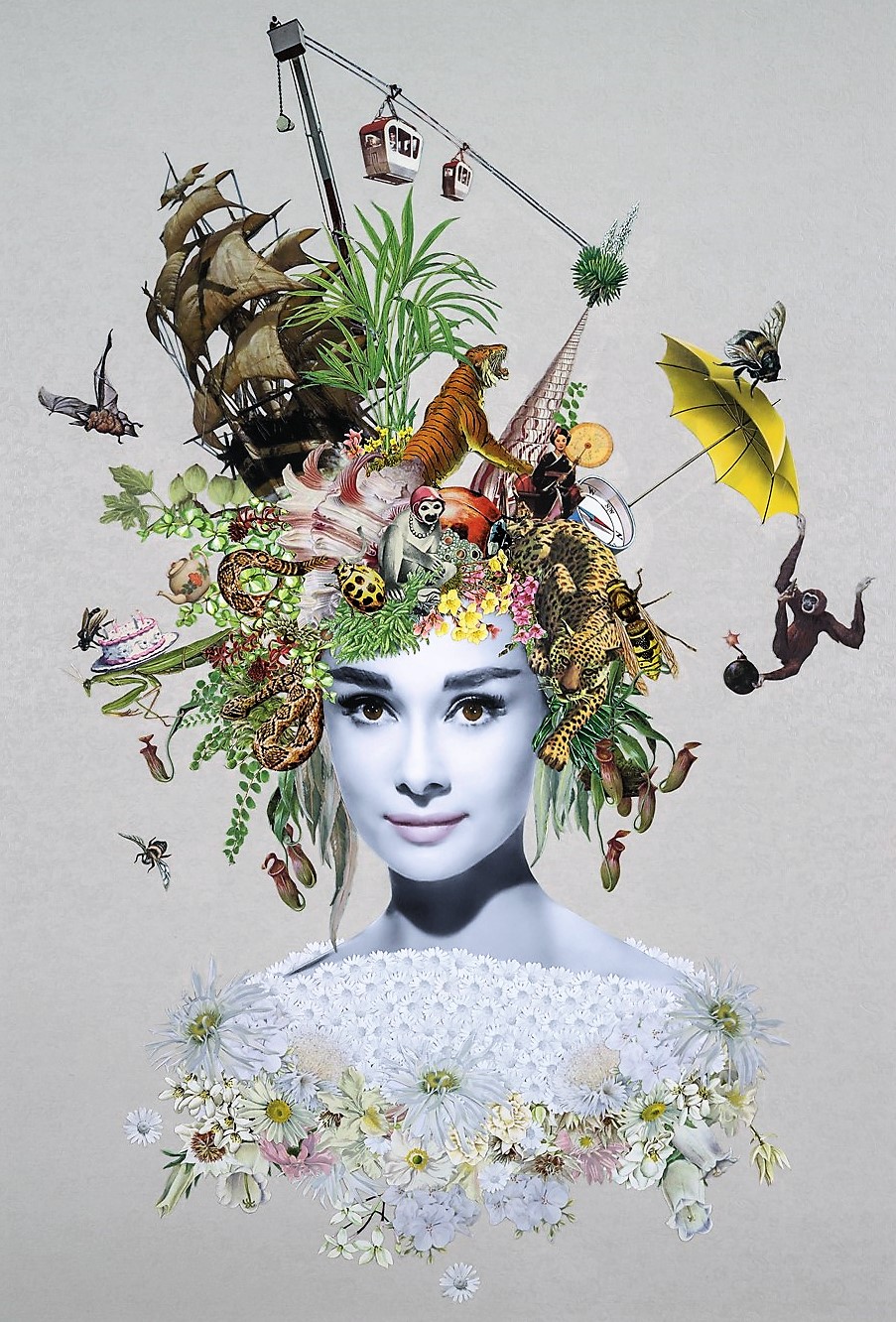
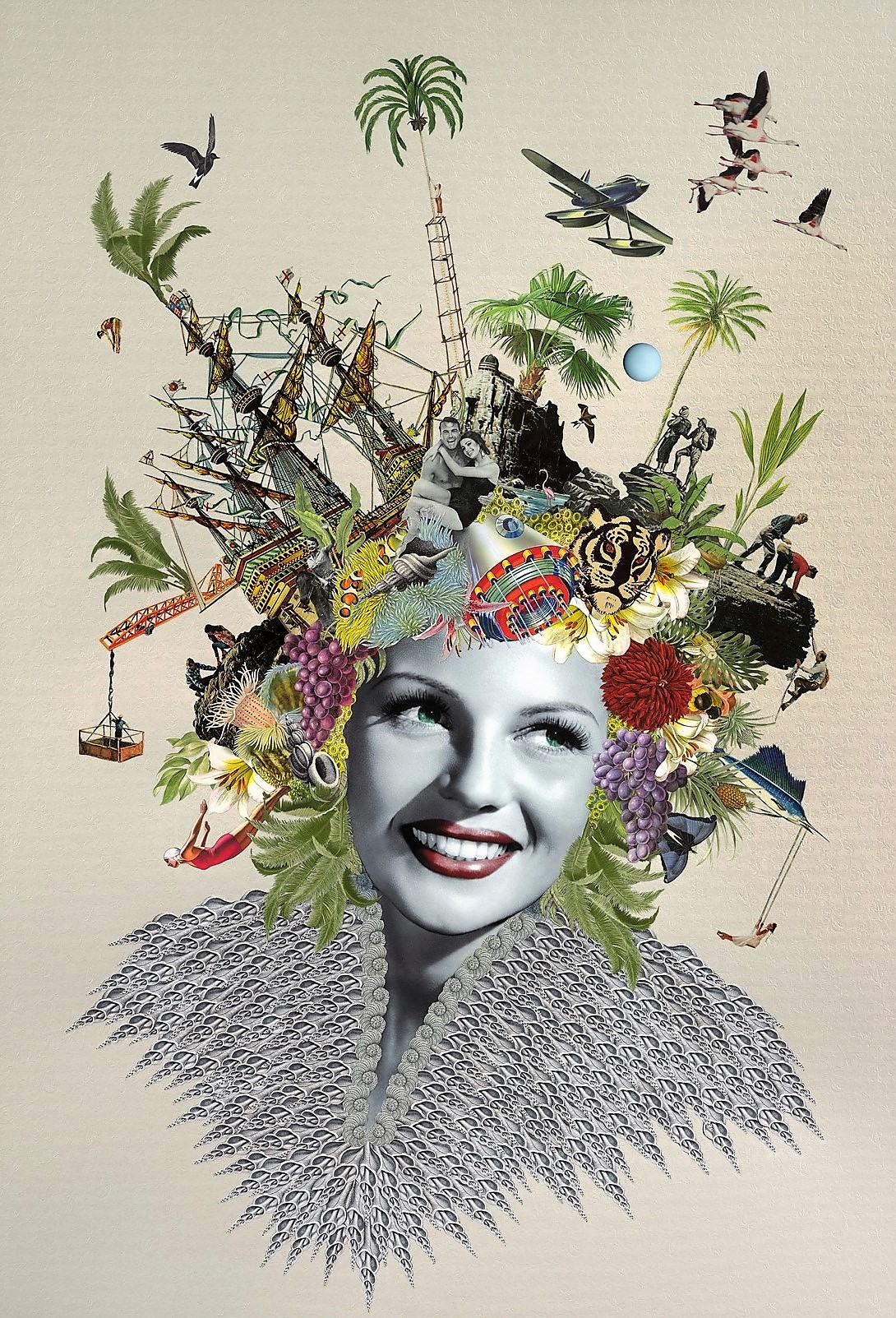
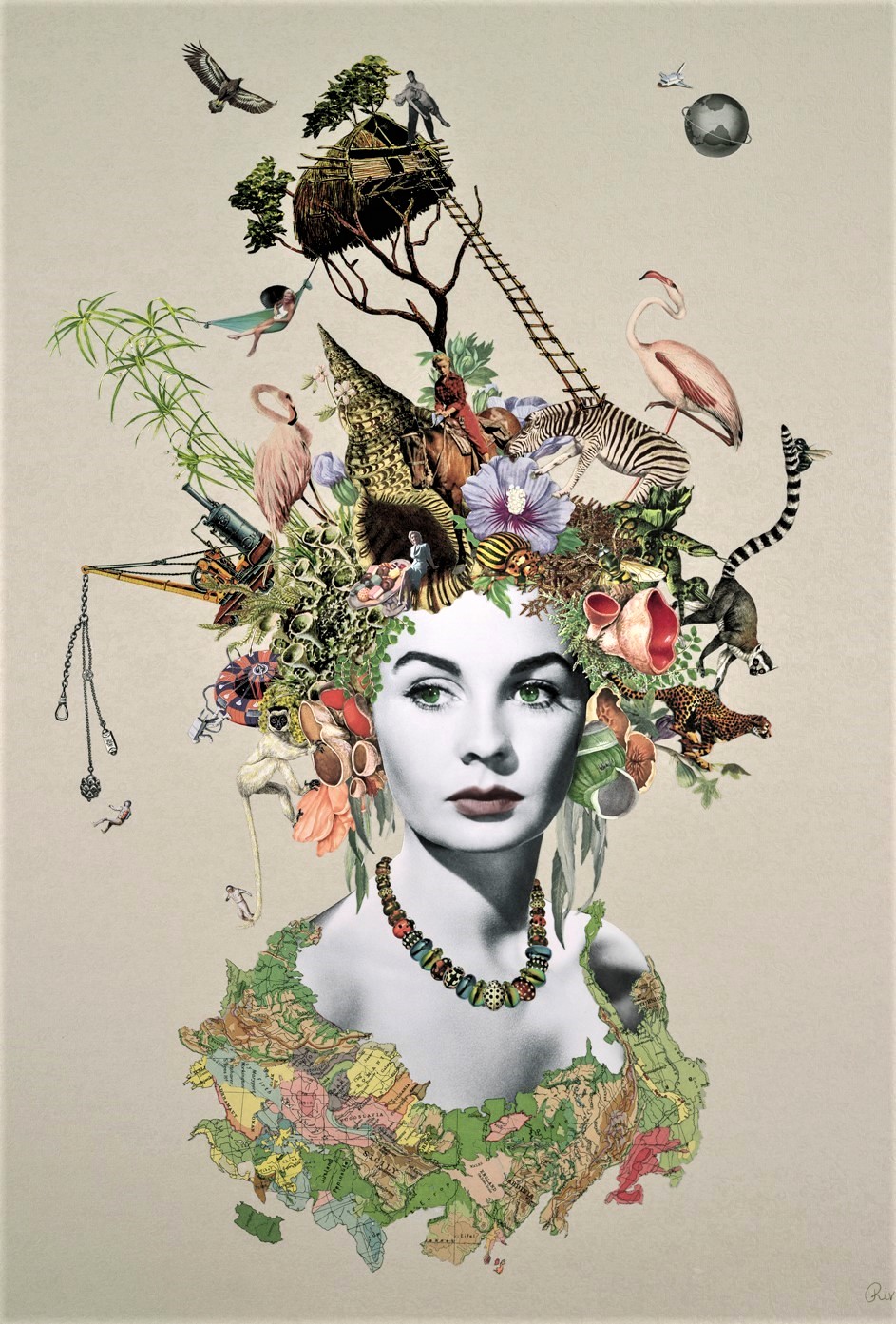
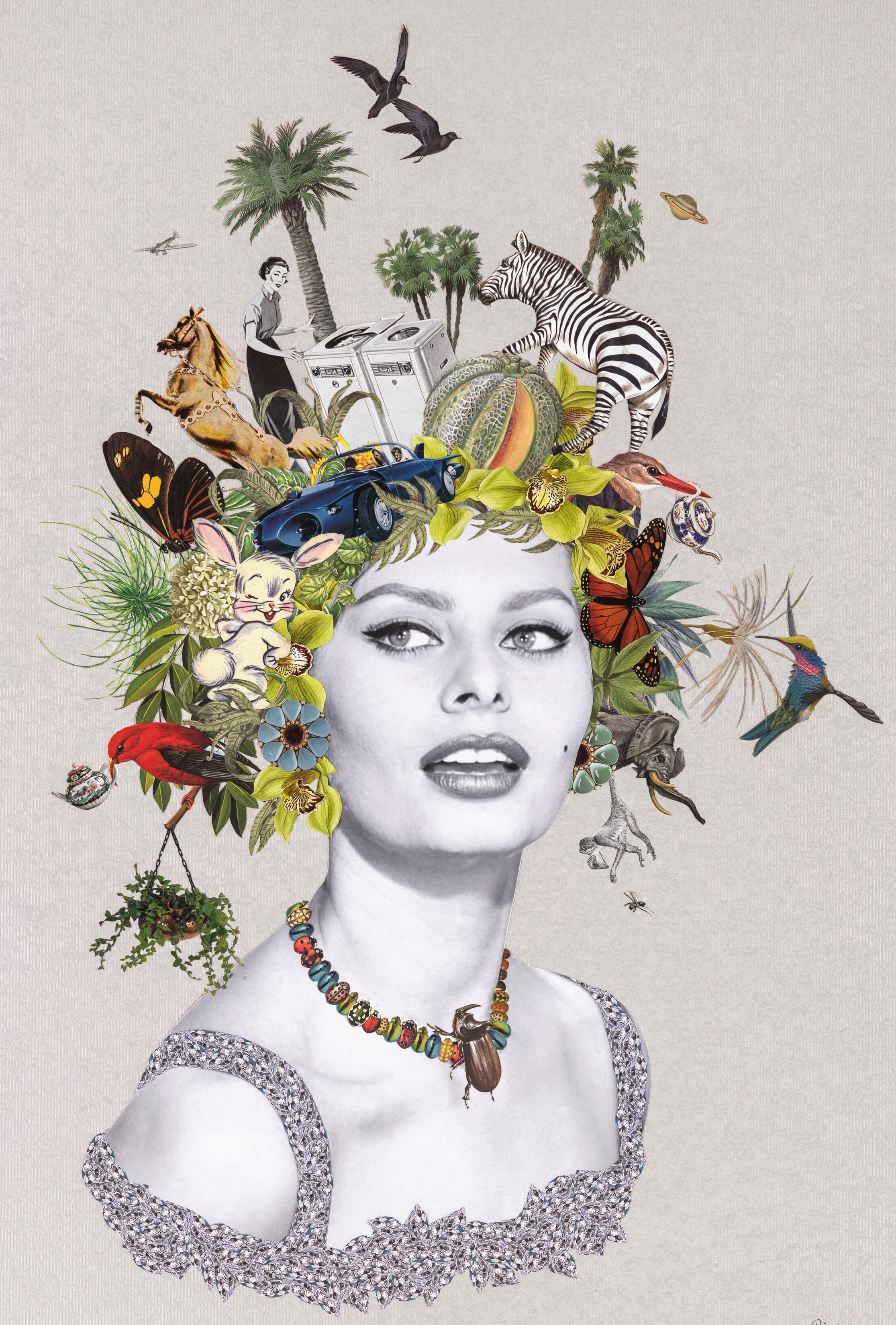
Sunday Evening Art Gallery — Maria Rivans

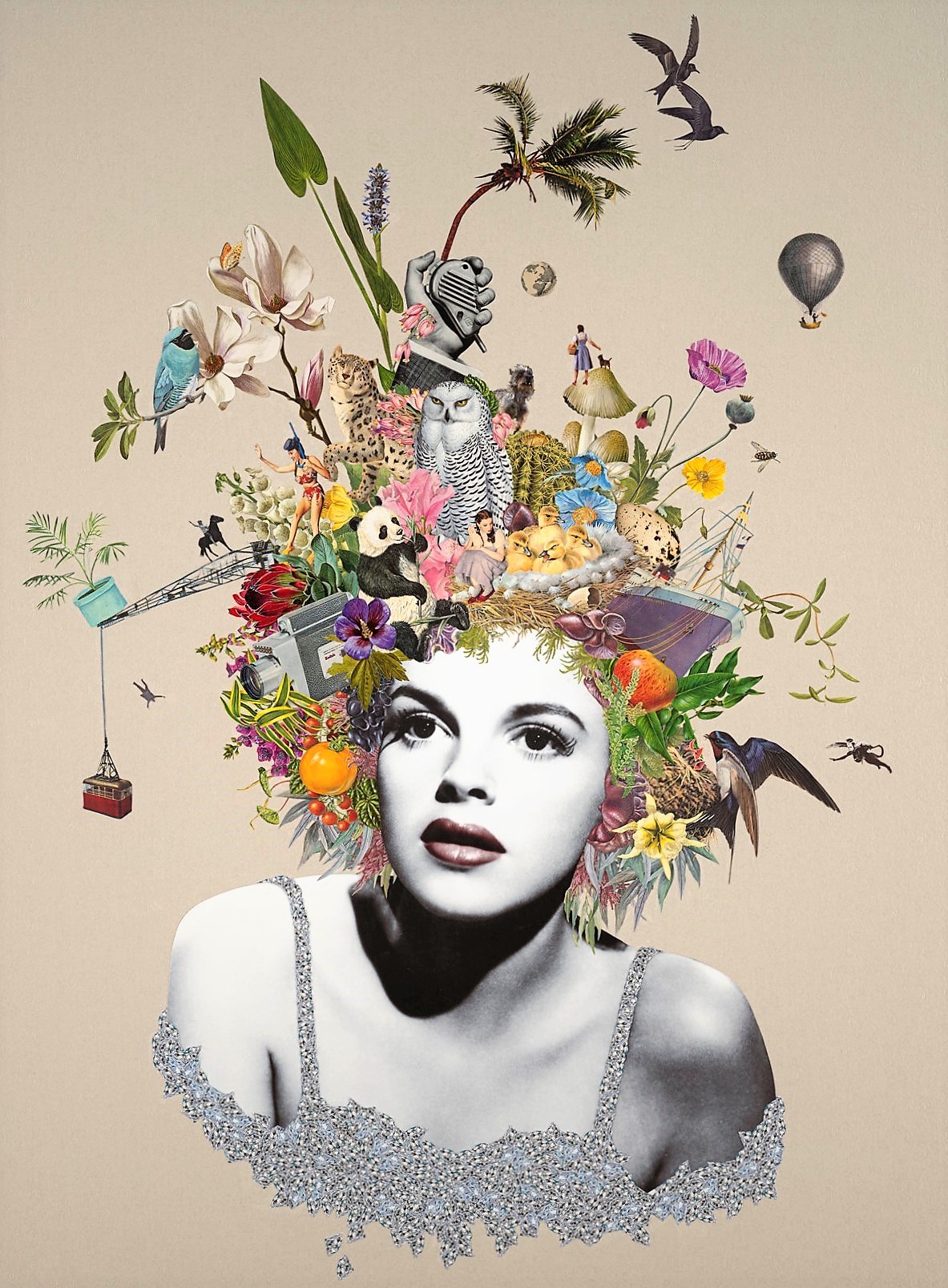
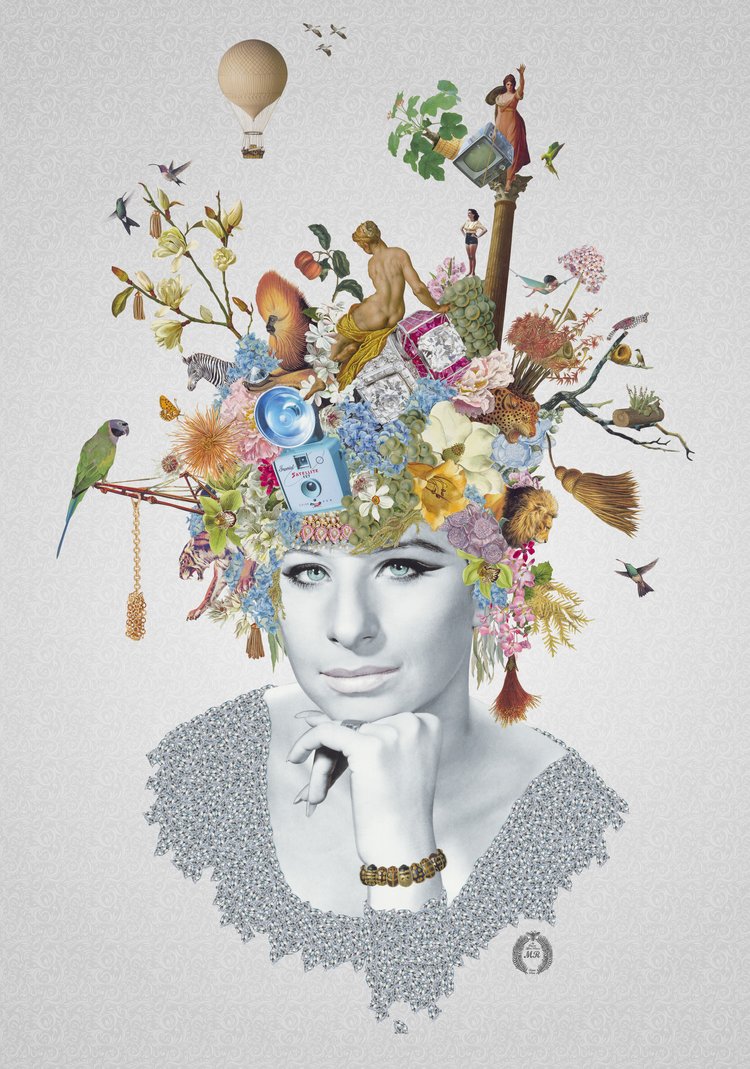
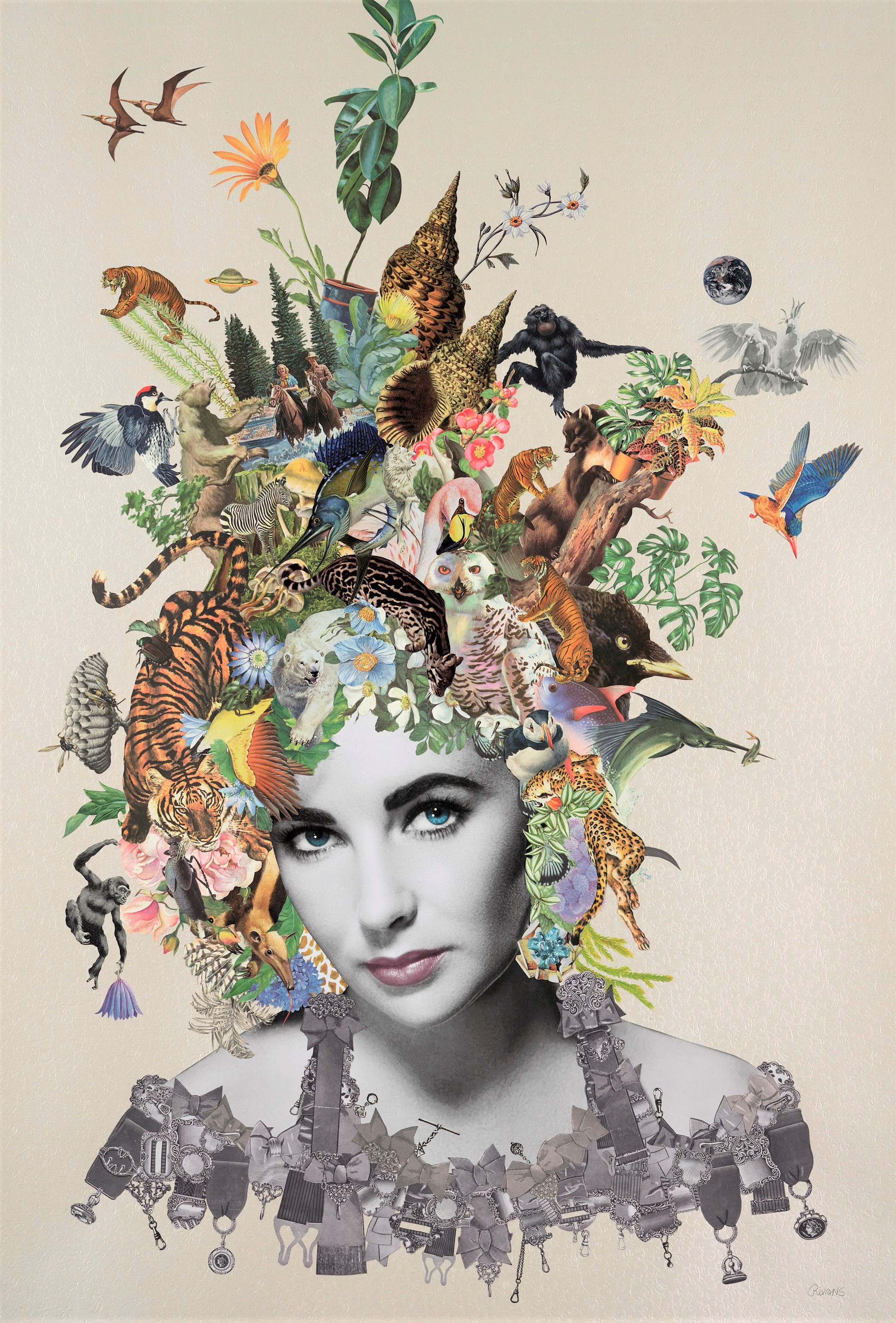
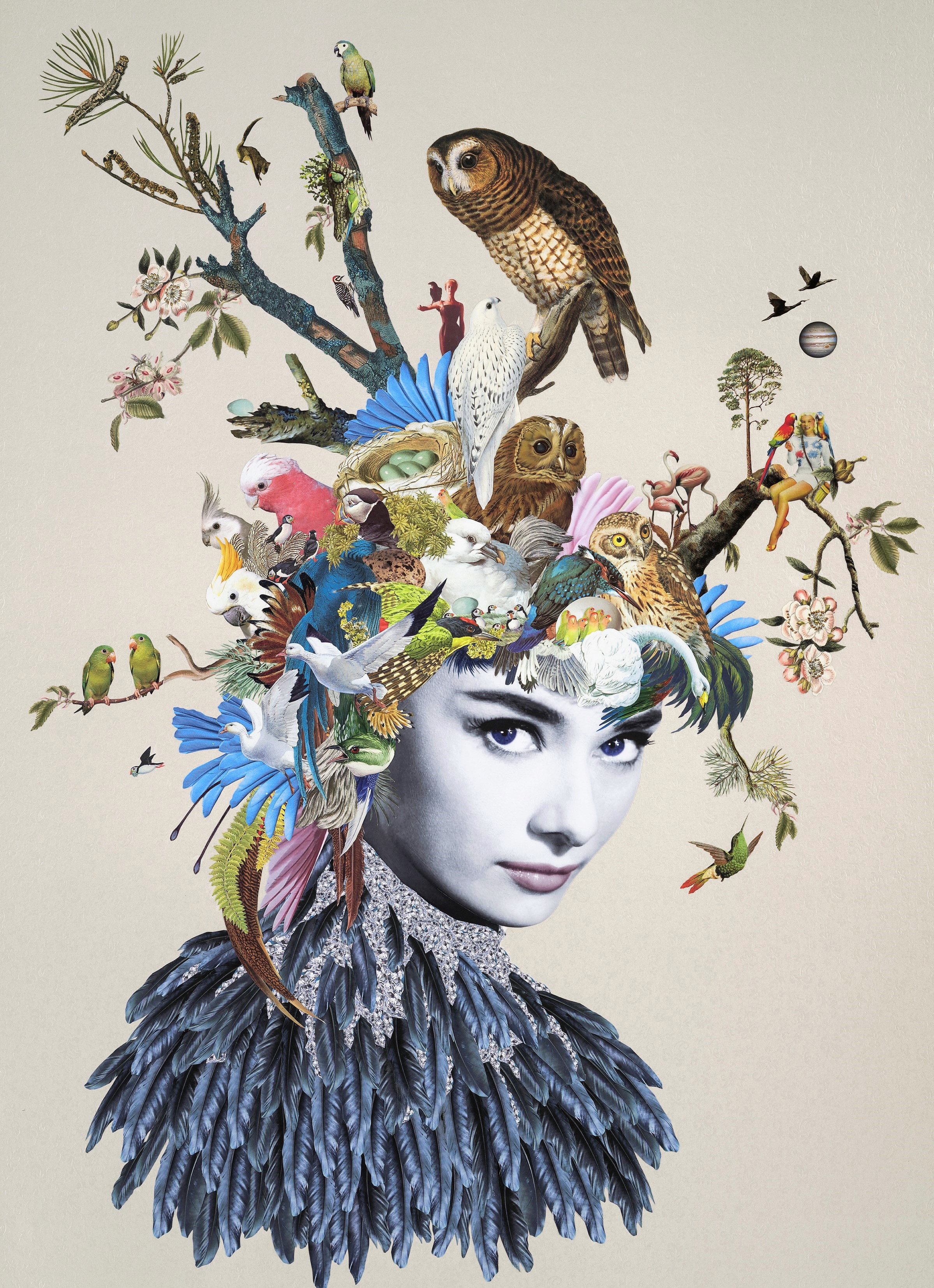
Maria Rivans is a contemporary British artist known for her scrapbook-style collage artwork.A mash-up of Surrealism meets Pop-Art, Rivans’ work re-appropriates vintage collectables to create dreamy realms which transport the viewer into fantastical worlds of the imaginary, each one suffused with vivid color, arresting imagery, and intricate detail.Rivans’ collages have a firm running theme of vintage Hollywood films, B-movies and old television shows. Her process begins with her extensive collection of vintage papers which she scavenges from antique books and retro magazines.She is always on the look-out for that perfect ‘something’ in second-hand shops and at market stalls.Like piecing together an unruly jigsaw puzzle, Rivans begins to collate and assemble the skillfully cut-out fragments and scraps, laboring over long periods and making alteration after alteration, until the collage begins to take shape.Through an intense attention to detail and an artistic sensitivity to color and composition, each of Rivans’ artworks is the product of months of careful deliberations and decisions.Her collages are fun, inventive, and full of familiar faces and extensions. The collage pieces that stand in for the hairdos of movie stars of the past create a harmony and connection between today and yesterday.

More of Maria Rivans creativity can be found at https://www.mariarivans.com/. 


Sunday Evening Art Gallery — Giuseppe Arcimboldo

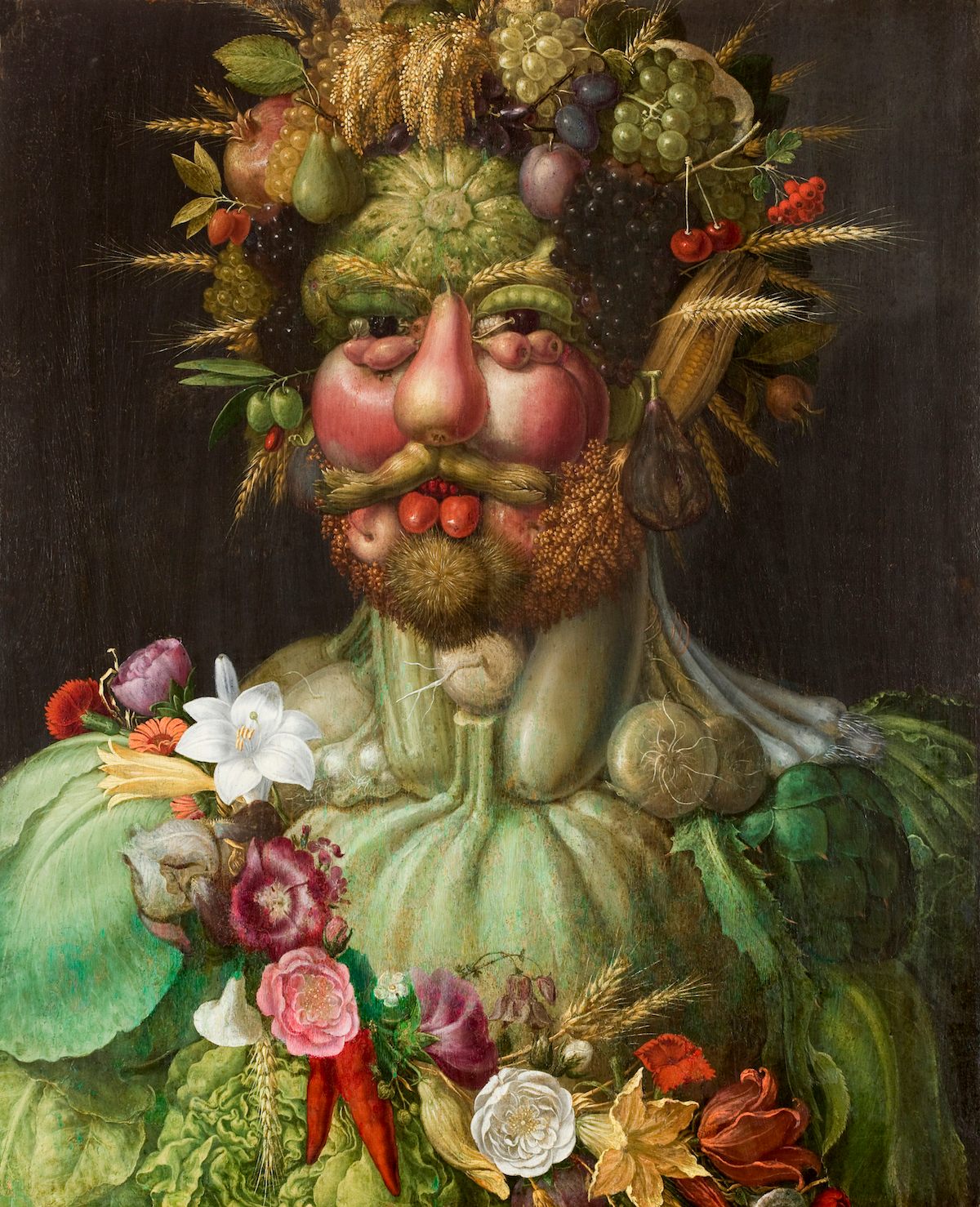
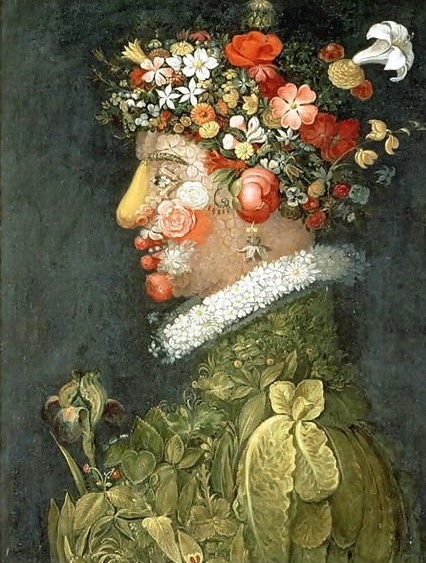
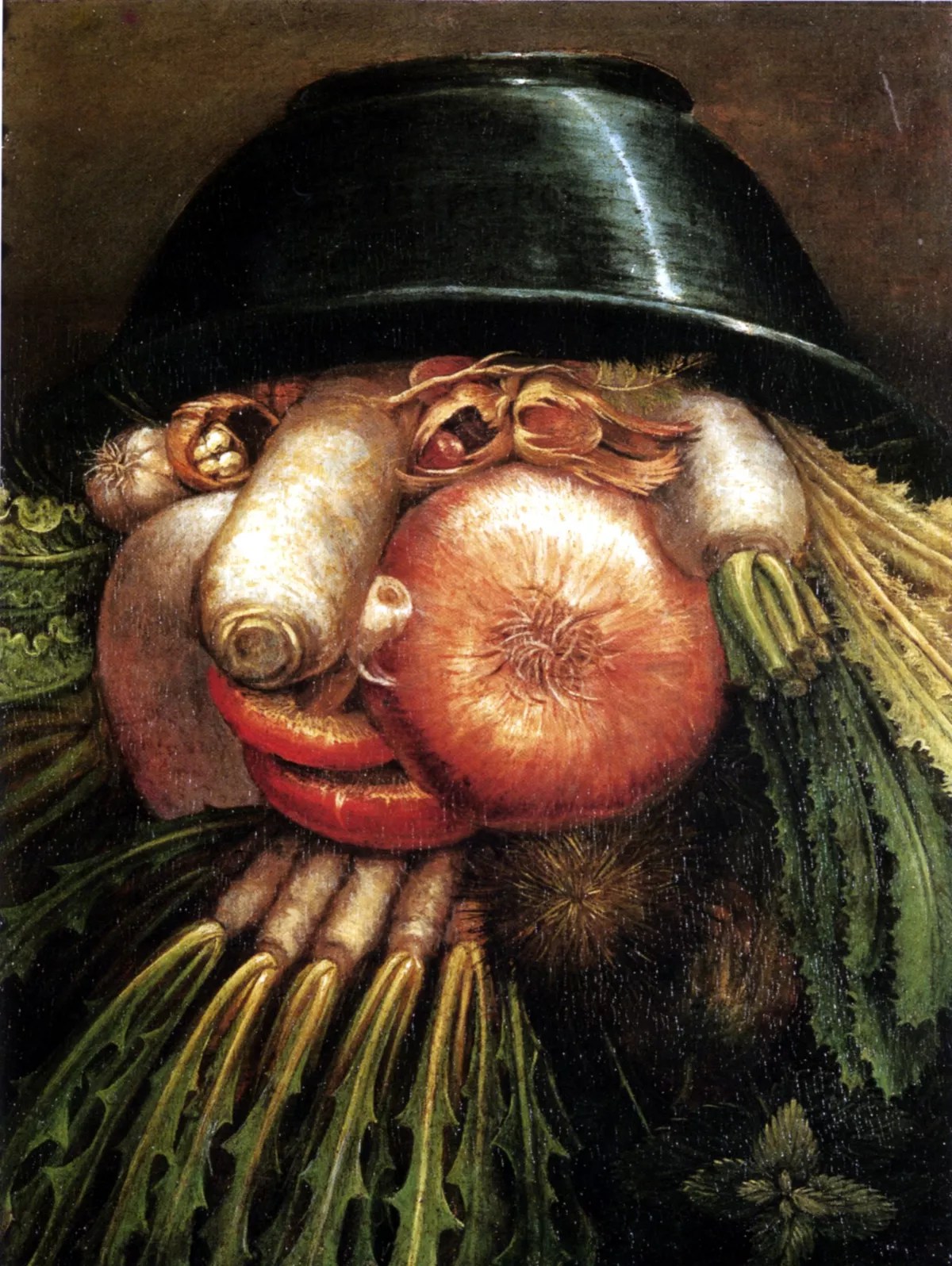
Giuseppe Arcimboldo (1527–1593) was an Italian painter best known for creating imaginative portrait heads made entirely of objects such as fruits, vegetables, flowers, fish and books.

He was a conventional court painter of portraits for three Holy Roman Emperors in Vienna and Prague, also producing religious subjects and, among other things, a series of colored drawings of exotic animals in the imperial menagerie.Arcimboldo’s conventional work on traditional religious subjects has fallen into oblivion, but his portraits of human heads made up of vegetables, fruit and tree roots, were greatly admired by his contemporaries and remain a source of fascination today.

Art critics debated whether these paintings were whimsical or the product of a deranged mind, but the  majority of scholars hold to the view that given the Renaissance fascination with riddles, puzzles, and the bizarre, Arcimboldo, far from being mentally imbalanced, catered to the taste of his times.Arcimboldo did not leave written certificates on himself or his artwork.After the deaths of Arcimboldo and his patron, the emperor Rudolph II, the heritage of the artist was quickly forgotten, and many of his works were lost.When the Swedish army invaded Prague in 1648, during the Thirty Years’ War, many of Arcimboldo’s paintings were taken from Rudolf II’s collection.His paintings have been cited as precursors to Surrealism and were highly prized by Salvador Dalí and other members of the movement.

More of Giuseppe Arcimboldo‘s wonderfully strange paintings can be found at https://www.giuseppe-arcimboldo.org/ and https://www.wikiart.org/en/giuseppe-arcimboldo.


Sunday Evening Art Gallery — Hans Holbein the Younger

Hans Holbein the Younger (1497-1543) was a German painter, draftsman, and designer, renowned for the precise rendering of his drawings and the compelling realism of his portraits, particularly those recording the court of King Henry VIII of England.
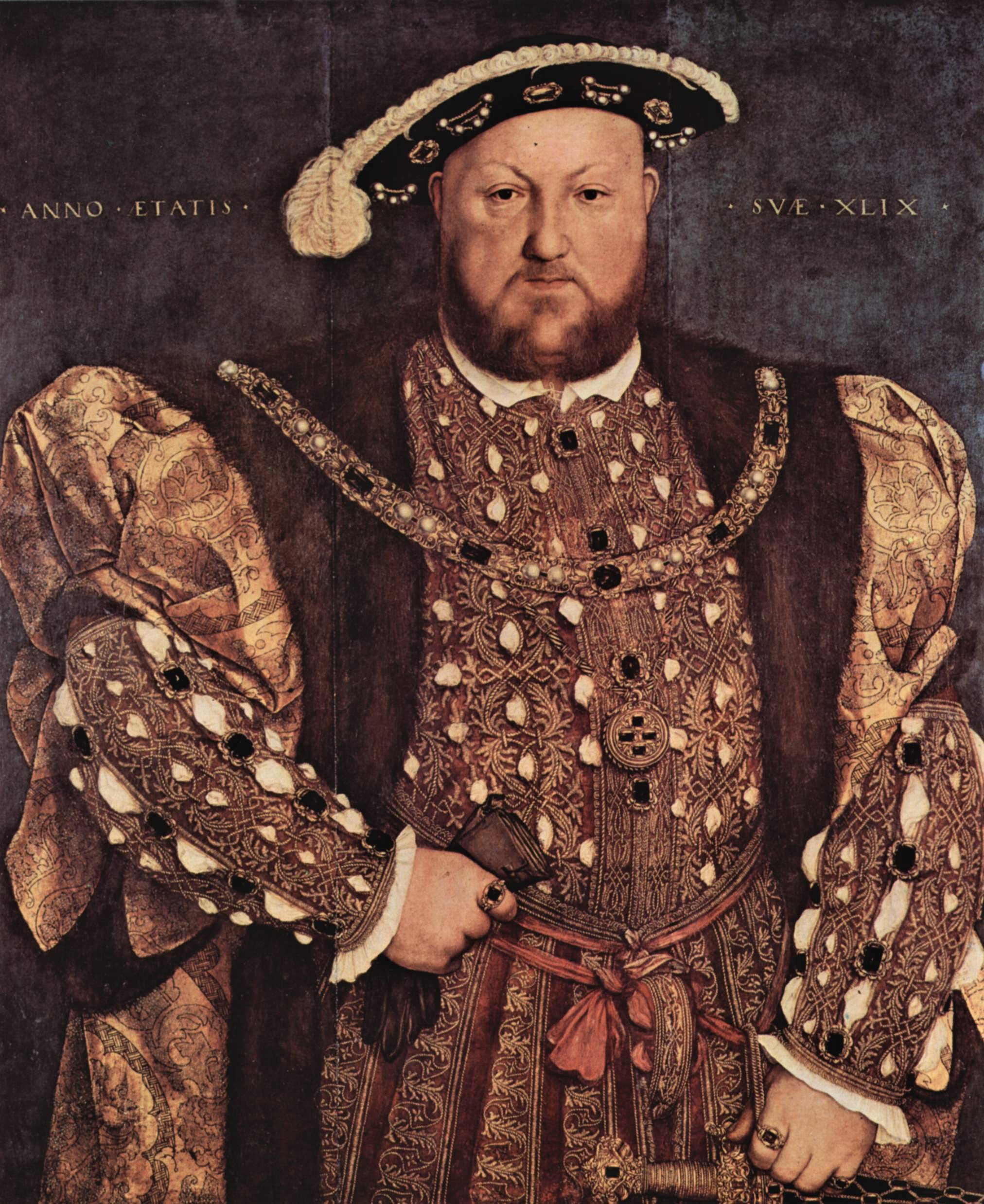
Henry VIII

Holbein the Younger was one of the most celebrated portraitists of the sixteenth century.

Jean De Dinteville and Georges de Selves

At an early age he won commissions to paint portraits of prominent merchants in Basel, and in later years he attracted powerful patrons in England, including Sir Thomas More.
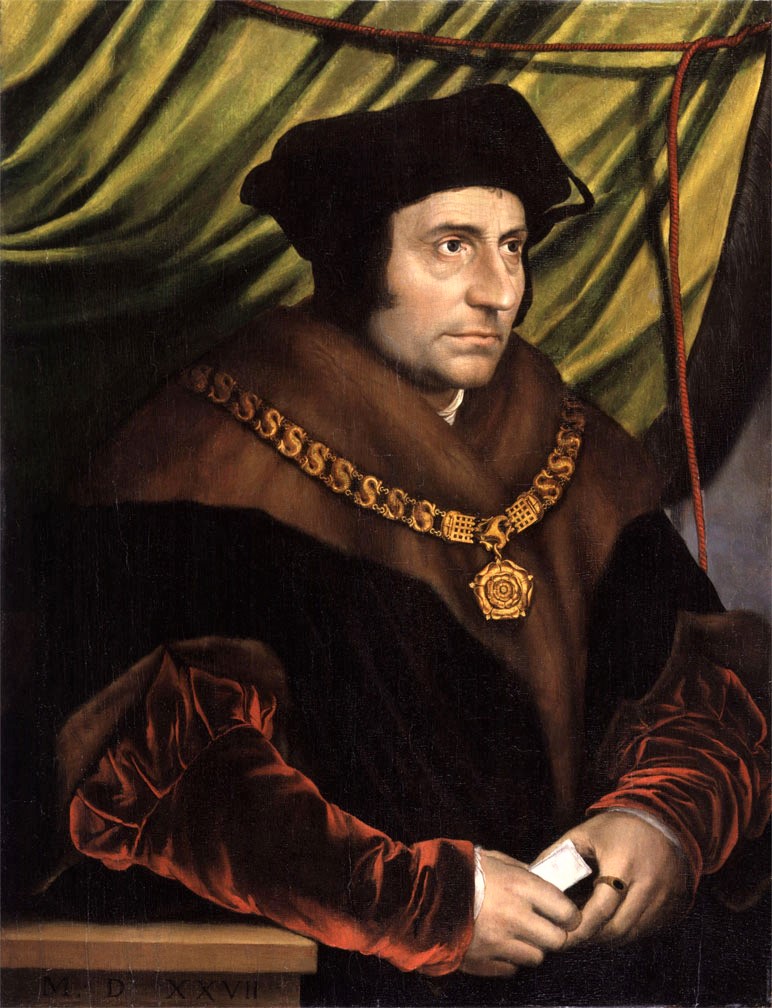
Sir Thomas More

He also produced religious art, satire, and Reformation propaganda, and he made a significant contribution to the history of book design.

Anne of Cleves

Holbein’s art has sometimes been called realist, since he drew and painted with a rare precision.
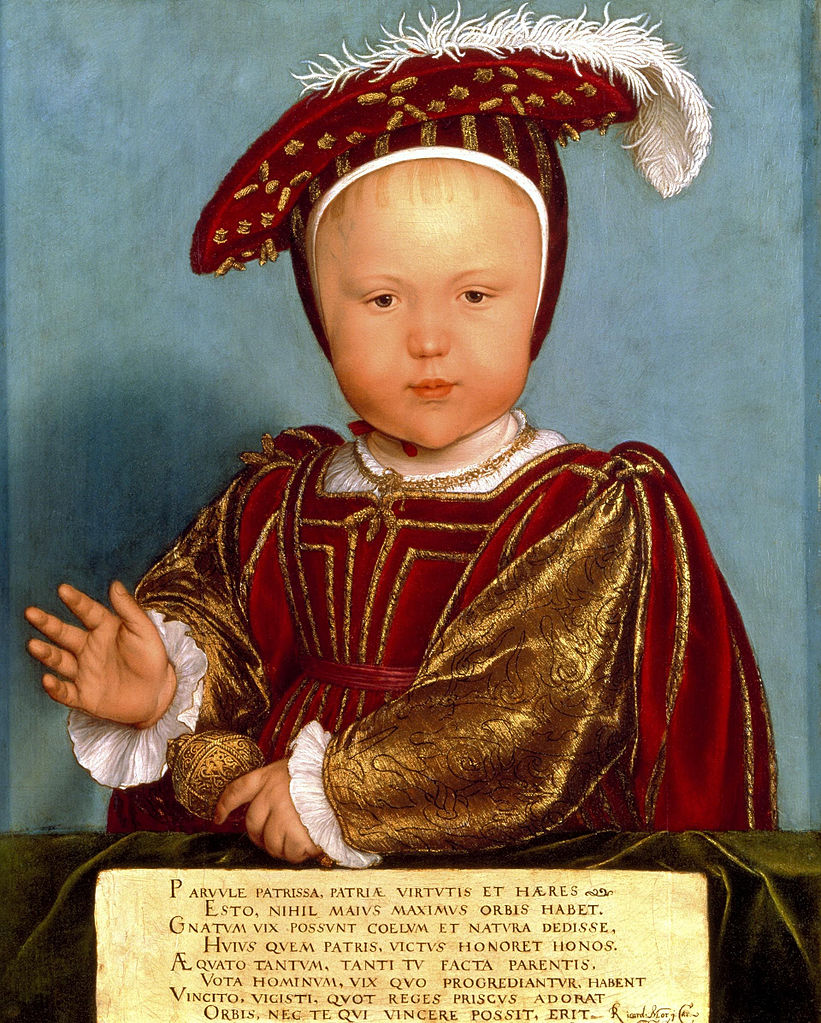
Edward, Prince of Wales

He was never content with outward appearance, however; he embedded layers of symbolism, allusion, and paradox in his art, to the lasting fascination of scholars.

Jane Seymour

His portraits were renowned in their time for their likeness, and it is through his eyes that many famous figures of his day are pictured today.

Henry VIII

More of Hans Holbein the Younger‘s portraits can be found at https://www.hans-holbein.org/