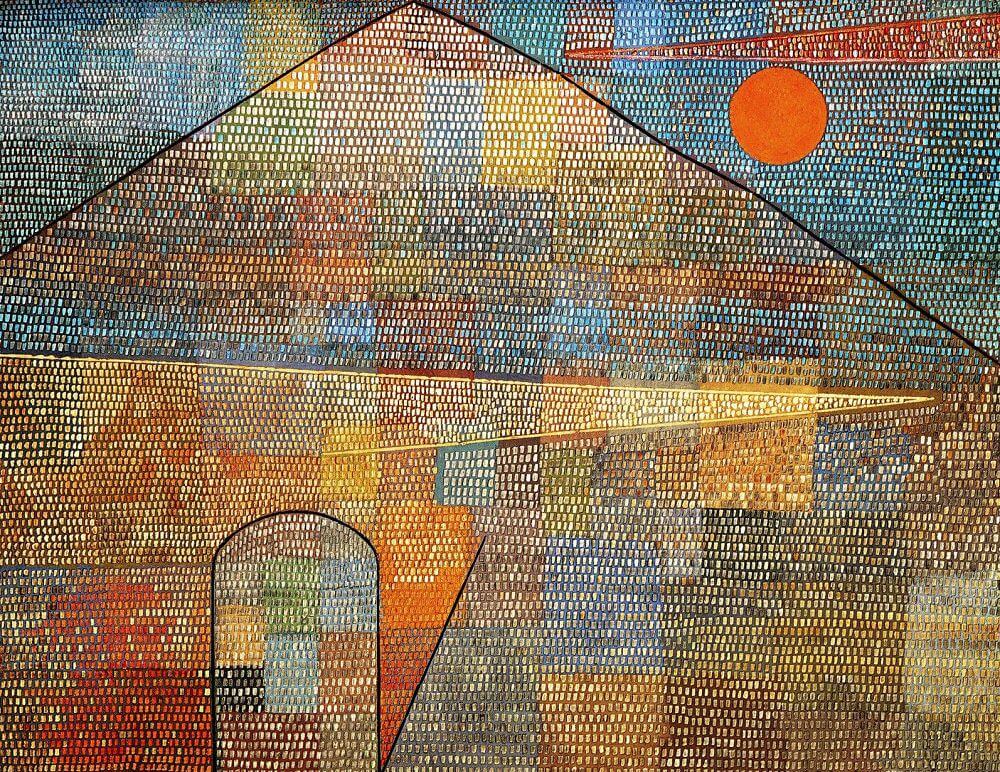
Paul Klee (1879 – 1940) was a Swiss-born German artist. His highly individual style was influenced by movements in art that included expressionism, cubism, and surrealism.
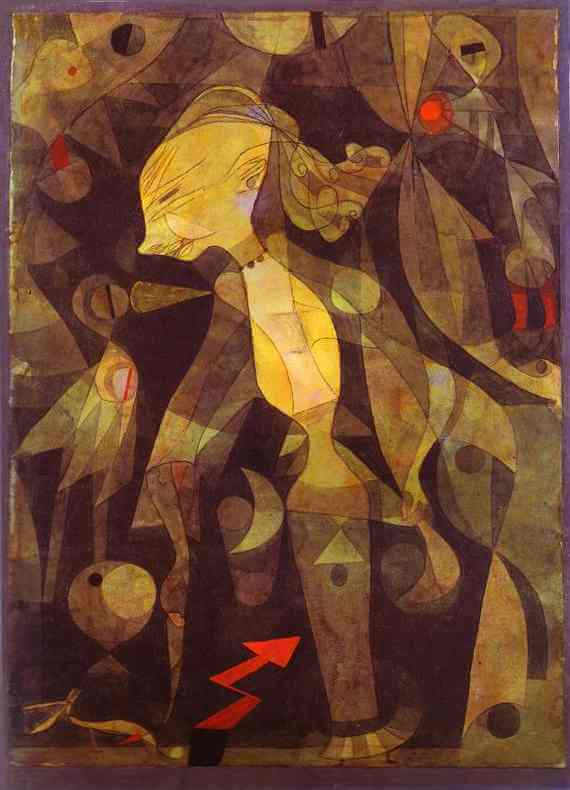
Klee was originally associated with the German Expressionist group Der Blaue Reiter, but his diverse body of work cannot be categorized according to any single artistic movement.
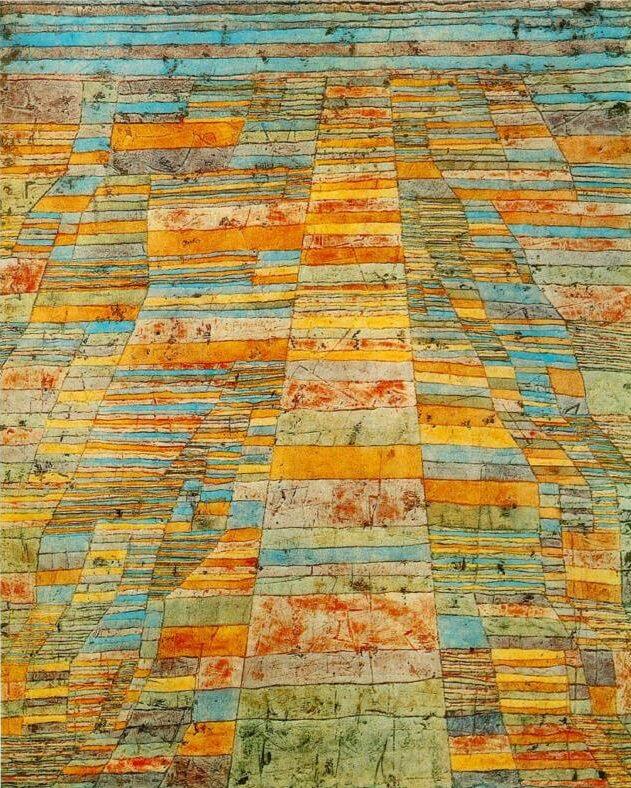
Klee attended the Munich Academy of Fine Arts, and although he now is considered a master of color theory, he spent a long time in his search for his sense of color.
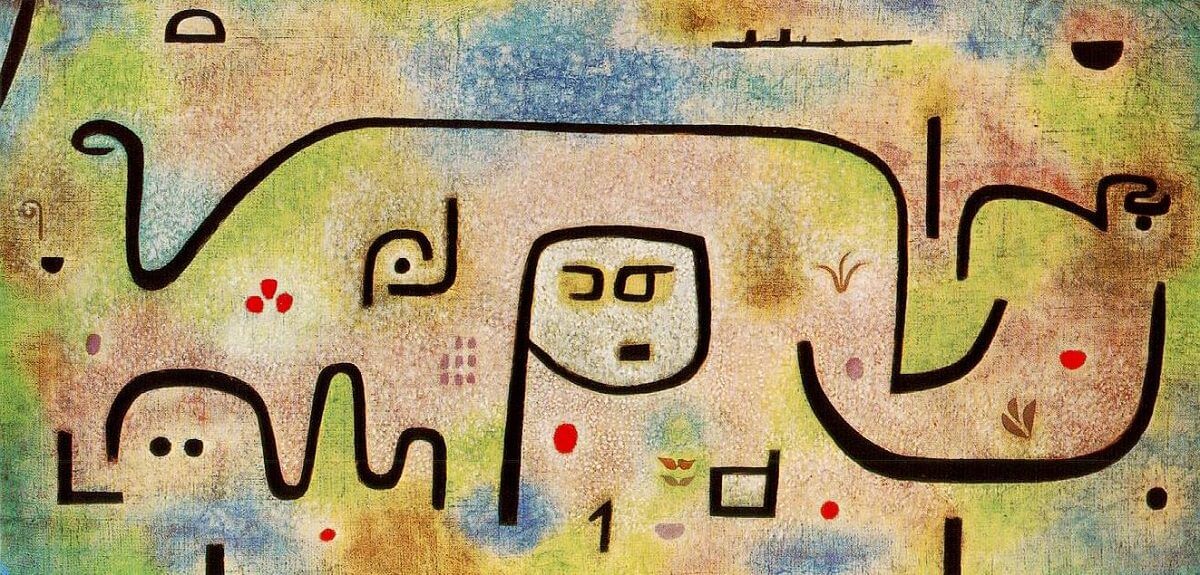
He constantly experimented with artistic techniques and the expressive power of color, the process often breaking traditional or “academic” rules of painting in oils on canvas.
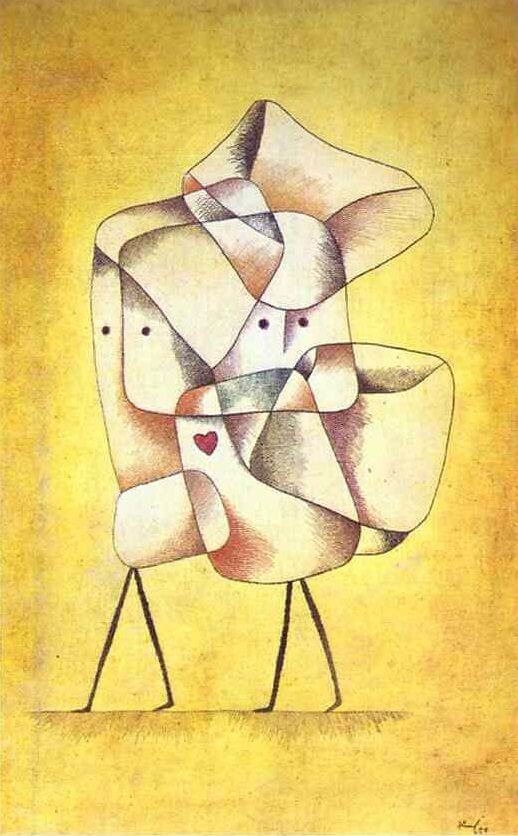
Klee also applied paint in unusual ways, such as spraying and stamping, and used canvas, burlap, muslin, linen, gauze, cardboard, metal foils, fabric, wallpaper, and newsprint as bases for his creations.
During his tenure at Düsseldorf Academy, he was singled out as a Jew by the Nazi party and fired from his job.
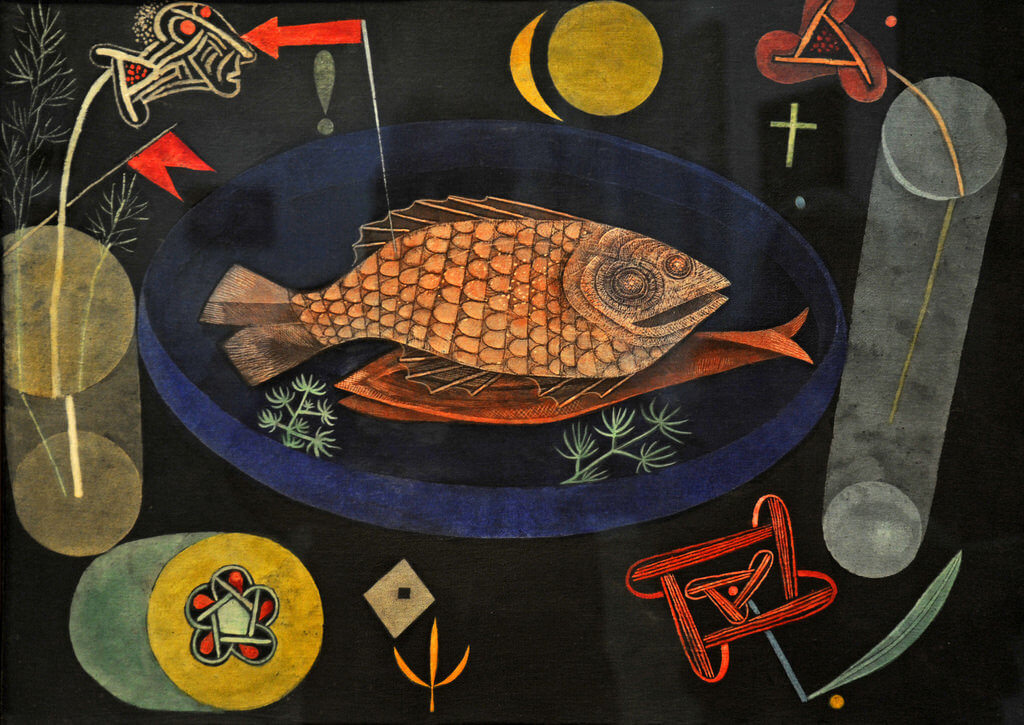
Several of Klee’s works were included in the “Degenerate Art” exhibition staged by the National Socialists in Munich in 1937.
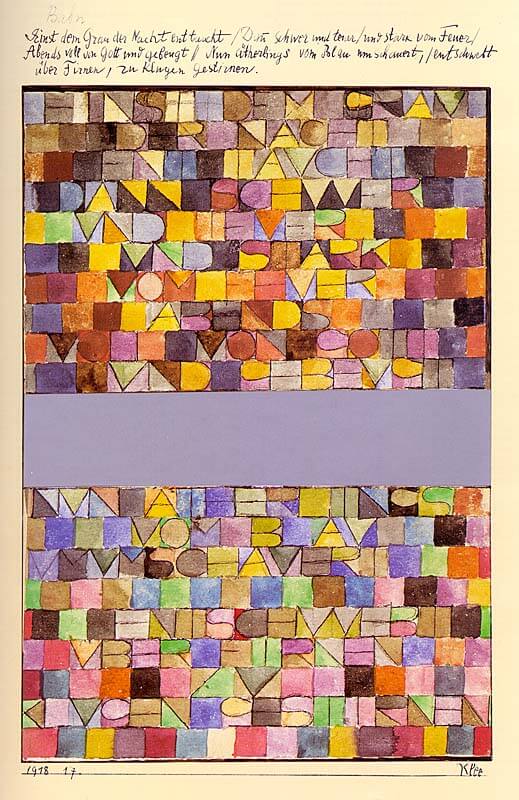
More Paul Klee’s eclectic art can be found at https://www.paulklee.net/.
.
.
.

