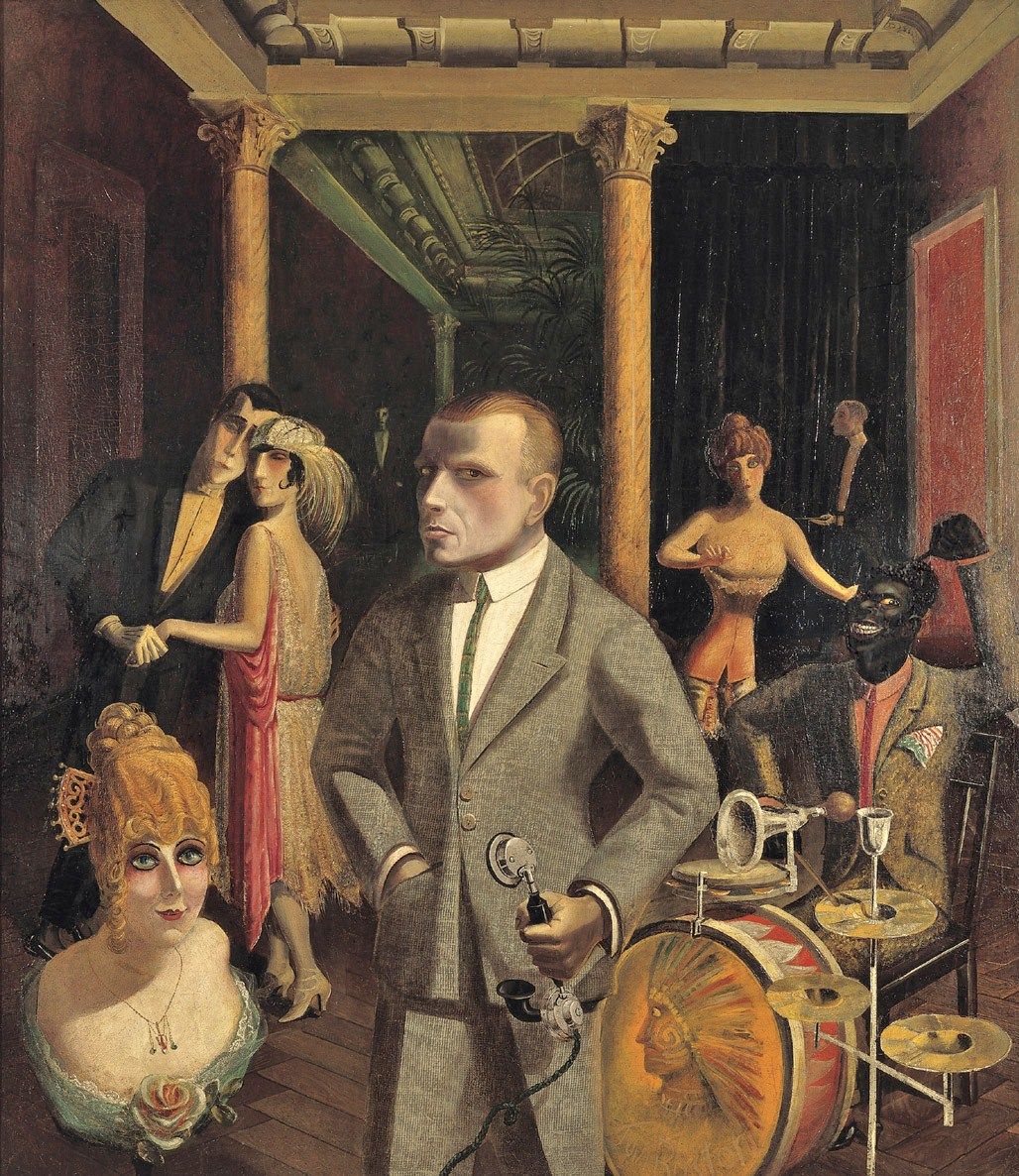
Wilhelm Heinrich Otto Dix (1891 – 1969) was a German painter and printmaker noted for his ruthless and harshly realistic depictions of German society during the Weimar Republic and the brutality of war.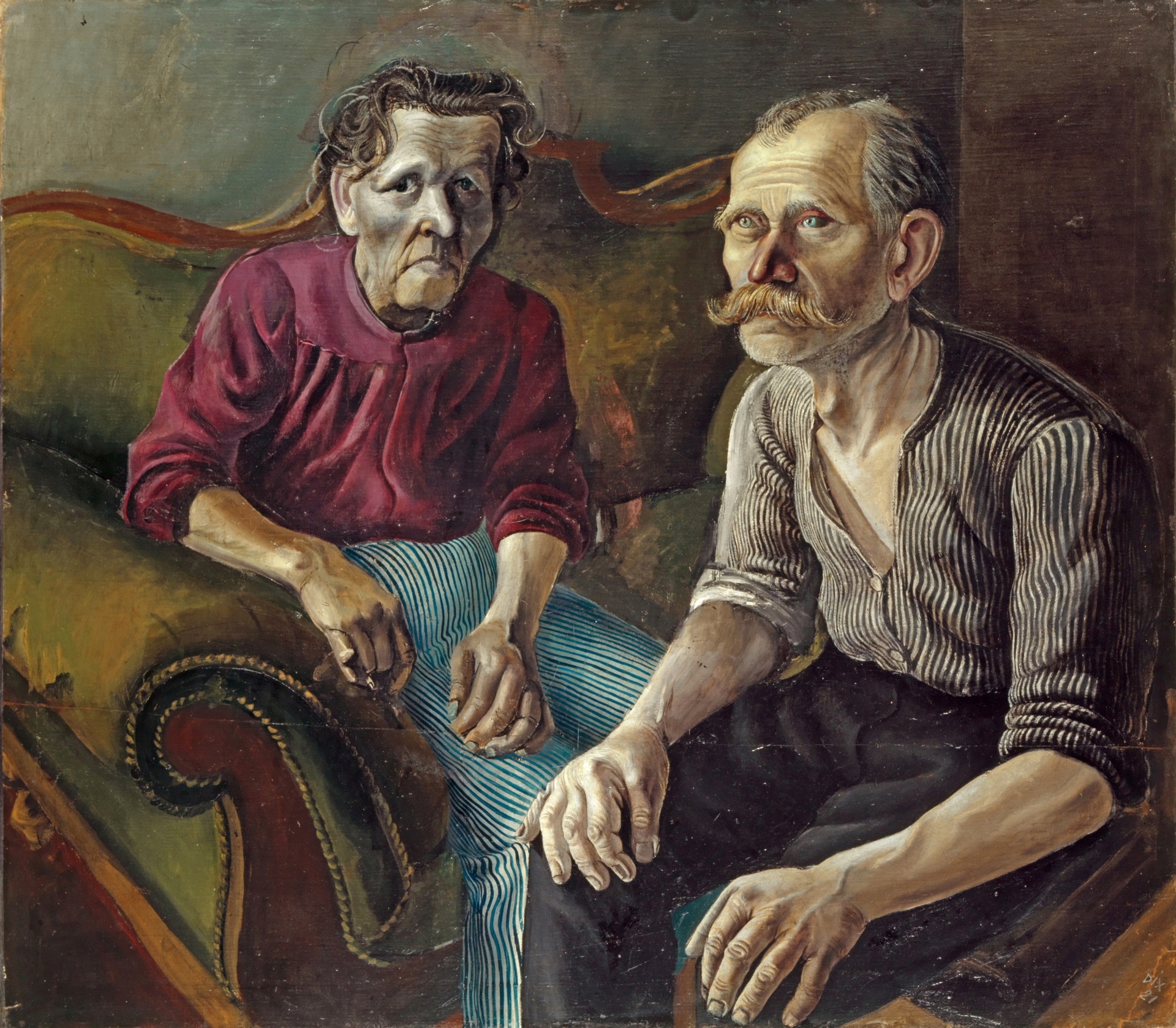 The majority of Dix’s early works concentrated on landscapes and portraits which were done in a stylized realism that later shifted to expressionism.
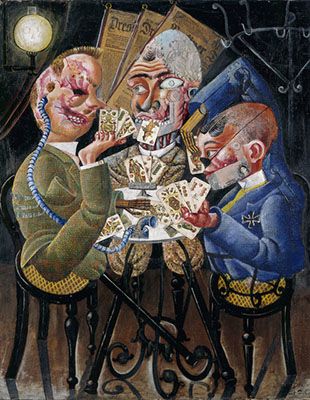 He occupied a lead position in the New Objectivity movement, turning away from the ideas of Romanticism and Expressionism toward a more acidic and non-sentimental perspective to reflect the harsh realities of the interwar German society.
 Though being a representative of the anti-expressionist movement, Dix incorporated numerous styles into his paintings and etchings.
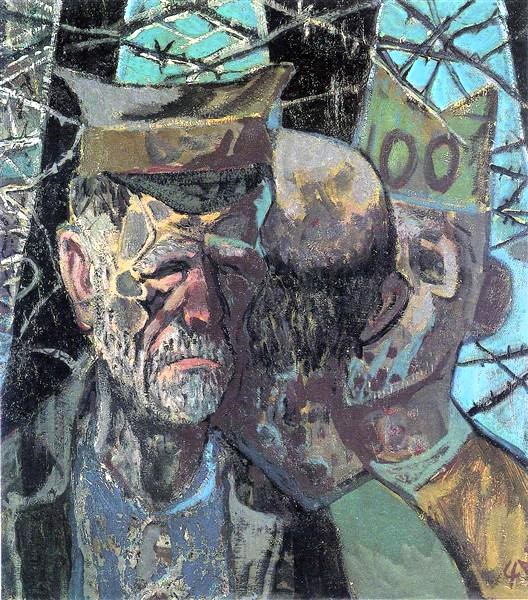
Although frequently recognized as a painter, Dix drew self-portraits and portraits of others using the medium of silverpoint on prepared paper.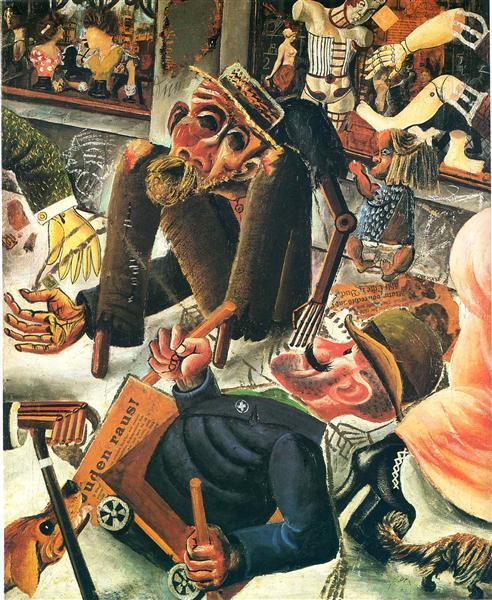 As the dark days of the Nazis coming to power grew closer, his artworks were stripped of value and censored by the regime.
 He was removed from his position of university professor at Dresden Academy of Fine Arts, and his work was included in Hitler’s EntarteteKunst (degenerate art) show, where all artworks that were not within the lines of the Nazi standards were displayed.
 After he was stripped of his professorship the Dix family moved to the shores of Lake Constance where he painted mostly inoffensive landscapes.
 Dix is regarded as a pivotal figure for the New Objectivity movement in Germany, who had the courage to portray the uncensored versions of two harsh wars and a bleak, depraved society in between, using his satirical and grotesque characters and themes to make a direct statement through his artwork.
 More of Otto Dix’s work can be found at https://www.moma.org/artists/1559 and https://www.theartstory.org/artist/dix-otto/.
 Humoring the Goddess