Johann Sebastian Bach, (1685 – 1750), composer of the Baroque era, the most celebrated member of a large family of north German musicians.
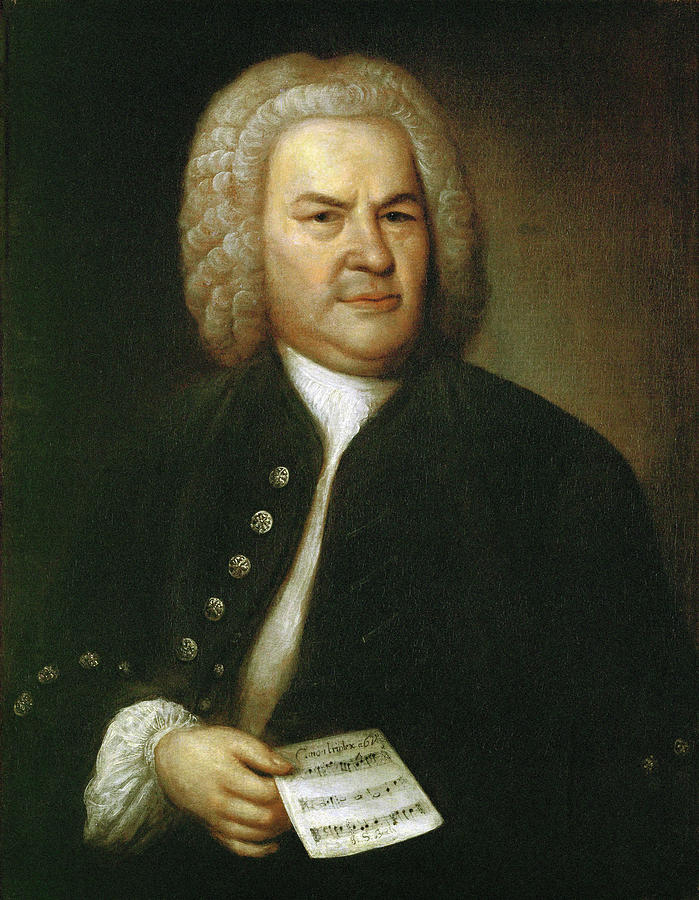
Although he was admired by his contemporaries primarily as an outstanding harpsichordist, organist, and expert on organ building, Bach is now generally regarded as one of the greatest composers of all time.
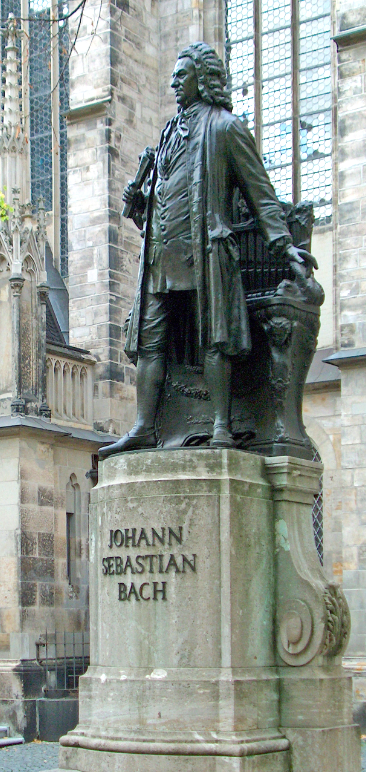
Bach become the organist at St Boniface’s Church in Arnstadt – a role that saw him on a regular salary and expanding his skills at the keyboard.
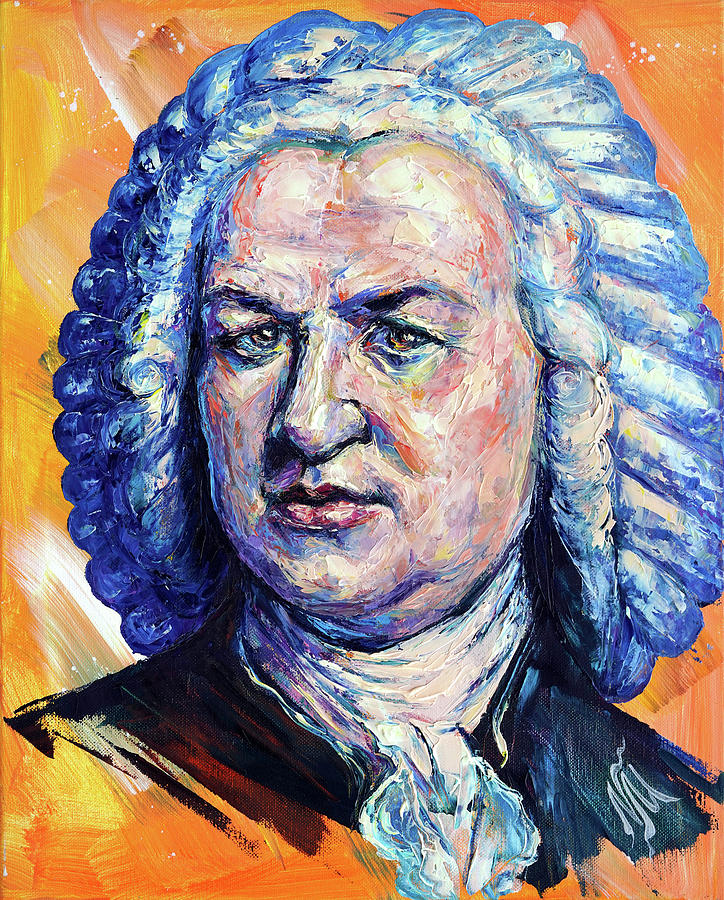
The Brandenburg Concertos were composed in 1721 as a sort-of musical job application for the Margrave Ludwig of Brandenburg – it was unsuccessful.
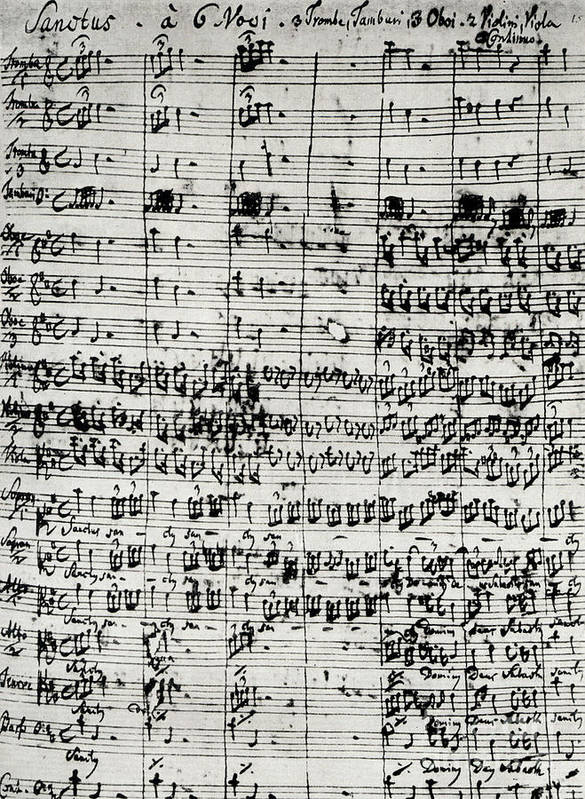
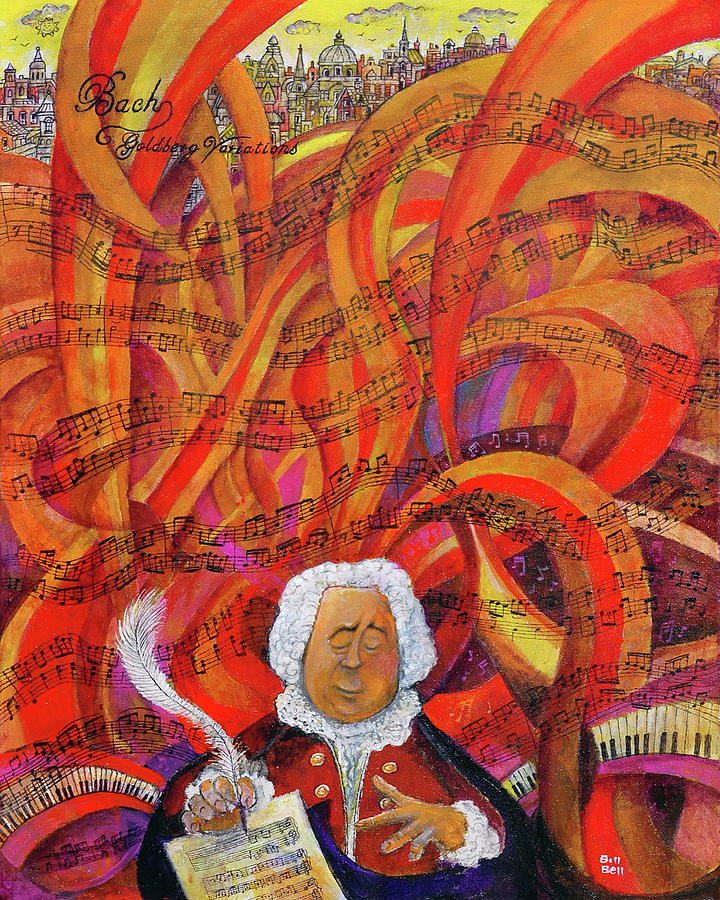
During the 1720s and 1730s Bach faced harsh criticism when he was composing his most important works (the Passions and the Goldberg Variations among them) because a new Italian “style” invaded Germany, making his work appear outdated.
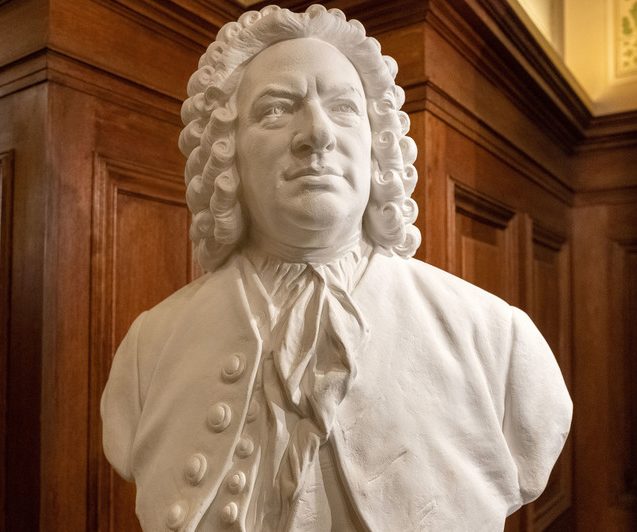
With the notable exception of opera, Bach composed towering masterpieces in every major Baroque genre: sonatas, concertos, suites and cantatas, as well as innumerable keyboard, organ and choral works.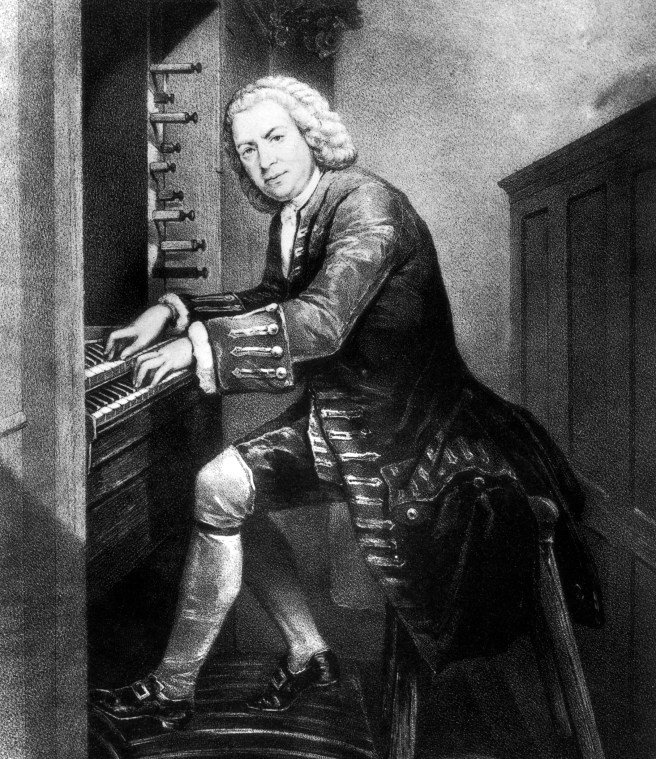 Rischgitz/Getty Images
During the 1720s and 1730s Bach faced hard criticism when he was composing his most important works – the Passions and the Goldberg Variations among them – a new Italian style invaded Germany, making his work appear outdated.
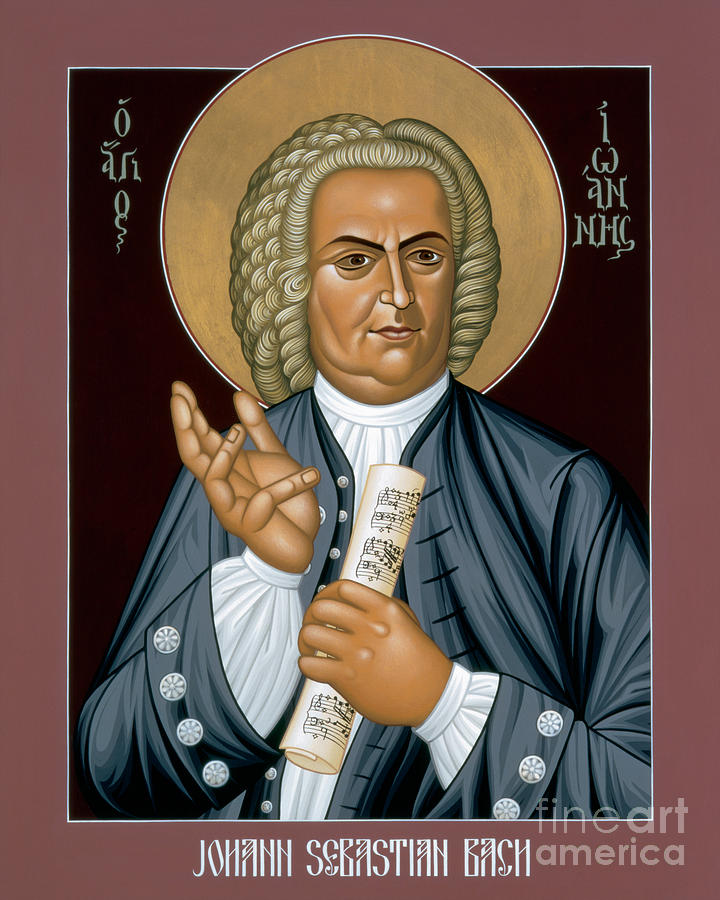
Appearing at a propitious moment in the history of music, Bach was able to survey and bring together the principal styles, forms, and national traditions that had developed during preceding generations and, by virtue of his synthesis, enrich them all.
More information on the work of Johann Sebastian Bach can be found at https://www.biography.com/musicians/johann-sebastian-bach and https://www.classicfm.com/composers/bach/all-time-best-pieces-music/.
 Humoring the Goddess