Artist Catrin Welz-Stein was born in Weinheim, Germany. During her studies in Graphic Design in Darmstadt, Germany, Welz-Stein was introduced to the fields of photography, illustration and digital image processing.
 These gave her a new perspective on the possibilities to visualize ideas and to transport them into images.
 Welz-Stein started to create digital art by combining historical paintings, curiosities and fairytale-like illustrations into surreal and sensual images that are both familiar and alien at the same time.
 The artist tears apart old photos, pictures and illustrations, then meticulously combines them in Photoshop to create her own unique image.
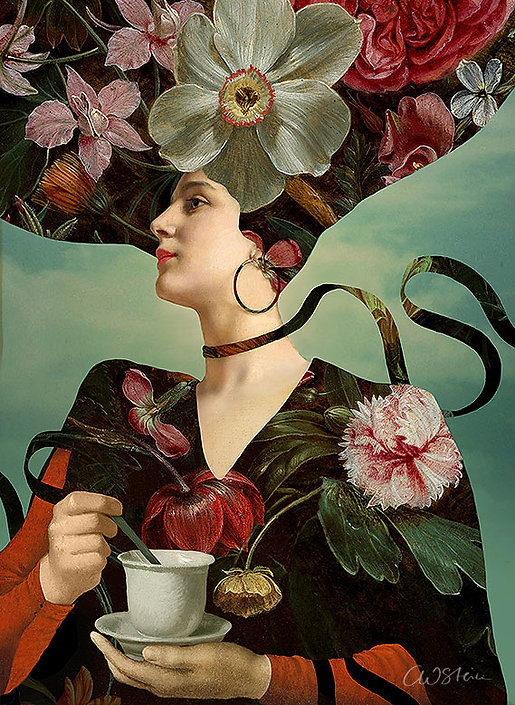 Although some conservative art critics may turn up their noses on digital art, Welz-Stein defends her craft with passion.
 “Yes, of course it is art even if it is done on a computer. There are so man more possibilities to be creative nowadays and the use of modern technologies should be seen as an enrichment to the arts,” the artist shares.
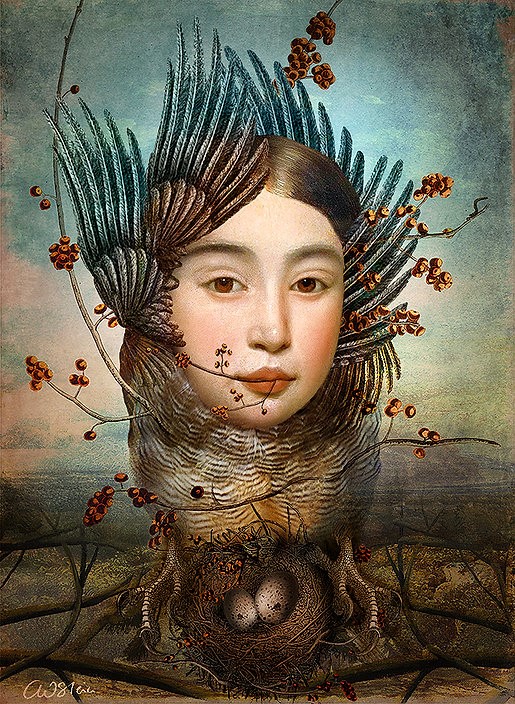 “Regardless of the medium you choose to create art—creativity comes within yourself, not from the computer or the brushes you use to paint.”
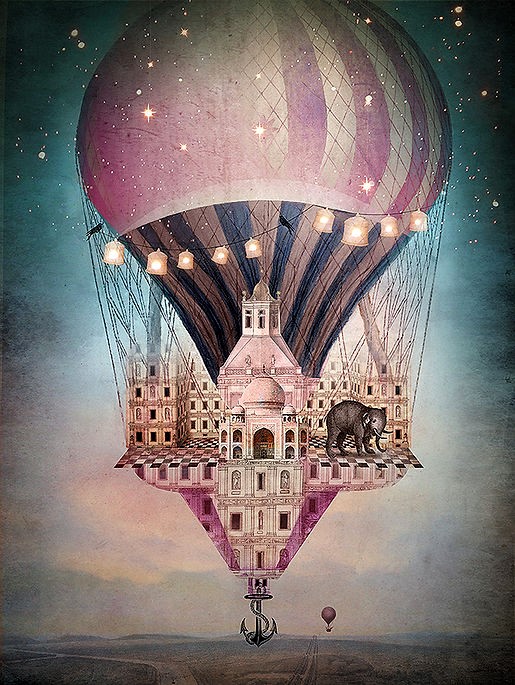 More of Catrin Welz-Stein’s magical work can be found at https://www.catrinwelzstein.com/.
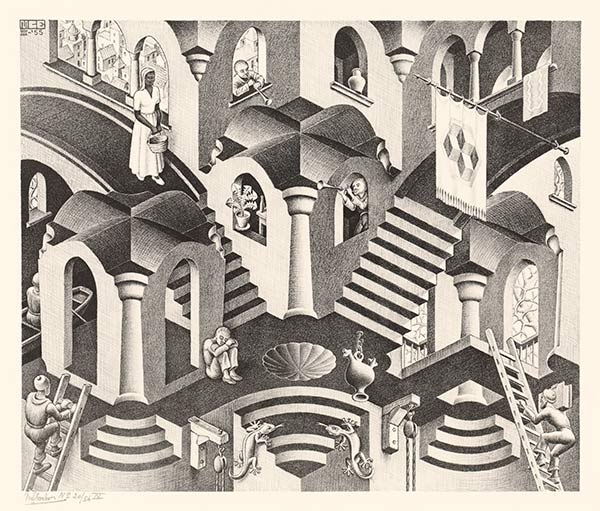



 Humoring the Goddess