Ernst Barlach (1870 -1938) was a prominent German sculptor, printmaker, and writer, best known for his expressive works that poignantly captured the human condition. Barlach studied art in Hamburg, Germany, and later in Dresden and Paris.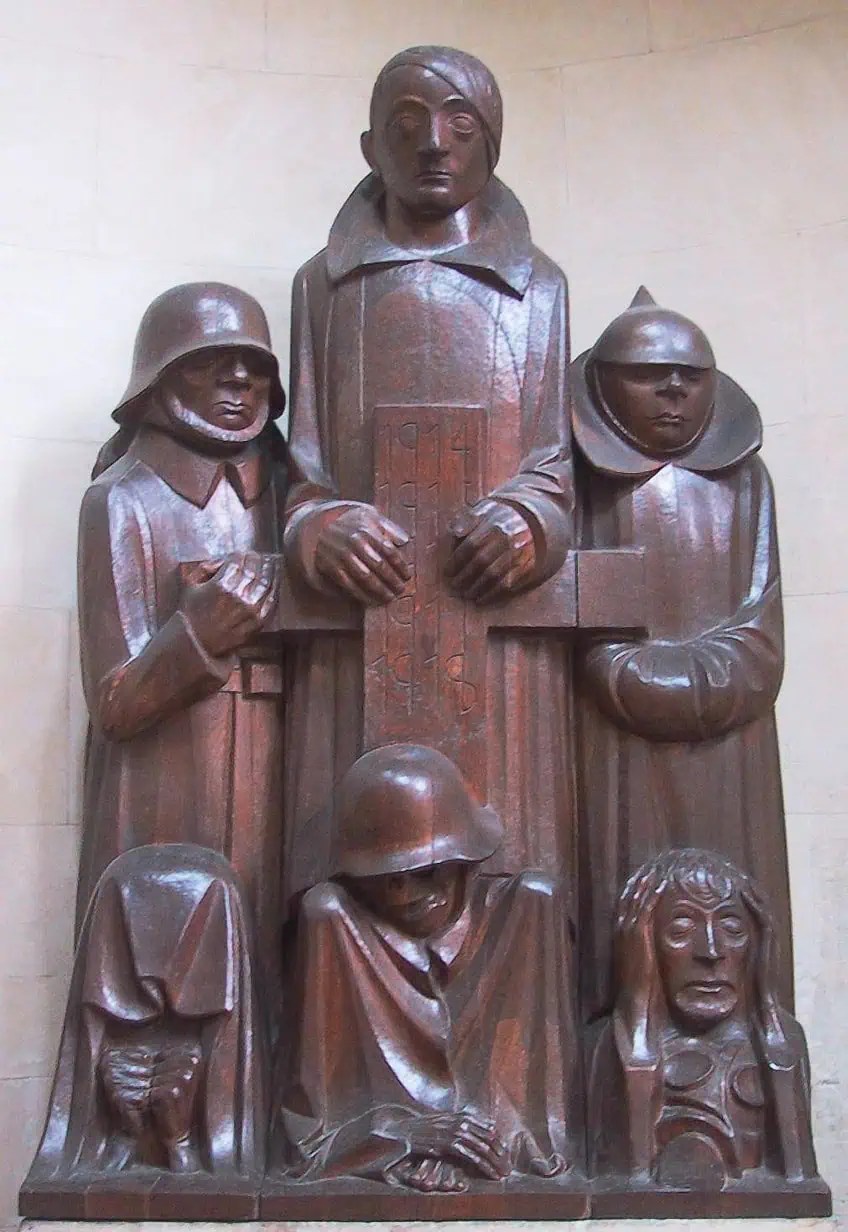
His sculptures, often characterized by their simplified forms and emotional depth, reflect the hardships and spiritual struggles of the early 20th century, particularly in the context of war and social upheaval.
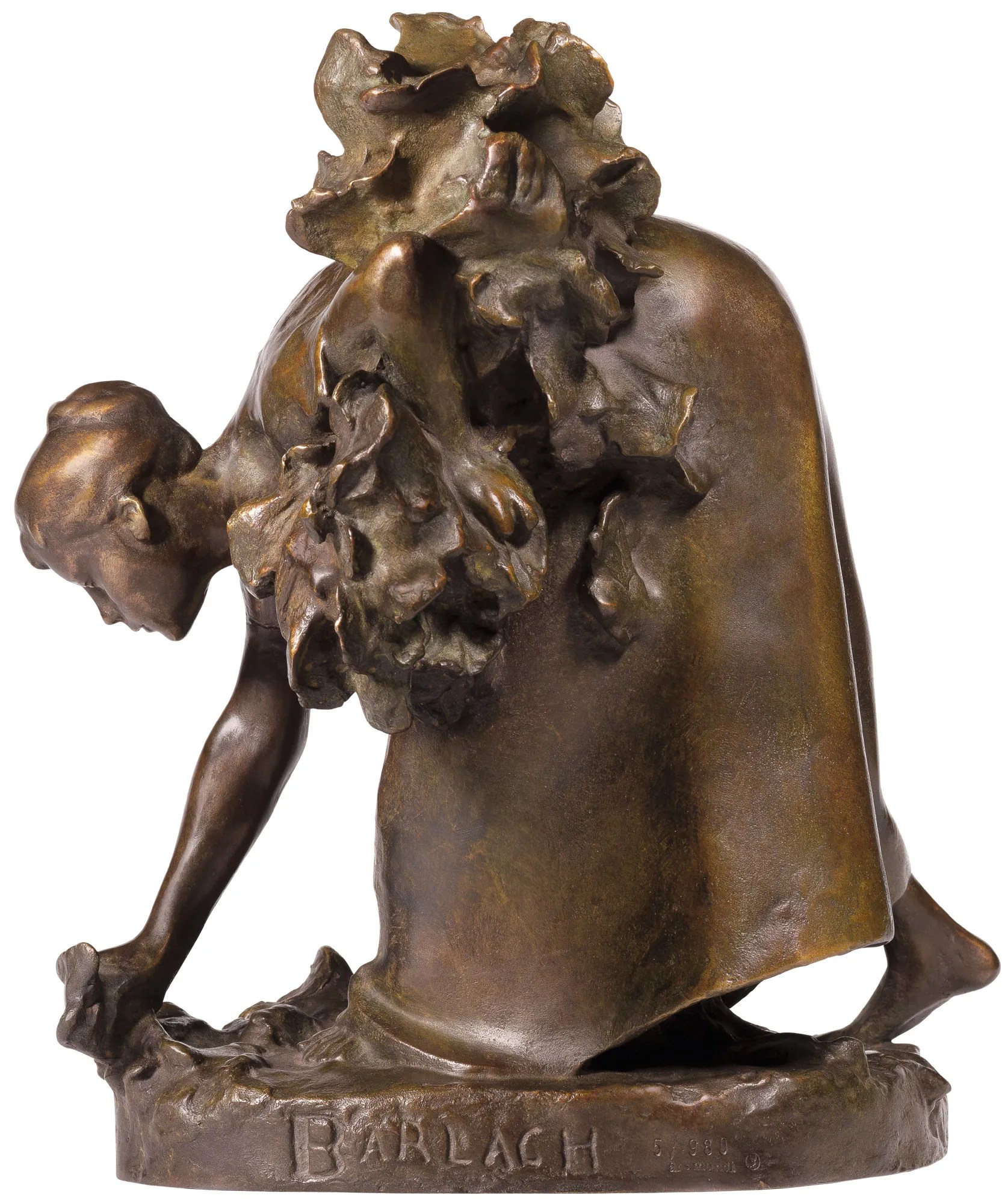 Barlach’s work, influenced by both medieval German art and the modernist movement, frequently explored themes of suffering, compassion, and the search for meaning, making him a significant figure in the expressionist art movement.
 Stylistically, his literary and artistic work would fall between the categories of twentieth-century Realism and Expressionism.
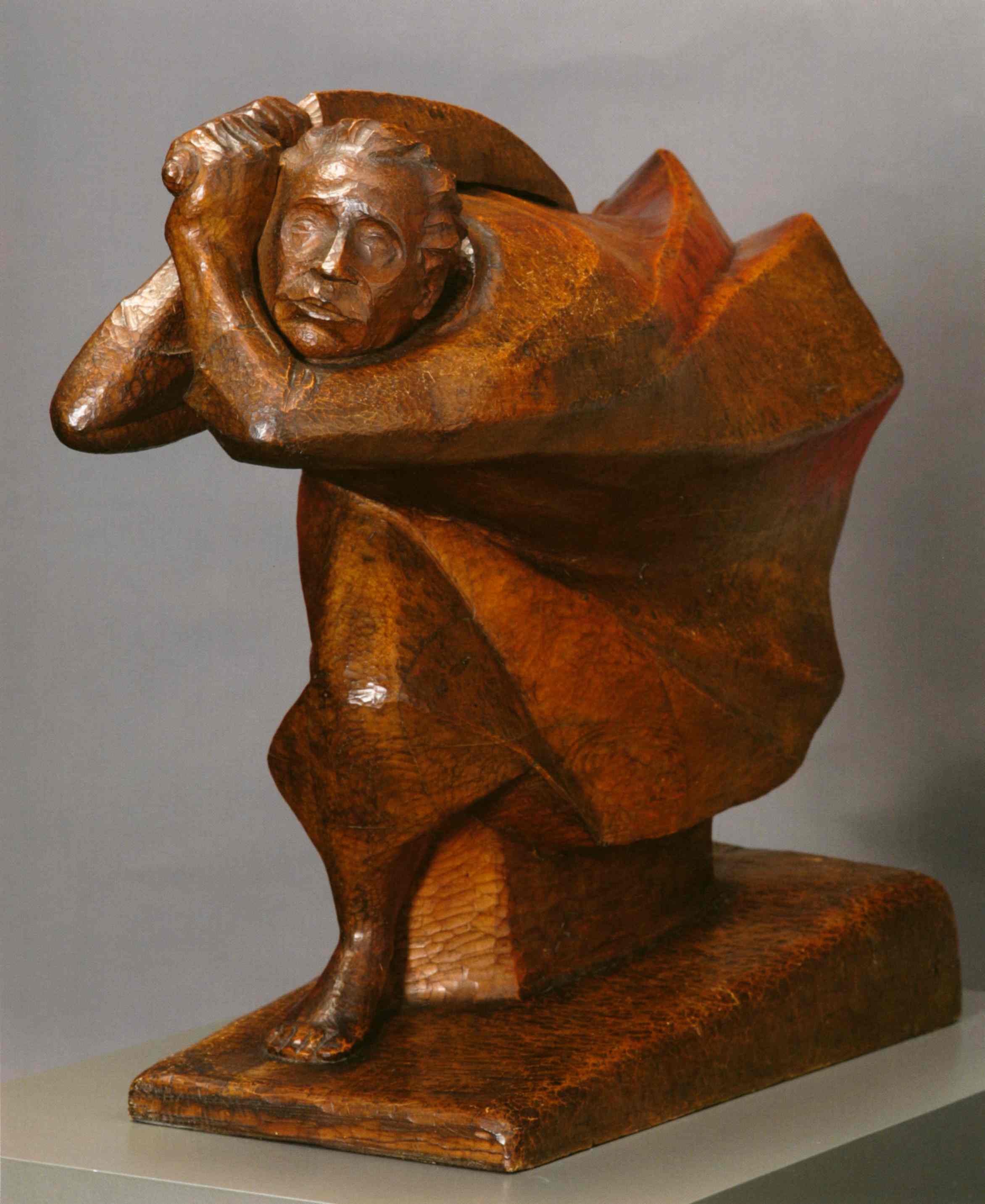 In the years before World War I, Barlach was a patriotic and enthusiastic supporter of the war, awaiting a new artistic age from the war.
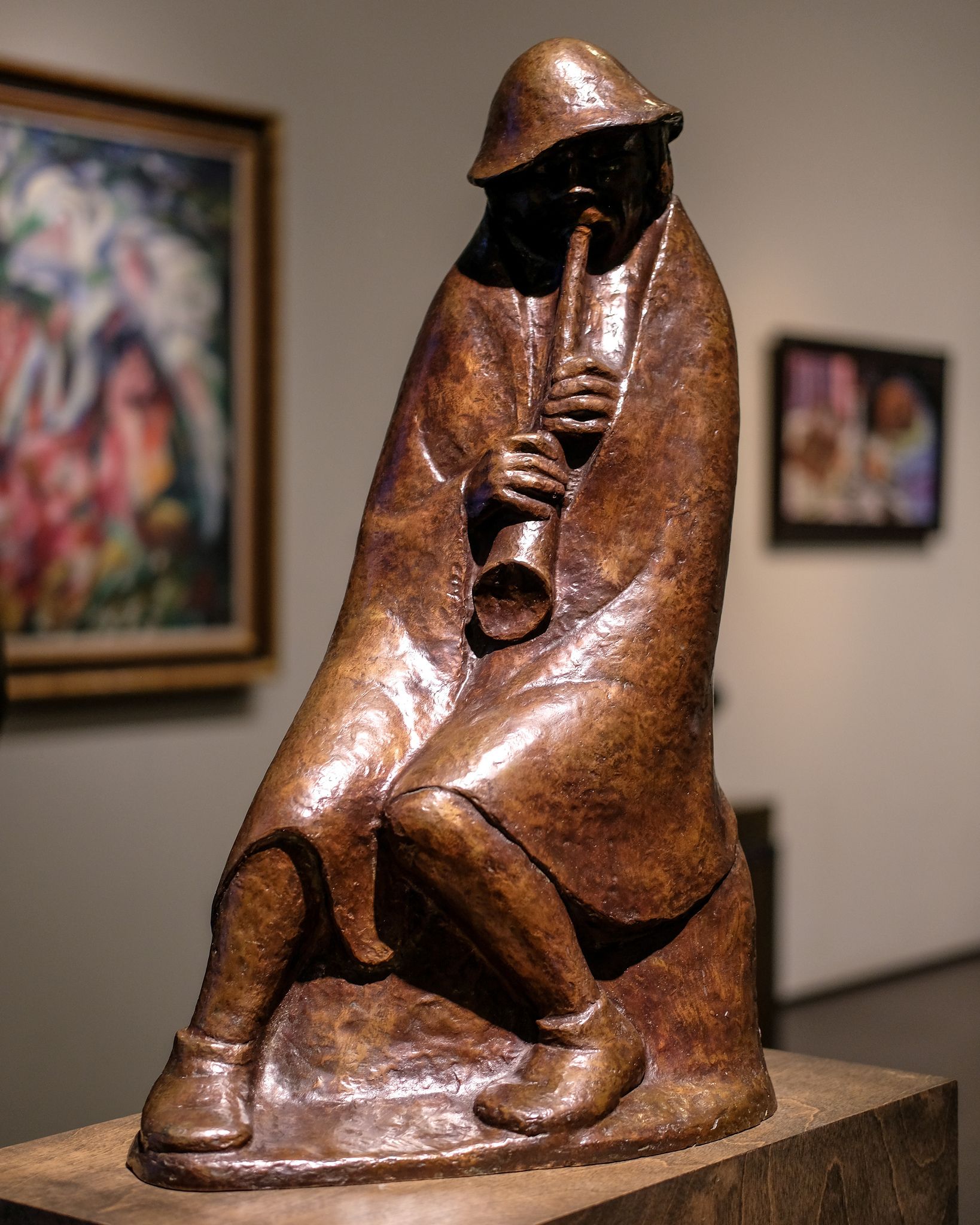 His awaited new artistic age came for him when he volunteered to join the war between 1915 and 1916 as an infantry soldier. After three months of service he was discharged due to a heart ailment, returning as a pacifist and a staunch opponent of war, the horror of the war influencing all of his subsequent works.
 Although his work was removed from German museums under the Nazi regime and categorized as “degenerate art,” after World War II his talent was once again recognized.
 Despite facing persecution during the Nazi regime, which deemed his art “degenerate,” Barlach’s legacy endures through his deeply moving and introspective works that continue to resonate with audiences today.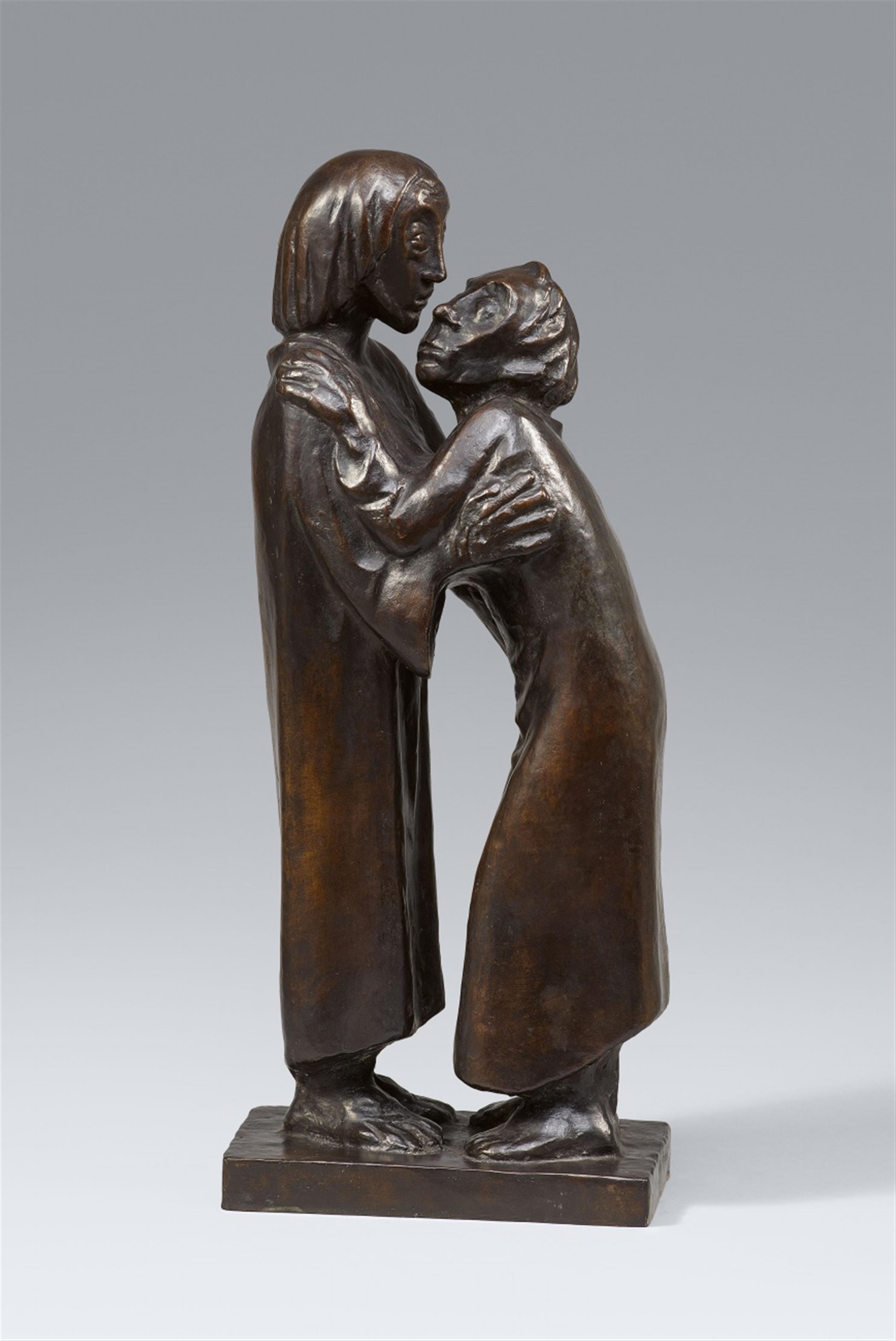
More of Ernest Barlach’s body of inspirational works can be found at https://artincontext.org/ernst-barlach/… and https://www.barlach-haus.de/.
 Humoring the Goddess