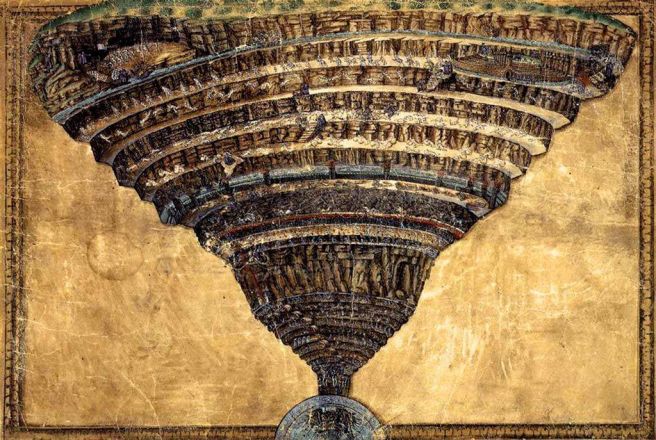
 I was watching a fascinating program on Amazon Prime called Botticelli’s Inferno, which analyzed one of the most mysterious works of Sandro Botticelli: the Map of Hell in the Divine Comedy Illustrated by Botticelli which lies within the Vatican Library.
Inferno, Dante Alighieri’s poem about Hell, forms one-third of the monumental epic known as the Divine Comedy, written in Italy between 1307 and 1314.
The Map of Hell (in Italian La Mappa dell’Inferno) by Botticelli – regularly called The Abyss of Hell or La Voragine dell’Inferno – is one of the parchments that the famous Italian painter designed. The Renaissance master spent over a decade creating 102 drawings starting around the mid-1480s with the last stroke happening approximately a decade later.
The Map of Hell parchment shows the geography of Hell in the classical funnel section, which was used in later iconography.
Lots of research, lots of practice.
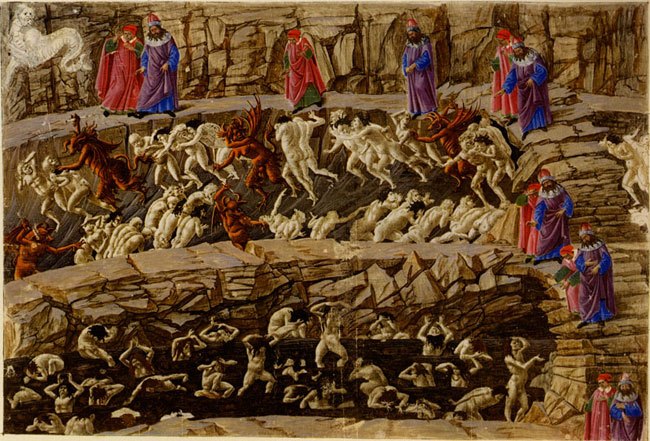
The manuscript’s illustrations were executed using silverpoint, a technique involving a metal stylus that leaves faint lines on the paper. These initial outlines were later reinforced with ink, and in a few cases, completed with tempera colors. Only four pages received full illumination, while others remained in varying stages of completion.
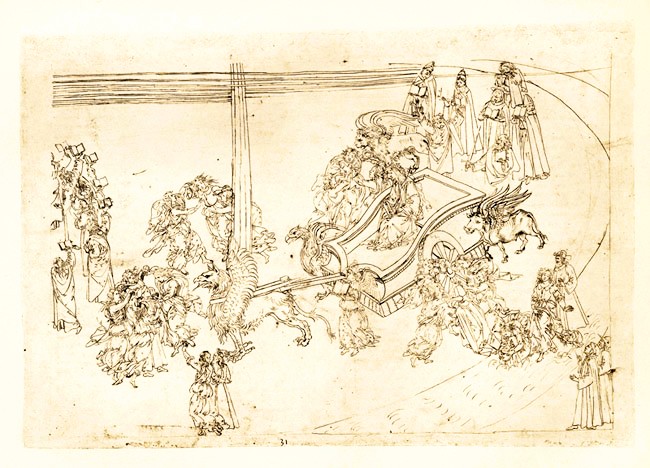
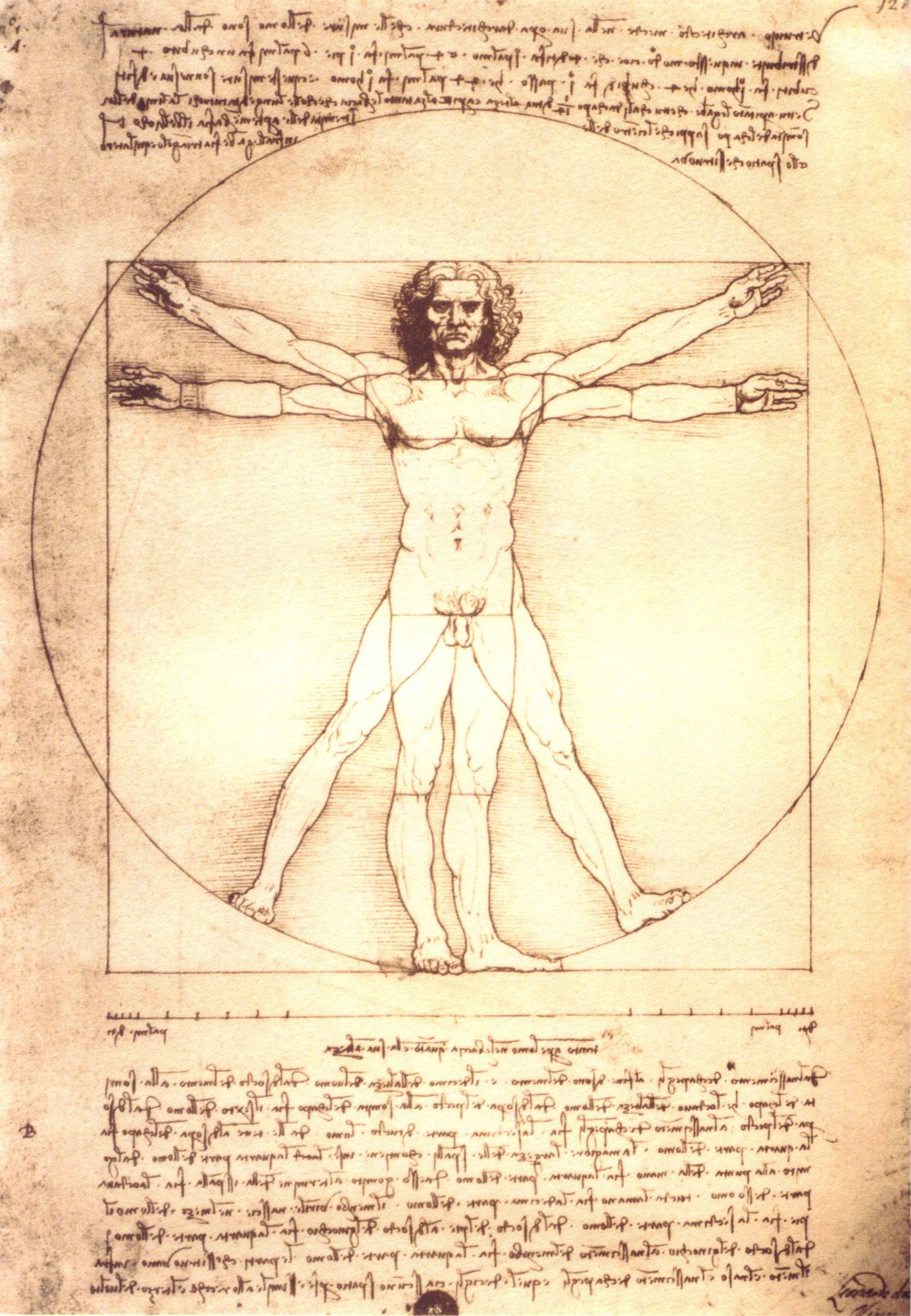
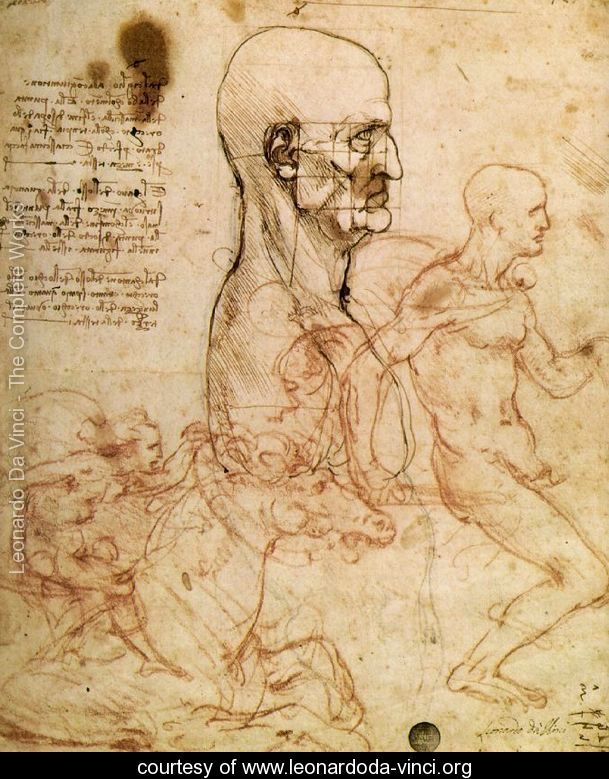
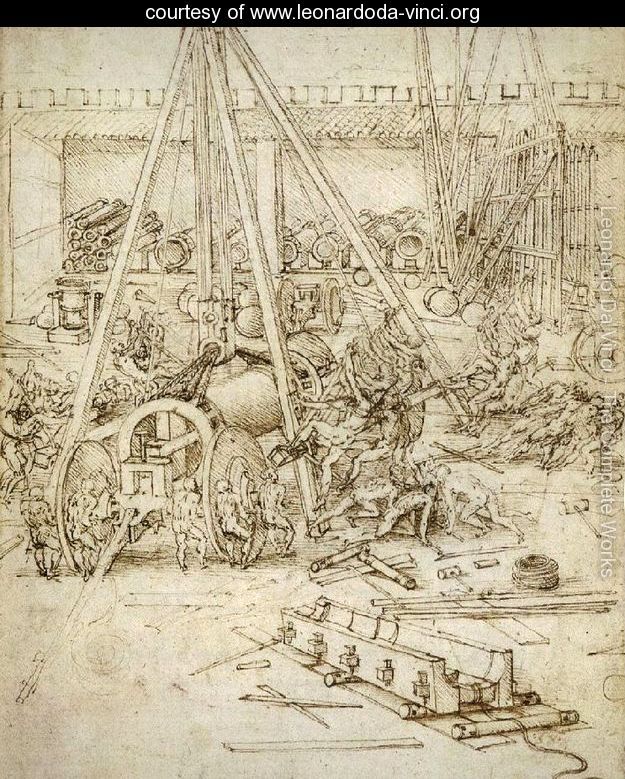
The point of this history lesson is to emphasize the amazing details found in these old parchments. The works are incredible visionary experiences reflecting an emotional depth in traditional Christian subjects, which was unique at a time.
Botticelli showed the emotions and reactions of Virgil and Dante as they climbed down the nine levels of hell; he depicts minute details like stress in muscles or crinkling of eyes or waves of clothing.
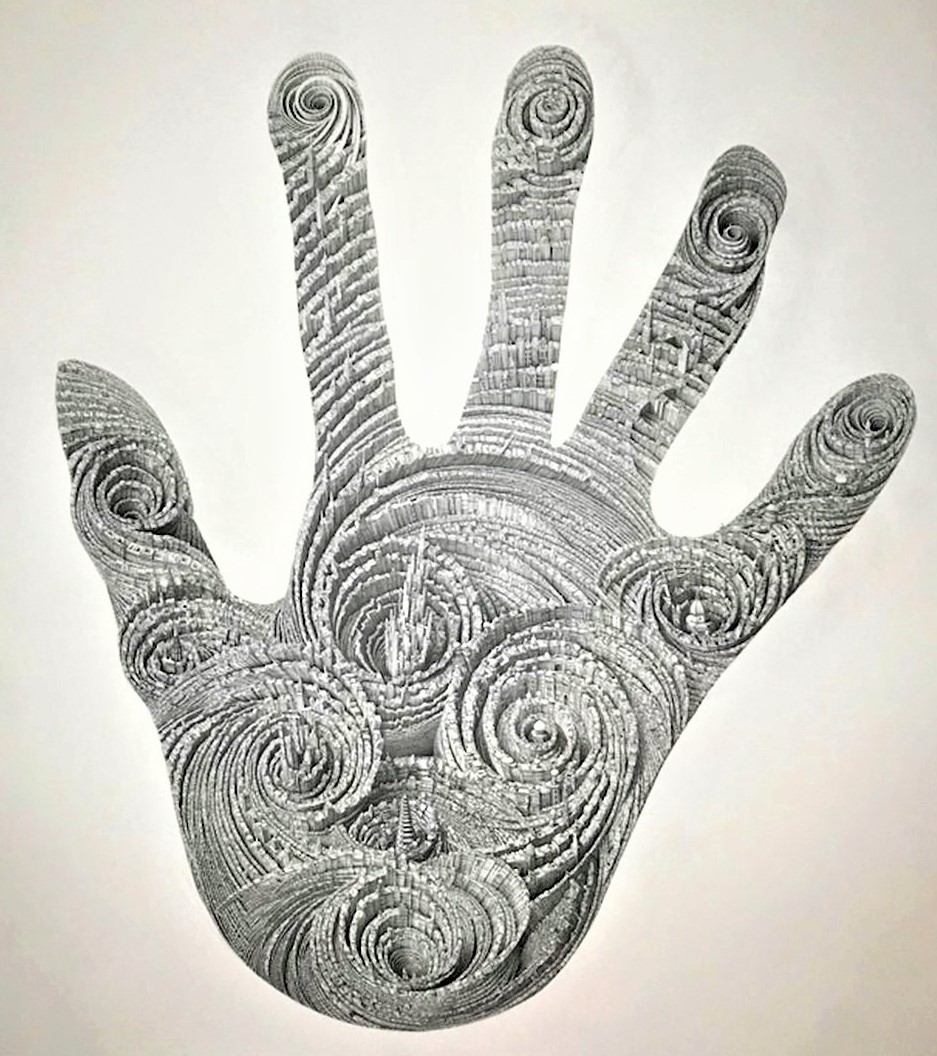
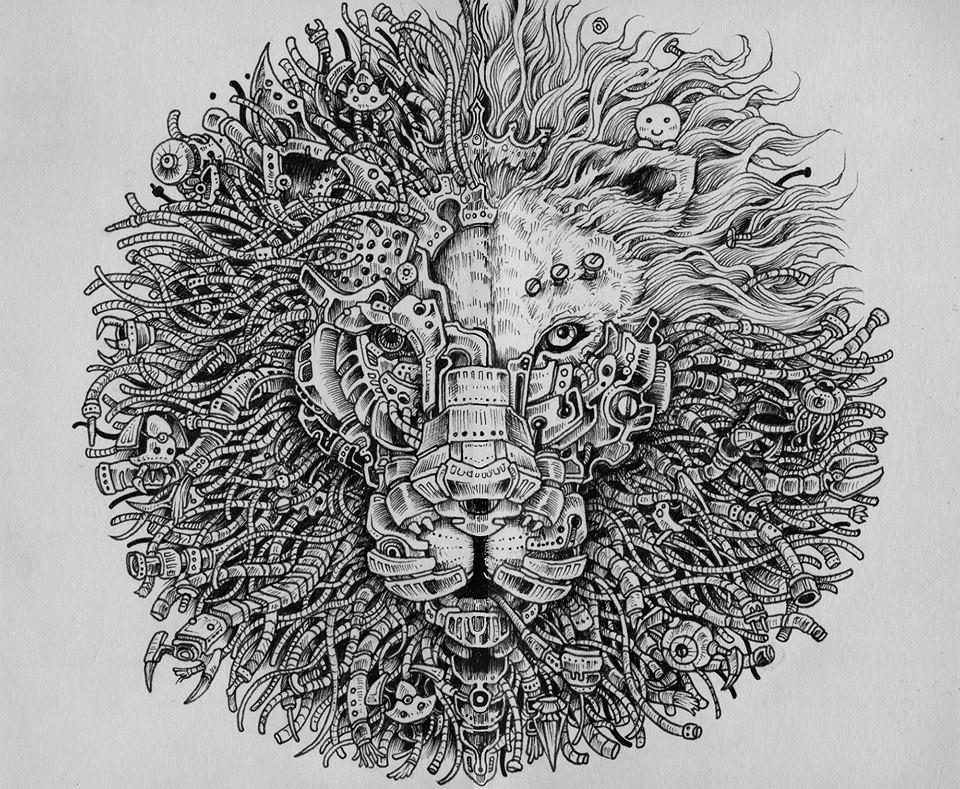
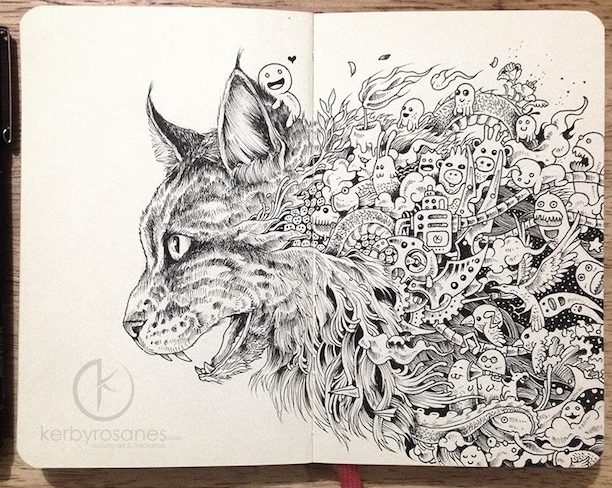
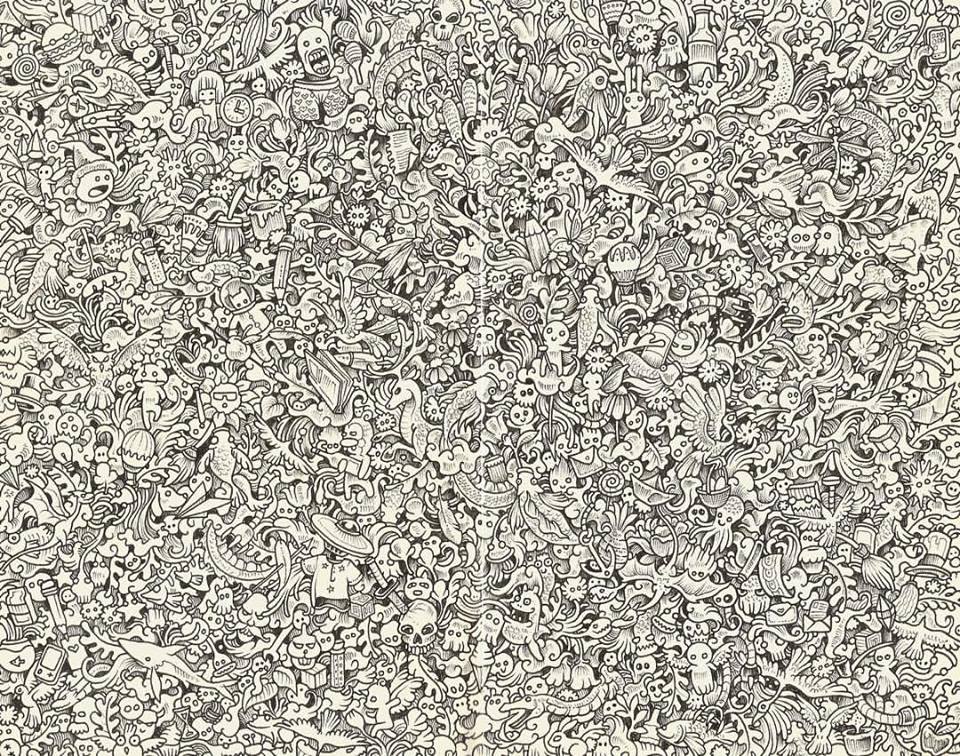
The details are more than amazing. Which makes me reflect on today’s art.
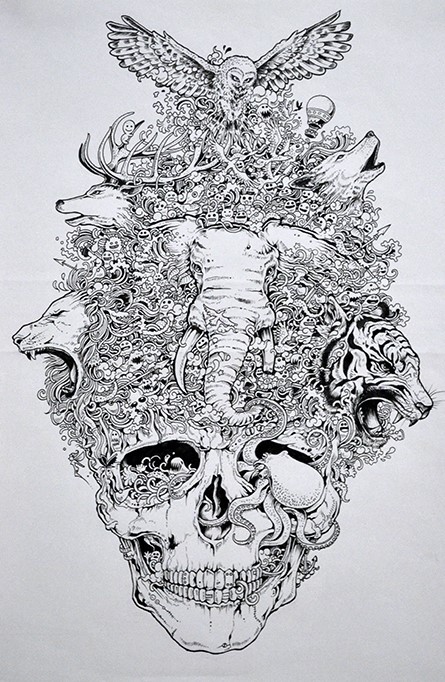
With the advent of AI , details can be computerized to the finest detail, adding depth and style to any artist’s drawing. Artists may still have to draw themselves, but if one makes a mistake it’s easier to erase or change styles with a push of a button.
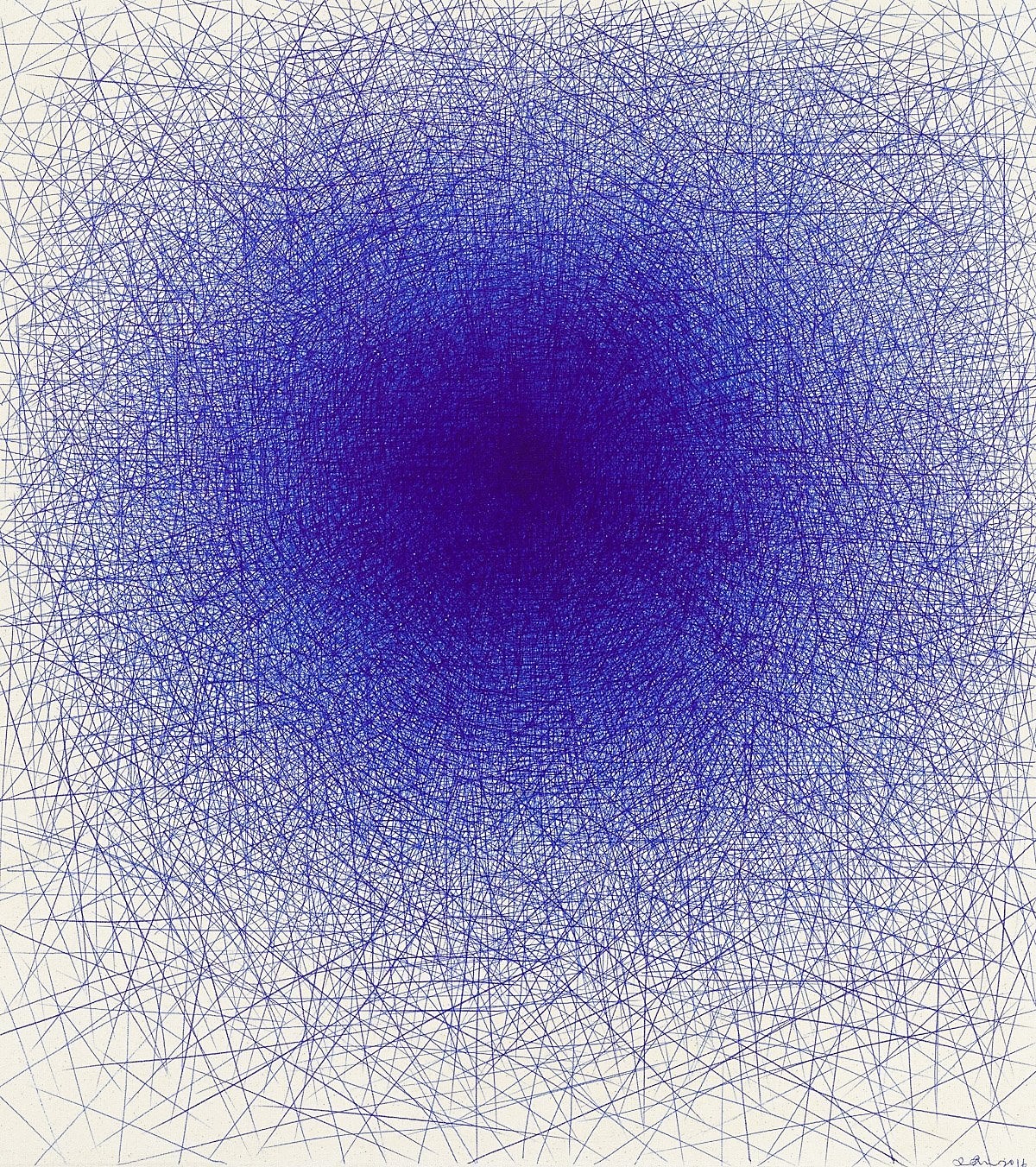
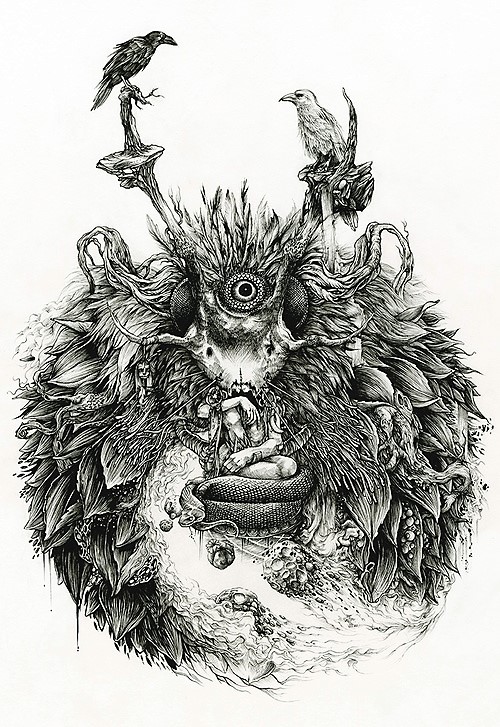
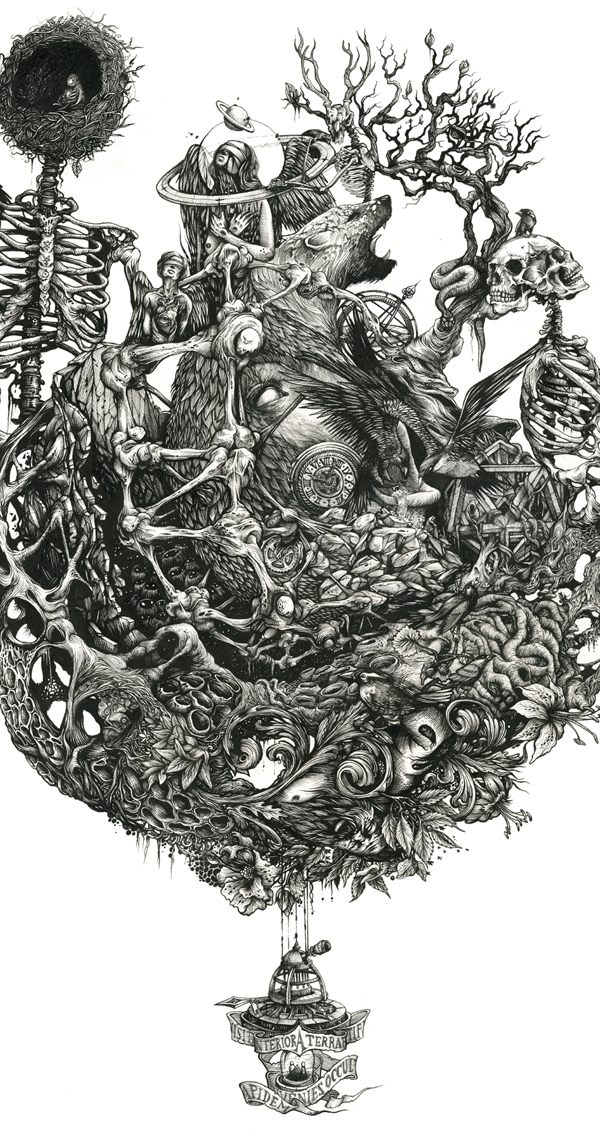
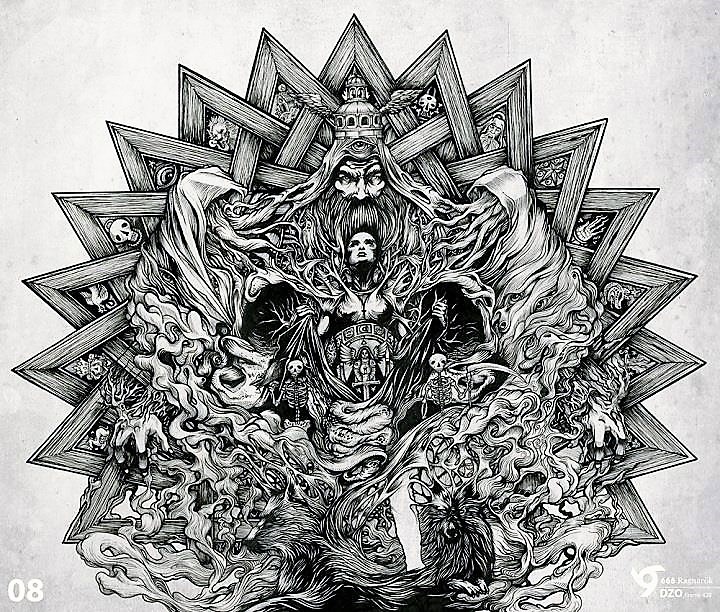
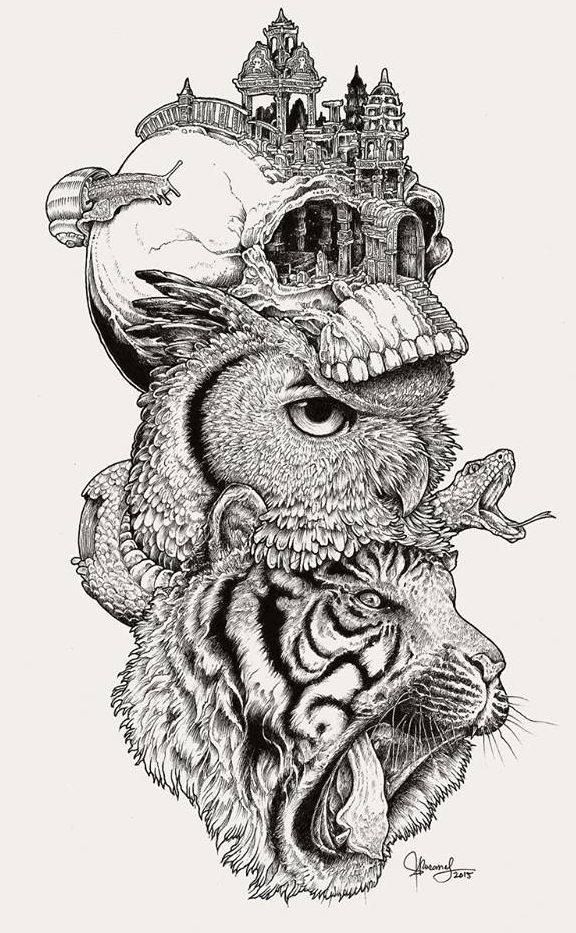
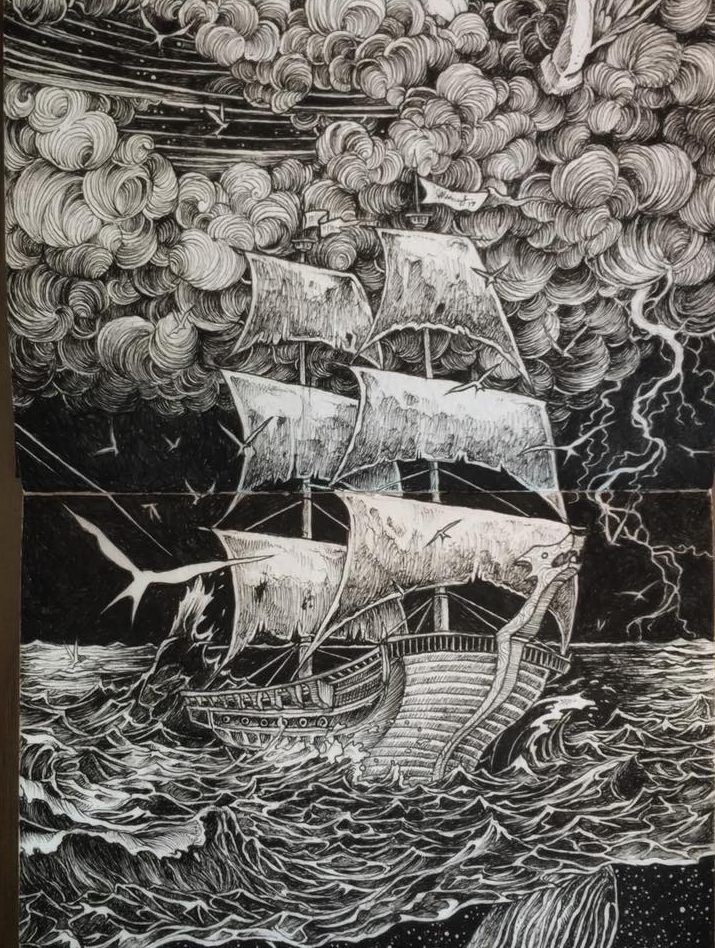
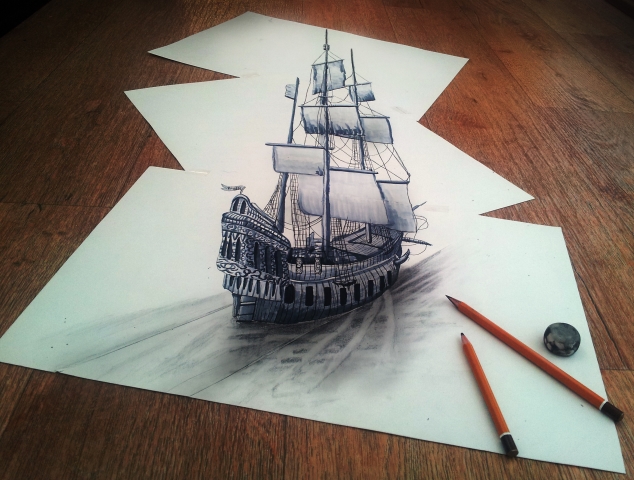
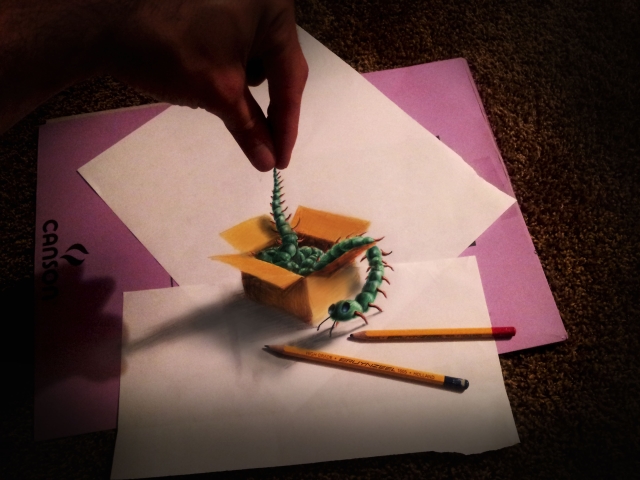
Drawing with a stylus pen encourages more strokes and character — and no mistakes. Just using basic tools to create such intricate pieces of art is inspirational no matter what field of Art you are in.
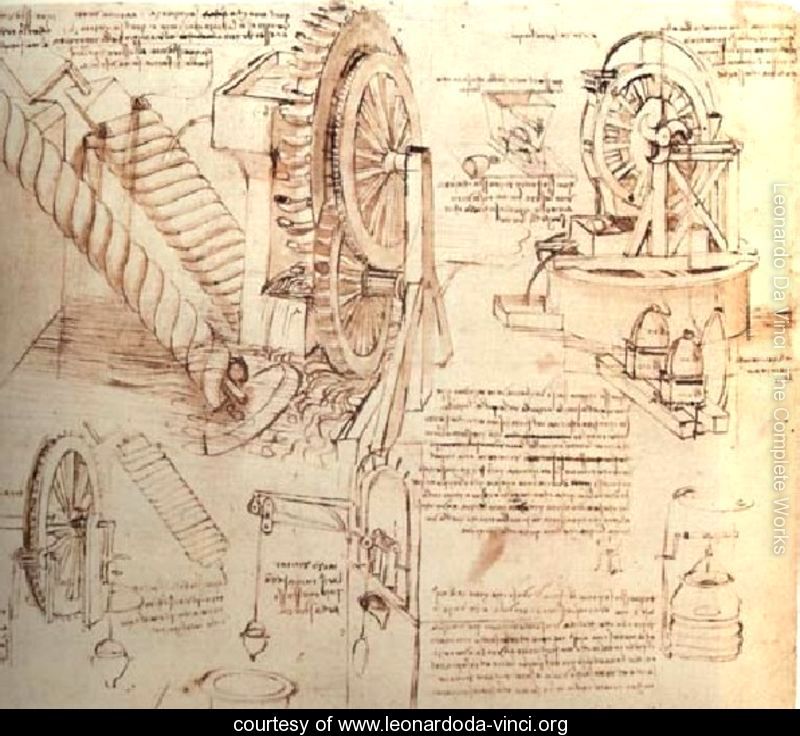
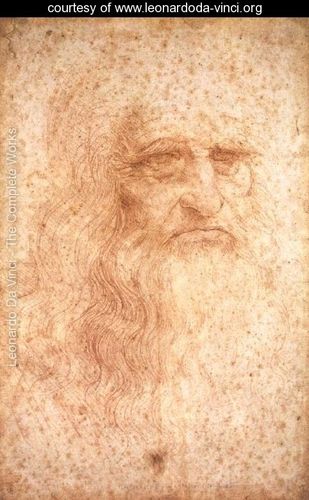
I am inspired by the work of the Old Masters. Their knowledge, their talent, their styles with much more primitive tools is nothing but an inspiration for me.
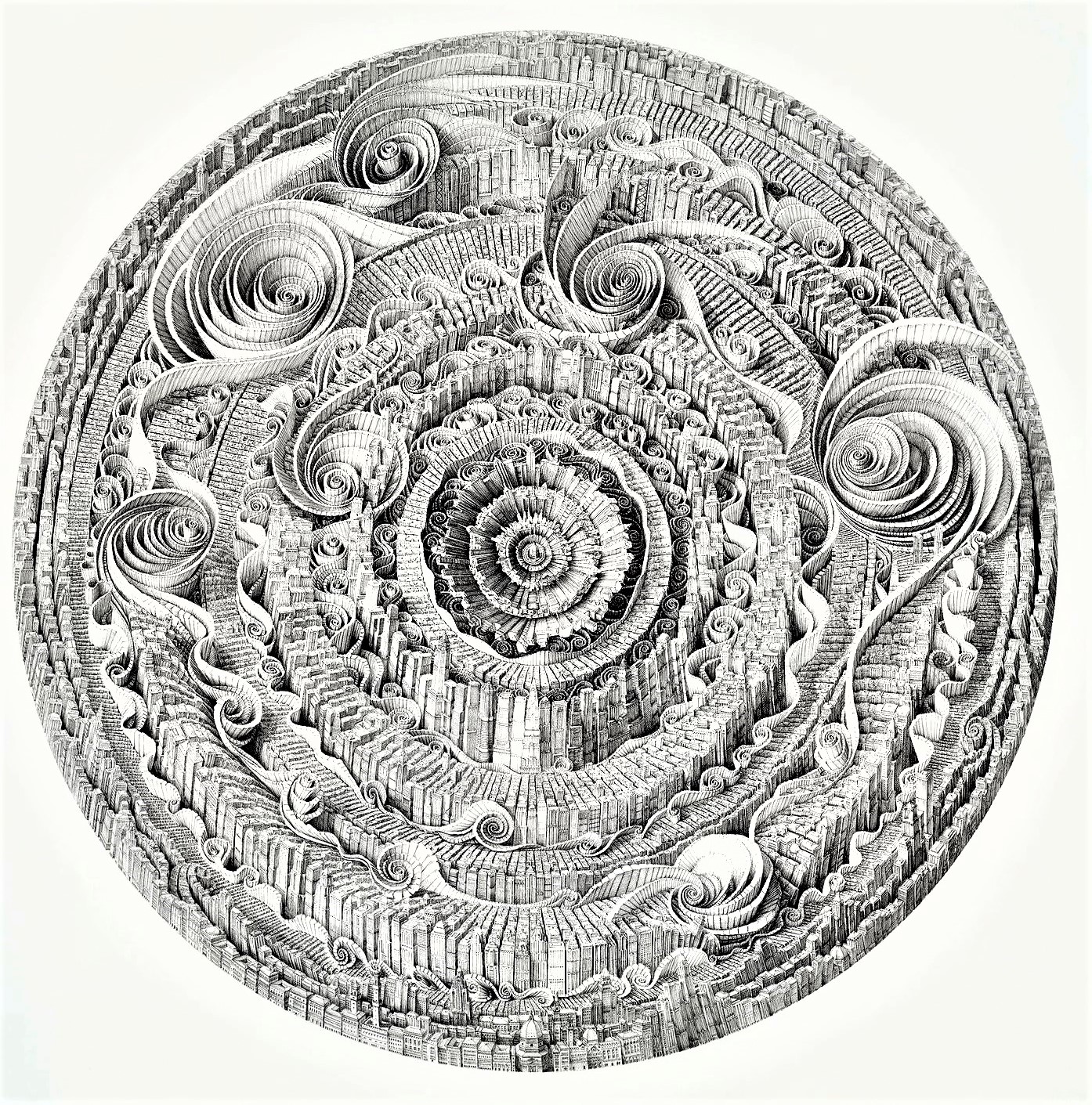
When late Fall comes and my craft shows are over, I am thinking of doing my own Map of Hell and the so-many layers of something. Perhaps Etidorhpa by John Uri Lloyd (A bizarre 19th-century American fantasy novel with secret occult societies and hallucinogenic drugs; a voyage to an inner world inside the earth where they grow giant tree-like mushrooms whose juice creates visions of Dante-like hells) or perhaps follow the story of The Outsider by H.P. Lovecraft. Or maybe I’d make something up like the seven levels up to Shangri La. Who knows?
The point is — wouldn’t it be fun trying?
What impossible creative task are YOU ready to tackle?
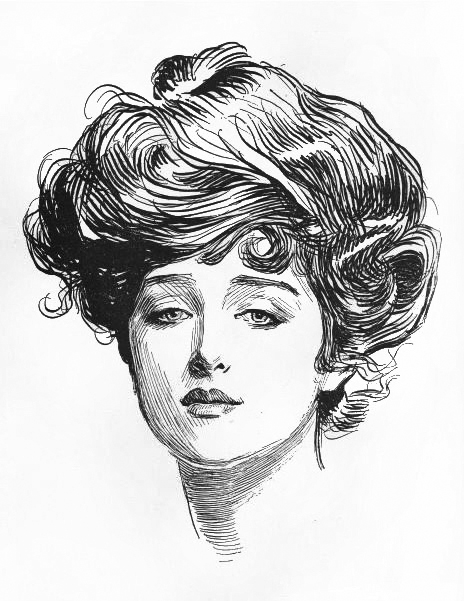 Gibson attended New York’s Art Students League from 1884 to 1885, then traveled to Italy, Spain, and France to study painting from 1905 to 1907.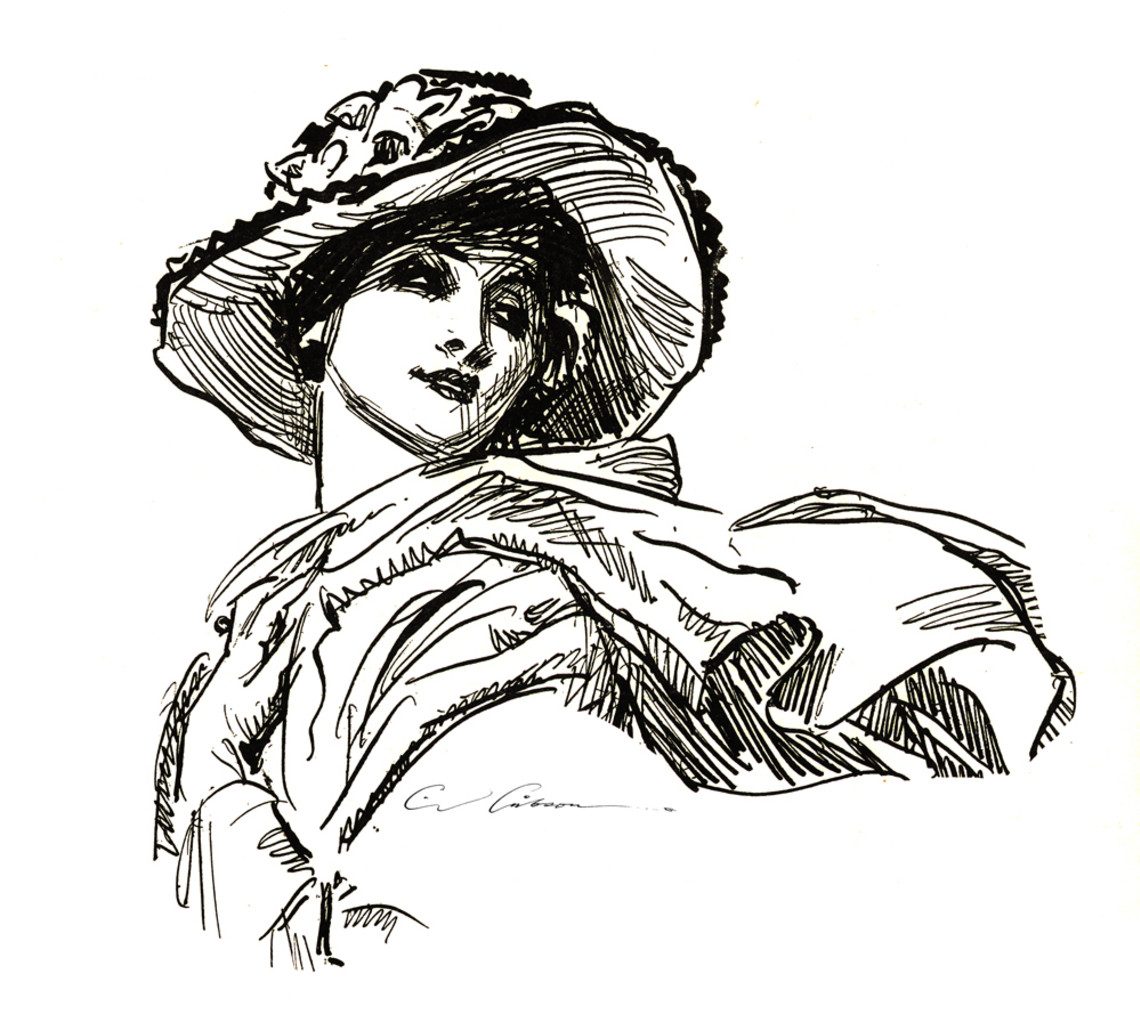
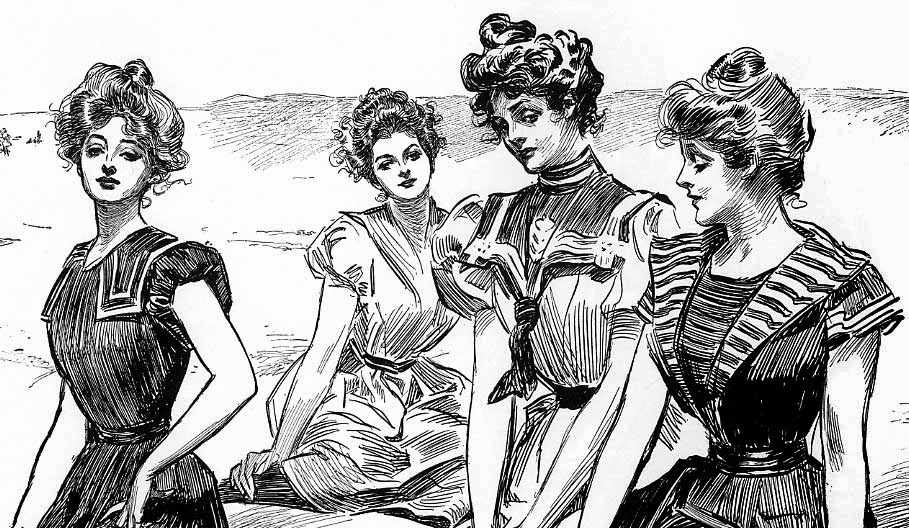 She became known as an ideal image of youthful American femininity, the modern woman: athletic, smart, stylish, and desirable, and she sold magazines.
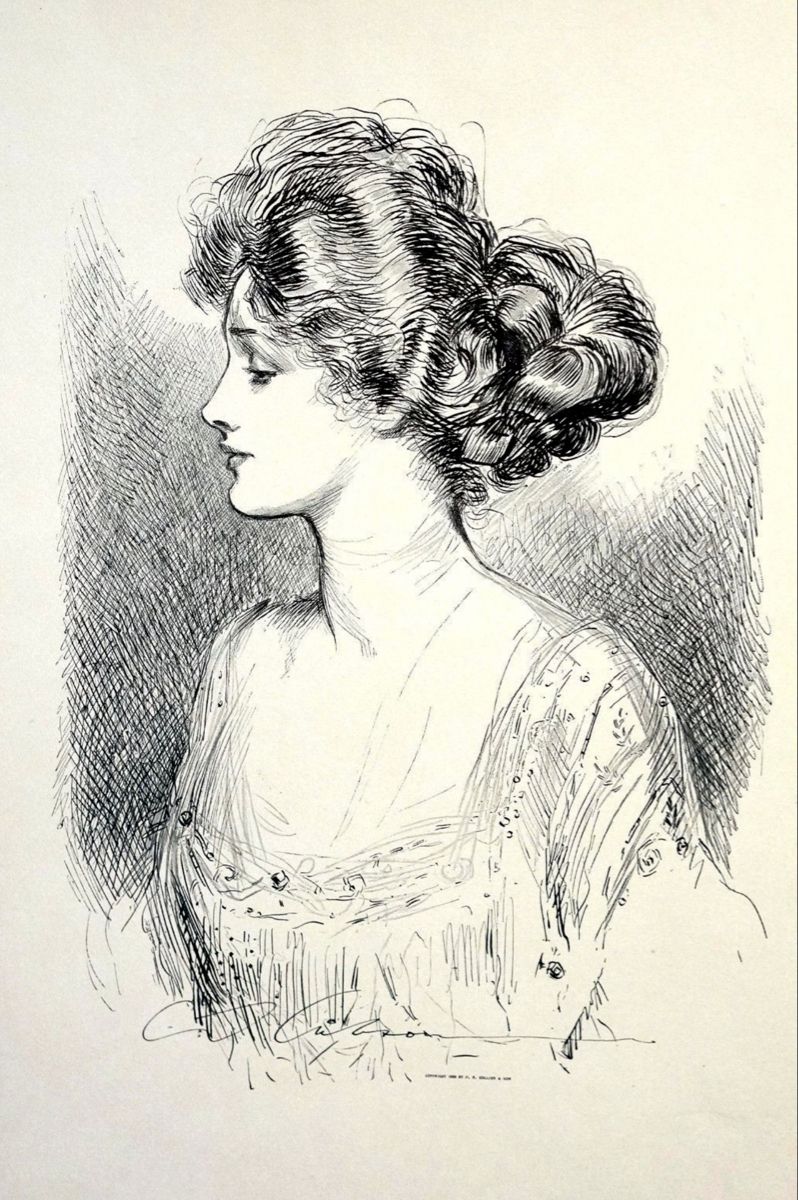 Charles’ skill allowed him to create pictures using mere black ink and basic paper.
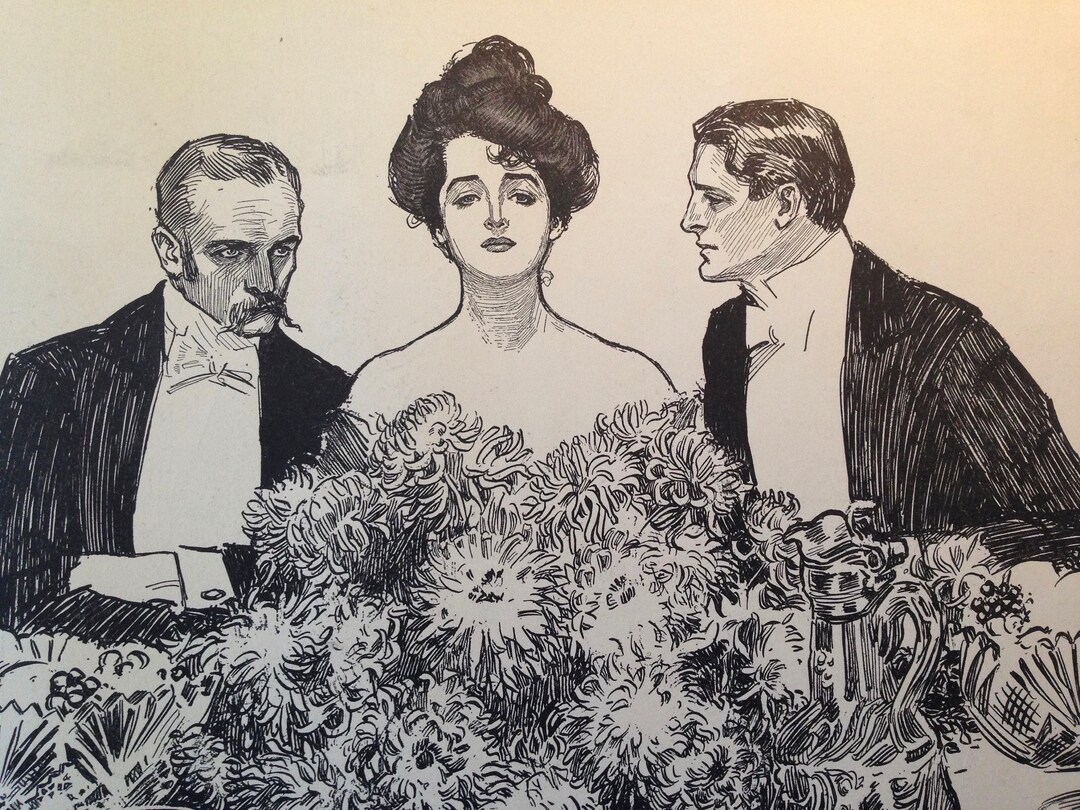 Gibson’s use of bold lines, as well as his techniques in utilizing contrast, are still being admired and studied by contemporary illustrators who are serious about perfecting their craft.
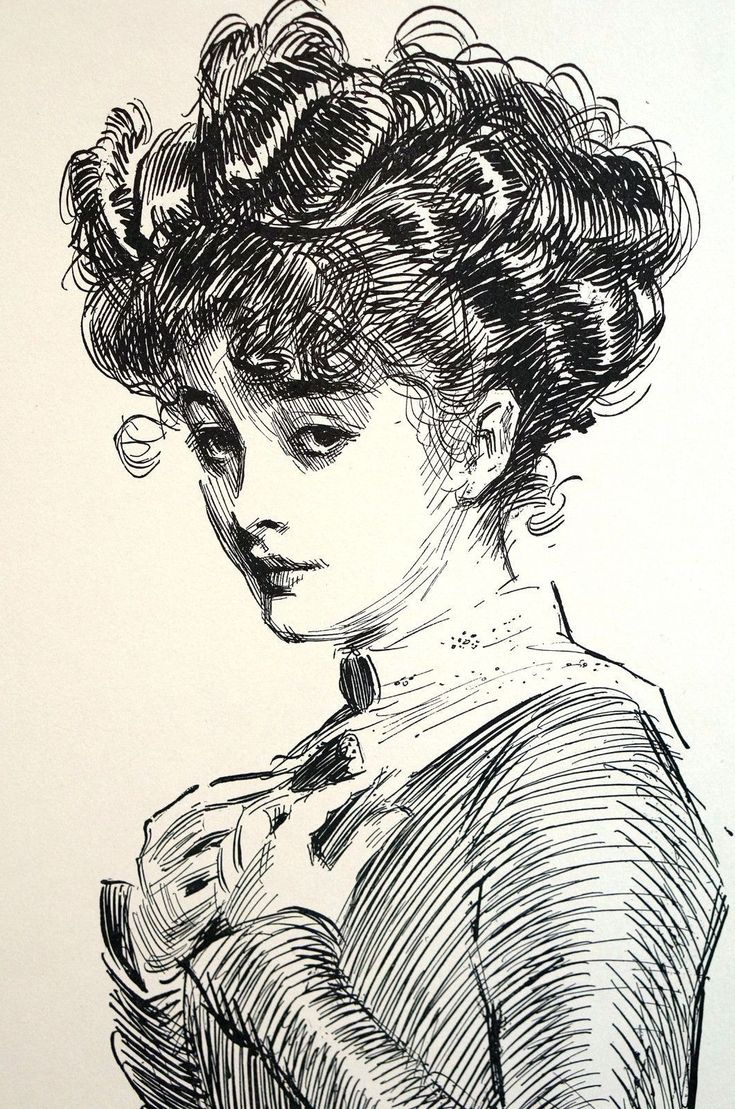 Add in his unique application of tone, character, and humor, and his style started to be emulated by the artists of his time.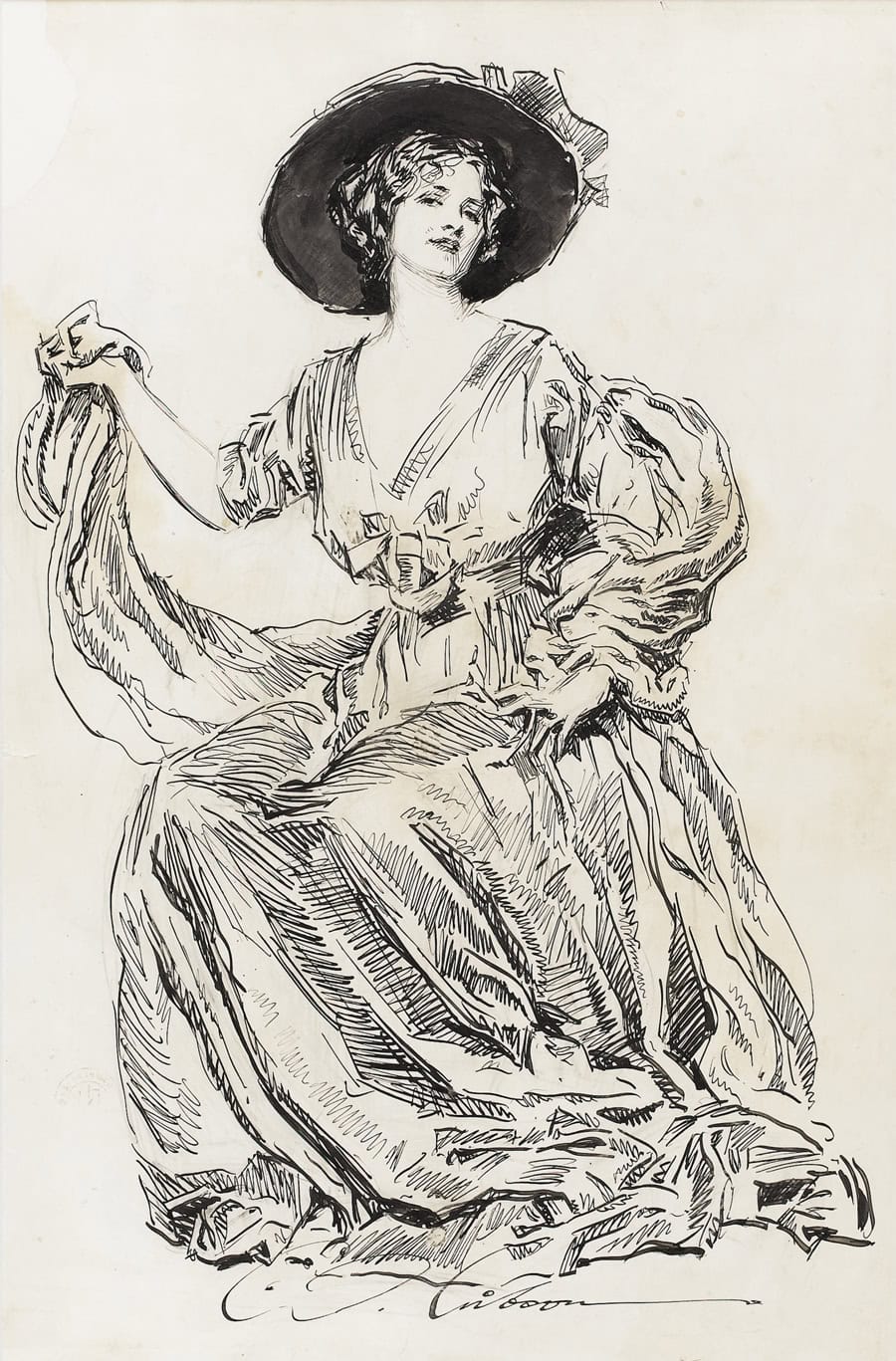























 Humoring the Goddess