Jean Philippe Arthur Dubuffet (1901 -1985) was a French painter and sculptor. Born in Le Havre, France, the artist did not dedicate himself to his art practice until age 41, having been dismissed from the French meteorological corps and subsequently working as a wine merchant.
 Dubuffet is perhaps best known for founding the art movement Art Brut (Raw Art), and for the collection of works — Collection de l’art brut — that this movement spawned.
 Dubuffet looked to the margins of the everyday—the art of prisoners, psychics, the uneducated, and the institutionalized—to liberate his own creativity, coining the term “Art Brut” as a reflection of the creative possibilities outside the conventions of the day.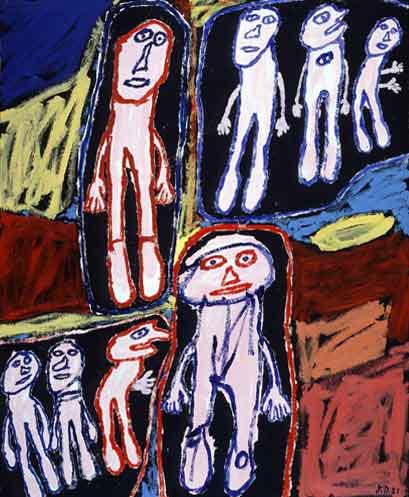
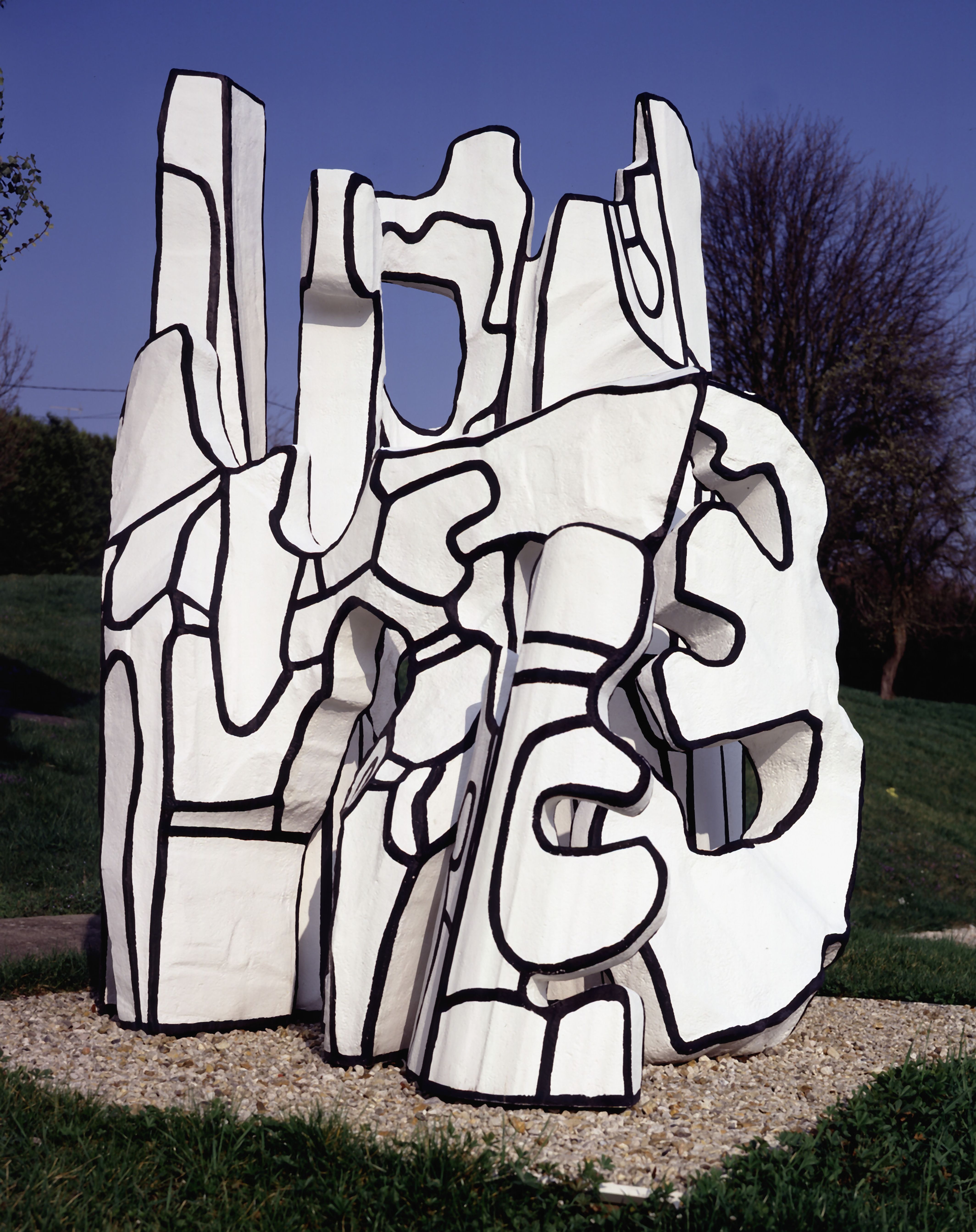
Dubuffet may be best known for his large-scale sculptures, which resemble masses of white organic forms sharply outlined in black. This artistic period was full of creative triumphs for the artist, who began work on his famed “Hourloupe” cycle, which comprises paintings, drawings, panels, and sculptural and architectural installations featuring undulating black lines and shapes atop white sculptural forms.
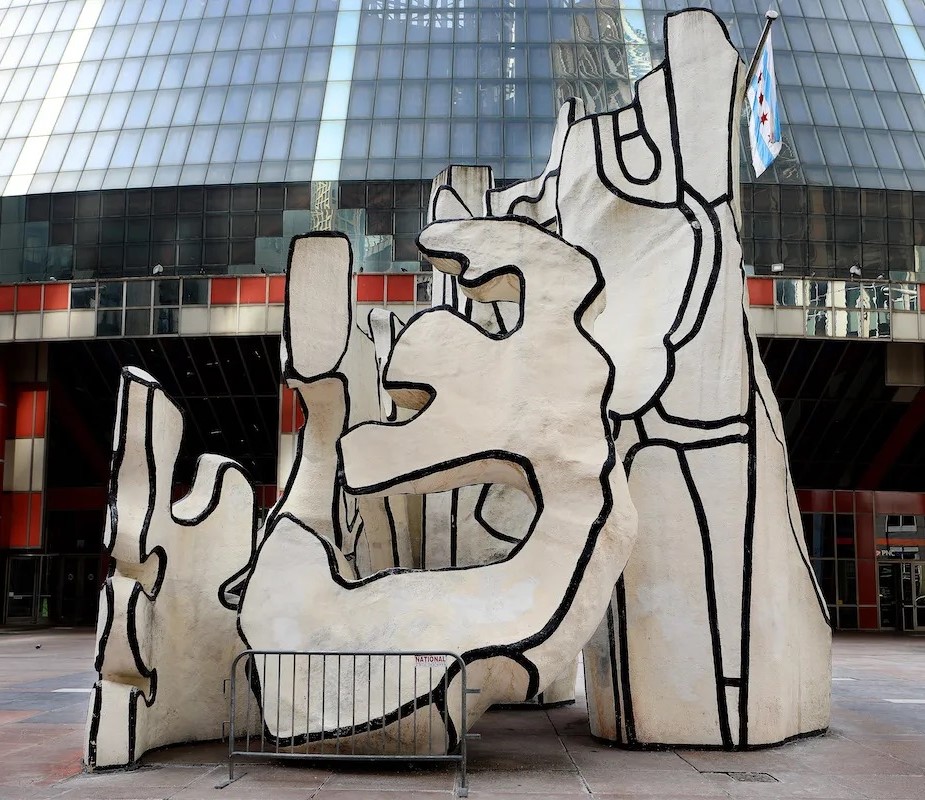 More of Jean Philippe Arthur Dubuffet‘s unique works can be found at https://www.wikiart.org/en/jean-dubuffet and https://www.artnews.com/feature/jean-dubuffet-who-is-he-famous-works-1234569877.


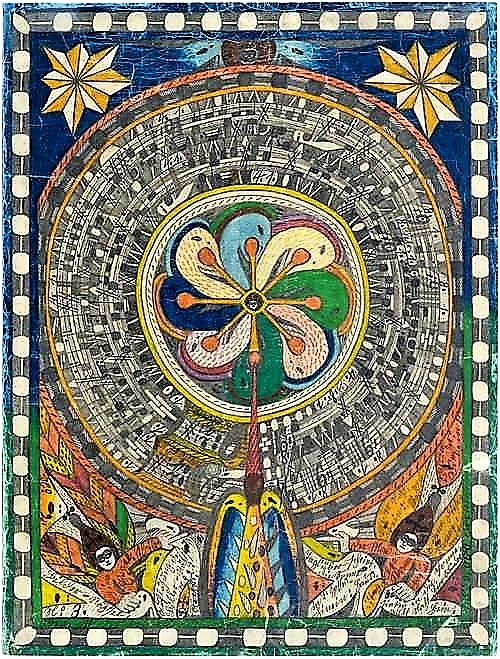

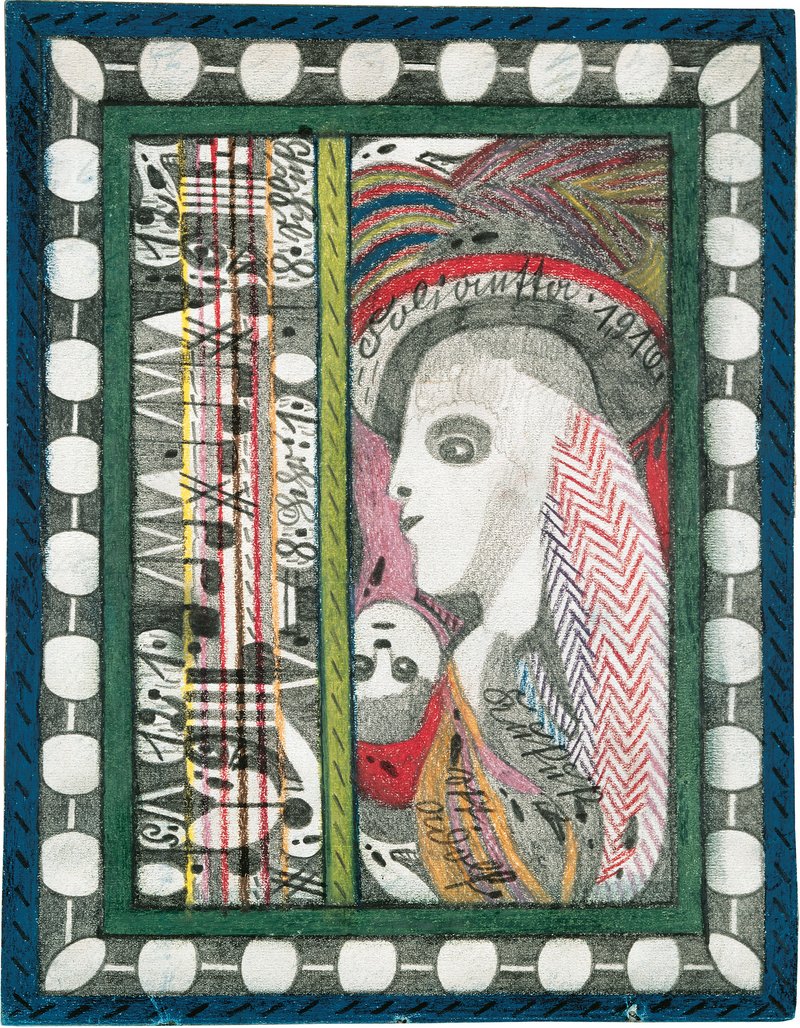


 Humoring the Goddess