Antoni Gaudí (1852-1926) was a Catalan architect whose distinctive style is characterized by freedom of form, voluptuous color and texture, and organic unity.

Gaudí was born in Catalonia on the Mediterranean coast of Spain on June 25, 1852. He showed an early interest in architecture and went to study in Barcelona — Spain’s most modern city at the time.

Once he got his degree in architecture in 1878, Gaudí began working on larger projects.

He soon became one of the most sought-after architects, and began taking on larger commissions, leaving behind many other one-of-a-kind works in Barcelona.
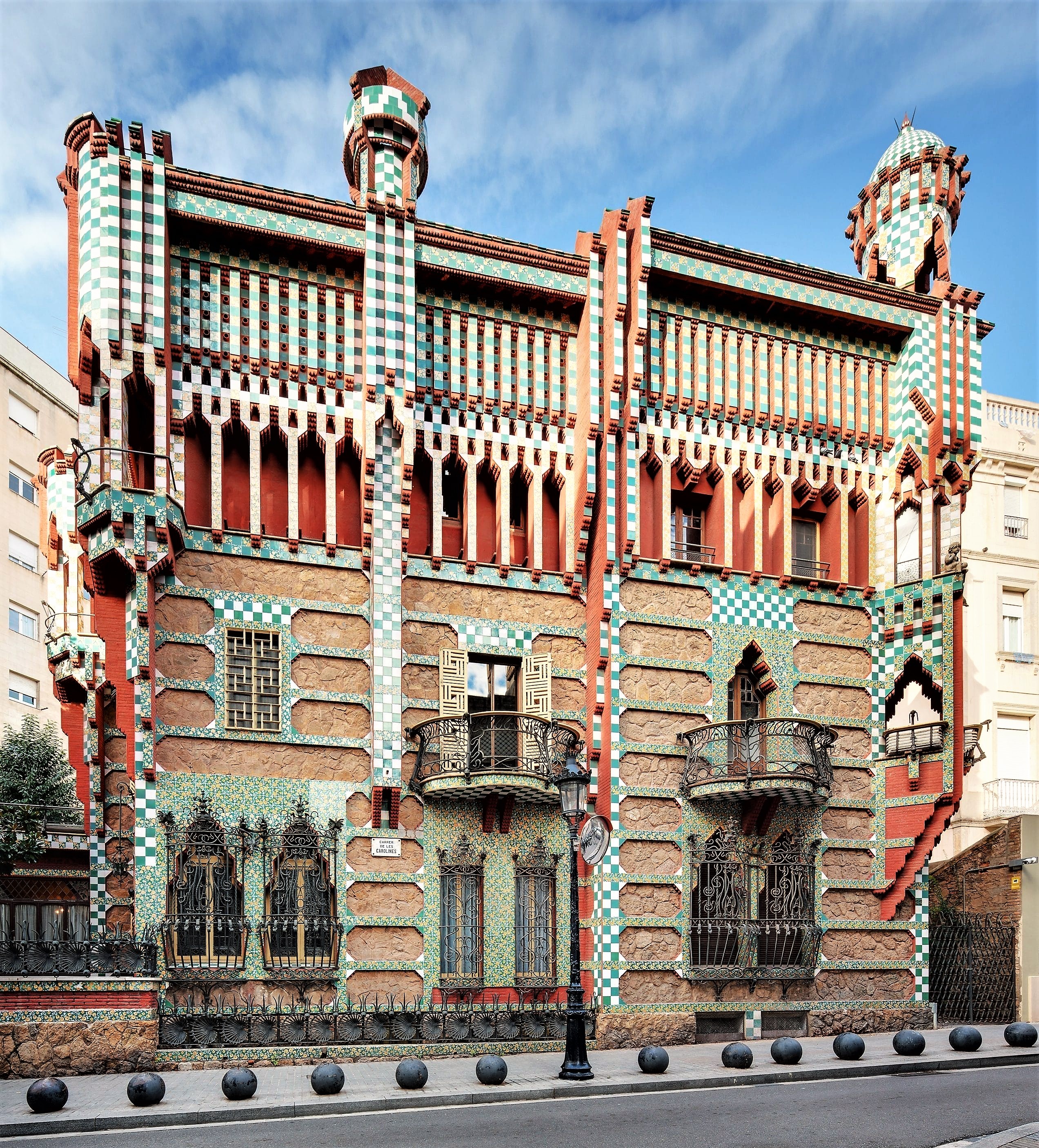
Gaudí’s work was influenced by his passions in life: architecture, nature, and religion.
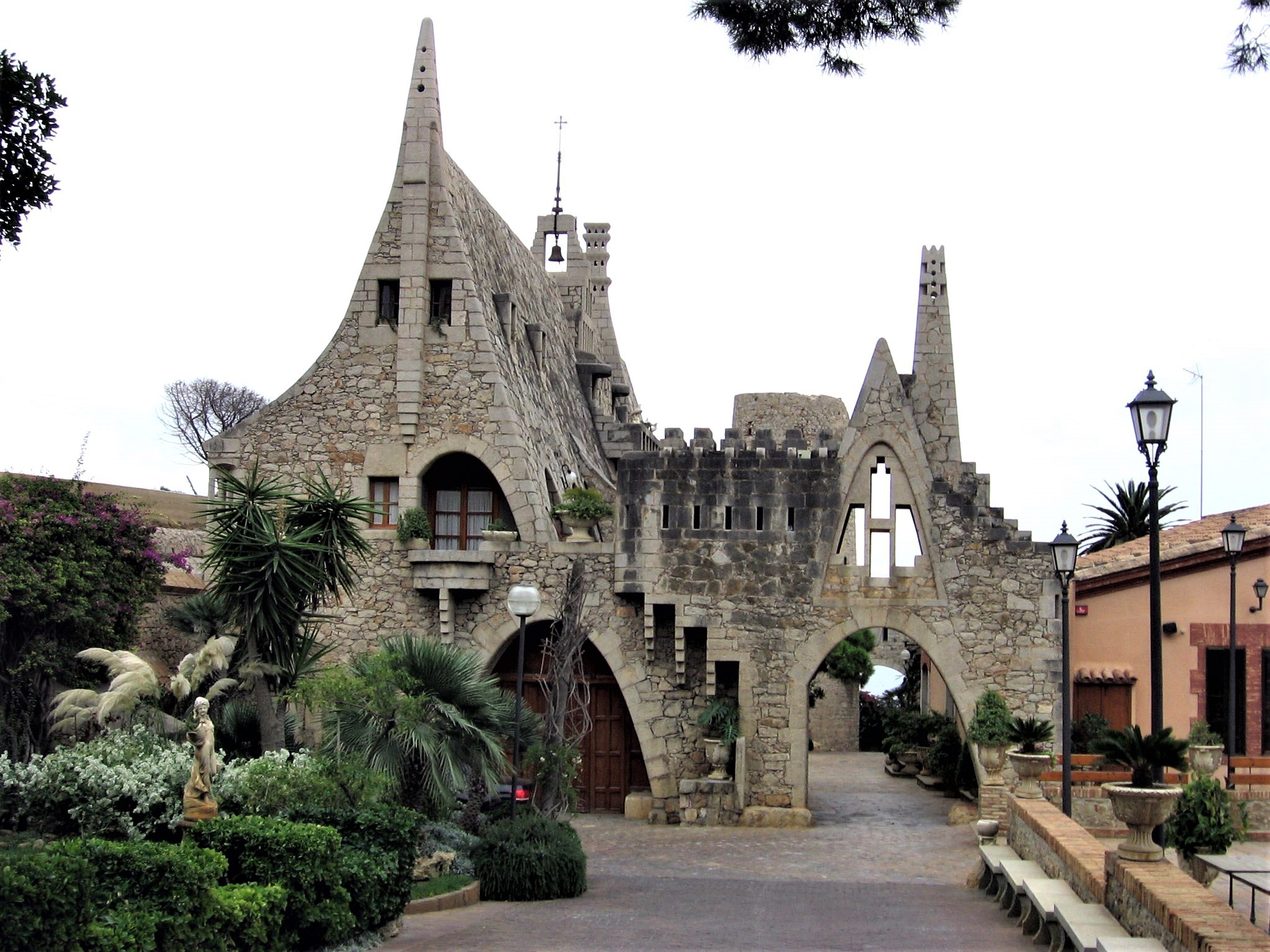
He considered every detail of his creations and integrated into his architecture such crafts as ceramics, stained glass, wrought ironwork forging and carpentry.

Under the influence of neo-Gothic art and Oriental techniques, Gaudí became part of the Modernista movement which was reaching its peak in the late 19th and early 20th centuries.

Gaudí’s was highly innovative in terms of his explorations of structure, searching through a variety of regional styles before seizing on the parabolic, hyperbolic, and catenary masonry forms and inclined columns that he developed through weighted models in his workshop.

These are often integrated with natural and highly symbolic religious imagery that encrust the structure with vibrant, colorful surfaces.

More of Antoni Gaudi‘s work can be found at https://www.casabatllo.es/en/antoni-gaudi/ and https://sagradafamilia.org/en/antoni-gaudi/.
 Humoring the Goddess