Guillermo Esteban Pérez Chacón, known artistically as Guillo Pérez, was born in San Víctor, Moca, Dominican Republic.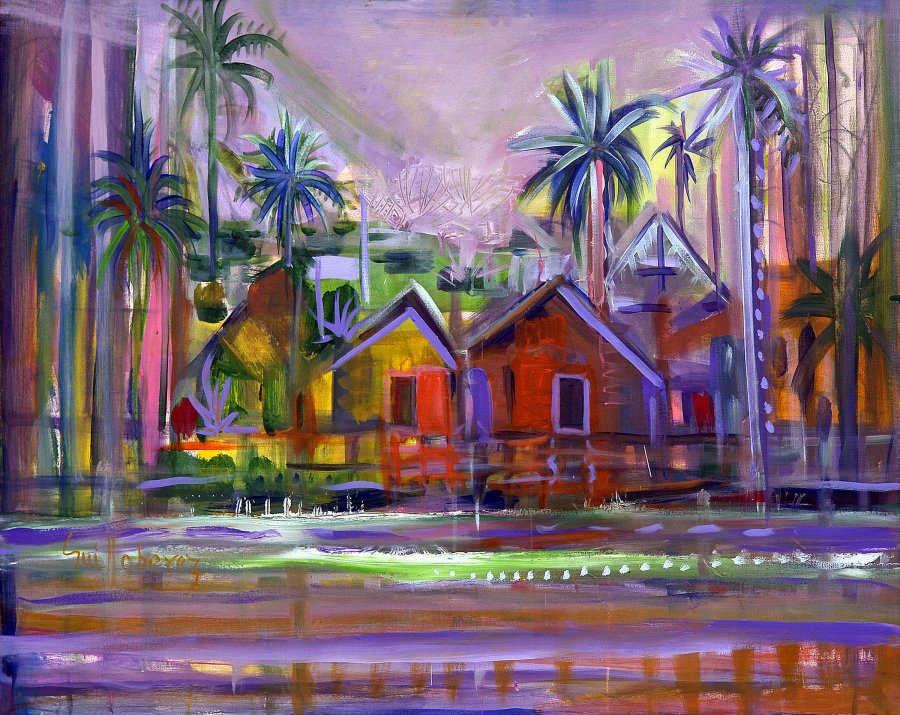 In 1942 Pérez graduated from the School of Fine Arts in Santiago.
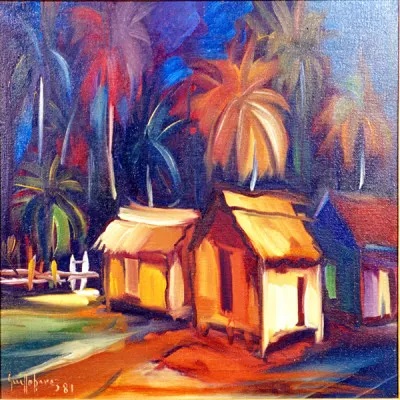 He was appointed professor at the School of Fine Arts in Santiago and moved to Santo Domingo in 1955, where he began a series of solo and group exhibitions that solidified his reputation in the national art scene.
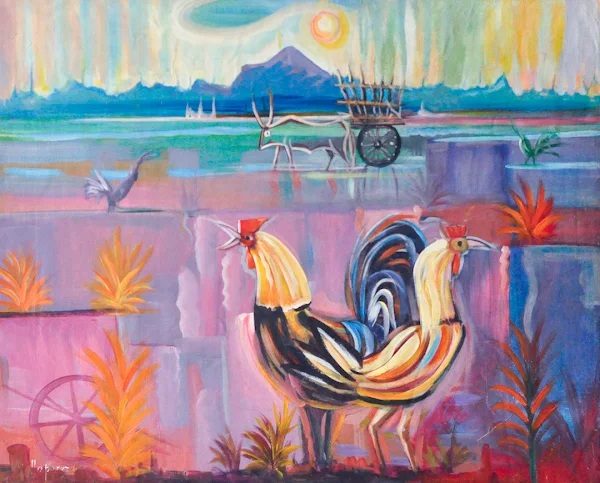 Pérez founded the Guillo Pérez School of Art in Santo Domingo, with the aim of fostering Dominican art and culture, as well as promoting new talent in the visual arts.
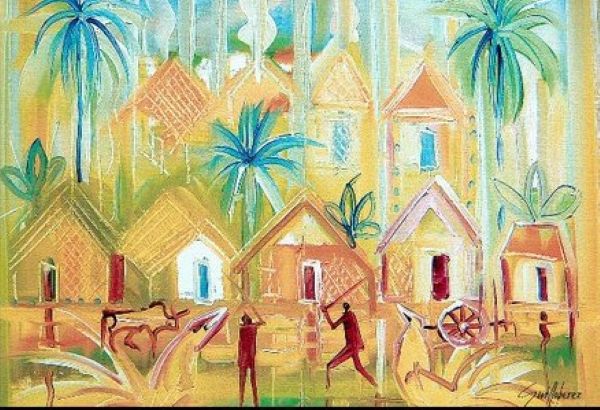 His distinctive style was characterized by the use of oil on canvas and the application of a palette knife to achieve thick impasto, placing him within the realm of abstract expressionism.
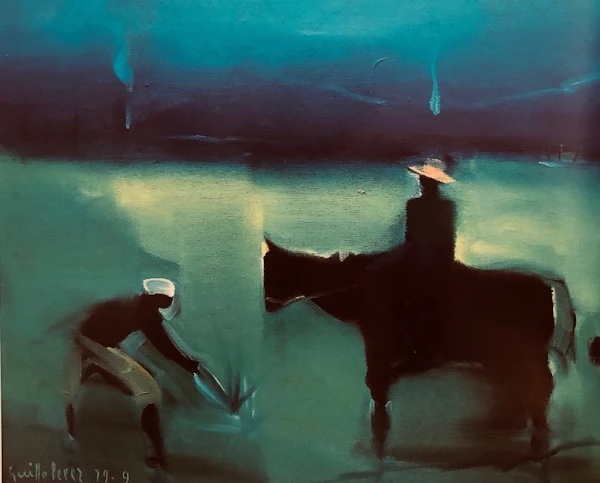 Pérez had an extraordinary ability to interpret the Creole environment, encompassing man, landscape, sky, sea and land, establishing himself as one of the most prolific and important canvas artists in the Dominican Republic.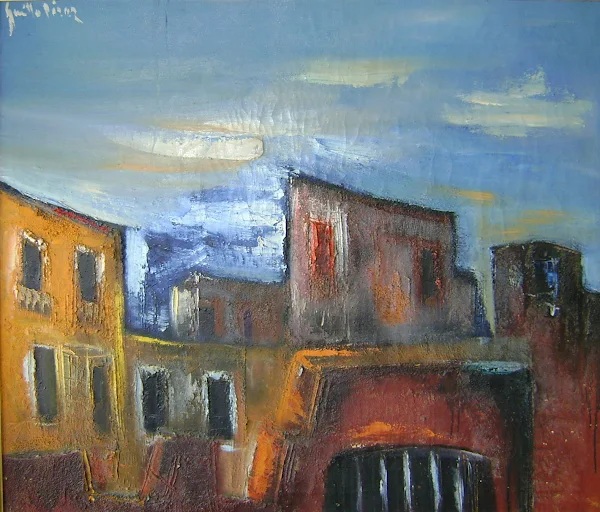
More of Guillo Pérez’s work can be found at https://www.guilloperez.com/artists/guillo-perez.