After you have found inner peace you have endless energy — the more you give, the more you receive. After you have found your calling, you work easily and joyously. You never get tired.
Peace Pilgrim
Croning My Way Through Life

After you have found inner peace you have endless energy — the more you give, the more you receive. After you have found your calling, you work easily and joyously. You never get tired.
Peace Pilgrim
I have a question for all of you this cloudy, dreary morning — even you, my hundreds of friends who follow and never comment.
When do you get inspired?
Maybe not so much get inspired to “do art”, but when do you just sit and watch the world pass by and wonder if there’s meaning to all the chaos?
What kind of atmosphere do you create for yourself to mellow out, become introspective, and, if you open up a little more, get inspired to create something?
In the working world there’s little time to get inspired about anything. Whether it’s being home with your kids or working in an office or serving customers, there’s not a lot of inspiration time. And in that precious few hours/minutes that you do have, how can you choose? Read a book? Sketch a drawing? Embroider a few stitches?
Sometimes it’s just easier to turn on the TV and be numbed by the nonsense you find there.
Now that I’m retired I find my quietest inspirational moments in the morning. A cup of coffee, the dogs fed and content, hubby doing whatever someplace else, I look out the window at the bird feeder and open up my soul. One artist I’ve grown fond of is an artist on You Tube named Ophelia Wilde who plays instrumental piano, whimsical tunes with fun magical titles like “A Playlist for Living in a Little Cottage Together With Your Cat.”
She’s imaginary, too. Perfect.
Sometimes I think about some art I want to create; sometimes I think about my next blog. Sometimes I go on my laptop and find new unique artists.
Sometimes I just sit and look out the window.
I believe there is inspiration around us wherever we look. We just have to be in the right state of mind to absorb it. My inspirational times don’t last long, as reality has a way of interrupting even when you’re in the Zen.
But at least I know I have inspirational times, and strive to return to them when I can.
Fight the murky cloudy Monday blahs and find yours, too.
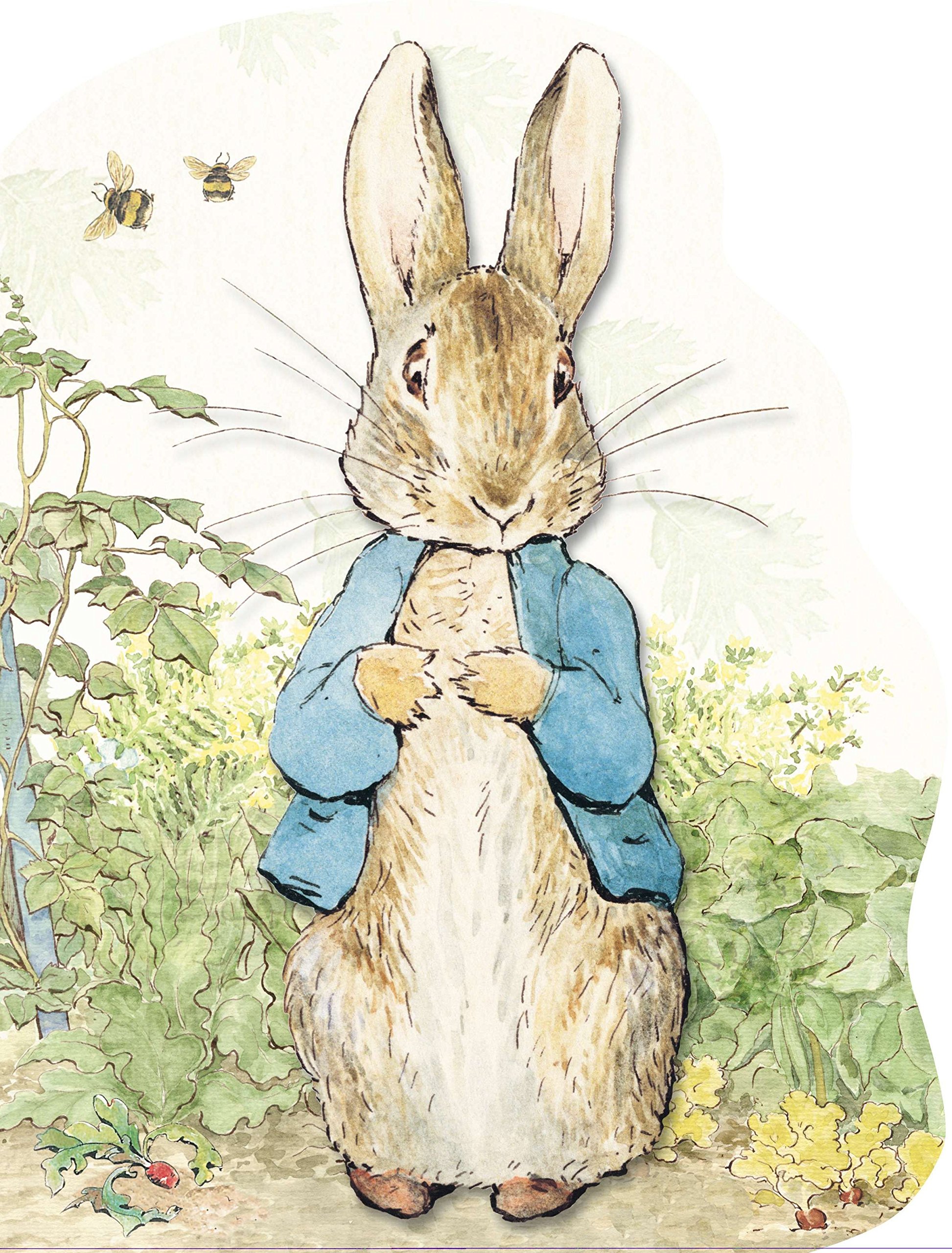
Helen Beatrix Heelis (1866 –1943), usually known as Beatrix Potter, was an English writer, illustrator, natural scientist, and conservationist.
Potter is one of the most beloved children’s authors of all time, writing and illustrating more than 20 children’s books starring Peter Rabbit, Jemima Puddle-Duck and Benjamin Bunny.
Potter first tasted success as an illustrator, selling some of her work to be used for greeting cards.
Her most distinguishable artistic traits are well known to be the whimsical anthropomorphism that her stories surround.
Studying book illustration from a young age and developing her own tastes, Potter’s earliest illustrations focused on traditional rhymes and stories like Cinderella, Sleeping Beauty, Ali Baba and the Forty Thieves, and Puss in Boots.
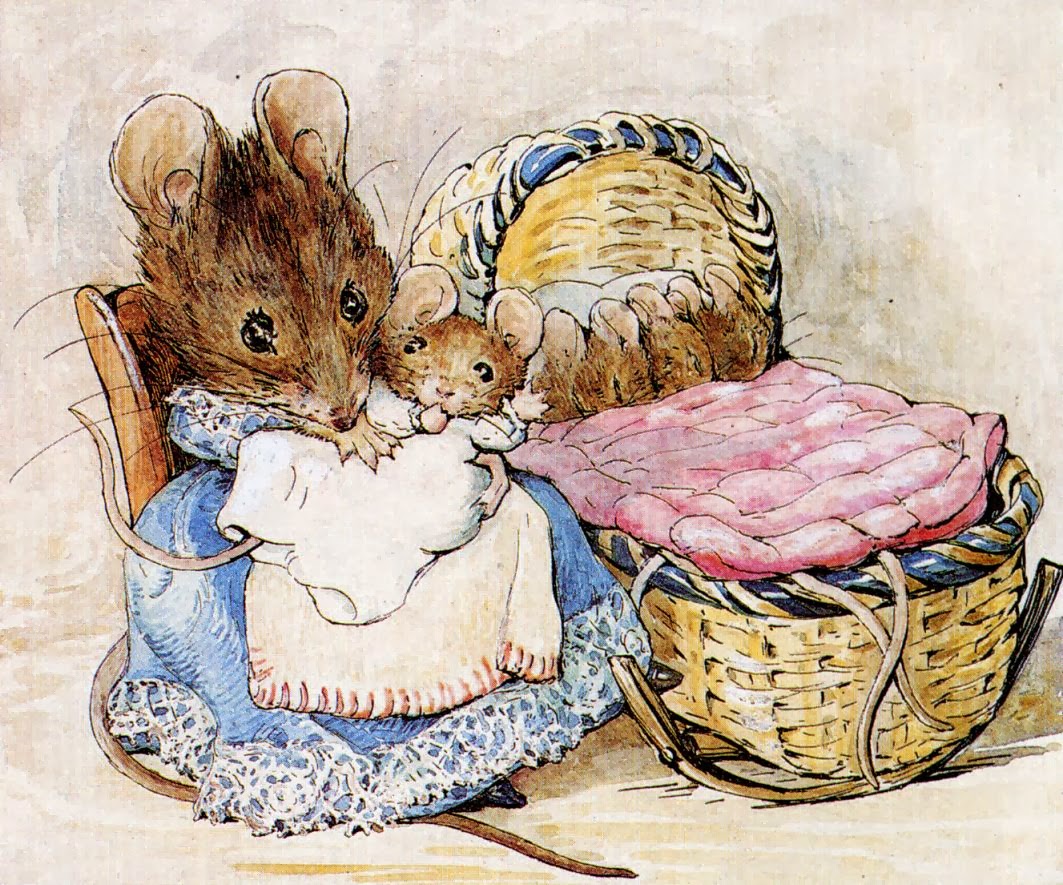
However, most often her illustrations were fantasies featuring her own pets: mice, rabbits, kittens, and guinea pigs.
As Potter grew older, she spent her time alone learning to drawing with her eye to a microscope, and eventually developed an interest in fungi. Invited to study fungi by the Royal Botanical Gardens in Kew, she produced hundreds of detailed botanical drawings and investigated fungi’s cultivation and growth.
More of Beatrix Potter’s whimsical art work can be found at https://beatrixpottersociety.org.uk/ and https://www.dailyartmagazine.com/characters-of-beatrix-potter.
I feel like I’ve been on a role lately!
I’ve been hitting my artwork with fervor and enthusiasm, fixing, cleaning up, and resketching my latest art sketches. I’ve also been on a role building up artists for upcoming Sunday Galleries!
Here’s a peek at upcoming guests —


I hope you’re looking forward to these and other artists making their way to the Gallery!
Happy Friday!
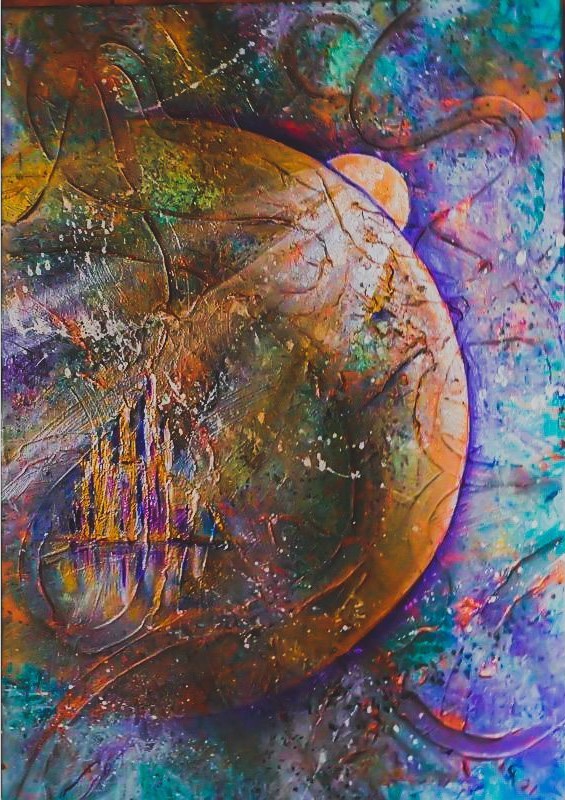
Otherworld: a world beyond death or beyond present reality
In this small series, I tried to find original artwork with the word “Otherworld” in the title. I did not want to include art that “depicted” other worlds, as that is too wide a territory for this blog. I also tried to avoid digital art, as that is a world of art unto its own as well.
Enjoy!


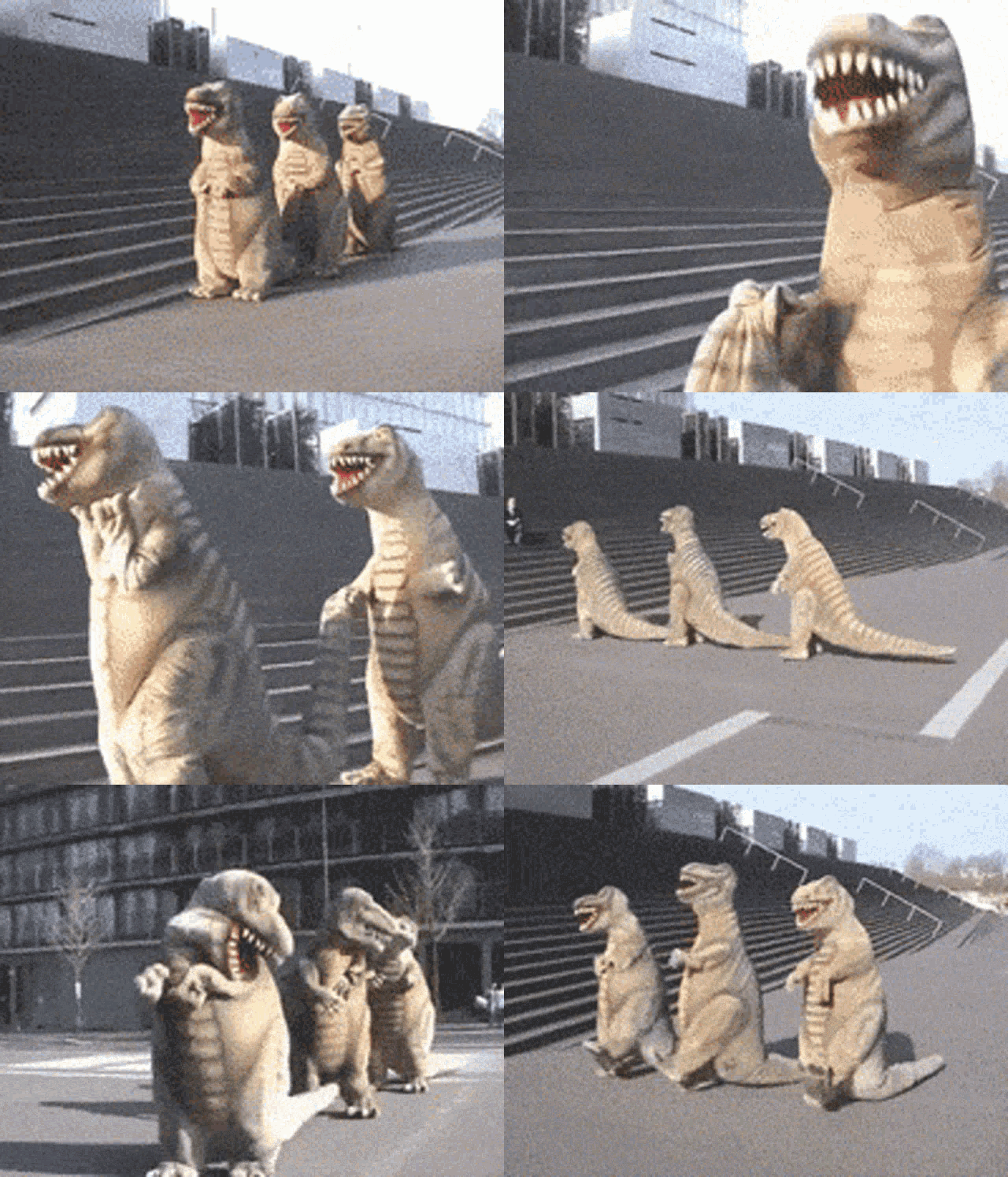
It’s very simple why kids are crazy about dinosaurs — dinosaurs are nature’s Special Effects.
– Robert T. Bakker, Paleontologist
How many times have you said “I wish I knew then what I know now”?
Makes getting older sound much more appealing, doesn’t it?
It is a basic fact that older people have a larger pool of information to pull from when it comes to shaping their reality. Many years worth of pooling.
And not all that’s drawn from the pool is useful.
Would middle schoolers benefit from the knowledge that other kids can be bullies and things brighten up once they get to high school? Would college kids be more successful if they knew the intricacies of moving up in the working world? Would millennials be better off if they realized how important health care and savings plans will be thirty years in their future?
Unfortunately, human beings learn from personal experience. Not that all personal experiences are soul building and world awakening. I have never smoked in my life but I knew then and know now how bad a habit it is. I’ve never had a broken bone nor had an emotional trauma experience before I was 25.
Does that mean I should have experienced all of the above to be a more well rounded senior adult?
When I chose the topic Getting Older Changes Your Reality I was thinking about reality from a senior point of view. My body has changed, my energy level has changed, my hormones definitely have changed, forcing me to adapt in ways I never imagined when I was 30.
These kinds of changes cannot be planned for. You can be fit all of your life and still lack energy to hike to the furthest soccer field. You could watch your sugar intake all your life and still turn into a diabetic. You could go to college and major in Anthropology just to work on computers in a bank 10 years later. (I knew someone that happened to…)
What you can Do and what you can Be changes as your reality changes. You may have wanted one child and would up with three. You may have wanted to move to Paris when you were young and still find yourself in suburbia. Often your youthful reality is not your future reality.
One pleasant surprise of my senior reality is that I’m finally getting to do some the things I wanted to do in my youthful reality. I’ve touched the Eiffel Tower and walked through Roman ruins. I’ve had wonderful grandkids who have made me feel young again (mentally, at least), and have the time to continue art art projects I started in my 20s.
I still worry about money and my health and if I’ll wake up tomorrow to enjoy another day. But those are things I have minimum control over, so I do what I can and let time take the wheel.
As you get older you find that the things you worry about today won’t matter much tomorrow. You have no say about political candidates, company policies, and illness such as cancer. You have no control over who lives and who passes on. You don’t even really know if there’s an afterlife.
Getting older changes your reality, and you finally get that you have less control over you life than you thought. What will be will be and all that.
All you can do is choose the swirly bumpy road instead of the straight one, and see what happens.
You will wind up at the same place anyway.
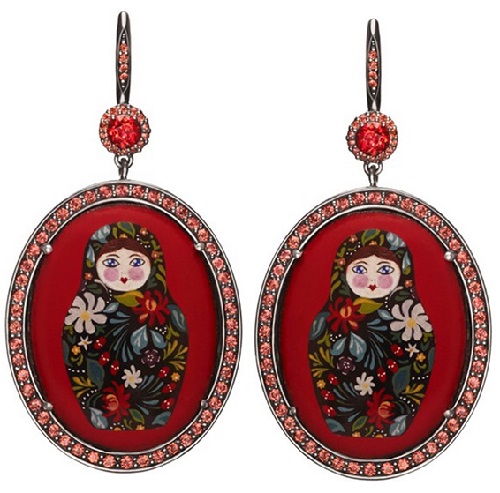
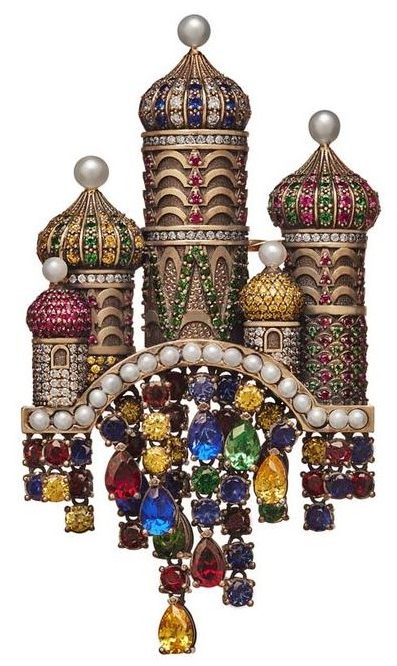
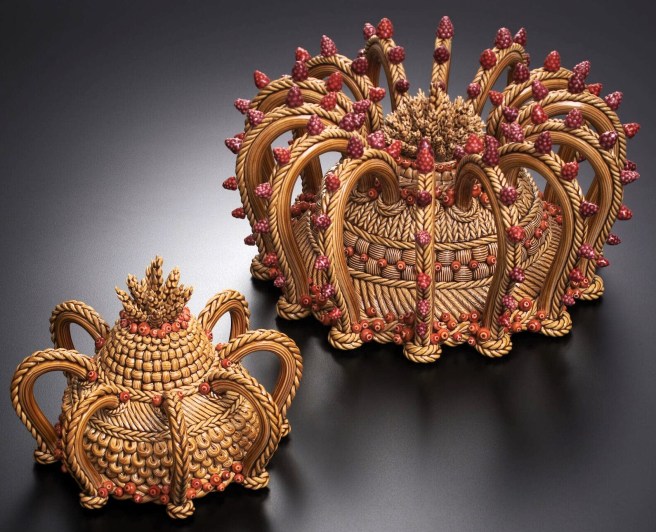
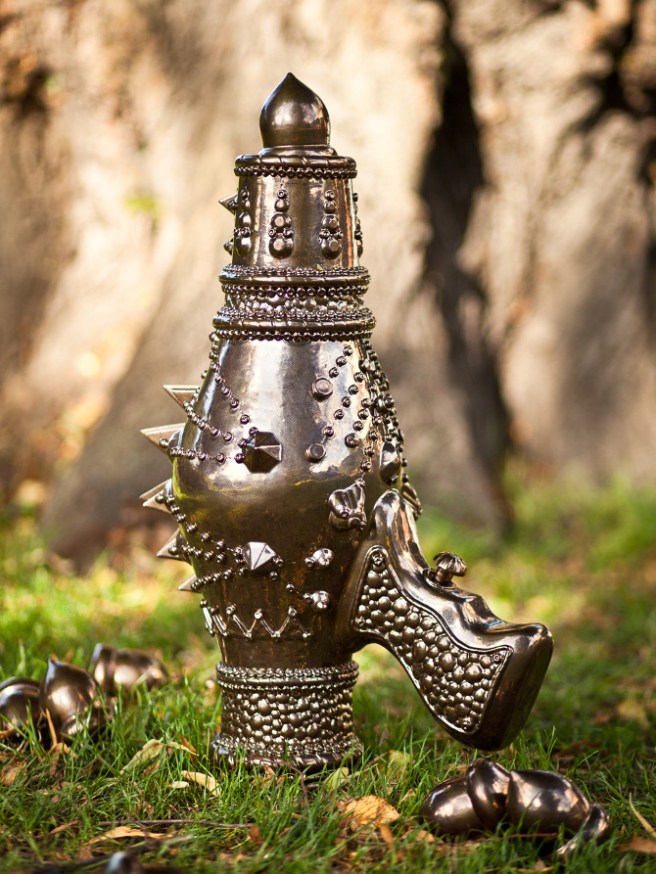
Petr Axenoff is a jewelry designer from Moscow, Russia.
Born to a photographer father and an icon-painter mother, Axenoff was immersed in a rich artistic world from a very early age and went on to study painting, architecture, ballet, theatre and historical costume.
Eventually his creative and scholarly pursuits led him to pour his passions into fine jewelry and establish the Axenoff Jewelry brand.
Axenoff’s intent and creative designs are intertwined with the Russian jewelry tradition of the 16th-19th centuries, as well as the beginning of the 20th century.
Axenoff delicately blends modern trends with classical jewelry traditions, creating lavish jewelry designs with a deep, historical meanings.
The artist uses silver and semi-precious stones such as topaz, onyx, moonstone, and lapis lazuli, along with more expensive materials such as platinum, gold, diamonds, sapphires and emeralds, all to create one-of-a-kind pieces that pay tribute to the charisma of Russia.
Always beautiful and unique, “Axenoff pieces are to be enjoyed and worn as they are admired and treasured,” the designer shared.
More of Pytr Axenoff’s designer jewelry can be found at The Jewelry Editor and Jewelerss.
It’s one of those days. It’s been one of those days for the past several days.
Not much happening. I finished my burst of artwork creativity — I’ll be posting my fabulous (???) abstract whatevers very soon. Otherwise it’s been the usual boring housework/plantwork/nothing-good-on-TV kinda week.
Do you have these kind of boring forays between bursts of creativity?
Part of me thinks I should be pumped up every day. After all, I am alive and awake every morning — a blessing, to be sure. Part of me thinks I’m over 70 and I’m entitled to slow down now and then. More now than then. Part of me wants to sleep all day.
I guess that’s what the gap between Fall and Winter is all about. That murky, cloudy, kinda rainy cold weather that creeps around before really cold weather and snow move in.
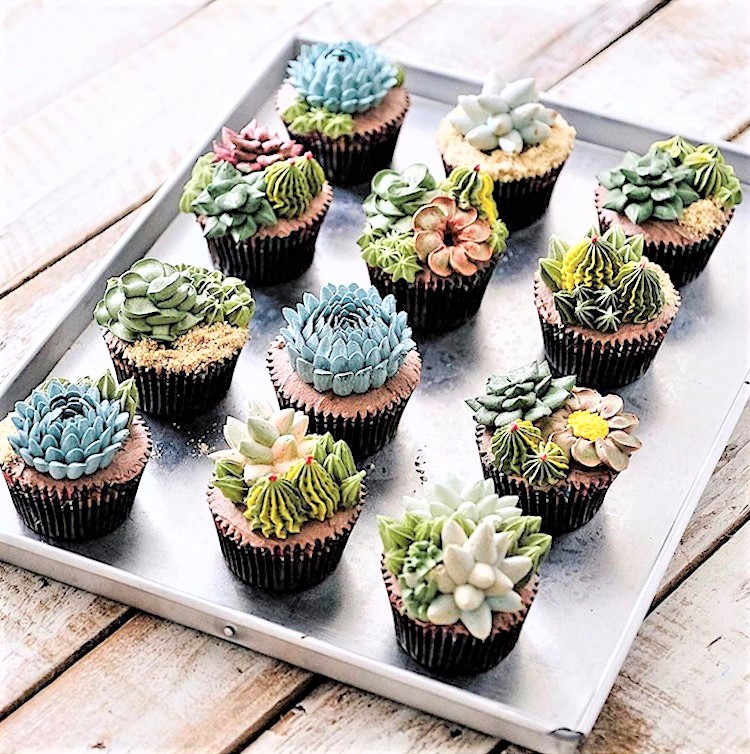
One positive achievement today is that I’ve spent the day reading others’ blogs. So many interesting wonderful people out there. That’s important these days, too.
On days like today I tend to research my ever-expanding list of unique artists that I want to share with you. The list never ends. And that’s what carries me along through these day-to-day blahs.
Creativity — and energy — is always around the corner. Sometimes all you need to do is find it.
What are you all up to?
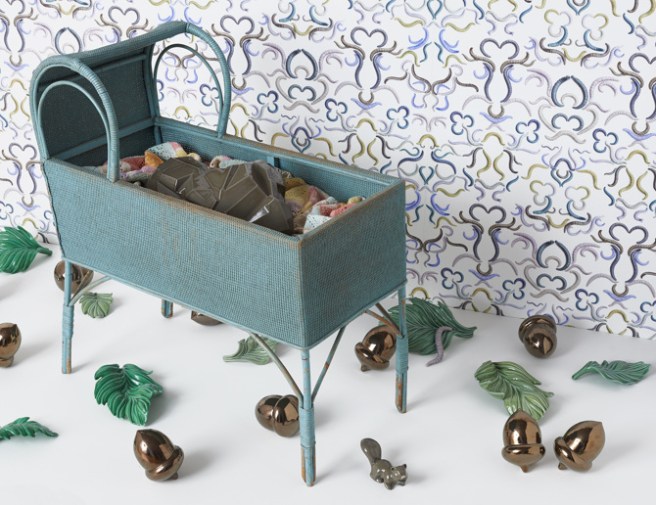
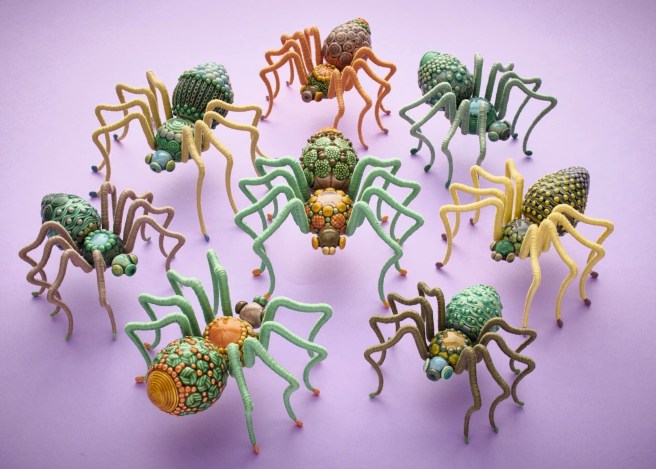
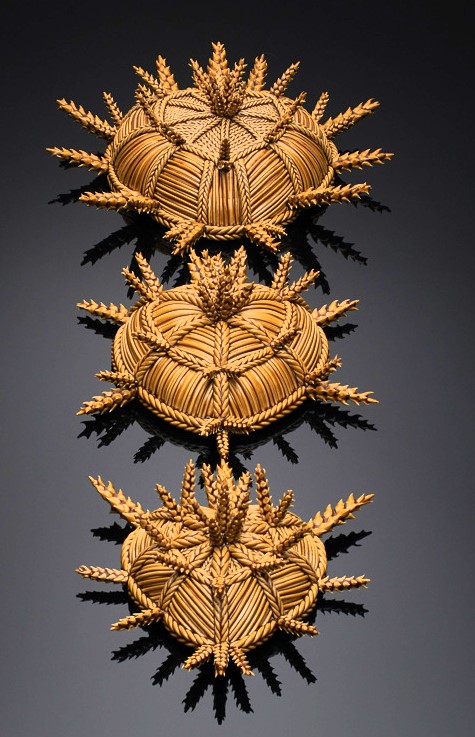
Danish artist Malene Hartmann Rasmussen works with figurative narrative sculpture and installation, creating work from individual hand-modelled ceramics and found objects.
Graduating with an MA from Royal College of Art in 2011, she also studied at The Royal Danish Academy of Fine Arts School of Design in Denmark.
Rasmussen is part of a vanguard of artists who choose not to define themselves by discipline or craft but instead blur the boundaries between Applied Art, Design and Fine Art, with exceptional handcraftsmanship at its core.
The artist works with mixed media sculpture, making and arranging multiple components into complex narrative tableaux of visual excess.
Rasmussen’s ornate ceramics may initially appear excessively sweet, but upon closer inspection reveal themselves as impossible and absurd objects, imbued with the artist’s own dark narrative.
A recurring theme in her work is the forest and the mythological creatures that lurk in the dark woods. She weaves together notions of memories, daydreams and childhood nostalgia into a fairy-tale of her own making.
“Folklore relating to Scandinavia is a great inspiration and something I have grown up with during my childhood and adolescence in my native Denmark,” says Malene Hartmann Rasmussen.
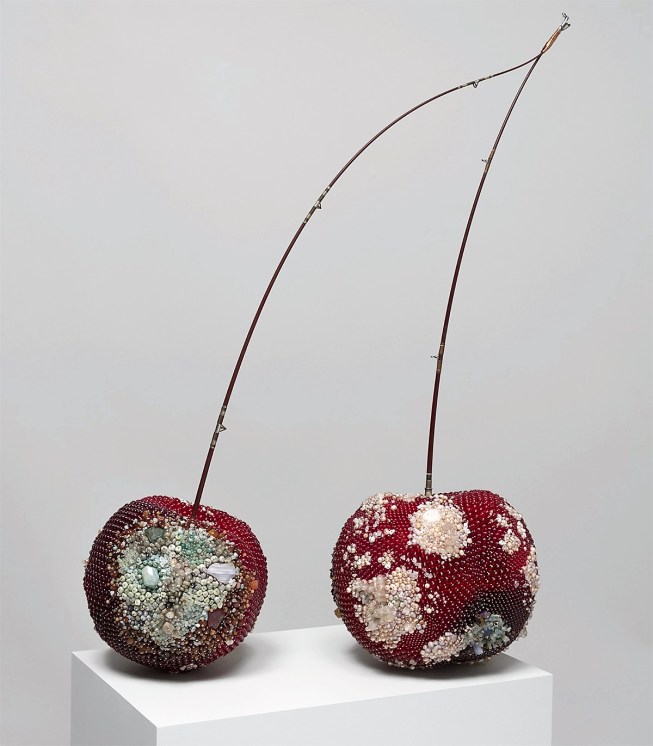
“I want my work to look like a very skilled child could have made it, clumsy and elaborate at the same time. Initially the viewer may, mistakenly, be drawn to my figures thinking them to be toys; however closer examination reveals their rather darker narrative.”
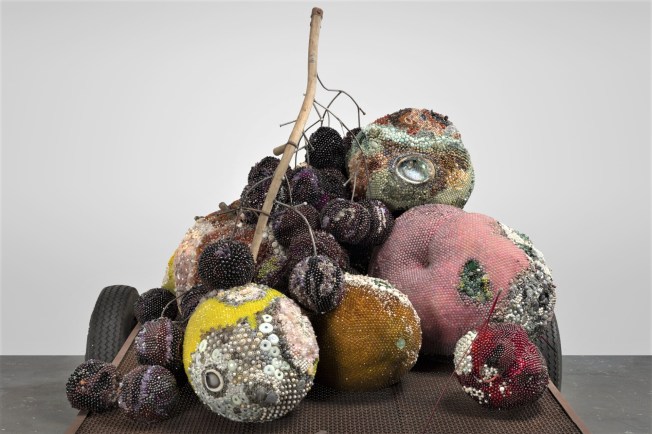
More of Malene Hartmann Rasmussen’s remarkable artwork can be found at https://www.malenehartmannrasmussen.com/ and https://www.thisiscolossal.com/2023/10/malene-hartmann-rasmussen-ceramics/.
There are no straight lines or sharp corners in nature. Therefore, buildings must have no straight lines or sharp corners.
~ Antoni Gaudi, Architect


.https://humoringthegoddess.com/2015/05/03/sunday-evening-art-gallery-unusual-buildings/…
I was sitting out on my back deck this morning and noticed this little guy hanging on from the top branch of the tree.
Brave little leaf.
Was little leaf holding on precariously or with brut strength? With rugged determination or last moment panic? Most of little leaf’s associates had long departed for lawns and trenches and woods near and far. What was little leaf hanging on for?
Brave little leaf.
Little leaf had endured much: blazing sun, pounding rain, thunderstorms and whipping winds. Little leaf survived birds and bugs and still hung proud and flexible in the morning sunshine.
Would little leaf hold on long enough to endure snowy winter? Mushy spring?
Brave little leaf.
Would little leaf hang on until the next generation of leaves forced leaf off the branch and into the twilight of existence? Or will the coming-of-age leaves on the branch protect and keep the leaf safe an additional season or two?
As I watched little leaf twinkle and blow in the morning breeze, I realized the leaf was going to do what we all do. Hang around until we cannot hang around any more.
That’s the best any of us can do.
Rachel Wright is an embroidered textile artist from Buckinghamshire, England.
Wright studied fashion and textiles at Birmingham City University and undertook both a BA and an MA course there before graduating to set up her own business in 1994.
Her beautiful machine embroidery often depicts nature, and the combination of her attention to detail and artistic flair makes her work incredibly life like while elevating the subject into vivid and compelling images.
The artist takes her inspiration from landscapes and cityscapes and has a particular love of the sea, harbor towns, boats and lighthouses.
The shapes, colors and details of these subject matter are then borrowed and echoed in delicately hand or machine embroidered fabric collages using vibrant threads worked onto papers and fabrics.
Wright usually begins with a pencil sketch straight onto the background material which is always cotton calico.
From there she starts to cut and lay down little pieces of fabric, choosing carefully the appropriate pieces, and once she’s happy she begins to stitch, sewing down the fabric scraps.
Wright doesn’t use bonding or pins or any kind of glue or stabilizer. She builds up slowly and gradually, working in small areas at a time until the piece starts to come together.
More of Rachel Wright‘s amazing embroidery can be found at https://rachelwright.com/.

Be clearly aware of the stars and infinity on high. Then life seems almost enchanted after all. ~ Vincent Van Gogh


I imagine I jump started your heart Sunday with the bright, bloody, curious art of Michael Hussar. It’s (hopefully) not what you’re used to waking up to, that’s for sure.
I’m not used to jump starts. I don’t need my blood pumping and rushing through my veins at lightning speed at 8 o’clock in the morning.
But I came across his art some time ago and it just stuck with me. There is beauty in horror as much as in a field of flowers. Sometimes it’s hard to see the correlation — sometimes I don’t see it at all. But I know it’s there.
Again, it’s all in your perception of art.
Do you have to understand it to appreciate it? Is appreciating it the same as liking it? Do you need to know the personal history of an artist to understand their art?
I believe that knitting a shawl is art. Doing a craft in an evening class is art. Making a suncatcher from a kit is art. But is it high-end art? What makes the dot painting you just completed any different from one by Georges Seurat?
I came across a “famous” artist who is classified as an abstract artist. His work hangs in such institutions as the Castello di Rivoli in Turin, and Galleria d’Arte Moderna in Rome. They are nothing more than 3 lines of small rectangles that stop halfway through line three. Or 13 beige lines starting on the left side of a brown background and stopping half way across.
I could paint the same thing. I HAVE drawn and colored similar things. What makes his work any more museum-worthy than mine?
These are cosmic questions for another time… questions that really have no answers. So back to my opening spiel.
We all have our favorite artists and forms of art. Most we understand, others we like even though we are clueless as to why.
Maybe liking certain art simply depends on the time of day you look at it and where you are looking at it and if you had coffee before you look at it or someone else was talking about it.
They say art is subjective. SUBJECTIVE means based on, or influenced by, personal feelings, tastes, or opinions. That tends to be all of us.
I will continue to try and be OBJECTIVE ( not influenced by personal feelings or opinions in considering or representing facts) in my art selections so our reactions can all be SUBJECTIVE.
Please keep checking in to see which side of the Ob/Subjective line we wander down next!
Michael Hussar (-1964) is an American Painter who attended the Art Center in Art Center College of Design in Pasadena, California.
He taught Portraiture-Head Painting for almost 10 years at the same Art Center College of Design, and continues to teach portrait painting workshops in the United States and Europe.
Hussar uses a combination of rococo, baroque and other classical styles combined with contemporary subject matter to create intense oil portraits.
His paintings are provocative and shocking from certain angles, playing around with religious codes in a universe combining the fantastic and the horrific.
Instead of canvas, Hussar prefers to work on gessoed wood panels to create paintings, as opposed to a surface mixing technique.
There is an incredible beauty in the harsh colors and nightmarish realities of Hussar’s paintings, dark yet bright at the same time.
Hussar describes his work as a voyeuristic snapshot of perceived humanity, complete with “freaks and fakery; a gothic wonderland illuminating the gray area between truth and lies.”
Hussar’s attachment to his paintings runs deep; each piece is a journal of sorts, allowing him to come face to face with his demons and exorcising them with each new stroke of the brush.

More of Michael Hussar’s striking paintings can be found at https://hussar.bigcartel.com/.
The way a squirrely mind works…
This morning I laid in bed a little longer and just looked out the window at the trees with their falling orange and brown leaves, and for some very weird reason artwork from an artist I followed popped into my head. Rising, I grabbed my cup of coffee and went to my computer to find him.
He hadn’t posted since 2023.
Turns out he changed his website and has gone in a different direction.
Then I thought about other blogs I followed and haven’t heard from in quite a while.
There were a lot. And I wondered — where did they go?
I know I wrote a blog about this sometime ago, so I typed in the word “where” in my post search. The article I was looking for didn’t show up, but this one did.
And since I also just read a disturbing quote from a political candidate, this article from 2018 suddenly became cosmically important.
I won’t post a link — I’ll just repost it here. I hope you get it’s message.
Today I want to show you a couple of pictures. I’d like to know what you think of them — where they’re from, what kind of people live there. Houses just down the block from you and me.

How about this one?

And a third.

Are these the homes of terrorists? Hostile Politicians?
Is the mother divorced? The father cheating on his wife? Are they Democrats? Republicans? Independents?
You see — you know nothing about the people who live in these houses. You have no idea of their problems, their dreams, their struggles. You have no idea if they’re African American or German or American Indian.
And you know what?
It shouldn’t matter.
I may be naive, but I tend to believe that most of the people in the world are good. They work, they love, they cry. They buy groceries, they take their kids to soccer, and stay awake at night.
We’ve got to get rid of this hatred of other people … hatred towards people we don’t know, never knew, or will never know. We have to fight the prejudices our parents and grandparents passed along to us. We don’t have to LOVE each other, but we certainly don’t need to HATE each other either.
Let them plant their flowers, mow their lawns, and wish upon a star at night. They deserve that chance free of hatred. So do we.
As for the pictures…?
The first one is from Poland, the second Greece, and the last Australia. All done with Google Earth.
Right down the road….
Anne Fisher always combines the best backgrounds with the best — and sometimes outrageous — objects to make a fun, simple blog. Go have some fun! Eat With an Artist
Inspired by a 1908 Victorian Halloween Card, Raphael Tuck & Sons Ltd

https://eatwithanartist.wordpress.com/2024/10/31/pumpkin-and-ginger-cookies-with-anonymous/
Clara Holt is a ceramic artist from Milan, Italy, specializing in illustrated tiles, wheel-thrown pots, and and ceramic projects.
Holt’s work focuses on storytelling, the ongoing impulse to tell and convey stories, characters, and experiences.
Each piece tells its own story, illustrated with a drawing inspired by places, mythology or childhood stories.
Holt carefully incises shallow cuts out of the smooth surface of a glazed pot, revealing the outlines of figures, animals, plants, and landscapes.
Some pieces are decorated with the sgraffito technique, applying a layer of colored slips to leather hard pottery and then scratch off parts of the layer to create contrasting images, patterns and texture and reveal the clay color underneath.
Other pieces are handmade and bisque fired, then decorated using oxides and pigments which are glazed and refired again to make them water safe and food safe.
More of Clara Holt’s amazing pottery can be found at https://claraholt.com/.
I am hoping that by now you have jumped off that fence and landed onto the field of Creativity. That you have decided to try something new and/or different and/or advanced in your field.
I know I’m a weirdy, but since I started my pencil/gel pen art I have been in such a great mood. I’m pumped up to the tree tops! Every new art piece is different, yet stays within the parameters that I set for myself.
The parameters are pretty solid, but they are so flexible I often don’t see them. A certain theme for each piece, the use of only colored markers and glitter gel pens, the size of the paper, a certain repetition in each piece … blah blah. The rest is whatever hits me at the moment.
I am now even able to weave a mistake into the general design. How cool is that?
I know a lot of you find time to squeeze in a little Art time. For others there’s almost no hole to squeeze into. Then why do I keep pushing Creativity down your throats?
Because getting lost in Art is the only time no one can tell you what to do. It’s you and your craft. No one to tell you you’ve colored out of the lines or missed a stitch or that your squares are crooked. You find a mistake, you flow with it. You find a new twist, you go with it.
YOU go with it. Not because your teacher or hubby or sister-in-law told you to go with it.
There’s a lot of noise out there. A lot of sad things we can do nothing about. But we CAN do something about how we feel inside. We can find a way to express ourselves no matter what our beliefs and origins and talents are.
Do it. Find a half hour or an hour or half a day and just EXPLORE this wonderful world we live in. And share it! Don’t let it gather dust in a corner underneath a month’s worth of laundry or old newspapers.
And, oh — by the way — I’m still waiting to hear from you other thousands of Creativity lovers about what Art you’re doing or thinking about.
Let’s encourage each other!
Rah! Rah!
Imagination is the highest kite one can fly.
~ Lauren Bacall


![]()


Ontario-based artist Dale Dunning combines typography and sculpting to create his intricately welded bronze and aluminum sculptures.
Dunning earned his BFA at Mt. Allison University in New Brunswick and his MFA at Cranbrook Academy of Art in Michigan.
The artist explores a variety of materials – bronze and aluminum casting, welded screws and wrenches, typeset, cable – all in the interest of creating the form of a mask.
His creations vary in texture, whether they are presenting a grid of fonts or a meld of thousands of bolts, screws, and washers.
Dunning focuses on the head without the distraction of limbs and the rest of the body because the head itself is an emblem of the mind.
‘The head that I employ in most of my work is generic, non-specific, genderless, egg-like in form and intention,” Dunning shares.
“I look on them as a mirror which reflects back the observer’s experience in new combinations and associations. The works are open ended with no didactic intent other than to see new possibilities.”
More of Dale Dunning’s amazing sculptures can be found at https://daledunning.net/.

Time extracts various values from a painter’s work. When these values are exhausted the pictures are forgotten, and the more a picture has to give, the greater it is.
~ Henri Matisse
Home after almost two weeks of hanging with “the guys” … my husband, his best friend, my son, his best friend, and another newbie. I started sketching; they fished. I did some proofreading of an old novel; they fished. I played video games or watched movies on my iPad; they fished.
You get my drift.
I learned a lot about myself on these long days of self-entertainment:
How have your past couple of weeks been?
Richard Mayhew (1924 – 2024) was an American landscape painter, illustrator, and arts educator of Native and African American descent.
Mayhew studied at the Brooklyn Museum Art School, the Art Students League of New York, and Columbia University.
His abstract landscapes, which he called mindscapes, convey inner states and feelings through evocative color, diffused forms, and atmospheric space.
These mindscape paintings have an ethereal quality to them, in which swaths of color blend into each other.
At times, they are electric shocks of violet, magenta, neon green, pink, and goldenrod, resembling negatives for color photographs. In other canvases, they are hazier tones of the same shade that bleed into each other.
Mayhew intersected with two midcentury art movements: Abstract Expressionism, which upended the very concept of what a painting could be, and the creation of the Spiral Group, a small but influential New York collective of African American artists that sought a new Black aesthetic.
These dialogues solidified his commitment to exploring abstraction and landscape painting in conjunction with race and identity.
In the decades since, Mayhew lived, painted, and taught throughout the country including in New York, Pennsylvania and California.

More of Richard Mayhew’s colorful paintings can be found at https://www.richardmayhew.net/.
For the last 20-25 years, being bored has never been a problem for me.
I was always writing something, sewing beads on something, reading something — the twirly list goes on and on. A lot of the time the craft that busied me one week got left behind the next, but Art in general and Creativity specifically has never really left me.
To be honest, I don’t have it in me anymore to write a 300 page novel; the research and discipline needed just isn’t as crack high as it used to be. But I am still reproofing (and rewriting) a couple of novel series that I may attempt to get published one day.
I’m also trying to read the Autobiography of Alice B. Toklas (Gertrude Stein) and the Godfather (Mario Puzo).
I’ve also want to take up drawing again.
Being in a house/cabin with full time fishermen can drive a Creative Sprite like me crazy if I didn’t have something to do. Supplies (both brought and left behind up here) have taken me to a new creative place.
ARTIST FRIENDS: Maybe you can give me an idea as to what to call it.
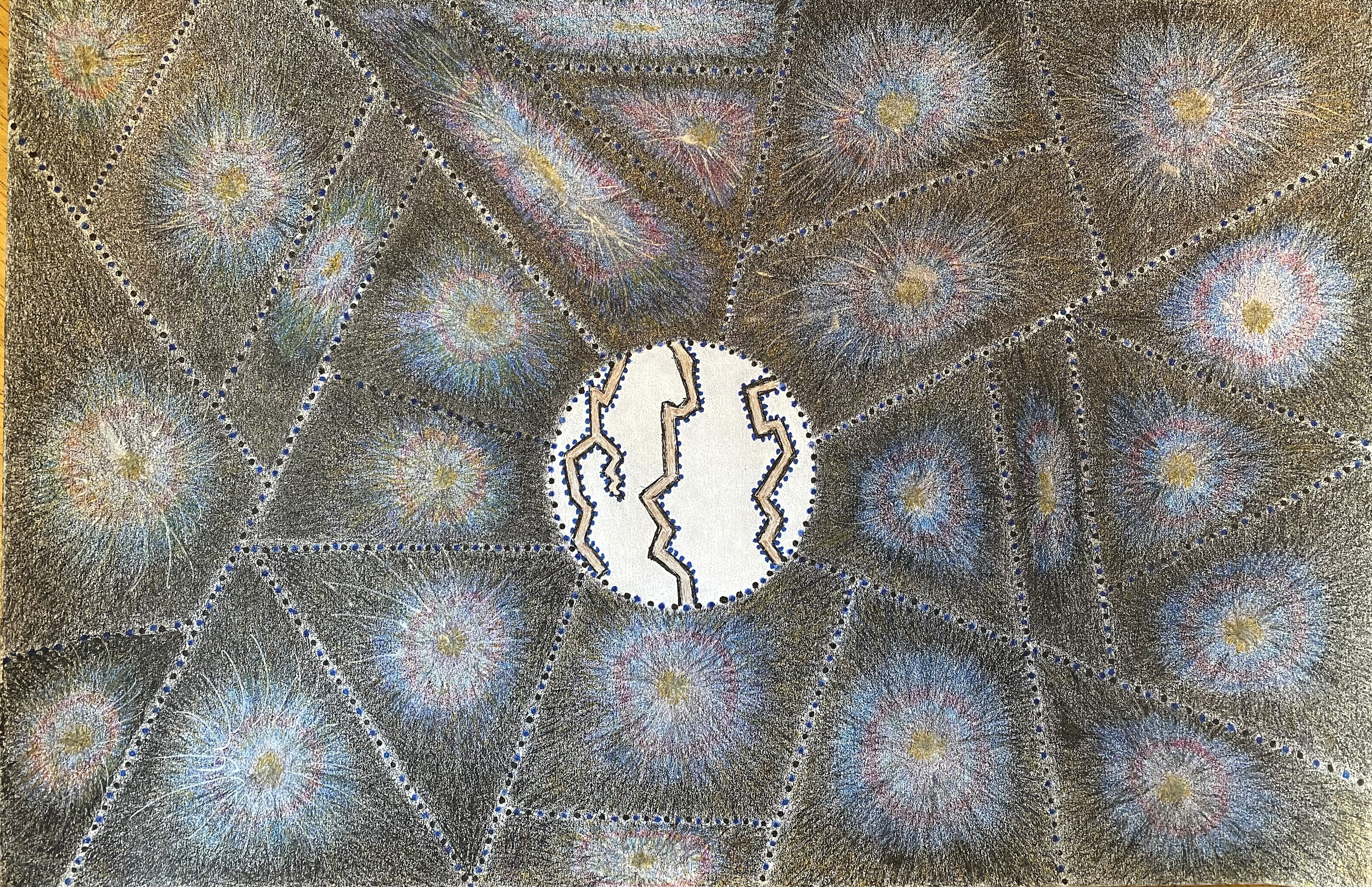
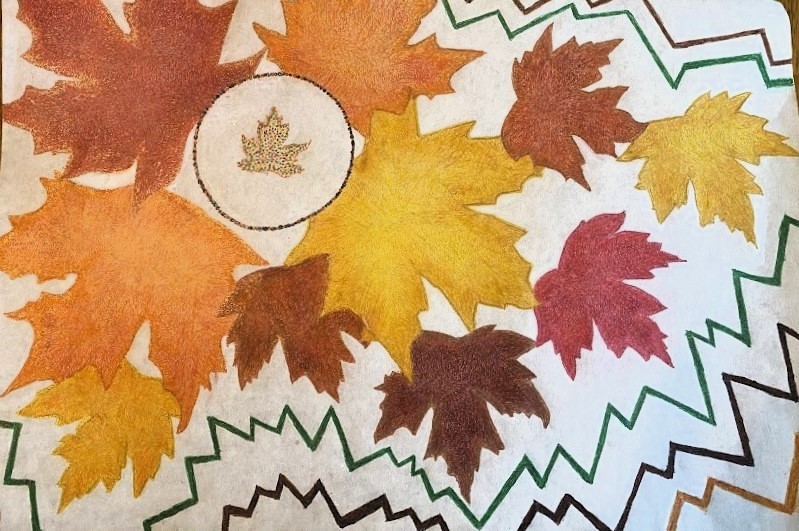
I’m sketching abstract designs (see Look Out Wassily Kandisky — Here I Come!), all with a common denominator (or two). Otherwise they are their own interpretation of the name of the work. Storm, Saturday, Loss.
I do find the more I work on them, the more coherent they become. Thoughts and ideas that did not appear at first sketch have worked their way onto the paper. And what I thought was a challenge (colored pencils vs. watercolor paints) has turned out to be a gift in its own medium.
I know I preach Creativity in Life ad nauseum, but I encourage you to listen to that little fluttering in the depths of your mind and/or soul and go for it. You will find whatever craft and whatever medium you choose to be addicting, along with frustrating, cerebral, and exciting. What more could you ask for?
Which makes me wish there were more than 24 hours in a day.
Some preliminary sketches:


Add some spice to your life! And be sure to share your excitement with me!

Not all those who wander are lost.
~ J. R. R. Tolkien
A funny thing happened when I stopped getting (my version of) obsessed with the day-to-day antics of politics.
I felt better.
I’m not really into politics … I know how things work and how they affect me. I have thoughts and opinions and do what I can to promote my version of harmony and fair play.
I don’t even know how I let myself get so involved.
To me, political rhetoric is like potato chips…. you can’t eat/ listen to just one. Conversations and quotes get so wild and carried away that you have no idea where it’s all coming from. And, just like potato chips, you can’t eat/listen to just one.
It’s kinda like Facebook or Reddit. Some aren’t satisfied just presenting different opinions. They have to present or respond in a confrontational or obnoxious way, guaranteed to rattle quite a few brains and anger even more. Here in the good ‘ol U. S. of A., politicians are not satisfied to merely respond or accuse. It’s now a case of making up stories and ignoring truths. It’s rude and ignorant and downright mean.
I am a person who hates rude and ignorant and mean. And the more I read the more upset I get.
I’ve gotta find a way to stop listening and reacting to this verbal trash. It’s not good for my blood pressure nor my good nature. It’s all nonsense anyway, spoken to get a reaction.
MY reaction.
I think the key to a longer, healthy life is to stop listening to garbage. Garbage rhetoric, garbage television, garbage podcasts. Not just in the world of politics, but in all world interactions. It does nothing but pump us up into a mist of brainlessness.
There is not much you can do to change the world. One against a billion are not great odds. Vote, yes. Explain, yes. Then move on.
I’m not saying spend your spare time watching documentaries and reading literary fiction. What I am saying is spend your spare time learning something positive. Learning and sharing. Something that doesn’t hurt other people. Something that makes your life easier and happier. Or makes someone else’s life easier and happier. Something that helps you understand or create or forgive.
As Joyce Meyer once said, “Don’t just let the devil use your mind as a garbage dump.”
I hear ya.
Anyone can make odd jewelry. The word “unconventional” can walk side by side with “contemporary”, “strange”, and “designer” quite easily. It may consist of necklaces made of eyeballs or copper cut at strange angles. That’s not quite what I was looking for.
The pieces I chose were classic in their own way: different but smart. Uncommon yet familiar. I hope you enjoy their uniqueness just as I did.


I have comfortably settled into my Hanging Out With the Guys” gig. I have sketched trees, read books, found suitable creative music, taken charming photos, fetched the dog in the lake, and gotten a sore throat.
Now I’m ready for the real stuff.
Wassily Kandinsky is an artist famous for his Concentric Circles paintings. Loved his work. He seems to have won out as the biggest influencer of my future Art discoveries.
My goal this fine Friday morning is to start to create a series of circle paintings of my own. I’m thinking six to eight in the series, all based on a circle and a background and a title.
How Picasso-ish I feel!
These creations will not have the luxury of watercolor or oil paints or stretched canvas background., Glitter pens are in my forefront, along with plain markers and colored pencils. The designs will all be different, with a singular thread connecting them all.
These drawings will not win any prizes at the art fair; they won’t be on the cover of magazines or make the circle of modern art studios.
But they will be fun, and they will be mine.
I’ve been wanting to break out into another Creative field for some time now. My backups are still there – writing and crafting and rock painting, all fighting to be first in line behind me. But now (at least for the next two weeks) they’ll have to take their place behind a gel pen painters dream.
I’ll show you the paintings in a few weeks if they merit viewing.
If not, there’s always making homemade spaghetti sauce to fall back on …
Back on June 18, 2022 I wrote a blog titled “I Am a Fan of Top __ Lists“ which was a real show stopper. (*cough*). So since I am in an irreverent mood this fine day I thought I’d add to this marvelous list. Please note: Top Lists are as varied as those who write them. (I’ve linked the lists to where I found the statistics … such as they are …)
1. Craco, Italy
2. Pyramiden, Norway
1. Rare Kanyao Durian – $47,990 Each

2. Yubari King Melon – $45,500 Per Pair

1. GIF (Proper pronunciation is: J-IFF)

2. Mischievous (Proper pronunciation is: MIS-CHUH-VUS)

1. Louvre, Paris France (8,900,000)

2. Vatican Museums, Vatican City, Rome Italy (6,800,000)

1. Barbie ($636,225,983)

2. The Super Mario Brothers Movie ($574,934,330)

1. Peter Pan ($60,087,855)

2. The Robe ($36,000,000)


2. Harvard University, Cambridge, United States

1. Trek Butterfly Madone – $500,000

2. Trek Yoshimoto Nara – $200,000
1. Runway Cake, Debbie Wingham, ($74 million)

2. Strawberries Arnaud, Arnaud’s Restaurant, New Orleans ($9.85 million)

1. Common Ostrich (up to 346 pounds)

2. Somali Ostrich (looks like bird above: up to 237 pounds)
3. Southern Cassowary (up to 187 pounds)

1. Bridge, estimated 500 million people worldwide.

2. Poker, with over 100 million players globally.

1. Blue (#1E90FF)

2. Red (#FF0000)

1. French Bulldog

2. Labrador Retriever

1. Millennium Falcon (7,541 Pieces), $849 +/-

2. Star Wars AT-AT Walker (6,785 pieces) $849 +/-

1. Discocactus subterraneo-proliferans ( Extinct in the wild, Fewer than 50 in private collection)

2. Florida semaphore cactus Near Extinction Fewer than 20

No act of kindness, no matter how small, is ever wasted.
~ Aesop
I am getting ready to go on an adventure. Hope I return in one piece.
Seems like I’ve been jet setting around lately, but I really haven’t. I’ve stayed local (except for the trip to Europe last spring). This time I’m taking my life — and health — into my own hands.
I’m going up north for two weeks with the “guys”. The guys are mostly grandpas and sons, not necessarily related. They are the primitive side of the bunch… hunters, fishermen, mechanics.. all that. The first week and a half is a fishing adventure, the last half a closing of the cabin.
This time around I’m letting them do it all THEIR way. Cooking, packing, meal planning, laundry — everything that usually relies on a female to complete. I decided to be merely a spectator, staying out of the way and letting them run the cabin the way they want to.
This extravaganza lasts two weeks, and I’d like not to be alone all that time if I can help it. They all jollily told me to come with, so, packing up my stuff along with my two dogs, I’m going.
I’ll actually be by myself from sunrise to close to sunset, and I’m ready for that. Sketch pads, coloring books, gel pens, reading books, manicure set, Downton Abbey DVDs, books to edit — I’m bringing it all, along with my computer, iPad, phone, and snacks.
It will be interesting to see 3-5 men planning two weeks of breakfasts and dinners. I bought a few unique meals for lunch when I’m by myself, but the rest will be left to a tired crew coming home from a long day of fishing.
We’ll see if the atmosphere is conducive to Creativity. It certainly will be conducive to experimentation …..
Holly Coulis (1968-) is a Canadian painter from Toronto, Canada.
Coulis received her BFA from Ontario College of Art and Design (Toronto, Canada) in 1995 and her MFA from School of the Museum of Fine Arts (Boston, MA) in 1998.
Coulis is an artist whose work investigates painterly space.
Through her observations of everyday life, her intuitive, yet calculated, visual language creates images that oscillate between symbols and abstraction.
Coulis builds abstraction using both her observations of everyday objects and the movement of her brush itself.
Working from initial sketches, Coulis first creates space through brushy lines and defined areas of applied paint, each outlined in color. She then further divides up areas and circumscribes forms.
The result is abstracted composition intersecting with the odd still-life object – a lemon or an orange perhaps.
More of Holly Coulis’ marvelous abstract artwork can be found at https://whitewall.art/art/holly-coulis-shows-us-how-to-look-closer/ and https://coopercolegallery.com/artist/holly-coulis/.

Like the hummingbird sipping nectar from every flower, I fly joyfully through my days, seeing beauty in everything.
~ Amethyst Wyldfyre
Okuda is a Spanish painter, designer and sculptor whose work is defined as pop surrealism.
Oscar San Miguel or Okuda San Miguel was born in Santander in 1980 and graduated with a Bachelor’s degree in Fine Arts from Madrid’s Complutense University.
Okuda’s work can be classified as pop surrealism with a clear essence of street or urban art.
His artwork is composed of geometric prints and multicolored ephemeral architectures that help blend with grey bodies and organic forms.
He started with graffiti on walls and trains, but little by little his style evolved to a major point. Now it is common to see his enormous works in some buildings around all continents, as well as exhibitions in different places.
He is often inspired by his environment, the people around him, cinema, fashion, ear music, traveling, and his everyday life.
Okuda concludes that his major accomplishments lie in having the freedom to travel around the world creating his best works of art alone, working, and the living experiences with other artists from different cultures.
More of Okuda’s bright, colorful work can be found at https://okudasanmiguel.com/.
Another Art and Craft Fair in the books, and a good time was had by all.
I popped up my craft booth (after a hefty entrance fee) two blocks from one of the biggest food and music fests in Wisconsin, and sold my wares while chatting the day away.
It’s a big step from putting together crafts in your basement/library/work room to showing them off in a 10 x 10 booth in front of thousands of wanderers.
You can’t help but be filled with apprehension, self-doubt, fear, terror, and everything in between. People will love your art; people will hate your art. People will see every flaw and crooked stone or bent edge or stray brush stroke. Your asking price is too high. Your asking price is too low.
You may believe in everything you created, but the world may not.
What then?
Outlay for a possible craft show is quite surprising up front. Materials, labor, advertising, transportation, tables, stands, all chip away at your pocketbook without one thing being sold. Can you afford the upfront costs? What will you do if your inventory outpaces your sales? Will you take orders? Make a variety of items or just one or two styles? Do you charge sales tax? Do you have business cards? Price tags?
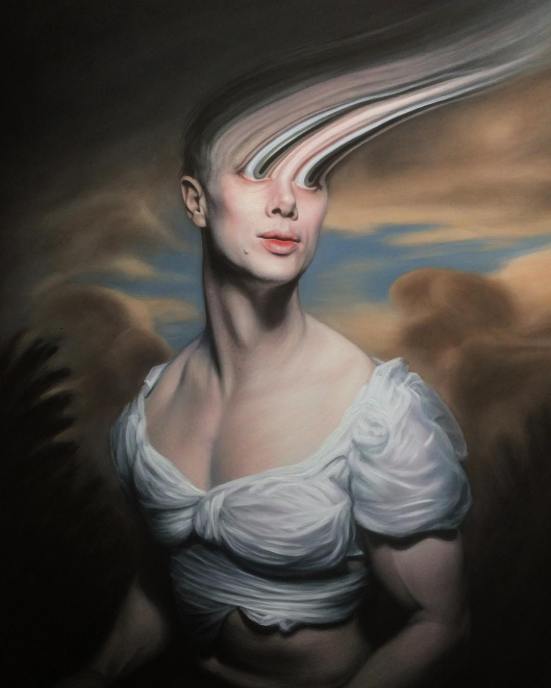
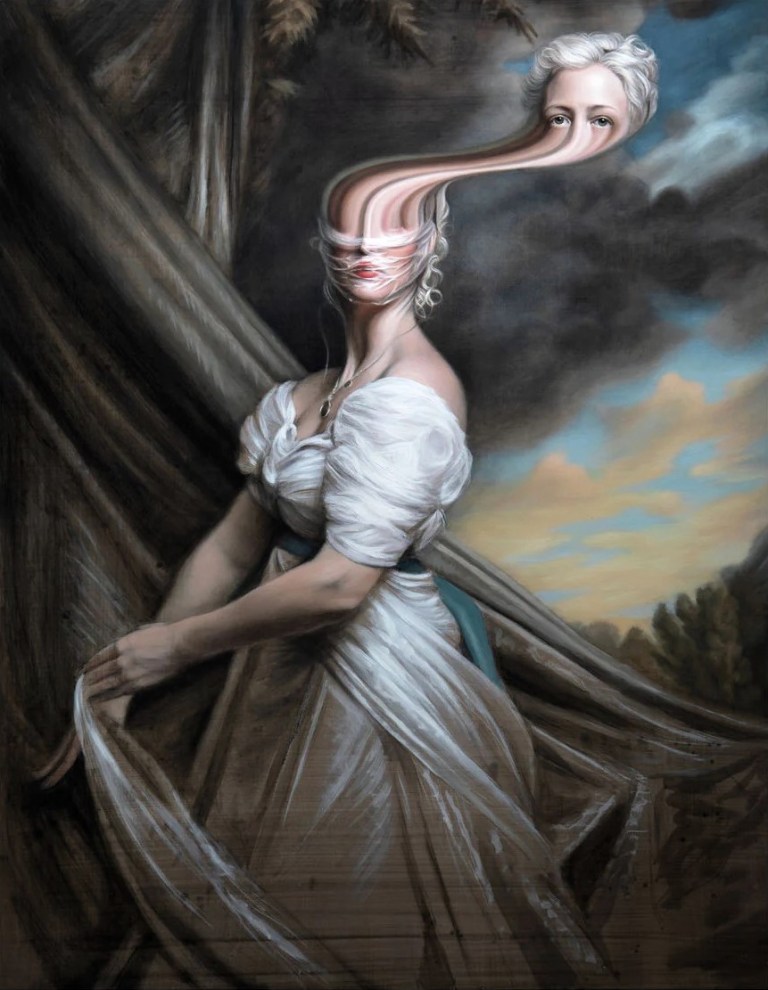
What if a customer wants what you don’t have?
What if a customer doesn’t want what you have?
That’s the excitement and unpredictability of Creativity. To make or not to make. To give away or sell. If you love what you’re doing you’ll always have too much of it sooner or later. I mean, how many knitted scarves or coffee mugs can you hold onto? How many Angel Tears Suncatchers can I hang on my back and front deck before I blind the neighbors?
I find you have to have an easy-going personality to take the highs and lows of salesmanship, along with a belief in your own work and worth. Making something special to share with others is a challenging foray into the Creative World. It’s planning, a bit of accounting, checking out current art and craft trends, and hoping the booth next to you isn’t selling the same thing.
It’s also the thrill of talking to people who stop by and look at your wares. The fun of listening to their stories and sharing yours. It’s the experience of someone saying how beautiful your work is, even if they don’t buy anything. It’s taking this year’s wares and adding new styles and accessories to the pot. It’s dreaming about making a few dollars on something that gave you such joy to make.
If you’ve thought about showing your wares, do it. If you don’t want to go that far, that’s okay too. Make your creative time mean something. To you, to others.
And don’t worry if it takes you a few days to recuperate.
I’ll be happy if I’m back in shape by November…..
Levina Teerlinc (1510 – 1576) was a Flemish Renaissance miniaturist who served as a painter to the English court of Henry VIII, Edward VI, Mary I and Elizabeth I.
Teerlinc played an essential role in the artistic history of the Tudor court, yet she is rarely mentioned compared to other Tudor artists.
Not only was it easy for a woman artist to be overlooked throughout history, but the circumstances surrounding her work made it incredibly hard for art historians to attribute her work correctly.
She was one of the most well-documented artists at court in miniature painting, providing at least eight portraits of Elizabeth I in the years between 1559 and 1575.
Though much of her work is lost, she must have been a highly prominent artist to receive an invitation from the King of England and become one of the highest-paid artists of the English court throughout the reigns of Mary I and Elizabeth I.
Unfortunately, no surviving work has been firmly attributed to Teerlinc. A great deal of effort has gone into identifying surviving miniatures with those described in the New Year’s gift lists, but there are no certainties.
Nonetheless, there is nothing wrong with bringing out the fine art of miniatures in the Tudor dynasty, Teerlinc being one of its largest contributors.
More of Levina Teerlinc’s miniatures and story can be found at https://www.thecollector.com/levina-teerlinc-tudor-woman-artist/ and https://artherstory.net/levina-teerlinc/.
I heard this song the other day — the first time in a long, long time. It sums up the world of Creativity perfectly….

Leave your cares behind come with us and find
The pleasures of a journey to the center of the mind
Come along if you care
Come along if you dare
Take a ride to the land inside of your mind
Beyond the seas of thought beyond the realm of what
Across the streams of hopes and dreams where things are really not
Come along if you care
Come along if you dare
Take a ride to the land inside of your mind
But please realize you’ll probably be surprised
For it’s the land unknown to man
Where fantasy is fact
So if you can, please understand
You might not come back
Come along if you care
Come along if you dare
Take a ride to the land inside and you’ll see
How happy life could be if all of mankind
Would take the time to journey to the center of the mind
Center of the Mind
Journey to the Center of Your Mind
Steve Farmer
Amboy Dukes — 1968
Chris Gryder began his exploration of art by studying architecture.
A sincere and dedicated commitment to the subject led to his acquaintance with artists, methods, and concepts that later became the inspiration for his work in sculpture and clay.
Gryder enrolled in Tulane University’s five-year architecture program at the Architecture School at Tulane, then did graduate work at Rhode Island School of Design.
The most striking aspect of his art making, blossoming during his graduate years, is the atypical process he uses to create vessels.
“Earth forming,” Gryder’s own signature technique, involves carving intricate one-off molds out of an earthen mix of sand and clay. These fragile earthen “form works” last only long enough to cast his clay vessels and tiles.
Over a period of a week, the sand mold dries and begins to dissolve, allowing the clay piece to be excavated and eventually fired.
The technique is uniquely adapted to forming rich bas-relief surfaces, a sort of “dimensional drawing” technique that combines attributes of both image making and sculpture.

The surface is rough, like sand, with peculiar gatherings of hardened sediment tucked into the tight spaces between forms.

“I create sculptural ceramic objects that engage with a deep sense of time and history; a geological time and the time of civilizations,” Gryder shares.

“There is a visceral joy, a complete indulgence in tactile geometric form that evokes a world where wonder still reigns. A place at the edge of the wild.”

More of Chris Gryder’s unique work can be found at https://www.chrisgryder.com/.
There is a lot of horrible, depressing news out there today.
Actually, there’s been horrible, depressing news out there all my life. If it wasn’t the Vietnam it was Gaza. If it wasn’t Chernobyl it was Sandy Hook. If it wasn’t the Manchu Conquest of China it was World War II.
There has always been horrible people in the world, and there will always be horrible people in the the world. No amount of training, upbringing, therapy or cuddling will change that.
But as I watched my grandson’s soccer game Saturday, a different point of view came to mind.
Soccer teams always line up after games and stand in line and put their hands out and walk past the other team, slapping their hands and say “Good Game.” Doesn’t matter if they mean it or not; a loss stings and a win elevates. I watched the two coaches shake hands before and after the game.
Brutal football games usually end with teams mingling with the opposition, shaking a hand or hugging or just passing a nod between them. Last week I watched a car stop in the middle of the road and pick up a turtle that was sloooowly crossing the road and put him on the other side. I read in my local town FB page where somebody was shopping at Walmart and digging for change to fill out her bill and couldn’t find any and the person behind her paid for her groceries.
When I see and hear things like this I know that love is not dead. That for all the nonsense that makes the pages there are hundreds and thousands of good people out there, trying to just get by, making kind gestures and laughing and hugging others for unknown reasons.
I was never in competitive sports, but I don’t ever remember slapping hands with an opposing team and saying “Good Game.” Maybe in a Catholic grade school they said “God Bless.” I doubt it, but it’s a heartening thought.
Don’t be afraid to smile at someone. Tell them good game or that you like their dress or shoes. I often say that to outfits that catch my eye, and the recipient is always surprised and smiling in return. I shout “great shot” when the opposite team scores a goal on us and pick up items that people drop and hand them back to them.
It’s not hard.
And you will definitely leave the world a better place than you found it.
Good Game!!
Henri Matisse (1869 -1954), one of the undisputed masters of 20th century art, was a French artist, known for his use of color and his fluid and original draughtsmanship.
He was a draughtsman, printmaker, and sculptor, but is known primarily as a painter.
Matisse is commonly regarded, along with Pablo Picasso, as one of the artists who best helped to define the revolutionary developments in the visual arts throughout the opening decades of the twentieth century, responsible for significant developments in painting and sculpture.
Painting in the style that came to be known as Fauvism, Matisse continued to emphasize the emotional power of sinuous lines, strong brushwork and acid-bright colors.
Matisse’s work delighted and surprised his viewers with signature elements of saturated colors, flattened pictorial space, limited detail, and strong outlines.
From 1918 to 1930, he most frequently painted female nudes in carefully staged settings within his studio, making use of warm lighting and patterned backgrounds. He also worked extensively in printmaking during these years.
His mastery of the expressive language of color and drawing, displayed in a body of work spanning over a half-century, won him recognition as a leading figure in modern art.
More of Henri Matisse’s famous works can be found at https://www.henrimatisse.org/ and https://www.biography.com/artists/henri-matisse.
Most people try to refocus and realign themselves on a Monday morning, usually after a long weekend of partying, traveling, or soccer games.
I am trying to refocus and realign myself on a Friday.
Good luck.
I have just returned from five days of camping, of which I alluded to in a previous blog (Which Time/Space Continuum Am I In?) Well, now I’m here, it’s Friday, I’ll be proofreading this today, publishing it today, and realigning myself with it today.
It’s funny how, no matter how you spend a smattering of days, you seem to find solace back in doing your crafts. That no matter how crazy your day/week/month has been, you can always find solace and comfort in your Creativity.
You don’t need to sit down and write a novel or cast a piece of pottery. Nor do you need to tackle War and Peace or carve a statue out of wood. All you need sometimes is to lose yourself in what makes you happy. Read an article or sort some beads or doodle some wild crazy drawing. It doesn’t matter how you reconnect, as long as you reconnect.
Of course, reconnecting could also mean talking to someone you’ve been missing, texting a friend, or pulling out an old recipe and cooking it. I love doing all those things, especially when I need to reconnect to the world I love.
For me, though, writing always calls me back. It has for over 30 years. Something about the written word — finding the right written word — makes me realign my chakras and energy bloops and confusing thoughts into one coherent line.
I’m psyched up about bring out more Sunday Evening Art Galleries — I’ve got so many new and odd and beautiful art and artists to showcase. I look forward to reading your blogs and encouraging you whenever I can.
And even if you don’t connect to this outside world often, I look forward to hanging with you on some astral plane somewhere, talking art and food and movies.
I mean, after all, we’re all connected one way or another, right?
Castles are not merely relics of the past; they are enduring symbols of medieval architecture, power, and the social hierarchy that defined an era.
https://www.medieval-castles.org/castles/


Obsessed by a fairy tale, we spend our lives searching for a magic door and a last kingdom of peace.
~ Eugene O’Neil
Last week we talked about AI Art — Artificial Intelligence Art.
Whether we think it is “real” art or not will be debated for some time. Some of it is beautiful and intriguing, combining a plethora of ideas into a single artwork. Other AI Art is more enhancement, toying with an original idea and making it your own.
I wanted to show you some of the AI art my friend John Lemke has created. He is a gifted artist with pen and paper and a camera as well. Creativity starts in the mind first. These pictures are a natural progression and outgrowth of that creativity.


Sometimes I love the way time messes with you.
At this very moment it is Thursday: sun shining, plants digging the weather, cafe jazz music in the background, sitting outside on the deck with my dogs, typing away on my computer sitting on an old glass top table with a cup of coffee nearby.
But when you read this I will be camping up North with some good friends, no Wi Fi on the computer, commuting with nature and a tiny camper and hopefully a Bloody Mary to go with my camping breakfast.
Where am I, really?
If I proofread this once more before I send it, I will have to fix something that was created back in time. Today I’m daydreaming of quiet times and good friends, but when I read this next week my daydreaming of quiet times and good friends will have already happened.
My past will become my present and soon after my future. Which inevitably will become my past.
I believe in trying to make every present moment something to remember. Boring jobs, exciting moments, melancholy memories, all make us who we are and who we will be. We’ll never pass this way again and all that.
I could spend my now time griping about the upcoming Presidential election or my bank account being overdrawn. Just as I could relive the loss of my son or the cat we just put to sleep.
The past can be a creepy place, but it is also a cauldron of future emotions and experiences. The ingredients you add now will make a difference in your future stew.
When I look back I prefer to relive the good times. The loving times. The laughing times. When I look into the future I prefer to anticipate the good times. The loving times. The laughing times.
That’s why it doesn’t matter where you are at any point in the Space/Time Continuum. You are here and there and everywhere. And so is everyone else.
Connect. And revel in that connection.

It is in our nature to explore, to reach out into the unknown. The only true failure would be not to explore at all.
~ Ernest Shackleton
Morton Wayne Thiebaud (1920–2021) was an American painter and printmaker who was perhaps best known for his thickly painted American still lifes of such items as foods and cosmetics.
He enrolled at San Jose State College (now San Jose State University) in 1949 before transferring to Sacramento State College (now California State University, Sacramento), where he earned a bachelor’s degree in 1951 and a master’s degree in 1952.
He is recognized as one of the major American art figures of the second half of the 20th century, although his rich and luminous depictions of midcentury Americana separated him from the classic Pop Art of the time.
Thiebaud is associated with the pop art movement because of his interest in objects of mass culture; his early works were executed during the fifties and sixties, slightly predating the works of classic pop artists.
Thiebaud was more often than not absorbed in traditional problems of painting — how to create depth without sacrificing the two-dimensionality of painting and how objects relate to one another.
Through seemingly simple still lifes, Thiebaud evokes stories of plenty and loss, prompting an emotional response from the viewer that is absent in Pop Art.
His successful paintings were mainly based on food and sweets such as pies, cakes and suckers, which were considered a luxury by him at that time.
The artist worked from life, not from media images, and his engagement was evident in his loose brushstroke, whereas a hard-edge painting style, signifying mechanical reproduction, was preferred by some.
Thiebaud used heavy pigment and exaggerated colors to depict his subjects, and the well-defined shadows characteristic of advertisements were almost always included in his work.
More of Wayne Thiebaud’s enchanting paintings can be found at https://www.wikiart.org/en/wayne-thiebaud and https://www.theartstory.org/artist/thiebaud-wayne/.

Last photograph of the last run of Ladder 118 as it crosses the Brooklyn Bridge. None of the firefighters would survive.

Are you stirring your Creative Pot these days?
How’s that going for you?
I chuckle to myself — for someone who promotes letting your inner creative muse out whenever you turn around, I seem to be slipping and sliding my way through September.
Let me ask you first off — do you feel creative every day?
Those of you whose art is your income, are you pumped up to create every day?
I know one cannot be on a creative high day in and day out. Being stung with the creative bee doesn’t quite work when you’re picking your kids up from school or sitting at a desk working all day.
I have written a few blogs during my bloglife talking about getting hit by my creative muse while driving or falling asleep. That doesn’t work, either. One of my first blogs was about my Irish Muse popping in with ideas at the most inopportune times.
When the high is gone the high is gone. At least for the moment.
And I know we can’t be inspired every time we fold laundry or go grocery shopping. I’d certainly burn out by the time I walked down my 3rd grocery aisle.
I also wonder if this slowdown has anything to do with my age. Grandma Moses started painting in her late seventies after she retired from her farming duties. After the death of her second husband when she was 68 years old, Mary Delany focused on making intricate paper cutouts of plants and flowers to help her cope with the loss. These cutouts were so exquisite that they are now part of the British Museum’s collection.
So age doesn’t necessarily correlate to being creative.
I think that, for me, Creativity still knocks at my door. And continues to knock until I at least open it. Then it’s up to me whether or not I want to let it in or ask it to come back next week.
Pay attention to those bursts of light and inspiration when they hit you. If you can’t act on what you think is a great idea, write it down. You’ll come back to it. No matter how busy you are or how alone you are, Creativity will fine you and inspire you.
I mean, look — I just got inspiration for two new art galleries!
Nik Ramage is a contemporary kinetic artist from the United Kingdom.
Through an melding of arbitrary objects, Ramage creates surrealistic machines that have little plausible use.
Some works of art are hard for us to comprehend, yet Ramage’s collages of materials beckon us to stay a while and wonder.
With a professional background in graphic design, Ramage describes himself as a lifelong tinkerer, and is self-taught in machine mechanics and soldering.
He sources objects for his sculptures from junk stores and street sales, keeping new parts to a minimum.
Each work embraces paradox and absurdity; they seem absurd with their eccentricity and quirks, but they run by their own rational logic.
Strange and almost believable, Rampage creates objects you can almost see working.
More of Nik Ramage‘s oddly amazing works can be found at https://nikramage.com/.
I don’t usually repost memes/pictures/whatevers from my Facebook account, but I read this the other day and I thought, “Hey! That’s ME!”
No matter what your age, it might be you too!

Ukrainian artists Andriy and Olesya Voznicki create voluminous ceramic vessels and sculptures.
Forced to recently flee their home in Ukraine and relocate to the Netherlands, the Voznickis began to create ceramic pieces using locally-sourced materials.
Based in Amsterdam, the duo draw inspiration from natural phenomena like the changing seasons, patinas and aging, and elements like fire or earth.
Their focus is heavily on experiments combining ceramics with wood and coal.
The pieces mirror the shapes and textures of boulders or lava rock, suggesting both beauty and resiliency and influenced by a concept called bionic design, which mimics characteristics and adaptations in nature.
The hallmark of these creations lies in their texture, roughness, cracks, and irregularities, embodying a deep appreciation for the natural process of expression.
The anomalies that emerge during creation are welcomed, imbuing the work with a unique charm, untamed beauty, and singular character. Rather than increasing production volumes, we aim to make each product as individual as possible.
More of Andriy and Olesya Voznicki’s wonderfully unique sculptures can be found at https://naturaceramica.com/ and Homo Faber.

There’s a roots nature to Appalachia – the origins of folk and bluegrass. I know guys there who are some of the best players I’ve ever heard but are playing on their porch tonight because they’ve never chased success. There’s simplicity to how they live and what they care about.
~ Eric Church
This past weekend I got into (albeit short) conversation with my artist friend John about artificial intelligence art. He is a graphic artist by trade, but his talents burst through pen and ink drawings and nature photography as well.
He posted a number of AI pieces of art on his Facebook account, and I thought they were amazingly creative. Something I could post in my Art Gallery. He told me he had hundreds of other creations; that he has so much fun creating his images but it’s not art. Or should I say Art.
So I wandered through the wilds of the Internet and asked, “Is AI Art Really Art?”
As many answers as questions, it seems.
Tech Target defined AI as, “AI art (artificial intelligence art) is any form of digital art created or enhanced with AI tools. Though commonly associated with visual art — images and video, for example — the term AI art also applies to audio compositions, including music. AI art allows anyone to create works or even entire collections of art, but in a small fraction of the time non-AI methods afford. In addition, AI art can create visual or audio compositions that would be difficult to create otherwise. With text-to-image generative AI tools, such as Dall-E or Stable Diffusion, humans no longer need to attempt to draw the image they want; they simply type a text prompt into the tool, which generates the desired imagery.”
I got mental brain freeze by then, so I stepped back and wondered in my own off-center way.
Is Artificial Intelligence Art really art? Does AI need a creator to make it create? Or do you set the computer to “create” and see what it comes up with? Does working with pre-programmed programs help the artist who can’t quite draw a circle or an alien? Does the computer shade and gradate and use algorithms to create one-of-a-kind treasures?
Wikipedia says, “AI art is created when an artist or creator inputs prompts into AI art generators. Trained on large amounts of data and coded by algorithms (large language models), these generators process the request and produce an image or video.”
Do you need a human hand to choose those gradations and shades of color and shape? And if you don’t, can you still call their creations “art”?
I am from the simple side of town. I appreciate art that I can see and hear and feel. To me art is trial and error, a hands-on adventure, a physical excursion into clay and yarn and oils and guitars and voices. It’s using your own physical attributes to create uniqueness, not a machine.
Yet those who do AI art are creative, albeit in a different medium. They push the buttons and pick the subject matter and create the shapes and colors and programs to create the vision they have in their minds. They not only have the technical prowess of computer programming but the fourth dimensional trait of Creativity.
So I leave this blog as confused as I was when I started it. I know what I like. I know what styles and colors and subjects and music I like. I enjoy reading about the history and trials and tribulations artists have gone through to find the perfection they seek.
But I also really like John’s AI images.
Let me know if you think AI-created pictures are real art.
I also want you to enjoy John’s creations? You can find his pen and ink art at https://sundayeveningartgallery.com/2015/08/02/john-lemke/, his photography at https://sundayeveningartgallery.com/2021/12/24/john-lemke-2/ and his AI creations at Visual Edge AI – Mystical, Eerie, Art, Fantasy, Sci-fi, magical reality.


George Inness (1825 -1894) was an American painter known especially for the luminous, atmospheric quality of his late landscapes.
His work was influenced by that of the old masters, the Hudson River school, the Barbizon school, and, finally, by the theology of Emanuel Swedenborg, whose spiritualism found vivid expression in the work of Inness’ maturity.
Often called “the father of American landscape painting,” Inness is best known for these mature works that not only exemplified the Tonalist movement but also displayed an original and uniquely American style.
Inness’ landscape paintings offer a cultural space as much as a natural space.
The vogue in nineteenth-century American painting was for vast canvases in which all human activity was excised from the scene to suggest an untamed wilderness.
But Inness was more concerned with expressing the interaction of humankind with the landscapes which they made their own.
In this sense, his paintings represent a uniquely optimistic view of social progress in the nineteenth century, which might bring about a new era of harmony between humanity and nature.
More of George Inness’ landscapes can be found at https://www.theartstory.org/artist/inness-george/ and https://www.wikiart.org/en/george-inness/.

The true use of art is, first, to cultivate the artist’s own spiritual nature.
~ George Inness
I always have more unique artists stirring around in my Creativity Pot than I have time to post them.
Sad to say, I don’t have an egg yolk on a green circle yet. But I’m looking.
Today I want to show off a few upcoming artists that fit my version of “UNIQUE ART.”


Fun times a’coming! Come Along!
P.S. Guess what I just found???
The HOT weather in the Midwest has been taking its toll on my brain functions lately. I can’t imagine how those of you south and west and even east of me are handling your version of Easy Bake Oven City. It seems my reasoning abilities are half melted, along with my response and self-adjustment buttons.
I learned quite a while ago not to complain when the thermometer tips at mid 90s, as six months from now I might suffer payback in the form of two feet of snow or temperatures at the zero degree mark. I have learned to cope with the fluctuations of the weather, along with the fluctuations of weight, allergies, cicadas, weather, tomato plant output, and friendships.
How does friendship fit into all the other confusing pressures?
Lately it seems like a lot of those around me have wrapped a chained link fence around them, locked the gate, and hung up a “stay” away sign. They can look out at the world, but the world had a hard time looking in. The reasons for these fences are their own; stress and pain and depression and confusion hits us all differently. I usually have no problems with this open-weave fence, as I have wrapped one around me now and then too.
Rachel Wright is a textile artist based in Buckinghamshire, England.
Wright studied fashion and textiles at Birmingham City University, graduating with both a Bachelors and Masters degree.
Wright’s main focus is embroidery, taking inspiration from landscapes and cityscapes, along with having a particular love of the sea, harbor towns, boats and lighthouses.
The shapes, colors and details from these inspirations are then borrowed and echoed in delicately hand or machine embroidered fabric collages using vibrant threads that are worked onto papers and fabrics.
Her art work stands out because of her striking use of rich color which captivates and draws the viewer in and delights the eye.
“I describe my art as textile art and machine embroidery, but there are many different descriptions these days which seem to fit the bill too,” Wright shares.
“Other people call it free motion embroidery, quilt art, and thread painting, but I’ve never felt really comfortable with these descriptions.”
“My technique is basically my way of painting except I’m using fabrics as my palette, the needle as my brush, and the threads as my mark making.”
More of Rachel Wright’s amazing needlework can be found at https://rachelwright.com/ and https://www.instagram.com/RachelSetford/.
Strike a Pose …. Vogue …. Madonna
I cant see me lovin’ nobody but you for all my life …. Happy Together …. The Turtles
They just wanna .. they just wanna …. Girls Just Want To Have Fun …. Cyndi Lauper
Crack that Whip …. Whip It …. Devo
She got her daddy’s car and she cruised to the hamburger stand, now …. Fun Fun Fun …. Beach Boys
No, today’s not a backwards look at pop music goldies (although that’s what I’m listening to at the moment). Sooner or later I’m going to forget blog titles like Remember These #385 and Weird Question Thursdays #6 … so whenever I get inspired I’ll just type the basics.
Today’s basics are look backs at fun blogs of the past. Ready for a zip ride?


Do you remember .. The twenty-first night of September? …. September …. Earth, Wind and Fire
HAVE FUN!
Josie Keefe and Phyllis Ma, artists that collaborate under the name Lazy Mom, have turned playing with their food into an art.

Keefe and Ma are Columbia graduates who work in what Keefe termed “obsessive arranging of objects.”

Keefe works as a prop stylist and Ma as a window dresser, and the two began their partnership as a series of whimsical fruit-related photos to be printed in a Zine.

But after publishing, Keefe and Ma found that they had more exploring to do with food and photography.

The moniker and the body of work of Lazy Mom is based on an imaginary mother who spends her time obsessive-compulsively arranging groceries instead of preparing meals for her family. Their work explores the simplicity and complexity of modern food, which can be anything.

At its core, Lazy Mom is about this social expectation that has been deeply ingrained into human society for centuries.

“You can also say that it’s beneficial first and foremost for mom, because she has taken the role expected of her, and reversed it in a way so that she’s the one in control,” Ma explains.

“She’s cooking and preparing food the way she wants. In that sense, Lazy Mom is feminist project moonlighting as food photography.”

More about Lazy Mom and their artists Josie Keefe and Phyllis Ma can be found at https://www.instagram.com/lazy/ and https://lvl3official.com/lazy-mom/.
You always hear about people who pay for coffee or breakfast or groceries for the person in line behind them. They are an inspiration to those of us who don’t often directly do things like that.
Yet every year I manage to do almost the same.
This past weekend was Milwaukee’s IrishFest — a 3-1/2 day festival of Irish music, traditions, and green shirts.
I usually buy the BOGO-on-St.-Patrick’s-Day tickets — buy one, get one free. I often buy too many tickets, often because it’s March and the middle of August is a long way away.
This time I had two extra tickets, and, as I have in past years, I look for someone standing in the purchasing tickets line and give them my extras. This year it was all electronic, so I spotted a confused-looking older duo asking Security which line they were supposed to go in to buy tickets, and pulled them right over and into line with us.
Two happy entrances later, they were elated. Wanted to buy us a beer or a soda; anything to show their appreciation. And when I said no, not necessary, my best friend standing next to me told them, “Just pay it forward.”
Four simple words.
Who knows what they did after we parted ways. Hopefully hid from the rain and had a beer or a Reuben roll and enjoyed several of the musical stages open to us. I just hope they find an opportunity one day to Pay It Forward.
It’s such a small thing. You didn’t save the world or save a life. You made someone smile in the here and now.
And that’s such a wonderful feeling.
Try it some time. Make the world smile.

Football is like life – it requires perseverance, self-denial, hard work, sacrifice, dedication and respect for authority.
~ Vince Lombardi
Kitty Shepherd (1960-) is an internationally recognized British studio potter and ceramic artist known for her bold use of color with slip (liquid clay mixture that has been tinted with metal oxides to create vibrant colors).

Her studios located in Granada, Spain, Shepherd describes the natural world and popular iconography in a way that is totally unique in the ceramic discipline.

Fueled by a global culture, Shepherd is increasingly focused on the tracking down of things and on the attachment of emotions to these objects.

Within her discipline she has become a collector of all kinds of objects and material.

Her ideas come to life in her work to form interesting connections between familiar iconic images.

The result is a form of art as play, involving the reframing of objects within a world of attention and manipulation of context; a context standing in a metaphorical relation to the world of everyday life. 
“I believe that many of the objects we are attracted to today have been with us all of our lives,” Shepherd shares.

“I continually ask myself what are my favorite things and also the following questions: Why these objects? What power do they hold for me? What meaning? What memories do they conjure up? What emotions? And most importantly, what stories do I tell myself about them and through them?”

More of Kitty Shepherd’s delightful and beautiful ceramics can be found at https://www.studioslipware.com/ceramics/.

The future belongs to those who believe in the beauty of their dreams.
~ Eleanor Roosevelt
Bubun (means “part” in Japanese) is a jewelry-making duo of Megumi Jin and Nobuyuki Jin, based in Japan.
Fascinated by glass as a student, Megumi studied glass coldwork and kiln work at Tama Art University, where she created objects and jewelry.
Megumi joined Nobuyuki Jin, who had a background in design, in 2016 to create memorable glass jewelry.
The couple craft their jewelry from Borosilicate glass that has been made for commercial use — plate glass, glass rods and glass pipes made in Japan, Germany and China.
They cut and shape the glass, working the glass at a very low temperature, then wrap a clear thread around each piece and sew those pieces together.
They share a mutual sense of beauty, believing jewelry should become part of a person, both in the physical and spiritual sense.
“Over the years, I have come to feel that glass is a medium that can express an inner feeling that is difficult to express in words alone,” Megumi notes.
“It’s not a standard material for jewelry, and compared to precious metals and precious stones, the material itself has little value. But its value is created by the intensity of expression of its concept, shape, technique and handwork.”
More of of Megumi and Nobuyuki Jin’s glass work can be found at https://bubun.stores.jp/ and https://www.instagram.com/bubun.works/
As a blogger, do you feel like you need to blog every day?
Believe it or not, that’s not always an easy question to answer.
I have read a number of blogs who faithfully post every day. My friend Ann does a marvelous job of filling her daily blog The Year(s) of Living Non-Judgmentally with pictures, videos, and interesting and fun commentaries on all kinds of daily life. My friend Ivor at Ivor.Plumber/Poet is another almost-if-not-every-day poet who shares the amazing beauty of the poetic word and world.
Then there’s blogs I follow where they contribute to the creative world a number of times a week. Purplerays from Udo is an inspirational, bright blog that highlights many spiritual and cosmic truths all the time. Michelle at My Inspired Life is also a frequent blogger whose poetry and images always make you feel magical.

There are also those who blog several times a day. They are avid writers and readers and love to share their discoveries with their followers. Georgiann at Rethinking Life shares the best pictures and poetry and thoughts several times as day, and her readers love it. Denise Sierra at Rainbow Wave of Life is a wonderful source of inspiration from both the spiritual and physical realm, and she manages to post these transcriptions a couple of times a day.
So after all these examples and affirmations and accolades I swirl back to my own blog. Sometimes I post every day, other times I let a day or two drift by before I think I have anything Creative to say.
I feel guilty not posting all the time, yet I can’t imagine anyone reading everything I write and post every day. My followers may reflect much interest, yet my site visits and comments do not reflect that. I am envious of those I follow who have thousands of followers; I am envious of those just starting out with something fresh and new and have only a few.
I know I spend too much time emoting about things that aren’t really a big deal in this world. And I know writers write because they really enjoy what they do. Like any creative artist, professional or not, we create because we love to create.
But how do we know what we do is still interesting? Are we doing the same kind of art that we did 10 years ago? Saying the same thing? Painting the same designs? Are we stuck in a comfortable (and for some, successful) rut?
Or are we evolving in our creative endeavors? Trying to be different than we were the other day? Last week? Last year?
And really — is there anything wrong with being in that comfortable rut?
Think I’ll continue to stir that Creative Art Pot for a while and adjust accordingly. Whatever’s in there is smelling good!
Are you still stirring your pot?
Sunkoo Yuh is a Korean ceramics sculpture artist who resides in Athens, Georgia.
Yuh received his BFA degree from Hong Ik University, Seoul, Korea and his MFA degree from the New York State College of Ceramics in Alfred, NY.
The artist’s process is a painstaking one. Intuitive pen-and-ink drawings form the basis of his lively narratives and the ongoing dialogue he has with his day-to-day life.
He then moves to the process of rendering them three-dimensionally in clay, applying vibrant, multi-layered glazes reminiscent of historical T’ang pottery.
Yuh records these impressions of his personal and intimate experiences in everyday life as spontaneous yet intricate ink and brush works.
His selected two-dimensional compositions are then represented and re-contextualized into conceptual and three-dimensional forms.
More of Sunkoo Yuh‘s amazing sculptures can be found at https://www.thenevicaproject.com/sunkoo-yuh