Nikitha Yelchuru is a San Jose-based artist who crafts jewelry and sculptural objects through a unique technique called quilling—rolling, shaping, and gluing strips of paper into decorative designs.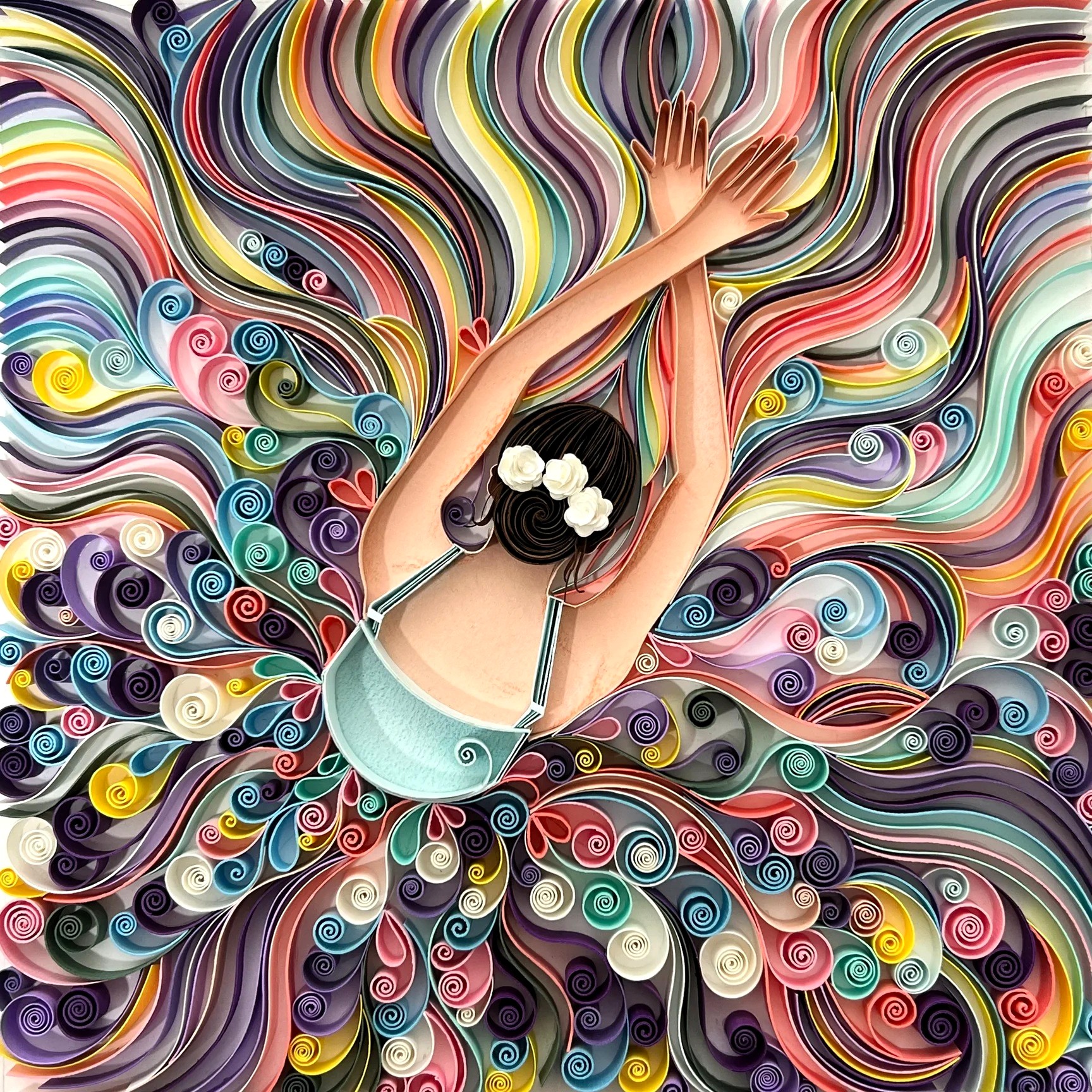 Originally from India and now based in the U.S., Yelchuru blends traditional techniques with modern aesthetics, often collaborating with illustrators to add depth and emotion to her work.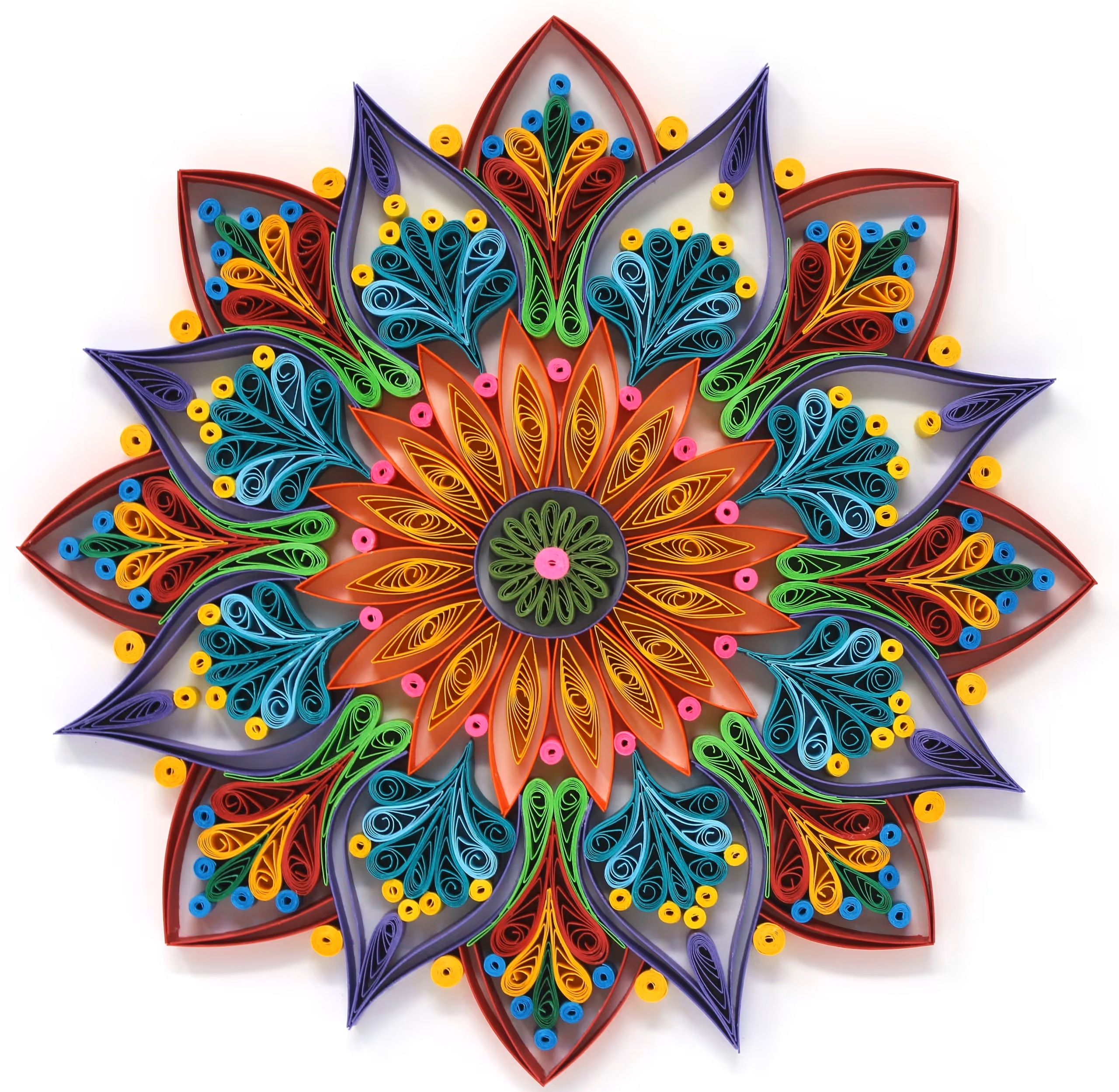
Using the ancient art form of quilling, Yelchuru transform strips of paper into intricate, vibrant compositions that tell meaningful stories.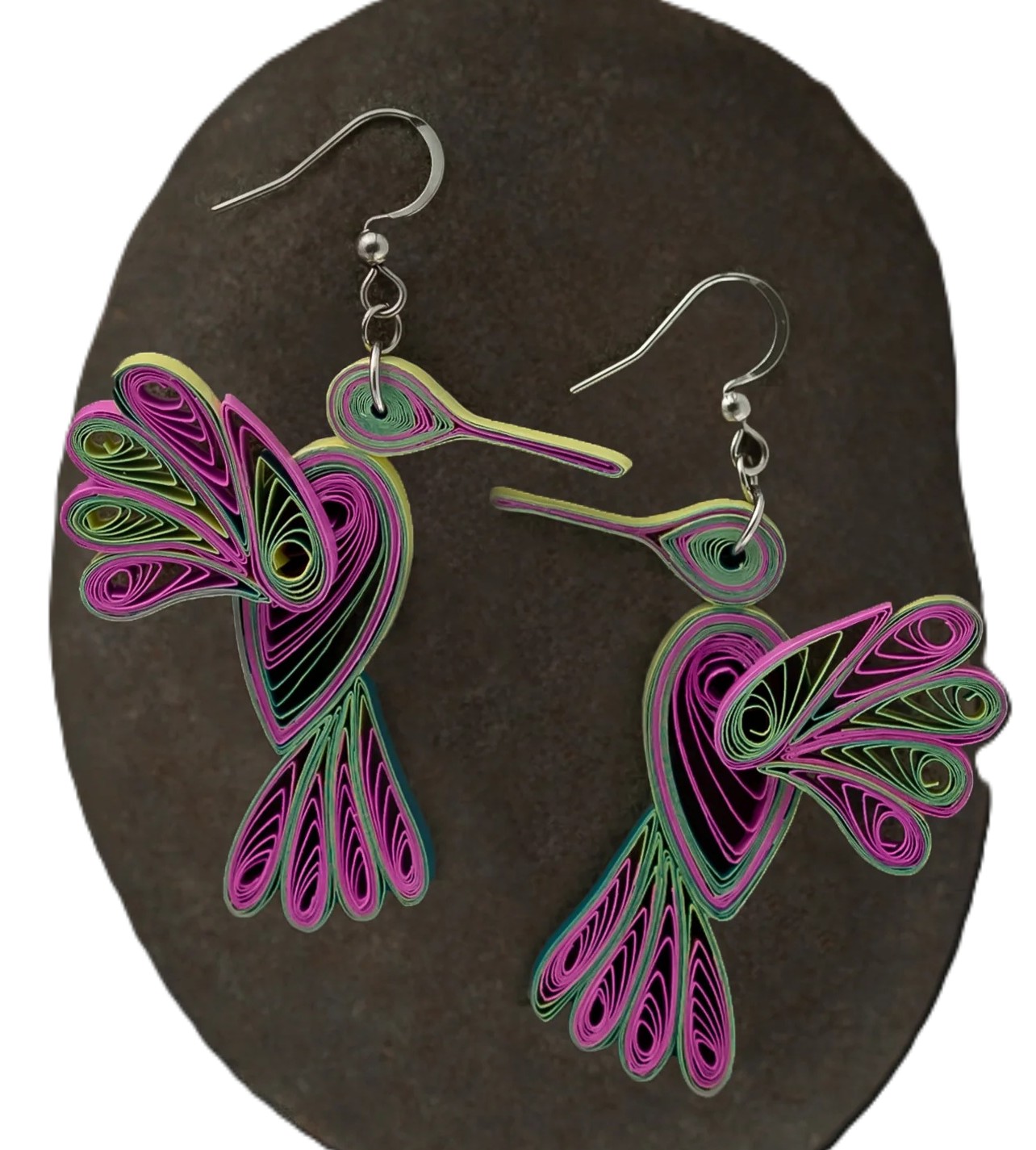 Each of her works begins as an observational sketch, inspired by her everyday life and the natural world.
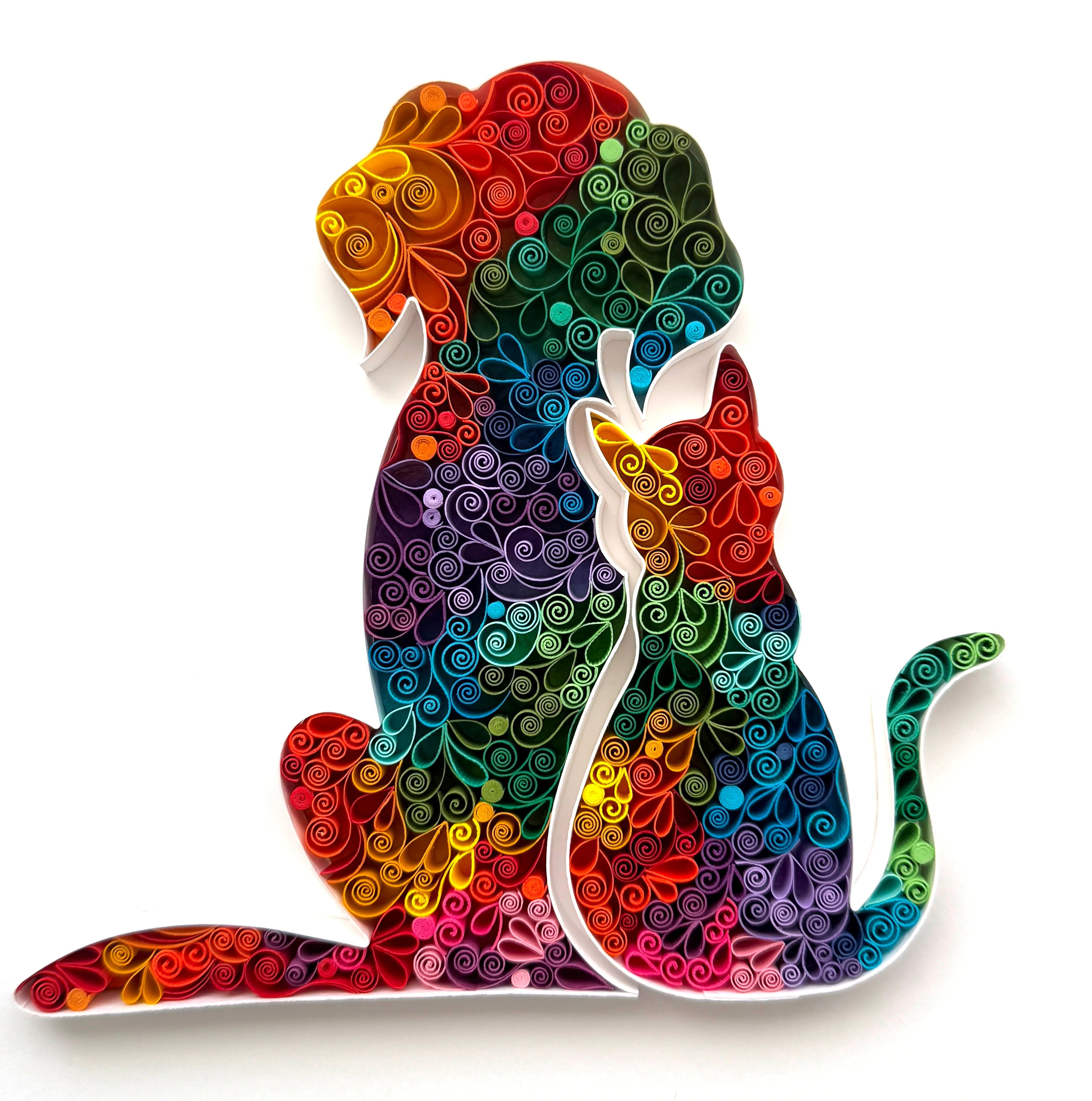 Using these sketches as a jumping-off point, Yelchuru quills paper objects by making intuitive associations and finding formal parallels.
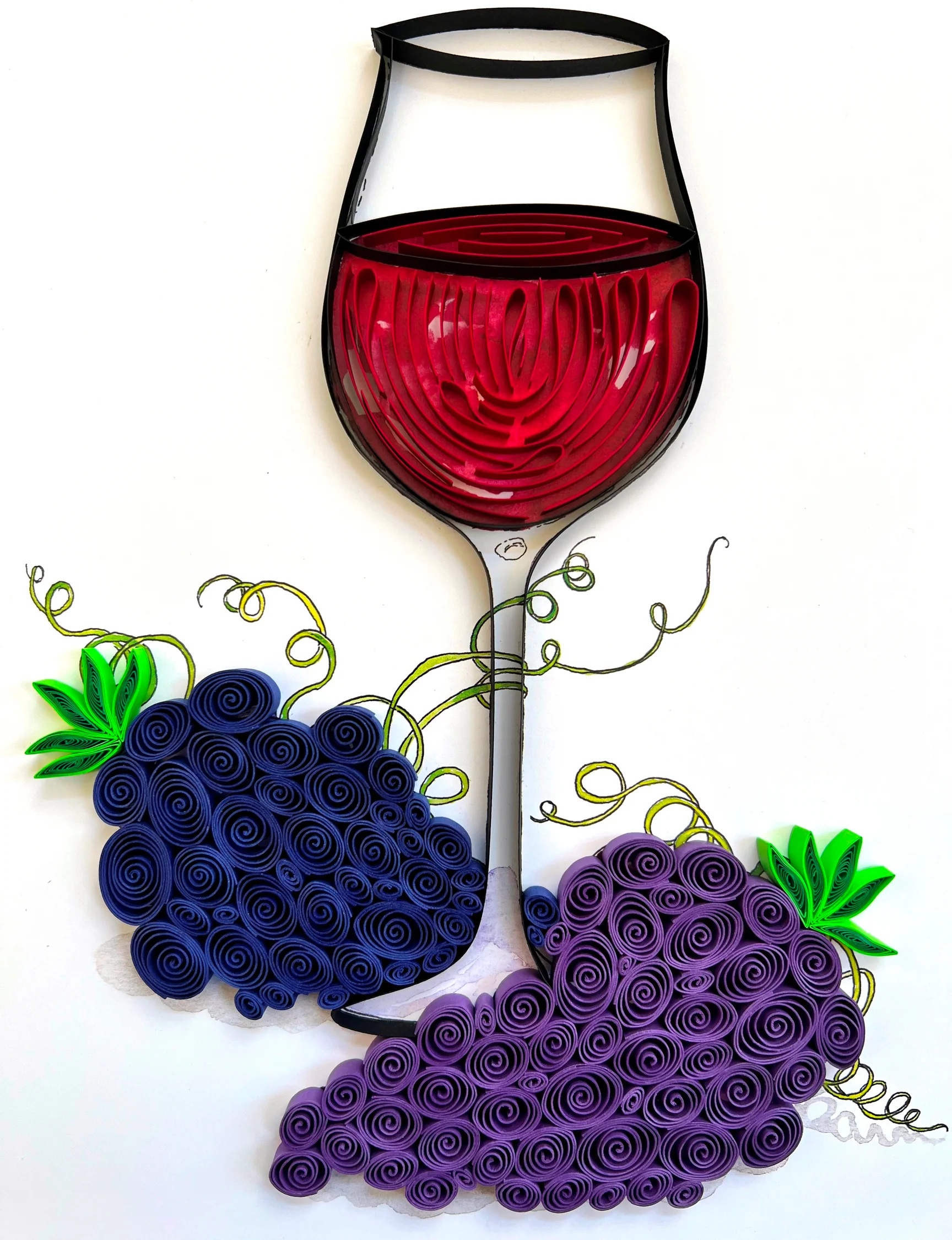 She uses the character, shape, and color she sees to articulate the poetic meaning in everyday life and translate positive energy into spontaneously constructed forms.
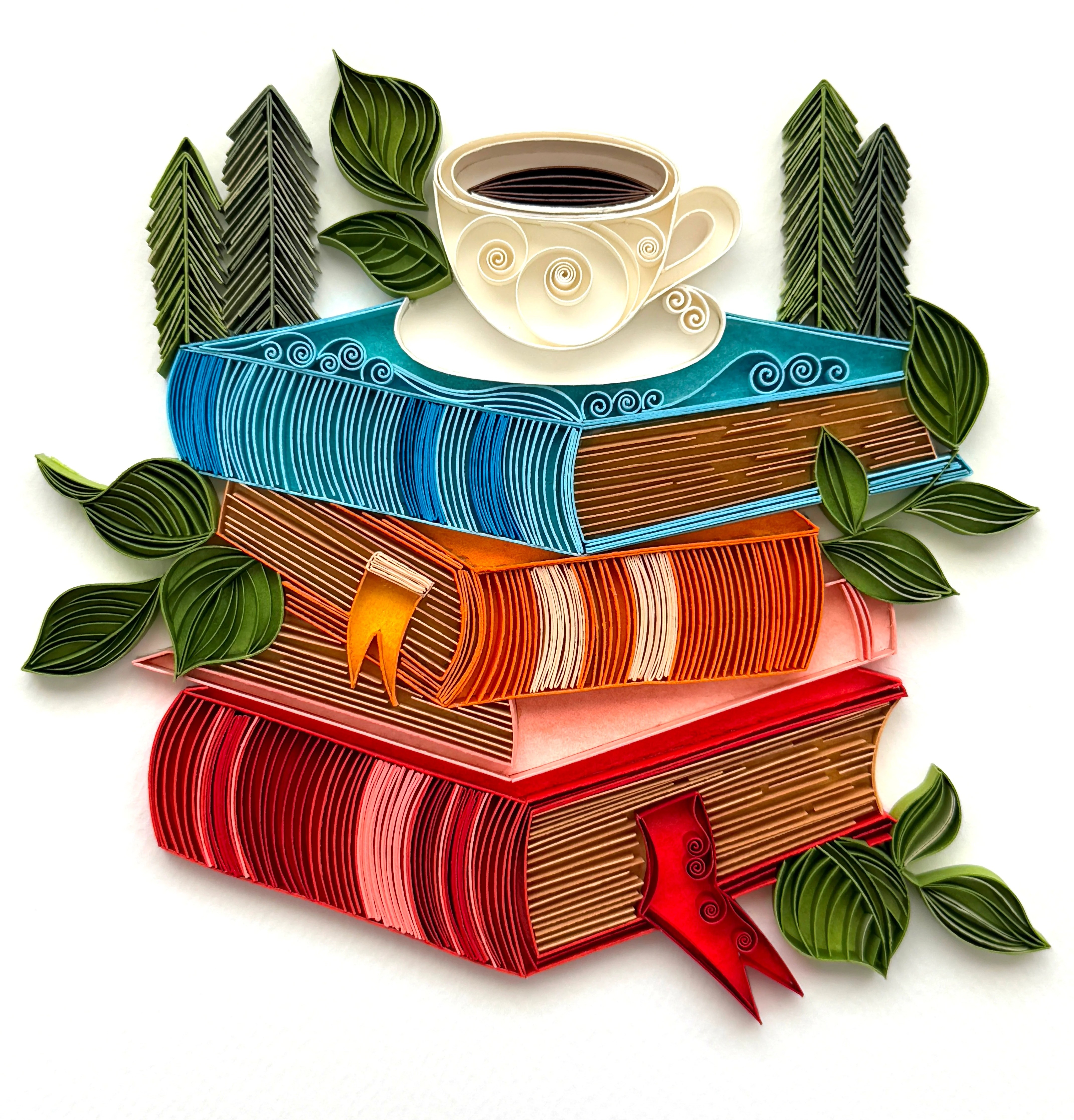 Her delicate hand-made pieces bear witness to her commitment to excellent craftsmanship.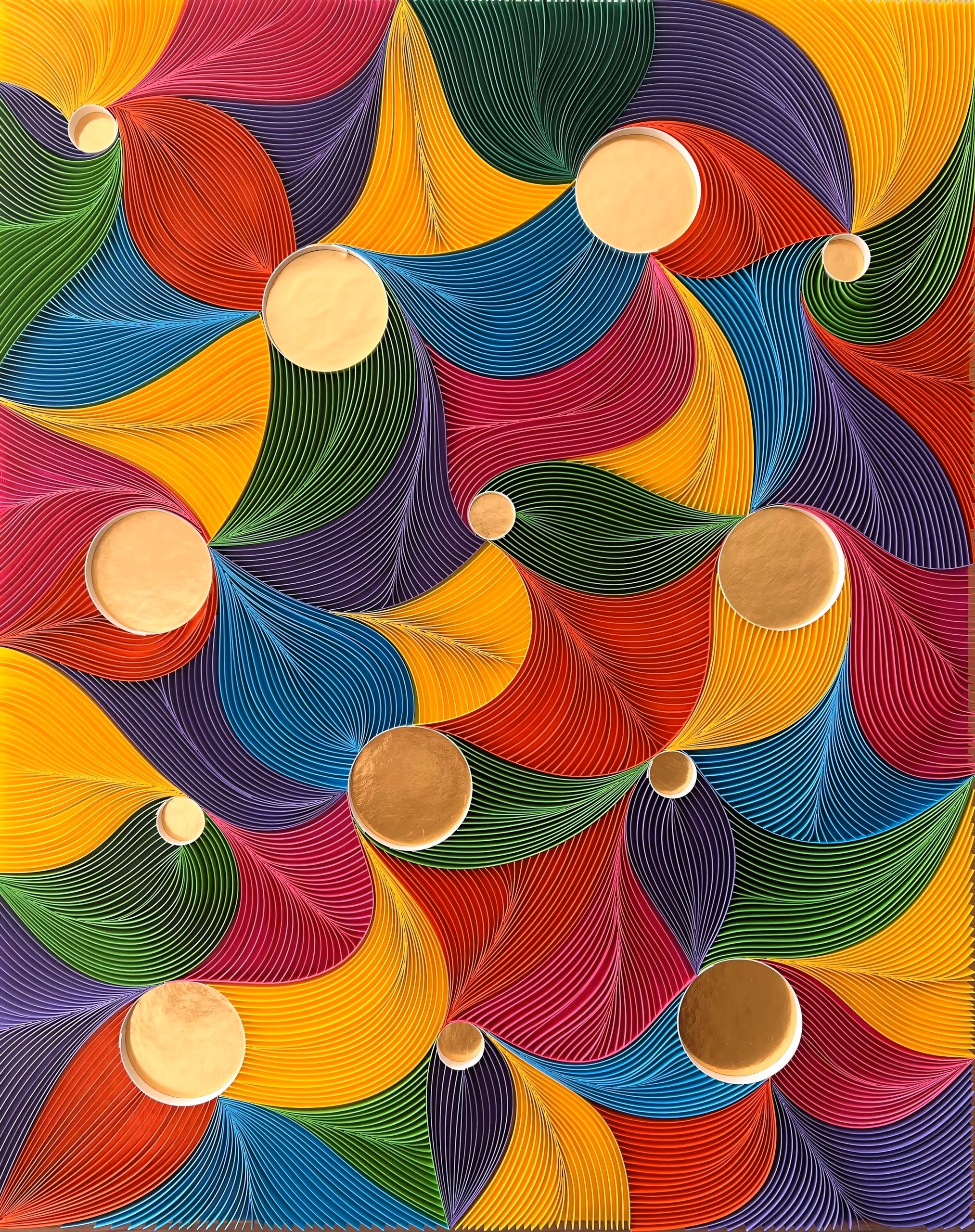
More of Nikitha Yelchuru’s marvelous craftmanship can be found at https://papersweetly.com/
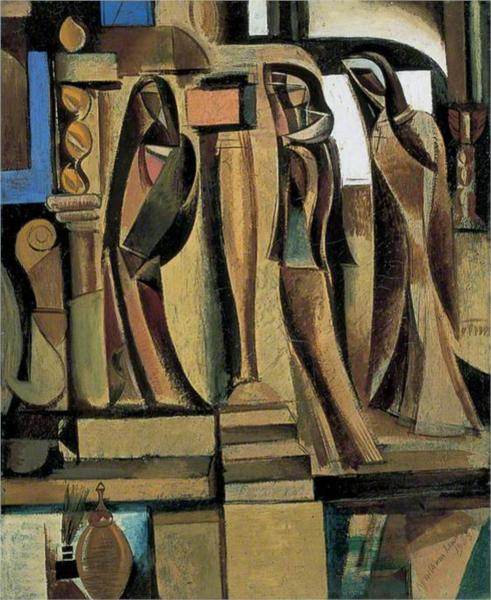



 Humoring the Goddess