Antonio del Pollaiuolo (1429/1433 –1498), was born in Florence around 1431, a city that was not only a hub of commerce but also a crucible of artistic innovation during the early Renaissance.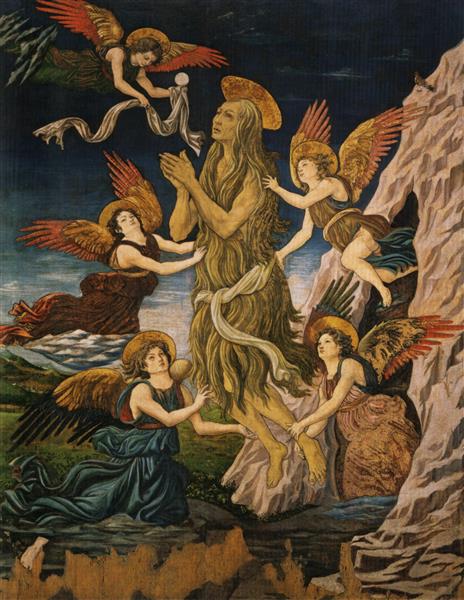 The exact details of his early life remain somewhat obscure, but it is widely believed that he was the son of a goldsmith, which likely exposed him to the intricacies of craftsmanship from a young age.
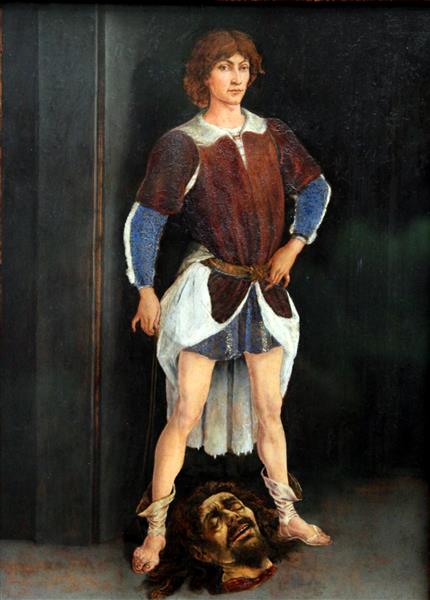 Pollaiuolo’s commitment to understanding the human form would later set him apart from many of his contemporaries.
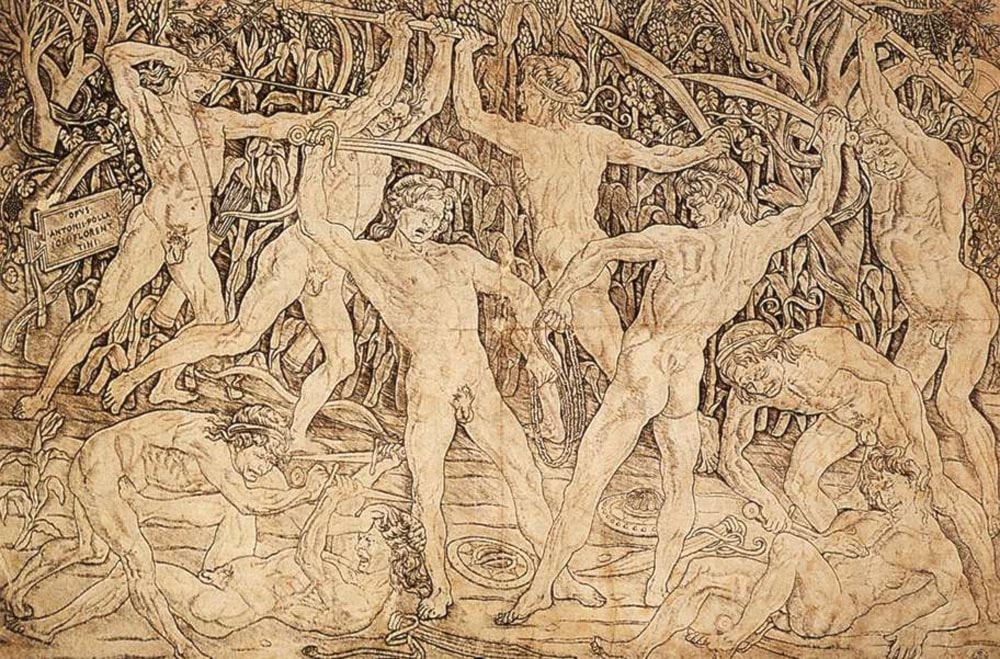 This rigorous training laid the groundwork for his future innovations in both painting and sculpture.
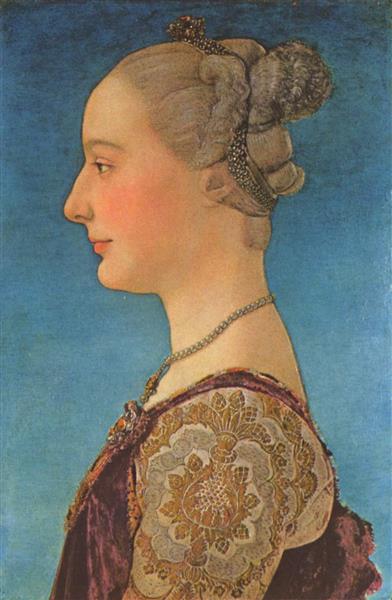 Pollaiuolo was particularly adept at capturing the human figure in action, which was a significant departure from the more static representations that had dominated earlier periods.
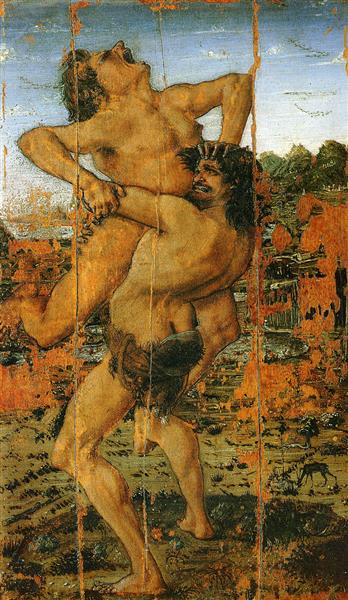 His most characteristic works in his main media show largely naked male figures in complicated poses of violent action, drawing from classical examples and often centered on a heroic Hercules.
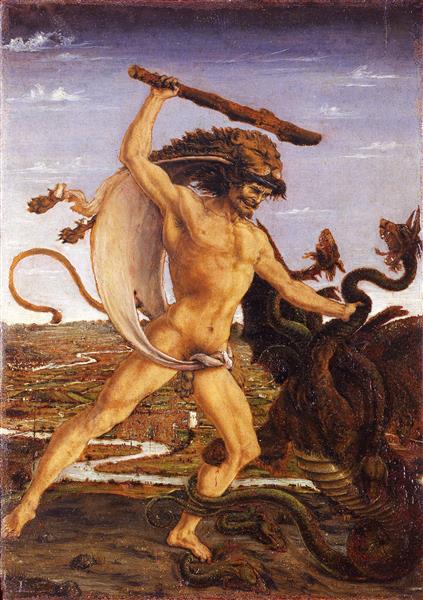 He very often worked in collaboration with his younger brother Piero del Pollaiuolo (1443–1496), and distinguishing their contributions to satisfy modern ideas of authorship has proved exceptionally difficult, so that even though many paintings are just described as by the Pollaiuolo brothers, I took the liberty of assigning them to the main artist.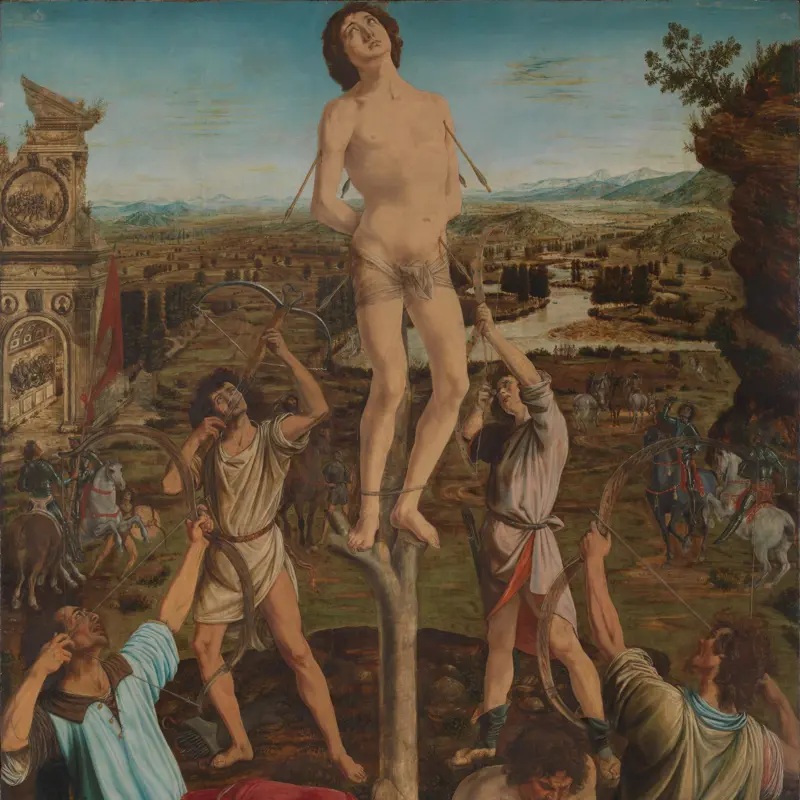
More of Antonio del Pollaiuolo’s paintings can be found at https://www.wikiart.org/en/antonio-del-pollaiolo and https://thinkofart.com/an-in-depth-guide-to-the-artist-antonio-del-pollaiuolo/.









 Humoring the Goddess


