Gustav Klimt (1862-1918) was the leading figure of the so-called Vienna Secession, an art movement that rebelled against the established art concepts and introduced a new style similar to Art Nouveau.
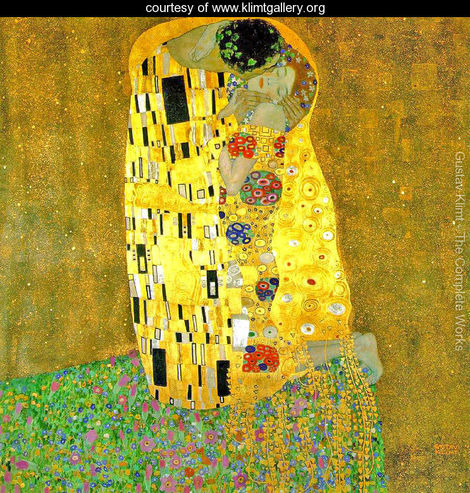
To bring more abstract and purer forms to the designs of buildings and furniture, glass and metalwork, the group gave birth to another form of modernism in the visual arts and they named their own new movement: Secession.

Klimt was seen as an artist who was far ahead of his time.
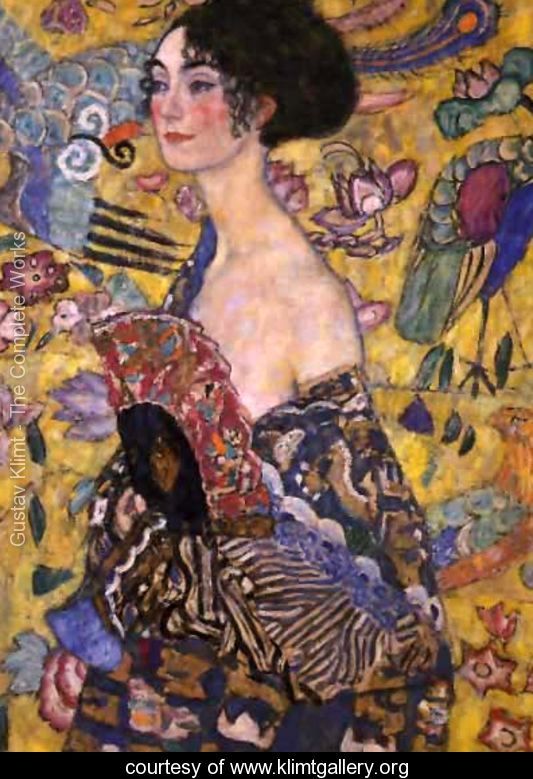
Much of the work that was produced during the Austrian born artist’s career, however, was seen as controversial.

Although symbolism was used in many of his art forms, it was not at all subtle, and it went far beyond what the imagination during the time frame accepted.
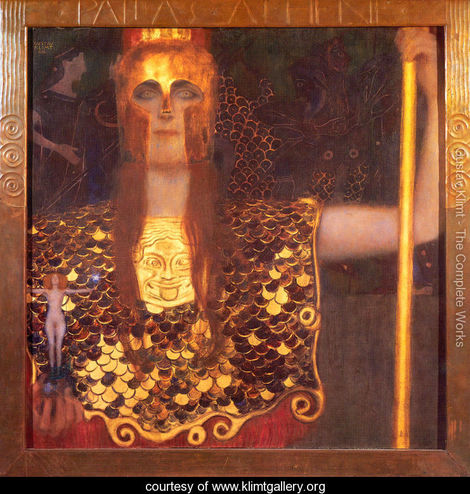
Klimt’s primary subject was the female body, and his works bordered on eroticism.
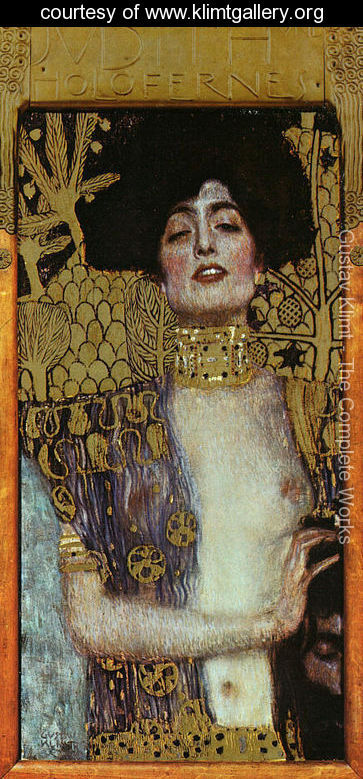
Although his work was not widely accepted during his time, some of the pieces that Gustav Klimt did create during his career are today seen as some of the most important and influential pieces to come out of Austria.

More of Gustav Klimt’s work can be found at http://www.klimtgallery.org and http://www.gustav-klimt.com.




 Humoring the Goddess