The horrors of these days make the world seem insane, issues and motives and reasoning lost in the zeal of the moment. And we, as living, breathing individuals can do nothing to stop the madness. We are beyond prayers.
Croning My Way Through Life

Sitting here this evening, listening to Danse Macabre by Camille Saint-Saëns (you must listen to the entire danse if you haven’t already), thinking about Halloween coming up, thinking of all the boring scary movies I’ve tried to watch, and I wonder — what are you afraid of?
I don’t mean DEATH or Dismemberment or Alzheimer’s — those topics are scary on the sunniest of days. Or blood and guts. That’s a given.
I mean spooky-wise. Creepy-wise.
As I’ve told you before, I live on 14 acres, some of which are natural fields, a spot in the middle that is cleared, then woods in the back. There is a trail that goes through the woods to the back gate/fence. It is a beautiful walk in the daylight … it’s safe and not very long.
I will not walk that path down to the gate at night.
During the day it looks like Ireland. At night it looks like the Haunted Woods From Hell. There’s no telling who or what is hiding right off the side of the trail. Uh huh, no way. Nope.
I also am afraid of spiders. Not really afraid — just creeped out. It is 1/1000 my size, and I scream when one crawls on me. Flingomatic — I don’t kill them, but I do have one hell of a flicker finger or stand-up-and-shake move. They are nature’s helpers. They spin awesome webs. An artist couldn’t do better. Just not on my person.
I also don’t like walking around in the dark. The dark is atmospheric. Comforting. Quiet. Maybe it’s just that I can’t see well at night. More likely it’s that I watch too many scary movies. Just tonight I watched the second chapter of The Haunting of Bly Manor, and the au pair is playing hide and seek in a huge mansion with two creepy little kids — in the dark.
Are they fudging nuts?
Despite the fact that this is supposed to be a spooky, haunted series, who in their right mind plays hide and seek in the dark in a big, huge house? Especially one that has a wing that no one is supposed to go into? I wouldn’t like to play hide and seek in my own house in the dark.
On a lighter, spooky note, I am fascinated by creepy art and artists. Not ones who show ripped open insides and mangled bodies. Ick. I mean artists who really know what scares us. Anton Seminov instantly comes to mind. Delightfully creepy. The abandoned places photography of Christian Richter are haunting as well. Or how about the weirdness of Colin Batty? His “postcards” are enough to give anyone nightmares.
I don’t mean to get you thinking about scary things before you go to bed. Do check out the artists in my Gallery, and feel free to share new ones I can add.
But, for real.
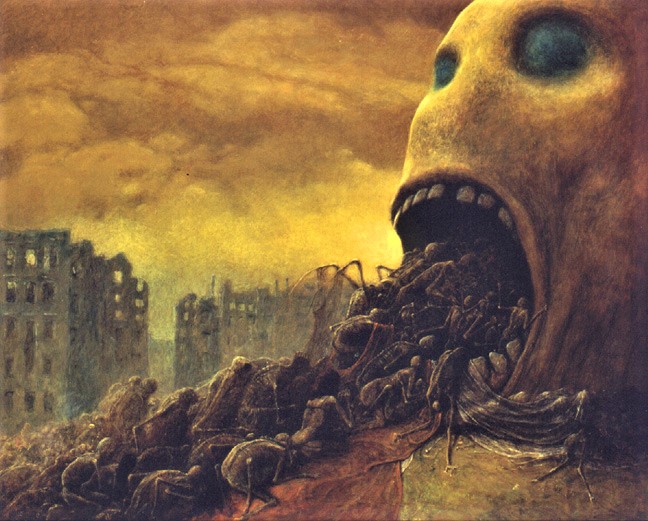
What would you do if, one sunny, beautiful afternoon, you looked out in the distance and saw a spider the size of a football field crawl over the houses in the distance coming directly at you?
I shudder to think ……
By the pricking of my thumbs, something wicked this way comes.
~William Shakespeare
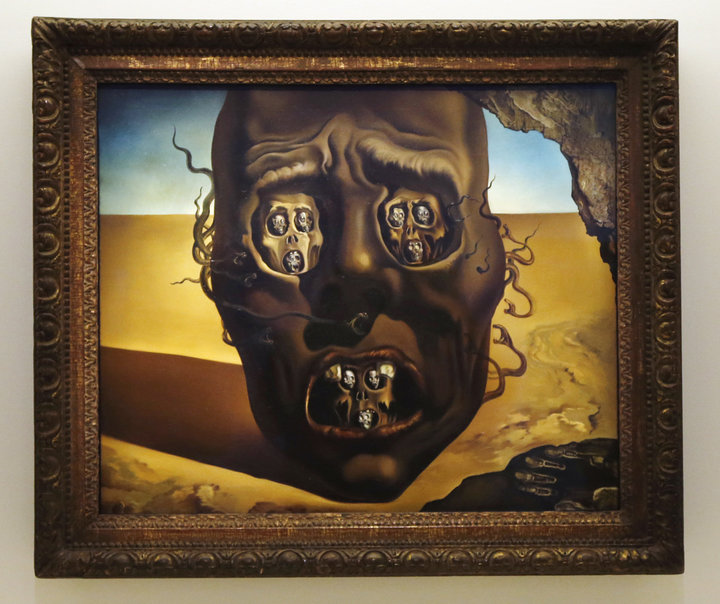
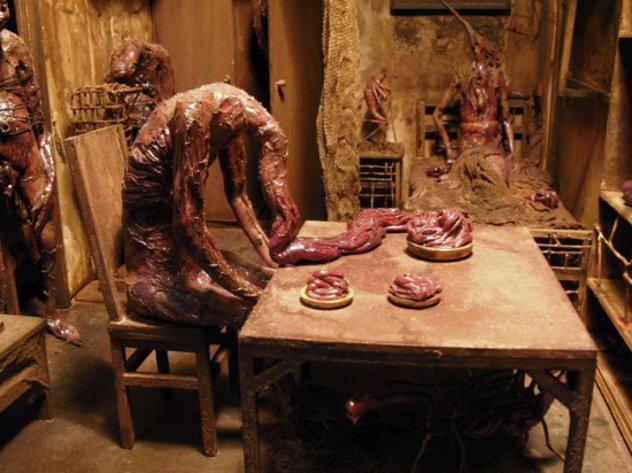
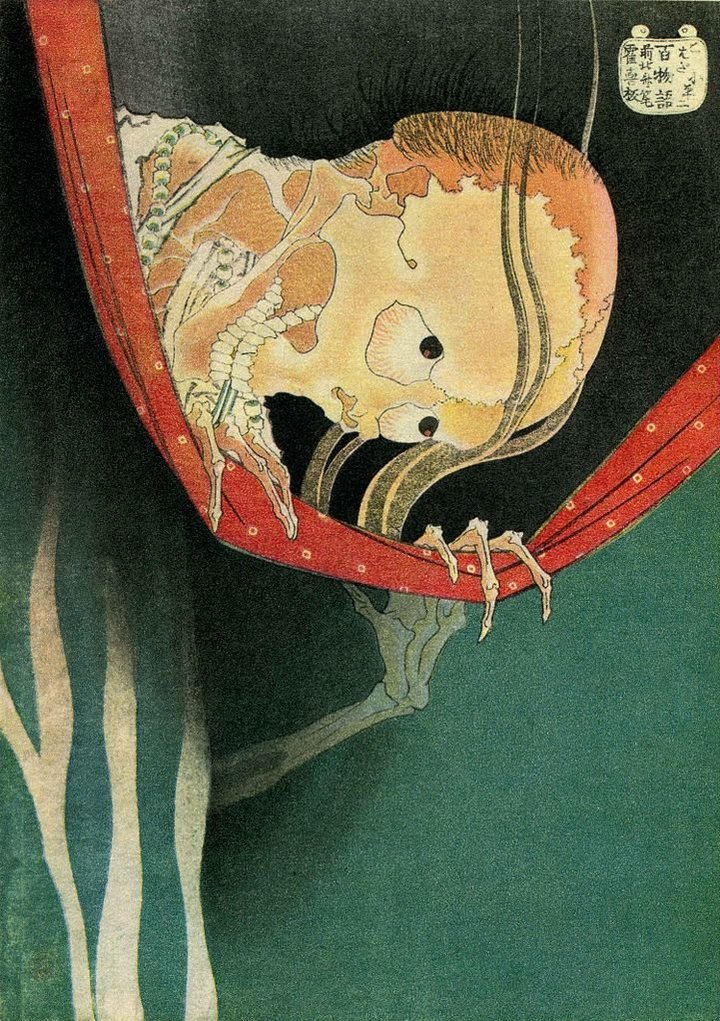
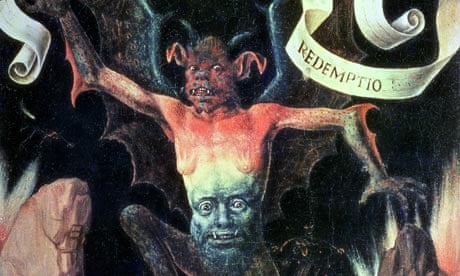
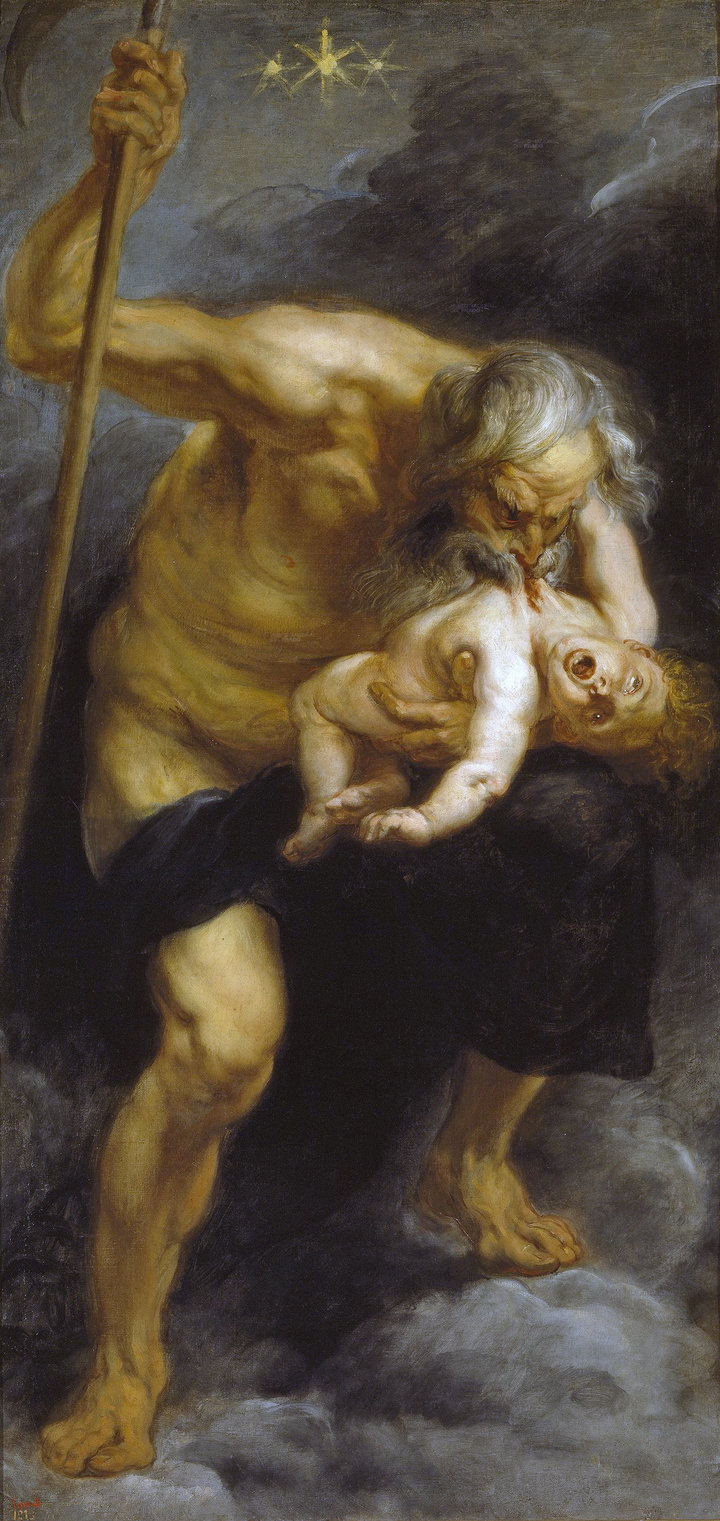
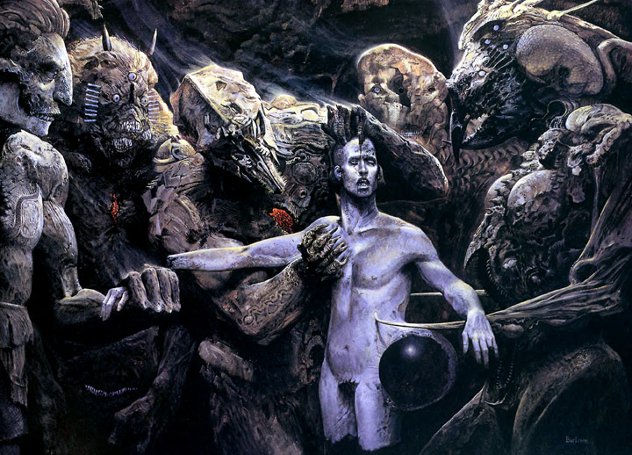
The artists of the past were not exempt from painting images that scare the beejeezes out of you.
Let me share some famous nightmares with you.
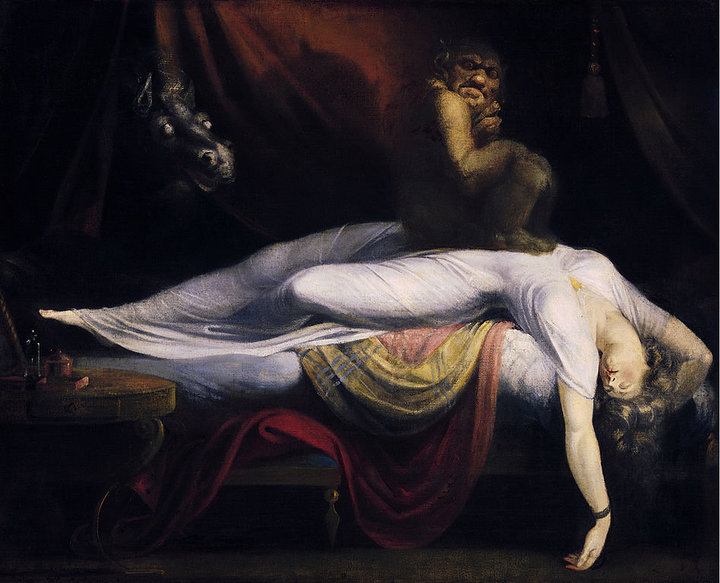
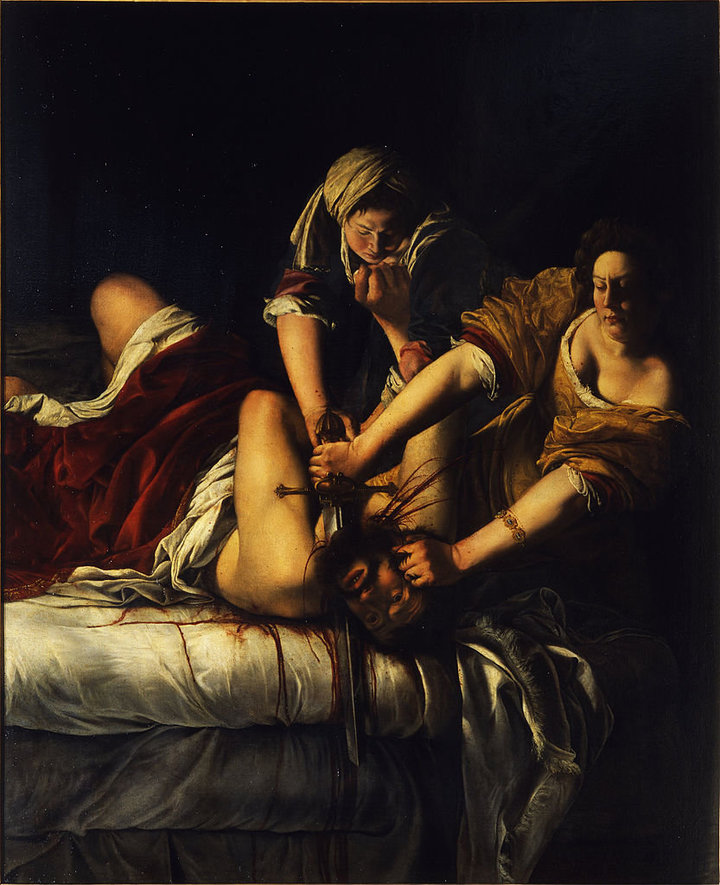
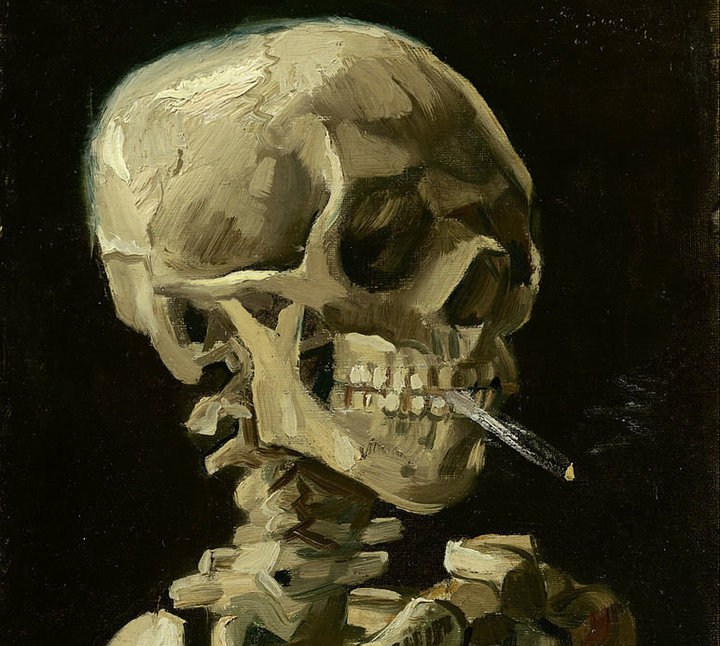
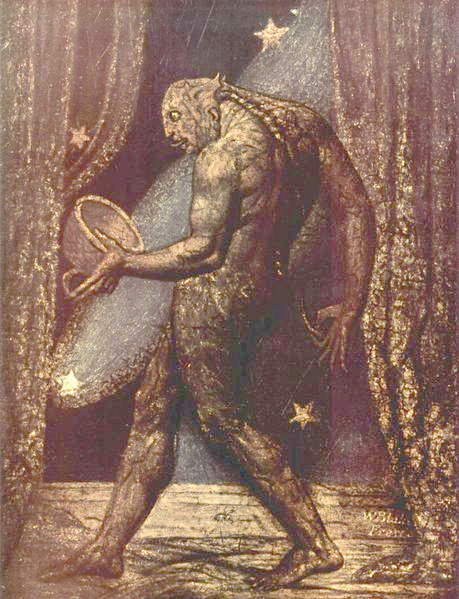

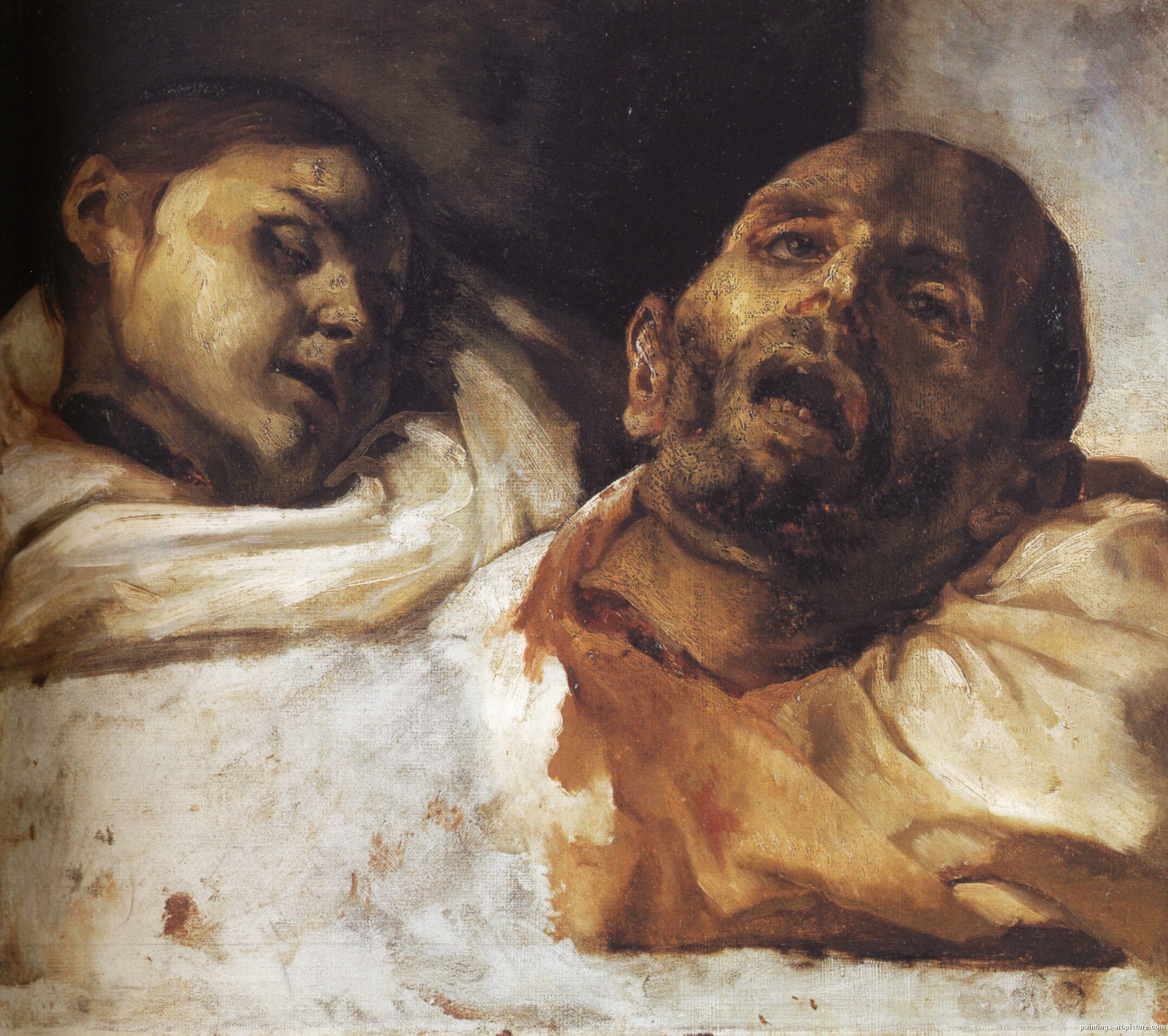
Sweet Dreams!
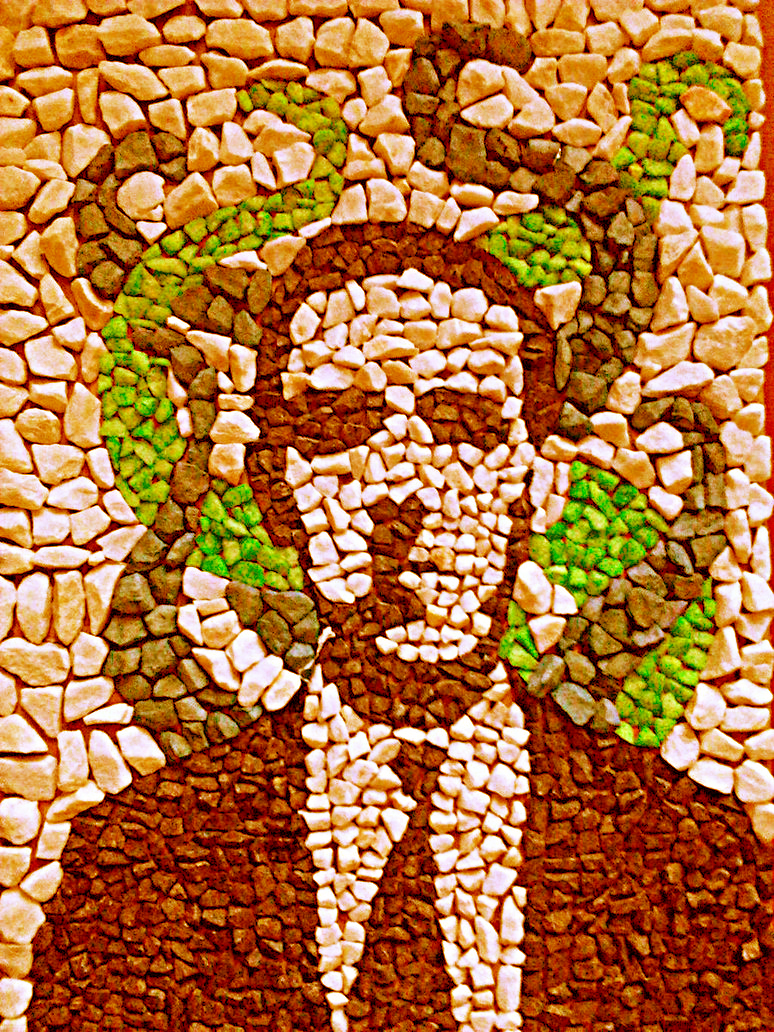 October is for Dreams
Howard Phillips (H.P.) Lovecraft (August 20, 1890 – March 15, 1937) was an American author of horror, fantasy and science fiction. His major inspiration and invention was cosmic horror — the fact that life is incomprehensible to human minds and the universe is fundamentally alien. Lovecraft’s writings were influenced by Edgar Allan Poe, and like Poe, was virtually unknown and only published in pulp magazines before he died in poverty. Fortunately for us, he is now regarded as one of the most significant 20th-century authors in his genre.
I like to describe Lovecraft’s works as eloquent, cerebral, and very curly-q-ish. The following clip is the first paragraph from his short story “Beyond the Wall of Sleep.” I know it might be hard to read at first, but take one sentence at a time. Savor it. Let the sentence linger on your tongue, in your senses. And let his reflections about dreams open your own thoughts.
Beyond the Wall of Sleep
I have frequently wondered if the majority of mankind ever pause to reflect upon the occasionally titanic significance of dreams, and of the obscure world to which they belong. Whilst the greater number of our nocturnal visions are perhaps no more than faint and fantastic reflections of our waking experiences—Freud to the contrary with his puerile symbolism—there are still a certain remainder whose immundane and ethereal character permits of no ordinary interpretation, and whose vaguely exciting and disquieting effect suggests possible minute glimpses into a sphere of mental existence no less important than physical life, yet separated from that life by an all but impassable barrier. From my experience I cannot doubt but that man, when lost to terrestrial consciousness, is indeed sojourning in another and uncorporeal life of far different nature from the life we know; and of which only the slightest and most indistinct memories linger after waking. From those blurred and fragmentary memories we may infer much, yet prove little. We may guess that in dreams life, matter, and vitality, as the earth knows such things, are not necessarily constant; and that time and space do not exist as our waking selves comprehend them. Sometimes I believe that this less material life is our truer life, and that our vain presence on the terraqueous globe is itself the secondary or merely virtual phenomenon.
You can find full texts of H.P. Lovecraft’s writings at the following sites:
http://www.hplovecraft.com/writings/texts/ or http://www.dagonbytes.com/thelibrary/lovecraft/.
Enjoy!
 Humoring the Goddess