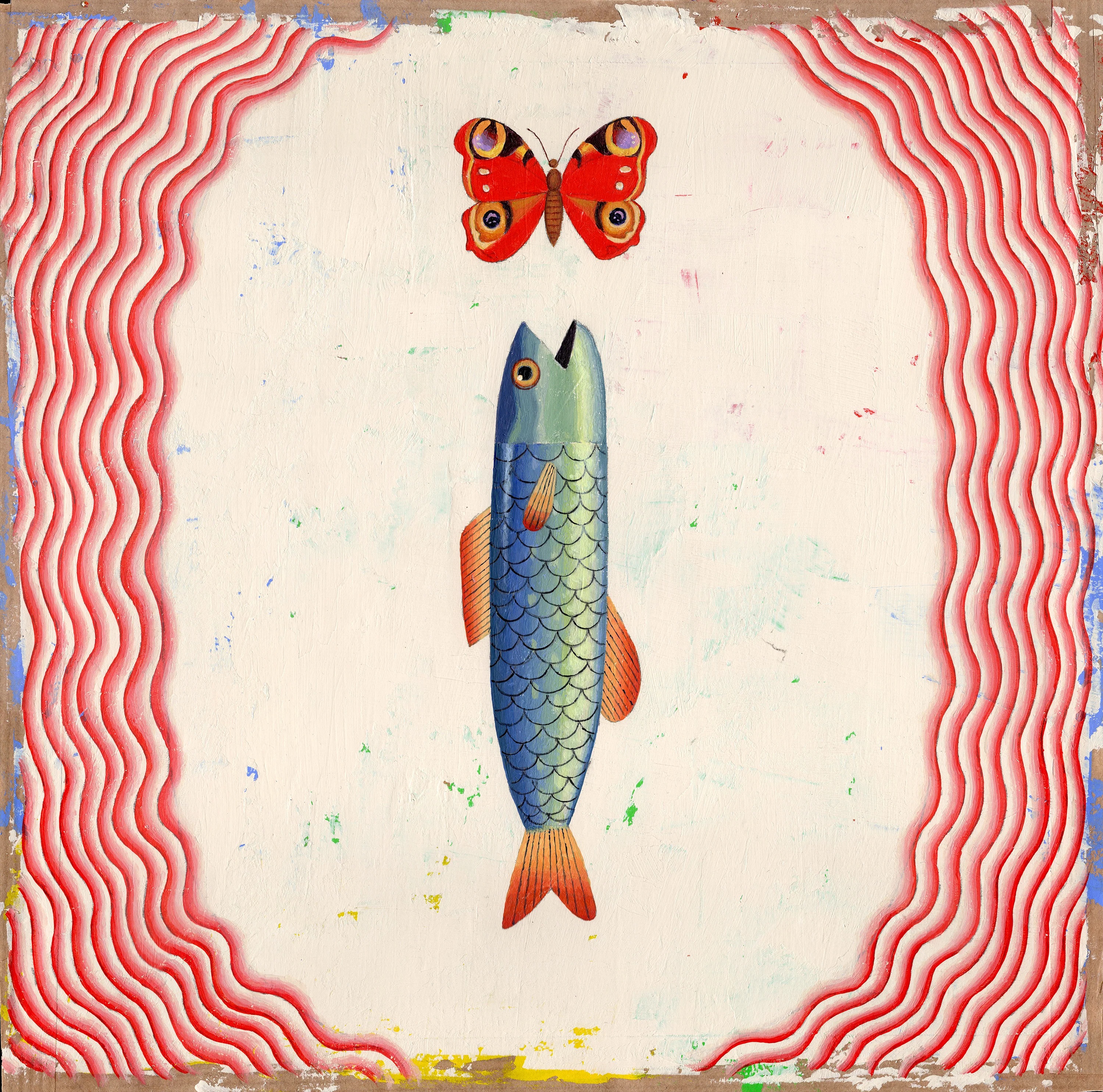
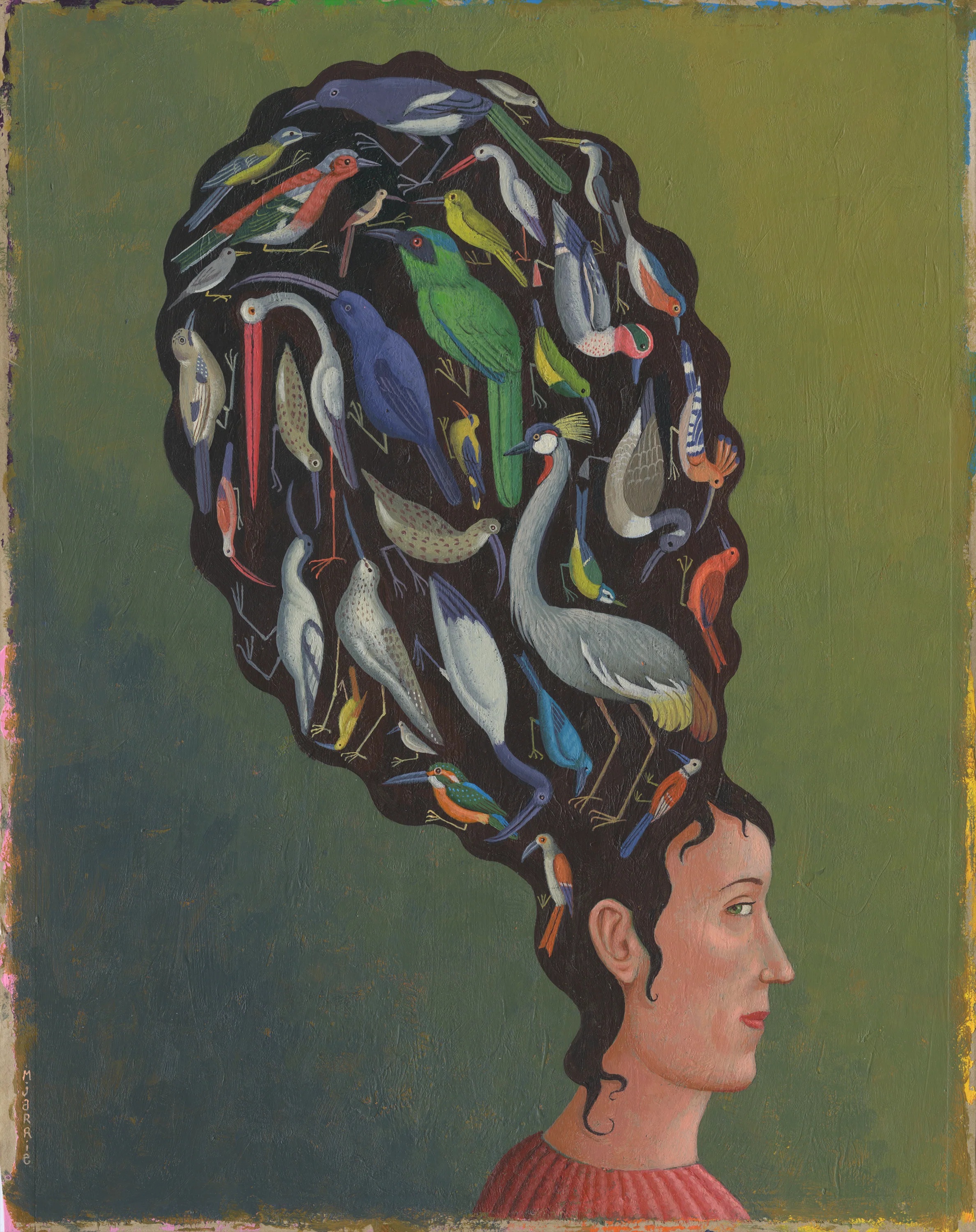
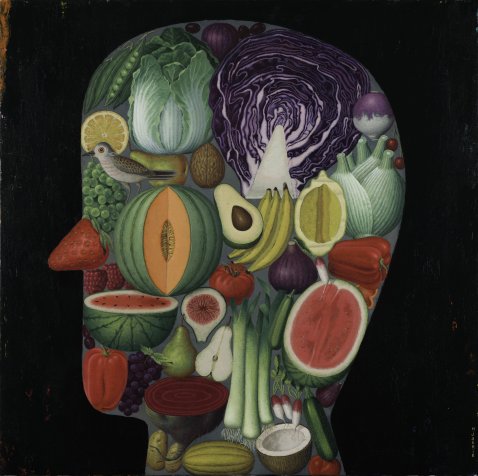
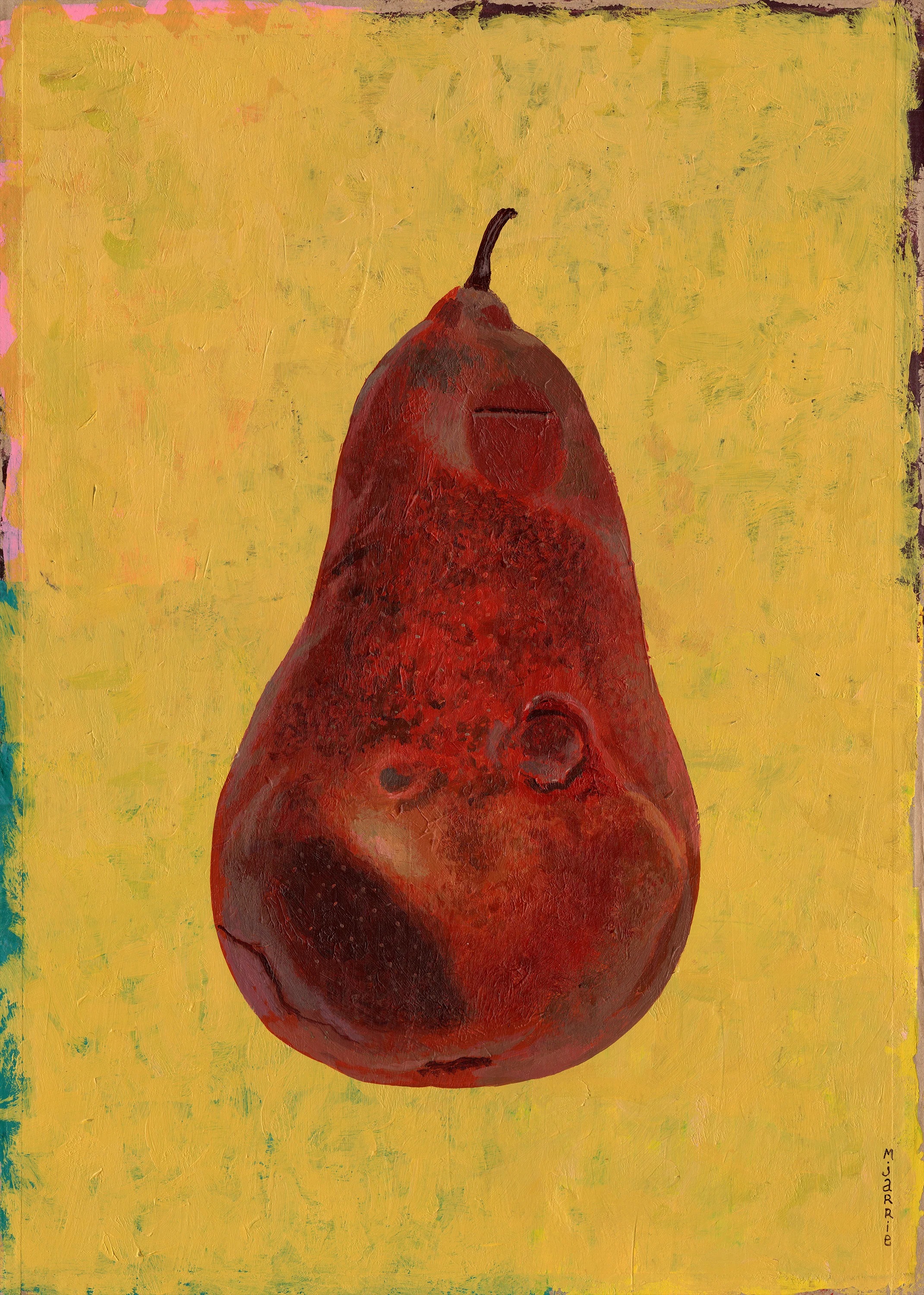
Painter and illustrator Martin Jarrie has lived and worked in Paris since 1981.
His work encompasses commercial advertising, book illustration and personal artistic exploration.
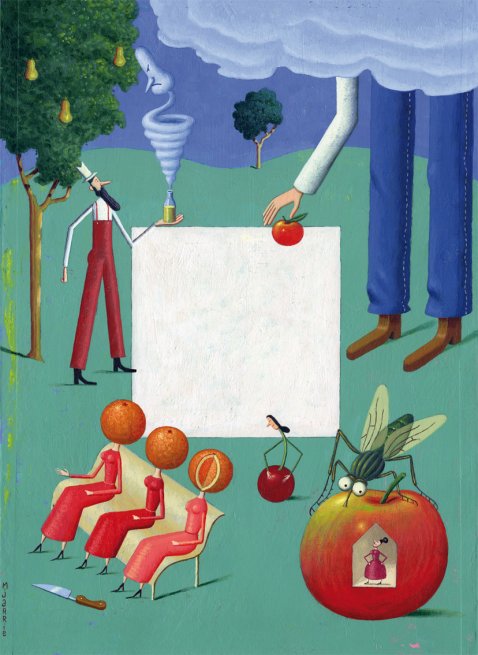
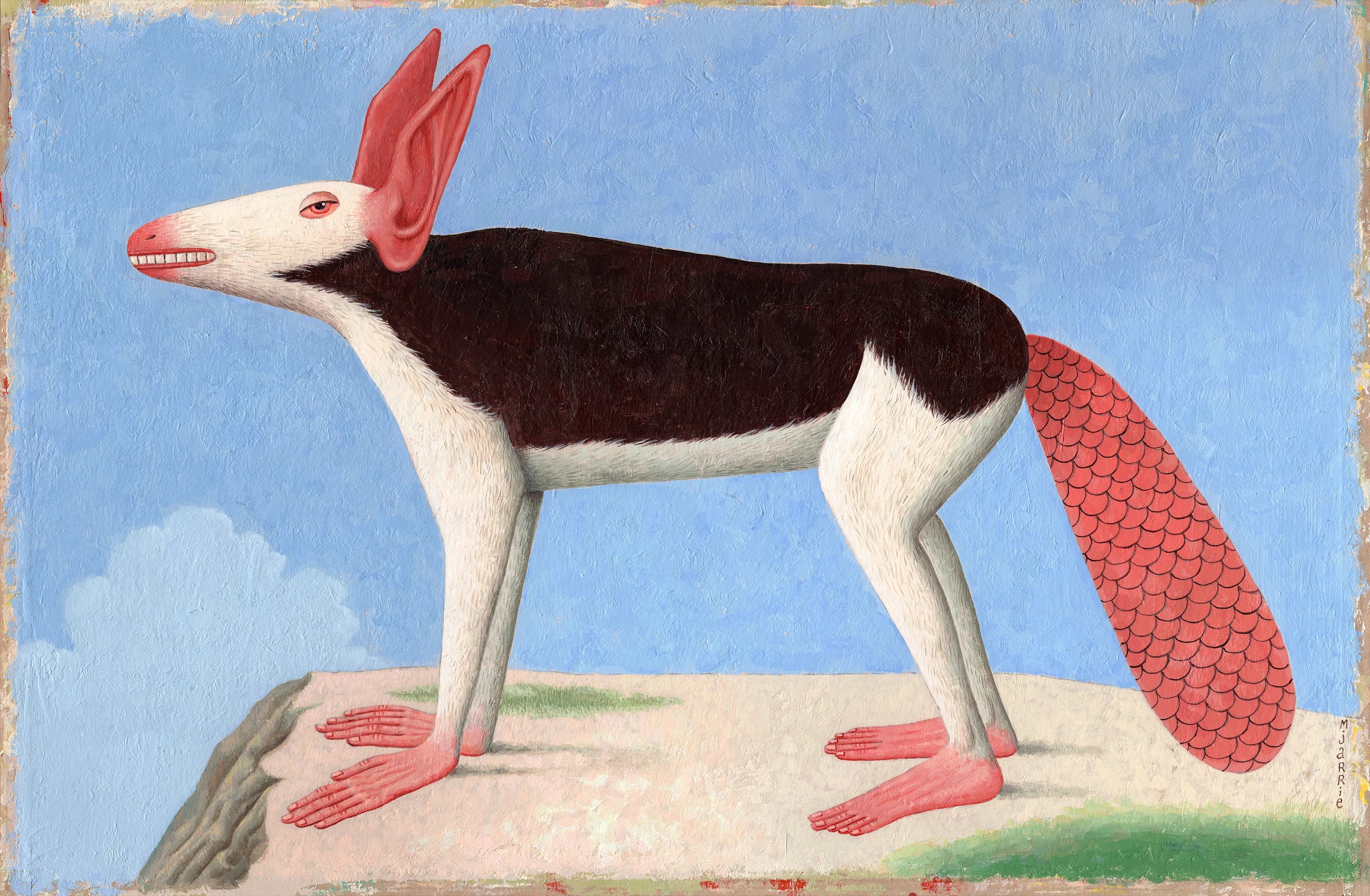
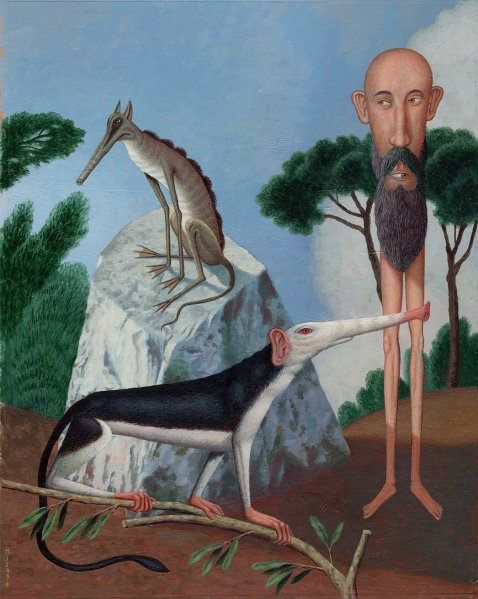
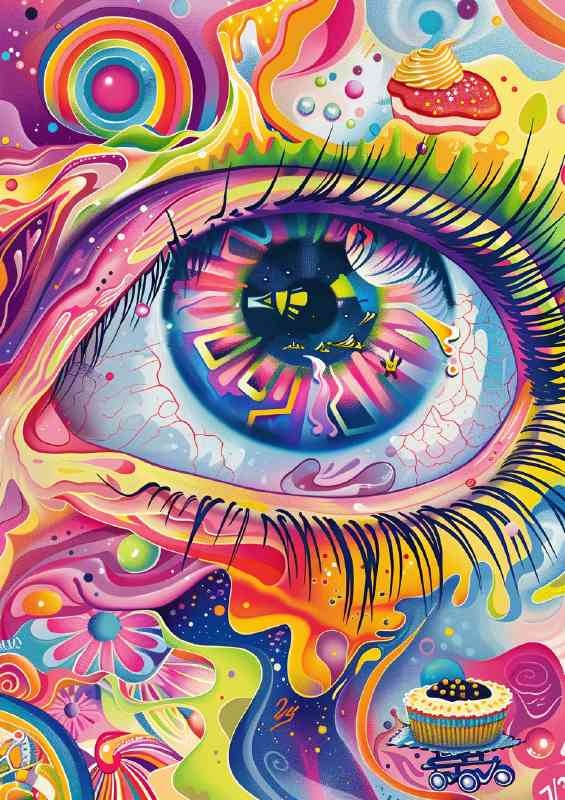
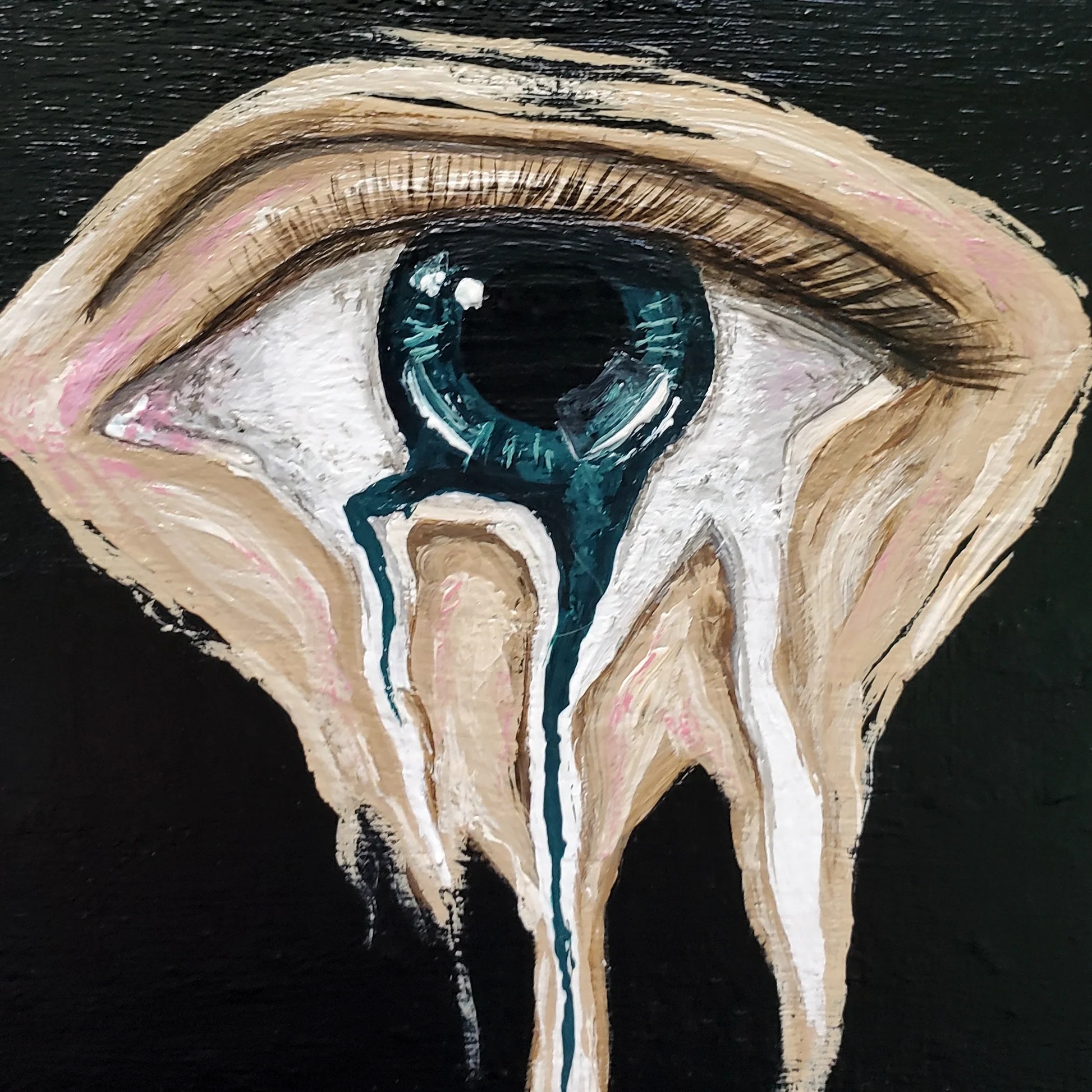
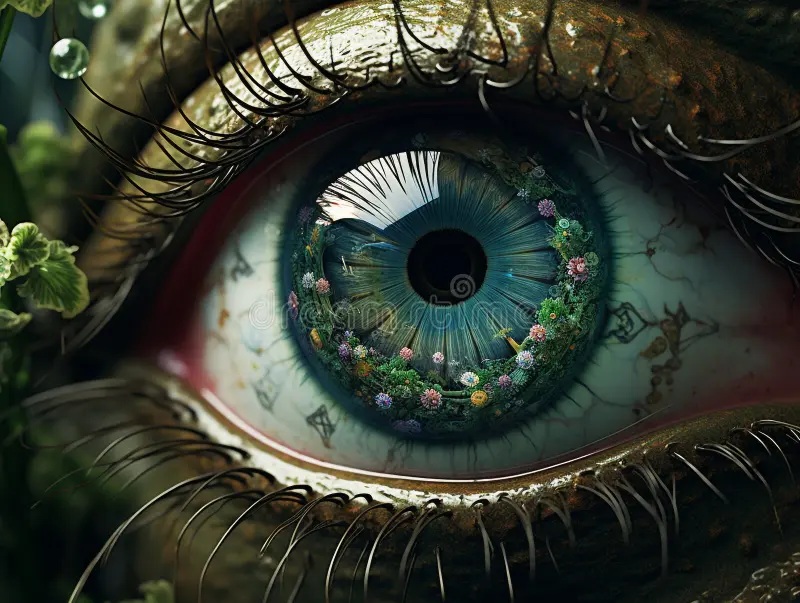
The French artist is drawn to mutations and curious scenarios, skewing bodily proportions or melding two creatures into strange hybrids.
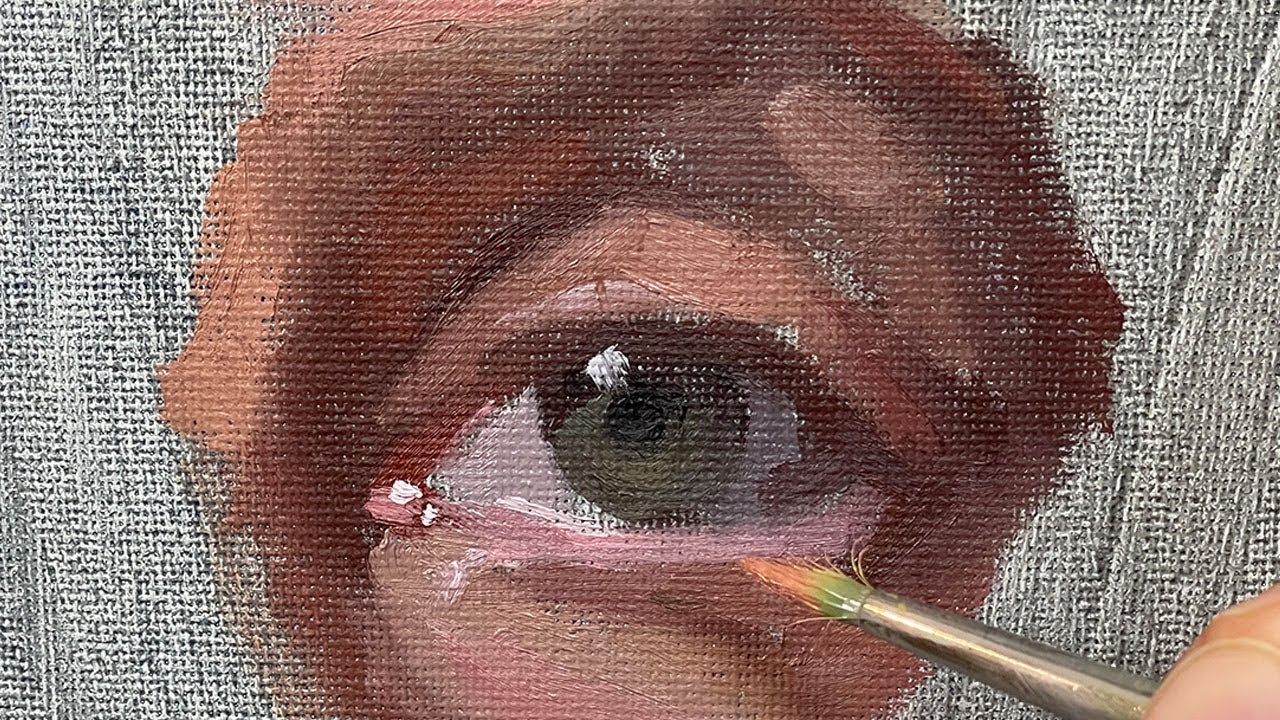
After a period working in documentary, even hyperrealistic, drawing, he shifted his style towards a freer, more pictorial expression influenced by Surrealism, the Italian Primitives, Art Brut, and contemporary art.
One defining characteristic of Martin’s work is the subtle layering of paint in each piece.
Jarrie uses leftover paint from palettes before they dry, or the small amount of paint left in a tube and spreads it on paper before storing it away.
It is these papers that he pulls from to start new work. The result is a rich canvas that, much like a palimpsest, hints at a hidden painting below.
I’m too young to be starting out a sentence with those phrases. Yet here I am, sharing a tale with you, that starts:
I can remember a time … when you’d go to the eye doctor and sit in front of this huge machine that held a thousand little round lenses, and the doctor would lower these huge, thick sections in front of each eye, and go through a hundred different lenses to test your eyesight.
I say that today because I just got home from an all remote eye test. Well, except for the receptionist/assistant. Filled out a questionnaire on a tablet, went into one room where three different machines took three different images, (they still had the puff-of-air-in-the-eye test), then went into a second room where a nurse/doctor/assistant appeared on a TV monitor and remotely controlled the rest of the eye exam on a fourth piece of equipment. That nurse/doctor/assistant then sent the results electronically to the eye doctor who looked over your results and gave you your prescription.
Fast, clean — no contact with the living.
Welcome to the 21st century.
I have no problem with this new technology, especially with Covin hanging around every corner. But gone are the heavy, clunky machines of yesterday. The “click click” as the eye doctor turned the lens around. “A? (click) or B? (lots of whirling and clicking) A? (click click) or B?”
Of course, there are now virtual doctor visits, virtual job interviews, and virtual grocery shopping. I mean, who doesn’t know what a 5 oz. (142g) can of tuna looks like?
Virtual is all well and good. We need to keep up with it, understand it, use it.
But we also have to physically see other people now and then, too. We need physical hugs and in-person smiles to let us know we’re not alone. We need to pull a leaf off the tree and look at its structure, or play with the levels of petals on a zinnia or a dahlia so we can marvel at the physical world around us.
We need fresh air and friendship and the sunshine on our face. Be sure you are finding it all.
The “I remember a time…” part — I haven’t figured out how to deal with that yet.
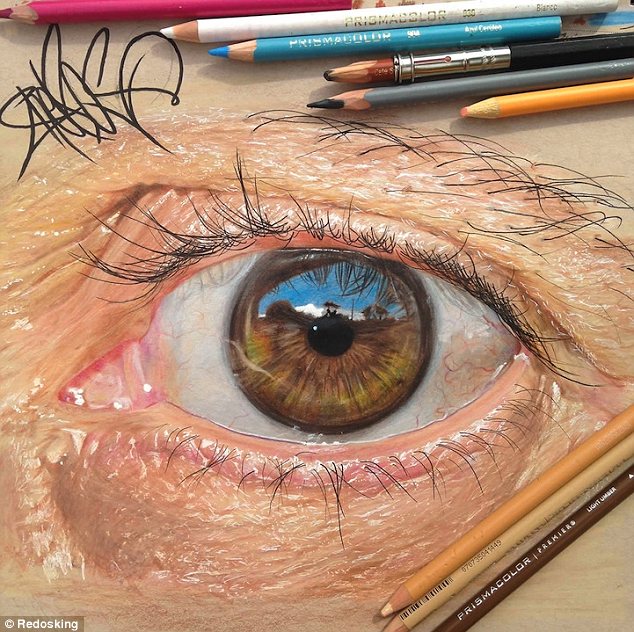
For 20-year-old artist Jose Vegara, he has captured those windows with impecable talent.
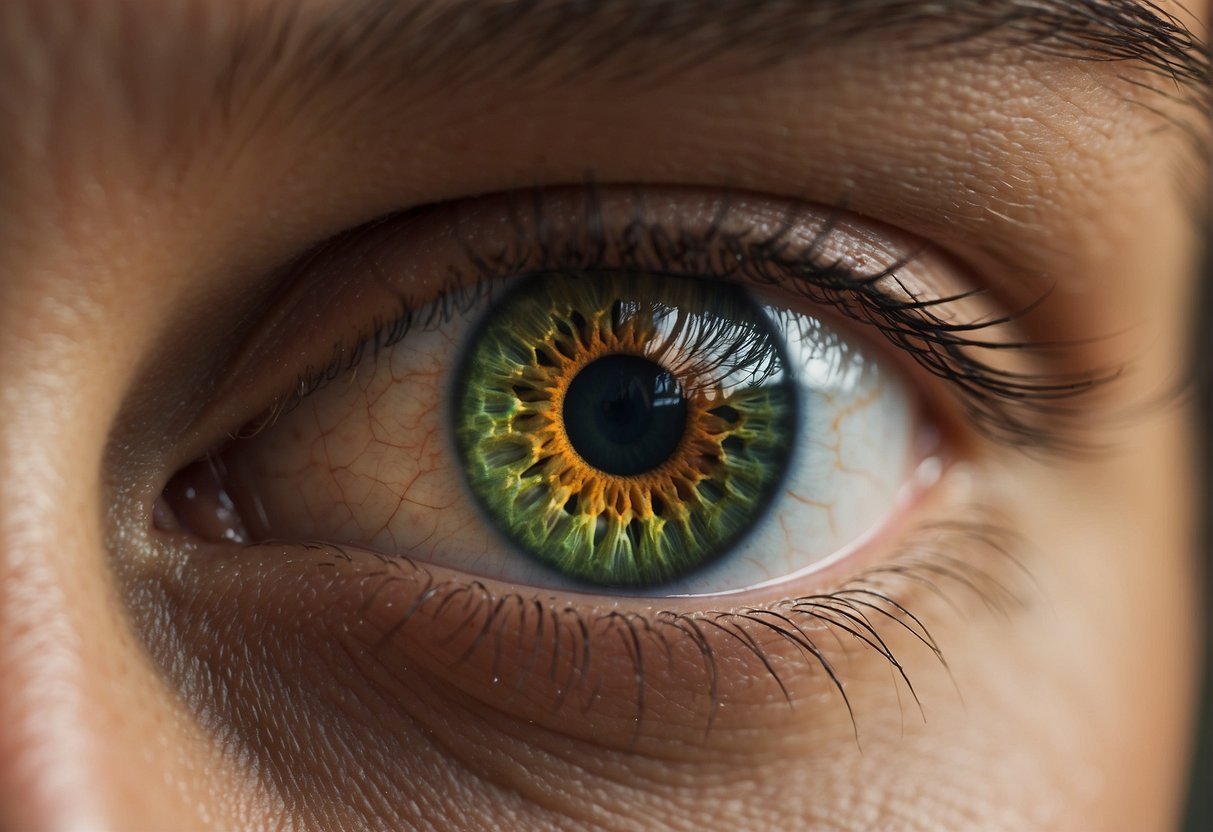
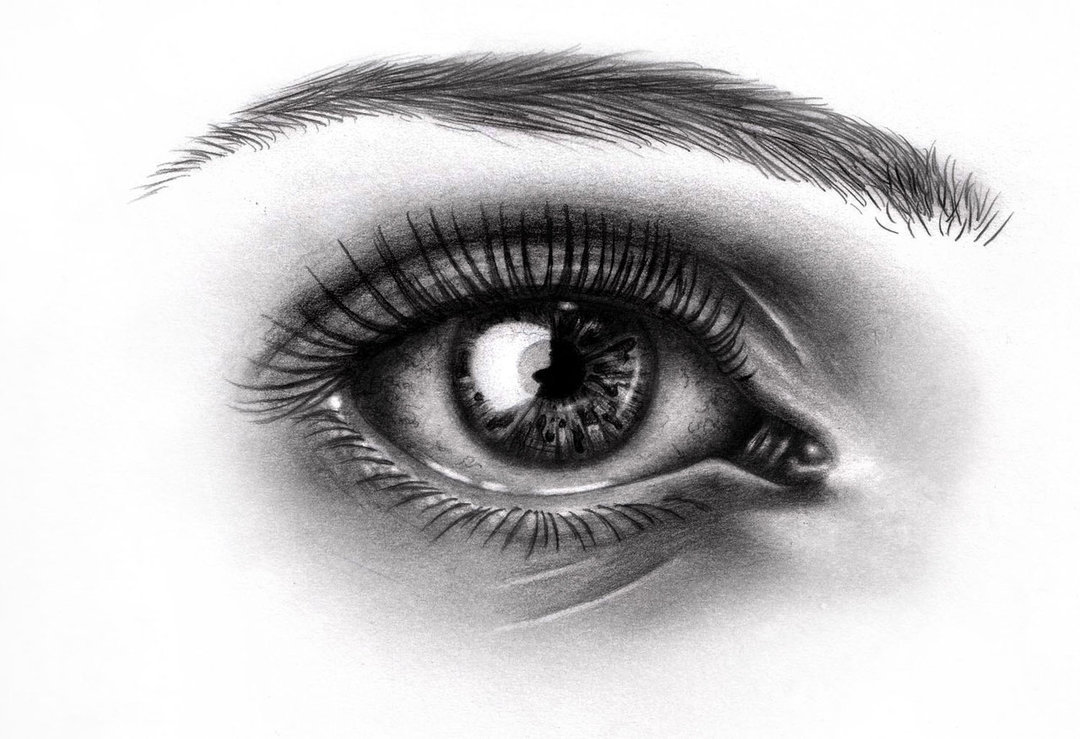
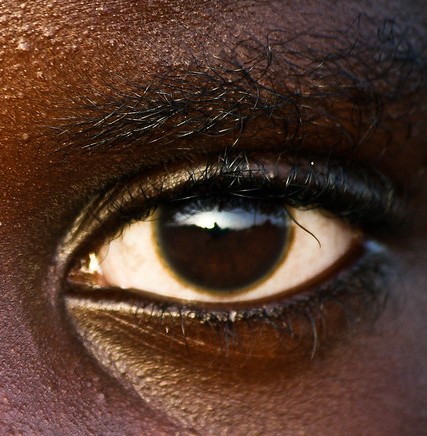
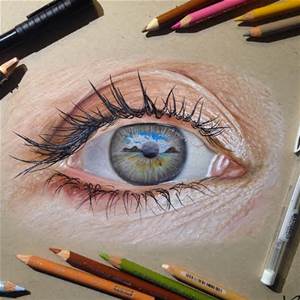
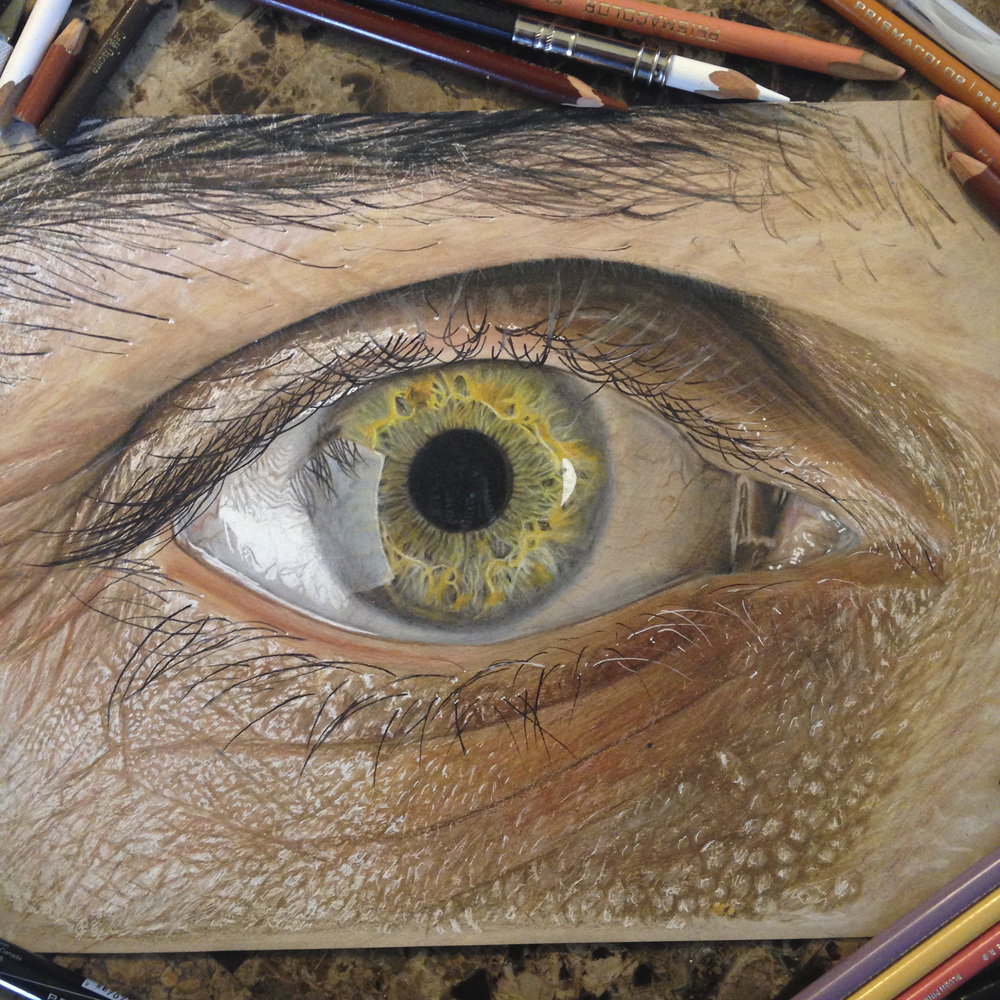
Based in South Texas, Jose has created a series of beautiful and hyper-realistic drawings of eyes.
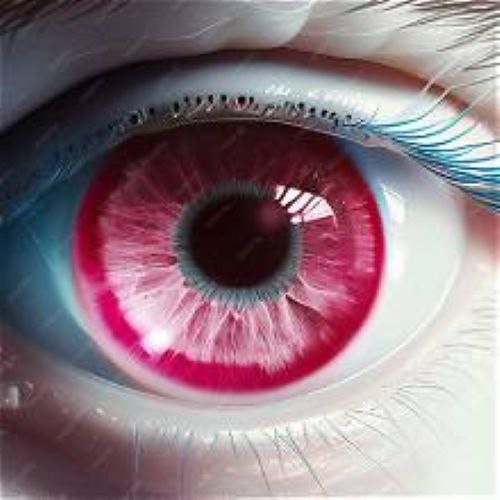
The most mesmerizing aspect of the images are the colorful and luminescent irises which expertly catch the light and appear to shine back at the viewer.
Each eyelash and pore of the skin is meticulously crafted, using only a white gel pen to pick out the highlights.
This kind of detail is incredible for an artist to begin with — no less one so young and determined.