Sunday Evening Art Gallery — Quilts of the 1800s

Historians cannot be sure when exactly quilting was invented, but they do know that the history of quilting goes back at least to medieval timesIt is possible that quilting was used in ancient times: an ancient Egyptian ivory carving shows a king wearing what appears to be a quilted cloak. 

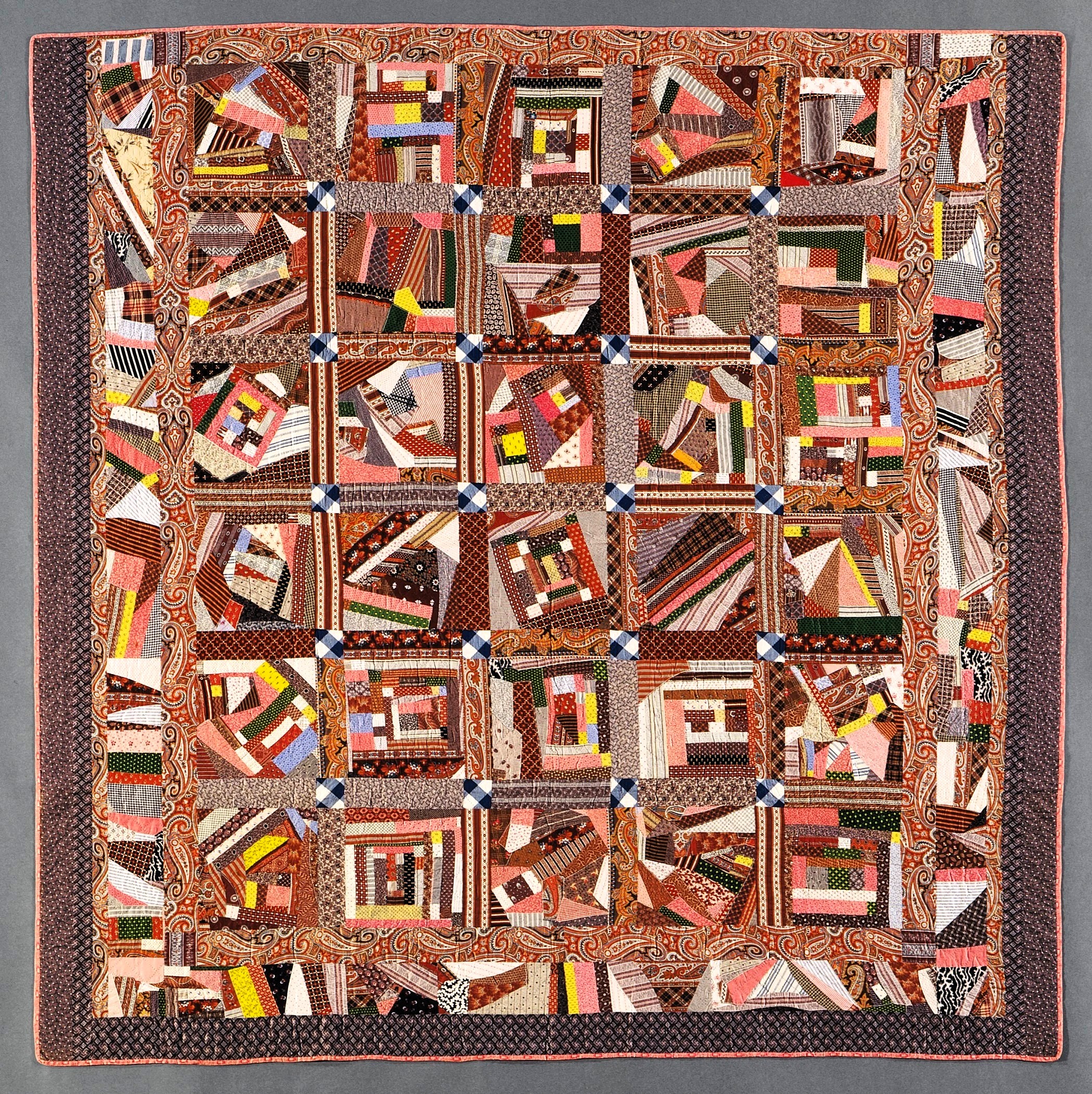
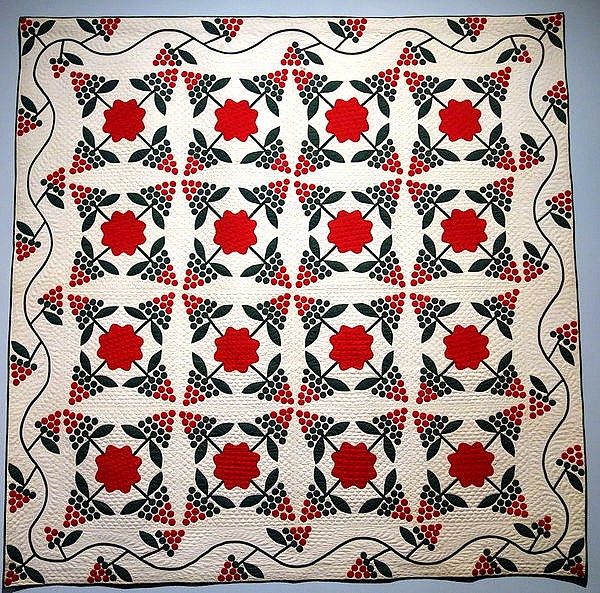
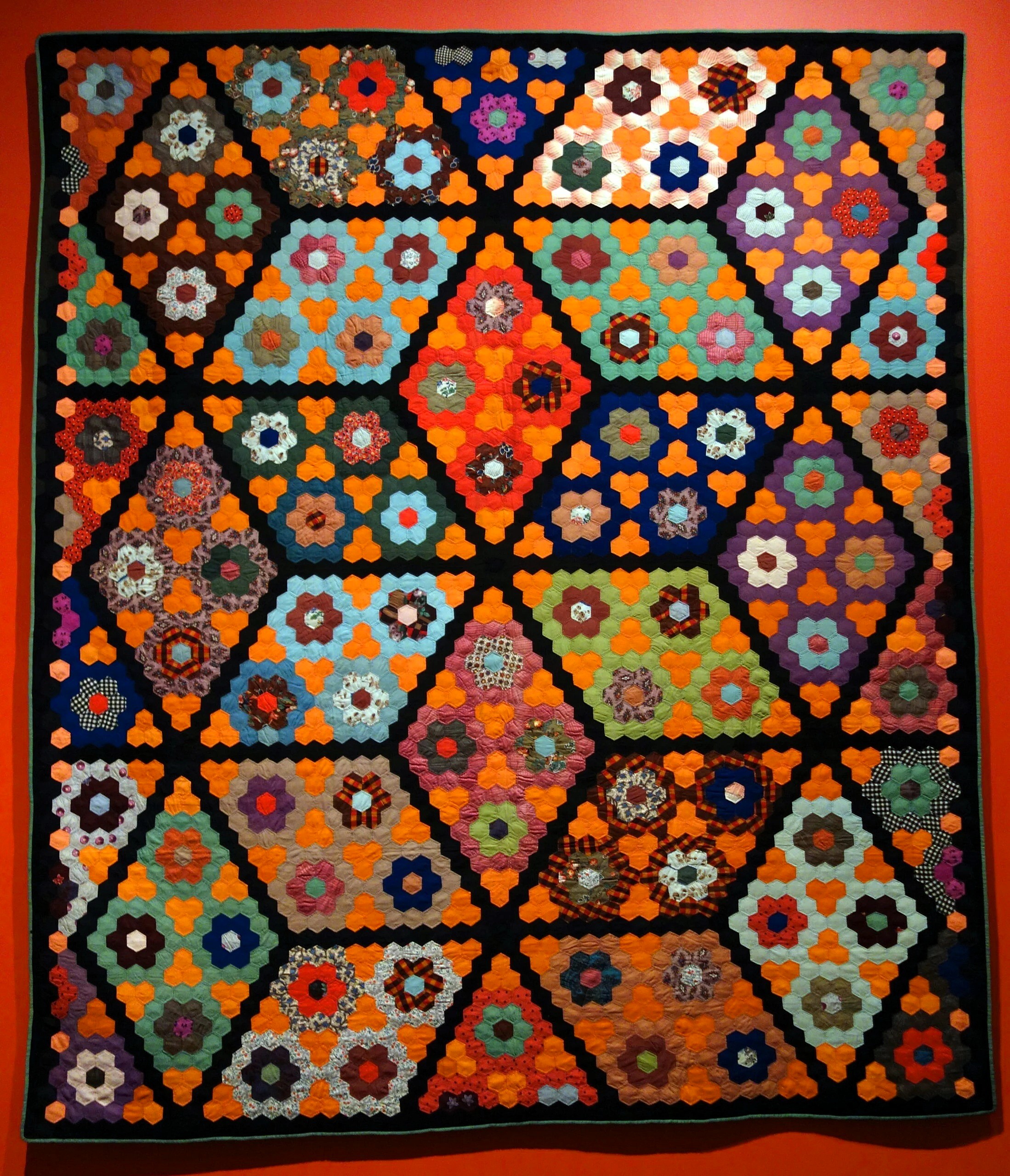
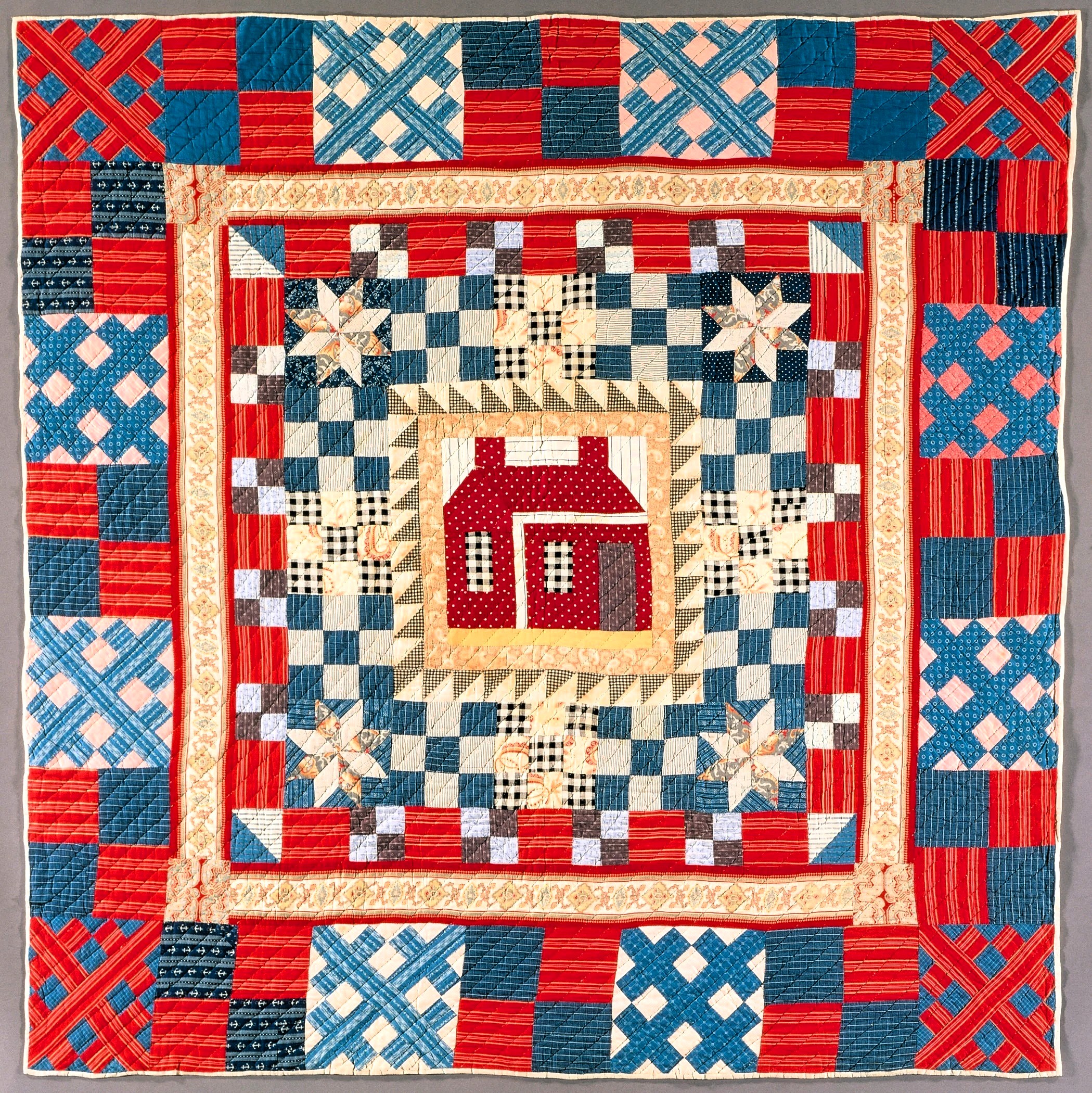
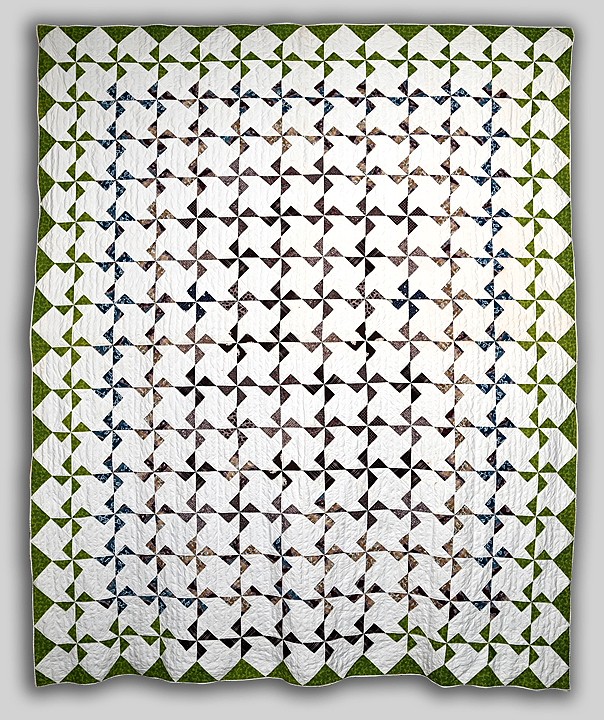
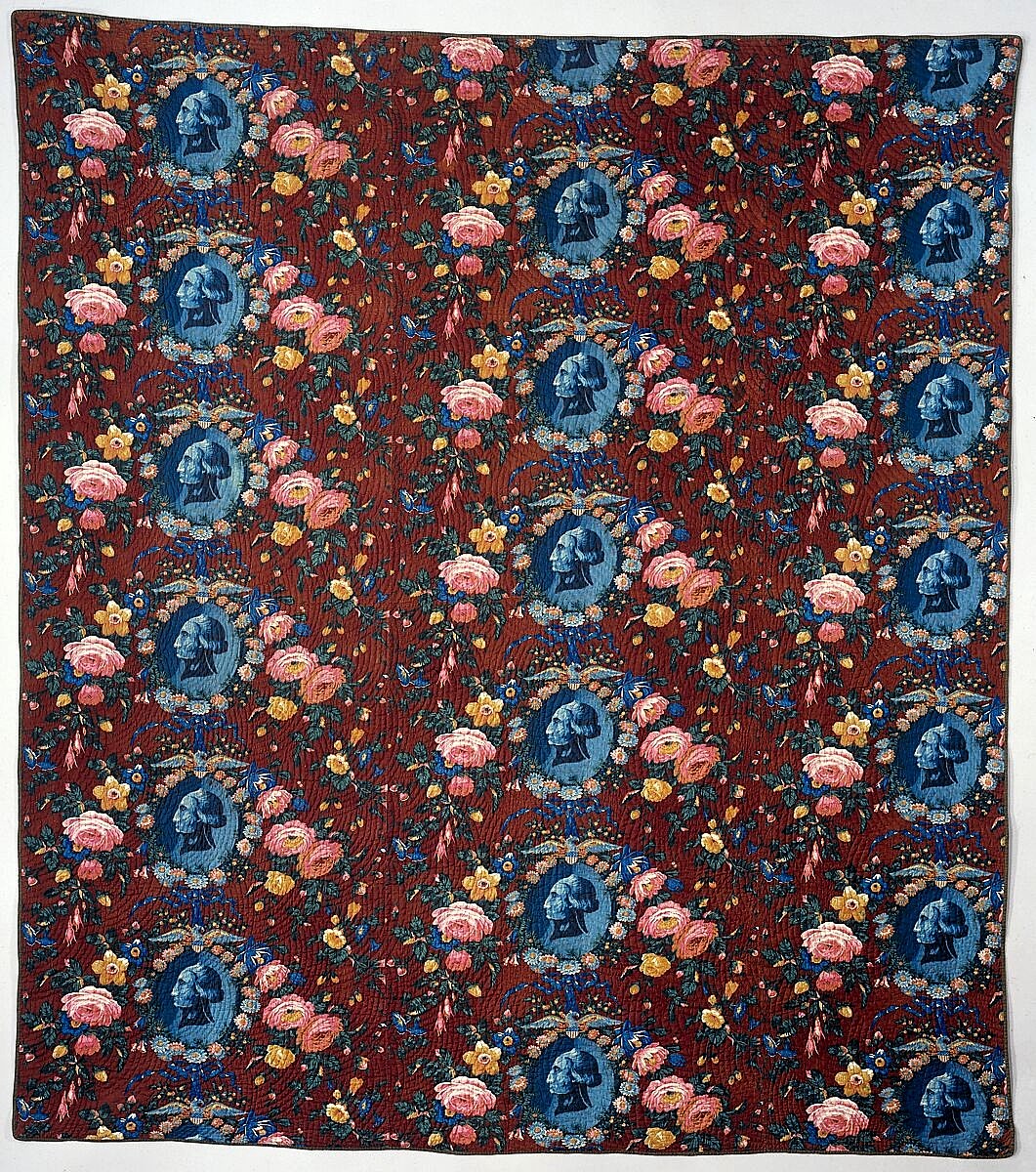
Out of curiosity I searched for quilts made in the 1800s. The variety was amazing. Remember: these were created before electricity. Some were created before the sewing machine was invented in 1842. Some were created around the American Civil War.

Zoom in and take a closer look at the quality  of mid-1800s.


Contained Quilt, 1880


Bunch of Grapes, 1870


Field Of Diamonds Quilt, 1860


House Medallion. 1880


Pinwheel Quilt. 1845


George Washington Quilt. 1876


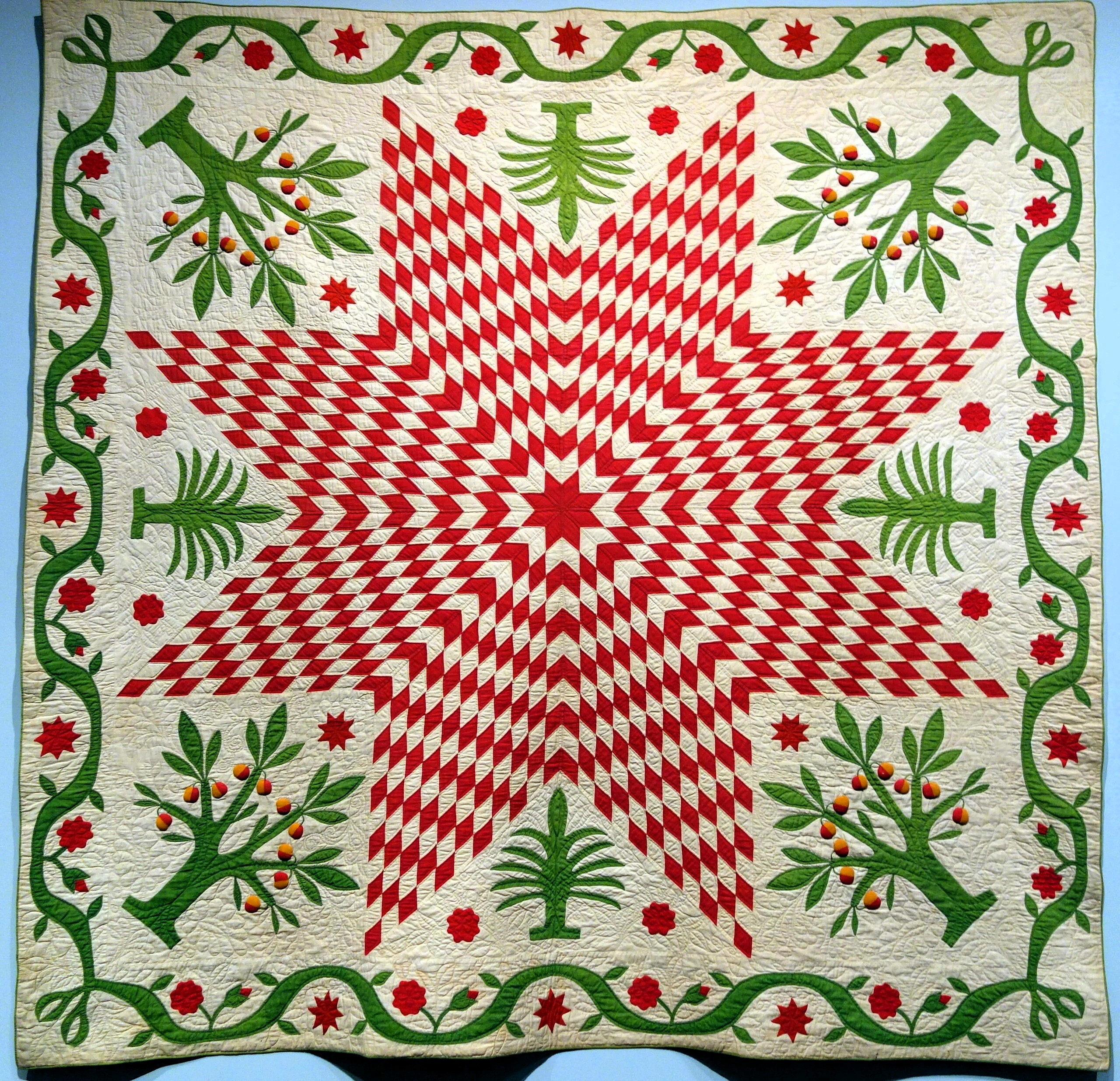
Star of Bethlehem With Pomegranate Trees, 1850


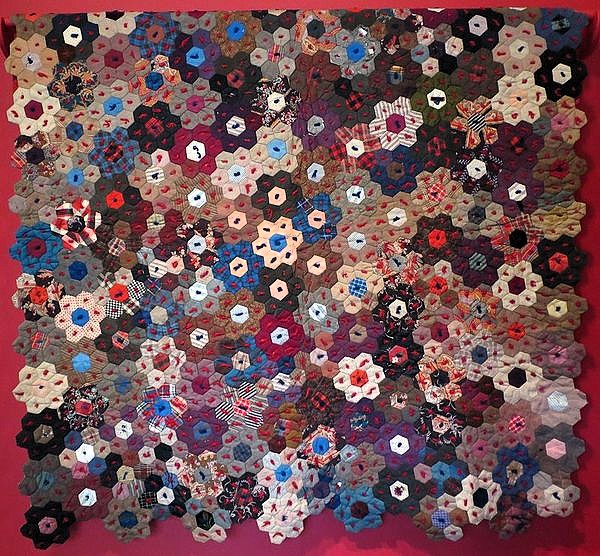
Name Unknown, 1870


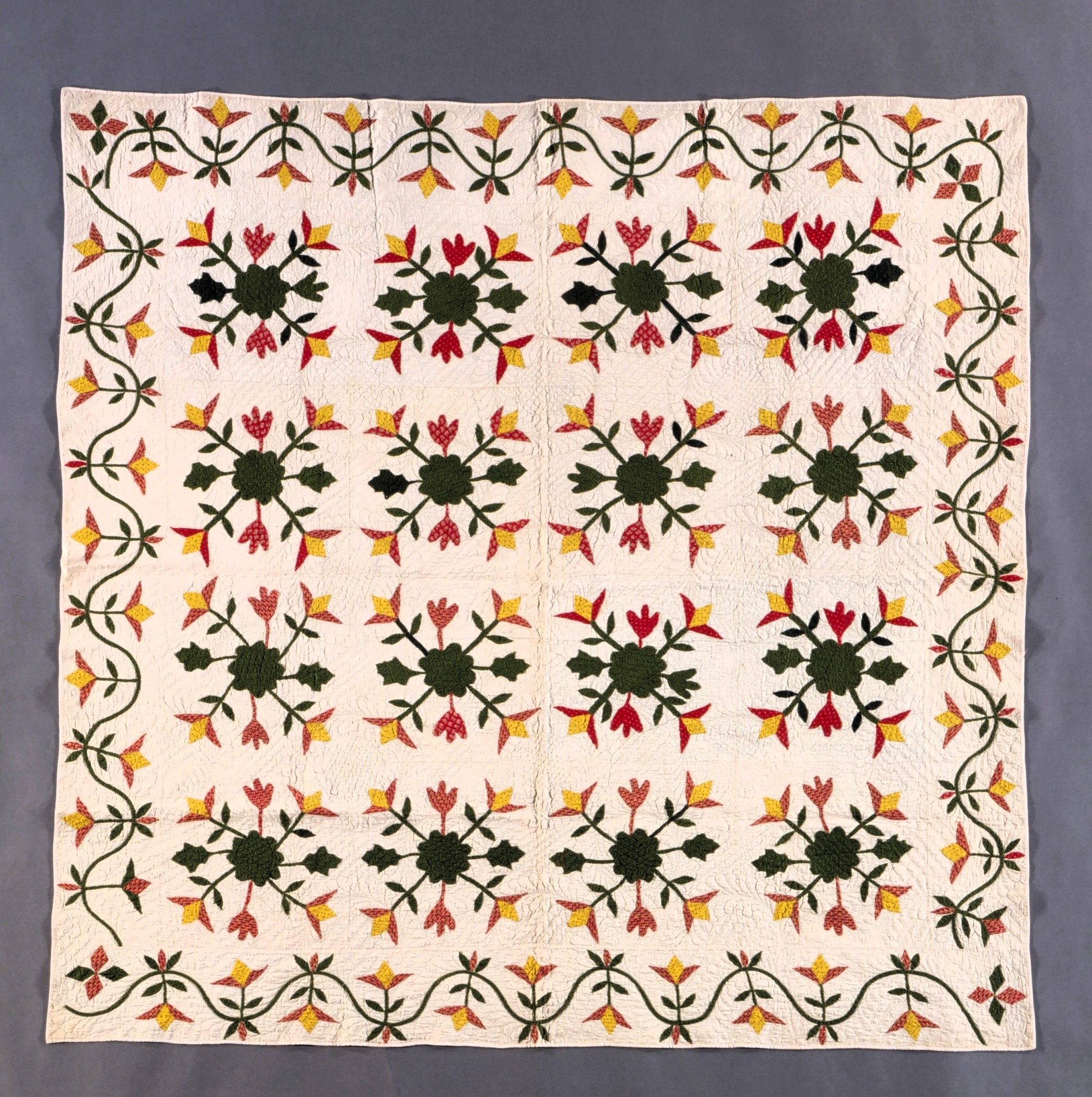
Foundation Rose And Tulips, 1865


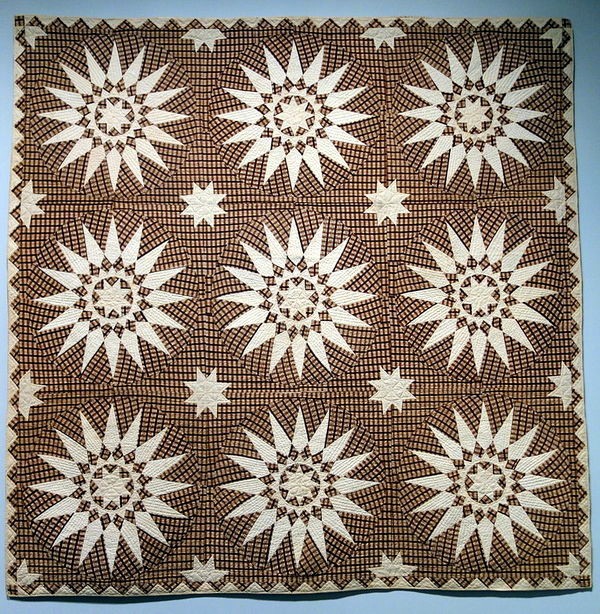
Mariner’s Compass Quilt, 1840


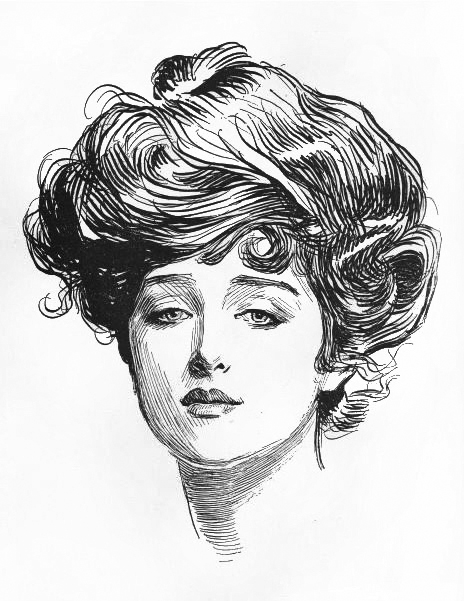
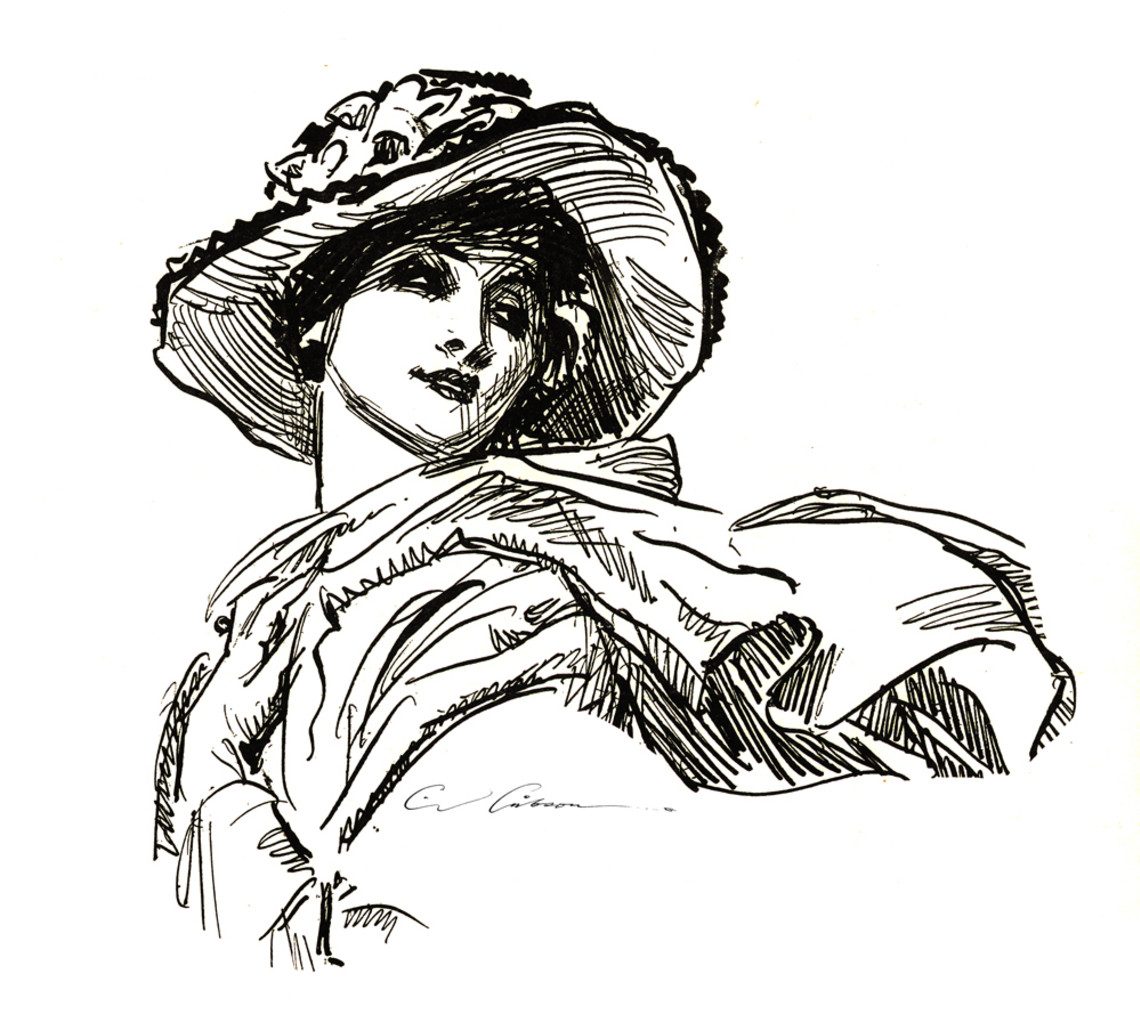
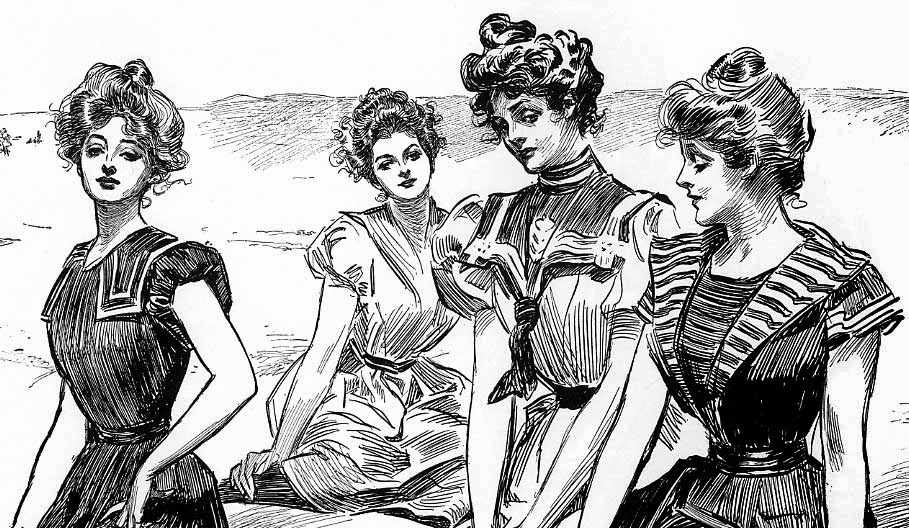
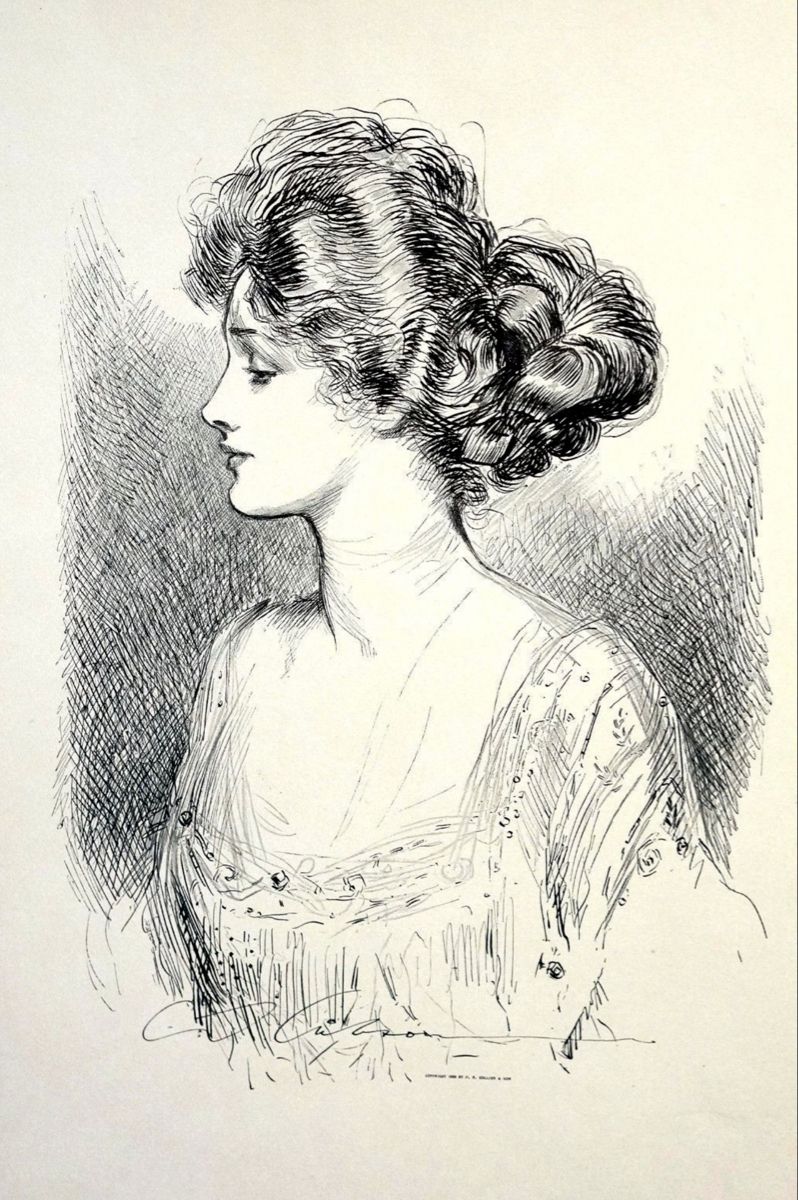
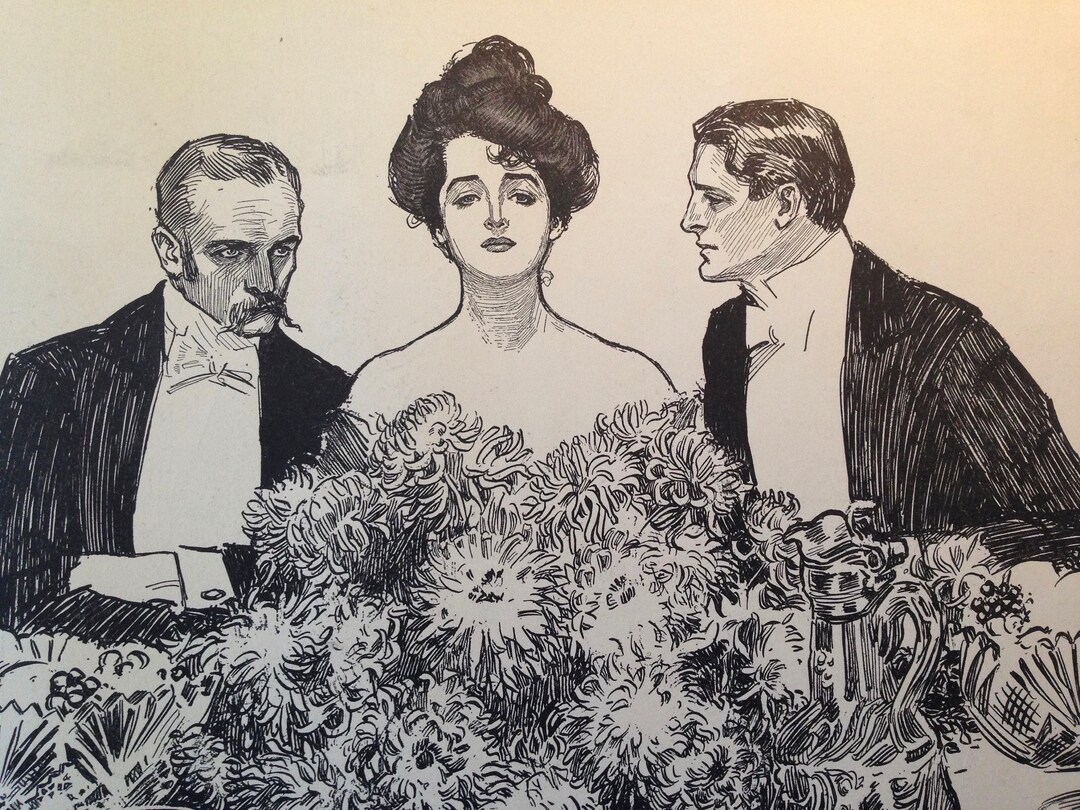
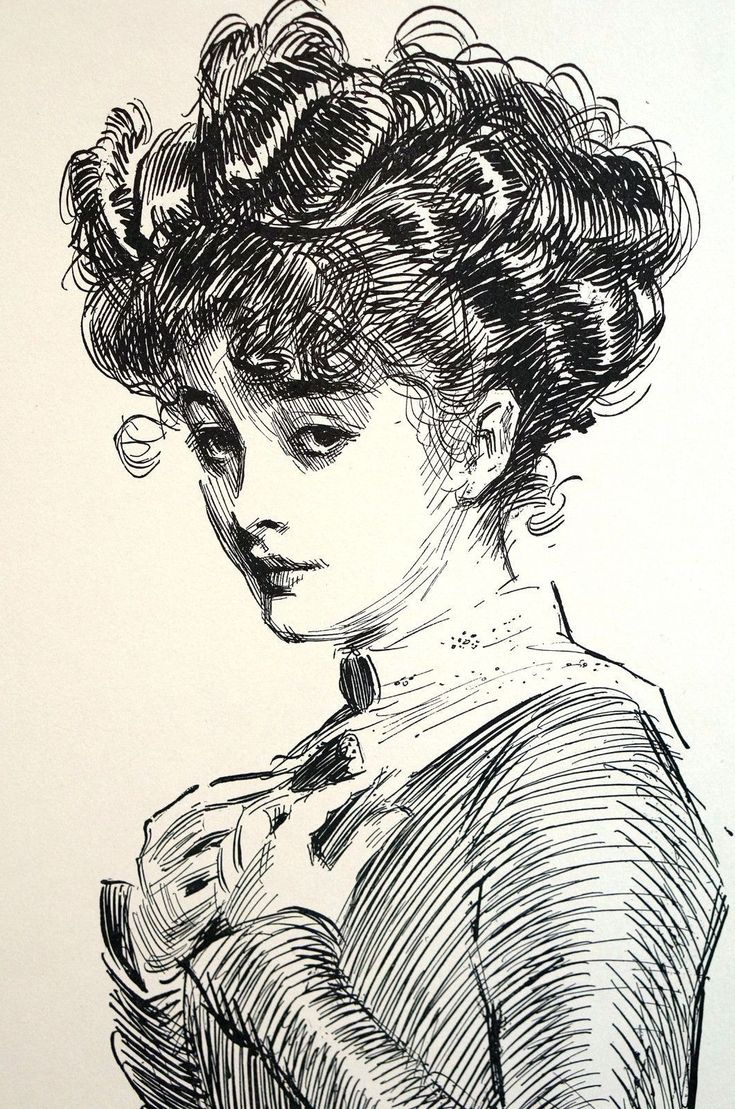
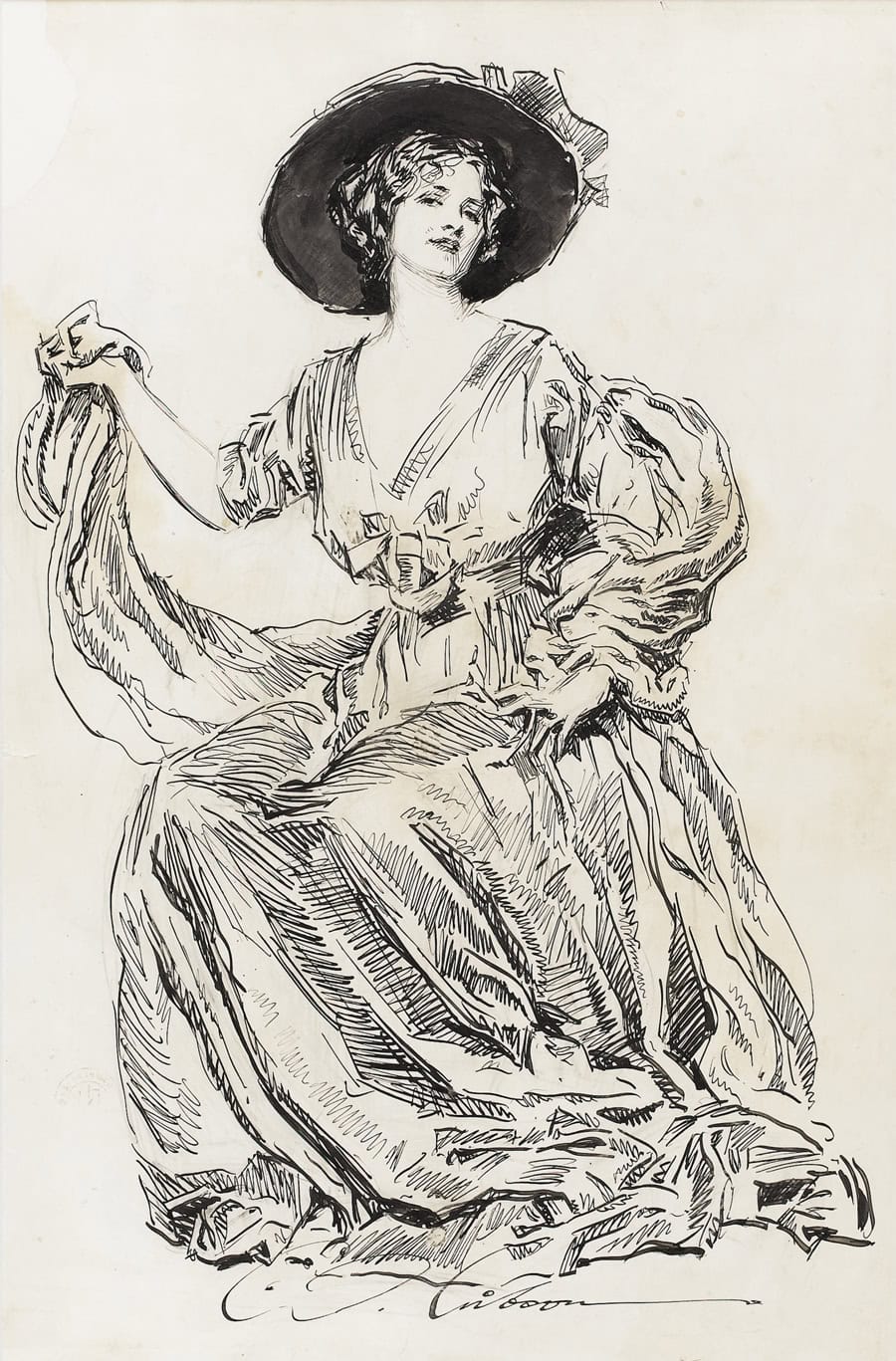
Sunday Evening Art Gallery — Charles Dana Gibson

Charles Dana Gibson (1867-1955) as an American artist and illustrator who was best known for Gibson Girl – an iconic image that best represented the stunningly independent Euro-American woman at the start of the 20th century.

Gibson attended New York’s Art Students League from 1884 to 1885, then traveled to Italy, Spain, and France to study painting from 1905 to 1907. 

Gibson’s illustrations included the refined upper-middle-class idealized woman known as the Gibson Girl, as well as gentle satirical depictions of American mores and public life.

She became known as an ideal image of youthful American femininity, the modern woman: athletic, smart, stylish, and desirable, and she sold magazines.Charles’ skill allowed him to create pictures using mere black ink and basic paper.Gibson’s use of bold lines, as well as his techniques in utilizing contrast, are still being admired and studied by contemporary illustrators who are serious about perfecting their craft.Add in his unique application of tone, character, and humor, and his style started to be emulated by the artists of his time.

More of Charles Dana Gibson’s unique artwork can be found at https://americanillustration.org/project/charles-dana-gibson/ and https://www.artlex.com/artists/charles-dana-gibson/.
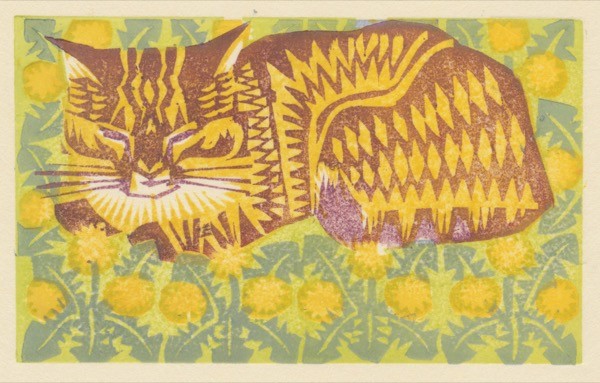
Sunday Evening Art Gallery — Matt Underwood

Matt Underwood (1971 -) is both painter and printmaker working in woodblock. He studied art and art history at Salisbury College of Art completed his HND in illustration with a distinction at Carmarthenshire College of Art.Wood block is a relief matrix, which means the areas to show ‘white’ are cut away, leaving the image to show in ‘black’ at the original surface level.The block is cut along the grain of the wood, then inked and brought into firm and even contact with paper to achieve an acceptable print.For his color prints, multiple blocks are used, each for one color, overprinting with may producing further colors on the print.In recent years he has returned to his interest in natural history, producing eye-catching works in collage, mixed media and oil.

More of Matt Underwood’s woodblock paintings can be found at mattunderwood.info.com.


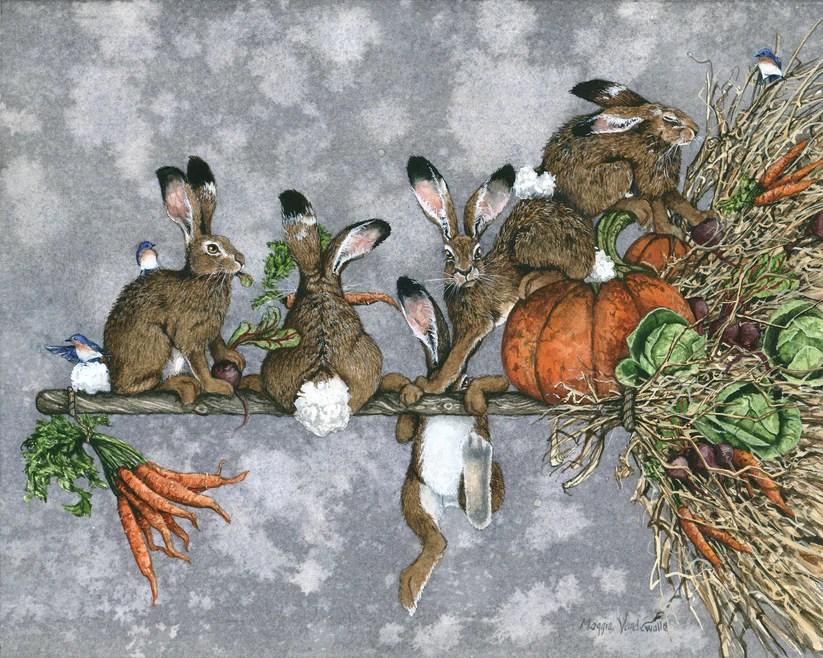
Sunday Evening Art Gallery — Maggie Vandewalle

Maggie Vandewalle was born and raised just outside of Iowa City, Iowa, in a rural setting.She received an art scholarship to the University of Iowa, where she worked towards a BFA in printmaking.After several years she took a break from college to explore life,  determined that art most definitely would in the form of drawing.Vandewalle’s drawings are whimsical and precise, showing a wonderful talent for detail.She is a master of watercolor whimsy whose paintings transport us to a world where the ordinary becomes extraordinary, and the impossible seems just within reach.Vandewalle’s clever composition transforms our interpretation from aesthetic appreciation to ecological observation, reminding us with a wink that beauty in nature often serves a practical purpose.

More of Maggie Vandewalle’s amazing art can be found at https://maggievandewalle.com/.


Sunday Evening Art Gallery — Haejin Lee

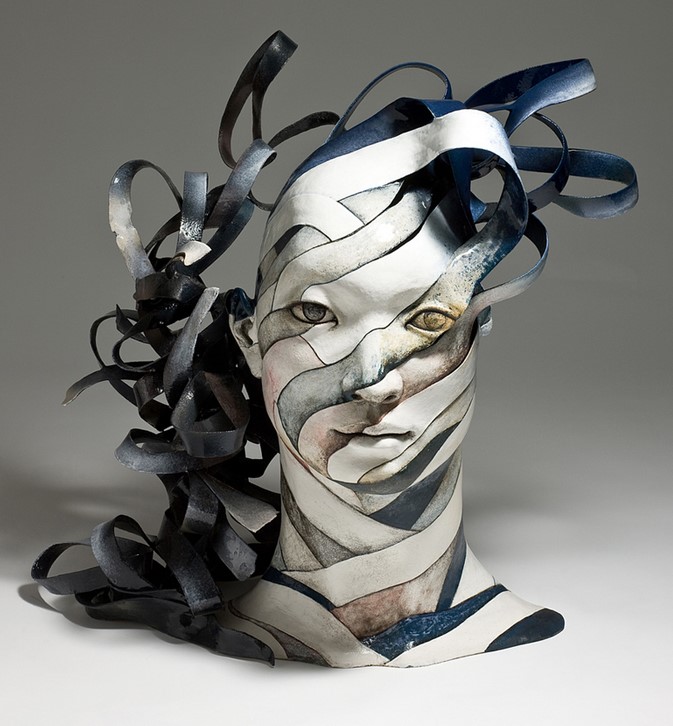
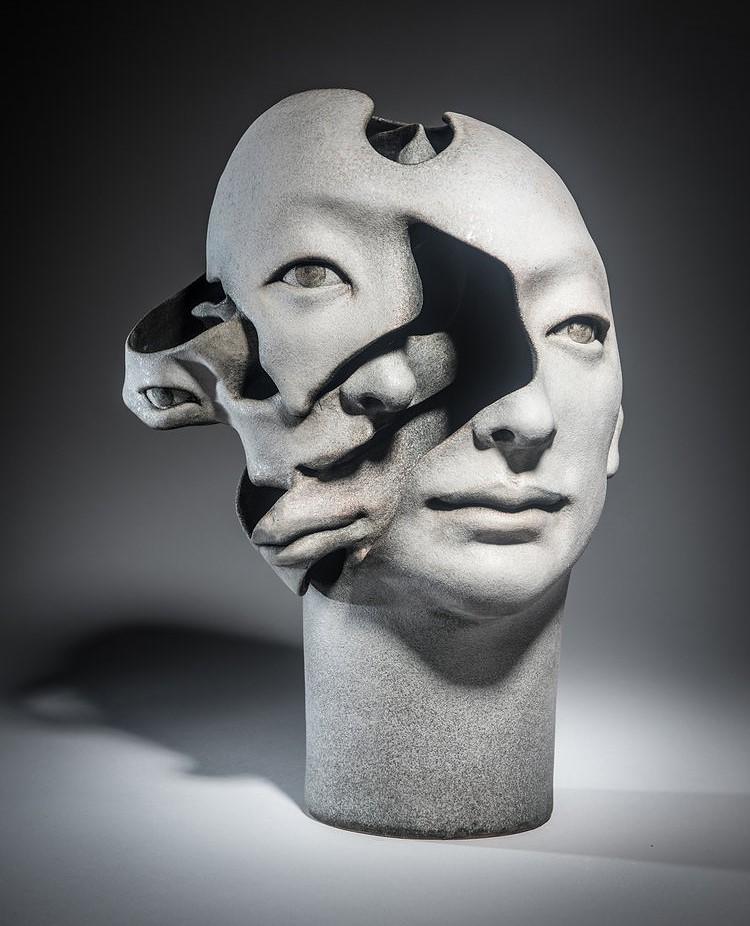
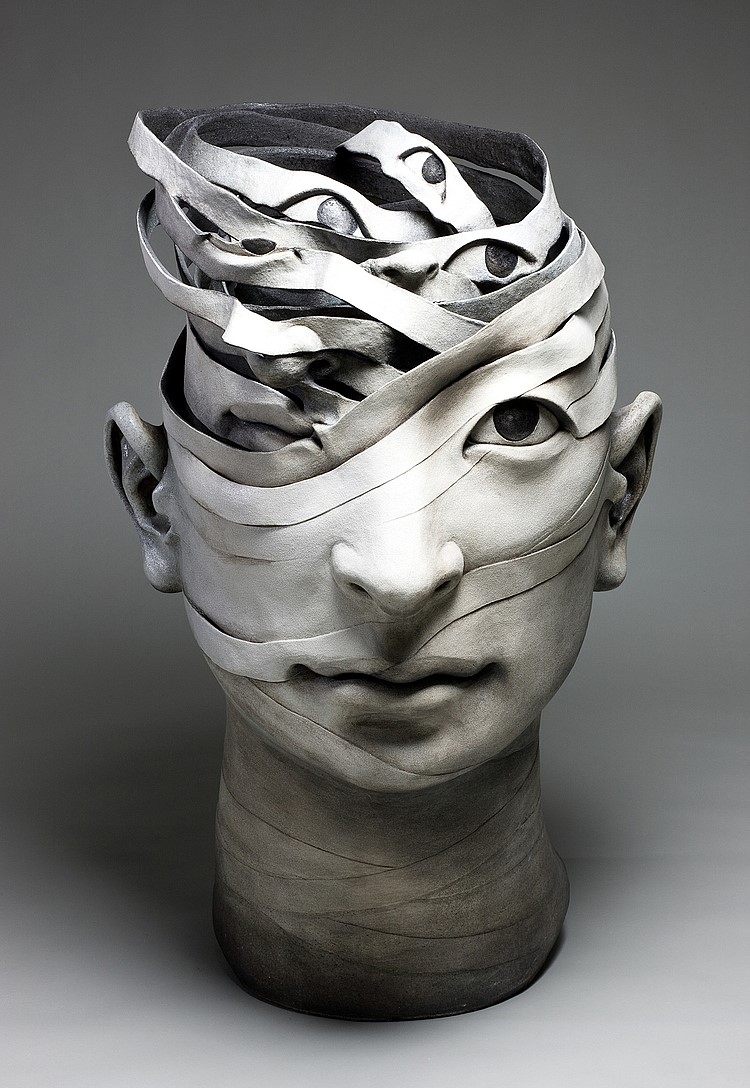
Haejin Lee has been a ceramic artist in Seoul, South Korea for over 15 years.

She was graduated from Hong-Ik University in Korea, received Master degree in Ceramic Art.

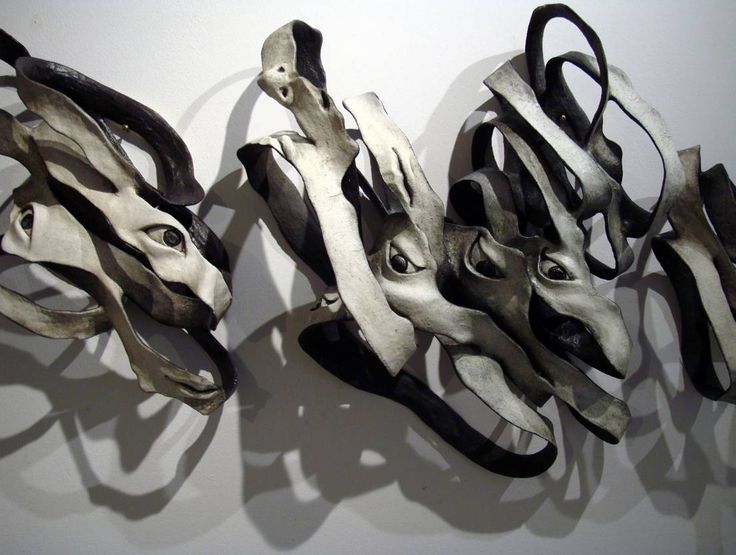
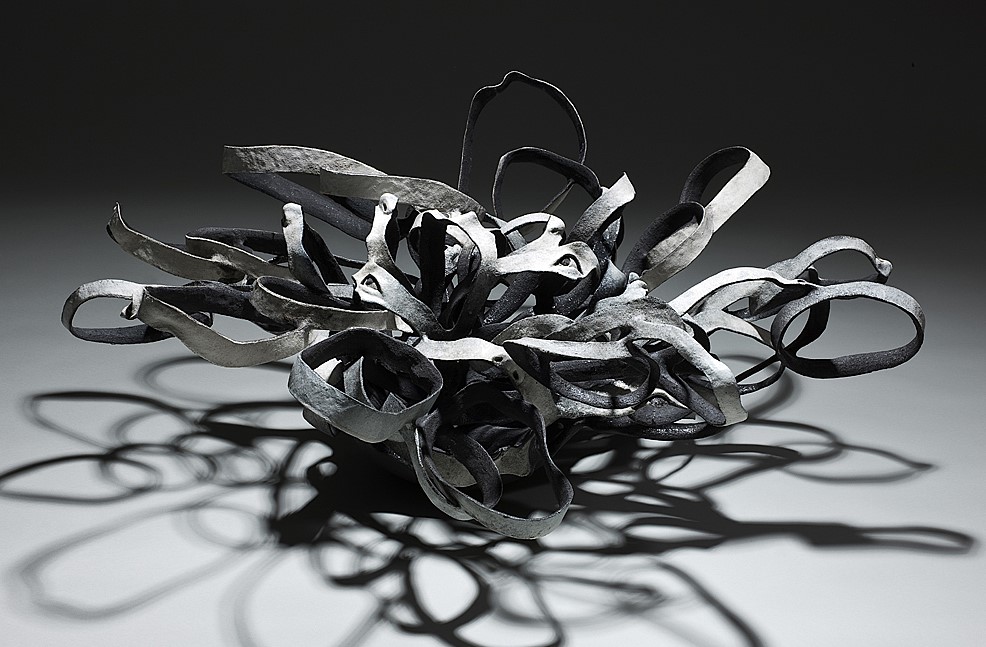
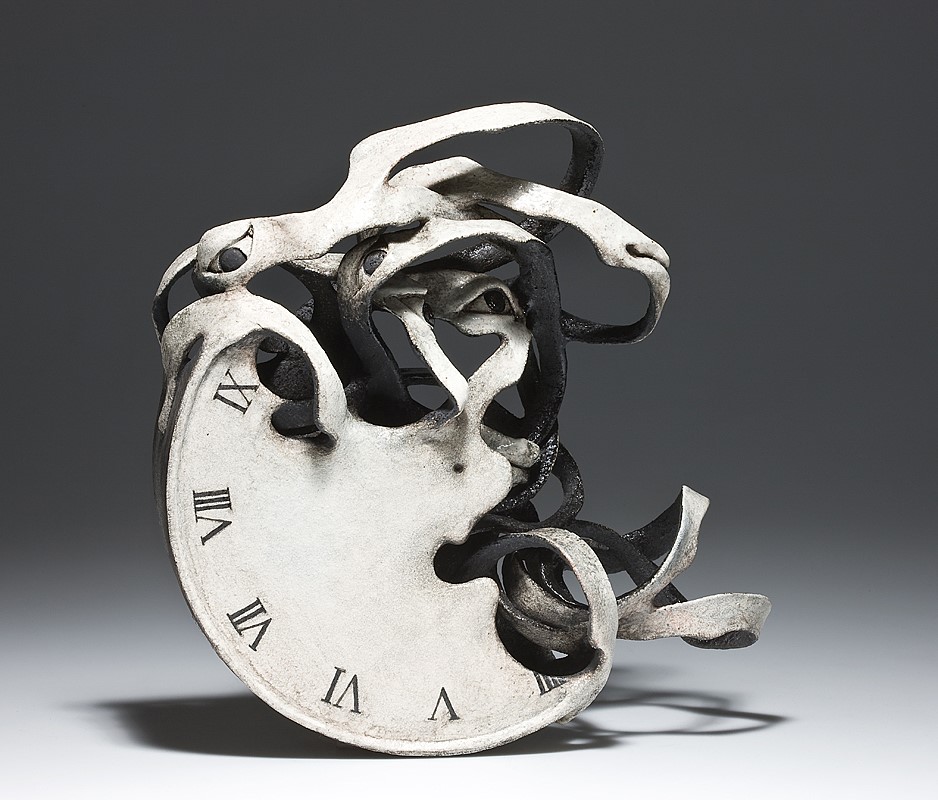
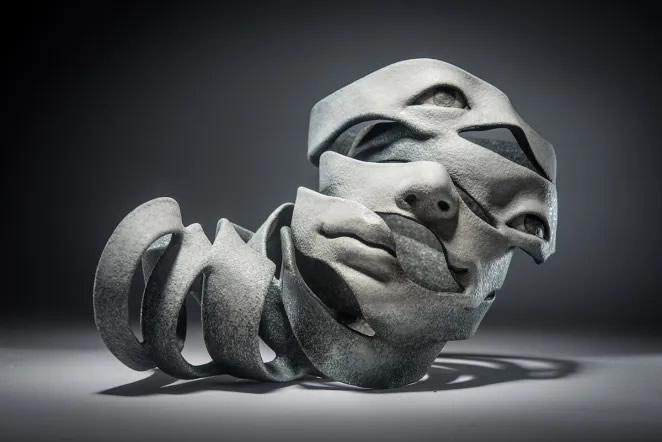
Lee creates ceramic works that look as though they’ll unravel at any moment.

Concentrating primarily on the human body, the sculptor fashions heads and feet that look mostly whole, but have ribbon-like strands rippling from the top of each piece.

They appear in various stages of disarray, with facial features that have been twisted and multiplied, which adds another facet of eeriness to the already-surreal works.

I like to decompose a finished shape and then reassemble the parts into a different presentation,” the artist shares.

“The new creations that are getting rebuilt in the process, are sometimes expressed in a form of rhythmical composition of ribbons or various objects or deformed faces.”

More of Haejin Lee’s artwork can be found at https://haejinlee-ceramics.com/


Sunday Evening Art Gallery — Volker Hermes

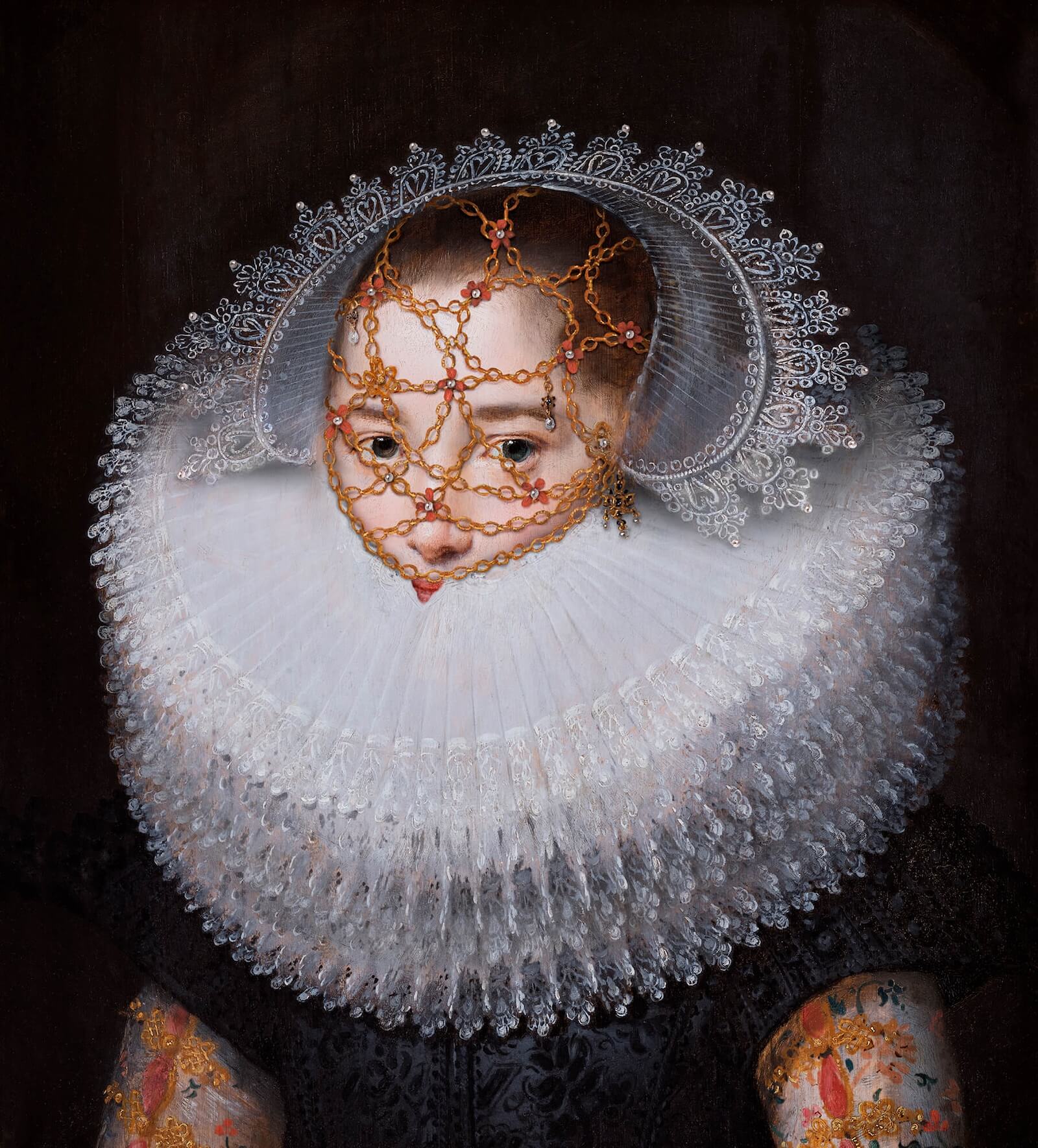
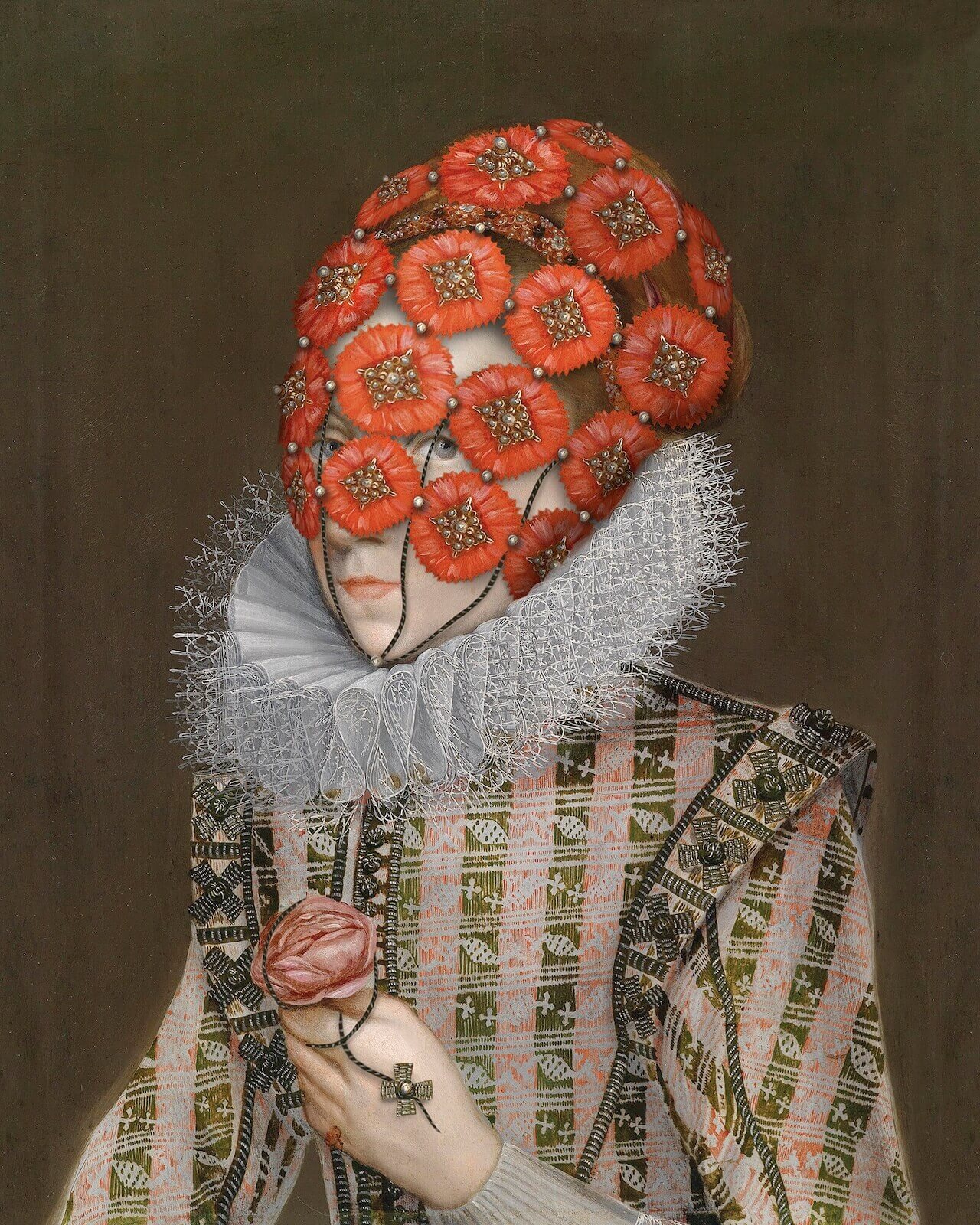
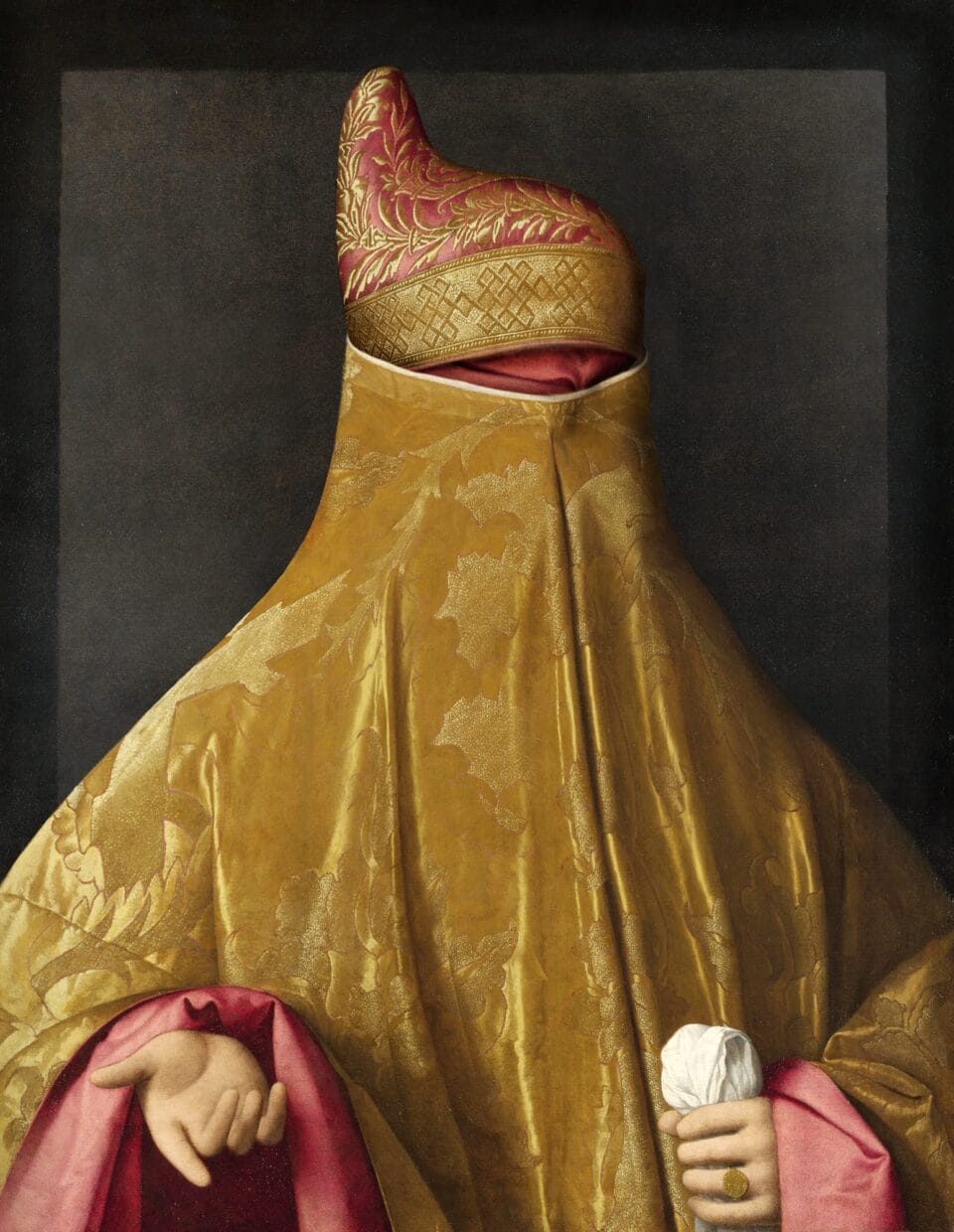
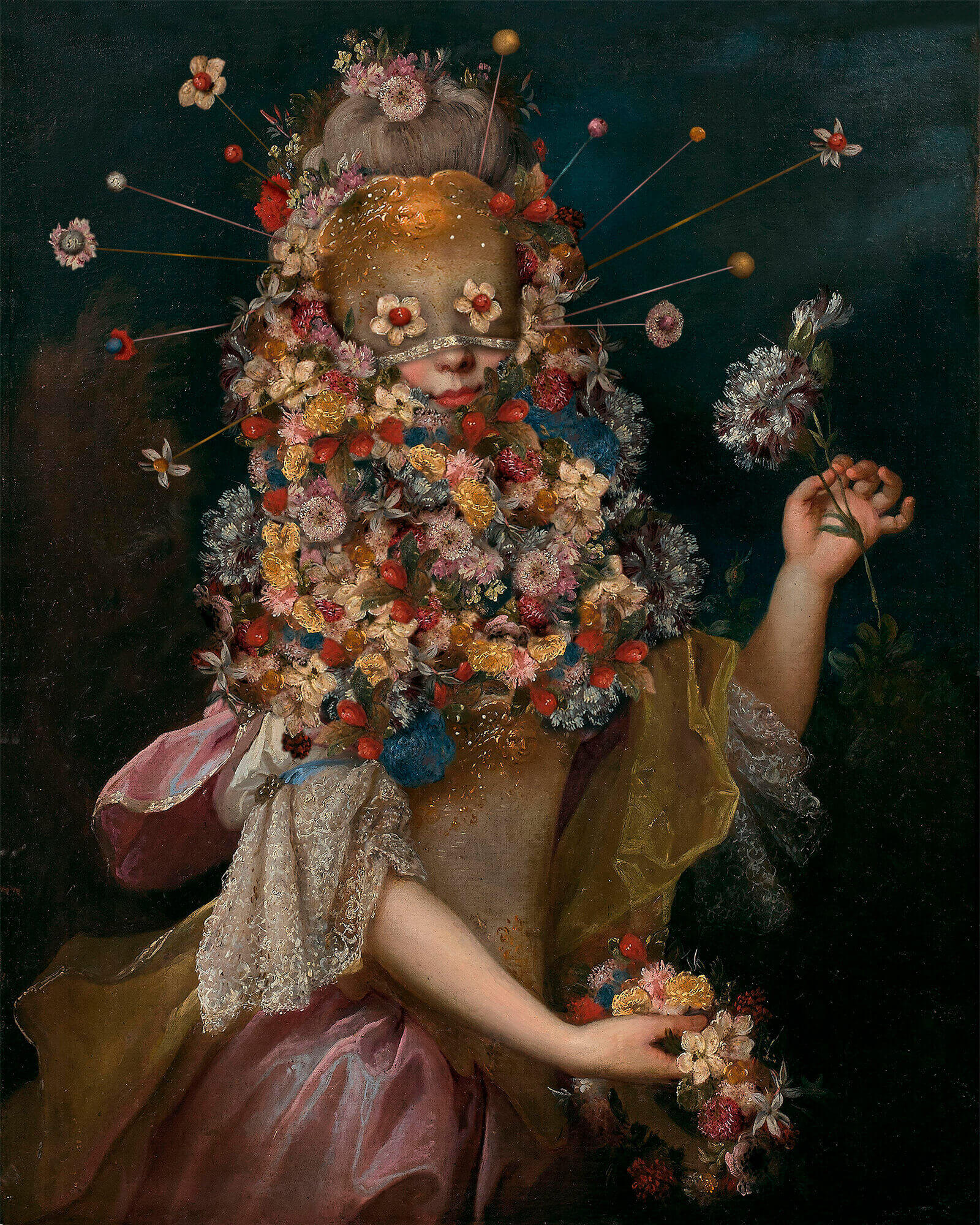
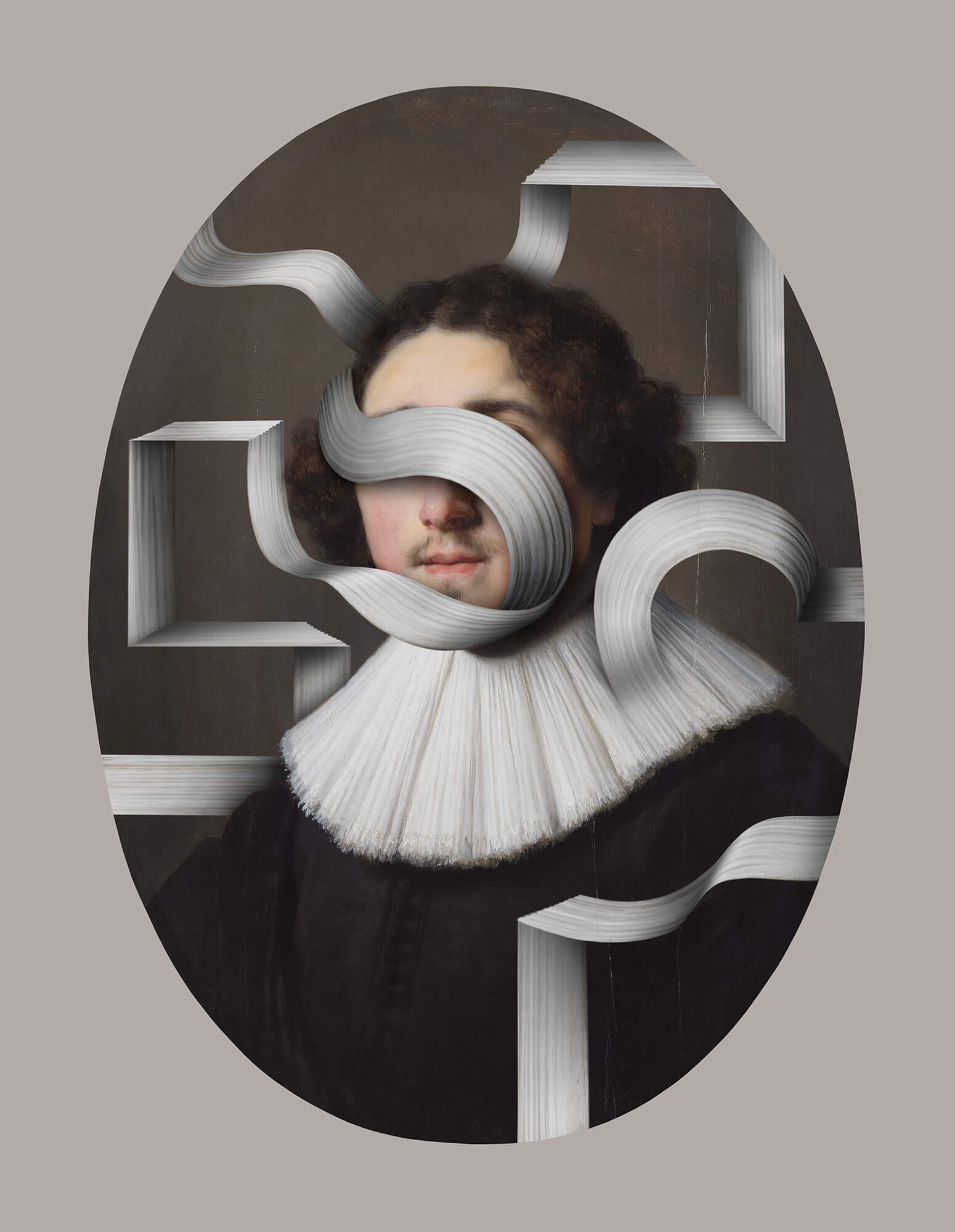
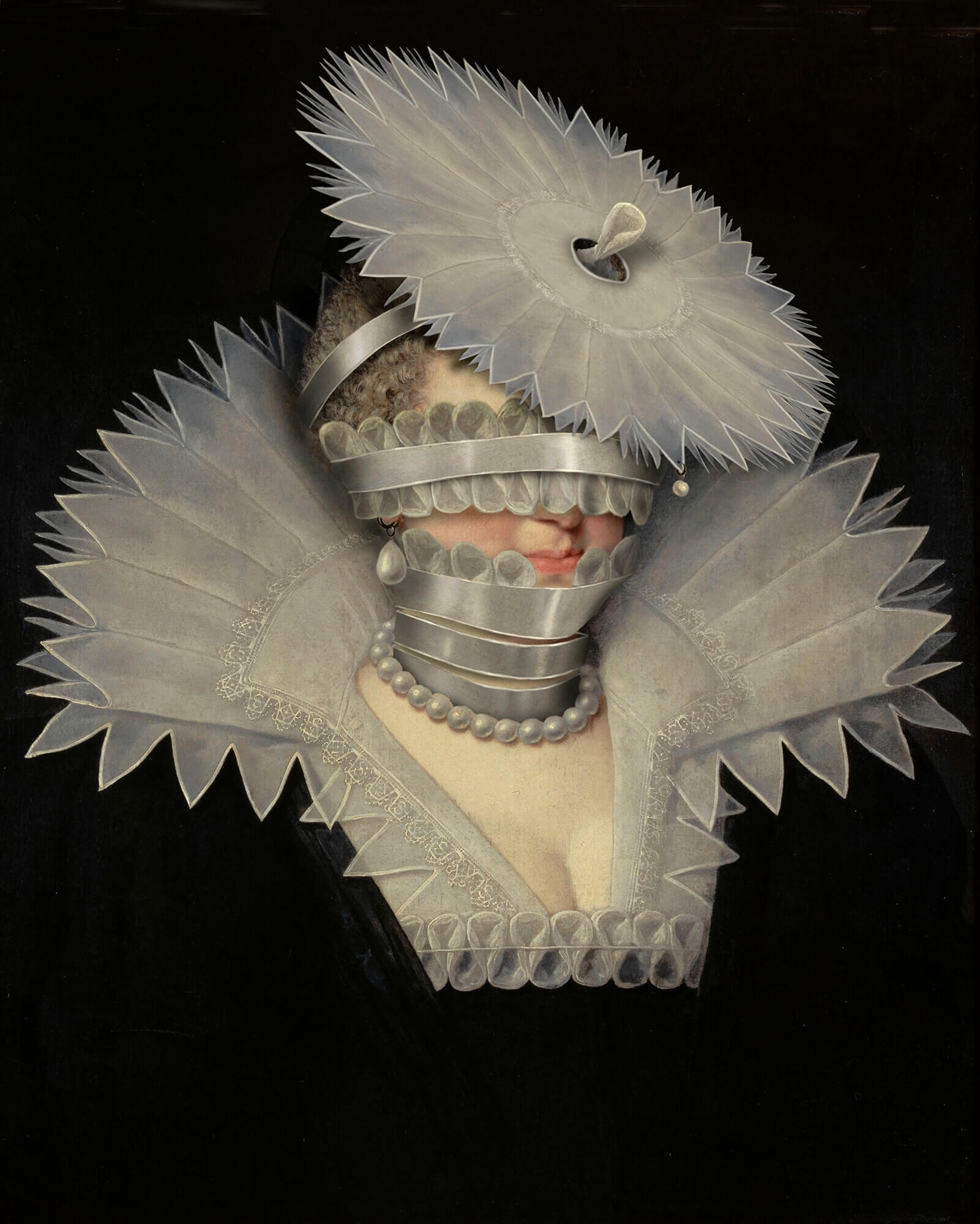
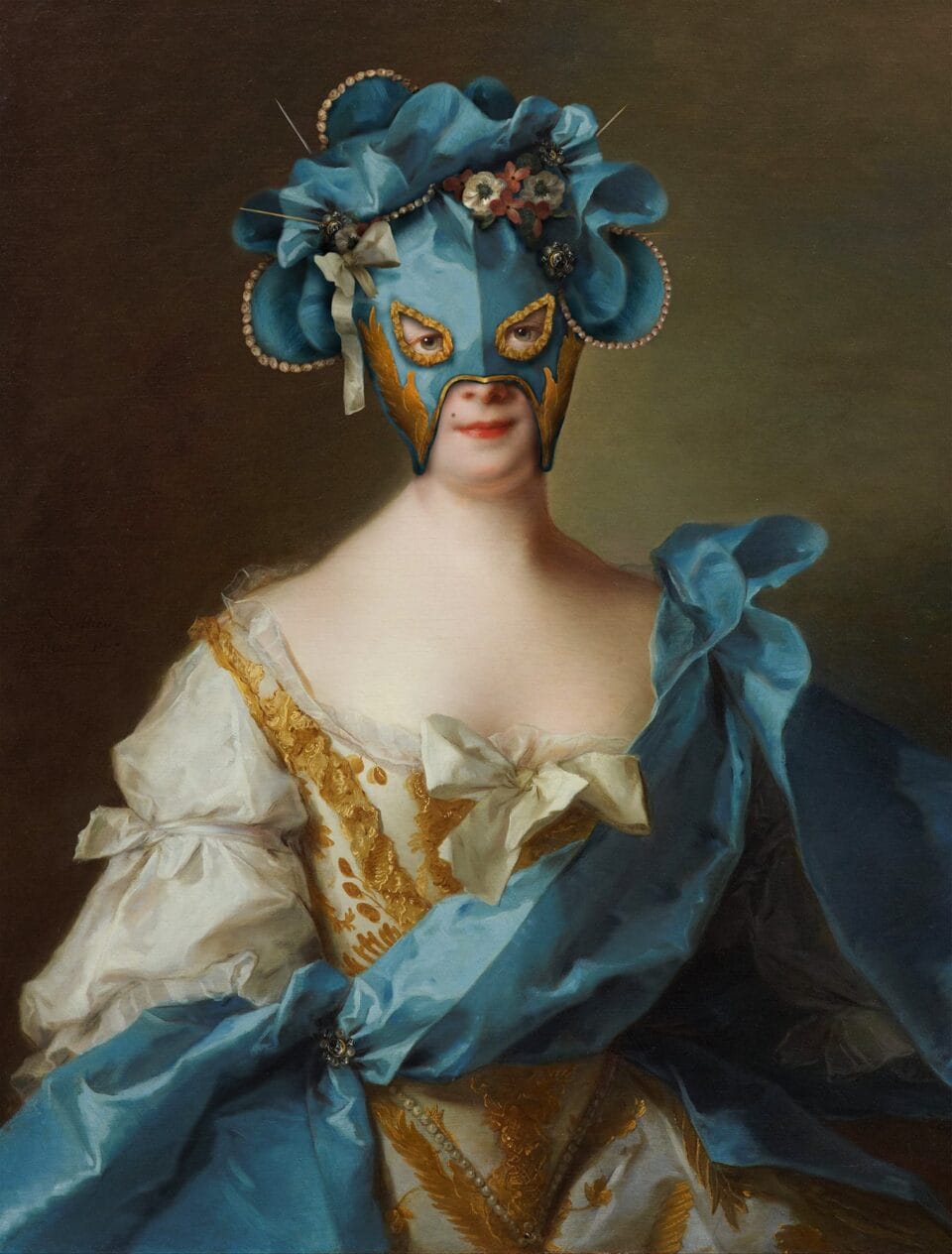
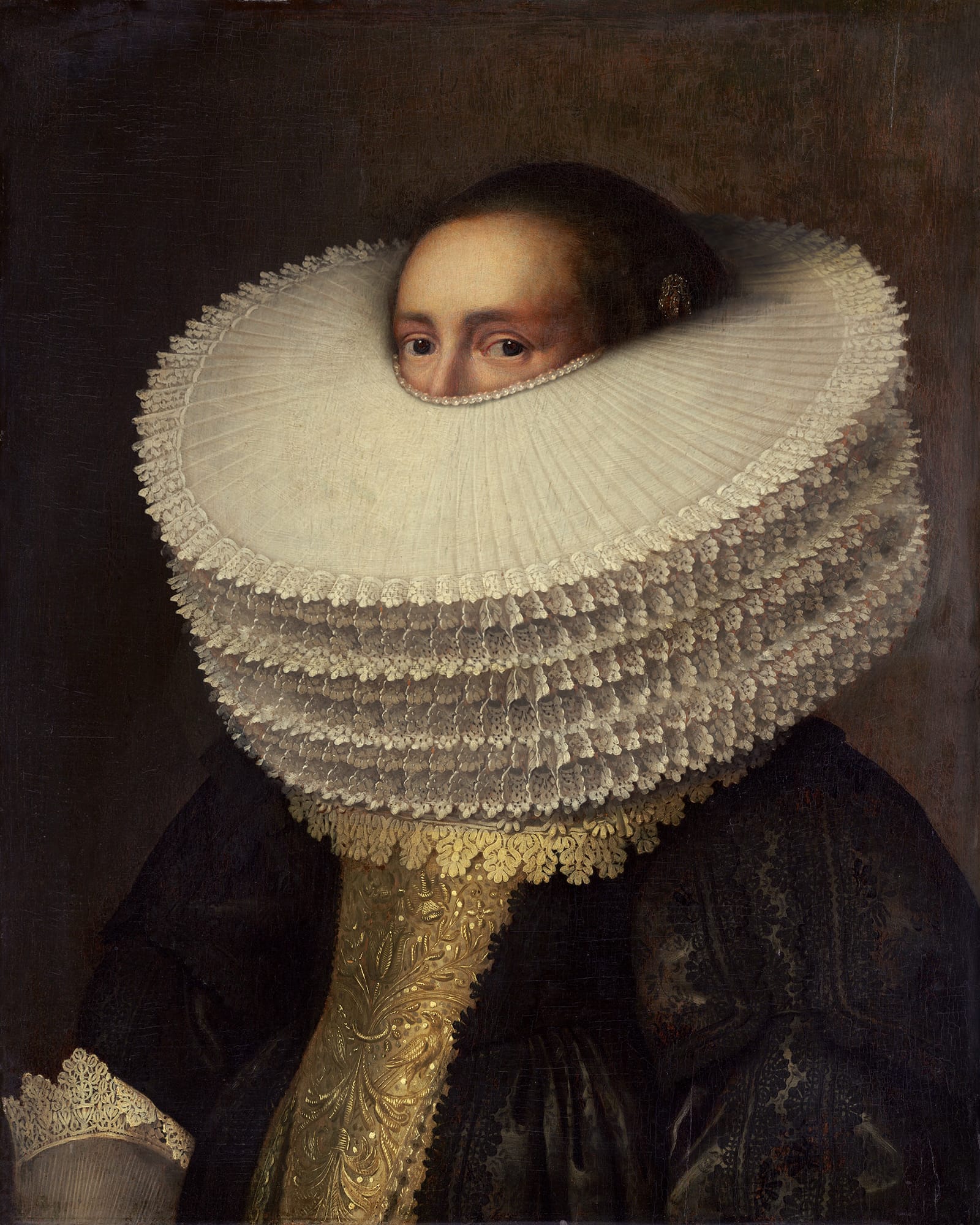
Volker Hermes (-1972) is internationally artist renowned for his ‘Hidden Portraits’ that make digital interventions into historical portrait paintings.Hermes revisits historical portraits by incorporating diverted ornaments inspired by costumes from the 16th to the 19th century, which invade the picture.Taking textures and patterns from within the antique image, he creates masks and new adornments that obscure the sitters’ faces and in the process sheds new insight on how fashion functions in historical imagery.Volker’s ‘Hidden Portraits’ are playful and mischievous; they delight in the sensory exuberance of historical dress.For the last decade, Hermes has used digital-imaging software to manipulate classic portraits from museum collections around the world.The entire face is covered by an absurd mask, piled-up fabric or a ceremonial wig. But nothing is added to the paintings. All the changes come from within the original itself.Hermes’s meticulously described collages pay homage to their sources while gently ribbing the social pretensions and ambitions of the courtly classes.His practice plays with the limits of perception and tenderly mocks human folly, whether it’s the desire to capture and tame the natural world or to flaunt the latest fashions.More of Volker Hermes surreal paintings can be found at https://www.hermes.art/.


Sunday Evening Art Gallery Blog — Cecelia Webber

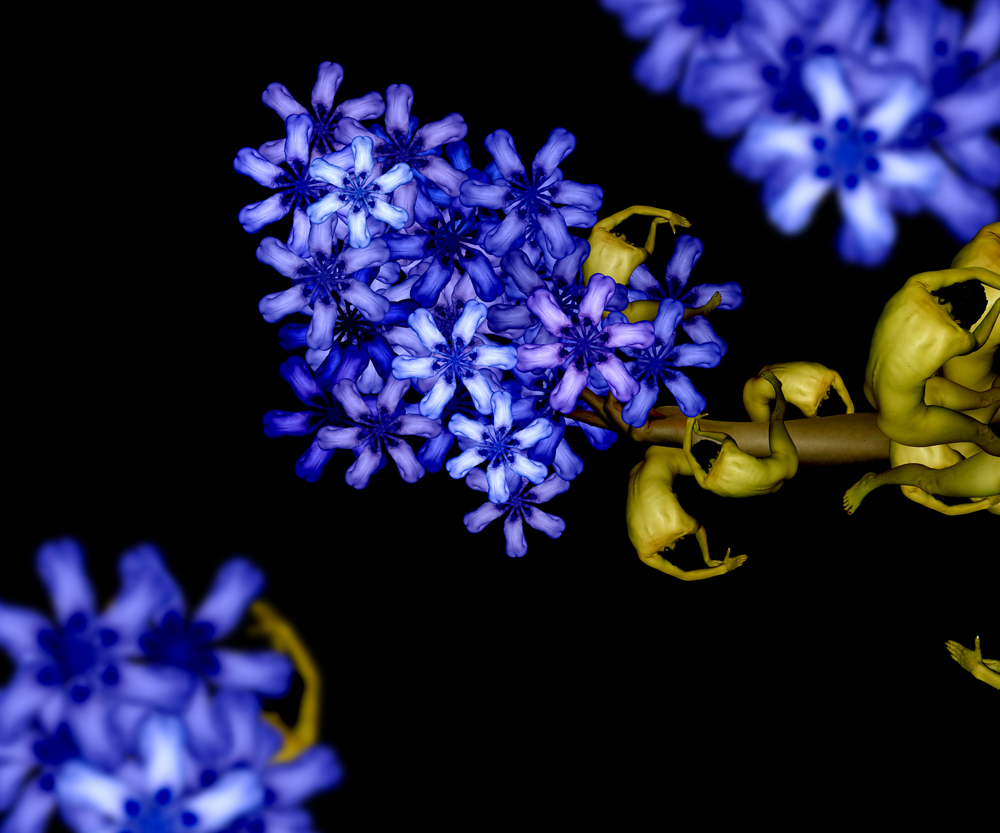
Cecelia Webber uses the human body to construct intricate tessellations that represent the natural world.

Her art implicates the viewer in its form, evoking our complex relationship with our bodies and nature. Her art has been featured around the world.

Each composition can take up to two months to produce, and involves photographing scores of poses; digitally cutting, rotating, and coloring the resulting images; and assembling all of the components together into the finished piece.

Because even slight nuances of colour and form become magnified in their final context, Webber frequently takes more than fifty photographs of a single pose to achieve the desired form.

The artist also regularly uses herself as a subject, setting a camera timer and then orienting herself for the photograph.

Webber’s deep appreciation for nature, along with her scientific background, gives her a deep awareness of organic forms that she draws upon to concoct pieces bearing a unique interplay between colors, shapes, and models’ bodies.

More of Cecelia Webber‘s magnificent art can be found at  http://www.ceceliawebber.com/.