Degenerate Art — Kind of a Repost

I just happened to come across a documentary about Art Thefts and how famous works were recovered. Called “Raiders of the Lost Art” (how cute) on Amazon Prime, the first episode was about all the Hildebrand Gurlitt, a German art historian and art gallery director who dealt in Nazi-looted art as one of Hitler’s and Goering’s four authorized dealers for “degenerate art”.

Hildebrand Gurlitt’s personal collection of over 1,500 artworks by Impressionist, Cubist, and Expressionist artists and Old Masters remained virtually unknown until it was brought to public attention in 2013 following its confiscation from the possession of his son, Cornelius Gurlitt

I was extra excited about this episode because of what I learned and blogged about back in

Hatred and destruction of things you don’t like or understand has been around for centuries. Think of how many books were burned, buildings were bombed, and lives were destroyed by closed minded fools.

The world in general and the art world in particular is fortunate that so many works by now-famous modern artists had been stolen and hidden from sight instead of burned during that horrid movement.

I’m going to repost the Degenerate Art blog and add a few more degenerate art and artists at the end. 

Don’t ever let the world tell you what to paint and what to create.


Sunday Evening Art Gallery — Degenerate Art


Degenerate Art was a term adopted in the 1920s by the Nazi Party in Germany to describe modern art.Descent from the Cross, Max Beckmann

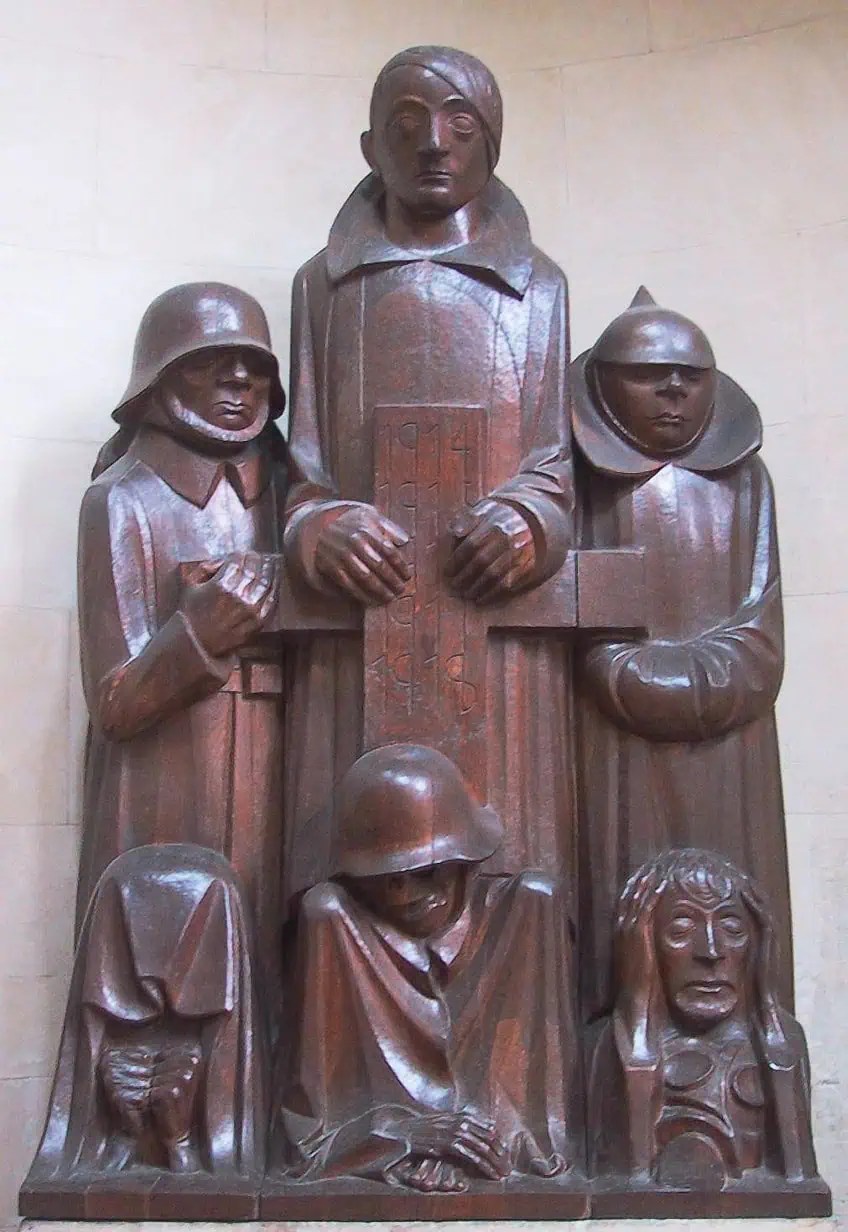
During the dictatorship of Adolf Hitler, German modernist art, including many works of internationally renowned artists, was removed from state-owned museums and banned in Nazi Germany on the grounds that such art was an “insult to German feeling”, un-German, Freemasonic, Jewish, or Communist in nature.Magdeburger Ehrenmal, Ernst Barlac

Hitler’s rise to power in 1933 was quickly followed by actions intended to cleanse the culture of degeneracy: book burnings were organized, artists and musicians were dismissed from teaching positions, and curators who had shown a partiality for modern art were replaced by Party members.Portrait of a Man, Erich Heckel

Those identified as degenerate artists were subjected to sanctions that included being dismissed from teaching positions, being forbidden to exhibit or to sell their art, and in some cases being forbidden to produce art.Street Berlin, Ernst Ludwig Kirchner

The head of Reichskammer der Bildenden Künste (Reich Chamber of Visual Art), and his commission were authorized to confiscate from museums and art collections throughout the Reich any remaining art deemed modern, degenerate, or subversive.Kneeling Woman, Wilhelm Lehmbruck

All the works that were a part of Bauhaus, CubistDada, Expressionist, FauvistImpressionist, New Objectivity and Surrealist style were labeled as sick.At the Shore, Edgar Ende

These works were then to be presented to the public in an exhibit intended to incite further revulsion against the “perverse Jewish spirit” penetrating German culture.Pharisees, Karl Schmidt-Rottluff

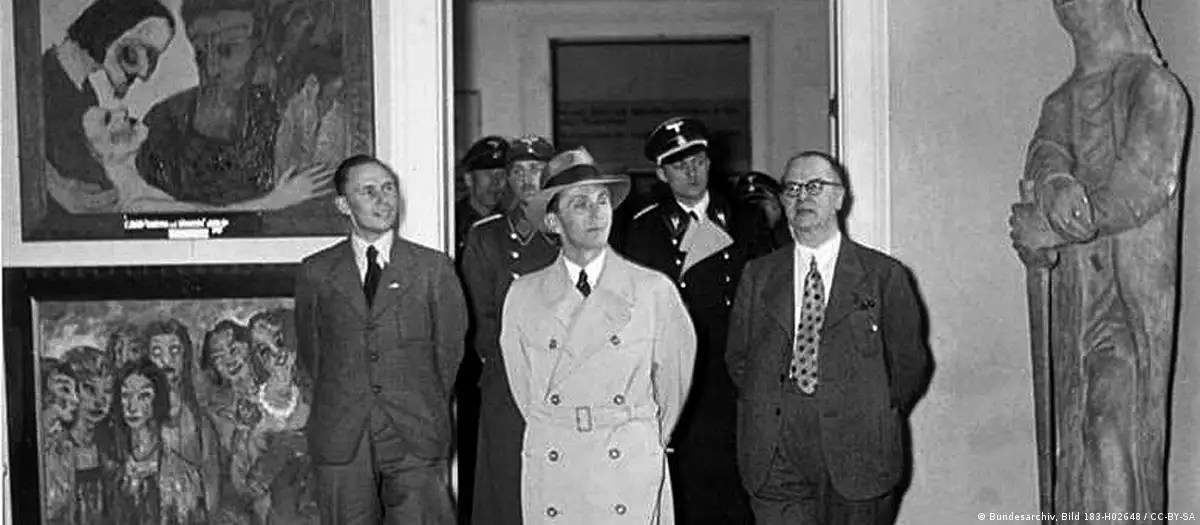
In July 1937, the German Nazi regime sponsored the Entartete Kunst (Degenerate Art) exhibition in Munich.

The exhibition’s  central theme was to “educate” the public on the “art of decay.The Blue Window, Henri Matisse

The exhibition featured over 650 paintings, sculpturesprints and books from the collections of 32 German museums.

The artworks were placed next to insulting texts which were supposed to prove how depraved the artists were and ridiculed by being juxtaposed with other works by the inmates of German lunatic asylums.Despite this, public attendance exceeded all expectations. It is estimated that more than 2 million people passed through the cramped space in 1937.

During this period, over 5,000 artworks were seized, including 1,052 pieces by Emil Nolde (who was ironically a racially pure Aryan and a member of the Nazi Party), 759 by M.C. Escher, 639 by Ernst Ludwig Kirchner, 508 by Max Beckmann, and smaller numbers of artworks by such artists as Alexander ArchipenkoMarc ChagallWassily KandinskyHenri MatissePablo PicassoVincent Van Gogh and hundreds of others.Bildnis des Malers, Franz Radziwill

In March 1939, the Berlin Fire Brigade burned about 4000 paintings, drawings and prints that had apparently little value on the international market.

Die großen blauen Pferde, Franz Marc

A similar act was conducted in the summer of 1942, in the gardens of the Galerie Nationale du Jeu de Paume in Paris, in a bonfire which burned important pieces by Pablo Picasso, Salvador Dalí, Paul Klee, Fernand Léger and Joan Miró.Les Demoiselles d’Avignon, Pablo Picasso

In this way, Germany began the confiscation of artworks deemed degenerate from a variety of museums throughout the Reich and combined the taken works into one single, coherent exhibition for their further ridicule and mockery.En Canot, Jean Metzinger

The V&A holds the only known copy of a complete inventory of Entartete Kunst confiscated by the Nazi regime from public institutions in Germany, mostly during 1937 and 1938. The list of more than 16,000 artworks was produced by the Reichsministerium für Volksaufklärung und Propaganda (Reich Ministry for Public Enlightenment and Propaganda) in 1942

The UMMA Exchange has a list with pictures of all artists in the Degenerate Art Show.


A few more:


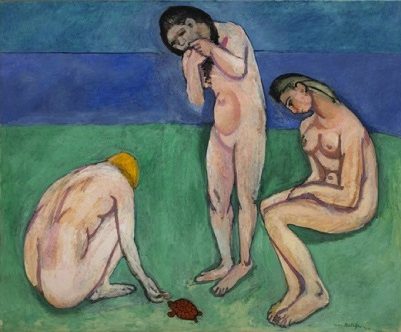
Bathers With A Turtle, Henri Matisse


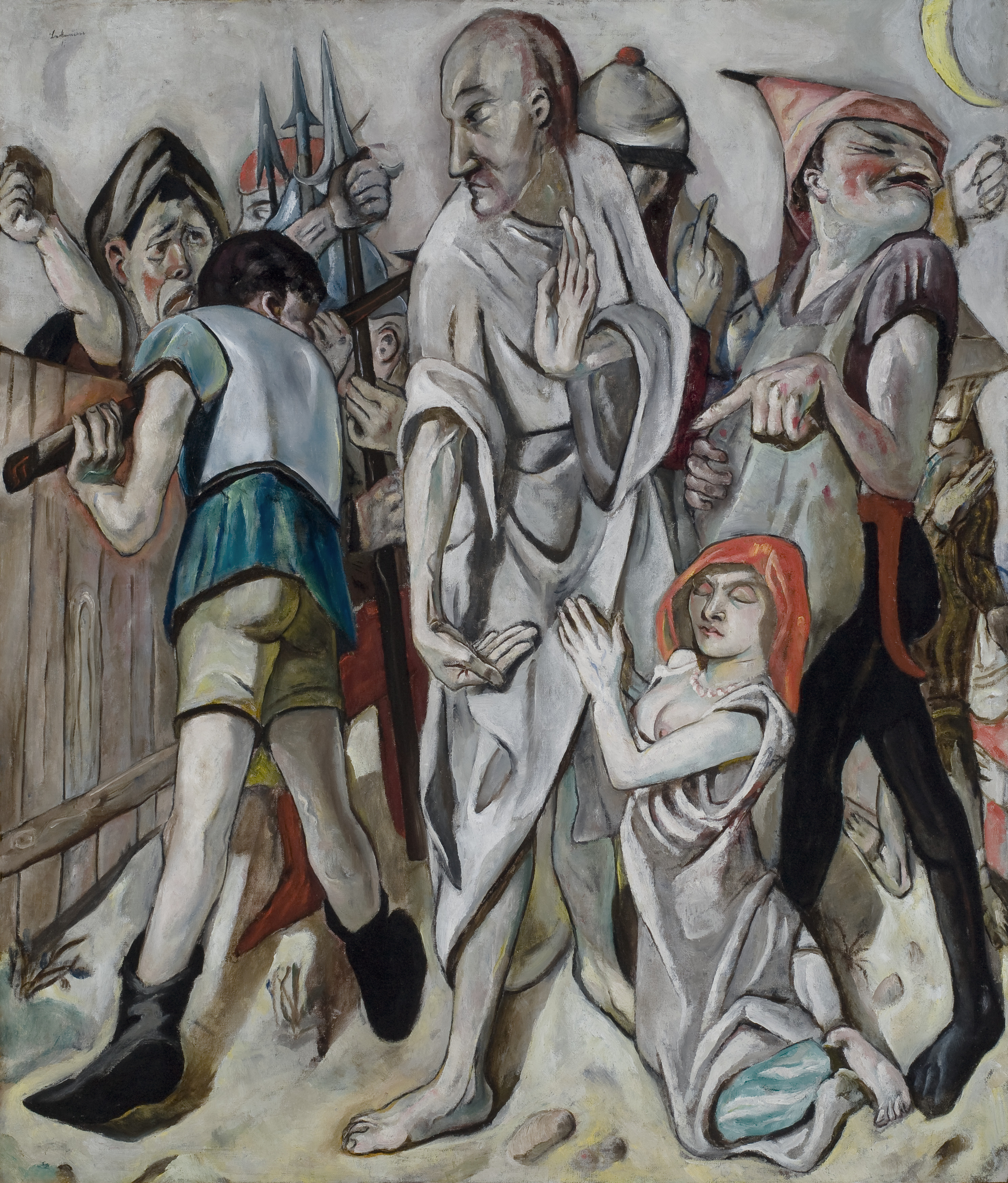
Christ and the Sinner, Max Beckmann


‘Three Bathers, Ernst Ludwig Kirchner


Self-Portrait Dedicated To Paul Gaugin, Vincent van Gogh


T

The Absinthe Drinker, Pablo Picasso


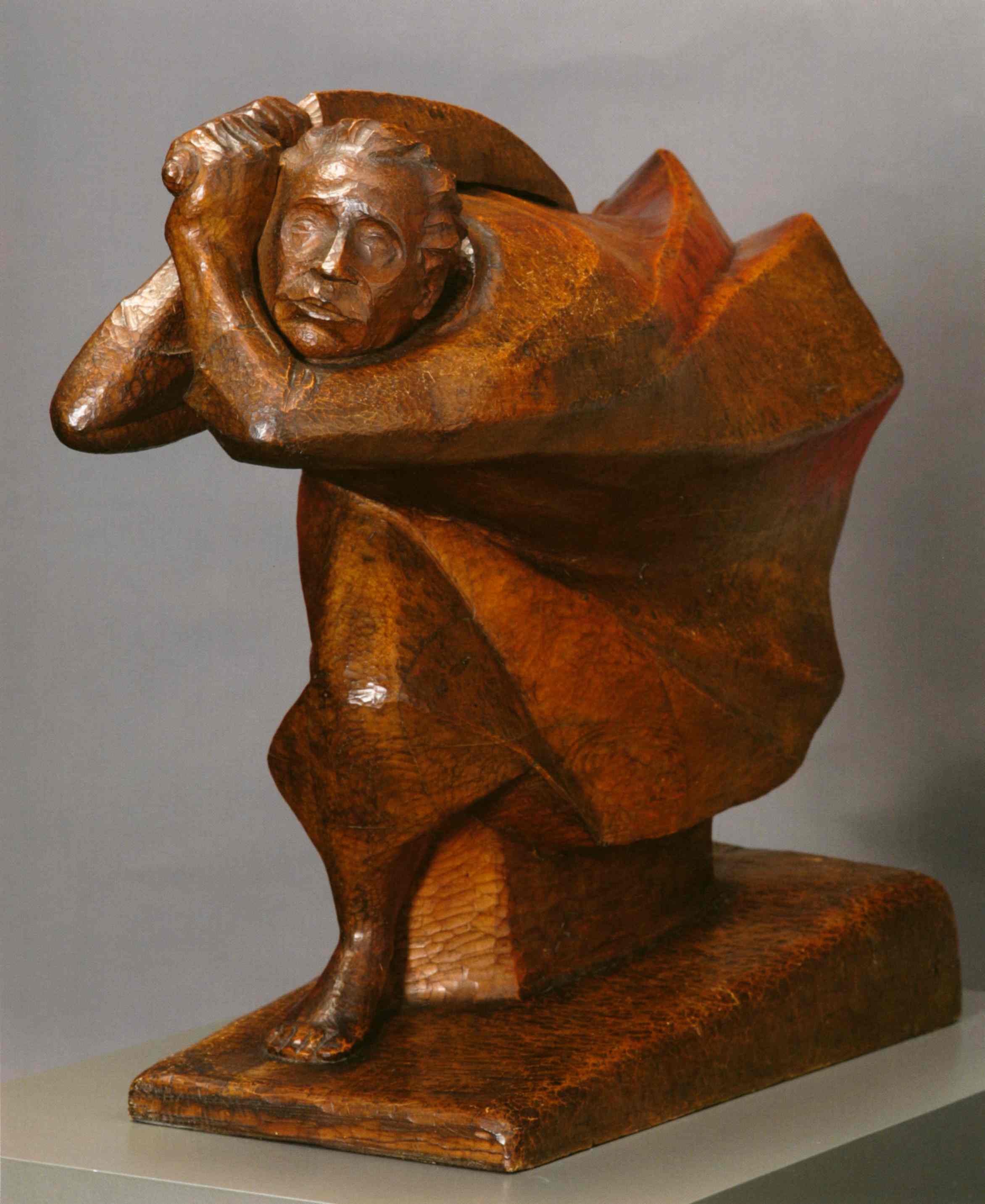
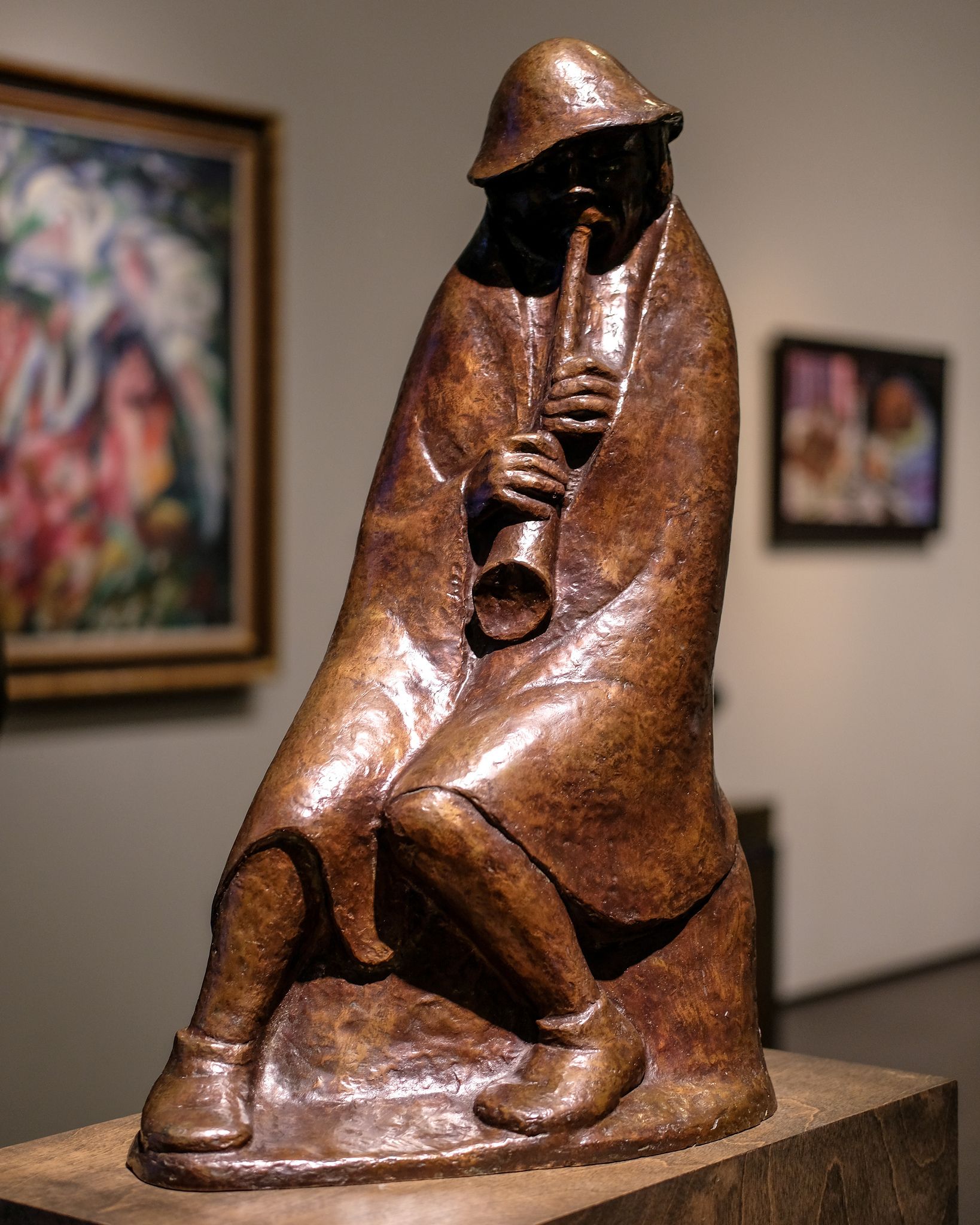
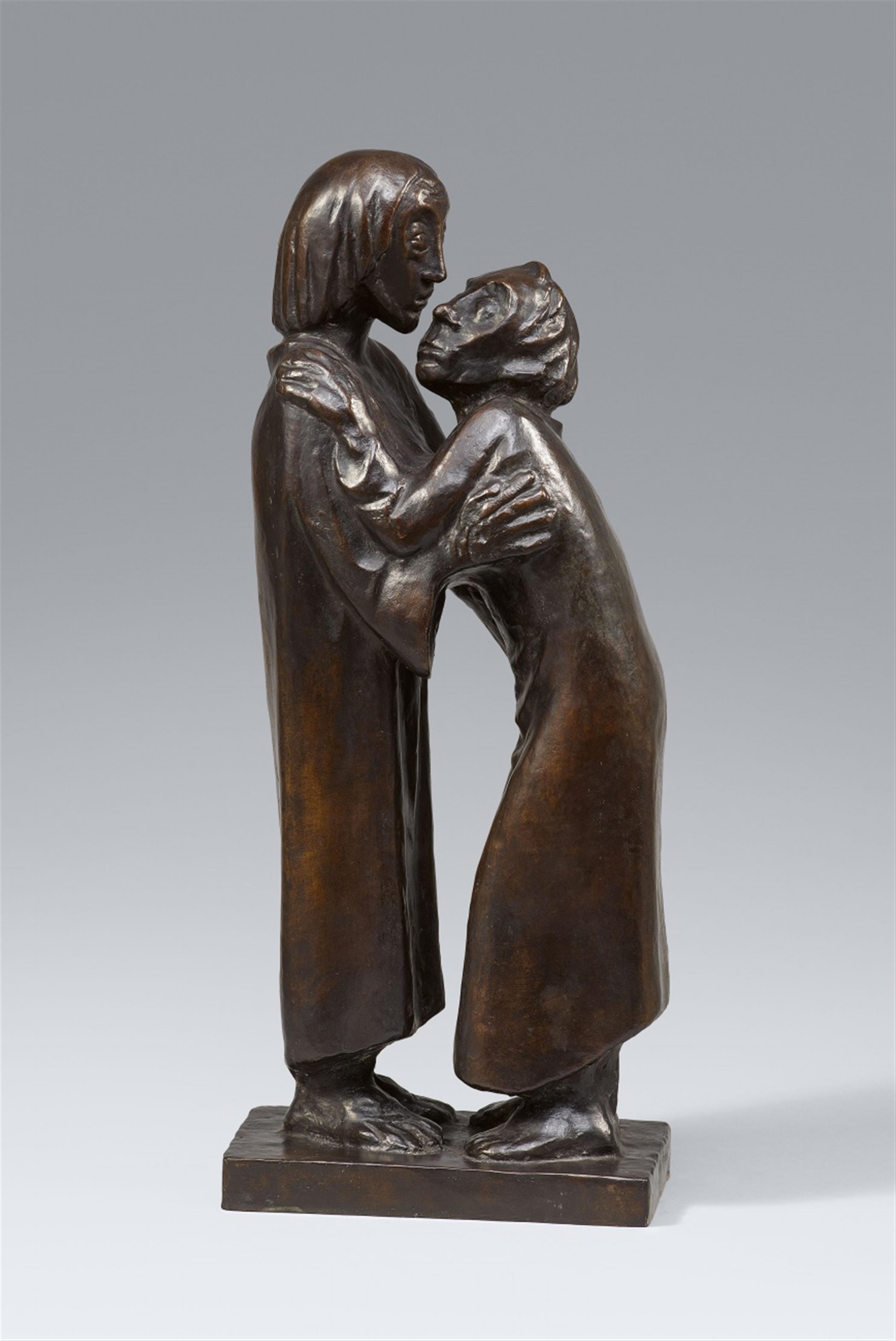
Sunday Evening Art Gallery — Ernst Barlach

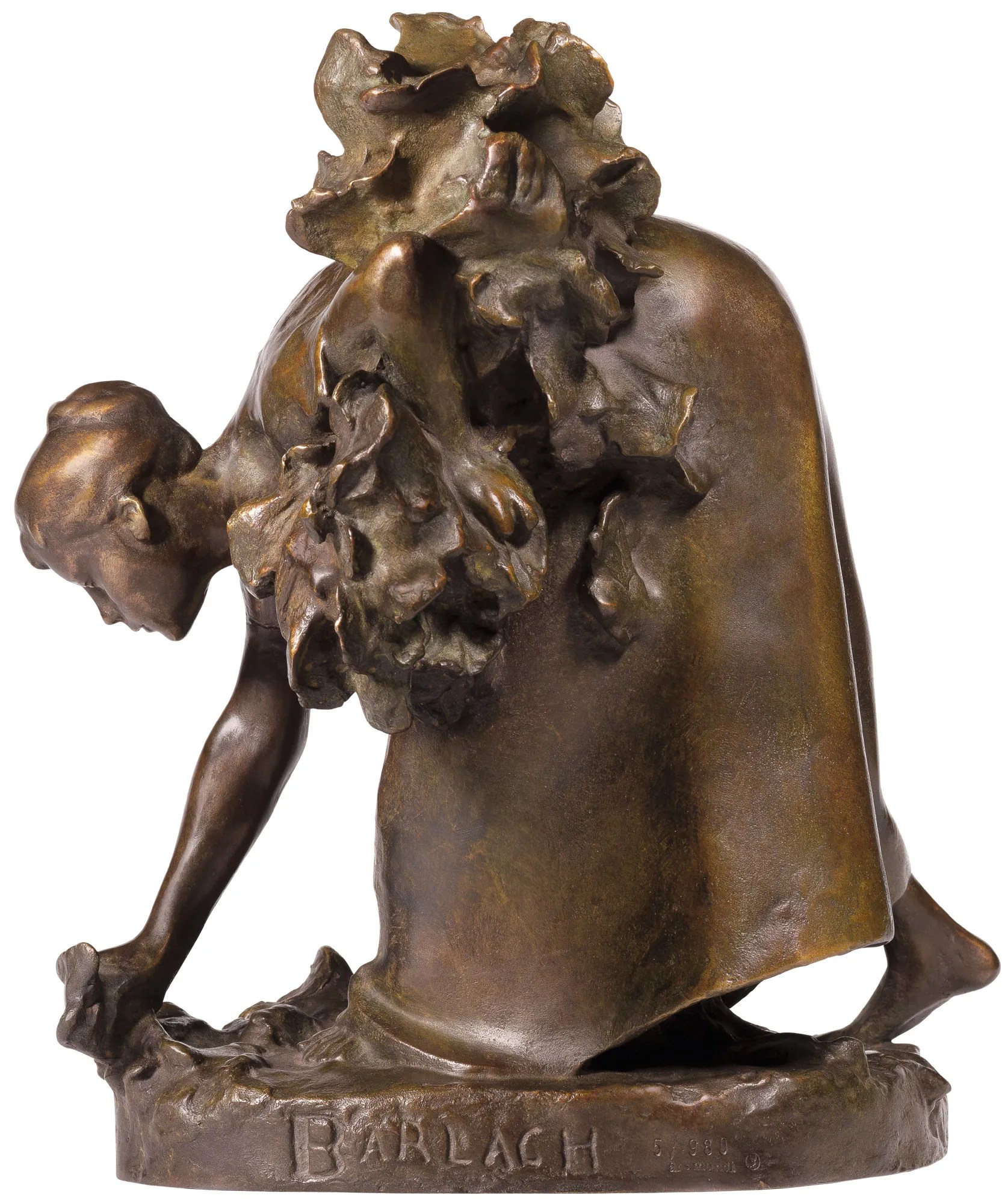
Ernst Barlach (1870 -1938) was a prominent German sculptor, printmaker, and writer, best known for his expressive works that poignantly captured the human condition.Barlach studied art in HamburgGermany, and later in Dresden and Paris.

His sculptures, often characterized by their simplified forms and emotional depth, reflect the hardships and spiritual struggles of the early 20th century, particularly in the context of war and social upheaval.

Barlach’s work, influenced by both medieval German art and the modernist movement, frequently explored themes of suffering, compassion, and the search for meaning, making him a significant figure in the expressionist art movement.Stylistically, his literary and artistic work would fall between the categories of twentieth-century Realism and Expressionism.In the years before World War I, Barlach was a patriotic and enthusiastic supporter of the war, awaiting a new artistic age from the war.His awaited new artistic age came for him when he volunteered to join the war between 1915 and 1916 as an infantry soldier. After three months of service he was discharged due to a heart ailment, returning as a pacifist and a staunch opponent of war, the horror of the war influencing all of his subsequent works.Although his work was removed from German museums under the Nazi regime and categorized as “degenerate art,” after World War II his talent was once again recognized.Despite facing persecution during the Nazi regime, which deemed his art “degenerate,” Barlach’s legacy endures through his deeply moving and introspective works that continue to resonate with audiences today.


More of Ernest Barlach’s body of inspirational works can be found at https://artincontext.org/ernst-barlach/… and https://www.barlach-haus.de/.


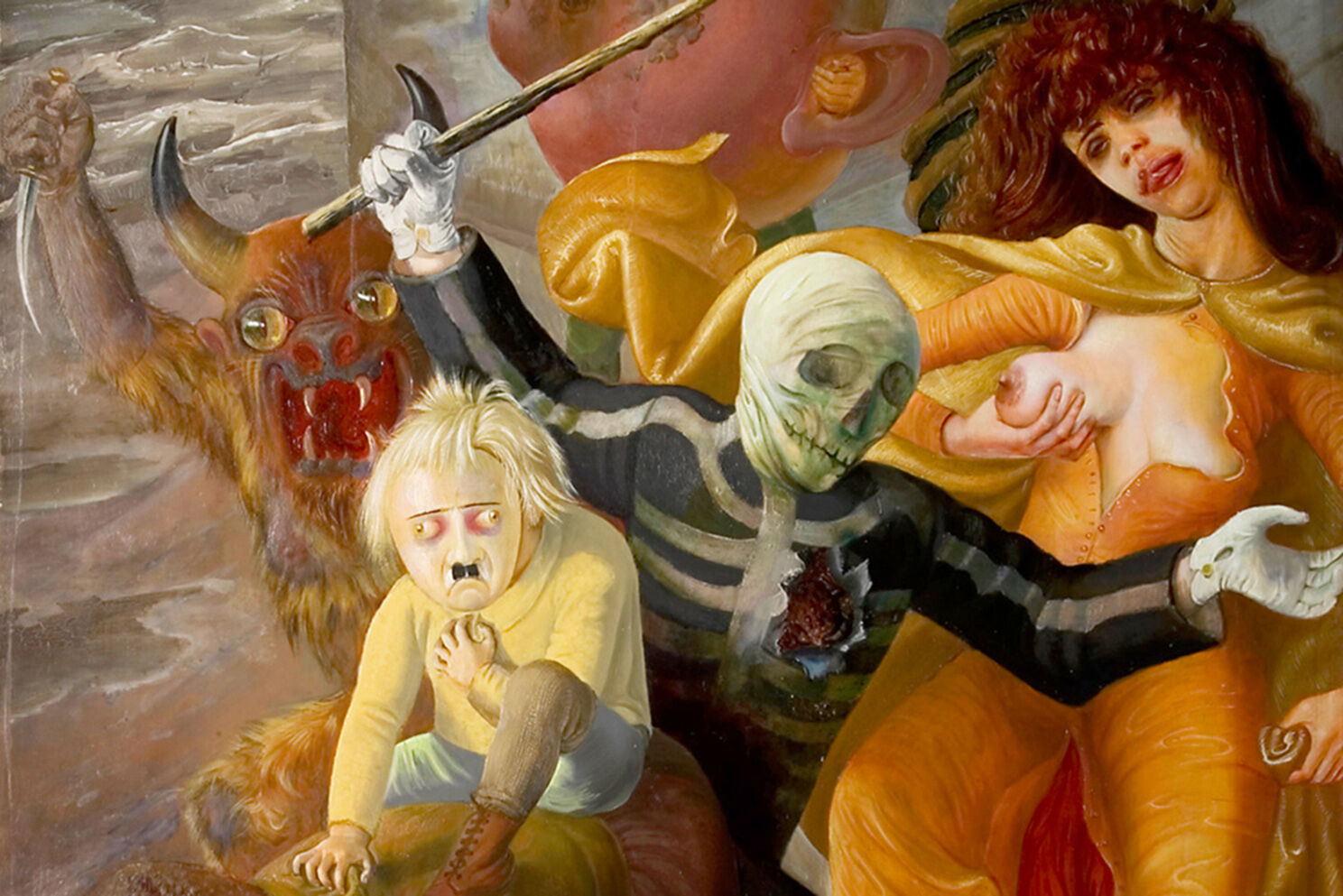
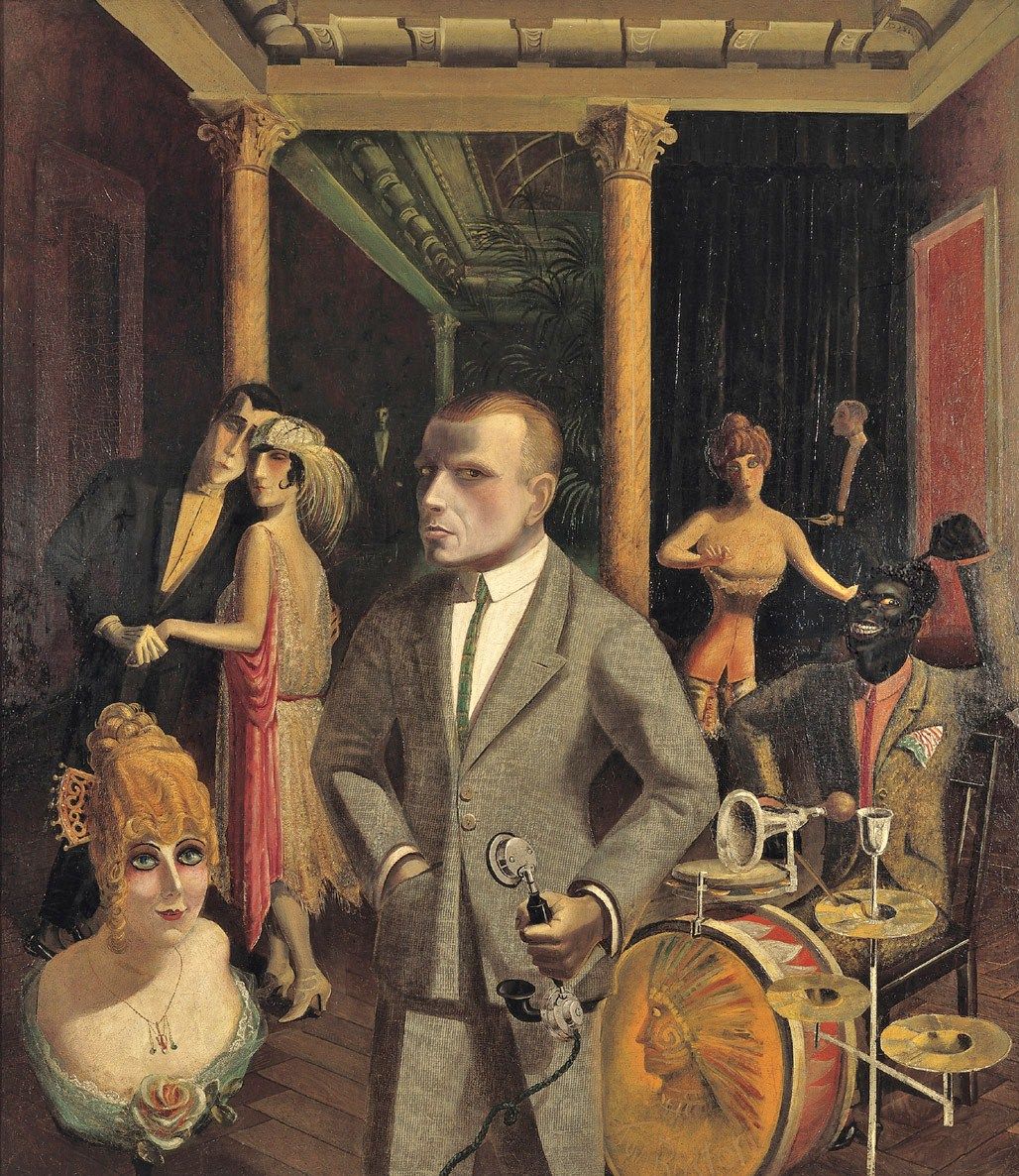
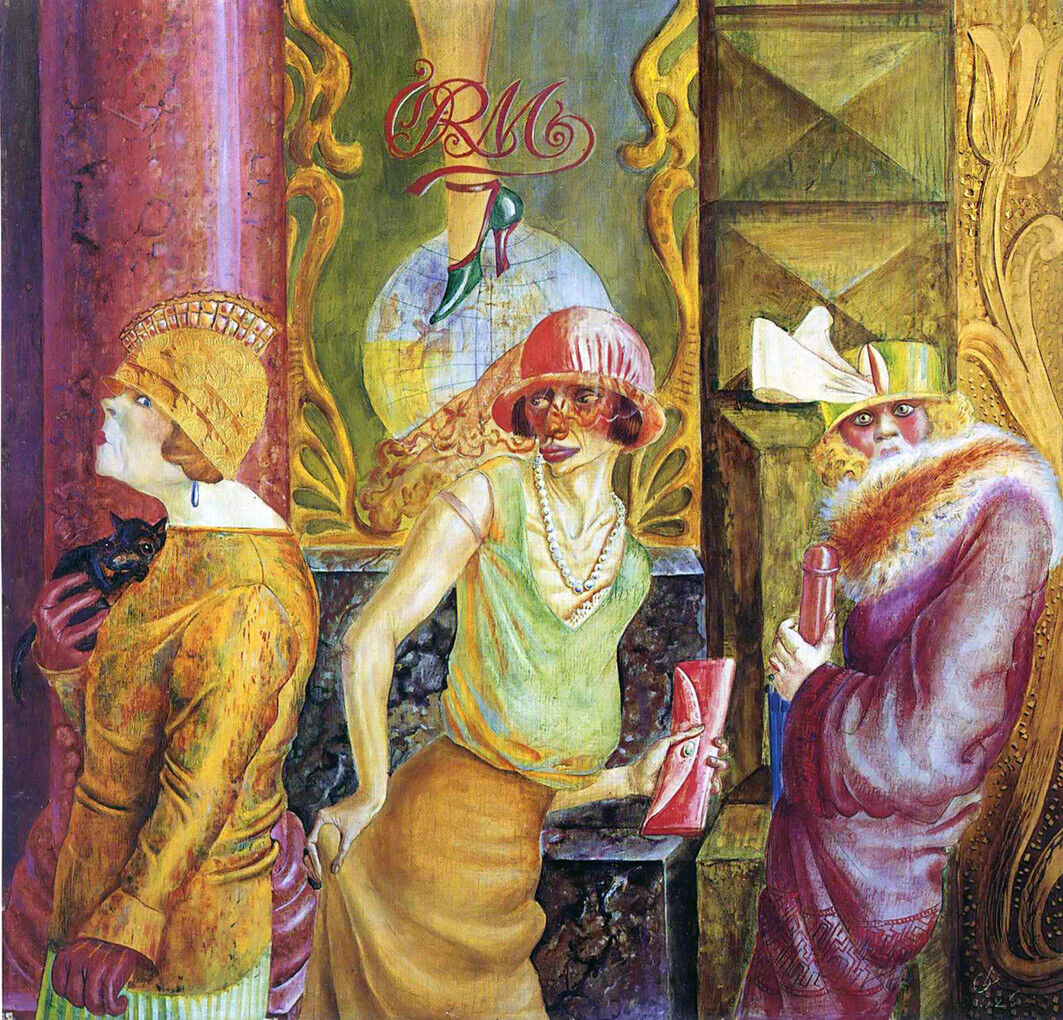
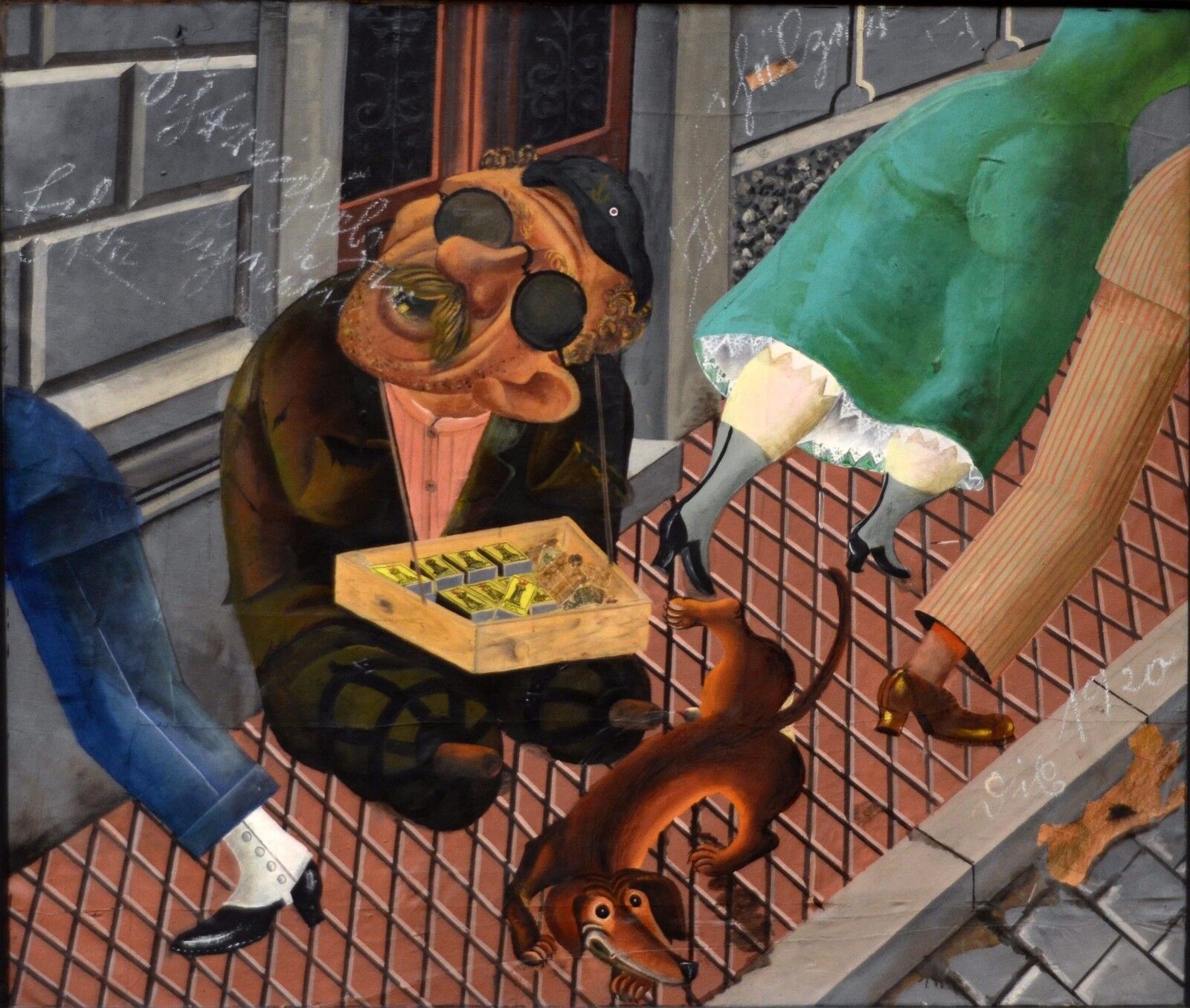
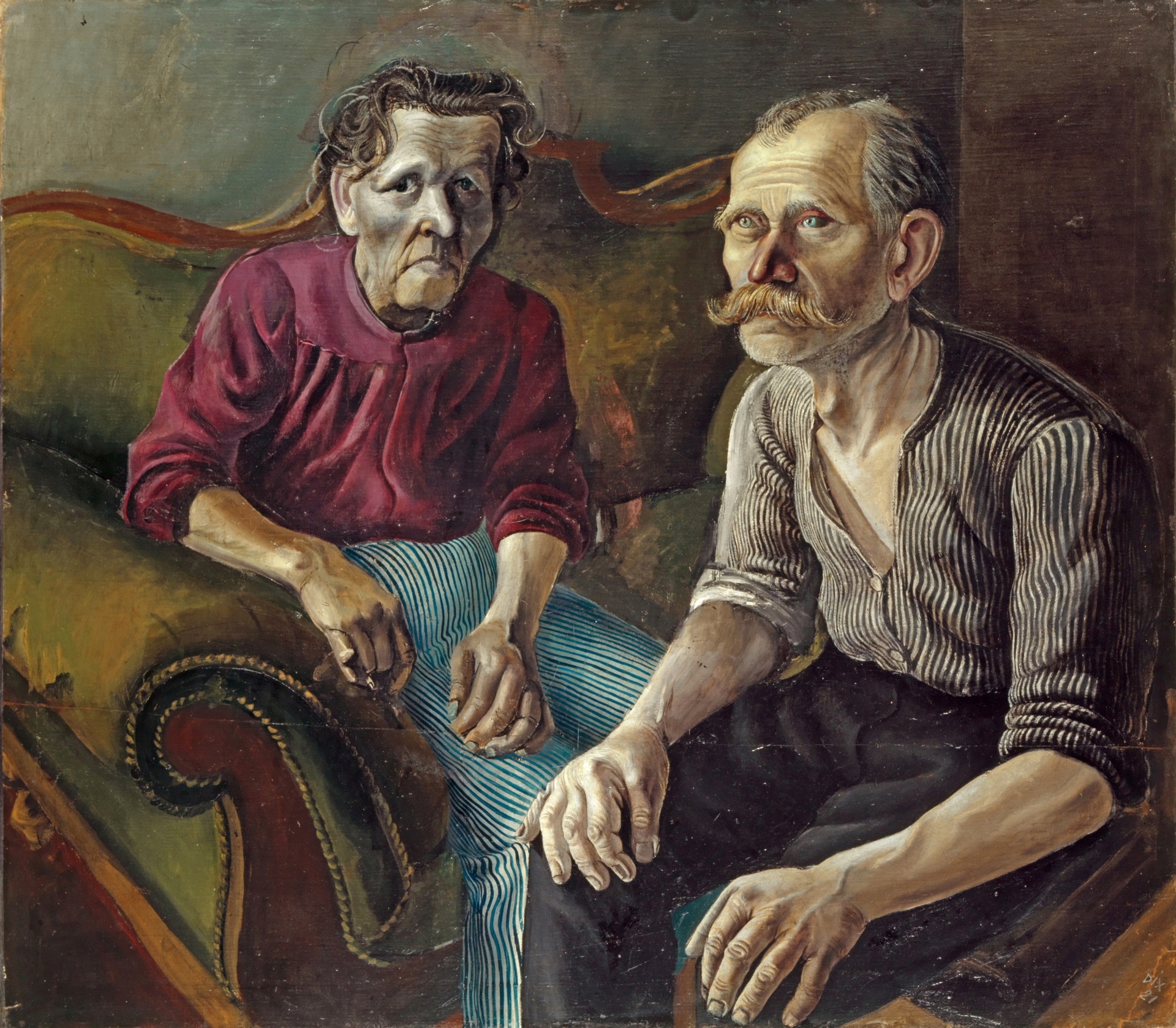
Sunday Evening Art Gallery — Otto Dix

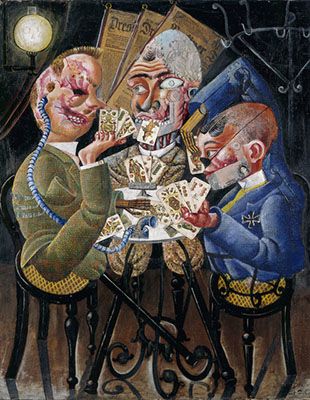
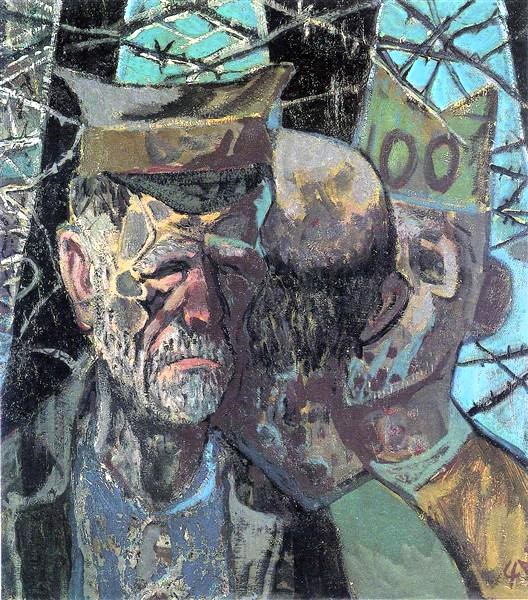
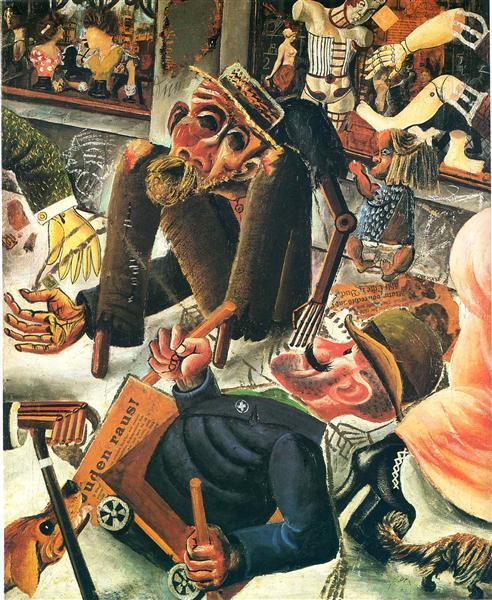
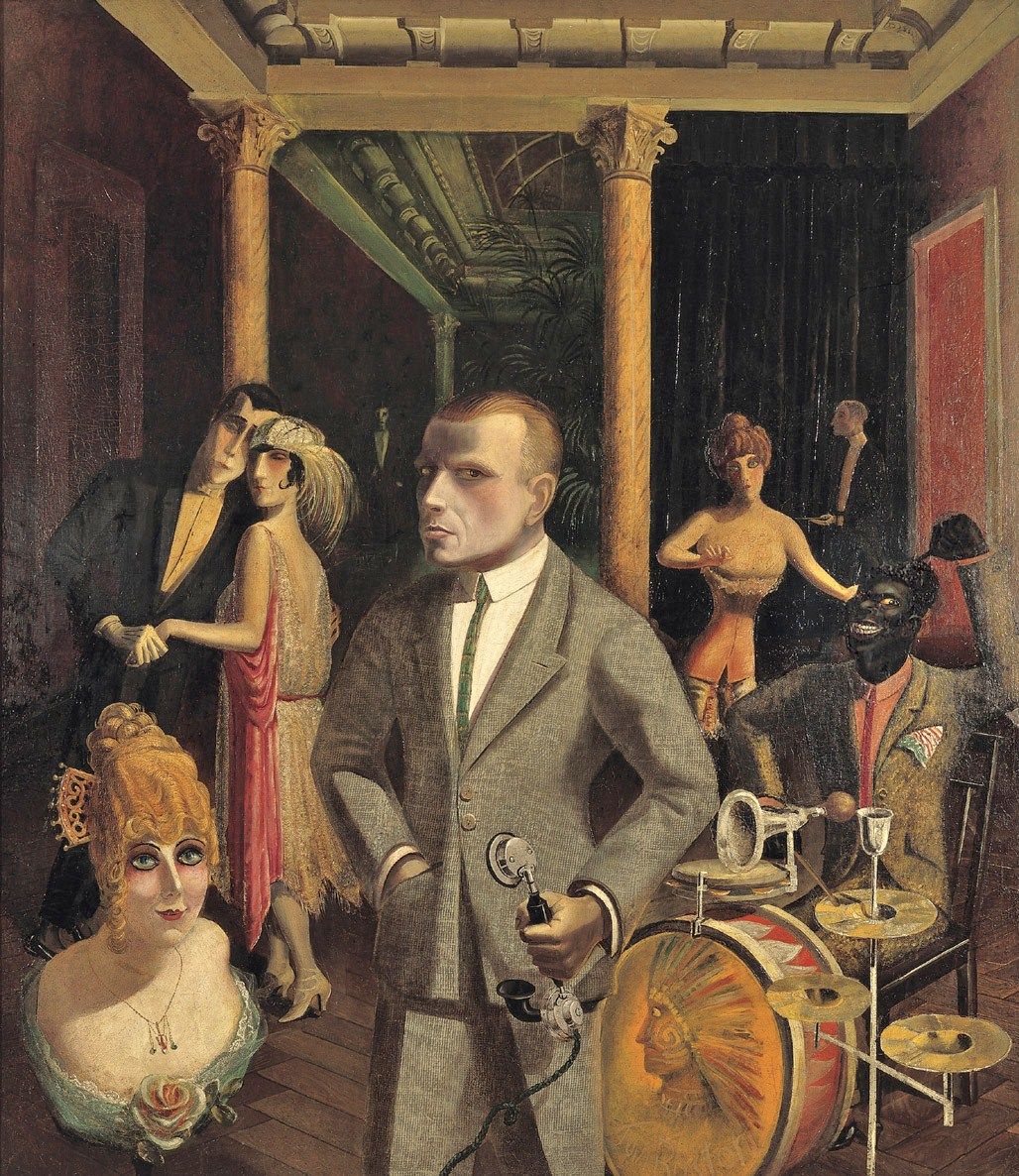
Wilhelm Heinrich Otto Dix (1891 – 1969) was a German painter and printmaker noted for his ruthless and harshly realistic depictions of German society during the Weimar Republic and the brutality of war.Dix has been perhaps more influential than any other German painter in shaping the popular image of the Weimar Republic of the 1920s.A veteran haunted by his experiences of WWI, his first great subjects were crippled soldiers, but during the height of his career he also painted nudes, prostitutes, and often savagely satirical portraits of celebrities from Germany’s intellectual circles.His work became even darker and more allegorical in the early 1930s, where he became a target of the Nazis.No fewer than 200 of his works were seized by the Nazis, and eight of his paintings were in the “Degenerate Art” show in Munich in 1937.His views were at odds with the regime but he chose to remain in Germany after 1933, so in order to avoid confrontation, he conformed outwardly with the regime.When the Third Reich fell at the end of the Second World War, Dix was freed from the Nazi’s artistic oppression yet his style never regained its Interwar edge.After the war most of his paintings became religious allegories or depictions of post-war suffering.

More of Otto Dix‘s inspirational paintings can be found at https://www.ottodix.org/ and  https://www.theartstory.org/artist/dix-otto/.


Sunday Evening Art Gallery — Otto Dix

Wilhelm Heinrich Otto Dix  (1891 – 1969) was a German painter and printmaker noted for his ruthless and harshly realistic depictions of German society during the Weimar Republic and the brutality of war.The majority of Dix’s early works concentrated on landscapes and portraits which were done in a stylized realism that later shifted to expressionism.He occupied a lead position in the New Objectivity movement, turning away from the ideas of Romanticism and Expressionism toward a more acidic and non-sentimental perspective to reflect the harsh realities of the interwar German society.Though being a representative of the anti-expressionist movement, Dix incorporated numerous styles into his paintings and etchings.

Although frequently recognized as a painter, Dix drew self-portraits and portraits of others using the medium of silverpoint on prepared paper.As the dark days of the Nazis coming to power grew closer,  his artworks were stripped of value and censored by the regime.He was removed from his position of university professor at Dresden Academy of Fine Arts, and his work was included in Hitler’s EntarteteKunst (degenerate art) show, where all artworks that were not within the lines of the Nazi standards were displayed.After he was stripped of his professorship the Dix family moved to the shores of Lake Constance where he painted mostly inoffensive landscapes.Dix is regarded as a pivotal figure for the New Objectivity movement in Germany, who had the courage to portray the uncensored versions of two harsh wars and a bleak, depraved society in between, using his satirical and grotesque characters and themes to make a direct statement through his artwork.More of Otto Dix’s work can be found at https://www.moma.org/artists/1559 and https://www.theartstory.org/artist/dix-otto/.

Sunday Evening Art Gallery — Degenerate Art

Degenerate Art was a term adopted in the 1920s by the Nazi Party in Germany to describe modern art.
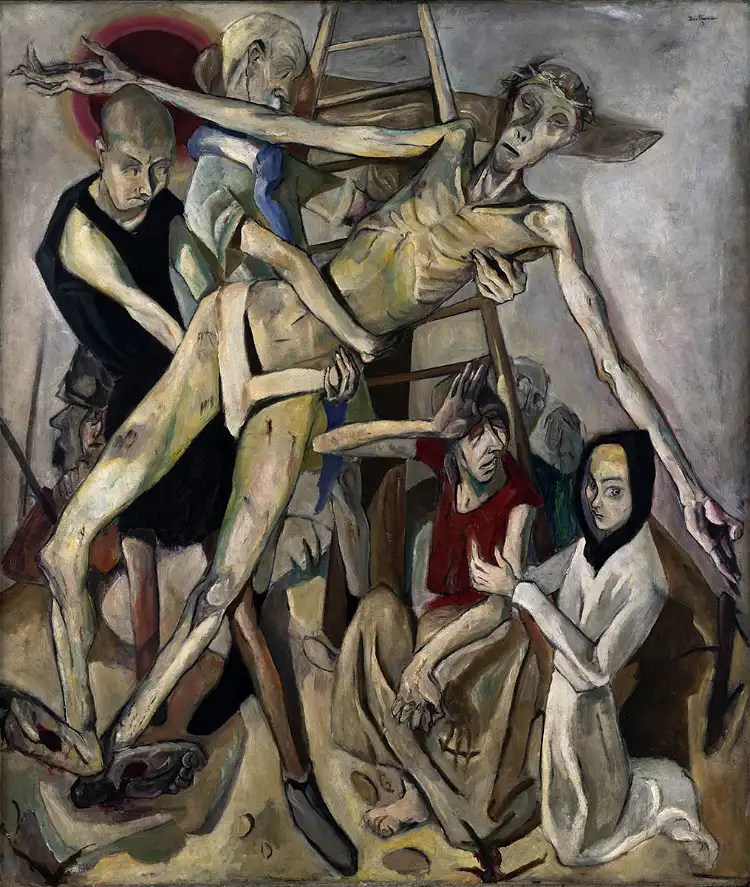
Descent from the Cross, Max Beckmann


During the dictatorship of Adolf Hitler, German modernist art, including many works of internationally renowned artists, was removed from state-owned museums and banned in Nazi Germany on the grounds that such art was an “insult to German feeling”, un-German, Freemasonic, Jewish, or Communist in nature.
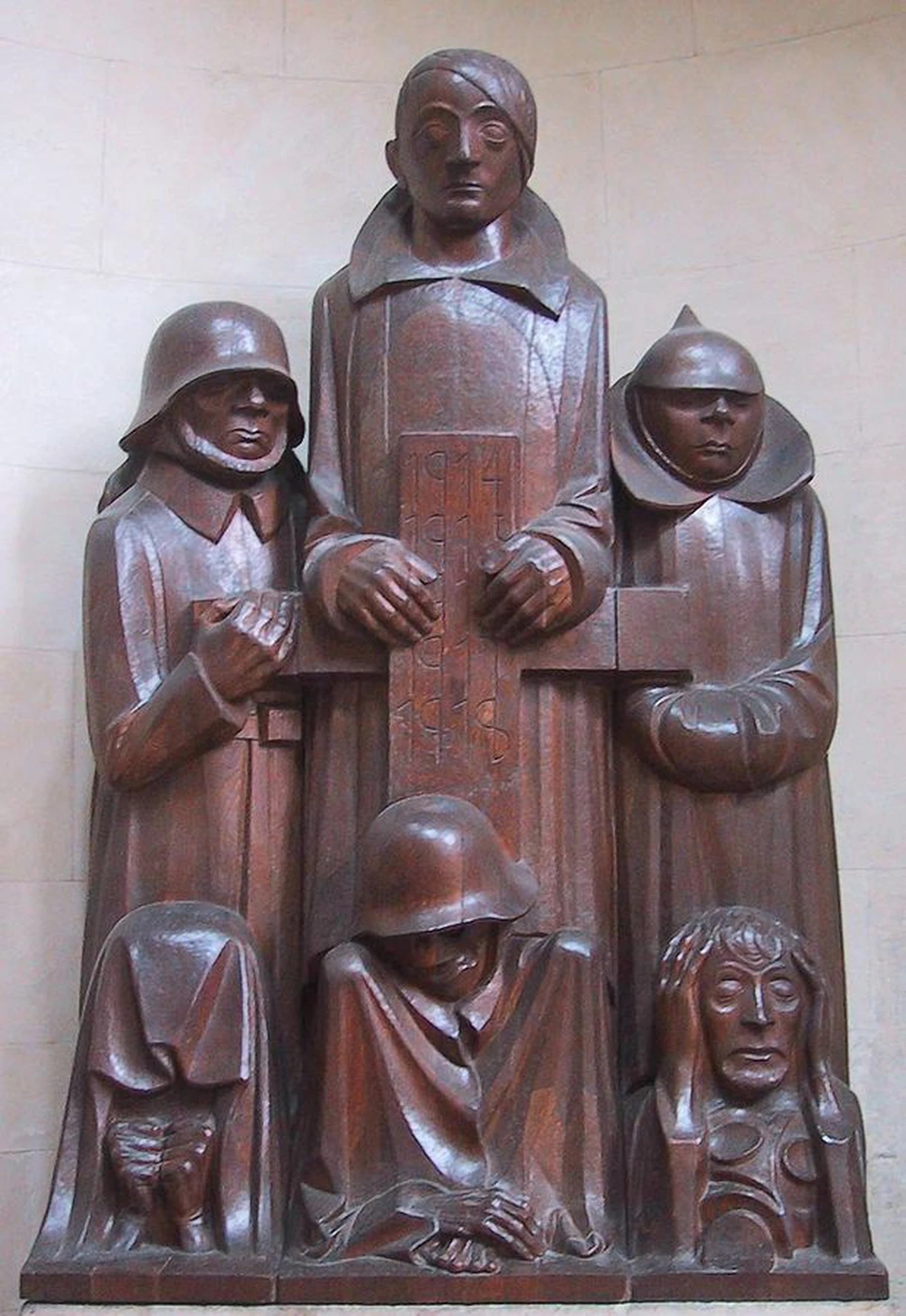
Magdeburger Ehrenmal, Ernst Barlac


Hitler’s rise to power in 1933 was quickly followed by actions intended to cleanse the culture of degeneracy: book burnings were organized, artists and musicians were dismissed from teaching positions, and curators who had shown a partiality for modern art were replaced by Party members.

Portrait of a Man, Erich Heckel


Those identified as degenerate artists were subjected to sanctions that included being dismissed from teaching positions, being forbidden to exhibit or to sell their art, and in some cases being forbidden to produce art.

Street Berlin, Ernst Ludwig Kirchner


The head of Reichskammer der Bildenden Künste (Reich Chamber of Visual Art), and his commission were authorized to confiscate from museums and art collections throughout the Reich any remaining art deemed modern, degenerate, or subversive.

Kneeling Woman, Wilhelm Lehmbruck


All the works that were a part of Bauhaus, CubistDada, Expressionist, FauvistImpressionist, New Objectivity and Surrealist style were labeled as sick.
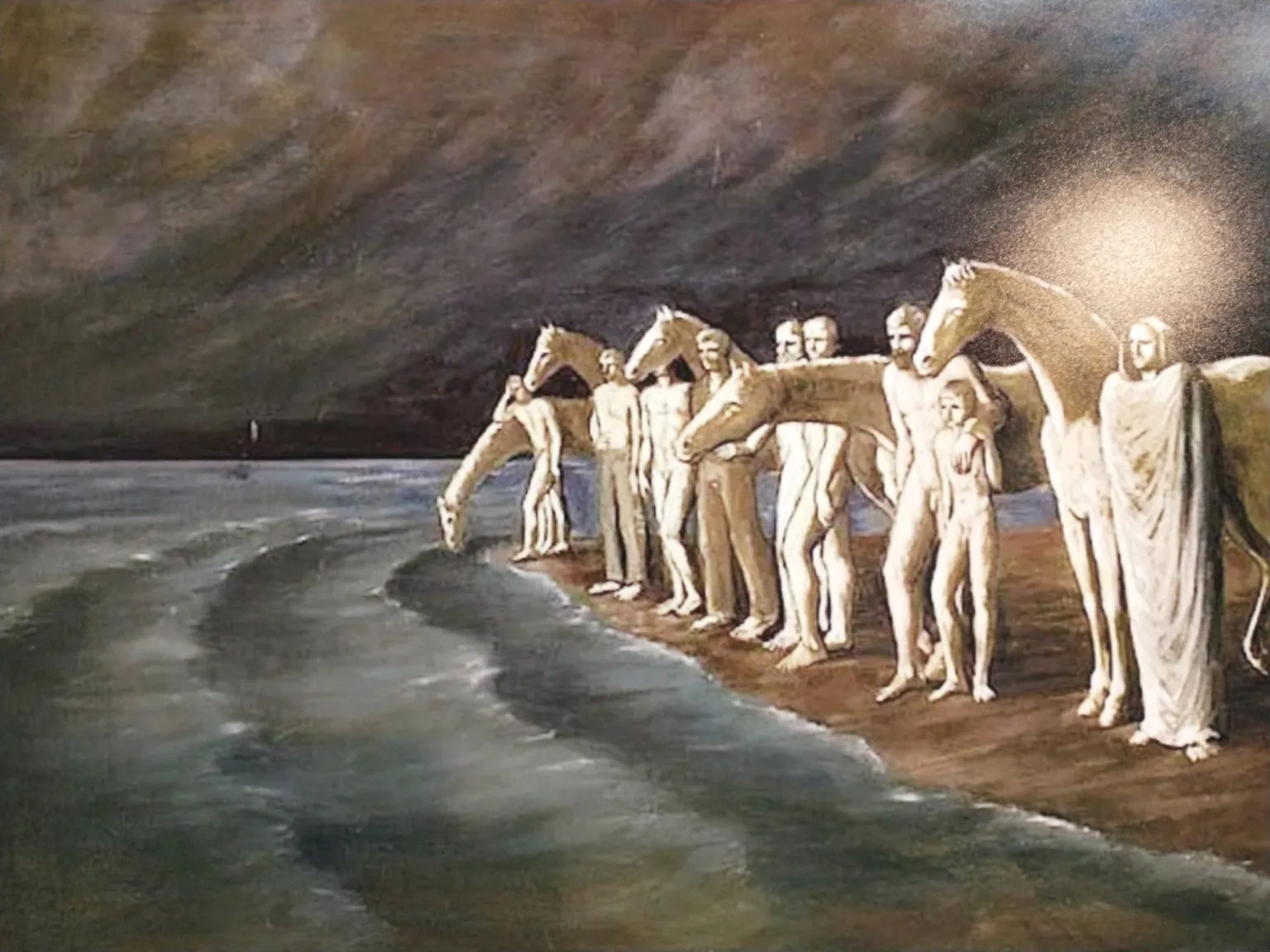
At the Shore, Edgar Ende


These works were then to be presented to the public in an exhibit intended to incite further revulsion against the “perverse Jewish spirit” penetrating German culture.

Pharisees, Karl Schmidt-Rottluff


In July 1937, the German Nazi regime sponsored the Entartete Kunst (Degenerate Art) exhibition in Munich.

The exhibition’s central theme was to “educate” the public on the “art of decay.”

The Blue Window, Henri Matisse


The exhibition featured over 650 paintings, sculpturesprints and books from the collections of 32 German museums.

The artworks were placed next to insulting texts which were supposed to prove how depraved the artists were and ridiculed by being juxtaposed with other works by the inmates of German lunatic asylums.
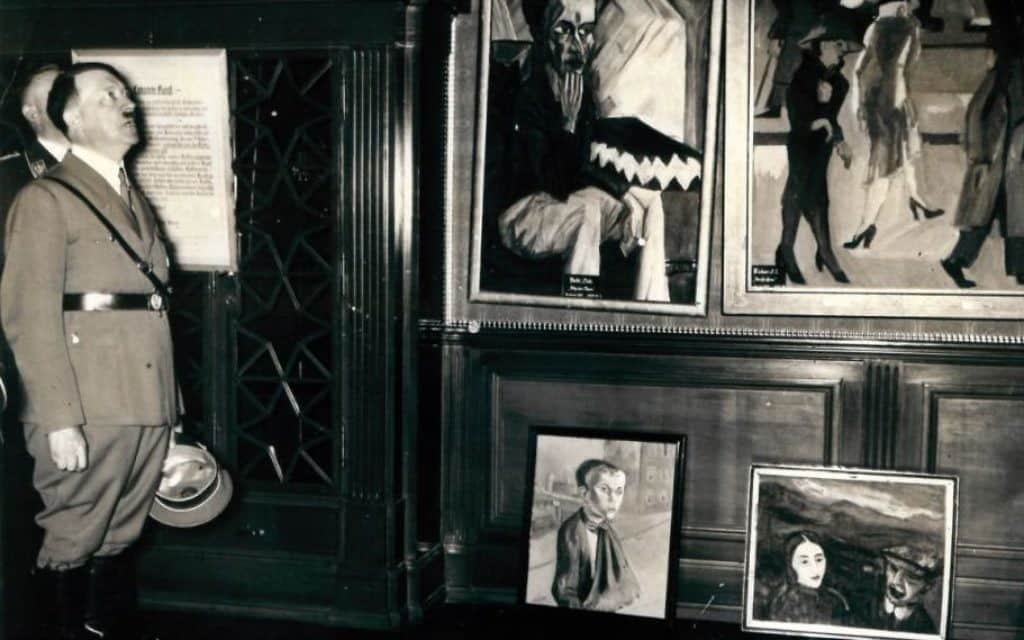
Despite this, public attendance exceeded all expectations. It is estimated that more than 2 million people passed through the cramped space in 1937.
During this period, over 5,000 artworks were seized, including 1,052 pieces by Emil Nolde (who was ironically a racially pure Aryan and a member of the Nazi Party), 759 by M.C. Escher, 639 by Ernst Ludwig Kirchner, 508 by Max Beckmann, and smaller numbers of artworks by such artists as Alexander ArchipenkoMarc ChagallWassily KandinskyHenri MatissePablo PicassoVincent Van Gogh and hundreds of others.

Bildnis des Malers, Franz Radziwill


In March 1939, the Berlin Fire Brigade burned about 4000 paintings, drawings and prints that had apparently little value on the international market.

Die großen blauen Pferde, Franz Marc


A similar act was conducted in the summer of 1942, in the gardens of the Galerie Nationale du Jeu de Paume in Paris, in a bonfire which burned important pieces by Pablo Picasso, Salvador Dalí, Paul Klee, Fernand Léger and Joan Miró.

Les Demoiselles d’Avignon, Pablo Picasso


In this way, Germany began the confiscation of artworks deemed degenerate from a variety of museums throughout the Reich and combined the taken works into one single, coherent exhibition for their further ridicule and mockery.

En Canot, Jean Metzinger


The V&A holds the only known copy of a complete inventory of Entartete Kunst confiscated by the Nazi regime from public institutions in Germany, mostly during 1937 and 1938. The list of more than 16,000 artworks was produced by the Reichsministerium für Volksaufklärung und Propaganda (Reich Ministry for Public Enlightenment and Propaganda) in 1942

The UMMA Exchange has a list with pictures of all artists in the Degenerate Art Show.