Stan Lee (born Stanley Martin Lieber), 1922 –2018, was an American comic book writer, editor, publisher, and producer. Lee rose through the ranks of a family-run business called Timely Comics which later became Marvel Comics.
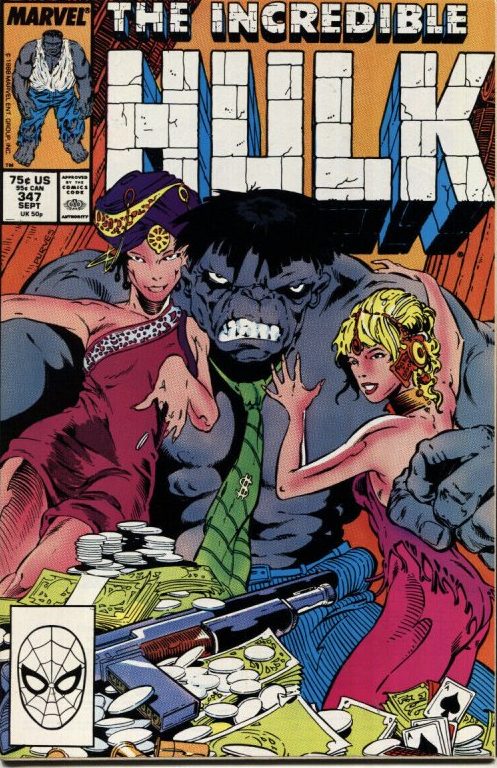 He was Marvel’s primary creative leader for two decades, expanding it from a small publishing house division to a multimedia corporation that dominated the comics and film industries.
 Lee created a rich collection of characters out of his nonstop plotting sessions with his artists, including the Fantastic Four, Spider-Man, Thor, Iron Man, the Hulk, the X-Men, and more.
 These and other characters’ introductions in the 1960s pioneered a more naturalistic approach in superhero comics.
 Lee was particularly known for his dynamism with copy and for imbuing his characters with a sense of humanity, tackling real-world issues like bigotry and drug use, which would influence comics for decades.
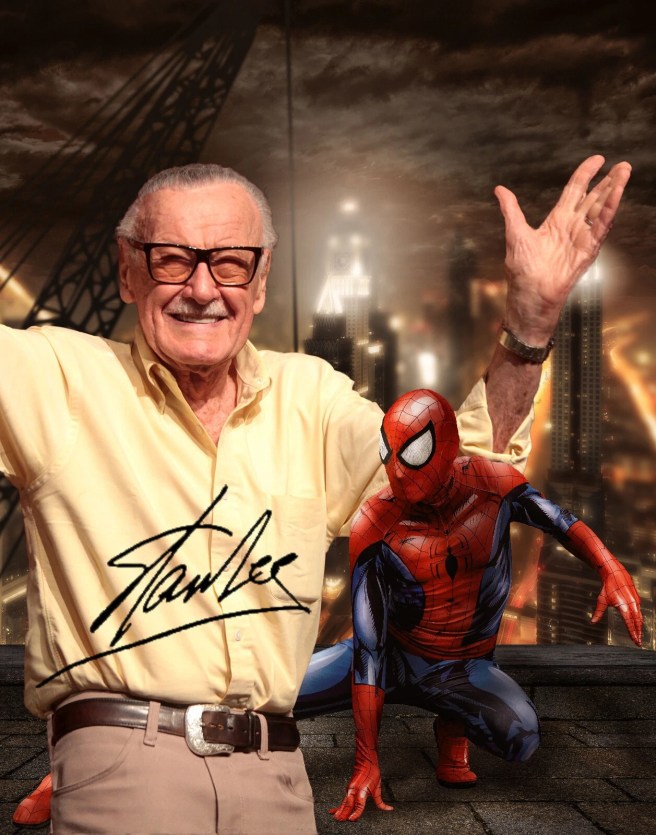 He created a revolution in the comic world through his satirical writing, bringing the elements of the real world into the world of superheroes, making his superheroes viable and responsible.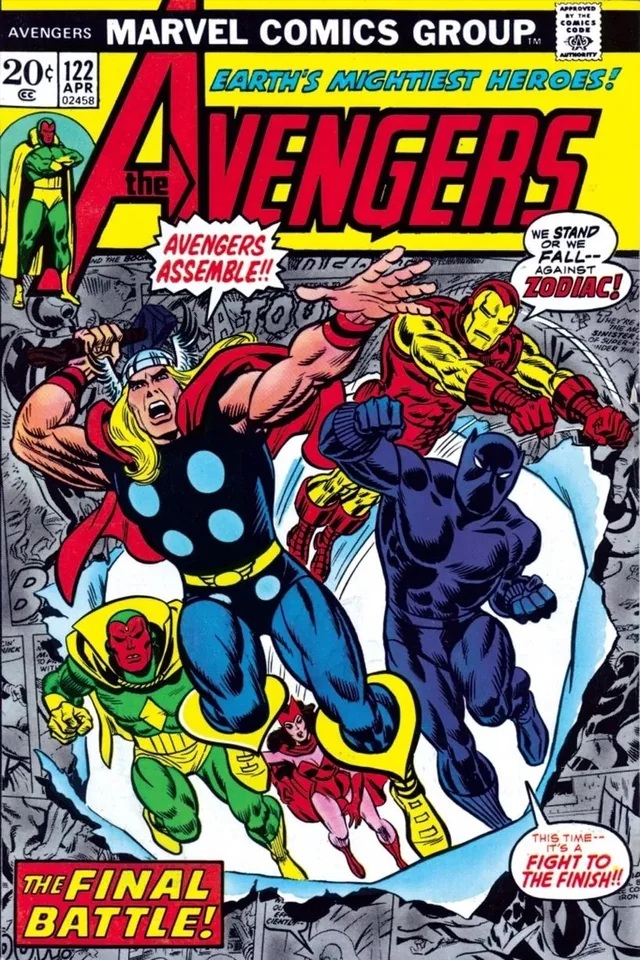
More about Stan Lee’s remarkable career can be found at https://therealstanlee.com/..




 Humoring the Goddess