The art of Cloisonné first developed in the jewelry of the ancient Near East. 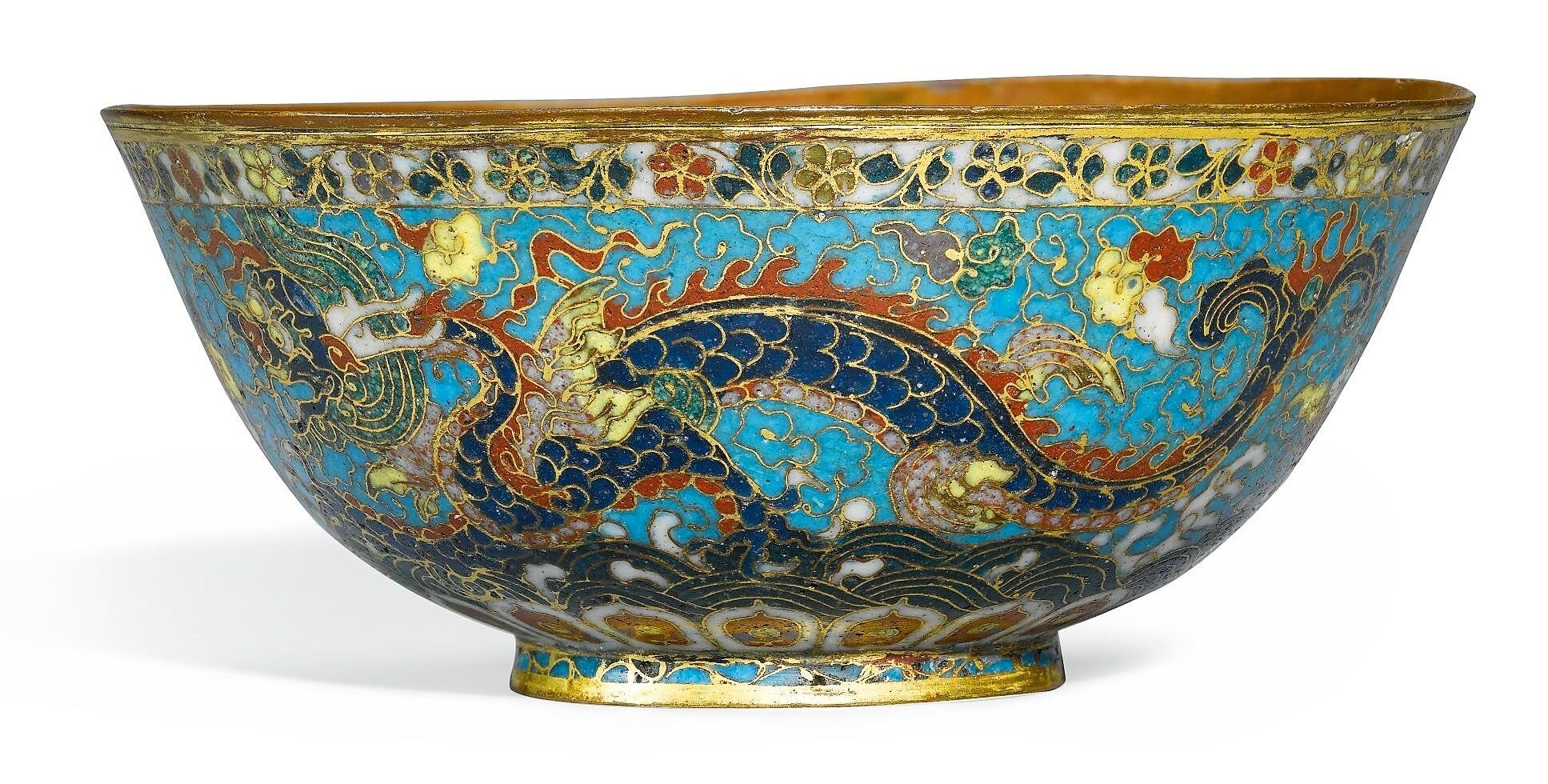 From Byzantium or the Islamic world, the technique reached China in the 13–14th centuries.
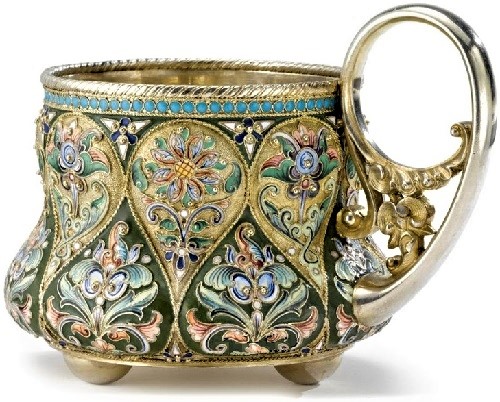
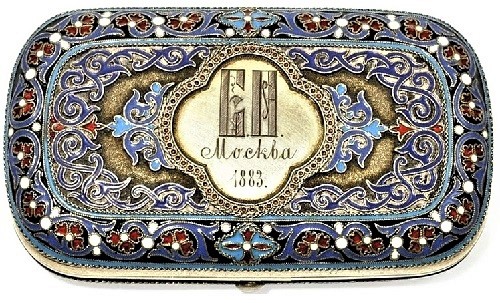
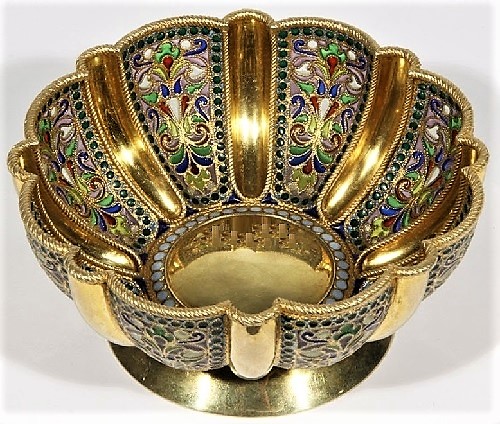
 Cloisonné is the technique of creating designs on metal vessels with colored-glass paste placed within enclosures made of copper or bronze wires, which have been bent or hammered into the desired pattern.
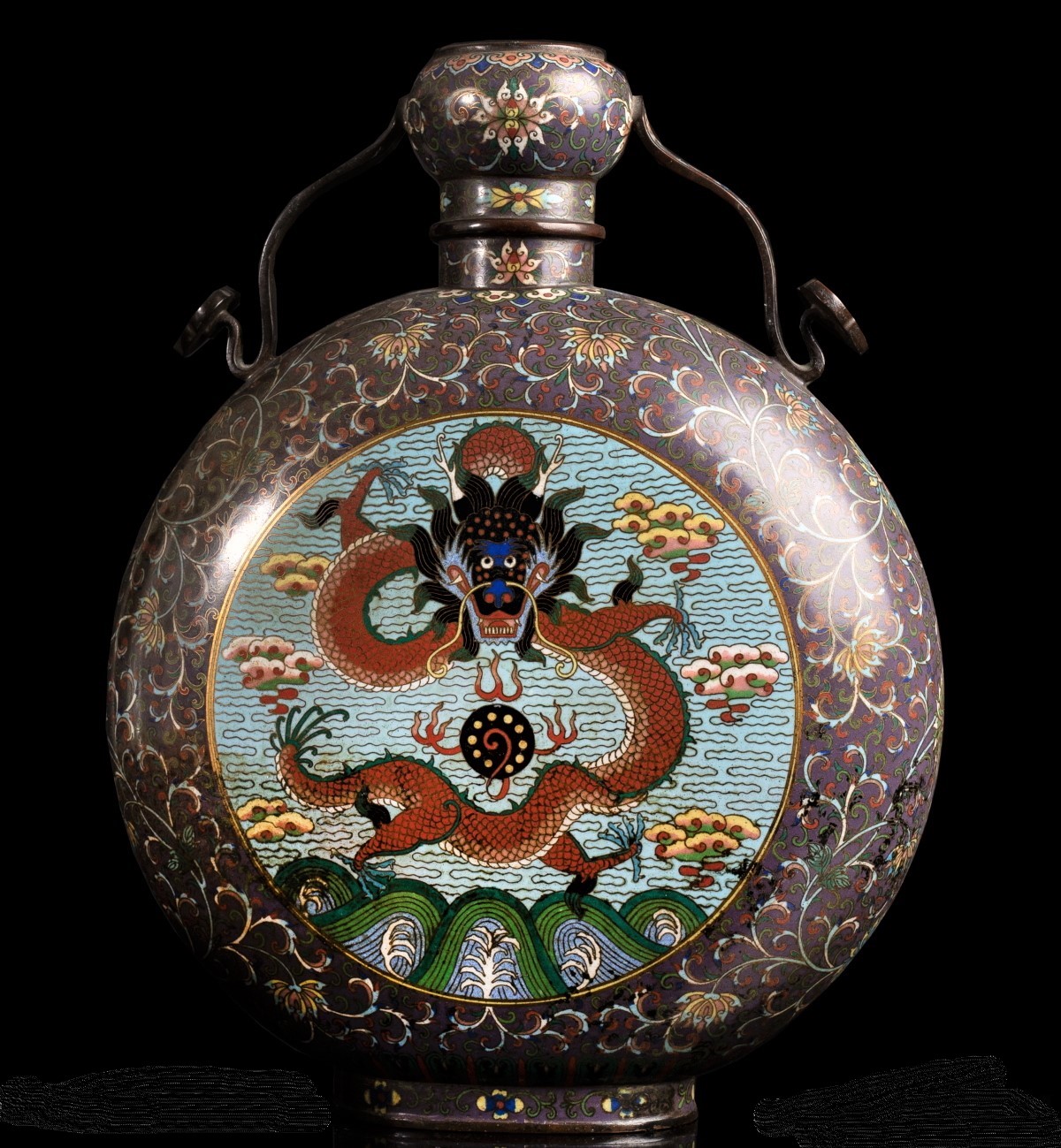 Known as cloisons (French for “partitions”), the enclosures generally are either pasted or soldered onto the metal body.
 The glass paste, or enamel, is colored with metallic oxide and painted into the contained areas of the design, which is then fired in a kiln then polished.
 The craftsmen in the Ming Empire (1368-1644) made enamelware by firing different powdered minerals into long-lasting enamel.
 The earliest known Ming era example of cloisonné was produced sometime around the year 1430. But it isn’t known when the craft was first practiced.
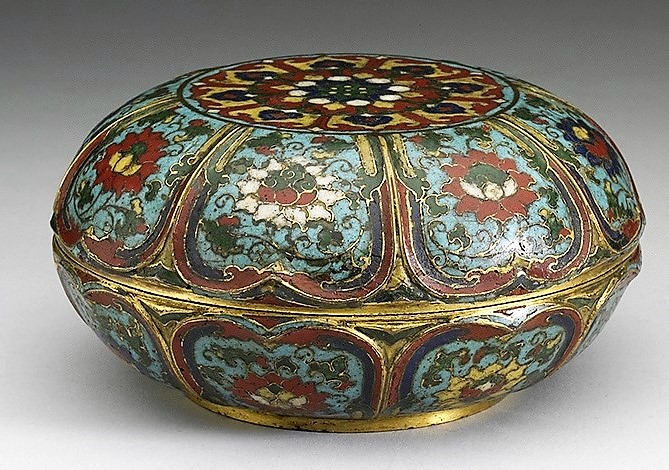 Initially, craftspeople in the Ming Empire mainly created cloisonné artwork on metal objects such as brass or bronze vases, kettles, or other objects. But they also innovated beautiful cloisonné artwork on porcelain vessels.
 In the first half of the Ming dynasty, the court actively recruited painters from across the empire to serve in an academy producing works on themes that acclaimed the court’s majesty and glory.])The Ming enamels, bold in design with fine depth and purity of color, were never surpassed in later epochs.
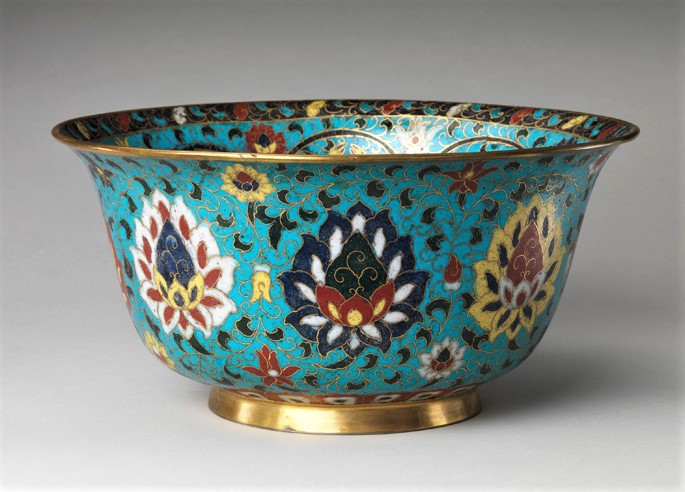 Although cloisonné is a world-wide art form, the colors and style of ancient Chinese history offer a unique and beautiful reflection of a people and their craftmanship.





 Humoring the Goddess