Originating from the Italian word “graffiato” (scratched), graffiti is writing or drawings made on a wall or other surface, usually without permission and within public view.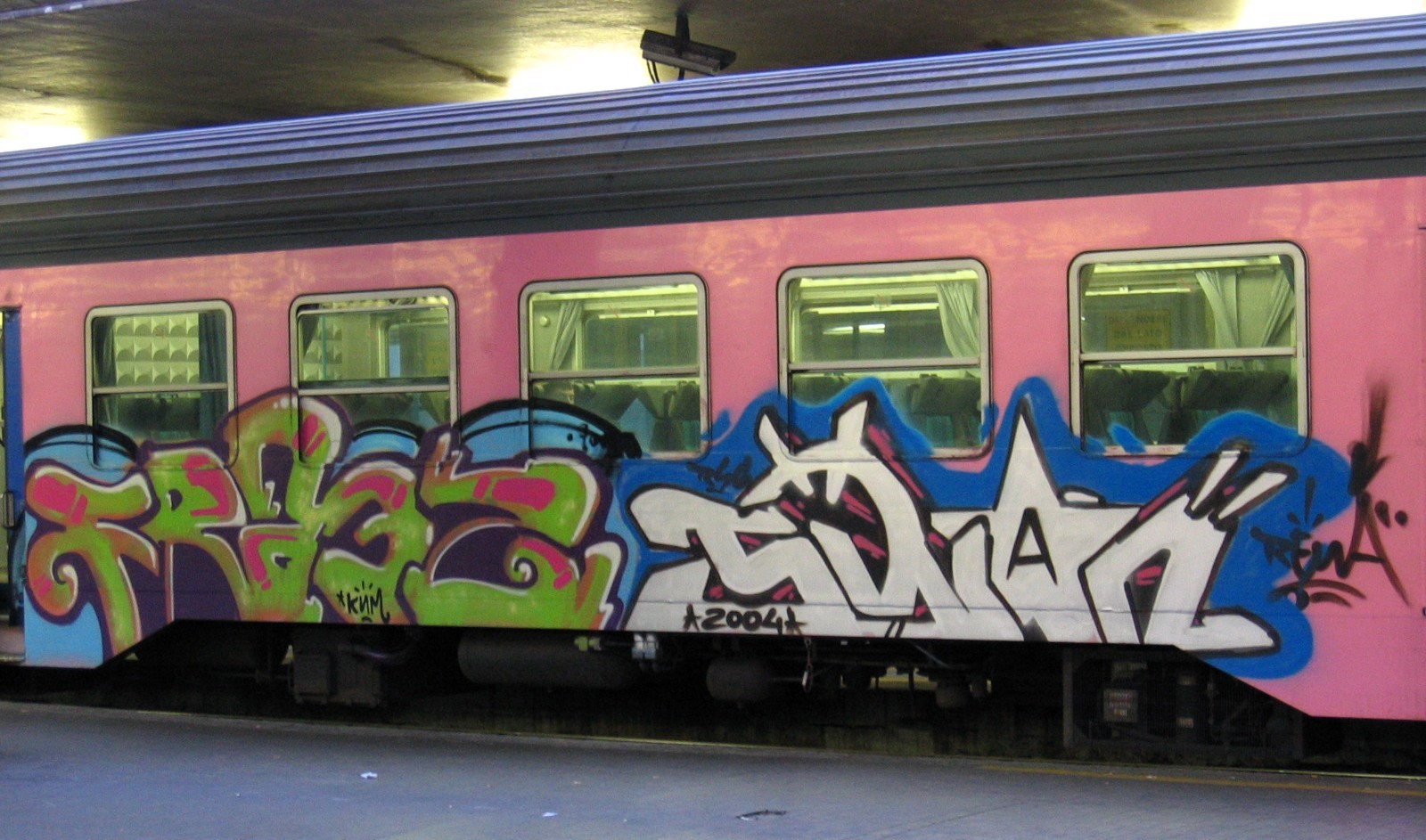 Train graffiti can be traced back to the 1970s when young people in New York City began using spray paint to tag subway trains with their names or other graffiti art.
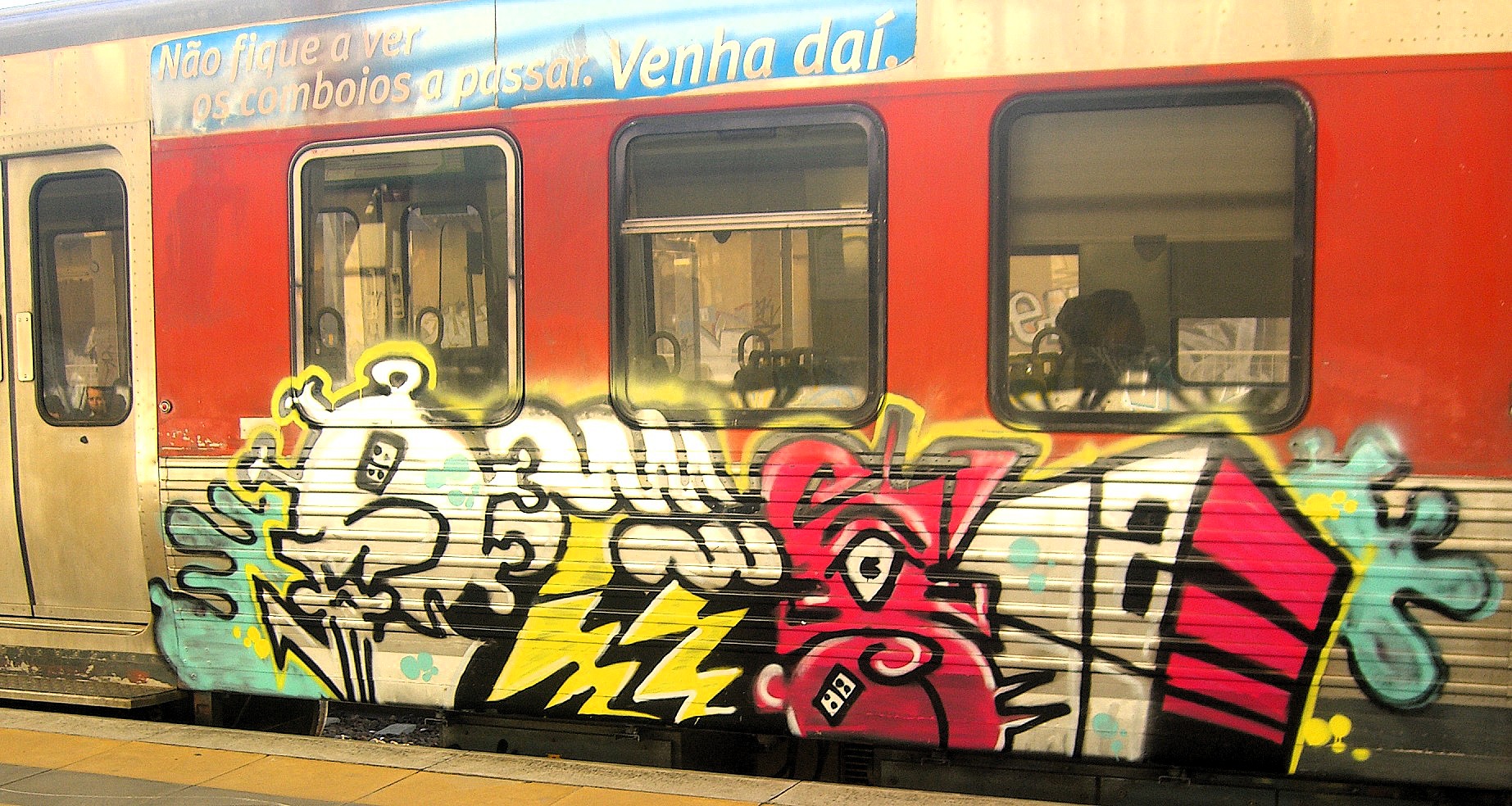 In the 1980s and 1990s, train graffiti spread to other cities around the world. In some countries, train graffiti was embraced as a legitimate form of street art, while in others it was met with resistance and seen as a form of vandalism.
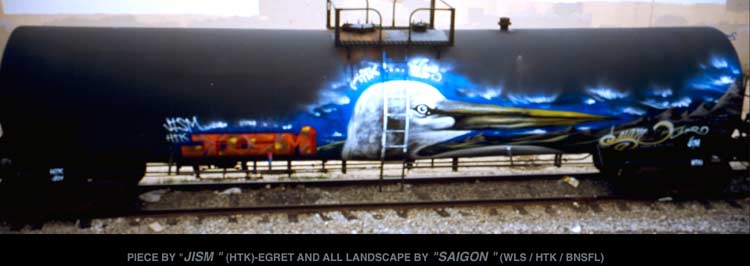 Over the years, disparate styles such as rural hobo markings, gang symbology, and bold, colorful urban spray-painted vistas have fused into a contemporary style that seems to draw equally from each tradition.
 The sides of train cars today run the gamut from sloppy gang-style tags and idle signatures to line drawings, stenciled imagery, and enormously complex color fields.
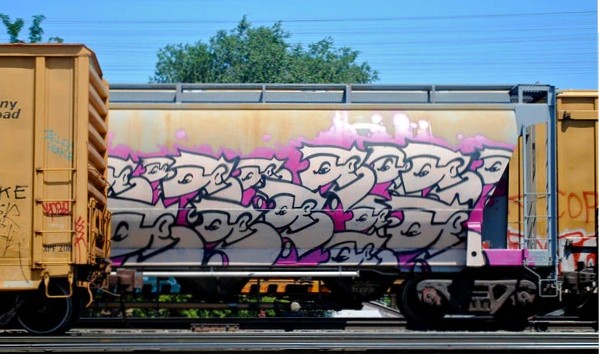 While train graffiti is often viewed as a form of vandalism, it has also had a significant impact on the world of art and culture.
 The world of train graffiti exists in a gray world: amazing, creative art on one hand, vandalism and destruction of private property on the other.
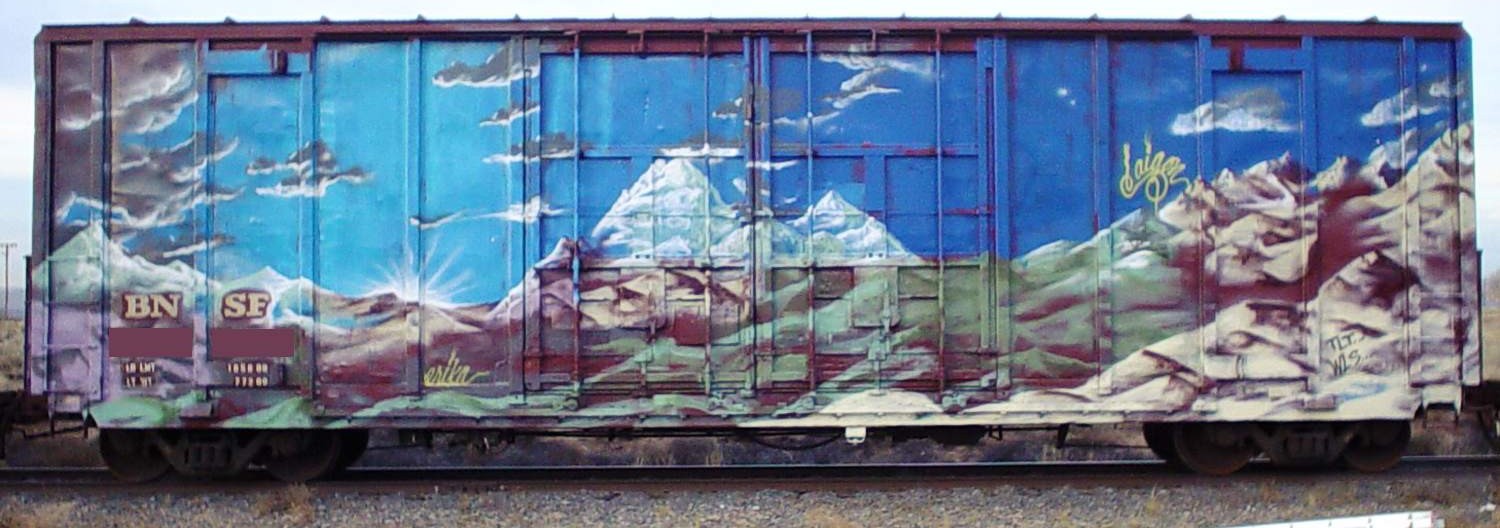 It is up to you to find a comfortable ground between the two.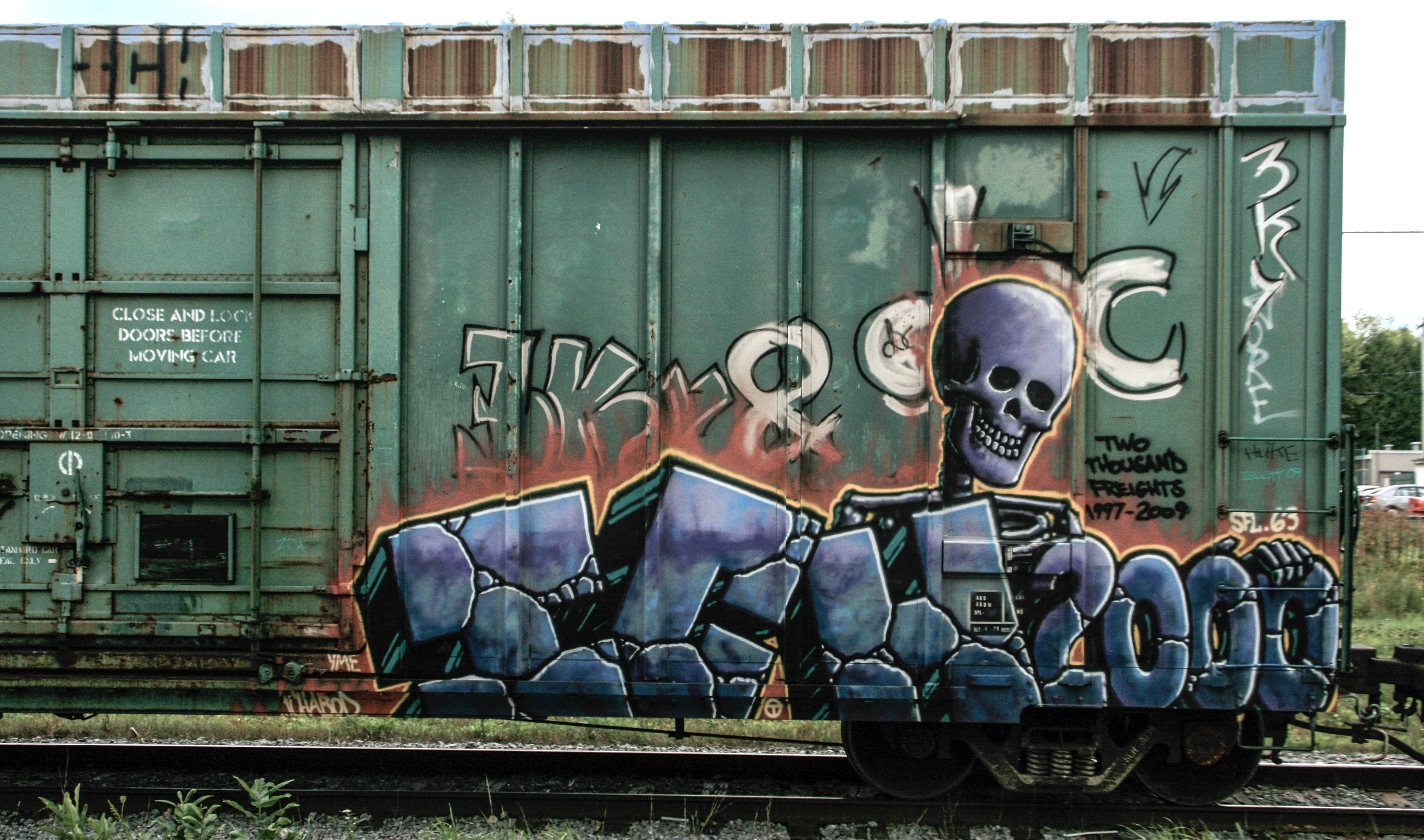
More train graffiti can be found at websites such as https://www.graffiti.org/trains/ and https://www.graffiti-unlimited.com/.

 Humoring the Goddess
Talent and art, always on the move!
LikeLike
These are great! The skeleton is awesome. I’m kind of a fan of graffiti – good graffiti that is! 🙂
LikeLiked by 1 person
So agree! I sometimes wonder how these artists had the time to do such amazing work!
LikeLiked by 2 people
Fabulous and there are so many talented artists aout there.
LikeLiked by 1 person
I know that it is considered vandalism on some level, but what they take away in property is returned to the world in (mostly) beautiful art. The artists are really creative!
LikeLiked by 1 person