Sunday Evening Art Gallery — Levina Teerlinc

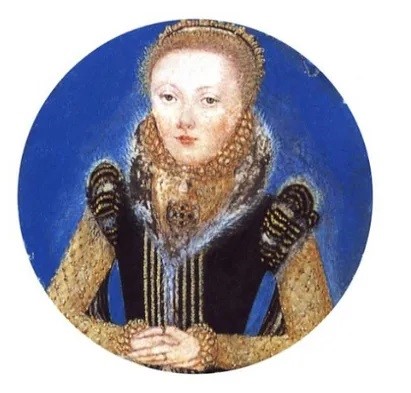
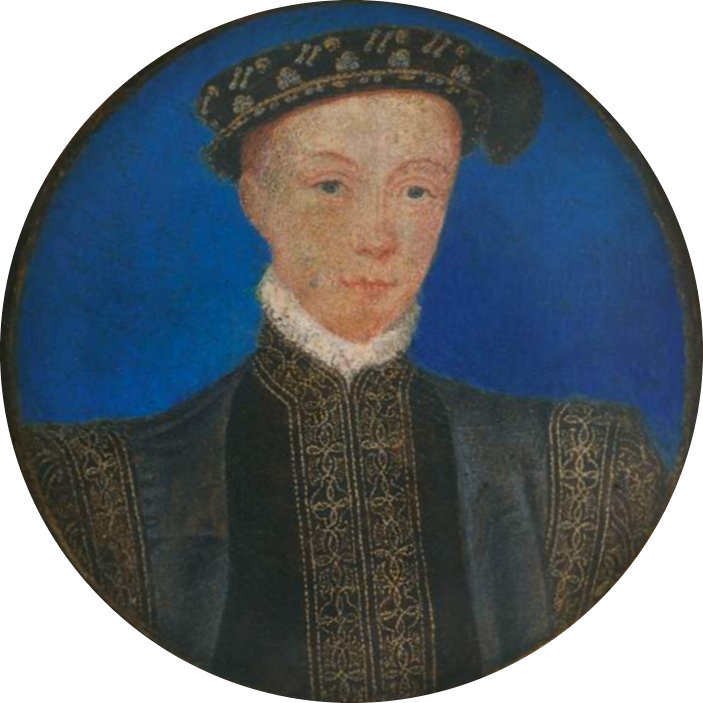
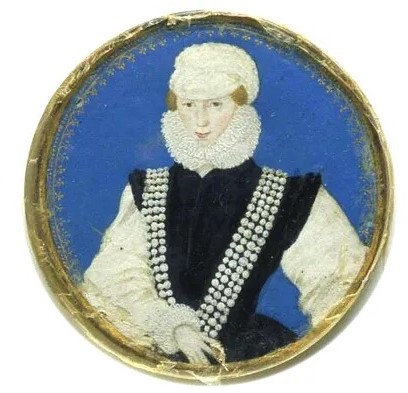
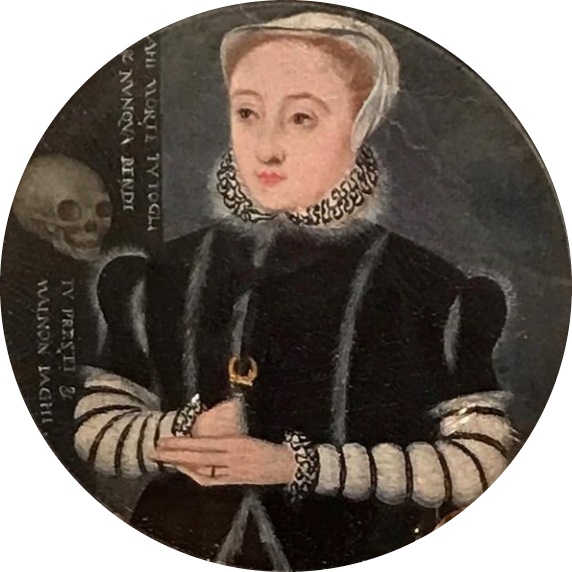
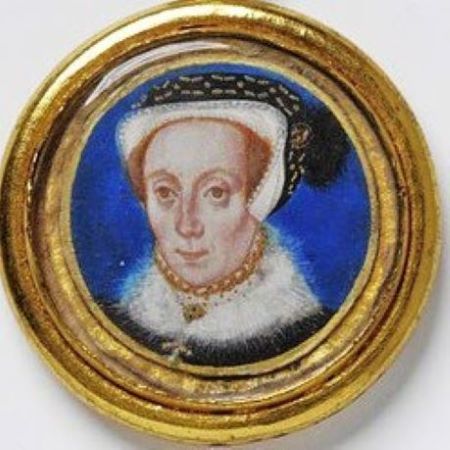
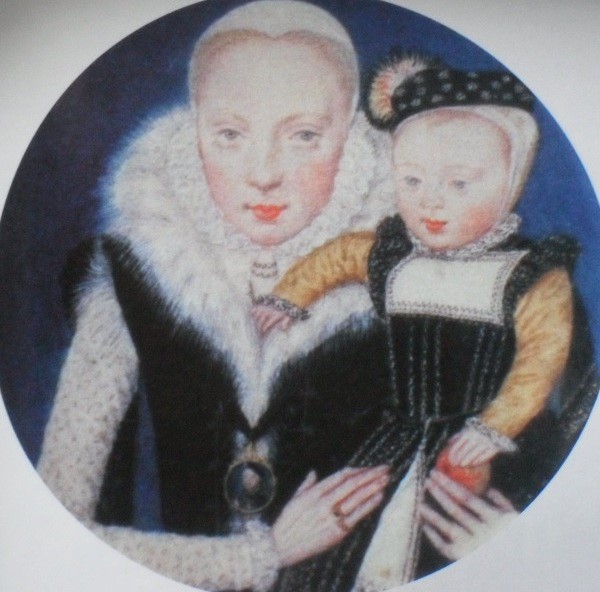
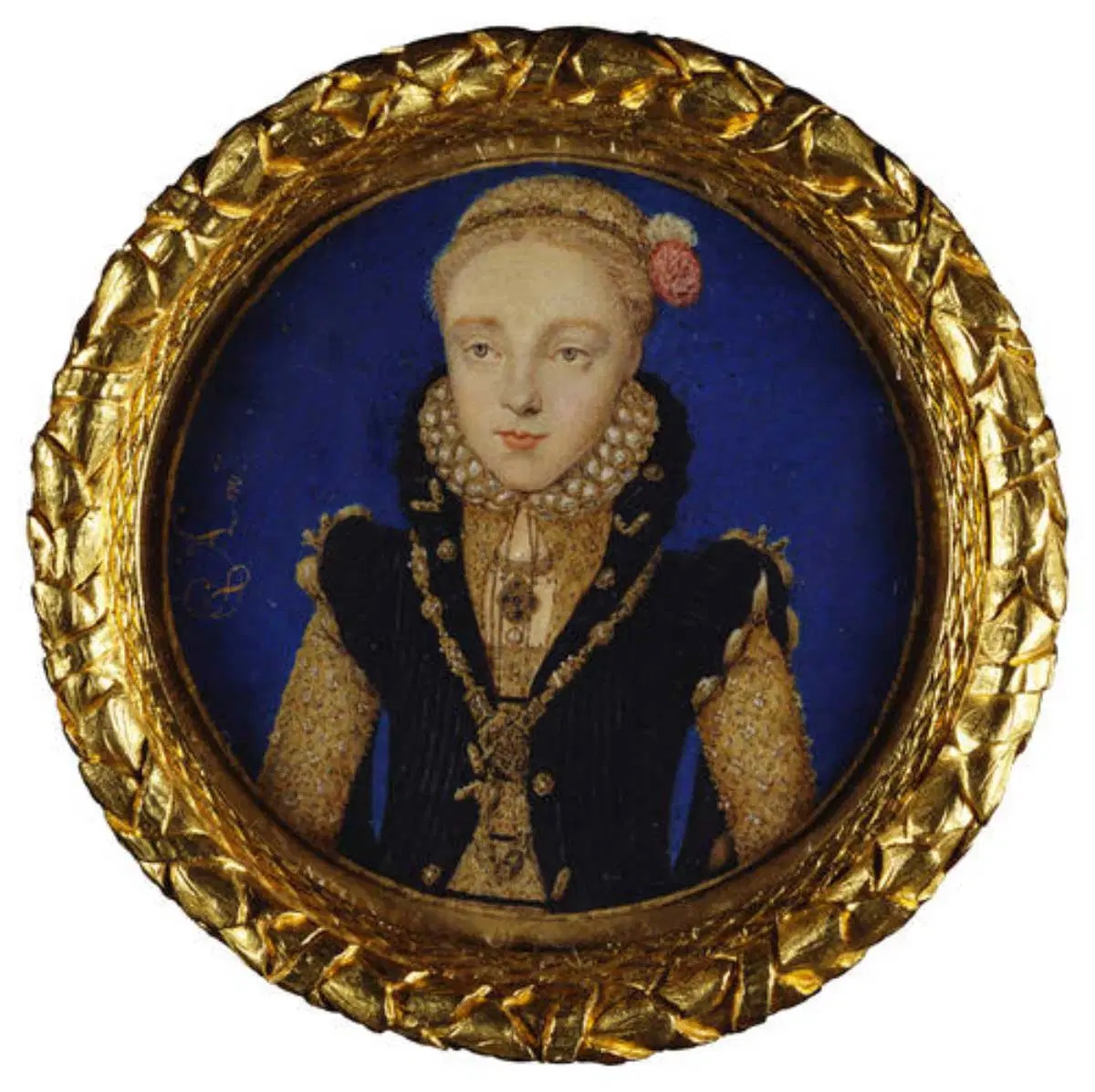
Levina Teerlinc (1510 – 1576) was a Flemish Renaissance miniaturist who served as a painter to the English court of Henry VIII, Edward VI, Mary I and Elizabeth I.Teerlinc played an essential role in the artistic history of the Tudor court, yet she is rarely mentioned compared to other Tudor artists.Not only was it easy for a woman artist to be overlooked throughout history, but the circumstances surrounding her work made it incredibly hard for art historians to attribute her work correctly.She was one of the most well-documented artists at court in miniature painting, providing at least eight portraits of Elizabeth I in the years between 1559 and 1575.Though much of her work is lost, she must have been a highly prominent artist to receive an invitation from the King of England and become one of the highest-paid artists of the English court throughout the reigns of Mary I and Elizabeth I.Unfortunately, no surviving work has been firmly attributed to Teerlinc. A great deal of effort has gone into identifying surviving miniatures with those described in the New Year’s gift lists, but there are no certainties.Nonetheless, there is nothing wrong with bringing out the fine art of miniatures in the Tudor dynasty, Teerlinc being one of its largest contributors.

More of Levina Teerlinc’s miniatures and story can be found at https://www.thecollector.com/levina-teerlinc-tudor-woman-artist/ and https://artherstory.net/levina-teerlinc/.


Faerie Paths — Creativity

I heard this song the other day — the first time in a long, long time. It sums up the world of Creativity perfectly….

Supernova explosion, M74 galaxy, NASA


Leave your cares behind come with us and find
The pleasures of a journey to the center of the mind

Come along if you care
Come along if you dare
Take a ride to the land inside of your mind

Beyond the seas of thought beyond the realm of what
Across the streams of hopes and dreams where things are really not

Come along if you care
Come along if you dare
Take a ride to the land inside of your mind

But please realize you’ll probably be surprised
For it’s the land unknown to man

Where fantasy is fact
So if you can, please understand
You might not come back

Come along if you care
Come along if you dare
Take a ride to the land inside and you’ll see

How happy life could be if all of mankind
Would take the time to journey to the center of the mind

Would take the time to journey to the center of the mind
Center of the Mind


Journey to the Center of Your Mind

Steve Farmer
Amboy Dukes — 1968


Sunday Evening Art Gallery — Chris Gryder

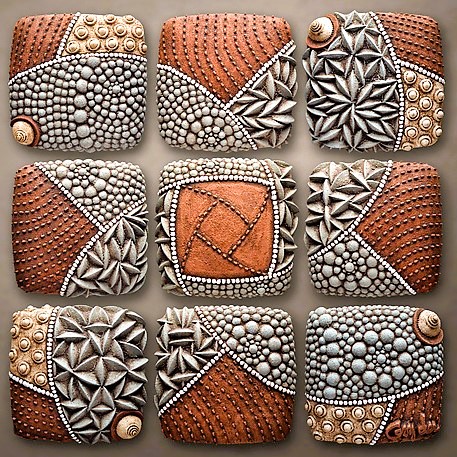
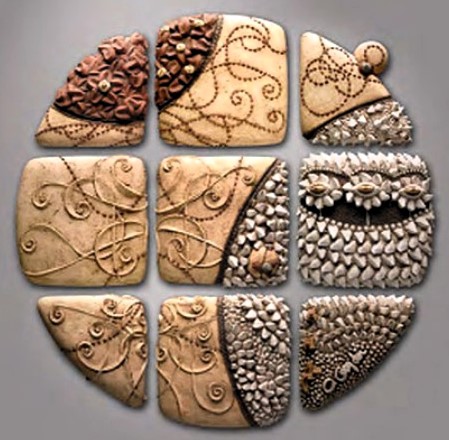
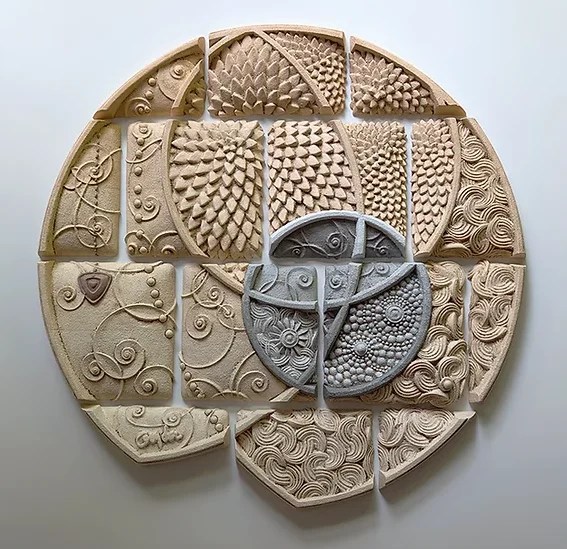
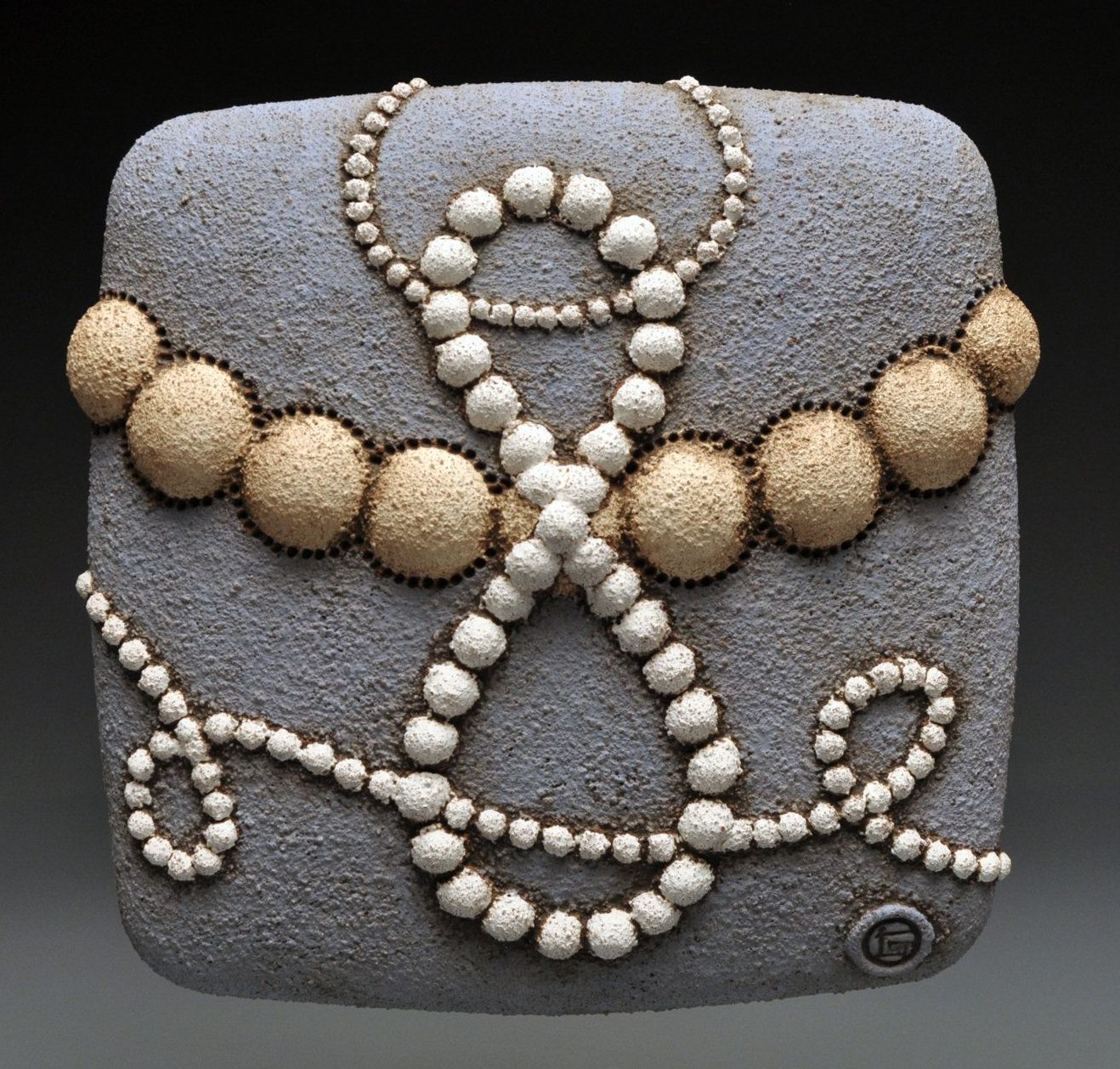
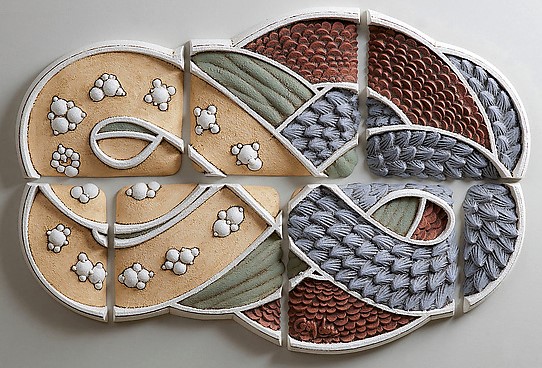
Chris Gryder began his exploration of art by studying architecture.A sincere and dedicated commitment to the subject led to his acquaintance with artists, methods, and concepts that later became the inspiration for his work in sculpture and clay.Gryder enrolled in Tulane University’s five-year architecture program  at the Architecture School at Tulane, then did graduate work at Rhode Island School of Design.The most striking aspect of his art making, blossoming during his graduate years, is the atypical process he uses to create vessels.“Earth forming,” Gryder’s own signature technique, involves carving intricate one-off molds out of an earthen mix of sand and clay. These fragile earthen “form works” last only long enough to cast his clay vessels and tiles.

Over a period of a week, the sand mold dries and begins to dissolve, allowing the clay piece to be excavated and eventually fired.

The technique is uniquely adapted to forming rich bas-relief surfaces, a sort of “dimensional drawing” technique that combines attributes of both image making and sculpture.

The surface is rough, like sand, with peculiar gatherings of hardened sediment tucked into the tight spaces between forms.

“I create sculptural ceramic objects that engage with a deep sense of time and history; a geological time and the time of civilizations,” Gryder shares.

“There is a visceral joy, a complete indulgence in tactile geometric form that evokes a world where wonder still reigns. A place at the edge of the wild.”

More of Chris Gryder’s unique work can be found at https://www.chrisgryder.com/.


Proof

There is a lot of horrible, depressing news out there today.

Actually, there’s been horrible, depressing news out there all my life. If it wasn’t the Vietnam it was Gaza. If it wasn’t Chernobyl it was Sandy Hook. If it wasn’t the Manchu Conquest of China it was World War II.

There has always been horrible people in the world, and there will always be horrible people in the the world. No amount of training, upbringing, therapy or cuddling will change that.

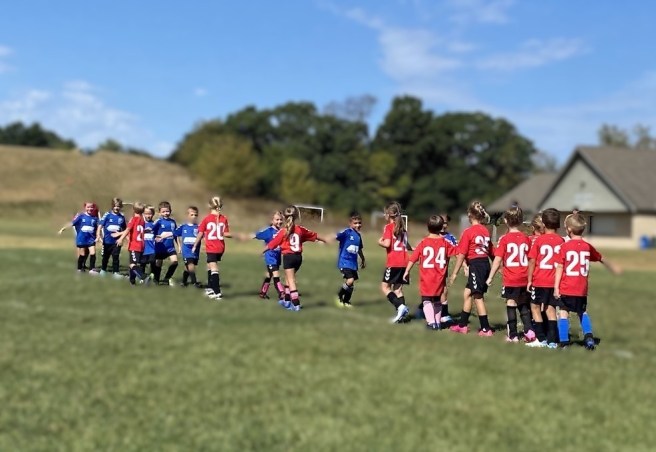
But as I watched my grandson’s soccer game Saturday, a different point of view came to mind.

Soccer teams always line up after games and stand in line and put their hands out and walk past the other team, slapping their hands and say “Good Game.” Doesn’t matter if they mean it or not; a loss stings and a win elevates. I watched the two coaches shake hands before and after the game.

Brutal football games usually end with teams mingling with the opposition, shaking a hand or hugging or just passing a nod between them. Last week I watched a car stop in the middle of the road and pick up a turtle that was sloooowly crossing the road and put him on the other side. I read in my local town FB page where somebody was shopping at Walmart and digging for change to fill out her bill and couldn’t find any and the person behind her paid for her groceries.

When I see and hear things like this I know that love is not dead. That for all the nonsense that makes the pages there are hundreds and thousands of good people out there, trying to just get by, making kind gestures and laughing and hugging others for unknown reasons.

I was never in competitive sports, but I don’t ever remember slapping hands with an opposing team and saying “Good Game.” Maybe in a Catholic grade school they said “God Bless.” I doubt it, but it’s a heartening thought.

Don’t be afraid to smile at someone. Tell them good game or that you like their dress or shoes. I often say that to outfits that catch my eye, and the recipient is always surprised and smiling in return. I shout “great shot” when the opposite team scores a goal on us and pick up items that people drop and hand them back to them.

It’s not hard.

And you will definitely leave the world a better place than you found it.

Good Game!!


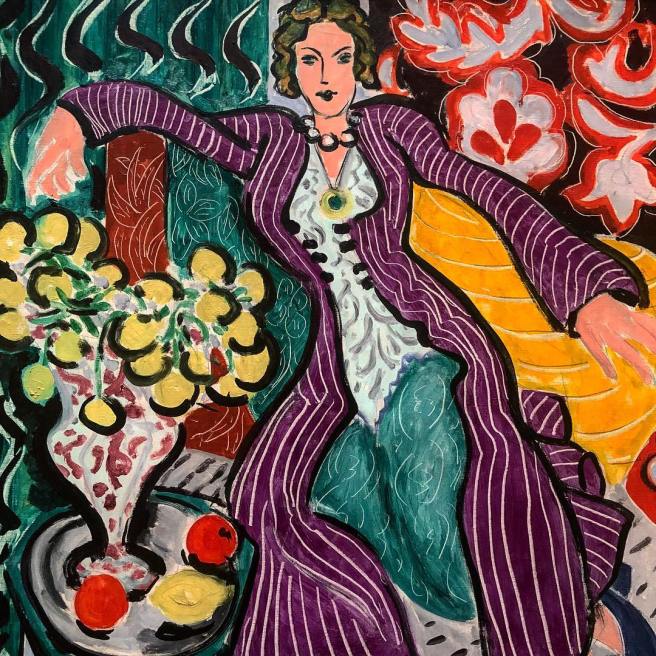
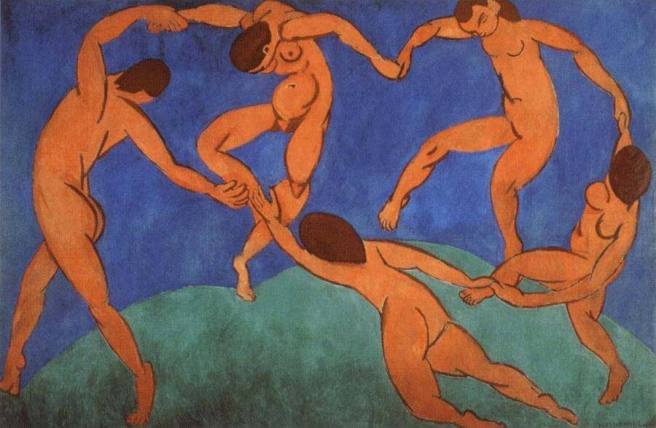
Sunday Evening Art Gallery — Henri Matisse

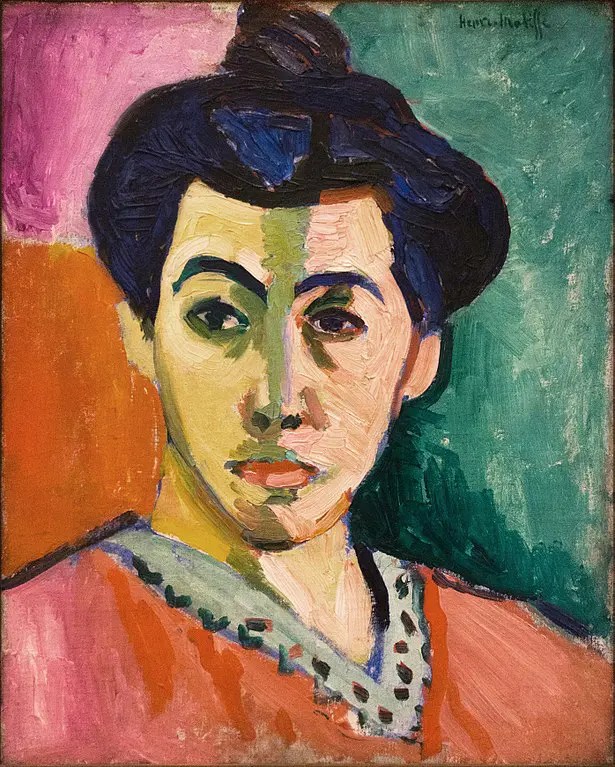
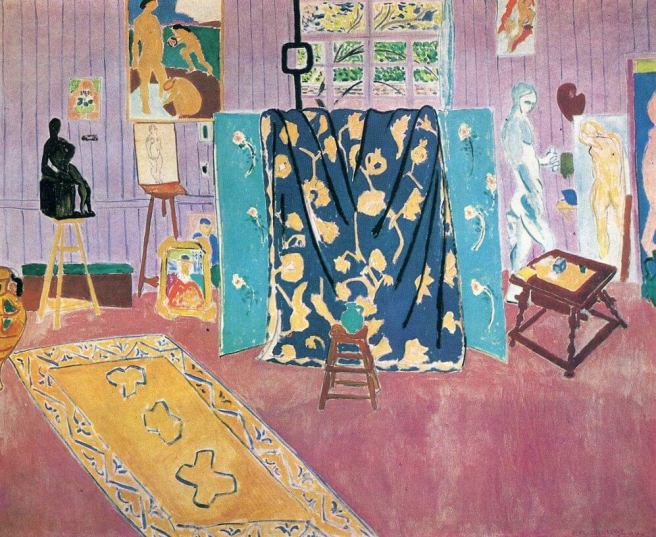
Henri Matisse (1869 -1954), one of the undisputed masters of 20th century art, was a French artist, known for his use of color and his fluid and original draughtsmanship.He was a draughtsman, printmaker, and sculptor, but is known primarily as a painter.Matisse is commonly regarded, along with Pablo Picasso, as one of the artists who best helped to define the revolutionary developments in the visual arts throughout the opening decades of the twentieth century, responsible for significant developments in painting and sculpture. Painting in the style that came to be known as Fauvism, Matisse continued to emphasize the emotional power of sinuous lines, strong brushwork and acid-bright colors. Matisse’s work delighted and surprised his viewers with signature elements of saturated colors, flattened pictorial space, limited detail, and strong outlines. From 1918 to 1930, he most frequently painted female nudes in carefully staged settings within his studio, making use of warm lighting and patterned backgrounds. He also worked extensively in printmaking during these years.His mastery of the expressive language of color and drawing, displayed in a body of work spanning over a half-century, won him recognition as a leading figure in modern art.

More of Henri Matisse’s famous works can be found at https://www.henrimatisse.org/ and https://www.biography.com/artists/henri-matisse.


Realigning and Refocusing

Most people try to refocus and realign themselves on a Monday morning, usually after a long weekend of partying, traveling, or soccer games.

I am trying to refocus and realign myself on a Friday.

Good luck.

I have just returned from five days of camping, of which I alluded to in a previous blog (Which Time/Space Continuum Am I In?) Well, now I’m here, it’s Friday, I’ll be proofreading this today, publishing it today, and realigning myself with it today.

It’s funny how, no matter how you spend a smattering of days, you seem to find solace back in doing your crafts. That no matter how crazy your day/week/month has been, you can always find solace and comfort in your Creativity.

You don’t need to sit down and write a novel or cast a piece of pottery. Nor do you need to tackle War and Peace or carve a statue out of wood. All you need sometimes is to lose yourself in what makes you happy. Read an article or sort some beads or doodle some wild crazy drawing. It doesn’t matter how you reconnect, as long as you reconnect.

Of course, reconnecting could also mean talking to someone you’ve been missing, texting a friend, or pulling out an old recipe and cooking it. I love doing all those things, especially when I need to reconnect to the world I love.

For me, though, writing always calls me back. It has for over 30 years. Something about the written word — finding the right written word — makes me realign my chakras and energy bloops and confusing thoughts into one coherent line.

I’m psyched up about bring out more Sunday Evening Art Galleries — I’ve got so many new and odd and beautiful art and artists to showcase. I look forward to reading your blogs and encouraging you whenever I can.

And even if you don’t connect to this outside world often, I look forward to hanging with you on some astral plane somewhere, talking art and food and movies.

I mean, after all, we’re all connected one way or another, right?


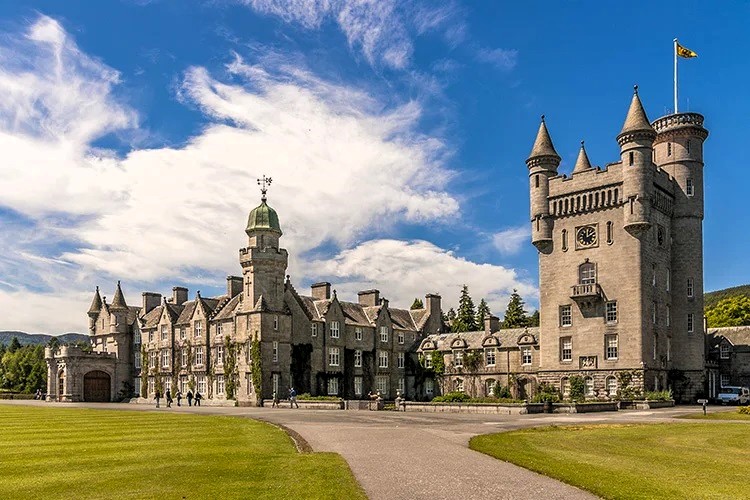
Sunday Evening Art Gallery — Castles

Castles are not merely relics of the past; they are enduring symbols of medieval architecture, power, and the social hierarchy that defined an era.

https://www.medieval-castles.org/castles/


Balmoral Castle. Aberdeenshire, Scotland


Burg Rappottenstein, Lower Austria


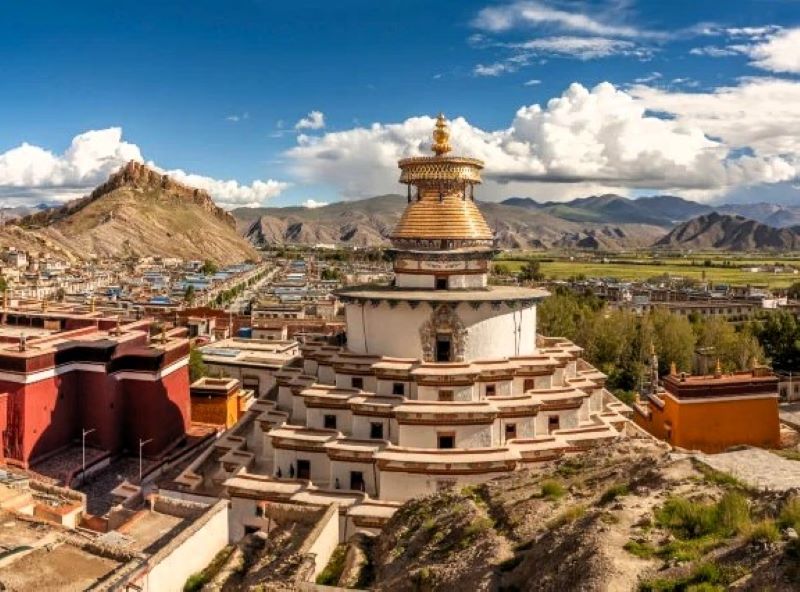
Gyantse Dzong Castle, Tibet


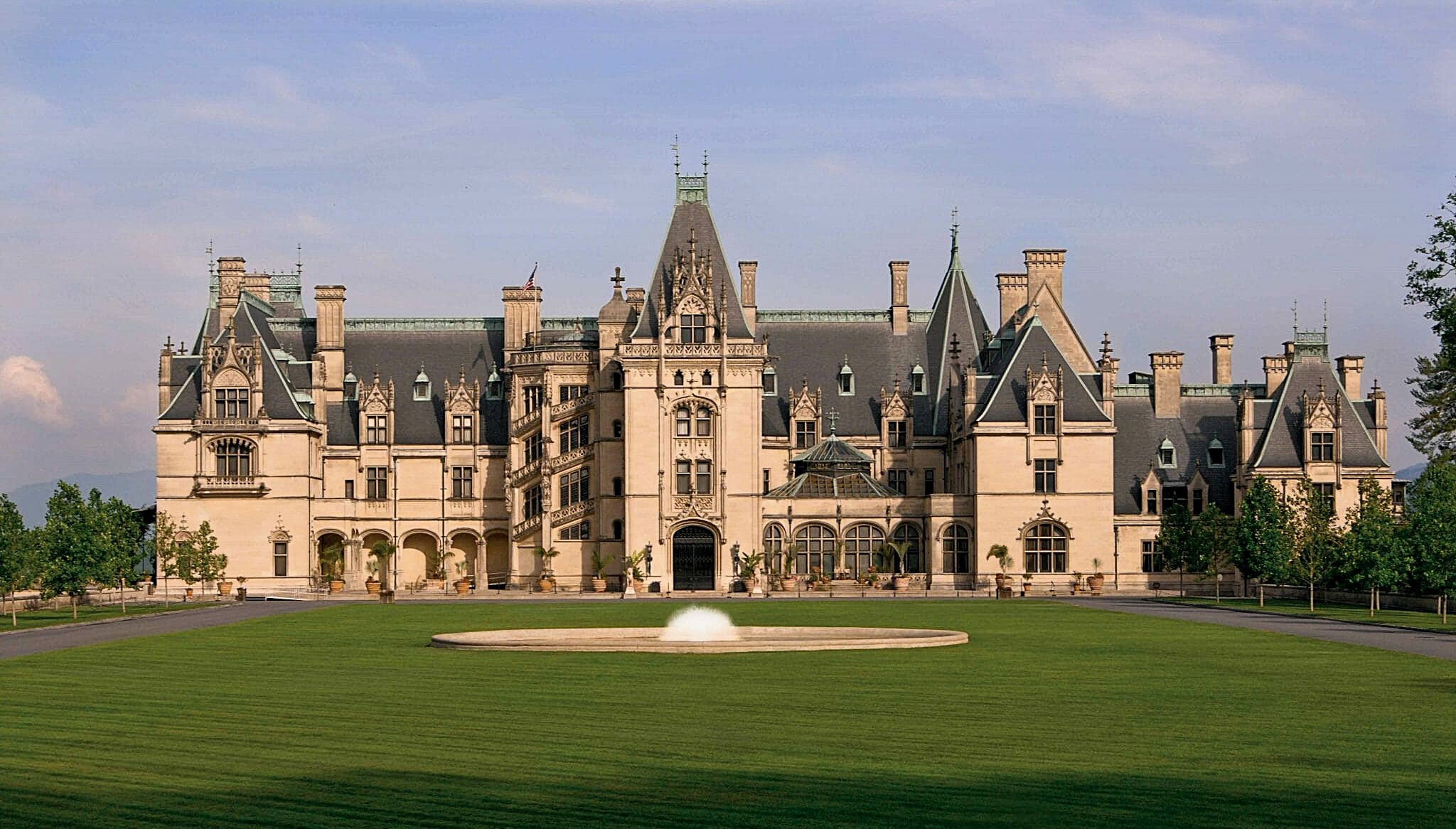
Biltmore Estate, North Carolina, USA


Château de Chambord, France


Boldt Castle, New York, USA


Palace of Versailles. France


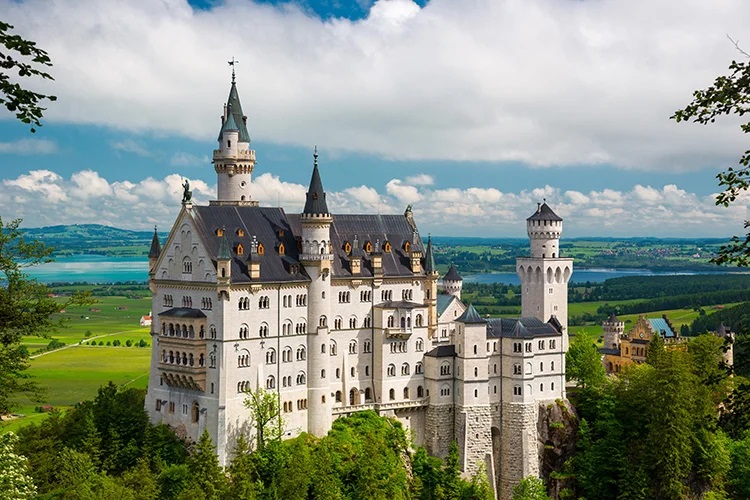
Neuschwanstein Castle, Bavaria


Topkapi Palace, Istanbul, Turkey


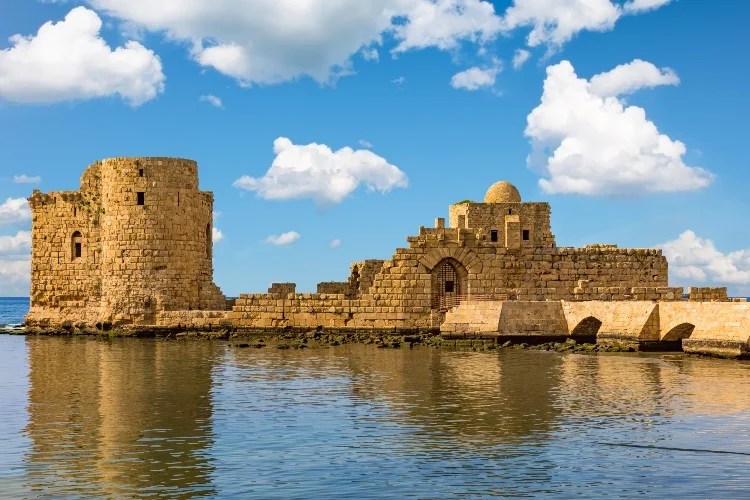
Sidon Sea Castle, Lebanon


Cinderella Castle, Florida, USA


Faerie Paths — Magic Door


Obsessed by a fairy tale, we spend our lives searching for a magic door and a last kingdom of peace.

~ Eugene O’Neil


Sunday Evening Art Gallery — John Lemke

Last week we talked about AI Art — Artificial Intelligence Art.

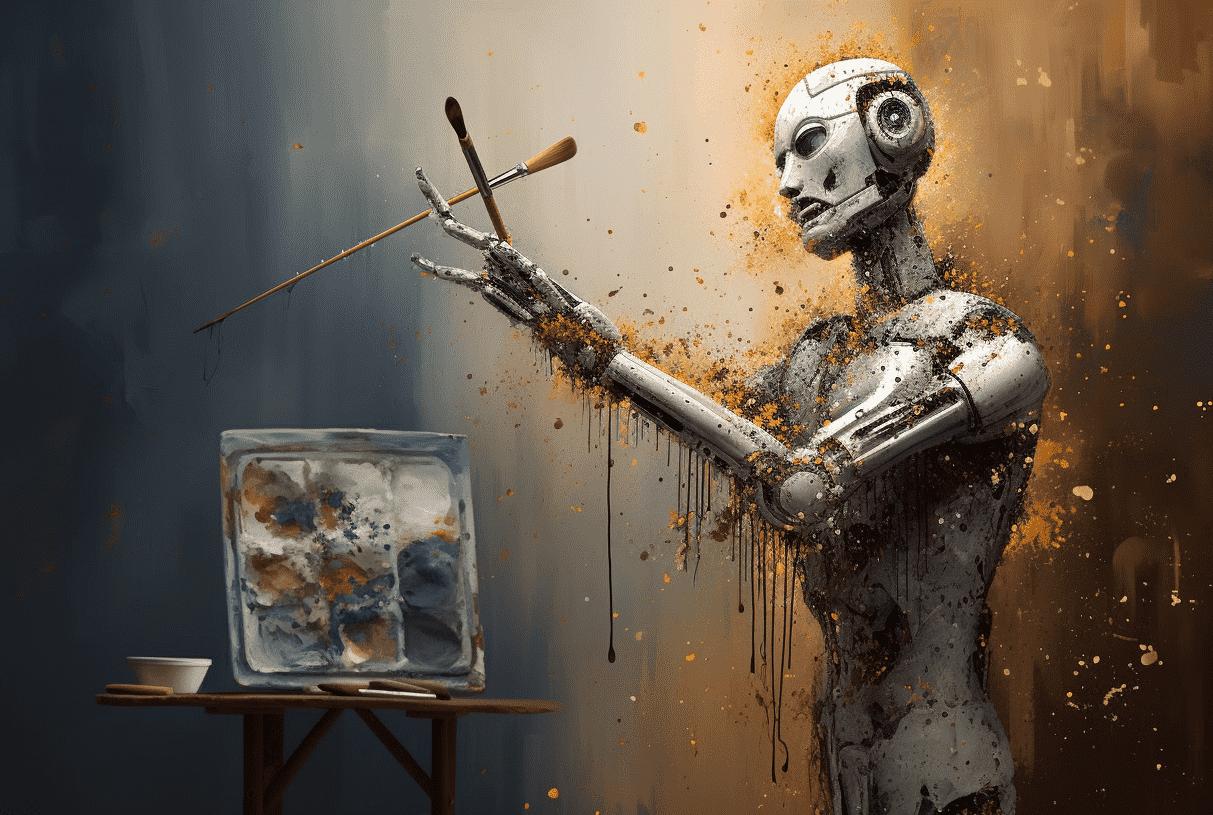
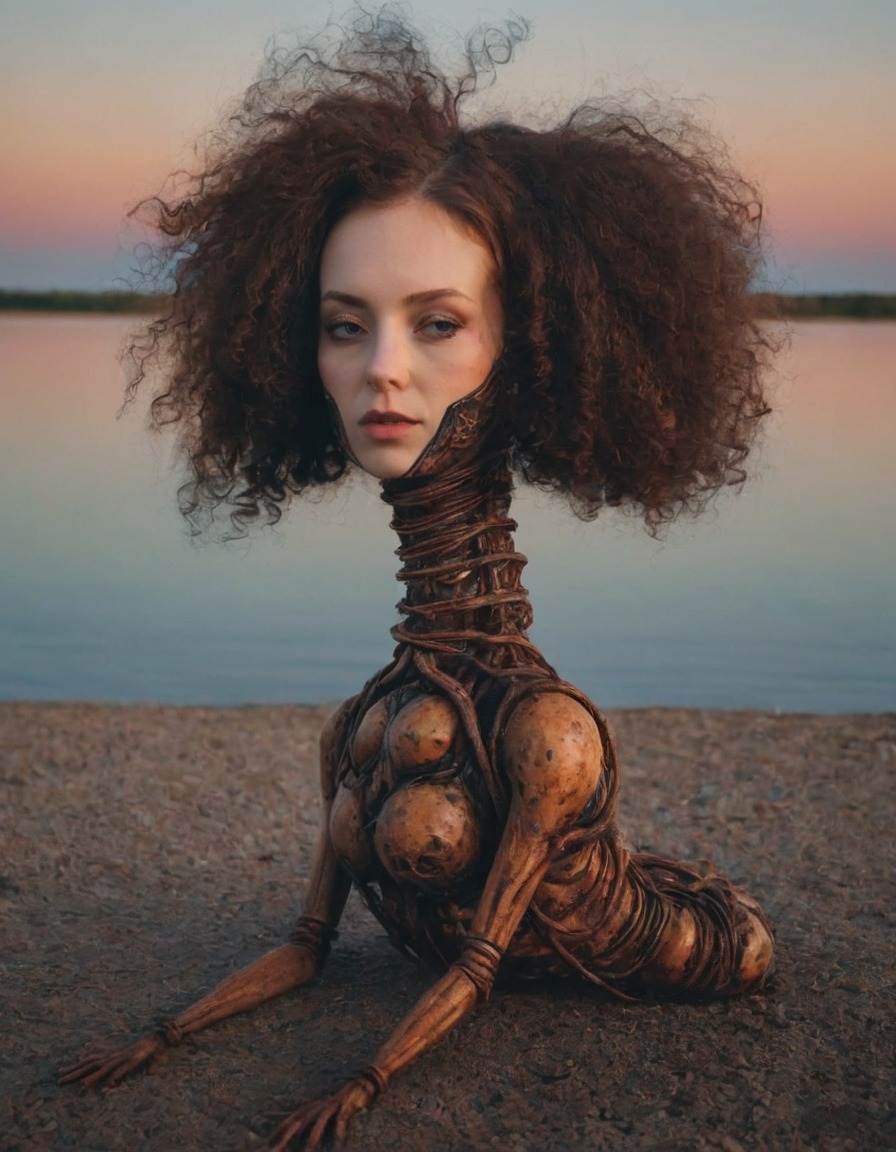
Whether we think it is “real” art or not will be debated for some time. Some of it is beautiful and intriguing, combining a plethora of ideas into a single artwork. Other AI Art is more enhancement, toying with an original idea and making it your own. 

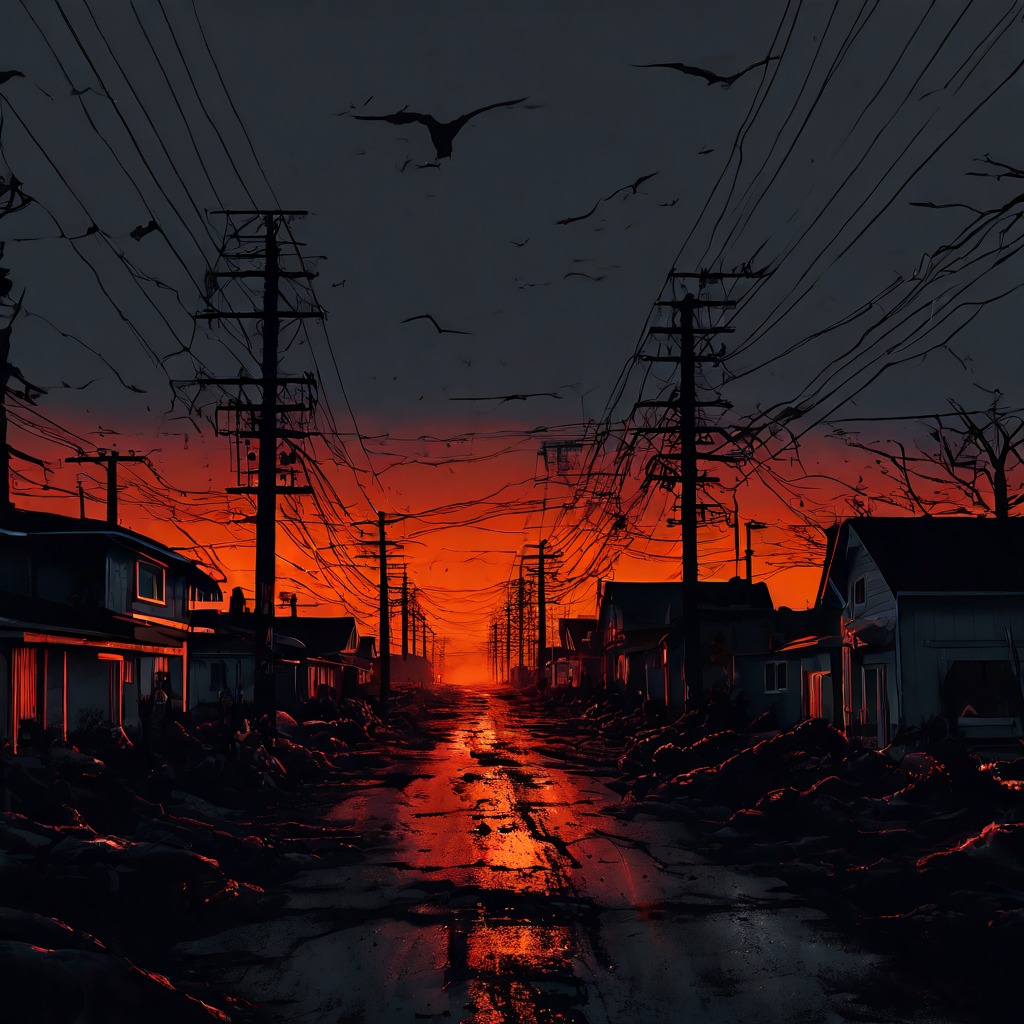
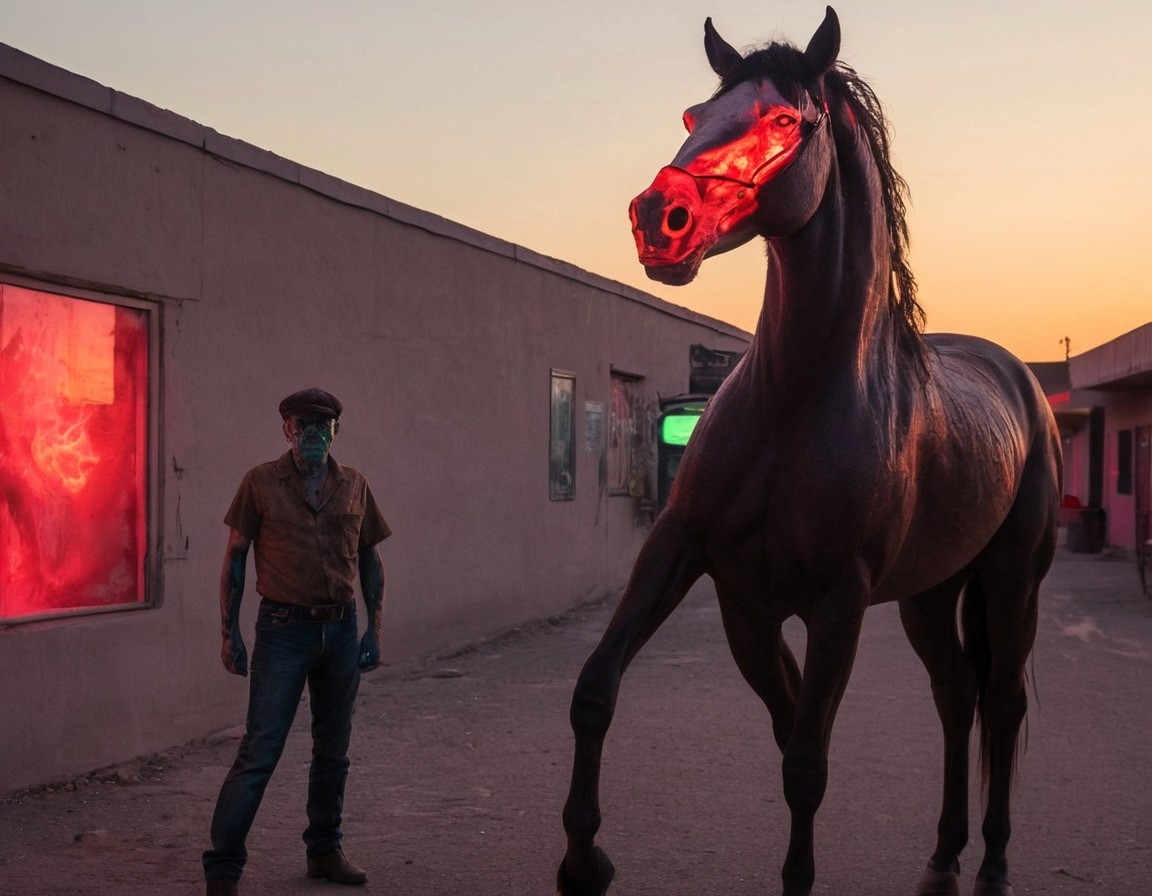
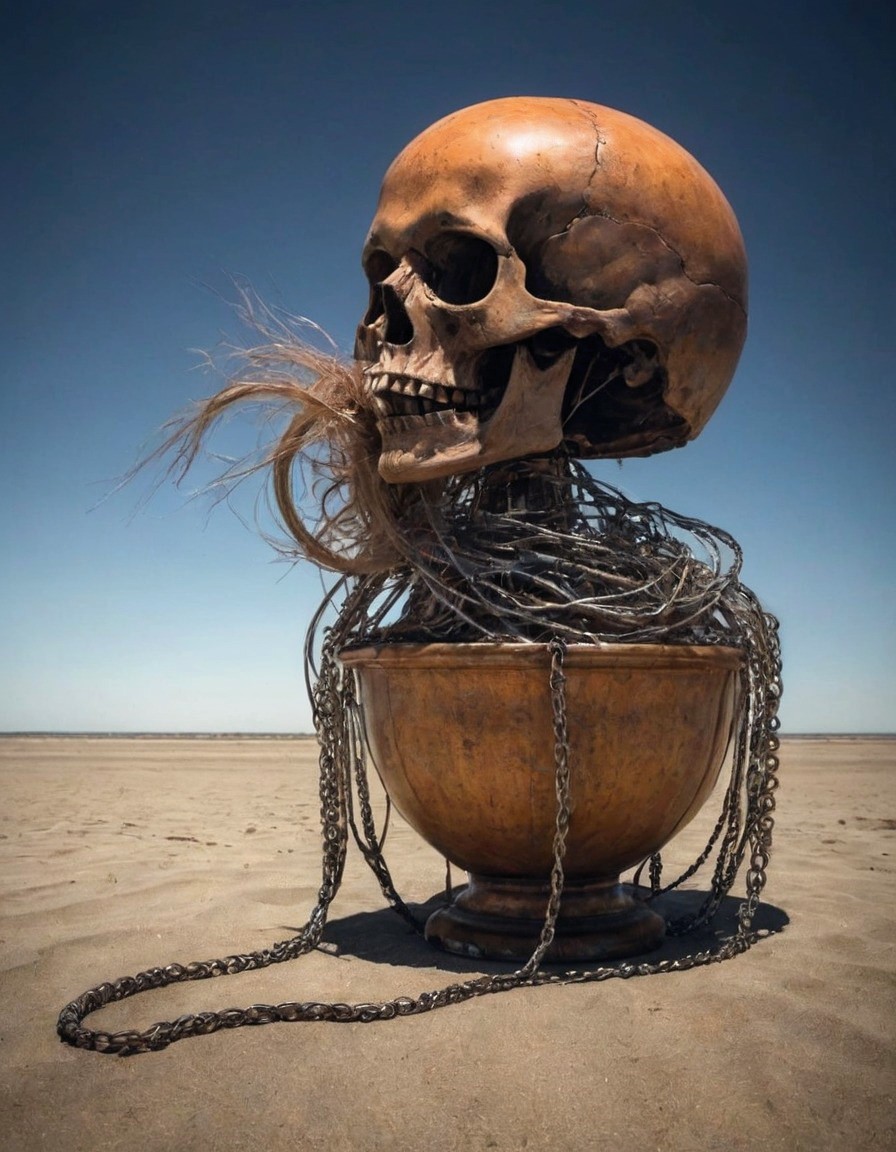
I wanted to show you some of the AI art my friend John Lemke has created. He is a gifted artist with pen and paper and a camera as well. Creativity starts in the mind first. These pictures are a natural progression and outgrowth of that creativity.


Which Time/Space Continuum Am I In?

Sometimes I love the way time messes with you.

At this very moment it is Thursday: sun shining, plants digging the weather, cafe jazz music in the background, sitting outside on the deck with my dogs, typing away on my computer sitting on an old glass top table with a cup of coffee nearby.

But when you read this I will be camping up North with some good friends, no Wi Fi on the computer, commuting with nature and a tiny camper and hopefully a Bloody Mary to go with my camping breakfast.

Where am I, really?

If I proofread this once more before I send it, I will have to fix something that was created back in time. Today I’m daydreaming of quiet times and good friends, but when I read this next week my daydreaming of quiet times and good friends will have already happened.

My past will become my present and soon after my future. Which inevitably will become my past.

I believe in trying to make every present moment something to remember. Boring jobs, exciting moments, melancholy memories, all make us who we are and who we will be. We’ll never pass this way again and all that.

I could spend my now time griping about the upcoming Presidential election or my bank account being overdrawn. Just as I could relive the loss of my son or the cat we just put to sleep.

The past can be a creepy place, but it is also a cauldron of future emotions and experiences. The ingredients you add now will make a difference in your future stew.

When I look back I prefer to relive the good times. The loving times. The laughing times. When I look into the future I prefer to anticipate the good times. The loving times. The laughing times.

That’s why it doesn’t matter where you are at any point in the Space/Time Continuum. You are here and there and everywhere. And so is everyone else.

Connect. And revel in that connection.


Faerie Paths — Exploration


It is in our nature to explore, to reach out into the unknown. The only true failure would be not to explore at all.

~ Ernest Shackleton


Sunday Evening Art Gallery — Wayne Thiebaud

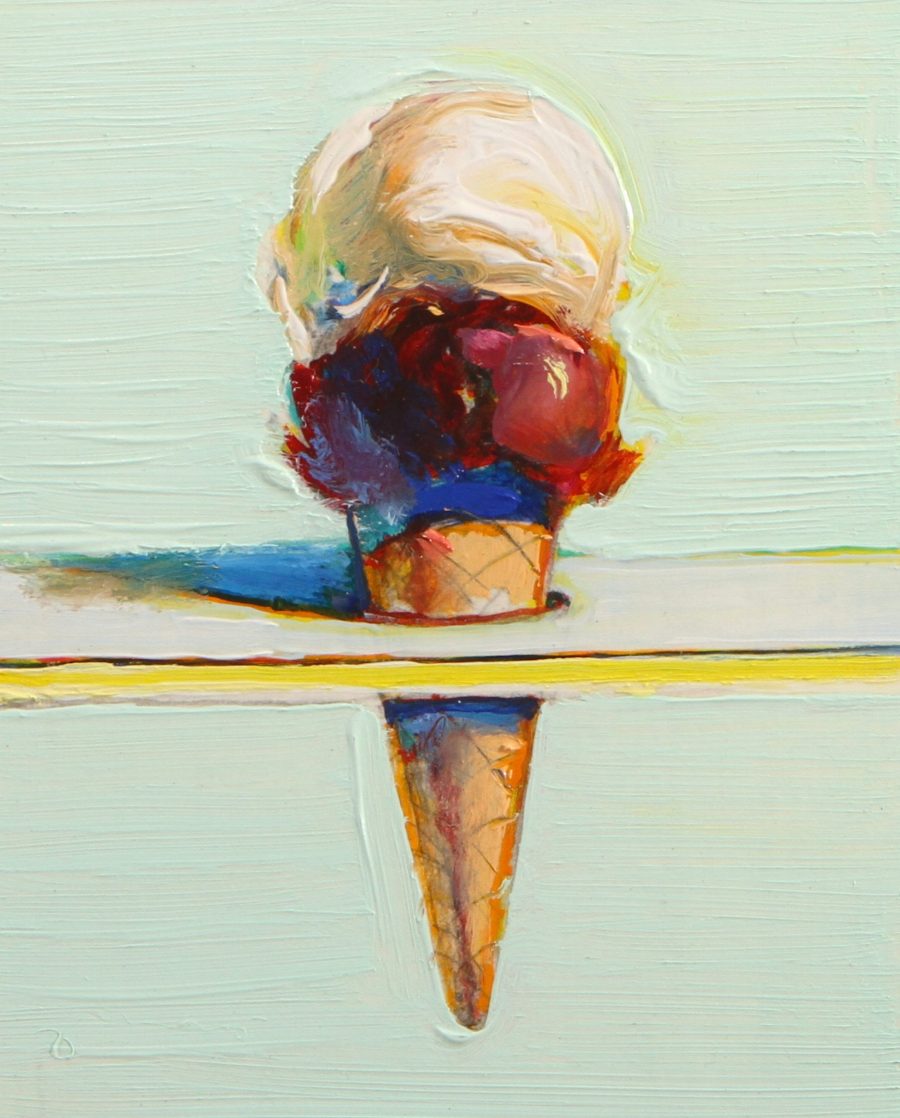
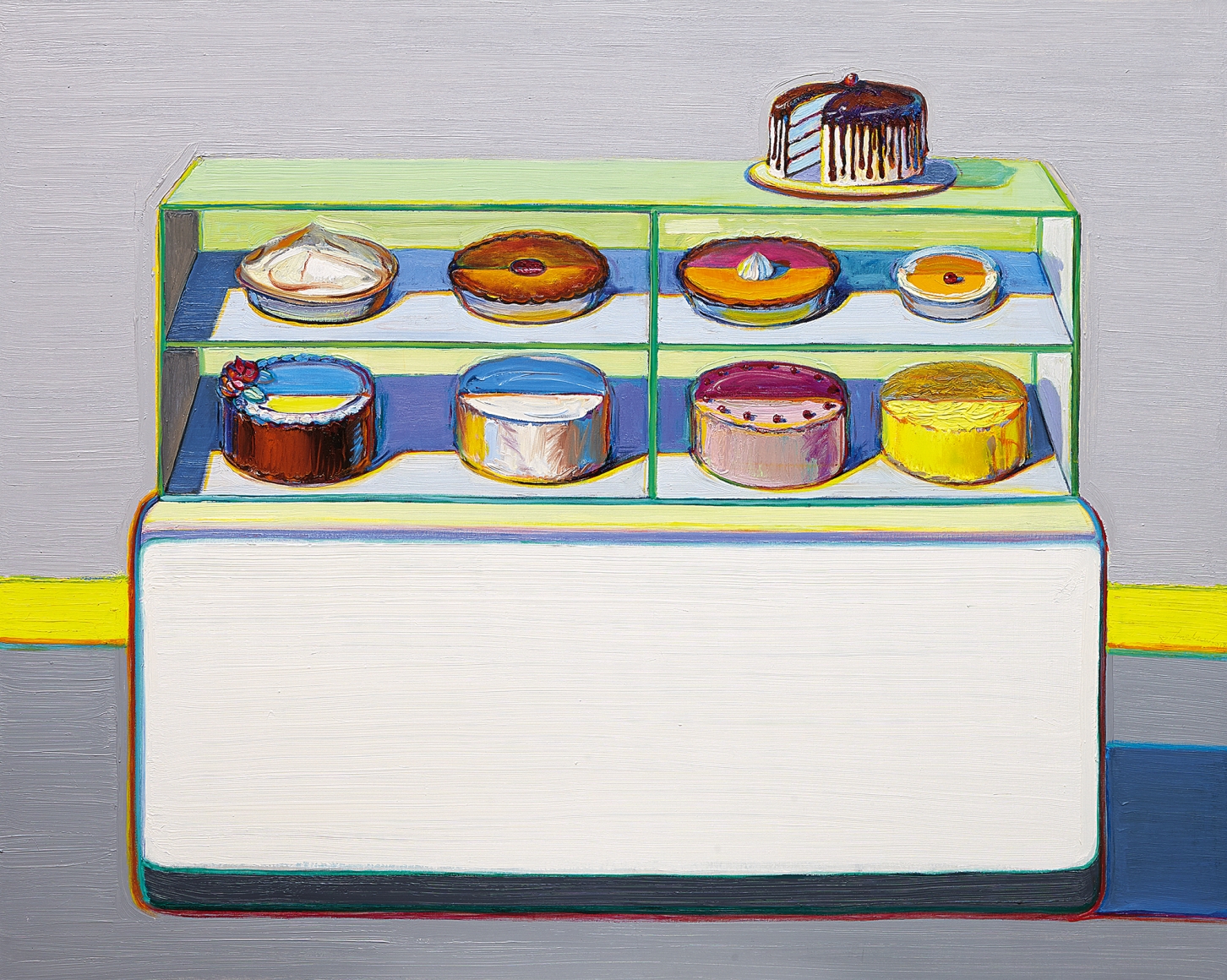
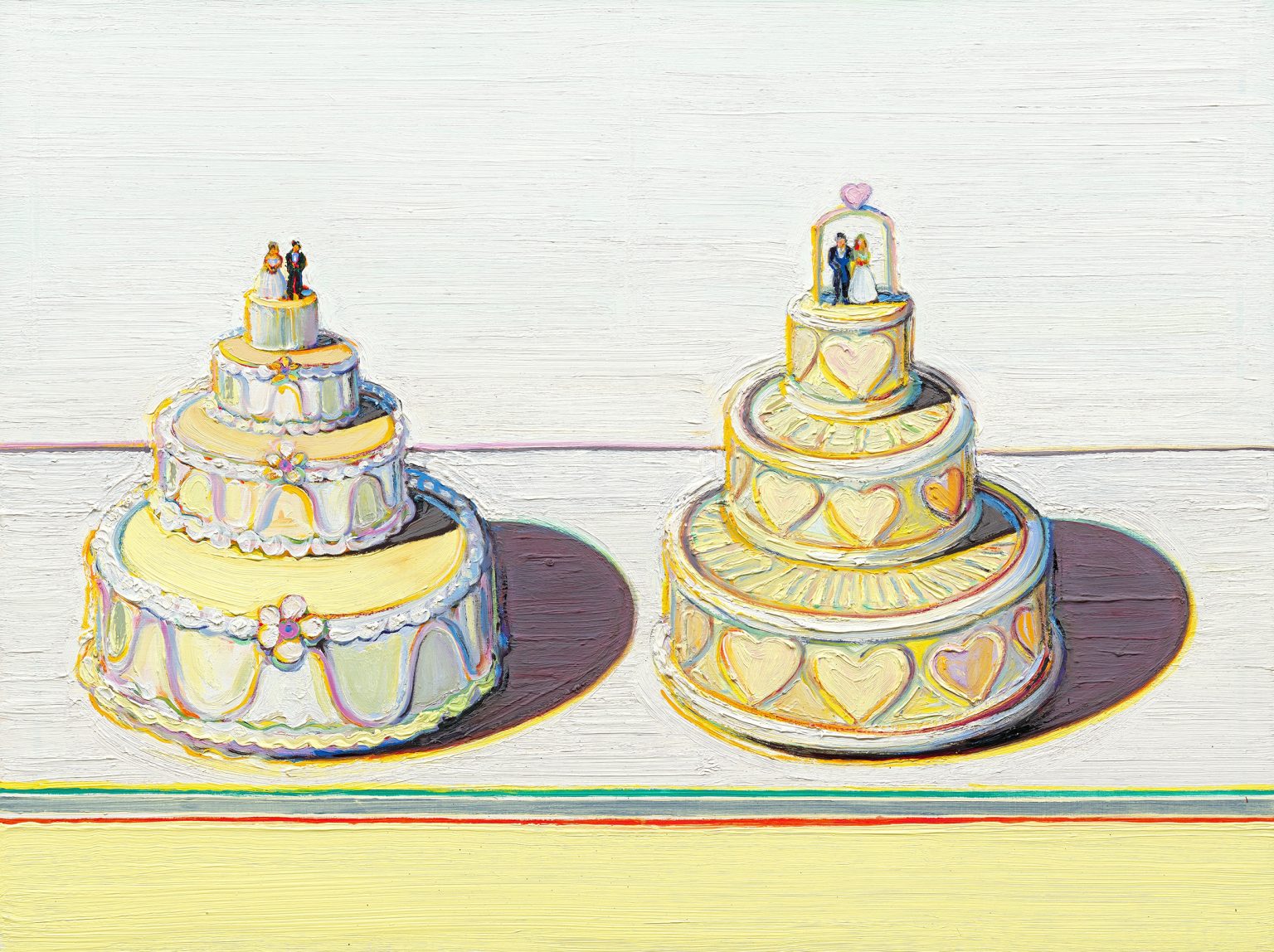
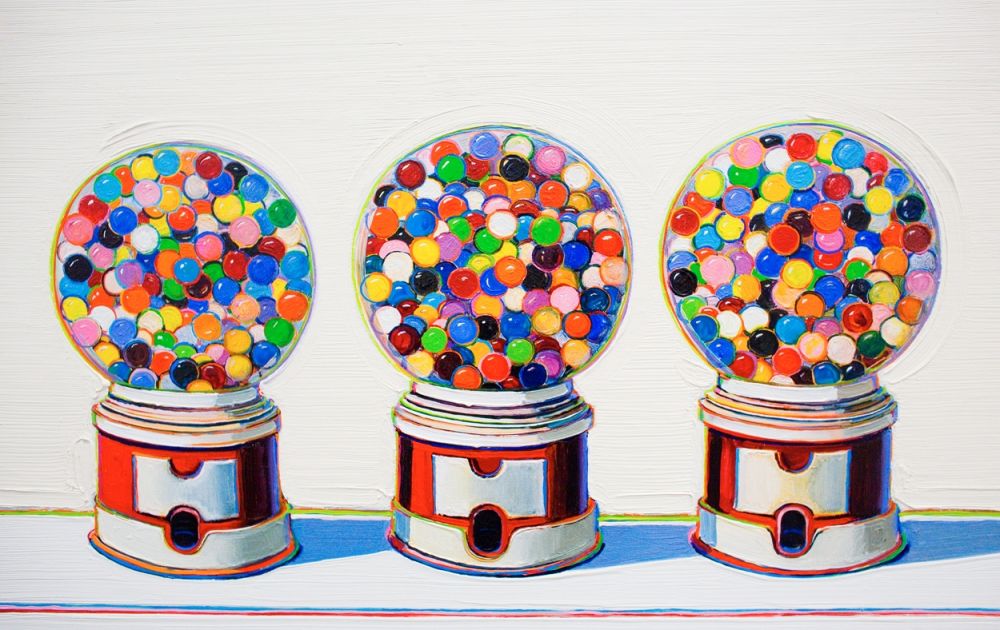
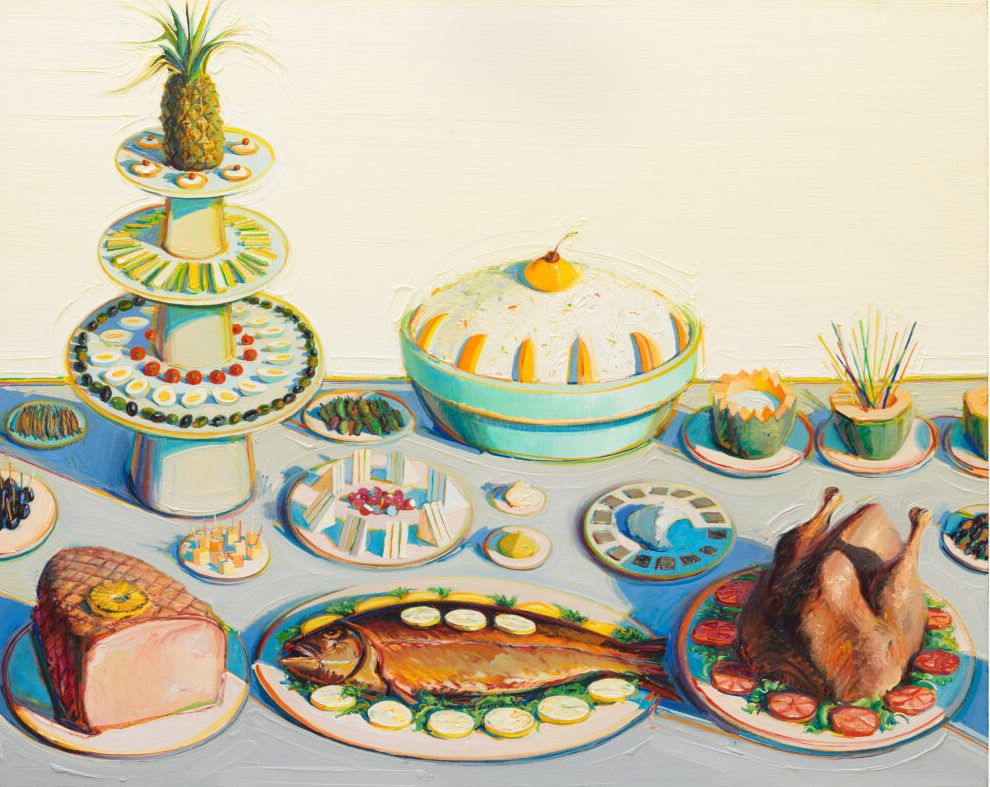
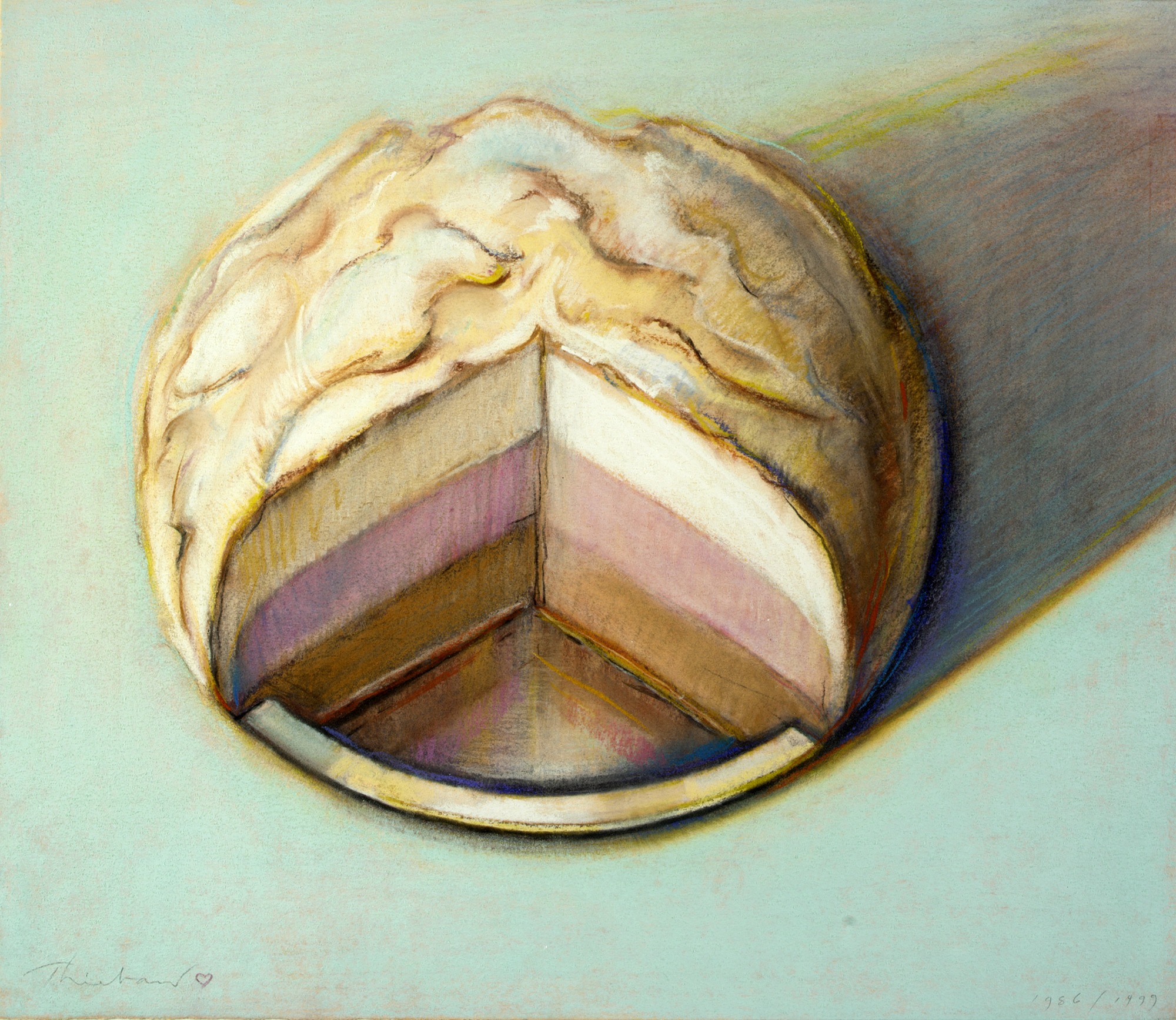
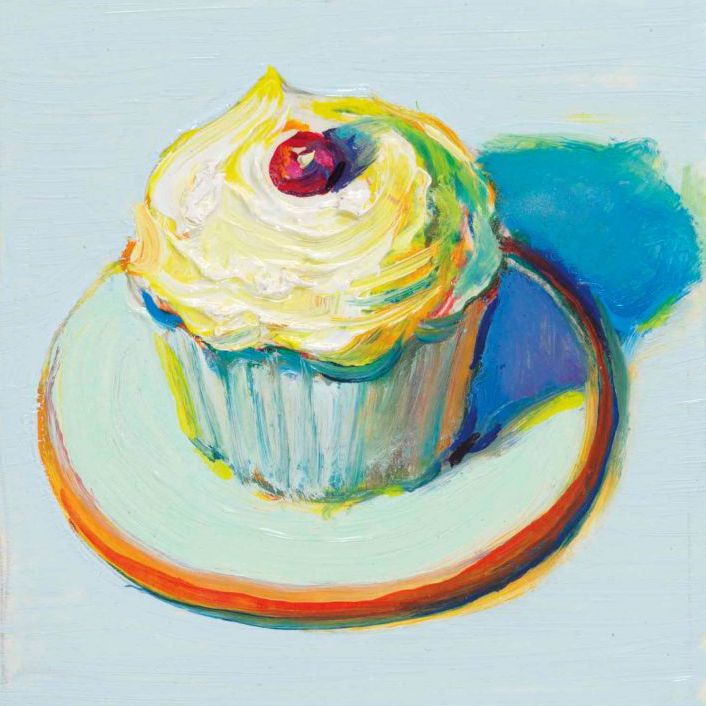
Morton Wayne Thiebaud (1920–2021) was an American painter and printmaker who was perhaps best known for his thickly painted American still lifes of such items as foods and cosmetics.He enrolled at San Jose State College (now San Jose State University) in 1949 before transferring to Sacramento State College (now California State University, Sacramento), where he earned a bachelor’s degree in 1951 and a master’s degree in 1952.He is recognized as one of the major American art figures of the second half of the 20th century, although his rich and luminous depictions of midcentury Americana separated him from the classic Pop Art of the time.Thiebaud is associated with the pop art movement because of his interest in objects of mass culture; his early works were executed during the fifties and sixties, slightly predating the works of classic pop artists.Thiebaud was more often than not absorbed in traditional problems of painting — how to create depth without sacrificing the two-dimensionality of painting and how objects relate to one another.Through seemingly simple still lifes, Thiebaud evokes stories of plenty and loss, prompting an emotional response from the viewer that is absent in Pop Art.His successful paintings were mainly based on food and sweets such as pies, cakes and suckers, which were considered a luxury by him at that time.The artist worked from life, not from media images, and his engagement was evident in his loose brushstroke, whereas a hard-edge painting style, signifying mechanical reproduction, was preferred by some.Thiebaud used heavy pigment and exaggerated colors to depict his subjects, and the well-defined shadows characteristic of advertisements were almost always included in his work.More of Wayne Thiebaud’s enchanting paintings can be found at https://www.wikiart.org/en/wayne-thiebaud and https://www.theartstory.org/artist/thiebaud-wayne/.


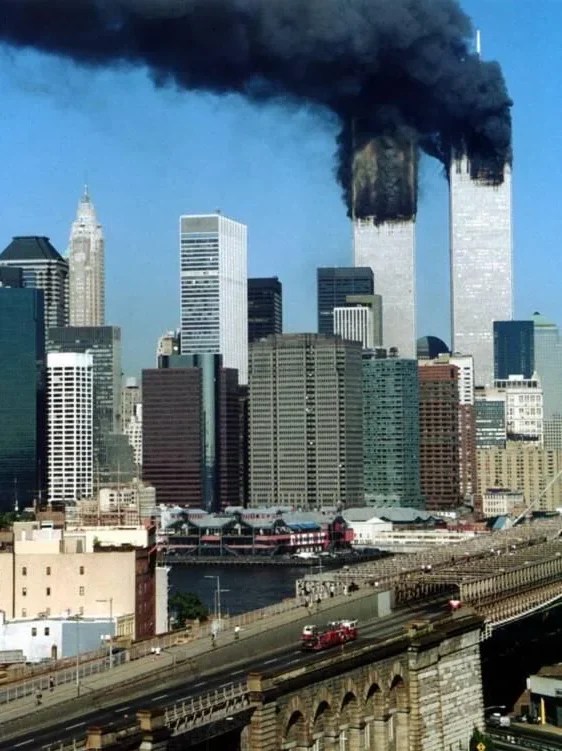
To This Day … Never Forget

Last photograph of the last run of Ladder 118 as it crosses the Brooklyn Bridge. None of the firefighters would survive.


Stirring the Pot

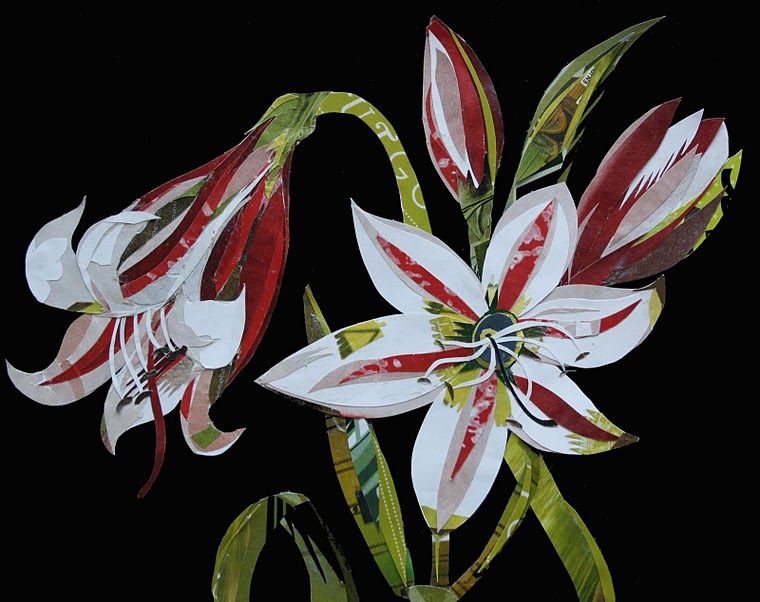
Mary Delany

Are you stirring your Creative Pot these days?

How’s that going for you?

I chuckle to myself — for someone who promotes letting your inner creative muse out whenever you turn around, I seem to be slipping and sliding my way through September.

Let me ask you first off — do you feel creative every day?

Those of you whose art is your income, are you pumped up to create every day?

I know one cannot be on a creative high day in and day out. Being stung with the creative bee doesn’t quite work when you’re picking your kids up from school or sitting at a desk working all day.

I have written a few blogs during my bloglife talking about getting hit by my creative muse while driving or falling asleep. That doesn’t work, either. One of my first blogs was about my Irish Muse popping in with ideas at the most inopportune times.

When the high is gone the high is gone. At least for the moment.

And I know we can’t be inspired every time we fold laundry or go grocery shopping. I’d certainly burn out by the time I walked down my 3rd grocery aisle.

I also wonder if this slowdown has anything to do with my age. Grandma Moses started painting in her late seventies after she retired from her farming duties. After the death of her second husband when she was 68 years old, Mary Delany focused on making intricate paper cutouts of plants and flowers to help her cope with the loss. These cutouts were so exquisite that they are now part of the British Museum’s collection.

So age doesn’t necessarily correlate to being creative.

I think that, for me, Creativity still knocks at my door. And continues to knock until I at least open it. Then it’s up to me whether or not I want to let it in or ask it to come back next week.

Pay attention to those bursts of light and inspiration when they hit you. If you can’t act on what you think is a great idea, write it down. You’ll come back to it. No matter how busy you are or how alone you are, Creativity will fine you and inspire you.

I mean, look — I just got inspiration for two new art galleries!


Sunday Evening Art Gallery — Nik Ramage

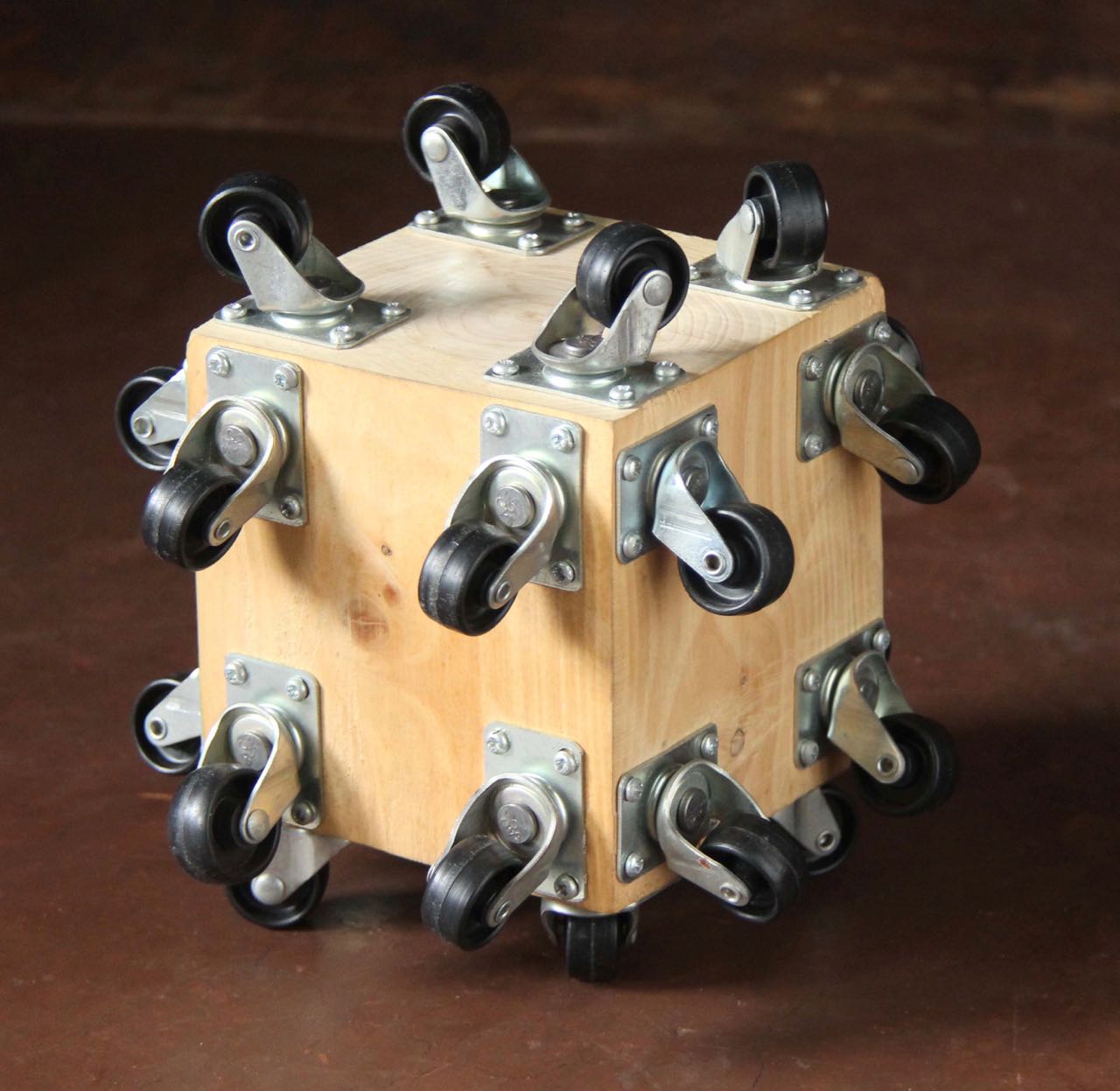
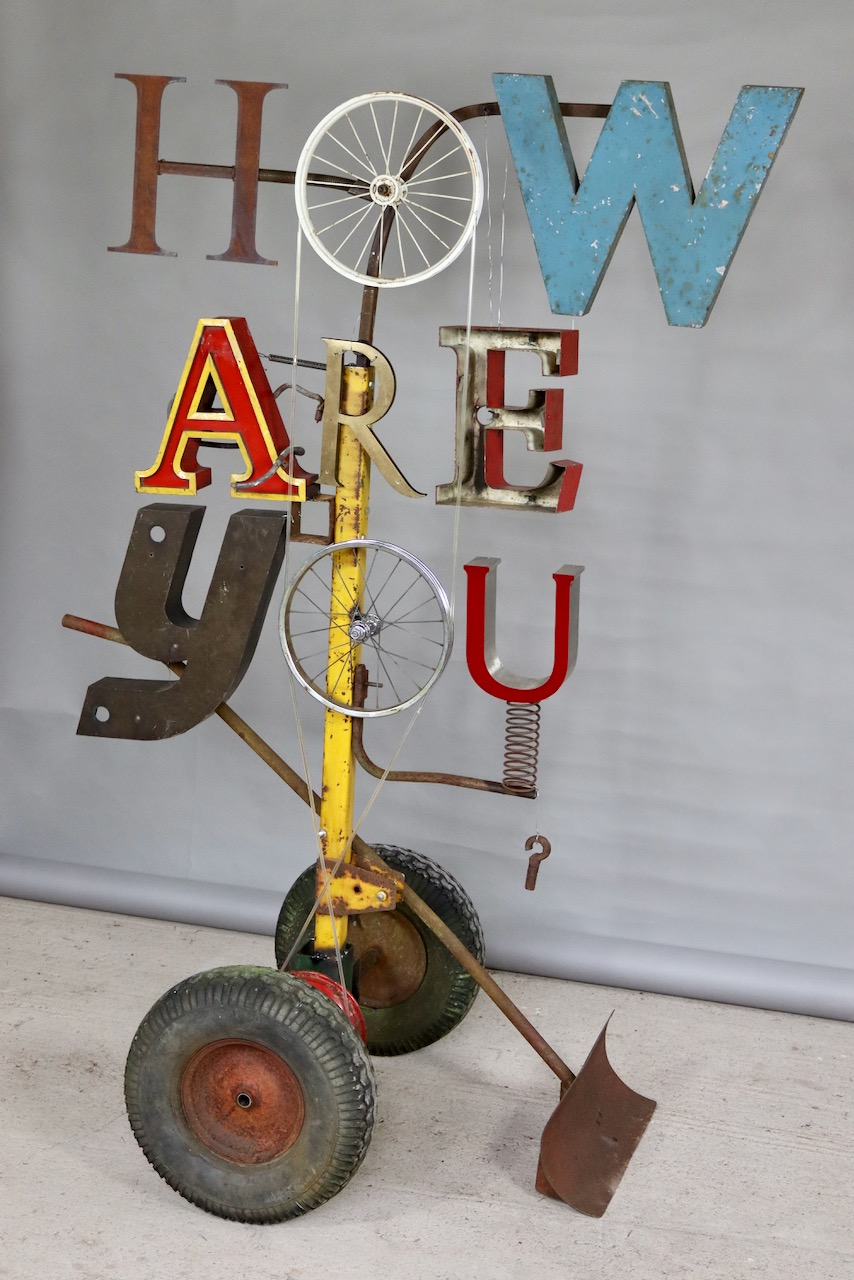
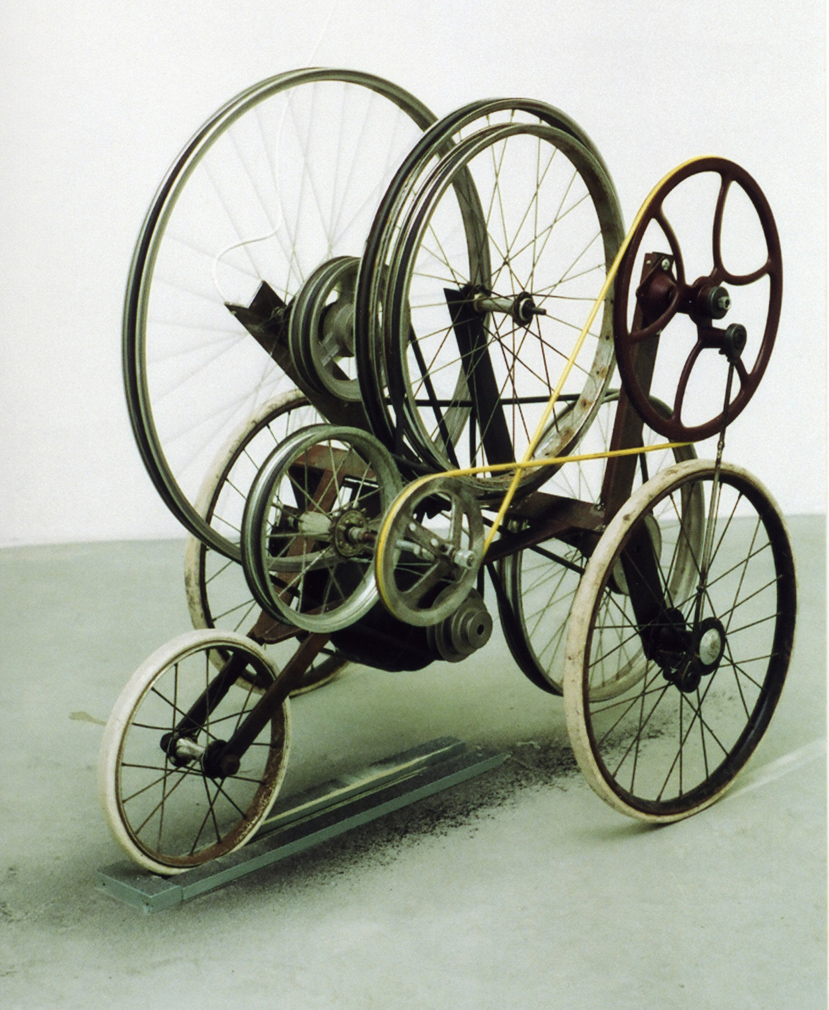
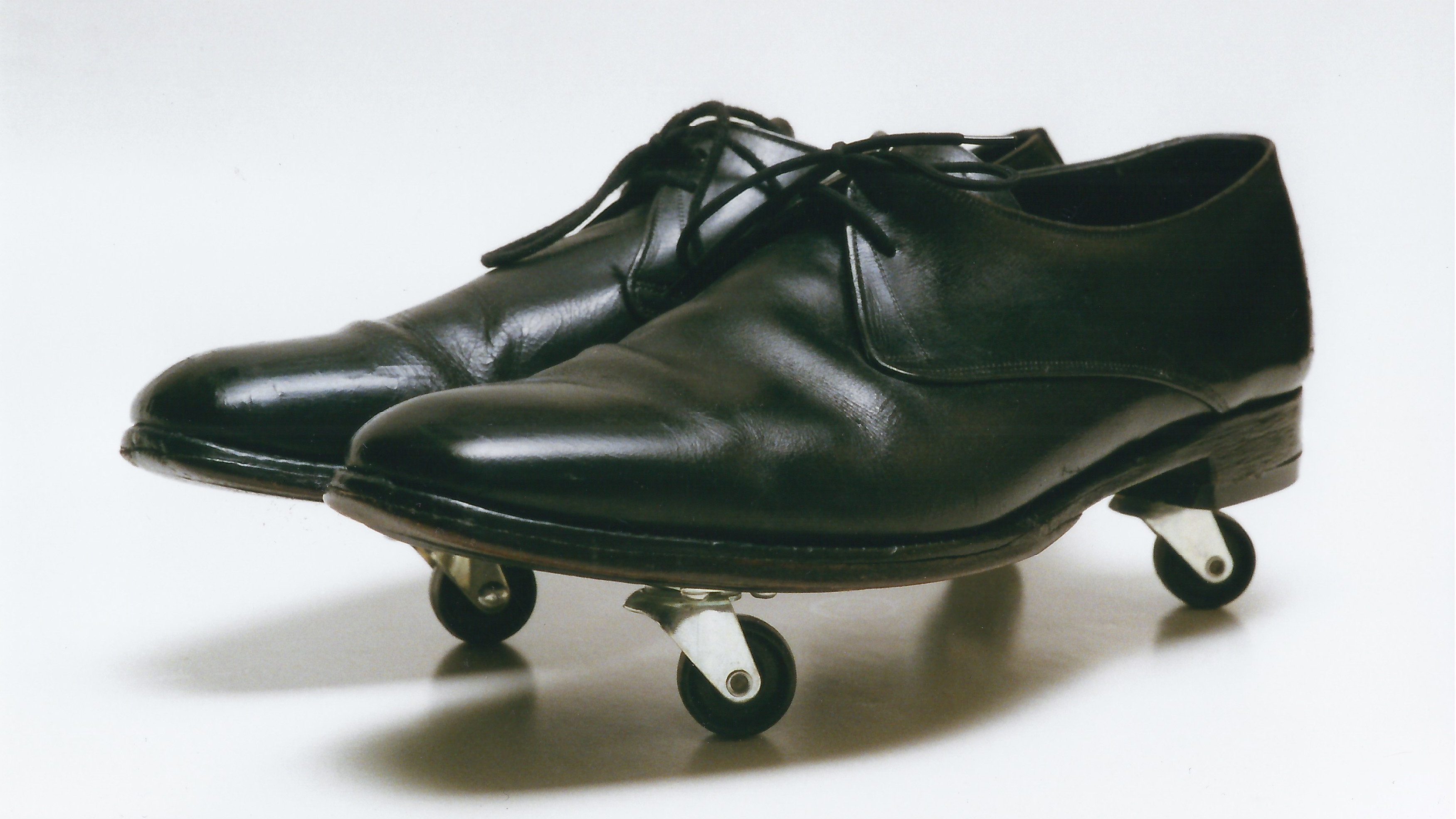
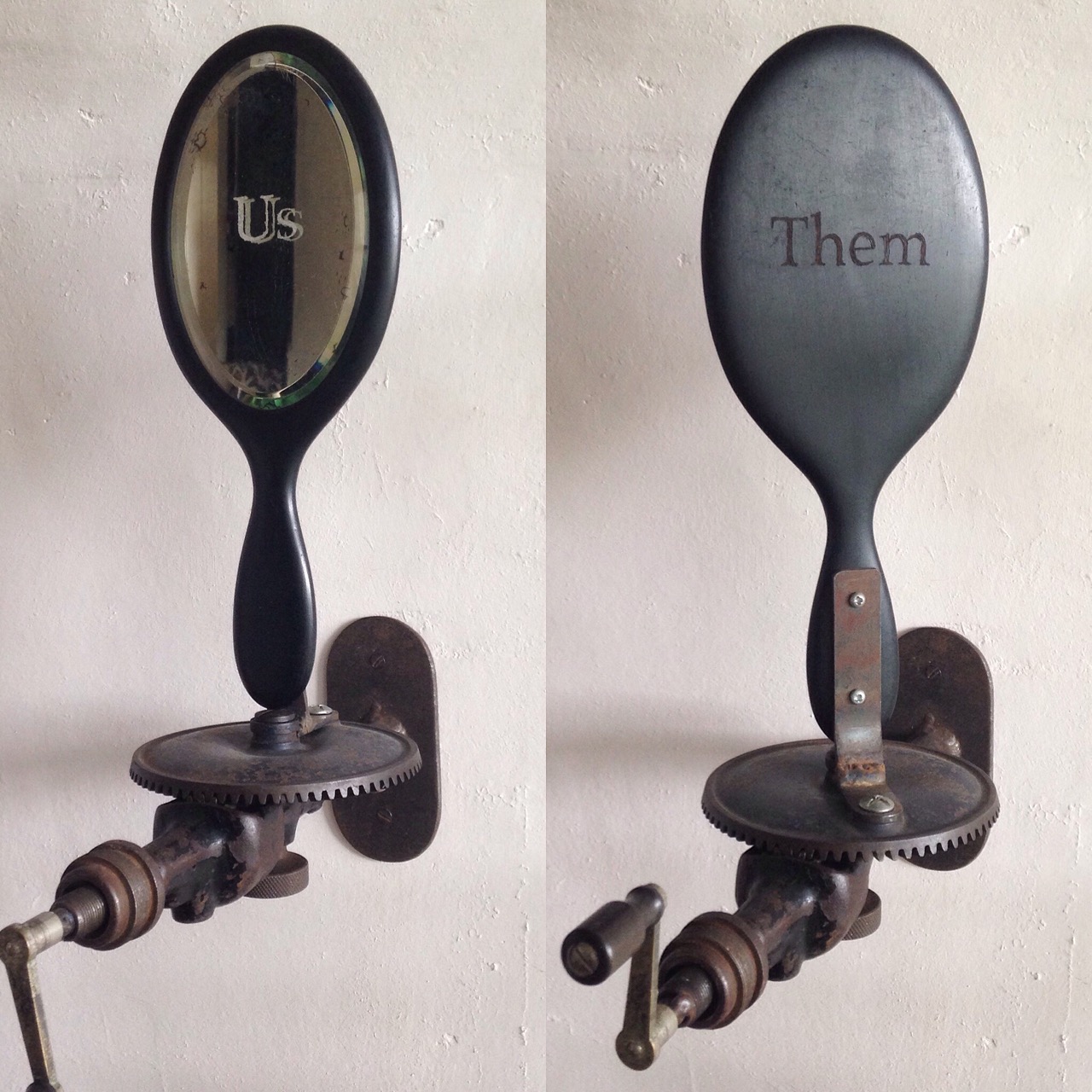
Nik Ramage is a contemporary kinetic artist from the United Kingdom.Through an melding of arbitrary objects, Ramage creates surrealistic machines that have little plausible use.Some works of art are hard for us to comprehend, yet Ramage’s collages of materials beckon us to stay a while and wonder.With a professional background in graphic design, Ramage describes himself as a lifelong tinkerer, and is self-taught in machine mechanics and soldering.He sources objects for his sculptures from junk stores and street sales, keeping new parts to a minimum.Each work embraces paradox and absurdity; they seem absurd with their eccentricity and quirks, but they run by their own rational logic.Strange and almost believable, Rampage creates objects you can almost see working.

More of Nik Ramage‘s oddly amazing works can be found at https://nikramage.com/.


Maybe Now … Maybe Soon!


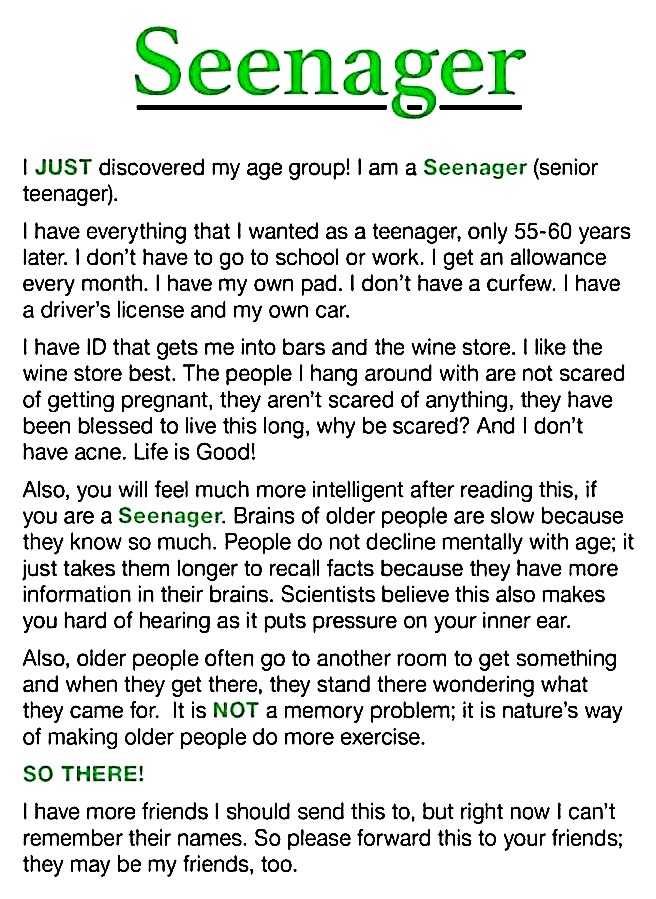
I don’t usually repost memes/pictures/whatevers from my Facebook account, but I read this the other day and I thought, “Hey! That’s ME!” 

No matter what your age, it might be you too!


Sunday Evening Art Gallery — Andriy and Olesya Voznicki


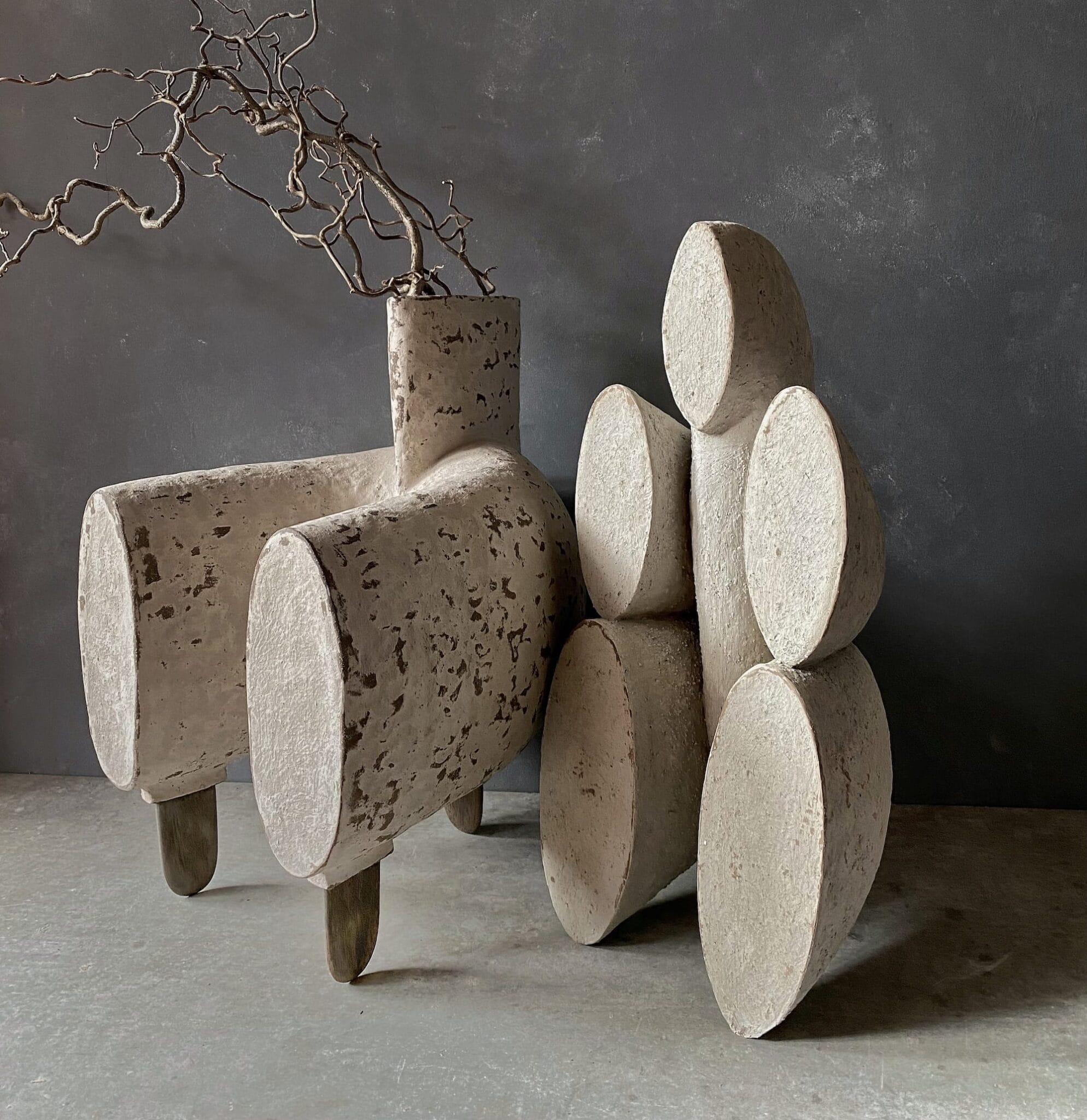
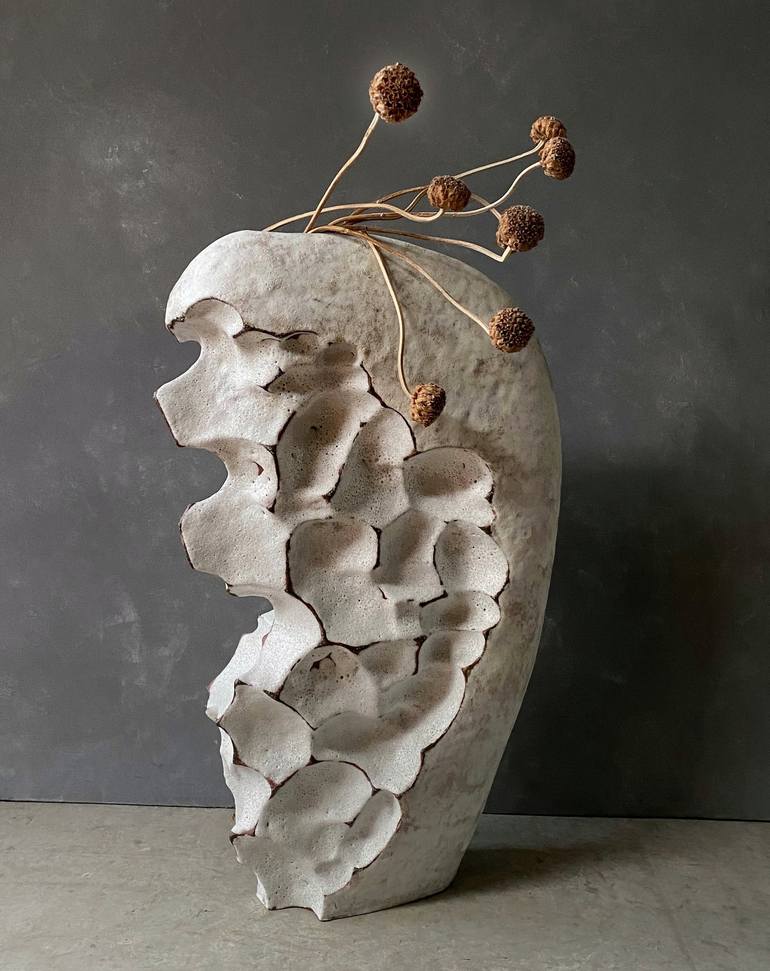
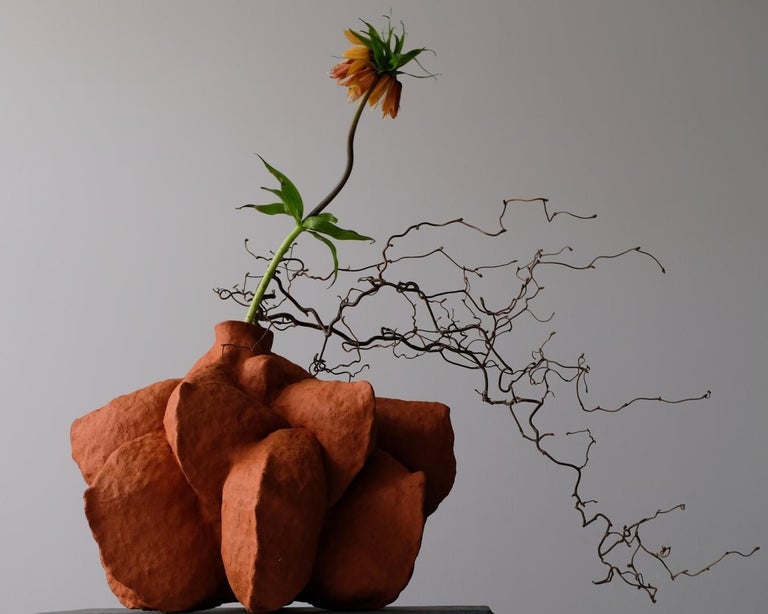
Ukrainian artists Andriy and Olesya Voznicki create voluminous ceramic vessels and sculptures.Forced to recently flee their home in Ukraine and relocate to the Netherlands, the Voznickis began to create ceramic pieces using locally-sourced materials. Based in Amsterdam, the duo draw inspiration from natural phenomena like the changing seasons, patinas and aging, and elements like fire or earth.Their focus is heavily on experiments combining ceramics with wood and coal.The pieces mirror the shapes and textures of boulders or lava rock, suggesting both beauty and resiliency and influenced by a concept called bionic design, which mimics characteristics and adaptations in nature.The hallmark of these creations lies in their texture, roughness, cracks, and irregularities, embodying a deep appreciation for the natural process of expression.The anomalies that emerge during creation are welcomed, imbuing the work with a unique charm, untamed beauty, and singular character. Rather than increasing production volumes, we aim to make each product as individual as possible.More of Andriy and Olesya Voznicki’s wonderfully unique sculptures can be found at https://naturaceramica.com/ and Homo Faber. 


Faerie Paths — Bluegrass


There’s a roots nature to Appalachia – the origins of folk and bluegrass. I know guys there who are some of the best players I’ve ever heard but are playing on their porch tonight because they’ve never chased success. There’s simplicity to how they live and what they care about.

~ Eric Church


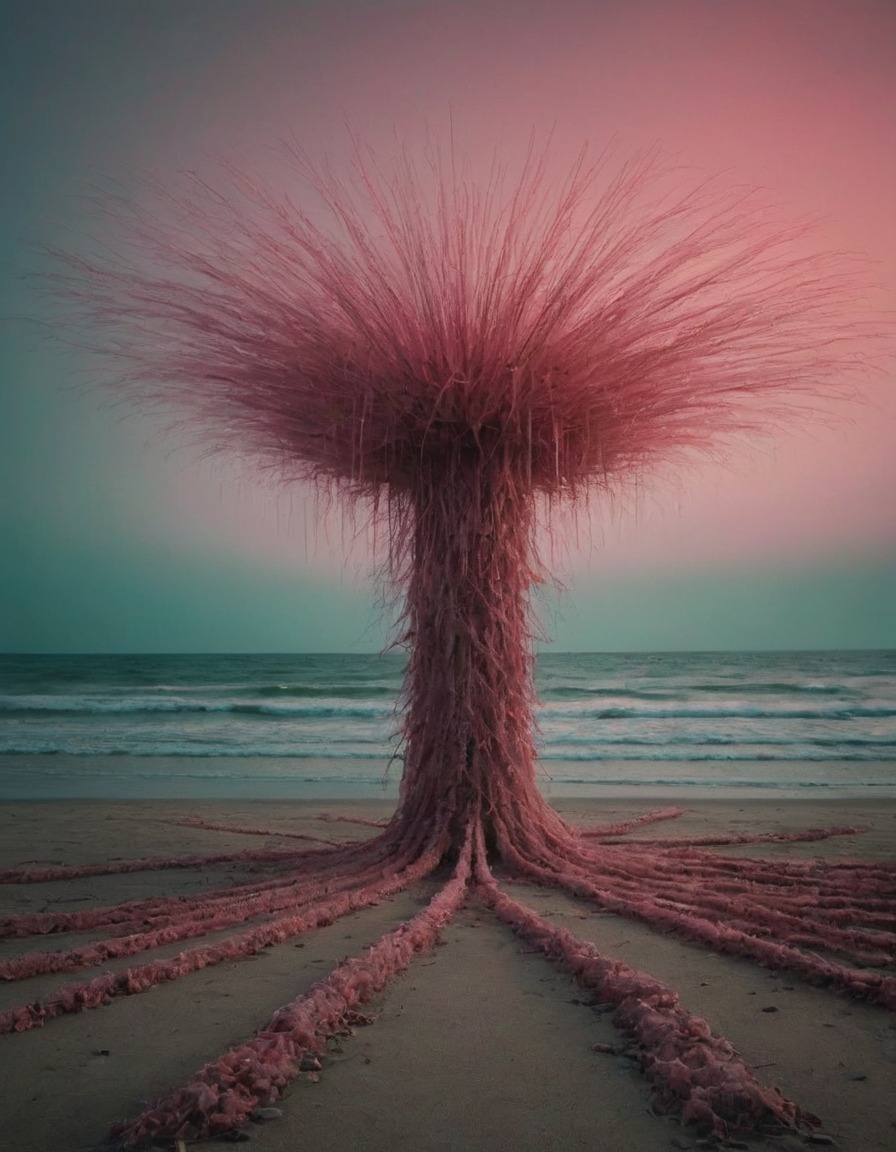
Is AI Art Art?

This past weekend I got into (albeit short) conversation with my artist friend John about artificial intelligence art. He is a graphic artist by trade, but his talents  burst through pen and ink drawings and nature photography as well.

He posted a number of AI pieces of art on his Facebook account, and I thought they were amazingly creative. Something I could post in my Art Gallery. He told me he had hundreds of other creations; that he has so much fun creating his images but it’s not art. Or should I say Art. 

So I wandered through the wilds of the Internet and asked, “Is AI Art Really Art?”

As many answers as questions, it seems.

Tech Target defined AI as, “AI art (artificial intelligence art) is any form of digital art created or enhanced with AI tools. Though commonly associated with visual art — images and video, for example — the term AI art also applies to audio compositions, including music. AI art allows anyone to create works or even entire collections of art, but in a small fraction of the time non-AI methods afford. In addition, AI art can create visual or audio compositions that would be difficult to create otherwise. With text-to-image generative AI tools, such as Dall-E or Stable Diffusion, humans no longer need to attempt to draw the image they want; they simply type a text prompt into the tool, which generates the desired imagery.”

I got mental brain freeze by then, so I stepped back and wondered in my own off-center way.

Is Artificial Intelligence Art really art? Does AI need a creator to make it create? Or do you set the computer to “create” and see what it comes up with? Does working with pre-programmed programs help the artist who can’t quite draw a circle or an alien? Does the computer shade and gradate and use algorithms to create one-of-a-kind treasures?

Wikipedia says, “AI art is created when an artist or creator inputs prompts into AI art generators. Trained on large amounts of data and coded by algorithms (large language models), these generators process the request and produce an image or video.”

Do you need a human hand to choose those gradations and shades of color and shape? And if you don’t, can you still call their creations “art”?

I am from the simple side of town. I appreciate art that I can see and hear and feel. To me art is trial and error, a hands-on adventure, a physical excursion into clay and yarn and oils and guitars and voices. It’s using your own physical attributes to create uniqueness, not a machine.

Yet those who do AI art are creative, albeit in a different medium. They push the buttons and pick the subject matter and create the shapes and colors and programs to create the vision they have in their minds. They not only have the technical prowess of computer programming but the fourth dimensional trait of Creativity.

So I leave this blog as confused as I was when I started it. I know what I like. I know what styles and colors and subjects and music I like. I enjoy reading about the history and trials and tribulations artists have gone through to find the perfection they seek.

But I also really like John’s AI images.

Let me know if you think AI-created pictures are real art.

I also want you to enjoy John’s creations?  You can find his pen and ink art at https://sundayeveningartgallery.com/2015/08/02/john-lemke/, his photography at https://sundayeveningartgallery.com/2021/12/24/john-lemke-2/ and his AI creations at Visual Edge AI – Mystical, Eerie, Art, Fantasy, Sci-fi, magical reality.


Sunday Evening Art Gallery — George Inness

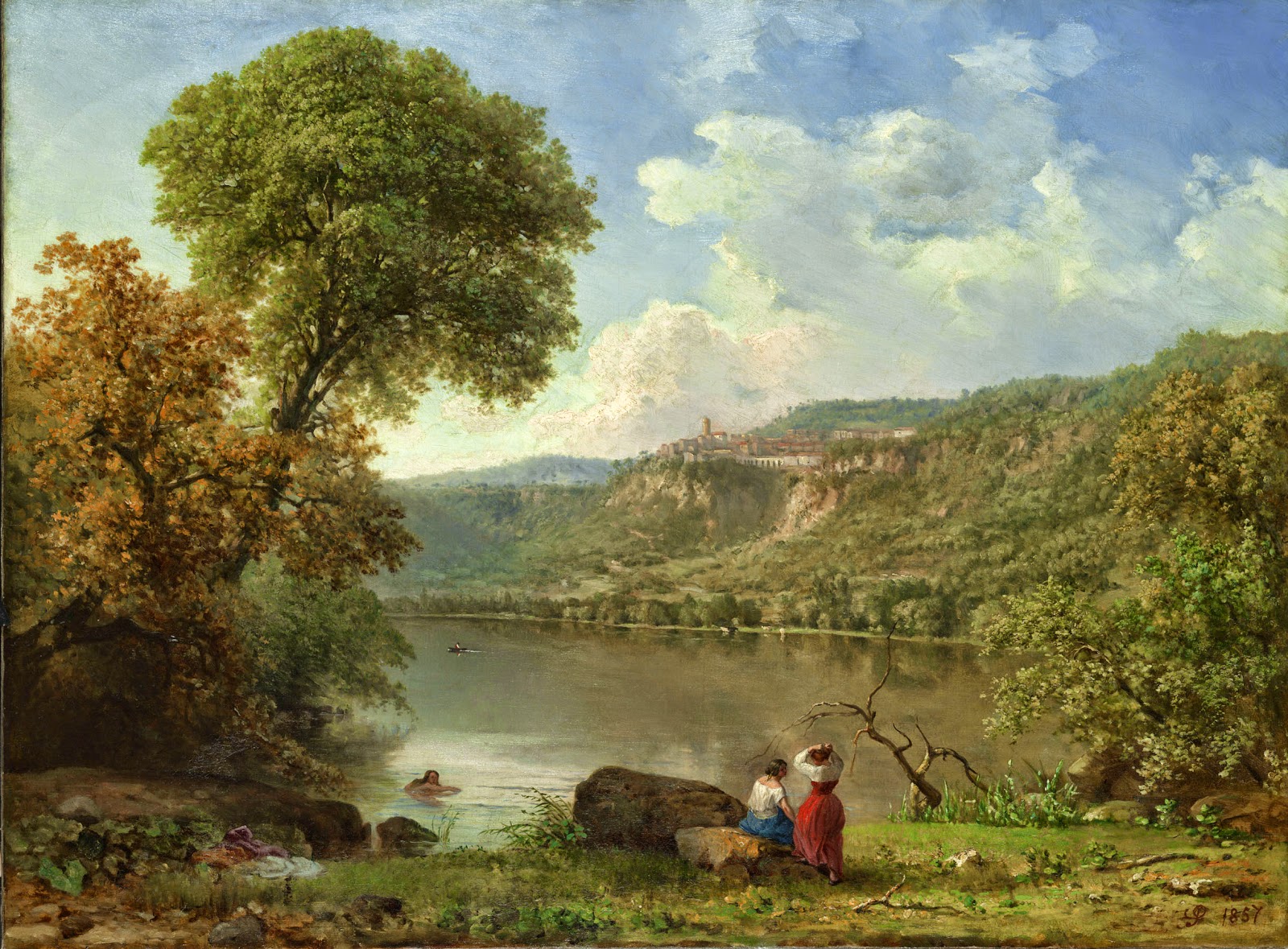
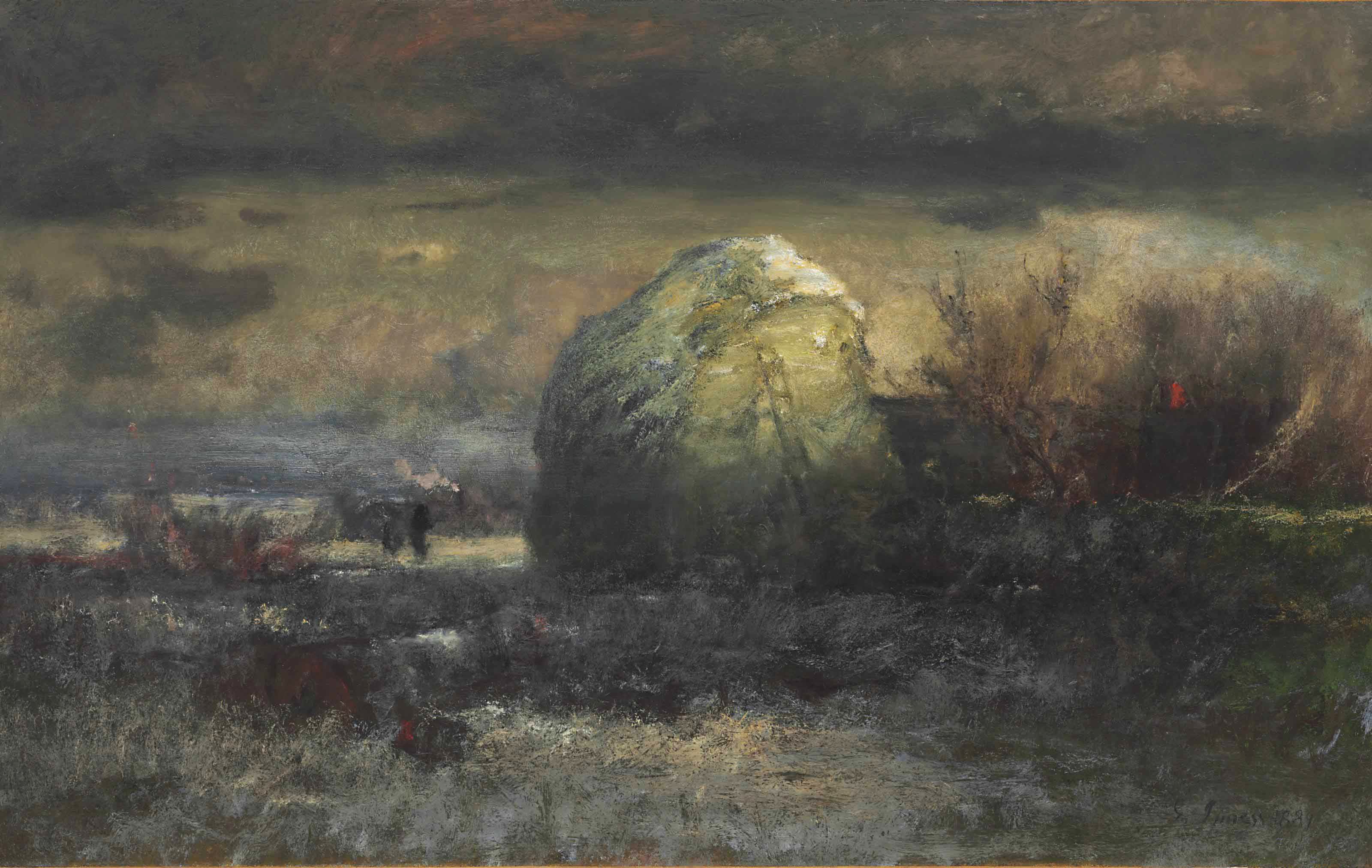
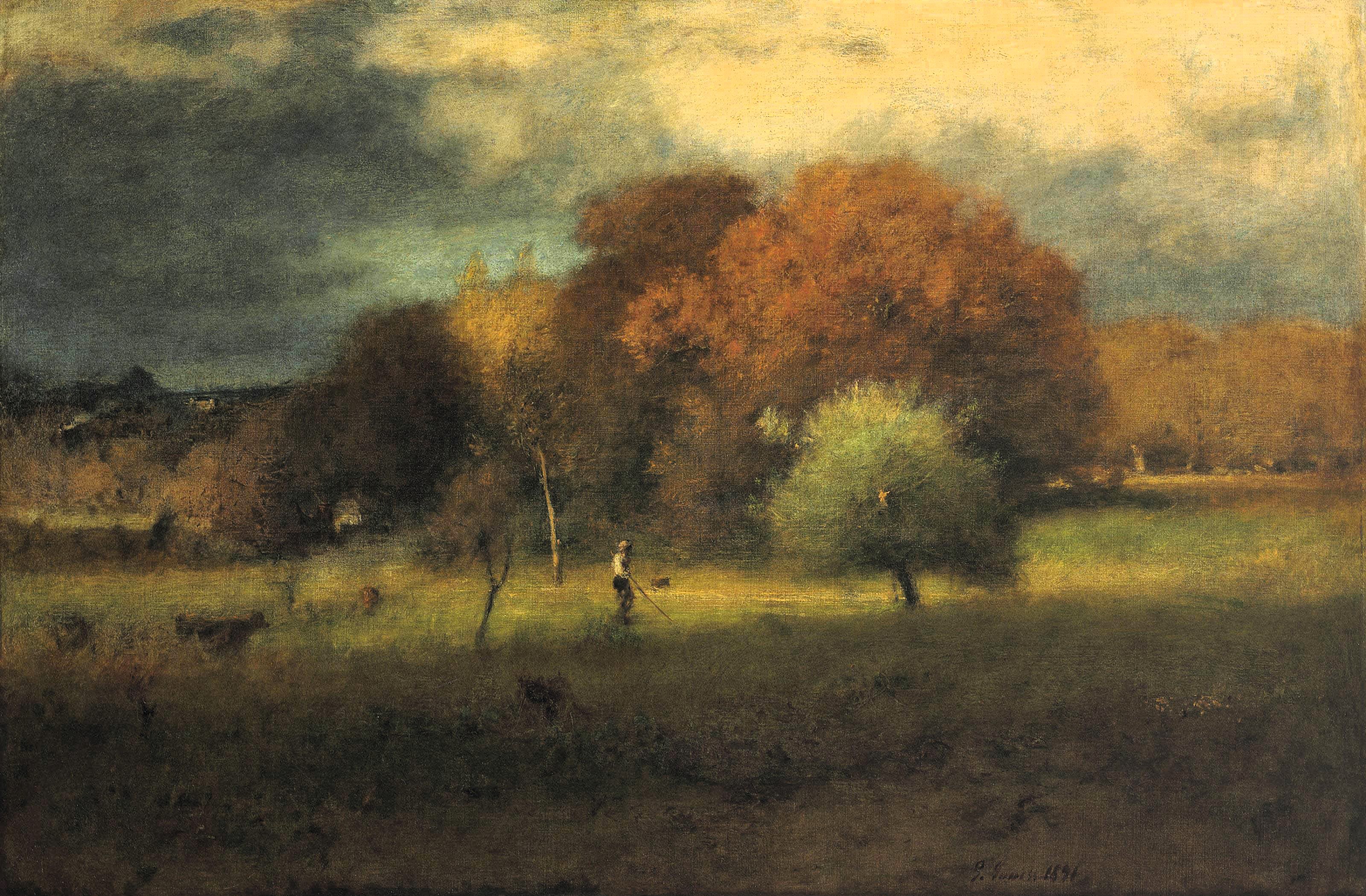
George Inness (1825 -1894)  was an American painter known especially for the luminous, atmospheric quality of his late landscapes.His work was influenced by that of the old masters, the Hudson River school, the Barbizon school, and, finally, by the theology of Emanuel Swedenborg, whose spiritualism found vivid expression in the work of Inness’ maturity.Often called “the father of American landscape painting,” Inness is best known for these mature works that not only exemplified the Tonalist movement but also displayed an original and uniquely American style.Inness’ landscape paintings offer a cultural space as much as a natural space.The vogue in nineteenth-century American painting was for vast canvases in which all human activity was excised from the scene to suggest an untamed wilderness.But Inness was more concerned with expressing the interaction of humankind with the landscapes which they made their own.In this sense, his paintings represent a uniquely optimistic view of social progress in the nineteenth century, which might bring about a new era of harmony between humanity and nature.

More of George Inness’ landscapes can be found at  https://www.theartstory.org/artist/inness-george/ and https://www.wikiart.org/en/george-inness/.