Ludwig van Beethoven (1770-1827) was a German pianist and composer widely considered to be one of the greatest musical geniuses of all time.
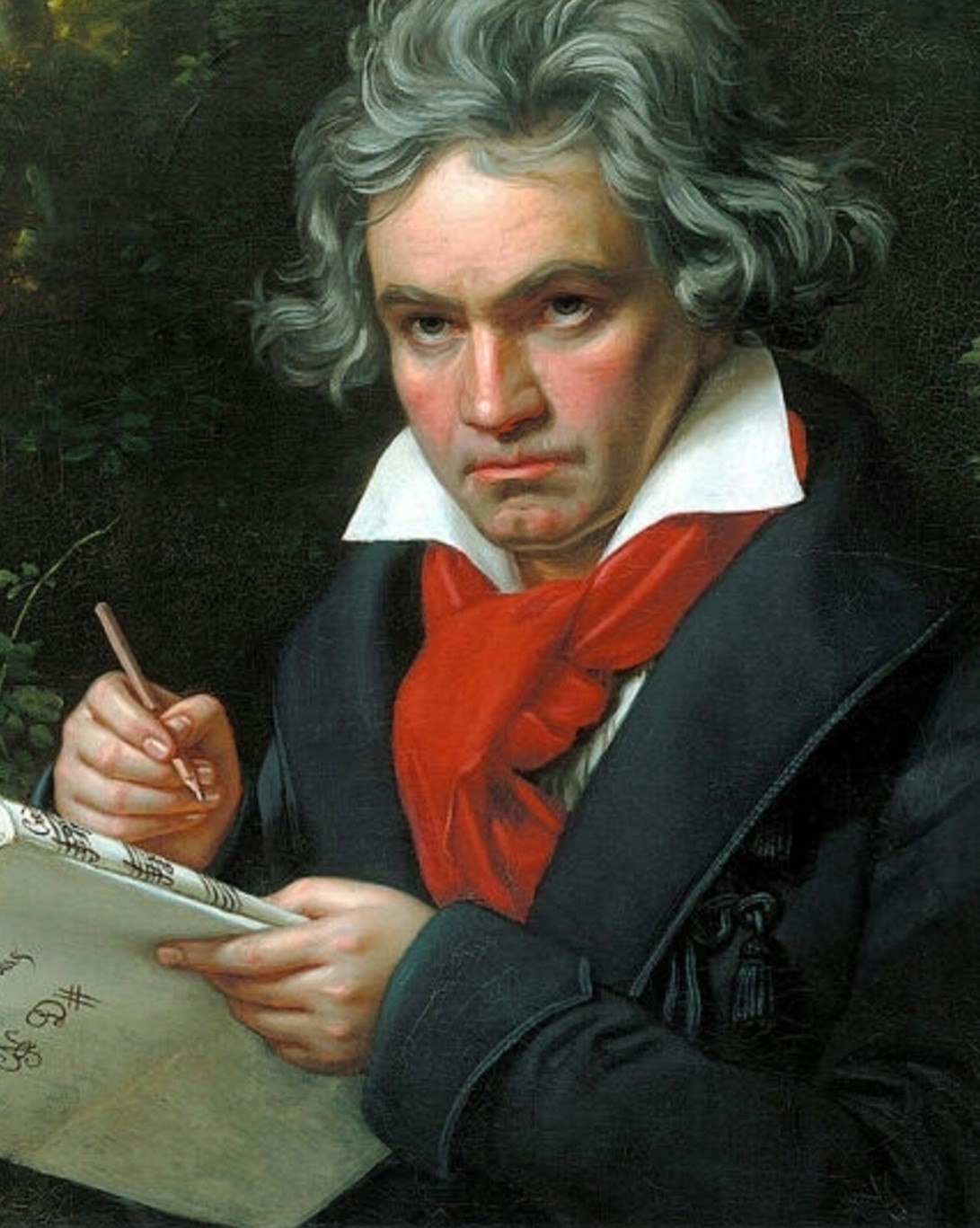
He learned musical composition from the official organist in a nobleman’s court, and became the assistant organist at age 11, publishing his first musical composition soon after.
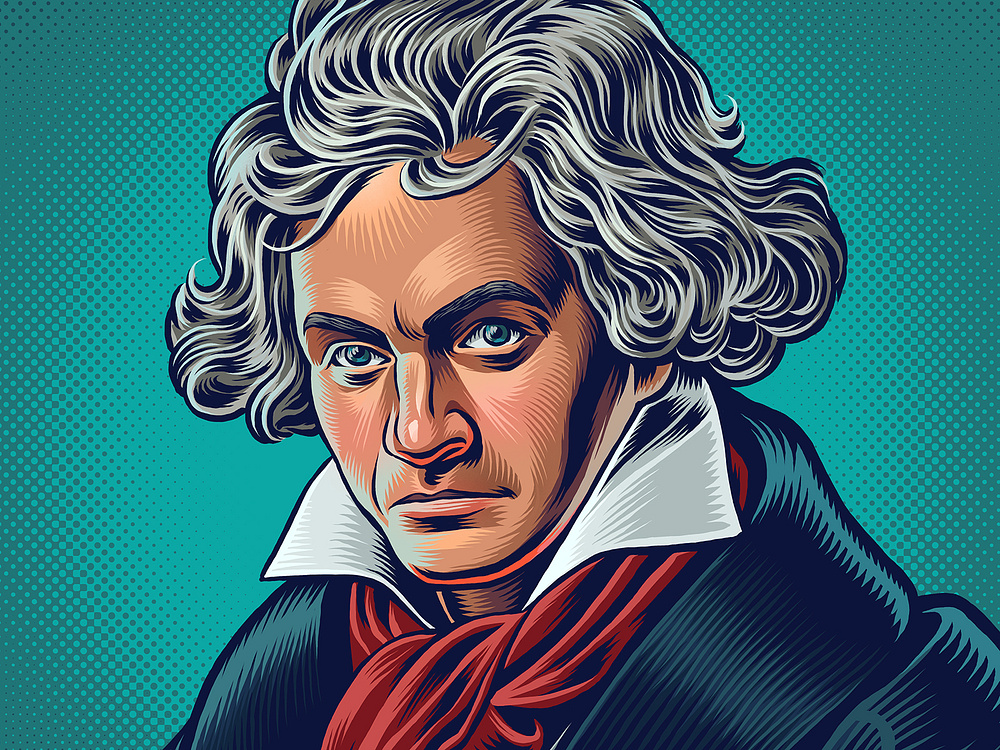
In 1787 Beethoven went to Vienna hoping to study with the great composer Wolfgang Amadeus Mozart. He had to return home right away, however, because his mother was sick.
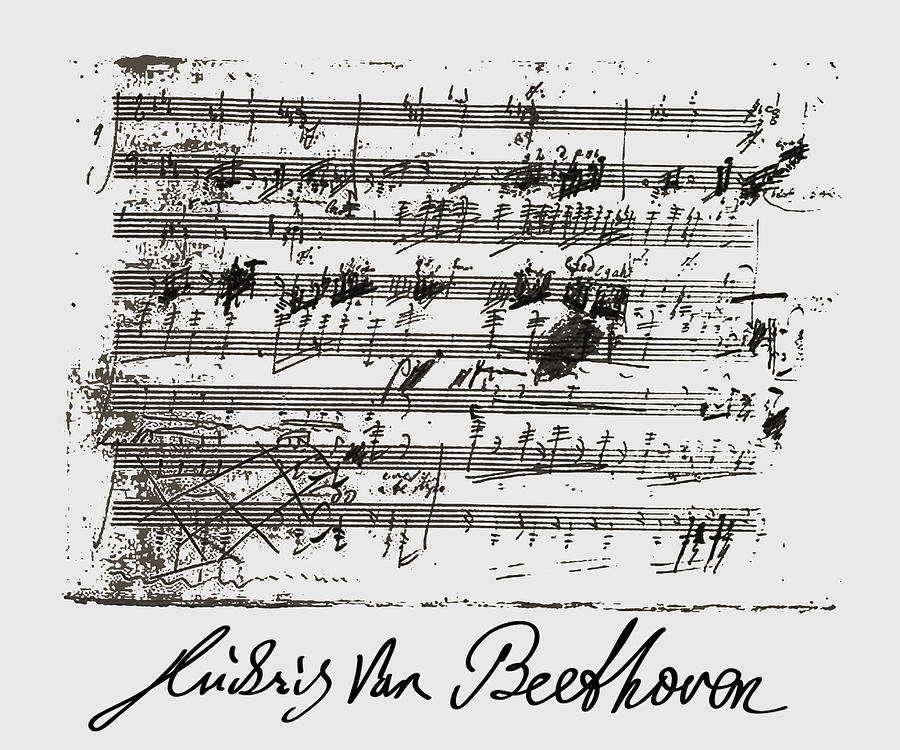
Five years later Beethoven settled in Vienna permanently. By that time Mozart had died, but Beethoven was able to study with Joseph Haydn and other famous composers.
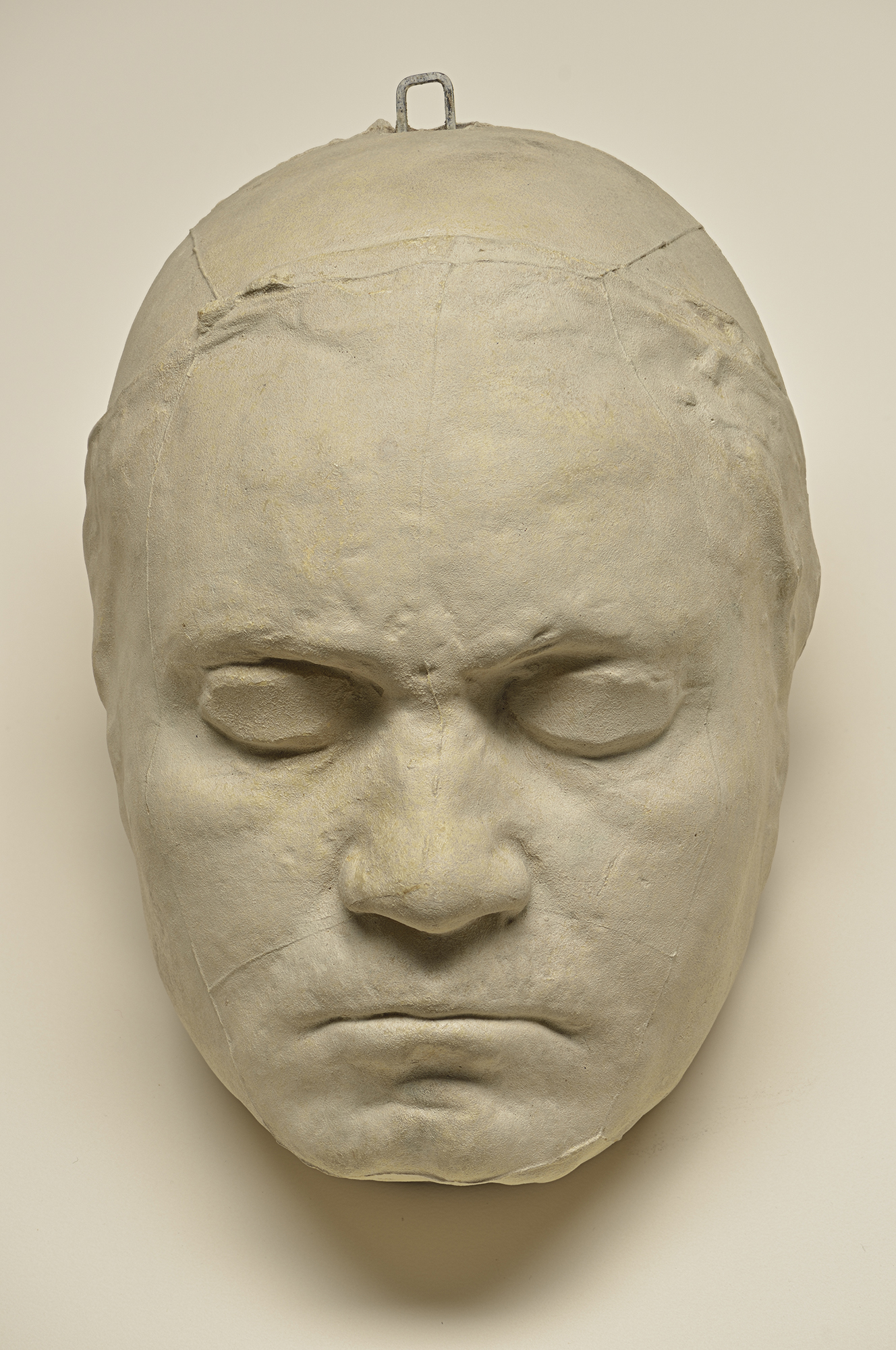
Beethoven established himself as a piano virtuoso of distinction. He published works of chamber music for piano, violin, cello, and wind instruments, and embarked on several concert tours in major cities.
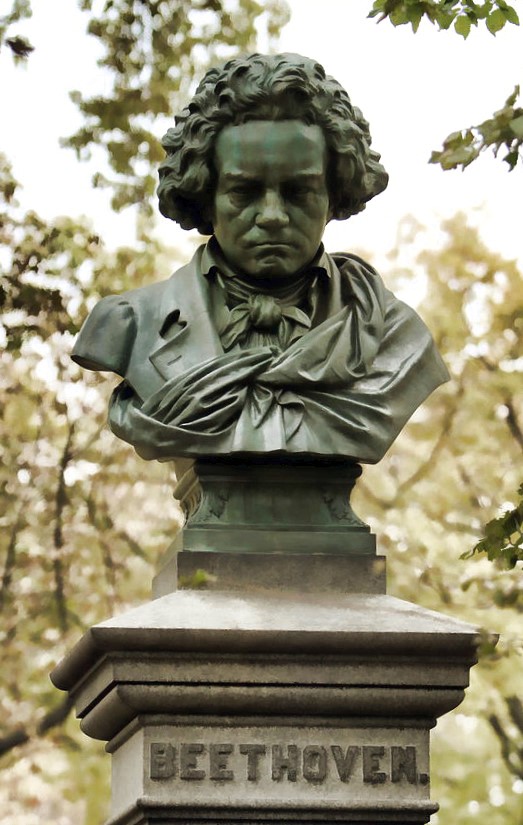
Beginning in his late twenties, Beethoven started experiencing episodes of tinnitus, which progressively worsened. By the time he was in his late forties, he was almost completely deaf.
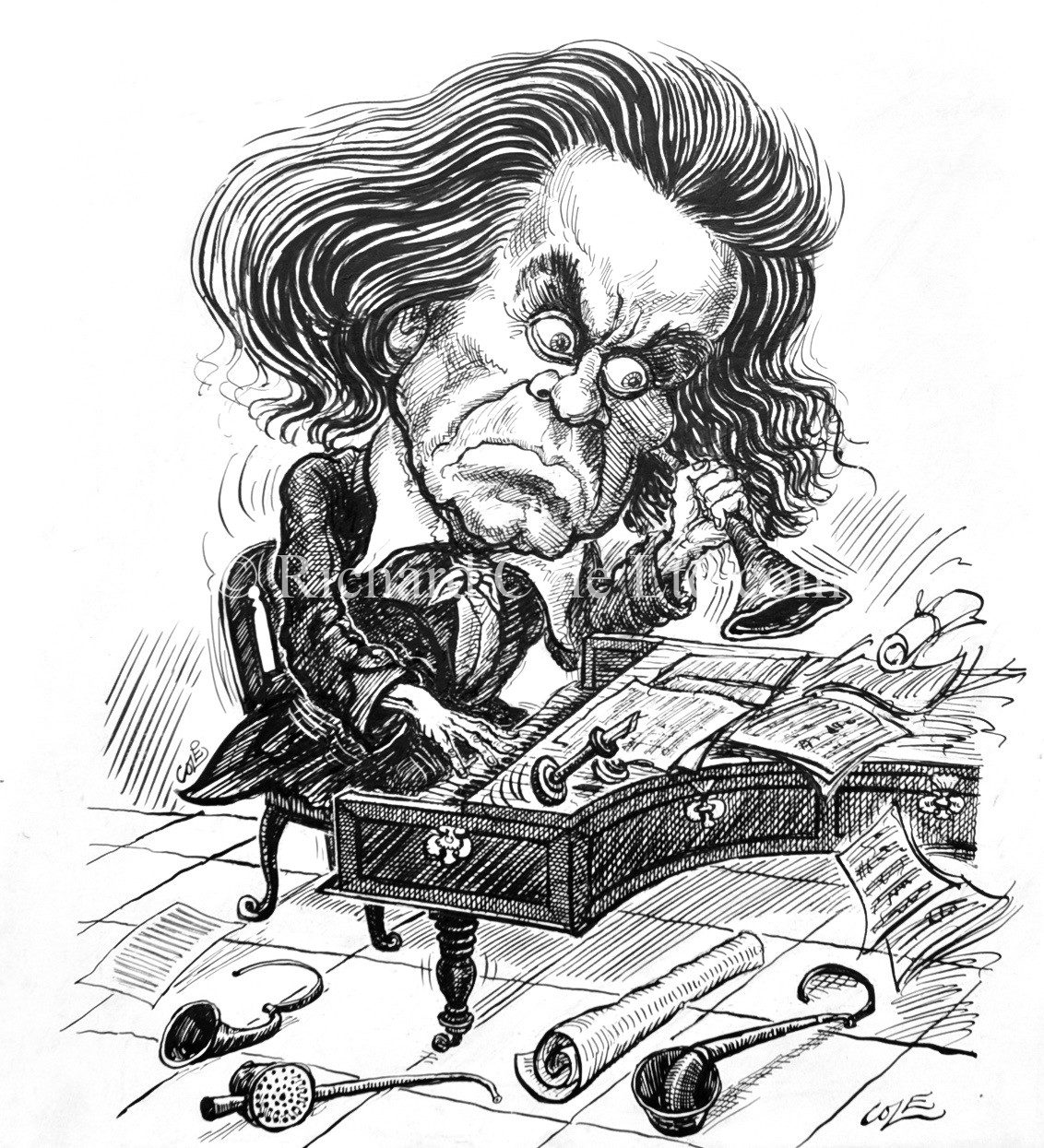
By 1816, Beethoven had completely lost his hearing (the cause is still unknown); nevertheless, he composed some of his most famous and profound works in the decade that followed.

Beethoven’s late period, roughly from 1815 onwards, is characterized by works of unparalleled depth, complexity, and introspection. While his earlier compositions revolutionized music, his late works transcended the norms and conventions of his time, pointing the way to future developments in Western classical music.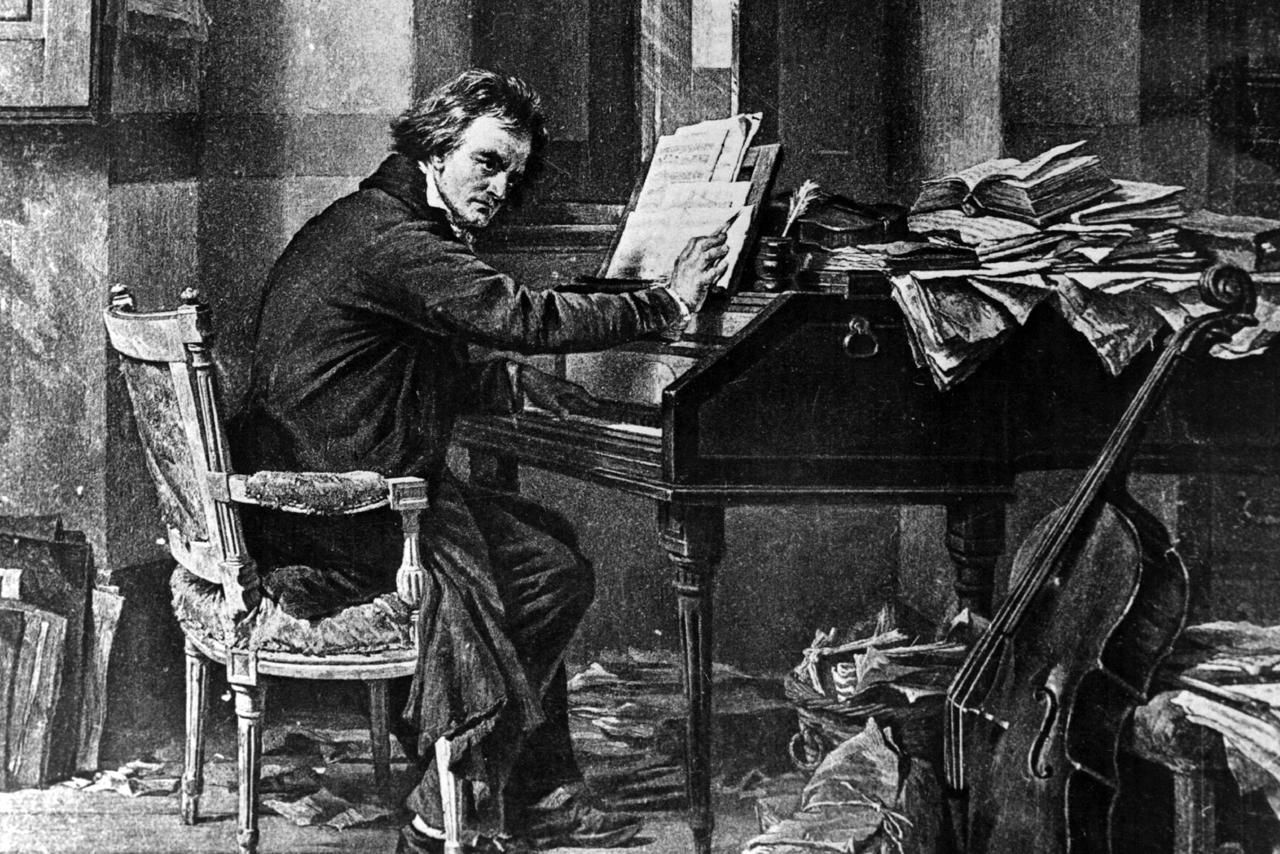
More of Ludwig van Beethoven’s work and music can be found at https://www.biography.com/musicians/ludwig-van-beethoven and https://www.classicfm.com/composers/beethoven/best-pieces-ever-written/.

 Humoring the Goddess