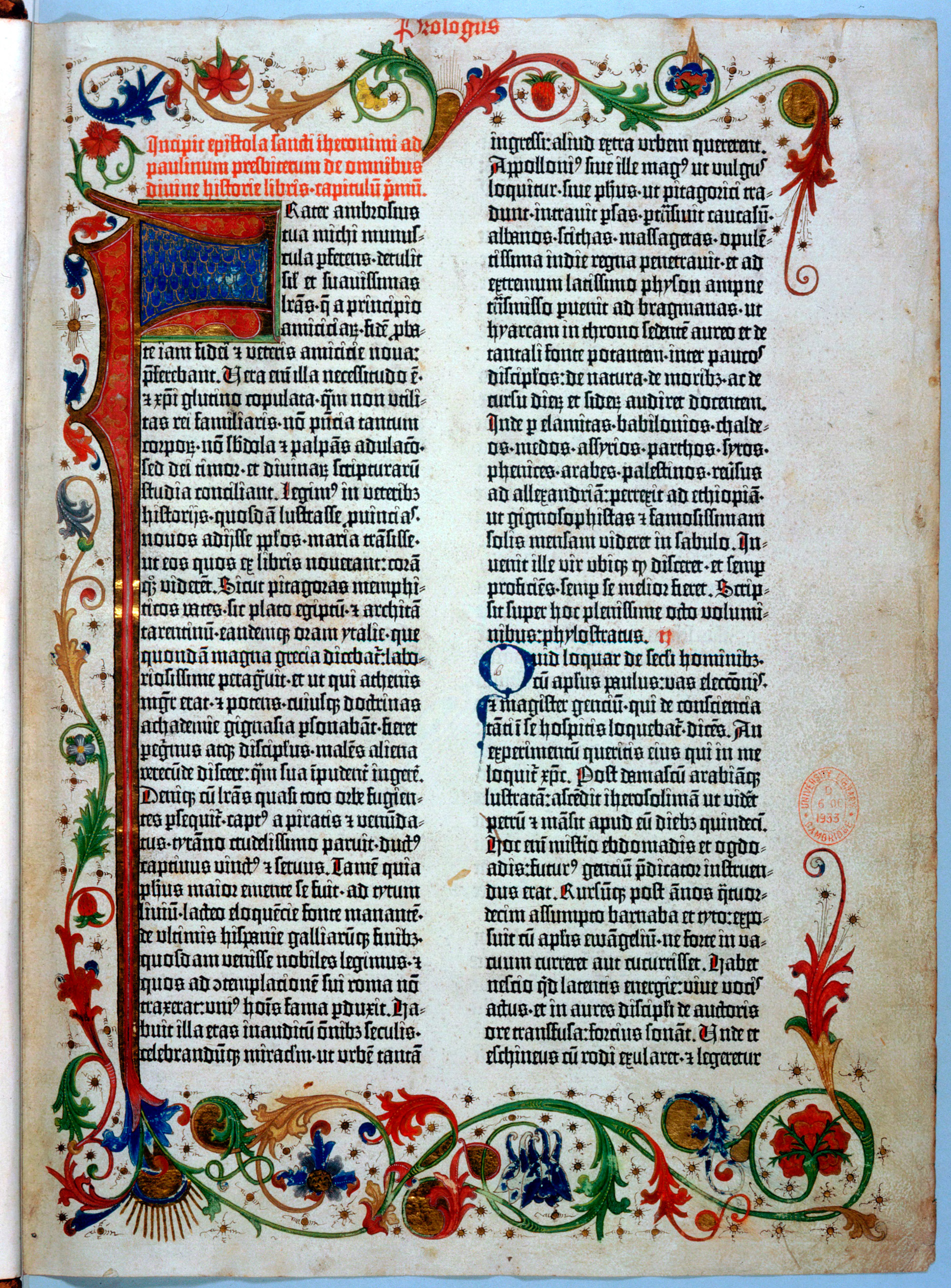
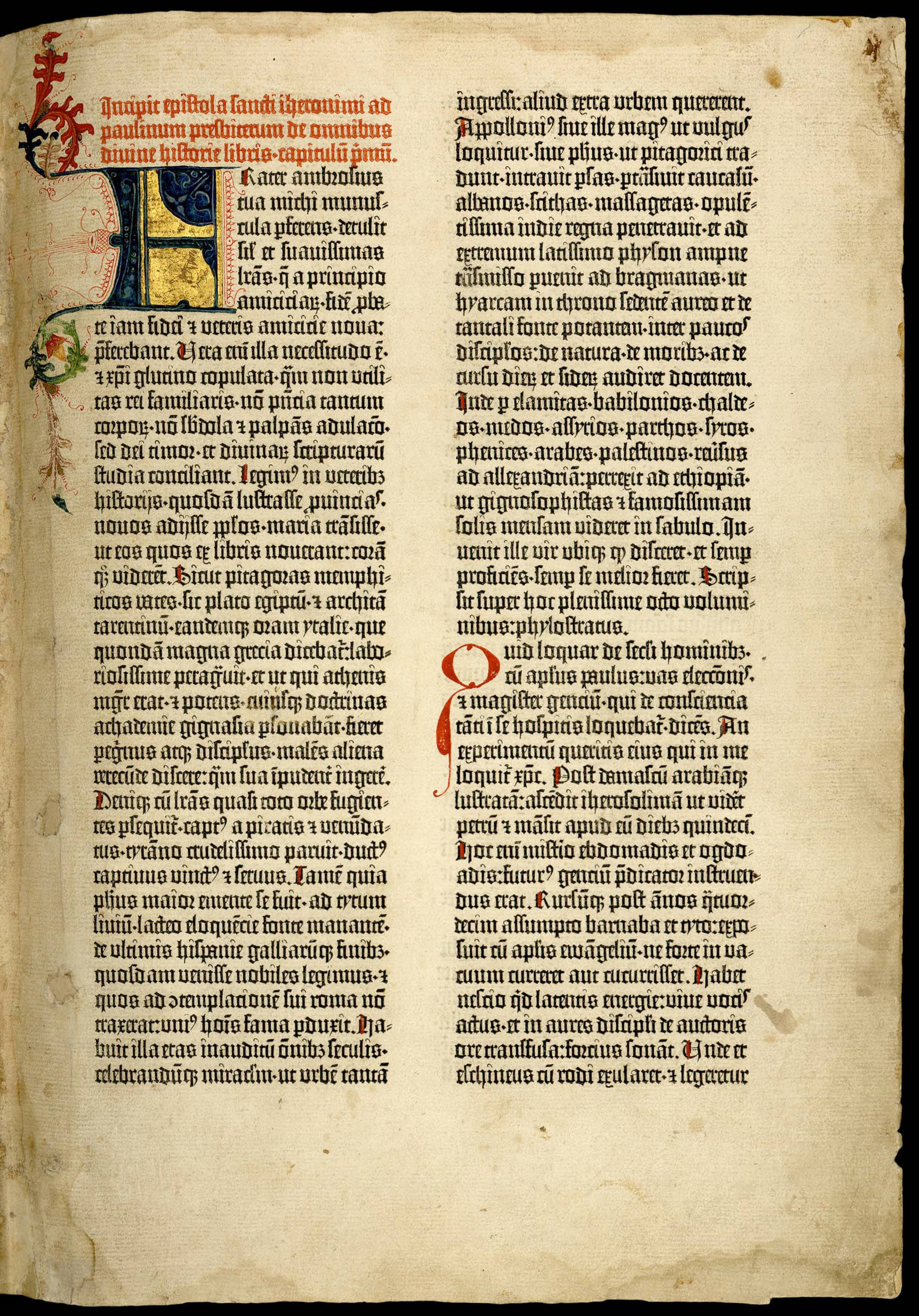
Gutenberg Bible – c. 1450 – 1455
The Gutenberg Bible (also known as the 42-line Bible, the Mazarin Bible or the B42) was the earliest major book printed using mass-produced movable metal type in Europe. The text is St. Jerome’s Latin Vulgate version, prepared by biblical scholars of Paris in the 13th century in an effort to produce a consistent and useful Latin text.
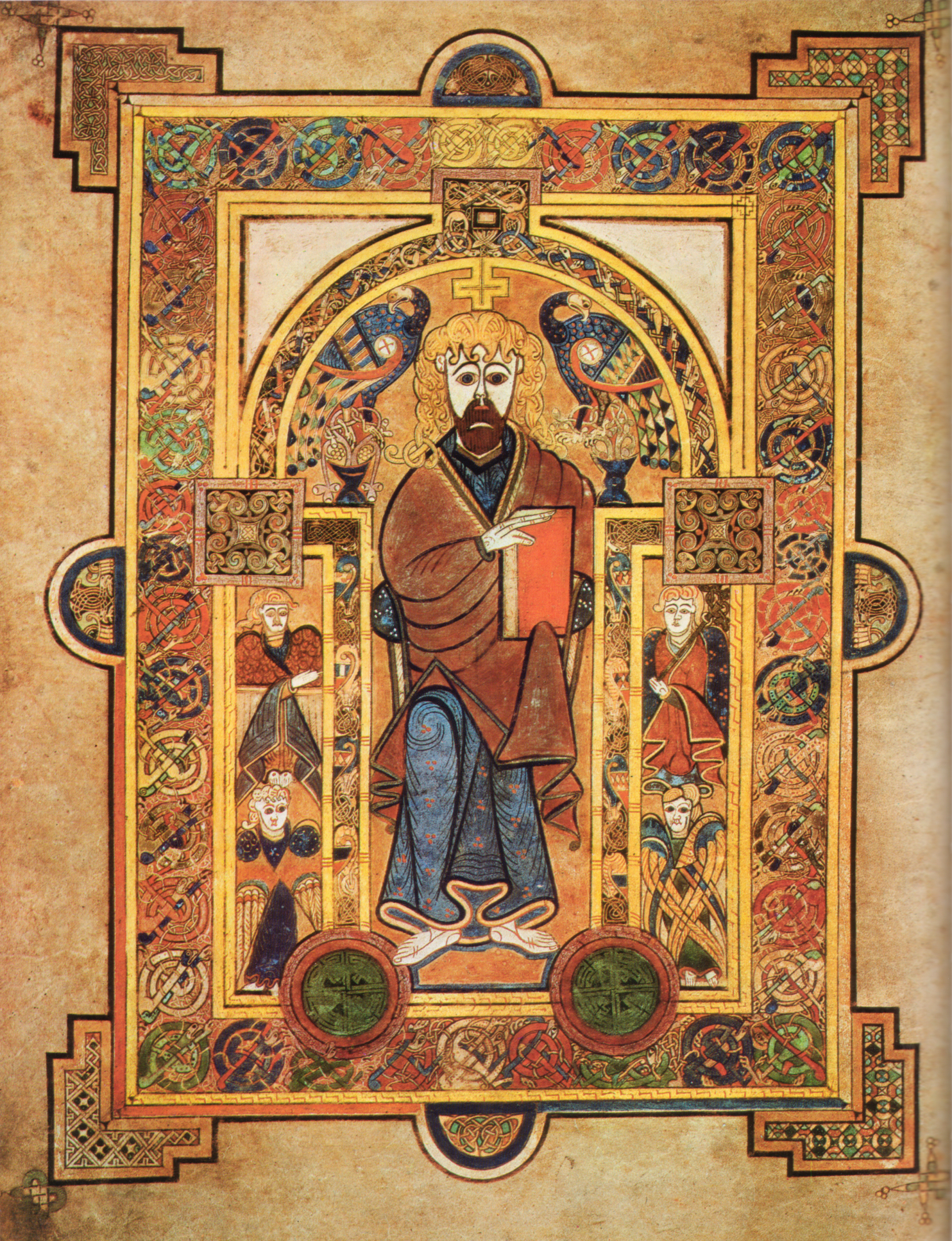
Book of Kells – c. 800 AD
The Book of Kells or the Book of Columba, is an illuminated manuscript and Celtic Gospel book in Latin, containing the four Gospels of the New Testament together with various prefatory texts and tables. Scholars believed that the book may have been the Great Gospel of Columba, written by an Irish monk from the 6th century.
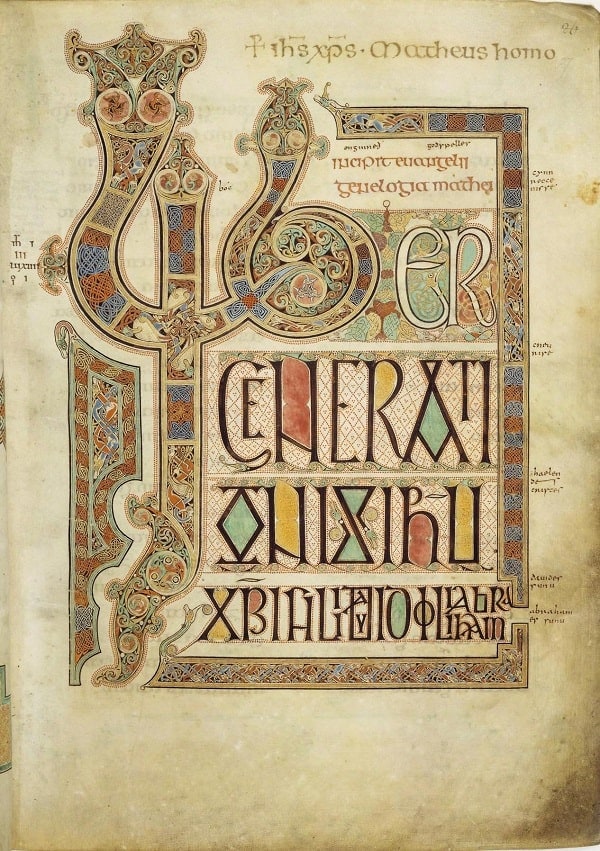
St. Cuthbert Gospel – c. 7th century AD
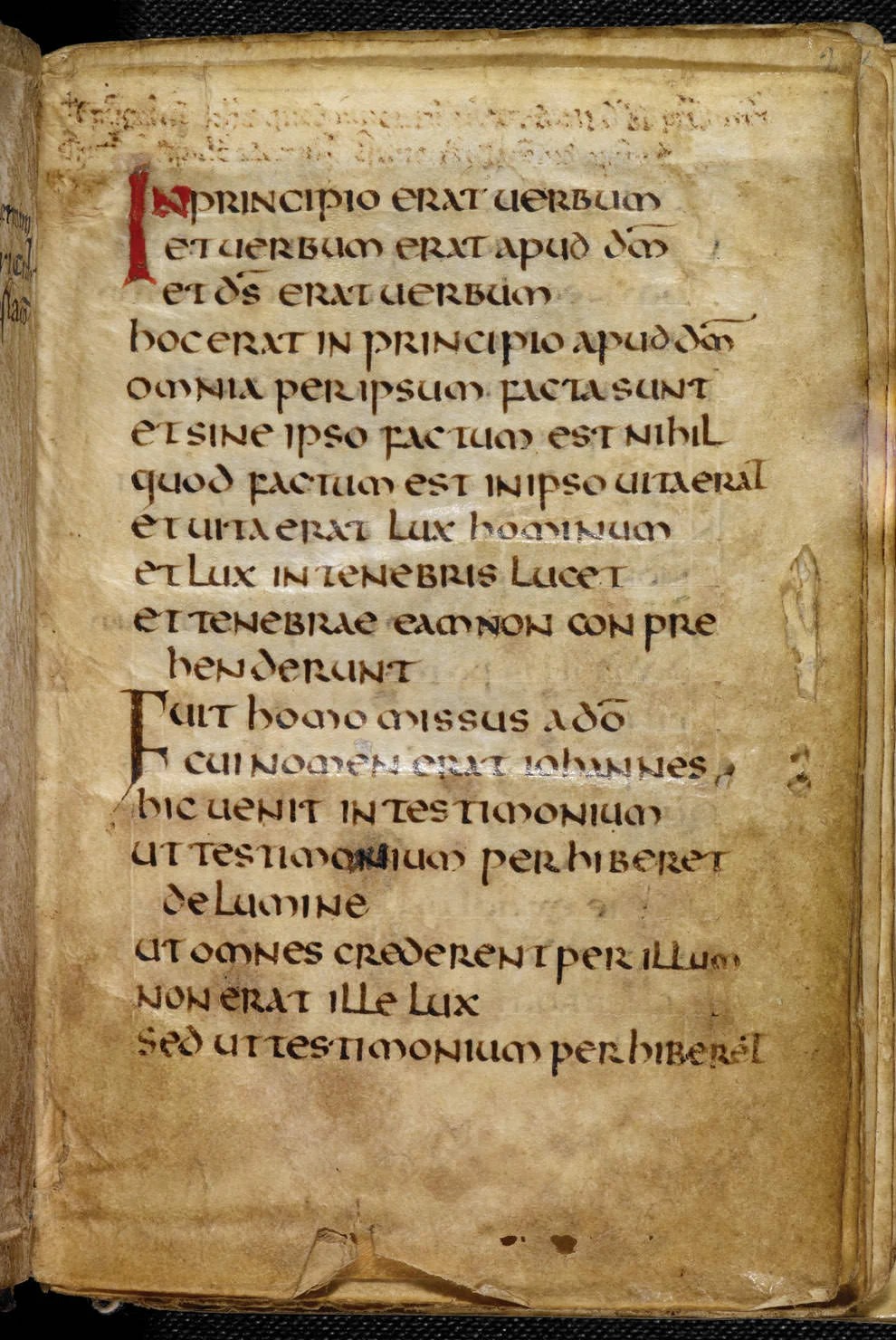
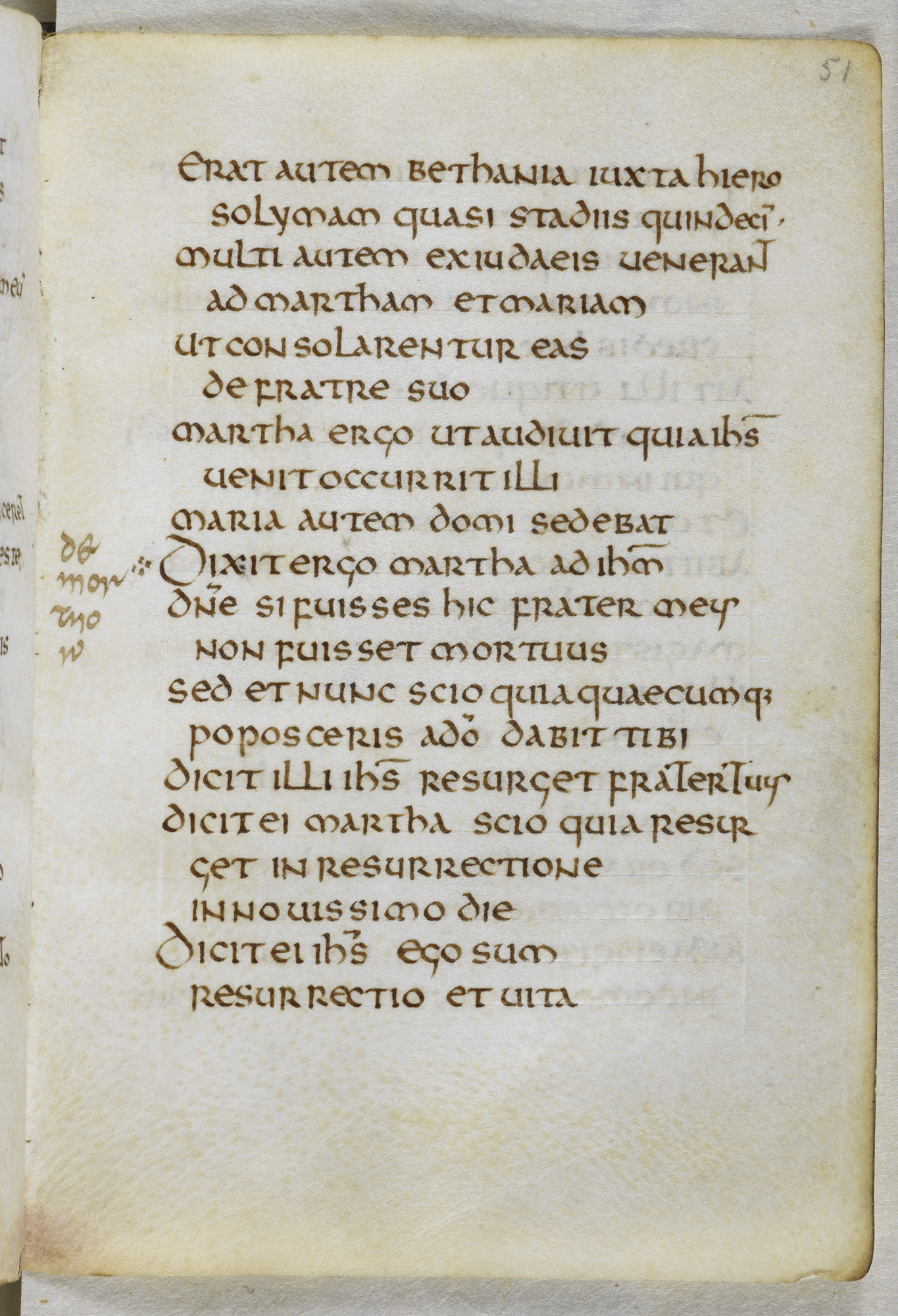
The St. Cuthbert Gospel, also known as the Stonyhurst Gospel or the St. Cuthbert Gospel of St John, is an early 8th-century pocket gospel book written in Latin. Its finely decorated leather binding is the earliest known Western bookbinding to survive, and one of the smallest surviving Anglo-Saxon manuscripts.
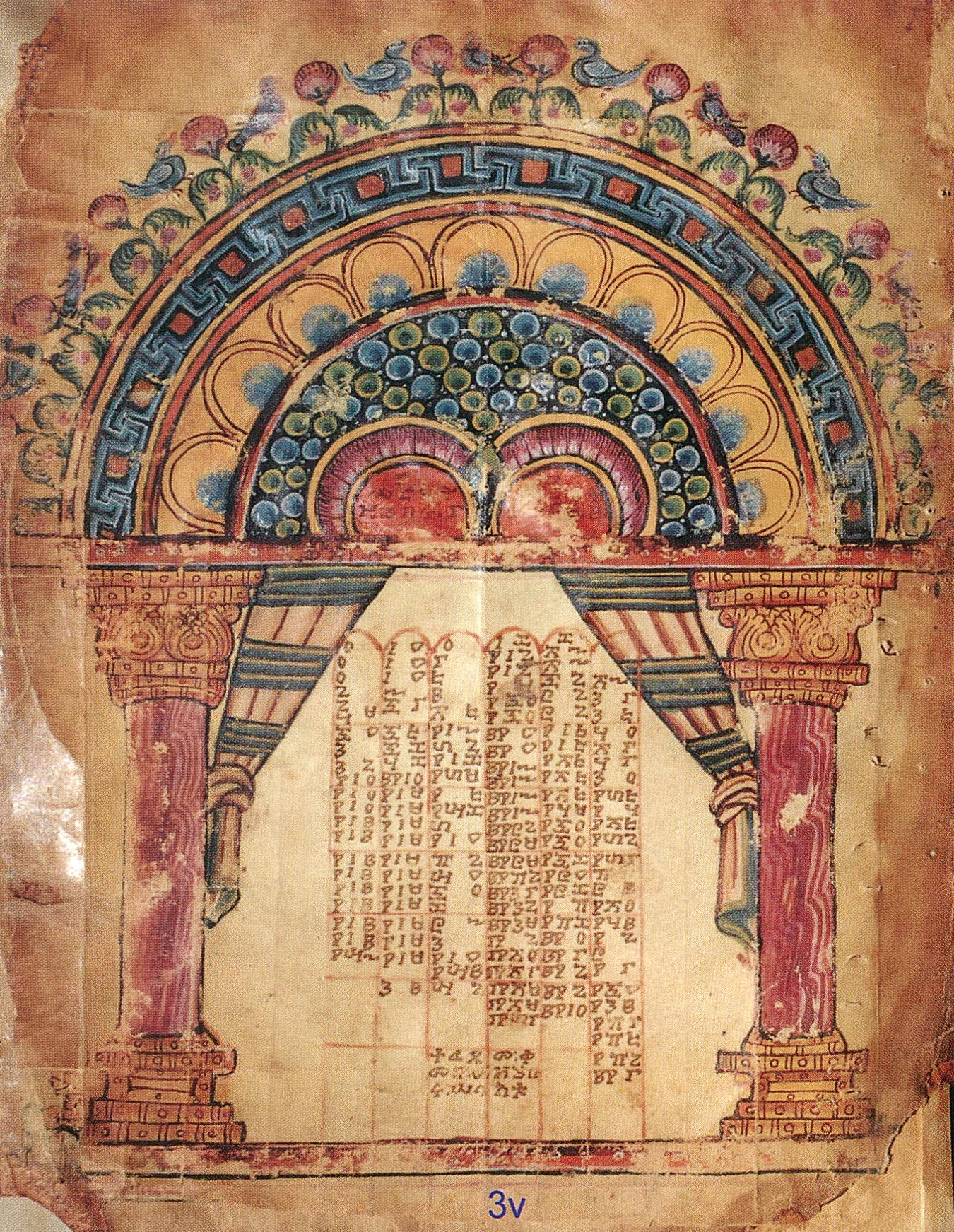
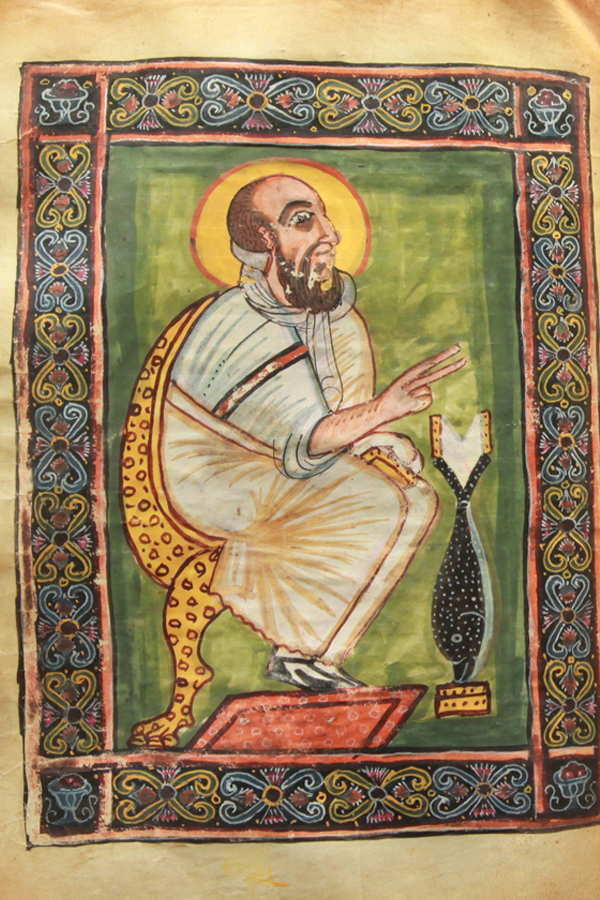
Garima Gospels – c. 330 – 650 AD
The Garima Gospels are two gospel books from the Abba Garima Monastery in Ethiopia and are the oldest known complete illuminated Christian manuscripts. Garima 2, the earlier of the two, is believed to be the earliest surviving complete illuminated Christian manuscript. Monastic tradition holds that they were composed close to the year 500.
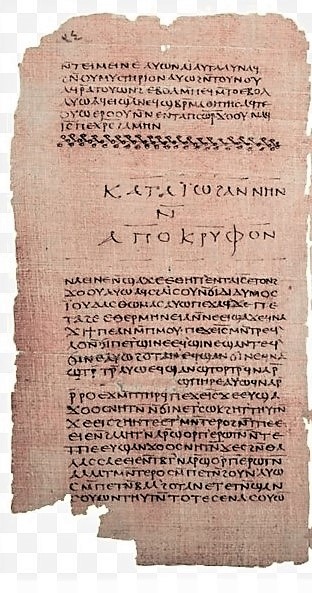
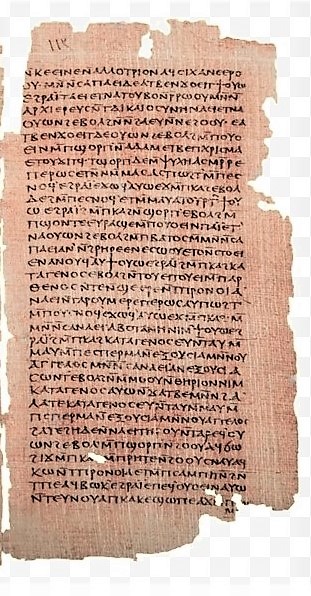
Nag Hammadi Library – c. 3rd – 4th century AD
The Nag Hammadi Library is a collection of thirteen codices found buried in a sealed jar in the Egyptian town of Nag Hammadi. The writings found in the codices are mostly about Gnostic treatises, but also contain works belonging to the Corpus Hermitcum as well as a partial translation/alteration of Plato’s Republic. One of the codices contains the only known complete text of the Gospel of Thomas.
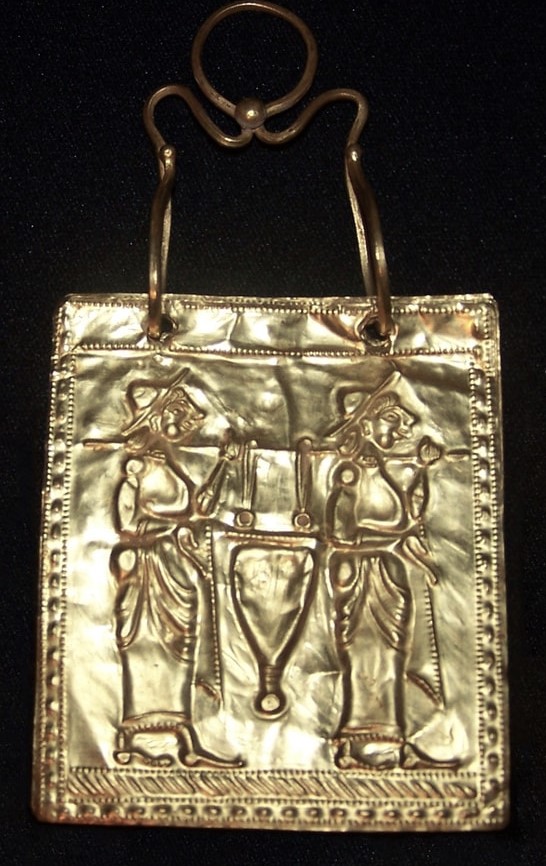
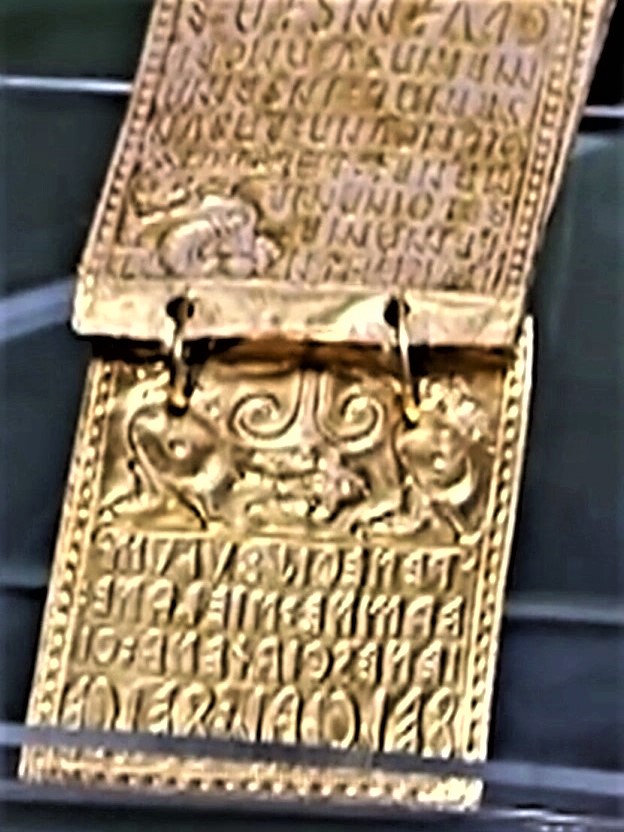
Etruscan Gold Book – c.600 BCE
The six sheets are believed to be the oldest comprehensive work involving multiple pages. The illustrated six golden pages are made of 23.82-karat gold (measuring 5 centimeters in length and 4.5 centimeters in width) and fastened together with gold rings. The pages are covered with text and decorated with images of warriors, a horseman, a Siren, and a lyre. This work was written in Etruscan, the language of one of Europe’s most mysterious ancient peoples.
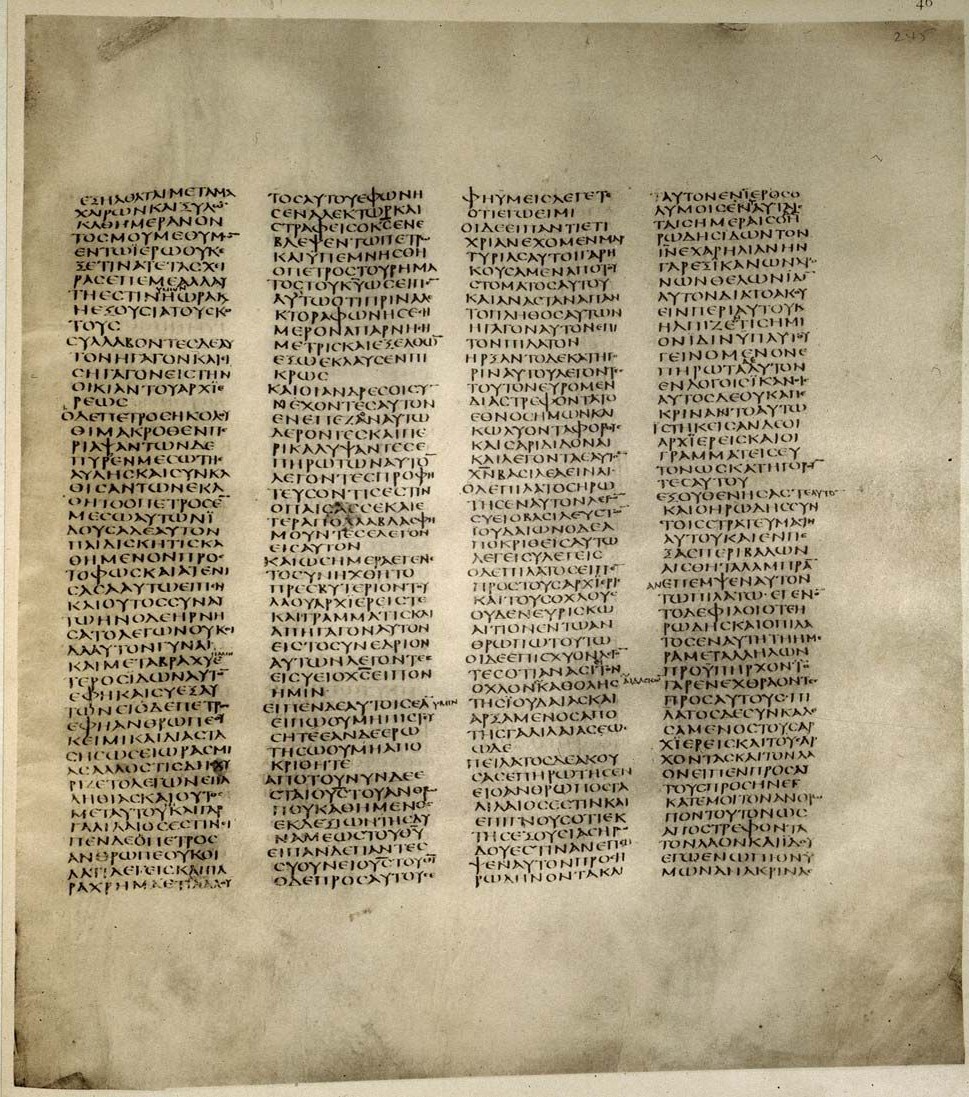
Codex Sinaiticus – c. 330 – 360 AD
Codex Sinaiticus, also called the Sinai Bible or S, the earliest known manuscript of the Christian Bible, was compiled in the 4th century CE. The Codex Sinaiticus consists mostly of the text of the Septuagint, the Greek-language Bible, and includes the oldest complete copy of the New Testament.

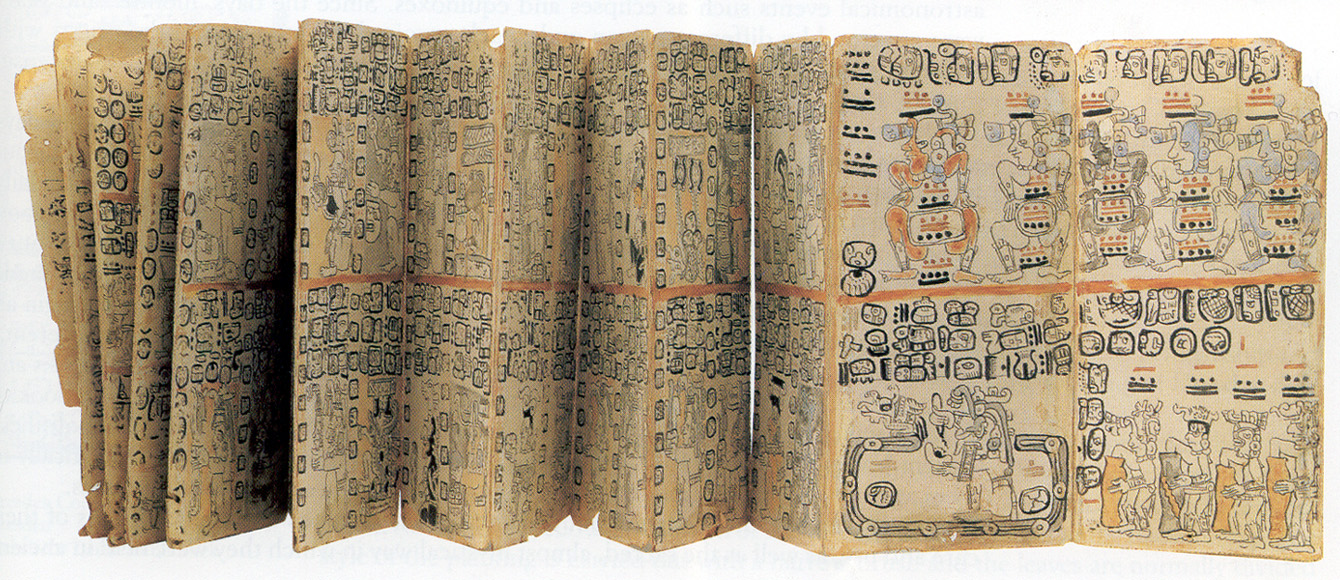
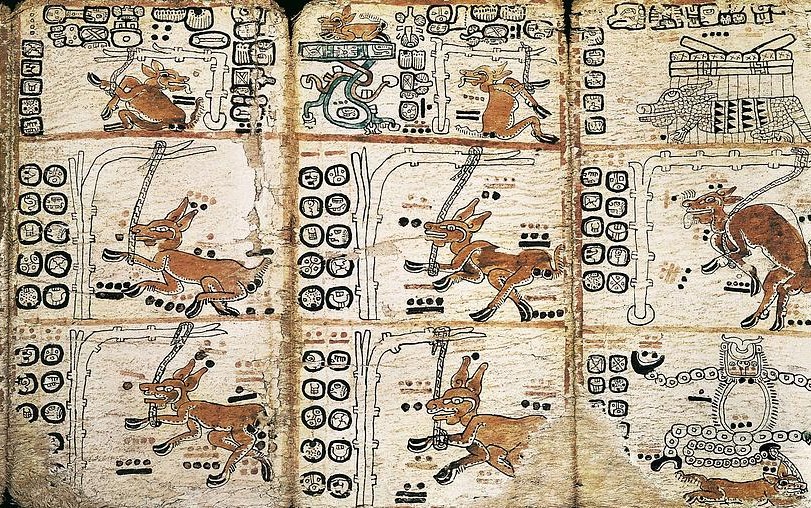
The Madrid Codex – 1400 CE
The Madrid Codex – also known as the Tro-Cortesianus Codex – is one of the only surviving books attributable to the pre-Columbian Maya culture, dating to the Postclassic period of Mesoamerican chronology ( circa 900–1521 AD). It a richly illustrated glyphic text and one of few known survivors of the mass book-burnings by the Spanish clergy during the 16th century. The Codex consists of 56 sheets painted on both sides to produce a total of 112 pages.
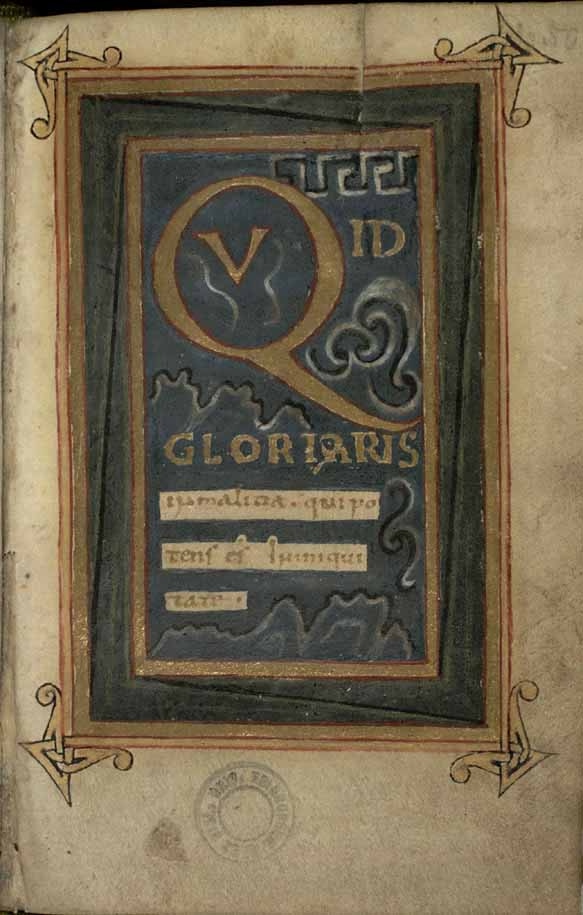
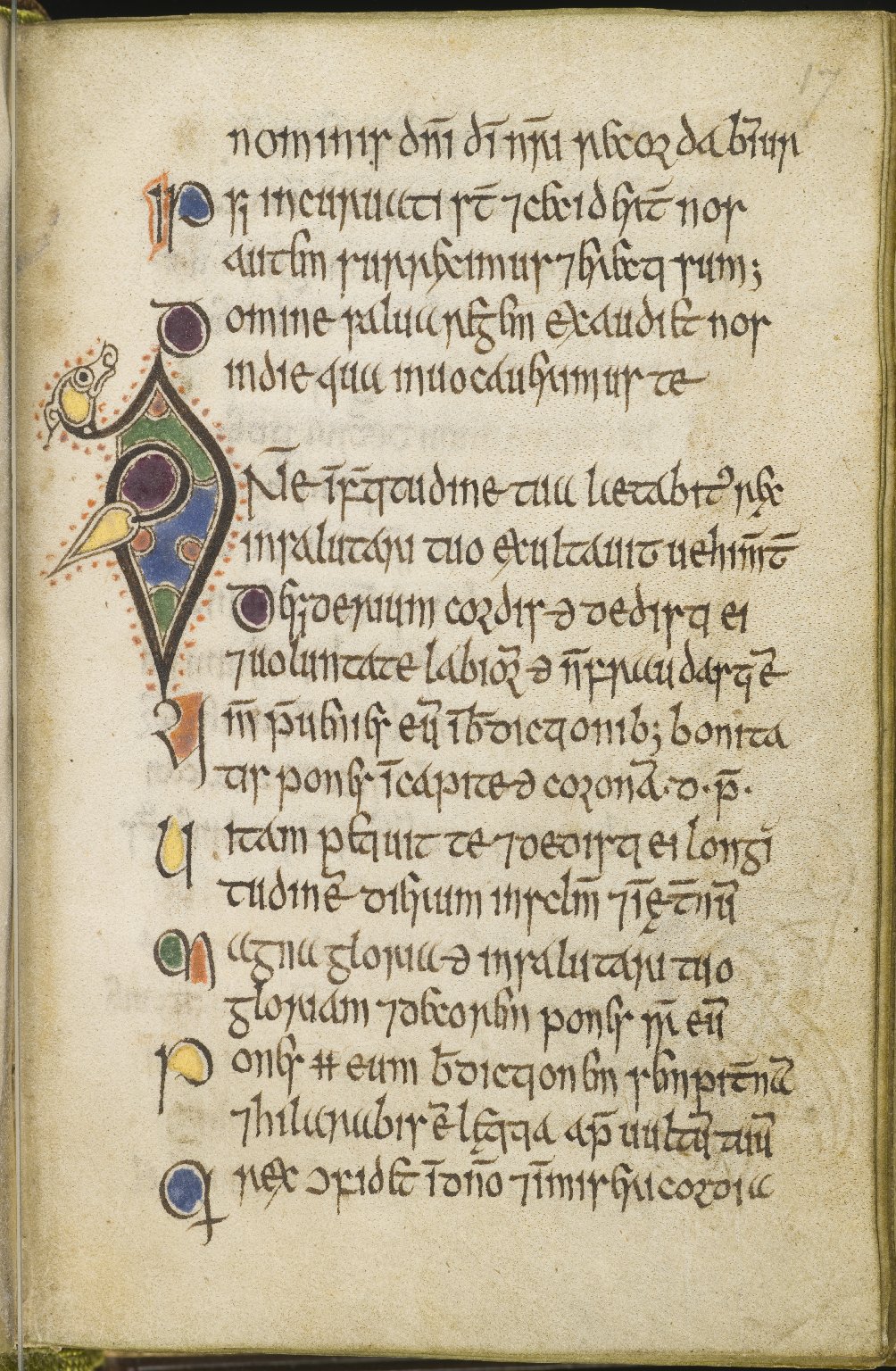
Celtic Psalter – 11 CE
The Celtic Psalter (University of Edinburgh MS 56) is a 114-page, 11th-century psalter likely to be the oldest Scottish book to be still kept within Scotland. It contains extraordinary illuminations in vivid green, red, purple and gold, and the Irish miniscule script is bold and clear and gives a text of the Psalms in Latin that can still be read today.
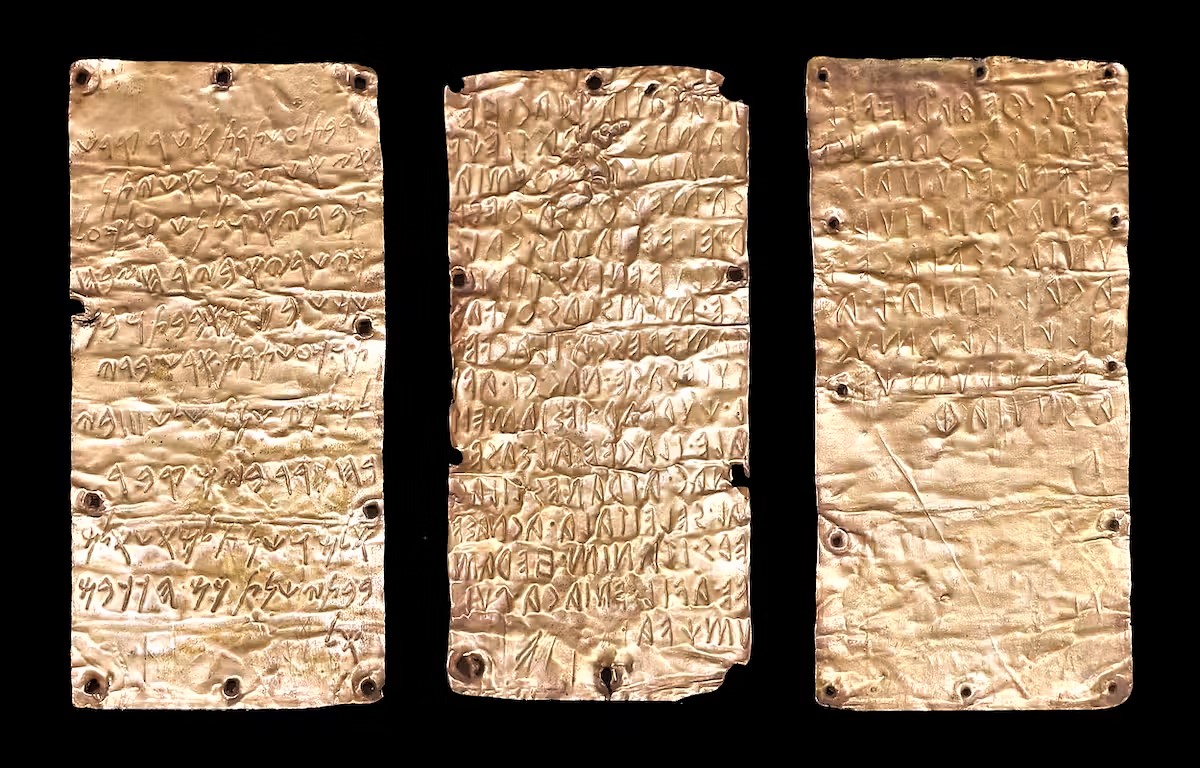
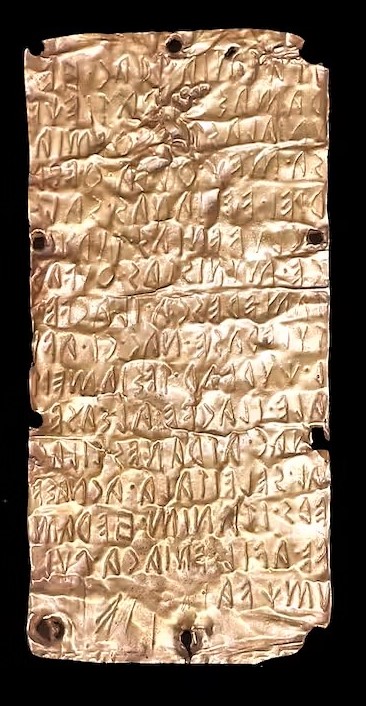
Pyrgi Gold Tablets – c.500 BCE
The Pyrgi Tablets (dated c. 500 BC) are three golden plates inscribed with a bilingual Phoenician–Etruscan dedicatory text. They are the oldest historical source documents from pre-Roman Pyrgi, Italy (modern-day Santa Severa) and are rare examples of texts in these languages. Two of the tablets are inscribed in the Etruscan language, the third in Phoenician.
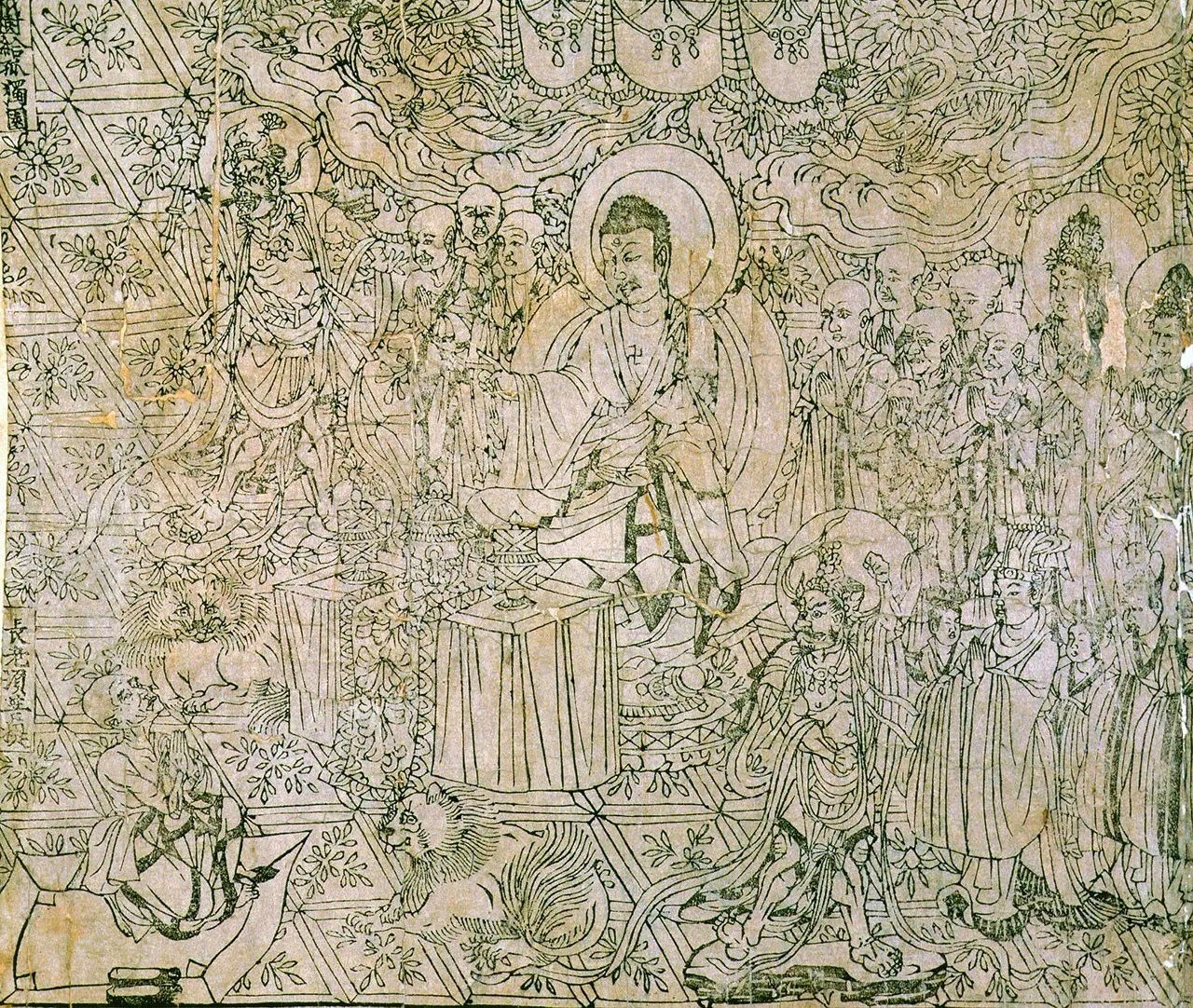
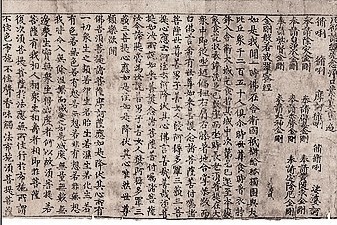
Dorjé Chöpa: The Diamond Sūtra – c 2nd -5th century AD
The Diamond Sutra (Sanskrit: Vajracchedikā Prajñāpāramitā Sūtra) is a Mahāyāna (Buddhist) sutra from the genre of Prajñāpāramitā (‘perfection of wisdom’) sutras. Translated into a variety of languages over a broad geographic range, the Diamond Sūtra is one of the most influential Mahayana sutras in East Asia. The text is relatively short, only 6,000 words, and is part of a larger canon of “sutras” or sacred texts in Mahayana Buddhism.
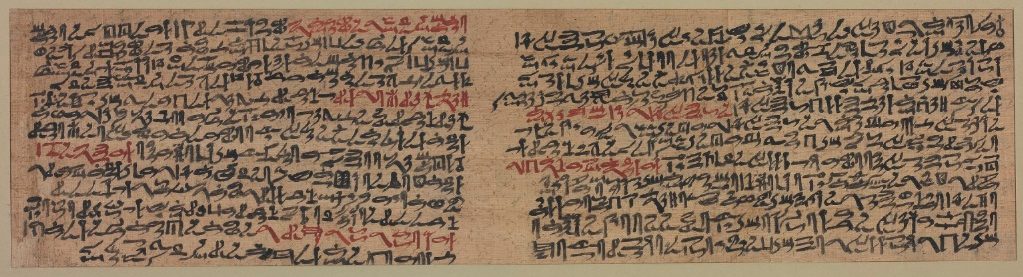
The Maxims of Ptahhotep or Instruction of Ptahhotep — Fifth Dynasty (2,500 B.C. – 2,350 B.C)
The Maxims of Ptahhotep or Instruction of Ptahhotep is an ancient Egyptian literary composition composed by the Vizier Ptahhotep during the rule of King Djedkare Isesi of the Fifth Dynasty. The Prisse Papyrus, a literary manuscript, is a compilation of moral maxims and admonitions on the practice of virtue. The conclusion of the Instruction addressed to Kagemni is followed by the only complete surviving copy of the Instruction of Ptahhotep.
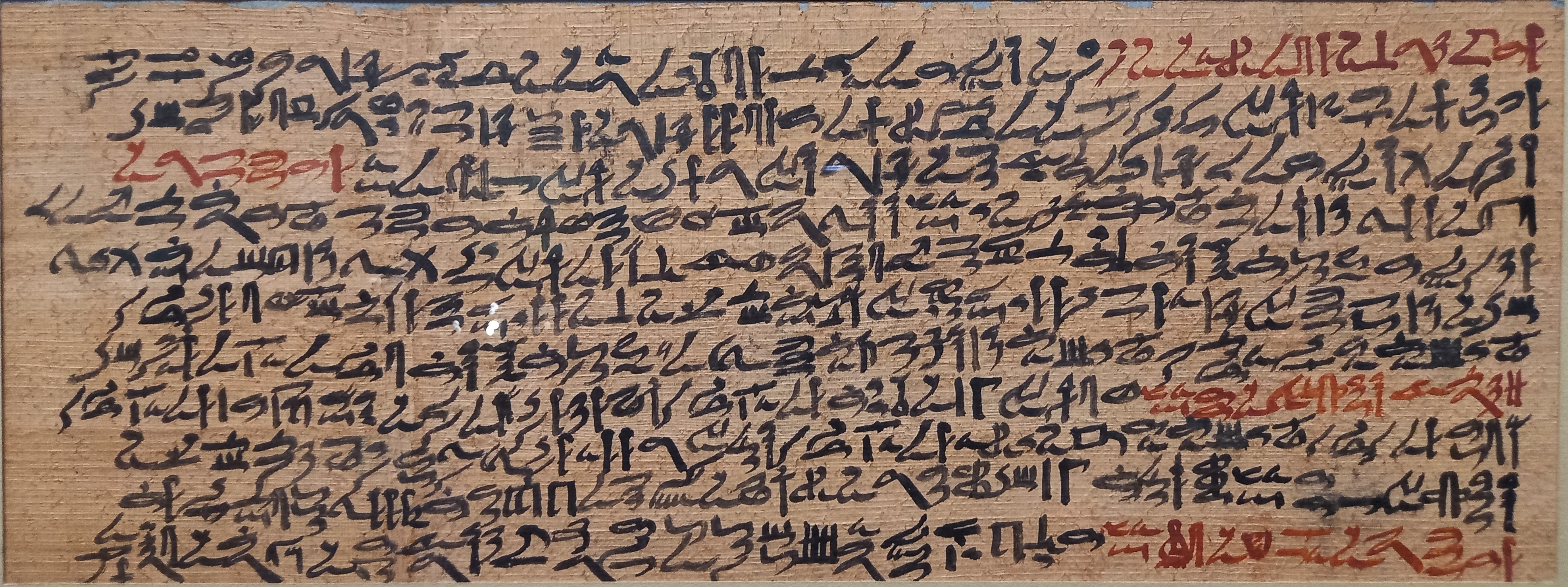

 Humoring the Goddess
Thank you very much for showing pages of one of the oldest books.
We love illuminated manuscripts. Even B42 had free spaces around the text for hand drawn illuminations. Every copy of the Guttenberg bible was unique.
We studied illuminated manuscripts in St. Gallen, Wolfenbüttel, Dublin and Uppsala and were enchanted by the art of illumination and the creativity of the illuminators.
All the best
The Fab Four of Cley
🙂 🙂 🙂 🙂
LikeLike
I can’t imagine what “studied” means in todays world. Just to see any of these in person would be breathtaking. I mean, seeing the actual lettering on a piece of paper/parchment, whether printed or hand written, would be such a treat. Thank you a hundred times for sharing your experience!!
LikeLiked by 1 person